var Ritualevents =
{
menusystembengali :
" "+
"এই পাতার জায়গাসমূহঃ-"+
"মেনু দেখতে ক্লিক করুন"+
" •বাঘনাপাড়ার-গাজন",
menusystemenglish :
" "+
"Places in This Page:-"+
"Click To See Menu"+
" Baghnapara-Gajan",
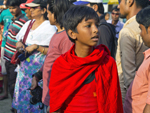
baghnaparabengali : "বাঘনাপাড়ার চড়ক-গাজনঃ-এপ্রিল মাসের মাঝামাঝি, বাংলা বছর শেষ হয় আর একটা নতুন বছর শুরু হয়। কথায় আছে, বাঙালির বার মাসে তের পার্বণ। অর্থাৎ মাসে একটার বেশি উৎসব বাঙালি পালন করে, তা ছোট বড় যাই হোক না কেন। আর এই শুরুটা হয় এক অসম্ভব রকমের বিচিত্র অনুষ্ঠান দিয়ে। একদম ঠিক করে বলতে গেলে এটা বাংলা নববর্ষের প্রাক অনুষ্ঠান বা বর্ষ-বরণ অনুষ্ঠান যা, হয় চৈত্র সংক্রান্তিতে আর তা শুরু হয় বাঙালির সবচেয়ে প্রিয় ভগবান বা আপনজন দেবাদিদেব মহাদেবকে দিয়ে। প্রলয়ের দেবতা মহাদেব। বহু পুরাণ, মঙ্গলকাব্য ও অন্যান্য ধর্মীয় গ্রন্থে, শিব অথবা মহাদেবের উল্লেখ পাওয়া যায়। তিনি দেবাদিদেব অর্থাৎ সকল দেবতার আরাধ্য তিনি। কৈলাস পর্বতে তার অধিষ্ঠান। তিনি ত্রিশূলধারী, ব্যাঘ্রচর্ম পরিহিত মহাযোগী। কিন্তু বাঙালি সমাজের কাছে তিনি যেন আপনজন। নানা রূপে এবং নানা ভাবে তিনি বাঙালি গৃহে বিরাজমান। ছোটো ছোটো মেয়েরা ভাবে শিবের মত বর চাই, বিবাহযোগ্যা কন্যার মায়েরা ভাবে জামাই যেন হয় শিবের মত হয়, আবার সদ্য যৌবনে পা দেওয়া ছেলেদের উৎসাহ শিবের বোহেমিয়ান চালচলন এবং বেশভূষাতে। সাধক কুলের কাছেও তিনি সমাদৃত কারণ তিনি নিজেই ত্যাগ এবং সাধনার প্রতিমূর্তি। অপর দিকে তিনি অল্পতেই সন্তুষ্ট, সামান্য জল বেলপাতা দিয়েই তার সাধনাতে সিদ্ধিলাভ করা যায়। তবে কৃচ্ছ সাধন মার্গও আছে, যেমন চড়ক কিংবা গাজন। চৈত্র মাসের সংক্রান্তির দিন চড়ক উৎসব হয়। যদিও এর প্রস্তুতি চলে প্রায় পুরো চৈত্র মাস ধরে। গ্রামের পুরুষরা দল গঠন করে এক মাস ধরে সন্ন্যাস ব্রত পালন করে। এই সময় তারা আমিষ বর্জন করে, শুধু মাত্র ভিক্ষালব্ধ চাল ও সবজি দিয়ে বানানো হবিষ্যি গ্রহণ করে। এই অনুষ্ঠান নিয়ে হাজারো লোককথা আছে যার একটা হচ্ছে শিব ঠাকুরের বিয়ে। একই মাসে রয়েছে নীল পুজো। আসলে চড়ক, গাজন, নীলপুজো মূলত: গ্রামবাংলায় অনুষ্ঠিত হয়, ও বাঙালি সংস্কৃতিতে এর একটা শক্তিশালী অস্তিত্ব রয়েছে। অনুষ্ঠানের মূল বিষয় চড়কের একটা ২৫-৩০ ফুট লম্বা খাড়া গাছ। এটা কদম গাছের মূল কাণ্ড ব্যবহার করে প্রস্তুত করা হয় ও সারা বছর জলে ডুবিয়ে রাখা হয়। চৈত্র মাসের শেষ দিনে এটাকে জল থেকে বের করা হয়। এই অনুষ্ঠানে প্রধানত হিন্দু লোকেরা অংশ নেয়। যদিও অন্য ধর্মের মানুষজনও এতে অংশগ্রহণ করেন কারণ, এটাকে বাঙালিরা ধর্মীয় গোঁড়ামির জাল থেকে মুক্ত করে সবার উৎসবে পরিণত করেছে। তবে তা হিন্দুদের দ্বারা পরিচালিত একটা অন্যতম গুরুত্বপূর্ণ লোকচর্চা। চরক ভগবানকে, শিবের প্রতিনিধি হিসাবে পুজো করা হয়। এটা বিশ্বাস করা হয় যে এই উপাসনা করার মাধ্যমে কেউ অসহনীয় রোগ থেকে মুক্তি পেতে পারে বা একটা সন্তানের জন্ম দিতে পারে বা যে কোনও ইচ্ছা পূরণ করতে পারে। পুজোটা একজন গুরু সন্ন্যাসী দ্বারা পরিচালিত হয়। কুমিরের উপাসনা, আগুনে চলা, ছুরিতে ঝাঁপ, শিবের বিবাহ ইত্যাদি গুরুত্বপূর্ণ অংশ হ'ল এই অনুষ্ঠানের মূল সূচি। ভক্তরা বিশ্বাস করেন যে কেউ যদি বিনা দ্বিধা ছাড়াই এই বিপদজনক কাজ সম্পন্ন করতে পারে তবে ভগবান শিব তাকে স্বর্গে বেঁচে থাকার আশ্বাস দেন। এটার নাম পাট নাচনী উৎসব, যেখানে তারা বিপজ্জনক এবং ঝুঁকিপূর্ণ কাজ সম্পাদন করে। ১৮৬৫ সালে ব্রিটিশ সরকার এই আচার নিষিদ্ধ করেছিল তবুও এটা এখনও গ্রামাঞ্চলে যথেষ্ট প্রচলিত রয়েছে। এই চড়ক উৎসব সূচনার সময়কাল সেভাবে জানা যায় না, কিন্তু এই উৎসব মোটেই হিন্দু ধর্মের নয়। এই উৎসব প্রকৃতপক্ষে বৌদ্ধ উৎসবের রূপান্তরিত রূপ। কেউ কেউ বিশ্বাস করেন যে এটা বৌদ্ধ রীতি অনুযায়ী ঈশ্বরের উপাসনা করার একটা বিকৃত রূপ, এবং বেশিরভাগ বিশেষজ্ঞ এই সিদ্ধান্তে উপনীত হয়েছেন যে এটা একটা তান্ত্রিক সাধনার উপর ভিত্তি করে ঈশ্বরের উপাসনা। বাংলায় যখন বৌদ্ধ ধর্মের প্রভাব ম্লান হয়ে আসছে তখন তাদের একটা অংশ হিন্দু ধর্মের সাথে মিশে যায়। এর ফলে বৌদ্ধদের বহু তন্ত্রমন্ত্র, আচার এবং দেব দেবী হিন্দু ধর্মে ঢুকে পরে। শিবের গাজন বা চড়ক আসলে বৌদ্ধ দেবতা ধর্ম ঠাকুরের পুজো, অনেক ক্ষেত্রে একে ধর্ম ঠাকুরের গাজনও বলা হয়। পরবর্তীকালে এই ধর্ম ঠাকুর এবং শিব মিলে মিশে এক হয়ে যায়। এই উৎসবের উদ্দেশ্য কৃষি দেবতারূপী শিবের আবাহন। কৃচ্ছ সাধনের মাধ্যমে ভগবান শিবকে সন্তুষ্ট করে কৃষির সমৃদ্ধি এই উৎসবের লক্ষ্য। ১৪৮৫ সালে, সুন্দরানন্দ ঠাকুর বাংলাদেশে এই পূজা শুরু করেছিলেন। তবে এটা ছিল সমাজের নিম্ন বর্ণের দ্বারা সম্পাদিত একটা পুজো এবং এটা হিন্দু ভক্তদের একটা স্থানীয় লোক সংস্কৃতি। সুতরাং আচার অনুষ্ঠানের জন্যে কোনও ব্রাহ্মণের দরকার নেই। প্রাচীন বাংলার ইতিহাসে এটাই একমাত্র পূজা যেখানে লোকেরা তাদের লিঙ্গ এবং ধর্ম নির্বিশেষে মিলিত হতো। এই পুজো থেকে বাংলার প্রাচীন লোককাহিনী আঁকা সম্ভব হবে বলে সুন্দরানন্দ ঠাকুর মনে করতেন, কারণ ভারতের বিভিন্ন অঞ্চল থেকে দেবদেবীরা যেভাবে বাংলার ঐতিহ্যকে ঘিরে ফেলছিল, তাতে বাঙালির সংস্কৃতি, দেবদেবী এবং নিজস্ব অস্তিত্ব হারিয়ে যাচ্ছিল। ছোটবেলায় স্কুলের পাঠ্যে, গল্পের বইয়ে এবং বড়দের মুখে বহুবার এই চড়কের কথা ঘুরে ফিরে এসেছে। চৈত্র মাসে বাড়িতে বাড়িতে ঢাক বাজিয়ে লাল কাপড় পরিহিত চড়ক সন্ন্যাসীদের ভিক্ষা করতেও দেখেছি। এই উৎসবের প্রকৃত রূপ কয়েক জায়গায় চাক্ষুষও করেছি, তবে বাঘনাপাড়ায় কখনও যাওয়া হয়ে ওঠেনি, যা চড়ক উৎসবের জন্য প্রসিদ্ধ। আমার মামার বাড়ি ও আত্মীয় স্বজন কাছাকাছিই থাকে, তবুও বাঘনাপাড়ার চড়ক-গাজন দেখা হয়ে ওঠেনি। আমাদের সবার প্রিয় বন্ধু সৌরভের প্রচেষ্টায় জনা দশেককে একত্রিত করে প্রোগ্রামটা করা গেল। আমাদের একটা হোয়াটস অ্যাপ গ্রুপ আছে WETAS নামে কিন্তু সেই গ্রুপের সদস্যরা শুধু সৌরভের কথাই শোনে বা সৌরভ প্রোগ্রাম করলে যায়, অন্য কেউ করলে যায় না। এতে গ্রুপের উদ্দেশ্য বিঘ্নিত হচ্ছে বলে আমার মনে হয়। এটা আমার ক্ষোভ নয় বাস্তব অনুভব। আমি নিজেও অনেক প্রোগ্রাম করেছি, কিন্তু তাতে সাড়া মেলেনি। যাই হোক, একটা গাড়ি করে চললাম বাঘনাপাড়ায়। রাস্তায় একটা হোটেলে লাঞ্চ করে প্রায় বেলা চারটে নাগাদ পৌঁছলাম বাঘনাপাড়ার কৃষ্ণদেবপুর হাই স্কুলের সামনে। মারাত্মক ভিড় আর পুলিস পাহারা রয়েছে। প্রথমেই চোখে পড়ল আড়াই প্যাচের বিখ্যাত জিলিপির দোকান। তারপর একই লাইনে অজস্র খাবারের ও বিভিন্ন সামগ্রীর দোকান। আমাদের উত্তরপাড়ার দোলের মেলার মতো। স্কুলের মাঠে পৌঁছে দেখলাম অজস্র দোকান। তালপাতার পাখা, বাঁশের ঝুড়ি, ঝাঁটা, কুলো, বিভিন্ন রকমের বাচ্চাদের খেলনা, আইসক্রিম, ঝালমুড়ি, চাউমিন, বাদাম-ভাজা, লুচি-তরকারি, মিষ্টি, দৈনন্দিন প্রয়োজনের সামগ্রী, সরবত ও বহু রকমের তেলেভাজার দোকান। গরম গরম তেলেভাজা ও মুড়ি সহযোগে বহু মানুষ তার স্বাদ আস্বাদনও করছে। গ্রামের লোকজন ছাড়া কলকাতা থেকেও কিছু মানুষ এই উৎসব দেখতে এসেছেন। লাল পোশাক পরিহিত একদল ছেলে মহাদেবের জয়গান করতে করতে মাঠে প্রবেশ করলো। বোঝা গেল যে এরাই চড়ক সন্ন্যাসী। এদের প্রত্যেকের হাতেই কয়েকটা করে লোহার সুতীক্ষ্ণ শিক রয়েছে। বহু মানুষ চড়ক গাছটাকে প্রণাম করছে আর প্রণামী দিচ্ছে। একটা সময় গাছটাকে পুজো করে দাঁড় করানো হলো আর শুরু হয়ে গেল অনুষ্ঠানের মূল পর্ব। সৌরভ একজন গাজনের সঙের ছবি তুললো। আরও কিছুক্ষণ পরে শুরু হলো চড়কের আসল রীতি নীতি। একজন তান্ত্রিক গোছের লোক ও কয়েকজন জোয়ান মধ্য বয়স্ক লোক মিলে শুরু করলো পুজো ও উপাচার। পুজোর শেষে অপেক্ষাকৃত অল্প বয়স্ক সন্ন্যাসীদের জিভ ও ঠোঁট লোহার শিক দিয়ে বিদ্ধ করা হলো, কারো কারো গায়ে লোহার বড় হুক ফুটিয়ে দড়ি দিয়ে অ্যাংকর করা হলো। এরপর উলুধ্বনি ও শঙ্খধ্বনি সহযোগে মূল সন্ন্যাসীদের চড়ক গাছে ঝুলিয়ে ঘোরানো শুরু হলো। ছোট ছোট বাচ্চারা এই বীভৎসতা দেখে কেঁদে ফেলল। তবুও তাদেরকে ঐ সন্ন্যাসীদের হাতেই তুলে দেওয়া হলো আশীর্বাদ নেবার জন্যে। লোকগীতি, নাটক, গান ও বহু রকমের গ্রামীণ সাংস্কৃতিক অনুষ্ঠান তখনও বাকি ও তা চলবে মাঝরাত অব্দি। তখন প্রায় সন্ধ্যা হয় হয়, আমরা ধীরে ধীরে কোলকাতার উদ্দেশ্যে রওনা দিলাম। নাগরিক জীবনের ছোঁয়ায় এই উৎসবের জৌলুস এখন অনেকটাই ম্লান, তবু এই উৎসবে রয়েছে আন্তরিকতা এবং গ্রামীণ সংস্কৃতির প্রতি এক অদ্ভুত টান। সুন্দরানন্দ ঠাকুরের মতো আমরাও চাই এই সংস্কৃতি যেন অটুট থাকে ও আমরা যেন ভিনদেশীয় হিন্দি সংস্কৃতির করাল গ্রাসে তলিয়ে না যাই। "+
"Read More..."+
"
"+
"শব্দঃ প্রতিবেদনঃ "+
""+
"ভিডিও"+
"স্লাইডশোর জন্যে নীচের ছবিতে ক্লিক করুন "+
"
"+
"পেজ মেনুতে যান",
baghnaparaenglish : "Charak, Gajan of Baghnapara:-In the middle of April, the Bengali year ends and a new year begin. As the saying goes, Bengali has thirteen festivals in twelve months. In other words, Bengalis celebrate more than one festival a month, no matter how big or small. And it starts with an impossibly diverse event. To be precise, it is a pre-Bengali New Year or New Year's celebration, which is related to Chaitra Sankranti and it starts with the most beloved deity or relative of Bengali, Lord Shiva or Mahadev. Mahadev, is the god of cataclysm. Many Puranas, Mangalkavas and other religious texts mention Shiva or Mahadev. He is Devadidev, that is, he is the worshipped by all gods. His abode on Mount Kailash. He is a trident wielding, tiger-skin clad great ascetic. But he seems to be a relative of the Bengali society. In many ways and in many form he exists in Bengali homes. Little girls want a groom like Shiva, mothers of married girls want a son-in-law like Shiva, and boys who have just entered youth are encouraged by Shiva's bohemian demeanor and costumes. He is also revered by the worshipper clan because he himself is the epitome of renunciation and persuit. On the other hand, he is satisfied with minuscule; his pursuit can be achieved with a little water and a few wood apple leaves. However, there are also austerity methods, such as Charak or Gajan. Charak festival is celebrated on the last day of Bengali month Chaitra. But its preparation lasts for almost the entire month of Chaitra. The men of the village formed a group and observed the vows of asceticism for a month. During this time they abstain from meat, taking only rice and vegetables which they get by begging. There are thousands of folk tales about this event, one of which is the marriage of Shiva. There is Nil Puja in the same month. In fact, Charak, Gajan, Nilpuja are mainly held in rural Bengal, and have a strong presence in Bengali culture. The main theme of the program is a 25-30 feet tall steep tree called Charak. It is prepared using the stems of the Kadam tree and is submerged in water all year round. It is taken out of the water on the last day of the month of Chaitra. The event is mainly attended by Hindus. Although people of other religions also participate in it, because the Bengalis have freed it from the trap of religious orthodoxy and turned it into a festival for all. However, it is one of the most important folk practices conducted by Hindus. Charak God is worshiped as a representative of Shiva. It is believed that by doing this worship one can get rid of the unbearable disease or give birth to a child or fulfill any desire. The Puja is conducted by a sage monk. Crocodile worship, walking on fire, jumping on knives, Shiva's wedding, etc. are the important parts of the main schedule of this ceremony. Devotees believe that if one can accomplish this dangerous task without hesitation, Lord Shiva assures him of survival in heaven. It is called the Pat Nachuni Festival, where they perform dangerous and risky work. The practice was banned by the British government in 1865, but it is still widely practiced in rural areas. The date of the beginning of this Charak festival is not known in that way, but this festival is not Hindu at all. This festival is actually a modified form of a Buddhist festival. Some believe that it is a distorted form of worship according to Buddhist rites, and most experts have concluded that it is a form of worship based on Tantric practices. When the influence of Buddhism in Bengal was fading, a part of them merged with Hinduism. As a result, many Buddhist pishogue, rituals and deities were converted to Hinduism. Shiva's Gajan or Charak is actually a worship of the Buddhist deity Dharma Thakur, in many cases it is also called Gajan of Dharma Thakur. Later, this religion was merged with Dharma Thakur and Shiva. The purpose of this festival is to invoke the agricultural deity Shiva. The goal of this festival is the prosperity of agriculture by satisfying Lord Shiva through austerities. In 1485, Sundarananda Thakur started this Puja in Bangladesh. But it was a Puja, performed by the lower castes of the society and it was a local folk culture of Hindu devotees. So there is no need for a Brahmin to perform rituals. This is the only Puja in the history of ancient Bengal where people met regardless of their gender and religion. Sundarananda Thakur thought that it would be possible to draw the ancient folklore of Bengal from this Puja, because the way the gods and goddesses from different parts of India surrounded the Bengali tradition, the Bengali culture, gods and goddesses were losing their existence. In my childhood, I have witnessed many times in school textbooks, story books and in the fabula of adults, the word has come back repeatedly to haunt me. In the month of Chaitra, I also saw Charak monks wearing red clothes playing drums at home and begging. I have seen the real form of this festival in a few places, but I have never been to Baghnapara, which is famous for the Charak festival. My uncle's house and relatives live nearby, but I haven't seen Charak-Gajan of Baghnapara. Thanks to the efforts of our dear friend Sourav; the program was made possible by bringing ten people together. We have a WhatsApp group called WETAS but the members of that group can only listen to Saurabh or participate programs organized by Saurabh, all else are outcast. The way the participants are thinking, the very purpose of the group is being disrupted. It is not my anger but the genuine feeling. I have done many programs myself, but the respond if poor. Anyway, we drove to Baghnapara. After lunch at a hotel on the road, we reached in front of Krishnadevpur High School in Baghnapara around 4 pm. There are deadly crowds and police guards. At first I saw the famous Jilipi shop of two and a turns. Then saw shops of lot of food and different items on the same line. Like our Uttarpara Dol Mela. When I reached the school grounds, I saw many shops. Palm leaf hand fan, bamboo basket, broom, Kulo, various kinds of children's toys, ice cream, Jhalmuri, Chowmin, fried nuts, Luchi and curry, sweets, daily necessities, syrup and many kinds of fry shops. Many people are also eating hot fries and Muri. Apart from the villagers, some people from Kolkata have also come to witness the festival. A group of boys dressed in red entered the field with chanting of Mahadev. It was understood that these were the Charak monks. Each of them has a few sharp iron rods in their hands. Many people are bowing to the Charak tree and paying reverential offer. At one time the tree was worshiped and made to stand and the main episode of the ceremony began. Sourav took a picture with a joker. After a while, the real ritual policy of Charak started. A Tantric man and a few young middle-aged men started worshiping and customs. At the end of the Puja, the tongues and lips of the relatively young monks were pierced with iron rods, and some were anchored with large iron hooks. Then, with the sound from the lips women and conch, the main monks started rotating around the Charak tied with the ropes hanging from the Charak. The little children cried when they saw this horror. Yet they were handed over to those monks for blessings. Folk songs, dramas, songs and many kinds of rural cultural programs are still left and it will continue till midnight. It was almost evening when we slowly set off for Kolkata. The splendor of the festival is now faded in the touch of civic life, yet the festival has a strange attraction of warmth and rural culture. Like Sundarananda Thakur, we also want this culture to remain intact and we should not be immersed in the rodent bites of foreign Hindi culture. "+
"Read More..."+
"
"+
"Sound Stream: "+
""+
"Video"+
"Click any Picture for Slide Show "+
"
 "+
"
"+
"  "+
"
"+
"  "+
"
"+
"  "+
"
"+
"  "+
"
"+
"  "+
"
"+
"  "+
"
"+
"  "+
"
"+
"