var Puruliaplaces =
{
menusystembengali :
" "+
"এই পাতার জায়গাসমূহঃ-"+
"মেনু দেখতে ক্লিক করুন"+
" •পুরুলিয়ার-প্রত্নতাত্ত্বিক-সম্পদ-১"+
" •পুরুলিয়ার-প্রত্নতাত্ত্বিক-সম্পদ-২ "+
" •পুরুলিয়ার-প্রত্নতাত্ত্বিক-সম্পদ-৩"+
" •তুলিন"+
" •জয়চণ্ডী-পাহাড় "+
" •তেলকুপি"+
" •বান্দা"+
" •সাহেব-বাঁধ "+
" •পাঞ্চেত"+
" •গড়পঞ্চকোট"+
" •বড়ন্তি "+
" •বেরো-পাহাড়"+
" •রঞ্জনডিহি"+
" •কেশরগড়"+
" •দোলডাঙ্গা",
menusystemenglish :
" "+
"Places in This Page:-"+
"Click To See Menu"+
" •Archaeological-Purulia-1"+
" •Archaeological-Purulia-2 "+
" •Archaeological-Purulia-3"+
" •Tulin"+
" •Jaychandi-Pahar "+
" •Telkupi"+
" •Banda"+
" •Saheb-Bandh "+
" •Panchet"+
" •Garhpanchakot"+
" •Baranti "+
" •Bero-Pahar"+
" •Ranjandihi"+
" •Keshargarh"+
" •Doldanga",
puruliaarchaeologicaltour1bengali : "পুরুলিয়ার প্রত্নতাত্ত্বিক সম্পদ পর্ব-১১৭-১৮ মার্চ ২০২০-১৭ মার্চ সাঁতরাগাছি থেকে সকাল আটটার আরণ্যক এক্সপ্রেসে করে আদ্রা। বেলা সাড়ে বারোটা নাগাদ আদ্রায় পৌঁছে একটা টোটো নিয়ে চললাম হোটেল অম্বিকা লজে। পাশের একটা হোটেলে লাঞ্চ করে বেরুলাম জয়চণ্ডী পাহাড়ে। জয়চণ্ডী পাহাড়ে আগেও কয়েকবার গেছি। তবে এবারের মূল আকর্ষণ পুরুলিয়ার আনাচে কানাচে ছড়িয়ে ছিটিয়ে থাকা পুরুলিয়ার প্রত্নতাত্ত্বিক সম্পদের স্বাদ নেওয়া। তিন দশকেরও বেশি সময় ধরে পুরুলিয়া যাবার বেশিরভাগটাই পুরুলিয়ার পাহাড়, জঙ্গল, জলাধার, নদী, বাঁধ, ট্রেকিং আর প্রাকৃতিক সৌন্দর্য দেখার জন্যে। খানিকটা যাওয়া ব্যক্তিগত কারণে আর খুব অল্প পরিমাণে ওখানকার মানুষজনের জন্যে। কিন্তু অনেক কিছু দেখার সুযোগ হলেও কম জনপ্রিয় এই রত্নগুলি দেখার সময় হয়ে ওঠেনি। তাই এবার কঠোরভাবে এটাই প্রোগ্রাম। কিছু ছবি তুলে আর পুরানো জয়চণ্ডীর মানসিক স্বাদ নিয়ে (বর্তমানে ব্যাপক পরিবর্তন হয়ে গেছে) ফিরে এলাম হোটেলে। একটা অটো ঠিক করলাম পরের দিনের ঘোরার জন্যে। অটোওয়ালা বাবু খানের ব্যবহার বেশ ভালো আর আমাদের কাকু কাকিমা করে বলল সব ঘুরিয়ে দেব সময় যাই লাগুক না কেন। আমাদের কালকের প্রোগ্রাম তেলকুপি, তেলিয়ামা, বান্দ্রা, পাড়া। পরের দিন সকাল আটটায় বাবু এলো আর আমরাও রেডি হয়ে বেরিয়ে পড়লাম। খানিকটা যাবার পর গোবরান্দা বলে একটা জায়গায় আমরা সবাই গরম গরম লুচি-তরকারি-জিলিপি দিয়ে ব্রেকফাস্ট করে নিলাম। কারণ এরপর বিস্তীর্ণ এলাকায় কোন খাবার জায়গা নেই। খাবার দোকানের মালিক অত্যন্ত সজ্জন ব্যক্তি। পরিবারের আর্থিক সমস্যার কারণে, কর্মচারী না রেখে পরিবারের সবাই মিলে কাজ করেন। কষ্ট লাগল ক্লাস ফোরে পড়া ছেলেটার দিকে তাকিয়ে। সরকারি স্কুলে করেনার জন্যে ছুটি দিয়ে দেওয়ার কারণে সেও হাত লাগিয়েছে বাবা-মা কে কিছুটা অব্যাহতি দিতে। সবাইকে টা-টা করে আস্তে আস্তে বারাগরিয়া, জয়পুর, বলবানা গ্রাম পেরিয়ে এবড়ো খেবড়ো রাস্তায় চলতে চলতে পৌঁছে গেলাম তেলকুপি। ১৮৭২ সালে দশম শতাব্দীর মন্দিরগ্রাম তেলকুপির প্রথম সন্ধান পান ব্রিটিশ প্রত্নতাত্ত্বিক জে ডি বেগলার। তৎকালীন বাংলার অন্তর্ভুক্ত ছোটনাগপুরের মালভূমির এই জায়গায় কুড়িটা মন্দিরের একটা ক্লাসটার ছিল। পরবর্তীকালে দামোদরের ওপর পাঞ্চেত বাঁধের জলে মন্দিরগুলো ডুবে যায়। বর্তমানে দুটো মন্দির বেঁচে আছে তাও দামোদরের জলে খানিকটা নিমজ্জিত। তার মধ্যে একটা মন্দিরে হিন্দু দেবতা, শিবলিঙ্গের মূর্তি আছে ও অন্যটা বৈষ্ণবদের বলে জানা যায়। এই মন্দির দুটো পরিদর্শন করাও বেশ সমস্যা কারণ মন্দির দুটোই খানিকটা জলে ডুবে আছে। একটা মন্দিরে যাওয়ার ভাঙাচোরা রাস্তা থাকলেও দ্বিতীয়টাতে যাবার কোন রাস্তা নেই। আমরা যখন গেছিলাম তখন দামোদরের জল অনেক বেশি ছিল ও বাকি জায়গাটা বিষধর সাপ ভর্তি জঙ্গলময় এলাকা। ফলে খানিকটা দূর থেকেই দেখতে হয়। সঙ্গে যদি একটা গ্রুপ থাকে বা খুব নির্ভরযোগ্য স্থানীয় মানুষ থাকে তবে নৌকা করে পরিদর্শন করলে ভালো লাগবে। আমরা মাত্র দুজন তাই জেলেদের নৌকায় উঠিনি। এখান থেকে আমাদের অটো চললো চেলিয়ামায়। রাস্তার সৌন্দর্য অসাধারণ। তার ওপর ফুলের সমারোহ ও সুন্দর আবহাওয়া তৈরি করেছে এক রোমান্টিক পরিবেশ। চেলিয়ামা, রঘুনাথপুর-২ ব্লকের অহল্যাবাই রোডের ওপর অবস্থিত একটা বড় গ্রাম এবং ওই ব্লকেরই প্রধান কার্যালয়। এখানে রয়েছে টেরাকোটার কাজে অলঙ্কৃত সপ্তদশ শতাব্দীর একটা রাধাবিনোদ মন্দির। টেরাকোটার সুন্দর সুন্দর ফলক রয়েছে প্রায় গোটা মন্দিরেই। সবথেকে আকর্ষণীয় হচ্ছে কৃষ্ণলীলার একটা ফলক। রাম ও রাবণের যুদ্ধরথের সাথে বানর ও রাক্ষসের লড়াইয়ের একটা প্যানেল ও বিষ্ণু ও অন্যান্য দেবতাদের সঙ্গে ভক্তদের একটা ফলকও রয়েছে। এ ছাড়াও আরও অনেক চিত্তাকর্ষক প্যানেল আছে। তবে গোটা মন্দিরটা রং করে দেওয়ার ফলে মাধুর্য কিছুটা হলেও কমেছে। এখান থেকে আমরা চললাম বান্দার দিকে। গোটা রাস্তা পলাশের রঙে রাঙিয়ে দিয়েছে। বড় সুন্দর লাগছে পুরো রাস্তার সৌন্দর্য। খানিকটা পিচের খানিকটা মেঠো রাস্তা পেরিয়ে পৌঁছলাম বান্দা। প্রথম দর্শনেই প্রেম।পুরুলিয়ার বান্দা, রঘুনাথপুর ব্লকের দেউলঘেরা গ্রামের কাছে অবস্থিত। এখানকার মন্দির রেখ দেউল স্থাপত্যরীতিতে তৈরি। ১৮৭২ সালে প্রত্নতাত্ত্বিক জে ডি বেগলার ঘন জঙ্গলের মধ্যে এই মন্দিরটাকে খুঁজে পান। মন্দিরটা হিন্দু না জৈন তা স্পষ্ট নয়। মন্দিরে বিভিন্ন লতাপাতা, ফুল, পাখি, স্ক্রোলের কাজ, মাথার চক্র ও জল নির্গমনের জন্যে একটা মকরের মুখ দেখা যায়। কাছেই ভেঙে যাওয়া একটা মণ্ডপও আছে। বলতে গেলে উড়িষ্যার ত্রিস্তর ধাঁচের মন্দিরের মাঝের স্তর। মন্দিরের কাজের অসম্পূর্ণতা ও বিগ্রহের অনুপস্থিতির কারণে এর ইতিহাস কিছুটা রহস্যেই রয়ে গেছে। তবে মানভূমের অন্যান্য মন্দিরের সাথে তুলনা করলে এটা মনে হতে পারে যে, মন্দিরটা পাল রাজাদের সময় তৈরি। দেউল দেখার সাথে সাথে যদি পলাশের লাল রঙের মেলা দেখতে হয় তবে সেখানে যেতে হবে মার্চ মাসের মাঝামাঝি, দোলের পরে। বান্দা থেকে আমাদের অটো চলল পাড়ার দিকে।অনেকটা পথ অটোয় চলার পরে বেশ খিদে পেয়ে গেল। পাড়ার কাছে একটা ছোট্ট হোটেলে বেশ মজা করে আমরা তিনজন লাঞ্চ করে নিলাম। দোকানের মালিক কাম কর্মচারীর সাথে বেশ গল্প করলাম বিভিন্ন ব্যাপারে বিশেষত করোনার ব্যাপারে। উনি শঙ্কিত যদি হোটেল বন্ধ হয়ে যায় তবে সমস্যায় পড়ে যাবেন। পুলিস থেকে হালকা করে সেরকম ইঙ্গিতও দিয়ে গেছে। পরে আবার আসব বলে এবার চললাম পাড়ার মন্দিরের দিকে। এখানে ইন্টারনেটের শক্তি কম বা নেই তাই জিপিএস-এ সমস্যা হচ্ছিল। কিছু স্থানীয় মানুষকে জিজ্ঞাসা করে পৌঁছে গেলাম পাড়ার মন্দির কমপ্লেক্সে। বড্ড গরীব জায়গা। কতকগুলো বাচ্চা আমাদের কাছ থেকে টাকা চাইল কিছু খাবার জন্যে। আমি খাবার কিনে দেওয়ার পক্ষে হলেও সব দোকান বন্ধ থাকার কারণে টাকাই দিতে হলো। পাড়ার মন্দিরের কাঠামো ছাড়া প্রায় সবই পরিবর্তন হয়ে গেছে। বর্তমানে এখানে একাদশ শতাব্দীর দুটো মন্দির আছে একটা দুর্গা মন্দির ও অন্যটা লক্ষ্মী মন্দির (একটা ধ্বংস হয়ে গেছে)। দুর্গা মন্দিরটা উড়িষ্যার রেখ দেউল স্থাপত্য রীতিতে তৈরি। লক্ষ্মী মন্দিরে অনেক স্টাকৌ কাজ রয়েছে যার মধ্যে যক্ষ, নৃত্যরত মহিলা ইত্যাদি উল্লেখযোগ্য। তবে এর বেশিরভাগটাই সংস্কার করা হয়েছে ও অনেক কিছুই পরিবর্তিত হয়ে গেছে। এখনও এখানে সংস্কার কাজ চলছে। পাড়া থেকে আমরা ফিরে এলাম রঘুনাথপুরে আমাদের হোটেলে। পরের দিনের জন্যে একটা ট্যাক্সি বুকও করে নিলাম। "+
"Read More..."+
"
"+
"শব্দঃ প্রতিবেদনঃ "+
""+
"ভিডিও "+
"স্লাইডশোর জন্যে নীচের ছবিতে ক্লিক করুন "+
"
"+
"পেজ মেনুতে যান",
puruliaarchaeologicaltour1english : "Archaeological assets of Purulia-1:-On March 17, we took Aranyak Express from Santragachi to Adra at 8 am. We arrived at Adra around 12:30 pm and took a Toto to Hotel Ambika Lodge. We had lunch at a nearby hotel and went to Joychandi hill. I have visited Joychandi hill a few times before. However, the main attraction this time is to taste the archeological resources scattered all over Purulia. I have been visiting Purulia for more than three decades and most of the time I have visited for its mountains, forests, reservoirs, rivers, dams, trekking and its natural beauty. A little bit of going for personal reasons and very little for the people there. I have the opportunity to see many but could not manage time to look over these gems, which are less popular amongst tourists. So now strictly this is the program. I took some pictures of Joychandi and came back to the hotel with old Joychandi's nostalgic taste. Now it has changed a lot. I fixed an auto for the next day's drive. Auto driver Babu Khan's behavior is very good and call us as uncle-aunt said that he will took us everywhere around, no matter what time it takes. Our tomorrow's program is Telkupi, Teliama, Bandra and Para. The next day at eight o'clock Babu came and we also got ready and left. After a while we all had breakfast at a place called Gobaranda with hot luchi-sabjii-jillipi. Because after this place, there is no place to eat in the vast area. The owner of the food shop is a very gentle person. Due to the financial problems of the family, all the members of the family work together without any employees. It was hard to look at the boy in class four. He has also put hand to give some relief to his parents as his Govt school is closed on account of Corona. After passing the villages of Baragaria, Jaipur and Balbana, we reached Telkupi on a rough road. British archaeologist J. D. Begler first discovered the tenth-century temple village Telkupi in 1872. There was a cluster of twenty temples at this place on the plateau of Chhotanagpur which was then part of Bengal. Later, the temples were submerged in the waters of Panchet Dam of Damodar. At present two surviving temples are also slightly submerged in the waters of Damodar. One of the temples has idols of Hindu deity, Shivalinga and the other is known as Vaishnavism. Visiting these two temples is also quite a problem as both the temples are slightly submerged in water. There is a broken road to one temple but no road to the other. When we went there was a lot of water in Damodar and the rest of the place was a forest area full of poisonous snakes. As a result, we have to look from a distance. If there is a group or very reliable local people, it would be nice to visit by boat. As we are only two, we just didn't get on the fishermen's boat. From here our auto drove to Cheliyama. The beauty of the street is extraordinary. Flowers on the two sides of the road and beautiful weather has created a romantic atmosphere. Cheliyama is a large village located on Ahlyabai Road in Raghunathpur-2 block and its head office is in that block. There is a seventeenth century Radhabinod temple decorated with terracotta work. There are beautiful terracotta plaques all over the temple. The most interesting is a Krishnalila plaque. The war chariots of Rama and Ravana have a panel of monkey and demon battles and a plaque of devotees with Vishnu and other deities. There are also many more impressive panels. However, as a result of painting the whole temple, the beauty has diminished a little. From here we moved towards Banda. The whole road is painted in the color of Palash and the street looks beautiful. We reached Banda after crossing a slightly muddy road. Love at first sight. Banda of Purulia is located near Deulghera village in Raghunathpur block. The temple here is built in the style of Rekh Deul architecture. In 1872, archaeologist J. D. Beglar discovered the temple in a dense jungle. It is not clear whether the temple is of Hindus or Jains. The temple is decorated with different crafts of various herbs, flowers, birds, scroll work head wheel and a goat mouth for water discharge. There is also a broken mandapa nearby. In fact, this temple is the middle level of the three-tiered style temple in Orissa. Due to the incompleteness of the work of the temple and the absence of idols, its history has remained somewhat mysterious. However, compared to other temples in Manbhum, it may be apprehended that the temple was built during the time of the Pala kings. If you want to see Deul alongwith the colour of Palash, you have to go there in the middle of March, after the Dol festival. From Banda our auto drove towards Para. After a long way in Auto, we got very hungry. The three of us had a good lunch at a small hotel near Para. I talked a lot with the shop owner and cum employee about different things especially Corona. He fears that if the hotel closes, he will be in trouble. He also got a light indication from the police. We went to the temple of Para after promising to come to the hotel again later. There is less or no internet power so there was a problem with GPS. After asking some local people, we reached the temple complex in Para. Very poor place. Some kids asked us for money to buy some food. Although I was in favor of buying food, but I had to pay because all the shops were closed. Almost everything has changed except the structure of the temple in Para. At present there are two temples of the eleventh century here. One is Durga temple and the other is Lakshmi temple (one has been destroyed). The Durga temple is built in the Rekh Deul architectural style of Orissa. There are many stucco works in Lakshmi temple, among which Yaksha, dancing women etc. are notable. But most of it has been reformed and a lot has changed. Renovation work is still going on here. From Para we came back to our hotel at Raghunathpur. I also booked a taxi for the next day. "+
"Read More"+
"
"+
"Sound Stream: "+
""+
"Click any Picture for Slide Show "+
"
"+
"Video"+
"Go To Page Menu",
photopuruliaarchaeologicaltour1 :
""+
" "+
" "+
" "+
" "+
" "+
" "+
" "+
" "+
"",
puruliaarchaeologicaltour2bengali : "পুরুলিয়ার প্রত্নতাত্ত্বিক সম্পদ পর্ব-২১৯ মার্চ ২০২০-তরুণ ট্যাক্সি ড্রাইভার তরুণ চৌধুরী সকাল সাতটাতেই হাজির। আমরা সকাল আটটায় রওনা হলাম। হোটেলের মালিককে ধন্যবাদ জানিয়ে আর পরের বার এলে যেন একতলার ঘর পাই (এখন দোতলার ঘরে ছিলাম) এই দাবী রেখে গাড়িতে চড়লাম। আজ আমাদের প্রোগ্রাম কাশীপুর, পাকবিড়া, বুধপুর, তুশ্যামা, ছড়রা হয়ে পুরুলিয়া। বেশ লম্বা রাস্তা তাই তাড়াতাড়ি বেরুনো। কম সময়েই পৌঁছে গেলাম আদ্রা। কিছু ফল কিনে আবার চলা। প্রথমেই কাশীপুরের রাজাদের তৈরি ব্রিজ দেখলাম। অনেক আগে দ্বারকেশ্বরের এই উপনদীর জল রঘুনাথপুর আর কাশীপুরকে বিচ্ছিন্ন করে রাখতো, কিন্তু ব্রিজ হওয়ার পরে কাশীপুরের সঙ্গে রঘুনাথপুরের যোগাযোগ ব্যবস্থা সহজ হয়। আধঘণ্টা চলার পর কাশীপুরে একটা খাবারের হোটেলে ঢুকে ব্রেকফাস্ট করে নিলাম। তারপর চললাম কাশীপুর রাজবাড়ি দেখতে। কিন্তু গেট থেকেই বিদায়। বলল একমাত্র দুর্গাপুজোর অষ্টমী ও নবমীতে সবাইকে ঢুকতে দেয়। তবে অন্যসময় দেখতে হলে, হয় রাজবংশের কারুর লিখিত অনুমতি নিতে হবে আর নইলে স্থানীয় তৃণমূল নেতার শরণাপন্ন হতে হবে। আমরা কোনটাই করিনি তাই আমাদের জন্যে গেট বন্ধই থাকলো। শুধু বাইরে থেকে কিছু ছবি নিয়ে নিলাম। হাল্কা করে কাশীপুরের ইতিহাস বলে চলে যাব পাকবিড়াতে।গড়পঞ্চকোটকে রাজধানী করে পঞ্চকোট রাজাদের রাজত্ব দশম শতাব্দী থেকে অষ্টাদশ শতাব্দী অব্দি বিদ্যমান ছিল। কিন্তু ১৬০০ সাল থেকে সেই এলাকা বিষ্ণুপুরের মাল্লা রাজাদের দখলে চলে আসে। মাল্লা রাজাদের রাজত্বের সম্বন্ধে বেশি কিছু জানা না গেলেও পঞ্চকোট রাজাদের সঙ্গে সে রকম কিছু সমস্যার কথা জানা যায় না। ফলে পঞ্চকোট রাজত্ব মোটামুটি শান্তিপূর্ণ ভাবেই চলছিল। পরবর্তীকালে বর্গী বা মারাঠি রাজা শিবাজীর আক্রমণে জায়গাটা প্রায় ধ্বংস হয়ে যায়। তখন পঞ্চকোটের রাজ পরিবার, তাঁদের বাসস্থান কাশীপুরে স্থানান্তরিত করেন ও সেই সময় থেকেই ওনারা এখানেই রয়েছেন।কাশীপুরে পরাজিত হয়ে ভারাক্রান্ত হৃদয়ে রওনা দিলাম পাকবিড়ার দিকে। রাস্তার অসাধারণ সৌন্দর্য মুগ্ধ করে দিচ্ছে। জঙ্গল, ছোট ছোট গ্রাম, চাষের ক্ষেত, ধানের গোলা, খড়ের চালের বাড়ির মনোরম দৃশ্যকে, আরও মোহময়ী করে দিচ্ছে পলাশ ফুলের লাল শাড়ি পরা প্রকৃতি। আস্তে আস্তে ছবির মতো গ্রাম হুড়া, মানগুড়িয়া, নাপাড়া, বাগদা হয়ে মানবাজারের দিকে গাড়ি চলেছে। এক সময় গাড়ি বাঁক নিয়ে পাকা রাস্তা ছেড়ে এক গ্রাম্য রাস্তা ধরল। এ আর এক অসাধারণ দৃশ্য। অবশেষে ইন্টারনেটের ভরসা ছেড়ে স্থানীয় মানুষজনকে জিজ্ঞাসা করতে করতে পৌঁছে গেলাম পাকবিড়ার মন্দির কমপ্লেক্সে। সেখানকার গাইড কাম কেয়ার টেকার নিমাই চন্দ্র মাহাতো আমাদের স্বাগত জানালেন। পুরুলিয়ার পুঞ্চা ব্লকের অন্তর্গত এই পাকবিড়া গ্রাম অষ্টম শতাব্দীর জৈন মন্দিরের জন্য বিখ্যাত। ১৮৭২ সালে জে ডি বেগলার এখানে জঙ্গলের মধ্যে একুশটা মন্দিরের সন্ধান পেয়েছিলেন, যার মধ্যে পাঁচটা তখনও অক্ষত ছিল। মন্দিরগুলো উড়িষ্যার রেখ দেউল স্থাপত্যরীতি অনুযায়ী তৈরি। আগে এখান জৈন ধর্মের যথেষ্ট প্রভাব ছিল, কিন্তু আস্তে আস্তে রাজাদের ব্রাহ্মণ্য বা হিন্দু ধর্মের প্রতি আকর্ষণ বৃদ্ধির ফলে জৈন প্রভাব কমতে থাকে ও প্রাচীন সৌধ, মন্দির ও বিগ্রহসমূহ কালক্রমে হিন্দু দেবালয় ও পূজিত দেবতায় রূপান্তরিত হয়। বর্তমানে এখানে তিনটে মন্দিরের একটা কমপ্লেক্স ও সুন্দর মিউজিয়াম আছে। তবে সবথেকে উল্লেখযোগ্য হ'ল কষ্টি পাথরের তৈরি উজ্জ্বল কৃষ্ণ বর্ণের ৮ ফুট উচ্চতার দিগম্বর মহাবাহুবলীর মূর্তি। চতুর্দিকে জঙ্গল সমৃদ্ধ প্রাকৃতিক পরিবেশও খুব সুন্দর। কিছু ফল খেয়ে আবার সেই অনিন্দ্যসুন্দর পথরেখা ধরে চললাম বুধপুরের দিকে। মানবাজারের ৬ কি.মি. আগে কাঁসাই নদীর তিন কি.মি. পূর্বে বুধপুর গ্রাম। এখানে রয়েছে পুরানো দেউলের ধ্বংসাবশেষ। এগুলো তৈরি হয় দ্বাদশ-ত্রয়োদশ শতাব্দীতে। তবে বর্তমানে একটা শিবের মন্দির রয়েছে যা চতুর্দশ শতাব্দীতে তৈরি। মন্দিরের নাম বুদ্ধেশ্বর শিব মন্দির। এখানে শিবলিঙ্গ ছাড়াও গণেশ, চতুর্ভুজ বিষ্ণু, হাতি ইত্যাদি মূর্তি রয়েছে। মন্দিরের লোকজন ও গ্রামবাসীদের সাথে কিছু আলাপচারিতা করে চললাম তুশ্যামার দিকে।একদম কাঁসাই নদীর তীরে অত্যন্ত মনোরম প্রাকৃতিক সৌন্দর্যের মধ্যে তুশ্যামা মন্দিরের অবস্থান। এই মন্দির জৈন ধর্মাবলম্বীদের পৃষ্ঠপোষকতায় তৈরি হয় আনুমানিক অষ্টম শতাব্দীতে ও তখন এই জায়গার নাম ছিল বজ্রভূমি। রয়েছে শিবের মূর্তি যা বাবা আদিনাথ নামে পরিচিত। কাঁসাই নদীতে বান ও প্রাকৃতিক বিপর্যয়ের ফলে মন্দিরের অস্তিত্বই বিলোপ হয়ে যায়, তবে গ্রামের লোকজন তা আবার পুনরায় প্রতিষ্ঠা করেন ২০১৫ সালে। মন্দিরের সামনে কোন বসতি নেই ফলে খনন কার্যের কিছু খবরের সন্ধান মেলেনি। শুধুমাত্র বুধপুরের পূজারি বলেছিলেন যে তুশ্যামার শিবের মূর্তি মাটি খুঁড়ে পাওয়া যায়। তুশ্যামা ছাড়াও প্রাকৃতিক সৌন্দর্যের ঘোমটার আড়ালে পাবড়া পাহাড়ি, তালাজুড়ি, লৌলাড়া, মদনডি, নাংটির থান, শাঁকড়া, তালবেড়িয়া ইত্যাদি আরও অনেক গ্রাম আছে যেখানে এ ধরণের অনেক প্রত্নতাত্ত্বিক রত্ন পাওয়া যায়।আমরা চললাম ছড়রার দিকে। ছড়রা পুরুলিয়ার খুব কাছেই একটা জনপদ। বাগদার কাছে একটা সুন্দর জায়গায় সবাইমিলে লাঞ্চ সেরে নিলাম। আবার গাড়ি চলল ছড়রার দিকে। ছড়রার মন্দিরের লোকেশন খুঁজে পাওয়া খুব কঠিন। মন্দিরটা এত বাড়িঘর, গলিঘুঁজির মধ্যে, যে তা বোঝা মুস্কিল। তারপর স্থানীয় কম বয়স্ক মানুষকে জিজ্ঞাসা করলে নতুন কোন বড় মন্দির দেখিয়ে দিচ্ছে। যাই হোক বয়স্ক মানুষজনকে জিজ্ঞাসা করে শেষে মন্দির খুঁজে পেলাম। ছড়রায় রয়েছে উড়িষ্যার রেখ দেউল স্থাপত্যরীতিতে তৈরি বহু প্রাচীন ধর্ম ঠাকুরের মন্দির যার মাথায় একটা গোলাকার চক্র রয়েছে। এই মন্দিরের ইতিহাস তেমনভাবে কিছু পাওয়া যায় না। তবে চতুর্দিকে ছড়িয়ে ছিটিয়ে থাকা জৈন সংস্কৃতির বিভিন্ন মূর্তি দেখে এটা জৈন মন্দির বলে ধারণা করা হয়। সেখানকার মানুষজন, এমনকি যে বাড়িতে মন্দিরটি অবস্থান করছে তাঁরাও সেরকম কিছু বলতে পারলেন না। এই এলাকায় দুটো পুরানো মন্দির রয়েছে, তবে তা সবই স্থানীয় মানুষজনের দখলদারিতে। মন্দির দেখে ফিরে এলাম পুরুলিয়ায় আমাদের বুক করা রূপসী বাংলা হোটেলে। করোনার সমস্যায় প্রথমে হ্যান্ড স্যানিটাইজার দিয়ে হাত পরিষ্কার করে তবেই খাতায় এন্ট্রি করতে দিল। পরের দিনের প্রোগ্রামের জন্যে একটা ট্যাক্সিও বুক করে নিলাম। "+
"Read More..."+
"
"+
"শব্দঃ প্রতিবেদনঃ "+
""+
"ভিডিও "+
"স্লাইডশোর জন্যে নীচের ছবিতে ক্লিক করুন "+
"
Archaeological assets of Purulia-2:-Young taxi driver Tarun Chowdhury appeared at 7 in the morning. We left at eight. I thanked the owner of the hotel and the next time I demanded to get a room in the first floor (now I go the room at 2nd floor). I got in the car. Today our program is Kashipur, Pakbira, Budhpur, Tushyama, Chharara and Purulia. Quite a long road so got out early. We reached Adra in a very little time. Buy some fruit and start again. First, we saw the bridge built by the kings of Kashipur. Long ago, the waters of this tributary of Dwarkeswar separated Raghunathpur and Kashipur, but after the construction of the bridge, communication between Raghunathpur and Kashipur became easier. After walking for half an hour, we entered a restaurant in Kashipur and had breakfast. Then we went to see Kashipur Rajbari. But goodbye from the gate. The caretaker said that only on eighth and ninth day of Durga Puja, the palace allows everyone to enter. But if you want to see at another time, either you have to get the written permission of someone from the dynasty or you have to take refuge in the local political party leader. We didn't do anything so the gate got closed for us. I just took some pictures from outside. I will tell the history of Kashipur in short and will go to Pakbirata. The reign of the Panchkot kings with Garhpanchkot as their capital lasted from the tenth century to the eighteenth century. But from the year 1800 onwards the area came under the control of Malla kings of Bishnupur. Although little is known about the reign of the Malla kings, but the problems with the Panchkot kings are not known. As a result, the Panchkot kingdom was running fairly peacefully. Later, the place was almost destroyed by the attack of Bargi or Marathi king Shivaji. The royal family of Panchkot then shifted their residence to Kashipur and they have been staying here ever since. Defeated to see Kashipur Rajbari, we set off towards Pakbira with a heavy heart. The extraordinary beauty of the road fascinates. The forest, the small villages, the farmland, the paddy fields, the picturesque view of the thatched rice houses are all enchanted by the nature wearing red saree of Palash flowers. Slowly, we are moving towards Manbazar with the views of picturesque villages Hura, Manguria, Napara, Bagda. At one point, the car turned left of the paved road and took a country road. This is another wonderful scene. Eventually, leaving the reliance on the internet, I reached the Pakbira temple complex by asking the local people. Nimai Chandra Mahato, the guide and care taker there, welcomed us. This Pakbira village in the Punch block of Purulia is famous for its eighth century Jain temples. In 1872, JD Beglar found twenty-one temples here in the jungle, five of which were still intact. The temples are built according to the Rekh Deul architecture of Orissa. Jainism used to have considerable influence here, but gradually the influence of kings towards Brahmanism or Hinduism increased and the influence of Jainism diminished and ancient monuments, temples and idols were transformed into Hindu temples and revered deities. At present there is a complex of three temples and a beautiful museum. However, the most notable is the six feet high statue of Digambar Mahabahubali in bright black color made of touchstone. The natural environment is rich with jungle is also very beautiful. After eating some fruits, we moved along that impeccable path again towards Budhpur, Budhpur is six km from Manbazar and three km east before the Kansai River. Here are the ruins of an old temple. These were made in the twelfth and thirteenth centuries. However, there is now a Shiva temple built in the fourteenth century. The name of the temple is Buddheshwar Shiva Temple. Apart from Shivling, there are idols of Ganesha, quadrangular Vishnu, elephant etc. After some conversation with the priest of the temple and the villagers, we went to Tushyama. The Tusyama Temple is situated on the banks of the river Kansai in a very beautiful natural domain. This temple was built under the patronage of Jains in the 8th century AD and at that time the name of this place was Vajrabhumi. There is an idol of Shiva known as Baba Adinath. Due to floods and natural disasters on the Kansai River, the temple itself ceased to exist, but the villagers re-established it in 2015. There are no settlements in front of the temple, so no reports of excavations have been found. Only the priest of Budhpur said that the idol of Shiva of Tusyama was found by digging in the ground. Apart from Tushyama, behind the veil of natural beauty, there are many other villages like Pabra Pahari, Talajuri, Laulara, Madandi, Nantir Than, Shankara, Talberia etc. where many such archeological gems are found. We walked towards Chharara. Chhara is a town very close to Purulia. We all had lunch in a nice place near Baghdad. The car started moving towards Chharara again. It is very difficult to find the location of Chharara temple. The temple is so crowded with houses that it is difficult to understand. If you ask the local young people, they will show you a new big temple. Anyway, after asking an old man, we finally found the temple. There are many ancient temples of Rekha Deul architectural style of Orissa with a round circle at the head. The history of this temple is not well known. However, seeing the various idols of Jain culture scattered around, it is thought to be a Jain temple. The people there, even the house where the temple is located, could not say anything about that. There are two old temples in the area, but they are all occupied by local people. After visiting the temple, we came back to our pre booked Ruposhi Bangla Hotel in Purulia. The hotel authority allowed us to make entry in the register after cleaning hands with sanitizer due to Corona problem. I also booked a taxi for the next day's program. "+
"Read More...
"+
"
"+
"Sound Stream: "+
""+
"Click any Picture for Slide Show "+
"
"+
"Video"+
"Go To Page Menu",
photopuruliaarchaeologicaltour2 :
""+
" "+
" "+
" "+
" "+
" "+
" "+
" "+
" "+
"",
puruliaarchaeologicaltour3bengali : "পুরুলিয়ার প্রত্নতাত্ত্বিক সম্পদ পর্ব-৩২০ মার্চ ২০২০-আগের দিনের মতোই আজকের প্রোগ্রামও বেশ লম্বা। দেউলঘাটা, সুইসা, হারুপ, বাগমুণ্ডি হয়ে মাঠা পাহাড়ে থাকবো সেইরকমই প্রোগ্রাম ছিল। কিন্তু মাঠা পাহাড় থেকে হঠাৎ ফোন এলো বাগমুণ্ডি থানার পুলিশ নাকি বলেছে যে কলকাতার লোকজনকে মাঠাবুরুতে যেন কেউ থাকতে না দেয়। সেইমতো আমাদের মাঠাবুরুতে যাওয়া হবে না। আমরা অবশ্য মাঠাতে একজনের বাড়িতে থাকি। তবে পুলিশের ঝামেলা এড়াতে তাই মেনে নিলাম। অগত্যা বরাভূমের একটা পরিচিত হোটেলে ফোন করে একদিনের জন্যে বুক করলাম। গাড়ি আসতে দেরি করল আর করোনা সমস্যায় সবই যেন কিরকম যেন ওলট পালট হয়ে যাচ্ছে। অবশেষে গাড়ি এলো প্রায় বেলা দশটায়। প্রথমেই চললাম দেউলঘাটা। গাড়ি পুরুলিয়ার ঘিঞ্জি রাস্তা ছেড়ে রেল লাইনের পাশ দিয়ে রাঁচি-পুরুলিয়ার ফাঁকা রাস্তা ধরে চলে এলো জয়পুর। সেখান থেকে দক্ষিণমূখী রাস্তা ধরে পৌঁছে গেলাম দেউলঘাটায়। এখানে আমরা আগেও এসেছি তবে এবারের আসা শুধুমাত্র ঐ দেউলের জন্যে। কাঁসাই নদীর তীরে অবস্থিত দেউলঘাটায় দুটো দেউল বর্তমান (আগের বারে তিনটে দেখেছিলাম)। দেউলের ভেতর কোন বিগ্রহ নেই আর উচ্চতা প্রায় ৬০ ফুট। ওপরের অংশ ভেঙ্গে পড়েছে। প্রতিটা দেউলের গায়ে সুন্দর স্টাকৌ কারুকার্য রয়েছে। এখানকার কিছু মূর্তি রয়েছে যার মধ্যে দুর্গা ও গণেশর মূর্তি উল্লেখযোগ্য। প্রতিটা দেউলের তিনদিকে তিনটে ছোট কুলুঙ্গি রয়েছে। দেউলের জল নিষ্কাশনের জন্যে পাথরের তৈরি হাতির মুখ ছিল যা এখন ভেঙ্গে গেছে। দেউলের গায়ে রয়েছে নরনারীর মূর্তি, রাক্ষসের মুখ, লতাপাতা, ফুল ও আলপনা জাতীয় কিছু অলঙ্করণ। এখান এক মহিলা সন্ন্যাসিনী থাকেন যিনি কিছু সামাজিক কাজ ছাড়াও এই দেউলের দেখভাল করেন। দেউলঘাটার প্রাকৃতিক সৌন্দর্যও মনোরম। পাথরের মধ্যে দিয়ে কাঁসাই নদীর স্বচ্ছ জলধারার তিরতিরে প্রবাহ আর সাথে চতুর্দিকের লাল পলাশ ফুলের জঙ্গল তৈরি করেছে এক মোহময়ী পরিবেশ। সামনের একটা ছোট্ট দোকানে চা খেয়ে চললাম সুইসার দিকে।দেউলঘাটা থেকে বেগুনকোদর, লাগাম হয়ে ঝালদা। ঝালদা থেকেই রাঁচি-পুরুলিয়া রাস্তা ধরলে চলে যাওয়া যায় অপরূপ সুন্দর জায়গা তুলিনের দিকে আর ঝালদা-বাগমুণ্ডি রাস্তা ধরলে সুইসা। আমরা দ্বিতীয় রাস্তা ধরে ইচাগ, চাকাইচালং, তিরুলদি হয়ে পৌঁছে গেলাম সুইসার মিউজিয়ামে। আশেপাশের প্রাক্তন জৈন ধর্ম প্রভাবিত গ্রাম তুনতুড়ি, সোপা, তিরুলডি, দেউলি, হার্তা ইত্যাদি এলাকা থেকে বিভিন্ন মূর্তি সংগ্রহ করে একটা সংগ্রহশালা তৈরি হয়েছে। তবে জায়গাটা খুঁজে পাওয়া মুশকিল। আমরা স্থানীয় লোকজনদের জিজ্ঞাসা করে তবেই সেখানে পৌঁছতে পেরেছিলাম। আর তার জন্যে অনেক সময়ও ব্যয় হয়েছিল। সেখান থেকে আমরা উঁচুনিচু এবড়োখেবড়ো রাস্তায় চললাম হারুপের দিকে। অনেকটা যাওয়ার পর একটা বড় জলাশয়ের পাশ দিয়ে গাড়ি উঠে গেল এক ঢিবির মাথায়। সেখান থেকে মাটির রাস্তা দিয়ে দু কি.মি. গেলে হারুপ। বড় বড় গর্ত থাকার ফলে গাড়ি যাবে না। অগত্যা পায়ে হেঁটে চললাম হারুপে। রাস্তার একপাশে রয়েছে অনুচ্চ ঢিবি। আর ঠিক তার নীচেই বড় বড় পুষ্করিণী। তাতে গ্রামের মানুষজন মাছধরা, কাপড়কাচা, স্নান করা ইত্যাদি নিজেদের কাজে ব্যস্ত। আর অন্য দিকে রয়েছে চাষের জমি, জঙ্গলাকীর্ণ বিস্তীর্ণ অঞ্চল ও শেষে পাহাড়ের দেওয়াল। আমরা এই নয়নাভিরাম দৃশ্য দেখতে দেখতে ধুলো মাখা লাল মাটির রাস্তা ধরে চললাম। চলতি পথে কেউ কেউ আমাদের জিজ্ঞাস্য দৃষ্টিতে দেখছে বিশেষতঃ ছোট ছোট ছেলে মেয়েরা। কারুর কারুর সাথে কিছু টুকটাক কথাও হলো তবে তা নেহাতই বন্ধুত্ব করার খাতিরে। পৌঁছে গেলাম মন্দির কমপ্লেক্সে। দশম থেকে ত্রয়োদশ শতাব্দীতে জৈনধর্মের বিকাশের সমৃদ্ধিকালে হারুপেও তার প্রভাব পড়ে। এখানে তিনটে জীর্ণ মন্দিরের সন্ধান পাওয়া গেছে। কিছু স্থানীয়, কিছু সরকারি ও কিছু বিদেশী সাহায্যের মাধ্যমে দুটো মন্দির ঠিক করা গেলেও একটা এখনও জীর্ণ অবস্থাতেই পড়ে আছে। এই দুটো মন্দিরে একটা করে বেদী থাকলেও কোন মূর্তি নেই। সম্ভবত তা সুইসার মিউজিয়ামে রাখা হয়েছে। গ্রামের মানুষের সঙ্গে কথা বলে জানলাম যে তারা আশা করেন এই মন্দির কমপ্লেক্স ঠিকমতো সংস্কার করলে এখানে পর্যটক আসবে। চললাম বাগমুণ্ডি।রাস্তার মাঝে সেরেংডি বলে এক গ্রামের হোটেলে সবাইমিলে লাঞ্চ করে নিলাম। এদিকে করোনার এফেক্ট বাড়ছে বলে লোকে একটু ভীত হয়ে পড়ছে। একে একে পেরিয়ে গেল খুশালডি, করেং, তারাং, ধুন্ধিখাপ, চড়িদার মতো পরিচিত জায়গাগুলো। চলে এলাম বাগমুণ্ডির রাজবাড়িতে। সবই পাল্টে গেছে। শুধু পড়ে আছে জীর্ণ কাঠামোর একটা পঞ্চরত্ন মন্দির আর একটা ভাঙা অষ্টকোণী রাসমঞ্চ। বাকি সবই কালের প্রবাহে শেষ হয়ে যাচ্ছে বা যাবে। রাসমঞ্চে কিছু টেরাকোটার কাজ অবশিষ্ট থাকলেও মন্দিরে কিছুই নেই। ১৭৩৩ সালে এগুলো সবই তৈরি করেন বাগমুণ্ডির রাজা। ফিরে এলাম আমার সবথেকে পছন্দের জায়গা মাঠায়। এই জায়গার সঙ্গে আমার নাড়ির যোগ। মাঠাকে প্রতিবারই দেখে আমার নতুন মনে হয়। বর্তমানে কিছু পরিবর্তন ও ব্যবসাদারি কাজকর্ম হলেও (আমাদেরই দোষে) এখনও জায়গার লাবণ্য অটুট। চললাম বরাভূমের মায়া লজে। সহৃদয় লজের মালিক আমাদের একদিনের জন্যে থাকার জায়গা দিয়ে বড় উপকার করেছেন। না দিলে রেলস্টেশনে থাকতে হতো। সেদিন রাত্রের খাবার মুড়ি চপ দিয়ে সেরে নিলাম। পরের দিন সকালে স্টেশনের কাছে আমাদের পরিচিত বহু পুরানো দোকান থেকে কচুরি খেয়ে কিছু গল্প করে মানসিক শান্তি পেলাম। আমার মতো উনিও বয়স্ক হয়ে গেছেন। তবু উভয় পক্ষেরই চিনতে কোন অসুবিধা হয়নি। ট্রেনে উঠে হাওড়া ও বাড়ি। পরের ১৫ দিন সেলফ কোয়ারেনটাইন। বাকি রয়ে গেল বরাভূমের গল্প। সেটা আর একদিন হবে। "+
"Read More..."+
"
"+
"শব্দঃ প্রতিবেদনঃ "+
""+
"ভিডিও "+
"স্লাইডশোর জন্যে নীচের ছবিতে ক্লিক করুন "+
"
"+
"পেজ মেনুতে যান",
puruliaarchaeologicaltour3english : "Archaeological assets of Purulia-3:-Today's program is as long as the previous day. Deulghata, Suisa, Harup, Bagmundi and finally stay at Matha Pahar was the same program. But suddenly a call came from Matha Pahar. The police of Bagmundi police station said that the people from Kolkata should not be allowed to stay in Mathaburu. We are not going to Matha although we usually stay at my friend’s home. However, I agreed to avoid the trouble of the police. I called a well-known hotel in Barabhum and booked for one day. The car was late and the Corona problem seemed to be problematic as everything gets disordered. Finally, the car arrived at about ten o'clock. First, we went to Deulghata. The car left the congested road of Purulia and came to Jaipur along the Ranchi-Purulia no jam road by the side of the railway line. From there we reached Deulghata by south facing road. We've been here before, but this time it's only for that Deul. There are two Deuls present at Deulghata on the banks of Kansai river (I saw three in the previous visit). There are no idols inside the temple and the height is about 60 feet. The upper part is broken. Each deul has beautiful stucco artwork on it. There are some idols here, of which Durga and Ganesha idols are notable. Each deul has three small niches on three sides. Deul had a stone elephant mouth to drain the water which is now broken. Deul has statues of men and women, monster faces, herbs, flowers and some ornaments like artwork. There is a female nun here who takes care of this temple besides some social work. The natural beauty of Deulghata is also beautiful. The clear water of the Kansai River flowing through the rocks and the surrounding forest of red Palash flowers has created an enchanting environment. We had tea at a small shop in front and headed for Suisa. Started for Begulkodar from Deulghata, Jhalda via Lagam. If you take the Ranchi-Purulia Road from Jhalda, you can go to Tulin, a beautiful place, and if you take the Jhalda-Bagmundi road, you can go to Suisa. We took the second road to Echag, Chakaichalong, Tiruldi and reached the Suisa Museum. A museum has been set up by collecting various idols from nearby Jain-influenced villages of Tunturi, Sopa, Tiruldi, Deuli, Harta etc. However, the place is difficult to find. We only got there by asking the locals. And it took a lot of time. From there, we headed up the steep, winding road toward Harup. After going a long way, the car climbed past a large pond at the head of a mound. From there it is 2 km by dirt road. Harup. Having big holes in the road will not allow the car to go. we had to walk to Harup. There is a low height mound on one side of the road. And just below is big pools. The people of the village are busy in their work like fishing, washing clothes, bathing etc. On the other side there is arable land, a vast forested area and finally a mountain wall. We walked along the dusty red dirt road to see this breathtaking view. On the way, some people are looking at us with inquisitive eyes, especially little boys and girls. There were some talks with someone but it was for the sake of friendship. We reached the temple complex. Harup was also influenced by the development of Jainism in the tenth to thirteenth centuries. Three dilapidated temples have been found here. Although two temples have been repaired with some local, some government and some foreign aid, one is still in a dilapidated condition. Although there is an altar in each of these two temples, there is no idol. It is probably housed in the Suisa Museum. Talking to the people of the village, we learned that they hope that tourists will come here if the temple complex is renovated properly. We went to Bagmundi. We all had lunch at a village hotel called Serengeti in the middle of the road. Meanwhile, people are getting a little scared as the Corona effect is increasing. Famous places like Khushaldi, Kareng, Tarang, Dhundhikhap, Charidar passed by one by one. We went to the palace of Bagmundi. Everything has changed. All that remains are a dilapidated Pancharatna temple and a broken octagonal rasmancha. Everything else is going to end or will end in the passage of time. There are some terracotta work left on the Rasmancha but nothing in the temple. All these were made by the king of Bagmundi in 1733. I came back to my favorite place in Matha. I have an extreme attraction to this place. Every time I see Matha, I feel new. Although there are some changes for business activities now but the beauty of the place is still intact. We went to Maya Lodge in Barabhum. The friendly owner of the lodge has done us a great favor by providing us with a place to stay for one day. If not, we would have stayed at the railway station. We make our dinner with fry and Muri. The next morning, I got some peace of mind after eating kachuri from old shops known to us near Barabhum station. He, like me, has grown old. However, there was no difficulty in recognizing both sides. We reached Howrah by train and then home. We self-quarantined ourselves for next 15 days. The rest is the story of Barabhum. That will be told in another day. "+
"Read More..."+
"
"+
"Sound Stream: "+
""+
"Video"+
"Click any Picture for Slide Show "+
"
"+
"Go To Page Menu",
photopuruliaarchaeologicaltour3 :
""+
" "+
" "+
" "+
" "+
" "+
" "+
" "+
" "+
"",
tulinbengali : "তুলিন ও তার আশেপাশেঃ-পুরুলিয়ার ঝালদা-১ ব্লকের তুলিন একটা ছোট্ট সুন্দর গ্রাম। সুবর্ণরেখা নদী বয়ে চলেছে তুলিনের পশ্চিমপ্রান্ত দিয়ে যা পশ্চিমবঙ্গ ও ঝাড়খণ্ডের বিভাজন রেখা নির্দেশ করে। তুলিন ও ঝালদার মধ্যবর্তী অঞ্চলে অবস্থিত বানসা পাহাড়ের ওপর থেকে সূর্যোদয় হয় অসাধারণ চমৎকারিত্বে, আর মনের মধ্যে রেখাপাত করা নয়নাভিরাম সূর্যাস্ত হয় ঝাড়খণ্ডের মুড়ির পাহাড়ের দিকে। তুলিনের ছোট্ট পাহাড়, জঙ্গল, নদীর তীরে কালী মন্দির ও দূরে হাজারীবাগের পাহাড় এক কথায় ভ্রমণার্থীদের সম্মোহিত করে ফেলে। প্রায় মাটির সঙ্গে মিশে থাকা তুলিন স্টেশন চাঁদনী রাতে এক মায়াবী অনুভব আর কুয়াশামাখা ভোরের অর্দ্ধউন্মিলীত তুলিন অসম্ভব রোমান্টিক। দেখতে পাওয়া যাবে জিরেন কাঠের রস ভর্তি হাঁড়ি নিয়ে যাওয়া গরিব মানুষজনের, যারা খুব অল্প পয়সায় বা বিনা পয়সায় রস খাইয়ে আনন্দ পায়। সঙ্গে যদি থাকে প্রেয়সী তবে তা এক অন্য মাত্রা এনে দেবে। একটু পশ্চিম দিকে গেলে দেখা মিলবে সুবর্ণরেখার তিরতিরে জলধারা। তার ঠাণ্ডা জলে একটু পা ডুবিয়ে বসলে শরীর পাবে এক নতুন প্রাণ। সূর্যাস্তে সুবর্ণরেখা যেন শিবের জটা থেকে খসে পড়া এক হীরকখণ্ড। পড়ন্ত সূর্যের স্বর্ণরশ্মি পড়ে তুলিনের মুখে সুবর্ণরেখার বুকে। চুপিসারে সন্ধ্যা নামে। ধীরে ধীরে ঘরমুখো। বেঙ্গল লাইন রেস্টুরেন্টে চারটে চেয়ারে বেশ জমিয়ে পকোরা-মুড়ি-চা সহযোগে জমে ওঠে আড্ডা। নিশুতি রাতে যদি হাইওয়ের দিকে লক্ষ করা যায় তবে দেখা যাবে সেই সমস্ত মানুষের যারা ৫০ কি.মি. রাস্তা হেঁটে হেঁটে রাজারাপ্পা থেকে কয়লা নিয়ে যায় ঝালদায় বিক্রি করার জন্যে। এ দৃশ্য দেখে কষ্ট পেতে হয়। কিন্তু আরও কষ্ট পেতে হবে যখন দেখা যাবে বরাহপুত্র প্রশাসনের কবোষ্ণ বক্ষে সযত্নে লালিত পালিত হওয়া সারমেয়র দল, এই গরীব মানুষগুলোর থেকে জোর করে টাকা নেয়। রক ক্লাইম্বিং-এ উৎসাহীরা বানসা পাহাড়ের বিভিন্ন ফেস ক্লাইম্বিং, বোল্ডার ক্লাইম্বিং ও অসাধারণ Rappelling জোন খুঁজে পাবে। সব মিলিয়ে তুলিন রোমান্স ও অ্যাডভেঞ্চারের এক সুন্দর মিশ্রণ। টুসু ও ছৌ নাচ এখনকার অত্যন্ত জনপ্রিয় অনুষ্ঠান ও বিভিন্ন উৎসব ও পার্বণে অনুষ্ঠিত হয়। আমারা অত্যন্ত ভাগ্যবান যে তুলিনের কাছেই বামনিয়া গ্রামে ছৌ নাচ ও ঝুমুর গানের এক অনুষ্ঠান দেখতে পেয়েছিলাম। এখানে থাকার জন্যে রয়েছে সন্ন্যাসী লজ (মোঃ- ০৯৮৩২৯৪৯১৮০)। লজের মালিক শ্রী লক্ষ্মীকান্ত দত্ত মহাশয় অত্যন্ত সদাশয় মানুষ ও পরোপকারী। বিভিন্ন জায়গায় ঘোরার ব্যবস্থা উনিই করে দিয়ে থাকেন। তুলিন থেকে আমরা একদিন মরুগুমা-অযোধ্যা-চড়িদা-খয়রাবেড়া ও একদিন রাজারাপ্পা-হুড্রু ফলস বেড়াতে গিয়েছিলাম। "+
"Read More..."+
"
"+
"শব্দঃ প্রতিবেদনঃ "+
""+
"ভিডিও "+
"স্লাইডশোর জন্যে নীচের ছবিতে ক্লিক করুন "+
"
"+
"পেজ মেনুতে যান",
tulinenglish : "Tulin:-Tulin is a small beautiful village in Jhalda-1 block of Purulia. The Subarnarekha River flows through the western edge of Tulin, which marks the dividing line between West Bengal and Jharkhand. The sun rises with great splendor over the Bansa hills, situated between Tulin and Jhalda, and mind-blowing sunsets towards the Muri hills of Jharkhand. The small hills of Tulin, the jungles, the Kali temple on the banks of the river and the hills of Hazaribagh in the distance, mesmerize the travelers. Tulin Station, which is almost associated with the ground, feels magical at full moon night and is an impossibly romantic in the foggy morning. You can see the poor people carrying wooden jars full of date juice, who enjoy by feeding juice to tourists for very little or no money. If you have a loved one with you, it will bring another dimension. If you go a little west, you will see streams of the Subarnorekha river. If you dip your feet in cold water, your body will get a new life. At sunset, the Subarnorekha is like a diamond falling from Shiva's braid. The golden rays of the setting sun fell on the chest of the Subarnorekha and in the face of Tulin. Silently the evening shows the kneel of the parting day. Slowly head towards home. Take four chairs and a table in the Bengal Line restaurant and have some gossip with fry-muri-tea. If you look at the highway late at night, you can see all the people who took coal from Rajarappa and on foot to sell it in Jhalda about 50 km. away. Seeing this scene is hard to digest. But it will be more shocking when it is seen that the police takes money from these poor people by force as brives, who are carefully nurtured in the cradle of stupid administration. Rock climbing enthusiasts will find various face climbing, boulder climbing and awesome rappelling zones in Bansa Hills. All in all, Tulin is a beautiful blend of romance and adventure. Tusu and Chhau dances are now very popular and are performed in various festivals and celebrations. We were very lucky to see a program of chhau dance and jhumur song in Bamania village near Tulin. There is Sannyasi Lodge to stay here (Mob: 09732949160). The owner of the lodge is Shri Laxmikanta Datta, a very kind and co-operative. "+
"Read More..."+
"
"+
"Sound Stream: "+
""+
"Click any Picture for Slide Show "+
"
"+
"Video"+
"Go To Page Menu",
phototulin :
""+
" "+
" "+
" "+
" "+
" "+
" "+
" "+
" "+
"",
jaychandibengali : "জয়চণ্ডী পাহাড়ঃ-বিস্তীর্ণ এলাকা জুড়ে ছড়িয়ে ছিটিয়ে রয়েছে বড় বড় পাথরের বোল্ডার। আর তারই মাঝে মাথা তুলে দাঁড়িয়ে আছে চারটে পাহাড়। সবুজের ক্যানভাসে ধুসর এই পাহাড়গুলো শীতের পুরুলিয়ার মুখ্য আকর্ষণ। স্থানীয় মানুষদের কাছে চারটে পাহাড়ের নাম হচ্ছে যোগীঢাল, জয়চণ্ডী, ঘোরী ও সিজনী। তবে অনেকেই ঘোরীকে সীতাপাহাড় ও সিজনীকে কালীপাহাড় বলে থাকেন। যোগীঢাল একেবারেই ন্যাড়া, রুক্ষ ও গাছপালা হীন। এই পাহাড়ের চুড়াটা দেখলে মনে হবে যেন কোনও বর্শার ফলা মাটিতে গেঁথে দেওয়া হয়েছে। কথিত আছে, বহু যুগ আগে এই এলাকার শাসক, পঞ্চকোট রাজারা, দণ্ডপ্রাপ্ত আসামিদের এই যোগীঢালের উপর থেকে হাত-পা বেঁধে নীচে ফেলে দিতেন। বর্তমানে এই পাহাড়ই রক ক্লাইম্বারদের স্বর্গরাজ্য। অ্যাডভেঞ্চারের আদর্শ জায়গা জয়চণ্ডী পাহাড়। রক ক্লাইম্বিং ও নেচার স্টাডি ক্যাম্পে যোগ দিয়ে একটু রোমাঞ্চ অনুভব করার সমস্ত ব্যবস্থা রয়েছে এখানে। আবার শুধু রক ক্লাইম্বিঙের রোমাঞ্চ উপভোগ করতে চাইলেও এখানে আসা যায়। আগে এই অঞ্চলে থাকার সেরকম সুযোগ সুবিধা ছিল না। তখন টেন্টই ভরসা ছিল। তবে বর্তমানে জয়চণ্ডী পাহাড়ে গড়ে উঠেছে যুব আবাস। তাই জয়চণ্ডী পাহাড়ে পর্যটক ও অ্যাডভেঞ্চার প্রিয় মানুষদের আনাগোনা বেড়েছে। প্রতিবছর নভেম্বর মাস থেকে ফেব্রুয়ারি মাস পর্যন্ত এখানে ভিড় হয় উঠতি পর্বতারোহীদের। রপ্ত করে পাহাড়ে ওঠার নানান কলা কৌশল। প্রতিবছরই রাজ্যের বহু পর্বতারোহণ সংস্থা এখানে শৈলারোহণ ও প্রকৃতি পর্যবেক্ষণ ক্যাম্প করে। তবে সাধারণ পর্যটকদের কাছেও এই এলাকা অপার সৌন্দর্যের ডালি সাজিয়ে বসে আছে। বিশেষ করে শীতের সময় বা পলাশ ফুলের মরশুমে এই এলাকার সৌন্দর্য যেন অনেকটাই বেড়ে যায়।পুরুলিয়ার রঘুনাথপুর শহর থেকে মাত্র দু কিমি দুরে এই জয়চণ্ডী পাহাড়। ১৯৭৮ সালে, জগত বন্দিত চিত্র পরিচালক সত্যজিৎ রায়, এখানেই তাঁর হীরক রাজার দেশে সিনেমার শুটিং করেছিলেন। তখন থেকেই এই পাহাড়ের সৌন্দর্যের টানে ছুটে এসেছেন বহু মানুষ। নস্টালজিক বাঙালি, আজও এই পাহাড়ে গেলে চোখের সামনে যেন দেখতে পায় গুপী-বাঘার সঙ্গে উদয়ন পণ্ডিতের দেখা হওয়ার দৃশ্য। অপার নির্জনতা ও সবুজের মাঝে, মাথা তুলে দাঁড়ানো কয়েকটা ছোট পাহাড়, ধু ধু প্রান্তরের মাঝে যেন, আজও এক অপার বিস্ময় হয়েই রয়ে গেছে। নীচেই রয়েছে এক শান্ত গ্রাম, নাম তার নন্দুয়ারা।পলাশ, শাল, মহুয়ায় ঘেরা লালমাটির দেশ, পুরুলিয়া জেলার অন্যতম পর্যটন কেন্দ্র জয়চণ্ডী পাহাড়। প্রায় পাঁচশো ফুট উঁচু জয়চণ্ডী পাহাড়ের নামকরণ হয়েছে মা চণ্ডীর নামানুসারে। পাহাড়ের চূড়ায় রয়েছে চণ্ডী মায়ের পঞ্চরত্ন মন্দির। গর্ভগৃহে রয়েছে শ্বেতপাথর নির্মিত অষ্টভুজা শ্বেতশুভ্র সিংহবাহিনী মা জয়চণ্ডীর অপরূপ মূর্তি। একপাশে শিবলিঙ্গ ও অন্যপাশে শালগ্রাম শিলা। কথিত আছে, প্রায় চারশো বছরের পুরোনো এই মন্দির। কিন্তু মূল মন্দিরটা ধ্বংস হয়ে যাওয়ায়, নতুন করে এটা তৈরি করা হয়েছে। তবে স্থানীয় মানুষদের কাছে এই মন্দির খুব জাগ্রত। প্রতিদিন পুজো হয় ও বিভিন্ন সময়ে অনেক উৎসব অনুষ্ঠিত হয়। মন্দিরের বাইরেই রয়েছে মানত বৃক্ষ। কিছুটা নীচে রয়েছে নব নির্মিত এক হনুমান মন্দির। মন্দিরে যাওয়ার জন্যে তৈরি হয়েছে সিঁড়ি। একটা কাঁচা রাস্তাও রয়েছে। তবে তা ব্যবহার করে অ্যাডভেঞ্চারপ্রেমীরা। মন্দিরে যেতে গেলে প্রায় সাড়ে পাঁচশো ধাপ সিঁড়ি ভাঙতে হবে। সিঁড়ির শুরুতেই রয়েছে একটা অর্ধচন্দ্রাকৃতি তোরণ। একবার সিঁড়ি ভেঙে উপরে উঠতে পারলেই সব কষ্ট এক লহমায় শেষ হয়ে যাবে। কারণ এখান থেকে শান্ত-সবুজ পুরুলিয়ার এক মনোরম দৃশ্য, পর্যটককে স্বাগত জানাবে। দেখতে পাওয়া যাবে, রঘুনাথপুর শহরের জীবনযাত্রা, পুরুলিয়ার আদিবাসী পল্লীর নিজস্বতা, সাঁওতালডিহি আর পঞ্চকোট পাহাড়। একটু দূরেই দেখা যায় জয়চণ্ডী পাহাড় রেলস্টেশন। দেখতে একটা রাজবাড়ির মতো। "+
"Read More..."+
"
"+
"শব্দঃ প্রতিবেদনঃ "+
""+
"ভিডিও "+
"স্লাইডশোর জন্যে নীচের ছবিতে ক্লিক করুন "+
"
"+
"পেজ মেনুতে যান",
jaychandienglish : "Joychandi Pahar:-There are large boulders of stone scattered over a wide area. And in the middle of it there are four hills standing with their heads up. Gray hills on a green canvas are the main attraction of Purulia in winter. To the locals the names of the four hills are Yogidhal, Joychandi, Ghori and Sijni. However, many people call Ghori as Sitapahar and Sijani as Kalipahar. The Yogi is absolutely bald, rough and devoid of vegetation. At the top of the hill, it looks as if a spear has been planted in the ground. It is said that many centuries ago, the ruler of this area, the Panchkot kings, used to tie the hands and feet of the convicts and throw them down. Today, the mountain is the rock climber's paradise. The ideal place for adventure is Joychandi hill. There are all sorts of ways to feel a little more thrilled by attending rock climbing and nature study camps. Again, if you just want to enjoy the thrill of rock climbing, you can come easily here. There was no such opportunity to stay in this area before. At that time the tent was the only hope. However, at present a youth hostel has been established in Joychandi hills. That is why the number of tourists and adventure lovers come at Joychandi hills. Every year from November to February there is a crowd of trainee mountaineers. They practice various art and techniques to climb the mountain. Every year many mountaineering organizations in the state hold rock climbing and nature study camps here. However, even for ordinary tourists, this area is full of boundless beauty. Especially in winter or during the flowering season, the beauty of this area seems to increase a lot.This Joychandi hill is only two km away from Raghunathpur town of Purulia district. In 1987, Satyajit Ray, the world-famous film director, shot a film in his HIRAK RAJAR DESHE. Since then, many people have been attracted by the beauty of this mountain. Nostalgic Bengali, even today, when you go to this mountain, can still see the scene of the meeting Udayan Pandit with Gupi-Bagha. In the midst of endless solitude and greenery, in the midst of a few small hills rising in the middle of the desert, it is still a wonder. Below is a quiet village, named Nanduara.Purulia district, surrounded by Palash, Sal, Mahua trees and the land of red soil, Joychandi hills is one of the tourist centres of this district. Joychandi hill, which is about five hundred feet high, is named after Mother Goddess Chandi. On the top of the hill is the Pancharatna temple of Mother Goddess Chandi. In the sanctum sanctorum there is a magnificent statue of Singhabahini Mother Goddess Joychandi, an eight handed idol made of white marble. There is Shivling on one side and Shalgram rock on the other. It is said that this temple is about four hundred years old. But since the original temple was destroyed, it has been rebuilt. However, this temple is very sacred to the local people. Puja is performed every day and many festivals are held at different times. There is a prayer tree outside the temple. Just a little below is a newly built Hanuman temple. Stairs have been made to go to the temple. There is also a non-metalled road. However, it is used by adventure lovers. If you want to go to the temple, you have to climb about five hundred and fifty steps. There is a crescent shaped arch at the beginning of the stairs. Once the stairs are climbed and you go up, all the tiredness will end instantly. Because from here a beautiful view of calm and green Purulia, will welcome you. You can see the life of Raghunathpur town, the tribal village of Purulia, Santaldihi and Panchkot hills. Joychandi hill railway station can be seen in a distance. It looks like a palace. "+
"Read More..."+
"
"+
"Sound Stream: "+
""+
"Click any Picture for Slide Show "+
"
"+
"Video "+
"Go To Page Menu",
photojaychandi :
""+
" "+
" "+
" "+
" "+
" "+
" "+
" "+
" "+
"",
telkupibengali : "তেলকুপিঃ-যে কোনও দেশের ধর্মীয় সৌধের গুরুত্ব অনস্বীকার্য। কেবলমাত্র উপাসনাস্থল হিসেবে নয়, তার প্রাচীনত্ব ও নির্মাণশৈলী একটা নির্দিষ্ট যুগের স্থাপত্য, শিল্পকলা, সামাজিক, সাংস্কৃতিক ও অর্থনৈতিক প্রেক্ষাপটকে তুলে ধরতে সাহায্য করে। রাঢ় বাংলার বুকে ছড়িয়ে রয়েছে একগুচ্ছ দেউল, যা আমাদের উদাসীনতার ফলে ধ্বংস হতে চলেছে, এমনকি অনেক সুন্দর সুন্দর দেউল জলগর্ভে নিমজ্জিত হয়ে হারিয়ে গেছে। এ রকমই একসারি দেউল, যেগুলো অবস্থিত ছিল পাঞ্চেত জলাধারের উত্তরে, পুরুলিয়া জেলার রঘুনাথপুর দু নম্বর ব্লকের, পূর্বতন তেলকুপি বা বর্তমান পাথরবাড়ি গ্রামে। এই দেউলগুলো একসময় সারা পূর্ব ভারতে খ্যাতি অর্জন করেছিল। তৈলকম্প বা তেলকুপি ছিল সে কালের এক বৃহৎ বন্দরনগরী। তৈল এক ধরনের খাজনা আর কম্প মানে পরগনা। আজকের তেলকুপি ছিল অতীতের কর-প্রদানকারী সামন্ত রাজ্য অর্থাৎ করদ রাজ্য। প্রাচীন যুগে শিখর বংশীয় রাজাদের রাজধানী ছিল তেলকুপি। পাঞ্চেতের রাজবংশ বলতে এঁদেরকেই বোঝানো হয়ে থাকে। এই বংশের একজন বিখ্যাত শাসক ছিলেন রুদ্রশিখর। তিনি ছিলেন পাল বংশের রামপালের সমসাময়িক। রুদ্রশিখর অন্যান্য সামন্ত রাজাদের সঙ্গে জোট বেঁধে পাল সম্রাট রামপালকে বরেন্দ্রভূমি বা রাজশাহী বিভাগের উত্তর পশ্চিম অংশ দখল করতে সাহায্য করেছিলেন। তেলকুপি রাজ্যটা দামোদরের দক্ষিণ তীর থেকে কাঁসাইয়ের উত্তর তীর পর্যন্ত বিস্তৃত ছিল। সেই সময়ে তেলকুপি তামার ব্যবসায়ে খুব উন্নতি লাভ করেছিল। তামার ব্যবসায়ীরা ছিলেন মূলত জৈন ধর্মাবলম্বী। নিকটবর্তী তামাজুড়ি, তামাখুন প্রভৃতি তামার খনি থেকে তাম্র আকরিক সংগ্রহ করে সড়কপথে বা জলপথে ব্যবসায়ীরা তেলকুপি বন্দরে পৌঁছতেন। সেখান থেকে নৌকায় যেতেন তাম্রলিপ্তে। রাজা রুদ্রশিখরের সময়ে তেলকুপির সঙ্গে তাম্রলিপ্ত বন্দরের ঘনিষ্ঠ যোগাযোগ ছিল। জৈন বণিকরা, বাণিজ্যিক স্বার্থে, রাঢ় বঙ্গের বিভিন্ন অঞ্চলে পাকাপাকিভাবে বসতি স্থাপন করলে, অনার্য গোষ্ঠীর মানুষরাও জৈন ধর্মের প্রতি আকৃষ্ট হন। পাল যুগে এই অঞ্চলে জৈন ধর্ম ব্যাপক প্রসার লাভ করে। চব্বিশতম তীর্থঙ্কর মহাবীরের সিদ্ধিলাভস্থল ছিল বারাবনি অঞ্চলের জামগ্রামে। ফলে এই ধর্মবিস্তারের সঙ্গে সঙ্গে গড়ে ওঠে অজস্র দেউল। জৈন বণিকেরা বিশ্রাম লাভের জন্যে এবং রাত্রিযাপনের জন্যে আপন আপন অভীষ্ট দেব-দেবীদের প্রতিষ্ঠা করেছিলেন।এখানে মোট মন্দিরের সংখ্যা ছিল বাইশটা। ১৮৭২ খ্রিস্টাব্দে জে ডি বেগলার ওই স্থানে তেরটা মন্দির দেখতে পান। ততদিনে বাকি নটা মন্দিরের ধ্বংসপ্রাপ্তি ঘটে। ১৯০২ সালে ব্লক এবং প্রখ্যাত ঐতিহাসিক ডেভিড ম্যাক্কাচন দেখেছিলেন দশটা। ১৯৫৬ সালে দামোদর নদে পাঞ্চেৎ জলাধার নির্মিত হলে, মন্দির বা দেউলগুলো জলাধারের জলে নিমজ্জিত হয়। সাঁওতালদের পবিত্র নদ দামোদরের তীরে এই মন্দিরগুলো ছিল স্বর্গপুরী। তারা বিশ্বাস করতেন এই স্বর্গপুরীতেই তাদের দেবতাদের বাস। ফলে এই ঘটনায় তারা প্রচণ্ডভাবে মর্মাহত হন ও তৎকালীন সরকারের বিরুদ্ধে আন্দোলনে নামেন। শিক্ষিত সমাজ নীরব দর্শক হয়ে থাকে। পুরুলিয়া জেলা ছিল সেই সময় বিহারের অধীন। বাংলা, বিহার, ওড়িশার সাঁওতাল সমাজের তির-ধনুক, ধামসার গর্জনে ডিভিসি কর্তৃপক্ষ সাময়িক পিছু হটলেও, পরবর্তীকালে কিছু রাজনৈতিক নেতার প্রত্যক্ষ হস্তক্ষেপে, পাঞ্চেৎ বাঁধ নির্মাণ সম্ভব হয়। ফলে প্রাচীন ঐতিহ্যের ইতিহাস নিমজ্জিত হয় সভ্যতার গর্ভে। ১৯৫৫ সালে পুরাতত্ত্ব বিভাগের সহায়ক অধিকর্তা দেবলা মিত্র মন্দিরগুলো উঁচু পাড়ে সংস্থাপিত করার প্রস্তাব দিলেও তা বাস্তবায়িত হয়নি।বর্তমানে এখানে এলে চোখে পড়বে তিনটে দেউল যা কোনোক্রমে টিকে আছে। একটা গুরড়ির নিকটস্থ পাথরবাড়ির কাছে, একটা লালপুরে এবং অন্যটা দামোদর গর্ভে যা বৈশাখ-জ্যৈষ্ঠ মাসে চোখে পড়ে। দামোদরের পাশেই পাথরবাড়ি গ্রাম, এই গ্রাম থেকে এক কিলোমিটার দূরে একটা ভাঙা দেউল পূর্ব দিকে হেলে দাঁড়িয়ে আছে। এটার গঠন ভঙ্গিমা বান্দার দেউলের অনুরূপ। এটি আনুমানিক পঞ্চাশ ফুট লম্বা ছিল, মাথার অংশটা ভেঙে যাওয়ার ফলে বর্তমান উচ্চতা প্রায় পঁয়তাল্লিশ ফুটের মতো হয়ে গছে। দেউলের তিন প্রান্তে তিনটে কুলুঙ্গি রয়েছে, যেগুলোতে তীর্থঙ্কর মূর্তি বসানো ছিল। বর্তমানে কুলুঙ্গি বিগ্রহশূন্য। ভেতরে মূল বেদিটা আজও বর্তমান। দেউলের ভেতরে জল নিষ্কাশনের ব্যবস্থা ছিল। পূজার্চনার জল নালাবাহিত হয়ে সোজা গিয়ে পড়তো দেউলের বাইরে।তেলকুপি গ্রামের মাঝখানের পশ্চিমমুখী দেউলটা সম্পূর্ণ জলমগ্ন এবং বৈশাখ-জ্যৈষ্ঠ মাস বাদে প্রায় সারাবছরই জলমগ্ন থাকে। দেউলটার উচ্চতা আনুমানিক পঞ্চাশ ফুট। মাথার অংশটা বজ্রপাতের ফলে একেবারে নষ্ট হয়ে গেছে। বর্তমানে এটা জলের ওপর মাত্র দাঁড়িয়ে আছে। এই দেউলটা থেকে দু কিলোমিটার দূরে আরও একটা দেউল একটু কম পরিমাণ জলে দাঁড়িয়ে আছে। উত্তরমুখী দেউলটার গঠন প্রথম দেউলের অনুরূপ। তবে দামোদরের স্রোতে এটাও বিনষ্টের পথে। স্থানীয় মানুষজনের প্রচেষ্টায় দেউলগুলোর বেশ কিছু তীর্থঙ্কর মূর্তি উদ্ধার হলেও, সেগুলো অত্যন্ত অবহেলায় পড়ে আছে গুরুডির হরি মন্দিরের কাছে। মূর্তিগুলোর মধ্যে জটা-মুকুটধারী মহেশ্বর, পার্বতী, ঋষভনাথ, বিষ্ণু, ভগ্নবিষ্ণু মূর্তি রয়েছে।এখানকার বিভিন্ন গ্রামে বেশ কিছু মূর্তি অবহেলায় পড়ে আছে। যেমন লালপুর গ্রামে একটা সাত ফুট উঁচু অম্বিকা দেবীর মূর্তি পড়ে আছে, যাঁকে পার্বতীজ্ঞানে গ্রামবাসীরা সিঁদুর পড়িয়ে পুজো করে। এ রকম অসাধারণ কারুকার্য-মণ্ডিত বহু মূর্তি আকাশের নীচে রোদে বা জলের তলায় পড়ে নষ্ট হচ্ছে যা দেখলে খারাপ লাগে।আমরা এই নিয়ে দুবার তেলকুপি দর্শন করলাম। তবে এবার আমরা মন্দিরগুলো জেলেদের নৌকো করে প্রায় তিন ঘণ্টা ধরে ঘুরেছি। নৌকো ভাড়াটা একটু বেশি হলেও জানা গেল অনেক কিছু আর ভয়ঙ্কর দামোদরে এক অসাধারণ নৌবিহারও হলো। আগে থেকে খবর দিলে ভাত খাওয়ার ব্যবস্থাও করে রাখে বা অনুরোধে টাটকা মাছভাজা পাওয়া যায়। নৌকোর মাঝি দিনা আঁধুর মোবাইল নম্বরঃ-৯১ ৬৩৫৩৯ ৭৮৩৩২"+
"Read More..."+
"
"+
"শব্দঃ প্রতিবেদনঃ "+
""+
"ভিডিও "+
"স্লাইডশোর জন্যে নীচের ছবিতে ক্লিক করুন "+
"
"+
"পেজ মেনুতে যান",
telkupienglish : "Telakupi:-The importance of religious monuments in any country is undeniable. Not only as a place of worship, but its antiquity and architecture help to highlight the architectural, artistic, social, cultural and economic context of a particular era. There are a bunch of Deul scattered in the heart of Rarh Bengal, which is about to be destroyed due to our indifference, even many beautiful Deul have been lost under water. A series of such Deuls, located north of Panchet Reservoir, in Raghunathpur Block No-2 of Purulia District, in the former village of Telkupi or present Patharbari. These temples were once famous all-over eastern India. Tailokampo or Telkupi was one of the largest port cities of that time. Tailo means a kind of rent and Kampo means Pargana. Today's Telkupi was the tax-paying feudal state of the past. Telkupi was the capital of the Shikhar dynasty in ancient times. The Panchet dynasty refers to them. Rudrashikhar was a famous ruler of this dynasty. He was contemporary to Rampal of the Pal dynasty. Rudrashikhar, in alliance with other feudal lords, helped the Pal emperor Rampal to occupy Barendrabhumi or the northwestern part of Rajshahi division. The kingdom of Telkupi extended from the south bank of Damodar to the north bank of Kansai. At that time the Telkupi was very prosperous in copper business. The copper traders were mainly Jains. Traders used to reach Telkupi port by road or water by collecting copper ore from nearby copper mines like Tamajuri and Tamakhun etc. From there they used to go to Tamluk by boat. During the reign of King Rudrashikhar, the port of Tamluk was closely connected with Telkupi. When the Jain merchants, for commercial purposes, settled permanently in different parts of Rarh Bengal, the people of the non-Aryan group also became attracted to Jainism. Jainism was widespread in the region during the Pal period. Mahavira, the 24th Tirthankara, was born at Jamgram in the Barabani region. As a result, with the spread of this religion, innumerable Deuls were formed. The Jain merchants established their respective gods and goddesses for resting and spending the night.The total number of temples here was twenty-two. In 1872 JD Beglar saw thirteen temples at that place. By then, the remaining nine temples had been destroyed. In 1902 the Block and the eminent historian David McCutchen saw ten. When the Panchet Reservoir was built on the Damodar River in 1956, the temples or Deuls were submerged in the reservoir. For Santals, these temples were the heaven on the banks of the holy river Damodar. They believed that their gods lived in this paradise. As a result, they were shocked by this incident and started a movement against the then government. Educated society tends to be a silent spectator. Purulia district was under Bihar at that time. Although the DVC authorities retreated temporarily due to the roar of bows and arrows of the Santal community of Bengal, Bihar and Orissa, but later with the direct intervention of some political leaders, the construction of Panchet Dam became possible. As a result, the history of the ancient tradition is immersed in the womb of civilization. In 1955, the Assistant Director of the Department of Archeology, Debola Mitra, proposed to set up the temples on a high bank, but it was not implemented.At present, when you come here, you will see three Deuls which have somehow survived. One is at Patharbari near Gurudi, one is in Lalpur and the other is in Damodar's river which is visible in the month of Baishakh-Jaistha. Next to Damodar is the village of Patharbari, a kilometer away from this village stands a broken Deul leaning to the east. Its structure is similar to that of Banda Deul. It was approximately fifty feet long, with the head broken the present height is about forty-five feet. There are three niches at the three ends of the Deul, in which the Tirthankara idol was placed. At present the niche is devoid of idols. The main altar inside is still present today. There was a drainage system inside the Deul. The water of worship used to flow straight out of the Deul via the drain.The west-facing Deul in the middle of Telkupi village is completely submerged and is submerged almost all year round except the month of Baishakh-Jaistha. The height of the Deul is approximately fifty feet. Part of the head was completely destroyed by lightning. At present it stands only on the water. Two kilometers away from this Deul is another Deul standing in a less water. The structure of the north facing Deul is similar to that of first one. However, in the tidal wave of Damodar, it is also on the verge of destruction. Although a number of Tirthankara idols have been recovered from the temples due to the efforts of the locals, they have been neglected near the Hari Mandir in Gurudi. Among the idols are the crowned Maheshwar, Parvati, Rishavnath, Vishnu and Bhagnavishnu idols are worth mentioning.Several idols are neglected in different villages here. For example, in the village of Lalpur, there is a seven-foot-tall statue of the goddess Ambika, who is worshiped with Sindur by the villagers as Parvati. Many such elaborately decorated idols are being destroyed under the sky in the sun or under the water which is deplorable.We visited Telkupi twice with this trip. But this time we toured the temples by fishermen boat for about three hours. Although the boat fare was a little higher, but we knew a lot more and it was an extraordinary boat trip at Damodar. If informed in advance, they can also arrange rice or fresh fish curry.Mobile number of the boatman Dina Andhur:-91 63539 6332"+
"Read More..."+
"
"+
"Sound Stream: "+
""+
"Click any Picture for Slide Show "+
"
"+
"Video"+
"Go To Page Menu",
phototelkupi :
""+
" "+
" "+
" "+
" "+
" "+
" "+
" "+
" "+
"",
bandabengali : "বান্দাঃ-রঘুনাথপুর থেকে চেলিয়ামা যাবার রাস্তায় গোবরন্দা, মঙ্গলদা, মৌতর পেরিয়ে পড়বে বান্দা গ্রাম। এবার মোড় নিয়ে গ্রামের কাঁচা রাস্তায় খুব বেশি হলে এক কিমি গেলেই দেখা যাবে দিগন্ত বিস্তৃত পলাশের প্রাঙ্গণে রূপসী দাঁড়িয়ে আছে। তার রূপের আগুনে চোখ ঝলসে যাবে। দেউল প্রাঙ্গণকে ঘিরে বইছে বান্দার জোড় নামে একটা ছোট্ট নদী। সংস্কারের অভাবে অনেক জায়গায় বুজে গেছে তবে সংস্কার করলে সে আবার ভরাযৌবনা। মর্মর পাথরের মধ্যে ছেনি হাতুড়ি দিয়ে অতি যত্ন সহকারে, তিলে তিলে তার রূপসী রূপ তৈরি করেছিলেন হাজার বছর আগের শিল্পীরা। একবার এই মন্দির প্রাঙ্গণে প্রবেশ করলে তার কুহকী মায়ায় বাঁধা পরে যায় পর্যটকরা। এই মর্মর মন্দির বুঝিবা পৃথিবীতে অদ্বিতীয়া, কালের করাল গ্রাস উপেক্ষা করে হাজার বছর ধরে দাঁড়িয়ে আছে। লাল-গেরুয়া পলাশের ঝোপে প্রকৃতির সঙ্গে মিশে আবির খেলা যেতে পারে নতুন এই প্রেয়সীর সাথে। পূর্ণিমা রাতে বনজ্যোৎস্নার সবুজ অন্ধকারে, সমগ্র চরাচর যখন ভেসে যায় এক অপার্থিব আলোর সৌন্দর্যে, তখন দিগন্ত বিস্তৃত পলাশের বনে এই অপূর্ব মন্দির এক আধিদৈবিক, আধিভৌতিক অনুভূতিতে ভাসিয়ে নিয়ে যাবে। পাওনা হবে প্রণয়িনীর প্রেম, ভালবাসা আর পরখ করা যাবে তার বিভিন্ন রূপের মাধুর্য। এই বিশাল পাথরগুলো কি ভাবে এবং কোথা হতে সংগৃহীত কারুর জানা নেই। এই দেউল তৈরি করতে, কত অসম্ভব পরিশ্রম, ও বৈজ্ঞানিক কৌশল অবলম্বন করতে হয়েছে, তাও আমরা কেউ জানি না। প্রণাম করি সেই কিংবদন্তি স্থপতিদের। তাদের কথা ইতিহাসে লেখা নেই, শুধু রয়ে গেছে তাদের অতুলনীয় শিল্পকীর্তি। দুঃখ হয় যে এই স্যাটেলাইট, ইন্টারনেটের যুগেও লোকচক্ষুর অন্তরালেই রয়ে গেল এই অনুপম সৌন্দর্য।বান্দা, রঘুনাথপুর ব্লকের দেউলঘেরা গ্রামের কাছে অবস্থিত। এখানকার মন্দির ত্রিরথ রেখ দেউল স্থাপত্যরীতিতে তৈরি। বলতে গেলে উড়িষ্যার ত্রিস্তর ধাঁচের মন্দিরের মাঝের স্তর। ১৮৭২ সালে ব্রিটিশ প্রত্নতাত্ত্বিক জে ডি বেগলার, ঘন জঙ্গলের মধ্যে এই মন্দিরটা খুঁজে পান। মন্দিরটা হিন্দু না জৈন তা স্পষ্ট নয়। মন্দিরে বিভিন্ন লতাপাতা, ফুল, পাখি, স্ক্রোলের কাজ, মাথার চক্র ও জল নির্গমনের জন্যে একটা মকরের মুখ দেখা যায়। কেবলমাত্র পশ্চিমের দেওয়ালেই কোনও স্ট্যাকৌ কাজ নেই। কাছেই ভেঙে যাওয়া একটা মণ্ডপও আছে। এখন তার অর্ধেক ছাদ ধ্বসে গেছে, কেবল গুটি কয়েক ভগ্ন থাম দাঁড়িয়ে আছে। বেলে পাথর বা স্যান্ড স্টোন নির্মিত মন্দিরের উচ্চতা প্রায় পঁচাত্তর ফুট। মন্দিরটা একটা বিশাল বেদির ওপর প্রতিষ্ঠিত, যার দৈর্ঘ্য প্রায় আড়াইশো ফুট এবং প্রস্ত দেড়শো ফুট। যদিও এই বেদির বেশিরভাগ পাথর আর নেই। দেউলের উত্তরমুখী প্রবেশ পথের উচ্চতা ছ ফুট ও চওড়া তিন ফুট। প্রবেশ পথের ওপরে বেশ কিছু অংশের পাথর স্থানচ্যুত হওয়াতে, মন্দিরের দেওয়ালের ভারসাম্য নষ্ট হয়ে গেছে এবং পুরো মন্দিরটা এখন বিপন্ন।কেউ কেউ মনে করেন, সেই যুগে এই দেউলটা নির্মাণ করেছিলেন জৈন ব্যবসায়ীরা, যার বেশিরভাগই ছিলেন তামার কারবারি। রাঢ় বাংলার বিস্তীর্ণ অঞ্চল তখন জৈন রাজাদের শাসনে। জৈন ধর্ম চতুর্দিকে প্রসার লাভ করে। বর্ধমান থেকে পুরুলিয়া, বাঁকুড়ার অম্বিকানগর, বিশাল জায়গা জুড়ে জৈন সংস্কৃতি বিদ্যমান। সেইসময় অধিকাংশ ধনী ব্যবসায়ীরা জৈন ধর্ম গ্রহণ করতেন। বর্তমানে দামোদর নদের নিকটবর্তী তেলকুপি গ্রাম, তখন ছিল তৈলকম্প বন্দর। সেখানেও জৈন মন্দির দেখা যায়। তবে বান্দার মন্দিরের কাজের অসম্পূর্ণতা, ও বিগ্রহের অনুপস্থিতির কারণে, এর ইতিহাস কিছুটা রহস্যেই রয়ে গেছে। যদি মানভূমের অন্যান্য মন্দিরের সাথে তুলনা করা যায়, তবে এটা মনে হতে পারে যে, মন্দিরটা পাল রাজাদের সময় তৈরি।পুরুলিয়া জেলার একাধিক গ্রামে জৈনরা ছড়িয়ে ছিটিয়ে বসবাস করেন। এখন তাঁদের পদবি মাঝি, মণ্ডল, সরাক প্রভৃতি। তবে এই গ্রামে জৈনদের দেখা মেলে না। দীর্ঘদিন গ্রামটা ছিল জনবসতি-শূন্য। ১৯৫৭ সালে তেলকুপি বন্যায় জলমগ্ন হলে সেখানকার মানুষজন এখানে এসে স্থায়ী ভাবে বসবাস শুরু করেন। বান্দার দেউল দেখতে এলে পাওনা হবে সামান্য দূরের চেলিয়ামা গ্রামের সপ্তদশ শতাব্দীর অসাধারণ টেরাকোটার কাজ সমৃদ্ধ রাধাবিনোদ মন্দির এবং আট কিমি দূরের প্রাচীন বন্দরনগরী তেলকুপির ঐতিহাসিক ধ্বংসাবশেষ।বান্দায় এই নিয়ে আমি দ্বিতীয়বার যাচ্ছি। প্রথমবারে দেখেছিলাম একটা নীল বোর্ড লাগানো আছে, যাতে আইনি কিছু কথা লেখা আছে। তবে এবার দেখলাম সংস্কারের কাজ হচ্ছে। ওনারা বললেন যে ঐতিহাসিক তথ্য লেখা সমেত একটা নীল বোর্ড এখানে বসবে, একটা কাউন্টার হবে ও দেখভাল করার লোক থাকবে। "+
"Read More..."+
"
"+
"শব্দঃ প্রতিবেদনঃ "+
""+
"ভিডিও "+
"স্লাইডশোর জন্যে নীচের ছবিতে ক্লিক করুন "+
"
"+
"পেজ মেনুতে যান",
bandaenglish : "Banda:-On the road from Raghunathpur to Cheliyama, one have to cross Gobaranda, Mangalda, Mautar and Banda village. Now taking a turn and run for one kilometre in non-metalled road in the village, one can see a delightful beauty standing in the vast courtyard of Palash. The eyes will be dazzled by the lustre of her beauty. Surrounding the Deul fluxing a small river called Bandar Jod. The lack of reform has been understood in many places, but with refurbishment, it can get back her youth. With a chisel and hammer on the marble stone with great care, its beautiful structure was created by the artists, thousands of years ago. Once the traveller enters the precincts of this temple, the traveller gets mesmerised with its beauty. This marble temple is unique in the world, standing for thousands of years, ignoring the terrible depletes of time. One can play Abir with this new sweetheart by mixing with nature in the red-saffron Palash spinney. On a full moon night, in the green darkness of the forest, when the whole of creation is swept away by the beauty of an unearthly light, then capacious Palash Forest the temple will be flooded with supernatural and metaphysical feeling. The love, affection of the beloved will be owed and the patterns of its various forms can be tested. No one knows how and where these huge stones were collected. We do not know how much hard work and scientific techniques were used to build this temple. We bow to those legendary architects. Their words are not written in history, but their incomparable works of art remain. It is a pity that this unique beauty remained hidden from the public eye even in the age of satellite and internet.Banda is located near Deulghera village in Raghunathpur block. The temple here is built in the style of Trirath Rekh Deul architecture. In fact, the middle level of the three-tiered style temple in Orissa. The temple was discovered in the jungle by British archaeologist J. D. Begler in 1872. It is not clear whether the temple is Hindu or Jain. The temple is decorated with different crafts of various herbs, flowers, birds, scroll work head wheel and a goat mouth for water discharge. Only on the west wall, there is no stucco work. There is also a broken mandapa nearby. Now half of its roof has collapsed, leaving only a few broken pillars. The height of the sandstone temple is about seventy-five feet. The temple is built on a large altar, about two hundred fifty feet long and one hundred fifty feet wide. Although most of the stones on this altar are no more. The north entrance of Deul is six feet high and three feet wide. Due to the displacement of stones in several parts of the entrance, the balance of the temple wall has been damaged and the whole temple is in danger.Some believe that the temple was built by Jain merchants at that time, most of whom were copper traders. The vast territory of Rarh Bengal was then under the rule of Jain kings. Jainism spread. From Burdwan to Purulia, Ambikanagar in Bankura, Jain culture exists in vast areas. At that time most of the rich traders were converting to Jainism. The present village of Telkupi, near the river Damodar, was then the port of the Tailokomp. Jain temples can also be seen there. However, due to the incompleteness of the temple work and the absence of idols at Banda, its history has remained somewhat mysterious. If compared with other temples in Manbhum, it may seem that the temple was built during the time of Pal kings.Jains are scattered in several villages of Purulia district. Now their surnames are Majhi, Mandal, Sarak etc. However, Jains are not seen in this village. For a long time, this village was uninhabited. When Telkupi was submerged in 1957, the people of the area came here and settled down permanently. If you visit Banda Deul, you will find the village of Cheliyama, a short distance away, the magnificent 17th century Radhabinod Temple filled with rich in terracotta work, and the historic ruins of the ancient port city of Telkupi, 8 km away.This is the second time I am going to Banda. For the first time I saw a blue board with some legal notes written on it. But this time I saw the work of reform. They said that there would be historical information written on a blue board, a counter and people to take care of it. "+
"Read More..."+
"
"+
"Sound Stream: "+
""+
"Video"+
"Click any Picture for Slide Show "+
"
"+
"Go To Page Menu",
photobanda :
""+
" "+
" "+
" "+
" "+
" "+
" "+
" "+
" "+
"",
sahebbandhbengali : "সাহেব বাঁধঃ-আমরা জানি মানব সভ্যতা গড়ে ওঠে জল কে কেন্দ্র করে। অনুরূপভাবে পুরুলিয়া শহর স্থাপনের জন্যে জলের উৎস হিসাবে সাহেব বাঁধ নির্মাণ করা হয়। বাঁধ এর অর্থ হল কোন নদী বা ছোট জলস্রোতের প্রবাহপথ কে বন্ধ করে সেই জল সঞ্চয় করা। বর্তমানের সাহেববাঁধ বা নিবারণ সায়েরর খননকার্য শুরু হয় ১৮৩৮ সালে এবং তা শেষ হয় ১৮৪৩ সালে। পুরুলিয়ার জলকষ্ট দূর করার জন্যে অবিভক্ত মানভূম জেলার তৎকালীন কালেক্টর কর্নেল টিকলে, পুরুলিয়া জেলের কয়েদিদের দিয়ে দীর্ঘ পাঁচ বছরের প্রচেষ্টায় এই সাহেব বাঁধ তৈরি করেন। তবে কয়েদিদের পরিচয় ও কতজন কয়েদি কাজ করেছিল সে সম্পর্কে কিছু জানা যায়নি। পঞ্চকোটের রাজার দেওয়া একটা পুকুরকে মাঝখানে রেখে কাটা হয় এই বিশাল বাঁধ। এছাড়াও প্রচলিত ও স্থানীয় মানুষের কথা থেকে জানা যায় যে বর্তমান বাঁধের জায়গায় ও তার পশ্চিম দিক থেকে একটা ছোট নদী প্রবাহিত হতো যা বর্তমানের সূর্য মন্দির, নতুনবাঁধ, চিটাডাঙ্গা, গাড়িখানা, নাপিত পাড়া, রথতলা নিউকলোনি, শিয়ালখেদার মাঠের পাশ দিয়ে যমুনার সাথে মিলিত হতো। সাহেব বাঁধের খননকার্য থেকে নির্গত পাথর মাটি দিয়ে এই ছোট্ট নদীর উপর বাঁধ দেওয়া হয়। ২০০১ সালের সাহেব বাঁধ প্রজেক্ট ডকুমেন্ট থেকে আমরা জানতে পারি যে, ৮৬ একর জায়গা জুড়ে এই বাঁধ। এর মধ্যে জল রয়েছে প্রায় ৭৬ একর জায়গা জুড়ে। এই বিশাল আয়তনের জলাধারের জলের উৎস বর্ষার জল, আভ্যন্তরীণ ঝরনা, দীর্ঘ পাড় বেয়ে আসা বর্ষার জল ইত্যাদি। সাহেব বাঁধ এর পাড়ের পরিমাণ আট বর্গ কিমি। এরই দীর্ঘ অংশ কঠিন পাথুরে জমি দ্বারা পরিবেষ্টিত। অতীতে সাহেব বাধের মধ্যস্থলে একটা এবং দক্ষিণ দিকে একটা, মোট দুটো দ্বীপ ছিল। এদের মধ্যে দূরত্ব ছিল একশো মিটার। বর্তমানে এদের মধ্যে দক্ষিণের দিকের দ্বীপটা সুভাষ উদ্যানে পরিণত হয়েছে।২০০১ সালের ফেব্রুয়ারি মাসে পুরুলিয়া জেলার দায়িত্ব গ্রহণের পরেই, জেলাশাসক দেবপ্রসাদ জানা মহাশয় এই সরোবরের উন্নতিকল্পে প্রয়াস শুরু করেন। জেলার বিশিষ্ট স্বাধীনতা সংগ্রামী ঋষি নিবারণ চন্দ্র দাসগুপ্তের নাম অনুসারে এই সাহেব বাঁধের নাম হয় নিবারণ সায়ের| সুভাষ উদ্যানে যে ওয়াচ টাওয়ারটা রয়েছে, সেখান থেকে একনজরে পুরো সৌন্দর্য দেখা যায়। নীল আকাশের ছায়া পড়ে যেখানে সরোবরের জল খুব গভীর। সেখানে ভেসে বেড়ায় বালুচিস্তান, সাইবেরিয়া এবং ইউরোপের বেশ কয়েকটা দেশ থেকে উড়ে আসা অসংখ্য পরিযায়ী পাখি। এছাড়াও গভীর জলে রয়েছে অসংখ্য মাছ। নিবারণ সায়ের বা সাহেব বাঁধ এর নীচে নতুন বাঁধ নামে পরিচিত একটা পুকুর আছে যার নাম এডওয়ার্ড মেমোরিয়াল ট্যাঙ্ক| সাহেব বাঁধ এর অতিরিক্ত জল সুইস গেটের মাধ্যমে এই পুকুরে যাওয়ার ব্যবস্থা ছিল। সাহেব বাঁধ এর কিছু অংশ বুজিয়ে সুভাষ উদ্যান জেলা বিজ্ঞানকেন্দ্র খোলা হয়েছে। "+
"Read More..."+
"
"+
"শব্দঃ প্রতিবেদনঃ "+
""+
"ভিডিও "+
"স্লাইডশোর জন্যে নীচের ছবিতে ক্লিক করুন "+
"
"+
"পেজ মেনুতে যান",
sahebbandhenglish : "Saheb Bandh:-We know that human civilization is built around water. Similarly, Saheb Dam was constructed as a source of water for the establishment of Purulia town. Dam means to store water by blocking the flow of a river or small stream. Excavation of the present Sahebbandh or Nibaran Sayer began in 1838 and was completed in 1843. Colonel Tickle, the then Collector of Undivided Manbhum District, built this dam after a long five-year effort with the convicts of Purulia Jail to alleviate the water crisis of Purulia. However, the identities of the prisoners and how many prisoners worked were not known. This huge dam is cut in the middle of a pond donated by the king of Panchkot. It is also known from common and local people that a small river used to flow at the site of the present dam and on its west side which joined the Jamuna along the present Surya Mandir, Natunbandh, Chitadanga, Garikhana, Napit Para, Rathtala New Colony, Shialkhedar field. The dam is built on this small river with stone soil from the excavation of Saheb Dam. From the Saheb Bandh project document in 2001, we learned that this dam covers an area of 86 acres. There is water in it covering about 76 acres of land. The source of water in this huge reservoir is rain water, domestic springs, rain water flowing along long banks. Saheb Bandh has an area of 8 sq km. The longest part of it is surrounded by hard rocky land. In the past, there were two islands in the Saheb Bandh, of which one is in the middle, and one in the south. The distance between them was one hundred meters. At present the island to the south has turned into Subhash Udyan.Shortly after taking charge of the Purulia district in February 2001, District Magistrate Debprasad Jana began his efforts to improve the lake. The name of this Bandh is Nibaran Sayer after the name Rishi Nibaran Chandra Dasgupta, a prominent freedom fighter of the district. From the Watch Tower in Subhash Udyan, you can see the whole beauty at a glance. The shadow of the blue sky falls where the water of the lake is very deep. Numerous migratory birds from Balochistan, Siberia and several European countries are floating there. There are also numerous local fish in deep water. Below the Nibaran Sayer or Saheb Bandh is a new Bandh called the Edward Memorial Tank. Excess water from Saheb Bandh was diverted to this pond through Swiss Gate. Subhash Udyan District Science Centre has been opened by filling some part of Saheb Bandh. "+
"Read More..."+
"
"+
"Sound Stream: "+
""+
"Video"+
"Click any Picture for Slide Show "+
"
"+
"Go To Page Menu",
photosahebbandh :
""+
" "+
" "+
" "+
" "+
" "+
" "+
" "+
" "+
"",
panchetbengali : "পাঞ্চেতঃ-পাঞ্চেত বাঁধ হলো দামোদর ভ্যালি কর্পোরেশনের দ্বারা পাঞ্চেত পাহাড়ের পাদদেশে নির্মিত প্রথম পর্যায়ের চারটে বহুমুখী বাঁধের শেষ বাঁধ। এটা ভারতের ঝাড়খণ্ড রাজ্যের ধানবাদ জেলার পাঞ্চেতে দামোদর নদীতে নির্মিত এবং ১৯৫৯ সালে তা চালু করা হয়। দামোদর ভ্যালি কর্পোরেশন বা সংক্ষেপে ডিভিসি স্বাধীন ভারতের প্রথম বহুমুখী নদী উপত্যকা প্রকল্প। ১৯৪৮ সালের ৭ জুলাই ভারতীয় গণপরিষদের একটি আইন বলে এই কর্পোরেশন স্থাপিত হয়। মার্কিন যুক্তরাষ্ট্রের টেনেসি ভ্যালি অথরিটির আদলে দামোদর ভ্যালি কর্পোরেশন গড়ে ওঠে। ভারতের তৎকালীন প্রধানমন্ত্রী জওহরলাল নেহেরু, পশ্চিমবঙ্গের তৎকালীন মুখ্যমন্ত্রী ডাঃ বিধানচন্দ্র রায় ও বিহারের তৎকালীন মুখ্যমন্ত্রী শ্রীকৃষ্ণ সিনহার ব্যক্তিগত উদ্যোগে এই প্রকল্প গড়ে উঠেছিল।প্রথম দিকে ডিভিসির মূল উদ্দেশ্য ছিল বন্যা নিয়ন্ত্রণ, সেচ, বিদ্যুৎ উৎপাদন ও সরবরাহ, পরিবেশ সংরক্ষণ, বনসৃজন এবং ডিভিসি প্রকল্পের আওতাধীন অঞ্চলে বসবাসকারী মানুষদের আর্থ-সামাজিক উন্নতি। বিগত কয়েক দশকে বিদ্যুৎ উৎপাদন ডিভিসিতে অত্যধিক গুরুত্ব পেলেও বন্যা নিয়ন্ত্রণ ও সেচব্যবস্থায় এই সংস্থার গুরুত্বপূর্ণ অবদানের কথাও অনস্বীকার্য।১৯৫৩ সালে প্রকল্পের অধীনে তিলাইয়াতে দামোদর নদের উপনদী বরাকর নদের উপর একটা বাঁধ নির্মাণ করা হয়। ১৯৫৫ সালে কোনারে দামোদরের অপর উপনদী কোনার নদ-এর উপর দ্বিতীয় বাঁধ নির্মিত হয়। ১৯৫৭ সালে মাইথনে বরাকর নদের উপর এবং ১৯৫৯ সালে পাঞ্চেতে দামোদর নদের উপর আরও দুটো বাঁধ নির্মিত হয়। শেষোক্ত বাঁধ দুটোই দুই নদীর মিলনস্থল থেকে মোটামুটি আট কিলোমিটার উজানে নির্মিত হয়েছিল। বরাকর নদীর সঙ্গে মিলিত হওয়া এবং পশ্চিমবঙ্গের মধ্য দিয়ে সম্পূর্ণভাবে প্রবাহিত হওয়ার আগে, দমোদর নদ ঝাড়খণ্ডের ধানবাদ জেলা এবং পশ্চিমবঙ্গের পুরুলিয়া জেলার মধ্যবর্তী সীমানা গঠন করে। পাঞ্চেত বাঁধ ও জলাধারের উত্তরে ধানবাদ জেলা এবং দক্ষিণ-পূর্ব অঞ্চলে পুরুলিয়া জেলা রয়েছে। পাঞ্চেত পাহাড়, পাঞ্চেত বাঁধের সীমানা জুড়ে বিস্তৃত। এই চারটে বাঁধই ডিভিসির নিয়ন্ত্রণাধীন প্রধান বাঁধ। ১৯৫৫ সালে দুর্গাপুরে দামোদর নদের উপর নির্মিত হয় দুর্গাপুর বাঁধ। এই বাঁধ থেকে নদীর দুধারে অবস্থিত অন্যান্য খাল ও নদীগুলোতে জল সরবরাহ করা হয়ে থাকে। ১৯৭৮ সালে বিহার সরকার ডিভিসির নিয়ন্ত্রণের বাইরে তেনুঘাটে একটা বাঁধ নির্মাণ করেছিলেন। তিলাইয়া, মাইথন ও পাঞ্চেতে জলবিদ্যুৎ উৎপাদন কেন্দ্র রয়েছে। মাইথন ভারতের প্রথম ভূগর্ভস্থ জলবিদ্যুৎ উৎপাদন কেন্দ্র। উচ্চ দামোদর উপত্যকায় অবস্থিত ঝাড়খণ্ডের হাজারিবাগ, কোডারমা, গিরিডি, ছাতরা, ধানবাদ ও বোকারো জেলার পুরো অংশ ও পালামৌ, রাঁচি, লোহারদাগা ও দুমকা জেলার কিছু অংশ এবং নিম্ন দামোদর উপত্যকায় অবস্থিত পশ্চিমবঙ্গের বর্ধমান ও হুগলি জেলার পুরো অংশ ও পুরুলিয়া, বাঁকুড়া ও হাওড়া জেলার কিছু অংশ ডিভিসি প্রকল্পের আওতাধীন। এই সমগ্র অঞ্চলের আয়তন ২৪,২৩৫ বর্গকিলোমিটার। "+
"Read More..."+
"
"+
"শব্দঃ প্রতিবেদনঃ "+
""+
"স্লাইডশোর জন্যে নীচের ছবিতে ক্লিক করুন "+
"
"+
"ভিডিও "+
"পেজ মেনুতে যান",
panchetenglish : "Panchet:-Panchet Dam is the last of the four first phase multi-purpose dams, built by Damodar Valley Corporation at the foot of Panchet Hills. It was built on the river Damodar in Panchet, in the district of Dhanbad in the state of Jharkhand and was launched in 1959.Damodar Valley Corporation or DVC for short is the first multipurpose river valley project in independent India. The corporation was established on 7 July 1948 by an Act of the Constituent Assembly of India. Damodar Valley Corporation was formed in the style of the Tennessee Valley Authority of the United States. The project was initiated by the then Prime Minister of India Jawaharlal Nehru, the then Chief Minister of West Bengal Dr. Bidhan Chandra Roy and the then Chief Minister of Bihar Shrikrishna Sinha.Initially, the main objectives of DVC were flood control, irrigation, power generation and supply, environmental protection, afforestation and socio-economic development of the people living in the areas covered by the DVC project. Although power generation has become very important in DVC in the last few decades, it is undeniable that this company has made significant contribution in flood control and irrigation system.In 1953, a dam was built on the Barakar River, a tributary of the Damodar River at Tilaiya under the project. In 1955, a second dam was built on the Konar River, another tributary of the Damodar. Two more dams were built on the Barakar River in Maithen in 1957 and on the Damodar River in Panchet in 1959. The latter two dams were built approximately eight kilometres upstream from the confluence of the two rivers. Before joining the Barakar River and flowing completely through West Bengal, the Damodar River formed the boundary between Dhanbad District of Jharkhand and Purulia District of West Bengal. Dhanbad district is to the north of Panchet dam and reservoir and Purulia district to the south-east. Panchet Hills, spread across the boundaries of Panchet Dam. These four dams are the main dams under the control of DVC. Durgapur Dam was built on the river Damodar at Durgapur in 1955. This dam supplies water to other canals and rivers on both sides of the river. In 1978, the Bihar government built a dam at Tenughat outside the control of the DVC. There are hydropower plants at Tilaiya, Maithon and Panchet. Maithon is India's first underground hydropower plant. Hazaribagh, Kodarma, Giridih, Chhatra, Dhanbad and Bokaro districts of Jharkhand in Upper Damodar valley and all parts of Palamau, Ranchi, Lohardaga and Dumka districts and all parts of Burdwan and Hooghly districts of West Bengal and Purulia, Bankura and parts of Howrah district in lower Damodar valley, are covered by the DVC project. The total area of this region is 24,235 square km. "+
"Read More..."+
"
"+
"Sound Stream: "+
""+
"Video"+
"Click any Picture for Slide Show "+
"
"+
"Go To Page Menu",
photopanchet :
""+
" "+
" "+
" "+
" "+
" "+
" "+
" "+
" "+
"",
garhpanchakotbengali : "গড়পঞ্চকোটঃ-পচোখ জোড়ানো প্রকৃতির রূপ দেখার জন্যে গড়পঞ্চকোট হলো আদর্শ জায়গা। এখানেই দেখতে পাওয়া যায় যে কিভাবে নৈসর্গিক সৌন্দর্য আর ইতিহাস একসঙ্গে বাস করে। ছোটনাগপুর মালভূমির পূর্ব প্রান্তে, পুরুলিয়া জেলার উত্তর-পূর্বাংশে, নিতুড়িয়া থানা এলাকায়, পাঞ্চেত পাহাড়ের পাদদেশে, ঝাড়খণ্ড ও বর্ধমানের সীমানা ঘেঁষে থাকা অংশে গড়পঞ্চকোটের অবস্থান। একদিকে পাঞ্চেত জলাধার অন্যদিকে পঞ্চকোট পাহাড়, সমগ্র অঞ্চল একটা মনোমুগ্ধকর পরিবেশ সৃষ্টি করেছে। গড়পঞ্চকোট এককালে পঞ্চকোট রাজাদের রাজধানী ছিল। গড় মানে দুর্গ, পঞ্চ মানে পাঁচ এবং কোট মানে গোষ্ঠী। পঞ্চকোটের প্রথম রাজা ছিলেন দামোদর শেখর৷ ইতিহাস বলে, পুরুলিয়ার ঝালদা অঞ্চলের পাঁচ আদিবাসী গোষ্ঠীর সর্দারদের সাহায্যে এখানে তিনি রাজত্ব গড়ে তোলেন। সেই থেকেই এই জায়গার নাম গড়পঞ্চকোট। পঞ্চকোট রাজাদের রাজত্বকালে এখানে পরিখার সংখ্যা ছিল পাঁচটা, ১১০টা ছোট-বড় পুকুর, এবং দক্ষিণ পশ্চিম দিক বাঁশ ও কাঁটা জঙ্গল দ্বারা পরিপূর্ণ ছিল, এবং তারই মাঝখানে ছিল একটা পরিখা। এখানে রয়েছে সপ্তদশ শতাব্দীর রঘুনাথ জিউর মন্দির, কঙ্কালী মাতার মন্দির, রাস মন্দির, পঞ্চরত্ন মন্দির, রানী মহলের ধ্বংসাবশেষ, জোড় বাঁধ, সায়ের, রাজপ্রাসাদের স্মৃতিচিহ্ন, এছাড়াও অনেক মন্দির ও স্থাপত্যের ধ্বংসাবশেষ। এখানে আগে ছোট বড় সব মিলে প্রায় চল্লিশটা মন্দির ছিল, তবে তার মধ্যে দু একটারই ভগ্নাবশেষ বর্তমানে পাওয়া যায়। যেমন একটা মন্দির যা পঞ্চরত্ন মন্দির নামে পরিচিত। আগে মন্দিরে কোন দেবদেবীর মূর্তি ছিল না, কিন্তু বর্তমানে পর্যটনের প্রসারে, রাজ্যের সংস্কৃতি দপ্তরের পুরাতত্ত্ব বিভাগ, মন্দিরটাকে সাজিয়ে তোলাতে, এখন কিছু দেবদেবীর মূর্তি প্রতিষ্ঠা করা হয়েছে। এই গড় পঞ্চকোট পাহাড়ের মধ্যেই রয়েছে এক অপরূপ জলধারা। এই স্থানে মূলত আদিবাসী সম্প্রদায়ের মানুষের বসবাস। তাদের হাতের সূক্ষ্ম কাজ, যেমন খেজুর পাতায় তৈরি বিভিন্ন কারুকার্য বিশেষ দৃষ্টি আকর্ষণ করে। দু পাশে ঘন জঙ্গলের মাঝে রাস্তা এবং মাঝে মধ্যে ছোট ছোট পুকুর, এই অঞ্চলের সৌন্দর্যের মাত্রাকে আরও বাড়িয়েছে। ১৬০০ সালে বিষ্ণুপুরের মাল্লা বংশের রাজা, বীর হাম্বির জায়গাটার দখল নেন। বীর হাম্বির সঙ্গে পঞ্চকোট রাজাদের সখ্যতা ছিল, তাই পঞ্চকোটের রাজাদের গড়পঞ্চকোটে রাজত্ব চালাতে কোনও অসুবিধা হয়নি। তবে ১৭৪১ সালে মারাঠা বর্গীদের আক্রমণে গড়পঞ্চকোট মারাত্মকভাবে ক্ষতিগ্রস্ত হয়েছিল। বাংলায় এসে এই গড়পঞ্চকোটে তারা হামলা এবং লুটপাট চালায়। জনশ্রুতি অনুযায়ী, শেষ রাজার প্রকাণ্ড রাজবাড়িতে সতেরো রানীর মহল্লা ছিল। বর্গীদের আক্রমণে রানীরা সম্মান বাঁচাতে পাশে থাকা একটা কুয়োতে ঝাঁপ দিয়ে আত্মহত্যা করেছিলেন। বর্গী আক্রমণের পর পঞ্চকোট রাজারা তাদের রাজত্ব কাশীপুরে স্থানান্তরিত করেন।১৮৭২ সালের সেপ্টেম্বর মাসে বিখ্যাত কবি মাইকেল মধুসূদন দত্ত, পঞ্চকোটের রাজা নীলমণি সিং দেওর কাছ থেকে পঞ্চকোটরাজ এস্টেটের আইনি উপদেষ্টার দায়িত্ব নেন। পরে তিনি কোষাধ্যক্ষের মর্যাদাপূর্ণ পদে পদোন্নতি পান। যদিও কার্যকালটা মধুসূদনের পক্ষে বিশেষ সুখী এবং সন্তোষজনক ছিল না। তবে তিনি অল্প সময়ের মধ্যেই আশেপাশে বসবাসকারী মানুষের জীবনযাত্রার পাশাপাশি প্রকৃতি এবং স্থান সম্পর্কে কিছুটা আনন্দ এবং আগ্রহ পেয়েছিলেন, যার প্রমাণ পাওয়া যায় তাঁর কিছু সনেটে। স্থান এবং কবির মধ্যে সংযোগের চিহ্ন হিসাবে, এখানকার এক কলেজের নামকরণ করা হয় কাশীপুর মাইকেল মধুসূদন মহাবিদ্যালয়। "+
"Read More..."+
"
"+
"শব্দঃ প্রতিবেদনঃ "+
""+
"স্লাইডশোর জন্যে নীচের ছবিতে ক্লিক করুন "+
"
"+
"ভিডিও "+
"পেজ মেনুতে যান",
garhpanchakotenglish : "Garhpanchakot:-Garhpanchkot is an ideal place to see the eye-catching nature. It is here that one can witness, how natural beauty and history coexist.Garhpanchkot is located on the eastern edge of the Chhota Nagpur Plateau, in the north-eastern part of Purulia district, in the Nituria Thana area, at the foot of the Panchet Hills, bordering Jharkhand and Burdwan. Panchet reservoir on one side and Panchkot hills on the other, the whole region has created a captivating environment. Garhpanchkot was once the capital of the Panchkot kings. Garh means fort, pancha means five and kot means group. The first king of Panchkot was Damodar Shekhar. According to history, he established a kingdom here with the help of the chiefs of five tribal groups in the Jhalda region of Purulia. Since then, the name of this place is Garhpanchkot. During the reign of the Panchkot kings there were five moats, 110 small and large ponds, and the southwest side was filled with bamboo and thorn forest, and in the middle of it there was a moat. There are ruins of seventeenth century Raghunath Jiu Temple, Kankali Mata Temple, Ras Temple, Pancharatna Temple, ruins of Rani Mahal, Jor Dam, Sayer, monuments of palaces, as well as ruins of many temples and architecture. There used to be about forty temples in all, big and small, but the ruins of only one or two of them are still found. Such a temple which is known as Pancharatna temple.Earlier, there were no idols of gods and goddesses in the temple, but now with the spread of tourism, the archaeology segment of the state cultural department, to decorate the temple, some idols of gods and goddesses have now been established. There is a wonderful stream in this Garpanchkot hill. This place is mainly inhabited by aboriginal people. The delicate work of their hands, such as the various handicrafts made of palm leaves, attracts special attention. Road is running in the middle of dense jungles, and occasional small ponds add the beauty of the area. In 1600, Bir Hambir, king of the Malla dynasty of Bishnupur, took over the place. The Panchkot kings had a good relation with Bir Hambir, so the kings of Panchkot had no difficulty in ruling in Garhpanchkot. However, Garhpanchkot was severely damaged by the attack from Maratha Bargis in 1741. When they came to Bengal, they attacked and looted this Garhpanchkot. According to legend, there was a lodge of seventeen queens in the huge palace of the last king. The queens committed suicide by jumping into a nearby well to save dignity. After the Bargi invasion, the Panchkot kings shifted their kingdom to Kashipur.In September 1872, the famous poet Michael Madhusudan Dutta took over the legal advisor of the Panchkotraj estate from Nilmoni Singh Deo, the king of Panchkot. He was later promoted to the prestigious post of Treasurer. However, the tenure was not particularly happy and satisfying for Madhusudan. In a short time, however, he found some joy and interest in the life of the people living nearby, as well as in nature and place, as evidenced by some of his sonnets. As a sign of connection between the place and the poet, one of the colleges here was named Kashipur Michael Madhusudan College. "+
"Read More..."+
"
"+
"Sound Stream: "+
""+
"Click any Picture for Slide Show "+
"
"+
"Video"+
"Go To Page Menu",
photogarhpanchakot :
""+
" "+
" "+
" "+
" "+
" "+
" "+
" "+
" "+
"",
barantibengali : "বড়ন্তিঃ-পলালমাটির রোমান্টিক রাস্তা ধরে পাহাড়ি নিসর্গকে দুচোখে রেখে চলতে চলতে, হঠাৎ থমকে যেতে হয় এক অপূর্ব লেক দেখে। কোবাল্ট রঙের সেই লেক দেখে মন যেমন বিমোহিত হয়, সৌন্দর্যসুধা আকণ্ঠ পান করে তৃপ্তির আধারও ভরে ওঠে কানায় কানায়। এটাই বড়ন্তি লেক। রামচন্দ্রপুর সেচ প্রকল্পের অন্তর্গত এই লেকটার পোশাকি নাম রামচন্দ্রপুর জলাধার হলেও, লোকে একে বড়ন্তি লেক নামেই বেশি চেনে। বড়ন্তি নদীতে বাঁধ দিয়ে তৈরি হয়েছে সুন্দর এই জলাধার। আসানসোল কিংবা মুরাডি স্টেশন থেকে, পাকা সড়ক ছেড়ে, গাড়ি যেই ঢুকে পড়লো লাল মাটির কাঁচা সড়কে, টিলায় ঘেরা ছোট ছোট্ট আদিবাসী গ্রামের শান্ত স্নিগ্ধ রূপের ভেতর দিয়ে যেতে যেতে মন তার তৃষ্ণা নিবারণের উপকরণ পেতে শুরু করবে। পথের শেষে, লেক পেরিয়ে বড়ন্তি গ্রাম। এখানেই রয়েছে রাত্রিবাসের সুন্দর সুন্দর জায়গা। মুরাডি পাহাড়ের কোলঘেঁষা পথ ধরে লেককে ডান দিকে রেখে পৌঁছনো যায় বড়ন্তি পাহাড়ের ঠিক নীচে। সেখানেই বড়ন্তি গ্রাম।তবে, পাহাড়ের মাথায় উঠলে, বড়ন্তি লেক সহ চার পাশের যে অনবদ্য প্রাকৃতিক শোভা দেখা যায়, সেটা অবশ্যই হেঁটে ওঠার কষ্টকে ভুলিয়ে দেয়। সবুজ গাছপালা ঘেরা অসম্ভব সুন্দর বড়ন্তিতে এলে মনে হয়, ভরপুর অক্সিজেন প্রতি মুহূর্তে জীবনীশক্তিকে দ্বিগুণ করছে। প্রাণ ভরে শ্বাস নেওয়া যায় নির্মল আবহাওয়ায়। শরীর মন দুই-ই চাঙ্গা হয়। বেরিয়ে পড়া যায় সাঁওতালদের গ্রাম জীবনপুরের উদ্দেশ্যে। বড়ন্তি থেকে খুব একটা দূরেও নয়। শাল, পিয়াল, পলাশ, আকাশমণি, মহুয়া গাছের ঘন জঙ্গলে ঘেরা লালমাটির পথ দিয়ে হেঁটে যেতে ভাল লাগবে। গ্রামটার আসল নাম রামজীবনপুর। তবে লোকমুখে শোনা যায়, রাম বনবাসে যাবার পর নামটা জীবনপুর হয়ে গেছে। টুসু, ভাদু, বাঁধনা এই সব পরবে এখানে জমিয়ে উৎসব হয়। শুধু এই গ্রামই নয়, আশপাশের সাঁওতালদের গ্রামজুড়েও মাদলের দ্রিম দ্রিম ধ্বনিতে, নাচের ছন্দে, মেলার জৌলুসে জমে ওঠে বর্ণময় সব আচার-অনুষ্ঠান। এ সব সময় গেলে এক দারুণ অভিজ্ঞতার সাক্ষী হওয়া যায়।গ্রামের রাস্তায় হাঁটতে হাঁটতেই আলাপ হয়ে যাবে সহজ-সরল, অনাড়ম্বর জীবনযাত্রায় অভ্যস্ত গ্রামবাসীদের সঙ্গে। ওরাই কথায় কথায় জানিয়ে দেবে বিভিন্ন উৎসবের সময়কাল। কার্তিক মাসে বাঁধনা উৎসবের সময় মারাং-বুরু দেবতার পুজো বা মাঘ মাসের পরবে ধানসিং-মানসিং দেবতার পুজোর কথা। হাঁটতে হাঁটতে পৌঁছে যাওয়া যায় গ্রামের প্রান্তে বড়ন্তি নদীর ধারে। ভারী সুন্দর সে নদী। এঁকেবেঁকে চলে গেছে বড়ন্তি বাঁধে। এই নদীর ওপরেই বাঁধ দিয়ে তৈরি হয়েছে বড়ন্তি লেক। বড়ন্তি থেকে গাড়ি করে কাছাকাছি কয়েকটা সুন্দর সুন্দর গ্রাম দেখে আসা যায়। যেমন সাঁওতালদের গ্রাম মানজুড়ি। দেখা যাবে মাটির দেওয়ালে সুন্দর আলপনার কারুকার্য, দারুণ ভাবে নিকোনো দাওয়া, ঘরের বাইরে বড় বড় মাটির হাঁড়ি ঝোলানো ইত্যাদি। সেখান থেকে পোরোলি পাহাড়ের নীচে পোরোলি গ্রাম। সেখান থেকে বেরো পাহাড়। কাছেই রয়েছে দণ্ডহি গ্রাম। সেখানে পাওয়া যায় বিভিন্ন গাছের চারা। আর সময় বেশি থাকলে বড়ন্তি থেকে কাছাকাছি পাঞ্চেত, গড়পঞ্চকোট, জয়চণ্ডী পাহাড়, কাশীপুর রাজবাড়ি ইত্যাদি ঘুরে নেওয়া যায়।নিতান্তই যদি বেশি ঘোরাঘুরি করতে ভাল না লাগে, তবে মন্দাক্রান্তা ছন্দে পায়ে হেঁটে কাছাকাছি গ্রামগুলোতে ঘুরে নেওয়া যেতে পারে, আর সকালে-বিকালে লেকের জলের রং পরিবর্তন দেখা যেতে পারে। বিভিন্ন সময়ে লেকের জলের রং বিভিন্ন হয়। সকালে জলের গাঢ় নীল রং দেখে যেমন চোখ ধাঁধিয়ে যায়, তেমনই বিকেলে সূর্য যখন বড়ন্তির উল্টোদিকের পোরেলি পাহাড়ের পিছনে মুখ লুকোয়, সেই মায়াবি আলোয় লেকের জল লাল হয়ে ওঠে। ঠিক তখনই নিঃস্তব্ধ চরাচরে পর্যটকের উদ্বেল মন উদ্ভাসিত হয় খুশির রামধনু রঙে। জাগতিক নিয়মেই এক সময় আলো নিভে যায়। চতুর্দিকে নিকশ কালো অন্ধকারের মধ্যে, বড়ন্তি জ্বেলে দেয় অনাবিল সৌন্দর্যের প্রতীক, এক আকাশ মিটমিটে আলো, যার দ্যুতি পর্যটকের মনে কোনও দিনই ম্লান হবে না। "+
"Read More..."+
"
"+
"শব্দঃ প্রতিবেদনঃ "+
""+
"ভিডিও "+
"স্লাইডশোর জন্যে নীচের ছবিতে ক্লিক করুন "+
"
"+
"পেজ মেনুতে যান",
barantienglish : "Baranti:-Walking along the romantic road of red soil, keeping a close eye on the mountainous beauty, one suddenly have to stop to see a wonderful lake. As the mind is mesmerized by the sight of that lake of cobalt colour, the reservoir of contentment is filled to the brim by inhaling the beauty. This is Baranti Lake. Although the lake is called Ramchandrapur Reservoir under the Ramchandrapur Irrigation Project, people know it as Baranti Lake. This beautiful reservoir has been built with a dam on the river Baranti.From Asansol or Muradi stations, leaving the paved road, as soon as the car enters the red soiled road, the mind will begin to get its thirst-quenching materials as it passes through the quiet and gentle small tribal villages surrounded by hills. At the end of the path, across the lake is the village of Baranti. This is a beautiful place to spend the night. Leaving the lake on the right, take the path that runs along the side of the Muradi hill, just below the Baranti hill. Baranti village is there.However, when you climb to the top of the hill, you can see the beautiful scenery on all four sides, including Baranti Lake. Surrounded by lush vegetation, it seems that the abundant oxygen is doubling the vitality at every moment. One can breathe in clean weather. Both the body and the mind are strengthened. One can go out for Jibanpur, the village of Santals. Not too far from Baranti. It would be nice to walk along the red soil path surrounded by dense forest of shal, pial, palash, akashmani, mahua tree. The real name of the village was Ramjivanpur. However, it is heard in public that the name has become Jibanpur after Ram went to exile. Tusu, Vadhu, Bandhna are all celebrated here. Not only in this village, but also in the surrounding villages of Santals, all the colourful rituals and ceremonies are gathered together in the rhythmic sound of Madal, in the pace of dance. If you go through all this time, you can witness a great experience.Walking down the village streets, conversations will take place with the villagers accustomed to a simple, unpretentious lifestyle. They will tell the time of different festivals. The worship of Marang-Buru deity during the Bandhana festival in the month of Kartik or the worship of Dhansing-Mansingh deity in the month of Magh. The village can be reached on foot along the river Baranti. The river is very beautiful. It has gone in a winding way. Baranti Lake has been built with a dam on this river. You can drive from Baranti to see some beautiful villages nearby. Such as Manjuri village of Santals. You can see the beautiful artwork on the earthen wall, swept Varandah, hanging big mud containers outside the house etc. From there Poroli village at the foot of Poroli hill. From there straight to Bero hills. Nearby is the village of Dandahi. Seeds of different kinds of trees are found there. If you have more time, you can visit Panchet, Garhpanchkot, Joychandi Pahar, Kashipur Rajbari etc. from Baranti.If you don't like to go around much, you can walk around the nearby villages in a slow-moving rhythm, and observe the change of the colour of the water in the morning and afternoon. The colour of the lake water varies at different times. The dark blue colour of the water in the morning dazzles the eyes. In the same afternoon, when the sun hides its face behind the Poreli hills opposite Baranti, the water of the lake turns red in that magical light. Just then the brimming mind of the tourist is revealed in the colours of happy rainbow. At one time the light goes out according to the worldly rules. In the pitch-black darkness all around, Baranti glows a symbol of indescribable beauty, flickering light in the whole sky, the radiance of which will never fade in the mind of the tourist. "+
"Read More..."+
"
"+
"Sound Stream: "+
""+
""+
""+
"Video"+
"Click any Picture for Slide Show "+
"
"+
"Go To Page Menu",
photobaranti :
""+
" "+
" "+
" "+
" "+
" "+
" "+
" "+
" "+
"",
berobengali : "বেরো পাহাড়ঃ-পরিচিত শহুরে কোলাহলের থেকে আপাত শান্ত রাঢ়বাংলায় বসন্ত উপভোগ করতে সেবার গেছিলাম পুরুলিয়ার বেরো পাহাড়ে। বহু বছর আগে আগ্নেয় শিলার তৈরি ছোটনাগপুর মালভূমির অংশ এই পুরুলিয়া জেলা, যার চতুর্দিক পঞ্চকোট, বাঘমুণ্ডি, অযোধ্যা, জয়চণ্ডী, বেরো, চণ্ডী, ধোবা, পাখি ইত্যাদি পাহাড় দিয়ে ঘেরা। জীববৈচিত্রে ভরপুর, প্রধানত গ্রানাইট পাথরের এইসব পাহাড়ের খাঁজে খাঁজে অনেক অজানা রহস্য লুকিয়ে আছে যার অনেকটাই আমরা জানি না। বিভিন্ন জায়গা ঘুরতে ঘুরতে এসে পৌছালাম বেড়ো পাহাড়ের নীচে, অন্যতম শ্রদ্ধেয় রাজনৈতিক নেতা বাসুদেব আচারিয়ার গ্রামে। টিলা-পাহাড়ময় এই এলাকাটা পড়ে রঘুনাথপুর-১ ব্লকের অধীনে। জয়চণ্ডী বা গড়পঞ্চকোটের মতন পরিচিতি নেই বেরোর, কিন্তু প্রাকৃতিক সৌন্দর্যে ভরপুর, নিরিবিলি, ট্রেকিংয়ের আদর্শ জায়গা এই বেরো পাহাড়কে চ্যালেঞ্জ করার ক্ষমতাও কারুর নেই। প্রকাণ্ড এক জলাশয় ঘিরে রয়েছে বেড়ো, চণ্ডী আর ধোবা পাহাড়। সবুজ আর বাদামি পাথরে মোড়া পুরো বেরো অঞ্চলটাই আপন রূপে মহিমান্বিত৷ যে গ্রামটাকে সস্নেহে কোলে তুলে নিয়েছে বেড়ো পাহাড়, তার নাম গদিবেরো। জেলায় এই পাহাড়কে ঘিরে রয়েছে অনেক অবাক করা ইতিহাসও। বেড়ো পাহাড়ের পাদদেশে রাশ পূর্ণিমায় বসতো বড় মেলা। সেই মেলা উপলক্ষেই হতো নাটক। তবে আজ অনেক কিছুই বদলে গেছে। মূল্যবান গ্রানাইট পাথরের লোভে গোটা এই পাহাড়ি অঞ্চলটা আজ ব্যবসায়িক লালসার স্বীকার৷ পাথর কাটার মেশিনে কাটা পড়ছে উৎকৃষ্ট মানের গ্রানাইট পাথর, তারই লোভে অনবরত আঘাত করা হচ্ছে পাহাড়ের গায়ে৷ কয়েকটা ছোট অনামা টিলা ইতিমধ্যেই বিলুপ্ত হয়ে গেছে৷ এভাবে চলতে থাকলে অচিরেই মানচিত্র থেকে মুছে যাবে বেরো পাহাড় আর তার শিলা, জীবাশ্ম, অসংখ্য গাছ ইত্যাদি। নষ্ট হয়ে যাবে এখানকার প্রাকৃতিক সৌন্দর্য, কৃষিকার্য, প্রাকৃতিক জলাভূমি ও সর্বোপরি প্রাকৃতিক ভারসাম্য।ছোটনাগপুর মালভূমির পূর্ব প্রান্তে অবস্থিত এই পুরুলিয়া জেলায় যেমন পাহাড়, জঙ্গল, ঝর্ণা, নদী, বাঁধ, জলাশয়ের অসাধারণ প্রাকৃতিক সৌন্দর্যের সমাহার মেলে তেমনই আছে রাজবাড়ী, অসংখ্য প্রাচীন মন্দির এবং প্রত্নতাত্ত্বিক ধ্বংসাবশেষের নিদর্শন।পর্যটন মানচিত্রে আসানসোল-আদ্রা রেল লাইনের উপরে অবস্থিত বেরো পাহাড় পরিচিত একটা রক ক্লাইম্বিং স্থল হিসাবে। এর বেশি বেরো গ্রামের খুব একটা পরিচয় সাধারণ মানুষের মধ্যে নেই। অথচ নৃতাত্ত্বিক দিক থেকে এটা একটা বিস্ময়কর জায়গা, যেখানে বহু সংখ্যক তামিল আয়েঙ্গার ব্রাহ্মণ প্রায় চারশো বছর ধরে বাস করছেন। রয়েছে এক তামিল রাজবাড়ি। প্রতিবছর পয়লা মাঘ থেকে বেরোয় তিন দিনের মেলা বসে যার নাম খেলাই চণ্ডী মেলা। বেরোর চণ্ডীপাহাড়, চণ্ডী মন্দির এবং বেরো পাহাড়ের বিখ্যাত এই মেলা অতি প্রাচীন। বর্তমান মন্দির, মেলার মাঠ এবং দেবী কুন্ড পুষ্করিণী, পঞ্চকোট রাজাদের তামিল কুলগুরু রঙ্গরাজ স্বামীর পূজিত, এবং পরে তাঁর বংশধরদের দ্বারা প্রতিষ্ঠিত কেশবরায় জিউ মন্দির, ট্রাস্টের দেবোত্তর জমির উপরেই নির্মিত। তবে বর্তমান চণ্ডী মন্দিরটা কিন্তু একেবারেই হাল আমলে নির্মিত। এখানে কিন্তু কুলগুরুদের আগমনের আগে থেকেই আদিবাসী এবং কৈবর্ত ঘুন্যা সম্প্রদায়ের পূজিত চণ্ডীর থান এবং পয়লা মাঘের মেলা প্রচলিত ছিল। লোককথা অনুসারে চণ্ডী পাহাড়ের গুহায় একদা সোনার চণ্ডী মূর্তি পূজিত হতো, আর মূর্তির দুপাশে দুটো পায়রা ঘুরে বেড়াত। কে বা কারা এই সোনার চণ্ডী মূর্তি নির্মাণ করেছিলেন সে সম্মন্ধে কিছু জানা যায়না, তবে বেরোয় প্রচলিত আছে যে, বর্গী আক্রমণের সময় এই পায়রা দুটো মায়ের মূর্তিকে ঠোঁটে করে উঠিয়ে নিয়ে গিয়ে পাহাড়ের এক অগম্য স্থানে রেখে দেয়। তখন থেকে আর সোনার মূর্তির কোন খোঁজ পাওয়া যায় নি। তবে সেখানকার মানুষজন নিশ্চিত যে মূর্তি পাহাড়েই কোথাও আছে। সেই থেকে চণ্ডী কাহিনীর সঙ্গে যুক্ত চণ্ডী পাহাড়কেও স্থানীয়রা দেবী জ্ঞানে ভক্তি করে। আর পূজোর দিনে ভক্তরা মায়ের কাছে এক জোড়া পায়রা নিবেদন করে ও পায়রা দুটোকে উড়িয়ে দেয়। তাই চণ্ডী মণ্ডপ ও চণ্ডী পাহাড়ে ঝাঁকে ঝাঁকে পায়রা দেখতে পাওয়া যায়।কতজন জানে জানিনা, কাঠপুতুল শুধু নতুনগ্রামে নয়, পুরুলিয়া জেলার বেরোর বৃন্দাবনপুর ও সেনেড়া গ্রামের সূত্রধর সম্প্রদায়ের শিল্পীরাও তৈরি করে। তবে প্রচারের অভাব, এই গরীব শিল্পীগোষ্ঠীর সর্বনাশ করে দিচ্ছে। বৃন্দাবনপুরের শিল্পীরা আর কাঠপুতুল বানায় না। সেনেড়া গ্রামের লোকেরা কিছু কিছু বানায় আর তা এইসব মেলায় বিক্রি করে। এই শিল্পী মানুষগুলো এতই দুস্থ যে, পয়সা দিয়ে চণ্ডী মেলার স্টল ভাড়া নেবার ক্ষমতা এদের নেই, তাই ঝুড়ি বা থলিতে করে শিল্প-সামগ্রী নিয়ে মাঠের এক কোণের জমিতে বসে পড়ে। প্রায় জলের দরে এগুলোকে বিক্রি করে দেয়। এত কষ্ট করে তৈরি করা শিল্পসামগ্রীগুলো কম দামে বিক্রি করে এদের হাতে কত টাকা থাকে জানিনা, তবে এভাবে চলতে থাকলে এই গ্রামের শিল্পীরাও এসব শৈল্পিক কাজ কর্ম বন্ধ করে দেবে। নতুনগ্রামের লোগো যদি হয় কাঠের পেঁচা তবে এখানকার লোগো কাঠের বর-বৌ এবং তা আদিম জনজাতির স্টাইলে তৈরি।এখানে বহু সম্প্রদায়ের মানুষ আছে যেমন কুমোর, সরাফ, মাহালী, বাউরি, মুদকরা কৈবর্ত, শবর, মাঝি, বেনে ও মুসলিম সম্প্রদায়ের কিছু মানুষও আছে। দ্রাবিড় সংস্কৃতির সঙ্গে বাঙালি সংস্কৃতি মিশে যাওয়ার ফলস্বরূপ করম পরব থেকে টুসু পরব, পোংগাল থেকে দুর্গাপূজো সবই এখানে পালিত হয়।ডুংরি শ্রেণীর এই পাহাড়ের আয়তন বা উচ্চতা বেশি নয়। উচ্চতা পাঁচশো ফুটের কাছাকাছি। বেরো পাহাড়ের চাহিদা পর্বতারোহণ সংস্থাগুলোর কাছে প্রবল। দক্ষিণবঙ্গ বিশেষ করে কলকাতা, দুর্গাপুর, অণ্ডাল, আসানসোল, চিত্তরঞ্জন প্রভৃতি জায়গার পর্বতারোহণ সংস্থাগুলো বেরোতে শৈলারোহণ শিবিরের আয়োজন করে থাকে। কারণ এখানে শৈলারোহণের প্রয়োজনীয় বোল্ডার, চিমনি এবং লং স্লিং রাপলিং করার ভাল ফেস আছে। প্রিলিমিনারি, বেসিক এবং অ্যাডভান্স ট্রেনিং, ক্যাম্পিং ও নেচার স্টাডি করার আদর্শ জায়গা বেরো। মূল বেরো পাহাড়ের পাশেই খেলাইচণ্ডী পাহাড়। এখানেই মূলত শৈলারোহণ ক্যাম্প বা ট্রেনিংগুলো হয়। আর কেশবজিউ মন্দিরের পাশে যে বেরো পাহাড় তাতে ট্রেক করে ওঠা যায়। ট্রেক করার পথটা বেশ রোমাঞ্চকর। বড় বড় বোল্ডারের ওপর দিয়ে কখনও হালকা ক্লাইম্ব করে কখনও লাফিয়ে পাহাড় শীর্ষে পৌঁছে যাওয়া যায়। শীর্ষদেশ থেকে দেখা যায় পুবে রাঙামাটিয়া, বাঁশগ্রাম, পশ্চিমে লাডুবাড়ি ও পাঁচপাহাড়ি, দক্ষিণে জেকাড়া ও খরবেলা গ্রাম এবং উত্তরে অস্পষ্ট পঞ্চকোট পাহাড়। শীর্ষদেশ থেকে নামার পথে যে গ্রামটা পড়ে সেটা রাঘব আচার্যের জন্মস্থান। এই গ্রামই পঞ্চকোট রাজাদের গুরুদের অধিষ্ঠান ক্ষেত্র। এখানকার অন্য এক আকর্ষণ বেরোর বাঁধ। বিশাল স্বচ্ছ টলটলে জলের দিঘি। পদ্ম, পানিফল, শালুকে ভরা এই জলাশয় শীতকালে বহু পরিযায়ী পাখির আশ্রয়স্থল। "+
"Read More..."+
"
"+
"শব্দঃ প্রতিবেদনঃ "+
""+
"ভিডিও "+
"স্লাইডশোর জন্যে নীচের ছবিতে ক্লিক করুন "+
"
"+
"পেজ মেনুতে যান",
beroenglish : "Bero Pahar:-From the familiar urban hustle and bustle, we went to enjoy the spring in the seemingly quiet Rarh Bangla on the Bero hills of Purulia. This Purulia district is part of the Chhota Nagpur Plateau formed by volcanic rock many years ago, which is surrounded by hills like Panchkot, Baghmundi, Ayodhya, Joychandi, Bero, Chandi, Dhoba, Pakhi etc. There are many unknown mysteries hidden in the crevices of these mountains, which are rich in biodiversity, mainly granite rocks, many of which we do not know. After visiting various places, we reached the foot of Bero hill, the village of Basudev Acharya, one of the most respected political leaders. This hilly area falls under Raghunathpur-1 block. Bero is not as well known as Joychandi or Garhpanchkot, but no one has the ability to challenge this Bero hill, which is full of natural beauty, secluded, ideal place for trekking. Bero, Chandi and Dhoba hills surround a huge body of water. The whole Bero area, surrounded by green and brown rocks, is glorious in its own way. Gadibero is the name of the village which has been lovingly embraced by Bero Pahar. There is a lot of amazing history surrounding this hill in the district. At the foot of the Bero hills, a big fair was held on the full moon at Rash festival. Drama was performed on the occasion. Today, however, much has changed. With the lure of precious granite being the mainstay of this mountainous region. High-quality granite is being cut by stone-cutting machines, and its greed is constantly hitting the mountains. A few small anonymous hills have already become extinct, If it continues like this, Bero hill and its rocks, fossils, innumerable trees etc. will be erased from the map soon. The natural beauty, agriculture, natural wetlands and above all the natural balance will be lost.Located on the eastern edge of the Chhota Nagpur Plateau, this Purulia district has a combination of mountains, jungles, springs, rivers, dams and reservoirs, as well as palaces, numerous ancient temples and archaeological ruins. Bero Hills, located on the Asansol-Adra railway line, is known on the tourist map as a rock-climbing destination. Bero village does not have much of an identity among the common people. But ethnically it is a wonderful place, where a large number of Tamil Iyengar Brahmins have been living for almost four hundred years. There is a Tamil palace. Every year a three-day fair called Khelai Chandi Mela is held after the holy month of Magh. The famous fair of Bero Chandipahar, Chandi temple and Bero hill is very ancient. The present temple, fair ground and Devi Kunda pool, revered by the Tamil Kulguru Rangaraja Swami of the Panchkot kings, and later established by his descendants at the Kesbray Jiu Temple, is built on the Temporality land of the trust. However, the present Chandi temple is built very recently. But even before the arrival of the spiritual advisors, the fair of Chandi Than and fair on 1st Magh, revered by the Adivasi and Kaivarta Ghunya communities, was prevalent. According to folklore, a golden Chandi idol was once worshiped in a cave on the Chandi hill, and two pigeons roamed on either side of the idol. It is unknown who made this golden idol at what time. There was a folklore that with the attack by Bargis, the two pigeons took the Chandi idol with their beak and placed in an inaccessible place. No gold statues have been found since then. But the people there are sure that the idol is somewhere in the mountains. Since then, the locals also worship the Chandi hill associated with the Chandi story as goddess. And on the day of worship, devotees offer a pair of pigeons to the mother and fly the two pigeons. That is why pigeons can be seen flocking to Chandi Mandapa and Chandi hills.I don’t know how many people know about the wooden dolls not only made in Natungram, but here also made in Brindabanpur and Senera villages under Bero. But for the lack of advertisement, the art is getting lost. The artists of Brindabapur now do not make wooden dolls. The people of Senera village make some dolls and sell them at these fairs. These artisans are so poor, that they cannot afford to rent a stall at Chandi Mela, so they sit on the ground in a corner of the field with baskets or sacks of artefacts. They sell them at a very low price. I don't know how much money they get by selling the hard laboured artefacts at such a low price, but if it continues like this, the artists of this village will also stop these artistic works. However, if the logo of Natungram is a wooden owl, then the logo here is a wooden bride & groom and it is made in the style of primitive tribes.There are people from many communities like Kumor, Saraf, Mahali, Bauri, Mudkara Kaivarta, Shabar, Majhi, Bene and some people from Muslim community. As a result of merging Bengali culture with Dravidian culture, everything from Karam festival to Tusu festival, Pongal to Durga Puja is celebrated here.The size or height of this hill is not high. The height is about five hundred feet. Demand for Bero hill is very high to the mountaineering organisations. Mountaineering organisations in South Bengal, especially in Kolkata, Durgapur, Andal, Asansol, Chittaranjan, etc., organize rock climbing camps at Bero. Because there are boulders, chimneys and faces of long sling rappelling which necessary for rock climbing. Bero is an ideal place for preliminary, basic and advanced rock-climbing camping and nature study. Khelaichandi hill is next to the main Bero hill. This is where the rock climbing camps or trainings take place. And you can trek up the Bero hill next to Keshabjiu temple. The trekking route is quite exciting. Sometimes you have to undertake light rock climbing over the big boulders, sometimes jumping to reach the top of the hill. Rangamatia, Banshgram in the east, Ladubari and Panchpahari in the west, Jekara and Kharbela villages in the south and obscure Panchkot hills in the north. The village that falls on the way down from the top, is the birthplace of Raghav Acharya. This village is the seat of the gurus of the Panchkot kings. Another attraction here is Bero Dam. It is a huge crystal-clear water tank. This water body filled with lotus, watermelon and water hyacinth is a haven for many migratory birds in winter. "+
"Read More..."+
"
"+
"Sound Stream: "+
""+
"Video"+
"Click any Picture for Slide Show "+
"
"+
"Go To Page Menu",
photobero :
""+
" "+
" "+
" "+
" "+
" "+
" "+
" "+
" "+
"",
ranjandihibengali : "রঞ্জনডিহিঃ-জয়চন্ডী পাহাড় পেরিয়ে লেভেল ক্রসিং এর সামনে দাঁড়িয়ে আছি। আরেকটু গেলেই আদ্রা রেলওয়ে স্টেশন। সেখান থেকে আমাদের যেতে হবে কাশীপুর। আমাদের ড্রাইভার কাম গাইড বাবু খান আমাদের সব জায়গা চিনিয়ে দিচ্ছে। কাশীপুর রাজবাড়ি সকলেরই খুব পরিচিত জায়গা। এখান থেকে আরও সাত কিলোমিটার। দ্বারকেশ্বর নদীর ব্রিজ পেরিয়ে যখন যাচ্ছি তখন অবাক করা পলাশ ফুলের ছবি দৃষ্টিগোচর হলো। সে এক অসম্ভব সুন্দর পরিবেশ। যেন আমাদের যাবার রাস্তায় গেরুয়া কার্পেট পেতে রেখেছে, অভ্যাগতকে সম্ভাষণ জানানোর জন্যে। হালকা হাওয়ায় পলাশ ফুলের দোলা, নীল আকাশে সাদা মেঘের খেলা, আর দূরে সবুজ পাহাড়ের হাতছানি, পরিবেশকে মোহময় করে তুলেছে। আর স্থানে স্থানে তাল-খেজুর গাছ যেন প্রকৃতির নিজের লেখা উপন্যাসের এক এক লাইনের এক এক বিরামচিহ্ন। সেই ফাঁকা রাস্তায় মাঝে মাঝে এক একটা দ্বিচক্রবিদকে দেখা যাচ্ছে। আমরা যাচ্ছি রঞ্জনডিহি লেকে।পুরুলিয়ার নবীনতম পর্যটনস্থল হলো রঞ্জনডিহি ড্যাম। ড্যাম না বলে লেক বলাই ভালো। এর আরেক নাম যোগমায়া সরোবর। শীতকালে এই জায়গা পিকনিকের একটা অসাধারণ স্থান। কাশীপুর শহর থেকে দ্বারকেশ্বর নদী পেরিয়ে কিছুটা এগিয়ে ধটলা মোড়। সেখান থেকে ডান দিকে এক কিলোমিটার এগিয়ে গেলেই পাওয়া যাবে এই যোগমায়া সরোবরের মায়াবী রূপ। ভ্রমণ প্রেমী মানুষের মনে, এই কৃত্রিম জলাধার পুরুলিয়ার সুন্দরবন বলে পরিচিতি লাভ করেছে। পুরুলিয়া প্রশাসন সৌন্দর্যের জন্যে কিছু পরিকল্পনা গ্রহণ করেছে। বর্তমানে এখানে তৈরি হয়েছে অতিথিশালা, নৌবিহার করার ব্যবস্থা ইত্যাদি। এখানকার স্থানীয় প্রশাসন আরও কিছু কটেজ ও একটা সুন্দর পার্ক নির্মাণের পরিকল্পনা নিয়েছে। চারিদিকে অরণ্য, খোলামেলা এক সৌন্দর্যময় প্রকৃতি, সরোবর সংলগ্ন জলের ধারের ঠাণ্ডা হাওয়া, মিঠে রোদ্দুর সবই ভালো লাগে। পুরুলিয়ার সুন্দরবনের এই দৃশ্য খুবই আকর্ষণীয়। গাছগাছালির সৌন্দর্য ও জলাশয়ের অপূর্ব মেলবন্ধনে তৈরি এই জলাধার, একটা ছোট্ট সুন্দরবন হিসেবে প্রচার পেয়েছে। ফলে কিছু টুরিস্টদের আনাগোনা চলছে। সুন্দরবনের সুন্দরী, গরান, গেওয়া, কেওড়া, হেতাল ইত্যাদি গাছ এখানে নেই। নেই রয়েল বেঙ্গল টাইগার বা কুমির। মানে ডাঙায় বাঘ জলে কুমিরের রোমাঞ্চ বা ভয় কোনটাই এখানে নেই, তবে এর নৈসর্গিক সৌন্দর্য আর নির্জনতার এক অদ্ভত মাদকতা আছে। আছে প্রচুর সোনাঝুরি গাছ, যা জলাশয়ের বিস্তৃত পাড় ধরে যেন জলকেলিতে মগ্ন। নির্জনতা, কোলাহল হীন পরিবেশ যেন সেই মগ্নতাকে আরও বাড়িয়ে তোলে। এই রঞ্জনডিহি লেকের অপূর্ব দৃশ্য যে কোন মানুষেরই দৃষ্টি আকর্ষণ করবে। এখানে কম খরচে নৌকায় ভ্রমণেরও ব্যবস্থা আছে। জলে রয়েছ প্রচুর পরিযায়ী পাখি। নৌকোয় পর্যটকদের দেখে তারা ঝাঁকে ঝাঁকে এক জায়গা থেকে আর এক জায়গায় উড়ে যায়। জলে সাঁতার কাটে অজস্র রেসিডেন্ট ও পরিযায়ী হাঁস এবং পানকৌড়ি। আদিবাসী অধ্যুষিত অঞ্চলে এই সরোবর পুরুলিয়ার নিজস্ব চরিত্র কে ধরে রেখেছে। আস্তে আস্তে সন্ধ্যে নামে। গোধূলির আকাশ জুড়ে দেখা যায় আঁকাবাঁকা রঙিন আলোর রেখা। পলাশ, সোনাঝুরি গাছের জঙ্গলে লুকোচুরি খেলে সূর্যদেব। ভরাযৌবনা রঞ্জনডিহির টলটলে জলে পড়ে লাল সিঁদুরের আভা। রাঙিয়ে দেয় লেকের জল। আকাশে ফুটে ওঠে কুমকুমের আলপনা। দিনের শেষ ঘোষণা করেন প্রকৃতি দেবী। নভোমণ্ডলে ফুটে ওঠে হাজারো তারা। সে এক অসম্ভব ছবি। কি রং দিয়ে প্রকৃতি এই ছবি আঁকে তা জানিনা, তবে সে দ্যুতি সবসময়ই শাশ্বত, চিরন্তন ও অবিনশ্বর। "+
"Read More..."+
"
"+
"শব্দঃ প্রতিবেদনঃ "+
""+
"ভিডিও "+
"স্লাইডশোর জন্যে নীচের ছবিতে ক্লিক করুন "+
"
"+
"পেজ মেনুতে যান",
ranjandihienglish : "Ranjandihi:-We are standing in front of the level crossing across Joychandi hill. A little further on is Adra Railway Station. From there we have to go to Kashipur. Our driver cum guide Babu Khan is showing us all the places. Kashipur Rajbari is a very familiar place to all. Seven kilometres further from here. As we were crossing the bridge of Dwarkeswar river, we saw a picture of a surprised Palash flower. It was an impossibly beautiful environment. It was as if a saffron carpet has unfolded on the road to greet the visitor. The swaying of palash flowers in the light air, the drama of white clouds in the blue sky, and the palms of the green hills in the distance, enchanted the atmosphere. And in places the palm-date tree is like a punctuation mark in a single line of a self-written novel of nature. Occasionally a bicyclist can be seen on that empty road. We are going to Ranjandihi Lake.The newest tourist destination in Purulia is Ranjandihi Dam. It is better to say lake than dam. Another name for it is Jogmaya Sarobar. This place is a great place for picnics in winter. From Kashipur town, cross the Dwarkeswar river and take the Dhatla turn a little further. The magical form of this Jogmaya Sarovar can be found just a kilometer further from there. In the minds of travel-loving people, this artificial reservoir is known as the Sundarbans of Purulia. The Purulia administration has adopted some plans for beauty. At present there are guest houses, boat riding facilities etc. The local administration has plans to build some more cottages and a beautiful park. The forests all around, the open and beautiful nature, the cool breeze near the lake, the sweet sunshine is all nice. This view of the Sundarbans of Purulia is very interesting. The beauty of the lake and the vegetation, created in a wonderful combination, and has been promoted as a small Sundarbans. As a result, some tourists are flocking. Trees of Sundarbon like Sundari, Garan, Gewa, Keora, Hetal etc. trees are not here. No Royal Bengal Tiger or Crocodile. This means that there is no thrill or fear of crocodiles in the water and tiger water on the land, but there is a strange intemperance of its natural beauty and solitude. There are lots of Sonajhuri trees, which are spread over the wide banks of the water body as if engrossed in water sports. The solitude, the noiseless environment seems to increase that engagement even more. The magnificent view of this Ranjandihi Lake will entice the attention of any person. There are also low-cost boat trips. There are lots of migratory birds in the water. Seeing the tourists in the boat, they flock from one place to another. Numerous resident and migratory ducks and cormorants swim in the water. This lake retains its own character of Purulia in the tribal inhabited areas. Slowly the evening comes. Wavy coloured lines of light can be seen across the twilight sky. Sun is playing hide and seek game in the forest of Palash and Sonajhuri trees. The shadow of red vermilion fall on the Youthful Ranjandihi's clear water. The water of the lake turns red. The sky appeared to be red like a drawing of Kumkum. The goddess of nature announced the end of the day. Thousands of stars appeared in the sky. It is an impossible picture. I don't know what colour by which the Nature paints this picture, but that radiance is always eternal, everlasting and immortal. "+
"Read More..."+
"
"+
"Sound Stream: "+
""+
"Video"+
"Click any Picture for Slide Show "+
"
"+
"Go To Page Menu",
photoranjandihi :
""+
" "+
" "+
" "+
" "+
" "+
" "+
" "+
" "+
"",
keshargarhbengali : "কেশরগড়ঃ-পুরুলিয়া শহর থেকে ২৭ কিলোমিটার দূরে অবস্থিত কেশরগড় একটা সুন্দর সবুজে ভরা গ্রাম, এবং রাকাব বনের সীমানায় অবস্থিত। তবে এটা কেবল এর মধ্যেই সীমাবদ্ধ নয়। এর অনেক আকর্ষণ এবং ইতিহাস রয়েছে। রামকৃষ্ণ পরমহংস দেবের স্ত্রী, সারদা মায়ের শিষ্য, এবং আধ্যাত্মিক সহচর স্বামী কৃষ্ণানন্দ, কেশরগড়ের গভীর ও নীরব বনে ১৫ বছর ধ্যান করার পর, এখানেই মোক্ষলাভ করেন। পরবর্তীকালে সেই দিব্য আত্মা, ১৯৪৭ সালে কেশরগড়ে শ্রী রামকৃষ্ণ আশ্রম প্রতিষ্ঠা করেন। পঞ্চকোটরাজ রাজাদের যেসব কথা শোনা যায়, আসলে তা ছিল বর্তমান পুরুলিয়া, বাঁকুড়া, বর্ধমান, বোকারো, ও রাঁচি এই সব জায়গাগুলো নিয়ে, যার রাজধানী ছিল যথাক্রমে, তৎকালীন গোস্বামী ঝালদা, পাড়া, গড় পঞ্চকোট , মহারাজনগর, রামবনি, কেশরগর ও সর্বশেষে কাশিপুর। আজকের কাহিনী সেই ষষ্ঠ রাজধানী কেশরগড়কে কেন্দ্র করে। আজ থেকে বহু বছর আগে, মধ্য প্রদেশের ধার স্টেট থেকে এক রাজদম্পতি, পুরীর উদ্দেশ্যে তীর্থ যাত্রা শুরু করেন, এবং তাঁরা যখন পুরুলিয়ার পাটঝালদার জঙ্গল দিয়ে পার হচ্ছিলেন, তখন অন্তঃসত্ত্বা রানী এক পুত্র সন্তানের জন্ম দেন। রাজ জ্যোতিষীর ভবিষ্যতবাণী অনুযায়ী, এই সন্তানের রাজবংশ প্রতিষ্ঠা করার কথা। কিন্তু রানী দেখেন যে জন্ম নেওয়া সন্তান মৃত। তাই তাঁরা সেই জঙ্গলেই সন্তানকে ফেলে, পা বাড়ান পুরীর উদ্দেশ্যে। ফেরার সময় যখন আবার সেখানে উপস্থিত হন, তখন তারা শোনেন যে, এখানে এক সর্দার জঙ্গল থেকে এক সন্তান কুড়িয়ে এনে লালন পালন করছেন। তাদের মনে আশা জাগে যে, এই সেই সন্তান যাকে তারা মৃত বলে ফেলে গেছিলেন। তারা সর্দার এর কাছে সন্তান ফেরত এর অনুরোধ জানালে, সর্দার তা প্রত্যাখ্যান করে। তাই রাজা-রানী, রাজপুরোহিত কে সেই সন্তান এর দেখভাল করার দায়িত্ব দিয়ে ফিরে যান। সেই বালক সমস্ত দীক্ষায় দীক্ষিত হয়ে, দামোদর শেখর নাম নিয়ে, ঝালদায় পঞ্চকোটরাজের সূচনা করেন। তিনি বহু বছর ধরে মানভূম এলাকার বিভিন্ন জায়গায় রাজধানী স্থানান্তরণের মাধ্যমে, রাজকার্য পরিচালনা করেন। ঝালদায় দীর্ঘ সময় বংশানুক্রমে চলতে থাকার পর, এই রাজত্বের রাজধানী স্থানান্তর হয় সাত বার, এবং এর ষষ্ঠ রাজধানী হলো কেশরগড়। পলাশীর যুদ্ধের পর ৭৪তম রাজা মনিলাল সিং দেও, ১৭৬২ সালে মহারাজনগর থেকে রামবনিতে রাজধানী স্থানান্তরিত করেন। ১৭৯২ সালে মনিলাল শেষ নিঃশ্বাস ত্যাগ করেন, ও তাঁর জ্যেষ্ঠপুত্র মহারাজা ভরতশেখর সিংহাসনে বসেন। শিকারের সূত্রে, রাজা রামবনি থেকে রাকাব জঙ্গলে প্রায়ই যাতায়াত করতেন। রাকাব ঘেরা কেশর গড় জায়গাটা ভরতশেখরের খুব পছন্দ হয়। উত্তর পূর্বে পাতলুই নদী, ও দক্ষিণে কাসাই নদী, এবং মাঝে রাকাব জঙ্গল দেখে রাজার মন ছুঁয়ে যায়। অপরদিকে শত্রুর হাত থেকে রক্ষা পাওয়ার জন্যে, এই জায়গা বেশ নিরাপদ। তাই ১৭৯৩ সালে তিনি রামবনি থেকে কেশরগড়ে রাজধানী স্থানান্তর করার সিদ্ধান্ত নেন। তবে এই স্থানান্তরণের ব্যাপারে অনেকের ভিন্ন মতও রয়েছে। তাঁর রাজত্বকালেই চিরস্থায়ী বন্দোবস্ত অনুযায়ী, সেই এলাকার ৮৬টা মৌজা নিলামে ব্রিটিশ কোম্পানির হাতে চলে যায়। সেখানকার ভূমিজ এবং সাঁওতালরা, রাজার সাথে একজোট হয়ে তা ফেরত নিয়ে নেন। এই ঘটনা ইতিহাসে চুয়ার বিদ্রোহ নামে পরিচিত। রাজা ভরতশেখর বহুদিন ধরে নিঃসন্তান ছিলেন। রাজবংশের উত্তরাধিকারের চিন্তায়, ও পুত্র লাভের আশায়, দেবী মাতার মন্দিরে আমরণ প্রার্থনায় বসেছিলেন। প্রার্থনাকালীন এক রাতে রাজা স্বপ্ন পান যে তার পুত্র সন্তান হবে, এবং কিছুদিন পরে রানী জন্ম দেন চেতসিং বা চেতলাল নামে এক পুত্র সন্তানের। পরে আরও দুই পুত্র ও পঞ্চ কুমারী বাবি নামে এক কন্যার জন্ম দেন। এই পঞ্চ কুমারী বাবি বিয়ে না করে, রাজাকে দিয়ে কালাচাঁদ জিউ নামে এক মন্দির প্রতিষ্ঠা করান, যেখানে এখন রয়েছে কালাচাঁদ, রাম, লক্ষণ, সীতা, ও কিছু শালগ্রামশিলা। ভরতশেখরের মৃত্যুর পর তার অকর্মণ্য, ভীরু, ও অলস রাজা, চেতলাল সিংহাসনে বসেন। তখন থেকেই এই গড়ের অর্থনৈতিক অবস্থা টালমাটাল হতে শুরু করে। সল্পসময় রাজত্ব করে, চার পুত্র রেখে, ১৮১৭ খ্রিস্টাব্দে চেতলাল মারা যান। রাজ্যের এহেন ডামাডোল অবস্থায়, ১৮১৮ সালে তার জ্যেষ্ঠপুত্র জগজীবন, গরুড় নারায়ণ উপাধি নিয়ে, রাজ্যভার গ্রহণ করে, সিংহাসনে বসেন । এমন অবস্থায় রাজকার্য পরিচালনায় তার একদমই মন ছিল না। তখন তার তেজস্বিনী রানী, রাজকার্য পরিচালনায় যথেষ্ট সদর্থক ভূমিকা পালন করেন। এনারাও নিঃসন্তান ছিলেন ও সেই গ্লানি দুর করার জন্যে, দেবী মাতার মন্দিরে পুত্রেষ্ঠ যজ্ঞ করেন, এবং কিছুদিন পর তাদেরও নীলমণি নামে এক রত্নের জন্ম হয়। তাই, এখনো কারুর সন্তান না হলে, এই দেবী মাতার মন্দিরে স্থানীয়রা সন্তান লাভের আশায় পূজা অর্চনা করেন। কথিত আছে কাশীপুরে রাজধানী স্থানান্তরের সময় এইখানে বলি দেওয়ার কাঠ ও তরোয়াল তুলে নিয়ে যাওয়া যায়নি। সেগুলো এখনও মাটির নিচে রাখা আছে। "+
"Read More..."+
"
"+
"শব্দঃ প্রতিবেদনঃ "+
""+
"ভিডিও "+
"স্লাইডশোর জন্যে নীচের ছবিতে ক্লিক করুন "+
"
"+
"পেজ মেনুতে যান",
keshargarhenglish : "Keshargarh:-Keshargarh, located 27 km from Purulia city, is a beautiful green village, and is located on the border of the Rakab forest. But it is not limited to this only. It has many attractions and history. Swami Krishnananda, the disciple and spiritual companion of Sarada Maa, wife of Ramakrishna Paramhansa Dev, meditated in the deep and silent forest of Keshargarh for fifteen years and attained salvation. That divine soul established Sri Ramakrishna Ashram in Keshargarh in the year 1947.The Panchakotraj kings, who are heard of, were actually all about the present Purulia, Bankura, Burdwan, Bokaro, and Ranchi, whose capitals were then Goswami Jhalda, Para, Garh Panchakot, Maharajnagar, Rambani, Keshargarh and finally Kashipur. Today's story focuses on that sixth capital Keshargarh. Many years ago, a royal couple from Dhar state of Madhya Pradesh, started a pilgrimage to Puri, and while they were passing through the Patjhaldar forest of Purulia, the pregnant queen gave birth to a son. According to the prediction of the royal astrologer, this child was supposed to establish a dynasty. But the queen saw that the child was dead. So, they left the child in that forest, and set off for Puri. When they returned, they heard that a tribal chief had picked up a child from the forest and was nurturing him. They hoped that, this was the child they had left thinking as dead. When they requested the tribal chief to return the child, the tribal chief refused. So, the king and queen entrusted the royal priest with the responsibility of taking care of the child and returned. The boy underwent all the initiations and took the name Damodar Shekhar, and started the Panchakotraj in Jhalda. He ruled the kingdom by shifting the capital to different places in the Manbhum region for many years. After the long succession of Jhalda, the capital of this kingdom was shifted seven times, and its sixth capital was Keshargarh. After the Battle of Plassey, the 74th king, Manilal Singh Deo, shifted the capital from Maharajnagar to Rambani in 1762. Manilal breathed his last in 1792, and his eldest son, Maharaja Bharatshekhar, ascended the throne. The king often travelled from Rambani to the Rakab forest for hunting. Bharatshekhar liked the Keshargarh area surrounded by Rakab. The king was touched by the Patlui River in the northeast, the Kasai River in the south, and the Rakab forest in the middle. On the other hand, this place was quite safe to protect from the enemy. So, in 1793, he decided to shift the capital from Rambani to Keshargarh. Although there are many different opinions about this transfer. During his reign, according to the permanent settlement, 86 mouzas of that area were auctioned off to the British company. The son of the soil and Santals stayed there, united with the king and took the land back. This incident is known in history as the Chua Rebellion. King Bharatshekhar was childless for a long time. Thinking about the succession of the dynasty, and hoping to get a son, he sat in pray until death in the temple of the Goddess Mata. One night during the prayer, the king had a dream, that he would have a son, and a few days later, the queen gave birth to a son named Chetsing or Chetlal. Later, she gave birth to two more sons, and a daughter named Pancha Kumari Babi. This Pancha Kumari Babi did not marry, but establish a temple called Kalachand Jiu with the help of the king, where Kalachand, Ram, Laxman, Sita, and some Shalagram stones are now placed. After the death of Bharatshekhar, his indolent, cowardly, and lazy king, Chetlal, ascended the throne. From then on, the economic condition of this Garh started to deteriorate. After ruling for a short time, leaving behind four sons, Chetlal died in 1817. In such a state of chaos, in 1818, his eldest son Jagjivan, with the title of Garuda Narayan, took the responsibility of the state, and ascended the throne. In such a situation, he had no interest in running the kingdom. At that time, his daring queen played a very helpful role in running the kingdom. They were also childless and to remove that distress, they performed a Yajna for son in the temple of Goddess Mata, and after a few days, a gem called Neelmani was born to them too. Therefore, if someone still does not have a child, the local people worship in the temple of Goddess Mata, in the hope of getting a child. It is said that when the capital was shifted to Kashipur, the sacrificial woods and knives could not be removed. They are still kept underground. "+
"Read More..."+
"
"+
"Sound Stream: "+
""+
"Video"+
"Click any Picture for Slide Show "+
"
"+
"Go To Page Menu",
photokeshargarh :
""+
" "+
" "+
" "+
" "+
" "+
" "+
" "+
" "+
"",
doldangabengali : "দোলডাঙ্গাঃ-জনতার ভিড় থেকে অনেক দূরে সোনাঝুরি, শিমুল, পলাশ, এবং পিয়ালের বন ঘেরা দোলডাঙ্গায়, বসন্ত আসে বিভিন্ন রঙে। এখানকার জঙ্গলের শান্ত ও মনোমুগ্ধকর পরিবেশ, নগর জীবনের কোলাহল থেকে অনেক দূরে, এক প্রশান্ত চারুতা দেয়, যা মনের মণিকোঠায় অনেকদিন রয়ে যাবে। পুরুলিয়ার অযোধ্যা পাহাড় অনেক মানুষের প্রিয় গন্তব্যস্থল, তারা একবার বসন্তে দোলডাঙ্গার বনাঞ্চল ঘুরে দেখতে পারেন। যে কোনও ভ্রমণকারী, যারা মানসিক চাপ কাটানোর জন্যে প্রকৃতির মাঝে কয়েকদিন কাটাতে চান, তাদের জন্য দোলডাঙ্গা একটা অবশ্য গন্তব্যস্থল।দোলডাঙ্গার প্রাকৃতিক দৃশ্য, পুরুলিয়ার লাল পাহাড় থেকে একেবারেই আলাদা। শুকনো মাটির জাদু, এই জনপদের সবুজ বনকে উজ্জ্বল করে তোলে। মুকুটমণিপুর বাঁধ থেকে মাত্র ১০ কিলোমিটার দূরে, পুরুলিয়ার সীমান্তে অবস্থিত এই অঞ্চলে রয়েছে, পাহাড়ি ঝর্ণা, বনের ছায়া, এবং আদিবাসী সমাজজীবন। ছোট্ট এই গ্রামে মাত্র ৯-১০টা আদিবাসী কুঁড়েঘর আছে। তবে গ্রামবাসীরা অতিথিকে খুব সম্মানের সাথে স্বাগত জানায়, এবং আতিথেয়তা উপস্থাপনের জন্যে সমস্ত কষ্ট সহ্য করে। অতিথি, ভগবান, এই ধারণা মাথায় রেখে, এরা পর্যটকদের অনেক অন্যায় আবদারও সহ্য করে।ঘন বনে ঘেরা দোলডাঙ্গায়, মাত্র ৪০ জন লোক বাস করে, যারা মুডিকোরা উপজাতির অন্তর্ভুক্ত। তাদের জীবিকা মূলত কৃষিকাজ এবং মাছ ধরা। এখানে সহজ সরল উপজাতি জীবন উপভোগ করা, তাদের গান এবং নৃত্যে অংশগ্রহণ করা, অথবা দীর্ঘ বনভূমির মধ্যে পথ হাঁটার সুযোগ আছে। দোলডাঙ্গা অ্যাডভেঞ্চার ক্যাম্প সোনাঝুরি বনের মাঝখানে অবস্থিত। সাহসী মানুষদের জন্যে এই ক্যাম্প, বনের নীরবতা উপভোগ করার একটা সুন্দর সুযোগ দেয়। এখানে কটেজ ও তাঁবু উভয় সুবিধেই রয়েছে। পর্যটকরা যে কোন একটা ব্যবহার করতে পারে। যেহেতু স্থানীয় মানুষজন ক্যাম্পগুলো দেখাশোনা করে, তাই এখান থেকেই তাদের কিছু আয় হয়। ফলে পর্যটকরা আদিবাসী জীবনকে সরাসরি অনুভব করা, ও তাদের সংস্কৃতির এক ঝলক দেখার সুযোগ পায়। সন্ধ্যায় জাদুকরী উপজাতি সঙ্গীত এবং নৃত্যের সাথে ঝলমলে ক্যাম্পফায়ার, পর্যটকদের নিয়ে যাবে সত্যজিৎ রায়ের বিখ্যাত চলচ্চিত্র আগন্তুকের একটা দৃশ্যে। পর্যটকরাও তাদের সাথে পা মেলানোর সুযোগ পায়। চাঁদনী রাতের জঙ্গল পর্যটকদের অবশ্যই মোহিত করবে। অতিপ্রাকৃতীয় পরিবেশে বুঁদ থাকা প্রকৃতি, নিস্তব্ধতাকে পরখ করার এক বিশাল সুযোগ করে দেয়। সকালের কংসাবতীও কারুর থেকে কম যায় না, বিশেষতঃ সূর্যোদয়ের সময়। সঙ্গে রয়েছে মাটির সোঁদা গন্ধ, পাতাঝরা গাছের নগ্ন রূপ, নদীর তিরতিরে জলধারা, আদিবাসী শিশুদের চঞ্চল চপলতা, অকৃত্রিম হাসিতে নবাগতকে অভ্যর্থনার ইঙ্গিত। কংসাবতী নদীর ধারে একটা ব্যাকপ্যাকার ক্যাম্প আছে। যারা বন্যপ্রাণী ভালোবাসেন, তারা এখানে থাকেন। কারণ নদীর ধারে প্রায়শই হরিণ, ছোট ছোট বন্যপ্রাণী, এবং বিভিন্ন পরিযায়ী পাখি দেখা যায়। এখানে খাওয়া থাকা সব মিলিয়ে এক নির্দিষ্ট মূল্য রয়েছে, তবে তা মরসুম অনুযায়ী পরিবর্তনশীল। আর কংশাবতীর জলে নৌকো চড়ে ঘুরে বেড়ানো এক অনন্য অভিজ্ঞতা। "+
"Read More..."+
"
"+
"শব্দঃ প্রতিবেদনঃ "+
""+
"ভিডিও "+
"স্লাইডশোর জন্যে নীচের ছবিতে ক্লিক করুন "+
"
"+
"পেজ মেনুতে যান",
doldangaenglish : "Doldanga:-Far from the crowds, Doldanga, surrounded by the forests of Sonajhuri, Shimul, Palash, and Piyal trees, is a place where spring comes in different colours. The peaceful and charming environment of the forest here, far from the hustle and bustle of city life, gives a serene charm that will remain in the cognizance for a long time. The Ayodhya Hills of Purulia are a favourite destination for many people, once they can visit the forests of Doldanga in spring. Doldanga is a must-see destination for any traveller, who wants to spend a few days amidst nature to relieve mental stress. The natural scenery of Doldanga is completely different from the red hills of Purulia. The magic of dry soil brightens the green forests of this hamlet. Just 10 kilometres away from Mukutmanipur Dam, this area is located on the border of Purulia and has mountain springs, forest darkness, and tribal social life. There are only 9-10 tribal huts in this small village. However, the villagers welcome the guests with great respect, and endure all the hardships to extend hospitality. Keeping in mind the idea that the guest is God, they also endure many unfair caprices from tourists.Surrounded by dense forests, Doldanga is home to only 40 people, who belong to the Mudikora tribe. Their livelihood is mainly dependent on agriculture and fishing. Here, one can enjoy the simple tribal life, participate in their songs and dances, or take long walks in the forest.Doldanga Adventure Camp is located in the middle of the Sonajhuri forest. For the brave, this camp offers a beautiful opportunity to enjoy the silence of the forest. Both cottages and tents are available here. Tourists can use either one. Since the local people look after the camps, they earn some income from here. As a result, tourists get direct opportunity to experience tribal life, and get a glimpse of their culture. In the evening, the magical tribal music and dance, along with the sparkling campfire, will take the tourists to a scene from Satyajit Ray's famous film Agantuk. Tourists also get the opportunity to join them. The moonlit night jungle will definitely captivate the tourists. Nature, engrossed in a supernatural environment, provides a great opportunity to experience silence. The morning Kangsabati is no less than anyone, especially at sunrise. It is accompanied by the sweet smell of the earth, the naked form of leafy trees, the flowing water of the river, the playful agility of tribal children, and a hint of welcoming newcomers with honest smiles. There is a backpacker camp on the banks of the Kangsabati river. Those who love wildlife can stay here. Because deer, small wild animals, and various migratory birds are often seen along the river. The fooding lodging here has a fixed price, but it changes according to the season. And voyaging on the waters of the Kangshabati River is a unique experience. "+
"Read More..."+
"
"+
"Sound Stream: "+
""+
"Video"+
"Click any Picture for Slide Show "+
"
 "+
"
"+
"  "+
"
"+
"  "+
"
"+
"  "+
"
"+
"  "+
"
"+
"  "+
"
"+
"  "+
"
"+
"  "+
"
"+
" "+
"
"+
"  "+
"
"+
"  "+
"
"+
"  "+
"
"+
"  "+
"
"+
"  "+
"
"+
"  "+
"
"+
"  "+
"",
puruliaarchaeologicaltour3bengali : "পুরুলিয়ার প্রত্নতাত্ত্বিক সম্পদ পর্ব-৩২০ মার্চ ২০২০-আগের দিনের মতোই আজকের প্রোগ্রামও বেশ লম্বা। দেউলঘাটা, সুইসা, হারুপ, বাগমুণ্ডি হয়ে মাঠা পাহাড়ে থাকবো সেইরকমই প্রোগ্রাম ছিল। কিন্তু মাঠা পাহাড় থেকে হঠাৎ ফোন এলো বাগমুণ্ডি থানার পুলিশ নাকি বলেছে যে কলকাতার লোকজনকে মাঠাবুরুতে যেন কেউ থাকতে না দেয়। সেইমতো আমাদের মাঠাবুরুতে যাওয়া হবে না। আমরা অবশ্য মাঠাতে একজনের বাড়িতে থাকি। তবে পুলিশের ঝামেলা এড়াতে তাই মেনে নিলাম। অগত্যা বরাভূমের একটা পরিচিত হোটেলে ফোন করে একদিনের জন্যে বুক করলাম। গাড়ি আসতে দেরি করল আর করোনা সমস্যায় সবই যেন কিরকম যেন ওলট পালট হয়ে যাচ্ছে। অবশেষে গাড়ি এলো প্রায় বেলা দশটায়। প্রথমেই চললাম দেউলঘাটা। গাড়ি পুরুলিয়ার ঘিঞ্জি রাস্তা ছেড়ে রেল লাইনের পাশ দিয়ে রাঁচি-পুরুলিয়ার ফাঁকা রাস্তা ধরে চলে এলো জয়পুর। সেখান থেকে দক্ষিণমূখী রাস্তা ধরে পৌঁছে গেলাম দেউলঘাটায়। এখানে আমরা আগেও এসেছি তবে এবারের আসা শুধুমাত্র ঐ দেউলের জন্যে। কাঁসাই নদীর তীরে অবস্থিত দেউলঘাটায় দুটো দেউল বর্তমান (আগের বারে তিনটে দেখেছিলাম)। দেউলের ভেতর কোন বিগ্রহ নেই আর উচ্চতা প্রায় ৬০ ফুট। ওপরের অংশ ভেঙ্গে পড়েছে। প্রতিটা দেউলের গায়ে সুন্দর স্টাকৌ কারুকার্য রয়েছে। এখানকার কিছু মূর্তি রয়েছে যার মধ্যে দুর্গা ও গণেশর মূর্তি উল্লেখযোগ্য। প্রতিটা দেউলের তিনদিকে তিনটে ছোট কুলুঙ্গি রয়েছে। দেউলের জল নিষ্কাশনের জন্যে পাথরের তৈরি হাতির মুখ ছিল যা এখন ভেঙ্গে গেছে। দেউলের গায়ে রয়েছে নরনারীর মূর্তি, রাক্ষসের মুখ, লতাপাতা, ফুল ও আলপনা জাতীয় কিছু অলঙ্করণ। এখান এক মহিলা সন্ন্যাসিনী থাকেন যিনি কিছু সামাজিক কাজ ছাড়াও এই দেউলের দেখভাল করেন। দেউলঘাটার প্রাকৃতিক সৌন্দর্যও মনোরম। পাথরের মধ্যে দিয়ে কাঁসাই নদীর স্বচ্ছ জলধারার তিরতিরে প্রবাহ আর সাথে চতুর্দিকের লাল পলাশ ফুলের জঙ্গল তৈরি করেছে এক মোহময়ী পরিবেশ। সামনের একটা ছোট্ট দোকানে চা খেয়ে চললাম সুইসার দিকে।দেউলঘাটা থেকে বেগুনকোদর, লাগাম হয়ে ঝালদা। ঝালদা থেকেই রাঁচি-পুরুলিয়া রাস্তা ধরলে চলে যাওয়া যায় অপরূপ সুন্দর জায়গা তুলিনের দিকে আর ঝালদা-বাগমুণ্ডি রাস্তা ধরলে সুইসা। আমরা দ্বিতীয় রাস্তা ধরে ইচাগ, চাকাইচালং, তিরুলদি হয়ে পৌঁছে গেলাম সুইসার মিউজিয়ামে। আশেপাশের প্রাক্তন জৈন ধর্ম প্রভাবিত গ্রাম তুনতুড়ি, সোপা, তিরুলডি, দেউলি, হার্তা ইত্যাদি এলাকা থেকে বিভিন্ন মূর্তি সংগ্রহ করে একটা সংগ্রহশালা তৈরি হয়েছে। তবে জায়গাটা খুঁজে পাওয়া মুশকিল। আমরা স্থানীয় লোকজনদের জিজ্ঞাসা করে তবেই সেখানে পৌঁছতে পেরেছিলাম। আর তার জন্যে অনেক সময়ও ব্যয় হয়েছিল। সেখান থেকে আমরা উঁচুনিচু এবড়োখেবড়ো রাস্তায় চললাম হারুপের দিকে। অনেকটা যাওয়ার পর একটা বড় জলাশয়ের পাশ দিয়ে গাড়ি উঠে গেল এক ঢিবির মাথায়। সেখান থেকে মাটির রাস্তা দিয়ে দু কি.মি. গেলে হারুপ। বড় বড় গর্ত থাকার ফলে গাড়ি যাবে না। অগত্যা পায়ে হেঁটে চললাম হারুপে। রাস্তার একপাশে রয়েছে অনুচ্চ ঢিবি। আর ঠিক তার নীচেই বড় বড় পুষ্করিণী। তাতে গ্রামের মানুষজন মাছধরা, কাপড়কাচা, স্নান করা ইত্যাদি নিজেদের কাজে ব্যস্ত। আর অন্য দিকে রয়েছে চাষের জমি, জঙ্গলাকীর্ণ বিস্তীর্ণ অঞ্চল ও শেষে পাহাড়ের দেওয়াল। আমরা এই নয়নাভিরাম দৃশ্য দেখতে দেখতে ধুলো মাখা লাল মাটির রাস্তা ধরে চললাম। চলতি পথে কেউ কেউ আমাদের জিজ্ঞাস্য দৃষ্টিতে দেখছে বিশেষতঃ ছোট ছোট ছেলে মেয়েরা। কারুর কারুর সাথে কিছু টুকটাক কথাও হলো তবে তা নেহাতই বন্ধুত্ব করার খাতিরে। পৌঁছে গেলাম মন্দির কমপ্লেক্সে। দশম থেকে ত্রয়োদশ শতাব্দীতে জৈনধর্মের বিকাশের সমৃদ্ধিকালে হারুপেও তার প্রভাব পড়ে। এখানে তিনটে জীর্ণ মন্দিরের সন্ধান পাওয়া গেছে। কিছু স্থানীয়, কিছু সরকারি ও কিছু বিদেশী সাহায্যের মাধ্যমে দুটো মন্দির ঠিক করা গেলেও একটা এখনও জীর্ণ অবস্থাতেই পড়ে আছে। এই দুটো মন্দিরে একটা করে বেদী থাকলেও কোন মূর্তি নেই। সম্ভবত তা সুইসার মিউজিয়ামে রাখা হয়েছে। গ্রামের মানুষের সঙ্গে কথা বলে জানলাম যে তারা আশা করেন এই মন্দির কমপ্লেক্স ঠিকমতো সংস্কার করলে এখানে পর্যটক আসবে। চললাম বাগমুণ্ডি।রাস্তার মাঝে সেরেংডি বলে এক গ্রামের হোটেলে সবাইমিলে লাঞ্চ করে নিলাম। এদিকে করোনার এফেক্ট বাড়ছে বলে লোকে একটু ভীত হয়ে পড়ছে। একে একে পেরিয়ে গেল খুশালডি, করেং, তারাং, ধুন্ধিখাপ, চড়িদার মতো পরিচিত জায়গাগুলো। চলে এলাম বাগমুণ্ডির রাজবাড়িতে। সবই পাল্টে গেছে। শুধু পড়ে আছে জীর্ণ কাঠামোর একটা পঞ্চরত্ন মন্দির আর একটা ভাঙা অষ্টকোণী রাসমঞ্চ। বাকি সবই কালের প্রবাহে শেষ হয়ে যাচ্ছে বা যাবে। রাসমঞ্চে কিছু টেরাকোটার কাজ অবশিষ্ট থাকলেও মন্দিরে কিছুই নেই। ১৭৩৩ সালে এগুলো সবই তৈরি করেন বাগমুণ্ডির রাজা। ফিরে এলাম আমার সবথেকে পছন্দের জায়গা মাঠায়। এই জায়গার সঙ্গে আমার নাড়ির যোগ। মাঠাকে প্রতিবারই দেখে আমার নতুন মনে হয়। বর্তমানে কিছু পরিবর্তন ও ব্যবসাদারি কাজকর্ম হলেও (আমাদেরই দোষে) এখনও জায়গার লাবণ্য অটুট। চললাম বরাভূমের মায়া লজে। সহৃদয় লজের মালিক আমাদের একদিনের জন্যে থাকার জায়গা দিয়ে বড় উপকার করেছেন। না দিলে রেলস্টেশনে থাকতে হতো। সেদিন রাত্রের খাবার মুড়ি চপ দিয়ে সেরে নিলাম। পরের দিন সকালে স্টেশনের কাছে আমাদের পরিচিত বহু পুরানো দোকান থেকে কচুরি খেয়ে কিছু গল্প করে মানসিক শান্তি পেলাম। আমার মতো উনিও বয়স্ক হয়ে গেছেন। তবু উভয় পক্ষেরই চিনতে কোন অসুবিধা হয়নি। ট্রেনে উঠে হাওড়া ও বাড়ি। পরের ১৫ দিন সেলফ কোয়ারেনটাইন। বাকি রয়ে গেল বরাভূমের গল্প। সেটা আর একদিন হবে। "+
"Read More..."+
"
"+
"",
puruliaarchaeologicaltour3bengali : "পুরুলিয়ার প্রত্নতাত্ত্বিক সম্পদ পর্ব-৩২০ মার্চ ২০২০-আগের দিনের মতোই আজকের প্রোগ্রামও বেশ লম্বা। দেউলঘাটা, সুইসা, হারুপ, বাগমুণ্ডি হয়ে মাঠা পাহাড়ে থাকবো সেইরকমই প্রোগ্রাম ছিল। কিন্তু মাঠা পাহাড় থেকে হঠাৎ ফোন এলো বাগমুণ্ডি থানার পুলিশ নাকি বলেছে যে কলকাতার লোকজনকে মাঠাবুরুতে যেন কেউ থাকতে না দেয়। সেইমতো আমাদের মাঠাবুরুতে যাওয়া হবে না। আমরা অবশ্য মাঠাতে একজনের বাড়িতে থাকি। তবে পুলিশের ঝামেলা এড়াতে তাই মেনে নিলাম। অগত্যা বরাভূমের একটা পরিচিত হোটেলে ফোন করে একদিনের জন্যে বুক করলাম। গাড়ি আসতে দেরি করল আর করোনা সমস্যায় সবই যেন কিরকম যেন ওলট পালট হয়ে যাচ্ছে। অবশেষে গাড়ি এলো প্রায় বেলা দশটায়। প্রথমেই চললাম দেউলঘাটা। গাড়ি পুরুলিয়ার ঘিঞ্জি রাস্তা ছেড়ে রেল লাইনের পাশ দিয়ে রাঁচি-পুরুলিয়ার ফাঁকা রাস্তা ধরে চলে এলো জয়পুর। সেখান থেকে দক্ষিণমূখী রাস্তা ধরে পৌঁছে গেলাম দেউলঘাটায়। এখানে আমরা আগেও এসেছি তবে এবারের আসা শুধুমাত্র ঐ দেউলের জন্যে। কাঁসাই নদীর তীরে অবস্থিত দেউলঘাটায় দুটো দেউল বর্তমান (আগের বারে তিনটে দেখেছিলাম)। দেউলের ভেতর কোন বিগ্রহ নেই আর উচ্চতা প্রায় ৬০ ফুট। ওপরের অংশ ভেঙ্গে পড়েছে। প্রতিটা দেউলের গায়ে সুন্দর স্টাকৌ কারুকার্য রয়েছে। এখানকার কিছু মূর্তি রয়েছে যার মধ্যে দুর্গা ও গণেশর মূর্তি উল্লেখযোগ্য। প্রতিটা দেউলের তিনদিকে তিনটে ছোট কুলুঙ্গি রয়েছে। দেউলের জল নিষ্কাশনের জন্যে পাথরের তৈরি হাতির মুখ ছিল যা এখন ভেঙ্গে গেছে। দেউলের গায়ে রয়েছে নরনারীর মূর্তি, রাক্ষসের মুখ, লতাপাতা, ফুল ও আলপনা জাতীয় কিছু অলঙ্করণ। এখান এক মহিলা সন্ন্যাসিনী থাকেন যিনি কিছু সামাজিক কাজ ছাড়াও এই দেউলের দেখভাল করেন। দেউলঘাটার প্রাকৃতিক সৌন্দর্যও মনোরম। পাথরের মধ্যে দিয়ে কাঁসাই নদীর স্বচ্ছ জলধারার তিরতিরে প্রবাহ আর সাথে চতুর্দিকের লাল পলাশ ফুলের জঙ্গল তৈরি করেছে এক মোহময়ী পরিবেশ। সামনের একটা ছোট্ট দোকানে চা খেয়ে চললাম সুইসার দিকে।দেউলঘাটা থেকে বেগুনকোদর, লাগাম হয়ে ঝালদা। ঝালদা থেকেই রাঁচি-পুরুলিয়া রাস্তা ধরলে চলে যাওয়া যায় অপরূপ সুন্দর জায়গা তুলিনের দিকে আর ঝালদা-বাগমুণ্ডি রাস্তা ধরলে সুইসা। আমরা দ্বিতীয় রাস্তা ধরে ইচাগ, চাকাইচালং, তিরুলদি হয়ে পৌঁছে গেলাম সুইসার মিউজিয়ামে। আশেপাশের প্রাক্তন জৈন ধর্ম প্রভাবিত গ্রাম তুনতুড়ি, সোপা, তিরুলডি, দেউলি, হার্তা ইত্যাদি এলাকা থেকে বিভিন্ন মূর্তি সংগ্রহ করে একটা সংগ্রহশালা তৈরি হয়েছে। তবে জায়গাটা খুঁজে পাওয়া মুশকিল। আমরা স্থানীয় লোকজনদের জিজ্ঞাসা করে তবেই সেখানে পৌঁছতে পেরেছিলাম। আর তার জন্যে অনেক সময়ও ব্যয় হয়েছিল। সেখান থেকে আমরা উঁচুনিচু এবড়োখেবড়ো রাস্তায় চললাম হারুপের দিকে। অনেকটা যাওয়ার পর একটা বড় জলাশয়ের পাশ দিয়ে গাড়ি উঠে গেল এক ঢিবির মাথায়। সেখান থেকে মাটির রাস্তা দিয়ে দু কি.মি. গেলে হারুপ। বড় বড় গর্ত থাকার ফলে গাড়ি যাবে না। অগত্যা পায়ে হেঁটে চললাম হারুপে। রাস্তার একপাশে রয়েছে অনুচ্চ ঢিবি। আর ঠিক তার নীচেই বড় বড় পুষ্করিণী। তাতে গ্রামের মানুষজন মাছধরা, কাপড়কাচা, স্নান করা ইত্যাদি নিজেদের কাজে ব্যস্ত। আর অন্য দিকে রয়েছে চাষের জমি, জঙ্গলাকীর্ণ বিস্তীর্ণ অঞ্চল ও শেষে পাহাড়ের দেওয়াল। আমরা এই নয়নাভিরাম দৃশ্য দেখতে দেখতে ধুলো মাখা লাল মাটির রাস্তা ধরে চললাম। চলতি পথে কেউ কেউ আমাদের জিজ্ঞাস্য দৃষ্টিতে দেখছে বিশেষতঃ ছোট ছোট ছেলে মেয়েরা। কারুর কারুর সাথে কিছু টুকটাক কথাও হলো তবে তা নেহাতই বন্ধুত্ব করার খাতিরে। পৌঁছে গেলাম মন্দির কমপ্লেক্সে। দশম থেকে ত্রয়োদশ শতাব্দীতে জৈনধর্মের বিকাশের সমৃদ্ধিকালে হারুপেও তার প্রভাব পড়ে। এখানে তিনটে জীর্ণ মন্দিরের সন্ধান পাওয়া গেছে। কিছু স্থানীয়, কিছু সরকারি ও কিছু বিদেশী সাহায্যের মাধ্যমে দুটো মন্দির ঠিক করা গেলেও একটা এখনও জীর্ণ অবস্থাতেই পড়ে আছে। এই দুটো মন্দিরে একটা করে বেদী থাকলেও কোন মূর্তি নেই। সম্ভবত তা সুইসার মিউজিয়ামে রাখা হয়েছে। গ্রামের মানুষের সঙ্গে কথা বলে জানলাম যে তারা আশা করেন এই মন্দির কমপ্লেক্স ঠিকমতো সংস্কার করলে এখানে পর্যটক আসবে। চললাম বাগমুণ্ডি।রাস্তার মাঝে সেরেংডি বলে এক গ্রামের হোটেলে সবাইমিলে লাঞ্চ করে নিলাম। এদিকে করোনার এফেক্ট বাড়ছে বলে লোকে একটু ভীত হয়ে পড়ছে। একে একে পেরিয়ে গেল খুশালডি, করেং, তারাং, ধুন্ধিখাপ, চড়িদার মতো পরিচিত জায়গাগুলো। চলে এলাম বাগমুণ্ডির রাজবাড়িতে। সবই পাল্টে গেছে। শুধু পড়ে আছে জীর্ণ কাঠামোর একটা পঞ্চরত্ন মন্দির আর একটা ভাঙা অষ্টকোণী রাসমঞ্চ। বাকি সবই কালের প্রবাহে শেষ হয়ে যাচ্ছে বা যাবে। রাসমঞ্চে কিছু টেরাকোটার কাজ অবশিষ্ট থাকলেও মন্দিরে কিছুই নেই। ১৭৩৩ সালে এগুলো সবই তৈরি করেন বাগমুণ্ডির রাজা। ফিরে এলাম আমার সবথেকে পছন্দের জায়গা মাঠায়। এই জায়গার সঙ্গে আমার নাড়ির যোগ। মাঠাকে প্রতিবারই দেখে আমার নতুন মনে হয়। বর্তমানে কিছু পরিবর্তন ও ব্যবসাদারি কাজকর্ম হলেও (আমাদেরই দোষে) এখনও জায়গার লাবণ্য অটুট। চললাম বরাভূমের মায়া লজে। সহৃদয় লজের মালিক আমাদের একদিনের জন্যে থাকার জায়গা দিয়ে বড় উপকার করেছেন। না দিলে রেলস্টেশনে থাকতে হতো। সেদিন রাত্রের খাবার মুড়ি চপ দিয়ে সেরে নিলাম। পরের দিন সকালে স্টেশনের কাছে আমাদের পরিচিত বহু পুরানো দোকান থেকে কচুরি খেয়ে কিছু গল্প করে মানসিক শান্তি পেলাম। আমার মতো উনিও বয়স্ক হয়ে গেছেন। তবু উভয় পক্ষেরই চিনতে কোন অসুবিধা হয়নি। ট্রেনে উঠে হাওড়া ও বাড়ি। পরের ১৫ দিন সেলফ কোয়ারেনটাইন। বাকি রয়ে গেল বরাভূমের গল্প। সেটা আর একদিন হবে। "+
"Read More..."+
" "+
"
"+
" 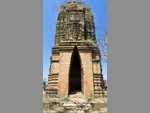 "+
"
"+
"  "+
"
"+
" 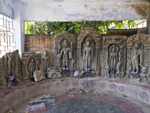 "+
"
"+
"  "+
"
"+
"  "+
"
"+
"  "+
"
"+
"  "+
"",
tulinbengali : "তুলিন ও তার আশেপাশেঃ-পুরুলিয়ার ঝালদা-১ ব্লকের তুলিন একটা ছোট্ট সুন্দর গ্রাম। সুবর্ণরেখা নদী বয়ে চলেছে তুলিনের পশ্চিমপ্রান্ত দিয়ে যা পশ্চিমবঙ্গ ও ঝাড়খণ্ডের বিভাজন রেখা নির্দেশ করে। তুলিন ও ঝালদার মধ্যবর্তী অঞ্চলে অবস্থিত বানসা পাহাড়ের ওপর থেকে সূর্যোদয় হয় অসাধারণ চমৎকারিত্বে, আর মনের মধ্যে রেখাপাত করা নয়নাভিরাম সূর্যাস্ত হয় ঝাড়খণ্ডের মুড়ির পাহাড়ের দিকে। তুলিনের ছোট্ট পাহাড়, জঙ্গল, নদীর তীরে কালী মন্দির ও দূরে হাজারীবাগের পাহাড় এক কথায় ভ্রমণার্থীদের সম্মোহিত করে ফেলে। প্রায় মাটির সঙ্গে মিশে থাকা তুলিন স্টেশন চাঁদনী রাতে এক মায়াবী অনুভব আর কুয়াশামাখা ভোরের অর্দ্ধউন্মিলীত তুলিন অসম্ভব রোমান্টিক। দেখতে পাওয়া যাবে জিরেন কাঠের রস ভর্তি হাঁড়ি নিয়ে যাওয়া গরিব মানুষজনের, যারা খুব অল্প পয়সায় বা বিনা পয়সায় রস খাইয়ে আনন্দ পায়। সঙ্গে যদি থাকে প্রেয়সী তবে তা এক অন্য মাত্রা এনে দেবে। একটু পশ্চিম দিকে গেলে দেখা মিলবে সুবর্ণরেখার তিরতিরে জলধারা। তার ঠাণ্ডা জলে একটু পা ডুবিয়ে বসলে শরীর পাবে এক নতুন প্রাণ। সূর্যাস্তে সুবর্ণরেখা যেন শিবের জটা থেকে খসে পড়া এক হীরকখণ্ড। পড়ন্ত সূর্যের স্বর্ণরশ্মি পড়ে তুলিনের মুখে সুবর্ণরেখার বুকে। চুপিসারে সন্ধ্যা নামে। ধীরে ধীরে ঘরমুখো। বেঙ্গল লাইন রেস্টুরেন্টে চারটে চেয়ারে বেশ জমিয়ে পকোরা-মুড়ি-চা সহযোগে জমে ওঠে আড্ডা। নিশুতি রাতে যদি হাইওয়ের দিকে লক্ষ করা যায় তবে দেখা যাবে সেই সমস্ত মানুষের যারা ৫০ কি.মি. রাস্তা হেঁটে হেঁটে রাজারাপ্পা থেকে কয়লা নিয়ে যায় ঝালদায় বিক্রি করার জন্যে। এ দৃশ্য দেখে কষ্ট পেতে হয়। কিন্তু আরও কষ্ট পেতে হবে যখন দেখা যাবে বরাহপুত্র প্রশাসনের কবোষ্ণ বক্ষে সযত্নে লালিত পালিত হওয়া সারমেয়র দল, এই গরীব মানুষগুলোর থেকে জোর করে টাকা নেয়। রক ক্লাইম্বিং-এ উৎসাহীরা বানসা পাহাড়ের বিভিন্ন ফেস ক্লাইম্বিং, বোল্ডার ক্লাইম্বিং ও অসাধারণ Rappelling জোন খুঁজে পাবে। সব মিলিয়ে তুলিন রোমান্স ও অ্যাডভেঞ্চারের এক সুন্দর মিশ্রণ। টুসু ও ছৌ নাচ এখনকার অত্যন্ত জনপ্রিয় অনুষ্ঠান ও বিভিন্ন উৎসব ও পার্বণে অনুষ্ঠিত হয়। আমারা অত্যন্ত ভাগ্যবান যে তুলিনের কাছেই বামনিয়া গ্রামে ছৌ নাচ ও ঝুমুর গানের এক অনুষ্ঠান দেখতে পেয়েছিলাম। এখানে থাকার জন্যে রয়েছে সন্ন্যাসী লজ (মোঃ- ০৯৮৩২৯৪৯১৮০)। লজের মালিক শ্রী লক্ষ্মীকান্ত দত্ত মহাশয় অত্যন্ত সদাশয় মানুষ ও পরোপকারী। বিভিন্ন জায়গায় ঘোরার ব্যবস্থা উনিই করে দিয়ে থাকেন। তুলিন থেকে আমরা একদিন মরুগুমা-অযোধ্যা-চড়িদা-খয়রাবেড়া ও একদিন রাজারাপ্পা-হুড্রু ফলস বেড়াতে গিয়েছিলাম। "+
"Read More..."+
"
"+
"",
tulinbengali : "তুলিন ও তার আশেপাশেঃ-পুরুলিয়ার ঝালদা-১ ব্লকের তুলিন একটা ছোট্ট সুন্দর গ্রাম। সুবর্ণরেখা নদী বয়ে চলেছে তুলিনের পশ্চিমপ্রান্ত দিয়ে যা পশ্চিমবঙ্গ ও ঝাড়খণ্ডের বিভাজন রেখা নির্দেশ করে। তুলিন ও ঝালদার মধ্যবর্তী অঞ্চলে অবস্থিত বানসা পাহাড়ের ওপর থেকে সূর্যোদয় হয় অসাধারণ চমৎকারিত্বে, আর মনের মধ্যে রেখাপাত করা নয়নাভিরাম সূর্যাস্ত হয় ঝাড়খণ্ডের মুড়ির পাহাড়ের দিকে। তুলিনের ছোট্ট পাহাড়, জঙ্গল, নদীর তীরে কালী মন্দির ও দূরে হাজারীবাগের পাহাড় এক কথায় ভ্রমণার্থীদের সম্মোহিত করে ফেলে। প্রায় মাটির সঙ্গে মিশে থাকা তুলিন স্টেশন চাঁদনী রাতে এক মায়াবী অনুভব আর কুয়াশামাখা ভোরের অর্দ্ধউন্মিলীত তুলিন অসম্ভব রোমান্টিক। দেখতে পাওয়া যাবে জিরেন কাঠের রস ভর্তি হাঁড়ি নিয়ে যাওয়া গরিব মানুষজনের, যারা খুব অল্প পয়সায় বা বিনা পয়সায় রস খাইয়ে আনন্দ পায়। সঙ্গে যদি থাকে প্রেয়সী তবে তা এক অন্য মাত্রা এনে দেবে। একটু পশ্চিম দিকে গেলে দেখা মিলবে সুবর্ণরেখার তিরতিরে জলধারা। তার ঠাণ্ডা জলে একটু পা ডুবিয়ে বসলে শরীর পাবে এক নতুন প্রাণ। সূর্যাস্তে সুবর্ণরেখা যেন শিবের জটা থেকে খসে পড়া এক হীরকখণ্ড। পড়ন্ত সূর্যের স্বর্ণরশ্মি পড়ে তুলিনের মুখে সুবর্ণরেখার বুকে। চুপিসারে সন্ধ্যা নামে। ধীরে ধীরে ঘরমুখো। বেঙ্গল লাইন রেস্টুরেন্টে চারটে চেয়ারে বেশ জমিয়ে পকোরা-মুড়ি-চা সহযোগে জমে ওঠে আড্ডা। নিশুতি রাতে যদি হাইওয়ের দিকে লক্ষ করা যায় তবে দেখা যাবে সেই সমস্ত মানুষের যারা ৫০ কি.মি. রাস্তা হেঁটে হেঁটে রাজারাপ্পা থেকে কয়লা নিয়ে যায় ঝালদায় বিক্রি করার জন্যে। এ দৃশ্য দেখে কষ্ট পেতে হয়। কিন্তু আরও কষ্ট পেতে হবে যখন দেখা যাবে বরাহপুত্র প্রশাসনের কবোষ্ণ বক্ষে সযত্নে লালিত পালিত হওয়া সারমেয়র দল, এই গরীব মানুষগুলোর থেকে জোর করে টাকা নেয়। রক ক্লাইম্বিং-এ উৎসাহীরা বানসা পাহাড়ের বিভিন্ন ফেস ক্লাইম্বিং, বোল্ডার ক্লাইম্বিং ও অসাধারণ Rappelling জোন খুঁজে পাবে। সব মিলিয়ে তুলিন রোমান্স ও অ্যাডভেঞ্চারের এক সুন্দর মিশ্রণ। টুসু ও ছৌ নাচ এখনকার অত্যন্ত জনপ্রিয় অনুষ্ঠান ও বিভিন্ন উৎসব ও পার্বণে অনুষ্ঠিত হয়। আমারা অত্যন্ত ভাগ্যবান যে তুলিনের কাছেই বামনিয়া গ্রামে ছৌ নাচ ও ঝুমুর গানের এক অনুষ্ঠান দেখতে পেয়েছিলাম। এখানে থাকার জন্যে রয়েছে সন্ন্যাসী লজ (মোঃ- ০৯৮৩২৯৪৯১৮০)। লজের মালিক শ্রী লক্ষ্মীকান্ত দত্ত মহাশয় অত্যন্ত সদাশয় মানুষ ও পরোপকারী। বিভিন্ন জায়গায় ঘোরার ব্যবস্থা উনিই করে দিয়ে থাকেন। তুলিন থেকে আমরা একদিন মরুগুমা-অযোধ্যা-চড়িদা-খয়রাবেড়া ও একদিন রাজারাপ্পা-হুড্রু ফলস বেড়াতে গিয়েছিলাম। "+
"Read More..."+
" "+
"
"+
"  "+
"
"+
"  "+
"
"+
"  "+
"
"+
"  "+
"
"+
"  "+
"
"+
"  "+
"
"+
"  "+
"",
jaychandibengali : "জয়চণ্ডী পাহাড়ঃ-বিস্তীর্ণ এলাকা জুড়ে ছড়িয়ে ছিটিয়ে রয়েছে বড় বড় পাথরের বোল্ডার। আর তারই মাঝে মাথা তুলে দাঁড়িয়ে আছে চারটে পাহাড়। সবুজের ক্যানভাসে ধুসর এই পাহাড়গুলো শীতের পুরুলিয়ার মুখ্য আকর্ষণ। স্থানীয় মানুষদের কাছে চারটে পাহাড়ের নাম হচ্ছে যোগীঢাল, জয়চণ্ডী, ঘোরী ও সিজনী। তবে অনেকেই ঘোরীকে সীতাপাহাড় ও সিজনীকে কালীপাহাড় বলে থাকেন। যোগীঢাল একেবারেই ন্যাড়া, রুক্ষ ও গাছপালা হীন। এই পাহাড়ের চুড়াটা দেখলে মনে হবে যেন কোনও বর্শার ফলা মাটিতে গেঁথে দেওয়া হয়েছে। কথিত আছে, বহু যুগ আগে এই এলাকার শাসক, পঞ্চকোট রাজারা, দণ্ডপ্রাপ্ত আসামিদের এই যোগীঢালের উপর থেকে হাত-পা বেঁধে নীচে ফেলে দিতেন। বর্তমানে এই পাহাড়ই রক ক্লাইম্বারদের স্বর্গরাজ্য। অ্যাডভেঞ্চারের আদর্শ জায়গা জয়চণ্ডী পাহাড়। রক ক্লাইম্বিং ও নেচার স্টাডি ক্যাম্পে যোগ দিয়ে একটু রোমাঞ্চ অনুভব করার সমস্ত ব্যবস্থা রয়েছে এখানে। আবার শুধু রক ক্লাইম্বিঙের রোমাঞ্চ উপভোগ করতে চাইলেও এখানে আসা যায়। আগে এই অঞ্চলে থাকার সেরকম সুযোগ সুবিধা ছিল না। তখন টেন্টই ভরসা ছিল। তবে বর্তমানে জয়চণ্ডী পাহাড়ে গড়ে উঠেছে যুব আবাস। তাই জয়চণ্ডী পাহাড়ে পর্যটক ও অ্যাডভেঞ্চার প্রিয় মানুষদের আনাগোনা বেড়েছে। প্রতিবছর নভেম্বর মাস থেকে ফেব্রুয়ারি মাস পর্যন্ত এখানে ভিড় হয় উঠতি পর্বতারোহীদের। রপ্ত করে পাহাড়ে ওঠার নানান কলা কৌশল। প্রতিবছরই রাজ্যের বহু পর্বতারোহণ সংস্থা এখানে শৈলারোহণ ও প্রকৃতি পর্যবেক্ষণ ক্যাম্প করে। তবে সাধারণ পর্যটকদের কাছেও এই এলাকা অপার সৌন্দর্যের ডালি সাজিয়ে বসে আছে। বিশেষ করে শীতের সময় বা পলাশ ফুলের মরশুমে এই এলাকার সৌন্দর্য যেন অনেকটাই বেড়ে যায়।পুরুলিয়ার রঘুনাথপুর শহর থেকে মাত্র দু কিমি দুরে এই জয়চণ্ডী পাহাড়। ১৯৭৮ সালে, জগত বন্দিত চিত্র পরিচালক সত্যজিৎ রায়, এখানেই তাঁর হীরক রাজার দেশে সিনেমার শুটিং করেছিলেন। তখন থেকেই এই পাহাড়ের সৌন্দর্যের টানে ছুটে এসেছেন বহু মানুষ। নস্টালজিক বাঙালি, আজও এই পাহাড়ে গেলে চোখের সামনে যেন দেখতে পায় গুপী-বাঘার সঙ্গে উদয়ন পণ্ডিতের দেখা হওয়ার দৃশ্য। অপার নির্জনতা ও সবুজের মাঝে, মাথা তুলে দাঁড়ানো কয়েকটা ছোট পাহাড়, ধু ধু প্রান্তরের মাঝে যেন, আজও এক অপার বিস্ময় হয়েই রয়ে গেছে। নীচেই রয়েছে এক শান্ত গ্রাম, নাম তার নন্দুয়ারা।পলাশ, শাল, মহুয়ায় ঘেরা লালমাটির দেশ, পুরুলিয়া জেলার অন্যতম পর্যটন কেন্দ্র জয়চণ্ডী পাহাড়। প্রায় পাঁচশো ফুট উঁচু জয়চণ্ডী পাহাড়ের নামকরণ হয়েছে মা চণ্ডীর নামানুসারে। পাহাড়ের চূড়ায় রয়েছে চণ্ডী মায়ের পঞ্চরত্ন মন্দির। গর্ভগৃহে রয়েছে শ্বেতপাথর নির্মিত অষ্টভুজা শ্বেতশুভ্র সিংহবাহিনী মা জয়চণ্ডীর অপরূপ মূর্তি। একপাশে শিবলিঙ্গ ও অন্যপাশে শালগ্রাম শিলা। কথিত আছে, প্রায় চারশো বছরের পুরোনো এই মন্দির। কিন্তু মূল মন্দিরটা ধ্বংস হয়ে যাওয়ায়, নতুন করে এটা তৈরি করা হয়েছে। তবে স্থানীয় মানুষদের কাছে এই মন্দির খুব জাগ্রত। প্রতিদিন পুজো হয় ও বিভিন্ন সময়ে অনেক উৎসব অনুষ্ঠিত হয়। মন্দিরের বাইরেই রয়েছে মানত বৃক্ষ। কিছুটা নীচে রয়েছে নব নির্মিত এক হনুমান মন্দির। মন্দিরে যাওয়ার জন্যে তৈরি হয়েছে সিঁড়ি। একটা কাঁচা রাস্তাও রয়েছে। তবে তা ব্যবহার করে অ্যাডভেঞ্চারপ্রেমীরা। মন্দিরে যেতে গেলে প্রায় সাড়ে পাঁচশো ধাপ সিঁড়ি ভাঙতে হবে। সিঁড়ির শুরুতেই রয়েছে একটা অর্ধচন্দ্রাকৃতি তোরণ। একবার সিঁড়ি ভেঙে উপরে উঠতে পারলেই সব কষ্ট এক লহমায় শেষ হয়ে যাবে। কারণ এখান থেকে শান্ত-সবুজ পুরুলিয়ার এক মনোরম দৃশ্য, পর্যটককে স্বাগত জানাবে। দেখতে পাওয়া যাবে, রঘুনাথপুর শহরের জীবনযাত্রা, পুরুলিয়ার আদিবাসী পল্লীর নিজস্বতা, সাঁওতালডিহি আর পঞ্চকোট পাহাড়। একটু দূরেই দেখা যায় জয়চণ্ডী পাহাড় রেলস্টেশন। দেখতে একটা রাজবাড়ির মতো। "+
"Read More..."+
"
"+
"",
jaychandibengali : "জয়চণ্ডী পাহাড়ঃ-বিস্তীর্ণ এলাকা জুড়ে ছড়িয়ে ছিটিয়ে রয়েছে বড় বড় পাথরের বোল্ডার। আর তারই মাঝে মাথা তুলে দাঁড়িয়ে আছে চারটে পাহাড়। সবুজের ক্যানভাসে ধুসর এই পাহাড়গুলো শীতের পুরুলিয়ার মুখ্য আকর্ষণ। স্থানীয় মানুষদের কাছে চারটে পাহাড়ের নাম হচ্ছে যোগীঢাল, জয়চণ্ডী, ঘোরী ও সিজনী। তবে অনেকেই ঘোরীকে সীতাপাহাড় ও সিজনীকে কালীপাহাড় বলে থাকেন। যোগীঢাল একেবারেই ন্যাড়া, রুক্ষ ও গাছপালা হীন। এই পাহাড়ের চুড়াটা দেখলে মনে হবে যেন কোনও বর্শার ফলা মাটিতে গেঁথে দেওয়া হয়েছে। কথিত আছে, বহু যুগ আগে এই এলাকার শাসক, পঞ্চকোট রাজারা, দণ্ডপ্রাপ্ত আসামিদের এই যোগীঢালের উপর থেকে হাত-পা বেঁধে নীচে ফেলে দিতেন। বর্তমানে এই পাহাড়ই রক ক্লাইম্বারদের স্বর্গরাজ্য। অ্যাডভেঞ্চারের আদর্শ জায়গা জয়চণ্ডী পাহাড়। রক ক্লাইম্বিং ও নেচার স্টাডি ক্যাম্পে যোগ দিয়ে একটু রোমাঞ্চ অনুভব করার সমস্ত ব্যবস্থা রয়েছে এখানে। আবার শুধু রক ক্লাইম্বিঙের রোমাঞ্চ উপভোগ করতে চাইলেও এখানে আসা যায়। আগে এই অঞ্চলে থাকার সেরকম সুযোগ সুবিধা ছিল না। তখন টেন্টই ভরসা ছিল। তবে বর্তমানে জয়চণ্ডী পাহাড়ে গড়ে উঠেছে যুব আবাস। তাই জয়চণ্ডী পাহাড়ে পর্যটক ও অ্যাডভেঞ্চার প্রিয় মানুষদের আনাগোনা বেড়েছে। প্রতিবছর নভেম্বর মাস থেকে ফেব্রুয়ারি মাস পর্যন্ত এখানে ভিড় হয় উঠতি পর্বতারোহীদের। রপ্ত করে পাহাড়ে ওঠার নানান কলা কৌশল। প্রতিবছরই রাজ্যের বহু পর্বতারোহণ সংস্থা এখানে শৈলারোহণ ও প্রকৃতি পর্যবেক্ষণ ক্যাম্প করে। তবে সাধারণ পর্যটকদের কাছেও এই এলাকা অপার সৌন্দর্যের ডালি সাজিয়ে বসে আছে। বিশেষ করে শীতের সময় বা পলাশ ফুলের মরশুমে এই এলাকার সৌন্দর্য যেন অনেকটাই বেড়ে যায়।পুরুলিয়ার রঘুনাথপুর শহর থেকে মাত্র দু কিমি দুরে এই জয়চণ্ডী পাহাড়। ১৯৭৮ সালে, জগত বন্দিত চিত্র পরিচালক সত্যজিৎ রায়, এখানেই তাঁর হীরক রাজার দেশে সিনেমার শুটিং করেছিলেন। তখন থেকেই এই পাহাড়ের সৌন্দর্যের টানে ছুটে এসেছেন বহু মানুষ। নস্টালজিক বাঙালি, আজও এই পাহাড়ে গেলে চোখের সামনে যেন দেখতে পায় গুপী-বাঘার সঙ্গে উদয়ন পণ্ডিতের দেখা হওয়ার দৃশ্য। অপার নির্জনতা ও সবুজের মাঝে, মাথা তুলে দাঁড়ানো কয়েকটা ছোট পাহাড়, ধু ধু প্রান্তরের মাঝে যেন, আজও এক অপার বিস্ময় হয়েই রয়ে গেছে। নীচেই রয়েছে এক শান্ত গ্রাম, নাম তার নন্দুয়ারা।পলাশ, শাল, মহুয়ায় ঘেরা লালমাটির দেশ, পুরুলিয়া জেলার অন্যতম পর্যটন কেন্দ্র জয়চণ্ডী পাহাড়। প্রায় পাঁচশো ফুট উঁচু জয়চণ্ডী পাহাড়ের নামকরণ হয়েছে মা চণ্ডীর নামানুসারে। পাহাড়ের চূড়ায় রয়েছে চণ্ডী মায়ের পঞ্চরত্ন মন্দির। গর্ভগৃহে রয়েছে শ্বেতপাথর নির্মিত অষ্টভুজা শ্বেতশুভ্র সিংহবাহিনী মা জয়চণ্ডীর অপরূপ মূর্তি। একপাশে শিবলিঙ্গ ও অন্যপাশে শালগ্রাম শিলা। কথিত আছে, প্রায় চারশো বছরের পুরোনো এই মন্দির। কিন্তু মূল মন্দিরটা ধ্বংস হয়ে যাওয়ায়, নতুন করে এটা তৈরি করা হয়েছে। তবে স্থানীয় মানুষদের কাছে এই মন্দির খুব জাগ্রত। প্রতিদিন পুজো হয় ও বিভিন্ন সময়ে অনেক উৎসব অনুষ্ঠিত হয়। মন্দিরের বাইরেই রয়েছে মানত বৃক্ষ। কিছুটা নীচে রয়েছে নব নির্মিত এক হনুমান মন্দির। মন্দিরে যাওয়ার জন্যে তৈরি হয়েছে সিঁড়ি। একটা কাঁচা রাস্তাও রয়েছে। তবে তা ব্যবহার করে অ্যাডভেঞ্চারপ্রেমীরা। মন্দিরে যেতে গেলে প্রায় সাড়ে পাঁচশো ধাপ সিঁড়ি ভাঙতে হবে। সিঁড়ির শুরুতেই রয়েছে একটা অর্ধচন্দ্রাকৃতি তোরণ। একবার সিঁড়ি ভেঙে উপরে উঠতে পারলেই সব কষ্ট এক লহমায় শেষ হয়ে যাবে। কারণ এখান থেকে শান্ত-সবুজ পুরুলিয়ার এক মনোরম দৃশ্য, পর্যটককে স্বাগত জানাবে। দেখতে পাওয়া যাবে, রঘুনাথপুর শহরের জীবনযাত্রা, পুরুলিয়ার আদিবাসী পল্লীর নিজস্বতা, সাঁওতালডিহি আর পঞ্চকোট পাহাড়। একটু দূরেই দেখা যায় জয়চণ্ডী পাহাড় রেলস্টেশন। দেখতে একটা রাজবাড়ির মতো। "+
"Read More..."+
" "+
"
"+
"  "+
"
"+
"  "+
"
"+
"  "+
"
"+
"  "+
"
"+
"  "+
"
"+
"  "+
"
"+
"  "+
"",
telkupibengali : "তেলকুপিঃ-যে কোনও দেশের ধর্মীয় সৌধের গুরুত্ব অনস্বীকার্য। কেবলমাত্র উপাসনাস্থল হিসেবে নয়, তার প্রাচীনত্ব ও নির্মাণশৈলী একটা নির্দিষ্ট যুগের স্থাপত্য, শিল্পকলা, সামাজিক, সাংস্কৃতিক ও অর্থনৈতিক প্রেক্ষাপটকে তুলে ধরতে সাহায্য করে। রাঢ় বাংলার বুকে ছড়িয়ে রয়েছে একগুচ্ছ দেউল, যা আমাদের উদাসীনতার ফলে ধ্বংস হতে চলেছে, এমনকি অনেক সুন্দর সুন্দর দেউল জলগর্ভে নিমজ্জিত হয়ে হারিয়ে গেছে। এ রকমই একসারি দেউল, যেগুলো অবস্থিত ছিল পাঞ্চেত জলাধারের উত্তরে, পুরুলিয়া জেলার রঘুনাথপুর দু নম্বর ব্লকের, পূর্বতন তেলকুপি বা বর্তমান পাথরবাড়ি গ্রামে। এই দেউলগুলো একসময় সারা পূর্ব ভারতে খ্যাতি অর্জন করেছিল। তৈলকম্প বা তেলকুপি ছিল সে কালের এক বৃহৎ বন্দরনগরী। তৈল এক ধরনের খাজনা আর কম্প মানে পরগনা। আজকের তেলকুপি ছিল অতীতের কর-প্রদানকারী সামন্ত রাজ্য অর্থাৎ করদ রাজ্য। প্রাচীন যুগে শিখর বংশীয় রাজাদের রাজধানী ছিল তেলকুপি। পাঞ্চেতের রাজবংশ বলতে এঁদেরকেই বোঝানো হয়ে থাকে। এই বংশের একজন বিখ্যাত শাসক ছিলেন রুদ্রশিখর। তিনি ছিলেন পাল বংশের রামপালের সমসাময়িক। রুদ্রশিখর অন্যান্য সামন্ত রাজাদের সঙ্গে জোট বেঁধে পাল সম্রাট রামপালকে বরেন্দ্রভূমি বা রাজশাহী বিভাগের উত্তর পশ্চিম অংশ দখল করতে সাহায্য করেছিলেন। তেলকুপি রাজ্যটা দামোদরের দক্ষিণ তীর থেকে কাঁসাইয়ের উত্তর তীর পর্যন্ত বিস্তৃত ছিল। সেই সময়ে তেলকুপি তামার ব্যবসায়ে খুব উন্নতি লাভ করেছিল। তামার ব্যবসায়ীরা ছিলেন মূলত জৈন ধর্মাবলম্বী। নিকটবর্তী তামাজুড়ি, তামাখুন প্রভৃতি তামার খনি থেকে তাম্র আকরিক সংগ্রহ করে সড়কপথে বা জলপথে ব্যবসায়ীরা তেলকুপি বন্দরে পৌঁছতেন। সেখান থেকে নৌকায় যেতেন তাম্রলিপ্তে। রাজা রুদ্রশিখরের সময়ে তেলকুপির সঙ্গে তাম্রলিপ্ত বন্দরের ঘনিষ্ঠ যোগাযোগ ছিল। জৈন বণিকরা, বাণিজ্যিক স্বার্থে, রাঢ় বঙ্গের বিভিন্ন অঞ্চলে পাকাপাকিভাবে বসতি স্থাপন করলে, অনার্য গোষ্ঠীর মানুষরাও জৈন ধর্মের প্রতি আকৃষ্ট হন। পাল যুগে এই অঞ্চলে জৈন ধর্ম ব্যাপক প্রসার লাভ করে। চব্বিশতম তীর্থঙ্কর মহাবীরের সিদ্ধিলাভস্থল ছিল বারাবনি অঞ্চলের জামগ্রামে। ফলে এই ধর্মবিস্তারের সঙ্গে সঙ্গে গড়ে ওঠে অজস্র দেউল। জৈন বণিকেরা বিশ্রাম লাভের জন্যে এবং রাত্রিযাপনের জন্যে আপন আপন অভীষ্ট দেব-দেবীদের প্রতিষ্ঠা করেছিলেন।এখানে মোট মন্দিরের সংখ্যা ছিল বাইশটা। ১৮৭২ খ্রিস্টাব্দে জে ডি বেগলার ওই স্থানে তেরটা মন্দির দেখতে পান। ততদিনে বাকি নটা মন্দিরের ধ্বংসপ্রাপ্তি ঘটে। ১৯০২ সালে ব্লক এবং প্রখ্যাত ঐতিহাসিক ডেভিড ম্যাক্কাচন দেখেছিলেন দশটা। ১৯৫৬ সালে দামোদর নদে পাঞ্চেৎ জলাধার নির্মিত হলে, মন্দির বা দেউলগুলো জলাধারের জলে নিমজ্জিত হয়। সাঁওতালদের পবিত্র নদ দামোদরের তীরে এই মন্দিরগুলো ছিল স্বর্গপুরী। তারা বিশ্বাস করতেন এই স্বর্গপুরীতেই তাদের দেবতাদের বাস। ফলে এই ঘটনায় তারা প্রচণ্ডভাবে মর্মাহত হন ও তৎকালীন সরকারের বিরুদ্ধে আন্দোলনে নামেন। শিক্ষিত সমাজ নীরব দর্শক হয়ে থাকে। পুরুলিয়া জেলা ছিল সেই সময় বিহারের অধীন। বাংলা, বিহার, ওড়িশার সাঁওতাল সমাজের তির-ধনুক, ধামসার গর্জনে ডিভিসি কর্তৃপক্ষ সাময়িক পিছু হটলেও, পরবর্তীকালে কিছু রাজনৈতিক নেতার প্রত্যক্ষ হস্তক্ষেপে, পাঞ্চেৎ বাঁধ নির্মাণ সম্ভব হয়। ফলে প্রাচীন ঐতিহ্যের ইতিহাস নিমজ্জিত হয় সভ্যতার গর্ভে। ১৯৫৫ সালে পুরাতত্ত্ব বিভাগের সহায়ক অধিকর্তা দেবলা মিত্র মন্দিরগুলো উঁচু পাড়ে সংস্থাপিত করার প্রস্তাব দিলেও তা বাস্তবায়িত হয়নি।বর্তমানে এখানে এলে চোখে পড়বে তিনটে দেউল যা কোনোক্রমে টিকে আছে। একটা গুরড়ির নিকটস্থ পাথরবাড়ির কাছে, একটা লালপুরে এবং অন্যটা দামোদর গর্ভে যা বৈশাখ-জ্যৈষ্ঠ মাসে চোখে পড়ে। দামোদরের পাশেই পাথরবাড়ি গ্রাম, এই গ্রাম থেকে এক কিলোমিটার দূরে একটা ভাঙা দেউল পূর্ব দিকে হেলে দাঁড়িয়ে আছে। এটার গঠন ভঙ্গিমা বান্দার দেউলের অনুরূপ। এটি আনুমানিক পঞ্চাশ ফুট লম্বা ছিল, মাথার অংশটা ভেঙে যাওয়ার ফলে বর্তমান উচ্চতা প্রায় পঁয়তাল্লিশ ফুটের মতো হয়ে গছে। দেউলের তিন প্রান্তে তিনটে কুলুঙ্গি রয়েছে, যেগুলোতে তীর্থঙ্কর মূর্তি বসানো ছিল। বর্তমানে কুলুঙ্গি বিগ্রহশূন্য। ভেতরে মূল বেদিটা আজও বর্তমান। দেউলের ভেতরে জল নিষ্কাশনের ব্যবস্থা ছিল। পূজার্চনার জল নালাবাহিত হয়ে সোজা গিয়ে পড়তো দেউলের বাইরে।তেলকুপি গ্রামের মাঝখানের পশ্চিমমুখী দেউলটা সম্পূর্ণ জলমগ্ন এবং বৈশাখ-জ্যৈষ্ঠ মাস বাদে প্রায় সারাবছরই জলমগ্ন থাকে। দেউলটার উচ্চতা আনুমানিক পঞ্চাশ ফুট। মাথার অংশটা বজ্রপাতের ফলে একেবারে নষ্ট হয়ে গেছে। বর্তমানে এটা জলের ওপর মাত্র দাঁড়িয়ে আছে। এই দেউলটা থেকে দু কিলোমিটার দূরে আরও একটা দেউল একটু কম পরিমাণ জলে দাঁড়িয়ে আছে। উত্তরমুখী দেউলটার গঠন প্রথম দেউলের অনুরূপ। তবে দামোদরের স্রোতে এটাও বিনষ্টের পথে। স্থানীয় মানুষজনের প্রচেষ্টায় দেউলগুলোর বেশ কিছু তীর্থঙ্কর মূর্তি উদ্ধার হলেও, সেগুলো অত্যন্ত অবহেলায় পড়ে আছে গুরুডির হরি মন্দিরের কাছে। মূর্তিগুলোর মধ্যে জটা-মুকুটধারী মহেশ্বর, পার্বতী, ঋষভনাথ, বিষ্ণু, ভগ্নবিষ্ণু মূর্তি রয়েছে।এখানকার বিভিন্ন গ্রামে বেশ কিছু মূর্তি অবহেলায় পড়ে আছে। যেমন লালপুর গ্রামে একটা সাত ফুট উঁচু অম্বিকা দেবীর মূর্তি পড়ে আছে, যাঁকে পার্বতীজ্ঞানে গ্রামবাসীরা সিঁদুর পড়িয়ে পুজো করে। এ রকম অসাধারণ কারুকার্য-মণ্ডিত বহু মূর্তি আকাশের নীচে রোদে বা জলের তলায় পড়ে নষ্ট হচ্ছে যা দেখলে খারাপ লাগে।আমরা এই নিয়ে দুবার তেলকুপি দর্শন করলাম। তবে এবার আমরা মন্দিরগুলো জেলেদের নৌকো করে প্রায় তিন ঘণ্টা ধরে ঘুরেছি। নৌকো ভাড়াটা একটু বেশি হলেও জানা গেল অনেক কিছু আর ভয়ঙ্কর দামোদরে এক অসাধারণ নৌবিহারও হলো। আগে থেকে খবর দিলে ভাত খাওয়ার ব্যবস্থাও করে রাখে বা অনুরোধে টাটকা মাছভাজা পাওয়া যায়। নৌকোর মাঝি দিনা আঁধুর মোবাইল নম্বরঃ-৯১ ৬৩৫৩৯ ৭৮৩৩২ "+
"Read More..."+
"
"+
"",
telkupibengali : "তেলকুপিঃ-যে কোনও দেশের ধর্মীয় সৌধের গুরুত্ব অনস্বীকার্য। কেবলমাত্র উপাসনাস্থল হিসেবে নয়, তার প্রাচীনত্ব ও নির্মাণশৈলী একটা নির্দিষ্ট যুগের স্থাপত্য, শিল্পকলা, সামাজিক, সাংস্কৃতিক ও অর্থনৈতিক প্রেক্ষাপটকে তুলে ধরতে সাহায্য করে। রাঢ় বাংলার বুকে ছড়িয়ে রয়েছে একগুচ্ছ দেউল, যা আমাদের উদাসীনতার ফলে ধ্বংস হতে চলেছে, এমনকি অনেক সুন্দর সুন্দর দেউল জলগর্ভে নিমজ্জিত হয়ে হারিয়ে গেছে। এ রকমই একসারি দেউল, যেগুলো অবস্থিত ছিল পাঞ্চেত জলাধারের উত্তরে, পুরুলিয়া জেলার রঘুনাথপুর দু নম্বর ব্লকের, পূর্বতন তেলকুপি বা বর্তমান পাথরবাড়ি গ্রামে। এই দেউলগুলো একসময় সারা পূর্ব ভারতে খ্যাতি অর্জন করেছিল। তৈলকম্প বা তেলকুপি ছিল সে কালের এক বৃহৎ বন্দরনগরী। তৈল এক ধরনের খাজনা আর কম্প মানে পরগনা। আজকের তেলকুপি ছিল অতীতের কর-প্রদানকারী সামন্ত রাজ্য অর্থাৎ করদ রাজ্য। প্রাচীন যুগে শিখর বংশীয় রাজাদের রাজধানী ছিল তেলকুপি। পাঞ্চেতের রাজবংশ বলতে এঁদেরকেই বোঝানো হয়ে থাকে। এই বংশের একজন বিখ্যাত শাসক ছিলেন রুদ্রশিখর। তিনি ছিলেন পাল বংশের রামপালের সমসাময়িক। রুদ্রশিখর অন্যান্য সামন্ত রাজাদের সঙ্গে জোট বেঁধে পাল সম্রাট রামপালকে বরেন্দ্রভূমি বা রাজশাহী বিভাগের উত্তর পশ্চিম অংশ দখল করতে সাহায্য করেছিলেন। তেলকুপি রাজ্যটা দামোদরের দক্ষিণ তীর থেকে কাঁসাইয়ের উত্তর তীর পর্যন্ত বিস্তৃত ছিল। সেই সময়ে তেলকুপি তামার ব্যবসায়ে খুব উন্নতি লাভ করেছিল। তামার ব্যবসায়ীরা ছিলেন মূলত জৈন ধর্মাবলম্বী। নিকটবর্তী তামাজুড়ি, তামাখুন প্রভৃতি তামার খনি থেকে তাম্র আকরিক সংগ্রহ করে সড়কপথে বা জলপথে ব্যবসায়ীরা তেলকুপি বন্দরে পৌঁছতেন। সেখান থেকে নৌকায় যেতেন তাম্রলিপ্তে। রাজা রুদ্রশিখরের সময়ে তেলকুপির সঙ্গে তাম্রলিপ্ত বন্দরের ঘনিষ্ঠ যোগাযোগ ছিল। জৈন বণিকরা, বাণিজ্যিক স্বার্থে, রাঢ় বঙ্গের বিভিন্ন অঞ্চলে পাকাপাকিভাবে বসতি স্থাপন করলে, অনার্য গোষ্ঠীর মানুষরাও জৈন ধর্মের প্রতি আকৃষ্ট হন। পাল যুগে এই অঞ্চলে জৈন ধর্ম ব্যাপক প্রসার লাভ করে। চব্বিশতম তীর্থঙ্কর মহাবীরের সিদ্ধিলাভস্থল ছিল বারাবনি অঞ্চলের জামগ্রামে। ফলে এই ধর্মবিস্তারের সঙ্গে সঙ্গে গড়ে ওঠে অজস্র দেউল। জৈন বণিকেরা বিশ্রাম লাভের জন্যে এবং রাত্রিযাপনের জন্যে আপন আপন অভীষ্ট দেব-দেবীদের প্রতিষ্ঠা করেছিলেন।এখানে মোট মন্দিরের সংখ্যা ছিল বাইশটা। ১৮৭২ খ্রিস্টাব্দে জে ডি বেগলার ওই স্থানে তেরটা মন্দির দেখতে পান। ততদিনে বাকি নটা মন্দিরের ধ্বংসপ্রাপ্তি ঘটে। ১৯০২ সালে ব্লক এবং প্রখ্যাত ঐতিহাসিক ডেভিড ম্যাক্কাচন দেখেছিলেন দশটা। ১৯৫৬ সালে দামোদর নদে পাঞ্চেৎ জলাধার নির্মিত হলে, মন্দির বা দেউলগুলো জলাধারের জলে নিমজ্জিত হয়। সাঁওতালদের পবিত্র নদ দামোদরের তীরে এই মন্দিরগুলো ছিল স্বর্গপুরী। তারা বিশ্বাস করতেন এই স্বর্গপুরীতেই তাদের দেবতাদের বাস। ফলে এই ঘটনায় তারা প্রচণ্ডভাবে মর্মাহত হন ও তৎকালীন সরকারের বিরুদ্ধে আন্দোলনে নামেন। শিক্ষিত সমাজ নীরব দর্শক হয়ে থাকে। পুরুলিয়া জেলা ছিল সেই সময় বিহারের অধীন। বাংলা, বিহার, ওড়িশার সাঁওতাল সমাজের তির-ধনুক, ধামসার গর্জনে ডিভিসি কর্তৃপক্ষ সাময়িক পিছু হটলেও, পরবর্তীকালে কিছু রাজনৈতিক নেতার প্রত্যক্ষ হস্তক্ষেপে, পাঞ্চেৎ বাঁধ নির্মাণ সম্ভব হয়। ফলে প্রাচীন ঐতিহ্যের ইতিহাস নিমজ্জিত হয় সভ্যতার গর্ভে। ১৯৫৫ সালে পুরাতত্ত্ব বিভাগের সহায়ক অধিকর্তা দেবলা মিত্র মন্দিরগুলো উঁচু পাড়ে সংস্থাপিত করার প্রস্তাব দিলেও তা বাস্তবায়িত হয়নি।বর্তমানে এখানে এলে চোখে পড়বে তিনটে দেউল যা কোনোক্রমে টিকে আছে। একটা গুরড়ির নিকটস্থ পাথরবাড়ির কাছে, একটা লালপুরে এবং অন্যটা দামোদর গর্ভে যা বৈশাখ-জ্যৈষ্ঠ মাসে চোখে পড়ে। দামোদরের পাশেই পাথরবাড়ি গ্রাম, এই গ্রাম থেকে এক কিলোমিটার দূরে একটা ভাঙা দেউল পূর্ব দিকে হেলে দাঁড়িয়ে আছে। এটার গঠন ভঙ্গিমা বান্দার দেউলের অনুরূপ। এটি আনুমানিক পঞ্চাশ ফুট লম্বা ছিল, মাথার অংশটা ভেঙে যাওয়ার ফলে বর্তমান উচ্চতা প্রায় পঁয়তাল্লিশ ফুটের মতো হয়ে গছে। দেউলের তিন প্রান্তে তিনটে কুলুঙ্গি রয়েছে, যেগুলোতে তীর্থঙ্কর মূর্তি বসানো ছিল। বর্তমানে কুলুঙ্গি বিগ্রহশূন্য। ভেতরে মূল বেদিটা আজও বর্তমান। দেউলের ভেতরে জল নিষ্কাশনের ব্যবস্থা ছিল। পূজার্চনার জল নালাবাহিত হয়ে সোজা গিয়ে পড়তো দেউলের বাইরে।তেলকুপি গ্রামের মাঝখানের পশ্চিমমুখী দেউলটা সম্পূর্ণ জলমগ্ন এবং বৈশাখ-জ্যৈষ্ঠ মাস বাদে প্রায় সারাবছরই জলমগ্ন থাকে। দেউলটার উচ্চতা আনুমানিক পঞ্চাশ ফুট। মাথার অংশটা বজ্রপাতের ফলে একেবারে নষ্ট হয়ে গেছে। বর্তমানে এটা জলের ওপর মাত্র দাঁড়িয়ে আছে। এই দেউলটা থেকে দু কিলোমিটার দূরে আরও একটা দেউল একটু কম পরিমাণ জলে দাঁড়িয়ে আছে। উত্তরমুখী দেউলটার গঠন প্রথম দেউলের অনুরূপ। তবে দামোদরের স্রোতে এটাও বিনষ্টের পথে। স্থানীয় মানুষজনের প্রচেষ্টায় দেউলগুলোর বেশ কিছু তীর্থঙ্কর মূর্তি উদ্ধার হলেও, সেগুলো অত্যন্ত অবহেলায় পড়ে আছে গুরুডির হরি মন্দিরের কাছে। মূর্তিগুলোর মধ্যে জটা-মুকুটধারী মহেশ্বর, পার্বতী, ঋষভনাথ, বিষ্ণু, ভগ্নবিষ্ণু মূর্তি রয়েছে।এখানকার বিভিন্ন গ্রামে বেশ কিছু মূর্তি অবহেলায় পড়ে আছে। যেমন লালপুর গ্রামে একটা সাত ফুট উঁচু অম্বিকা দেবীর মূর্তি পড়ে আছে, যাঁকে পার্বতীজ্ঞানে গ্রামবাসীরা সিঁদুর পড়িয়ে পুজো করে। এ রকম অসাধারণ কারুকার্য-মণ্ডিত বহু মূর্তি আকাশের নীচে রোদে বা জলের তলায় পড়ে নষ্ট হচ্ছে যা দেখলে খারাপ লাগে।আমরা এই নিয়ে দুবার তেলকুপি দর্শন করলাম। তবে এবার আমরা মন্দিরগুলো জেলেদের নৌকো করে প্রায় তিন ঘণ্টা ধরে ঘুরেছি। নৌকো ভাড়াটা একটু বেশি হলেও জানা গেল অনেক কিছু আর ভয়ঙ্কর দামোদরে এক অসাধারণ নৌবিহারও হলো। আগে থেকে খবর দিলে ভাত খাওয়ার ব্যবস্থাও করে রাখে বা অনুরোধে টাটকা মাছভাজা পাওয়া যায়। নৌকোর মাঝি দিনা আঁধুর মোবাইল নম্বরঃ-৯১ ৬৩৫৩৯ ৭৮৩৩২ "+
"Read More..."+
" "+
"
"+
"  "+
"
"+
"  "+
"
"+
"  "+
"
"+
"  "+
"
"+
" 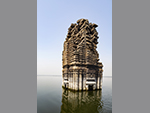 "+
"
"+
" 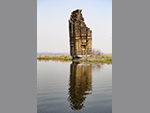 "+
"
"+
"  "+
"",
bandabengali : "বান্দাঃ-রঘুনাথপুর থেকে চেলিয়ামা যাবার রাস্তায় গোবরন্দা, মঙ্গলদা, মৌতর পেরিয়ে পড়বে বান্দা গ্রাম। এবার মোড় নিয়ে গ্রামের কাঁচা রাস্তায় খুব বেশি হলে এক কিমি গেলেই দেখা যাবে দিগন্ত বিস্তৃত পলাশের প্রাঙ্গণে রূপসী দাঁড়িয়ে আছে। তার রূপের আগুনে চোখ ঝলসে যাবে। দেউল প্রাঙ্গণকে ঘিরে বইছে বান্দার জোড় নামে একটা ছোট্ট নদী। সংস্কারের অভাবে অনেক জায়গায় বুজে গেছে তবে সংস্কার করলে সে আবার ভরাযৌবনা। মর্মর পাথরের মধ্যে ছেনি হাতুড়ি দিয়ে অতি যত্ন সহকারে, তিলে তিলে তার রূপসী রূপ তৈরি করেছিলেন হাজার বছর আগের শিল্পীরা। একবার এই মন্দির প্রাঙ্গণে প্রবেশ করলে তার কুহকী মায়ায় বাঁধা পরে যায় পর্যটকরা। এই মর্মর মন্দির বুঝিবা পৃথিবীতে অদ্বিতীয়া, কালের করাল গ্রাস উপেক্ষা করে হাজার বছর ধরে দাঁড়িয়ে আছে। লাল-গেরুয়া পলাশের ঝোপে প্রকৃতির সঙ্গে মিশে আবির খেলা যেতে পারে নতুন এই প্রেয়সীর সাথে। পূর্ণিমা রাতে বনজ্যোৎস্নার সবুজ অন্ধকারে, সমগ্র চরাচর যখন ভেসে যায় এক অপার্থিব আলোর সৌন্দর্যে, তখন দিগন্ত বিস্তৃত পলাশের বনে এই অপূর্ব মন্দির এক আধিদৈবিক, আধিভৌতিক অনুভূতিতে ভাসিয়ে নিয়ে যাবে। পাওনা হবে প্রণয়িনীর প্রেম, ভালবাসা আর পরখ করা যাবে তার বিভিন্ন রূপের মাধুর্য। এই বিশাল পাথরগুলো কি ভাবে এবং কোথা হতে সংগৃহীত কারুর জানা নেই। এই দেউল তৈরি করতে, কত অসম্ভব পরিশ্রম, ও বৈজ্ঞানিক কৌশল অবলম্বন করতে হয়েছে, তাও আমরা কেউ জানি না। প্রণাম করি সেই কিংবদন্তি স্থপতিদের। তাদের কথা ইতিহাসে লেখা নেই, শুধু রয়ে গেছে তাদের অতুলনীয় শিল্পকীর্তি। দুঃখ হয় যে এই স্যাটেলাইট, ইন্টারনেটের যুগেও লোকচক্ষুর অন্তরালেই রয়ে গেল এই অনুপম সৌন্দর্য।বান্দা, রঘুনাথপুর ব্লকের দেউলঘেরা গ্রামের কাছে অবস্থিত। এখানকার মন্দির ত্রিরথ রেখ দেউল স্থাপত্যরীতিতে তৈরি। বলতে গেলে উড়িষ্যার ত্রিস্তর ধাঁচের মন্দিরের মাঝের স্তর। ১৮৭২ সালে ব্রিটিশ প্রত্নতাত্ত্বিক জে ডি বেগলার, ঘন জঙ্গলের মধ্যে এই মন্দিরটা খুঁজে পান। মন্দিরটা হিন্দু না জৈন তা স্পষ্ট নয়। মন্দিরে বিভিন্ন লতাপাতা, ফুল, পাখি, স্ক্রোলের কাজ, মাথার চক্র ও জল নির্গমনের জন্যে একটা মকরের মুখ দেখা যায়। কেবলমাত্র পশ্চিমের দেওয়ালেই কোনও স্ট্যাকৌ কাজ নেই। কাছেই ভেঙে যাওয়া একটা মণ্ডপও আছে। এখন তার অর্ধেক ছাদ ধ্বসে গেছে, কেবল গুটি কয়েক ভগ্ন থাম দাঁড়িয়ে আছে। বেলে পাথর বা স্যান্ড স্টোন নির্মিত মন্দিরের উচ্চতা প্রায় পঁচাত্তর ফুট। মন্দিরটা একটা বিশাল বেদির ওপর প্রতিষ্ঠিত, যার দৈর্ঘ্য প্রায় আড়াইশো ফুট এবং প্রস্ত দেড়শো ফুট। যদিও এই বেদির বেশিরভাগ পাথর আর নেই। দেউলের উত্তরমুখী প্রবেশ পথের উচ্চতা ছ ফুট ও চওড়া তিন ফুট। প্রবেশ পথের ওপরে বেশ কিছু অংশের পাথর স্থানচ্যুত হওয়াতে, মন্দিরের দেওয়ালের ভারসাম্য নষ্ট হয়ে গেছে এবং পুরো মন্দিরটা এখন বিপন্ন।কেউ কেউ মনে করেন, সেই যুগে এই দেউলটা নির্মাণ করেছিলেন জৈন ব্যবসায়ীরা, যার বেশিরভাগই ছিলেন তামার কারবারি। রাঢ় বাংলার বিস্তীর্ণ অঞ্চল তখন জৈন রাজাদের শাসনে। জৈন ধর্ম চতুর্দিকে প্রসার লাভ করে। বর্ধমান থেকে পুরুলিয়া, বাঁকুড়ার অম্বিকানগর, বিশাল জায়গা জুড়ে জৈন সংস্কৃতি বিদ্যমান। সেইসময় অধিকাংশ ধনী ব্যবসায়ীরা জৈন ধর্ম গ্রহণ করতেন। বর্তমানে দামোদর নদের নিকটবর্তী তেলকুপি গ্রাম, তখন ছিল তৈলকম্প বন্দর। সেখানেও জৈন মন্দির দেখা যায়। তবে বান্দার মন্দিরের কাজের অসম্পূর্ণতা, ও বিগ্রহের অনুপস্থিতির কারণে, এর ইতিহাস কিছুটা রহস্যেই রয়ে গেছে। যদি মানভূমের অন্যান্য মন্দিরের সাথে তুলনা করা যায়, তবে এটা মনে হতে পারে যে, মন্দিরটা পাল রাজাদের সময় তৈরি।পুরুলিয়া জেলার একাধিক গ্রামে জৈনরা ছড়িয়ে ছিটিয়ে বসবাস করেন। এখন তাঁদের পদবি মাঝি, মণ্ডল, সরাক প্রভৃতি। তবে এই গ্রামে জৈনদের দেখা মেলে না। দীর্ঘদিন গ্রামটা ছিল জনবসতি-শূন্য। ১৯৫৭ সালে তেলকুপি বন্যায় জলমগ্ন হলে সেখানকার মানুষজন এখানে এসে স্থায়ী ভাবে বসবাস শুরু করেন। বান্দার দেউল দেখতে এলে পাওনা হবে সামান্য দূরের চেলিয়ামা গ্রামের সপ্তদশ শতাব্দীর অসাধারণ টেরাকোটার কাজ সমৃদ্ধ রাধাবিনোদ মন্দির এবং আট কিমি দূরের প্রাচীন বন্দরনগরী তেলকুপির ঐতিহাসিক ধ্বংসাবশেষ।বান্দায় এই নিয়ে আমি দ্বিতীয়বার যাচ্ছি। প্রথমবারে দেখেছিলাম একটা নীল বোর্ড লাগানো আছে, যাতে আইনি কিছু কথা লেখা আছে। তবে এবার দেখলাম সংস্কারের কাজ হচ্ছে। ওনারা বললেন যে ঐতিহাসিক তথ্য লেখা সমেত একটা নীল বোর্ড এখানে বসবে, একটা কাউন্টার হবে ও দেখভাল করার লোক থাকবে। "+
"Read More..."+
"
"+
"",
bandabengali : "বান্দাঃ-রঘুনাথপুর থেকে চেলিয়ামা যাবার রাস্তায় গোবরন্দা, মঙ্গলদা, মৌতর পেরিয়ে পড়বে বান্দা গ্রাম। এবার মোড় নিয়ে গ্রামের কাঁচা রাস্তায় খুব বেশি হলে এক কিমি গেলেই দেখা যাবে দিগন্ত বিস্তৃত পলাশের প্রাঙ্গণে রূপসী দাঁড়িয়ে আছে। তার রূপের আগুনে চোখ ঝলসে যাবে। দেউল প্রাঙ্গণকে ঘিরে বইছে বান্দার জোড় নামে একটা ছোট্ট নদী। সংস্কারের অভাবে অনেক জায়গায় বুজে গেছে তবে সংস্কার করলে সে আবার ভরাযৌবনা। মর্মর পাথরের মধ্যে ছেনি হাতুড়ি দিয়ে অতি যত্ন সহকারে, তিলে তিলে তার রূপসী রূপ তৈরি করেছিলেন হাজার বছর আগের শিল্পীরা। একবার এই মন্দির প্রাঙ্গণে প্রবেশ করলে তার কুহকী মায়ায় বাঁধা পরে যায় পর্যটকরা। এই মর্মর মন্দির বুঝিবা পৃথিবীতে অদ্বিতীয়া, কালের করাল গ্রাস উপেক্ষা করে হাজার বছর ধরে দাঁড়িয়ে আছে। লাল-গেরুয়া পলাশের ঝোপে প্রকৃতির সঙ্গে মিশে আবির খেলা যেতে পারে নতুন এই প্রেয়সীর সাথে। পূর্ণিমা রাতে বনজ্যোৎস্নার সবুজ অন্ধকারে, সমগ্র চরাচর যখন ভেসে যায় এক অপার্থিব আলোর সৌন্দর্যে, তখন দিগন্ত বিস্তৃত পলাশের বনে এই অপূর্ব মন্দির এক আধিদৈবিক, আধিভৌতিক অনুভূতিতে ভাসিয়ে নিয়ে যাবে। পাওনা হবে প্রণয়িনীর প্রেম, ভালবাসা আর পরখ করা যাবে তার বিভিন্ন রূপের মাধুর্য। এই বিশাল পাথরগুলো কি ভাবে এবং কোথা হতে সংগৃহীত কারুর জানা নেই। এই দেউল তৈরি করতে, কত অসম্ভব পরিশ্রম, ও বৈজ্ঞানিক কৌশল অবলম্বন করতে হয়েছে, তাও আমরা কেউ জানি না। প্রণাম করি সেই কিংবদন্তি স্থপতিদের। তাদের কথা ইতিহাসে লেখা নেই, শুধু রয়ে গেছে তাদের অতুলনীয় শিল্পকীর্তি। দুঃখ হয় যে এই স্যাটেলাইট, ইন্টারনেটের যুগেও লোকচক্ষুর অন্তরালেই রয়ে গেল এই অনুপম সৌন্দর্য।বান্দা, রঘুনাথপুর ব্লকের দেউলঘেরা গ্রামের কাছে অবস্থিত। এখানকার মন্দির ত্রিরথ রেখ দেউল স্থাপত্যরীতিতে তৈরি। বলতে গেলে উড়িষ্যার ত্রিস্তর ধাঁচের মন্দিরের মাঝের স্তর। ১৮৭২ সালে ব্রিটিশ প্রত্নতাত্ত্বিক জে ডি বেগলার, ঘন জঙ্গলের মধ্যে এই মন্দিরটা খুঁজে পান। মন্দিরটা হিন্দু না জৈন তা স্পষ্ট নয়। মন্দিরে বিভিন্ন লতাপাতা, ফুল, পাখি, স্ক্রোলের কাজ, মাথার চক্র ও জল নির্গমনের জন্যে একটা মকরের মুখ দেখা যায়। কেবলমাত্র পশ্চিমের দেওয়ালেই কোনও স্ট্যাকৌ কাজ নেই। কাছেই ভেঙে যাওয়া একটা মণ্ডপও আছে। এখন তার অর্ধেক ছাদ ধ্বসে গেছে, কেবল গুটি কয়েক ভগ্ন থাম দাঁড়িয়ে আছে। বেলে পাথর বা স্যান্ড স্টোন নির্মিত মন্দিরের উচ্চতা প্রায় পঁচাত্তর ফুট। মন্দিরটা একটা বিশাল বেদির ওপর প্রতিষ্ঠিত, যার দৈর্ঘ্য প্রায় আড়াইশো ফুট এবং প্রস্ত দেড়শো ফুট। যদিও এই বেদির বেশিরভাগ পাথর আর নেই। দেউলের উত্তরমুখী প্রবেশ পথের উচ্চতা ছ ফুট ও চওড়া তিন ফুট। প্রবেশ পথের ওপরে বেশ কিছু অংশের পাথর স্থানচ্যুত হওয়াতে, মন্দিরের দেওয়ালের ভারসাম্য নষ্ট হয়ে গেছে এবং পুরো মন্দিরটা এখন বিপন্ন।কেউ কেউ মনে করেন, সেই যুগে এই দেউলটা নির্মাণ করেছিলেন জৈন ব্যবসায়ীরা, যার বেশিরভাগই ছিলেন তামার কারবারি। রাঢ় বাংলার বিস্তীর্ণ অঞ্চল তখন জৈন রাজাদের শাসনে। জৈন ধর্ম চতুর্দিকে প্রসার লাভ করে। বর্ধমান থেকে পুরুলিয়া, বাঁকুড়ার অম্বিকানগর, বিশাল জায়গা জুড়ে জৈন সংস্কৃতি বিদ্যমান। সেইসময় অধিকাংশ ধনী ব্যবসায়ীরা জৈন ধর্ম গ্রহণ করতেন। বর্তমানে দামোদর নদের নিকটবর্তী তেলকুপি গ্রাম, তখন ছিল তৈলকম্প বন্দর। সেখানেও জৈন মন্দির দেখা যায়। তবে বান্দার মন্দিরের কাজের অসম্পূর্ণতা, ও বিগ্রহের অনুপস্থিতির কারণে, এর ইতিহাস কিছুটা রহস্যেই রয়ে গেছে। যদি মানভূমের অন্যান্য মন্দিরের সাথে তুলনা করা যায়, তবে এটা মনে হতে পারে যে, মন্দিরটা পাল রাজাদের সময় তৈরি।পুরুলিয়া জেলার একাধিক গ্রামে জৈনরা ছড়িয়ে ছিটিয়ে বসবাস করেন। এখন তাঁদের পদবি মাঝি, মণ্ডল, সরাক প্রভৃতি। তবে এই গ্রামে জৈনদের দেখা মেলে না। দীর্ঘদিন গ্রামটা ছিল জনবসতি-শূন্য। ১৯৫৭ সালে তেলকুপি বন্যায় জলমগ্ন হলে সেখানকার মানুষজন এখানে এসে স্থায়ী ভাবে বসবাস শুরু করেন। বান্দার দেউল দেখতে এলে পাওনা হবে সামান্য দূরের চেলিয়ামা গ্রামের সপ্তদশ শতাব্দীর অসাধারণ টেরাকোটার কাজ সমৃদ্ধ রাধাবিনোদ মন্দির এবং আট কিমি দূরের প্রাচীন বন্দরনগরী তেলকুপির ঐতিহাসিক ধ্বংসাবশেষ।বান্দায় এই নিয়ে আমি দ্বিতীয়বার যাচ্ছি। প্রথমবারে দেখেছিলাম একটা নীল বোর্ড লাগানো আছে, যাতে আইনি কিছু কথা লেখা আছে। তবে এবার দেখলাম সংস্কারের কাজ হচ্ছে। ওনারা বললেন যে ঐতিহাসিক তথ্য লেখা সমেত একটা নীল বোর্ড এখানে বসবে, একটা কাউন্টার হবে ও দেখভাল করার লোক থাকবে। "+
"Read More..."+
" "+
"
"+
"  "+
"
"+
"  "+
"
"+
"  "+
"
"+
"  "+
"
"+
"  "+
"
"+
"  "+
"
"+
"  "+
"",
sahebbandhbengali : "সাহেব বাঁধঃ-আমরা জানি মানব সভ্যতা গড়ে ওঠে জল কে কেন্দ্র করে। অনুরূপভাবে পুরুলিয়া শহর স্থাপনের জন্যে জলের উৎস হিসাবে সাহেব বাঁধ নির্মাণ করা হয়। বাঁধ এর অর্থ হল কোন নদী বা ছোট জলস্রোতের প্রবাহপথ কে বন্ধ করে সেই জল সঞ্চয় করা। বর্তমানের সাহেববাঁধ বা নিবারণ সায়েরর খননকার্য শুরু হয় ১৮৩৮ সালে এবং তা শেষ হয় ১৮৪৩ সালে। পুরুলিয়ার জলকষ্ট দূর করার জন্যে অবিভক্ত মানভূম জেলার তৎকালীন কালেক্টর কর্নেল টিকলে, পুরুলিয়া জেলের কয়েদিদের দিয়ে দীর্ঘ পাঁচ বছরের প্রচেষ্টায় এই সাহেব বাঁধ তৈরি করেন। তবে কয়েদিদের পরিচয় ও কতজন কয়েদি কাজ করেছিল সে সম্পর্কে কিছু জানা যায়নি। পঞ্চকোটের রাজার দেওয়া একটা পুকুরকে মাঝখানে রেখে কাটা হয় এই বিশাল বাঁধ। এছাড়াও প্রচলিত ও স্থানীয় মানুষের কথা থেকে জানা যায় যে বর্তমান বাঁধের জায়গায় ও তার পশ্চিম দিক থেকে একটা ছোট নদী প্রবাহিত হতো যা বর্তমানের সূর্য মন্দির, নতুনবাঁধ, চিটাডাঙ্গা, গাড়িখানা, নাপিত পাড়া, রথতলা নিউকলোনি, শিয়ালখেদার মাঠের পাশ দিয়ে যমুনার সাথে মিলিত হতো। সাহেব বাঁধের খননকার্য থেকে নির্গত পাথর মাটি দিয়ে এই ছোট্ট নদীর উপর বাঁধ দেওয়া হয়। ২০০১ সালের সাহেব বাঁধ প্রজেক্ট ডকুমেন্ট থেকে আমরা জানতে পারি যে, ৮৬ একর জায়গা জুড়ে এই বাঁধ। এর মধ্যে জল রয়েছে প্রায় ৭৬ একর জায়গা জুড়ে। এই বিশাল আয়তনের জলাধারের জলের উৎস বর্ষার জল, আভ্যন্তরীণ ঝরনা, দীর্ঘ পাড় বেয়ে আসা বর্ষার জল ইত্যাদি। সাহেব বাঁধ এর পাড়ের পরিমাণ আট বর্গ কিমি। এরই দীর্ঘ অংশ কঠিন পাথুরে জমি দ্বারা পরিবেষ্টিত। অতীতে সাহেব বাধের মধ্যস্থলে একটা এবং দক্ষিণ দিকে একটা, মোট দুটো দ্বীপ ছিল। এদের মধ্যে দূরত্ব ছিল একশো মিটার। বর্তমানে এদের মধ্যে দক্ষিণের দিকের দ্বীপটা সুভাষ উদ্যানে পরিণত হয়েছে।২০০১ সালের ফেব্রুয়ারি মাসে পুরুলিয়া জেলার দায়িত্ব গ্রহণের পরেই, জেলাশাসক দেবপ্রসাদ জানা মহাশয় এই সরোবরের উন্নতিকল্পে প্রয়াস শুরু করেন। জেলার বিশিষ্ট স্বাধীনতা সংগ্রামী ঋষি নিবারণ চন্দ্র দাসগুপ্তের নাম অনুসারে এই সাহেব বাঁধের নাম হয় নিবারণ সায়ের| সুভাষ উদ্যানে যে ওয়াচ টাওয়ারটা রয়েছে, সেখান থেকে একনজরে পুরো সৌন্দর্য দেখা যায়। নীল আকাশের ছায়া পড়ে যেখানে সরোবরের জল খুব গভীর। সেখানে ভেসে বেড়ায় বালুচিস্তান, সাইবেরিয়া এবং ইউরোপের বেশ কয়েকটা দেশ থেকে উড়ে আসা অসংখ্য পরিযায়ী পাখি। এছাড়াও গভীর জলে রয়েছে অসংখ্য মাছ। নিবারণ সায়ের বা সাহেব বাঁধ এর নীচে নতুন বাঁধ নামে পরিচিত একটা পুকুর আছে যার নাম এডওয়ার্ড মেমোরিয়াল ট্যাঙ্ক| সাহেব বাঁধ এর অতিরিক্ত জল সুইস গেটের মাধ্যমে এই পুকুরে যাওয়ার ব্যবস্থা ছিল। সাহেব বাঁধ এর কিছু অংশ বুজিয়ে সুভাষ উদ্যান জেলা বিজ্ঞানকেন্দ্র খোলা হয়েছে। "+
"Read More..."+
"
"+
"",
sahebbandhbengali : "সাহেব বাঁধঃ-আমরা জানি মানব সভ্যতা গড়ে ওঠে জল কে কেন্দ্র করে। অনুরূপভাবে পুরুলিয়া শহর স্থাপনের জন্যে জলের উৎস হিসাবে সাহেব বাঁধ নির্মাণ করা হয়। বাঁধ এর অর্থ হল কোন নদী বা ছোট জলস্রোতের প্রবাহপথ কে বন্ধ করে সেই জল সঞ্চয় করা। বর্তমানের সাহেববাঁধ বা নিবারণ সায়েরর খননকার্য শুরু হয় ১৮৩৮ সালে এবং তা শেষ হয় ১৮৪৩ সালে। পুরুলিয়ার জলকষ্ট দূর করার জন্যে অবিভক্ত মানভূম জেলার তৎকালীন কালেক্টর কর্নেল টিকলে, পুরুলিয়া জেলের কয়েদিদের দিয়ে দীর্ঘ পাঁচ বছরের প্রচেষ্টায় এই সাহেব বাঁধ তৈরি করেন। তবে কয়েদিদের পরিচয় ও কতজন কয়েদি কাজ করেছিল সে সম্পর্কে কিছু জানা যায়নি। পঞ্চকোটের রাজার দেওয়া একটা পুকুরকে মাঝখানে রেখে কাটা হয় এই বিশাল বাঁধ। এছাড়াও প্রচলিত ও স্থানীয় মানুষের কথা থেকে জানা যায় যে বর্তমান বাঁধের জায়গায় ও তার পশ্চিম দিক থেকে একটা ছোট নদী প্রবাহিত হতো যা বর্তমানের সূর্য মন্দির, নতুনবাঁধ, চিটাডাঙ্গা, গাড়িখানা, নাপিত পাড়া, রথতলা নিউকলোনি, শিয়ালখেদার মাঠের পাশ দিয়ে যমুনার সাথে মিলিত হতো। সাহেব বাঁধের খননকার্য থেকে নির্গত পাথর মাটি দিয়ে এই ছোট্ট নদীর উপর বাঁধ দেওয়া হয়। ২০০১ সালের সাহেব বাঁধ প্রজেক্ট ডকুমেন্ট থেকে আমরা জানতে পারি যে, ৮৬ একর জায়গা জুড়ে এই বাঁধ। এর মধ্যে জল রয়েছে প্রায় ৭৬ একর জায়গা জুড়ে। এই বিশাল আয়তনের জলাধারের জলের উৎস বর্ষার জল, আভ্যন্তরীণ ঝরনা, দীর্ঘ পাড় বেয়ে আসা বর্ষার জল ইত্যাদি। সাহেব বাঁধ এর পাড়ের পরিমাণ আট বর্গ কিমি। এরই দীর্ঘ অংশ কঠিন পাথুরে জমি দ্বারা পরিবেষ্টিত। অতীতে সাহেব বাধের মধ্যস্থলে একটা এবং দক্ষিণ দিকে একটা, মোট দুটো দ্বীপ ছিল। এদের মধ্যে দূরত্ব ছিল একশো মিটার। বর্তমানে এদের মধ্যে দক্ষিণের দিকের দ্বীপটা সুভাষ উদ্যানে পরিণত হয়েছে।২০০১ সালের ফেব্রুয়ারি মাসে পুরুলিয়া জেলার দায়িত্ব গ্রহণের পরেই, জেলাশাসক দেবপ্রসাদ জানা মহাশয় এই সরোবরের উন্নতিকল্পে প্রয়াস শুরু করেন। জেলার বিশিষ্ট স্বাধীনতা সংগ্রামী ঋষি নিবারণ চন্দ্র দাসগুপ্তের নাম অনুসারে এই সাহেব বাঁধের নাম হয় নিবারণ সায়ের| সুভাষ উদ্যানে যে ওয়াচ টাওয়ারটা রয়েছে, সেখান থেকে একনজরে পুরো সৌন্দর্য দেখা যায়। নীল আকাশের ছায়া পড়ে যেখানে সরোবরের জল খুব গভীর। সেখানে ভেসে বেড়ায় বালুচিস্তান, সাইবেরিয়া এবং ইউরোপের বেশ কয়েকটা দেশ থেকে উড়ে আসা অসংখ্য পরিযায়ী পাখি। এছাড়াও গভীর জলে রয়েছে অসংখ্য মাছ। নিবারণ সায়ের বা সাহেব বাঁধ এর নীচে নতুন বাঁধ নামে পরিচিত একটা পুকুর আছে যার নাম এডওয়ার্ড মেমোরিয়াল ট্যাঙ্ক| সাহেব বাঁধ এর অতিরিক্ত জল সুইস গেটের মাধ্যমে এই পুকুরে যাওয়ার ব্যবস্থা ছিল। সাহেব বাঁধ এর কিছু অংশ বুজিয়ে সুভাষ উদ্যান জেলা বিজ্ঞানকেন্দ্র খোলা হয়েছে। "+
"Read More..."+
" "+
"
"+
"  "+
"
"+
"  "+
"
"+
"  "+
"
"+
"  "+
"
"+
"  "+
"
"+
" 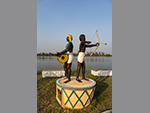 "+
"
"+
"  "+
"",
panchetbengali : "পাঞ্চেতঃ-পাঞ্চেত বাঁধ হলো দামোদর ভ্যালি কর্পোরেশনের দ্বারা পাঞ্চেত পাহাড়ের পাদদেশে নির্মিত প্রথম পর্যায়ের চারটে বহুমুখী বাঁধের শেষ বাঁধ। এটা ভারতের ঝাড়খণ্ড রাজ্যের ধানবাদ জেলার পাঞ্চেতে দামোদর নদীতে নির্মিত এবং ১৯৫৯ সালে তা চালু করা হয়। দামোদর ভ্যালি কর্পোরেশন বা সংক্ষেপে ডিভিসি স্বাধীন ভারতের প্রথম বহুমুখী নদী উপত্যকা প্রকল্প। ১৯৪৮ সালের ৭ জুলাই ভারতীয় গণপরিষদের একটি আইন বলে এই কর্পোরেশন স্থাপিত হয়। মার্কিন যুক্তরাষ্ট্রের টেনেসি ভ্যালি অথরিটির আদলে দামোদর ভ্যালি কর্পোরেশন গড়ে ওঠে। ভারতের তৎকালীন প্রধানমন্ত্রী জওহরলাল নেহেরু, পশ্চিমবঙ্গের তৎকালীন মুখ্যমন্ত্রী ডাঃ বিধানচন্দ্র রায় ও বিহারের তৎকালীন মুখ্যমন্ত্রী শ্রীকৃষ্ণ সিনহার ব্যক্তিগত উদ্যোগে এই প্রকল্প গড়ে উঠেছিল।প্রথম দিকে ডিভিসির মূল উদ্দেশ্য ছিল বন্যা নিয়ন্ত্রণ, সেচ, বিদ্যুৎ উৎপাদন ও সরবরাহ, পরিবেশ সংরক্ষণ, বনসৃজন এবং ডিভিসি প্রকল্পের আওতাধীন অঞ্চলে বসবাসকারী মানুষদের আর্থ-সামাজিক উন্নতি। বিগত কয়েক দশকে বিদ্যুৎ উৎপাদন ডিভিসিতে অত্যধিক গুরুত্ব পেলেও বন্যা নিয়ন্ত্রণ ও সেচব্যবস্থায় এই সংস্থার গুরুত্বপূর্ণ অবদানের কথাও অনস্বীকার্য।১৯৫৩ সালে প্রকল্পের অধীনে তিলাইয়াতে দামোদর নদের উপনদী বরাকর নদের উপর একটা বাঁধ নির্মাণ করা হয়। ১৯৫৫ সালে কোনারে দামোদরের অপর উপনদী কোনার নদ-এর উপর দ্বিতীয় বাঁধ নির্মিত হয়। ১৯৫৭ সালে মাইথনে বরাকর নদের উপর এবং ১৯৫৯ সালে পাঞ্চেতে দামোদর নদের উপর আরও দুটো বাঁধ নির্মিত হয়। শেষোক্ত বাঁধ দুটোই দুই নদীর মিলনস্থল থেকে মোটামুটি আট কিলোমিটার উজানে নির্মিত হয়েছিল। বরাকর নদীর সঙ্গে মিলিত হওয়া এবং পশ্চিমবঙ্গের মধ্য দিয়ে সম্পূর্ণভাবে প্রবাহিত হওয়ার আগে, দমোদর নদ ঝাড়খণ্ডের ধানবাদ জেলা এবং পশ্চিমবঙ্গের পুরুলিয়া জেলার মধ্যবর্তী সীমানা গঠন করে। পাঞ্চেত বাঁধ ও জলাধারের উত্তরে ধানবাদ জেলা এবং দক্ষিণ-পূর্ব অঞ্চলে পুরুলিয়া জেলা রয়েছে। পাঞ্চেত পাহাড়, পাঞ্চেত বাঁধের সীমানা জুড়ে বিস্তৃত। এই চারটে বাঁধই ডিভিসির নিয়ন্ত্রণাধীন প্রধান বাঁধ। ১৯৫৫ সালে দুর্গাপুরে দামোদর নদের উপর নির্মিত হয় দুর্গাপুর বাঁধ। এই বাঁধ থেকে নদীর দুধারে অবস্থিত অন্যান্য খাল ও নদীগুলোতে জল সরবরাহ করা হয়ে থাকে। ১৯৭৮ সালে বিহার সরকার ডিভিসির নিয়ন্ত্রণের বাইরে তেনুঘাটে একটা বাঁধ নির্মাণ করেছিলেন। তিলাইয়া, মাইথন ও পাঞ্চেতে জলবিদ্যুৎ উৎপাদন কেন্দ্র রয়েছে। মাইথন ভারতের প্রথম ভূগর্ভস্থ জলবিদ্যুৎ উৎপাদন কেন্দ্র। উচ্চ দামোদর উপত্যকায় অবস্থিত ঝাড়খণ্ডের হাজারিবাগ, কোডারমা, গিরিডি, ছাতরা, ধানবাদ ও বোকারো জেলার পুরো অংশ ও পালামৌ, রাঁচি, লোহারদাগা ও দুমকা জেলার কিছু অংশ এবং নিম্ন দামোদর উপত্যকায় অবস্থিত পশ্চিমবঙ্গের বর্ধমান ও হুগলি জেলার পুরো অংশ ও পুরুলিয়া, বাঁকুড়া ও হাওড়া জেলার কিছু অংশ ডিভিসি প্রকল্পের আওতাধীন। এই সমগ্র অঞ্চলের আয়তন ২৪,২৩৫ বর্গকিলোমিটার। "+
"Read More..."+
"
"+
"",
panchetbengali : "পাঞ্চেতঃ-পাঞ্চেত বাঁধ হলো দামোদর ভ্যালি কর্পোরেশনের দ্বারা পাঞ্চেত পাহাড়ের পাদদেশে নির্মিত প্রথম পর্যায়ের চারটে বহুমুখী বাঁধের শেষ বাঁধ। এটা ভারতের ঝাড়খণ্ড রাজ্যের ধানবাদ জেলার পাঞ্চেতে দামোদর নদীতে নির্মিত এবং ১৯৫৯ সালে তা চালু করা হয়। দামোদর ভ্যালি কর্পোরেশন বা সংক্ষেপে ডিভিসি স্বাধীন ভারতের প্রথম বহুমুখী নদী উপত্যকা প্রকল্প। ১৯৪৮ সালের ৭ জুলাই ভারতীয় গণপরিষদের একটি আইন বলে এই কর্পোরেশন স্থাপিত হয়। মার্কিন যুক্তরাষ্ট্রের টেনেসি ভ্যালি অথরিটির আদলে দামোদর ভ্যালি কর্পোরেশন গড়ে ওঠে। ভারতের তৎকালীন প্রধানমন্ত্রী জওহরলাল নেহেরু, পশ্চিমবঙ্গের তৎকালীন মুখ্যমন্ত্রী ডাঃ বিধানচন্দ্র রায় ও বিহারের তৎকালীন মুখ্যমন্ত্রী শ্রীকৃষ্ণ সিনহার ব্যক্তিগত উদ্যোগে এই প্রকল্প গড়ে উঠেছিল।প্রথম দিকে ডিভিসির মূল উদ্দেশ্য ছিল বন্যা নিয়ন্ত্রণ, সেচ, বিদ্যুৎ উৎপাদন ও সরবরাহ, পরিবেশ সংরক্ষণ, বনসৃজন এবং ডিভিসি প্রকল্পের আওতাধীন অঞ্চলে বসবাসকারী মানুষদের আর্থ-সামাজিক উন্নতি। বিগত কয়েক দশকে বিদ্যুৎ উৎপাদন ডিভিসিতে অত্যধিক গুরুত্ব পেলেও বন্যা নিয়ন্ত্রণ ও সেচব্যবস্থায় এই সংস্থার গুরুত্বপূর্ণ অবদানের কথাও অনস্বীকার্য।১৯৫৩ সালে প্রকল্পের অধীনে তিলাইয়াতে দামোদর নদের উপনদী বরাকর নদের উপর একটা বাঁধ নির্মাণ করা হয়। ১৯৫৫ সালে কোনারে দামোদরের অপর উপনদী কোনার নদ-এর উপর দ্বিতীয় বাঁধ নির্মিত হয়। ১৯৫৭ সালে মাইথনে বরাকর নদের উপর এবং ১৯৫৯ সালে পাঞ্চেতে দামোদর নদের উপর আরও দুটো বাঁধ নির্মিত হয়। শেষোক্ত বাঁধ দুটোই দুই নদীর মিলনস্থল থেকে মোটামুটি আট কিলোমিটার উজানে নির্মিত হয়েছিল। বরাকর নদীর সঙ্গে মিলিত হওয়া এবং পশ্চিমবঙ্গের মধ্য দিয়ে সম্পূর্ণভাবে প্রবাহিত হওয়ার আগে, দমোদর নদ ঝাড়খণ্ডের ধানবাদ জেলা এবং পশ্চিমবঙ্গের পুরুলিয়া জেলার মধ্যবর্তী সীমানা গঠন করে। পাঞ্চেত বাঁধ ও জলাধারের উত্তরে ধানবাদ জেলা এবং দক্ষিণ-পূর্ব অঞ্চলে পুরুলিয়া জেলা রয়েছে। পাঞ্চেত পাহাড়, পাঞ্চেত বাঁধের সীমানা জুড়ে বিস্তৃত। এই চারটে বাঁধই ডিভিসির নিয়ন্ত্রণাধীন প্রধান বাঁধ। ১৯৫৫ সালে দুর্গাপুরে দামোদর নদের উপর নির্মিত হয় দুর্গাপুর বাঁধ। এই বাঁধ থেকে নদীর দুধারে অবস্থিত অন্যান্য খাল ও নদীগুলোতে জল সরবরাহ করা হয়ে থাকে। ১৯৭৮ সালে বিহার সরকার ডিভিসির নিয়ন্ত্রণের বাইরে তেনুঘাটে একটা বাঁধ নির্মাণ করেছিলেন। তিলাইয়া, মাইথন ও পাঞ্চেতে জলবিদ্যুৎ উৎপাদন কেন্দ্র রয়েছে। মাইথন ভারতের প্রথম ভূগর্ভস্থ জলবিদ্যুৎ উৎপাদন কেন্দ্র। উচ্চ দামোদর উপত্যকায় অবস্থিত ঝাড়খণ্ডের হাজারিবাগ, কোডারমা, গিরিডি, ছাতরা, ধানবাদ ও বোকারো জেলার পুরো অংশ ও পালামৌ, রাঁচি, লোহারদাগা ও দুমকা জেলার কিছু অংশ এবং নিম্ন দামোদর উপত্যকায় অবস্থিত পশ্চিমবঙ্গের বর্ধমান ও হুগলি জেলার পুরো অংশ ও পুরুলিয়া, বাঁকুড়া ও হাওড়া জেলার কিছু অংশ ডিভিসি প্রকল্পের আওতাধীন। এই সমগ্র অঞ্চলের আয়তন ২৪,২৩৫ বর্গকিলোমিটার। "+
"Read More..."+
" "+
"
"+
"  "+
"
"+
"  "+
"
"+
"  "+
"
"+
"  "+
"
"+
"  "+
"
"+
"  "+
"
"+
"  "+
"",
garhpanchakotbengali : "গড়পঞ্চকোটঃ-পচোখ জোড়ানো প্রকৃতির রূপ দেখার জন্যে গড়পঞ্চকোট হলো আদর্শ জায়গা। এখানেই দেখতে পাওয়া যায় যে কিভাবে নৈসর্গিক সৌন্দর্য আর ইতিহাস একসঙ্গে বাস করে। ছোটনাগপুর মালভূমির পূর্ব প্রান্তে, পুরুলিয়া জেলার উত্তর-পূর্বাংশে, নিতুড়িয়া থানা এলাকায়, পাঞ্চেত পাহাড়ের পাদদেশে, ঝাড়খণ্ড ও বর্ধমানের সীমানা ঘেঁষে থাকা অংশে গড়পঞ্চকোটের অবস্থান। একদিকে পাঞ্চেত জলাধার অন্যদিকে পঞ্চকোট পাহাড়, সমগ্র অঞ্চল একটা মনোমুগ্ধকর পরিবেশ সৃষ্টি করেছে। গড়পঞ্চকোট এককালে পঞ্চকোট রাজাদের রাজধানী ছিল। গড় মানে দুর্গ, পঞ্চ মানে পাঁচ এবং কোট মানে গোষ্ঠী। পঞ্চকোটের প্রথম রাজা ছিলেন দামোদর শেখর৷ ইতিহাস বলে, পুরুলিয়ার ঝালদা অঞ্চলের পাঁচ আদিবাসী গোষ্ঠীর সর্দারদের সাহায্যে এখানে তিনি রাজত্ব গড়ে তোলেন। সেই থেকেই এই জায়গার নাম গড়পঞ্চকোট। পঞ্চকোট রাজাদের রাজত্বকালে এখানে পরিখার সংখ্যা ছিল পাঁচটা, ১১০টা ছোট-বড় পুকুর, এবং দক্ষিণ পশ্চিম দিক বাঁশ ও কাঁটা জঙ্গল দ্বারা পরিপূর্ণ ছিল, এবং তারই মাঝখানে ছিল একটা পরিখা। এখানে রয়েছে সপ্তদশ শতাব্দীর রঘুনাথ জিউর মন্দির, কঙ্কালী মাতার মন্দির, রাস মন্দির, পঞ্চরত্ন মন্দির, রানী মহলের ধ্বংসাবশেষ, জোড় বাঁধ, সায়ের, রাজপ্রাসাদের স্মৃতিচিহ্ন, এছাড়াও অনেক মন্দির ও স্থাপত্যের ধ্বংসাবশেষ। এখানে আগে ছোট বড় সব মিলে প্রায় চল্লিশটা মন্দির ছিল, তবে তার মধ্যে দু একটারই ভগ্নাবশেষ বর্তমানে পাওয়া যায়। যেমন একটা মন্দির যা পঞ্চরত্ন মন্দির নামে পরিচিত। আগে মন্দিরে কোন দেবদেবীর মূর্তি ছিল না, কিন্তু বর্তমানে পর্যটনের প্রসারে, রাজ্যের সংস্কৃতি দপ্তরের পুরাতত্ত্ব বিভাগ, মন্দিরটাকে সাজিয়ে তোলাতে, এখন কিছু দেবদেবীর মূর্তি প্রতিষ্ঠা করা হয়েছে। এই গড় পঞ্চকোট পাহাড়ের মধ্যেই রয়েছে এক অপরূপ জলধারা। এই স্থানে মূলত আদিবাসী সম্প্রদায়ের মানুষের বসবাস। তাদের হাতের সূক্ষ্ম কাজ, যেমন খেজুর পাতায় তৈরি বিভিন্ন কারুকার্য বিশেষ দৃষ্টি আকর্ষণ করে। দু পাশে ঘন জঙ্গলের মাঝে রাস্তা এবং মাঝে মধ্যে ছোট ছোট পুকুর, এই অঞ্চলের সৌন্দর্যের মাত্রাকে আরও বাড়িয়েছে। ১৬০০ সালে বিষ্ণুপুরের মাল্লা বংশের রাজা, বীর হাম্বির জায়গাটার দখল নেন। বীর হাম্বির সঙ্গে পঞ্চকোট রাজাদের সখ্যতা ছিল, তাই পঞ্চকোটের রাজাদের গড়পঞ্চকোটে রাজত্ব চালাতে কোনও অসুবিধা হয়নি। তবে ১৭৪১ সালে মারাঠা বর্গীদের আক্রমণে গড়পঞ্চকোট মারাত্মকভাবে ক্ষতিগ্রস্ত হয়েছিল। বাংলায় এসে এই গড়পঞ্চকোটে তারা হামলা এবং লুটপাট চালায়। জনশ্রুতি অনুযায়ী, শেষ রাজার প্রকাণ্ড রাজবাড়িতে সতেরো রানীর মহল্লা ছিল। বর্গীদের আক্রমণে রানীরা সম্মান বাঁচাতে পাশে থাকা একটা কুয়োতে ঝাঁপ দিয়ে আত্মহত্যা করেছিলেন। বর্গী আক্রমণের পর পঞ্চকোট রাজারা তাদের রাজত্ব কাশীপুরে স্থানান্তরিত করেন।১৮৭২ সালের সেপ্টেম্বর মাসে বিখ্যাত কবি মাইকেল মধুসূদন দত্ত, পঞ্চকোটের রাজা নীলমণি সিং দেওর কাছ থেকে পঞ্চকোটরাজ এস্টেটের আইনি উপদেষ্টার দায়িত্ব নেন। পরে তিনি কোষাধ্যক্ষের মর্যাদাপূর্ণ পদে পদোন্নতি পান। যদিও কার্যকালটা মধুসূদনের পক্ষে বিশেষ সুখী এবং সন্তোষজনক ছিল না। তবে তিনি অল্প সময়ের মধ্যেই আশেপাশে বসবাসকারী মানুষের জীবনযাত্রার পাশাপাশি প্রকৃতি এবং স্থান সম্পর্কে কিছুটা আনন্দ এবং আগ্রহ পেয়েছিলেন, যার প্রমাণ পাওয়া যায় তাঁর কিছু সনেটে। স্থান এবং কবির মধ্যে সংযোগের চিহ্ন হিসাবে, এখানকার এক কলেজের নামকরণ করা হয় কাশীপুর মাইকেল মধুসূদন মহাবিদ্যালয়। "+
"Read More..."+
"
"+
"",
garhpanchakotbengali : "গড়পঞ্চকোটঃ-পচোখ জোড়ানো প্রকৃতির রূপ দেখার জন্যে গড়পঞ্চকোট হলো আদর্শ জায়গা। এখানেই দেখতে পাওয়া যায় যে কিভাবে নৈসর্গিক সৌন্দর্য আর ইতিহাস একসঙ্গে বাস করে। ছোটনাগপুর মালভূমির পূর্ব প্রান্তে, পুরুলিয়া জেলার উত্তর-পূর্বাংশে, নিতুড়িয়া থানা এলাকায়, পাঞ্চেত পাহাড়ের পাদদেশে, ঝাড়খণ্ড ও বর্ধমানের সীমানা ঘেঁষে থাকা অংশে গড়পঞ্চকোটের অবস্থান। একদিকে পাঞ্চেত জলাধার অন্যদিকে পঞ্চকোট পাহাড়, সমগ্র অঞ্চল একটা মনোমুগ্ধকর পরিবেশ সৃষ্টি করেছে। গড়পঞ্চকোট এককালে পঞ্চকোট রাজাদের রাজধানী ছিল। গড় মানে দুর্গ, পঞ্চ মানে পাঁচ এবং কোট মানে গোষ্ঠী। পঞ্চকোটের প্রথম রাজা ছিলেন দামোদর শেখর৷ ইতিহাস বলে, পুরুলিয়ার ঝালদা অঞ্চলের পাঁচ আদিবাসী গোষ্ঠীর সর্দারদের সাহায্যে এখানে তিনি রাজত্ব গড়ে তোলেন। সেই থেকেই এই জায়গার নাম গড়পঞ্চকোট। পঞ্চকোট রাজাদের রাজত্বকালে এখানে পরিখার সংখ্যা ছিল পাঁচটা, ১১০টা ছোট-বড় পুকুর, এবং দক্ষিণ পশ্চিম দিক বাঁশ ও কাঁটা জঙ্গল দ্বারা পরিপূর্ণ ছিল, এবং তারই মাঝখানে ছিল একটা পরিখা। এখানে রয়েছে সপ্তদশ শতাব্দীর রঘুনাথ জিউর মন্দির, কঙ্কালী মাতার মন্দির, রাস মন্দির, পঞ্চরত্ন মন্দির, রানী মহলের ধ্বংসাবশেষ, জোড় বাঁধ, সায়ের, রাজপ্রাসাদের স্মৃতিচিহ্ন, এছাড়াও অনেক মন্দির ও স্থাপত্যের ধ্বংসাবশেষ। এখানে আগে ছোট বড় সব মিলে প্রায় চল্লিশটা মন্দির ছিল, তবে তার মধ্যে দু একটারই ভগ্নাবশেষ বর্তমানে পাওয়া যায়। যেমন একটা মন্দির যা পঞ্চরত্ন মন্দির নামে পরিচিত। আগে মন্দিরে কোন দেবদেবীর মূর্তি ছিল না, কিন্তু বর্তমানে পর্যটনের প্রসারে, রাজ্যের সংস্কৃতি দপ্তরের পুরাতত্ত্ব বিভাগ, মন্দিরটাকে সাজিয়ে তোলাতে, এখন কিছু দেবদেবীর মূর্তি প্রতিষ্ঠা করা হয়েছে। এই গড় পঞ্চকোট পাহাড়ের মধ্যেই রয়েছে এক অপরূপ জলধারা। এই স্থানে মূলত আদিবাসী সম্প্রদায়ের মানুষের বসবাস। তাদের হাতের সূক্ষ্ম কাজ, যেমন খেজুর পাতায় তৈরি বিভিন্ন কারুকার্য বিশেষ দৃষ্টি আকর্ষণ করে। দু পাশে ঘন জঙ্গলের মাঝে রাস্তা এবং মাঝে মধ্যে ছোট ছোট পুকুর, এই অঞ্চলের সৌন্দর্যের মাত্রাকে আরও বাড়িয়েছে। ১৬০০ সালে বিষ্ণুপুরের মাল্লা বংশের রাজা, বীর হাম্বির জায়গাটার দখল নেন। বীর হাম্বির সঙ্গে পঞ্চকোট রাজাদের সখ্যতা ছিল, তাই পঞ্চকোটের রাজাদের গড়পঞ্চকোটে রাজত্ব চালাতে কোনও অসুবিধা হয়নি। তবে ১৭৪১ সালে মারাঠা বর্গীদের আক্রমণে গড়পঞ্চকোট মারাত্মকভাবে ক্ষতিগ্রস্ত হয়েছিল। বাংলায় এসে এই গড়পঞ্চকোটে তারা হামলা এবং লুটপাট চালায়। জনশ্রুতি অনুযায়ী, শেষ রাজার প্রকাণ্ড রাজবাড়িতে সতেরো রানীর মহল্লা ছিল। বর্গীদের আক্রমণে রানীরা সম্মান বাঁচাতে পাশে থাকা একটা কুয়োতে ঝাঁপ দিয়ে আত্মহত্যা করেছিলেন। বর্গী আক্রমণের পর পঞ্চকোট রাজারা তাদের রাজত্ব কাশীপুরে স্থানান্তরিত করেন।১৮৭২ সালের সেপ্টেম্বর মাসে বিখ্যাত কবি মাইকেল মধুসূদন দত্ত, পঞ্চকোটের রাজা নীলমণি সিং দেওর কাছ থেকে পঞ্চকোটরাজ এস্টেটের আইনি উপদেষ্টার দায়িত্ব নেন। পরে তিনি কোষাধ্যক্ষের মর্যাদাপূর্ণ পদে পদোন্নতি পান। যদিও কার্যকালটা মধুসূদনের পক্ষে বিশেষ সুখী এবং সন্তোষজনক ছিল না। তবে তিনি অল্প সময়ের মধ্যেই আশেপাশে বসবাসকারী মানুষের জীবনযাত্রার পাশাপাশি প্রকৃতি এবং স্থান সম্পর্কে কিছুটা আনন্দ এবং আগ্রহ পেয়েছিলেন, যার প্রমাণ পাওয়া যায় তাঁর কিছু সনেটে। স্থান এবং কবির মধ্যে সংযোগের চিহ্ন হিসাবে, এখানকার এক কলেজের নামকরণ করা হয় কাশীপুর মাইকেল মধুসূদন মহাবিদ্যালয়। "+
"Read More..."+
" "+
"
"+
"  "+
"
"+
"  "+
"
"+
"  "+
"
"+
"  "+
"
"+
"  "+
"
"+
"  "+
"
"+
"  "+
"",
barantibengali : "বড়ন্তিঃ-পলালমাটির রোমান্টিক রাস্তা ধরে পাহাড়ি নিসর্গকে দুচোখে রেখে চলতে চলতে, হঠাৎ থমকে যেতে হয় এক অপূর্ব লেক দেখে। কোবাল্ট রঙের সেই লেক দেখে মন যেমন বিমোহিত হয়, সৌন্দর্যসুধা আকণ্ঠ পান করে তৃপ্তির আধারও ভরে ওঠে কানায় কানায়। এটাই বড়ন্তি লেক। রামচন্দ্রপুর সেচ প্রকল্পের অন্তর্গত এই লেকটার পোশাকি নাম রামচন্দ্রপুর জলাধার হলেও, লোকে একে বড়ন্তি লেক নামেই বেশি চেনে। বড়ন্তি নদীতে বাঁধ দিয়ে তৈরি হয়েছে সুন্দর এই জলাধার। আসানসোল কিংবা মুরাডি স্টেশন থেকে, পাকা সড়ক ছেড়ে, গাড়ি যেই ঢুকে পড়লো লাল মাটির কাঁচা সড়কে, টিলায় ঘেরা ছোট ছোট্ট আদিবাসী গ্রামের শান্ত স্নিগ্ধ রূপের ভেতর দিয়ে যেতে যেতে মন তার তৃষ্ণা নিবারণের উপকরণ পেতে শুরু করবে। পথের শেষে, লেক পেরিয়ে বড়ন্তি গ্রাম। এখানেই রয়েছে রাত্রিবাসের সুন্দর সুন্দর জায়গা। মুরাডি পাহাড়ের কোলঘেঁষা পথ ধরে লেককে ডান দিকে রেখে পৌঁছনো যায় বড়ন্তি পাহাড়ের ঠিক নীচে। সেখানেই বড়ন্তি গ্রাম।তবে, পাহাড়ের মাথায় উঠলে, বড়ন্তি লেক সহ চার পাশের যে অনবদ্য প্রাকৃতিক শোভা দেখা যায়, সেটা অবশ্যই হেঁটে ওঠার কষ্টকে ভুলিয়ে দেয়। সবুজ গাছপালা ঘেরা অসম্ভব সুন্দর বড়ন্তিতে এলে মনে হয়, ভরপুর অক্সিজেন প্রতি মুহূর্তে জীবনীশক্তিকে দ্বিগুণ করছে। প্রাণ ভরে শ্বাস নেওয়া যায় নির্মল আবহাওয়ায়। শরীর মন দুই-ই চাঙ্গা হয়। বেরিয়ে পড়া যায় সাঁওতালদের গ্রাম জীবনপুরের উদ্দেশ্যে। বড়ন্তি থেকে খুব একটা দূরেও নয়। শাল, পিয়াল, পলাশ, আকাশমণি, মহুয়া গাছের ঘন জঙ্গলে ঘেরা লালমাটির পথ দিয়ে হেঁটে যেতে ভাল লাগবে। গ্রামটার আসল নাম রামজীবনপুর। তবে লোকমুখে শোনা যায়, রাম বনবাসে যাবার পর নামটা জীবনপুর হয়ে গেছে। টুসু, ভাদু, বাঁধনা এই সব পরবে এখানে জমিয়ে উৎসব হয়। শুধু এই গ্রামই নয়, আশপাশের সাঁওতালদের গ্রামজুড়েও মাদলের দ্রিম দ্রিম ধ্বনিতে, নাচের ছন্দে, মেলার জৌলুসে জমে ওঠে বর্ণময় সব আচার-অনুষ্ঠান। এ সব সময় গেলে এক দারুণ অভিজ্ঞতার সাক্ষী হওয়া যায়।গ্রামের রাস্তায় হাঁটতে হাঁটতেই আলাপ হয়ে যাবে সহজ-সরল, অনাড়ম্বর জীবনযাত্রায় অভ্যস্ত গ্রামবাসীদের সঙ্গে। ওরাই কথায় কথায় জানিয়ে দেবে বিভিন্ন উৎসবের সময়কাল। কার্তিক মাসে বাঁধনা উৎসবের সময় মারাং-বুরু দেবতার পুজো বা মাঘ মাসের পরবে ধানসিং-মানসিং দেবতার পুজোর কথা। হাঁটতে হাঁটতে পৌঁছে যাওয়া যায় গ্রামের প্রান্তে বড়ন্তি নদীর ধারে। ভারী সুন্দর সে নদী। এঁকেবেঁকে চলে গেছে বড়ন্তি বাঁধে। এই নদীর ওপরেই বাঁধ দিয়ে তৈরি হয়েছে বড়ন্তি লেক। বড়ন্তি থেকে গাড়ি করে কাছাকাছি কয়েকটা সুন্দর সুন্দর গ্রাম দেখে আসা যায়। যেমন সাঁওতালদের গ্রাম মানজুড়ি। দেখা যাবে মাটির দেওয়ালে সুন্দর আলপনার কারুকার্য, দারুণ ভাবে নিকোনো দাওয়া, ঘরের বাইরে বড় বড় মাটির হাঁড়ি ঝোলানো ইত্যাদি। সেখান থেকে পোরোলি পাহাড়ের নীচে পোরোলি গ্রাম। সেখান থেকে বেরো পাহাড়। কাছেই রয়েছে দণ্ডহি গ্রাম। সেখানে পাওয়া যায় বিভিন্ন গাছের চারা। আর সময় বেশি থাকলে বড়ন্তি থেকে কাছাকাছি পাঞ্চেত, গড়পঞ্চকোট, জয়চণ্ডী পাহাড়, কাশীপুর রাজবাড়ি ইত্যাদি ঘুরে নেওয়া যায়।নিতান্তই যদি বেশি ঘোরাঘুরি করতে ভাল না লাগে, তবে মন্দাক্রান্তা ছন্দে পায়ে হেঁটে কাছাকাছি গ্রামগুলোতে ঘুরে নেওয়া যেতে পারে, আর সকালে-বিকালে লেকের জলের রং পরিবর্তন দেখা যেতে পারে। বিভিন্ন সময়ে লেকের জলের রং বিভিন্ন হয়। সকালে জলের গাঢ় নীল রং দেখে যেমন চোখ ধাঁধিয়ে যায়, তেমনই বিকেলে সূর্য যখন বড়ন্তির উল্টোদিকের পোরেলি পাহাড়ের পিছনে মুখ লুকোয়, সেই মায়াবি আলোয় লেকের জল লাল হয়ে ওঠে। ঠিক তখনই নিঃস্তব্ধ চরাচরে পর্যটকের উদ্বেল মন উদ্ভাসিত হয় খুশির রামধনু রঙে। জাগতিক নিয়মেই এক সময় আলো নিভে যায়। চতুর্দিকে নিকশ কালো অন্ধকারের মধ্যে, বড়ন্তি জ্বেলে দেয় অনাবিল সৌন্দর্যের প্রতীক, এক আকাশ মিটমিটে আলো, যার দ্যুতি পর্যটকের মনে কোনও দিনই ম্লান হবে না। "+
"Read More..."+
"
"+
"",
barantibengali : "বড়ন্তিঃ-পলালমাটির রোমান্টিক রাস্তা ধরে পাহাড়ি নিসর্গকে দুচোখে রেখে চলতে চলতে, হঠাৎ থমকে যেতে হয় এক অপূর্ব লেক দেখে। কোবাল্ট রঙের সেই লেক দেখে মন যেমন বিমোহিত হয়, সৌন্দর্যসুধা আকণ্ঠ পান করে তৃপ্তির আধারও ভরে ওঠে কানায় কানায়। এটাই বড়ন্তি লেক। রামচন্দ্রপুর সেচ প্রকল্পের অন্তর্গত এই লেকটার পোশাকি নাম রামচন্দ্রপুর জলাধার হলেও, লোকে একে বড়ন্তি লেক নামেই বেশি চেনে। বড়ন্তি নদীতে বাঁধ দিয়ে তৈরি হয়েছে সুন্দর এই জলাধার। আসানসোল কিংবা মুরাডি স্টেশন থেকে, পাকা সড়ক ছেড়ে, গাড়ি যেই ঢুকে পড়লো লাল মাটির কাঁচা সড়কে, টিলায় ঘেরা ছোট ছোট্ট আদিবাসী গ্রামের শান্ত স্নিগ্ধ রূপের ভেতর দিয়ে যেতে যেতে মন তার তৃষ্ণা নিবারণের উপকরণ পেতে শুরু করবে। পথের শেষে, লেক পেরিয়ে বড়ন্তি গ্রাম। এখানেই রয়েছে রাত্রিবাসের সুন্দর সুন্দর জায়গা। মুরাডি পাহাড়ের কোলঘেঁষা পথ ধরে লেককে ডান দিকে রেখে পৌঁছনো যায় বড়ন্তি পাহাড়ের ঠিক নীচে। সেখানেই বড়ন্তি গ্রাম।তবে, পাহাড়ের মাথায় উঠলে, বড়ন্তি লেক সহ চার পাশের যে অনবদ্য প্রাকৃতিক শোভা দেখা যায়, সেটা অবশ্যই হেঁটে ওঠার কষ্টকে ভুলিয়ে দেয়। সবুজ গাছপালা ঘেরা অসম্ভব সুন্দর বড়ন্তিতে এলে মনে হয়, ভরপুর অক্সিজেন প্রতি মুহূর্তে জীবনীশক্তিকে দ্বিগুণ করছে। প্রাণ ভরে শ্বাস নেওয়া যায় নির্মল আবহাওয়ায়। শরীর মন দুই-ই চাঙ্গা হয়। বেরিয়ে পড়া যায় সাঁওতালদের গ্রাম জীবনপুরের উদ্দেশ্যে। বড়ন্তি থেকে খুব একটা দূরেও নয়। শাল, পিয়াল, পলাশ, আকাশমণি, মহুয়া গাছের ঘন জঙ্গলে ঘেরা লালমাটির পথ দিয়ে হেঁটে যেতে ভাল লাগবে। গ্রামটার আসল নাম রামজীবনপুর। তবে লোকমুখে শোনা যায়, রাম বনবাসে যাবার পর নামটা জীবনপুর হয়ে গেছে। টুসু, ভাদু, বাঁধনা এই সব পরবে এখানে জমিয়ে উৎসব হয়। শুধু এই গ্রামই নয়, আশপাশের সাঁওতালদের গ্রামজুড়েও মাদলের দ্রিম দ্রিম ধ্বনিতে, নাচের ছন্দে, মেলার জৌলুসে জমে ওঠে বর্ণময় সব আচার-অনুষ্ঠান। এ সব সময় গেলে এক দারুণ অভিজ্ঞতার সাক্ষী হওয়া যায়।গ্রামের রাস্তায় হাঁটতে হাঁটতেই আলাপ হয়ে যাবে সহজ-সরল, অনাড়ম্বর জীবনযাত্রায় অভ্যস্ত গ্রামবাসীদের সঙ্গে। ওরাই কথায় কথায় জানিয়ে দেবে বিভিন্ন উৎসবের সময়কাল। কার্তিক মাসে বাঁধনা উৎসবের সময় মারাং-বুরু দেবতার পুজো বা মাঘ মাসের পরবে ধানসিং-মানসিং দেবতার পুজোর কথা। হাঁটতে হাঁটতে পৌঁছে যাওয়া যায় গ্রামের প্রান্তে বড়ন্তি নদীর ধারে। ভারী সুন্দর সে নদী। এঁকেবেঁকে চলে গেছে বড়ন্তি বাঁধে। এই নদীর ওপরেই বাঁধ দিয়ে তৈরি হয়েছে বড়ন্তি লেক। বড়ন্তি থেকে গাড়ি করে কাছাকাছি কয়েকটা সুন্দর সুন্দর গ্রাম দেখে আসা যায়। যেমন সাঁওতালদের গ্রাম মানজুড়ি। দেখা যাবে মাটির দেওয়ালে সুন্দর আলপনার কারুকার্য, দারুণ ভাবে নিকোনো দাওয়া, ঘরের বাইরে বড় বড় মাটির হাঁড়ি ঝোলানো ইত্যাদি। সেখান থেকে পোরোলি পাহাড়ের নীচে পোরোলি গ্রাম। সেখান থেকে বেরো পাহাড়। কাছেই রয়েছে দণ্ডহি গ্রাম। সেখানে পাওয়া যায় বিভিন্ন গাছের চারা। আর সময় বেশি থাকলে বড়ন্তি থেকে কাছাকাছি পাঞ্চেত, গড়পঞ্চকোট, জয়চণ্ডী পাহাড়, কাশীপুর রাজবাড়ি ইত্যাদি ঘুরে নেওয়া যায়।নিতান্তই যদি বেশি ঘোরাঘুরি করতে ভাল না লাগে, তবে মন্দাক্রান্তা ছন্দে পায়ে হেঁটে কাছাকাছি গ্রামগুলোতে ঘুরে নেওয়া যেতে পারে, আর সকালে-বিকালে লেকের জলের রং পরিবর্তন দেখা যেতে পারে। বিভিন্ন সময়ে লেকের জলের রং বিভিন্ন হয়। সকালে জলের গাঢ় নীল রং দেখে যেমন চোখ ধাঁধিয়ে যায়, তেমনই বিকেলে সূর্য যখন বড়ন্তির উল্টোদিকের পোরেলি পাহাড়ের পিছনে মুখ লুকোয়, সেই মায়াবি আলোয় লেকের জল লাল হয়ে ওঠে। ঠিক তখনই নিঃস্তব্ধ চরাচরে পর্যটকের উদ্বেল মন উদ্ভাসিত হয় খুশির রামধনু রঙে। জাগতিক নিয়মেই এক সময় আলো নিভে যায়। চতুর্দিকে নিকশ কালো অন্ধকারের মধ্যে, বড়ন্তি জ্বেলে দেয় অনাবিল সৌন্দর্যের প্রতীক, এক আকাশ মিটমিটে আলো, যার দ্যুতি পর্যটকের মনে কোনও দিনই ম্লান হবে না। "+
"Read More..."+
" "+
"
"+
"  "+
"
"+
"  "+
"
"+
"  "+
"
"+
"  "+
"
"+
"  "+
"
"+
"  "+
"
"+
"  "+
"",
berobengali : "বেরো পাহাড়ঃ-পরিচিত শহুরে কোলাহলের থেকে আপাত শান্ত রাঢ়বাংলায় বসন্ত উপভোগ করতে সেবার গেছিলাম পুরুলিয়ার বেরো পাহাড়ে। বহু বছর আগে আগ্নেয় শিলার তৈরি ছোটনাগপুর মালভূমির অংশ এই পুরুলিয়া জেলা, যার চতুর্দিক পঞ্চকোট, বাঘমুণ্ডি, অযোধ্যা, জয়চণ্ডী, বেরো, চণ্ডী, ধোবা, পাখি ইত্যাদি পাহাড় দিয়ে ঘেরা। জীববৈচিত্রে ভরপুর, প্রধানত গ্রানাইট পাথরের এইসব পাহাড়ের খাঁজে খাঁজে অনেক অজানা রহস্য লুকিয়ে আছে যার অনেকটাই আমরা জানি না। বিভিন্ন জায়গা ঘুরতে ঘুরতে এসে পৌছালাম বেড়ো পাহাড়ের নীচে, অন্যতম শ্রদ্ধেয় রাজনৈতিক নেতা বাসুদেব আচারিয়ার গ্রামে। টিলা-পাহাড়ময় এই এলাকাটা পড়ে রঘুনাথপুর-১ ব্লকের অধীনে। জয়চণ্ডী বা গড়পঞ্চকোটের মতন পরিচিতি নেই বেরোর, কিন্তু প্রাকৃতিক সৌন্দর্যে ভরপুর, নিরিবিলি, ট্রেকিংয়ের আদর্শ জায়গা এই বেরো পাহাড়কে চ্যালেঞ্জ করার ক্ষমতাও কারুর নেই। প্রকাণ্ড এক জলাশয় ঘিরে রয়েছে বেড়ো, চণ্ডী আর ধোবা পাহাড়। সবুজ আর বাদামি পাথরে মোড়া পুরো বেরো অঞ্চলটাই আপন রূপে মহিমান্বিত৷ যে গ্রামটাকে সস্নেহে কোলে তুলে নিয়েছে বেড়ো পাহাড়, তার নাম গদিবেরো। জেলায় এই পাহাড়কে ঘিরে রয়েছে অনেক অবাক করা ইতিহাসও। বেড়ো পাহাড়ের পাদদেশে রাশ পূর্ণিমায় বসতো বড় মেলা। সেই মেলা উপলক্ষেই হতো নাটক। তবে আজ অনেক কিছুই বদলে গেছে। মূল্যবান গ্রানাইট পাথরের লোভে গোটা এই পাহাড়ি অঞ্চলটা আজ ব্যবসায়িক লালসার স্বীকার৷ পাথর কাটার মেশিনে কাটা পড়ছে উৎকৃষ্ট মানের গ্রানাইট পাথর, তারই লোভে অনবরত আঘাত করা হচ্ছে পাহাড়ের গায়ে৷ কয়েকটা ছোট অনামা টিলা ইতিমধ্যেই বিলুপ্ত হয়ে গেছে৷ এভাবে চলতে থাকলে অচিরেই মানচিত্র থেকে মুছে যাবে বেরো পাহাড় আর তার শিলা, জীবাশ্ম, অসংখ্য গাছ ইত্যাদি। নষ্ট হয়ে যাবে এখানকার প্রাকৃতিক সৌন্দর্য, কৃষিকার্য, প্রাকৃতিক জলাভূমি ও সর্বোপরি প্রাকৃতিক ভারসাম্য।ছোটনাগপুর মালভূমির পূর্ব প্রান্তে অবস্থিত এই পুরুলিয়া জেলায় যেমন পাহাড়, জঙ্গল, ঝর্ণা, নদী, বাঁধ, জলাশয়ের অসাধারণ প্রাকৃতিক সৌন্দর্যের সমাহার মেলে তেমনই আছে রাজবাড়ী, অসংখ্য প্রাচীন মন্দির এবং প্রত্নতাত্ত্বিক ধ্বংসাবশেষের নিদর্শন।পর্যটন মানচিত্রে আসানসোল-আদ্রা রেল লাইনের উপরে অবস্থিত বেরো পাহাড় পরিচিত একটা রক ক্লাইম্বিং স্থল হিসাবে। এর বেশি বেরো গ্রামের খুব একটা পরিচয় সাধারণ মানুষের মধ্যে নেই। অথচ নৃতাত্ত্বিক দিক থেকে এটা একটা বিস্ময়কর জায়গা, যেখানে বহু সংখ্যক তামিল আয়েঙ্গার ব্রাহ্মণ প্রায় চারশো বছর ধরে বাস করছেন। রয়েছে এক তামিল রাজবাড়ি। প্রতিবছর পয়লা মাঘ থেকে বেরোয় তিন দিনের মেলা বসে যার নাম খেলাই চণ্ডী মেলা। বেরোর চণ্ডীপাহাড়, চণ্ডী মন্দির এবং বেরো পাহাড়ের বিখ্যাত এই মেলা অতি প্রাচীন। বর্তমান মন্দির, মেলার মাঠ এবং দেবী কুন্ড পুষ্করিণী, পঞ্চকোট রাজাদের তামিল কুলগুরু রঙ্গরাজ স্বামীর পূজিত, এবং পরে তাঁর বংশধরদের দ্বারা প্রতিষ্ঠিত কেশবরায় জিউ মন্দির, ট্রাস্টের দেবোত্তর জমির উপরেই নির্মিত। তবে বর্তমান চণ্ডী মন্দিরটা কিন্তু একেবারেই হাল আমলে নির্মিত। এখানে কিন্তু কুলগুরুদের আগমনের আগে থেকেই আদিবাসী এবং কৈবর্ত ঘুন্যা সম্প্রদায়ের পূজিত চণ্ডীর থান এবং পয়লা মাঘের মেলা প্রচলিত ছিল। লোককথা অনুসারে চণ্ডী পাহাড়ের গুহায় একদা সোনার চণ্ডী মূর্তি পূজিত হতো, আর মূর্তির দুপাশে দুটো পায়রা ঘুরে বেড়াত। কে বা কারা এই সোনার চণ্ডী মূর্তি নির্মাণ করেছিলেন সে সম্মন্ধে কিছু জানা যায়না, তবে বেরোয় প্রচলিত আছে যে, বর্গী আক্রমণের সময় এই পায়রা দুটো মায়ের মূর্তিকে ঠোঁটে করে উঠিয়ে নিয়ে গিয়ে পাহাড়ের এক অগম্য স্থানে রেখে দেয়। তখন থেকে আর সোনার মূর্তির কোন খোঁজ পাওয়া যায় নি। তবে সেখানকার মানুষজন নিশ্চিত যে মূর্তি পাহাড়েই কোথাও আছে। সেই থেকে চণ্ডী কাহিনীর সঙ্গে যুক্ত চণ্ডী পাহাড়কেও স্থানীয়রা দেবী জ্ঞানে ভক্তি করে। আর পূজোর দিনে ভক্তরা মায়ের কাছে এক জোড়া পায়রা নিবেদন করে ও পায়রা দুটোকে উড়িয়ে দেয়। তাই চণ্ডী মণ্ডপ ও চণ্ডী পাহাড়ে ঝাঁকে ঝাঁকে পায়রা দেখতে পাওয়া যায়।কতজন জানে জানিনা, কাঠপুতুল শুধু নতুনগ্রামে নয়, পুরুলিয়া জেলার বেরোর বৃন্দাবনপুর ও সেনেড়া গ্রামের সূত্রধর সম্প্রদায়ের শিল্পীরাও তৈরি করে। তবে প্রচারের অভাব, এই গরীব শিল্পীগোষ্ঠীর সর্বনাশ করে দিচ্ছে। বৃন্দাবনপুরের শিল্পীরা আর কাঠপুতুল বানায় না। সেনেড়া গ্রামের লোকেরা কিছু কিছু বানায় আর তা এইসব মেলায় বিক্রি করে। এই শিল্পী মানুষগুলো এতই দুস্থ যে, পয়সা দিয়ে চণ্ডী মেলার স্টল ভাড়া নেবার ক্ষমতা এদের নেই, তাই ঝুড়ি বা থলিতে করে শিল্প-সামগ্রী নিয়ে মাঠের এক কোণের জমিতে বসে পড়ে। প্রায় জলের দরে এগুলোকে বিক্রি করে দেয়। এত কষ্ট করে তৈরি করা শিল্পসামগ্রীগুলো কম দামে বিক্রি করে এদের হাতে কত টাকা থাকে জানিনা, তবে এভাবে চলতে থাকলে এই গ্রামের শিল্পীরাও এসব শৈল্পিক কাজ কর্ম বন্ধ করে দেবে। নতুনগ্রামের লোগো যদি হয় কাঠের পেঁচা তবে এখানকার লোগো কাঠের বর-বৌ এবং তা আদিম জনজাতির স্টাইলে তৈরি।এখানে বহু সম্প্রদায়ের মানুষ আছে যেমন কুমোর, সরাফ, মাহালী, বাউরি, মুদকরা কৈবর্ত, শবর, মাঝি, বেনে ও মুসলিম সম্প্রদায়ের কিছু মানুষও আছে। দ্রাবিড় সংস্কৃতির সঙ্গে বাঙালি সংস্কৃতি মিশে যাওয়ার ফলস্বরূপ করম পরব থেকে টুসু পরব, পোংগাল থেকে দুর্গাপূজো সবই এখানে পালিত হয়।ডুংরি শ্রেণীর এই পাহাড়ের আয়তন বা উচ্চতা বেশি নয়। উচ্চতা পাঁচশো ফুটের কাছাকাছি। বেরো পাহাড়ের চাহিদা পর্বতারোহণ সংস্থাগুলোর কাছে প্রবল। দক্ষিণবঙ্গ বিশেষ করে কলকাতা, দুর্গাপুর, অণ্ডাল, আসানসোল, চিত্তরঞ্জন প্রভৃতি জায়গার পর্বতারোহণ সংস্থাগুলো বেরোতে শৈলারোহণ শিবিরের আয়োজন করে থাকে। কারণ এখানে শৈলারোহণের প্রয়োজনীয় বোল্ডার, চিমনি এবং লং স্লিং রাপলিং করার ভাল ফেস আছে। প্রিলিমিনারি, বেসিক এবং অ্যাডভান্স ট্রেনিং, ক্যাম্পিং ও নেচার স্টাডি করার আদর্শ জায়গা বেরো। মূল বেরো পাহাড়ের পাশেই খেলাইচণ্ডী পাহাড়। এখানেই মূলত শৈলারোহণ ক্যাম্প বা ট্রেনিংগুলো হয়। আর কেশবজিউ মন্দিরের পাশে যে বেরো পাহাড় তাতে ট্রেক করে ওঠা যায়। ট্রেক করার পথটা বেশ রোমাঞ্চকর। বড় বড় বোল্ডারের ওপর দিয়ে কখনও হালকা ক্লাইম্ব করে কখনও লাফিয়ে পাহাড় শীর্ষে পৌঁছে যাওয়া যায়। শীর্ষদেশ থেকে দেখা যায় পুবে রাঙামাটিয়া, বাঁশগ্রাম, পশ্চিমে লাডুবাড়ি ও পাঁচপাহাড়ি, দক্ষিণে জেকাড়া ও খরবেলা গ্রাম এবং উত্তরে অস্পষ্ট পঞ্চকোট পাহাড়। শীর্ষদেশ থেকে নামার পথে যে গ্রামটা পড়ে সেটা রাঘব আচার্যের জন্মস্থান। এই গ্রামই পঞ্চকোট রাজাদের গুরুদের অধিষ্ঠান ক্ষেত্র। এখানকার অন্য এক আকর্ষণ বেরোর বাঁধ। বিশাল স্বচ্ছ টলটলে জলের দিঘি। পদ্ম, পানিফল, শালুকে ভরা এই জলাশয় শীতকালে বহু পরিযায়ী পাখির আশ্রয়স্থল। "+
"Read More..."+
"
"+
"",
berobengali : "বেরো পাহাড়ঃ-পরিচিত শহুরে কোলাহলের থেকে আপাত শান্ত রাঢ়বাংলায় বসন্ত উপভোগ করতে সেবার গেছিলাম পুরুলিয়ার বেরো পাহাড়ে। বহু বছর আগে আগ্নেয় শিলার তৈরি ছোটনাগপুর মালভূমির অংশ এই পুরুলিয়া জেলা, যার চতুর্দিক পঞ্চকোট, বাঘমুণ্ডি, অযোধ্যা, জয়চণ্ডী, বেরো, চণ্ডী, ধোবা, পাখি ইত্যাদি পাহাড় দিয়ে ঘেরা। জীববৈচিত্রে ভরপুর, প্রধানত গ্রানাইট পাথরের এইসব পাহাড়ের খাঁজে খাঁজে অনেক অজানা রহস্য লুকিয়ে আছে যার অনেকটাই আমরা জানি না। বিভিন্ন জায়গা ঘুরতে ঘুরতে এসে পৌছালাম বেড়ো পাহাড়ের নীচে, অন্যতম শ্রদ্ধেয় রাজনৈতিক নেতা বাসুদেব আচারিয়ার গ্রামে। টিলা-পাহাড়ময় এই এলাকাটা পড়ে রঘুনাথপুর-১ ব্লকের অধীনে। জয়চণ্ডী বা গড়পঞ্চকোটের মতন পরিচিতি নেই বেরোর, কিন্তু প্রাকৃতিক সৌন্দর্যে ভরপুর, নিরিবিলি, ট্রেকিংয়ের আদর্শ জায়গা এই বেরো পাহাড়কে চ্যালেঞ্জ করার ক্ষমতাও কারুর নেই। প্রকাণ্ড এক জলাশয় ঘিরে রয়েছে বেড়ো, চণ্ডী আর ধোবা পাহাড়। সবুজ আর বাদামি পাথরে মোড়া পুরো বেরো অঞ্চলটাই আপন রূপে মহিমান্বিত৷ যে গ্রামটাকে সস্নেহে কোলে তুলে নিয়েছে বেড়ো পাহাড়, তার নাম গদিবেরো। জেলায় এই পাহাড়কে ঘিরে রয়েছে অনেক অবাক করা ইতিহাসও। বেড়ো পাহাড়ের পাদদেশে রাশ পূর্ণিমায় বসতো বড় মেলা। সেই মেলা উপলক্ষেই হতো নাটক। তবে আজ অনেক কিছুই বদলে গেছে। মূল্যবান গ্রানাইট পাথরের লোভে গোটা এই পাহাড়ি অঞ্চলটা আজ ব্যবসায়িক লালসার স্বীকার৷ পাথর কাটার মেশিনে কাটা পড়ছে উৎকৃষ্ট মানের গ্রানাইট পাথর, তারই লোভে অনবরত আঘাত করা হচ্ছে পাহাড়ের গায়ে৷ কয়েকটা ছোট অনামা টিলা ইতিমধ্যেই বিলুপ্ত হয়ে গেছে৷ এভাবে চলতে থাকলে অচিরেই মানচিত্র থেকে মুছে যাবে বেরো পাহাড় আর তার শিলা, জীবাশ্ম, অসংখ্য গাছ ইত্যাদি। নষ্ট হয়ে যাবে এখানকার প্রাকৃতিক সৌন্দর্য, কৃষিকার্য, প্রাকৃতিক জলাভূমি ও সর্বোপরি প্রাকৃতিক ভারসাম্য।ছোটনাগপুর মালভূমির পূর্ব প্রান্তে অবস্থিত এই পুরুলিয়া জেলায় যেমন পাহাড়, জঙ্গল, ঝর্ণা, নদী, বাঁধ, জলাশয়ের অসাধারণ প্রাকৃতিক সৌন্দর্যের সমাহার মেলে তেমনই আছে রাজবাড়ী, অসংখ্য প্রাচীন মন্দির এবং প্রত্নতাত্ত্বিক ধ্বংসাবশেষের নিদর্শন।পর্যটন মানচিত্রে আসানসোল-আদ্রা রেল লাইনের উপরে অবস্থিত বেরো পাহাড় পরিচিত একটা রক ক্লাইম্বিং স্থল হিসাবে। এর বেশি বেরো গ্রামের খুব একটা পরিচয় সাধারণ মানুষের মধ্যে নেই। অথচ নৃতাত্ত্বিক দিক থেকে এটা একটা বিস্ময়কর জায়গা, যেখানে বহু সংখ্যক তামিল আয়েঙ্গার ব্রাহ্মণ প্রায় চারশো বছর ধরে বাস করছেন। রয়েছে এক তামিল রাজবাড়ি। প্রতিবছর পয়লা মাঘ থেকে বেরোয় তিন দিনের মেলা বসে যার নাম খেলাই চণ্ডী মেলা। বেরোর চণ্ডীপাহাড়, চণ্ডী মন্দির এবং বেরো পাহাড়ের বিখ্যাত এই মেলা অতি প্রাচীন। বর্তমান মন্দির, মেলার মাঠ এবং দেবী কুন্ড পুষ্করিণী, পঞ্চকোট রাজাদের তামিল কুলগুরু রঙ্গরাজ স্বামীর পূজিত, এবং পরে তাঁর বংশধরদের দ্বারা প্রতিষ্ঠিত কেশবরায় জিউ মন্দির, ট্রাস্টের দেবোত্তর জমির উপরেই নির্মিত। তবে বর্তমান চণ্ডী মন্দিরটা কিন্তু একেবারেই হাল আমলে নির্মিত। এখানে কিন্তু কুলগুরুদের আগমনের আগে থেকেই আদিবাসী এবং কৈবর্ত ঘুন্যা সম্প্রদায়ের পূজিত চণ্ডীর থান এবং পয়লা মাঘের মেলা প্রচলিত ছিল। লোককথা অনুসারে চণ্ডী পাহাড়ের গুহায় একদা সোনার চণ্ডী মূর্তি পূজিত হতো, আর মূর্তির দুপাশে দুটো পায়রা ঘুরে বেড়াত। কে বা কারা এই সোনার চণ্ডী মূর্তি নির্মাণ করেছিলেন সে সম্মন্ধে কিছু জানা যায়না, তবে বেরোয় প্রচলিত আছে যে, বর্গী আক্রমণের সময় এই পায়রা দুটো মায়ের মূর্তিকে ঠোঁটে করে উঠিয়ে নিয়ে গিয়ে পাহাড়ের এক অগম্য স্থানে রেখে দেয়। তখন থেকে আর সোনার মূর্তির কোন খোঁজ পাওয়া যায় নি। তবে সেখানকার মানুষজন নিশ্চিত যে মূর্তি পাহাড়েই কোথাও আছে। সেই থেকে চণ্ডী কাহিনীর সঙ্গে যুক্ত চণ্ডী পাহাড়কেও স্থানীয়রা দেবী জ্ঞানে ভক্তি করে। আর পূজোর দিনে ভক্তরা মায়ের কাছে এক জোড়া পায়রা নিবেদন করে ও পায়রা দুটোকে উড়িয়ে দেয়। তাই চণ্ডী মণ্ডপ ও চণ্ডী পাহাড়ে ঝাঁকে ঝাঁকে পায়রা দেখতে পাওয়া যায়।কতজন জানে জানিনা, কাঠপুতুল শুধু নতুনগ্রামে নয়, পুরুলিয়া জেলার বেরোর বৃন্দাবনপুর ও সেনেড়া গ্রামের সূত্রধর সম্প্রদায়ের শিল্পীরাও তৈরি করে। তবে প্রচারের অভাব, এই গরীব শিল্পীগোষ্ঠীর সর্বনাশ করে দিচ্ছে। বৃন্দাবনপুরের শিল্পীরা আর কাঠপুতুল বানায় না। সেনেড়া গ্রামের লোকেরা কিছু কিছু বানায় আর তা এইসব মেলায় বিক্রি করে। এই শিল্পী মানুষগুলো এতই দুস্থ যে, পয়সা দিয়ে চণ্ডী মেলার স্টল ভাড়া নেবার ক্ষমতা এদের নেই, তাই ঝুড়ি বা থলিতে করে শিল্প-সামগ্রী নিয়ে মাঠের এক কোণের জমিতে বসে পড়ে। প্রায় জলের দরে এগুলোকে বিক্রি করে দেয়। এত কষ্ট করে তৈরি করা শিল্পসামগ্রীগুলো কম দামে বিক্রি করে এদের হাতে কত টাকা থাকে জানিনা, তবে এভাবে চলতে থাকলে এই গ্রামের শিল্পীরাও এসব শৈল্পিক কাজ কর্ম বন্ধ করে দেবে। নতুনগ্রামের লোগো যদি হয় কাঠের পেঁচা তবে এখানকার লোগো কাঠের বর-বৌ এবং তা আদিম জনজাতির স্টাইলে তৈরি।এখানে বহু সম্প্রদায়ের মানুষ আছে যেমন কুমোর, সরাফ, মাহালী, বাউরি, মুদকরা কৈবর্ত, শবর, মাঝি, বেনে ও মুসলিম সম্প্রদায়ের কিছু মানুষও আছে। দ্রাবিড় সংস্কৃতির সঙ্গে বাঙালি সংস্কৃতি মিশে যাওয়ার ফলস্বরূপ করম পরব থেকে টুসু পরব, পোংগাল থেকে দুর্গাপূজো সবই এখানে পালিত হয়।ডুংরি শ্রেণীর এই পাহাড়ের আয়তন বা উচ্চতা বেশি নয়। উচ্চতা পাঁচশো ফুটের কাছাকাছি। বেরো পাহাড়ের চাহিদা পর্বতারোহণ সংস্থাগুলোর কাছে প্রবল। দক্ষিণবঙ্গ বিশেষ করে কলকাতা, দুর্গাপুর, অণ্ডাল, আসানসোল, চিত্তরঞ্জন প্রভৃতি জায়গার পর্বতারোহণ সংস্থাগুলো বেরোতে শৈলারোহণ শিবিরের আয়োজন করে থাকে। কারণ এখানে শৈলারোহণের প্রয়োজনীয় বোল্ডার, চিমনি এবং লং স্লিং রাপলিং করার ভাল ফেস আছে। প্রিলিমিনারি, বেসিক এবং অ্যাডভান্স ট্রেনিং, ক্যাম্পিং ও নেচার স্টাডি করার আদর্শ জায়গা বেরো। মূল বেরো পাহাড়ের পাশেই খেলাইচণ্ডী পাহাড়। এখানেই মূলত শৈলারোহণ ক্যাম্প বা ট্রেনিংগুলো হয়। আর কেশবজিউ মন্দিরের পাশে যে বেরো পাহাড় তাতে ট্রেক করে ওঠা যায়। ট্রেক করার পথটা বেশ রোমাঞ্চকর। বড় বড় বোল্ডারের ওপর দিয়ে কখনও হালকা ক্লাইম্ব করে কখনও লাফিয়ে পাহাড় শীর্ষে পৌঁছে যাওয়া যায়। শীর্ষদেশ থেকে দেখা যায় পুবে রাঙামাটিয়া, বাঁশগ্রাম, পশ্চিমে লাডুবাড়ি ও পাঁচপাহাড়ি, দক্ষিণে জেকাড়া ও খরবেলা গ্রাম এবং উত্তরে অস্পষ্ট পঞ্চকোট পাহাড়। শীর্ষদেশ থেকে নামার পথে যে গ্রামটা পড়ে সেটা রাঘব আচার্যের জন্মস্থান। এই গ্রামই পঞ্চকোট রাজাদের গুরুদের অধিষ্ঠান ক্ষেত্র। এখানকার অন্য এক আকর্ষণ বেরোর বাঁধ। বিশাল স্বচ্ছ টলটলে জলের দিঘি। পদ্ম, পানিফল, শালুকে ভরা এই জলাশয় শীতকালে বহু পরিযায়ী পাখির আশ্রয়স্থল। "+
"Read More..."+
" "+
"
"+
"  "+
"
"+
"  "+
"
"+
"  "+
"
"+
"  "+
"
"+
"  "+
"
"+
"  "+
"
"+
"  "+
"",
ranjandihibengali : "রঞ্জনডিহিঃ-জয়চন্ডী পাহাড় পেরিয়ে লেভেল ক্রসিং এর সামনে দাঁড়িয়ে আছি। আরেকটু গেলেই আদ্রা রেলওয়ে স্টেশন। সেখান থেকে আমাদের যেতে হবে কাশীপুর। আমাদের ড্রাইভার কাম গাইড বাবু খান আমাদের সব জায়গা চিনিয়ে দিচ্ছে। কাশীপুর রাজবাড়ি সকলেরই খুব পরিচিত জায়গা। এখান থেকে আরও সাত কিলোমিটার। দ্বারকেশ্বর নদীর ব্রিজ পেরিয়ে যখন যাচ্ছি তখন অবাক করা পলাশ ফুলের ছবি দৃষ্টিগোচর হলো। সে এক অসম্ভব সুন্দর পরিবেশ। যেন আমাদের যাবার রাস্তায় গেরুয়া কার্পেট পেতে রেখেছে, অভ্যাগতকে সম্ভাষণ জানানোর জন্যে। হালকা হাওয়ায় পলাশ ফুলের দোলা, নীল আকাশে সাদা মেঘের খেলা, আর দূরে সবুজ পাহাড়ের হাতছানি, পরিবেশকে মোহময় করে তুলেছে। আর স্থানে স্থানে তাল-খেজুর গাছ যেন প্রকৃতির নিজের লেখা উপন্যাসের এক এক লাইনের এক এক বিরামচিহ্ন। সেই ফাঁকা রাস্তায় মাঝে মাঝে এক একটা দ্বিচক্রবিদকে দেখা যাচ্ছে। আমরা যাচ্ছি রঞ্জনডিহি লেকে।পুরুলিয়ার নবীনতম পর্যটনস্থল হলো রঞ্জনডিহি ড্যাম। ড্যাম না বলে লেক বলাই ভালো। এর আরেক নাম যোগমায়া সরোবর। শীতকালে এই জায়গা পিকনিকের একটা অসাধারণ স্থান। কাশীপুর শহর থেকে দ্বারকেশ্বর নদী পেরিয়ে কিছুটা এগিয়ে ধটলা মোড়। সেখান থেকে ডান দিকে এক কিলোমিটার এগিয়ে গেলেই পাওয়া যাবে এই যোগমায়া সরোবরের মায়াবী রূপ। ভ্রমণ প্রেমী মানুষের মনে, এই কৃত্রিম জলাধার পুরুলিয়ার সুন্দরবন বলে পরিচিতি লাভ করেছে। পুরুলিয়া প্রশাসন সৌন্দর্যের জন্যে কিছু পরিকল্পনা গ্রহণ করেছে। বর্তমানে এখানে তৈরি হয়েছে অতিথিশালা, নৌবিহার করার ব্যবস্থা ইত্যাদি। এখানকার স্থানীয় প্রশাসন আরও কিছু কটেজ ও একটা সুন্দর পার্ক নির্মাণের পরিকল্পনা নিয়েছে। চারিদিকে অরণ্য, খোলামেলা এক সৌন্দর্যময় প্রকৃতি, সরোবর সংলগ্ন জলের ধারের ঠাণ্ডা হাওয়া, মিঠে রোদ্দুর সবই ভালো লাগে। পুরুলিয়ার সুন্দরবনের এই দৃশ্য খুবই আকর্ষণীয়। গাছগাছালির সৌন্দর্য ও জলাশয়ের অপূর্ব মেলবন্ধনে তৈরি এই জলাধার, একটা ছোট্ট সুন্দরবন হিসেবে প্রচার পেয়েছে। ফলে কিছু টুরিস্টদের আনাগোনা চলছে। সুন্দরবনের সুন্দরী, গরান, গেওয়া, কেওড়া, হেতাল ইত্যাদি গাছ এখানে নেই। নেই রয়েল বেঙ্গল টাইগার বা কুমির। মানে ডাঙায় বাঘ জলে কুমিরের রোমাঞ্চ বা ভয় কোনটাই এখানে নেই, তবে এর নৈসর্গিক সৌন্দর্য আর নির্জনতার এক অদ্ভত মাদকতা আছে। আছে প্রচুর সোনাঝুরি গাছ, যা জলাশয়ের বিস্তৃত পাড় ধরে যেন জলকেলিতে মগ্ন। নির্জনতা, কোলাহল হীন পরিবেশ যেন সেই মগ্নতাকে আরও বাড়িয়ে তোলে। এই রঞ্জনডিহি লেকের অপূর্ব দৃশ্য যে কোন মানুষেরই দৃষ্টি আকর্ষণ করবে। এখানে কম খরচে নৌকায় ভ্রমণেরও ব্যবস্থা আছে। জলে রয়েছ প্রচুর পরিযায়ী পাখি। নৌকোয় পর্যটকদের দেখে তারা ঝাঁকে ঝাঁকে এক জায়গা থেকে আর এক জায়গায় উড়ে যায়। জলে সাঁতার কাটে অজস্র রেসিডেন্ট ও পরিযায়ী হাঁস এবং পানকৌড়ি। আদিবাসী অধ্যুষিত অঞ্চলে এই সরোবর পুরুলিয়ার নিজস্ব চরিত্র কে ধরে রেখেছে। আস্তে আস্তে সন্ধ্যে নামে। গোধূলির আকাশ জুড়ে দেখা যায় আঁকাবাঁকা রঙিন আলোর রেখা। পলাশ, সোনাঝুরি গাছের জঙ্গলে লুকোচুরি খেলে সূর্যদেব। ভরাযৌবনা রঞ্জনডিহির টলটলে জলে পড়ে লাল সিঁদুরের আভা। রাঙিয়ে দেয় লেকের জল। আকাশে ফুটে ওঠে কুমকুমের আলপনা। দিনের শেষ ঘোষণা করেন প্রকৃতি দেবী। নভোমণ্ডলে ফুটে ওঠে হাজারো তারা। সে এক অসম্ভব ছবি। কি রং দিয়ে প্রকৃতি এই ছবি আঁকে তা জানিনা, তবে সে দ্যুতি সবসময়ই শাশ্বত, চিরন্তন ও অবিনশ্বর। "+
"Read More..."+
"
"+
"",
ranjandihibengali : "রঞ্জনডিহিঃ-জয়চন্ডী পাহাড় পেরিয়ে লেভেল ক্রসিং এর সামনে দাঁড়িয়ে আছি। আরেকটু গেলেই আদ্রা রেলওয়ে স্টেশন। সেখান থেকে আমাদের যেতে হবে কাশীপুর। আমাদের ড্রাইভার কাম গাইড বাবু খান আমাদের সব জায়গা চিনিয়ে দিচ্ছে। কাশীপুর রাজবাড়ি সকলেরই খুব পরিচিত জায়গা। এখান থেকে আরও সাত কিলোমিটার। দ্বারকেশ্বর নদীর ব্রিজ পেরিয়ে যখন যাচ্ছি তখন অবাক করা পলাশ ফুলের ছবি দৃষ্টিগোচর হলো। সে এক অসম্ভব সুন্দর পরিবেশ। যেন আমাদের যাবার রাস্তায় গেরুয়া কার্পেট পেতে রেখেছে, অভ্যাগতকে সম্ভাষণ জানানোর জন্যে। হালকা হাওয়ায় পলাশ ফুলের দোলা, নীল আকাশে সাদা মেঘের খেলা, আর দূরে সবুজ পাহাড়ের হাতছানি, পরিবেশকে মোহময় করে তুলেছে। আর স্থানে স্থানে তাল-খেজুর গাছ যেন প্রকৃতির নিজের লেখা উপন্যাসের এক এক লাইনের এক এক বিরামচিহ্ন। সেই ফাঁকা রাস্তায় মাঝে মাঝে এক একটা দ্বিচক্রবিদকে দেখা যাচ্ছে। আমরা যাচ্ছি রঞ্জনডিহি লেকে।পুরুলিয়ার নবীনতম পর্যটনস্থল হলো রঞ্জনডিহি ড্যাম। ড্যাম না বলে লেক বলাই ভালো। এর আরেক নাম যোগমায়া সরোবর। শীতকালে এই জায়গা পিকনিকের একটা অসাধারণ স্থান। কাশীপুর শহর থেকে দ্বারকেশ্বর নদী পেরিয়ে কিছুটা এগিয়ে ধটলা মোড়। সেখান থেকে ডান দিকে এক কিলোমিটার এগিয়ে গেলেই পাওয়া যাবে এই যোগমায়া সরোবরের মায়াবী রূপ। ভ্রমণ প্রেমী মানুষের মনে, এই কৃত্রিম জলাধার পুরুলিয়ার সুন্দরবন বলে পরিচিতি লাভ করেছে। পুরুলিয়া প্রশাসন সৌন্দর্যের জন্যে কিছু পরিকল্পনা গ্রহণ করেছে। বর্তমানে এখানে তৈরি হয়েছে অতিথিশালা, নৌবিহার করার ব্যবস্থা ইত্যাদি। এখানকার স্থানীয় প্রশাসন আরও কিছু কটেজ ও একটা সুন্দর পার্ক নির্মাণের পরিকল্পনা নিয়েছে। চারিদিকে অরণ্য, খোলামেলা এক সৌন্দর্যময় প্রকৃতি, সরোবর সংলগ্ন জলের ধারের ঠাণ্ডা হাওয়া, মিঠে রোদ্দুর সবই ভালো লাগে। পুরুলিয়ার সুন্দরবনের এই দৃশ্য খুবই আকর্ষণীয়। গাছগাছালির সৌন্দর্য ও জলাশয়ের অপূর্ব মেলবন্ধনে তৈরি এই জলাধার, একটা ছোট্ট সুন্দরবন হিসেবে প্রচার পেয়েছে। ফলে কিছু টুরিস্টদের আনাগোনা চলছে। সুন্দরবনের সুন্দরী, গরান, গেওয়া, কেওড়া, হেতাল ইত্যাদি গাছ এখানে নেই। নেই রয়েল বেঙ্গল টাইগার বা কুমির। মানে ডাঙায় বাঘ জলে কুমিরের রোমাঞ্চ বা ভয় কোনটাই এখানে নেই, তবে এর নৈসর্গিক সৌন্দর্য আর নির্জনতার এক অদ্ভত মাদকতা আছে। আছে প্রচুর সোনাঝুরি গাছ, যা জলাশয়ের বিস্তৃত পাড় ধরে যেন জলকেলিতে মগ্ন। নির্জনতা, কোলাহল হীন পরিবেশ যেন সেই মগ্নতাকে আরও বাড়িয়ে তোলে। এই রঞ্জনডিহি লেকের অপূর্ব দৃশ্য যে কোন মানুষেরই দৃষ্টি আকর্ষণ করবে। এখানে কম খরচে নৌকায় ভ্রমণেরও ব্যবস্থা আছে। জলে রয়েছ প্রচুর পরিযায়ী পাখি। নৌকোয় পর্যটকদের দেখে তারা ঝাঁকে ঝাঁকে এক জায়গা থেকে আর এক জায়গায় উড়ে যায়। জলে সাঁতার কাটে অজস্র রেসিডেন্ট ও পরিযায়ী হাঁস এবং পানকৌড়ি। আদিবাসী অধ্যুষিত অঞ্চলে এই সরোবর পুরুলিয়ার নিজস্ব চরিত্র কে ধরে রেখেছে। আস্তে আস্তে সন্ধ্যে নামে। গোধূলির আকাশ জুড়ে দেখা যায় আঁকাবাঁকা রঙিন আলোর রেখা। পলাশ, সোনাঝুরি গাছের জঙ্গলে লুকোচুরি খেলে সূর্যদেব। ভরাযৌবনা রঞ্জনডিহির টলটলে জলে পড়ে লাল সিঁদুরের আভা। রাঙিয়ে দেয় লেকের জল। আকাশে ফুটে ওঠে কুমকুমের আলপনা। দিনের শেষ ঘোষণা করেন প্রকৃতি দেবী। নভোমণ্ডলে ফুটে ওঠে হাজারো তারা। সে এক অসম্ভব ছবি। কি রং দিয়ে প্রকৃতি এই ছবি আঁকে তা জানিনা, তবে সে দ্যুতি সবসময়ই শাশ্বত, চিরন্তন ও অবিনশ্বর। "+
"Read More..."+
" "+
"
"+
"  "+
"
"+
"  "+
"
"+
"  "+
"
"+
"  "+
"
"+
"  "+
"
"+
"  "+
"
"+
" 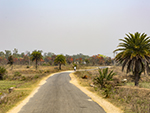 "+
"",
keshargarhbengali : "কেশরগড়ঃ-পুরুলিয়া শহর থেকে ২৭ কিলোমিটার দূরে অবস্থিত কেশরগড় একটা সুন্দর সবুজে ভরা গ্রাম, এবং রাকাব বনের সীমানায় অবস্থিত। তবে এটা কেবল এর মধ্যেই সীমাবদ্ধ নয়। এর অনেক আকর্ষণ এবং ইতিহাস রয়েছে। রামকৃষ্ণ পরমহংস দেবের স্ত্রী, সারদা মায়ের শিষ্য, এবং আধ্যাত্মিক সহচর স্বামী কৃষ্ণানন্দ, কেশরগড়ের গভীর ও নীরব বনে ১৫ বছর ধ্যান করার পর, এখানেই মোক্ষলাভ করেন। পরবর্তীকালে সেই দিব্য আত্মা, ১৯৪৭ সালে কেশরগড়ে শ্রী রামকৃষ্ণ আশ্রম প্রতিষ্ঠা করেন। পঞ্চকোটরাজ রাজাদের যেসব কথা শোনা যায়, আসলে তা ছিল বর্তমান পুরুলিয়া, বাঁকুড়া, বর্ধমান, বোকারো, ও রাঁচি এই সব জায়গাগুলো নিয়ে, যার রাজধানী ছিল যথাক্রমে, তৎকালীন গোস্বামী ঝালদা, পাড়া, গড় পঞ্চকোট , মহারাজনগর, রামবনি, কেশরগর ও সর্বশেষে কাশিপুর। আজকের কাহিনী সেই ষষ্ঠ রাজধানী কেশরগড়কে কেন্দ্র করে। আজ থেকে বহু বছর আগে, মধ্য প্রদেশের ধার স্টেট থেকে এক রাজদম্পতি, পুরীর উদ্দেশ্যে তীর্থ যাত্রা শুরু করেন, এবং তাঁরা যখন পুরুলিয়ার পাটঝালদার জঙ্গল দিয়ে পার হচ্ছিলেন, তখন অন্তঃসত্ত্বা রানী এক পুত্র সন্তানের জন্ম দেন। রাজ জ্যোতিষীর ভবিষ্যতবাণী অনুযায়ী, এই সন্তানের রাজবংশ প্রতিষ্ঠা করার কথা। কিন্তু রানী দেখেন যে জন্ম নেওয়া সন্তান মৃত। তাই তাঁরা সেই জঙ্গলেই সন্তানকে ফেলে, পা বাড়ান পুরীর উদ্দেশ্যে। ফেরার সময় যখন আবার সেখানে উপস্থিত হন, তখন তারা শোনেন যে, এখানে এক সর্দার জঙ্গল থেকে এক সন্তান কুড়িয়ে এনে লালন পালন করছেন। তাদের মনে আশা জাগে যে, এই সেই সন্তান যাকে তারা মৃত বলে ফেলে গেছিলেন। তারা সর্দার এর কাছে সন্তান ফেরত এর অনুরোধ জানালে, সর্দার তা প্রত্যাখ্যান করে। তাই রাজা-রানী, রাজপুরোহিত কে সেই সন্তান এর দেখভাল করার দায়িত্ব দিয়ে ফিরে যান। সেই বালক সমস্ত দীক্ষায় দীক্ষিত হয়ে, দামোদর শেখর নাম নিয়ে, ঝালদায় পঞ্চকোটরাজের সূচনা করেন। তিনি বহু বছর ধরে মানভূম এলাকার বিভিন্ন জায়গায় রাজধানী স্থানান্তরণের মাধ্যমে, রাজকার্য পরিচালনা করেন। ঝালদায় দীর্ঘ সময় বংশানুক্রমে চলতে থাকার পর, এই রাজত্বের রাজধানী স্থানান্তর হয় সাত বার, এবং এর ষষ্ঠ রাজধানী হলো কেশরগড়। পলাশীর যুদ্ধের পর ৭৪তম রাজা মনিলাল সিং দেও, ১৭৬২ সালে মহারাজনগর থেকে রামবনিতে রাজধানী স্থানান্তরিত করেন। ১৭৯২ সালে মনিলাল শেষ নিঃশ্বাস ত্যাগ করেন, ও তাঁর জ্যেষ্ঠপুত্র মহারাজা ভরতশেখর সিংহাসনে বসেন। শিকারের সূত্রে, রাজা রামবনি থেকে রাকাব জঙ্গলে প্রায়ই যাতায়াত করতেন। রাকাব ঘেরা কেশর গড় জায়গাটা ভরতশেখরের খুব পছন্দ হয়। উত্তর পূর্বে পাতলুই নদী, ও দক্ষিণে কাসাই নদী, এবং মাঝে রাকাব জঙ্গল দেখে রাজার মন ছুঁয়ে যায়। অপরদিকে শত্রুর হাত থেকে রক্ষা পাওয়ার জন্যে, এই জায়গা বেশ নিরাপদ। তাই ১৭৯৩ সালে তিনি রামবনি থেকে কেশরগড়ে রাজধানী স্থানান্তর করার সিদ্ধান্ত নেন। তবে এই স্থানান্তরণের ব্যাপারে অনেকের ভিন্ন মতও রয়েছে। তাঁর রাজত্বকালেই চিরস্থায়ী বন্দোবস্ত অনুযায়ী, সেই এলাকার ৮৬টা মৌজা নিলামে ব্রিটিশ কোম্পানির হাতে চলে যায়। সেখানকার ভূমিজ এবং সাঁওতালরা, রাজার সাথে একজোট হয়ে তা ফেরত নিয়ে নেন। এই ঘটনা ইতিহাসে চুয়ার বিদ্রোহ নামে পরিচিত। রাজা ভরতশেখর বহুদিন ধরে নিঃসন্তান ছিলেন। রাজবংশের উত্তরাধিকারের চিন্তায়, ও পুত্র লাভের আশায়, দেবী মাতার মন্দিরে আমরণ প্রার্থনায় বসেছিলেন। প্রার্থনাকালীন এক রাতে রাজা স্বপ্ন পান যে তার পুত্র সন্তান হবে, এবং কিছুদিন পরে রানী জন্ম দেন চেতসিং বা চেতলাল নামে এক পুত্র সন্তানের। পরে আরও দুই পুত্র ও পঞ্চ কুমারী বাবি নামে এক কন্যার জন্ম দেন। এই পঞ্চ কুমারী বাবি বিয়ে না করে, রাজাকে দিয়ে কালাচাঁদ জিউ নামে এক মন্দির প্রতিষ্ঠা করান, যেখানে এখন রয়েছে কালাচাঁদ, রাম, লক্ষণ, সীতা, ও কিছু শালগ্রামশিলা। ভরতশেখরের মৃত্যুর পর তার অকর্মণ্য, ভীরু, ও অলস রাজা, চেতলাল সিংহাসনে বসেন। তখন থেকেই এই গড়ের অর্থনৈতিক অবস্থা টালমাটাল হতে শুরু করে। সল্পসময় রাজত্ব করে, চার পুত্র রেখে, ১৮১৭ খ্রিস্টাব্দে চেতলাল মারা যান। রাজ্যের এহেন ডামাডোল অবস্থায়, ১৮১৮ সালে তার জ্যেষ্ঠপুত্র জগজীবন, গরুড় নারায়ণ উপাধি নিয়ে, রাজ্যভার গ্রহণ করে, সিংহাসনে বসেন । এমন অবস্থায় রাজকার্য পরিচালনায় তার একদমই মন ছিল না। তখন তার তেজস্বিনী রানী, রাজকার্য পরিচালনায় যথেষ্ট সদর্থক ভূমিকা পালন করেন। এনারাও নিঃসন্তান ছিলেন ও সেই গ্লানি দুর করার জন্যে, দেবী মাতার মন্দিরে পুত্রেষ্ঠ যজ্ঞ করেন, এবং কিছুদিন পর তাদেরও নীলমণি নামে এক রত্নের জন্ম হয়। তাই, এখনো কারুর সন্তান না হলে, এই দেবী মাতার মন্দিরে স্থানীয়রা সন্তান লাভের আশায় পূজা অর্চনা করেন। কথিত আছে কাশীপুরে রাজধানী স্থানান্তরের সময় এইখানে বলি দেওয়ার কাঠ ও তরোয়াল তুলে নিয়ে যাওয়া যায়নি। সেগুলো এখনও মাটির নিচে রাখা আছে। "+
"Read More..."+
"
"+
"",
keshargarhbengali : "কেশরগড়ঃ-পুরুলিয়া শহর থেকে ২৭ কিলোমিটার দূরে অবস্থিত কেশরগড় একটা সুন্দর সবুজে ভরা গ্রাম, এবং রাকাব বনের সীমানায় অবস্থিত। তবে এটা কেবল এর মধ্যেই সীমাবদ্ধ নয়। এর অনেক আকর্ষণ এবং ইতিহাস রয়েছে। রামকৃষ্ণ পরমহংস দেবের স্ত্রী, সারদা মায়ের শিষ্য, এবং আধ্যাত্মিক সহচর স্বামী কৃষ্ণানন্দ, কেশরগড়ের গভীর ও নীরব বনে ১৫ বছর ধ্যান করার পর, এখানেই মোক্ষলাভ করেন। পরবর্তীকালে সেই দিব্য আত্মা, ১৯৪৭ সালে কেশরগড়ে শ্রী রামকৃষ্ণ আশ্রম প্রতিষ্ঠা করেন। পঞ্চকোটরাজ রাজাদের যেসব কথা শোনা যায়, আসলে তা ছিল বর্তমান পুরুলিয়া, বাঁকুড়া, বর্ধমান, বোকারো, ও রাঁচি এই সব জায়গাগুলো নিয়ে, যার রাজধানী ছিল যথাক্রমে, তৎকালীন গোস্বামী ঝালদা, পাড়া, গড় পঞ্চকোট , মহারাজনগর, রামবনি, কেশরগর ও সর্বশেষে কাশিপুর। আজকের কাহিনী সেই ষষ্ঠ রাজধানী কেশরগড়কে কেন্দ্র করে। আজ থেকে বহু বছর আগে, মধ্য প্রদেশের ধার স্টেট থেকে এক রাজদম্পতি, পুরীর উদ্দেশ্যে তীর্থ যাত্রা শুরু করেন, এবং তাঁরা যখন পুরুলিয়ার পাটঝালদার জঙ্গল দিয়ে পার হচ্ছিলেন, তখন অন্তঃসত্ত্বা রানী এক পুত্র সন্তানের জন্ম দেন। রাজ জ্যোতিষীর ভবিষ্যতবাণী অনুযায়ী, এই সন্তানের রাজবংশ প্রতিষ্ঠা করার কথা। কিন্তু রানী দেখেন যে জন্ম নেওয়া সন্তান মৃত। তাই তাঁরা সেই জঙ্গলেই সন্তানকে ফেলে, পা বাড়ান পুরীর উদ্দেশ্যে। ফেরার সময় যখন আবার সেখানে উপস্থিত হন, তখন তারা শোনেন যে, এখানে এক সর্দার জঙ্গল থেকে এক সন্তান কুড়িয়ে এনে লালন পালন করছেন। তাদের মনে আশা জাগে যে, এই সেই সন্তান যাকে তারা মৃত বলে ফেলে গেছিলেন। তারা সর্দার এর কাছে সন্তান ফেরত এর অনুরোধ জানালে, সর্দার তা প্রত্যাখ্যান করে। তাই রাজা-রানী, রাজপুরোহিত কে সেই সন্তান এর দেখভাল করার দায়িত্ব দিয়ে ফিরে যান। সেই বালক সমস্ত দীক্ষায় দীক্ষিত হয়ে, দামোদর শেখর নাম নিয়ে, ঝালদায় পঞ্চকোটরাজের সূচনা করেন। তিনি বহু বছর ধরে মানভূম এলাকার বিভিন্ন জায়গায় রাজধানী স্থানান্তরণের মাধ্যমে, রাজকার্য পরিচালনা করেন। ঝালদায় দীর্ঘ সময় বংশানুক্রমে চলতে থাকার পর, এই রাজত্বের রাজধানী স্থানান্তর হয় সাত বার, এবং এর ষষ্ঠ রাজধানী হলো কেশরগড়। পলাশীর যুদ্ধের পর ৭৪তম রাজা মনিলাল সিং দেও, ১৭৬২ সালে মহারাজনগর থেকে রামবনিতে রাজধানী স্থানান্তরিত করেন। ১৭৯২ সালে মনিলাল শেষ নিঃশ্বাস ত্যাগ করেন, ও তাঁর জ্যেষ্ঠপুত্র মহারাজা ভরতশেখর সিংহাসনে বসেন। শিকারের সূত্রে, রাজা রামবনি থেকে রাকাব জঙ্গলে প্রায়ই যাতায়াত করতেন। রাকাব ঘেরা কেশর গড় জায়গাটা ভরতশেখরের খুব পছন্দ হয়। উত্তর পূর্বে পাতলুই নদী, ও দক্ষিণে কাসাই নদী, এবং মাঝে রাকাব জঙ্গল দেখে রাজার মন ছুঁয়ে যায়। অপরদিকে শত্রুর হাত থেকে রক্ষা পাওয়ার জন্যে, এই জায়গা বেশ নিরাপদ। তাই ১৭৯৩ সালে তিনি রামবনি থেকে কেশরগড়ে রাজধানী স্থানান্তর করার সিদ্ধান্ত নেন। তবে এই স্থানান্তরণের ব্যাপারে অনেকের ভিন্ন মতও রয়েছে। তাঁর রাজত্বকালেই চিরস্থায়ী বন্দোবস্ত অনুযায়ী, সেই এলাকার ৮৬টা মৌজা নিলামে ব্রিটিশ কোম্পানির হাতে চলে যায়। সেখানকার ভূমিজ এবং সাঁওতালরা, রাজার সাথে একজোট হয়ে তা ফেরত নিয়ে নেন। এই ঘটনা ইতিহাসে চুয়ার বিদ্রোহ নামে পরিচিত। রাজা ভরতশেখর বহুদিন ধরে নিঃসন্তান ছিলেন। রাজবংশের উত্তরাধিকারের চিন্তায়, ও পুত্র লাভের আশায়, দেবী মাতার মন্দিরে আমরণ প্রার্থনায় বসেছিলেন। প্রার্থনাকালীন এক রাতে রাজা স্বপ্ন পান যে তার পুত্র সন্তান হবে, এবং কিছুদিন পরে রানী জন্ম দেন চেতসিং বা চেতলাল নামে এক পুত্র সন্তানের। পরে আরও দুই পুত্র ও পঞ্চ কুমারী বাবি নামে এক কন্যার জন্ম দেন। এই পঞ্চ কুমারী বাবি বিয়ে না করে, রাজাকে দিয়ে কালাচাঁদ জিউ নামে এক মন্দির প্রতিষ্ঠা করান, যেখানে এখন রয়েছে কালাচাঁদ, রাম, লক্ষণ, সীতা, ও কিছু শালগ্রামশিলা। ভরতশেখরের মৃত্যুর পর তার অকর্মণ্য, ভীরু, ও অলস রাজা, চেতলাল সিংহাসনে বসেন। তখন থেকেই এই গড়ের অর্থনৈতিক অবস্থা টালমাটাল হতে শুরু করে। সল্পসময় রাজত্ব করে, চার পুত্র রেখে, ১৮১৭ খ্রিস্টাব্দে চেতলাল মারা যান। রাজ্যের এহেন ডামাডোল অবস্থায়, ১৮১৮ সালে তার জ্যেষ্ঠপুত্র জগজীবন, গরুড় নারায়ণ উপাধি নিয়ে, রাজ্যভার গ্রহণ করে, সিংহাসনে বসেন । এমন অবস্থায় রাজকার্য পরিচালনায় তার একদমই মন ছিল না। তখন তার তেজস্বিনী রানী, রাজকার্য পরিচালনায় যথেষ্ট সদর্থক ভূমিকা পালন করেন। এনারাও নিঃসন্তান ছিলেন ও সেই গ্লানি দুর করার জন্যে, দেবী মাতার মন্দিরে পুত্রেষ্ঠ যজ্ঞ করেন, এবং কিছুদিন পর তাদেরও নীলমণি নামে এক রত্নের জন্ম হয়। তাই, এখনো কারুর সন্তান না হলে, এই দেবী মাতার মন্দিরে স্থানীয়রা সন্তান লাভের আশায় পূজা অর্চনা করেন। কথিত আছে কাশীপুরে রাজধানী স্থানান্তরের সময় এইখানে বলি দেওয়ার কাঠ ও তরোয়াল তুলে নিয়ে যাওয়া যায়নি। সেগুলো এখনও মাটির নিচে রাখা আছে। "+
"Read More..."+
" "+
"
"+
"  "+
"
"+
"  "+
"
"+
"  "+
"
"+
"  "+
"
"+
"  "+
"
"+
"  "+
"
"+
"  "+
"",
doldangabengali : "দোলডাঙ্গাঃ-জনতার ভিড় থেকে অনেক দূরে সোনাঝুরি, শিমুল, পলাশ, এবং পিয়ালের বন ঘেরা দোলডাঙ্গায়, বসন্ত আসে বিভিন্ন রঙে। এখানকার জঙ্গলের শান্ত ও মনোমুগ্ধকর পরিবেশ, নগর জীবনের কোলাহল থেকে অনেক দূরে, এক প্রশান্ত চারুতা দেয়, যা মনের মণিকোঠায় অনেকদিন রয়ে যাবে। পুরুলিয়ার অযোধ্যা পাহাড় অনেক মানুষের প্রিয় গন্তব্যস্থল, তারা একবার বসন্তে দোলডাঙ্গার বনাঞ্চল ঘুরে দেখতে পারেন। যে কোনও ভ্রমণকারী, যারা মানসিক চাপ কাটানোর জন্যে প্রকৃতির মাঝে কয়েকদিন কাটাতে চান, তাদের জন্য দোলডাঙ্গা একটা অবশ্য গন্তব্যস্থল।দোলডাঙ্গার প্রাকৃতিক দৃশ্য, পুরুলিয়ার লাল পাহাড় থেকে একেবারেই আলাদা। শুকনো মাটির জাদু, এই জনপদের সবুজ বনকে উজ্জ্বল করে তোলে। মুকুটমণিপুর বাঁধ থেকে মাত্র ১০ কিলোমিটার দূরে, পুরুলিয়ার সীমান্তে অবস্থিত এই অঞ্চলে রয়েছে, পাহাড়ি ঝর্ণা, বনের ছায়া, এবং আদিবাসী সমাজজীবন। ছোট্ট এই গ্রামে মাত্র ৯-১০টা আদিবাসী কুঁড়েঘর আছে। তবে গ্রামবাসীরা অতিথিকে খুব সম্মানের সাথে স্বাগত জানায়, এবং আতিথেয়তা উপস্থাপনের জন্যে সমস্ত কষ্ট সহ্য করে। অতিথি, ভগবান, এই ধারণা মাথায় রেখে, এরা পর্যটকদের অনেক অন্যায় আবদারও সহ্য করে।ঘন বনে ঘেরা দোলডাঙ্গায়, মাত্র ৪০ জন লোক বাস করে, যারা মুডিকোরা উপজাতির অন্তর্ভুক্ত। তাদের জীবিকা মূলত কৃষিকাজ এবং মাছ ধরা। এখানে সহজ সরল উপজাতি জীবন উপভোগ করা, তাদের গান এবং নৃত্যে অংশগ্রহণ করা, অথবা দীর্ঘ বনভূমির মধ্যে পথ হাঁটার সুযোগ আছে। দোলডাঙ্গা অ্যাডভেঞ্চার ক্যাম্প সোনাঝুরি বনের মাঝখানে অবস্থিত। সাহসী মানুষদের জন্যে এই ক্যাম্প, বনের নীরবতা উপভোগ করার একটা সুন্দর সুযোগ দেয়। এখানে কটেজ ও তাঁবু উভয় সুবিধেই রয়েছে। পর্যটকরা যে কোন একটা ব্যবহার করতে পারে। যেহেতু স্থানীয় মানুষজন ক্যাম্পগুলো দেখাশোনা করে, তাই এখান থেকেই তাদের কিছু আয় হয়। ফলে পর্যটকরা আদিবাসী জীবনকে সরাসরি অনুভব করা, ও তাদের সংস্কৃতির এক ঝলক দেখার সুযোগ পায়। সন্ধ্যায় জাদুকরী উপজাতি সঙ্গীত এবং নৃত্যের সাথে ঝলমলে ক্যাম্পফায়ার, পর্যটকদের নিয়ে যাবে সত্যজিৎ রায়ের বিখ্যাত চলচ্চিত্র আগন্তুকের একটা দৃশ্যে। পর্যটকরাও তাদের সাথে পা মেলানোর সুযোগ পায়। চাঁদনী রাতের জঙ্গল পর্যটকদের অবশ্যই মোহিত করবে। অতিপ্রাকৃতীয় পরিবেশে বুঁদ থাকা প্রকৃতি, নিস্তব্ধতাকে পরখ করার এক বিশাল সুযোগ করে দেয়। সকালের কংসাবতীও কারুর থেকে কম যায় না, বিশেষতঃ সূর্যোদয়ের সময়। সঙ্গে রয়েছে মাটির সোঁদা গন্ধ, পাতাঝরা গাছের নগ্ন রূপ, নদীর তিরতিরে জলধারা, আদিবাসী শিশুদের চঞ্চল চপলতা, অকৃত্রিম হাসিতে নবাগতকে অভ্যর্থনার ইঙ্গিত। কংসাবতী নদীর ধারে একটা ব্যাকপ্যাকার ক্যাম্প আছে। যারা বন্যপ্রাণী ভালোবাসেন, তারা এখানে থাকেন। কারণ নদীর ধারে প্রায়শই হরিণ, ছোট ছোট বন্যপ্রাণী, এবং বিভিন্ন পরিযায়ী পাখি দেখা যায়। এখানে খাওয়া থাকা সব মিলিয়ে এক নির্দিষ্ট মূল্য রয়েছে, তবে তা মরসুম অনুযায়ী পরিবর্তনশীল। আর কংশাবতীর জলে নৌকো চড়ে ঘুরে বেড়ানো এক অনন্য অভিজ্ঞতা। "+
"Read More..."+
"
"+
"",
doldangabengali : "দোলডাঙ্গাঃ-জনতার ভিড় থেকে অনেক দূরে সোনাঝুরি, শিমুল, পলাশ, এবং পিয়ালের বন ঘেরা দোলডাঙ্গায়, বসন্ত আসে বিভিন্ন রঙে। এখানকার জঙ্গলের শান্ত ও মনোমুগ্ধকর পরিবেশ, নগর জীবনের কোলাহল থেকে অনেক দূরে, এক প্রশান্ত চারুতা দেয়, যা মনের মণিকোঠায় অনেকদিন রয়ে যাবে। পুরুলিয়ার অযোধ্যা পাহাড় অনেক মানুষের প্রিয় গন্তব্যস্থল, তারা একবার বসন্তে দোলডাঙ্গার বনাঞ্চল ঘুরে দেখতে পারেন। যে কোনও ভ্রমণকারী, যারা মানসিক চাপ কাটানোর জন্যে প্রকৃতির মাঝে কয়েকদিন কাটাতে চান, তাদের জন্য দোলডাঙ্গা একটা অবশ্য গন্তব্যস্থল।দোলডাঙ্গার প্রাকৃতিক দৃশ্য, পুরুলিয়ার লাল পাহাড় থেকে একেবারেই আলাদা। শুকনো মাটির জাদু, এই জনপদের সবুজ বনকে উজ্জ্বল করে তোলে। মুকুটমণিপুর বাঁধ থেকে মাত্র ১০ কিলোমিটার দূরে, পুরুলিয়ার সীমান্তে অবস্থিত এই অঞ্চলে রয়েছে, পাহাড়ি ঝর্ণা, বনের ছায়া, এবং আদিবাসী সমাজজীবন। ছোট্ট এই গ্রামে মাত্র ৯-১০টা আদিবাসী কুঁড়েঘর আছে। তবে গ্রামবাসীরা অতিথিকে খুব সম্মানের সাথে স্বাগত জানায়, এবং আতিথেয়তা উপস্থাপনের জন্যে সমস্ত কষ্ট সহ্য করে। অতিথি, ভগবান, এই ধারণা মাথায় রেখে, এরা পর্যটকদের অনেক অন্যায় আবদারও সহ্য করে।ঘন বনে ঘেরা দোলডাঙ্গায়, মাত্র ৪০ জন লোক বাস করে, যারা মুডিকোরা উপজাতির অন্তর্ভুক্ত। তাদের জীবিকা মূলত কৃষিকাজ এবং মাছ ধরা। এখানে সহজ সরল উপজাতি জীবন উপভোগ করা, তাদের গান এবং নৃত্যে অংশগ্রহণ করা, অথবা দীর্ঘ বনভূমির মধ্যে পথ হাঁটার সুযোগ আছে। দোলডাঙ্গা অ্যাডভেঞ্চার ক্যাম্প সোনাঝুরি বনের মাঝখানে অবস্থিত। সাহসী মানুষদের জন্যে এই ক্যাম্প, বনের নীরবতা উপভোগ করার একটা সুন্দর সুযোগ দেয়। এখানে কটেজ ও তাঁবু উভয় সুবিধেই রয়েছে। পর্যটকরা যে কোন একটা ব্যবহার করতে পারে। যেহেতু স্থানীয় মানুষজন ক্যাম্পগুলো দেখাশোনা করে, তাই এখান থেকেই তাদের কিছু আয় হয়। ফলে পর্যটকরা আদিবাসী জীবনকে সরাসরি অনুভব করা, ও তাদের সংস্কৃতির এক ঝলক দেখার সুযোগ পায়। সন্ধ্যায় জাদুকরী উপজাতি সঙ্গীত এবং নৃত্যের সাথে ঝলমলে ক্যাম্পফায়ার, পর্যটকদের নিয়ে যাবে সত্যজিৎ রায়ের বিখ্যাত চলচ্চিত্র আগন্তুকের একটা দৃশ্যে। পর্যটকরাও তাদের সাথে পা মেলানোর সুযোগ পায়। চাঁদনী রাতের জঙ্গল পর্যটকদের অবশ্যই মোহিত করবে। অতিপ্রাকৃতীয় পরিবেশে বুঁদ থাকা প্রকৃতি, নিস্তব্ধতাকে পরখ করার এক বিশাল সুযোগ করে দেয়। সকালের কংসাবতীও কারুর থেকে কম যায় না, বিশেষতঃ সূর্যোদয়ের সময়। সঙ্গে রয়েছে মাটির সোঁদা গন্ধ, পাতাঝরা গাছের নগ্ন রূপ, নদীর তিরতিরে জলধারা, আদিবাসী শিশুদের চঞ্চল চপলতা, অকৃত্রিম হাসিতে নবাগতকে অভ্যর্থনার ইঙ্গিত। কংসাবতী নদীর ধারে একটা ব্যাকপ্যাকার ক্যাম্প আছে। যারা বন্যপ্রাণী ভালোবাসেন, তারা এখানে থাকেন। কারণ নদীর ধারে প্রায়শই হরিণ, ছোট ছোট বন্যপ্রাণী, এবং বিভিন্ন পরিযায়ী পাখি দেখা যায়। এখানে খাওয়া থাকা সব মিলিয়ে এক নির্দিষ্ট মূল্য রয়েছে, তবে তা মরসুম অনুযায়ী পরিবর্তনশীল। আর কংশাবতীর জলে নৌকো চড়ে ঘুরে বেড়ানো এক অনন্য অভিজ্ঞতা। "+
"Read More..."+
"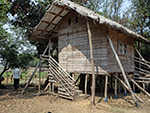 "+
"
"+
"  "+
"
"+
"  "+
"
"+
"  "+
"
"+
"  "+
"
"+
"  "+
"
"+
"  "+
"
"+
"  "+
"",
headingbengali : "পুরুলিয়া",
headingenglish : "PURULIA",
};
"+
"",
headingbengali : "পুরুলিয়া",
headingenglish : "PURULIA",
};