var Pujaplaces =
{
menusystembengali :
" "+
"এই পাতার জায়গাসমূহঃ-"+
"মেনু দেখতে ক্লিক করুন"+
" •পুজো পরিক্রমা"+
" •সুখারিয়ার দুর্গাপুজো"+
" •গরলগাছা বাবু বাড়ির দুর্গাপুজো "+
" •কালীবাবুর দুর্গাপুজো"+
" •চৌধুরী বাড়ির দুর্গাপুজো"+
" •সিংহী বাড়ির দুর্গাপুজো"+
" •মিত্র বাড়ির দুর্গাপুজো"+
" •উমাভিলার দুর্গাপুজো",
menusystemenglish :
" "+
"Places in This Page:-"+
"Click To See Menu"+
" •Pujo-Parikroma"+
" •Sukharia Durga Puja"+
" •Garalgacha Babu Bari Durga Puja "+
" •Kalibabu Durga Puja"+
" •Chowdhury Bari Durga Puja"+
" •Singhi Bari Durga Puja"+
" •Mitra Bari Durga Puja"+
" •Uma Villa Durga Puja",
pujaitemsbengali : "পুজো পরিক্রমাঃ-দুর্গাপুজো হ'ল এক হিন্দু উৎসব যা অনিষ্টকর মহিষাসুরের বিরুদ্ধে শ্রদ্ধেয় যোদ্ধা দেবী দুর্গার জয়কে মান্যতা দিয়ে সমাজে শান্তি প্রতিষ্ঠা করা। এই উৎসব নারী শক্তির পুজো হিসাবে পরিচিত ও মহিলাদের সম্মান করার এক উৎসব। এটা বিশ্বাস করা হয় যে এই সময় দেবী পৃথিবীতে আসেন। দুর্গাপুজো একটা অত্যন্ত সামাজিক উৎসব এবং বিভিন্ন কার্যকলাপের মধ্যে দিয়ে তার নাটকীয়তা ও জনপ্রিয়তা প্রকাশ পায়। শারদীয়া দুর্গাপুজোকে অকালবোধন বলা হয়। হিন্দুশাস্ত্র অনুসারে, শরৎকালে দেবতারা ঘুমিয়ে থাকেন। তাই এই সময়ে তাদের পুজো করার যথাযথ সময় নয়। অকালের পুজো বলে তাই এই পুজোর নাম হয় অকালবোধন। রাম ও রাবণের যুদ্ধের সময় শরৎকালে দুর্গাকে পুজো করা হয়েছিল। রামকে সাহায্য করার জন্য ব্রহ্মা দুর্গার বোধন ও পুজো করেছিলেন। রামও রাবণকে বধ করার জন্যে স্বয়ং দুর্গার বোধন ও পুজো করেছিলেন।দুর্গা পুজোর সূচনা হয়েছিল বহু প্রাচীন কালেই। দুর্গা পুজোর শুরুর যথার্থ নথি না পাওয়া গেলেও, পুরানো সাহিত্যে দুর্গার পরিচয় আছে। অনেকেরই মতে, সম্ভবত মোঘল আমল থেকেই ধনী পরিবারগুলোতে দুর্গা পুজো শুরু হয়। ইতিহাস বলছে দেবীর পুজো সম্ভবত ১৫০০ সালের শেষ দিকে প্রথম শুরু হয়। সম্ভবত দিনাজপুর-মালদার জমিদার স্বপ্নাদেশের পর প্রথম পারিবারিক দুর্গা পুজো শুরু করেছিলেন। তবে এই দুর্গার রূপ ছিল অন্যরকম। লোককথা মতে আদি দুর্গার চোখ গোলাকার ও উজ্জ্বল এবং দেবী সাদা বাঘ ও সবুজ সিংহের উপর। অন্য মতে, তাহেরপুরের রাজা কংসনারায়ণ বা নদীয়ার ভবানন্দ মজুমদার বাংলায় প্রথম শারদীয়া দুর্গা পুজো সংগঠিত করেন। এরপরে রাজশাহীর রাজা এবং বিভিন্ন গ্রামের হিন্দু রাজারা প্রতি বছর এই পুজো আরম্ভ করেন। আবার কলকাতায় ১৬১০ সালে বারিশার রায়চৌধুরী পরিবার প্রথম দুর্গাপুজোর আয়োজন করেছিলেন। ১৭৫৭ সালে পলাশীর যুদ্ধে জয়লাভের পর রাজা নবকৃষ্ণদেব লর্ড ক্লাইভের সম্মানে কলকাতার শোভা বাজার রাজবাড়িতে দুর্গাপুজোর মাধ্যমে বিজয় উৎসবের আয়োজন করেছিলেন এবং তাঁর জন্য বিদেশ থেকে নিকি বাঈ নামে এক নর্তকীকে আনিয়ে ছিলেন। ব্রিটিশ বাংলায় এই পুজো ক্রমশঃ বৃদ্ধি পায় এবং ভারতের স্বাধীনতা আন্দোলনে দুর্গাপুজো স্বাধীনতার প্রতীক হিসাবে জাগ্রত হয়। ১৯১০ সালে কলকাতায় প্রথম আনুষ্ঠানিক ভাবে বারোয়ারি পুজো শুরু হয়। বাগবাজারে প্রথম সার্বজনীন দুর্গোৎসবের সূচনা হয় জনসাধারণের সহযোগিতার মাধ্যমে। তারপর থেকে গোটা বাংলায় দুর্গা পুজোর প্রবল প্রচার হয় এবং এটা বাংলার সর্বশ্রেষ্ঠ উৎসব হিসেবে পরিচিতি পায়। বর্তমানে বাংলা ছাড়িয়ে এই উৎসব পারি দিয়েছে বিদেশেও। কলকাতায় সারা রাত ধরে মানুষ ঠাকুর দেখা বা ব্যাপকভাবে অনুষ্ঠিত হওয়া নাটক, নাচ এবং সাংস্কৃতিক পরিবেশনাগুলো উপভোগ করেন। কেউ টিভিতে কেউ বা রাস্তায় বেরিয়ে। উৎসবের একটা বড় অংশ হল খাবার এবং তা প্রায় পুরো কলকাতা জুড়ে বিভিন্ন হোটেল রেস্তোরা বা স্ট্রীট ফুডের দোকানগুলোও নতুন সাজে সজ্জিত হয়। সন্ধ্যায়, কলকাতার রাস্তাগুলো এমনভাবে মানুষের ভিড়ে ভরে যায় যে কখনও কথনও শুধুমাত্র একটা প্রতিমা দেখার জন্যেই দু-তিন ঘণ্টা কেটে যায়। কষ্ট হলেও এতে একটা অন্য আনন্দ বা অনুভব আছে। নিজেকে খানিকটা শিশুসুলভ করে তোলে যা বছরের অন্য সময় ভাবা যায় না। ২০১৪ সালে পুজোর সময় চতুর্থী ও পঞ্চমীর দিল বন্ধুবর সৌরভ দত্তগুপ্তর দলের সাথে পুজো পরিক্রমা করতে বেরিয়েছিলাম। ঠিক ছিল চতুর্থী, পঞ্চমী ও ষষ্ঠীর দিন বেরুবো কিন্তু একটা কাজের জন্যে ষষ্ঠীর দিন বেরুতে পারিনি। ছোটবেলায় অনেকবার কলকাতার পুজো দেখেছি তবে এবার কলকাতার পুজো আমি দেখলাম অন্তত ৩০ বছর পরে। তারই অল্প কিছু ছবি সবার জন্যে রইল। "+
"Read More..."+
"
"+
"শব্দঃ প্রতিবেদনঃ "+
""+
"ভিডিও"+
"স্লাইডশোর জন্যে নীচের ছবিতে ক্লিক করুন "+
"
"+
"পেজ মেনুতে যান",
pujaitemsenglish :"Puja Parikroma:-Durgapuja is a Hindu festival to establish peace in the society by honouring the victory of the revered warrior goddess Durga against the evil Mahishasur. This festival is known as puja of Women's Power and is a festival of respect for women. It is believed that the goddess came to earth at this time. Durgapuja is a very social festival and its drama and popularity are manifested through various activities. Shardiya Durgapuja is called untimely puja. According to Hindu scriptures, the gods sleep in the autumn. So, this is not the right time to worship them. This puja had happened Untimely, so the name of this puja is Akalabodhan. Durga was worshiped in the autumn during the battle of Rama and Ravana. To help Rama, Brahma enlightened and worshiped Durga. Rama himself worshiped and adored Durga to kill Ravana.Durga puja was started in ancient times. Although no exact documents have been found for the beginning of Durga Puja, Durga is known in old literatures. According to many people, Durga Puja probably started in rich families from Mughal period. History has the proof that the worship of the goddess first began in the late 1500. The zamindar of Dinajpur-Malda started the first family Durga Puja after an order through dream. But the form of this Durga was different. According to folklore, the eyes of old Durga idol are round and bright, and the goddess is standing on a white tiger and a green lion. According to another, Raja Kangsanarayana of Taherpur or Bhavananda Majumdar of Nadia organized the first Shardiya Durga Puja in Bengal. Thereafter the king of Rajshahi and the Hindu kings of different villages started this puja every year. The first Durga Puja was organized by the Roychowdhury family of Barisha in Calcutta in 1610. After the victory at the battle of Palashi in 1757, King Navakrishnadev organized a victory celebration in honour of Lord Clive through Durga Puja at Sobha Bazar Rajbari in Calcutta and brought for him a dancer named Nikki Bai from abroad. This puja gradually increased in British Bengal and Durgapuja became a symbol of independence in the Indian independence movement. The first official public puja was started in Calcutta in 1910. The first public Durga puja in Bagbazar was started with the support of the people. Since then, Durga Puja has been very popular all over Bengal and it is known as the greatest festival of Bengal. At present, this festival has spread beyond Bengal to abroad. People enjoy viewing idols, large-scale dramas, dances and cultural performances throughout the night in Kolkata. Someone enjoys puja through TV or someone roaming on the street. A big part of the festival is the food and so the hotels, restaurants or street food shops all over Kolkata got renovated. In the evenings, the streets of Kolkata get so crowded that it takes two to three hours just to see a single idol. It I a different kind of enjoyment or feeling although it is a hard task. Makes one bit childish which is unimaginable at other times of the year. During the puja in 2014, I went out to enjoy a puja roundup with my dear friend Sourav Dattagupta's group on 4th and 5th day of the Puja. It was programmed to go out on the 4th, 5th and 6th day but I could not go out on the 6th day for some personal engagement. I have seen Kolkata Puja many times in my childhood but this time I saw Kolkata Puja at least 30 years later. A few pictures of the puja are posted for everyone. "+
"Read More..."+ "
"+
"Sound Stream: "+
""+
"Video"+
"Click any Picture for Slide Show "+
"
"+
"Go To Page Menu",
photopujaitems : ""+
" "+
" "+
" "+
" "+
" "+
" "+
" "+
" "+
"",
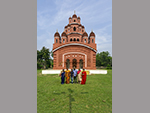
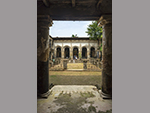
sukhariapujabengali : "সুখারিয়ার দুর্গাপুজোঃ-বিখ্যাত আনন্দভৈরবী মন্দির ছাড়াও সুখারিয়াতে আছে লক্ষ্মীদাস মিত্র মুস্তাফির ঠাকুরদালানের ধ্বংসাবশেষ। সেখানে আজ ঝোপ-জঙ্গল আর গোটা কতক বিশালাকার থাম ছাড়া কিছুই নেই।একসময়সেখানে পুজো পার্বণের দিনে বেজে উঠত উৎসবের সুর।আর আছে রাধাজীবন মিত্র মুস্তাফির বানানো প্রাসাদ–রাধাকুঞ্জ। ভগ্নপ্রায় অবস্থায় অতীত গৌরবের স্মৃতি বহন করে আজও দাঁড়িয়ে আছে। বহুদিন হল মিত্র মুস্তাফিরা এই বাড়ি বিশ্বাসদের দান করে দিয়েছেন। সেই পরিবারের দুএকজন আজও এই বাড়িতেবাস করেন, আজ যা বিশ্বাসবাড়িনামে পরিচিত।মিত্র মুস্তাফিরা ছিলেন ধর্মপ্রান ও ঈশ্বরভক্ত। দুবেলা পুজো–আচ্চা তাঁদের দৈনন্দিন জীবনের অংশ ছিল। সবাইকে ছোটবেলা থেকেই পুজোর পাঠ দেওয়া হত। মিত্র মুস্তাফিদের বাড়িরদুর্গাপুজো, কালীপুজো আর জগদ্ধাত্রীপুজো ছিল বিখ্যাত। বাংলায় দুর্গাপুজোকে জনপ্রিয় করার পেছনে এঁদের অবদান উল্লেখযোগ্য। মিত্র–মুস্তাফি পরিবারের গৌরবের দিনে দুর্গাপুজো হত খুব ধুমধাম করে। মন্দিরের নহবত তোরণে বসত বাজনদাররা।গান, বাজনা, আলোকসজ্জা ওবিপুল জনসমাগমে পুরো অঞ্চল রমরম করত। আগেকার সেই জৌলুস আজ আর নেই কিন্তু ভাঙা দেওয়ালের গায়ে জন্মানো শ্যাওলা আর বট, পাকুরের ডাল দিয়ে চুঁইয়ে পড়া জমিদারির আভিজাত্য ও পরম্পরা আজও বর্তমান। রাধাকুঞ্জের জীর্ণ ঠাকুরদালানে এখনো নিয়ম মেনে রথযাত্রার দিন কাঠামোপুজো করে শুরু হয় মূর্তি নির্মাণ। সনাতন রীতির মাটির একচালা প্রতিমা, মহিষাসুরমর্দিনী রূপে। ডাকের সাজে মৃন্ময়ী প্রতিমা হয়ে ওঠেন অপরূপা। নিয়ম মেনে পুজো হয় সপ্তমী থেকে দশমী, হয় সন্ধিপুজো, চন্ডীপাঠ। গ্রামের কচিকাঁচারা ভিড় করে বসে প্রতিমা মণ্ডপের কাছে। ঘরে ফেরে ছড়িয়ে ছিটিয়ে থাকা কিছু আত্মীয়পরিজন। জমজমাট হয়ে ওঠে বছরভর ঝিমিয়ে থাকা জমিদারবাড়ি। আবার হাজির হয়েছে শরৎ। তাই রাধাকুঞ্জের ঠাকুরদালানের জীর্ণ কড়িবরগার নীচে আবারো সেজে উঠেছে মৃণ্ময়ী প্রতিমা। ভেঙে পড়া ভিটের মাঝে সময় বসে অপেক্ষায় দিন গোনে কবে ভাঙা দালানে বেজে উঠবে উৎসবের ঢাক, আনন্দের আগমনী সুর। আমরা এক দল গেছিলাম ২০২১ সালের সপ্তমীর দিন। করোনার জন্যে কিছু বিধিনিষেধ আরোপ করলেও গ্রাম বংলার এক সুন্দর রূপ ধরা পড়ে সেই অনারম্বর পুজোর মধ্যে। এনাদের এক আত্মীয়র সাথে কথা বলে আমরা অনেক পুরোনো ইতিহাস জানতে পারলাম। "+
"Read More..."+
"
"+
"শব্দঃ প্রতিবেদনঃ "+
""+
"ভিডিও"+
"স্লাইডশোর জন্যে নীচের ছবিতে ক্লিক করুন "+
"
"+
"পেজ মেনুতে যান",
sukhariapujaenglish :"Sukharia Durgapuja:-Apart from the famous Anandabhairavi temple, there are ruins of Thakurdalan made by Lakshmidas Mitra Mustafi in Sukhariya. Today there is nothing but bushes and a few giant pillars. Once upon a time there was festival tune allthrough on the days of Puja.And there is the palace named Radhakunj built by Radhajivan Mitra Mustafi. It still stands today in a state of disrepair, carrying memories of past glory. For a long time, the allied Mustafis have donated this house to the Biswas family. Two members of that family still live in this house, which is today known as Biswasbari. Allied Mustafis were devout and God-fearing. Worshipping twice daily was a part of their daily life. Everyone of the family was taught the rules of puja from the childhood. The Durga Puja, Kalipuja and Jagadhatri Puja of Mitra Mustafi's house were famous. Their contribution in popularizing Durgapuja in Bengal is significant. On the glorious day of the Mitra-Mustafi family, Durga Puja was performed with great pomp. The musicians used to sit on the Nahabat arch of the temple. The whole area was abuzz with songs, music, lighting and huge crowds. The splendor of the past is no more today, but the aristocracy and tradition of the zamindari, which oozes through the broken walls covered with moss androots of banyan tree, and the branches of pakur are still present. In the dilapidated Thakurdalan of Radhakunj, the construction of the idol started by worshiping the structure on the day of the Rath Yatra according to the rules. The earthen idol of traditional style is in the form of Mahisasurmardini. The idol became beautiful with the traditional dressing. Puja is performed from Saptami to Dashmi, alongwith Sandhipujo, Chandipath according to the puja rules. The youngsters of the village sit in a crowd near the idol mandapa. Some of the relatives scattered back home. The zamindar house, which had been dormant all year round, became crowded. Autumn has appeared again. That is why the earthen idol has been re-formed under the dilapidated roof of Thakurdalan in Radhakunj. The time waits for the bits of drums and the rhythm of joy in the broken building throughout the year. We went in a group on the seventh day of Durgapuja in the year 2021. Although some restrictions were imposed for Corona, a beautiful picture of form of village Bengal is seen in that unpretentious puja. Talking to one of their relatives, we came to know a lot of old history. "+
"Read More..."+
"
"+
"Sound Stream: "+
""+
"Video"+
"Click any Picture for Slide Show "+
"
গরলগাছা জমিদার বাড়িঃ-হুগলীর চণ্ডীতলা থানার গরলগাছা গ্রাম শুধু একটা জনপদ নয়, এটা বাংলার বনেদি দুর্গাপুজোর ইতিহাসের এক গুরুত্বপূর্ণ অধ্যায়। আঠারো শতকের দ্বিতীয়ার্ধে পণ্ডিত সন্তোষ মোহন বিদ্যাবাগীশ মুর্শিদাবাদের নবাবের কাছ থেকে গরলগাছার বিস্তীর্ণ জমি উপহারস্বরূপ লাভ করেন। তাঁর দুই পুত্র গোকুলচন্দ্র ও রাধানাথ মুখোপাধ্যায়ই এই বাড়িতেই দুর্গাপুজোর সূচনা করেন। সেই থেকে আজ প্রায় ২৫৬ বছর ধরে, মুখোপাধ্যায় পরিবারের প্রজন্মেরা এই ঐতিহ্য বহন করে আসছেন।হুগলি জেলার শ্রীরামপুর মহকুমার চণ্ডীতলা ২ ব্লকে অবস্থিত গরলগাছা জমিদার বাড়ির দুর্গাপুজো ১৭৬৭ সালে শুরু হয়েছিল। গরলগাছা জমিদার বাড়ির দুর্গাপুজো এক জাঁকজমকপূর্ণ অনুষ্ঠান। ষষ্ঠীর বিকেলে প্রতিমার উপর সমাপ্তির ছোঁয়া দেওয়া হয়। বাড়ির বাইরের অংশ সাদা রঙের এবং ভেতরের অংশ লাল, যদিও ভেতরে দুটো রঙই দেখা যায়। স্তম্ভ এবং খিলানগুলো এর সৌন্দর্য আরও বাড়িয়ে দিয়েছে। জানলাগুলো সবুজ রঙের। পুজোর সময় উঠোনে সকল বয়সের লোকে পরিপূর্ণ, কেউ কেউ পরিবারের সদস্য, কেউ কেউ আশেপাশের জায়গা থেকে এসেছেন এবং কলকাতা থেকে এসেছেন এমন লোকেরাও রয়েছেন। শরতের আকাশ, লাল-সাদা অভ্যন্তর, ঠাকুরদালান, সাজানো কার্পেট এবং নীল চেয়ারগুলো এই বনেদি পুজোর সৌন্দর্য আরও বাড়িয়ে তুলেছে। প্রতিমা ঐতিহ্যবাহী এক আটচালা দিয়ে তৈরি এবং খুবই দৃষ্টিনন্দন। জন্মাষ্টমীর শুভ দিন থেকে কাঠামো পুজো শুরু হওয়ার সাথে সাথে, এই দালানে মূর্তি তৈরি করা হয়। গরলগাছা জমিদার বাড়ি ১৭৬৭ সালে নির্মিত হয়েছিল এবং সেই বছর থেকেই পুজো অব্যাহত আছে। সেই প্রেক্ষাপটে এখানকার দুর্গাপুজো ২৫০ বছরেরও বেশি পুরনো। পুজো প্রথম শুরু করেছিলেন নব কিশোর মুখোপাধ্যায়। পরবর্তী প্রজন্ম, রাধানাথ মুখোপাধ্যায়, দ্বারকানাথ মুখোপাধ্যায়, দেবেন্দ্রনাথ মুখোপাধ্যায়, হরিহর মুখোপাধ্যায়, রবীন্দ্রনাথ মুখোপাধ্যায়, রথীন্দ্রনাথ মুখোপাধ্যায় এবং তাঁর পুত্ররা এটা চালিয়ে গেছেন। বর্তমানে বাড়ির পাশাপাশি পুজোর দেখাশোনা করছেন ত্রিদিবেশ মুখোপাধ্যায়। এখানে শাক্ত রীতি অনুসরণ করে পুজো করা হয় । দেবীকে অন্নভোগ এবং খিচুরিভোগ নিবেদন করা হয়। এখানে কুমারী পুজোর কোনও প্রথা নেই তবে অষ্টমীর দিন ধুনো পোড়া রীতি অনুষ্ঠিত হয়। মূল প্রবেশপথের ঠিক বিপরীতে দুটো আটচালা শিব মন্দির রয়েছে যেখানে প্রতিদিন পুজো করা হয়।এই জমিদার পরিবারের ইতিহাসের সঙ্গে জড়িয়ে আছে বাংলার আধ্যাত্মিক পরম্পরাও। লোককথায় আছে যে, শ্রীরামকৃষ্ণ পরমহংস ও কবি রামপ্রসাদ সেন এই বাড়ির সঙ্গে কোনো না কোনোভাবে যুক্ত ছিলেন। রাধানাথ মুখোপাধ্যায়ের উত্তরসূরিরা জমিদারি প্রতিষ্ঠা করে ব্রিটিশদের কাছ থেকে রায়বাহাদুর উপাধি পান, আর তখন থেকেই এই বাড়ি পরিচিত হয় বাবুদের বাড়ি নামে। "+
"Read More..."+
"
"+
"শব্দঃ প্রতিবেদনঃ "+
""+
"ভিডিও"+
"স্লাইডশোর জন্যে নীচের ছবিতে ক্লিক করুন "+
"
Garalgacha Zamindar Bari:-Garalgacha village in Chanditala police station of Hooghly is not just a hamlet, it is an important chapter in the history of the traditional Durga Puja of Bengal. In the second half of the 18th century, Pandit Santosh Mohan Vidyabagish received a vast land of Garalgacha as a gift from the Nawab of Murshidabad. His two sons Gokulchandra and Radhanath Mukherjee started Durga Puja in this house. Since then, generations of the Mukherjee family have been carrying on this tradition for almost 256 years.The Durga Puja of the Garalgacha Zamindar Bari, located in Chanditala block 2 of Serampore subdivision of Hooghly district, began in 1767. The Durga Puja of the Garalgacha Zamindar Bari is a grand affair. The finishing touches are given to the idol on the afternoon of Shasthi. The exterior of the house is white in colour and the interior is red, although both colours are visible inside. The pillars and arches add to its beauty. The windows are green in colour. During the puja, the courtyard is filled with people of all ages, some are family members, some have come from nearby places, and some have come from Kolkata. The autumn sky, red-and-white interior, Thakurdalan, decorated carpets and blue chairs add to the beauty of this aristocrat puja. The idol is made of a traditional Atchala and is very attractive. The idol is made in this building as soon as the Kathmo puja begins on the auspicious day of Janmashtami. The Garalgacha Zamindar Bari was built in 1767 and the puja was continued since that year. In that context, the Durga Puja here is more than 250 years old. The puja was first started by Nab Kishore Mukherjee. The next generations, Radhanath Mukherjee, Dwarkanath Mukherjee, Debendranath Mukherjee, Harihar Mukherjee, Rabindranath Mukherjee, Rathindranath Mukherjee and his sons continued it. Currently, Tridivesh Mukherjee is looking after the puja along with the house. The puja is performed here following the Shakta tradition. Annabhog and Khichuribhog are offered to the goddess. There is no tradition of Kumari Puja here but a Dhuno Pora ceremony is held on the day of Ashtami. Just opposite the main entrance, there are two Atchala Shiva temples where puja is performed daily.The history of this landlord family is also intertwined with the spiritual tradition of Bengal. Folklore has it that Sri Ramakrishna Paramahamsa and the poet Ramprasad Sen were somehow associated with this house. Radhanath Mukherjee's successors established the zamindari and received the title of Rai Bahadur from the British, and since then this house has been known as the house of the Babus. "+
"Read More..."+
"
"+
"Sound Stream: "+
""+
"Video"+
"Click any Picture for Slide Show "+
"
"+
"Go To Page Menu",
photogaralgacha : ""+
" "+
" "+
" "+
" "+
" "+
" "+
" "+
" "+
"",
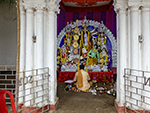
kalibabubengali : "কালীবাবুর বাড়িঃ-হুগলির জনাইয়ের কালী বাবুর বাড়ির দুর্গাপুজো, যা আনুষ্ঠানিকভাবে জনাই রাজবাড়ি নামে পরিচিত, পশ্চিমবঙ্গের সবচেয়ে সম্মানিত এবং বিখ্যাত অভিজাত পরিবারের পুজোগুলোর মধ্যে একটা, যা ২৫০ বছরেরও বেশি সময় ধরে চলে আসছে। পলাশীর যুদ্ধের সময় তিনি এই দুর্গা পুজোর প্রচলন করেন। এলাকার শ্মশানের একটা অংশে তিনি রাজবাড়ি তৈরি করেছিলেন। কথিত আছে, সাধনা করে এখানেই তিনি দেবী দুর্গার দর্শন পেয়েছিলেন। তারপরই শুরু করেছিলেন আরাধনা। সেই থেকে প্রথা মেনে বংশপরম্পরায় হয়ে আসছে পুজো। এই বাড়িতে দেবীকে কন্যা রূপে পুজো করা হয়। বৈষ্ণব মতে পুজো হয় বলে এই বাড়িতে কোনো আমিষ ভোগ দেওয়া হয়না। পরিবারের মতে এই বাড়িতে এসেছিলেন রবীন্দ্রনাথ ঠাকুর, ঈশ্বরচন্দ্র বিদ্যাসাগরের মতো বিখ্যাত মহাপুরুষেরা। এখানে বহু বাংলা সিনেমার শুটিং হয়েছে। রাজবাড়ির সদস্যদের পাশাপাশি, পুজোয় অংশ নেন এলাকার বাসিন্দারাও। পরিবারের পিতৃপুরুষ ঈশ্বর কালীপ্রসাদ মুখোপাধ্যায়, যিনি ইস্ট ইন্ডিয়া কোম্পানির অধীনে ভাগলপুরের দেওয়ান হিসেবে দায়িত্ব পালন করেছিলেন। ওনার জন্ম বেনারস। তবে উনি জনাইতেই বসবাস করতেন। এই উৎসব স্থায়ী ঐতিহ্যের এক বিশাল প্রদর্শনী, যা বিশাল আকার এবং ইন্দো-ক্যাথলিক স্থাপত্যের জন্যে বিখ্যাত। দুর্গাপুজো রাজকীয় ঠাকুর দালানে অনুষ্ঠিত হয়। এই উৎসব দুটো অনন্য দশমী আচার-অনুষ্ঠানের মাধ্যমে আলাদা করা হয়। যেমন অপরাজিতা পুজো, যা দেবীর বিসর্জনের আগে তার অজেয় প্রকৃতিকে মহিমান্বিত করার জন্যে করা হয়, এবং বিরল বীরাঞ্জলি, যেখানে পরিবারের সকল সদস্য, ক্রমবর্ধমান বয়স অনুসারে সারিবদ্ধভাবে দাঁড়িয়ে, সম্মিলিতভাবে শেষ নিবেদন এবং বিদায় হিসেবে প্রতিমাকে তিনবার প্রদক্ষিণ করেন। এই রাজবাড়ির পুজো এখনও জনতাকে আকর্ষণ করে, যা বাংলার জমিদারি ঐতিহ্যের জাঁকজমক এবং আধ্যাত্মিক উৎসাহের একটা শক্তিশালী আভাস প্রদান করে। "+
"Read More..."+
"
"+
"শব্দঃ প্রতিবেদনঃ "+
""+
"ভিডিও"+
"স্লাইডশোর জন্যে নীচের ছবিতে ক্লিক করুন "+
"
"+
"পেজ মেনুতে যান",
kalibabuenglish :"Kali Babu's House:-The Durga Puja of Kali Babu's house in Janai, Hooghly, officially known as Janai Rajbari, is one of the most respected and famous aristocratic family pujas in West Bengal, which has been going on for more than 250 years. He introduced this Durga Puja during the Battle of Plassey. He built the Rajbari in a part of the crematorium in the area. It is said that he had a vision of Goddess Durga here while doing self-realisation. After that, he started worshipping her. Since then, the puja has been performed from generation to generation according to tradition. The goddess is worshipped in the form of a daughter in this house. Since the puja is performed according to the Vaishnavism principle, no non-vegetarian food is served in this house. According to the family, great people like Rabindranath Tagore and Ishwar Chandra Vidyasagar visited this house. Many Bengali movies have been shot here. Along with the members of the Rajbari, the residents of the area also participated in the puja. The family patriarch is Late Kaliprasad Mukherjee, who served as the Dewan of Bhagalpur under the East India Company. He was born in Varanasi. However, he lived in Janai. The festival is a grand display of enduring tradition, notable for its grandeur and Indo-Catholic architecture. Durga Puja is held in the royal Thakur Hall. The festival is distinguished by two unique Dashami rituals. Such as the Aparajita Puja, which is performed to glorify the invincible nature of the goddess before her immersion, and the rare Veeranjali, where all the family members, lined up in order of increasing age, collectively circumambulate the idol three times as a final homage and farewell. This Rajbari Puja still attracts crowds, providing a powerful glimpse of the splendour and spiritual fervour of Bengal's zamindari tradition. "+
"Read More..."+
"
"+
"Sound Stream: "+
""+
"Video"+
"Click any Picture for Slide Show "+
"
"+
"Go To Page Menu",
photokalibabu : ""+
" "+
" "+
" "+
" "+
" "+
" "+
" "+
"",
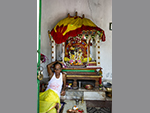
chowdhurybengali : "চৌধুরী বাড়িঃ-জনাইয়ের উত্তর-পূর্বে বাকশা গ্রামের চৌধুরী বাড়িতে দুর্গা পুজো এবং দোলযাত্রা সমান জাঁকজমকপূর্ণভাবে পালিত হয়। একটা সুন্দর প্রবেশদ্বার অতিথিদের ভেতরে স্বাগত জানায়। বাড়ির সামনের অংশটা অনন্য, যেখানে মূল প্রবেশদ্বারে রয়েছে একটা বড় দরজা ও দুদিকে দুটো ছোট দরজা। মূল প্রবেশদ্বারের দুদিকেই চারটে করে জানলা রয়েছে। আর এই চারটে জানলার মাঝে একটা করে দরজা আছে। প্রধান প্রবেশদ্বার কিছুটা বড় যার দুপাশে একটা করে স্তম্ভ আছে। প্রধান প্রবেশদ্বারের উভয় পাশেই বসার ব্যবস্থা আছে। এই বাড়ির পুজো প্রায় ২৮০ বছরের পুরনো। দালানটা পুজো শুরু হওয়ার সময়কার মতোই রয়েছে, ও মূল পুজো দালান লাইট দিয়ে সাজানো। স্বর্গীয় রূপনারায়ণ চৌধুরী এই বাড়ির পুজো শুরু করেছিলেন। এই এলাকায় রঘুনাথ জিউ নবরত্ন মন্দির, বারো শিব মন্দির এবং বদি মাতার মন্দিরের গৌরব ও খ্যাতি আজও রয়েছে। জনশ্রুতি আছে নিশিপদ্ম ছায়াছবিতে মান্না দের বিখ্যাত গান, শুনেছি চৌধুরী বাড়িতে নাকি বসেছে আসর, রচিত হয়েছিল এই চৌধুরী বাড়িকে ঘিরেই। লাল বাহাদুর শাস্ত্রী ও ইন্দিরা গান্ধীর আমলে, দেশের অর্থমন্ত্রী শচীন্দ্র চৌধুরী ছিলেন এই চৌধুরী বংশেরই সন্তান। এই বংশের পূর্বপুরুষ জগৎ নারায়ণ চৌধুরী বর্ধমান রাজার দেওয়ান ছিলেন। বর্ধমানের মহারাজা বাকশা গ্রামের শতাধিক বিঘে জমি জগত নারায়ণকে উপহার দেন। জগত নারায়ণ ঠিক করেন যে তিনি সেখানে দুর্গাপুজো করবেন। কিন্তু কীভাবে মায়ের মূর্তি হবে, সেই ধারণা নিতে তিনি কাশী রওনা হন। কিন্তু কাশী পৌঁছনোর আগেই তিনি স্বপ্নাদেশ পেয়ে বকশা ফিরে এসে মায়ের পুজো চালু করেন। যেহেতু তাঁরা রাধা গোবিন্দের ভক্ত, তাই চালচিত্রে স্থান দেওয়া হয় রাধাগোবিন্দকে। আসলে এই পুজো ছিল শাক্ত ও বৈষ্ণব মতের মেলবন্ধন। এই দুর্গাপুজোর সাথে বেশ কিছু অনন্য জিনিস জড়িত। প্রথমত, মা দুর্গার দশটার পরিবর্তে চারটে হাত রয়েছে। তিনি ত্রিশূল, তরবারি, ঢাল এবং সাপ ধারণ করেন। দ্বিতীয়ত, জয়া এবং বিজয়ার পরিবর্তে, মা দুর্গার একই কাঠামোতে রাধা এবং কৃষ্ণ বিরাজ করেন। কার্তিকের ওপর রাধা ও গণেশের ওপরে কৃষ্ণকে স্থাপন করা হয়। এগুলো এমনভাবে স্থাপন করা হয় যাতে বলিদানের সময় তারা সাক্ষী হতে না পারে। তৃতীয়ত, পরিবারের সদস্যদের কল্যাণের জন্যে অষ্টমীতে কল্যাণী পুজো অনুষ্ঠিত হয়। অবশেষে, বিসর্জনের সময় প্রাচীন রীতি বজায় রেখে দেবীর সাথে দুটো প্রজ্জ্বলিত মশাল থাকে। আগে পশুবলি দেওয়া হত কিন্তু বর্তমানে কেবল ফল বলি দেওয়া হয়। চৌধুরীদের মোট নটা পরিবার রয়েছে এবং তারা বড়, মেঝ, এবং ছোটোতে বিভক্ত। এদের প্রত্যেকের বাড়িতে সপ্তমী, অষ্টমী, এবং নবমীর দিন কুমারী পুজো অনুষ্ঠিত হয়। পুজোর সমস্ত দিনে হোম করা হয়। তান্ত্রিক রীতি অনুসারে পুজো অনুষ্ঠিত হয়। নন্দোৎসবের দিন থেকে ঠাকুরদালানে প্রতিমা প্রস্তুত করা হয়। "+
"Read More..."+
"
"+
"শব্দঃ প্রতিবেদনঃ "+
""+
"ভিডিও"+
"স্লাইডশোর জন্যে নীচের ছবিতে ক্লিক করুন "+
"
"+
"পেজ মেনুতে যান",
chowdhuryenglish :"Chowdhury Bari:-Durga Puja and Dol Yatra are celebrated with equal pomp at Chowdhury Bari in Baksha village, northeast of Janai. A beautiful entrance welcomes the guests inside. The front of the house is unique, where the main entrance has a large door and two small doors on either side. There are four windows on either side of the main entrance. And there is a door between these four windows. The main entrance is slightly larger with a pillar on either side. There is a seating arrangement on both sides of the main entrance. The puja of this house is nearly 280 years old. The building is as it was when the puja started, and the main puja hall is decorated with lights. Late Narayan Chowdhury started the puja of this house. The glory and fame of Raghunath Jiu Navaratna Temple, Twelve Shiva Temple, and Bodi Mata Temple in this area still exist. Legend has it that the famous song of Manna in the film NISHIPADMA, SUNACHEI CHOWDHURY BARI TE NAKI BOSECHE ASAR, was composed around this Chowdhury Bari. During the reign of Lal Bahadur Shastri and Indira Gandhi, the country's Finance Minister Sachindra Chowdhury was a descendant of this Chowdhury dynasty. The ancestor of this dynasty, Jagat Narayan Chowdhury, was the dewan of the Burdwan king. The Maharaja of Burdwan gifted Jagat Narayan a hundred bighas of land in the village of Baksha. Jagat Narayan decided that he would perform Durga Puja there. But to get an idea of how the idol of the Mother Durga Durga would be made, he left for Kashi. But before reaching Kashi, he received a dream message and returned to Baksha and started the worship of the Mother Durga. Since they were devotees of Radha Govinda, the place in the back panel was given to Radha Govinda. In fact, this worship is a combination of Shakta and Vaishnava beliefs. There are several unique things associated with this Durga Puja. First of all, Maa Durga has four hands instead of ten. She holds a trident, sword, shield and snake. Secondly, instead of Jaya and Vijaya, Radha and Krishna are enshrined in the same structure of Maa Durga. Krishna is placed on the top of Ganesha and Radha is placed on the top of Kartik. These are placed in such a way that they cannot witness the sacrifice. Thirdly, Kalyani Puja is performed on Ashtami for the welfare of the family members. Finally, during the immersion, two lighted torches are kept with the Goddess, maintaining the ancient custom. Earlier, animal sacrifices were offered but now only fruit sacrifices are offered. There is a total of nine families of Choudhury, and they are divided into BARO, MEGHO and CHOTO. Kumari Puja is performed in each of their houses on the seventh, eighth and ninth days of Durga Puja. HOMA is performed on all the days of the puja. The puja is performed according to Tantric rituals. The idol is prepared in the Thakur Dalan from the day of Nando Utsav. "+
"Read More..."+
"
"+
"Sound Stream: "+
""+
"Video"+
"Click any Picture for Slide Show "+
"
"+
"Go To Page Menu",
photochowdhury : ""+
" "+
" "+
" "+
" "+
" "+
" "+
" "+
" "+
"",
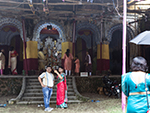
singhibengali : "সিংহীবাড়িঃ-হুগলির বাকশায় কালীপ্রসন্ন সিংহের পৈতৃক বাড়িতে দুর্গাপুজো ধুমধাম ছাড়া নীরবেই অনুষ্ঠিত হয়। সময়ের সাথে সাথে পারিবারিক সম্পত্তি হ্রাস পাওয়ায়, পুজো এখন সাধারণ ভাবেই হয়, তবে পূর্বসূরীরা ৪০০ বছরেরও বেশি সময় আগে, এটা প্রতিষ্ঠা করার সময় যেমন ছিল, এখনও সেই ঐতিহ্য বজায় রয়েছে।হুগলির জনাই গ্রামের পাশে বাকশা একটা শান্ত গ্রাম। যদিও এই গ্রামগুলোর বিশেষত্ব সম্পর্কে খুব বেশি আলোচনা হয় না, তাই খুব কম লোকই জানেন যে বাকশায় সেই সময় বেশ কয়েকজন অভিজাত জমিদারের আবাসস্থল ছিল। এরকম একটা পরিবার হল সিংহ বা সিংহী এবং তাদের বাড়ি জনপ্রিয়ভাবে সিংহী বাড়ি নামে পরিচিত।পুরনো বাড়ির খুব কমই অবশিষ্ট আছে, রয়েছে কেবল পুরনো ঠাকুরদালান, যেখানে গত ৪৩০ বছর ধরে দুর্গাপুজো অনুষ্ঠিত হচ্ছে। বিখ্যাত কবি ও সাহিত্যিক, কালীপ্রসন্ন সিংহ, যিনি হুতোম প্যাঁচা ছদ্মনামে লিখতেন, তিনি এই সিংহ পরিবারের সদস্য ছিলেন। কালীপ্রসন্ন ছিলেন একজন জনপ্রিয় বাঙালি লেখক, নাট্যকার, এবং সমাজসেবক। তাঁর বিখ্যাত রচনাগুলির মধ্যে একটা ছিল মহাভারতের বাংলায় অনুবাদ। একজন সমাজ সংস্কারক হিসেবে তিনি বিভিন্ন ব্যঙ্গাত্মক সামাজিক সংকলনের লেখক, যা তৎকালীন বাংলার সমাজের বিভিন্ন অনাচারের বিরুদ্ধে এক জোরদার প্রতিবাদ। তিনি একজন জনহিতৈষীও ছিলেন এবং দুর্দশাগ্রস্ত অনেক মানুষ এবং আন্দোলনকে সাহায্য করেছিলেন।দেওয়ান শান্তিরাম সিংহ ছিলেন সিংহ পরিবারের প্রথম প্রতিষ্ঠিত সদস্য। পরে তিনি কলকাতার জোড়াসাঁকোতে একটা বিশাল প্রাসাদে বসতি স্থাপন করেছিলেন। শান্তিরামের বংশধর, নবাব যুগের একজন উচ্চপদস্থ কর্মকর্তা মহেন্দ্রলাল সিংহ, বাকশায় সাড়ে আট বিঘা জমি কিনেছিলেন, যেখানে তিনি একটা বাড়ি ও ঠাকুরদালান তৈরি করেছিলেন। পরে সেখানে দুর্গা পুজো শুরু করেছিলেন। তারপর থেকে দুর্গা পুজো কখনও বন্ধ হয়নি। পুরনো পারিবারিক রেকর্ড অনুসারে, যদিও কালীপ্রসন্ন সিংহ জোড়াসাঁকোতে জন্মগ্রহণ করেছিলেন, এবং বড় হয়েছিলেন, তিনি প্রায়শই দুর্গা পুজোর সময় হুগলিতে তাঁর পৈতৃক বাড়িতে যেতেন।সিংহ পরিবারের এখন ১৫ টিরও বেশি পরিবার রয়েছে, এবং প্রতি বছর, পরিবারের একজনকে পুজো আয়োজনের সমস্ত দায়িত্ব নিতে হয়। পুকুরের মতো কিছু সম্পত্তি আছে, যা মাছ চাষের জন্যে দান করা হয়েছে ও সেখান থেকে সারা বছর কিছু আয় হয়। আগে অষ্টমীতে মোষ বলি দেওয়া হতো, কিন্তু নতুন প্রজন্মের পরিবারের সদস্যরা আপত্তি জানানোর পর, প্রায় পঞ্চাশ বছর আগে এই প্রথা বন্ধ হয়ে যায়। এখন সন্ধি পুজোর সময় একটা ছাগল বলি দেওয়া হয়, কিন্তু মাংস পরিবারের সদস্যরা খান না। এই মাংস পুরোহিত এবং ঢাকির মধ্যে বিতরণ করা হয়। সিংহবাড়ি পুজোয় দুর্গা ঠাকুরকে ভাত দেওয়া হয় না। পরিবর্তে লুচি এবং বিভিন্ন ধরণের মিষ্টি দেওয়া হয়। পরিবারের সদস্য এবং পুজোয় আগত অতিথিদের মধ্যে কেবল লুচি এবং নারকোল নাড়ু বিতরণ করা হয়। চার শতাব্দী ধরে চলে আসা ঐতিহ্য মেনে, সিংহ পরিবারের মহিলা সদস্যদের পুজোর আয়োজনে অংশ নিতে দেওয়া হয় না। চারদিনের পুজোর সময় কেবল পরিবারের পুরুষ সদস্যরা, যার মধ্যে ছেলেরাও রয়েছেন, সমস্ত ব্যবস্থা করেন। প্রতিপাদ থেকে বোধন, মহালয়ার পরের দিন, এবং নবমী পর্যন্ত, পরিবারের সকলেই নিরামিষ খান। বাড়ির কাছে প্রবাহিত সরস্বতী নদীতে প্রতিমা বিসর্জন করা হয়। ধারক এবং পরিবারের সদস্যরা নদীর তীর পর্যন্ত দেবতাকে কাঁধে বহন করে নিয়ে যান। "+
"Read More..."+
"
"+
"শব্দঃ প্রতিবেদনঃ "+
""+
"ভিডিও"+
"স্লাইডশোর জন্যে নীচের ছবিতে ক্লিক করুন "+
"
"+
"পেজ মেনুতে যান",
singhienglish :"Singhi Bari:-Durga Puja is celebrated quietly and without fanfare at the ancestral home of Kaliprasanna Singha in Baksha, Hooghly. As the family property has dwindled over time, the puja is now a simple issue, but the tradition is still maintained as it was when its ancestors established it more than 400 years ago.Baksha is a quiet village next to Janai village in Hooghly. Although the details of these villages are not much discussed, few people know that Baksha was home to several aristocratic landlords at that time. One such family is the Singha or Singhi family and their house is popularly known as Singhi Bari.Very little remains of the old house, only the old Thakurdalan, where Durga Puja has been held for the past 430 years. The famous poet and litterateur, Kaliprasanna Singha, who wrote under the pseudonym of Hutom Pancha, was a member of this Singha family. Kaliprasanna was a popular Bengali writer, playwright, and social worker. One of his famous works was the Bengali translation of the Mahabharata. As a social reformer, he was the author of various satirical social anthologies, which were a strong protest against various injustices in the then Bengali society. He was also a philanthropist and helped many distressed people and movements.Dewan Shantiram Singha was the first established member of the Singha family. He later settled in a large palace in Jorasanko, Kolkata. Shantiram's descendant, Mahendralal Singh, a high-ranking official of the Nawab era, bought eight and a half bighas of land in Baksha, where he built a house and a Thakurdalan. Later, he started Durga Puja there. Since then, Durga Puja has never stopped. According to old family records, although Kaliprasanna Singha was born and brought up in Jorasanko, he often visited his ancestral home in Hooghly during Durga Puja.The Singha family now has more than 15 families, and every year, one member of the family has to take all the responsibility of organizing the puja. There are some properties like ponds, which have been donated for fish farming and generate some income throughout the year. Earlier, a buffalo was sacrificed on Ashtami, but after the new generation of family members objected, this practice was stopped about fifty years ago. Now, during Sandhi Puja, a goat is sacrificed, but the meat is not eaten by the family members. This meat is distributed among the priest and the Dhaki. During the Singhabari Puja, Durga Thakur is not offered rice. Instead, Luchi and various types of sweets are offered. Only Luchi and grated Coconut Naru are distributed among the family members and the guests who come to the Puja. Following a tradition that has been going on for four centuries, female members of the Singha family are not allowed to participate in the Puja arrangements. During the four-day Puja, only the male members of the family, including the sons, make all the arrangements. From Pratipada to Bodhan, the day after Mahalaya, and up to Navami, the entire family eats vegetarian food. The idol is immersed in the Saraswati River flowing near the house. The holder and family members carry the deity on their shoulders to the river bank. "+
"Read More..."+
"
"+
"Sound Stream: "+
""+
"Video"+
"Click any Picture for Slide Show "+
"
"+
"Go To Page Menu",
photosinghi : ""+
" "+
" "+
" "+
" "+
" "+
" "+
"",
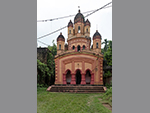
mitrabengali : "মিত্র বাড়িঃ-হুগলি জেলার শ্রীরামপুর মহকুমার বাকসা শহরে বেশ কয়েকটা অভিজাত পরিবার বাস করে, যারা ২০০ বছরেরও বেশি সময় ধরে দুর্গাপুজো উদযাপন করে আসছে। বাকসার মিত্র পরিবার তাদের মধ্যে একটা। অতীতে, মিত্র পরিবারের সাতটা শাখা ছিল, যারা পর্যায়ক্রমে বার্ষিক দুর্গাপুজো পরিচালনা করতেন। বর্তমানে, এই সংখ্যা কমে একটাতে নেমে এসেছে। কিন্তু বছরের পর বছর ধরে বার্ষিক পুজোর প্রতি তাদের নিষ্ঠার কোনও পরিবর্তন হয়নি।মিত্ররা দীর্ঘদিন ধরে ভগবান শিব, রঘুনাথ, এবং অন্যান্য দেবদেবীদের পুজো করে আসছেন। পারিবারিক ইতিহাস অনুসারে, পূর্বপুরুষ ভবানীচরণ মিত্র ছিলেন বর্ধমান মহারাজের দেওয়ান। সরস্বতী নদীর তীরে সন্ধ্যায় হাঁটার সময় ঘণ্টার শব্দ এবং ভগবান শিবের স্তোত্রের গান শুনেছিলেন। মজার বিষয় হল, তখন আশেপাশে কোনও শিব মন্দির ছিল না। যখন এটা কিছুক্ষণ ধরে চলতে থাকে, তখন ভবানীচরণ নদীর তীরে শ্মশানের পাশে মহারাজের পৃষ্ঠপোষকতায় ১২টা শিব মন্দির নির্মাণ করেন। এই শিব মন্দিরগুলো নির্মিত হওয়ার পর অল্প সময়ের মধ্যেই, ভবানীচরণ মিত্রের দূর সম্পর্কের আত্মীয় ভ্রুকুটিরাম মিত্র বাকসা গ্রামে নটা চূড়া বিশিষ্ট রঘুনাথ মন্দির নির্মাণ করেন এবং রঘুনাথ ও রাধাকৃষ্ণ প্রতিষ্ঠা করেন।বছরের পর বছর ধরে, পরিবারটা দুর্গাপুজো ব্যাপকভাবে উদযাপন শুরু করে। পরশুরাম মিত্র এবং তার বংশধররা ততক্ষণে খুব সমৃদ্ধ হয়ে ওঠে, এবং মিত্র পরিবারের এই শাখা, তাদের বাড়িতে একটা দুর্গা দালান তৈরি করেন, এবং বার্ষিক দেবীর পুজো শুরু করেন। তবে পরিবারের সদস্যরা দাবী করেন যে তাদের দুর্গা পুজো ঠাকুর দালান তৈরির অনেক আগেই শুরু হয়েছিল। উল্টো রথের দিনে, মিত্রের বাসভবনে একটা বাঁশের কাণ্ডকে পুজো করা হয় যার নাম খুন্তি পুজো। পরবর্তীকালে ঐ বাঁশ দিয়ে দেবতার কাঠের কাঠামোর একটা অংশ তৈরি করা হয়। বাড়িতে রঘুনাথ জিউর মন্দির থাকার জন্যে, মিত্র পরিবার তাদের দুর্গাপুজোর জন্যে কালিকা পুরাণ অনুসারে শাক্ত রীতিনীতি অনুসরণ করেন। দুর্গাপুজো শুরু হওয়ার প্রায় ১০ থেকে ১৫ দিন আগে বোধন বা দেবী দুর্গার আবাহন করা হয়। বোধনের দিন থেকেই চণ্ডীপাঠ শুরু হয়।এই দুর্গাপুজোয় একটা অনন্য রীতিনীতি পালন করা হয় তা হলো তিনটি নবপত্রিকা পুজো। অধিবাস সম্পন্ন হওয়ার পর, বোধনের পরের দিন, কৃষ্ণপক্ষের নবমীতে প্রথমবারের মতো মঙ্গলঘটের পাশে নবপত্রিকা স্থাপন করা হয়। মহালয়ার একদিন পর, শুক্লপক্ষের প্রথম দিন আবার অধিবাসের একটা নতুন রীতিনীতি পালন করা হয়। পরের দিন, পূর্ববর্তী নবপত্রিকা বিসর্জন করা হয়, এবং ঠাকুর দালানে একটা নতুন রীতিনীতি স্থাপন করা হয়। অবশেষে, সপ্তমীতে, গণেশের মূর্তির পাশে তৃতীয় নবপত্রিকা স্থাপন করা হয়। দুর্গাপুজোর চার দিন ধরে তৃতীয় নবপত্রিকা পুজো করা হয়। বাকসার মিত্র পরিবারের আরেকটা অনন্য রীতি আছে। বোধনের দিনে, ঠাকুর দালানের ওপর একটা ছোট আয়তাকার অংশ মাটি এবং বিভিন্ন শস্যের বীজ দিয়ে ভরা হয়। দুর্গাপুজো শুরু হওয়ার সাথে সাথে মাটি থেকে অঙ্কুর বের হতে শুরু করে। যেহেতু মিত্র পরিবারের জমিদারির আয় মূলত কৃষিকাজ থেকে আসত, তাই বীজ বপনের প্রথা প্রচুর ফসলের প্রতীক, এবং ইঙ্গিত দেয় যে দেবী দুর্গা পরিবারে সমৃদ্ধি এবং প্রাচুর্য আনেন। ষষ্ঠীর দিনে, দেবী দুর্গার মূর্তি ঠাকুর দালানে স্থাপন করা হয় এবং দেবীকে পোশাক এবং অলংকার দিয়ে সাজানো হয়। তিন নারী দেবী - দুর্গা, লক্ষ্মী, এবং সরস্বতীকে বেনারসি শাড়ি পরানো হয়।। গণেশ এবং কার্তিকের মূর্তিগুলো গরদ কাপড়ের তৈরি পোশাক পরিধান করে। অন্যান্য অনেক গৃহস্থালি পুজোর মতো, জয়া এবং বিজয়ার যমজ দেবতারা দেবী দুর্গা এবং তার পরিবারের উভয় পাশে থাকেন। পুজো শুরু হওয়ার আগে, রঘুনাথ জিউর মূর্তি রঘুনাথ মন্দির থেকে ঠাকুর দালানে আনা হয়, যেখানে মঙ্গলচণ্ডী ঘট স্থাপন করা হয়। প্রতিদিনের পুজোর পর রঘুনাথ জিউকে তার মন্দিরে ফিরিয়ে নিয়ে যাওয়া হয় ও পরের দিন সকালে আবার নিয়ে আসা হয়। সপ্তমীতে, দেবীকে পবিত্র জল দিয়ে প্রতীকী স্নান করানোর পর, একটা নিম গাছের ডাল পুজো করা হয়। নিম ডালকে দেবীর দাঁত মাজার ব্রাশ হিসেবে মনে করা হয়। বাকসার মিত্র পরিবার এখনও দুর্গাপুজোর সময় পশুবলি দেয়। সপ্তমীতে একটা ছাগল বলি, সন্ধি পুজোর প্রাক্কালে আরেকটা, নবমীতে পাঁচটা ছাগল এবং একটা ভেড়া দেবীর সামনে বলি দেওয়া হয়। যখন বলি দেওয়া হয়, তখন রঘুনাথ জিউকে কাপড়ে মুড়ে রাখা হয়। বৈষ্ণব দেবতা হওয়ায় তাকে রক্তপাত দেখতে দেওয়া হয় না। মিত্র পরিবারের প্রথম নৈবেদ্য স্থানীয় বৈদ্য মাতা এবং বিশালাক্ষ্মী মাতার মন্দিরে যায়। নবমীতে, একটা ছাগল, কিছু নৈবেদ্য সহ, বৈদ্য মাতার মন্দিরে পাঠানো হয়। সেই ছাগল বলি দেওয়ার পরেই, মিত্র পরিবারে নবমীতে পশু বলি শুরু হয়।পুজোর চার দিন ধরে, দেবীকে লুচি, কুঁচি করা নারকোল দিয়ে তৈরি ১০০টা নাড়ু, পাঁচকড়াই, মেওয়া, কাজু, কিশমিশ এবং বেশ কিছু ফল সহ, বিভিন্ন সুস্বাদু খাবার পরিবেশন করা হয়। এগুলো ছাড়াও, আঁশযুক্ত একটা কাঁচা মাছ দেবীর নামে উৎসর্গ করা হয়। দশমীতে বিসর্জনের আগে, দেবী দুর্গাকে ঠাকুর দালান থেকে উঠোনে নামিয়ে আনা হয়। রঘুনাথের মূর্তিটা উঠোনের দিকে মুখ করে থাকা রঘুনাথ মন্দিরের বাইরে স্থাপন করা হয়। রঘুনাথের সামনে বরণ করা হয় এবং সিঁদুর খেলা অনুষ্ঠিত হয়।দেবীকে শেষ বিদায় জানানোর আগে, পরিবার কনকাঞ্জলির আচার পালন করে, যেন তারা তাদের মেয়েকে তার শ্বশুরবাড়িতে পাঠাচ্ছেন। দেবী দুর্গা, সরস্বতী এবং লক্ষ্মীকে লাল-সাদা সুতির শাড়ি পরানো হয়, যখন গণেশ এবং কার্তিক সুতির ধুতি পরেন। বিসর্জনের পরে, পরিবারের সদস্যরা রঘুনাথ মন্দিরে যান এবং চরণামৃত গ্রহণ করেন। বাড়ি ফিরে মিত্র পরিবার তাদের পূর্বপুরুষদের ছবির সামনে দাঁড়িয়ে, কলা পাতায় আলতা দিয়ে শ্রী শ্রী দুর্গামাতা সহায় লেখেন। "+
"Read More..."+
"
"+
"শব্দঃ প্রতিবেদনঃ "+
""+
"ভিডিও"+
"স্লাইডশোর জন্যে নীচের ছবিতে ক্লিক করুন "+
"
"+
"পেজ মেনুতে যান",
mitraenglish :"Mitra Bari:-Baksa town in the Serampore subdivision of Hooghly district is home to several aristocrat families who have been celebrating Durga Puja for over 200 years. The Mitra family of Baksa is one of them. In the past, there were seven branches of the Mitra family, who used to conduct the annual Durga Puja in turn. Today, this number has come down to one. But their devotion to the annual puja has not changed over the years. The Mitras have long been worshippers of Lord Shiva, Raghunath, and other deities. According to family history, ancestor Bhavanicharan Mitra was the dewan of the Maharaja of Burdwan. While walking in the evening on the banks of the Saraswati River, he heard the sound of bells and the singing of hymns of Lord Shiva. Interestingly, there were no Shiva temples nearby. When this continued for some time, Bhavanicharan built 12 Shiva temples under the patronage of the Maharaja, next to the crematorium on the banks of the river. Soon after these Shiva temples were built, Bhrukutiram Mitra, a distant relative of Bhavanichara Mitra, built the nine-spired Raghunath temple in the village of Baksa and established Raghunath and Radhakrishna. Over the years, the family began to celebrate Durga Puja on a large scale. Parashuram Mitra and his descendants had by then become very prosperous, and this branch of the Mitra family built a Durga Dalan in their house, and began to perform annual pujas of the goddess. However, family members claim that their Durga Puja began long before the construction of the Thakur Dalan. On the the day of the reverse chariot, a bamboo trunk was worshipped in the Mitra residence, which is called Khunti Puja. Later, a part of the wooden structure of the deity was made from that bamboo. As they have a Raghunath temple in the house, the Mitra family followed the Shakta rituals according to the Kalika Purana for their Durga Puja. About 10 to 15 days before the start of Durga Puja, Bodhan or Goddess Durga is invoked. Chandipath begins on the day of Bodhan.A unique custom is observed in this Durga Puja, which is the worship of three Navapatrikas. After the Adhivas is completed, on the day after Bodhan, on the Navami of the Krishna Paksha, a Navapatrika is installed for the first time next to the Mangalaghat. A day after Mahalaya, on the first day of Shukla Paksha, a new custom of Adhivas is observed again. The next day, the previous Navapatrika is discarded, and a new one is installed in the Thakur Dalan. Finally, on the seventh day, the third Navapatrika is installed next to the idol of Ganesha. The third Navapatrika is worshipped throughout the four days of Durga Puja. There is another unique custom of the Baksa Mitra family. On the day of Bodhan, a small rectangular area on the Thakur Dalan is filled with soil and seeds of various crops. As Durga Puja begins, shoot start to emerge from the soil. Since the Mitra family's Zamindari income was mainly from agriculture, the practice of sowing seeds symbolizes a bountiful harvest, and indicates that Goddess Durga brings prosperity and abundance to the family.On the day of Shasthi, the idol of Goddess Durga is installed in the Thakur Dalana and the goddess is adorned with clothes and ornaments. The three female goddesses - Durga, Lakshmi, and Saraswati, are dressed in Benarasi saris. The idols of Ganesh and Kartik are dressed in Garad cloth. As in many other household pujas, the twin deities Jaya and Vijaya are present on either side of Goddess Durga and her family. Before the puja begins, the idol of Raghunath Jiu is brought from the Raghunath temple to the Thakur Dalana, where the Mangalchandi Ghat is installed. After the daily puja, Raghunath Jiu is brought back to his temple and brought back again the next morning. On Saptami, after giving the goddess a symbolic bath with holy water, a neem branch is worshipped. The neem branch is considered to be the goddess's toothbrush. The Mitra family of Baksa still performs animal sacrifices during Durga Puja. On Saptami, a goat is sacrificed, another on the eve of Sandhi Puja. On Navami, five goats, and a sheep are sacrificed before the goddess. When the sacrifice is made, Raghunath Jiu is wrapped in a cloth. Being a Vaishnava deity, He is not allowed to see the bloodshed. The first offering of the Mitra family goes to the local Vaidya Mata and Vishalakshmi Mata temples. On Navami, a goat, along with some offerings, is sent to the Vaidya Mata temple. Only after that goat is sacrificed, the Mitra family begins the animal sacrifice on Navami.During the four days of the puja, the goddess is offered various delicacies, including Luchi, 100 Narus made of grated Coconut, Panchkarai, Mewa, Cashew nuts, Raisins and several fruits. Apart from these, a raw fish with scales is offered in the name of the goddess. Before immersion on Dashami, Goddess Durga is brought down from the Thakur Dalan to the courtyard. The idol of Raghunath is installed outside the Raghunath temple facing the courtyard. A reception is held in front of Raghunath and a vermilion game is held.Before bidding farewell to the goddess, the family performs the ritual of Kankanjali, as if they are sending their daughter to her in-laws. Goddess Durga, Saraswati and Lakshmi are dressed in red and white cotton saris, while Ganesha and Kartik wear cotton dhoti. After immersion, the family members go to the Raghunath temple and take Charanamrita. Returning home, the Mitra family stood in front of the pictures of their ancestors and wrote, Shri Sri Durga Mata Sahay, on a banana leaf with Alta. "+
"Read More..."+
"
"+
"Sound Stream: "+
""+
"Video"+
"Click any Picture for Slide Show "+
"
"+
"Go To Page Menu",
photomitra : ""+
" "+
" "+
" "+
" "+
" "+
" "+
" "+
"",
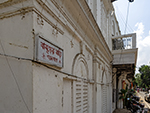
umavillabengali : "উমা ভিলা বা বাজারবাড়িঃ-জনাইয়ের দুর্গাপুজো উদযাপনের আরেকটা বাড়ি হল উমা ভিলা বা বাজার বাড়ি। সুন্দর লাল রঙের গেট দিয়ে প্রবেশ করলেই বাড়িটা দেখতে পাওয়া যায়। প্রবেশদ্বারের উভয় পাশে এখনও গ্যাস ল্যাম্পের কাঠামোর ধ্বংসাবশেষ রয়েছে। প্রধান ফটকের ডানদিকে একটা পাথরের ফলকে বাজার বাড়ি নাম লেখা আছে। বাড়িটা খুবই সুরক্ষিত। অন্যান্য বনেদি পরিবারের মতোই এখানকার প্রতিমা ঐতিহ্যবাহী একচালা ধাঁচের। এখানকার স্বতন্ত্রতা হল, দুর্গাপুজো অতীতের মতোই লণ্ঠন আলো দিয়ে উদযাপিত হয়। এই বাড়ির প্রতিষ্ঠাতা স্বর্গীয় উমাকান্ত মুখোপাধ্যায়। বাজার এলাকায় অবস্থিত বলে এই বাড়ির নাম বাজারবাড়ি। এই বাড়ির পুজো প্রায় পাঁচ পুরুষ ধরে চলে আসছে। অনেকে এটাকে লাল বাড়ি নামেও চেনেন। এই বাড়ির অভিনবত্ব ঝাড় লণ্ঠনের আলোয় পুজো হয়। তবে ষষ্ঠীর দিনে এই লণ্ঠন আলো জ্বালানো হয়, এবং তাও বোধন অনুষ্ঠানের পরে। আমি গেছিলাম সপ্তমীতে, তাই লণ্ঠনগুলো কার্যকরভাবে দেখতে পাইনি। নবমীতে এই বাড়িতে বলিপ্রথা প্রচলন রয়েছে। উমা ভিলা, হুগলির জনাই গ্রামের বিখ্যাত বনেদি বাড়িগুলোর মধ্যে একটা, যা শতাব্দী প্রাচীন দুর্গাপুজো ঐতিহ্যের জন্যে পরিচিত। এই ঐতিহ্যবাহী উৎসব, যা কখনও কখনও দুর্গামণির এস্টেটের সাথে যুক্ত, প্রাচীনকালের আকর্ষণ এবং ঐতিহ্যবাহী আচার-অনুষ্ঠানের প্রতি আনুগত্য দ্বারা চিহ্নিত। বাজার বাড়ি দুর্গাপুজোর একটা অনন্য এবং উল্লেখযোগ্য বৈশিষ্ট্য হল লণ্ঠন আলো ব্যবহার করে প্রাঙ্গণ এবং ঠাকুরদালান আলোকিত করা হয়, যেখানে দেবতা বাস করেন। এই ঐতিহ্য বিদ্যুৎ আসার অনেক আগে থেকেই ছিল। এখন এই আলোর ব্যবস্থা অতীতে কিভাবে উৎসবটা পালিত হত তার সঠিক পরিবেশ দর্শায়। দুর্গা মূর্তি ঐতিহ্যবাহী একচালা রীতির, যেখানে দেবী এবং তাঁর পরিচারকরা একটা একক পিছনের প্যানেলে স্থাপন করা হয়। স্থানীয়ভাবে একটা উল্লেখযোগ্য ল্যান্ডমার্ক হিসেবে, এই সম্পত্তি, এর সুন্দর লাল রঙের গেট, এবং সু-রক্ষণাবেক্ষণ করা কাঠামোর কারণে, বাঙালি পারিবারিক পুজোর ধ্রুপদী, অবাণিজ্যিক চেতনা অনুভব করতে আগ্রহী দর্শনার্থীদের আকর্ষণ করে। "+
"Read More..."+
"
"+
"শব্দঃ প্রতিবেদনঃ "+
""+
"ভিডিও"+
"স্লাইডশোর জন্যে নীচের ছবিতে ক্লিক করুন "+
"
"+
"পেজ মেনুতে যান",
umavillaenglish :"Uma Villa or Bazar Bari:-Another house for celebrating Durga Puja in Janai is Uma Villa or Bazar Bari. The house can be seen as soon as you enter through the beautiful red gate. There are still ruins of the gas lamp structure on both sides of the entrance. The name Bazar Bari is written on a stone plaque on the right side of the main gate. The house is very well preserved. Like other aristocrat families, the idol here is of the traditional Ekchala style. The uniqueness here is that Durga Puja is celebrated with lantern lights like in the past. The founder of this house is the late Umakanta Mukherjee. The name of this house is Bazar Bari as it is located in the market area. The puja of this house has been going on for about five generations. Many also know it as Lal Bari. The novelty of this house is that the puja is performed with the light of chandelier. However, on the sixth day of Durga Puja, these lanterns are lit, and that too after the Awakening ceremony. I went on seventh day, so I could not see the lanterns effectively. The house has a ritual of animal sacrifice on Navami. Uma Villa, one of the famous aristocratic houses in Janai village of Hooghly, is known for its centuries-old Durga Puja tradition. This traditional festival, sometimes associated with the Durgamani estate, is marked by its old-fashioned charm and adherence to traditional rituals. A unique and notable feature of the Bazaar Bari Durga Puja is the use of lantern lights to illuminate the courtyard and the Thakurdalan, where the deity resides. This tradition dates back long before the advent of electricity. Now this lighting arrangement gives an authentic ambience to how the festival was celebrated in the past. The Durga idol is of the traditional Ekchala style, where the goddess and her attendants are placed against a single back panel. A notable landmark locally, this property, with its beautiful red gates, and well-maintained structure, attracts visitors eager to experience the classical, non-commercial spirit of Bengali family worship. "+
"Read More..."+
"
"+
"Sound Stream: "+
""+
"Video"+
"Click any Picture for Slide Show "+
"
 "+
"
"+
"  "+
"
"+
"  "+
"
"+
"  "+
"
"+
"  "+
"
"+
"  "+
"
"+
"  "+
"
"+
"  "+
"
"+
" "+
"
"+
"  "+
"
"+
"  "+
"
"+
"  "+
"
"+
"  "+
"
"+
"  "+
"
"+
"  "+
"
"+
"  "+
"",
garalgachabengali : "
"+
"",
garalgachabengali : " "+
"
"+
"  "+
"
"+
"  "+
"
"+
"  "+
"
"+
"  "+
"
"+
"  "+
"
"+
"  "+
"
"+
"  "+
"",
kalibabubengali : "কালীবাবুর বাড়িঃ-হুগলির জনাইয়ের কালী বাবুর বাড়ির দুর্গাপুজো, যা আনুষ্ঠানিকভাবে জনাই রাজবাড়ি নামে পরিচিত, পশ্চিমবঙ্গের সবচেয়ে সম্মানিত এবং বিখ্যাত অভিজাত পরিবারের পুজোগুলোর মধ্যে একটা, যা ২৫০ বছরেরও বেশি সময় ধরে চলে আসছে। পলাশীর যুদ্ধের সময় তিনি এই দুর্গা পুজোর প্রচলন করেন। এলাকার শ্মশানের একটা অংশে তিনি রাজবাড়ি তৈরি করেছিলেন। কথিত আছে, সাধনা করে এখানেই তিনি দেবী দুর্গার দর্শন পেয়েছিলেন। তারপরই শুরু করেছিলেন আরাধনা। সেই থেকে প্রথা মেনে বংশপরম্পরায় হয়ে আসছে পুজো। এই বাড়িতে দেবীকে কন্যা রূপে পুজো করা হয়। বৈষ্ণব মতে পুজো হয় বলে এই বাড়িতে কোনো আমিষ ভোগ দেওয়া হয়না। পরিবারের মতে এই বাড়িতে এসেছিলেন রবীন্দ্রনাথ ঠাকুর, ঈশ্বরচন্দ্র বিদ্যাসাগরের মতো বিখ্যাত মহাপুরুষেরা। এখানে বহু বাংলা সিনেমার শুটিং হয়েছে। রাজবাড়ির সদস্যদের পাশাপাশি, পুজোয় অংশ নেন এলাকার বাসিন্দারাও। পরিবারের পিতৃপুরুষ ঈশ্বর কালীপ্রসাদ মুখোপাধ্যায়, যিনি ইস্ট ইন্ডিয়া কোম্পানির অধীনে ভাগলপুরের দেওয়ান হিসেবে দায়িত্ব পালন করেছিলেন। ওনার জন্ম বেনারস। তবে উনি জনাইতেই বসবাস করতেন। এই উৎসব স্থায়ী ঐতিহ্যের এক বিশাল প্রদর্শনী, যা বিশাল আকার এবং ইন্দো-ক্যাথলিক স্থাপত্যের জন্যে বিখ্যাত। দুর্গাপুজো রাজকীয় ঠাকুর দালানে অনুষ্ঠিত হয়। এই উৎসব দুটো অনন্য দশমী আচার-অনুষ্ঠানের মাধ্যমে আলাদা করা হয়। যেমন অপরাজিতা পুজো, যা দেবীর বিসর্জনের আগে তার অজেয় প্রকৃতিকে মহিমান্বিত করার জন্যে করা হয়, এবং বিরল বীরাঞ্জলি, যেখানে পরিবারের সকল সদস্য, ক্রমবর্ধমান বয়স অনুসারে সারিবদ্ধভাবে দাঁড়িয়ে, সম্মিলিতভাবে শেষ নিবেদন এবং বিদায় হিসেবে প্রতিমাকে তিনবার প্রদক্ষিণ করেন। এই রাজবাড়ির পুজো এখনও জনতাকে আকর্ষণ করে, যা বাংলার জমিদারি ঐতিহ্যের জাঁকজমক এবং আধ্যাত্মিক উৎসাহের একটা শক্তিশালী আভাস প্রদান করে। "+
"Read More..."+
"
"+
"",
kalibabubengali : "কালীবাবুর বাড়িঃ-হুগলির জনাইয়ের কালী বাবুর বাড়ির দুর্গাপুজো, যা আনুষ্ঠানিকভাবে জনাই রাজবাড়ি নামে পরিচিত, পশ্চিমবঙ্গের সবচেয়ে সম্মানিত এবং বিখ্যাত অভিজাত পরিবারের পুজোগুলোর মধ্যে একটা, যা ২৫০ বছরেরও বেশি সময় ধরে চলে আসছে। পলাশীর যুদ্ধের সময় তিনি এই দুর্গা পুজোর প্রচলন করেন। এলাকার শ্মশানের একটা অংশে তিনি রাজবাড়ি তৈরি করেছিলেন। কথিত আছে, সাধনা করে এখানেই তিনি দেবী দুর্গার দর্শন পেয়েছিলেন। তারপরই শুরু করেছিলেন আরাধনা। সেই থেকে প্রথা মেনে বংশপরম্পরায় হয়ে আসছে পুজো। এই বাড়িতে দেবীকে কন্যা রূপে পুজো করা হয়। বৈষ্ণব মতে পুজো হয় বলে এই বাড়িতে কোনো আমিষ ভোগ দেওয়া হয়না। পরিবারের মতে এই বাড়িতে এসেছিলেন রবীন্দ্রনাথ ঠাকুর, ঈশ্বরচন্দ্র বিদ্যাসাগরের মতো বিখ্যাত মহাপুরুষেরা। এখানে বহু বাংলা সিনেমার শুটিং হয়েছে। রাজবাড়ির সদস্যদের পাশাপাশি, পুজোয় অংশ নেন এলাকার বাসিন্দারাও। পরিবারের পিতৃপুরুষ ঈশ্বর কালীপ্রসাদ মুখোপাধ্যায়, যিনি ইস্ট ইন্ডিয়া কোম্পানির অধীনে ভাগলপুরের দেওয়ান হিসেবে দায়িত্ব পালন করেছিলেন। ওনার জন্ম বেনারস। তবে উনি জনাইতেই বসবাস করতেন। এই উৎসব স্থায়ী ঐতিহ্যের এক বিশাল প্রদর্শনী, যা বিশাল আকার এবং ইন্দো-ক্যাথলিক স্থাপত্যের জন্যে বিখ্যাত। দুর্গাপুজো রাজকীয় ঠাকুর দালানে অনুষ্ঠিত হয়। এই উৎসব দুটো অনন্য দশমী আচার-অনুষ্ঠানের মাধ্যমে আলাদা করা হয়। যেমন অপরাজিতা পুজো, যা দেবীর বিসর্জনের আগে তার অজেয় প্রকৃতিকে মহিমান্বিত করার জন্যে করা হয়, এবং বিরল বীরাঞ্জলি, যেখানে পরিবারের সকল সদস্য, ক্রমবর্ধমান বয়স অনুসারে সারিবদ্ধভাবে দাঁড়িয়ে, সম্মিলিতভাবে শেষ নিবেদন এবং বিদায় হিসেবে প্রতিমাকে তিনবার প্রদক্ষিণ করেন। এই রাজবাড়ির পুজো এখনও জনতাকে আকর্ষণ করে, যা বাংলার জমিদারি ঐতিহ্যের জাঁকজমক এবং আধ্যাত্মিক উৎসাহের একটা শক্তিশালী আভাস প্রদান করে। "+
"Read More..."+
" "+
"
"+
"  "+
"
"+
"  "+
"
"+
"  "+
"
"+
"  "+
"
"+
"  "+
"
"+
"  "+
"",
chowdhurybengali : "চৌধুরী বাড়িঃ-জনাইয়ের উত্তর-পূর্বে বাকশা গ্রামের চৌধুরী বাড়িতে দুর্গা পুজো এবং দোলযাত্রা সমান জাঁকজমকপূর্ণভাবে পালিত হয়। একটা সুন্দর প্রবেশদ্বার অতিথিদের ভেতরে স্বাগত জানায়। বাড়ির সামনের অংশটা অনন্য, যেখানে মূল প্রবেশদ্বারে রয়েছে একটা বড় দরজা ও দুদিকে দুটো ছোট দরজা। মূল প্রবেশদ্বারের দুদিকেই চারটে করে জানলা রয়েছে। আর এই চারটে জানলার মাঝে একটা করে দরজা আছে। প্রধান প্রবেশদ্বার কিছুটা বড় যার দুপাশে একটা করে স্তম্ভ আছে। প্রধান প্রবেশদ্বারের উভয় পাশেই বসার ব্যবস্থা আছে। এই বাড়ির পুজো প্রায় ২৮০ বছরের পুরনো। দালানটা পুজো শুরু হওয়ার সময়কার মতোই রয়েছে, ও মূল পুজো দালান লাইট দিয়ে সাজানো। স্বর্গীয় রূপনারায়ণ চৌধুরী এই বাড়ির পুজো শুরু করেছিলেন। এই এলাকায় রঘুনাথ জিউ নবরত্ন মন্দির, বারো শিব মন্দির এবং বদি মাতার মন্দিরের গৌরব ও খ্যাতি আজও রয়েছে। জনশ্রুতি আছে নিশিপদ্ম ছায়াছবিতে মান্না দের বিখ্যাত গান, শুনেছি চৌধুরী বাড়িতে নাকি বসেছে আসর, রচিত হয়েছিল এই চৌধুরী বাড়িকে ঘিরেই। লাল বাহাদুর শাস্ত্রী ও ইন্দিরা গান্ধীর আমলে, দেশের অর্থমন্ত্রী শচীন্দ্র চৌধুরী ছিলেন এই চৌধুরী বংশেরই সন্তান। এই বংশের পূর্বপুরুষ জগৎ নারায়ণ চৌধুরী বর্ধমান রাজার দেওয়ান ছিলেন। বর্ধমানের মহারাজা বাকশা গ্রামের শতাধিক বিঘে জমি জগত নারায়ণকে উপহার দেন। জগত নারায়ণ ঠিক করেন যে তিনি সেখানে দুর্গাপুজো করবেন। কিন্তু কীভাবে মায়ের মূর্তি হবে, সেই ধারণা নিতে তিনি কাশী রওনা হন। কিন্তু কাশী পৌঁছনোর আগেই তিনি স্বপ্নাদেশ পেয়ে বকশা ফিরে এসে মায়ের পুজো চালু করেন। যেহেতু তাঁরা রাধা গোবিন্দের ভক্ত, তাই চালচিত্রে স্থান দেওয়া হয় রাধাগোবিন্দকে। আসলে এই পুজো ছিল শাক্ত ও বৈষ্ণব মতের মেলবন্ধন। এই দুর্গাপুজোর সাথে বেশ কিছু অনন্য জিনিস জড়িত। প্রথমত, মা দুর্গার দশটার পরিবর্তে চারটে হাত রয়েছে। তিনি ত্রিশূল, তরবারি, ঢাল এবং সাপ ধারণ করেন। দ্বিতীয়ত, জয়া এবং বিজয়ার পরিবর্তে, মা দুর্গার একই কাঠামোতে রাধা এবং কৃষ্ণ বিরাজ করেন। কার্তিকের ওপর রাধা ও গণেশের ওপরে কৃষ্ণকে স্থাপন করা হয়। এগুলো এমনভাবে স্থাপন করা হয় যাতে বলিদানের সময় তারা সাক্ষী হতে না পারে। তৃতীয়ত, পরিবারের সদস্যদের কল্যাণের জন্যে অষ্টমীতে কল্যাণী পুজো অনুষ্ঠিত হয়। অবশেষে, বিসর্জনের সময় প্রাচীন রীতি বজায় রেখে দেবীর সাথে দুটো প্রজ্জ্বলিত মশাল থাকে। আগে পশুবলি দেওয়া হত কিন্তু বর্তমানে কেবল ফল বলি দেওয়া হয়। চৌধুরীদের মোট নটা পরিবার রয়েছে এবং তারা বড়, মেঝ, এবং ছোটোতে বিভক্ত। এদের প্রত্যেকের বাড়িতে সপ্তমী, অষ্টমী, এবং নবমীর দিন কুমারী পুজো অনুষ্ঠিত হয়। পুজোর সমস্ত দিনে হোম করা হয়। তান্ত্রিক রীতি অনুসারে পুজো অনুষ্ঠিত হয়। নন্দোৎসবের দিন থেকে ঠাকুরদালানে প্রতিমা প্রস্তুত করা হয়। "+
"Read More..."+
"
"+
"",
chowdhurybengali : "চৌধুরী বাড়িঃ-জনাইয়ের উত্তর-পূর্বে বাকশা গ্রামের চৌধুরী বাড়িতে দুর্গা পুজো এবং দোলযাত্রা সমান জাঁকজমকপূর্ণভাবে পালিত হয়। একটা সুন্দর প্রবেশদ্বার অতিথিদের ভেতরে স্বাগত জানায়। বাড়ির সামনের অংশটা অনন্য, যেখানে মূল প্রবেশদ্বারে রয়েছে একটা বড় দরজা ও দুদিকে দুটো ছোট দরজা। মূল প্রবেশদ্বারের দুদিকেই চারটে করে জানলা রয়েছে। আর এই চারটে জানলার মাঝে একটা করে দরজা আছে। প্রধান প্রবেশদ্বার কিছুটা বড় যার দুপাশে একটা করে স্তম্ভ আছে। প্রধান প্রবেশদ্বারের উভয় পাশেই বসার ব্যবস্থা আছে। এই বাড়ির পুজো প্রায় ২৮০ বছরের পুরনো। দালানটা পুজো শুরু হওয়ার সময়কার মতোই রয়েছে, ও মূল পুজো দালান লাইট দিয়ে সাজানো। স্বর্গীয় রূপনারায়ণ চৌধুরী এই বাড়ির পুজো শুরু করেছিলেন। এই এলাকায় রঘুনাথ জিউ নবরত্ন মন্দির, বারো শিব মন্দির এবং বদি মাতার মন্দিরের গৌরব ও খ্যাতি আজও রয়েছে। জনশ্রুতি আছে নিশিপদ্ম ছায়াছবিতে মান্না দের বিখ্যাত গান, শুনেছি চৌধুরী বাড়িতে নাকি বসেছে আসর, রচিত হয়েছিল এই চৌধুরী বাড়িকে ঘিরেই। লাল বাহাদুর শাস্ত্রী ও ইন্দিরা গান্ধীর আমলে, দেশের অর্থমন্ত্রী শচীন্দ্র চৌধুরী ছিলেন এই চৌধুরী বংশেরই সন্তান। এই বংশের পূর্বপুরুষ জগৎ নারায়ণ চৌধুরী বর্ধমান রাজার দেওয়ান ছিলেন। বর্ধমানের মহারাজা বাকশা গ্রামের শতাধিক বিঘে জমি জগত নারায়ণকে উপহার দেন। জগত নারায়ণ ঠিক করেন যে তিনি সেখানে দুর্গাপুজো করবেন। কিন্তু কীভাবে মায়ের মূর্তি হবে, সেই ধারণা নিতে তিনি কাশী রওনা হন। কিন্তু কাশী পৌঁছনোর আগেই তিনি স্বপ্নাদেশ পেয়ে বকশা ফিরে এসে মায়ের পুজো চালু করেন। যেহেতু তাঁরা রাধা গোবিন্দের ভক্ত, তাই চালচিত্রে স্থান দেওয়া হয় রাধাগোবিন্দকে। আসলে এই পুজো ছিল শাক্ত ও বৈষ্ণব মতের মেলবন্ধন। এই দুর্গাপুজোর সাথে বেশ কিছু অনন্য জিনিস জড়িত। প্রথমত, মা দুর্গার দশটার পরিবর্তে চারটে হাত রয়েছে। তিনি ত্রিশূল, তরবারি, ঢাল এবং সাপ ধারণ করেন। দ্বিতীয়ত, জয়া এবং বিজয়ার পরিবর্তে, মা দুর্গার একই কাঠামোতে রাধা এবং কৃষ্ণ বিরাজ করেন। কার্তিকের ওপর রাধা ও গণেশের ওপরে কৃষ্ণকে স্থাপন করা হয়। এগুলো এমনভাবে স্থাপন করা হয় যাতে বলিদানের সময় তারা সাক্ষী হতে না পারে। তৃতীয়ত, পরিবারের সদস্যদের কল্যাণের জন্যে অষ্টমীতে কল্যাণী পুজো অনুষ্ঠিত হয়। অবশেষে, বিসর্জনের সময় প্রাচীন রীতি বজায় রেখে দেবীর সাথে দুটো প্রজ্জ্বলিত মশাল থাকে। আগে পশুবলি দেওয়া হত কিন্তু বর্তমানে কেবল ফল বলি দেওয়া হয়। চৌধুরীদের মোট নটা পরিবার রয়েছে এবং তারা বড়, মেঝ, এবং ছোটোতে বিভক্ত। এদের প্রত্যেকের বাড়িতে সপ্তমী, অষ্টমী, এবং নবমীর দিন কুমারী পুজো অনুষ্ঠিত হয়। পুজোর সমস্ত দিনে হোম করা হয়। তান্ত্রিক রীতি অনুসারে পুজো অনুষ্ঠিত হয়। নন্দোৎসবের দিন থেকে ঠাকুরদালানে প্রতিমা প্রস্তুত করা হয়। "+
"Read More..."+
" "+
"
"+
"  "+
"
"+
"  "+
"
"+
"  "+
"
"+
"  "+
"
"+
"  "+
"
"+
"  "+
"
"+
"  "+
"",
singhibengali : "সিংহীবাড়িঃ-হুগলির বাকশায় কালীপ্রসন্ন সিংহের পৈতৃক বাড়িতে দুর্গাপুজো ধুমধাম ছাড়া নীরবেই অনুষ্ঠিত হয়। সময়ের সাথে সাথে পারিবারিক সম্পত্তি হ্রাস পাওয়ায়, পুজো এখন সাধারণ ভাবেই হয়, তবে পূর্বসূরীরা ৪০০ বছরেরও বেশি সময় আগে, এটা প্রতিষ্ঠা করার সময় যেমন ছিল, এখনও সেই ঐতিহ্য বজায় রয়েছে।হুগলির জনাই গ্রামের পাশে বাকশা একটা শান্ত গ্রাম। যদিও এই গ্রামগুলোর বিশেষত্ব সম্পর্কে খুব বেশি আলোচনা হয় না, তাই খুব কম লোকই জানেন যে বাকশায় সেই সময় বেশ কয়েকজন অভিজাত জমিদারের আবাসস্থল ছিল। এরকম একটা পরিবার হল সিংহ বা সিংহী এবং তাদের বাড়ি জনপ্রিয়ভাবে সিংহী বাড়ি নামে পরিচিত।পুরনো বাড়ির খুব কমই অবশিষ্ট আছে, রয়েছে কেবল পুরনো ঠাকুরদালান, যেখানে গত ৪৩০ বছর ধরে দুর্গাপুজো অনুষ্ঠিত হচ্ছে। বিখ্যাত কবি ও সাহিত্যিক, কালীপ্রসন্ন সিংহ, যিনি হুতোম প্যাঁচা ছদ্মনামে লিখতেন, তিনি এই সিংহ পরিবারের সদস্য ছিলেন। কালীপ্রসন্ন ছিলেন একজন জনপ্রিয় বাঙালি লেখক, নাট্যকার, এবং সমাজসেবক। তাঁর বিখ্যাত রচনাগুলির মধ্যে একটা ছিল মহাভারতের বাংলায় অনুবাদ। একজন সমাজ সংস্কারক হিসেবে তিনি বিভিন্ন ব্যঙ্গাত্মক সামাজিক সংকলনের লেখক, যা তৎকালীন বাংলার সমাজের বিভিন্ন অনাচারের বিরুদ্ধে এক জোরদার প্রতিবাদ। তিনি একজন জনহিতৈষীও ছিলেন এবং দুর্দশাগ্রস্ত অনেক মানুষ এবং আন্দোলনকে সাহায্য করেছিলেন।দেওয়ান শান্তিরাম সিংহ ছিলেন সিংহ পরিবারের প্রথম প্রতিষ্ঠিত সদস্য। পরে তিনি কলকাতার জোড়াসাঁকোতে একটা বিশাল প্রাসাদে বসতি স্থাপন করেছিলেন। শান্তিরামের বংশধর, নবাব যুগের একজন উচ্চপদস্থ কর্মকর্তা মহেন্দ্রলাল সিংহ, বাকশায় সাড়ে আট বিঘা জমি কিনেছিলেন, যেখানে তিনি একটা বাড়ি ও ঠাকুরদালান তৈরি করেছিলেন। পরে সেখানে দুর্গা পুজো শুরু করেছিলেন। তারপর থেকে দুর্গা পুজো কখনও বন্ধ হয়নি। পুরনো পারিবারিক রেকর্ড অনুসারে, যদিও কালীপ্রসন্ন সিংহ জোড়াসাঁকোতে জন্মগ্রহণ করেছিলেন, এবং বড় হয়েছিলেন, তিনি প্রায়শই দুর্গা পুজোর সময় হুগলিতে তাঁর পৈতৃক বাড়িতে যেতেন।সিংহ পরিবারের এখন ১৫ টিরও বেশি পরিবার রয়েছে, এবং প্রতি বছর, পরিবারের একজনকে পুজো আয়োজনের সমস্ত দায়িত্ব নিতে হয়। পুকুরের মতো কিছু সম্পত্তি আছে, যা মাছ চাষের জন্যে দান করা হয়েছে ও সেখান থেকে সারা বছর কিছু আয় হয়। আগে অষ্টমীতে মোষ বলি দেওয়া হতো, কিন্তু নতুন প্রজন্মের পরিবারের সদস্যরা আপত্তি জানানোর পর, প্রায় পঞ্চাশ বছর আগে এই প্রথা বন্ধ হয়ে যায়। এখন সন্ধি পুজোর সময় একটা ছাগল বলি দেওয়া হয়, কিন্তু মাংস পরিবারের সদস্যরা খান না। এই মাংস পুরোহিত এবং ঢাকির মধ্যে বিতরণ করা হয়। সিংহবাড়ি পুজোয় দুর্গা ঠাকুরকে ভাত দেওয়া হয় না। পরিবর্তে লুচি এবং বিভিন্ন ধরণের মিষ্টি দেওয়া হয়। পরিবারের সদস্য এবং পুজোয় আগত অতিথিদের মধ্যে কেবল লুচি এবং নারকোল নাড়ু বিতরণ করা হয়। চার শতাব্দী ধরে চলে আসা ঐতিহ্য মেনে, সিংহ পরিবারের মহিলা সদস্যদের পুজোর আয়োজনে অংশ নিতে দেওয়া হয় না। চারদিনের পুজোর সময় কেবল পরিবারের পুরুষ সদস্যরা, যার মধ্যে ছেলেরাও রয়েছেন, সমস্ত ব্যবস্থা করেন। প্রতিপাদ থেকে বোধন, মহালয়ার পরের দিন, এবং নবমী পর্যন্ত, পরিবারের সকলেই নিরামিষ খান। বাড়ির কাছে প্রবাহিত সরস্বতী নদীতে প্রতিমা বিসর্জন করা হয়। ধারক এবং পরিবারের সদস্যরা নদীর তীর পর্যন্ত দেবতাকে কাঁধে বহন করে নিয়ে যান। "+
"Read More..."+
"
"+
"",
singhibengali : "সিংহীবাড়িঃ-হুগলির বাকশায় কালীপ্রসন্ন সিংহের পৈতৃক বাড়িতে দুর্গাপুজো ধুমধাম ছাড়া নীরবেই অনুষ্ঠিত হয়। সময়ের সাথে সাথে পারিবারিক সম্পত্তি হ্রাস পাওয়ায়, পুজো এখন সাধারণ ভাবেই হয়, তবে পূর্বসূরীরা ৪০০ বছরেরও বেশি সময় আগে, এটা প্রতিষ্ঠা করার সময় যেমন ছিল, এখনও সেই ঐতিহ্য বজায় রয়েছে।হুগলির জনাই গ্রামের পাশে বাকশা একটা শান্ত গ্রাম। যদিও এই গ্রামগুলোর বিশেষত্ব সম্পর্কে খুব বেশি আলোচনা হয় না, তাই খুব কম লোকই জানেন যে বাকশায় সেই সময় বেশ কয়েকজন অভিজাত জমিদারের আবাসস্থল ছিল। এরকম একটা পরিবার হল সিংহ বা সিংহী এবং তাদের বাড়ি জনপ্রিয়ভাবে সিংহী বাড়ি নামে পরিচিত।পুরনো বাড়ির খুব কমই অবশিষ্ট আছে, রয়েছে কেবল পুরনো ঠাকুরদালান, যেখানে গত ৪৩০ বছর ধরে দুর্গাপুজো অনুষ্ঠিত হচ্ছে। বিখ্যাত কবি ও সাহিত্যিক, কালীপ্রসন্ন সিংহ, যিনি হুতোম প্যাঁচা ছদ্মনামে লিখতেন, তিনি এই সিংহ পরিবারের সদস্য ছিলেন। কালীপ্রসন্ন ছিলেন একজন জনপ্রিয় বাঙালি লেখক, নাট্যকার, এবং সমাজসেবক। তাঁর বিখ্যাত রচনাগুলির মধ্যে একটা ছিল মহাভারতের বাংলায় অনুবাদ। একজন সমাজ সংস্কারক হিসেবে তিনি বিভিন্ন ব্যঙ্গাত্মক সামাজিক সংকলনের লেখক, যা তৎকালীন বাংলার সমাজের বিভিন্ন অনাচারের বিরুদ্ধে এক জোরদার প্রতিবাদ। তিনি একজন জনহিতৈষীও ছিলেন এবং দুর্দশাগ্রস্ত অনেক মানুষ এবং আন্দোলনকে সাহায্য করেছিলেন।দেওয়ান শান্তিরাম সিংহ ছিলেন সিংহ পরিবারের প্রথম প্রতিষ্ঠিত সদস্য। পরে তিনি কলকাতার জোড়াসাঁকোতে একটা বিশাল প্রাসাদে বসতি স্থাপন করেছিলেন। শান্তিরামের বংশধর, নবাব যুগের একজন উচ্চপদস্থ কর্মকর্তা মহেন্দ্রলাল সিংহ, বাকশায় সাড়ে আট বিঘা জমি কিনেছিলেন, যেখানে তিনি একটা বাড়ি ও ঠাকুরদালান তৈরি করেছিলেন। পরে সেখানে দুর্গা পুজো শুরু করেছিলেন। তারপর থেকে দুর্গা পুজো কখনও বন্ধ হয়নি। পুরনো পারিবারিক রেকর্ড অনুসারে, যদিও কালীপ্রসন্ন সিংহ জোড়াসাঁকোতে জন্মগ্রহণ করেছিলেন, এবং বড় হয়েছিলেন, তিনি প্রায়শই দুর্গা পুজোর সময় হুগলিতে তাঁর পৈতৃক বাড়িতে যেতেন।সিংহ পরিবারের এখন ১৫ টিরও বেশি পরিবার রয়েছে, এবং প্রতি বছর, পরিবারের একজনকে পুজো আয়োজনের সমস্ত দায়িত্ব নিতে হয়। পুকুরের মতো কিছু সম্পত্তি আছে, যা মাছ চাষের জন্যে দান করা হয়েছে ও সেখান থেকে সারা বছর কিছু আয় হয়। আগে অষ্টমীতে মোষ বলি দেওয়া হতো, কিন্তু নতুন প্রজন্মের পরিবারের সদস্যরা আপত্তি জানানোর পর, প্রায় পঞ্চাশ বছর আগে এই প্রথা বন্ধ হয়ে যায়। এখন সন্ধি পুজোর সময় একটা ছাগল বলি দেওয়া হয়, কিন্তু মাংস পরিবারের সদস্যরা খান না। এই মাংস পুরোহিত এবং ঢাকির মধ্যে বিতরণ করা হয়। সিংহবাড়ি পুজোয় দুর্গা ঠাকুরকে ভাত দেওয়া হয় না। পরিবর্তে লুচি এবং বিভিন্ন ধরণের মিষ্টি দেওয়া হয়। পরিবারের সদস্য এবং পুজোয় আগত অতিথিদের মধ্যে কেবল লুচি এবং নারকোল নাড়ু বিতরণ করা হয়। চার শতাব্দী ধরে চলে আসা ঐতিহ্য মেনে, সিংহ পরিবারের মহিলা সদস্যদের পুজোর আয়োজনে অংশ নিতে দেওয়া হয় না। চারদিনের পুজোর সময় কেবল পরিবারের পুরুষ সদস্যরা, যার মধ্যে ছেলেরাও রয়েছেন, সমস্ত ব্যবস্থা করেন। প্রতিপাদ থেকে বোধন, মহালয়ার পরের দিন, এবং নবমী পর্যন্ত, পরিবারের সকলেই নিরামিষ খান। বাড়ির কাছে প্রবাহিত সরস্বতী নদীতে প্রতিমা বিসর্জন করা হয়। ধারক এবং পরিবারের সদস্যরা নদীর তীর পর্যন্ত দেবতাকে কাঁধে বহন করে নিয়ে যান। "+
"Read More..."+
" "+
"
"+
"  "+
"
"+
"  "+
"
"+
"  "+
"
"+
"  "+
"
"+
"  "+
"",
mitrabengali : "মিত্র বাড়িঃ-হুগলি জেলার শ্রীরামপুর মহকুমার বাকসা শহরে বেশ কয়েকটা অভিজাত পরিবার বাস করে, যারা ২০০ বছরেরও বেশি সময় ধরে দুর্গাপুজো উদযাপন করে আসছে। বাকসার মিত্র পরিবার তাদের মধ্যে একটা। অতীতে, মিত্র পরিবারের সাতটা শাখা ছিল, যারা পর্যায়ক্রমে বার্ষিক দুর্গাপুজো পরিচালনা করতেন। বর্তমানে, এই সংখ্যা কমে একটাতে নেমে এসেছে। কিন্তু বছরের পর বছর ধরে বার্ষিক পুজোর প্রতি তাদের নিষ্ঠার কোনও পরিবর্তন হয়নি।মিত্ররা দীর্ঘদিন ধরে ভগবান শিব, রঘুনাথ, এবং অন্যান্য দেবদেবীদের পুজো করে আসছেন। পারিবারিক ইতিহাস অনুসারে, পূর্বপুরুষ ভবানীচরণ মিত্র ছিলেন বর্ধমান মহারাজের দেওয়ান। সরস্বতী নদীর তীরে সন্ধ্যায় হাঁটার সময় ঘণ্টার শব্দ এবং ভগবান শিবের স্তোত্রের গান শুনেছিলেন। মজার বিষয় হল, তখন আশেপাশে কোনও শিব মন্দির ছিল না। যখন এটা কিছুক্ষণ ধরে চলতে থাকে, তখন ভবানীচরণ নদীর তীরে শ্মশানের পাশে মহারাজের পৃষ্ঠপোষকতায় ১২টা শিব মন্দির নির্মাণ করেন। এই শিব মন্দিরগুলো নির্মিত হওয়ার পর অল্প সময়ের মধ্যেই, ভবানীচরণ মিত্রের দূর সম্পর্কের আত্মীয় ভ্রুকুটিরাম মিত্র বাকসা গ্রামে নটা চূড়া বিশিষ্ট রঘুনাথ মন্দির নির্মাণ করেন এবং রঘুনাথ ও রাধাকৃষ্ণ প্রতিষ্ঠা করেন।বছরের পর বছর ধরে, পরিবারটা দুর্গাপুজো ব্যাপকভাবে উদযাপন শুরু করে। পরশুরাম মিত্র এবং তার বংশধররা ততক্ষণে খুব সমৃদ্ধ হয়ে ওঠে, এবং মিত্র পরিবারের এই শাখা, তাদের বাড়িতে একটা দুর্গা দালান তৈরি করেন, এবং বার্ষিক দেবীর পুজো শুরু করেন। তবে পরিবারের সদস্যরা দাবী করেন যে তাদের দুর্গা পুজো ঠাকুর দালান তৈরির অনেক আগেই শুরু হয়েছিল। উল্টো রথের দিনে, মিত্রের বাসভবনে একটা বাঁশের কাণ্ডকে পুজো করা হয় যার নাম খুন্তি পুজো। পরবর্তীকালে ঐ বাঁশ দিয়ে দেবতার কাঠের কাঠামোর একটা অংশ তৈরি করা হয়। বাড়িতে রঘুনাথ জিউর মন্দির থাকার জন্যে, মিত্র পরিবার তাদের দুর্গাপুজোর জন্যে কালিকা পুরাণ অনুসারে শাক্ত রীতিনীতি অনুসরণ করেন। দুর্গাপুজো শুরু হওয়ার প্রায় ১০ থেকে ১৫ দিন আগে বোধন বা দেবী দুর্গার আবাহন করা হয়। বোধনের দিন থেকেই চণ্ডীপাঠ শুরু হয়।এই দুর্গাপুজোয় একটা অনন্য রীতিনীতি পালন করা হয় তা হলো তিনটি নবপত্রিকা পুজো। অধিবাস সম্পন্ন হওয়ার পর, বোধনের পরের দিন, কৃষ্ণপক্ষের নবমীতে প্রথমবারের মতো মঙ্গলঘটের পাশে নবপত্রিকা স্থাপন করা হয়। মহালয়ার একদিন পর, শুক্লপক্ষের প্রথম দিন আবার অধিবাসের একটা নতুন রীতিনীতি পালন করা হয়। পরের দিন, পূর্ববর্তী নবপত্রিকা বিসর্জন করা হয়, এবং ঠাকুর দালানে একটা নতুন রীতিনীতি স্থাপন করা হয়। অবশেষে, সপ্তমীতে, গণেশের মূর্তির পাশে তৃতীয় নবপত্রিকা স্থাপন করা হয়। দুর্গাপুজোর চার দিন ধরে তৃতীয় নবপত্রিকা পুজো করা হয়। বাকসার মিত্র পরিবারের আরেকটা অনন্য রীতি আছে। বোধনের দিনে, ঠাকুর দালানের ওপর একটা ছোট আয়তাকার অংশ মাটি এবং বিভিন্ন শস্যের বীজ দিয়ে ভরা হয়। দুর্গাপুজো শুরু হওয়ার সাথে সাথে মাটি থেকে অঙ্কুর বের হতে শুরু করে। যেহেতু মিত্র পরিবারের জমিদারির আয় মূলত কৃষিকাজ থেকে আসত, তাই বীজ বপনের প্রথা প্রচুর ফসলের প্রতীক, এবং ইঙ্গিত দেয় যে দেবী দুর্গা পরিবারে সমৃদ্ধি এবং প্রাচুর্য আনেন। ষষ্ঠীর দিনে, দেবী দুর্গার মূর্তি ঠাকুর দালানে স্থাপন করা হয় এবং দেবীকে পোশাক এবং অলংকার দিয়ে সাজানো হয়। তিন নারী দেবী - দুর্গা, লক্ষ্মী, এবং সরস্বতীকে বেনারসি শাড়ি পরানো হয়।। গণেশ এবং কার্তিকের মূর্তিগুলো গরদ কাপড়ের তৈরি পোশাক পরিধান করে। অন্যান্য অনেক গৃহস্থালি পুজোর মতো, জয়া এবং বিজয়ার যমজ দেবতারা দেবী দুর্গা এবং তার পরিবারের উভয় পাশে থাকেন। পুজো শুরু হওয়ার আগে, রঘুনাথ জিউর মূর্তি রঘুনাথ মন্দির থেকে ঠাকুর দালানে আনা হয়, যেখানে মঙ্গলচণ্ডী ঘট স্থাপন করা হয়। প্রতিদিনের পুজোর পর রঘুনাথ জিউকে তার মন্দিরে ফিরিয়ে নিয়ে যাওয়া হয় ও পরের দিন সকালে আবার নিয়ে আসা হয়। সপ্তমীতে, দেবীকে পবিত্র জল দিয়ে প্রতীকী স্নান করানোর পর, একটা নিম গাছের ডাল পুজো করা হয়। নিম ডালকে দেবীর দাঁত মাজার ব্রাশ হিসেবে মনে করা হয়। বাকসার মিত্র পরিবার এখনও দুর্গাপুজোর সময় পশুবলি দেয়। সপ্তমীতে একটা ছাগল বলি, সন্ধি পুজোর প্রাক্কালে আরেকটা, নবমীতে পাঁচটা ছাগল এবং একটা ভেড়া দেবীর সামনে বলি দেওয়া হয়। যখন বলি দেওয়া হয়, তখন রঘুনাথ জিউকে কাপড়ে মুড়ে রাখা হয়। বৈষ্ণব দেবতা হওয়ায় তাকে রক্তপাত দেখতে দেওয়া হয় না। মিত্র পরিবারের প্রথম নৈবেদ্য স্থানীয় বৈদ্য মাতা এবং বিশালাক্ষ্মী মাতার মন্দিরে যায়। নবমীতে, একটা ছাগল, কিছু নৈবেদ্য সহ, বৈদ্য মাতার মন্দিরে পাঠানো হয়। সেই ছাগল বলি দেওয়ার পরেই, মিত্র পরিবারে নবমীতে পশু বলি শুরু হয়।পুজোর চার দিন ধরে, দেবীকে লুচি, কুঁচি করা নারকোল দিয়ে তৈরি ১০০টা নাড়ু, পাঁচকড়াই, মেওয়া, কাজু, কিশমিশ এবং বেশ কিছু ফল সহ, বিভিন্ন সুস্বাদু খাবার পরিবেশন করা হয়। এগুলো ছাড়াও, আঁশযুক্ত একটা কাঁচা মাছ দেবীর নামে উৎসর্গ করা হয়। দশমীতে বিসর্জনের আগে, দেবী দুর্গাকে ঠাকুর দালান থেকে উঠোনে নামিয়ে আনা হয়। রঘুনাথের মূর্তিটা উঠোনের দিকে মুখ করে থাকা রঘুনাথ মন্দিরের বাইরে স্থাপন করা হয়। রঘুনাথের সামনে বরণ করা হয় এবং সিঁদুর খেলা অনুষ্ঠিত হয়।দেবীকে শেষ বিদায় জানানোর আগে, পরিবার কনকাঞ্জলির আচার পালন করে, যেন তারা তাদের মেয়েকে তার শ্বশুরবাড়িতে পাঠাচ্ছেন। দেবী দুর্গা, সরস্বতী এবং লক্ষ্মীকে লাল-সাদা সুতির শাড়ি পরানো হয়, যখন গণেশ এবং কার্তিক সুতির ধুতি পরেন। বিসর্জনের পরে, পরিবারের সদস্যরা রঘুনাথ মন্দিরে যান এবং চরণামৃত গ্রহণ করেন। বাড়ি ফিরে মিত্র পরিবার তাদের পূর্বপুরুষদের ছবির সামনে দাঁড়িয়ে, কলা পাতায় আলতা দিয়ে শ্রী শ্রী দুর্গামাতা সহায় লেখেন। "+
"Read More..."+
"
"+
"",
mitrabengali : "মিত্র বাড়িঃ-হুগলি জেলার শ্রীরামপুর মহকুমার বাকসা শহরে বেশ কয়েকটা অভিজাত পরিবার বাস করে, যারা ২০০ বছরেরও বেশি সময় ধরে দুর্গাপুজো উদযাপন করে আসছে। বাকসার মিত্র পরিবার তাদের মধ্যে একটা। অতীতে, মিত্র পরিবারের সাতটা শাখা ছিল, যারা পর্যায়ক্রমে বার্ষিক দুর্গাপুজো পরিচালনা করতেন। বর্তমানে, এই সংখ্যা কমে একটাতে নেমে এসেছে। কিন্তু বছরের পর বছর ধরে বার্ষিক পুজোর প্রতি তাদের নিষ্ঠার কোনও পরিবর্তন হয়নি।মিত্ররা দীর্ঘদিন ধরে ভগবান শিব, রঘুনাথ, এবং অন্যান্য দেবদেবীদের পুজো করে আসছেন। পারিবারিক ইতিহাস অনুসারে, পূর্বপুরুষ ভবানীচরণ মিত্র ছিলেন বর্ধমান মহারাজের দেওয়ান। সরস্বতী নদীর তীরে সন্ধ্যায় হাঁটার সময় ঘণ্টার শব্দ এবং ভগবান শিবের স্তোত্রের গান শুনেছিলেন। মজার বিষয় হল, তখন আশেপাশে কোনও শিব মন্দির ছিল না। যখন এটা কিছুক্ষণ ধরে চলতে থাকে, তখন ভবানীচরণ নদীর তীরে শ্মশানের পাশে মহারাজের পৃষ্ঠপোষকতায় ১২টা শিব মন্দির নির্মাণ করেন। এই শিব মন্দিরগুলো নির্মিত হওয়ার পর অল্প সময়ের মধ্যেই, ভবানীচরণ মিত্রের দূর সম্পর্কের আত্মীয় ভ্রুকুটিরাম মিত্র বাকসা গ্রামে নটা চূড়া বিশিষ্ট রঘুনাথ মন্দির নির্মাণ করেন এবং রঘুনাথ ও রাধাকৃষ্ণ প্রতিষ্ঠা করেন।বছরের পর বছর ধরে, পরিবারটা দুর্গাপুজো ব্যাপকভাবে উদযাপন শুরু করে। পরশুরাম মিত্র এবং তার বংশধররা ততক্ষণে খুব সমৃদ্ধ হয়ে ওঠে, এবং মিত্র পরিবারের এই শাখা, তাদের বাড়িতে একটা দুর্গা দালান তৈরি করেন, এবং বার্ষিক দেবীর পুজো শুরু করেন। তবে পরিবারের সদস্যরা দাবী করেন যে তাদের দুর্গা পুজো ঠাকুর দালান তৈরির অনেক আগেই শুরু হয়েছিল। উল্টো রথের দিনে, মিত্রের বাসভবনে একটা বাঁশের কাণ্ডকে পুজো করা হয় যার নাম খুন্তি পুজো। পরবর্তীকালে ঐ বাঁশ দিয়ে দেবতার কাঠের কাঠামোর একটা অংশ তৈরি করা হয়। বাড়িতে রঘুনাথ জিউর মন্দির থাকার জন্যে, মিত্র পরিবার তাদের দুর্গাপুজোর জন্যে কালিকা পুরাণ অনুসারে শাক্ত রীতিনীতি অনুসরণ করেন। দুর্গাপুজো শুরু হওয়ার প্রায় ১০ থেকে ১৫ দিন আগে বোধন বা দেবী দুর্গার আবাহন করা হয়। বোধনের দিন থেকেই চণ্ডীপাঠ শুরু হয়।এই দুর্গাপুজোয় একটা অনন্য রীতিনীতি পালন করা হয় তা হলো তিনটি নবপত্রিকা পুজো। অধিবাস সম্পন্ন হওয়ার পর, বোধনের পরের দিন, কৃষ্ণপক্ষের নবমীতে প্রথমবারের মতো মঙ্গলঘটের পাশে নবপত্রিকা স্থাপন করা হয়। মহালয়ার একদিন পর, শুক্লপক্ষের প্রথম দিন আবার অধিবাসের একটা নতুন রীতিনীতি পালন করা হয়। পরের দিন, পূর্ববর্তী নবপত্রিকা বিসর্জন করা হয়, এবং ঠাকুর দালানে একটা নতুন রীতিনীতি স্থাপন করা হয়। অবশেষে, সপ্তমীতে, গণেশের মূর্তির পাশে তৃতীয় নবপত্রিকা স্থাপন করা হয়। দুর্গাপুজোর চার দিন ধরে তৃতীয় নবপত্রিকা পুজো করা হয়। বাকসার মিত্র পরিবারের আরেকটা অনন্য রীতি আছে। বোধনের দিনে, ঠাকুর দালানের ওপর একটা ছোট আয়তাকার অংশ মাটি এবং বিভিন্ন শস্যের বীজ দিয়ে ভরা হয়। দুর্গাপুজো শুরু হওয়ার সাথে সাথে মাটি থেকে অঙ্কুর বের হতে শুরু করে। যেহেতু মিত্র পরিবারের জমিদারির আয় মূলত কৃষিকাজ থেকে আসত, তাই বীজ বপনের প্রথা প্রচুর ফসলের প্রতীক, এবং ইঙ্গিত দেয় যে দেবী দুর্গা পরিবারে সমৃদ্ধি এবং প্রাচুর্য আনেন। ষষ্ঠীর দিনে, দেবী দুর্গার মূর্তি ঠাকুর দালানে স্থাপন করা হয় এবং দেবীকে পোশাক এবং অলংকার দিয়ে সাজানো হয়। তিন নারী দেবী - দুর্গা, লক্ষ্মী, এবং সরস্বতীকে বেনারসি শাড়ি পরানো হয়।। গণেশ এবং কার্তিকের মূর্তিগুলো গরদ কাপড়ের তৈরি পোশাক পরিধান করে। অন্যান্য অনেক গৃহস্থালি পুজোর মতো, জয়া এবং বিজয়ার যমজ দেবতারা দেবী দুর্গা এবং তার পরিবারের উভয় পাশে থাকেন। পুজো শুরু হওয়ার আগে, রঘুনাথ জিউর মূর্তি রঘুনাথ মন্দির থেকে ঠাকুর দালানে আনা হয়, যেখানে মঙ্গলচণ্ডী ঘট স্থাপন করা হয়। প্রতিদিনের পুজোর পর রঘুনাথ জিউকে তার মন্দিরে ফিরিয়ে নিয়ে যাওয়া হয় ও পরের দিন সকালে আবার নিয়ে আসা হয়। সপ্তমীতে, দেবীকে পবিত্র জল দিয়ে প্রতীকী স্নান করানোর পর, একটা নিম গাছের ডাল পুজো করা হয়। নিম ডালকে দেবীর দাঁত মাজার ব্রাশ হিসেবে মনে করা হয়। বাকসার মিত্র পরিবার এখনও দুর্গাপুজোর সময় পশুবলি দেয়। সপ্তমীতে একটা ছাগল বলি, সন্ধি পুজোর প্রাক্কালে আরেকটা, নবমীতে পাঁচটা ছাগল এবং একটা ভেড়া দেবীর সামনে বলি দেওয়া হয়। যখন বলি দেওয়া হয়, তখন রঘুনাথ জিউকে কাপড়ে মুড়ে রাখা হয়। বৈষ্ণব দেবতা হওয়ায় তাকে রক্তপাত দেখতে দেওয়া হয় না। মিত্র পরিবারের প্রথম নৈবেদ্য স্থানীয় বৈদ্য মাতা এবং বিশালাক্ষ্মী মাতার মন্দিরে যায়। নবমীতে, একটা ছাগল, কিছু নৈবেদ্য সহ, বৈদ্য মাতার মন্দিরে পাঠানো হয়। সেই ছাগল বলি দেওয়ার পরেই, মিত্র পরিবারে নবমীতে পশু বলি শুরু হয়।পুজোর চার দিন ধরে, দেবীকে লুচি, কুঁচি করা নারকোল দিয়ে তৈরি ১০০টা নাড়ু, পাঁচকড়াই, মেওয়া, কাজু, কিশমিশ এবং বেশ কিছু ফল সহ, বিভিন্ন সুস্বাদু খাবার পরিবেশন করা হয়। এগুলো ছাড়াও, আঁশযুক্ত একটা কাঁচা মাছ দেবীর নামে উৎসর্গ করা হয়। দশমীতে বিসর্জনের আগে, দেবী দুর্গাকে ঠাকুর দালান থেকে উঠোনে নামিয়ে আনা হয়। রঘুনাথের মূর্তিটা উঠোনের দিকে মুখ করে থাকা রঘুনাথ মন্দিরের বাইরে স্থাপন করা হয়। রঘুনাথের সামনে বরণ করা হয় এবং সিঁদুর খেলা অনুষ্ঠিত হয়।দেবীকে শেষ বিদায় জানানোর আগে, পরিবার কনকাঞ্জলির আচার পালন করে, যেন তারা তাদের মেয়েকে তার শ্বশুরবাড়িতে পাঠাচ্ছেন। দেবী দুর্গা, সরস্বতী এবং লক্ষ্মীকে লাল-সাদা সুতির শাড়ি পরানো হয়, যখন গণেশ এবং কার্তিক সুতির ধুতি পরেন। বিসর্জনের পরে, পরিবারের সদস্যরা রঘুনাথ মন্দিরে যান এবং চরণামৃত গ্রহণ করেন। বাড়ি ফিরে মিত্র পরিবার তাদের পূর্বপুরুষদের ছবির সামনে দাঁড়িয়ে, কলা পাতায় আলতা দিয়ে শ্রী শ্রী দুর্গামাতা সহায় লেখেন। "+
"Read More..."+
" "+
"
"+
"  "+
"
"+
"  "+
"
"+
"  "+
"
"+
"  "+
"
"+
"  "+
"
"+
"  "+
"",
umavillabengali : "উমা ভিলা বা বাজারবাড়িঃ-জনাইয়ের দুর্গাপুজো উদযাপনের আরেকটা বাড়ি হল উমা ভিলা বা বাজার বাড়ি। সুন্দর লাল রঙের গেট দিয়ে প্রবেশ করলেই বাড়িটা দেখতে পাওয়া যায়। প্রবেশদ্বারের উভয় পাশে এখনও গ্যাস ল্যাম্পের কাঠামোর ধ্বংসাবশেষ রয়েছে। প্রধান ফটকের ডানদিকে একটা পাথরের ফলকে বাজার বাড়ি নাম লেখা আছে। বাড়িটা খুবই সুরক্ষিত। অন্যান্য বনেদি পরিবারের মতোই এখানকার প্রতিমা ঐতিহ্যবাহী একচালা ধাঁচের। এখানকার স্বতন্ত্রতা হল, দুর্গাপুজো অতীতের মতোই লণ্ঠন আলো দিয়ে উদযাপিত হয়। এই বাড়ির প্রতিষ্ঠাতা স্বর্গীয় উমাকান্ত মুখোপাধ্যায়। বাজার এলাকায় অবস্থিত বলে এই বাড়ির নাম বাজারবাড়ি। এই বাড়ির পুজো প্রায় পাঁচ পুরুষ ধরে চলে আসছে। অনেকে এটাকে লাল বাড়ি নামেও চেনেন। এই বাড়ির অভিনবত্ব ঝাড় লণ্ঠনের আলোয় পুজো হয়। তবে ষষ্ঠীর দিনে এই লণ্ঠন আলো জ্বালানো হয়, এবং তাও বোধন অনুষ্ঠানের পরে। আমি গেছিলাম সপ্তমীতে, তাই লণ্ঠনগুলো কার্যকরভাবে দেখতে পাইনি। নবমীতে এই বাড়িতে বলিপ্রথা প্রচলন রয়েছে। উমা ভিলা, হুগলির জনাই গ্রামের বিখ্যাত বনেদি বাড়িগুলোর মধ্যে একটা, যা শতাব্দী প্রাচীন দুর্গাপুজো ঐতিহ্যের জন্যে পরিচিত। এই ঐতিহ্যবাহী উৎসব, যা কখনও কখনও দুর্গামণির এস্টেটের সাথে যুক্ত, প্রাচীনকালের আকর্ষণ এবং ঐতিহ্যবাহী আচার-অনুষ্ঠানের প্রতি আনুগত্য দ্বারা চিহ্নিত। বাজার বাড়ি দুর্গাপুজোর একটা অনন্য এবং উল্লেখযোগ্য বৈশিষ্ট্য হল লণ্ঠন আলো ব্যবহার করে প্রাঙ্গণ এবং ঠাকুরদালান আলোকিত করা হয়, যেখানে দেবতা বাস করেন। এই ঐতিহ্য বিদ্যুৎ আসার অনেক আগে থেকেই ছিল। এখন এই আলোর ব্যবস্থা অতীতে কিভাবে উৎসবটা পালিত হত তার সঠিক পরিবেশ দর্শায়। দুর্গা মূর্তি ঐতিহ্যবাহী একচালা রীতির, যেখানে দেবী এবং তাঁর পরিচারকরা একটা একক পিছনের প্যানেলে স্থাপন করা হয়। স্থানীয়ভাবে একটা উল্লেখযোগ্য ল্যান্ডমার্ক হিসেবে, এই সম্পত্তি, এর সুন্দর লাল রঙের গেট, এবং সু-রক্ষণাবেক্ষণ করা কাঠামোর কারণে, বাঙালি পারিবারিক পুজোর ধ্রুপদী, অবাণিজ্যিক চেতনা অনুভব করতে আগ্রহী দর্শনার্থীদের আকর্ষণ করে। "+
"Read More..."+
"
"+
"",
umavillabengali : "উমা ভিলা বা বাজারবাড়িঃ-জনাইয়ের দুর্গাপুজো উদযাপনের আরেকটা বাড়ি হল উমা ভিলা বা বাজার বাড়ি। সুন্দর লাল রঙের গেট দিয়ে প্রবেশ করলেই বাড়িটা দেখতে পাওয়া যায়। প্রবেশদ্বারের উভয় পাশে এখনও গ্যাস ল্যাম্পের কাঠামোর ধ্বংসাবশেষ রয়েছে। প্রধান ফটকের ডানদিকে একটা পাথরের ফলকে বাজার বাড়ি নাম লেখা আছে। বাড়িটা খুবই সুরক্ষিত। অন্যান্য বনেদি পরিবারের মতোই এখানকার প্রতিমা ঐতিহ্যবাহী একচালা ধাঁচের। এখানকার স্বতন্ত্রতা হল, দুর্গাপুজো অতীতের মতোই লণ্ঠন আলো দিয়ে উদযাপিত হয়। এই বাড়ির প্রতিষ্ঠাতা স্বর্গীয় উমাকান্ত মুখোপাধ্যায়। বাজার এলাকায় অবস্থিত বলে এই বাড়ির নাম বাজারবাড়ি। এই বাড়ির পুজো প্রায় পাঁচ পুরুষ ধরে চলে আসছে। অনেকে এটাকে লাল বাড়ি নামেও চেনেন। এই বাড়ির অভিনবত্ব ঝাড় লণ্ঠনের আলোয় পুজো হয়। তবে ষষ্ঠীর দিনে এই লণ্ঠন আলো জ্বালানো হয়, এবং তাও বোধন অনুষ্ঠানের পরে। আমি গেছিলাম সপ্তমীতে, তাই লণ্ঠনগুলো কার্যকরভাবে দেখতে পাইনি। নবমীতে এই বাড়িতে বলিপ্রথা প্রচলন রয়েছে। উমা ভিলা, হুগলির জনাই গ্রামের বিখ্যাত বনেদি বাড়িগুলোর মধ্যে একটা, যা শতাব্দী প্রাচীন দুর্গাপুজো ঐতিহ্যের জন্যে পরিচিত। এই ঐতিহ্যবাহী উৎসব, যা কখনও কখনও দুর্গামণির এস্টেটের সাথে যুক্ত, প্রাচীনকালের আকর্ষণ এবং ঐতিহ্যবাহী আচার-অনুষ্ঠানের প্রতি আনুগত্য দ্বারা চিহ্নিত। বাজার বাড়ি দুর্গাপুজোর একটা অনন্য এবং উল্লেখযোগ্য বৈশিষ্ট্য হল লণ্ঠন আলো ব্যবহার করে প্রাঙ্গণ এবং ঠাকুরদালান আলোকিত করা হয়, যেখানে দেবতা বাস করেন। এই ঐতিহ্য বিদ্যুৎ আসার অনেক আগে থেকেই ছিল। এখন এই আলোর ব্যবস্থা অতীতে কিভাবে উৎসবটা পালিত হত তার সঠিক পরিবেশ দর্শায়। দুর্গা মূর্তি ঐতিহ্যবাহী একচালা রীতির, যেখানে দেবী এবং তাঁর পরিচারকরা একটা একক পিছনের প্যানেলে স্থাপন করা হয়। স্থানীয়ভাবে একটা উল্লেখযোগ্য ল্যান্ডমার্ক হিসেবে, এই সম্পত্তি, এর সুন্দর লাল রঙের গেট, এবং সু-রক্ষণাবেক্ষণ করা কাঠামোর কারণে, বাঙালি পারিবারিক পুজোর ধ্রুপদী, অবাণিজ্যিক চেতনা অনুভব করতে আগ্রহী দর্শনার্থীদের আকর্ষণ করে। "+
"Read More..."+
" "+
"
"+
"  "+
"
"+
"  "+
"
"+
"  "+
"
"+
"  "+
"
"+
"  "+
"
"+
"  "+
"
"+
"  "+
"",
headingbengali : "পুজো",
headingenglish : "PUJAS",
};
"+
"",
headingbengali : "পুজো",
headingenglish : "PUJAS",
};