"+
"শব্দঃ প্রতিবেদনঃ "+
""+
"ভিডিও"+
"স্লাইডশোর জন্যে নীচের ছবিতে ক্লিক করুন "+
"
"+
"পেজ মেনুতে যান",
charbanglatempleenglish : "Char Bangla Temple:-History and Murshidabad seem to walk together. Sometimes of the Nawabs, sometimes of the French, British, etc. of foreign powers. Sometimes it is also the local zamindars. The history here is of conspiracy as well as of glory. A myth has been created by combining many scattered words, stories, tales and history which is still circulating in the minds of everyone. One such story is the Char Bengla temple of Rani Bhabani in Baranagar. The story will be much better if we shed a little light on Rani Bhabani. Raghunandan is the first man of the Natore dynasty. He was a royal official of Putia. During the reign of Murshid Quli Khan (1717-1727) he came to Murshidabad and became the collector of that place. Raghunandan was a favorite person of Murshid Quli Khan and as a result he became the owner of a huge amount of property. He devised the property in the name of his brother Ramjivan. Ramjivan's son Kalika Prasad was childless. His adopted a son whose name is Ramakanta. The wife of this Ramakanta is Rani Bhabani. Rani Bhabani is the daughter of Atmaram Chowdhury of Chatim village in Rajshahi district. Mother's name is Joydurga Devi. After Ramakanta's death in 1746, Rani Bhabani inherited the Natore property. It is heard that Natore's property spread to Rajshahi, Bogura, Kushtia, Rangpur, Murshidabad, Birbhum and Malda. She was also called lord of half of Bengal for having such a large property. The annual income from here was one and a half crore rupees. He had to pay 60 lakh rupees in taxes. The rest he spent on solving the problems of the people and on various charitable deeds. Rani Bhabani's only daughter Tarasundari and adopted son's name is Ramakrishna. When Ramakrishna became suitable, he handed over the responsibility of property to him and came to live in Baranagar. According to folklore, Rani Bhabani wanted to make Baranagar a Kashi. As a result, he ordered the construction of 108 temples in one night. Even though all the temples were built, it was morning before the roof of a temple was built, so his wish remained elusive. Charbangla temple is one of the most notable temples here. At present it is preserved under the supervision of the Archaeological Department of the Government of West Bengal. The four temples facing east, west, north and south are located in a small square courtyard on a high foundation. Each temple has three doors and three Shivling idols. The temples are beautifully decorated with terracotta work. The river Ganga flows by the side of the temple, so the place is quite beautiful from the point of scenery. The octagonal Bhavanishwar Shiva Temple is very close to the Charbangla Temple. It was made by Tarasundari, daughter of Rani Bhabani. Apart from this, one can see many ruined temples scattered here and there due to lack of maintenance. "+
"Read More..."+
"
"+
"Sound Stream: "+
""+
"Video"+
"Click any Picture for Slide Show "+
"
"+
"Go To Page Menu",
photocharbanglatemple :
""+
" "+
" "+
" "+
" "+
" "+
" "+
" "+
" "+
"",
ajimunneshasamadhibengali : "আজিমুন্নিসার সমাধিঃ-নবাব মুর্শিদকুলি খাঁর মেয়ে আজিমুন্নিসা বা জিন্নতউন্নিসা। তার অন্য নাম জায়নাব উন্নিসা। নবাব পরিবারের অত্যন্ত প্রভাবশালী নারী ছিলেন তিনি। মুর্শিদকুলি খাঁর মৃত্যুর পর তার স্বামী সুজাউদ্দিন ও পরে ছেলে সরফরাজ খাঁ বাংলার নবাব হন। ১৭৩০ সালে আজিমুন্নিসার মৃত্যু হয়। মুর্শিদাবাদের মহিমাপুরে রয়েছে তাঁর সমাধি। মসজিদ আজ পুরোই ধ্বংসপ্রাপ্ত। শুধু একটা দেয়ালের অংশবিশেষ আজও দাঁড়িয়ে রয়েছে। মুঘল স্থাপত্যে গড়া প্রধান ফটক দিয়ে ভেতরে ঢুকলে সোজা একটা পথ উঠে গেছে উঁচু একটি মঞ্চের মতো ঢিবির ওপর। এই ঢিবির উপর রয়েছে ফুলের বাগান। সিঁড়ি বেয়ে এই ঢিবি বা বাগানে উঠতে হয়। সিঁড়িতে না উঠে বাঁদিক দিয়ে সিঁড়ির নিচের দিকে এগোলেই দেখা যাবে একটা সমাধি। এটাই আজিমুন্নিসার সমাধি। ১৭৩০ সালে বেগম আজিমুন্নিসা মারা যান। ১৭৩৪ সালে এখানে এই মসজিদটা নির্মাণ করা হয়। বাবার সমাধির মতো তিনিও প্রবেশ সোপানের তলদেশে সমাহিত। অলঙ্করণ ও স্থাপত্য বিন্যাসে কাটরা মসজিদের সঙ্গে এর সঙ্গে সাদৃশ্য রয়েছে। ব্রিটিশ পূর্ববর্তী স্থাপত্যের মতো এখানেও রয়েছে মুঘল ছাপ। মুর্শিদকুলি খাঁর কোনও পুত্র সন্তান ছিল না। তার একমাত্র কন্যা জিন্নতউন্নিসা। কিন্তু জামাতা সুজাউদ্দিনের সঙ্গে তার সম্পর্ক ভালো ছিল না। ফলে তিনি আজিমুন্নিসার পুত্র সরফরাজকে বাংলার পরবর্তী নবাব ঘোষণা করেন এবং দিল্লির সম্রাটের কাছ থেকে অনুমোদন আনার চেষ্টা করেন। ওদিকে, সুজাউদ্দিনকে তিনি উড়িষ্যার ছোট নবাব করেছেন। কিন্তু সুজাউদ্দিনও নিজেকে নবাব করার জন্য দিল্লিতে দূত পাঠান। দিল্লির সম্রাট সিংহাসনের উত্তরাধিকার নিয়ম অনুযায়ী সুজাউদ্দিনকেই অনুমোদন দেয়। এদিকে, মুর্শিদকুলি খাঁও মৃত্যুশয্যায়। সুজাউদ্দিন দিল্লির অনুমোদন পেয়ে মুর্শিদাবাদের দিকে অগ্রসর হন। পথিমধ্যেই খবর পান মুর্শিদকুলি খাঁ মারা গেছেন। তাকে আর মুর্শিদকুলি খাঁর মৃত্যু পর্যন্তও অপেক্ষা করতে হল না। মুর্শিদাবাদ এসে তিনি নিজেকে বাংলার নবাব ঘোষণা করেন ও সিংহাসনে বসেন। অন্যদিকে, দৌহিত্র সরফরাজ খাঁও মানসিকভাবে নবাব হওয়ার জন্য প্রস্তুতি নিলেন। ফলে পিতা-পুত্রের মধ্যে দ্বন্দ্ব বেঁধে গেলো। এ দ্বন্দ্ব নিরসনে মুর্শিদকুলি খাঁর স্ত্রী নৌসেরী বানু ও মেয়ে আজিমুন্নিসা এগিয়ে এলেন। তারা বোঝালেন যে, বাবার পরে তুমিই হবে নবাব। তাই অকারণ রক্তক্ষয় কোরো না। সরফরাজ পিতা সুজাউদ্দিনকেই নবাব হিসেবে মেনে নিলেন। সুজাউদ্দিন ১৭২৪ সালে বাংলার নবাব হলেন। তার অন্য নাম সুজাউদৌলা। সুজাউদ্দিন ও তার স্ত্রী আজিমুন্নিসার সম্পর্ক ভালো ছিল না। আজিমুন্নেসা সব সময় স্বামীর চরিত্র নিয়ে সন্দেহ করতেন এবং বিভিন্ন বিষয় তাদের মধ্যে মতবিরোধ লেগেই থাকত। সুজা উড়িষ্যায় ছোট নবাব থাকাকালীন আজিমুন্নিসা সেখানে যাননি। তিনি বাবার সঙ্গে মুর্শিদাবাদেই ছিলেন। সুজাউদ্দিন উচ্ছৃঙ্খল স্বভাবের ছিলেন। সেই কারণে নবাব মুর্শিদকুলি খাঁও জামাতা সুজাউদ্দিনকে পছন্দ করতেন না। তাই তাকে উত্তরাধিকারী মনোনীত না করে দৌহিত্র সরফরাজকে নবাব করার জন্য মনোনীত করেন। কথিত আছে, আজিমুন্নিসা একসময় কঠিন ব্যাধিতে আক্রান্ত হয়ে পড়েন। কবিরাজের নিদান অনুযায়ী জীবন্ত শিশুর কলিজা মিশ্রিত ওষুধ খেয়ে সুস্থতা লাভ করেন। কিন্তু সুস্থ হয়ে ওঠার পরেও কলিজা খাওয়ার অভ্যাস তিনি পরিত্যাগ করতে পারেননি। অনেকে বলেন, তিনি শিশুদের কলিজা খেতেন বলে বহু নগরবাসী ও হারেমবাসীদের প্রাণনাশও হয়েছে। আজিমুন্নিসাকে কলিজাখাকী বলেও অনেকে অবহিত করেন। খবর গেলো নবাবের দরবারে। এতে ক্রুদ্ধ হয়ে নবাব সুজাউদ্দিন নিজের স্ত্রীকে জীবন্ত অবস্থায় কবর দেন। সাধারণ মানুষের পদধূলিতে তার পাপ মোচনের জন্যই মসজিদে ওঠার সিঁড়ির নিচে তাকে সমাহিত করা হয়। আজিমুন্নিসার মৃত্যু নিয়ে আরও নানা গল্পগুজব ও রহস্য রয়েছে। মৃত্যুর প্রায় তিনশো বছর পরেও রহস্যের অন্তরালেই রয়ে গেলেন আজিমুন্নিসা। আজিমুন্নিসা বেগম এর সমাধির ওপরে আরও একটা সমাধি দেখতে পাওয়া যায়। তবে এই সমাধিটা আসলে কার সেটি সঠিকভাবে জানা যায়নি। কেউ কেউ বলেন সমাধিটা সেই হাকিমের আবার কেউ কেউ বলেন সমাধিটা বেগমের বিশ্বস্ত এক অনুচরের। ২৯০ বছর আগের ঘটনার অমীমাংসিত রহস্য আজও মুর্শিদাবাদের আনাচে কানাচে ঘুরে বেড়ায়। আজিমুন্নিসা বেগমের মসজিদ প্রবল ভূমিকম্পে ধ্বংস হয়ে যায়, তবে এর কারুকার্য করা একটা দেওয়াল এখনো বর্তমান। এই মসজিদের সঙ্গে মুর্শিদকুলি খাঁ নির্মিত কাটরা মসজিদ এর অনেক মিল পাওয়া যায়। মসজিদে ওঠার সিঁড়ির নিচেই তার সমাধি। তবে আজিমুন্নিসার জীবন্ত কবর নিয়ে কিছু বিতর্ক আছে। অনেকে বলেন, তার পিতাই তাকে জীবন্ত কবর দেন। আবার অনেকে বলেন পিতা ও স্বামী দুজনে মিলে আজিমুন্নিসাকে জীবন্ত কবর দেন। "+
"Read More..."+
"
"+
"শব্দঃ প্রতিবেদনঃ "+
""+
"ভিডিও"+
"স্লাইডশোর জন্যে নীচের ছবিতে ক্লিক করুন "+
"
"+
"পেজ মেনুতে যান",
ajimunneshasamadhienglish : "Grave of Azimunnisa:-Azimunnisa or Jinnatunnisa, was the daughter of Nawab Murshid Quli Khan. Her other name is Zainab Unnisa. She was a very influential woman of the Nawab family. After the death of Murshid Quli Khan, her husband Sujauddin and later son Sarfaraz Khan became Nawab of Bengal. Azimunnisa died in 1730. Her tomb is situated at Mahimapur in Murshidabad. Today the mosque is completely destroyed. Only part of the wall still stands today. When you enter through the main gate, built in Mughal architecture, a path goes straight up a mound like a high platform. There is a flower garden on this mound. You have to climb the stairs of this mound to garden. without going up the stairs, on the left side a tomb can be seen. This is the tomb of Azimunnisa. Begum Azimunnisa died in 1730. This mosque was built here in 1734. Like his father's tomb, he is buried at the bottom of the entrance. It has similarities with the Katra Mosque in terms of decoration and architecture. Like the pre-British architecture, it has Mughal imprints. Murshid Quli Khan had no son. His only daughter Jinnatunnisa. But his relationship with his son-in-law Sujauddin was not good. As a result, he proclaimed Sarfaraz, son of Azimunnisa, as the next Nawab of Bengal and sought approval from the Emperor of Delhi. Meanwhile, he made Sujauddin the youngest Nawab of Orissa. But Sujauddin also sent envoys to Delhi to make himself Nawab. The emperor of Delhi, in accordance with the rules of inheritance of the throne, approved Sujauddin. Meanwhile, Murshid Quli Khan is on his death bed. Sujauddin, with the approval of Delhi, proceeded to Murshidabad. On the way, he got the news that Murshid Quli Khan had died. So he did not have to wait until the death of Murshid Quli Khan. Arriving at Murshidabad, he declared himself Nawab of Bengal and ascended the throne. Grandson Sarfaraz Khan, on the other hand, mentally prepared to become Nawab. As a result, there was a conflict between father and son. Murshid Quli Khan's wife Nauseri Banu and daughter Azimunnisa came forward to resolve this conflict. They told Sarfaraz Khan that he would be the Nawab after his father. So do not shed blood unnecessarily. Sarfaraz accepted his father Sujauddin as Nawab. Sujauddin became the Nawab of Bengal in 1824. His other name is Sujaudaula. The relationship between Sujauddin and his wife Azimunnisa was not good. Azimunnesa was always skeptical of her husband's character and there were always disagreements between them on various issues. Azimunnisa did not visit Orissa when he was the youngest Nawab. He was in Murshidabad with his father. Sujauddin was naughty. That is why Nawab Murshid Quli Khan did not like his son-in-law Sujauddin. So instead of nominating him as his successor, he nominated his grandson Sarfaraz to be the Nawab. It is said that Azimunnisa once suffered from a serious illness. According to doctor's diagnosis, the disease can be cured if the lungs of a living child is taken as medicine. But even after recovering, she could not give up the habit of regularly eating lungs of a child. Many said that many city dwellers and harem dwellers were killed because she ate the lungs of children. Azimunnisa is also known by many as lungs eater. The news reached the Nawab's court. Angered by this, Nawab Sujauddin buried his wife alive. He was buried at the foot of the steps leading up to the mosque to atone for the sins to the common people. There are many more rumors and mysteries about the death of Azimunnisa. Almost three hundred years after her death, Azimunnisa remained a mystery. Another tomb can be seen on the tomb of Azimunnisa Begum. However, it was not clear whose tomb was that. Some say that the tomb belongs to that doctor while others say that the tomb belongs to one of Begum's faithful servants. The unsolved mystery of 290 years ago still haunts Murshidabad. Azimunnisa Begum's mosque was destroyed in a strong earthquake, but a carved wall is still standing. There are many similarities between this mosque and the Katra Mosque built by Murshid Quli Khan. His tomb is at the bottom of the stairs leading to the mosque. However, there is some controversy over the living grave of Azimunnisa. Many say his father buried him alive. Again, many say that father and husband both buried Azimunnisa alive. "+
"Read More..."+
"
"+
"Sound Stream: "+
""+
"Video"+
"Click any Picture for Slide Show "+
"
"+
"Go To Page Menu",
photoajimunneshasamadhi :
""+
" "+
" "+
" "+
" "+
" "+
" "+
" "+
" "+
"",
basdebmandirbengali : "ব্যাসদেব মন্দিরঃ-পণ্ডিত কৃষ্ণনাথ রায় পঞ্চাননের পিতা রামকেশব দেবশর্মা ১৮১১ সালে ব্যাসদেব মন্দির প্রতিষ্ঠা করেন। কালের প্রবাহে মন্দিরটা জীর্ণ হয়ে পড়লে লালগোলার রাজা যোগেন্দ্রনারায়ণ রায়বাহাদুর ১৯১৮ সালে এটা সংস্কার করিয়ে দেন। মন্দিরে প্রবেশ করে প্রথমেই শিবপার্বতীর সিমেন্টের মূর্তি দেখা যাবে যা সম্প্রতি হয়েছে। তারপরেই চওড়া উঠোনের মধ্যে মন্দির। স্থাপত্য ও ভাস্কর্যের দিক দিয়ে জেলার অন্যতম সেরা মন্দির এটা। মন্দিরের প্রবেশপথে একটা ঢাকা বারান্দা আছে। মন্দিরের প্রথম অংশে বাঁকানো কার্নিশ, দ্বিতীয় অংশে পদ্মের আটটা পাপড়ি আর তৃতীয় অংশে উল্টোনো পদ্ম আকৃতির চূড়া। বারান্দার দেওয়ালে ও সামনের দিকে পৌরাণিক দেবদেবী, রাম রাবণের যুদ্ধ, কৃষ্ণলীলা ও ফুলকড়ি নকশার টেরাকোটা রয়েছে। টেরাকোটাগুলো যথেষ্ট উৎকৃষ্ট মানের। এছাড়া চুনবালির দুর্গা, কালী ইত্যাদি মূর্তিগুলোও বেশ সুন্দর। মন্দির রোজ সকাল ৬টা থেকে ১১টা ও বিকেল ৪টা থেকে রাত ৮টা অব্দি খোলা থাকে। শিবরাত্রিতে এখানে বিরাট মেলা বসে ও বহু মানুষের সমাগম হয়। বৈশাখ, শ্রাবণ, চৈত্র মাস ছাড়াও সারাবছর ভক্তদের আনাগোনা লেগেই থাকে। "+
"Read More..."+
"
"+
"শব্দঃ প্রতিবেদনঃ "+
""+
"ভিডিও"+
"স্লাইডশোর জন্যে নীচের ছবিতে ক্লিক করুন "+
"
"+ "পেজ মেনুতে যান",
basdebmandirenglish : "Basdev Temple:-Ramkashab Dev Sharma, father of Pandit Krishnanath Roy Panchanan, established the Byasdev Temple in 1811. When the temple became dilapidated in the course of time, it was renovated by King Jogendra Narayan Raybahadur of Lalgola in 1918. Upon entering the temple, one can first see the cement statue of Shiva Parvati which has recently been erected. Then the temple in the wide courtyard. It is one of the best temples in the district in terms of architecture and sculpture. There is a covered verandah at the entrance of the temple. The first part of the temple has a curved cornice, the second part has eight petals of lotus and the third part has an inverted lotus shaped pinnacle. On the walls and front of the verandah are terracotta designs of mythical deities, battles of Ram Ravana, Krishnalila and floral designs. The terracotta works are of excellent quality. Besides, the idols of Durga, Kali etc. made of limestone are also quite beautiful. The temple is open daily from 6 am to 11 am and from 4 pm to 8 pm. On Shivaratri a huge fair is held here and many people gather. Apart from the months of Baishakh, Shravan and Chaitra, the shuttled of the devotees continues throughout the year. "+
"Read More..."+
"
"+
"Sound Stream: "+
""+
"Video"+
"Click any Picture for Slide Show "+
"
"+
"Go To Page Menu",
photobasdebmandir :
""+
" "+
" "+
" "+
" "+
" "+
" "+
"",
bhattabattidhambengali : "ভট্টাবট্টি ধামঃ-খোশবাগ দেখা শেষ করে ভারাক্রান্ত হৃদয়ে চললাম বহু প্রতীক্ষিত ভট্টাবট্টি ধাম বা মন্দিরে। দূরত্ব ও রাস্তা খারাপ হওয়ার দরুন সময় একটু বেশিই লাগল। পৌঁছে গেলাম সেই স্বপ্নময়ী টেরাকোটাখচিত মহার্ঘ মন্দিরে। ভাগীরথীর পশ্চিম দিকে সম্ভবত সবথেকে কম টুরিস্টের পদস্পর্শ পড়ে ভট্টাবট্টির রত্নেশ্বর শিব মন্দিরে। নবাব হুসেন শাহের শাসনকালে, দক্ষিণ ভারতের কর্ণাটক থেকে ১,২০০ ভট্ট ব্রাহ্মণ পরিবার এখানে বসতি স্থাপন করেছিলেন। বর্তমানে ভট্ট পরিবারের আর কেউ নেই তবে দুর্দান্ত পোড়ামাটির কাজের ২০০ বছরের পুরানো পঞ্চরত্ন রত্নেশ্বর শিব মন্দির আজও দাঁড়িয়ে আছে স্বমহিমায়। টেরাকোটার কাজের অন্যতম আকর্ষণ ষড়ভুজ গৌরাঙ্গ, চালচিত্র বিশিষ্ট মহিষাসুর দুর্গা প্যানেল, বিষ্ণুর মৎস্য অবতার ও টেরাকোটার বেশ কিছু সৈন্য অন্তর্ভুক্ত রয়েছে। প্যানেলের অনেকগুলোই ক্ষতিগ্রস্ত হয়েছে তবে মূল আকর্ষণ ষড়ভুজ গৌরাঙ্গ। ষড়ভুজ গৌরাঙ্গ-রাম, কৃষ্ণ এবং চৈতন্যের সংমিশ্রণ। এটা একটা ছোট মন্দির এবং সূর্যের রশ্মি পড়ার সাথে সাথে এর লাল ইটের পৃষ্ঠ ঝলমলে হয়ে উঠে। গাছের ছায়ায় যেন তা আরও রঙিন হয়ে ওঠে। অষ্টাদশ শতাব্দীর রত্নেশ্বর শিব মন্দিরের স্রষ্টা কে বা কারা তার সম্বন্ধে খুব বেশি কিছু জানা যায় না। পঞ্চরত্ন মন্দিরটার মাঝখানের চূড়াটা বাকীগুলোর থেকে একটু বেশি বড়। পুরো মন্দিরে জুড়ে পোড়ামাটির প্যানেলগুলো অসাধারণ। রত্নেশ্বর মন্দিরটা একটা বেদির ওপর দাঁড়িয়ে আছে এবং গ্রামবাসীরা এর দেখাশোনা করেন যার মধ্যে অনেক মুসলিমও আছেন। মন্দিরটার উচ্চতা প্রায় ১০ মিটার আর পুজোর সময় ছাড়া সবসময়ই দরজা তালাবন্ধ থাকে। মন্দিরের পোড়ামাটির প্যানেলে ধর্মীয় ও ধর্মনিরপেক্ষ অনেক দৃশ্য রয়েছে। যেমন রাম ও কৃষ্ণের জীবন চিত্র, রাজা, রানী, নৃত্যকন্যা, আভিজাত্যদের সংলাপ, সংগীতজ্ঞদের দল, মহিলা তবলচি, শিকার, বিবাহের দৃশ্য এবং আরও অনেক কিছু বর্ণনা করা হয়েছে। সময়ের সাথে সাথে টেরাকোটার কাজও ক্ষয়প্রাপ্ত হয়েছে। মন্দিরের প্রতি ইঞ্চি টেরাকোটার কাজে সমৃদ্ধ ও নীচের দিকের প্যানেলে টেরাকোটার যোদ্ধাদের প্যানেল রয়েছে। পশ্চিমদিকের দেওয়ালে রয়েছে একটা অতীব সুন্দর লক্ষ্মী এবং সরস্বতী সহ মহিষাসুর মর্দিনীর প্যানেল। এই প্যানেলের ওপরে দুটো বড় শিকারির কাজ রয়েছে। সঙ্গে রয়েছে একটা ছোট কুকুর আর একটা খাঁচার মধ্যে বাজপাখি। উত্তর দিকের দেওয়ালে রয়েছে বামন অবতারে বিষ্ণুর বিশাল ভাস্কর্য। ভাস্কর্যটা এরকম-মহাবালী অসুরকে দমন করতে বামন যে তিনটে পদক্ষেপ নিয়েছিল তা দেখায়। একটা আকাশের দিকে নির্দেশ করে, দ্বিতীয়টা পৃথিবীতে আর তৃতীয়টা দৃঢ়ভাবে রাজা মহাবালির মাথার দিকে। দুর্ভাগ্যক্রমে, মহাবালির পা দেখানো অংশটা ক্ষতিগ্রস্ত হয়েছে। গল্পটা এইরকম। হিরণ্যকশিপুরের পুত্র প্রহ্লাদের পৌত্র বালি, ভগবান বিষ্ণুর অন্যতম সেরা ভক্ত ছিলেন। অন্যান্য অসুরদের মধ্যে বালিই ছিলেন ভগবান বিষ্ণুর ভক্ত, ন্যায়পরায়ণ ও বিনয়ী শাসক। তিনি ন্যায়নিষ্ঠ ও সত্যবাদী ছিলেন এবং তাঁর রাজ্যকে এত ভালভাবে শাসন করেছিলেন যে চারদিকে শান্তি, সমৃদ্ধি এবং সুখ ছিল। তাঁর তপস্যা এবং শক্তি দ্বারা তিনি তিন জগতকেই জয় করেছিলেন এবং ভগবানদের রাজা ইন্দ্রের সিংহাসন দখল করেছিলেন। ইন্দ্র এবং অন্যান্য দেবতারা ভয় পেলেন যে অসুররা তিন জগতকেই শাসন করবে। তাঁরা ভগবান বিষ্ণুর কাছে সাহায্যের জন্য গেলেন। ভগবান বিষ্ণু তখন একজন ব্রাহ্মণ বাড়িতে বামন হিসাবে জন্মগ্রহণ করেন। তাই বিষ্ণুকে বামন অবতার বলা হয়। তিনি বড় হয়ে বালির কাছে গিয়ে ভিক্ষা চাইলেন। বালির পুরোহিত তাকে সতর্ক করে বললেন যে এই বামন আসলে ভগবান বিষ্ণু। যদিও বালি তাঁর কথায় কর্ণপাত না করে বামনরূপী বিষ্ণুকে ভিক্ষার সামগ্রীর জন্যে অনুরোধ করলেন ও বললেন যে তিনি যা চাইবেন তাই পাবেন। তারপরে বামন তার তিন পায়ের নীচে যে পরিমাণ জমি আসতে পারে সেটুকুর জন্য অনুরোধ করেছিলেন। বালি অত্যন্ত বিনীতভাবে রাজি হয়ে গেলেন। ভগবান বিষ্ণু তখন আকারে বড় হয়ে পৃথিবী এবং স্বর্গকে দুই ধাপে রাখলেন। এবং জায়গার অভাবে তিনি বালির উপরে নিজের তৃতীয় পা রাখলেন এবং বালিকে পাতললোকে পাঠিয়ে দিলেন। এইভাবে তিনি ভগবানদের রক্ষা করেছিলেন। ওপরে রয়েছে একটা রাসলীলার দৃশ্য। পূর্ব দিকের দেওয়াল খুবই ক্ষতিগ্রস্ত। প্যানেলে রয়েছে বিষ্ণুর মৎস্য অবতারের একটা বিশাল চিত্র কিন্তু তা অনেকাংশে ক্ষতিগ্রস্ত। মন্দিরের কাজের শৈল্পিক পরিপূর্ণতা, পৌরাণিক ভাবধারার প্রকাশ, এবং সাম্প্রদায়িক সম্প্রীতির বার্তা দেখে আমার কাছে মনে হয়েছে এটা ভারতবর্ষের প্রতীক। মন্দিরটা সম্পূর্ণ ধ্বংস হয়ে যাবার আগে সংরক্ষণ প্রয়োজন। এক দরজার মন্দিরটা দক্ষিণমুখো। প্রবেশ পথের একদিকে রয়েছে পোড়ামাটির কাজের রামের জীবন ও অন্যদিকে শ্রীকৃষ্ণের। প্রবেশ পথের গোরায় সারি সারি পোড়ামাটির সৈন্য রয়েছে। কেন্দ্রীয় প্যানেলে রয়েছে দৈনন্দিন জীবনের কিছু দৃশ্য আর কিছু প্যানেল রয়েছে রাজা মেয়েদের নাচ দেখছেন ইত্যাদি। একজন ভদ্রলোক এলেন আমাদের সম্বন্ধে জানতে। তিনি বললেন এখানে ASI-এর বোর্ড লাগানো থাকলেও ওনারা এর দেখভাল তেমনকিছু করেন না। "+
"Read More..."+
"
"+
"শব্দঃ প্রতিবেদনঃ "+
""+
"ভিডিও"+
"স্লাইডশোর জন্যে নীচের ছবিতে ক্লিক করুন "+
"
"+
"পেজ মেনুতে যান",
bhattabattidhamenglish : "Bhattabatti Dham:-After visiting Khoshbagh, we went to the much awaited Bhattabatti Dham or temple with a heavy heart. Due to the distance and bad roads, it took a little longer. We reached that dreamy terracotta decorated temple. On the west side of Bhagirathi, perhaps the least visited is the Ratneshwar Shiva temple at Bhattabatti. During the reign of Nawab Hussain Shah, 1,200 Bhatta Brahmin families from Karnataka in southern India settled here. At present there is no one else from the Bhatt family but the 200-year-old Pancharatna Ratneshwar Shiva temple of great terracotta work is still standing in its glory. One of the attractions of the terracotta work is the hexagonal gouranga, the Mahishasur Durga’s dorated panel, the fish incarnation of Vishnu and several terracotta soldiers. Many of the panels have been damaged but the main attraction is the hexagonal Gouranga. Hexagonal Gouranga-Rama, a combination of Krishna and Chaitanya. It is a small temple and its red brick surface becomes glittering as the sun shines. In the shade of the tree, it becomes more colorful. Not much is known about the creator of the 18th century Ratneshwar Shiva temple. The crown in the middle of the Pancharatna temple is a little bigger than the rest. The terracotta panels throughout the temple are remarkable. The Ratneshwar temple stands on an altar and is looked after by the villagers, including many Muslims. The height of the temple is about 10 meters and the doors are always locked except during Puja. The terracotta panel of the temple has many religious and secular scenes. Life stories of Rama and Krishna, kings, queens, dancers, discussions of aristocrats, groups of musicians, female Tabla players, hunting, wedding scenes and much more are described. The terracotta work has also been eroded over time. Each inch of the temple is filled with rich terracotta work and the bottom panel has panels of terracotta warriors. On the west wall there is a panel of Mahisasur Mardini with a very beautiful Lakshmi and Saraswati. On top of this panel are two large hunters with a small dog and a hawk in a cage. On the north wall there is a huge sculpture of Vishnu in dwarf incarnation. The sculpture is like this - it shows the three steps that the dwarf took to subdue the Mahabali demon. One points towards the sky, the other towards the earth and the third firmly towards the head of King Mahabali. Unfortunately, the part showing the foot of Mahabali has been damaged. The story goes like this. Bali, the grandson of Prahlad, son of Hiranyakashipur, was one of the best devotees of Lord Vishnu. Among other demons, Bali was a devotee of Lord Vishnu, a just and humble ruler. He was just and truthful and ruled his kingdom so well that there was peace, prosperity and happiness all around. By his austerities and strength, he conquered all three worlds and ascended the throne of Indra, the king of the gods. Indra and the other gods feared that the demons would rule the three worlds. They went to Lord Vishnu for help. Lord Vishnu was then born as a dwarf in a Brahmin house. That is why Vishnu is called a dwarf incarnation. When he grew up, he went to Bali and begged. The priest of Bali warned him that the dwarf was actually Lord Vishnu. However, Bali did not listen to him and requested the dwarf-like Vishnu for alms and said that he would give whatever Brahmin want. The dwarf then asked for as much land as could come under his three feet. Bali very politely agreed. Lord Vishnu then grew in size and placed the earth and the heavens in two steps. And for lack of space, he put his third foot on the head of Bali and sent him to abyss. Thus, he saved the gods. Above is a scene of Raslila. The east wall is very damaged. The panel has a huge image of a fish incarnation of Vishnu but it is largely damaged. Seeing the artistic perfection of the temple work, the expression of mythological ideas, and the message of communal harmony, it seemed to me a symbol of India. The temple needs to be preserved before it is completely destroyed. The one-door temple faces south. On one side of the entrance is the life of Rama of terracotta work and on the other side is the life of Lord Krishna. There are rows of terracotta soldiers at the entrance. The central panel has some scenes of daily life and some panels have the king watching the girls dance and so on. A gentleman came to enquire out about us. He said that even though ASI board is installed here, they do not take care of it. "+
"Read More..."+
"
"+
"Sound Stream: "+
""+
"Video"+
"Click any Picture for Slide Show "+
"
"+ "Go To Page Menu",
photobhattabattidham :
""+
" "+
" "+
" "+
" "+
" "+
" "+
" "+
" "+
"",
britishcemeterybengali : "ব্রিটিশ কবরস্থানঃ-এখন কিছু লোক এর দেখভাল করছে। কিছু কবরের ওপর জয় শ্রী রাম লেখা আছে। যারা দেখভাল করছিলেন তাঁদের দৃষ্টি আকর্ষণ করতে তাঁরা ওসব মুছে দিলেন। বললেন যে এখান রাজনৈতিক সমস্যা অনেক। রাত্রে এই কবরস্থানে এসে সমাজবিরোধীরা মদ খায় ও বেলেল্লাপনা করে। কিন্তু পুলিশকে বলা সত্যেও তারা কোন কাজ করে না। যাই হোক ঘুরে দেখলাম শয়তানদের কবরস্থান। এই অঞ্চলেই ইস্ট ইণ্ডিয়া কোম্পানির কুঠির, বিশাল ভবন, জাহাজঘাটা প্রভৃতি ছিল, বর্তমানে কোনও কিছুর চিহ্ন নেই। পলাশীর যুদ্ধের পরে যে সমস্ত ব্রিটিশ আধিকারিক কাশিমবাজারে থাকতেন এটা মূলত তাদের সমাধিস্থান। ওয়ারেন হেস্টিংসের প্রথম স্ত্রী মেরি ও শিশুকন্যা এলিজাবেথের সমাধি এখানে আছে। এছাড়া প্রখ্যাত হিরে ব্যবসায়ী ও ড্রাগ ইন্সপেক্টর লায়ান প্রাগার, দুগাল ক্যাম্পবেল, ক্যাপ্টেন হার্টি, ক্যাপ্টেন কার্ক, প্রবীণ বণিক জন পিচ প্রমুখের মোট ১৮টা সমাধি আছে। সমাধিস্থলটা পুরাতত্ত্ব বিভাগ দ্বারা সংরক্ষিত। "+
"Read More..."+
"
"+
"শব্দঃ প্রতিবেদনঃ "+
""+
"ভিডিও"+
"স্লাইডশোর জন্যে নীচের ছবিতে ক্লিক করুন "+
"
"+
"পেজ মেনুতে যান",
britishcemeteryenglish : "British Cemetery:- Now some people are taking care of it. Joy Shri Ram is inscribed on some graves. They removed when attracted to their attention of workers. He said that there are many political problems here. Anti-socials come to this graveyard at night and drink alcohol and have sex. But despite the fact and complaining to police, not has improved. Anyway, I visited the graveyard of the devils. It was in this area that the East India Company's cottages, huge buildings, wharves, etc. were located, at present there is no sign of anything. This is basically the tomb of all the British officers who lived in Kasimbazar after the battle of Palashi. The tombs of Warren Hasting’s first wife Mary and infant daughter Elizabeth are here. There are also a total of 18 tombs of eminent diamond trader and drug inspector Lion Pragar, Dugal Campbell, Captain Harty, Captain Kirk, and veteran merchant John Peach. The tomb is preserved by the Archaeological Department. "+
"Read More..."+
"
"+
"Sound Stream: "+
""+
"Video"+
"Click any Picture for Slide Show "+
"
"+
"Go To Page Menu",
photobritishcemetery :
""+
" "+
" "+
" "+
" "+
"",
dahaparadhambengali : "দাহাপাড়া ধামঃ-বিশাল মন্দির আর তার সাজসজ্জার আড়ম্বর দেখে বোঝা যায় মন্দির কমিটির যথেষ্ট টাকাপয়সা আছে। দাহাপাড়া আশ্রমের পাশ দিয়ে বয়ে চলা ভাগীরথী নদীর উত্তরপশ্চিমে রয়েছে মুর্শিদাবাদের ঐতিহাসিক হাজারদুয়ারি প্যালেস, ২ কি.মি. দূরে মুর্শিদাবাদ রেলস্টেশন আর পশ্চিমতীরে গ্রেট ইমামবাড়া মসজিদ যা প্রসারিত হয়েছে দক্ষিণপূর্ব দিকে ঐতিহাসিক পলাশী যুদ্ধক্ষেত্রের পূর্বদিকে। খোশবাগ বা খুশির বাগান, রোশনিবাগ বা আলোর বাগান আর ফারহাবাগ বা আনন্দের বাগান এই তিনটে বাগানের শীতলতার সাথে মোতিঝিল লেকে পাখির গুঞ্জনে মুখরিত অঞ্চলগুলো ধামের খুব কাছেই অবস্থিত। আশ্রমের ছাদ থেকে দেখা যায় ভেঙে পড়া কাটরা মসজিদ ও অনেক ছোটবড় মন্দির। আশ্রমের পশ্চিমদিকে প্রায় তিন কি.মি. দূরে রয়েছে বিখ্যাত পীঠ কিরীটেশ্বরী মন্দির। শ্রীশ্রী প্রভু জগদ্ধবন্ধুসুন্দরের পবিত্র জন্মস্থান দাহাপাড়ার চতুর্দিকের ঐতিহাসিক দর্শনীয় স্থান, সবুজ বন, ফুলের বাগান, পবিত্র ভাগীরথী নদী, মসজিদ এইভাবে উত্তরে মুর্শিদাবাদ থেকে দক্ষিণে পলাশী অব্দি বিস্তৃত। মুর্শিদাবাদের ঐতিহাসিক ভ্রমণস্থানগুলোর সাথে সাথে বিভিন্ন পত্র পত্রিকায় দাহাপাড়ার নামও প্রচারিত হয়। শ্রীশ্রী কুঞ্জদাস ব্রহ্মচারী ছিলেন দাহাপাড়া প্রভু জগদ্ধবন্ধু ধামের প্রতিষ্ঠাতা ও প্রচারক। ভারতের মহানাম সম্প্রদায়, আশ্রমের দর্শনার্থীদের জন্য এখানে বিভিন্ন স্বাচ্ছন্দ্য সহ ২৮কক্ষের এক অতিথিশালা রক্ষণাবেক্ষণ করেন। দাহাপাড়া বন্ধুসুন্দরের জন্মস্থান হওয়ার দরুন মহানাম সম্প্রদায় ও মহান সেবক সংঘের অনুগামীদের কাছে তাৎপর্যপূর্ণ, যদিও দাহাপাড়া প্রভুসুন্দরের লীলাক্ষেত্র ছিল না। দাহাপাড়া আশ্রম থেকে নবদ্বীপ ও কৃষ্ণনগরের কাছে জলঙ্গী নদীর তীরে ঘূর্ণির আশ্রমে যাওয়া সুবিধাজনক। বাস, ট্রেন, ট্যাক্সি, সমস্তরকম পরিবহনেই দুটো আশ্রম ঘুরে নেওয়া যায়। এমনকি মালদার দুটো কেন্দ্র বন্ধু সেবিকা সংঘ এবং প্রভু জগৎবন্ধু মন্দিরও দাহাপাড়া ধাম থেকে ঘুরে নেওয়া যায়। মহানাম সম্প্রদায়ের জীবিত সদস্যদের মধ্যে কুঞ্জ দাসজি হলেন সবথেকে প্রবীণ। প্রবীণত্বের দিক থেকে তিনি মহেন্দ্রজীর পরেই ও বেশ কয়েক বছর ধরে শ্রীঅঙ্গনে থাকতেন। এরপরে তিনি প্রভু জগদ্ধবন্ধুর জন্মস্থান, মুর্শিদাবাদের দাহাপাড়ায় একটা আশ্রম প্রতিষ্ঠা করেন। প্রভুর ছবির পুজো আর জন্ম বার্ষিকী অনুষ্ঠান সেখানে সমস্ত আন্তরিকতার সাথে অনুষ্ঠিত হয়। কুঞ্জ দাশজী ছিলেন এক আদর্শ ভক্ত ও বেশিরভাগ সময় ভজনে মগ্ন থাকতেন। তাঁর কণ্ঠস্বর খুব মিষ্টি ছিল এবং তিনি তাঁর বৃদ্ধ বয়সেও খুব ভালভাবে কীর্তন গাইতেন। প্রভুর সমস্ত বৈষ্ণবীয় শাস্ত্রে প্রচুর পড়াশুনো ছিল। তিনি ১৯৮১ সালের শ্রাবণ মাসে মারা যান। জগদ্ধবন্ধু ধাম, দাহাপাড়া আশ্রম নামেও পরিচিত। "+
"Read More..."+
"
"+
"শব্দঃ প্রতিবেদনঃ "+
""+
"ভিডিও"+
"স্লাইডশোর জন্যে নীচের ছবিতে ক্লিক করুন "+
"
"+
"পেজ মেনুতে যান",
dahaparadhamenglish : "Dahapara Dham:-The magnificent temple and its decoration show that the temple committee has enough money. To the northwest of the Bhagirathi River, which flows past the Dahapara Ashram, is the historic Hazarduari Palace in Murshidabad, 2 km. In a distance are the Murshidabad railway station and on the west bank the Great Imambara Mosque which extends southeast to the east of the historic Palashi battlefield. Khoshbagh or Khushir Bagan, Roshnibagh or Alor Bagan and Farhabag or Ananda Bagan are the three gardens and the coolness of Moti Jheel Lake are very near to this Ashram. From the roof of the ashram one can see the ruined Katra Mosque and many small temples. About three km west of the ashram. In the distance is the famous Peeth Kiriteshwari temple. Historical sites around Dahapara, the holy birthplace of Sri Sri Prabhu Jagaddhabhusundar, green forests, flower gardens, holy Bhagirathi River, mosques thus extend from Murshidabad in the north to Palashi in the south. The name of Dahapara is also published in various newspapers and magazines along with the historical tourist destinations of Murshidabad. Sri Sri Kunjdas Brahmachari was the founder and preacher of Dahapara Prabhu Jagadbandhu Dham. The Mahanam community of India maintains a 26-room guest house with various amenities for the visitors of the Ashram. As Dahapara is the birthplace of Bandhusundar, it is significant for the Mahanam community and the followers of Mahan Sebak Sangha, although Dahapara was not the spititual place of Prabhusundar. From Dahapara Ashram to Navadwip and Krishnanagar it is convenient to visit Ghurni Ashram on the banks of Jalangi river. Buses, trains, taxis, all kinds of transport is available to visit the two ashrams. Even the two centers of Malda, Bandhu Sebika Sangha and Prabhu Jagatbandhu Mandir can be visited from Dahapara Dham. Kunj Das is the oldest surviving member of the Mahanam community. In terms of old age, he lived in Sriangan after Mahendraji for several years. He then established an ashram at Dahapara in Murshidabad, the birthplace of Lord Jagadbandhu. The worship of the image of the Lord and the birth anniversary ceremonies are held there with all sincerity. Kunj Dasji was an ideal devotee and spent most of his time in Bhajan. His voice was very sweet and he sang kirtan very well even in his old age. He has a sound knowledge in all the Vaishnava scriptures of the Lord. He died in the month of Shravan in 1981. Dahapara Ashram is also known as Jagadbandhu Dham. "+
"Read More..."+
"
"+
"Sound Stream: "+
""+
"Video"+
"Click any Picture for Slide Show "+
"
"+
"Go To Page Menu",
photodahaparadham :
""+
" "+
" "+
" "+
" "+
" "+
" "+
"",
dusshibmandirbengali : "দশ শিব মন্দিরঃ-বেশিরভাগ ভ্রমণার্থীই এই মন্দিরের অবস্থান বা নামটাও জানেন না। আমাদের টোটোওয়ালাও এই জায়গা চেনে না। তাই লোকজনকে জিজ্ঞাসা করে পৌঁছে গেলাম দশ শিব মন্দিরের কাছে। এরও একটা সুন্দর ইতিহাস আছে। আজ থেকে প্রায় ৩৫০ বছর আগে এই মুর্শিদাবাদের মাটিতেই গঙ্গা নদীর একটা অশ্বখুরাকৃতি বাঁকের অংশে এক অখ্যাত নদী বন্দরের পথ চলা শুরু হয়েছিল। অল্পদিনেই নিজ যোগ্যতায় সে ধারণ করে শ্রেষ্ঠত্বের শিরোপা। সেই কাশিমবাজার বন্দর পরবর্তীতে প্রায় ২০০ বছর ধরে বিশ্বের দরবারে নিজের গৌরবগাঁথা ঘোষিত করে। ভারতবর্ষ তথা বিশ্বের বিভিন্ন দেশের বণিকরা উজ্জ্বল ভবিষ্যতের লক্ষ্যে তখন পাড়ি জমাতেন এই কাশিমবাজারের উদ্দেশ্যে। একে একে এখানে এসে উপস্থিত হন আর্মেনিয়ান, ডাচ, ফরাসি ও ব্রিটিশদের মতন বিদেশী বণিকেরা। আস্তে আস্তে অসংখ্য দেশীয় বণিকদের বিভিন্ন কর্মকাণ্ডের কেন্দ্র হয়ে ওঠে এই কাশিমবাজার। অষ্টাদশ শতাব্দীর প্রথমার্ধে পিতৃপুরুষের ভিটে মাটির মায়া ত্যাগ করে, এই জেলার ভৈরব নদের তীরে অবস্থিত পিরোজপুর গ্রাম ছেড়ে কাশিমবাজারে চলে আসেন জনৈক অযোধ্যানারায়ণ রায়। তখন বিশ্বের দরবারে এক জমজমাট বাণিজ্য কেন্দ্র হিসেবে কাশিমবাজারের অর্থনৈতিক সমৃদ্ধির হাতছানি তিনি হেলায় অস্বীকার করতে পারেননি। কাশিমবাজার ছোটো রাজবাড়ীর যে পত্তন এই অযোধ্যারাম রায় এর হাতে শুরু হয় তা পরবর্তীতে একসময় উন্নতির চরমে ওঠে। এরপর বিভিন্ন সময় বিভিন্ন স্থাপত্য গড়ে ওঠে এই রাজবাড়ীর বংশধরদের পৃষ্ঠপোষকতায়। কাশিমবাজার ছোটো রাজবাড়ীর সামান্য উত্তরে অবস্থিত দশ শিব মন্দির তেমনই এক স্থাপত্যের অনন্য নিদর্শন। বিভিন্ন সময় এই রাজবাড়ির বিভিন্ন বংশধরদের দ্বারা, তৎকালীন গঙ্গা বা বর্তমান কাটিগঙ্গার পাশেই মন্দিরগুলো নির্মিত হয়েছিল। তবে অনেকে মনে করেন ধর্মপরায়ণা রাণী আনারকলি দেবীই এই দশ শিব মন্দিরের প্রতিষ্ঠাতা। অতীতে তিন দিক পাঁচিল দিয়ে ঘেরা ছিল এই মন্দির গুচ্ছ, যে পাঁচিলের আজ কোনও অস্তিত্বই নেই। এই দশ শিব মন্দিরের প্রশস্ত মাঠে প্রবেশ করার জন্যে পশ্চিমদিকের পাঁচিলে একটা প্রবেশদ্বার আছে। প্রবেশদ্বার দিয়ে প্রবেশ করেই বামদিকে অর্থাৎ উত্তরদিকে পাঁচিলের গা ছোঁয়া পূর্বমুখী দুটো শিব মন্দির আর দক্ষিণদিকে তিনটে শিব মন্দির চোখে পড়ে। প্রথম মন্দিরের ইষ্ট দেবতার নাম ভৈরব নাথ। দ্বিতীয় মন্দিরের ইষ্টদেবতার নাম বিশ্বনাথ। পূর্বমুখী তৃতীয় মন্দিরের ইষ্টদেবতার নাম বৈদ্যনাথ। পূর্বমুখী চতুর্থ মন্দিরের ইষ্টদেবতার নাম সোমনাথ। পূর্বমুখী পঞ্চম মন্দিরের ইষ্টদেবতার নাম রামেশ্বর নাথ। এছাড়া মাঠের দক্ষিণ দিকে পাঁচিলের প্রায় গা ছোঁয়া পাশাপাশি উত্তরমুখী আরও পাঁচটা মন্দির আছে। এই পাঁচটা মন্দিরের মধ্যে পশ্চিম দিক থেকে, প্রথম থেকে পঞ্চম মন্দিরের ইষ্টদেবতার নাম যথাক্রমে তারকনাথ, ত্রম্বকনাথ, অমর নাথ, কেদারনাথ ও সারনাথ। এই মন্দিরগুলো সমষ্টিগত ভাবে ইংরেজি এলফাবেট এল অক্ষরের সৃষ্টি করেছে। শোনা যায় আগে প্রতিদিন প্রতি মন্দিরে পাঁচ পোয়া আতপ চালের অন্নভোগ হতো। তার সঙ্গে থাকত দশটা কাঁচা মিষ্টি আর দশটা পাকা কলা। কাঁসর ঘণ্টা বাজিয়ে সন্ধ্যায় হতো সন্ধ্যারতি। সেকালে দেবতার উদ্দেশ্যে যে ভোগ হতো তাকে বলা হতো দান। শিবরাত্রির সময় এখানকার স্থানীয় মানুষজন মহা ধুমধামে এখনও শিব রাত্রির উৎসব পালন করেন। কাশিমবাজারের ঐতিহ্যবাহী স্থাপত্যগুলোর মধ্যে এই দশ শিব মন্দির অন্যতম যা সময়ের সাথে যুদ্ধে আজও বিজয়ী হয়ে দাঁড়িয়ে আছে। "+
"Read More..."+
"
"+
"শব্দঃ প্রতিবেদনঃ "+
""+
"ভিডিও"+
"স্লাইডশোর জন্যে নীচের ছবিতে ক্লিক করুন "+
"
"+
"পেজ মেনুতে যান",
dusshibmandirenglish : "Ten Shiv Temple:-Most of the tourists do not even know the location or name of this temple. Even our Toto driver do not know this place. So, I asked the people and reached the ten Shiva temples. It also has a beautiful history. About 350 years ago, in the soil of this Murshidabad, the path of an unknown river port started on the part of a horse-shaped bend of the river Ganges. In a short time, she won the title of excellence in her own right. That Kasimbazar port later declared its glory in the world for almost 200 years. Merchants from India and other parts of the world used to flock to Kasimbazar for a bright future. One by one, foreign merchants like Armenians, Dutch, French and British came here. Gradually this Kasimbazar became the center of various activities of innumerable local merchants. In the first half of the eighteenth century, Ayodhya Narayan Roy left the village of Pirojpur on the banks of the river Bhairab in this district and moved to Kasimbazar. At that time, he could not deny the hand of economic prosperity of Kasimbazar as a bustling trading center in the world. The foundation of Choto Rajbari at Kasimbazar was started by Ayodhya Ram Roy, later reached a climax. Later, different architectures were developed at different times under the patronage of the descendants of this palace. The Ten Shiva Temple, located just north of the small palace in Kasimbazar, is one such unique example of architecture. The temples were built next to the then Ganges or the present Katiganga by different descendants of the palace at different times. However, many believe that the pious queen Anarkali Devi is the founder of these ten Shiva temples. In the past, this temple was surrounded by a wall on three sides, but the wall does not exist today. There is an entrance on the west wall to enter the spacious grounds of these ten Shiva temples. Upon entering through the entrance, one sees two Shiva temples facing east on the left, i.e., on the north, and three Shiva temples on the south. The name of the deity of the first temple is Bhairab Nath. The name of the idol of the second temple is Bishwanath. The name of the idol of the third temple facing east is Vaidyanatha. The name of the idol of the fourth temple facing east is Somnath. The name of the idol of the fifth temple facing east is Rameshwar Nath. In addition to the south side of the field, there are five other temples facing north besides the wall. From the west side of these five temples, the names of the idols of the first to fifth temples are Taraknath, Trumbaknath, Amar Nath, Kedarnath and Sarnath respectively. These temples collectively created the English alphabet L letter. It is said that in the past, 1250 grams of insence rice used to make rice to offer to Gods in every temple every day. And ten sweets and ten ripe bananas was also offerd. The bronze bell was rung in the evening. In the old days, the offerings made to the gods were called Dan. During Shivaratri, the local people still celebrate with great pomp. These ten Shiva temples are among the traditional architectures of Kasimbazar which have stood the test of time and are still victorious today. "+
"Read More..."+
"
"+
"Sound Stream: "+
""+
"Video"+
"Click any Picture for Slide Show "+
"
"+
"Go To Page Menu",
photodusshibmandir :
""+
" "+
" "+
" "+
" "+
" "+
" "+
" "+
" "+
"",
dutchcemeterybengali : "ডাচ কবরস্থানঃ-কাশিমবাজার রেলগেটের কাছেই রয়েছে ডাচ কবরস্থান। কবরস্থানটা বেশ পরিষ্কার পরিচ্ছন্ন। লোকজন কাজও করছে। কাশিমবাজারের ছোট রাজবাড়ির থেকে কিছুটা আগে রেল লাইনের ধারেই ডাচেদের কবরস্থান। জায়গাটার নাম কালিকাপুর। ডাচদের কুঠি, কারখানা, বসতবাড়ি, একসময় সবই ছিল এই কালিকাপুরে। এখন সে সব আর কিছুই নেই শুধুমাত্র টিকে আছে এই কবরস্থান। ডাচদের কুঠি ও কারখানা ছিল কবরস্থানের উত্তরে। ১৬৩২ সালে কাশিমবাজারের কালিকাপুর অঞ্চলে সর্বপ্রথম ব্যবসা বাণিজ্যের জন্যে তাঁরা কুঠি স্থাপন করেন। এখানে মোট ৪৭টা কবর আছে। সবচেয়ে পুরনো কবরটা হল ড্যানিয়েল ভ্যানদার ম্যুলের, যিনি ১৭২১ খ্রিস্টাব্দে মারা যান। ড্যানিয়েল প্রয়াত হলে সুউচ্চ দুটো স্তম্ভসহ সমাধিটা নির্মিত হয়। সব কবরগুলো ১৭২১ থেকে ১৭৯২ খ্রিস্টাব্দের মধ্যে তৈরি। কিছু সূক্ষ্ম চূড়াবিশিষ্ট সমাধিস্তম্ভ চুঁচুড়ার ডাচ সমাধিক্ষেত্রে কথা মনে করিয়ে দেয়। টেমার্স ক্যান্টর ভিশাশের সুদৃশ্য সাদা সমাধি মন্দিরটা খুব সুন্দর ও কবরস্থানের প্রথম আকর্ষণ। এটা ইউরোপীয় উপাসনা মন্দিরের রীতিতে তৈরি। চুঁচুড়ার সুসানা আন্না মারিয়ার সমাধি মন্দিরের সঙ্গে হুবহু এক, শুধু এখানে ভিতের উচ্চতা কম। এই অসাধারণ পুরাকীর্তির নিদর্শনের জন্যে বর্তমানে এই কবরস্থানটা পুরাতত্ত্ব বিভাগ দ্বারা সংরক্ষিত। "+
"Read More..."+
"
"+
"শব্দঃ প্রতিবেদনঃ "+
""+
"ভিডিও"+
"স্লাইডশোর জন্যে নীচের ছবিতে ক্লিক করুন "+
"
"+
"পেজ মেনুতে যান",
dutchcemeteryenglish : "Dutch cemetery:-There is a Dutch cemetery near the railway gate of Kasimbazar. The cemetery is very clean. People are also working. The Dutch cemetery is along the railway line, just before the Choto Rajbar palace in Kasimbazar. The name of the place is Kalikapur. Dutch colony, factories, houses, once everything was in this Kalikapur. Now all that is left is this cemetery. The Dutch had factories to the north of the cemetery. In 1632, they set up the first factory in the Kalikapur area of Kasimbazar for trade and commerce. There are a total of 47 graves here. The oldest tomb is that of Daniel Vander Muller, who died in 1721. When Daniel died, the tomb was built with two high pillars. All the tombs were built between 1721 and 1792 AD. Some of the finest pinnacles are reminiscent of the Dutch cemetery at Chinsura. The lovely white tomb of Temars Cantor Vishash is very beautiful and the first attraction of the cemetery. It is built in the style of the European temple of worship. The tomb of Susanna Anna Maria of Chinsura is exactly the same as the temple, only here the foundation height is less. The cemetery is now preserved by the Department of Archeology as a witness to this remarkable antiquity. "+
"Read More..."+
"
"+
"Sound Stream: "+
""+
"Video"+
"Click any Picture for Slide Show "+
"
"+
"Go To Page Menu",
photodutchcemetery :
""+
" "+
" "+
" "+
" "+
" "+
" "+
" "+
" "+
"",
footimasjidbengali : "ফুটি মসজিদঃ-মুর্শিদকুলি খাঁর জামাতা সুজাউদৌল্লা আর পৌত্র সরফরাজ খাঁ। মুর্শিদকুলি খাঁর পরে বাংলার মসনদে বসেন জামাতা সুজাউদৌল্লা বা সুজাউদ্দিন। এরপর মসনদে বসেন সরফরাজ খাঁ। মুর্শিদকুলি খাঁ-র ইচ্ছা ছিলো সুজাউদৌল্লা নয়, সরফরাজ খাঁ-ই হবেন তার মসনদের উত্তরাধিকার ও বাংলার পরবর্তী নবাব। দিল্লির সম্রাট ও মুর্শিদকুলি পরিবারের হস্তক্ষেপেই শেষ পর্যন্ত সুজাউদ্দিন ও সরফরাজের মধ্যে ক্ষমতার দ্বন্দ্ব নিরসন হয়। পিতার পরে সরফরাজ খাঁ নবাবী মসনদে বসলেও, রাজ্য শাসনের ভার মন্ত্রীবর্গের ওপরে ন্যস্ত করে, তিনি ভোগ বিলাস ও অনাচারের পথে পা দেন। তার রাজত্বকালে অরাজকতা, মন্ত্রী মণ্ডলীর সদস্যদের সঙ্গে নবাবের বিরোধ উত্তরোত্তর বেড়েই চলে। অবশেষে দিল্লীর বাদশাহ হস্তক্ষেপ করতে বাধ্য হন। নবাবি নিয়ে নতুন করে দ্বন্দ্ব শুরু হয় আলীবর্দির সঙ্গেও। ক্ষমতা নিয়ে সরফরাজ খাঁ ও আলীবর্দি খাঁর মধ্যে দ্বন্দ্ব চলছিল বহুদিন ধরেই। সেই দ্বন্দ্বের ফয়সালা শেষ পর্যন্ত যুদ্ধের ময়দানেই হয়। সরফরাজ খাঁ ও আলীবর্দি খাঁর মধ্যে গিরিয়ার যুদ্ধে শেষ পর্যন্ত আলীবর্দি খাঁ-ই জয়ী হন। আর যুদ্ধের ময়দানেই নিহত হন নবাব সরফরাজ খাঁ। মৃত্যুর আগে সরফরাজ খাঁ মুর্শিদাবাদে একটি মসজিদ নির্মাণ করার ইচ্ছা প্রকাশ করেছিলেন। নবাবের ইচ্ছানুযায়ী মসজিদের নির্মাণকাজ শুরুও হয়। কথিত আছে নবাব তাঁর অক্ষয়কীর্তি হিসাবে তৈরি করতে চেয়েছিলেন এই মসজিদকে। তাই তিনি নাকি এক রাত্তিরের মধ্যেই বিশাল এই মসজিদ বানানোর চেষ্টা করেন। কিন্তু মানুষের সব ইচ্ছা তো পূরণ হয় না। তা সে তিনি নবাবই হন অথবা ফকির। কথায় বলে জন্মমৃত্যু উপরওয়ালার হাতে। ক্ষমতাও তাই। আজ যে রাজা, কাল সে ফকির। রাজা-বাদশা-নবাবি আমলে এ প্রবাদকে আরও বেশি সত্য বলে মনে হয়। হাকিম নড়লে হুকুমও বুঝি নড়ে যায়। সরফরাজ খাঁর ইচ্ছানুযায়ী মসজিদের নির্মাণ কাজ আর সম্পন্ন হল না। থমকে গেলো মসজিদের নির্মাণ কাজ। মসজিদের মূল কাজের প্রায় শতভাগই সম্পন্ন হয়ে গিয়েছিল। বাকি ছিল শুধু একটা গম্বুজের কাজ। দুটো গম্বুজ সম্পন্ন হলেও তৃতীয় গম্বুজটা আর তৈরি হয়নি। নির্মিত দুটো গম্বুজও আজ ভেঙে পড়েছে। সরফরাজ খাঁর পর আরও অন্তত ১৬ জন নবাব বাংলার মসনদে বসলেও সরফরাজ খাঁর স্বপ্নের মসজিদের শেষ গম্বুজটা আর নির্মিত হয়নি। সরফরাজ খাঁর মৃত্যুর সঙ্গে সঙ্গেই মৃত্যু হল তাঁর ইচ্ছার। মসজিদটা অসম্পূর্ণ রয়ে যাওয়ার কারণেই এটাকে ফৌতি মসজিদ বা ফুটি মসজিদ বলে। মসজিদটা যেহেতু সম্পন্ন হয়নি তাই এর রক্ষণাবেক্ষণও ঠিক মতো হয়নি। সময়ের সঙ্গে সঙ্গে তা আজ প্রায় ধ্বংসপ্রাপ্ত। সরফরাজ খাঁ মসনদে ছিলেন মাত্র এক বছর। পিতার মৃত্যুর পর ১৭৩৯ সালে তিনি নবাব ও ১৭৪০ সালে আলীবর্দি খাঁর সঙ্গে যুদ্ধে নিহত হ’ন। মসজিদটা একটা উঁচু ঢিবির উপর অবস্থিত। মসজিদে ওঠার কোনও সিঁড়ি নেই। বেশ কষ্ট করেই মসজিদে উঠতে হয়। চারদিকে ইটসুরকির দেয়াল, অসম্পূর্ণ ছাদ, মাটির মেঝে। বয়সের ভারে পড়োপড়ো অবস্থা। শেওলা, আগাছা, পরগাছায় ছেয়ে গেছে অনেক জায়গা। মসজিদ সংলগ্ন জায়গা অনেক আগেই বেদখল হয়ে গেছে। তবু মসজিদের দেওয়ালে কিছু কারুকার্য আজও চোখে পড়ে। এভাবে প্রায় তিনশো বছর ধরে নির্মাণের অপেক্ষায় দাঁড়িয়ে থেকে ক্লান্ত হয়ে পড়েছে সরফরাজ খাঁর নবাবি মসজিদ। অবহেলিত ইতিহাসের এক নীরব সাক্ষী হয়ে নির্জন অন্ধকারে তার শেষ ধ্বংসের প্রহর গুনছে এই মসজিদটা। "+
"Read More..."+
"
"+
"শব্দঃ প্রতিবেদনঃ "+
""+
"ভিডিও"+
"স্লাইডশোর জন্যে নীচের ছবিতে ক্লিক করুন "+
"
"+
"পেজ মেনুতে যান",
footimasjidenglish : "Footi Masjid:-Murshid Quli Khan's son-in-law was Sujaudullah and grandson Sarfaraz Khan. After Murshid Quli Khan, son-in-law Sujaudullah or Sujauddin took the power of Bengal. Then Sarfaraz Khan sat in the power. Murshid Quli Khan did not want Sujaudullah, but Sarfaraz Khan to be the successor of his kingdom and the next Nawab of Bengal. The conflict of power between Sujauddin and Sarfaraz was finally resolved through the intervention of the emperor of Delhi and the Murshid Quli’s family. Although Sarfaraz Khan took the power of a Nawabi after his father, leaving the responsibility of governing the state to the ministers, he set foot on the path of luxury and immorality. During his reign anarchy, the Nawab's feud with members of the cabinet continued to escalate. Eventually the king of Delhi was forced to intervene. The conflict with Nawab started anew with Alivardi too. The conflict between Sarfaraz Khan and Alivardi Khan over power had been going on for a long time. That conflict is finally decided on the battlefield. Alivardi Khan finally won the battle of Giriya between Sarfaraz Khan and Alivardi Khan. Nawab Sarfaraz Khan was killed on the battlefield. Before his death, Sarfaraz Khan had expressed his desire to build a mosque in Murshidabad. The construction of the mosque also started according to the wishes of the Nawab. It is said that the Nawab wanted to build this mosque as his memory. So, he tried to build this huge mosque in one night. But not all human desires are fulfilled. Whether he is a Nawab or a Fakir. Birth and death are in the hands of the super power. So is the kingdom. Today's king, may be tomorrow’s fakir. This proverb seems to be truer during the Raja-Badsha-Nawabi period. When the magistrate moves, he understands the order moves. The construction of the mosque was not completed which Sarfaraz Khan wished of. The construction work of the mosque came to a halt. The main work of the mosque was almost 100 percent completed. All that was left was the work of a dome. Although two domes were completed, the third dome was not built. The two domes that were built have also collapsed today. After Sarfaraz Khan, at least 16 more Nawabs came to the power of Bengal, but the last dome of Sarfaraz Khan's dream mosque was not built. With the death of Sarfaraz Khan, death was his will to build mosque. The mosque is called Fauti Mosque or Futi Mosque because it remains incomplete. Since the mosque was not completed, its maintenance was not proper. Over time, that is likely to change. Sarfaraz Khan was in power for only one year. After his father's death, he was killed in battle with the Nawab in 1739 and Alivardi Khan in 1740. The mosque is located on a high mound. There is no stairway to the mosque. It is very difficult to get up to the mosque. Broken Brick walls all around, incomplete roof, earthen floor. The condition of falling under the weight of age. Many places are covered with algae, weeds and parasites. The place adjacent to the mosque has been occupied long ago. However, some of the carvings on the walls of the mosque are still visible. Thus, the mosque of Nawab Sarfaraz Khan is worn-out of waiting for its construction for almost three hundred years. As a silent witness of neglected history, this mosque is counting down the days of its final destruction in solitary darkness. "+
"Read More..."+
"
"+
"Sound Stream: "+
""+
"Video"+
"Click any Picture for Slide Show "+
"
"+
"Go To Page Menu",
photofootimasjid :
""+
" "+
" "+
" "+
" "+
" "+
" "+
" "+
" "+
"",
ghantagharbengali : "ঘণ্টাঘরঃ-নদী পেরিয়ে চললাম ঘণ্টাঘরে। শোনা যায় নবাব আমলে প্রতি ঘণ্টায় এই ঘণ্টা বাজত ফলে মানুষ সময়ের সাথে তাল মিলিয়ে চলতে পারতো।"+
"
"+
"শব্দঃ প্রতিবেদনঃ "+
""+
"ভিডিও"+
"স্লাইডশোর জন্যে নীচের ছবিতে ক্লিক করুন "+
"
"+
"পেজ মেনুতে যান",
ghantagharenglish : "Ghantaghar:-We crossed the river and went to the clock tower. It is heard that during the Nawab's time this bell was rung every hour so that people could keep pace with the times."+
"
"+
"Sound Stream: "+
""+
"ভিডিও"+
"Click any Picture for Slide Show "+
"
"+
"Go To Page Menu",
photoghantaghar :
""+
" "+
" "+
" "+
" "+
" "+
" "+
" "+
"",
hazarduaribengali : "হাজার দুয়ারীঃ-আমরা মুর্শিদাবাদ বললে শুধু নবাব সিরাজদৌল্লার বিয়োগান্ত কাহিনীকে স্মরণ করি। কিন্তু নবাব সিরাজের শাসন ছিল মাত্র চৌদ্দ পনের মাস। হ্যাঁ তার মধ্যেই তিনি ইতিহাসের পাতায় এক আলোড়ন তুলে দিয়েছিলেন। মোগল পরবর্তী নবাবী শাসনের জায়গাগুলোর মধ্যে অযোধ্যা, মহীশূর ও হায়দ্রাবাদের শৌর্য বীর্যের কথা উল্লেখ থাকলেও, মুর্শিদাবাদের শৌর্যবীর্য টিকেছিল কিন্তু প্রায় ২৮০ বছর। মুর্শিদাবাদের এই ২৮০ বছরের ইতিহাস হিন্দু ও মুসলিমদের সম্মিলিত সাংস্কৃতিক ধারার বহু কীর্তি এখনোও সগর্বে ধারণ করছে। ১৮৩৭ সালে ভাগীরথীর পূর্ব তীরে সৌখিন নবাব নাজিম হুমায়ুন খাঁয়ের জন্যে ৮০ ফুট উঁচু তিনতলা গম্বুজওয়ালা এই প্রাসাদটা নির্মিত হয়। আদপে ৯০০টা দরজা হলেও আরও ১০০টা কৃত্রিম দরজা রয়েছে প্রাসাদে। তাই নাম হাজারদুয়ারি। প্রাচীন মুর্শিদাবাদের স্মৃতি নিয়ে অপরূপ গথিকশৈলীর এই প্রাসাদ এখন মিউজিয়াম। আক্ষরিক অর্থেই এ এক ঐতিহাসিক জাদুঘর। বর্তমানে মুর্শিদাবাদের প্রধান আকর্ষণ হাজারদুয়ারী মিউজিয়াম প্যালেস। সাধারণ মানুষ এর ধারণা এটা নবাব সিরাজদৌল্লার নির্মিত। কিন্তু সিরাজের মৃত্যুর ৮০ বছর পর স্থপতি ডানকান ম্যাকলিয়ডের পরিকল্পনায় প্রায় ৯বছরে হাজার দুয়ারী প্যালেস নির্মিত হয়। এই প্রাসাদে আসল নকল মিলে এক হাজার দরজা আছে বলে এটাকে হাজারদুয়ারী বলা হয়। ছত্রিশটা কালো পাথরের সিঁড়ি পার হয়ে এ প্রাসাদে ঢুকতে হয়। এই প্রাসাদ এর সমস্ত কক্ষ বা লবি ঘুরে দেখতে কমপক্ষে ঘণ্টা চারেক সময় লাগে। এত সমৃদ্ধশালী মিউজিয়াম ভারতে অল্পই আছে। অথচ পরিচর্যা ও প্রচারের অভাবে মানুষ এই প্রাসাদ সম্বন্ধে তেমন বিশেষ কিছু জানে না। এটা কলকাতার ভিক্টোরিয়া মেমোরিয়াল বা মহীশূর প্যালেস থেকে অনেক বেশি ইতিহাস সমৃদ্ধ ও স্মৃতিতে পরিপূর্ণ। নীচের তলায় অস্ত্রাগার লবিতে রয়েছে যুদ্ধারম্ভের বাঁশি, নবাব আলীবর্দি, নবাব সিরাজ, মীর কাশিম ও নাদির শাহর ব্যবহৃত অস্ত্রগুলো সাজানো আছে। রয়েছে তৎকালীন নবাবদের ব্যবহৃত প্রায় ২৭০০টা অস্ত্রশস্ত্রের সম্ভার। যার মধ্যে আলিবর্দি ও সিরাজের তরবারি এমনকি যে ছুরি দিয়ে মোহাম্মাদী বেগ সিরাজকে খুন করেছিল তা পর্যন্ত রক্ষিত আছে এই সংগ্রহশালায়। পলাশীর যুদ্ধে ব্যবহৃত অস্ত্রগুলোও এখানে প্রদর্শিত আছে। একটা লবিতে এক বিরাট কুমিরের মমি আছে। কুমিরটা প্রায় বারো ফুট লম্বা। এই লবিতে দুটো আয়না আছে যেটাতে সব কিছুই দেখা যায় শুধু নিজের মুখ ছাড়া। রয়েছে দেওয়ান গ্যালারী, নবাব গ্যালারী, পাশ্চাত্য গ্যালারী, আর্কাইভ গ্যালারী, বিলিয়ার্ড রুম, দরবার হল ইত্যাদি। বর্ণনাতীত সব সংগ্রহের মধ্যে দুইঞ্চি মাপের একটা কোরানও আছে। এই সুরম্য বিশাল রাজপ্রাসাদের দোতলায় দেখা যায় রুপোর সিংহাসন, যেটা ব্রিটিশ সম্রাজ্ঞী মহারানী ভিক্টোরিয়ার দেওয়া উপহার। ১৬১টা ঝাড়যুক্ত বিশাল ঝাড়বাতির নীচে সিংহাসনে বসে নবাব দরবার পরিচালনা করতেন। মন্ত্রণাকক্ষের লুকোচুরি আয়না, দেশবিদেশ থেকে সংগৃহীত বিশ্ববিখ্যাত সব ঘড়ি, বিখ্যাত ইউরোপীয় শিল্পীদের অয়েল পেন্টিং, প্রাচীন সব পাথরের মূর্তি হাজারদুয়ারিকে বিখ্যাত করে তুলেছে। তেতলায় আছে নবাবী আমলের ঐতিহাসিক নিদর্শন সোনা দিয়ে মোড়া কোরান শরিফ, অমূল্য পুঁথিপত্র, আইন-ই-আকবরির পাণ্ডুলিপি সহ প্রায় চোদ্দ হাজার বইয়ের এক বিশাল সম্ভার। ভারতের ব্রিটিশ ঔপনিবেশিক ইতিহাসেরও কিছু বিশিষ্ট নিদর্শন সংরক্ষিত রয়েছে এই মিউজিয়ামে।একই কমপ্লেক্সে মুর্শিদাবাদের অন্য দর্শনীয় স্থানগুলো হচ্ছে বড় ইমামবাড়া। যেটা নবাব সিরাজের তৈরি ও পরের নবাবদের কর্তৃক বর্ধিত। জনার্দন কর্মকারের তৈরি বাচ্চাওয়ালী তোপ। হাজারদুয়ারীর ভিত্তি প্রস্তর স্থাপনের দিন এই কামান দাগা হয়। প্রচণ্ড আওয়াজে অনেক মহিলার গর্ভপাত হয়ে যেত বলে এই কামানের নাম বাচ্চাওয়ালী তোপ। সেই কারণে অদ্যাবধি এই কামান আর কখনো ব্যবহার হয়নি। হাজার দুয়ারির শেষ নবাব ১৯৬৯ সালে মারা যান। তারপর ইন্দিরা গান্ধী সমস্ত রাজা, মহারাজা ও নবাবদের পদবী ও ভাতা বন্ধ করে দেন। আধুনিক নবাবদের মধ্যে অত্যন্ত শিক্ষিত ছিলেন নবাব ওয়াসেফ আলী মির্জা তিনি ১৯৫৯ সালে কলকাতায় মারা যান। নবাব ওয়াসেফ আলী মুর্শিদাবাদের শেষ নক্ষত্র। তিনি অক্সফোর্ড লেখাপড়া করেন। অত্যন্ত বুদ্ধিদীপ্ত ছিলেন। নবাবদের পারিবারিক আশা নিরাশার কাহিনী নিয়ে তিনি এ মাইন্ডস রিপ্রোডাকশান নামে একটা কাব্যগ্রন্থ লিখেন। এটা বহুল সংকলিত একটা গ্রন্থ। নবাব অত্যন্ত ভোজনপ্রিয় ছিলেন। তার ডাইনিং টেবিলে প্রতি বেলায় ৮০ পদের খাবার থাকতো। আধসের টাটকা মালাই রাখা হতো। ঐ মালাই থেকে নবাব এক চামচ মালাই খেতে পনের থেকে কুড়ি মিনিট সময় নিতেন। নবাব আচার ও হরেক রকমের মোরব্বা খেতে পছন্দ করতেন। তার বাবুর্চিরা একদিন ঝিঙে গাছে ঝুলন্ত ঝিঙেতে মোরব্বা তৈরি করলে বাবুর্চিরা প্রচুর ইনাম পান। নবাব ওয়াসেফের বন্ধু ছিলেন নেতাজী সুভাষ চন্দ্র বসু। তার চিকিৎসক ছিলেন পশ্চিম বাংলার মুখ্যমন্ত্রী ডা. বিধান চন্দ্র রায়। ভারত বিভাগের সময় মুর্শিদাবাদ পাকিস্তানের অন্তর্ভুক্ত হয়। কিন্তু তিনদিন পর নবাব ওয়াসেফ আলী মির্জা মুর্শিদাবাদকে ভারতের অন্তর্ভুক্ত করেন। তার কলকাতা বসবাসকালে মাসে দুবার মুর্শিদাবাদ থেকে একজন নাপিত এসে তাকে চুল দাড়ি কেটে দিত। নাপিতের রেলটিকিট ও খাওয়া থাকার বন্দোবস্ত নবাবই করতেন। নানা সংস্কৃতির নানা বর্ণের, গোত্রের মানুষ এসে জড়ো হয়েছিল রাজধানী মুর্শিদাবাদে, বিচিত্র মিশ্র সংস্কৃতির ধারা আজও ভাগীরথীর স্রোতের মতই প্রবহমান। বিকেলবেলা হাজার দুয়ারির ছবি নিলাম, সঙ্গে বাচ্চাওয়ালি কামান, ইমামবাড়া, ক্লক টাওয়ার আর ইয়োলো মসজিদ দেখে একটু গঙ্গার ঘাটের দিকে ঘুরতে গেলাম। গঙ্গায় পড়ন্ত সূর্যের লালসোনালী রশ্মির শেষ চুম্বনে, ভাগীরথীর হোলিখেলার উচ্ছ্বাস আর প্রেমালাপ দেখে ফিরে এলাম। "+
"Read More..."+
"
"+
"শব্দঃ প্রতিবেদনঃ "+
""+
"ভিডিও"+
"স্লাইডশোর জন্যে নীচের ছবিতে ক্লিক করুন "+
"
"+
"পেজ মেনুতে যান",
hazarduarienglish : "Hazar Duari:- When we say Murshidabad, we only remember the tragic story of Nawab Sirajdaullah. But the reign of Nawab Siraj was only fourteen or fifteen months. Yes, he made a splash in the pages of history. Although the heroism of Ayodhya, Mysore and Hyderabad are mentioned among the places of post-Mughal Nawab rule, the heroism of Murshidabad lasted for about 280 years. The 280-year history of Murshidabad still boasts of many masterpieces of the combined cultural lineage of Hindus and Muslims. The 60-foot-high, three-storeyed domed palace was built in 1837 on the east bank of the Bhagirathi for the amateur Nawab Nazim Humayun Khan. Although there are actually 900 doors, there are 100 more artificial doors in the palace. Hence the name Hazarduari. This magnificent Gothic style palace is now a museum with memories of ancient Murshidabad. This is literally a historical museum. At present the main attraction of Murshidabad is the Hazarduari Museum Palace. The common man's idea is that it was created by Nawab Sirajdaullah. But 70 years after Siraj's death, the architect Duncan McLeod planned to build a thousand-door palace in about nine years. This palace is called Hazarduari because it has one thousand doors with real and imitations. Thirty-six black stone steps have to be crossed to enter the palace. It takes at least four hours to visit all the rooms or lobbies of this palace. There are very few such museums in India. But due to lack of care and publicity, people do not know much about this palace. It is much richer in history and full of memories than the Victoria Memorial in Kolkata or Mysore Palace. Downstairs in the lobby of the arsenal are the weapons used by Nawab Alivardi, Nawab Siraj, Mir Qasim and Nadir Shah. There is a stock of about 2600 weapons used by the then Nawabs. In which the swords of Alivardi and Siraj and even the knife with which Mohammadi Beg killed Siraj are preserved in this museum. The weapons used in the battle of Palashi are also displayed here. There is a huge crocodile mummy in a lobby. The crocodile is about twelve feet long. There are two mirrors in this lobby in which everything can be seen except your own face. There are Dewan Gallery, Nawab Gallery, Western Gallery, Archive Gallery, Billiard Room, Durbar Hall etc. There is also a two-dimensional Quran in all the indescribable collections. On the second floor of this picturesque majestic palace is the silver throne, a gift from the British Empress Queen Victoria. The Nawab used to sit on the throne under a huge chandelier with 161 lamps and conduct the court. Hazarduari is famous for its concealed mirrors, all world-famous clocks collected from abroad, oil paintings by famous European artists, and all ancient stone statues. At 2nd floor, there is a huge collection of about fourteen thousand books, including Koran Sharif, invaluable manuscripts, manuscripts of Ain-e-Akbari, wrapped in gold, historical monuments of Nawab period. The museum also houses some of the most important specimens of British colonial history in India. Other places of interest in Murshidabad in the same complex are Bara Imambara. Which was created by Nawab Siraj and extended by later Nawabs. Bachhawali cannon made by Janardhan Karmakar. This cannon was fired on the day the foundation stone of Hazarduari was laid. This cannon is called a Bachhawali cannon because many women would get miscarriage due to lurid noise. That is why this cannon has never been used again. The last Nawab of Hazar Duari died in 1969. Then Indira Gandhi stopped the titles and allowances of all the kings, maharajas and Nawabs. Nawab Wasif Ali Mirza was highly educated among the modern Nawabs. He died in Calcutta in 1959. Nawab Wasif Ali is the last star of Murshidabad. He studied at Oxford. Was extremely intelligent. He wrote a book of poems called A Minds Reproduction on the story of Nawab families hope and despair. It is a widely circulated book. The Nawab was very fond of food. At his dining table there were 80 items meal a day. Half kilo of the fresh Malai was kept. Nawab took fifteen to twenty minutes to eat one spoon of Malai. Nawab liked to eat pickles and all kinds of jams. One day the chefs get a lot of rewards when they made jam on the vegetable hanging from the vegetable tree. Netaji Subhash Chandra Bose was a friend of Nawab Wasif. His doctor was the Chief Minister of West Bengal, Bidhan Chandra Roy. Murshidabad became part of Pakistan during the partition of India. But three days later Nawab Wasif Ali Mirza annexed Murshidabad to India. Twice a month during his stay in Calcutta, a barber from Murshidabad would come and cut his hair and beard. The Nawab used to arrange train ticket and food for the barber. People of different castes and tribes of different cultures came and gathered in the capital Murshidabad like the flow of Bhagirathi. In the afternoon we took pictures of Hazar Duari, along with Bachchawali Cannon, Imambara, Clock Tower and Yellow Mosque. Viewing the last kiss with red rays of the setting sun falling in the Ganges, we came back. It was marvelous to see the pleasure and love affair of Bhagirathi's Holi game with the Sun. "+
"Read More..."+
"
"+
"Sound Stream: "+
""+
"Video"+
"Click any Picture for Slide Show "+
"
"+
"Go To Page Menu",
photohazarduari :
""+
" "+
" "+
" "+
" "+
" "+
" "+
" "+
" "+
"",
jagatsethhousebengali : "জগৎ শেঠের বাড়িঃ-জগৎশেঠ একসময় বাংলার একটা মর্যাদাপূর্ণ পদবি ছিল। বিপুল ধনসম্পদশালীরাই এ পদবি পেতেন। জগৎশেঠ কোনও ব্যক্তির নাম মনে হলেও আসলে এটা একটা পদবি। জগৎশেঠের পারিবারিক ইতিহাস অনেক আগের। এই পরিবার ভারতবর্ষে অত্যন্ত সম্ভ্রান্ত ও মর্যাদাসম্পন্ন এক পরিবার হিসেবে পরিচিত ছিল। আলীবর্দীর সময়ে মহাতপচাঁদ নামের এক ক্ষমতাধর ব্যক্তি এই উপাধি লাভ করেন। ইতিহাসে তিনি জগৎশেঠ নামেই পরিচিত। আলীবর্দী ও সিরাজের রাজসভার এক রাজন্য ছিলেন জগৎশেঠ। জগৎশেঠের পূর্বপুরুষ মানিকচাঁদ ও ফতেচাঁদের এতই সম্পদ ছিল যে, জনশ্রুতি আছে, তাদের ভাণ্ডার দিয়ে বাঁধ তৈরি করলে গঙ্গার জলের প্রবাহ বন্ধ করে দেওয়া সম্ভব। মানুষ বিশ্বাস করতো যে, জগৎশেঠদের মতো ধনী ভারতে দ্বিতীয়টা নেই। এই জনশ্রুতির কারণে বেশ কয়েকবার তাঁদের ধনভাণ্ডার লুট হয়। কিন্তু তাতেও তার ভাণ্ডারে সম্পদের কমতি হয় না। তিনি টাকশালের মালিক ছিলেন। ১৭৫৬ সালে আলীবর্দী খাঁর মৃত্যুর পর দৌহিত্র সিরাজদৌল্লা বাংলার নবাব হন। নবাব তাকে ইংরেজদের সঙ্গে আর্থিক লেনদেনের দায়িত্ব অর্পণ করেন। এই সুযোগ জগৎশেঠকে আরও ধনসম্পদ অর্জনের সুযোগ করে দেয়। পরে তিনি বাংলার নবাব সিরাজদৌল্লাকে সিংহাসনচ্যুত করার জন্যে ইংরেজদের সঙ্গে হাত মেলান। মীরজাফরকে বাংলার নবাব করে প্রকারান্তরে ইংরেজদের কাছ থেকে আর্থিক সুবিধা লাভই ছিল তার লক্ষ্য। এর জন্য তিনি দিল্লির সম্রাটের কাছ থেকে সুবেদারির ফরমান লাভে মীরজাফরকে আর্থিক সাহায্যও করেন। সিরাজকে বাংলার মসনদ থেকে সরানোর ব্যাপারে জগৎশেঠের ভূমিকা ছিল সবচেয়ে বেশি। এজন্য তিনি বিপুল অর্থসম্পদ ব্যয় করেন। সিরাজের বিরুদ্ধে ষড়যন্ত্রে মীরজাফরের পরেই আসে ওনার নাম। মুর্শিদাবাদে তাঁর ধনভাণ্ডারের কিছুটা নমুনা এখনও পাওয়া যায়। লালবাগের কাছেই ওনার বাড়ি। টাকশাল আজ আর নেই। তবে তার কিছু ধ্বংসাবশেষ আজও রয়েছে। জগৎশেঠ পরিবারের উত্তরাধিকারীরা আজও বেঁচে থাকায় বর্তমান বাড়িটা বেশ ভালোভাবেই রক্ষণাবেক্ষণ হয়। এটা বর্তমানে একটা মিউজিয়াম হয়ে গেছে। এখানে তাঁর আমলের অনেক জিনিসপত্রই সংগৃহীত আছে। পরিবারের ব্যবহৃত বিভিন্ন ধরনের ও আকারের বন্দুক, পিস্তল, তলোয়ার, মশাল, খড়গ, ঢাল, গণ্ডারের চামড়া, অমঙ্গল শঙ্খ, হাত কামান, শত শত শো পিস, তৈজসপত্র, উল্কাপিণ্ড, হাতির দাঁতের পাশা, খেলার গুটি, প্লেট, ফটো প্লেট, বডি স্প্রে, দোয়াত, রেজার, বেনারসী শাড়ি, চাঁদোয়া, টুপি, স্ত্রী ও পরিবারের সদস্যদের পোশাক ও শাড়ি, সোনার তৈরি পোশাক, কাঁসার থালায় কৃষ্ণ অবতারের ছবি, পারিবারিক পোশাক, মসলিন, খড়ম, রাজেশ্বরী, মেয়ের পালঙ্ক, টেলিফোন, টেস্টিং জার, নকশীকাঁথা, টাকশালে তৈরি মুদ্রাসহ আরও বহু কিছু। জগৎশেঠ নবাব বা রাজা না হয়েও তার রাজজৌলুসের কমতি ছিল না। বিপুল ধনসম্পদ থাকায় বহুবার তার বাড়িতে আক্রমণ হয়। ফলে তাঁর বাড়িতে দুটো গুপ্ত গুহা বা পথ তৈরি করা হয়েছিল যার অংশ বিশেষ এখনও আছে। এই গুপ্ত পথ বহুদূর পর্যন্ত গেছে। কথিত আছে, একটা পথ নিকটবর্তী ভাগীরথী নদীতে গিয়েছে, আক্রমণ হলে যাতে তিনি পালিয়ে বাঁচতে পারেন। আবার এও কথিত আছে যে একটা পথ কিছুদূর গিয়ে দিক পরিবর্তন করে অন্য কোথাও গেছে, যা আজও অজানা। এছাড়া, আর একটা গুপ্ত পথ দু কিলোমিটার দূরে কাঠগোলা প্রাসাদ ও বাগানে গিয়েছে। কাঠগোলা প্রাসাদের গুপ্ত গুহার সঙ্গে জগৎশেঠের বাড়ির গুপ্ত গুহার সংযোগ থাকা খুবই স্বাভাবিক। কারণ দুটো প্রাসাদই ছিল সে সময়ের দুই সম্পদশালীর প্রাসাদ। তবে গুপ্ত গুহাগুলো পুরোপুরি আজ আর নেই। বাড়ির কিছু অংশ রেখে বাকিটা বন্ধ করে দেওয়া হয়েছে। এই গুহা আজ মিউজিয়ামের অংশ। দুটো গুপ্ত গুহাতেই পুরোনো দিনের অনেক স্মারক সংগ্রহে রাখা হয়েছে। জগৎশেঠের রাজকীয় পোশাক ও ব্যবহার্য সামগ্রী তার রাজকীয় জৌলুসেরই পরিচয় বহন করে। এখানে আছে এক অদ্ভুত আয়না, যেখানে কিছুতেই নিজের মুখ দেখা যায় না। মুখ ছাড়া সব কিছুই দেখা যায়। এর রহস্যভেদ করা কঠিন। এরকম আয়না হাজার দুয়ারি প্রাসাদেও আছে। হয়তো রাজসভায় নিরাপত্তা ও ষড়যন্ত্রকারীদের মুখাবয়ব দেখার কাজেই এটা ব্যবহার করা হতো। এছাড়া, আছে বিখ্যাত বেলজিয়ামের আয়না। একটা আংটির ভেতরে পুরো একটি মসলিন শাড়ি রাখার কথা শোনা যায়। ঢাকাই এই মসলিনের একটা নমুনা দেখা গেলো জগৎশেঠের বাড়িতে। উল্লেখ্য, জগৎশেঠরা ঢাকায়ও ব্যবসা করতেন। এখানে লর্ড ক্লাইভের একটা পোশাক আছে, যা ইংরেজদের সঙ্গে বিশ্বাসঘাতক জগৎশেঠের আঁতাতের কথাই মনে করিয়ে দেয়। জগৎশেঠের টাকশালে তৈরি অনেক মুদ্রা আজও আছে। রয়েছে বিষাক্ত খাবার পরীক্ষা করার জন্য ব্যবহৃত বিশেষ থালা। ওই সময়ে ভারতবর্ষের সেরা রাজনর্তকী ছিলেন হীরা বাই। কথিত আছে, হীরা বাইয়ের উচ্চতা ছিল ৬ ফুট ২ ইঞ্চি আর ওজন ছিল মাত্র ৪২ কেজি। হীরা বাইয়ের একটা পেইন্টিং রয়েছে এখানে। জগৎশেঠ পরিবারের সদস্যদের ব্যবহৃত সোনা ও রূপোর পোশাক রয়েছে মিউজিয়ামে। এখানে রয়েছে একটা প্রাচীন টেলিফোন সেট, যা দিয়ে জগৎশেঠ ইংরেজদের সঙ্গে যোগাযোগ রক্ষা করতেন। পলাশীর সব বিশ্বাসঘাতকদেরই করুণ পরিণতি ভোগ করতে হয়েছে। জগৎশেঠও তার ব্যতিক্রম নন। পলাশীর যুদ্ধের পর ইংরেজরাই জগৎেশঠের টাকশাল ও প্রাসাদ লুট করে তাঁকে সর্বস্বান্ত করে দেয়। তার টাকশালও বন্ধ হয়ে যায়। একসময় শেঠ পরিবারকে সরকারি ভাতা দিয়ে দিন যাপন করতে হতো। পরিণতি এখানেই শেষ নয়। সে সময়ের মুর্শিদাবাদের আরেক ডাকাত কাঠগোলা প্রাসাদের সিংজির সঙ্গে জগৎশেঠের ছিল দহরম মহরম। জগৎশেঠের বাড়ির গুপ্ত গুহা দিয়ে সিংজির কাঠগোলা প্রাসাদে যাওয়া যেতো। সে গুপ্ত গুহা আজও আছে তবে পরিত্যক্ত। পলাশী যুদ্ধের পরে এই কাঠগোলা প্রাসাদেই ষড়যন্ত্রকারীরা যার যার পাওনা বুঝে নেওয়ার জন্য বৈঠক করেছিল। সে টেবিলটা কাঠগোলা প্রাসাদে আজও আছে। কিন্তু নিয়তির কি পরিহাস! কিছুদিন পরে এই কাঠগোলা প্রাসাদেই জগৎশেঠকে হত্যা করা হয়। ইংরেজরাই এ কাজ করে। সঙ্গে ছিল মীরজাফর চক্র। শুধু জগৎশেঠ একাই নন, সপরিবারে তাকে হত্যা করা হয় ওই কাঠগোলা প্রাসাদে। এভাবে ইতিহাসের পাতায় থেকে যায় বিশ্বাসঘাতকদের করুণ পরিণতি। ভোগ করতেই হয় নিদারুণ যন্ত্রণা। কখনো ব্যক্তিকে আবার কখনো পুরো জাতিকে। "+
"Read More..."+
"
"+
"শব্দঃ প্রতিবেদনঃ "+
""+
"ভিডিও"+
"স্লাইডশোর জন্যে নীচের ছবিতে ক্লিক করুন "+
"
"+
"পেজ মেনুতে যান",
jagatsethhouseenglish : "House of Jagat Seth:-Jagat Sheth was once a prestigious title in Bengal. Only the wealthy persons got this title. Jagat Sheth seems to be the name of a person but it is actually a surname. Jagat Sheth's family history is much earlier. This family was known as one of the most aristocratic and prestigious family in India. In the time of Alivardi, a powerful person named Mahatpachand got this title. In history he is known as Jagat Sheth. Jagat Sheth was one of the kingdoms of Alivardi and Siraj. Manikchand and Fatehchand, the ancestors of Jagat Sheth, had so much wealth that it is rumored that it would be possible to stop the flow of water in the Ganges if dams were built with their resources. People believed that there is no second rich in India like Jagat Shets. Due to this rumor, their treasures were looted several times. But even then, there is no shortage of resources in his treasury. He was the owner of a mint. After the death of Alivardi Khan in 1756, his grandson Sirajdaullah became the Nawab of Bengal. The Nawab entrusted him with the responsibility of financial transactions with the English. This opportunity gives Jagat Sheth the opportunity to acquire more wealth. He later joined hands with the British to dethrone the Nawab of Bengal, Sirajdaullah. By making Mir Jafar the Nawab of Bengal, his aim was to gain financial advantage from the British. For this he also financially aided Mir Jafar in obtaining a collector decree from the emperor of Delhi. Jagat Sheth was instrumental in removing Siraj from the throne of Bengal. For this he spent huge amount of money. His name comes after Mir Jafar in the conspiracy against Siraj. Some specimens of his treasures are still found at Murshidabad. His house is near Lalbagh. Mint is no more today. However, some of its ruins are still there. The present house is well maintained as the heirs of the Jagat Sheth family are still alive. It is now a museum. Many items of his period are collected here. Guns, pistols, swords, torches, swords, shields, rhinoceros skins, ominous conch shells, hand cannons, hundreds of showpieces, utensils, meteorites, ivory dice, playgrounds, plates, photo plates, body sprays, inkpot, razor, Benarasi sari, canopy, hat, wife and family members' clothing and sari, gold made garments, pictures of Krishna avatar on bronze plate, family clothes, muslin, wooden slipper, Rajeshwari, daughter’s couch, telephone, testing jar, decorated cloth, mint including coins and much more. Although Jagat Sheth was not a Nawab or a king, he had no shortage of royalty. His house was attacked many times due to his huge wealth. As a result, two secret caves or paths were made in his house, parts of which are still special. This secret path has gone far. It is said that one path led to the nearby Bhagirathi River, so that he could escape if attacked. It is also said that another path goes a little farther and changes direction, which is still unknown today. Besides, another secret path leads to the Kathgola palace and garden two kilometers away. It is very natural that the secret cave of Jagat Sheth's house is connected with the secret cave of Kathgola palace. Because both the palaces were the palaces of the two wealthy people of that time. However, the secret caves are completely gone today. Some parts of the house have been left and the rest has been closed. This cave is part of the museum today. Many relics of the old days are kept in the two secret caves. Jagat Sheth's royal attire and utensils carry the identity of his royal pomp. There is a strange mirror here, where one's face cannot be seen at all. Everything can be seen except the face. It's hard to decipher. There are such mirrors in Hazar Duari Palace too. It may have been used for security purposes in the royal court and to see the faces of conspirators. Also, there are the famous Belgian mirrors. A whole muslin sari can be passed inside a ring. A sample of this muslin from Dhaka was found in Jagat Sheth's house. It is to be noted that Jagat Shets also did business in Dhaka. Here is a costume of Lord Clive, reminiscent of the treacherous Jagat Sheth's involvement with the English. There are still many coins made in Jagat Sheth's mint. There are special dishes used to test for toxic foods. Hira Bai was the best dancer of India at that time. It is said that Hira Bai was 6 feet 2 inches tall and weighed only 42 kg. There is a painting of Hira Bai here. The museum has gold and silver garments used by members of the Jagat Sheth family. Here is an ancient telephone set with which Jagat Sheth used to keep in touch with the English. All the traitors of Palashi had to suffer tragic consequences. Jagat Sheth is no exception. After the battle of Palashi, the British looted Jagat Shetha's mint and palace and made him bankrupt. His mint was also closed. At one time the Seth family had to live on government allowances. The consequences do not end here. Jagat Sheth had a friendship with Singji of Kathgola Palace, another robber of Murshidabad at that time. One could go to Singji's Kathgola palace through the secret cave of Jagat Sheth's house. That secret cave is still there but abandoned. After the battle of Palashi, the conspirators met in this Kathgola palace to settle their dues. That table is still existing in the Kathgola palace today. But what a joke of destiny! A few days later, Jagat Sheth was killed in this Kathgola palace. The English do this. Mir Jafar helped British. Jagat Sheth was not alone, he and his family were killed in that Kathgola palace. Thus, the tragic consequences of the traitors remain on the pages of history. It is a terrible pain to suffer sometimes to the individual and sometimes to the whole nation. "+
"Read More..."+
"
"+
"Sound Stream: "+
""+
"Video"+
"Click any Picture for Slide Show "+
"
"+
"Go To Page Menu",
photojagatsethhouse :
""+
" "+
" "+
" "+
" "+
" "+
" "+
" "+
" "+
"",
jahankoshakamanbengali : "জাহানকোষা কামানঃ-জাহানকোষা কামান হ’ল মুর্শিদাবাদের তোপখানায় অবস্থিত একটা ঐতিহাসিক কামান। মধ্যযুগীয় বাংলার নবাবী আমলের যুদ্ধাস্ত্রের এটা একটা উল্লেখযোগ্য নিদর্শন। জাহান কোষা শব্দের অর্থ হল পৃথিবী ধ্বংসকারী। কামানটার দৈর্ঘ্য ১৭ ফুট ৬ ইঞ্চি, পরিধি ৫ ফুট, ওজন ২১২ মণ। কামান বিস্ফোরণের জন্যে ১৭ কিলো বারুদের প্রয়োজন হয়। কামানটা তৈরি করা হয়েছিল অষ্ট ধাতু অর্থাৎ সোনা, রূপা, দস্তা, তামা, সীসা, টিন, লোহা ও পারদ দিয়ে। অষ্ট ধাতু দিয়ে তৈরি হবার জন্যে আজও কামানটা মরচেবিহীন। কামানের গায়ে ইরানী ভাষায় একাধিক পেতলফলকের লেখা থেকে তার ইতিহাস জানা গেছে। ১৬৩৭ খ্রিষ্টাব্দের অক্টোবর মাসে দিল্লির বাদশাহ শাহজাহানের রাজত্বকালে মিস্ত্রি জনার্দন কর্মকার জাহানকোষা কামান তৈরি করেন। নবাব মুর্শিদকুলি খাঁ ঢাকা থেকে রাজধানী মুর্শিদাবাদে স্থানান্তরিত করবার সময় ওই কামানটা এখানে নিয়ে আসেন। মুর্শিদকুলি খাঁ থেকে পরবর্তী অন্যান্য নবাবগণ এখানে তাদের অস্ত্রাগার বা তোপখানা স্থাপন করেন। সেসময় জাহান কোষা কামানকে, একটি অশ্বত্থ গাছের শিকড়ে আটকে থাকা অবস্থায় পাওয়া গেছিল। পরবর্তীকালে, ভারতীয় প্রত্নতাত্ত্বিক বিভাগের উদ্যোগে, এই কামানটাকে গাছের শিকড় থেকে ছাড়িয়ে সরিয়ে নিয়ে যাওয়া হয়। "+
"Read More..."+
"
"+
"শব্দঃ প্রতিবেদনঃ "+
""+
"ভিডিও"+
"স্লাইডশোর জন্যে নীচের ছবিতে ক্লিক করুন "+
"
"+
"পেজ মেনুতে যান",
jahankoshakamanenglish : "Jahankosha Cannon:-Jahankosha Cannon is a historic cannon located in the artillery of Murshidabad. It is a remarkable example of the weapons of the Nawab period of medieval Bengal. The word Jahan Kosha means destroyer of the earth. The cannon is 18 feet 6 inches long, 5 feet in circumference and weighs 212 pounds. 16 kg of ammunition is required to detonate the cannon. The cannon was made of eight metals namely gold, silver, zinc, copper, lead, tin, iron and mercury. The cannon is still rust-free, made of eight metals. The history of the cannon is known from the inscription on several brass plaques in Iranian language. In October 1637, during the reign of Shah Jahan, King of Delhi, the artisan Janardhan Karmakar made the Jahankosha cannon. Nawab Murshid Quli Khan brought the cannon here while transferring the capital from Dhaka to Murshidabad. Other Nawabs after Murshid Quli Khan set up their arsenal here. At that time Jahan Kosha Kaman was found stuck in the roots of a banian tree. Later, at the initiative of the Indian Archaeological Department, the cannon was removed from the roots of the tree. "+
"Read More..."+
"
"+
"Sound Stream: "+
""+
"Video/b>"+
"Click any Picture for Slide Show "+
"
"+
"Go To Page Menu",
photojahankoshakaman :
""+
" "+
" "+
" "+
" "+
" "+
" "+
"",
kasimbazarbarorajbaribengali : "কাশিমবাজার বড় রাজবাড়িঃ-বড় রাজবাড়ি দেখে আমার ভালো লাগলেও কষ্ট হচ্ছিল বেশি। কেউ বোঝাবার নেই, ভেতরে প্রবেশের অনুমতি নেই, ফাঁকা এক জমির ওপর একা কুম্ভ রক্ষা করে ধরণের দাঁড়িয়ে আছে বড় রাজবাড়ি। তা সত্যেও এর এক সমৃদ্ধশালী ইতিহাস আছে। কাশিমবাজার শহরটা ইতিহাসে বেশ পোক্ত হলেও, ভূগোলে একদম ফেল। রাস্তাঘাটের অবস্থা অতি শোচনীয়। তার সাথে জুটেছে শহরের বুকে অপরিকল্পিত হিজিবিজি ইমারতের অকারণ ভিড় ও পুরোনো ঐতিহাসিক রাজবাড়িগুলোর ভগ্নদশা। নেই প্রয়োজনীয় পরিবহণ। টোটোর প্যাঁ প্যাঁ, ছিঁচকাঁদুনে গানের সঙ্গে টক্কর দেয় বেসামাল অটোর হর্নের তারস্বর চিৎকার। এই সব কিছু মিলিয়ে এককালের পশ্চিমবঙ্গের ব্যবসার রাজধানী অন্যতম এই পর্যটন কেন্দ্রকে আরও বেশি করে ইতিহাস সর্বস্ব করে তুলেছে। নবাবি আমলের পড়ন্ত সময়কেই আজও টেনে নিয়ে যাচ্ছে এই শহর। কাশিমবাজার রেল স্টেশনের কিছুটা পূর্বদিকে শ্রীপুর প্রাসাদ। সবাই বলে কাশিমবাজার বড় রাজবাড়ি। কৃষ্ণকান্ত নন্দী অষ্টাদশ শতকের মধ্যভাগে এই প্রাসাদ নির্মাণ করেন। রাজবাড়ির অনেক কিছুই কাশীর রাজা চেত সিং-এর প্রাসাদ থেকে এনে করা হয়। যেমন পাথরের থাম, খিলান ও অন্যান্য জিনিসপত্র। রানী স্বর্নময়ী রাজবাড়িতে নির্মাণ করেছিলেন লক্ষ্মী জনার্দন মন্দির। দাতা কর্ণ নামে পরিচিত মহারাজা মনীন্দ্র চন্দ্র নন্দী পরবর্তীকালে রাজবাড়ির প্রবেশ পথের ওপর লম্বা পিলারযুক্ত অংশটা তৈরি করেছিলেন। কৃষ্ণকান্ত নন্দী ছিলেন কাশিমবাজার রাজ পরিবারের প্রতিষ্ঠাতা। যিনি ইতিহাসে কান্তমুদী নামে পরিচিত ছিলেন। ইতিহাসের পাতা থেকে গল্পটা জেনে নেওয়া যাক। কান্তবাবুর পিতা রাধাকৃষ্ণ নন্দীর মুদির দোকান ছিল। সেখান থেকে কাশিমবাজারের ইংরেজ কুঠিতে মুদির জিনিসপত্র সরবরাহ করা হতো। সেই সূত্রে হেস্টিংস সাহেবের সঙ্গে কান্তবাবুর পরিচয় ছিল। সিরাজদৌল্লা ১৭৫৬ সালে কাশিমবাজার কুঠি আক্রমণ করলে হেস্টিংস ভাবতে লাগলেন, কোথায় যাওয়া যায়? কার কাছে যাওয়া যায়? ভাবতে ভাবতে মনে পড়ে গেল কান্তবাবুর নাম। অন্ধকারে চুপি চুপি তিনি হাজির হলেন কান্তবাবুর দোকানে। যাই হোক, কান্তবাবু হেস্টিংসকে দেখে তো স্তম্ভিত। কোথায় কিভাবে লুকিয়ে রাখবেন তিনি হেস্টিংসকে? কান্তবাবু প্রথম কয়েকদিন তাকে লুকিয়ে রাখলেন তার মুদি দোকানে। তারপর গোপনে হেস্টিংসকে নিয়ে গিয়েছিলেন তার বাড়িতে। দোকানে হাতের কাছে তেমন কিছু না পেয়ে কান্ত বাবু হেস্টিংসকে আপ্যায়ন করেছিলেন পান্তাভাত আর চিংড়ি মাছ দিয়ে। হেস্টিংসের পলায়নপর্বের খবরটা ছড়িয়ে পড়েছিল চারদিকে। পরে কাশিমবাজার থেকে গোপনে পালিয়ে যেতে সাহায্য করেন কান্তবাবু। স্বাভাবিক ভাবেই কান্তবাবু ওয়ারেন হেস্টিংসের অত্যন্ত প্রিয়পাত্র ছিলেন। পরবর্তীকালে ওয়ারেন হেস্টিংস বাংলার গভর্নর হলে কান্তবাবুর পুত্র লোকনাথ রায়কে দিল্লীর বাদশার কাছে মহারাজা করার সুপারিশ করেন। অতঃপর তাঁর নাম হয় মহারাজা লোকনাথ রায় বাহাদুর। হেস্টিংস সাহেব রংপুর জেলার বাহারবন্ধ পরগণা, রানী ভবানীর কাছ থেকে কেড়ে নিয়ে মহারাজা লোকনাথ রায়কে বন্দোবস্ত করে দেন। এইভাবে তিনি এক বিশাল এলাকার জমিদারি লাভ করেছিলেন এবং গড়ে উঠে কাশিমবাজার রাজ পরিবার। ক্রমশ সময়ের পরিবর্তনের সাথে সাথে প্রাসাদ নির্মাণে আধুনিকতার ছোঁয়া লাগে। রাজবাড়ীতে এখন কোন রাজা থাকেন না। নেই পাইক পেয়াদা, নেই রাজা মন্ত্রী। রাণীমহলে রাণী নেই, নেই দাসদাসী। নেই দরবার, প্রজাদের আনাগোনা। ঘোড়াশালে ঘোড়া নেই, হাতিশালে নেই হাতি। আছে জরাজীর্ণ মলিন মুখ আর ভগ্ন হৃদয় নিয়ে দাঁড়িয়ে সেই প্রাচীন রাজবাড়ী। চুরি হয়ে গেছে তার সৌন্দর্য, হারিয়ে গেছে তার আভিজাত্য, জৌলুস, ফুরিয়ে গেছে তার প্রবল প্রতাপ। অথচ এক সময় সবই ছিল। ছিল সুনিপুণ কারুকার্যে নির্মিত বিশাল অট্টালিকা, শান বাঁধানো পুকুর ঘাট যেখানে অন্য কারুর প্রবেশের অধিকার ছিল না, তা এখন ধ্বংসের পথে। রাজবাড়ী আজ ভগ্নপ্রাপ্ত। সময়ের করাল গ্রাসের ছাপ প্রতিটি কোণায় কোণায় কিন্তু তবুও রয়েছে এক আশ্চর্য আকর্ষণ। রাজপ্রাসাদ যেন নীরবে দাঁড়িয়ে আছে তার রাজকীয় ঐতিহ্য নিয়ে। আমরা কিছু ছবি তুললাম, ভিডিও করলাম, আর নীরব এই অতুলনীয় প্রাসাদের দিকে চেয়ে শুধু বললাম আবার আসবো তোমায় দেখতে। রাজবাড়ির মুচকি ম্লান হাঁসি তার উত্তরে যেন বলল ও রকম সবাই বলে তবে কেউ আর আসে না। আমি দাঁড়িয়ে আছি শত অপমানের যন্ত্রণার জ্বালা নিয়ে। তবু তোমায় করি আমন্ত্রণ। "+
"Read More..."+
"
"+
"শব্দঃ প্রতিবেদনঃ "+
""+
"ভিডিও"+
"স্লাইডশোর জন্যে নীচের ছবিতে ক্লিক করুন "+
"
"+
"পেজ মেনুতে যান",
kasimbazarbarorajbarienglish : "Kashimbazar Baro Rajbari:-Although I liked seeing the big palace, I felt sorry. There is no one to explain, no one is allowed to enter, the big palace standing alone on an empty land. In fact, it has a rich history. Although the city of Kasimbazar is well-known in history, it is failed in geography. The condition of the roads is very deplorable. Joining the unreasonable crowds of unplanned scribbled buildings in the heart of the city and the crumbling of old historic palaces. No good transportation is there. Toto's whining, Autos monstrous sound is really horrible With all these, one of the business capitals of West Bengal, this tourist center has made even more history phobic. This city is still dragging the declining period of Nawab period. Sreepur Palace, a little east of Kasimbazar Railway Station. Everyone says Kasimbazar Baro Rajbari. Krishnakanta Nandi built this palace in the middle of the eighteenth century. Much of the materials of the palace was brought from the palace of Chet Singh, king of Kashi. Such as stone pillars, arches and other accessories. The Lakshmi Janardhana Temple was built by the Queen Swarnamoyee. Maharaja Monindra Chandra Nandi, also known as renowned doner, later built the long pillar section at the entrance of the palace. Krishnakant Nandi was the founder of the royal family of Kasimbazar, who was known in history as Kantamudi. Let us know the story from the pages of history. Kantababu's father Radhakrishna Nandi had a grocery store. From there, groceries were supplied to the English factory at Kasimbazar. Kantababu was acquainted with Mr. Hastings from that source. When Sirajdaullah attacked the Kasimbazar factory in 1756, Hastings began to wonder, where to go? Whom can I go to? Kantbabu's name came to mind while thinking. Silently in the dark, he appeared at Kantbabu's shop. Anyway, Kantbabu is shocked to see Hastings. Where and how will he hide Hastings? For the first few days, Kantbabu hid him in his grocery store. He then secretly took Hastings to his home. Not finding much at hand in the shop, Kant Babu entertained Hastings with fermented rice and prawn. News of Hastings' escape spread. Later, Kantababu helped to escape from Kasimbazar secretly. Naturally, Kantbabu was a favorite of Warren Hastings. Later, when Warren Hastings became the Governor of Bengal, he recommended Loknath Roy, son of Kantababu, to be made Maharaja to the King of Delhi. Then his name was Maharaja Loknath Roy Bahadur. Mr. Hastings snatched Baharbandho pargana of Rangpur district from Rani Bhabani, and settled it with Maharaja Loknath Roy. In this way he acquired a large area and the royal family of Kasimbazar was formed. The construction of the palace got a touch of modernity with the passage of time. There is no king in the palace now. No guards, military no king, no ministers. There is no queen in Rani Mahal, no slave. There is no court, no shuttled of the people. There are no horses, no elephants in the stables. There the ancient palace standing with dilapidated dirty face and broken heart. Her beauty has been stolen, her nobility has been lost, her pomp, her greatness is gone. But at one time she had everything. There was a huge building built with fine craftsmanship, a paved pond ghat where no one else had the right to enter, it is now on the verge of destruction. The palace is in ruins today. Impressions of macabre are everywhere but has a peculiar attraction. The palace seems to stand silently with its royal heritage. We took some pictures, made videos, and just looking at this silent incomparable palace. I just said I will come to see you again. The faint smile of the royal structure seemed to say in reply, everybody tell but no one came. I am standing with the pain of hundreds of insults. Yet I invite you. "+
"Read More..."+
"
"+
"Sound Stream: "+
""+
"Video"+
"Click any Picture for Slide Show "+
"
"+
"Go To Page Menu",
photokasimbazarbarorajbari :
""+
" "+
" "+
" "+
" "+
" "+
" "+
" "+
" "+
"",
kasimbazarchotorajbaribengali : "কাশিমবাজার ছোট রাজবাড়িঃ-আলীবর্দী খাঁর রাজত্বকালে ১৭৪০ সালে দীনবন্ধু রায় ব্রিটিশ স্থাপত্যশৈলীতে এই সুন্দর প্রাসাদটা নির্মাণ করেন। কাশিম বাজারের এই নতুন প্রাসাদটা চট্টোপাধ্যায়দের পৈতৃক সম্পত্তি ছিল। রাজা আদিশূরের রাজধানী ছিল বর্তমান বহরমপুর। আদিশূর ৯০০ সালের কাছাকাছি সময়ে যে পাঁচ জন ব্রাহ্মণকে কনৌজ থেকে বাংলায় বেদ পাঠের জন্য এনেছিলেন, তাদের একজনের নাম ছিল দক্ষ। অযোধ্যা নারায়ণ সেই দক্ষের বাইশতম বংশধর। এই পরিবারের প্রতিষ্ঠাতা অযোদ্ধা নারায়ণ রায়। তিনি হটু রায় নামেও পরিচিত ছিলেন। তাঁরই ছেলে দীনবন্ধু রায়। কাশিম বাজার রেলস্টেশন থেকে পূর্ব দিকে কিছুটা এগোলে মূল সড়কের ডান পাশেই রয়েছে এই প্রাসাদ। এটা কাশিম বাজার ছোট রাজবাড়ি হিসেবেই পরিচিত। অযোদ্ধা নারায়ণ রায় ইংরেজদের পদানত নবাব নাজিমের কাছ থেকে রায় উপাধি লাভ করেন। অযোধ্যা নারায়ণের পুত্র দীনবন্ধু ইস্ট ইণ্ডিয়া কোম্পানির কাশিম বাজার রেশম কুঠির দেওয়ান ছিলেন। তিনি নবাব সরকারের কাছ থেকে রাজার দেওয়া সম্মানসূচক পোশাক ও রৌপ্যমণ্ডিত ছড়ি ব্যবহারের অধিকার পেয়েছিলেন। সেইসময় রৌপ্যমণ্ডিত ছড়ি ব্যবহার করা সম্মানের বিষয় ছিল। দীনবন্ধুর পুত্র জগবন্ধু ও ব্রজমোহনও কাশিম বাজার রেশম কুঠির দেওয়ান ছিলেন। জগবন্ধু রায়কে কোম্পানি মেদিনীপুর কালেক্টরির দেওয়ানি দেয়। তিনি নিলামে পূর্ববঙ্গের রংপুর ও সরাইল পরগনায় জমিদারিও কিনেছিলেন। জগবন্ধুর পরবর্তী উত্তরসূরি ছিলেন নৃসিংহ প্রসাদ, রাজকৃষ্ণ, অন্নপ্রসাদ ও এর পরে আশুতোষনাথ। আশুতোষ অল্প বয়সে মারা যাওয়ায় এবং তার উত্তরসূরি কমলারঞ্জন নাবালক হওয়ায় নিয়মানুযায়ী এ রাজবাড়ির দায়িত্ব পড়ে কোর্ট অফ ওয়ার্ডসের হাতে। কমলারঞ্জন সাবালক হলে ১৯২৫ সালে জমিদারির দায়িত্ব পান। কমলারঞ্জনের বিভিন্ন জনহিতকর কাজের স্বীকৃতি হিসেবে ১৯৩৮ সালে ইংরেজরা তাকে রাজা খেতাব দেয়। রাজা কমলারঞ্জনের একমাত্র পুত্র প্রশান্তকুমার ও পৌত্র পল্লব। এই রাজপরিবারের বর্তমান সদস্যরা কলকাতায় থাকেন। তাঁরা মাঝে মাঝেই মুর্শিদাবাদে এসে এই প্রাসাদেই থাকেন। জমিদারি আজ আর নেই। তবে রাজবাড়িটা আজও তার স্বমহিমায় দাঁড়িয়ে আছে। জমিদারি প্রথা বিলুপ্ত হলেও রাজবাড়ির আসবাবপত্র এবং অন্যান্য সামগ্রীর চেহারা সংস্কার করে অক্ষুণ্ণ রেখেছেন উত্তরসূরিরা। সমবেত পারিবারিক উদ্যোগে তাঁরাই আজ কাশিম বাজার রাজবাড়ির সুদৃশ্য প্রাসাদটাকে স্বমহিমায় ফিরিয়ে এনেছেন। ইংরেজ আমলে অনেকেই রাজা, মহারাজা ইত্যাদি খেতাব পেতেন। এসব উপাধি পেয়ে তারা নিজেদের ধন্য মনে করতেন। তাদের কেউ কেউ ইংরেজ কুঠিতে গোমস্তার কাজও করতেন। ক্লাইভ, হেস্টিংস বা ওয়েলেসলির অনুকম্পায় সে কালের অনেক গোমস্তা ও চাকরবাকরও কালক্রমে বিত্তশালী রাজপুরুষরূপে পরিণত হয়েছেন। কাশিম বাজারের এই ব্রাহ্মণ বংশের কৌলিক পদবি ছিল চট্টোপাধ্যায়। এই প্রাসাদ বর্তমানে মূলত একটা জাদুঘর। এখানে রয়েছে খাসপুকুর, অন্দরপুকুর, শানবাঁধানো ঘাট, বাগান, নাচঘর, সাজানে ঠাকুরদালান, দুর্গা মন্দির, রাধাগোবিন্দ মন্দির, লক্ষ্মীনারায়ণ মন্দির, গোবিন্দ মন্দির, আশুতোষনাথ শিব মন্দির, চণ্ডীমণ্ডপ, লক্ষ্মীঘর, গৃহদেবতা রাধাবল্লভের মন্দির ইত্যাদি। প্রতিবছর ঠাকুরদালানে এখনও দুর্গাপুজো, ঝুলনযাত্রা ও রাসযাত্রা উদযাপিত হয়। মিউজিয়ামে রাখা আছে তৎকালীন সময়ের নকশা করা পালকি যাতে করে রাজবাড়ির মহিলারা বেড়াতে অথবা গঙ্গাস্নানে যেতেন। বাংলা ইটের তৈরি ৩০ ইঞ্চির দেওয়ালের ঘরে ঢুকলেই ঠাণ্ডার পরশ অনুভব করা যায়। তিনশো বছর আগে বিদেশ থেকে আনা বরফি পাথরের মেঝে আজও সমানভাবে উজ্জ্বল। নাচঘরে আয়না, শ্বেতপাথরের টেবিল, ঢাল, তরবারি, প্রদীপদানি, ধাতুনির্মিত হরিণ, কামান, ড্রেসিং টেবিল, আলনা ও বাদ্যযন্ত্র রয়েছে। রাজা আশুতোষনাথ রায় ও রাজা কমলারঞ্জন রায়কে দেওয়া সনদ দুটো দেওয়ালে টাঙানো আছে। আছে সেই সময়কার পালঙ্ক, রঙিন ঝাড়লণ্ঠন, রংবেরংয়ের ছুকো, তাকিয়া ইত্যাদি। আছে সেদিনের টমটম গাড়ি। এগুলো দেখতে দেখতে মন চলে যায় কয়েক শতক পিছনে। আর আছে কিছু পারিবারিক পোর্ট্রেট। এছাড়াও বহু নৈসর্গিক দৃশ্য আছে যেগুলো এককথায় তুলনাহীন। বহু নামকরা বিদেশী শিল্পীর আঁকা ছবির সম্ভার রয়েছে। চিত্রকলাগুলো সত্যই মনোমুগ্ধকর। দেখলে মনে হবে সত্যিই একটা আলাদা রাজত্ব ছিল। প্রাসাদটা বর্তমানে খালিই পড়ে থাকে। প্রাসাদের অধিকাংশ কক্ষেই সনাতন ধর্মের বিভিন্ন দেবদেবীদের ছবি রয়েছে। দোতলা এই প্রাসাদটার ওপরের তলা তালাবন্ধই থাকে। রাজপরিবারের সদস্যরা মাঝে মাঝে যখন এসে থাকেন, তখন খোলা হয়। বিভিন্ন ফুল ও ফল গাছে সুশোভিত পুরো প্রাসাদ প্রাঙ্গণ। প্রাসাদ ভবনের ঠিক মাঝখানেই আছে একটা বিশাল মঞ্চ। প্রাসাদের চারপাশ থেকেই তা দেখা যায়। বোঝাই যায় নাচগানের আসর দিয়ে প্রাসাদবাসীদের মাতিয়ে রাখতে এই মঞ্চ। এছাড়া প্রাসাদ ভবনের পাশেই আছে একটি কুস্তি খেলার মাঠ। প্রাসাদের ভেতরে রাজপরিবারের সদস্যদের বংশলতিকা ও অনেকেরই ছবি আছে। এছাড়া আছে বহুমূল্যবান চিত্রকর্ম। রাজপরিবারের বর্তমান প্রজন্ম এর রক্ষণাবেক্ষণ করছেন বলে প্রাসাদটা এখনো বেশ ভালো অবস্থায় আছে। মুর্শিদাবাদে এরকম ছোটবড় রাজবাড়ি অনেক ছিল। বর্তমানে কয়েকটামাত্র দাঁড়িয়ে আছে অতীতের স্মৃতি বহন করে। সত্যজিৎ রায় যখন ঘরে বাইরে চলচ্চিত্রটা তৈরি করছিলেন, তখন বিভিন্ন আসবাব ও নানা সামগ্রী কাশিমবাজারের এই রাজবাড়ি থেকে নিয়েই ব্যবহার করেছিলেন। এই রাজবাড়ির রাজকীয় ঐশ্বর্য আবালবৃদ্ধবনিতাকে আকর্ষণ করবে একথা বলাই বাহুল্য। গল্পের বই, উপন্যাস বা সিনেমায় নয়, বাস্তবের রাজবাড়ি দেখতে হলে একবার আসতেই হবে কাশিমবাজারে। প্রবেশের সময় সকাল ১০টা থেকে বিকেল তিনটে পর্যন্ত। রাজবাড়িতে অতিথি হিসাবে থাকার ইচ্ছে হলে থাকা যেতে পারে রূপকথা গেস্ট হাউসে। তবে ভাড়া খুব বেশি। আমাদের মতো ভ্রমণার্থীদের পুরো মুর্শিদাবাদ ভ্রমণের খরচ, খাওয়া ছাড়া এখানকার একদিনের ভাড়া। "+
"Read More..."+
"
"+
"শব্দঃ প্রতিবেদনঃ "+
""+
"ভিডিও"+
"স্লাইডশোর জন্যে নীচের ছবিতে ক্লিক করুন "+
"
"+
"পেজ মেনুতে যান",
kasimbazarchotorajbarienglish : "Kashimbazar Choto Rajbari:-Dinabandhu Roy built this beautiful palace in the style of British architecture in 1740 during the reign of Alivardi Khan. This new palace at Kashim Bazar was the ancestral property of Chattopadhyay. The capital of King Adishur was present-day Bahrampur. One of the five Brahmins who were brought from Kanauj to Bengal to recite the Vedas in about 900 AD by Adishur was named Daksha. Ayodhya Narayan is the 22nd descendant of Daksha. The founder of this family is Ayodhya Narayan Roy. He was also known as Hatu Roy. His son was Dinobandhu Roy. The palace is on the right side of the main road, a little east of Kashim Bazar railway station. It is known as Qasim Bazar Chhota Rajbari. Narayan Roy, a subdued, received the title of Roy from Nawab Nazim, a British subordinate. Dinobandhu, son of Ayodhya Narayan, was the proctor of Kashim Bazar Resham Kuthi of East India Company. He received from the Nawab's government the right to wear the royal robes and silver-plated sticks given to him by the king. At that time, it was a matter of honour to use a silver-plated stick. Dinobandhu's sons Jagbandhu and Brajmohan were also proctors of the silk factory in Kashim Bazar. The company promoted Jagbandhu Roy the tax collector of Medinipur Collectorate. He also bought zamindari in Rangpur and Sarail Parganas of East Bengal at auction. Jagbandhu's successors were Narsingh Prasad, Rajkrishna, Annaprasad and later Ashutosh Nath. As Ashutosh died at a young age and his successor Kamala Ranjan was a minor, the responsibility of the palace fell to the Court of Wards. When Kamala Ranjan came of age, he got the responsibility of zamindar in 1925. In recognition of Kamala Ranjan's philanthropic work, the English gave him the title of King in 1938. King Kamala Ranjan's only son Prashant Kumar and grandson Pallab.The present members of this royal family live in Calcutta. They come to Murshidabad from time to time and stay in this palace. Zamindar system is no more today. However, the palace still stands in its glory. Although the zamindar system was abolished, the successors have kept the furniture and other items of the palace intact by renovating them. Today, they are the ones who have brought back the beautiful palace of Kashim Bazar Rajbari to its glory. During the English period many people got the titles of Raja, Maharaja etc. They considered themselves blessed to receive these titles. Some of them also worked as caretakers in English factories. At the mercy of Clive, Hastings, or Wellesley, many of the clerks and servants of the time also became wealthy princes. Chattopadhyay was the surname of this Brahmin dynasty of Kashim Bazar. This palace is now basically a museum. There are Khaspukur, Andarpukur, Shanbandhano Ghat, Bagan, Nachghar, Sajane Thakurdalan, Durga Mandir, Radhagobind Mandir, Laxminarayan Mandir, Govinda Mandir, Ashutoshnath Shiva Mandir, Chandimandap, Lakshmighar, etc. Durga Pujo, Jhulan Yatra and Ras Yatra are still celebrated in Thakurdalan every year. The museum has palanquins designed at that time so that the women of the palace could go for a walk or bathe in the Ganges. The coolness can be felt as soon as you enter the 30-inch wall room made of Bengali bricks. The square tiles for floors brought from abroad three hundred years ago are equally bright today. The dance hall has mirrors, white stone tables, shields, swords, lanterns, metal deer, cannons, dressing tables, racks and musical instruments. The certificates given to Raja Ashutoshnath Roy and Raja Kamalaranjan Roy are hung on two walls.There are couches of that time, colorful chandeliers, colorful chuko, pillows etc. There is a tomtom car of that day. Seeing these, the mind goes a few centuries back. And there are some family portraits. There are also many landscapes that are incomparable. There is a collection of paintings by many famous foreign artists. The paintings are truly fascinating. It looks like a real kingdom. The palace is now empty. Most of the rooms in the palace have pictures of various deities of the traditional religion. The upper floor of this two-storied palace is locked. It is opened when members of the royal family occasionally come. The whole palace courtyard is adorned with various flowers and fruit trees. There is a huge stage right in the middle of the palace building. It can be seen from around the palace. It is understood that this stage is to keep the people of the palace amused with the dance song. There is also a wrestling ground next to the palace building. Inside the palace are the genealogies of the members of the royal family and many pictures. There are also valuable paintings. The palace is still in good condition as it is maintained by the present generation of the royal family. There were many such small palaces in Murshidabad but only a few standing now carrying memories of the past. When Satyajit Ray was making the film Ghore Baire, he used various furniture and materials from this palace in Kasimbazar. Needless to say, the royal splendor of this palace will attract young and old. Not in story books, novels or movies, you have to come to Kasimbazar once to see the real palace. Entrance time is from 10 am to 3 pm. If you want to stay as a guest in Rajbari, you can stay in Rupakatha Guest House. However, the rent is too high. For travelers like us, the whole trip to Murshidabad costs a day's rent without food. "+
"Read More..."+
"
"+
"Sound Stream: "+
""+
"Video"+
"Click any Picture for Slide Show "+
"
"+
"Go To Page Menu",
photokasimbazarchotorajbari :
""+
" "+
" "+
" "+
" "+
" "+
" "+
" "+
" "+
"",
kathgolabengali : "কাঠগোলাঃ-১৭৪০ সালে কাঠগোলা বাগানবাড়ি পত্তন করেন জিয়াগঞ্জের রাজা লক্ষ্মীপৎ সিং দুগার। প্রায় ২৬০ বিঘের এলাকার মধ্যে ছড়িয়ে রয়েছে এই বাগান বাড়ি। সেই সময়ে বাঙলার নবাব মোবারক উদ দৌলা এই বাগানের সৌন্দর্য দেখে অভিভূত হয়ে গেছিলেন। প্রচুর কাঠ গোলাপের চাষ হত বলে এই বাগানের নাম হয় কাঠ গোলার বাগান। রয়েছে প্রচুর মূর্তি, পুকুর, ঝর্ণা, জৈন মন্দির ও একটা প্যালেস। প্রাসাদের সঙ্গে একই সঙ্গে তৈরি হয় চিড়িয়াখানাও। শোনা যায় সেই সময়ে বাঘ, ভাল্লুক সহ দেশ বিদেশের অনেক পশু ছিল চিড়িয়াখানায়। সময়ের সঙ্গে সঙ্গে চিড়িয়াখানার পশুরা মারা যেতে শুরু করে ও ১৮৭০ সাল নাগাদ তা ধ্বংস হয়ে যায়। সময় পেরিয়ে গেছে প্রায় ১৫০ বছর। কাঠগোলা বাগানের সেই চিড়িয়াখানা শুধু কাঠগোলার ইতিহাসেই স্থান পেয়েছে। বর্তমানে অনেক বিদেশী পাখি দিয়ে এখানে একটা পাখিরালয় তৈরি হয়েছে। অস্ট্রেলিয়া, মরক্কো, ম্যাকাউ থেকে পাখি আনা হয়েছে। প্রায় ২৫০-বিঘে জায়গা নিয়ে বিশাল বাগানের মধ্যে দোতলা অট্টালিকার সামনে বড় পুকুর খনন করা হয়। সেই পুকুরে থাকতো নানা ধরনের রঙ্গিন মাছ। নবাব সৈয়দ হাসান আলী মির্জা কাঠগোলা বাগানের নাচ মহলে অংশ গ্রহণ করতেন। এখানে জৈন মন্দির ও প্রাসাদ ছাড়াও ছিল হারেম ও শ্বেত পাথরে বাঁধানো পুকুর। এছাড়া রয়েছে বিভিন্ন ধরনের মহামূল্যবান আসবাবপত্র। কাঠগোলা নামটা আসলে কাঠগোলাপ এরই অপভ্রংশ বলা যায়। সেকালে প্রচুর কাঠের আসবাবপত্রের ব্যবসা ছিল আর ছিল গোলাপের বাগান। সেখান থেকেই এই নাম। ১৮৭০ সালে প্রাসাদটা আবার পুনর্নির্মাণ করা হয়। কথিত আছে, কাঠগোলা বাগানের পূর্বদিকে যে প্রাচীন মসজিদ ও কবরস্থান আছে সেখানকার এক ইদারার কাছ থেকে দুগড় পরিবার প্রচুর গুপ্তধন পেয়েছিলেন। প্রাপ্ত সব টাকা তাঁরা বাগান সাজাতে ও মন্দির নির্মাণ করতে খরচ করেছিলেন। সেকালে কাঠগোলা বাগানে জলসা হতো এবং অনেক লোকের সমাগম হতো। বর্তমানে কাঠগোলা বাগান একটি দর্শনীয় স্থান। অট্টালিকা, সংগ্রহশালা, গোপন সুড়ঙ্গপথ, আদিনাথ মন্দির, বাঁধানো পুকুর সব কিছু নিয়ে মুর্শিদাবাদের এই স্থানটা অতুলনীয়। প্রধান ফটক দিয়ে কাঠগোলা প্রাসাদে ঢুকলেই চোখে পড়বে সুপ্রশস্ত আম বাগান। এখানে চার ভাইয়ের ঘোড়সওয়ারি মূর্তি দেখা যায়। আম বাগানকে পেছনে ফেলে বেশ খানিকটা পথ এগোলেই আরেকটা গেট। এ গেটটা পার হলে চোখ আটকে যাবে সুপ্রশস্ত ফুলের বাগানে। বাঁ দিকে রয়েছে গোলাপ বাগান। বিভিন্ন ধরন ও বর্ণের গোলাপ ফুটে রয়েছে সারি সারি। কথিত আছে লক্ষীপৎ, জগপৎ, মহীপৎ ও ধনপৎ— তারা ছিলেন চার ভাই। কেউ কেউ বলেন তারা বর্গি-দস্যু ছিলেন, আবার কোনও বর্ণনা মতে তাঁরা ছিলেন ব্যবসায়ী। জানা যায় এই আমবাগানে তাঁদের কাঠের গোলা ছিল। কাঠের গোলা থেকে কাঠগোলা নাম হয়। কাঠ ছাড়াও তাঁদের বহু মূল্যবান মণি-মুক্তার ব্যবসা ছিল। আবার কেউ কেউ মনে করেন, চারপাশে যে কাঠগোলাপের বাগান রয়েছে, সেখান থেকেই কাঠগোলা নামকরণ হয়েছে। এখানে বিখ্যাত পাশ্চাত্য ভাস্কর মাইকেল অ্যাঞ্জেলোর একটা মূর্তিও রয়েছে। প্রাসাদটাকে ঘিরে রেখেছে চারপাশের বাগান। প্রাসাদটা বাগানের ঠিক মাঝখানেই। প্রাসাদ থেকে একটু সামনে এগোলেই চোখে পড়বে আরও বড় বাগান। এই বাগানের মাঝখানে রয়েছে একটি উঁচু মঞ্চ। এটা নাচঘর বা জলসাঘর হিসেবে ব্যবহৃত হতো। মঞ্চের চারদিকেই খোলা। সিঁড়ি বেয়ে উপরে উঠতে হয়। এখান থেকে বাগান ও প্রাসাদকে আরও ভালোভাবে দেখা যায়। কলকাতা, লক্ষৌ, দিল্লি থেকে নামকরা নর্তকীরা এখানে এসে শেঠজিদের মনোরঞ্জন করতেন। সেকালে হীরা নামে এক নর্তকী নাকি প্রতি সন্ধ্যায় এসে নাচ-গান করে বাবুদের কাছ থেকে পাঁচ হাজার টাকা করে পারিশ্রমিক পেতেন। এই প্রাসাদে রয়েছে গুপ্ত পথ। এই গুপ্তপথ ভাগীরথী নদীর সঙ্গে যুক্ত ছিল। এই প্রাসাদ থেকে দু কিলোমিটার দূরেই জগৎশেঠের বাড়ি। জানা যায়, প্রাসাদের গুপ্ত পথ দিয়ে নাকি জগৎশেঠের বাড়িতেও যাওয়া যেত। ইংরেজ বণিকরাও আসা যাওয়া করতেন। আসা-যাওয়া ছিল জগৎশেঠেরও। জগৎশেঠের সঙ্গে এই পরিবারের খুবই দহরম-মহরম ছিল। পলাশী পরবর্তী অনেক হঠকারী ঘটনার সাক্ষী এ প্রাসাদ ও বাগানবাড়ি। কিন্তু এক দেশপ্রেমিক নবাবের রক্তাক্ত ইতিহাস এই সমস্ত সম্পত্তির মালিকদের ক্ষমা করেনি করবেও না। এরা ইতিহাসে চিরকাল পাপাচারী দেশদ্রোহী ষড়যন্ত্রী হিসাবেই চিহ্নিত হয়ে থাকবে। কাঠগোলার সবই দেখা হল কিন্তু করোনার জন্যে প্রাসাদের দোতলা বন্ধ তাই আর সেখানে যাওয়া হয়নি। "+
"Read More..."+
"
"+
"শব্দঃ প্রতিবেদনঃ "+
""+
"ভিডিও"+
"স্লাইডশোর জন্যে নীচের ছবিতে ক্লিক করুন "+
"
"+
"পেজ মেনুতে যান",
kathgolaenglish : "Kathgola:-In 1840, Lakshmipat Singh Dugar, king of Ziaganj, established Kathgola garden house. This garden house is spread over an area of about 260 bighas. At that time Nawab Mubarak Ud Daula of Bengal was overwhelmed by the beauty of this garden. The garden is called the Wood Rose Garden because of the abundant cultivation of wood roses. There are lots of idols, ponds, fountains, Jain temples and a palace. The zoo was built at the same time as the palaces. It is heard that at that time many animals including tigers and bears were in the zoo. With the passage of time, the zoo's animals began to die, and by 1870 it was gone. About 150 years have passed. That zoo in Kathgola garden has only got a place in the footnote of the history of Kathgola. At present an aviary has been built here with many exotic birds. Birds have been brought from Australia, Morocco, Macau. A large pond was dug in front of a two-storey building in a huge garden with a space of about 250 bighas. There were various kinds of colorful fish in that pond. Nawab Syed Hasan Ali Mirza used to take part in the dance hall of Kathgola garden. Apart from Jain temples and palaces, there were harems and ghats of ponds built of white stone. There are also different types of valuable furnitures. The name Kathgola is actually a contortion of Kathgolap. In the old days there was a lot of wooden furniture business and there was a rose garden. This name Katgola is from there. The palace was rebuilt in 1870. It is said that the Dugar family got a lot of hidden treasures from a well of an ancient mosque and cemetery to the east of the Kathgola garden. All the money they received was spent on gardening and building temples. In the old days, there were festivals in the wooded gardens and many people used to gather. At present the wooded garden is a place of interest only. This place of Murshidabad is unique with its buildings, museums, secret tunnels, Adinath temple, paved ponds etc. As soon as you enter the wooden palace through the main gate, you will see a vast mango garden. Here you can see the equestrian statues of four brothers. Leaving the mango orchard behind, there is another gate, a short distance away. If you cross this gate, your eyes will get stuck in the vast flower garden. To the left is the rose garden. There are rows of roses of different types and colors. It is said that Lakshipat, Jagapat, Mahipat and Dhanpat were four brothers. Some say they were burglars, while others say they were traders. It is known that they had wooden store in this mango orchard. The name Kathgola is derived from wood store. In addition to wood, they had many valuable businesses of pearl and gems. Some people think that the Kathgola is named after the wood rose garden that surrounds it. There is also a statue of the famous western sculptor Michelangelo. The palace is surrounded by gardens. The palace is right in the middle of the garden. A little further in front of the palace you will see a big garden. There is a high platform in the middle of this garden. It was used as a dance hall. It is open around the stage. You have to go up the stairs to reach dance hall. From here the gardens and palaces can be seen better. Renowned dancers from Kolkata, Lucknow and Delhi used to come here to entertain the businessmen. In the old days, a dancer named Hira used to come every evening and dance and sing and get five thousand rupees from businessmen. There were secret passages in this palace. This passage was connected with the river Bhagirathi. Jagatsheth's house is just two kilometers away from this palace. It is known that one could go to Jagatsheth's house through the secret passage of the palace. English merchants also used to come here. Jagatsheth also used to come here. This family had a very close relationship with Jagatsheth. The palace and the garden house are the witnesses of many imprudence events after Palashi. But the bloody history of a patriotic Nawab will not forgive the owners of all these properties. They will forever be marked in history as sinful traitors. All of the Kathgola were seen but the second floor of the palace was closed for Corona so we could not visit. "+
"Read More..."+
"
"+
"Sound Stream: "+
""+
"Video"+
"Click any Picture for Slide Show "+
"
"+
"Go To Page Menu",
photokathgola :
""+
" "+
" "+
" "+
" "+
" "+
" "+
" "+
" "+
"",
katramasjidbengali : "কাটরা মসজিদঃ-কাটরা মসজিদ মুর্শিদাবাদের সবথেকে বড় মসজিদ। কাটরা মানে বাজার। মসজিদের কাছে আগে একটা বাজার ছিল তাই এটার নাম কাটরা মসজিদ। ১৭২৩ থেকে ১৭২৪ সালের মধ্যে এটার নির্মাণকার্য শেষ হয়। মুর্শিদকুলি খাঁ ঢাকা থেকে ১৭১৭ খ্রিষ্টাব্দে রাজধানী স্থানান্তরিত করেন। তাঁর নিজের নামানুসারে নতুন রাজধানীর নামকরণ করেন মুর্শিদাবাদ। কাটরা মসজিদ নতুন রাজধানীর জামে মসজিদ হিসেবে নির্মিত হয়। বৃদ্ধাবস্থায় মুর্শিদ কুলি খাঁ তার সমাধি একটি মসজিদের পাশে হোক, এ ইচ্ছা প্রকাশ করেন। তাই তিনি মসজিদটা নির্মাণের ভার দেন তাঁর বিশ্বস্ত কারিগর মুরাদ ফরাস খাঁ এর উপর। এর সবচেয়ে লক্ষণীয় বিষয় হল দুদিকের দুটো উঁচু টাওয়ার, যেগুলোতে বন্দুক স্থাপনের জন্যে জানালা রয়েছে। ইট দিয়ে তৈরি মসজিদটা একটা চৌকো প্ল্যাটফর্মের ওপর অবস্থিত এবং সুদৃশ্য গম্বুজ ও খিলান দ্বারা বেষ্টিত। রয়েছে চারকোণায় চারটে বিশাল মিনার। মিনারগুলোর আকৃতি অষ্টভূজাকৃতি এবং এগুলো ক্রমশ উপরের দিকে সরু হয়ে গেছে। প্রত্যেক মিনারে একটা করে প্যাঁচানো সিঁড়ি আছে। একজন দর্শনার্থী মিনারের উপরের থেকে মুর্শিদাবাদ শহরের অনেকটা দেখতে পারেন। তবে এই মিনারগুলো কালের প্রবাহে জরাজীর্ণ আর তাই মিনারে ওঠা বন্ধ করে দিয়েছে। তখনকার দিনে যারা কোরান পড়তো মসজিদটা তাদের জন্য নির্মিত হয়েছিলো। মসজিদের কুঠুরিগুলো দোতলা এবং প্রত্যেক ঘরের মাপ ২০ বর্গফুট। প্রত্যেক কক্ষে প্রায় ৭০০ জন লোক কোরান পড়তে পারতো আর তাই কক্ষগুলোর সামনে চত্বর বা আঙিনা বিদ্যমান ছিল। ১৮৯৭ সালে ভূমিকম্পের কারণে এর মিনার, গম্বুজ ও সামগ্রিকভাবে মসজিদটা ক্ষতিগ্রস্ত হয়েছিল যা আজও ঠিক করা যায়নি। মসজিদের প্রবেশদ্বার পূর্ব দিক থেকে এবং চৌদ্দটা সিঁড়ির ধাপ পেরিয়ে মসজিদে প্রবেশ করতে হয়। এই সিঁড়িগুলোর নিচে মুর্শিদকুলি খাঁ এর সমাধি অবস্থিত। এটা নবাব মুর্শিদকুলি খাঁ এর ইচ্ছা অনুসারে করা হয়, যিনি তার পাপকর্মের জন্য অনুতপ্ত ছিলেন। মসজিদটা তৈরি করার সময় মুরাদ ফরাস খাঁ অনেক মন্দির ভেঙে তার বিভিন্ন অংশ মসজিদের কাজে লাগান। এসব পাপকর্ম ও অন্য ধর্মের প্রতি সহনশীলতা, যা এক নবাবের থাকা উচিৎ, তা মুর্শিদকুলি খাঁ দেখাননি বা মসজিদের প্রয়োজনে চোখ বুজে সহ্য করেছেন। আরও অনেক অত্যাচার তিনি করেছিলেন যার জন্যে বৃদ্ধ বয়সে তিনি অনুতপ্ত ছিলেন। আর সেই কারণে তিনি এমন এক স্থানে সমাহিত হতে চেয়েছিলেন, যেখানে তিনি মসজিদে প্রবেশকারী প্রতিটি মানুষের পায়ের নীচের ধুলো পাবেন। মসজিদে ২০০০ জন নামাজ পড়তে পারতেন ও তার জন্যে মেঝেতে ২০০০টা চতুর্ভুজাকৃতি মাদুর চিত্রিত রয়েছে। বর্তমানে এর তত্ত্বাবধান এবং রক্ষণাবেক্ষণের দায়িত্ব ভারতীয় পুরাতত্ত্ব সর্বেক্ষণ এবং পশ্চিমবঙ্গ সরকারের উপর ন্যস্ত রয়েছে। "+
"Read More..."+
"
"+
"শব্দঃ প্রতিবেদনঃ "+
""+
"ভিডিও"+
"স্লাইডশোর জন্যে নীচের ছবিতে ক্লিক করুন "+
"
"+
"পেজ মেনুতে যান",
katramasjidenglish : "Katra Mosque:-Katra Mosque is the largest mosque in Murshidabad. Katra means market. There used to be a bazaar near the mosque, hence the name Katra Mosque. Its construction was completed between 1723 and 1724. Murshid Quli Khan shifted the capital from Dhaka in 1717 AD. He named the place Murshidabad synonym with his him. Katra Mosque was built as Jame Mosque in the new capital. In his old age, Murshid Quli Khan wished that his tomb should be next to a mosque. So, he entrusted the construction of the mosque to his faithful craftsman Murad Faras Khan. The most notable of these are the two high towers on either side, which have windows for keeping guns. The brick mosque is perched on a square platform and is surrounded by lovely domes and arches. There are four huge minarets in the four corners. The minarets are octagonal in shape and have gradually narrowed upwards. Each minaret has a spiral staircase. A visitor can see much of the city of Murshidabad from the top of the minaret. However, these minarets are dilapidated in the course of time and therefore the administration have stopped climbing the minarets. The mosque was built for those who read the Quran in those days. The rooms of the mosque are two storied and the size of each house is 20 square feet. Each room could accommodate about 600 people, so there was a courtyard in front of the rooms. The minaret, the dome and the mosque as a whole were damaged by an earthquake in 1897 which cannot be repaired even today. The entrance to the mosque is from the east side and you have to enter the mosque by crossing fourteen steps. Below these stairs is the tomb of Murshid Quli Khan. This was done at the behest of Nawab Murshid Quli Khan, who was remorseful for his sins. During the construction of the mosque, Murad Faras Khan demolished many Hindu temples and used as different parts of the mosque. Murshid Qali Khan did not show tolerance towards these sins against other religions, which a Nawab should have, or tolerated for the need of mosques. He committed many more atrocities for which he regretted in his old age. And that is why he wanted to be buried in a place where he would find dust under the feet of every person who entered the mosque. The mosque could accommodate 2,000 people and there are 2,000 quadrangular mats on the floor. At present the responsibility for its supervision and maintenance rests with the Archaeological Survey of India and the Government of West Bengal. "+
"Read More..."+
"
"+
"Sound Stream: "+
""+
"Click any Picture for Slide Show "+
"
"+
"Video"+
"Go To Page Menu",
photokatramasjid :
""+
" "+
" "+
" "+
" "+
" "+
" "+
" "+
" "+
"",
khosBagbengali : "খোশবাগঃ-গঙ্গা পেরিয়ে চললাম খোশবাগ। আমার অনেক অনুভব এর সঙ্গে জড়িত। মুর্শিদাবাদকে ইতিহাসের আলোকে নিয়ে আসে সম্ভবত এই খোশবাগই। দেখেই মনের মধ্যে যেন এক কাঁপুনি লাগল, এক অযাচিত আশঙ্কা যেন মনের মধ্যে তোলপাড় করতে লাগল। মনে পড়ে যাচ্ছে আমার আগের খোশবাগ ভ্রমণগুলোর কথা। যাই হোক টিকিট কেটে গাইড নিয়ে চললাম দর্শন করতে। রহস্য নামক একটা শব্দ আর খোশবাগ যেন একে অপরের পরিপূরক। রহস্যের গন্ধ যেখানে বিদ্যমান থাকে সেখানে মানুষ বরাবরই ছুটে যায় তার স্বাদ আস্বাদনে। খোশবাগ সমাধি কেন্দ্রের অধিকাংশ সমাধির ওপরে প্রস্তরফলক নেই কেন ? সিরাজদৌল্লাকে খুন করে তার মৃতদেহ নিয়ে রোডশো করে কি এখানে কবর দিয়ে গেলেন মীরজাফর ? ঘসেটি বেগমকে তো জলে ডুবিয়ে মারা হয়েছিল। তাহলে কে জল থেকে তুলে এনে এখানে কবর দিল ? পুরো পরিবার যখন ঢাকার জেলে বন্দী তখন কে দিল এই কবরগুলো ? এ রকম হাজারো প্রশ্নের মুখে দাঁড়িয়ে মুর্শিদাবাদের ইতিহাস। যদিও ইতিহাস এই দাবিগুলোর মান্যতা দেয় না। তবু মনের মধ্যে একটা দ্বন্দ্ব থেকেই যায়। খোশবাগ সিরাজদৌল্লার পরিবারের পারিবারিক সমাধি। খুশবুর বাগান অথবা খুশির বাগান। খোশবাগের নামকরণের কারণ যেটাই হয়ে থাকুক না কেন, ফুলের সুগন্ধ খোশবাগে বিচরণ করলেও খুশি কখনোই ছিল না। অষ্টাদশ শতাব্দীর মধ্য ভাগে নিদারুণ দুঃখের সাগরে ভেসে গেছিল এই খোশবাগ। বর্তমানে বৃক্ষের ছায়াতলে নবাবের পরিবার চির শান্তিতে দিন যাপন করেন। নবাব আলিবর্দী খাঁ, নবাব সিরাজদৌল্লা, বেগম লুৎফুন্নিসা ও নবাব পরিবারের অনেকেই এখানে সমাহিত আছেন। নবাব আলীবর্দী খাঁ নিজ সমাধির জন্য জীবদ্দশায় ভাগীরথীর ওপারে খোশবাগ প্রস্তুত করেছিলেন। পলাশীর প্রান্তরে মীরজাফরের বেইমানিতে পরাজয় বরণের পর নানা ঘটনার পরিক্রমায় হত্যা করা হয় নবাব সিরাজদৌল্লাকে। পরে তাকে খোশবাগে, দাদু আলীবর্দী খাঁর কবরের পাশে সমাহিত করা হয়। খোশ শব্দের অর্থ আনন্দ ও বাগ শব্দের অর্থ বাগান। অর্থাৎ আনন্দের বাগান। এর সুরক্ষার জন্য চতুর্দিকে উঁচু পাঁচিল দিয়ে বেষ্টনী গড়ে নানা প্রকারের মনোরম পুষ্পবৃক্ষাদি রোপণ করা হয়। খোশবাগে উঁচু পাথর বাধানো কবরে শুয়ে আছেন নবাব আলীবর্দী খাঁ। তার বাম পাশে শুয়ে আছেন নবাব সিরাজদৌল্লা। অনেকগুলো কবরের মধ্যে কেবল নবাব আলীবর্দী খাঁর কবর সবচেয়ে বড় ও উঁচু। নবাব সিরাজদৌল্লার কবরের পাশে পাথরে খোদাই করে নাম লিখে আলাদা করা আছে। সিরাজদৌল্লার পাশেই তার ভাই মির্জা মেহেদী, সিরাজদৌল্লার পায়ের দিকে তার স্ত্রী বেগম লুৎফুন্নিসা ও সঙ্গিনী আলেয়ার কবর রয়েছে। একইসঙ্গে খোশবাগে শুয়ে রয়েছেন নবাব নবাব আলীবর্দী খাঁর কন্যারা, নবাব সিরাজদৌল্লার পরিবারের সদস্যরা, নবাব সিরাজদৌল্লাকে হত্যাকারী মোহাম্মাদী বেগ, ইতিহাসে ধিক্কৃত গোলাম হোসেন, সিরাজদৌল্লাকে ধরিয়ে দেওয়া, ফকির, মাঝি ও তার পরিবারবর্গসহ পরবর্তীতে ঢাকা, পাটনা ও অন্যান্য জায়গায় অবস্থানরত সিরাজদৌল্লার আত্মীয়স্বজন, সিরাজের মৃত্যুর সময় শেষ দেখার ইচ্ছা বলে যাদের ডেকে আনিয়ে বিষ প্রয়োগে হত্যা করা হয়েছিল, তাদের কবর রয়েছে। খোশবাগে একটা মসজিদ রয়েছে। খোশবাগে অবস্থানকালে এই মসজিদে আলীবর্দী খাঁ নামাজ পড়তেন। চমৎকার নির্মাণশৈলীতে গড়ে তোলা খোশবাগে মূল দরজাসহ সাতটা ফটক রয়েছে। লোকমুখে প্রচলিত আছে, নবাব আলীবর্দী খাঁ খোশবাগে অবস্থানকালে এখানে বসেই ভাগীরথীর ওপারে মোতিঝিলে বড় মেয়ে ঘষেটি বেগমের বাড়ি দেখতেন। এজন্য ফটকগুলো মোতিঝিলের সোজাসুজি করে নির্মাণ করা হয়েছিল। "+
"Read More..."+
"
"+
"শব্দঃ প্রতিবেদনঃ "+
""+
"ভিডিও"+
"স্লাইডশোর জন্যে নীচের ছবিতে ক্লিক করুন "+
"
"+
"পেজ মেনুতে যান",
khosBagenglish : "Khosbag:-We crossed the Ganges to Khoshbagh. Many of my feelings are involved with Khosbag. Probably this Khoshbagh brings Murshidabad to the light of history. It was as if a quivering was felt in the mind, an unwanted fear was stirring in the mind. I remember my previous Khoshbagh trips. Anyway, I bought a ticket and went to visit with a guide. A word called mystery and Khoshbagh seem to complement each other. Wherever the scent of mystery exists, people rush to taste it. Why there are no stone slabs on most of the tombs of Khoshbagh Samadhi Kendra? Did Mir Jafar go to the grave after killing Sirajdaullah and holding a road show with his body? Ghaseti Begum was drowned. So, who brought her out of the water and buried it here? Who gave these graves when the whole family was imprisoned in Dhaka? The history of Murshidabad is facing thousands of such questions. Although history does not accept these claims. Yet a conflict remains in the mind. Khoshbagh is the family tomb of Sirajdaullah's family. Fragrant garden or happy garden. Whatever the reason for naming Khoshbagh, the fragrance of flowers roamed Khoshbagh but he was never happy. In the middle of the eighteenth century, this orchard was swept away by a sea of great sorrow. At present the Nawab's family lives in peace under the shade of trees. Nawab Alivardi Khan, Nawab Sirajdaullah, Begum Lutfunnisa and many members of Nawab's family are buried here. Nawab Alivardi Khan prepared Khoshbagh on the other side of Bhagirathi during his lifetime for his burial. After the defeat of Nawab Siraj Daullah was killed in a series of incidents by Mir Jafar's dishonesty in the desert of Palashi. He was later buried at Khoshbagh, next to the tomb of grandfather Alivardi Khan. The word Khos means joy and the word bug means garden. That is the garden of joy. To protect it, a variety of beautiful flowering plants are planted around the perimeter with high brick walls. Nawab Alivardi Khan is lying in a high stone tomb in Khoshbagh. Nawab Sirajdaullah is lying on his left side. Of all the tombs, only Nawab Alivardi Khan's tomb is the largest and tallest. It is engraved in stone on the side of the tomb of Nawab Sirajdaullah. Next to Sirajdaullah are the graves of his brother Mirza Mehedi, at the feet of Sirajdaullah are his wife Begum Lutfunnisa and companion Aleya. At the same time lying in Khoshbagh are the daughters of Nawab Nawab Alivardi Khan, members of Nawab Sirajdaullah's family, Mohammadi Beg who killed Nawab Sirajdaullah, Golam Hossain who was cursed in history. There are graves of the relatives of Siraj, those who were called and poisoned to death. There is a mosque in Khoshbagh. During his stay in Khoshbagh, Alivardi Khan used to offer prayers in this mosque. Built in a beautiful style, Khoshbagh has seven gates including the main door. It is said that Nawab Alivardi Khan used to visit the house of his eldest daughter Ghaseti Begum at Moti Jheel on the other side of Bhagirathi. For this purpose, the gates were built directly in the direction of Moti Jheel. "+
"Read More..."+
"
"+
"Sound Stream: "+
""+
"Video"+
"Click any Picture for Slide Show "+
"
"+
"Go To Page Menu",
photokhosBag :
""+
" "+
" "+
" "+
" "+
" "+
" "+
" "+
" "+
"",
kiriteswarikalitemplebengali : "কিরিটেশ্বরী মন্দিরঃ-বিশাল ফাঁকা মাঠের মধ্যে মন্দিরের অবস্থান। আসল কিরিটেশ্বরী মন্দির ভেঙে গেছে। নতুন করে মন্দির তৈরি হয়েছে। মন্দিরে পৌষ মাসে খুব বড় মেলা বসে। এবছর করোনার জন্যে তা সম্ভব হয়নি। বাংলার এই কালী সবার। মুর্শিদাবাদের নবগ্রামের কিরীটেশ্বরী মন্দিরে হিন্দু, মুসলমান দুই সম্প্রদায়ের মানুষেরই প্রবেশের অধিকার আছে। একই সঙ্গে পুজোর দেখাশোনা করেন তাঁরা। বাংলার ইতিহাসের বহু সুখ দুঃখের সঙ্গে জড়িয়ে রয়েছে এই মন্দির। মন্দিরের সেবাইত নেপাল বন্দ্যোপাধ্যায় বলেন, দেশে যখন ধর্মীয় মেরুকরণের উদ্বেগ, তখন এখানকার মুকুন্দবাগ গ্রাম পঞ্চায়েতের বাসিন্দা প্রয়াত আবদুল হাকিম মণ্ডলের সংকল্পকে বাস্তবায়িত করতে তাঁর পুত্র জমি দান করেন মন্দিরকে। তবে ইতিহাস বলে বাংলার সংস্কৃতিতে এই ধরনের ঘটনা স্বাভাবিক। জানা যায় ১৪০৫ সালে দেবীর প্রাচীন মন্দির ভেঙে পড়ে। তার পরে ঊনবিংশ শতাব্দীতে লালগোলার রাজা দর্পনারায়ণ রায় নতুন মন্দির নির্মাণ করান। লালগোলার রাজা ভগবান রায়, মুঘল সম্রাট আকবরের থেকে এই মন্দির রক্ষণাবেক্ষণের দায়িত্ব পান। ভগবান রায়েরই বংশধর ছিলেন দর্পনারায়ণ। মন্দিরটা হ’ল হিন্দুধর্মের শাক্ত মতের পবিত্র তীর্থ শক্তিপীঠগুলোর অন্যতম। লালবাগ স্টেশনের থেকে কিছুটা দূরে কিরীটকণা গ্রামে মন্দিরের অবস্থান। রাঢ় বাংলার প্রাচীন পীঠস্থানগুলোর মধ্যে কিরীটকণা অন্যতম। যদিও বর্তমান মন্দিরটা বেশি পুরানো নয়। কিরীটেশ্বরী মন্দিরের চারিদিকে অনেক ছোট ছোট মন্দির আছে যার মধ্যে একটা চারচালা মন্দিরকে সপ্তদশ শতাব্দীর তৈরি বলে মনে করা হয়। দেবীর প্রাচীন মন্দিরের ধ্বংসাবশেষও নবনির্মিত মন্দিরের সামনে অবস্থান করছে। তান্ত্রিকমতে, এখানে দেবী দাক্ষায়ণী সতীর কিরীট অর্থাৎ মুকুটের চূড়া পড়েছিল। যেহেতু এখানে দেবীর কোনও অঙ্গ পতিত হয়নি, তাই এই স্থানকে অনেকে পূর্ণপীঠ না বলে উপপীঠ বলে থাকেন। এই পীঠে দেবী বিমলা এবং তার ভৈরব, সম্বর্ত নামে পূজিত হন। লোকবিশ্বাস অনুসারে, শক্তিপীঠ নামাঙ্কিত তীর্থগুলোতে দেবী সতীর দেহের নানান অঙ্গ ও অলঙ্কার পাথর অবস্থায় রয়েছে। শক্তি অর্থাৎ প্রত্যেক পীঠস্থানের পূজিতা দেবী, যিনি দাক্ষায়ণী, দুর্গা বা পার্বতীর বিভিন্ন রূপ। ভৈরব অর্থাৎ ঐ দেবীর স্বামী বা সঙ্গী, যারা প্রত্যেকেই শিবের বিভিন্ন রূপ। দেহ খণ্ড বা অলঙ্কার অর্থাৎ সতী দেবীর শরীরের বিভিন্ন অংশ বা অলঙ্কার যা ভগবান বিষ্ণুর সুদর্শন চক্র দ্বারা বিচ্ছিন্ন হবার পর সেই পীঠস্থানে পতিত হয়েছিল। সাধারণতঃ ৫১টা শক্তিপীঠের কথা বলা হয়ে থাকলেও, শাস্ত্রভেদে পীঠের সংখ্যা ও অবস্থান নিয়ে মতভেদ আছে। শাক্ত ধর্মে এই স্থান একটা প্রাচীন মহাপীঠ হিসাবে প্রসিদ্ধ। পাঠান মুঘল শাসনকালেও এই স্থানের খ্যাতি ছিল। ব্রিটিশ মানচিত্রকার রেনেল সাহেবে কাশিমবাজার দ্বীপের মানচিত্রে কিরীটকোণাকে তীরতকোণা বলে উল্লেখ করা হয়েছে। মন্দিরে দেবীর কোনও মূর্তি নেই। একটা উঁচু পাথরের ওপর বেদী আছে আর সেই বেদীর ওপর আর একটা ছোট বেদী আছে, যাকে দেবীর কিরীট বলে পূজা করা হয়। রাজা রাজবল্লভের প্রতিষ্ঠিত শিবমন্দিরও এখানে আছে। গ্রামের মধ্যে গুপ্তমঠ নামে এক নতুন মন্দিরে কিরীটেশ্বরীর পূজার ব্যবস্থা আছে। নাটোরের সাধনা অনুরাগী রাজা রামকৃষ্ণ বড়ানগর থেকে এখানে আসতেন। এখনও মন্দিরপ্রাঙ্গণে দুটো পাথর দেখা যায়, যার উপর বসে রাজা রামকৃষ্ণ সাধনা করতেন। অনেকের মতে দেবীর ভৈরব বলে যে মূর্তি পূজা করা হয়, সেটা আসলে একটি বৌদ্ধমূর্তি। যা রাঢ়ের এই অঞ্চলের সঙ্গে বৌদ্ধ সংস্কৃতির সহাবস্থানের পরিচয় দেয়। ভাগীরথী নদীর তীরে এই দেবস্থানে কালীপূজোর দিন হাজার হাজার শাক্ত বিশ্বাসীর সমাগম হয়। দুর্গা পুজো, কালী পুজো ছাড়াও এখানে দেবীর বিশেষ পুজো হয় মাঘ মাসের রটন্তী অমাবস্যায়। পৌষ মাসের প্রতি মঙ্গলবার এখানে একটা বিশেষ মেলা বসে। এই মেলা রাজা দর্পনারায়ণের কাল থেকে চলে আসছে। মন্দির নিয়ে অনেক কাহিনীও প্রচলিত আছে। একটা কাহিনী থেকে জানা যায়, পলাশীর যুদ্ধের পর যখন মীরজাফর, নবাব সিরাজদৌল্লার বিরুদ্ধে যড়যন্ত্র করে, নবাবের অন্যতম সঙ্গী রাজা রাজবল্লভকে ডুবিয়ে মারেন, সেই দিন এই মন্দিরের এক শিবলিঙ্গ নাকি নিজে থেকেই ফেটে গিয়েছিল। কথিত আছে মীর জাফর আলী খান শেষ জীবনে কুষ্ঠরোগগ্রস্ত হয়েছিলেন। তিনি তখন নাকি অনুশোচনায় দগ্ধ হচ্ছেন। তার হিন্দু দেওয়ানের পরামর্শ অনুযায়ী কিরীটেশ্বরী দেবীর চরণামৃত পান করার ইচ্ছা প্রকাশ করেছিলেন। তাঁর বিশ্বাস জন্মায়, দেবীর চরণামৃত পান করলে তিনি রোগমুক্ত হবেন। দেবীর চরণামৃত যখন তাঁর কাছে পৌঁছয়, তখন সুবে বাংলার নবাব শেষ নিশ্বাস নিচ্ছেন। দেবীর চরণামৃত মুখে নিয়েই নাকি প্রয়াত হন বাংলার ইতিহাসের অন্যতম বিতর্কিত চরিত্র মীরজাফর। লোক মুখে চলে আসা এই সব কাহিনী সত্যমিথ্যা যাই হোক, অনেক আগে থেকেই দেবী কিরীটেশ্বরীকে বাংলার হিন্দু মুসলমান তাদের নিজেদের অংশ বলেই ভেবেছে। "+
"Read More..."+
"
"+
"শব্দঃ প্রতিবেদনঃ "+
""+
"ভিডিও"+
"স্লাইডশোর জন্যে নীচের ছবিতে ক্লিক করুন "+
"
"+
"পেজ মেনুতে যান",
kiriteswarikalitempleenglish : "Kiriteswari Temple:-The location of the temple in the huge empty field. The original Kiriteshwari temple has been demolished. The temple has been rebuilt. A very great fair held every year in the temple in the month of Poush. This year that was not possible for Corona. This Goddess Kali of Bengal belongs to everyone. People of both Hindu and Muslim communities have the right to enter the Kiriteshwari temple at Navgram in Murshidabad. At the same time, they can take care of Puja. This temple is associated with many delights and distresses in the history of Bengal. Nepal Bandyopadhyay, who is in charge of the temple, said that when there was concern about religious polarization in the country, late Abdul Hakim Mandal’s son, a resident of Mukundbagh Gram Panchayat, donated land to the temple to implement the promises of his departed father. However, history says that such incidents are normal in Bengali culture. It is known that the ancient temple of the goddess collapsed in 1405. Later, in the nineteenth century, King Darpanarayan Roy of Lalgola built a new temple. Bhagwan Roy, the king of Lalgola, got the responsibility of maintaining this temple from the Mughal emperor Akbar. Darpanarayan was a descendant of Lord Bhagwan Roy. The temple is one of the sacred shrines of Shakti in Hinduism. The temple is located at Kiritkana village, a short distance from Lalbagh station. Kiritkana is one of the ancient shrines of western part of Bengal. The present temple is not very old. There are many small temples around the Kiriteshwari temple, one of which is believed to have been built in the seventeenth century. The ruins of the ancient temple of the goddess are also standing in front of the newly built temple. According to Tantrics, the crown of Goddess Dakshayani Sati fell here. Since no part of the goddess has fallen here, many people call this place sub Pith instead of Pith. The goddess Bimala and her companion Bhairab are worshiped in this place. According to folklore, in the shrines named Shaktipeeth, various parts of the body and ornaments of Goddess Sati are in stone condition. Shakti means the goddess of worship in every place of worship, who is in the various forms of Dakshayani, Durga or Parvati. Bhairab means the husband or companion of the goddess, each of whom is a different form of Shiva.Body fragments or ornaments i.e., various parts or ornaments of the body of Goddess Sati which fell on that pedestal after being severed by the chakra of Lord Vishnu. Although 51 Shakti Peeths are generally mentioned, there are differences of opinion regarding the number and position of Peeths in the scriptures. In Shakta religion, this place is famous as an ancient Mahapith. The place was famous even during the Pathan Mughal rule. The British map maker Rennell has mentioned Kiritkona as Tirakkona on the map of Kasimbazar Island. There is no idol of the goddess in the temple. There is an altar on a high rock and on that altar, there is another small altar which is worshiped as the crown of the goddess. There is also a Shiva temple established by King Rajballav. Kiriteshwari is worshiped in a new temple called Gupta Math in the village. King Ramakrishna, a devotee of Natore, used to come here from Baranagar. Two stones can still be seen in the temple precincts, on which King Ramakrishna used to sit and meditate. According to many, the idol worshiped by the goddess Bhairab is actually a Buddhist idol. Which marks the coexistence of Buddhist culture with this region of western Bengal. On the day of Kali Puja, thousands of Shakta devotees gather at this shrine on the banks of river Bhagirathi. Apart from Durga puja and Kali puja, special puja of the goddess is performed here during the Ratanti new moon in the month of Magh. A special fair is held here every Tuesday in the month of Poush. This fair has been going on since the time of King Darpanarayan. There are many stories about the temple. According to a legend, after the battle of Palashi, when Mir Jafar plotted against Nawab Sirajdullah, one of the Nawab's allies, Raja Rajballav, was drowned. And a Shivlinga burst on its own. It is said that Mir Zafar Ali Khan was afflicted with leprosy in his last life. He is pained with remorse then. On the advice of his Hindu officer, he expressed his will to drink the holy water of Kiriteshwari goddess. He believed that if he drank the holy water of the goddess, he would be free from disease. When the holy water reached him, the Nawab of Bengal is taking his last breath. Mir Jafar, one of the most controversial characters in the history of Bengal, passed away by taking the holy water of the goddess. Whatever may be the truth of these folklores, Goddess Kiriteshwari has long been considered by the Hindu Muslims of Bengal as their own. "+
"Read More..."+
"
"+
"Sound Stream: "+
""+
"Video"+
"Click any Picture for Slide Show "+
"
"+
"Go To Page Menu",
photokiriteswarikalitemple :
""+
" "+
" "+
" "+
" "+
" "+
"",
mirjaforsamadhibengali : "মীরজাফর ও তার বংশধরদের সমাধিঃ-বিতর্ক ও মতভেদ ইতিহাসের চিরন্তন অঙ্গ। মুর্শিদাবাদ ভ্রমণে এই ব্যাপারটা বারবার অনুভব করা যায় যে সব তথ্যেরই দুটো বা তিনটে মত আছে। তবে যাকে নিয়ে কোনও মতভেদ নেই, তিনি মীর জাফর আলী খান বাহাদুর। ইতিহাসে তিনি বিশ্বাসঘাতক মীরজাফর হিসেবে কুখ্যাত। এই কমপ্লেক্সটা আর্কিওলজিক্যাল সার্ভে দেখাশুনো করে না কারণ মীরজাফরের বর্তমান বংশধররা এটা আর্কিওলজিক্যাল সার্ভেকে দিতে অস্বীকার করেন। ওখানকার লোকজন বলেন এটা আগে যারা দেখাশুনো করতেন বর্তমানে তাঁদের বংশধররাই এখনও দেখাশুনা করেন। আগে এটা দেখাশুনো করার জন্যে মোটা টাকা মাইনে পেত। যার পরিমাণ পাঁচ টাকা। তবে তাঁদের মাইনে আজও পাঁচ টাকাই রয়ে গেছে। মুর্শিদাবাদ শহরের উপকণ্ঠে জাফরাগঞ্জে মীরজাফর ও তাঁর বংশধরদের কবর রয়েছে। এটা মীরজাফরের ব্যক্তিগত কবরস্থান। কবরস্থানে মীরজাফরের পুত্র মিরণ ও কন্যা, নবাব মীর কাশিমের স্ত্রী ফাতেমা বেগম ব্যতীত তাঁর পরিবারের প্রায় সবার কবরই রয়েছে। তাই এটা মীরজাফরের ১১০০ বংশধরদের কবরস্থান নামেও পরিচিত। মীরজাফর, যার সম্পূর্ণ নাম সৈয়দ মীর জাফর আলী খান। ইংরেজ প্রভাবিত বাংলার একজন নবাব। তাঁর শাসনকালে ভারতে কোম্পানির শাসন প্রতিষ্ঠার শুরু এবং সমগ্র উপমহাদেশে ব্রিটিশ সাম্রাজ্য বিস্তারের ইতিহাসে একটা গুরুত্বপূর্ণ ধাপ। ভূতপূর্ব নবাব সিরাজদৌলা নদীয়ায় পলাশীর কাছে যুদ্ধে পরাজিত ও নিহত হন। মীর জাফর ছিলেন সেই যুদ্ধের প্রধান সেনাপতি। তার অধীনের সৈন্যবাহিনী যুদ্ধে অংশগ্রহণ না করার জন্য নবাবকে পরাজয় বরণ করতে হয়। ইংরেজদের সাথে মীর জাফরের পূর্বেই এই মর্মে একটি চুক্তি ছিল যে, যুদ্ধে ইংরেজরা জয়ী হলে মীর জাফর হবেন বাংলা, বিহার ও উড়িষ্যার নবাব। বিনিময়ে মীর জাফর ইস্ট ইণ্ডিয়া কোম্পানিকে পাঁচ লক্ষ পাউন্ড ও কলকাতায় বসবাসকারী ইউরোপীয়দের আড়াই লক্ষ পাউন্ড প্রদান করবেন। ১৭৫৭ সালে নবাব সিরাজদৌল্লা পরাজিত, সিংহাসনচ্যুত ও নিহত হলে মীর জাফর বাংলার নবাব হন। কিন্তু ব্রিটিশদের দাবীকৃত বিপুল অর্থের যোগান দিতে তিনি সমর্থ হননি। ১৭৫৮ সালে রবার্ট ক্লাইভ তার প্রতিনিধি খোজা ওয়াজিদের মাধ্যমে জানতে পারেন যে, মীর জাফর চুচুড়ায় ওলন্দাজদের সাথে একটি চুক্তি করেছেন। তখন হুগলী নদীতে ওলন্দাজ জাহাজের আনাগোনা দেখতে পাওয়া যায়। এসব কিছু চুঁচুড়া যুদ্ধের পটভূমি সৃষ্টি করে। ব্রিটিশ কর্মকর্তা হেনরি ভেন্সিটার্ট মীর জাফরের কাজে সহায়তা করার জন্য তার জামাতা মীর কাশিমকে বাংলার সহকারী সুবাদার নিয়োগ করার জন্য প্রস্তাব করেন। ১৭৬০ সালে কোম্পানি মীর জাফরকে মীর কাশিমের নিকট ক্ষমতা অর্পণ করতে বাধ্য করে। মীর কাশিম ছিলেন একজন স্বাধীনচেতা ব্যক্তি এবং তিনি বাংলাকে স্বাধীনভাবে শাসন করার ইচ্ছা পোষণ করতেন। ফলশ্রুতিতে ইংরেজদের সাথে তার দ্বন্দ্ব শুরু হয় এবং ১৭৬৩ সালে তাকে ক্ষমতাচ্যুত করে পুনরায় মীর জাফরকে নবাব করা হয়। ক্ষমতাচ্যুত নবাব এই সিদ্ধান্ত মেনে নেননি। বরং তিনি কোম্পানির বিরুদ্ধে যুদ্ধে অবতীর্ণ হন। মীর জাফর ১৭৬৫ সালের ৫ ফেব্রুয়ারি তার মৃত্যুর আগে পর্যন্ত ক্ষমতায় ছিলেন। বর্তমানে ভারতীয় উপমহাদেশে মীর জাফর নামটা বিশ্বাসঘাতকতার প্রতীক হিসেবে ব্যবহৃত হয়। "+
"Read More..."+
"
"+
"শব্দঃ প্রতিবেদনঃ "+
""+
"ভিডিও"+
"স্লাইডশোর জন্যে নীচের ছবিতে ক্লিক করুন "+
"
"+
"পেজ মেনুতে যান",
mirjaforsamadhienglish : "Graveyard of Mirjafor and his Descendants:-Debates and disagreements are an eternal part of history. During the trip to Murshidabad, it can be felt again and again that all the information has two or three opinions. But the one about whom there is no disagreement is Mir Zafar Ali Khan Bahadur. In history, he is notorious as a traitor Mir Jafar. The complex is not looked after by the Archaeological Survey as the present descendants of Mir Jafar refuse to give it to the Archaeological Survey. People there say that those who used to look after it are now looked after by their descendants. Earlier, they were paid a lot of money to take care of it. The amount was five rupees each. However, their salary is still five rupees. There are graves of Mir Jafar and his descendants at Jafraganj on the outskirts of Murshidabad city. It is the private graveyard of Mir Jafar. The graveyard contains the graves of almost all members of his family except Mir Jafar's son Miran and daughter, Nawab Mir Qasim's wife Fatema Begum. Hence it is also known as the graveyard of 1100 descendants of Mir Jafar. Mir Jafar, whose full name is Syed Mir Jafar Ali Khan. A Nawab of English-influenced Bengal. His reign marked the beginning of the Company's rule in India and an important milestone in the history of the expansion of the British Empire throughout the subcontinent. Former Nawab Sirajdaula was defeated and killed in battle near Palashi. Mir Zafar was the chief commander of that war. The Nawab had to be defeated for not participating in the battle of the army under him. Before Mir Jafar there was an agreement with the British that if the British won the war, Mir Jafar would be the Nawab of Bengal, Bihar and Orissa. In return, Mir Zafar will pay the five lakh rupees to East India Company and two and half lakh rupees for the Europeans living in Calcutta. When Nawab Sirajdaullah was defeated, deposed and killed in 1757, Mir Jafar became the Nawab of Bengal. But he was not able to provide the huge amount of money demanded by the British. In 1758, Robert Clive learned through his representative Khoja Wajid that Mir Jafar had made a treaty with the Dutch at Chinsura. Shuttled Dutch ships was then seen on the Hooghly River. All these created a backdrop for the Cold War. Henry Vensitart, a British official, proposed to Mir Qasim, his son-in-law, to assist Mir Jafar in his work by appointing him an assistant collector of Bengal. In 1760, the company forced Mir Zafar to hand over power to Mir Qasim. Mir Qasim was an independent thinker and he wanted to rule Bengal independently. As a result, his conflict with the English began and in 1763 he was overthrown and Mir Jafar was again made Nawab. The deposed Nawab did not accept this decision. Rather he embarked on a war against the company. Mir Zafar was in power till his death on 5 February 1765. At present the name Mir Zafar is used in the Indian subcontinent as a symbol of betrayal. "+
"Read More..."+
"
"+
"Sound Stream: "+
""+
"Video"+
"Click any Picture for Slide Show "+
"
"+
"Go To Page Menu",
photomirjaforsamadhi :
""+
" "+
" "+
" "+
" "+
" "+
" "+
" "+
" "+
"",
motijheelbengali : "মোতিঝিলঃ-বাংলার ইতিহাসে মোতিঝিল এক কালো অধ্যায়ের নাম। বাংলার স্বাধীনতার বিরুদ্ধে ষড়যন্ত্রের রূপরেখা মোতিঝিল প্রাসাদ থেকেই প্রণয়ন করা হয়েছিল। ইংরেজদের কাশিমবাজার কুঠি ও মোতিঝিলের ঘসেটি বেগমের প্রাসাদেই বাংলার স্বাধীন নবাবকে হটিয়ে ইংরেজদের অধীনস্থ মীরজাফরকে মসনদে বসানোর ষড়যন্ত্র হয়। সে ষড়যন্ত্র সফলও হয়। ইংরেজদের হাত ধরে মীরজাফর মসনদে বসেন। কিন্তু পলাশীর ষড়যন্ত্রকারীদের শেষ রক্ষা হয়নি। কথিত রয়েছে, মোতিঝিল প্রাসাদের বেগমকে নদীতে ডুবিয়ে হত্যা করা হয়। সেই মোতিঝিল আজও রয়েছে, নেই শুধু সেদিনের সেই প্রাসাদ। দামী পাথরের প্রাসাদ আজ মাটির সঙ্গে মিশে একাকার। মোতিঝিলের সেই ষড়যন্ত্র প্রাসাদ যেন আজ লজ্জায় মুখ লুকিয়েছে মাটির গভীরে। মোতিঝিল প্রাসাদের সেই জায়গাতেই বর্তমানে পলাশীর ইতিহাস নিয়ে লাইট অ্যান্ড সাউন্ড শো হয়। যেখানে একদিন ষড়যন্ত্র হয়েছিল, সেখানেই আজ সত্য উদঘাটিত। ঘসেটি আর মীরজাফর কি জানতেন, ষড়যন্ত্রের অপর নাম ঘসেটি আর বিশ্বাসঘাতকতার অপর নাম একদিন মীরজাফর হবে ? মানুষ, প্রাসাদ, ষড়যন্ত্র কিছুই স্থায়ী নয়, থাকে শুধু সত্য ও ন্যায়। মোতিঝিলের বর্তমান আয়তন এক হাজার ৫০ বিঘে। এর আশপাশের অনেক জায়গাই আজ বেদখল হয়ে গেছে। মোতিঝিল মূলত একটা বিশাল হ্রদ। এর মাঝখানে রয়েছে বিশাল ভূখণ্ড আর তিনদিকেই জল। মাঝখানের এই ভূখণ্ডে বর্তমানে একটা পার্ক বা বিনোদন কেন্দ্র তৈরি হয়েছে। এটা মুর্শিদাবাদের সবচেয়ে বড় ও জনপ্রিয় পার্ক। আগে এই বিশাল জায়গাটা পরিত্যক্তই পড়ে ছিল। মোতিঝিল পার্কের বর্তমান নাম দেওয়া হয়েছে প্রকৃতি তীর্থ। ঐতিহাসিক নমুনা বলতে এখানে রয়েছে একটা মসজিদ, সমাধিক্ষেত্র ও মোতিঝিল হ্রদ। ঘসেটির প্রাসাদ আজ নিশ্চিহ্ন। তবে মীরমদনের কামানের একটা অংশবিশেষ এখানে রাখা আছে। মূল কামানটা রয়েছে হাজার দুয়ারি প্রাসাদে। মোতিঝিলের মূল ফটক আজও রয়েছে, তবে তা ভগ্নপ্রায়। পাশেই নতুন করে গেট তৈরি করা হয়েছে। কথিত রয়েছে, মোতিঝিল থেকে একসময় খোশবাগ দেখা যেত। আজকের প্রজন্ম হারিয়ে যাওয়া ইতিহাসের সঙ্গে পরিচিত হচ্ছে এই মোতিঝিল থেকেই। একদিন যে প্রাসাদে বসে বাংলার বিরুদ্ধে, সিরাজের বিরুদ্ধে ষড়যন্ত্র হয়েছিল, তারই ধ্বংসস্তূপের উপর দাঁড়িয়ে এ প্রজন্ম জানছে সেই ইতিহাস। মাঝে কেটে গেছে ২৮০টা বছর। মহাকালের নিয়মে এ তেমন বেশীকিছু নয়, ইতিহাস তো ফিরে আসবেই হাজার বছর পরে হলেও। "+
"Read More..."+
"
"+
"শব্দঃ প্রতিবেদনঃ "+
""+
"ভিডিও"+
"স্লাইডশোর জন্যে নীচের ছবিতে ক্লিক করুন "+
"
"+
"পেজ মেনুতে যান",
motijheelenglish : "Moti Jheel:-Moti Jheel is the black chapter in the history of Bengal. The outline of the conspiracy against the independence of Bengal was formulated from the Moti Jheel Palace. A conspiracy was hatched to remove the independent Nawab of Bengal and place Mir Jafar in the power of the British at Kasimbazar Kuthi and Ghaseti Begum's palace in Moti Jheel. The conspiracy was successful. Mir Jafar came to power holding the hand of the English. But the conspirators of Palashi did not survive. It is said that Begum of Moti Jheel Palace was drowned in the river. That Moti Jheel still exists today, not just that palace of that day. Today the palace of precious stones is one with the earth. That conspiratorial palace of Moti Jheel seems to be hiding its face in the depths of shame today. At that place of Moti Jheel Palace there is a light and sound show about the history of Palashi. Where there was a conspiracy one day, the truth is revealed today. Did Ghaseti and Mir Jafar know that name for conspiracy is Ghaseti and name for betrayal will be Mir Jafar one day? People, palaces, conspiracies, nothing lasts, only truth and justice exists. The present area of Moti Jheel is one thousand fifty bighas. Many places around it have been illegally occupied today. Moti Jheel is basically a huge lake. In the middle of it there is huge land and water on all three sides. A park or recreation center has now been created in this central terrain. It is the largest and most popular park in Murshidabad. Earlier this huge place was abandoned. Moti Jheel Park has been given the present name Prakriti Tirtha. Historic specimens include a mosque, a cemetery and Moti Jheel Lake. Ghaseti's palace is wiped out today. However, a part of Mir Madan's cannon is kept here. The main cannon is in Hazar Duari Palace. The main gate of Moti Jheel is still there, but it is almost ruined. A new gate has been built next to it. It is said that Khoshbagh used to be seen from Moti Jheel. Today's generation is getting acquainted with the lost history from this Moti Jheel. This generation knows the history of the palace where one day there was a conspiracy against Bengal, against Siraj, standing on its ruins. 270 years have passed in between. According to the rules of the great age, this is not much, history will come back even after a thousand years. "+
"Read More..."+
"
"+
"Sound Stream: "+
""+
"Video"+
"Click any Picture for Slide Show "+
"
"+
"Go To Page Menu",
photomotijheel :
""+
" "+
" "+
" "+
" "+
" "+
" "+
" "+
" "+
"",
nashipurakhrabengali : "নশিপুর আখরাঃ-ভাগীরথী নদীর পূর্বদিকে নশিপুর রাজবাড়ীর কাছেই অবস্থিত নশিপুর আখড়া রামানুজ সম্প্রদায়ের সাধুদের একটা আখড়া। আখড়ার রথযাত্রা ও ঝুলন উৎসব প্রায় ২৫০ বছরের পুরোনো। রথযাত্রার প্রধান আকর্ষণ কাঠ, পেতল ও চাঁদির রথ। রথযাত্রা ও ঝুলন পূর্ণিমায় এখানে মেলা বসে। এখানে রয়েছে প্রাসাদ এবং কৃষ্ণ মন্দির। অনুষ্ঠানের সময় এখানে বহু মানুষকে বিনা পয়সায় বিভিন্ন রকমের রান্না করা প্রসাদ বিতরণ করা হয়। তার জন্যে এখানে রয়েছে বেশকিছু পুরোনো বিশাল আকারের বাসনপত্র, খুন্তি, হাঁড়ি, কড়াই ও আরও হরেক রকমের রান্নার জিনিসপত্র। এক একটা কড়া নামাতে ওঠাতেই চার জন লোকের দরকার হয়। রয়েছে ৮০ টাকা দামের এক সুপ্রাচীন গাড়ি এবং রুপোর তৈরি রথ। আখড়ার মধ্যে রামানুজ সম্প্রদায়ের অত্যন্ত পবিত্র ব্যক্তি সন্ন্যাসী নাসিকরামের ঘর রয়েছে। উনি নাকি এতই ক্ষমতাধর ছিলেন যে কয়েকটা মন্ত্র উচ্চারণ করে মানুষের রোগ নিরাময় করতে পারতেন। তাঁর ঘরে একটা পুরানো খাট আছে যার দাম বারো টাকা। হাতে টানা পাখা ও অন্যান্য আসবাবপত্রও রয়েছে। কাছেই রয়েছে রঘুনাথজীর মন্দির। মন্দিরে অনেক রকমের ঠাকুর দেবতার মূর্তি সাজানো আছে বিশেষত জগন্নাথ, বলরাম ও সুভদ্রার। প্রতিদিন পুজোও হয়। তবে আখড়ার মূলমন্ত্রটি হ'ল জীবনে অবিবাহিত থাকা। "+
"Read More..."+
"
"+
"শব্দঃ প্রতিবেদনঃ "+
""+
"ভিডিও"+
"স্লাইডশোর জন্যে নীচের ছবিতে ক্লিক করুন "+
"
"+
"পেজ মেনুতে যান",
nashipurakhraenglish : "Nashipur Akhra:-Nashipur Akhra, located near Nashipur Rajbari on the east side of Bhagirathi river, is an arena of saints of Ramanuja community. The Rath Yatra and Jhulan festival of Akhra is about 250 years old. The main attractions of the procession are wooden, brass and silver chariots. At Rathyatra and Jhulan festival in full moon a fair is held here. There are palaces and Krishna temples here. During the ceremony, a variety of cooked foods are distributed free of cost to many people here. For this, there are a lot of old and huge utensils, picks, pots, pans and all kinds of cooking utensils. It takes four people to bring up and down. There is an ancient car worth 60 rupees and a chariot made of silver. Inside the Akhra is the house of Nasikram, a very holy man of the Ramanuja community. He was so powerful that he could cure human diseases by chanting a few mantras. There is an old bed in his house which costs twelve rupees. There are also hand-drawn fans and other furniture. Nearby is Raghunathji's temple. The temple is decorated with idols of various deities, especially Jagannath, Balarama and Subhadra. Puja is also performed every day. But the main mantra of the arena is to remain unmarried in life. "+
"Read More..."+
"
"+
"Sound Stream: "+
""+
"ভিডিও"+
"Click any Picture for Slide Show "+
"
"+
"Go To Page Menu",
photonashipurakhra :
""+
" "+
" "+
" "+
" "+
" "+
" "+
" "+
"",
nashipurrajbaribengali : "নশিপুর রাজবাড়িঃ-নশিপুর আখড়ার খুবই কাছেই রয়েছে নশিপুর রাজবাড়ি। নশিপুর রাজবাড়ী নশিপুর গ্রামের নশিপুর রাজ পরিবারের প্রাসাদ ছিল। ১৭৭৬ সালে রাজা দেবী সিংহের নির্মিত প্রাসাদটা বর্তমান প্রাসাদটার খুব কাছেই ছিল। তবে বর্তমান প্রাসাদটা ১৮৬৫ সালে তৈরি করেন রাজা কীর্তি চন্দ্র সিংহ বাহাদুর। নশিপুর রাজবাড়ি ছিল দেবী সিংহের দরবার বা বিচারশালা। দেবী সিংহ ব্রিটিশদের হয়ে কর আদায়কারী হিসাবে কুখ্যাত ছিলেন। ইনি পানিপথ থেকে ব্যবসার উদ্দেশ্যে এখানে এসেছিলেন। কথিত আছে, যারা তাঁকে সময়মত কর দিতে পারতো না, তাদের বিরুদ্ধে তিনি কঠোর ব্যবস্থা নিতেন। তার জন্যে বিভিন্ন রকমের অত্যাচার কক্ষ ছিল। প্রথমে ঘরে বন্ধ করে অত্যাচার করা হতো। তাতে কাজ না হলে একটা অত্যাচার কক্ষে তিনজনকে একসঙ্গে পা বেঁধে মাথা নীচে রেখে ঝুলিয়ে রেখে মারা হতো আর তাও সর্বসমক্ষে। তাতেও কাজ না হলে শেষ ও ভয়ানক অত্যাচার কক্ষে তাদেরকে ফাঁসি দিয়ে দেওয়া হতো। কত অভাগা অভাবী মানুষজন যে এই নরপশুদের হাতে মারা গেছে তার ইয়ত্তা নেই। ভুল বললাম। মিউজিয়ামে যে সমস্ত কর হিসাব রাখার খাতা রাখা আছে, সেখানে কজনকে খুন করা হয়েছে তার হিসাব নিশ্চই আছে। তারপর সেই লাশগুলোকে এক সুড়ঙ্গপথে ভাগীরথী নদীতে ভাসিয়ে দেওয়া হতো। বর্তমানে সেই সুড়ঙ্গপথ বন্ধ করে দেওয়া হয়েছে। দেবী সিং-এর এইসব কাজকর্মের নমুনা পেয়ে রেভিনিউ ডিপার্টমেন্টের প্রধান রেজা খানের অধীনে কাজ করার সুযোগ পান। আস্তে আস্তে তিনি ইস্ট ইণ্ডিয়া কোম্পানির লোকদের মধ্যে তার প্রভাব বিস্তার করতে সক্ষম হন এবং সেই বিভাগের প্রধান হন। দেবী সিংহ নশিপুর রাজ পরিবারের প্রতিষ্ঠাতাও ছিলেন। মূল সড়কের পাশেই রয়েছে এই প্রাসাদটা। প্রাসাদটাকে দেখে হাজারদুয়ারির ছোট সংস্করণ বলে মনে হয়। এলাকার নাম অনুসারে এই প্রাসাদের নামও নশিপুর রাজবাড়ি। প্রাসাদে ওঠার বিশালাকার চওড়া সিঁড়ির দুপাশে দুটো সিংহমূর্তি যেন পাহারা দিচ্ছে। সিঁড়ির সামনেই রয়েছে একটা ফোয়ারা। রাজবাড়ির সামনের অংশ মোটামুটি সংরক্ষিত রয়েছে, কিন্তু ভেতরের দিকে পুরোটাই ভগ্নদশা। রাজবাড়ির ভেতরে মাঝখানে রয়েছে অনেকটা খালি জায়গা ও ঠাকুরবাড়ি আছে। আছে বিভিন্ন দেবদেবীর মূর্তি। খালি জায়গায় ছিল নবাবী কায়দায় তৈরি নাচঘর। উনি বাইজী নাচ দেখতেন যার এক ঘণ্টার মূল্য পাঁচ হাজার টাকা। ভেতরে আছে একটা শ্বেত পাথরের হনুমান মূর্তি, দারুণ কারুকার্য করা একটা শ্বেত পাথরের রামসীতা মন্দির যার ভেতরে আছে তিনটে অষ্টধাতু আর তিনটে সোনার মূর্তি সহ ১০৮টা বিভিন্ন দেবদেবীর মূর্তি। সামনেই সিঁড়ি দিয়ে উঠে রয়েছে এক মিউজিয়াম। এখানে টিকিট কেটে ঢুকতে হয়। পুরো রাজবাড়িটা যেন আয়েস আর অত্যাচারের প্রতিনিধি হয়ে দাঁড়িয়ে আছে। "+
"Read More..."+
"
"+
"শব্দঃ প্রতিবেদনঃ "+
""+
"ভিডিও"+
"স্লাইডশোর জন্যে নীচের ছবিতে ক্লিক করুন "+
"
"+
"পেজ মেনুতে যান",
nashipurrajbarienglish : "Nashipur Rajbari:-Nashipur Rajbari is very close to Nashipur Akhra. Nashipur Rajbari was the palace of the Nashipur royal family in the village of Nashipur. The palace built by Raja Devi Singh in 1776 AD was very close to the present palace. However, the present palace was built in 1865 by King Kirti Chandra Singh Bahadur. Nashipur Rajbari was the court of Debi Singh. Devi Singh was a notorious tax collector for the British. He came here from Panipath for business purposes. It is said that he used to take strict action against those who could not pay taxes on time. There were various torture chambers for him. At first, they were locked in the house and tortured. If it did not work, three people would be tied up together in a torture chamber and their heads would be hung down and they would die in public. If that did not work, they would be hanged in the last and most horrible torture chamber. God knows how many unfortunate people have died at the hands of these beasts? I said wrong. The museum has a record of how many people have been killed. The bodies were then dumped in a tunnel in the Bhagirathi River. At present that tunnel has been closed. Devi Singh got a chance to work under Reza Khan, the head of the revenue department, after getting samples of these works. Gradually he was able to spread his influence among the people of the East India Company and became the head of that department. Devi Singh was also the founder of the Nashipur royal family. This palace is next to the main road. Looking at the palace, it looks like a small version of Hazarduari. According to the name of the area, the name of this palace is Nashipur Rajbari. There are two lion statues guarding the huge wide staircase leading to the palace. There is a fountain in front of the stairs. The front of the palace is fairly preserved, but the interior is in ruins. Inside the palace there is a lot of empty space in the middle and there is a grand house. There are idols of different gods and goddesses. In the empty space there was a dance hall built in the style of Nawab. He used to watch dance which cost five thousand rupees an hour. Inside is a white stone statue of Hanuman, a magnificently carved white stone Ramsita temple with 108 octagonal and three gold idols and 108 different deities. There is a museum in front of the stairs. Here you have to buy a ticket and enter. The whole palace seems to be a representative of luxury and oppression. "+
"Read More..."+
"
"+
"Sound Stream: "+
""+
"Video"+
"Click any Picture for Slide Show "+
"
"+
"Go To Page Menu",
photonashipurrajbari :
""+
" "+
" "+
" "+
" "+
" "+
" "+
" "+
" "+
"",
nimakharamdeuribengali : "নিমক হারাম দেউরিঃ-পার হয়েছে কয়েকশো বছর, বদনাম ঘোচেনি মীরজাফরের। তাঁর প্রাসাদের সামনে দাঁড়িয়ে অনুভব করা যায়, ইতিহাসের চাবুক কতখানি শক্তিশালী। লোকমুখে ওঁর প্রাসাদের নাম নিমকহারাম দেউড়ি। অত্যন্ত ভগ্নদশা প্রাসাদের। শুনলাম, কেন্দ্রীয় সরকারের প্রত্নতত্ত্ব বিভাগ রক্ষণাবেক্ষণ করতে চাইলেও রাজি হননি মীরজাফরের বংশধররা। ভাঙা বিশাল গেট হাঁ করে খোলা। দোতলার ছোট একটা জানালায় ছেঁড়া পর্দা ঝুলছে। সিরাজের সেনাদলের প্রধান। পলাশীর যুদ্ধে ইংরেজদের সঙ্গে হাত মিলিয়ে সিরাজকে পরাজিত করেছিলেন। ধূর্ত ইংরেজ তাঁকে ব্যবহার করেছে, এটা বুঝতে অনেকটাই দেরি হয়ে গিয়েছিল। বাংলার মসনদে বসেছিলেন মীর জাফর। তবে সে আর কদিন? স্বপ্ন ভেসেছে ভাগীরথীর জলে। কে জানে মৃত্যু তাঁকে শান্তি দিতে পেরেছিল কি না। মীরজাফর এতটাই বিশ্বাসঘাতক ছিলেন যে এখনও কেও অবিশ্বাসী হলে তাকে মীরজাফরের সাথে তুলনা করা হয়। এই বাড়িতেই মোহাম্মাদী বেগের হাতে নিহত হয়েছিলেন বাংলার শেষ স্বাধীন নবাব সিরাজদৌল্লা। বর্তমানে বাড়িটার ধ্বংসাবশেষ বিদ্যমান। এখানে কাউকে ঢুকতে দেওয়া হয় না। বাড়ির ফটকে প্রবেশ নিষেধ লেখা সাইনবোর্ড টানানো আছে। প্রবেশ নিষেধ লেখা থাকলেও একটু ভেতরে গেলাম। পাঁচিলের ওপরে দোতলার একটা ঘরে ময়লা ছেঁড়া পর্দা ঝুলছে। সামনের লোহার গেটটা বন্ধ। দূর থেকে দেখা যাচ্ছে একটা মসজিদের মেরামত চলছে। সেই মসজিদটাই মীরজাফরের বাড়ির একটা ইমামবাড়া। "+
"Read More..."+
"
"+
"শব্দঃ প্রতিবেদনঃ "+
""+
"ভিডিও"+
"স্লাইডশোর জন্যে নীচের ছবিতে ক্লিক করুন "+
"
"+
"পেজ মেনুতে যান",
nimakharamdeurienglish : "Nimak Haram Deuri:-Hundreds of years have passed, Mir Jafar has been condemned. Standing in front of his palace, one can feel how strong the whip of history is. The name of his palace is Nimkaharam Deuri. Extremely dilapidated palaces. I heard that the archeology department of the central government wanted to maintain it but the descendants of Mir Jafar did not agree. The broken huge gate opened with a yawn. A torn curtain hangs on a small two-story window. Chief of Siraj's army. He joined hands with the English at the battle of Palashi and defeated Siraj. The cunning Englishman used him; it was too late to understand. Mir Jafar was sitting in the throne of Bengal. But how many days? The dream has floated in the waters of Bhagirathi. Who knows if death could give him peace? Mir Jafar was so treacherous that if anyone is still a disbeliever, he is compared to Mir Jafar. It was in this house that Sirajdaullah, the last independent Nawab of Bengal, was killed by Mohammadi Beg. At present the ruins of the house exist. No one is allowed in here. There is a signboard at the entrance of the house saying no entry. Although the entry ban was written, I went inside a little. Dirty torn curtains are hanging in a two-storey room above the wall. The front iron gate is closed. It can be seen from a distance that a mosque is being repaired. That mosque is an imambara of Mir Jafar's house. "+
"Read More..."+
"
"+
"Sound Stream: "+
""+
"Video"+
"Click any Picture for Slide Show "+
"
"+
"Go To Page Menu",
photonimakharamdeuri :
""+
" "+
" "+
" "+
"",
palashibengali : "ঐতিহাসিক পলাশীঃ-সেই ঐতিহাসিক পলাশী যেখানকার যুদ্ধে নবাব সিরাজদৌল্লার পরাজয় ঘটেছিল আর সাথে সাথে দুশো বছরের জন্য পরাধীন হয়েছিল এই ভারতীয় উপমহাদেশ, স্বাধীনতা হারিয়েছিল একটি জাতি আর নরপশু ব্রিটিশের রক্তমাখা হাতে মৃত্যুর মিছিল বয়েছিল অবিভক্ত বাংলায়। কি ঘটেছিল সেদিন, কেনই বা এত শক্তিশালী বাহিনী থাকতে সিরাজকে হেরে যেতে হয়েছিল ? ১৭৫৭ সালের ২৩ জুন পলাশীর যুদ্ধ, প্রকৃতপক্ষে কোনও যুদ্ধ ছিল না, ছিল ষড়যন্ত্রমূলক একটা যুদ্ধের অভিনয় মাত্র। একটা পাতানো যুদ্ধের ছলনা, একটা প্রহসন। বিশ্বাসঘাতকদের খেলার পুতুলে পরিণত হ’ন সিরাজদৌল্লা। বাংলার স্বাধীনতার সূর্য অস্তমিত হয়ে যায় এবং ইংরেজরা কর্তৃত্ব গ্রহণ করে। ১৭৫৬ সালে নবাব আলীবর্দি খানের মৃত্যুর পর তার প্রিয় নাতি সিরাজদৌল্লা মুর্শিদাবাদের মসনদে বসেন। তখন তার বয়স ২৩ বছর। তিনি আলীবর্দি খানের কনিষ্ঠা মেয়ে আমেনা বেগমের গর্ভে জন্মগ্রহণ করেন। মসনদে বসেই তিনি ঘরের শক্র ঘসেটি বেগম, শওকত জং এর মোকাবেলা করেন। পরবর্তীতে বিশ্বাসঘাতকদের কোপানলে পতিত হয়ে ইংরেজদের কাছে হার মানতে হয় এই স্বপ্নালু মানুষটাকে।ইংরেজদের সাথে বিবাদের কারণঃ-সিরাজদৌল্লা বসে থাকেননি। তিনি এর শেষ দেখার জন্য বদ্ধ পরিকর ছিলেন। তিনি ঘোষণা দেন যে, তিনি তিনটি কারণে কোম্পানিকে তাড়াবার সিদ্ধান্ত নিয়েছেন। ১) এরা দেশের প্রচলিত আইন কানুন অমান্য করে কলকাতায় দূর্ভেদ্য দুর্গ ও পরিখা স্থাপন করেছে।২) এরা বিশ্বাস হারিয়ে শুল্ক নিয়মের অপব্যবহার করেছে। বেআইনিভাবে কোম্পানির নামে প্রাইভেট ব্যক্তিদের মধ্যে বিনা শুল্কে বাণিজ্য করার পাশ বিতরণ করে সরকারকে বৈধ রাজস্ব থেকে বঞ্চিত করেছে।৩) জমিদারীকে নিজেদের সার্বভৌম এলাকা হিসেবে গণ্য করেছে এবং নবাবী আইন আদালত থেকে পালিয়ে এসে যে সমস্ত অপরাধী কলকাতায় আশ্রয় নিচ্ছে কোম্পানি তাদের স্বাগত জানাচ্ছে।সিরাজদৌল্লা ছিলেন ইংরেজ বিরোধী। তাই কলকাতা কাউন্সিল তাকে উৎখাত করার ষড়যন্ত্রে মেতে ওঠে। ক্লাইভ ছিলেন সে ষড়যন্ত্রের মূল স্থপতি। ক্লাইভ নবাবের বিরুদ্ধে ষড়যন্ত্রের জন্য উমিচাঁদকে দালাল হিসেবে নিয়োগ করেন। বাংলার মসনদ পাওয়ার লোভে মীরজাফর নবাবের বিরুদ্ধে ষড়যন্ত্রে যোগ দেন। ইয়ার লতিফ খান ও খাদিম হোসেন নামক দুজন সৈন্যাধ্যক্ষও ব্যক্তিগত স্বার্থ সিদ্ধির জন্য মীরজাফরকে অনুসরণ করেন। ষড়যন্ত্রকারীদের মধ্যে আরো ছিলেন রায়-দূর্লভ, রাজবল্লভ, জগৎ শেঠ, মির্জাবেগ প্রমুখ। ইংরেজ এজেন্টরা চুক্তিনামার খসড়া প্রস্তুত করেন। তারা ১৯ মে চুক্তিনামায় সই করেন এবং তা মীরজাফরের নিকট পাঠান। মীর জাফর চার-জুন চুক্তিনামায় সই করেন। কলকাতা কাউন্সিল চুক্তিবদ্ধ হয় যে, সিরাজকে উৎখাত করে মীর জাফরকে মসনদে বসানো হবে এবং তাকে নবাব রাখার জন্য সর্বোচ্চ সহযোগীতা করবে। এর শর্ত নিম্নরূপঃ-১) উভয়পক্ষ ৯ ফেব্রুয়ারি আলিনগর চুক্তি পালন করবে। ২)সমুদয় সম্পত্তিসহ সকল ফরাসিদের ইংরেজদের নিকট সমর্পণ করা হবে। ৩) এশিয়া হোক বা ইউরোপ হোক কোম্পানির সকল শত্রুকে নবাবের শত্রু বলে গণ্য করা হবে এবং ভবিষ্যতে নবাবের প্রয়োজনে কোম্পানির থেকে সামরিক সাহায্য চাইলে তার খরচ বহন করবেন নবাব। ৪) সিরাজদৌল্লা কর্তৃক কলকাতা আক্রমণের ফলে কোম্পানিকে ক্ষতিপূরণ বাবদ এককালীন এক কোটি, ইউরোপীয়দের প্রাইভেট ক্ষতিপূরণ বাবদ ৫০ লক্ষ, নগরীর হিন্দু-মুসলিম-আর্মেনিয় অধিবাসীদের ক্ষতিপূরণ বাবদ ২৭ লক্ষ টাকা পরিশোধ করা হবে। ৫) কলকাতার আশেপাশের জমিদারিসমূহ এবং কলকাতার দক্ষিণে সমুদ্র পর্যন্ত সমগ্র অঞ্চলের জমিদারিত্ব কোম্পানিকে প্রদান করা হবে। ৬)হুগলীতে ভবিষ্যতে কোনও নবাবী দুর্গ স্থাপন করা যাবে না।ষড়যন্ত্র যখন পরিপক্ব, বিশ্বাসঘাতকরা যখন প্রস্তুত, তখন ক্লাইভ ২৩০০ ইউরোপীয় ও দেশীয় সৈন্য আর ৮-টা কামান নিয়ে মুর্শিদাবাদের দিকে অগ্রসর হলেন। সিরাজদৌল্লা মতলব বুঝতে পেরে মুর্শিদাবাদের ২৩ মাইল দক্ষিণে ভাগীরথী নদীর তীরে পলাশীর প্রান্তরে সৈন্য মোতায়েন করলেন। যুদ্ধ-শক্তি ছিল ১৫,০০০ অশ্বারোহী, ৩৪,০০০ পদাতিক সৈন্য, আর ৪০-টা কামান। ১৭৫৭ সালের ২৩ জুন সংঘটিত যুদ্ধে নবাবের পক্ষে মোহনলাল, মীর মদন ও সিনফ্রের আক্রমণে ক্লাইভ সৈন্যরা দিশেহারা হয়ে পিছনে হটতে বাধ্য হয়। অবস্থা শোচনীয় দেখে আমগাছের বনের আড়ালে আশ্রয় নেয় ইংরেজ বেনিয়া বাহিনী। কিন্তু বিশ্বাসঘাতক মীর জাফর, খাদিম হোসেন ও রায় দুর্লভ তাদের সৈন্যদের নিয়ে দূরে সরে পাথরের মতো দাঁড়িয়ে থাকে। এমন সময় ইংরেজ সৈন্যদের একটা বিক্ষিপ্ত গুলিতে দেশপ্রেমিক মীর মদনের প্রাণনাশ হয়। নবাব তখন মীরজাফরকে ডেকে পাঠান, কিন্তু বিশ্বাসঘাতক মীরজাফর সেদিনের মতো যুদ্ধ বিরতি করার প্রস্তাব দেন। এমনকি আশ্বাস দেন যে, পরের দিন সে সর্বশক্তি দিয়ে ইংরেজদের বিরুদ্ধে যুদ্ধ করবেন। সিংহাসনে বসার জন্য মিথ্যা শপথ করতে একটুও দ্বিধা-বোধ করেনি বেইমান মীরজাফর। নবাব তাকে বিশ্বাস করে যুদ্ধ বিরতি ঘোষণা করেন। কিন্তু নিশ্চিত বিজয়ের মুখ থেকে ফিরে আসতে রাজি ছিলেন না মোহনলাল ও সিনফ্রে। কিন্তু নবাবের আদেশ যে মানতেই হবে। যুদ্ধক্ষেত্র থেকে ফিরতে হওয়ায় সৈন্যরা নিরুৎসাহিত হয়ে পড়ে এবং তাদের মধ্যে বিশৃঙ্খলা দেখা দেয়। ঠিক তখনই মীরজাফরের ইঙ্গিতে ক্লাইভ পিছন দিক দিয়ে নবাবের বাহিনীর উপর আক্রমণ করেন। মীরজাফর ও অন্যান্য বিশ্বাসঘাতকরা দূরে সরে গিয়ে ক্লাইভের সাথে যোগ দেয়। শেষ পর্যন্ত নবাবের সৈন্যরা পলায়ন করতে থাকে। বিশ্বাসঘাতকদের ষড়যন্ত্রে পরাজয় স্বীকার করে, স্ত্রী লুৎফুন্নিসা ও কন্যা উম্মে জহুরাকে নিয়ে রাজমহলের দিকে যাত্রা শুরু করেন। সিরাজদৌল্লা মহানন্দা নদীর স্রোত অতিক্রম করে এলেও ভাটার ফলে হঠাৎ করে জল কমে যাওয়ায় নাজিমপুরের মোহনায় এসে তার নৌকা চড়ায় আটকে যায়। তিনি নৌকা থেকে নেমে খাবার সংগ্রহের জন্য একটা মসজিদের নিকটবর্তী বাজারে আসেন। সেখানে কিছু লোক তাকে চিনে ফেলে। অর্থের লোভে তারা মীরজাফরের সৈন্যবাহিনীকে খবর দেয়। এ সম্পর্কে ভিন্ন আরেকটা মত আছে। এক ফকির এখানে নবাব কে দেখে চিনে ফেলে। ঐ ফকির ইতিপূর্বে নবাব কর্তৃক শাস্তিপ্রাপ্ত হয়ে তার এক কান হারিয়েছিলেন। সেই ফকির নবাবের খবর জানিয়ে দেয়। তারা এসে সিরাজদ্দৌলাকে বন্দি করে রাজধানী মুর্শিদাবাদে পাঠিয়ে দেয়। মীর জাফরের পুত্র মীরনের আদেশে মোহাম্মাদী বেগ নবাব সিরাজদৌল্লাকে হত্যা করেন ও মানবতার জঘন্য নিদর্শনের বহিঃপ্রকাশ তখন হয়, যখন মুর্শিদাবাদের রাস্তায় সেই মৃতদেহ নিয়ে রোড-শো করেন। পলাশীর যুদ্ধের মূল খসড়া ৪-জুন তৈরি হয়েছিল আর তা বাস্তবায়িত হয়েছিল মাত্র ১৭ দিন বাদে। ষড়যন্ত্রের কোপানলে পতিত হয়ে সিরাজদৌল্লাকে বিদেশী শক্তির কাছে মাথা নত করতে হয়। সাম্রাজ্যবাদী শক্তি প্রায় দুশো বছরের জন্য শাসন প্রতিষ্ঠা করে, প্রাচ্যের স্বর্গ সোনার বাংলা, পরিণত হয় নরকের বাংলায়। বর্তমানে পলাশীতে আর কিছু নেই। সমস্ত কিছুই বেদখল হয়ে গেছে। তবে সরকার সেখানে একটা স্ট্যাচু ও শহীদ স্মারক তৈরি করে ঐতিহাসিক পলাশী নামটা যাতে পলাশী থেকে মুছে না যায় তার ব্যবস্থা করেছেন। "+
"Read More..."+
"
"+
"শব্দঃ প্রতিবেদনঃ "+
""+
"ভিডিও"+
"স্লাইডশোর জন্যে নীচের ছবিতে ক্লিক করুন "+
"
"+
"পেজ মেনুতে যান",
palashienglish : "Historic Palashi:-The historic Palashi where Nawab Sirajdullah was defeated in the war and at the same time the Indian subcontinent was subjugated for two hundred years, lost its independence as a nation and death toll marched on undivided Bengal by the blood-stained hands of the beastly British. What happened that day, why did Siraj have to lose with such a strong force? The Battle of Palashi on June 23, 1757, was not really a war, it was just a conspiratorial war. A trick of war, a farce. Sirajdaullah became a puppet of the traitors. The sun of Bengal's independence set and the English took over. After the death of Nawab Alivardi Khan in 1757, his beloved grandson Sirajdaullah ascended as the king of Murshidabad. He was 23 years old then. He was born in the womb of Amena Begum, the youngest daughter of Alivardi Khan. Sitting in the throne, he confronted the enemy the in-house enemt, Ghaseti Begum, Shawkat Jung. Later, this dreamy man had to surrender to the English after falling into the trap of traitors.Reasons for conflict with the English: -Sirajdaullah did not stop his activity. He was determined to see the end of it. He announced that he had decided to evict the company for three reasons.1. They have set up impregnable forts and moats in Calcutta in violation of the prevailing laws of the country.2. They have lost faith of the government and abused the customs rules. It has deprived the government of legitimate revenue by illegally distributing duty-free trade tickets among private individuals in the name of the company.3. The company welcomes all the criminals who have taken refuge in Calcutta, as they have considered the zamindari as their sovereign territory and have escaped from the Nawabi Law Court.Sirajdaullah was anti-English. So, the Calcutta Council conspired to overthrow him. Clive was the mastermind of the conspiracy. Clive hired Umichand as a broker to conspire against the Nawab. Mir Jafar joined the conspiracy against the Nawab in his greed to get the throne of Bengal. Two army chiefs, Yar Latif Khan and Khadim Hossain, also followed Mir Jafar for personal gain. Among the conspirators were Raydurlav, Rajballav, Jagat Seth, Mirzabeg and others. English agents drafted the treaty. They signed the agreement on 19 May and sent it to Mir Jafar. Mir Zafar signed the agreement on 4 June. The Calcutta Council agreed that Mir Jafar should be deposed in the throne by ousting Siraj and would extend maximum cooperation to keep him Nawab. The conditions are as follows: -1. Both parties will abide by the Alinagar Agreement on 9 February.2. All French people, including all property, will be handed over to the English.3. All the enemies of the company, be it Asia or Europe, will be considered as enemies of the Nawab. And in future, if the Nawab needs military help from the company, the Nawab will bear all the cost.4. A one-time compensation of Rs. 1 crore will be paid to the company as compensation for the attack on Calcutta by Sirajdaullah, Rs. 50 Lacs for private compensation, and for the civilians of Hindu-Muslim-Armenian dwellers a compensation of 27 lacs to be paid by the Kingdom. 5. The zamindari in the vicinity of Kolkata and the zamindari of the whole region to south of Kolkata up to the sea will be given to the company.6. No Nawabi fort can be established in Hughli in future.When the conspiracy was complete and the traitors were ready, Clive marched on Murshidabad with 2300 European and native troops and six cannons. Sirajdaullah, realizing his intentions, deployed troops in the Palashi desert on the banks of the Bhagirathi River, 23 miles south of Murshidabad. The fighting force was 15,000 cavalry, 34,000 infantry, and 40 artillery pieces. In the battle of 23 June 1757, Clive's troops were disoriented and forced to retreat when Mohanlal, Mir Madan and Sinfre attacked on behalf of the Nawab. Seeing the deplorable condition, the English merchant forces took shelter behind the mango garden. But the traitors Mir Zafar, Khadim Hossain and Roy Durlov stood like pebbles with their troops. At that time the patriot Mir Madan was killed by a scattered shot of the British soldiers. The Nawab then summoned Mir Jafar, but the traitor Mir Jafar offered to cease fighting as usual. He even assured that the next day he would fight against the English with all his might. Unfaithful Mir Jafar did not hesitate to swear falsely to ascend the throne. The Nawab believed him and declared a ceasefire. But Mohanlal and Sinfre did not want to come back from the event of sure victory. But the order of the Nawab must have to be obeyed. Returning from the battlefield, the soldiers became discouraged and became confused. Just then, at the behest of Mir Jafar, Clive attacked the Nawab's forces from behind. Mir Jafar and the other traitors move away and join Clive. Eventually the Nawab's troops began to flee. Acknowledging defeat in the conspiracy of the traitors, he started his journey towards the palace with his wife Lutfunnisa and daughter Umme Zahura. Although Sirajdaullah crossed the river Mahananda, his boat got stuck in the estuary of Nazimpur as the water suddenly receded due to low tide. He got off the boat and came to the market near a mosque to collect food. Some people there recognized him. In their greed for money, they informed Mir Jafar's army. There is another opinion about this. A fakir saw the Nawab here and recognized him. That fakir had already lost one of his ears after being punished by the Nawab. That fakir informed the news of Nawab. They captured Sirajdaula and sent him to the capital Murshidabad. Mohammadi Beg killed Nawab Sirajdaullah on the orders of Mir Zafar's son Miron and the heinous act of inhumanity was manifested when he staged a road show on the streets of Murshidabad with beheaded Siraj. The original draft of the Battle of Plassey was prepared on 4 June and was implemented with only 18 days to go. Falling into the coup of the conspiracy, Sirajdaullah had to bow down to the foreign powers. The imperialist power ruled for almost two hundred years, the heaven of the East the Sonar Bangla, transformed to a hell. At present there is nothing else in Palashi. Everything has been illegally occupied. However, the government has made a statue and martyr's memorial there so that the historical name Palashi is not erased from Palashi. "+
"Read More..."+
"
"+
"Sound Stream: "+
""+
"Video"+
"Click any Picture for Slide Show "+
"
"+
"Go To Page Menu",
photopalashi :
""+
" "+
" "+
" "+
" "+
" "+
" "+
" "+
"",
pataleshwarshibmandirbengali : "পাতালেশ্বর শিবমন্দিরঃ-পাতালেশ্বর শিবমন্দির মুর্শিদাবাদের সবথেকে পুরোনো শিব মন্দির। ইতিহাসবিদ বিষাণ গুপ্তর মতে ভাগীরথীর পাড় লাগোয়া কাশিমবাজার এলাকায় ১০৮টা শিব মন্দিরের ছিল। মন্দিরের টালির চালের বারান্দা পেরিয়ে ফুট দশেক নীচে গর্ভগৃহে অবস্থান শিবলিঙ্গের। তাই এই শিবের নাম পাতালেশ্বর। মন্দিরের পেছনে এখনো বহু প্রাচীন পাথরের ভাঙা মূর্তি দেখা যায়। মুর্শিদাবাদের এটাই একমাত্র জ্যোতির্লিঙ্গ বলে মনে করা হয়। এই হ’ল মন্দিরের পুরোনো ছবি। ২০০৬ সালে এলাকার বাসিন্দারা উদ্যোগী হয়ে ওই মন্দির সংস্কার করেন। টালির চালা সরিয়ে কংক্রিটের ঢালাই দেওয়া হয়। বারান্দায় পাতা হয় মার্বেল। দেওয়ালে লাগানো হয় টাইলস। মন্দিরের নামে ৬বিঘে জমি থাকলেও সংস্কারের সময়ে দেখা যায় দেড় বিঘে জমি রয়েছে। বাকি জবরদখল হয়ে গেছে। সে সময় জবরদখল হয়ে যাওয়া জমি ফের মোটা অঙ্কের বিনিময়ে কিনতে হয় মন্দির কমিটিকে। পাঁচিল ঘিরে ফুলের বাগান দিয়ে সাজানো হয় মন্দির চত্বর। এমনকি কাটিগঙ্গা যাতে মন্দিরের কোনও ক্ষতি করতে না পারে, তাই স্নানঘাট বাঁধিয়ে দেওয়া হয়েছে। নারী ও পুরুষের জন্যে পৃথক স্নানঘাটের ব্যবস্থা করা হয়েছে। আগে এখানেই মহা সমারোহে সতীদাহ করা হতো। কয়েকশো লোকের মাঝে জীবন্ত বধূ কে পুড়িয়ে তৎকালীন হিন্দু ব্রাহ্মণদের অসভ্যতা ও নৃশংসতার এক চূড়ান্ত দৃষ্টান্ত রেখে তাঁকে সতী করা হতো। ১৮০৩ সালে রাজা রামমোহন রায় এখানে এসেছিলেন কোম্পানির চাকরি নিয়ে। এখানে সতীদাহের বীভৎসতা দেখে তিনি স্তম্ভিত হয়ে গেছিলেন ও তা বন্ধ করার জন্যে ব্যবস্থা নিয়েছিলেন। বর্তমানে সেই স্থানে গরুর বাসস্থান করা হয়েছে। মন্দির ঢোকার মুখে প্রায় 40 ফুট উচ্চতার শিবমূর্তি তৈরি করা হয়েছে। মুর্শিদাবাদের এই মন্দির আসলে ঈশ্বরবিশ্বাসী ভক্তজনের মনে পবিত্র ও শান্তির আবহ তৈরি করতে সহায়তা করে। সামনের পাহাড়ে মহাদেবের বিশাল মূর্তি স্থাপিত হয়েছে। মন্দির চত্বরের সামনের সুন্দর বাগান পেরিয়ে বিশাল বটগাছের নীচে পাতালেশ্বর শিবের মন্দির। এই বিরাট মন্দিরে অনেক দেবদেবীর মূর্তি, মন্দির ও গোশালা আছে। শিবরাত্রি উপলক্ষে এখানে বড় উৎসব হয় ও কয়েক হাজার মানুষ একসঙ্গে প্রসাদ গ্রহণ করেন। টুলটুল পুজো দিল তবে টিনা পুজো দিল না। একজন অভাবী ভদ্রমহিলাকে দশ টাকা দিলাম। উনি খুব খুশি। আমরা কয়েকটা ছবি নিয়ে ও মন্দিরের এধার-ওধার ঘুরে বেরিয়ে এলাম। "+
"Read More..."+
"
"+
"শব্দঃ প্রতিবেদনঃ "+
""+
"ভিডিও"+
"স্লাইডশোর জন্যে নীচের ছবিতে ক্লিক করুন "+
"
"+
"পেজ মেনুতে যান",
pataleshwarshibmandirenglish : "Pataleshwar Shiva Temple:-Pataleshwar Shiva Temple is the oldest Shiva temple in Murshidabad. According to historian Bishan Gupta, there were 108 Shiva temples in the Kasimbazar area near Bhagirathi. Shivling is located in the sanctum sanctorum ten feet below the tiled verandah of the temple. Hence the name of this Shiva is Pataleshwar. Many ancient stone statues can still be seen behind the temple. This is considered to be the only Jyotirlinga in Murshidabad. This is the picture of the old temple. In 2006, the residents of the area took initiative to renovate the temple. The tile shed is removed and the concrete is poured. The verandah is covered with marble. Tiles are laid on the wall. Although there is 6 bighas of land in the name of the temple, it can be seen that there is one and a half bighas of land during the renovation. The rest has been illegally occupied. At that time, the temple committee had to buy the land which was occupied for a large sum of money. The temple grounds are decorated with flower gardens around the wall. Even the bathing ghats have been built so that Katiganga can do no harm to the temple. Separate baths have been arranged for men and women. Earlier, Satidah was performed here in a grand ceremony. Among the hundreds of people, the living bride was burnt to ashes, leaving a final example of the rudeness and brutality of the then Hindu Brahmins. Raja Rammohun Roy came here in 1803 with a job in the company. He was shocked to see the horrors of Satidah here and took steps to stop it. At present cattle have been housed in that place. An idol of Shiva about 40 feet high has been erected at the entrance of the temple. This temple in Murshidabad actually helps to create an atmosphere of holiness and peace in the minds of God-fearing devotees. A huge statue of Mahadev has been erected on the hill in front. Pataleshwar Shiva's temple is situated under a huge banyan tree across the beautiful garden in front of the temple premises. This huge temple has many idols of gods and goddesses, temples and cowsheds. A big festival is held here on the occasion of Shivratri and thousands of people receive prasad together. Tultul worshiped but Tina did not worship. I gave ten rupees to a needy lady. She was very happy. We took some pictures and walked around the temple. "+
"Read More..."+
"
"+
"Sound Stream: "+
""+
"Video"+
"Click any Picture for Slide Show "+
"
"+
"Go To Page Menu",
photopataleshwarshibmandir :
""+
" "+
"",
roshnibagbengali : "রোশনি বাগঃ-ভাগীরথী নদীর পশ্চিমে হাজারদুয়ারী প্যালেসের বিপরীত দিকে রোশনাইবাগ বা রোশনিবাগ অবস্থিত। ভাগীরথী নদী পার হলেই দৃষ্টিগোচর হয় ভিন্ন এক মুর্শিদাবাদ। মুর্শিদাবাদ এখানে সবুজ শান্ত একটা গ্রাম। এই সুবিশাল বিস্তৃত গ্রামেরই একটা রোশনিবাগ। ভাগীরথীর পশ্চিম তীরে শুয়ে আছেন বাংলার তিন নবাব সুজাউদ্দিন, আলীবর্দি খাঁ ও শেষ স্বাধীন নবাব সিরাজদৌল্লা। রোশনিবাগে সমাহিত আছেন নবাব সুজাউদ্দিন। মুর্শিদকুলি খাঁর জামাতা সুজাউদ্দিন খাঁ বা সুজাউদ্দৌলা অত্যন্ত সৌন্দর্যপিয়াসী ছিলেন। তাই তাঁকে মুর্শিদাবাদের শাহজাহান বলা হত। সুজাউদ্দিনের সমাধি ছাড়াও এখানে আরও চারটে সমাধি আছে। তার দুটোর একটা হচ্ছে বাগদাদ থেকে আগত দরবেশ সুফি রহমতুল্লাহ এবং অপরটি হচ্ছে দাতাসাহেব নামে অপর একজন ফকিরের। এই দুই দরবেশের স্মৃতির উদ্দেশ্যে এখানে প্রতি বছর চৈত্র মাসে পাঁচদিন জাঁকজমকপূর্ণ আনন্দউৎসবের আয়োজন করা হয়। সুজাউদ্দিন এই বাগানে বিভিন্ন ফুল ও ফলের গাছ রোপণ করেছিলেন বলে জানা যায়। খুব সুন্দর করেই সাজিয়েছিলেন তার প্রিয় বাগান রোশনিবাগকে। সম্পর্কে সুজাউদ্দিন ছিলেন মুর্শিদকুলি খাঁর জামাতা। মুর্শিদকুলি খাঁর কন্যা আজিমুন্নেসা তার স্ত্রী। মুর্শিদকুলি খাঁর মৃত্যুর পর তিনি নবাব হন। মুর্শিদকুলি খাঁ ১৭১৯ সালে তাকে ওড়িশার সুবেদার হিসেবে নিয়োগ করেছিলেন। এরপর ১৭৩১ সালে তিনি বিহারের সুবেদারও হয়েছিলেন। নবাব মুর্শিদকুলি খাঁর কোনও উত্তরাধিকারী না থাকায় তিনি সুজাউদ্দিনের পুত্র তার নাতি সরফরাজ খাঁকে সিংহাসনের জন্য মনোনীত করেন। কিন্তু জামাতা সুজাউদ্দিন তা মানতে নারাজ। সিংহাসন নিয়ে পিতাপুত্রের মধ্যে দ্বন্দ্ব, যুদ্ধে পরিণত হওয়ার উপক্রম হয়। এসময় মুর্শিদকুলি খাঁর পরিবার ও দিল্লির সম্রাটের হস্তক্ষেপে দ্বন্দ্ব নিরসন হয় ও সরফরাজ খাঁ, পিতা সুজাউদ্দিনকেই নবাব হিসেবে মেনে নেন। ১৭৩৯ সালে তাঁর মৃত্যু হলে তাঁকে এখানেই সমাহিত করা হয়। অপেক্ষাকৃত ছোট মুঘল স্থাপত্যশৈলীতে গড়া এই সমাধিক্ষেত্রে একটা ছোট মসজিদ আছে। এটা মুঘল স্থাপত্য নকশার একটি বৈশিষ্ট্য। তাজমহল থেকে শুরু করে সুবে বাংলার অপরাপর স্থাপনাতেও তার পরিচয় মেলে। ছোট এই মসজিদটা আজ প্রায় ধ্বংসপ্রাপ্ত। প্রাঙ্গণের মাঝখানেই রয়েছে সুজাউদ্দিনের সমাধি। আয়তাকার একটা ভবনের মাঝে তার সমাধি। ভবনের দুপাশেই প্রবেশ ও প্রস্থানের জন্য দরজা আছে, বাকি দুপাশে আছে জানালা। অনেক কিছুই আর আগের মতো নেই, নেই সেই বাগান, ফোয়ারা অথবা পরিবেশে, নেই নবাবি মেজাজ। সময়ের সাথে সাথে সবই ফিকে হয়ে আসে। তবুই সুজাউদ্দিনের নাম ইতিহাসের পাতা থেকে নামটা মুছে যায়নি। কাছেই রয়েছে এক অতি সাধারণ শিব মন্দির। শ্বেতপাথরের ফলকে লেখা আছে, একলিঙ্গ শিব। ১৮১৯ সালে মারাঠি বর্গী ভাস্কর পণ্ডিত এটা প্রতিষ্ঠা করেছিলেন। পাশেই রয়েছে সুফি সাধক ফকির হজরত শা সুফি রহমত আলি ও তাঁর কন্যার মাজার। "+
"Read More..."+
"
"+
"শব্দঃ প্রতিবেদনঃ "+
""+
"ভিডিও"+
"স্লাইডশোর জন্যে নীচের ছবিতে ক্লিক করুন "+
"
"+
"পেজ মেনুতে যান",
roshnibagenglish : "Roshanibagh:-Roshanibagh or Roshnibagh is located opposite the Hazarduari Palace, west of the Bhagirathi river. As soon as you cross the Bhagirathi River, a different Murshidabad is seen. Murshidabad is a green quiet village here. Roshnibag is a village of this vast expanse. On the west bank of the Bhagirathi where the three Nawabs of Bengal, Sujauddin, Alivardi Khan and the last independent Nawab Sirajdaullah is laid. Nawab Sujauddin is buried in Roshnibagh. Murshid Quli Khan's son-in-law Sujauddin Khan or Sujauddaula was very beauty lover. That is why he was called Shahjahan of Murshidabad. Apart from the tomb of Sujauddin, there are four other tombs here. One of them is Sufi Rahmatullah, a saint from Baghdad, and the other is another fakir named Datasaheb. Every year in the month of Chaitra, a grand five-day festival is organized here in memory of these two saints. It is known that Sujauddin planted various flower and fruit trees in this garden. He decorated his favorite garden Roshnibag very nicely. Sujauddin was the son-in-law of Murshid Quli Khan. Azimunnesa, daughter of Murshid Quli Khan, was his wife. After the death of Murshid Quli Khan he became Nawab. Murshid Quli Khan appointed him collector of Orissa in 1719. Then in 1731 he also became the collectorr of Bihar. As Nawab Murshid Quli Khan had no heirs, he nominated his grandson Sarfaraz Khan, son of Sujauddin, for the throne. But son-in-law Sujauddin is reluctant to accept it. Conflict between father and son over the throne is about to turn into a war. At this time the conflict was resolved by the intervention of Murshid Quli Khan's family and the emperor of Delhi and Sarfaraz Khan accepted his father Sujauddin as Nawab. He died in 1739 and was buried here. There is a small mosque in this tomb built in a relatively small Mughal architectural style. It is a feature of Mughal architectural design. Starting from the Taj Mahal, his identity is also found in other establishments of Sube Bengal. This small mosque is almost destroyed today. Sujauddin's tomb is in the middle of the courtyard. His tomb is in the middle of a rectangular building. There are doors for entry and exit on both sides of the building, there are windows on the other two sides. There is not much like before, no garden, no fountain or environment, no kingly mood. Over time, that is likely to change. However, Sujauddin's name was not erased from the pages of history. Nearby is a very simple Shiva temple. It is inscribed on the white stone plate, Ekling Shiva. It was founded in 1819 by Marathi invader Bhaskar Pandit. Next to it is the shrine of Sufi saint Fakir Hazrat Shah Sufi Rahmat Ali and his daughter. "+
"Read More..."+
"
"+
"Sound Stream: "+
""+
"Video"+
"Click any Picture for Slide Show "+
"
"+
"Go To Page Menu",
photoroshnibag :
""+
" "+
" "+
" "+
" "+
" "+
" "+
" "+
" "+
"",
wasifmanzilbengali : "ওয়াসিফ মঞ্জিলঃ-১৭৬৫ সালের কথা। সেই বছরই মুঘল বাদশাহ বাংলার নবাবদের হাত থেকে দেওয়ানির অধিকার বা রাজস্ব আদায়ের অধিকার কেড়ে নিলেন। সেই অধিকার ব্রিটিশ ইস্ট ইণ্ডিয়া কোম্পানির হাতে দিলে নবাবদের ক্ষমতা অর্ধেক কমে যায়। অবশিষ্ট ক্ষমতাটুকুও নবাব মুনসুর আলির খান ফেরাদুন জা’র আমলে চলে যায়। সেটা ঊনবিংশ শতকের অন্তিম লগ্নে। আসলে নবাব মুনসুর আলির খান ফেরাদুন জা ঋণের জালে জড়িয়ে পড়েছিলেন। অথচ বহু অনুরোধ করেও ইংরেজ কর্তৃপক্ষ তাঁর ভাতা বৃদ্ধির আর্জিতে রাজি হননি। তিনি সমস্যার সমাধান করতে প্রথমে গভর্নর জেনারেলের সঙ্গে দেখা করেন। কিন্তু সেখানে কোনও কাজ না হওয়ায় নবাব ব্রিটেনের পার্লামেন্টে যাওয়ার সিদ্ধান্ত নেন। কিন্তু সেখানে গিয়েও তিনি ব্যর্থ হন। শেষ চেষ্টা হিসেবে মহারানী ভিক্টোরিয়ার সঙ্গে দেখা করেন। এবং তাঁর পরামর্শ মতো নিজের বাংলা, বিহার, ওড়িশার সুবাদারির পদটা ইংরেজ সরকারের কাছে বিক্রি করতে বাধ্য হন। এতে অবশ্য নবাবের ঋণমুক্তি ঘটে এবং হাতে বেশ কিছু অর্থও আসে। কিন্তু সুবেদারির ক্ষমতা বিলুপ্তির সঙ্গেই বাংলা, বিহার, ওড়িশার নবাব নাজিমের উপাধিটুকুও বিলুপ্ত হয়ে যায়। ফলে বাংলার সুবেদার একদা নবাব নাজিমরা পরিণত হন শুধুমাত্র মুর্শিদাবাদের নবাব বাহাদুরে। তাঁদের বাৎসরিক আয়ও বহুলাংশে কমে যায়। ঊনবিংশ শতকের একেবারে শেষ লগ্নের কথা। প্রিন্স ওয়াসিফ আলি মির্জা সদ্য বিলেত থেকে পড়াশোনা শেষ করে এক প্রকার আধা ইংরেজ হয়েই দেশে ফিরেছেন। মুর্শিদাবাদের মসনদে তখন তাঁর পিতা নবাব হাসান আলি মির্জা। এদিকে দীর্ঘদিন বিলেতে থাকার ফলে প্রিন্স ওয়াসিফ আলি মির্জার রুচিরও বদল ঘটেছিল। তিনি দেশে ফিরে তাঁদের প্রাসাদে থাকতে চাইলেন না। কিন্তু নতুন প্রাসাদ নির্মাণের সামর্থ্যও ছিল না। ১৮৯৭ সালের ভূমিকম্পে ভেঙে পড়া পুরানো প্রাসাদের একটা অংশকে তিনি কিছুটা সংস্কার করে নতুন প্রাসাদ নির্মাণ করেন। নিজের নামেই সেই প্রাসাদের নামকরণ করেছিলেন, ওয়াসিফ মঞ্জিল। তখনও তিনি নবাব হননি। ১৯০৬ সালে তাঁর পিতা নবাব হাসান আলি মির্জার মৃত্যু হলে প্রিন্স ওয়াসিফ আলি মির্জা নবাব বাহাদুর হন। ওয়াসিফ আলি মির্জা এই প্রাসাদ নির্মাণ করেন বসবাস করার জন্যেই। কিন্তু তিনি খুব বেশিদিন এই প্রাসাদে বাস করতে পারেননি। নবাব হওয়ার পরে নানান আর্থিক বিড়ম্বনায় পড়ে তিনি বাধ্য হন এই প্রাসাদ ত্যাগ করে কলকাতায় জীবনের বাকি দিনগুলি অতিবাহিত করতে। বর্তমানে মুর্শিদাবাদে নিজামত কেল্লার অবশিষ্ট প্রাসাদগুলোর মধ্যে অন্যতম হল নবাব ওয়াসিফ আলি মির্জার কারুকার্য খচিত সেই ওয়াসিফ মঞ্জিল। নবাব কলকাতা চলে যাওয়ার পর এই প্রাসাদ দীর্ঘদিন মুর্শিদাবাদ এস্টেটের কার্যালয় হিসেবে ব্যবহার করা হয়। বর্তমানে ওয়াসিফ মঞ্জিল পশ্চিমবঙ্গ সরকারের পর্যটন দফতরের তত্ত্বাবধানে রয়েছে। প্রবেশ পথের দুপ্রান্তে রয়েছে ফুলের বাগান। তাতে দৃষ্টিনন্দন দুটো মূর্তি রয়েছে। কিছুটা এগোতেই চোখে পড়ল দুটো সেলামি তোপ। না এখন আর সেই তোপ দাগা হয় না। কিন্তু এমনও একটা দিন ছিল যখন এই প্রাসাদে নবাবের বন্ধু স্থানীয় কেউ বা কোনও ইংরেজ অফিসার এলে তাঁদের সম্মানে তোপ দাগা হতো। এখন সবই স্মৃতি। নবাবি আমলে প্রাসাদের পুরো নীচতলা নবাবের দফতর ছিল। বর্তমানে স্টোর রুম হিসেবে প্রচুর পুরানো দলিল দস্তাবেজ রাখা হয়। "+
"Read More..."+
"
"+
"শব্দঃ প্রতিবেদনঃ "+
""+
"ভিডিও"+
"স্লাইডশোর জন্যে নীচের ছবিতে ক্লিক করুন "+
"
"+
"পেজ মেনুতে যান",
wasifmanzilenglish : "Wasif Manzil:-About 1765. In the same year, the Mughal emperor snatched the civil rights from the Nawabs of Bengal. Giving that right to the British East India Company reducing the power of the Nawabs by half. The rest of the power passed away during the reign of Nawab Munsur Ali Khan Feradun Ja. That was at the end of the nineteenth century. In fact, Nawab Munsur Ali Khan Feradun Ja was trapped in debt. However, despite many requests, the English authorities did not agree to his request for an increase in his allowance. He first met with the Governor General to resolve the issue. But since there was no sanction, the Nawab decided to go to the British Parliament. But he again failed there also. As a last resort, he met Queen Victoria. And on her advice he was forced to sell his position of Subedar of Bengal, Bihar and Orissa to the British government. This, of course, led the Nawab's debt relief and some money. But with the abolition of the power of Subedar, the title of Nawab Nazim of Bengal, Bihar and Orissa also disappeared. As a result, the Subedar of Bengal once became Nawab Nazim became only Nawab Bahadur of Murshidabad. Their annual income was also greatly reduced. It was the last quadrant of the nineteenth century. Prince Wasif Ali Mirza has just returned to the country after completing his studies in Britain and becoming a semi-Englishman. His father Nawab Hasan Ali Mirza was then in the throne of Murshidabad. Meanwhile, Prince Wasif Ali Mirza's tastes changed as a result of his long stay in London. He did not want to return to the country and stay in their palace. But they could not afford to build a new palace. He renovated a part of the old palace which was destroyed in the earthquake of 1897 and built a new palace. He renamed the palace as Wasif Manzil in synonym of his own name. Even then he did not become Nawab. When his father Nawab Hasan Ali Mirza died in 1906, Prince Wasif Ali Mirza became Nawab Bahadur. Wasif Ali Mirza built this palace for living. But he could not stay in this palace for very long. After becoming Nawab, he was forced to leave the palace due to financial difficulties and spend the rest of his life in Calcutta. At present one of the remaining palaces of Nizamat Kella in Murshidabad is the Wasif Manzil inlaid with the works of Nawab Wasif Ali Mirza. After the Nawab left for Calcutta, this palace was used for a long time as the office of Murshidabad Estate. At present Wasif Manzil is under the supervision of the Tourism Department of the Government of West Bengal. There are flower gardens at both ends of the entrance. It has two beautiful statues. A little further on I saw two salute cannons. Now that cannon is not fired. But there was a day when a friend of the Nawab, a local or an English officer would come to this palace and cannons fired in their honour. Now everything is a memory. During the Nawab period, the entire ground floor of the palace was the office of the Nawab. At present a lot of old documents are kept as a store room. "+
"Read More..."+
"
"+
"Sound Stream: "+
""+
"Video"+
"Click any Picture for Slide Show "+
"
"+
"Go To Page Menu",
photowasifmanzil :
""+
" "+
" "+
" "+
"",
sonarundibengali : "সোনারুন্দি রাজবাড়িঃ-ভাগীরথী নদী মুর্শিদাবাদ জেলাকে পূর্ব পশ্চিম এই দু ভাগে বিভক্ত করেছে। ভাগীরথীর পূর্ব অংশের স্থানীয় নাম বাগড়ি, আর পশ্চিম অংশের নাম রাঢ়। মুর্শিদাবাদ জেলার বহরমপুর, জিয়াগঞ্জ, জাঙ্গীপুর বাগড়ি অঞ্চলে অবস্থিত। তেমনই কান্দি, আজিমগঞ্জ, রঘুনাথগঞ্জ রাঢ় অঞ্চলে অবস্থিত। কান্দি মহকুমা মুর্শিদাবাদ জেলার রাঢ় অংশের একদম দক্ষিণে অবস্থিত। মুর্শিদাবাদ জেলার রাঢ় অংশের পাশাপাশি, কান্দি মহকুমার একদম দক্ষিণ প্রান্তের একটি গঞ্জ হ’ল সোনারুন্দি।কাটোয়া-আজিমগঞ্জ লাইনে সালার স্টেশনে নেমে ১০ কিমি পশ্চিমে বর্ধমান জেলার সীমান্ত লাগোয়া মুর্শিদাবাদ জেলার সোনারুন্দি বনওয়ারীবাদ গ্রাম। সোনারুন্দি গ্রামের রাজাদের গৃহ দেবতা বনওয়ারীদেবের নাম থেকে ওই গ্রামের নাম হয় বনওয়ারীবাদ। হাওড়া থেকে সালার লাইনে ট্রেন কম। তাই কাটোয়ায় নেমে গাড়ি নিয়েও সোনারুন্দি যাওয়া-আসা যায় হাজার বারশো টাকার মধ্যে।১১১২ বঙ্গাব্দে ২৮ জ্যৈষ্ঠ, বনওয়ারীবাদ রাজবংশের প্রতিষ্ঠা করেন নিত্যানন্দ দালাল । নিত্যানন্দের বাবা জগমোহন দালাল সোনারুন্দি গ্রামে বাস করতেন। ১৭৫০ সালে সোনারুন্দিতে নিত্যানন্দের জন্ম হয়। অল্প বয়সে তিনি আরবি, উর্দু ও পার্সি ভাষায় পারদর্শিতা লাভ করেন। বাদশা শাহ আলম তাঁর ভাষা জ্ঞানে খুশি হয়ে নিজের মীরমুন্সী পদে নিত্যানন্দকে দিল্লীতে নিযুক্ত করেন। সম্রাট তাঁকে দানেশবন্দ উপাধি দেন। তারপর তাঁকে মহারাজা উপাধি দিয়ে সাতহাজারি মনসবদারি পদে নিযুক্ত করেন। তিনি নিজের গ্রামের জনসাধারণের জন্যে মন্দির, লাইব্রেরি ও বিদ্যালয় নির্মাণ করেছিলেন। ১৮২১ সালে তিনি পরলোক গমন করলে তাঁর বড় পুত্র জগদীন্দ্র বনওয়ারীলাল মহারাজা বাহাদুর উপাধি পান। নবাব নাজিমের সুপারিশে লর্ড উইলিয়াম বেণ্টিং তাঁকে মহারাজা উপাধি দিয়েছিলেন। তিনি বিশ্বযুদ্ধের সময় ইংরেজ কোম্পানিকে তিন লাখ টাকা এবং কলকাতায় স্ট্র্যাণ্ড রোড নির্মাণের জন্যে পঞ্চাশ হাজার টাকা দান করেছিলেন। তাঁর মৃত্যুর পর ছোট ভাই জগদীন্দ্র বনওয়ারী গোবিন্দ লর্ড ক্যানিং-এর কাছ থেকে মহারাজা উপাধি পান। তারপর থেকেই ওই রাজবংশের পতন শুরু হয়। ওই রাজবংশের শেষ রাজা বনওয়ারী পছন্দ। তাঁর রানী কল্যাণী সাহেবা বর্তমান রাজ পরিবারে একমাত্র জীবিত প্রদীপ। রাজবাড়ির বেশির ভাগ অংশ ভেঙে পড়েছে। কিন্তু রাজবাড়ির ঠাকুরবাড়ি এখনও দর্শনযোগ্য স্থান। বৃন্দাবনের ন্যায় বিভিন্ন দেব দেবীর মূর্তি বিদ্যমান আছে। ঠাকুরবাড়ি সংলগ্ন একটা বড়ো দীঘি আছে। সেখানে বহুকাল থেকে রুই, মৃগেল ও কাতলা মাছ পোষা হয়। কাউকে কখনও ধরতে দেওয়া হয় না। বাঁধানো ঘাটের পাড় থেকে খাবার ছুঁড়ে দিলে বড় বড় মাছেদের দেখা পাওয়া যায়। জন্মাষ্টমী ও রাধাষ্টমী প্রভৃতি বৈষ্ণব পর্বের সময় মাছের পোনা জলে ছাড়া হয়। কখনও কোনও মাছ মরে গেলে সেটাকে গঙ্গায় ভাসিয়ে দেওয়া হয়। রাজবাড়ির পুকুরে মাছ দেখার জন্যে অনেকে দূর-দূরান্ত থেকে এখনও আসেন। সোনারুন্দি থেকে কিছুটা গেলেই বর্ধমানের নিরোল গ্রামের কাছাকাছি রয়েছে ওষ্ঠহাস। দেবীর একান্ন সতীপীঠের একটা। শোনা যায় ওখানে দেবীর ঠোঁট বা ওষ্ঠ পড়েছিল। পরে ওষ্ঠহাস কালক্রমে আমাদের উচ্চারণ দোষে হয়ে গেছে অট্রহাস।সোনারুন্দির পূর্ণ ইতিহাসঃ-১১৮০ খ্রিষ্টাব্দে সেন বংশীয় রাজা লক্ষণ সেন বাসুদেব নামক এক মুখুটি বংশীয় ব্রাহ্মণকে বল্লিহিটা নামে একটা গ্রাম দান করেছিলেন। এই দানপত্র উদ্ধরণপুরের কাছে নৈহাটি গ্রামে আবিষ্কৃত হয় বলে এর নাম নৈহাটি তাম্রশাসন। এই বল্লিহিটা বা বর্তমানে বালুটিয়া গ্রাম আজিমগঞ্জ-কাটোয়া রেলপথের গঙ্গাটিকুরী রেল স্টেশনের ঠিক পশ্চিম প্রান্তে অবস্থিত। তাম্রশাসনে ওই গ্রামের চৌহদ্দি বর্ণনায় সোনারুন্দি এলাকার অনেকখানি পরিচয় আছে। বালুটিয়া গ্রামের দু কিমি পশ্চিমেই বর্তমান সোনারুন্দি গ্রাম। তাম্রশাসনে বেশ কয়েকটা গ্রামের প্রাচীন নাম আছে। জলসথি ও মোলাদণ্ডী (মুরুন্দি)রয়েছে সোনারুন্দি গ্রামের ঠিক পূর্বে, খাণ্ডয়িল্লা (খাঁড়ুলে)রয়েছে সোনারুন্দি গ্রামের দক্ষিণ-পূর্বে প্রাচীন সিঙ্গাটিয়া নদীর দক্ষিণে। এখান থেকে বোঝা যায় লক্ষণ সেনের সময় মোলাদণ্ডী বা মুরুন্দি গ্রাম ছিল। ভাষাগত সাযুস্য বিশ্লেষণ করলে বোঝা যায় এই গ্রামের সংলগ্ন লোহারুন্দি ও সোনারুন্দি গ্রামের সেই সময়ের নাম ছিল লৌহদণ্ডী ও স্বর্ণদণ্ডী। প্রাচীন বঙ্গদেশে ‘দণ্ডী’ ছিল বণিক ও কায়স্থদের উপাধি। দণ্ডী থেকেই ওজনের দাঁড়িপাল্লা শব্দটা উৎপন্ন হয়েছে। ফলে বোঝা যায় ‘দণ্ডী’ উপাধির বণিকেরা এই এলাকায় বসবাস করত ও এক একটা গ্রাম প্রতিষ্ঠা করেছিল। তামা, লোহা ও সোনার ব্যবসাদার ছিল বলেই নিজ উপাধি অনুসারে এই তিনটে গ্রাম প্রতিষ্ঠা করেছিল। এখনও বণিকদের এমনই পরিচয় শোনা যায়, যেমন তাম্রবণিক, কংস বণিক (কাঁসার ব্যবসা), স্বর্ণ বণিক, শঙ্খবণিক ইত্যাদি। বণিকেরা এই রাঢ় অঞ্চলের খুব প্রাচীন বাসিন্দা। ফলে অন্য দুটো গ্রামের সঙ্গে সোনারুন্দি গ্রামটাও বেশ প্রাচীন বলেই মনে হয়। অন্যদিকে সোনারুন্দি সহ এই এলাকায় এখনও তন্তুবায় বা তাঁতিদের বাস বেশি। এখনও বহুজাতিক সংস্থার আগ্রাসী বাণিজ্যের দিনে এর আশেপাশে সোনারুন্দি, শিমুলিয়া, এড়েরা, কন্দনাগ, মুরুন্দি প্রভৃতি গ্রামে তাঁতকল আছে। এখনও তাঁতবস্ত্র তৈরি করে অনেকে জীবন ধারণ করেন। অতি প্রাচীন কাল থেকেই সুতো তৈরির জন্যে ব্যবহৃত মূল উপাদান রেশম ও কাপাস এই এলাকায় উৎপাদিত হতো।কর্ণসুবর্ণের রাজা শশাঙ্কের সময়ে গঙ্গাপথে যে সমৃদ্ধ ব্যবসা হতো, তার মধ্যে রেশম ও কাপাসজাত কাপড় ছিল প্রধান। এই এলাকার তাঁতিদের বোনা কাপড় আরব দেশে যেমন যেত, তেমনই শ্রীলঙ্কা, আফ্রিকা পর্যন্ত রপ্তানি হতো। এরও আগে আমরা জানি কৌটিল্যের অর্থশাস্ত্রে গৌড়ের কাপড়ের প্রশংসা আছে। ফলে আমরা বুঝতে পারি ভাগীরথী তীরবর্তী বা রাঢ় এলাকার তাঁতের কাপড়ের সুনাম খুব প্রাচীন। এর থেকে বোঝা যায় সোনারুন্দি এলাকাতেও তাঁতিদের অবস্থান দুহাজার বছরের ঐতিহ্য দাবি করতে পারে। বঙ্গদেশের তাঁতিদের বিভিন্ন উপাধি এখন চলিত আছে। যেমন–তাঁতি, দালাল, গুঁই, মণ্ডল, দত্ত, দাস, দেব, কুণ্ডু, নন্দী প্রভৃতি। অষ্টাদশ শতকে সোনারুন্দি গ্রামের আশি শতাংশ লোক ছিল তাঁতি সম্প্রদায়ভুক্ত। এদের পেশাও ছিল রেশম ও কাপাস তুলো থেকে সুতো তৈরি করে কাপড় বোনা। চৈতন্যোত্তর যুগে এই গ্রামের তাঁতিরা বৈষ্ণব ধর্মে দীক্ষিত হয়। এরা নিত্যানন্দ সম্প্রদায়ভুক্ত ছিল। এই গ্রামের পূর্বে গঙ্গাতীরে উদ্ধরণপুরে নিত্যানন্দের শিষ্য উদ্ধরণচন্দ্র দত্তের শ্রীপাট ছিল। সোনারুন্দির উত্তর-পূর্বে ঝামটপুরে ‘চৈতন্যচরিতামৃত’ গ্রন্থের রচয়িতা কৃষ্ণদাস কবিরাজের শ্রীপাট। আবার পাশের গ্রাম দক্ষিণখণ্ডতে শ্রীনিবাস আচার্যের নাতি যাদবেন্দ্র আচার্যের শ্রীপাট ছিল। ফলে এলাকাটা মূলত বৈষ্ণব অধ্যুষিত ছিল। সোনারুন্দির তাঁতিরা উদ্ধরণচন্দ্র দত্তের শিষ্যদের অনুসারী ছিল। এই গ্রামের দালাল বংশের সন্তান নিত্যানন্দ। সম্ভবত জ্ঞাতিসূত্রে কাশিমবাজারের রাজা মনীন্দ্রচন্দ্র নন্দীর সঙ্গে তার পরিচয় ছিল। সেই সুবাদে তিনি অল্প বয়েসেই খুব ভালোভাবে ফারসি ভাষা শিখেছিলেন। অল্প বয়সে তিনি গৃহত্যাগ করে বৃন্দাবনে চলে যান। সেখান থেকে তিনি দিল্লির বাদশাহের দরবারে চাকরি জোগাড় করেন। অসাধারণ মেধা ও ফারসি ভাষায় দক্ষতার জন্যে সেই সময়ের মুঘল বাদশা শাহ আলমের সঙ্গে তাঁর ঘনিষ্ঠতা হয়।দিল্লির রাজনৈতিক ষড়যন্ত্রে এবং মারাঠা আক্রমণে এক সময় বাদশা শাহ আলম দিল্লি ত্যাগ করতে বাধ্য হন। তিনি এসে আশ্রয় নেন বর্ধমান রাজের এলাকা কাটোয়াতে। সেই সময় নিত্যানন্দ শাহ আলমের সুপারিশে এই সোনারুন্দি এলাকার জমিদারী লাভ করেন। কারো কারো মতে তিনি মনসবদার হয়েছিলেন। বাদশা শাহ আলম তাকে মুঘল পরিবারের রীতি অনুসারে মহারাজ উপাধি দান করেন। এই সময়ে নিত্যানন্দ দালালের উপাধিসহ নাম হয়—আজমদ্দৌল্লা আমিরুল মুলুক জগদীন্দ্র দানিশবন্দ নিত্যানন্দ দেব বাহাদুর। আজম কথার অর্থ–মহান, বড়, শ্রেষ্ঠ। দৌলার অর্থ–রাজত্ব। আমিরুল মানে নেতা, অভিভাবক, রাজা, সম্রাট। আমিরুল উপাধি প্রথম ব্যবহার করেন দ্বিতীয় খলিফা উমর বিন খাত্তাব। পরে বাগদাদের সকল রাজাই এই উপাধি ব্যবহার করতো। দানিশ বন্দ ও হগমত এ দুটি ফারসি শব্দ। এই দুটি শব্দের অর্থ হ'ল দয়ালু ও দানশীল। ফলে বোঝা যায় নিত্যানন্দকে শাহ আলম কতটা আন্তরিক ও মহান হিসেবে ভেবেছিলেন। ১৮০৬ খ্রিষ্টাব্দ পর্যন্ত শাহ আলম কাটোয়াতে ছিলেন। সেই সময় পর্যন্ত নিত্যানন্দের সঙ্গে তাঁর বন্ধুত্ব অটুট ছিল। ১৮৬৫ খ্রিষ্টাব্দে এই শাহ আলম ইস্ট ইন্ডিয়া কোম্পানিকে দেওয়ানি সত্ত্ব দান করেছিলেন। সেই সময়ে এই সোনারুন্দি এলাকারও রাজা বা পত্তনিদার ছিল বর্ধমানের রাজারা। সম্ভবত শাহ আলম বর্ধমানের রাজার সঙ্গে যোগাযোগ করেই নিত্যানন্দকে এই জমিদারি পাইয়ে দিয়েছিলেন। ১৮০৮ সালে নিত্যানন্দ দেব বাহাদুর সোনারুন্দি গ্রামের পূর্ব প্রান্তে প্রায় চুয়ান্ন বিঘা জমির ওপর তার রাজবাড়ি ও মন্দির নির্মাণ করেন। এলাকাটা উঁচু পাঁচিল দিয়ে ঘিরে চারদিকে চারটে বিশাল তোরণ নির্মাণ করেন। মুল রাজবাড়ির সংলগ্ন পশ্চিম অংশে কিশোরী বনওয়ারিলালের মন্দির নির্মাণ করে রাধাকৃষ্ণ ও অষ্টসখীর মূর্তি প্রতিষ্ঠা করেন। বৃন্দাবনের অনুসরণে তিনি এই সখীসহ যুগল মূর্তির নাম দেন কিশোরী বনওয়ারিলালজী। তার চারদিকে দালান, মাঝে নাট মন্দির। লাল বেলে পাথর দিয়ে মন্দিরের সামনের দেওয়াল সাজিয়ে তোলেন। মুল প্রাসাদে একশোর বেশি ঘর ছিল। উত্তর-পশ্চিম দিকে বা বায়ুকোণে দাসদাসীদের থাকার জন্যে বাড়ি নির্মাণ করেন। মন্দিরের পাশেই কিশোরী-সায়র পুকুর কেটে তার ঘাটে স্নানঘর ও পাশেই গোপেশ্বর শিব মন্দির নির্মাণ করেন। বাগানে সুদৃশ্য ফুলের ও সুস্বাদু ফলের বাগান করেন। রাজবাড়ির বাইরে বারোটা কুঞ্জ নির্মাণ করেন, যেখানে রাস বা ঝুলনের সময় কিশোরী বনওয়ারীলালজী যেতে পারেন। মুল অনুষ্ঠানগুলোতে এই দেবমূর্তিগুলোকে নিয়ে যাওয়া হতো। মূল রাজবাড়ি এলাকার বাইরে সোনারুন্দির পূর্ব প্রান্তে ছড়িয়ে ছিল এই কুঞ্জগুলো। প্রত্যেক কুঞ্জে একটা মন্দির, সংলগ্ন পুকুরে বাঁধাঘাট ছিল। বঙ্গদেশের দ্বিতীয় বৃন্দাবন বলা যেতে পারে। সুসজ্জিত, সুরম্য এই চত্বরকে সকলে বনওয়ারীবাদ বলতো। তিনি আরও দেবতা প্রতিষ্ঠা মন্দির নির্মাণ করেছিলেন। কিছু দূরে গঙ্গাতীরে উদ্ধরণপুরে উদ্ধরণচন্দ্র দত্ত, নিত্যানন্দ, শ্রীচৈতন্য ও অন্যান্য বৈষ্ণব মহাজনের পদধূলি-স্পর্শিত জায়গাতে তিনি বিশাল মন্দির নির্মাণ করেছিলেন। সোনারুন্দি থেকে উদ্ধরণপুর পর্যন্ত একটা রাস্তাও নির্মাণ করেছিলেন। সাধারণের ব্যবহারের জন্যে পাশে পুকুর কাটিয়ে দিয়েছিলেন। সেই সময়ে সোনারুন্দি, মুরুন্দি, খাঁড়ুলে ও উদ্ধরণপুরে তার জমি ছিল প্রায় চার হাজার বিঘা। আর রাজশাহী, দিনাজপুর (বাংলাদেশ) ও বীরভূমের ময়ূরেশ্বরের কাছেও তাঁর জমিদারী ছিল। তিনি নিজের জন্মসাল অনুসারে দানিশাব্দ চালু করেছিলেন। তাঁর জমিদারী এলাকায় এই অব্দ ব্যবহৃত হত।নিত্যানন্দের তিন ছেলেঃ– ১) জগদীন্দ্র বনওয়ারি লাল বাহাদুর ২) জগদীন্দ্র বনওয়ারি গোবিন্দ দেব বাহাদুর ৩) আজমদৌল্লা বনওয়ারি কিশোর বাহাদুর। এরা প্রত্যেকেই মুঘল বাদশার দেওয়া উপাধি ব্যবহার করতো।বড় ছেলে লাল বাহাদুর ১৮৭৮ খ্রিষ্টাব্দের বেশ কয়েক বছর আগে মেজো ভাইকে সম্পত্তির সত্ত্ব আরোপ করে বৃন্দাবনবাসী হয়েছিলেন। ছোট ভাই কিশোর ১৮৭৮ খ্রিষ্টাব্দের আগেই দেহত্যাগ করেন। তাঁর অবীরা স্ত্রী জীবিত ছিলেন। তিনিও মৃত্যুর আগে মেজো দাদা গোবিন্দকে তার সমস্ত সম্পত্তি লিখে দিয়ে যান। ফলে তাদের সমস্ত সম্পত্তির মালিক হয় মেজো রাজকুমার গোবিন্দ দেব বাহাদুর। এরা তিন ভাই নিঃসন্তান ছিলেন। ফলে গোবিন্দ দেব স্থানীয় এক আত্মীয় রাজবল্লভকে পোষ্যপুত্র হিসেবে গ্রহণ করেন। দত্তকের পরে তার নাম হয় আনন্দ দেব। এদের কুল উপাধি ছিল নন্দী। কিন্তু আনন্দ মদ্যপান, নারী আসক্তি প্রভৃতি কারণে অত্যন্ত উচ্ছৃঙ্খল হয়ে যায়। ইনিই রাজবাড়ির পূর্বে বাইজিবাগান প্রতিষ্ঠা করেন। আনন্দের ছেলে মুকুন্দ দাস নন্দীকে মেজো রাজপুত্র গোবিন্দ তার মৃত্যুর পরে উত্তরাধিকার সেবায়ত নিযুক্ত করে সমস্ত সম্পত্তি দেবত্ব করে দেন। এই মুকুন্দের চার ছেলে বীরেন্দ্র, সুনন্দ, রবীন্দ্র ও পছন্দ। ১৯৪৫ সালের পরে বড় রাজকুমার এই রাজবাড়ির অভিভাবক হিসেবে সমস্ত সম্পত্তি দেখাশোনা করতেন। তিনি সখের হোমিওপ্যাথি ডাক্তার ছিলেন। বাইজি বাগানের ওখানে রাস্তার ধারে বিনা পয়সায় সকাল থেকে রোগীদের চিকিৎসা করতেন। সন্ধেতে সেখানেই বসতেন ইয়ার-দোস্তদের সঙ্গে। নিত্যানন্দের সময় থেকেই এখানে দোল উৎসব হত অত্যন্ত জাঁকজমক ভাবে। কেষ্টযাত্রা, রামযাত্রা, পুতুলনাচ আসতো। মেলা বসতো। নাগরদোলা, বায়স্কোপ আসতো। তবে মূল আকর্ষণ ছিল ঝুমুর। পশ্চিমদেশ থেকে মানে বিহারের বিভিন্ন এলাকা থেকে আসত ঝুমুরের দল। বাঁধা দল ছিল। সে বছর ঝুমুর দলের দেখাশোনার দায়িত্ব নেয় মেজো রাজকুমার। সে আবার গান বাজনা খুব পছন্দ করে। বেশ সৌখিন। সেবার বাইজি বাগানের পাশে গোল পুকুরের পশ্চিম পাড়ে বসেছিল ঝুমুরের দল। দলে প্রত্যেক বছর তিন-চারটে ‘বাই’ থাকে। এক এক বছর এক এক ‘বাই’ আসতো। এরাই রাতে নেচে গেয়ে আসর মাতিয়ে রাখতো। অধিকাংশ গানই আদি রসাত্মক। কিছু রাধাকৃষ্ণ, রামসীতার গানও হতো। রাত যত বাড়ে খেউরের পরিমাণও তত বাড়ে। এর আড়ালে দলনেত্রী মদের ব্যবসাও করে। আবার বাইজিরা দেহ ব্যবসাও করে। অস্থায়ী দেহ-ব্যবসায় উঠতি রঙিন যুবকেরা বেশ কয়েক দিন মেতে উঠত। সেই বছর একটি নতুন ‘বাই’ এসেছিল। তার গানের গলা মিঠে। শান্ত স্বভাব। শোনা গেল সে নাকি নতুন এই দলে। তাই দেহব্যবসায় এখনো সে নিজেকে মানিয়ে নিতে পারে নি। সুন্দরী, টানাটানা চোখ। নাচের সময়েও লজ্জাজড়িত ভঙ্গিতে গায়ের কাপড়-চোপর সামলে নিতে দেরি করতো না। রঙিন যুবকেরা পেলা ছুঁড়লে কেমন যে করুণ হাসি দিয়ে সেই টাকা কুড়িয়ে নেয়। টানাটানা চোখে যেন সততই সামান্য অশ্রু লেগে আছে। এলাকার যুবকেরা তার দিকে নজর দিল। দিনে অনেকে ঘোরা ফেরা করতে লাগলো। এলাকায় তরুণদের মধ্যে কানাঘুষো শোনা গেল–এ নাকি ঘরুটে মেয়ে। মানে বিয়ের রাতেই নাকি এর স্বামী মরে যায়। অভাবের তাড়নায় এসেছে এই লাইনে।জনশ্রুতি এই যে—সেই বছরের ঝুমুর গানের চতুর্থ দিনের সন্ধ্যায় মেজো রাজকুমার সেই বাইকে গিয়ে একটা সোনার গিনি উপহার দেন। গিনি উপহার পেয়ে গলায় আঁচল দিয়ে গড় হয়ে প্রণাম করে। সাবধানে করলো যেন রাজকুমারের পায়ে স্পর্শ না লেগে যায়। মাথা তুলে যখন সে বসলো তখন তার গাল বেয়ে অঝোর ধারায় গড়িয়ে পড়লো চোখের জল। রাজকুমার কি বুঝল কে জানে। সকলেই নিজের মত করে বোঝে’ এটাই জগতের রীতি। ধরা যাক এই বাইজির নাম বৈজয়ন্তী। সংক্ষেপে বৈজু। যে রাতে এই দলের শেষপালা, সেদিন বৈজু নাচ গান কিছুই করতে পারলো না। মাসি ধমক-ধামক দিয়েও আসরে নামাতে পারে নি তাকে। মাঝরাতে যখন দল সবকিছু বাঁধতে শুরু করেছে তখন মেজো রাজকুমার এসে হাজির। এসে একটা মোড়া নিয়ে বসে ডাকল মাসিকে। মাসি গলায় কাপড় দিয়ে পায়ের তলায় বসলো।কুমার বলল–মাসি বৈজু আর তোমার দলে যাবে না। ও এখানেই থাকবে। রাজকুমারের আদেশ। মাসি একান্ত অনিচ্ছা সত্ত্বেও প্রতিবাদ করল না। শুধু বলল–বৈজু কি বলে ? বৈজু দূরে দাঁড়িয়ে রইল অনেকক্ষণ। কোন কথার সে কোন উত্তর দেয় না। মাসির ধমক, রাজকুমারের অনুরোধ কিছুতেই সে ‘হ্যাঁ’ ‘না’ কিছুই বলে না। শুধু মুখে কমদামী কাপড় চাপা দিয়ে দাঁড়িয়ে আছে। আর অঝোরে চোখ থেকে নদীর ধারা বেয়ে গাল, থুতনি, বুকের কাপড়, কোমর বেয়ে মাটিতে মিশে যাচ্ছে। রাত অনেক হলো। দূরে কোন অজানা ফুলের গন্ধ ভেসে আসছে। কোন কোকিল এক নাগারে ডেকে চলেছে। মাসি প্রচণ্ড জোরে ধমক দিল তাকে। সে বলল–মাসি তুমি তো জানো আমার সাত কুলে কেউ নেই। বাপ তো নতুন বোষ্টমী নিয়ে দেশত্যাগী। তেনার মুখ তো শুধু একবার দেখলাম ছাদনা তলায়। পরে দেখলাম তার মরা মুখ। কার কাছে আর যাব বলো। হুজুর যদি এখানে রাখে তাহলে এখানেই থাকবো। এই বলে হন হন করে সে চলে গেল গোলপুকুরে বাঁধা ঘাটে। যাবার সময় বলে গেল–মাসি আমার জন্যে কিছুই রেখে যেও না। শুধু এই পরনের কাপড়টুকুই সম্বল থাক আমার। সারারাত সে গোলপুকুরের ঘাটে বসে রইলো। কৃষ্ণপক্ষের সপ্তমীর আধখাওয়া চাঁদ উঠে ঢলে পড়েছে পশ্চিম আকাশের কোলে। বৈজুর ঠাঁই হলো নজর বাগানের দক্ষিণ-পশ্চিম কোণের ছোট একটা বাড়িতে। তার বাবা ছিল নিত্যানন্দ সম্প্রদায়ের বৈষ্ণব। সে অসাধারণ বৈষ্ণব পদ গাইতো। কিছু বাউল গানও জানত। বৈজু তার বাবার কাছে খুব ছোট থেকে গানের তালিম নিয়েছিল। গলাও ছিল অসাধারণ। এই বাড়িতে ঠাঁই হবার পরে মেজো, সেজো ও ছোট রাজকুমার প্রায় সন্ধেতে ওখানে গিয়ে ভক্তির গান শুনত। মূল মন্দিরে সে আসতে পারতো না। তাই ওখান থেকেই সে দুবেলা কিশোরী বনয়ারি লালকে প্রণাম জানাত। এর ঠিক এক বছরের মধ্যে বৈজু একটা পুত্র সন্তান প্রসব করলো। কেউ বলল মায়ের মত, কেউ বলল বাবার মতো। থাক সে কথা। দেব শিশুর বয়স যখন প্রায় দু মাস। তখন আবার দোল উৎসব এলো। ঝুমুরের দল এলো। তবে অন্য দল। মেলা বসলো রাজবাড়ির পাশের বাইজি বাগানের মাঠে। দুমাসের দেব শিশুকে একজন দাসী এসে নিয়ে গেল মেলা দেখাতে। দাসীর হাত থেকে সেই শিশু কারা যেন নিয়ে গেল। দাসী এসে খবর দিল বৈজুকে। তারা আশেপাশে খুঁজতে খুঁজতে গিয়ে পৌঁছুল বাইজি বাগানের রান্নাশালায়। সেখানে গিয়ে দেখল–কে যেন সেই দেব শিশুকে উনুনের গরম জলে ফেলে দিয়ে হত্যা করেছে। শিশুর পুরো শরীর যেন জলে সেদ্ধ হয়ে গেছে। বৈজু জ্ঞান হারাল। এরপর কিছুদিন নাকি বৈজু এখানকার কুঞ্জে কুঞ্জে কেঁদে বেড়াতো আর চিৎকার করে ডাকতো শিশুপুত্রের নাম ধরে। জনশ্রুতি যে এই হত্যাকাণ্ডে রাজকুমার ও তার হিতাকাঙ্ক্ষীদের হাত ছিল। বৈজু কোথায় হারিয়ে গেছিল তারপর। এর কিছুদিনের মধ্যেই মেজো ও সেজো রাজকুমার গুটি বসন্তে একই সময়ে মারা যায়। বড় রাজকুমার মাঝে মাঝে বলতো–কে মারলি তাকে ? সেইই তো আমাদের বংশের কুলপ্রদীপ। শাস্ত্রে তো উপপত্নীর গর্ভের সন্তান স্বীকৃত। বড় ও ছোট রাজকুমারও কয়েক বছর পরে মারা যান। চার রাজপুত্রই ছিল অপুত্রক। বড় ও সেজো রাজকুমারের কন্যা ছিল। পুত্র ছিল না। ফলে নিত্যানন্দের ছেলে গোবিন্দ দেবের উইল অনুসারে এই বংশের পুত্ররা এই সম্পত্তি দেখাশোনা করে দেবসেবা নির্বাহ করবে। উইলে আরও উল্লেখ ছিল যে যদি বংশে পুত্র না জন্মায় তাহলে কুল গুরু এই সম্পত্তি দেখাশোনা করে দেবসেবা করবে। না হলে গ্রামের মুখ্য পাঁচ জন ব্যক্তি, অভাবে পঞ্চ গ্রামীণ মুখ্য ব্যক্তিরা এই সম্পত্তি দেখাশোনা করে দেবসেবা নির্বাহ করবে। সেই বাইজির অনিন্দ্যসুন্দর পুত্রকে নৃশংসভাবে মেরে ফেলার কারণ ছিল সেই উইল। সেই অনুসারে এই পুত্র সম্পত্তির দেখাশোনা করবে। অন্য কেউই আর উত্তরাধিকারী হবে না। এতে অনেকের স্বার্থে আঘাত লাগার ভয় সৃষ্টি হয়েছিল। তার ওপর সে ছিল বাইজির পুত্র। "+
"Read More..."+
"
"+
"শব্দঃ প্রতিবেদনঃ "+
""+
"ভিডিও"+
"স্লাইডশোর জন্যে নীচের ছবিতে ক্লিক করুন "+
"
"+
"পেজ মেনুতে যান",
sonarundienglish : "Sonarundi Rajbari:-Bhagirathi river divides Murshidabad district into east and west. The eastern part of Bhagirathi is locally called Bagri, and the western part is called Rarh. Baharampur, Ziaganj, Jangipur of Murshidabad district are located in Bagri region. Similarly, Kandi, Azimganj, Raghunathganj are located in the Rarh region. Kandi sub-division is located in the southernmost part of Rarh region in the district of Murshidabad. Sonarundi is a locality or Ganj in the southernmost part of Murshidabad district, as well as Kandi sub-division.On the Katwa-Azimganj line, get off at Salar station and 10 km west of the border of Burdwan district is Sonarundi Banwaribad village of Murshidabad district. The village was named Banwaribad after the house deity of the kings of Sonarundi village, Banwaridev. There are fewer trains on the Howrah to Salar line. So you can get to and from Sonarundi in Katwa and by car within a thousand and two hundred rupees. Banwaribad dynasty was founded by Nityananda Dalal in 1112 Bengali year of 28th Jaishtha. Nityananda's father Jagmohan Dalal lived in Sonarundi village. Nityananda was born at Sonarundi in 1750. At an early age he became proficient in Arabic, Urdu and Persian. King Shah Alam was pleased with his knowledge of the language and appointed Nityananda as his Mirmunsi in Delhi. The emperor gave him the title of Daneshband. Then he was appointed as Sathajari Mansabdari with the title of Maharaja. He built temples, libraries, schools for the people of his village. When he passed away in 1821, his eldest son Jagadindra Banwarilal received the title of Maharaja Bahadur. Lord William Benting gave him the title of Maharaja on the recommendation of the Nawab Nazim. He donated three lakh rupees to the English company during the World War and fifty thousand rupees for the construction of Calcutta Strand Road. After his death, younger brother Jagadindra Banwari Govinda received the title of Maharaja from Lord Canning. Since then, the decline of that dynasty began. Banwari was the last king of that dynasty. His queen Kalyani Saheba is the only living lamp in the present royal family. Most of the palace has collapsed. But Thakurbari of Rajbari is still a place to visit. Like Vrindavan, there are idols of various gods and goddesses. There is a big lake near Thakurbari. Ruhu, Mrigel, Katla fish are kept there since long time. No one is ever allowed to catch up. If you throw food from the bank of the dam, big fishes can be seen. During Vaishnava programs like Janmashtami and Radhasthami, small fish are released into the water. Sometimes when a fish dies it is taken and floated in the Ganga. Many people still come from far and wide to see the fish in the Rajbari pond. Osthahas is located near Nirol village of Burdwan, a little way from Sonarundi. One of the fifty-one sati peeths of the goddess. It is heard that the lips of the goddess fell there. Later Osthahas has gradually become Atrahas in our pronunciation error. Full History of Sonarundi:-In 1180 AD, the Sen dynasty king Lakshmana Sen granted a village named Ballihita to a Mukuti Brahmin named Vasudeva. This grant was discovered in a village named Naihati near Uddharanpur, so it is named Naihati Tamrosasan. This Ballihita or now Balutia village is located just west of the Gangatikuri railway station on the Azimganj-Katwa railway. There are many identities of the Sonarundi area in the description of that village Tamrosasan. Two km west of Balutia village is present Sonarundi village. There are ancient names of several villages in Tamrasana. Jalasathi, Moladandi (Murundi)-just east of Sonarundi village, Khandayilla (Khandule)-south-east of Sonarundi village south of the ancient Singatia river etc. are found in village names. From this it is understood that during the time of Laxman Sen there was a village of Molandadi or Murundi. Analyzing the linguistic structure, it can be understood that the names of Loharundi and Sonarundi villages adjacent to this village were Louhdandee and Swarnadandee at that time. In ancient Bengal, 'Dandi' was the title of merchants and Kayasthas. The word weighing scale is derived from ‘Dandi’. As a result, it is understood that traders with the title of 'Dandi' lived in this area and established a village. As he was a copper, iron and gold trader, he founded these three villages according to his title. Merchants are still referred to as Tamravanik, Kansa Vanik (trade in brass), gold merchant, Sankhavanika, etc. Merchants are very ancient inhabitants of this vast region. As a result, Sonarundi village along with other two villages seem to be quite ancient. On the other hand, Tantubaya or weavers still live in these areas including Sonarundi. Even in the days of aggressive trade by multinationals there are weaving mills in nearby villages like Sonarundi, Shimulia, Edera, Kandnag, Murundi etc. Many people still make a living by making textiles. Since ancient times, silk and cotton, the main materials used for making thread, were produced in this area.During the time of King Shashanka of Karnasubarna, silk and cotton cloths were the mainstays of the prosperous trade along the Ganges. The cloth woven by the weavers of this area was exported to Arab countries as well as to Sri Lanka and Africa. Even earlier we know that Kautilya's Economics praises Gaur cloth. As a result, we can understand that the reputation of handloom cloth of Bhagirathi shore or Rarh area is very old. This suggests that the position of weavers in the Sonarundi area can claim a tradition of two thousand years. Various titles of weavers in Bangladesh are now in use. For example – Tanti, Dalal, Gooni, Mandal, Datta, Das, Dev, Kundu, Nandi etc. In the eighteenth-century eighty percent of Sonarundi village belonged to the weaver community. Their profession was also weaving cloth by making thread from silk and cotton. In the post Chaitanya period, the weavers of this village were initiated into Vaishnava religion. They belonged to the Nityananda community. East of this village was the Sripat of Nityananda's disciple Uddharanchandra Datta at Uddharanpur on the Ganges. Sripat of Krishnadas Kaviraj, the author of 'Chaitanyacharitamrta' at Jhamatpur, north-east of Sonarundi. And in the neighboring village Dakshikhand, there was Sripat of Yadvendra Acharya, the grandson of Srinivasa Acharya. As a result, the area was mainly dominated by Vaishnavas. The weavers of Sonarundi were followers of Uddharan Chandra Dutt's disciples. Nityananda is the son of Dalal clan of this village. Perhaps he was acquainted with King Monindra Chandra Nandi of Kashimbazar through acquaintance. As a result, he learned Persian very well at an early age. He left home at an early age and went to Vrindavan. From there he secured employment in the court of the king of Delhi. Due to his extraordinary intelligence and mastery of Persian language, he became close to the then Mughal king Shah Alam.Political intrigues in Delhi and Maratha invasion forced King Shah Alam to leave Delhi. He came and took refuge in Katwa, the area of Burdwan Raja. At that time Nithyananda got the zamindari of this Sonarundi area on the recommendation of Shah Alam. According to some he became a Mansabdar. King Shah Alam gave him the title of Maharaj as per the custom of the Mughal family. At this time, Nityananda Dalal's title was Azmaddaulla Amirul Muluk Jagadindra Danishband Nityananda Dev Bahadur.The word Azam means great, august, best. Daula means - Reign. Amirul means leader, guardian, king, emperor. The title Amirul was first used by the second Khalifa Umar bin Khattab. Later all the kings of Baghdad used this title. Danish band and hagmat are two Persian words. These two words mean kind and benevolent. As a result, it can be understood how Shah Alam thought of Nityananda about his sincerity and greatness. Shah Alam was in Katwa till 1806 AD. Till that time his friendship with Nityananda was unbroken. In 1865 AD, this Shah Alam gave civil rights to the East India Company. At that time, the kings of this Sonarundi area or Pattanidar were the kings of Burdwan. Perhaps Shah Alam got Nityananda this zamindari by contacting the king of Burdwan. In 1808, Nityananda Dev Bahadur built his palace and temple on about fifty-four bighas of land at the eastern edge of Sonarundi village. The area was surrounded by high panels and four huge towers were built around it. In the western part adjacent to the main palace, built the temple of Kishori Banyarilajil and installed the idols of Radhakrishna and Ashtasakhi. Following Vrindavan, he named this sakhi and twin idol Kishori Banyarilalji. Buildings around it, Natmandir in between. He decorated the front wall of the temple with red sand stone. There were more than a hundred rooms in the main palace. Houses were built for the servants in the north-west direction or in the wind angle. Next to the temple, he dug a pond Kishori-Sayer and constructed a bath house on its ghat and a Gopeshwar Shiva temple next to it. He planted beautiful flowers and delicious fruits in the garden.He built twelve kunjas outside the palace where Kishori Banyarilalji can go during Rasa or Jhulan. These idols were carried during major events. These kunjas were spread on the eastern edge of Sonarundi outside the main palace area. There was a temple in each Kunj, a Ghat in the adjoining pond. It can be called the second Vrindavan of Bangladesh. This well-furnished, beautiful square was called Banyaribad. He established more deities and built temples. Some distance away he built a huge temple at Uddharanpur on the banks of the Ganges, on the spot touched by the footsteps of Uddharanchandra Datta, Nityananda, Sri Chaitanya and other great Vaishnavas. He also constructed a road from Sonarundi to Uddharanpur. A pond was built next to it for public use. At that time his land in Sonarundi, Murundi, Khandule, Uddharanpur was about four thousand bighas. And he also had zamindari near Mayureshwar in Rajshahi, Dinajpur (Bangladesh) and Birbhum. He introduced Danishabda according to his birth year. This term was used in his zamindari area.Nityananda's three sons:– 1) Jagadindra Banyari Lal Bahadur 2) Jagadindra Banyari Govind Dev Bahadur 3) Azmadulla Banyari Kishore Bahadur Each of them used the title given by the Mughal emperor. Eldest son Lal Bahadur became a resident of Vrindavan several years before 1878 AD after imposing the ownership of property on next younger brother. The younger brother Kishore passed away before 1878 AD. His wife Abira was alive. He also bequeathed all his property to younger brother Govinda before his death. As a result, all their property became the owner of younger Rajkumar Gobind Dev Bahadur. These three brothers were childless. As a result, Govinda Dev adopted Rajavallabh, a local relative. After adoption he was named Anand Dev. Their family name was Nandi. But Ananda becomes highly disordered due to alcoholism, woman addiction etc. It was he who established Baiji Bagan in front of Rajbari. Ananda's son Mukunda Das Nandi was deified by younger prince Govinda after his death, dedicating all the estates to the heirs. The four sons of this Mukunda were Virendra, Sunanda, Rabindra and Pachanda. After 1945 elder Prince looked after all the properties as guardian of this palace. He was a hobbyist homeopathy doctor. By the side of the road in Baiji Bagan, he treated the patients free of charge from morning. He used to sit there in the evening with his friends. Since the time of Nityananda, Dol festival was held here with great pomp. Keshto Yatra, Ram Yatra, puppet dance used to come. There was a fair. Whirligig, Cinema came. But the main attraction was Jhumur. Jhumur groups used to come from the West, means from different parts of Bihar. There was a group. That year Younger Prince took charge of looking after the Jhumur team. He also loves to play music and bit aristocrat. A group of service jhumurs were sitting on the west bank of the round pond next to the Baiji garden. The team has three-four dancers every year. Every year one bye would come. They used to sing and dance at night. Most of the songs are originally humorous. Some Radhakrishna, Ramasita songs were also used. As the night increases, the number of illicit songs increases. Under the cover of this, the party leader also deals in liquor. Dancers also do prostitution trade. The youths enjoyed in temporary prostitution for several days. A new dancer came that year. Her singing voice was sweet. She was calm in nature. It was heard that she is new to this team. So, she still could not adapt herself to the body business. She was beautiful and has striking eyes. Even during the dance, she did not hesitate to take off her clothes in a shameful manner. The youths throw money and she collected the money with a pitiful smile. There were little tears in the eyes. The youth of the area looked at her. During the day, many people started moving around. Whispering was heard among the youth in the area - is it a 'Ghrute' girl. It means that her husband dies on the wedding night itself. Come in pursuit of scarcity.Legend has it that on the evening of the fourth day of the Jhumur Song of that year, the younger prince visited the dancer and presented a golden guinea. After receiving the guinea gift she sat down and bowed her head. He was careful not to touch the prince's feet. Tears rolled down her cheeks as she sat up. Who knows what the prince understood. Everyone understands in their own way, this is the way of the world. Let's say this dancer’s name is Baijayanti. Baiju in short. On the last night of this party, Baiju couldn’t dance or sing. Aunty could not bring him down to stage even with threats. In the middle of the night when the team started to pack up everything, younger princer arrived. He came and sat down with a wrapper and called Aunty. Aunty sat at the feet with a cloth around her neck. Prince said - Aunty Baiju will not go with your party. He will stay here. Prince's order. Aunty did not protest despite her great reluctance. Just said - what does Baiju say? Baiju stood at a distance for a long time. He doesn't answer anything. Aunty’s scolding, prince's request, she did not say 'yes' or 'no' or anything. Just standing with cheap clothes on his face. And the river of tears flows from the eyes down the cheek, snout, chest, cloth, waist and running to ground. It was late at night. The smell of an unknown flower is wafting in the distance. A cuckoo is calling in a town. Aunty scolded him very loudly. She said - Aunty, you know that there is no one in my life. My father left the country with a new wife. I saw my husband’s face only once at marriage. Later I saw his dead face. Tell me whom else I would go to. If the Lord keeps me here, I will stay here. After saying this, he went to the ghat tied to Golpukur. When leaving, she said, 'Aunty, don't leave anything for me.'I only have the clothes I am wearing. He sat on the ghat of the pond all night. Careless about When the half-moon of the seventh day of Krishna Paksha rises and descends in the lap of the western sky. Baiju's abode is in a small house in the south-west corner of Nazar Bagan. His father was a Vaishnava of the Nityananda sect. He used to sing wonderful Vaishnava verses. Knew some Baul songs too. Baiju took singing lessons from his father from a very young age. The voice was also excellent. After settling in this house, younger and most younger princes used to go there almost in every evening to listen to devotional songs. She could not come to the main temple. So, from there he used to pay obeisance to the teenage Banyarilal. Within a year, Baiju gave birth to a son. Someone said like a mother, someone said...... Better stop the discussion. When the godchild is about two months old. Then the Dol festival came again. Jhumur's team came. But the other team. The fair was held in Baiji Bagan field next to Rajbari. The two-month-old godchild was taken by a maid to visit the fair. Who took that child from the hands of the maid? The maid came and describe the incident to Baiju. They searched around and reached Baiji Bagan's kitchen. She went there and saw someone had killed the divine child by throwing it into the hot water of oven. The whole body of the child was boiled in water. Baiju lost consciousness. After some days, Baiju used to cry in the corners of the place and shout the name of his son. Rumour has it that the prince and his well-wishers were involved in the murder. Where did Baiju go then? Within a few days, younger princes died at the same time in small pox. Elder Prince sometimes said - who killed him?He was the lamp of our clan. In the scriptures, the child of a concubine is recognized. The elder and younger princes also died after a few years. All four princes were childless. Elder and younger prince had daughters. There was no son. As a result, according to the will of Nityananda's son Govinda Dev, the sons of this clan will look after this property and perform divine service. The will also mentioned that if no son was born in the clan, then the family guardian would look after the property and perform Puja. If not, five village headmen, failing which headmen of five villages will look after this property and perform Puja. That Will was the reason for brutally killing dancer’s beautiful son. Accordingly, this son will look after the property. No one else will inherit. This created fear of hurting the interests of many. On top of that he was dancer’s son. "+
"Read More..."+
"
"+
"Sound Stream: "+
""+
"Video"+
"Click any Picture for Slide Show "+
"
"+
"Go To Page Menu",
photosonarundi :
""+
" "+
" "+
" "+
" "+
" "+
" "+
" "+
" "+
"",
nimtitabengali : "নিমতিতা রাজবাড়িঃ-মুখবন্ধঃ-একটা জরাজীর্ণ কাঠামো, একটা বিশাল বারান্দার ধ্বংসাবশেষ, আগাছায় ভরা সিঁড়ি, পবিত্র গঙ্গা নদীর তীরে ঝরে পড়া ইট, বাংলার একটা সমৃদ্ধ এবং গৌরবময় অতীতের সাক্ষ্য হিসাবে দাঁড়িয়ে আছে। এই সেই প্রাসাদ যেখানে সত্যজিৎ রায়ের 'জলসাঘর' সিনেমায় ছবি বিশ্বাস অহংকার ছাড়া, তার সম্পদ, তার পরিবার সব হারিয়েছিলেন। অবহেলা ও ক্ষয় সত্ত্বেও নিমতিতা রাজবাড়ি আজও তার হারানো গৌরব নিয়ে নীরব দর্শক হয়ে দাঁড়িয়ে আছে। সময় রাজপ্রাসাদের সামনে আজও দাঁড়িয়ে থাকে বিস্ময় জাগিয়ে তোলা কাঠামোর শ্বাসরুদ্ধকর স্থাপত্যের মহিমা প্রচার করার জন্যে।নিমতিতা রাজবাড়ির কেতাবি নাম নিমতিতা ভবন। তবে জলসাঘর নামেই তার পরিচিতি বেশি। কারণ, এই জমিদারবাড়িতেই ১৯৫৭ সালে সত্যজিৎ রায় 'জলসাঘর' সিনেমার শুটিং করেছিলেন। ১৯৫৯ ও ১৯৬০ সালে যথাক্রমে 'তিন কন্যা' ও 'দেবী' ছবিরও চিত্রগ্রহণ করা হয় এখানে। এই তিনটে ছবির শুটিং করতে নিমতিতা রাজবাড়িতে এসেছিলেন ছবি বিশ্বাস, সৌমিত্র চট্টোপাধ্যায়, শর্মিলা ঠাকুর, তুলসী লাহিড়ী, কালী সরকারের মতো স্বনামধন্যরা। শুটিং চলাকালীন সত্যজিৎ রায়ের সঙ্গে এসেছিলেন তাঁর স্ত্রী বিজয়া রায় ও পুত্র সন্দীপ রায়ও। সে সময়ে জমিদাররা শুধু শুটিংয়ের জন্যেই রাজবাড়ি ছেড়ে দেননি, অতিথিদের থাকার যথাযথ ব্যবস্থাও করেছিলেন। পরে জমিদারদের সঙ্গে সত্যজিৎ রায়ের পারিবারিক সখ্যতা তৈরি হয়ে যায়। সেই সুবাদে তিনি মাঝেমধ্যেই সপরিবারে এখানে এসে উঠতেন। দোতলার ঘরে বসে গঙ্গার মনোরম দৃশ্য উপভোগ করতেন।প্রায় ১৭৫ বছর আগে গৌরসুন্দর চৌধুরী ও দ্বারকানাথ চৌধুরী দুই ভাইয়ের হাতে তৈরি হয়েছিল নিমতিতা রাজবাড়ি। পদ্মাপার থেকে এসে দ্বারকানাথ চৌধুরী নিমতিতা এলাকায় জমিদারি পত্তন করেন। সেই সময় গ্রামে দুর্গাপুজোর প্রচলন না থাকলেও এলাকার বাসিন্দারা নিজেদের মঙ্গলের জন্যে এই জমিদার বাড়িতেই প্রথম দুর্গাপুজোর সূচনা করেন। মহাসমারোহে দুর্গাপুজোর আয়োজনে মেতে উঠতেন গ্রামবাসীরা। চার দিন খুব ধুমধামের সঙ্গে দুর্গোৎসব পালিত হতো। বাজত ১০০টা ঢাক। চাঁদির ছাতা নিয়ে গঙ্গা থেকে জল নিয়ে ঘট ভরে আনা হতো। চলত নাচ, গান, সাংস্কৃতিক অনুষ্ঠান। এক সময় নাটকের আঁতুড়ঘর ছিল এই রাজবাড়ির ঠাকুর দালান। কিন্তু গঙ্গা ভাঙনে নদী গর্ভে তলিয়ে গিয়েছে সেই থিয়েটার হল। ১৯২ কাঠার ওপর দাঁড়িয়ে থাকা এই রাজবাড়িতেই ১৯৫৯ সালে ইন্দো-পাক চুক্তির কমিশন বৈঠক বসেছিল। সে সব এখন ইতিহাস। ভাঙনে নদীগর্ভে চলে গিয়েছে রাজবাড়ির তিন-চতুর্থাংশ জায়গা। তলিয়ে গেছে অতিথিশালা, ঠাকুরবাড়ির দালান, ফুলবাগানও। যা অবশিষ্ট আছে তাও নদী গর্ভে চলে যেতে পারে যে কোনও দিন।প্রখ্যাত বাঙালি লেখক তারাশঙ্কর বন্দোপাধ্যায়ের লেখা 'জলসাঘর' ছিল একজন জমিদারের গল্প। বাংলার অন্যতম শ্রেষ্ঠ জমিদার বিশ্বম্বর রায়, যিনি সময় পরিবর্তন হয়েছে, তা স্বীকার করতে অস্বীকার করেন। নদী তার সম্পত্তি গ্রাস করার সাথে সাথে, বিশ্বম্বর তার কমে যাওয়া আয়ের সাথে তার ব্যয় কমাতেও অস্বীকার করেন। হিন্দুস্তানি শাস্ত্রীয় সঙ্গীত, শাস্ত্রীয় নৃত্যের প্রতি তাঁর আবেগ, জলসাঘর বা সঙ্গীত ঘরের প্রতি প্রবল আকর্ষণ এবং অভিজাত জীবনধারার প্রতি অতিশয় আসক্তি শেষ পর্যন্ত তাঁকে শেষ করে। তবে যে ব্যক্তিকে কল্পনা করে তারাশঙ্কর তার গল্পের ভিত্তি তৈরি করেছিলেন, তা কিছুটা কল্পনাপ্রসুত।একটা বিশ্বাসযোগ্য চলচ্চিত্র তৈরি করতে হলে, সত্যজিৎ রায়কে একটা ক্ষয়প্রাপ্ত প্রাসাদ খুঁজে বের করতেই হবে। তিনি এই ব্যবসার সেরা কলা নির্দেশক বংশী চন্দ্রগুপ্তের সাথে কাজ করেছিলেন এবং তিনি সহজেই এটা স্টুডিওতে তৈরি করতে পারতেন। তবে এর জন্য সমস্যা হয়ে যাচ্ছিল টাকার। একাধিক স্থান পরিদর্শন এবং প্রত্যাক্ষিত হওয়ার পরে, প্রকল্পটা সম্পূর্ণভাবে বাতিল করার দ্বারপ্রান্তে এসে পৌঁছলে, লালগোলা গ্রামের একটা চায়ের দোকানের একজন বৃদ্ধ, রায়কে নিমতিতা দেখার পরামর্শ দেন। নিমতিতা রাজবাড়ি সেই বৃদ্ধের দাবির সবকিছুই প্রমাণিত করেছিল বরং আরও অনেক কিছু দিয়েছিল। 'আওয়ার ফিল্মস দেয়ার ফিল্মস'-এ সত্যজিৎ রায় লিখেছেন, প্রাসাদের চারপাশে যে সম্পূর্ণ নির্জনতার অনুভূতি ছিল তা কে ভাষায় বর্ণনা করা যায় না। রাজবাড়ি থেকে ফিরে সত্যজিৎ তারাশঙ্করকে ডেকে পাঠান।চৌধুরী পরিবারঃ-১৭৯৩ সালে, বাংলায় ইস্ট ইন্ডিয়া কোম্পানি প্রশাসন 'স্থায়ী বন্দোবস্ত' তৈরি করে, যার জন্যে ভূমি রাজস্বের হার নির্ধারণ করে এবং জমিদার নামে পরিচিত ভূমি মালিকদের একটা শ্রেণী তৈরি করে, যারা কর সংগ্রহকারী হিসাবে কাজ করবে এবং জমির মালিকানা অধিকার করবে। ১৮৬৬-৬৭ সালে দুই ভাই, গৌর সুন্দর এবং দ্বারকানাথ চৌধুরী বিশাল জমি ক্রয় করে নিমতিতা এস্টেট প্রতিষ্ঠা করেন। তাঁরা এলাকায় অত্যন্ত জনপ্রিয় ছিলেন, এবং সঙ্গীত ও থিয়েটারের প্রতি তাঁদের ভালবাসার জন্যে পরিচিত ছিলেন। গৌর সুন্দরের পুত্র ছিলেন উপেন্দ্র নারায়ণ। কিন্তু দ্বারকানাথের বড় ছেলে মহেন্দ্র নারায়ণই নিমতিতাকে সাংস্কৃতিক মানচিত্রে এনে দিয়েছিলেন। বিংশ শতাব্দীর প্রথম দিকে, যখন বাংলা থিয়েটার নিজস্বতার মধ্যে চলে আসছিল, মহেন্দ্র নারায়ণ একজন অপেশাদার মঞ্চ অভিনেতা হিসেবে খ্যাতি অর্জন করেছিলেন। তাঁর বন্ধুদের মধ্যে ছিলেন সেই সময়ের থিয়েটার বিশেষজ্ঞ, ক্ষিরোদ প্রসাদ বিদ্যাবিনোদ এবং শিশির কুমার ভাদুড়ি। মহেন্দ্র নারায়ণ রাজবাড়ির পূর্বদিকে কলকাতার সমকক্ষ হিন্দু থিয়েটার, সমস্ত ঘণ্টা এবং বাঁশি সমেত একটা খেলাঘর নির্মাণের জন্য কিছু ব্যয় করেছিলেন। সেখানে প্রতি বছর দোলযাত্রা হতো ও রঙের উৎসবে বসন্তের সূচনা উপলক্ষে, সেই দিন বড় বড় অভিনেতা দিয়ে একটা নাটক মঞ্চস্থ করা হতো। অতিথি-তালিকায় ছিলেন, কলকাতার বড় নট্যকোম্পানী, রেল ও ঔপনিবেশিক প্রশাসনের ঊর্ধ্বতন কর্মকর্তাদের পাশাপাশি স্থানীয় প্রধান ব্যক্তিত্বরাও। বাড়ির পূর্বদিকের বিস্তীর্ণ মাঠটা দ্বারকানাথ মেমোরিয়াল ফুটবল শিল্ড বার্ষিক ফুটবল প্রতিযোগিতার মাঠ হিসেবেও কাজ করেছিল।কিন্তু ১৯৪৩ সালে সেগুলো হঠাৎ করেই বদলে যায়। ১৮৯০ সাল থেকে বাংলায় রেলপথের বিকাশ শুরু হয়েছিল। বিপুল সংখ্যক রেলওয়ে বাঁধ নির্মাণ হওয়াতে প্রাকৃতিক নিষ্কাশন বন্ধ হয়ে তা গ্রামাঞ্চলকে নিষ্কাশন এলাকায় পরিণত করেছিল। এর সাথে যোগ হলো, বাংলার নদীগুলোর হঠাৎ গতিপথ পরিবর্তনের দীর্ঘ ইতিহাস। ইতিহাস জুড়ে, সপ্তগ্রাম, তাম্রলিপ্ত, পান্ডুয়া ইত্যাদি নদীর বাঁকের কারণে বেশ কয়েকটা শহর ও জনপদ ধ্বংস হয়ে গেছে। আক্ষরিক অর্থে যাকে ভাঙন বলে ও নদীর তীরে যা ঘটে, যেখানে জমির খণ্ড ও প্রায়শই সমগ্র গ্রামগুলো কেবলমাত্র জলে ভেসে যায় তাই নয়, চিরতরে অদৃশ্যও হয়ে যায়। ১৯৪৩ সালে, পদ্মা নদী রাজবাড়ির কিছু গজের মধ্যে চলে আসে ও গ্রামের অনেকটা অংশ, সামনের লন, ফুটবল মাঠ, গেস্ট হাউস, আস্তাবল এবং হিন্দু থিয়েটার গ্রাস করে। বাড়িটা অলৌকিকভাবে রক্ষা পেয়েছিল। জ্ঞানেন্দ্র নারায়ণ সত্যজিৎ রায়কে বললেন-আমরা একদিন সকালে জলখাবার খাচ্ছিলাম। খাবার সময় আমরা একটা গর্জন শুনতে পেলাম। বারান্দায় গিয়ে দেখলাম আমাদের এস্টেটের একটা বড় অংশ, প্রায় এক বর্গমাইল জলের নিচে চলে গেছে। খুব অল্প সময়ের মধ্যেই সব ঘটে গেল। পদ্মার ক্ষুধা উপকথার মতো।১৯৫৫ সালের ১৫ এপ্রিল, বাংলা নববর্ষের দিন, রাজ্যের রাজস্ব মন্ত্রী এস কে বসু, মুর্শিদাবাদ দরবার হলে, হাজার হাজার মানুষের উপস্থিতিতে, জমিদারী প্রথা বন্ধের ঘোষণা করেন। এই হলেই সিরাজদৌলা একসময় আদালত বসিয়েছিলেন। লর্ড কর্নওয়ালিস কর্তৃক প্রতিষ্ঠিত হওয়ার ১৬২ বছর পর জমিদারি প্রথার বিলুপ্তি ঘোষণা করেন শ্রী বসু। তবে জমিদাররা জমিদারীতে এতটাই অভ্যস্ত হয়ে গেছিলেন যে, কোন দিন জমিদারি প্রথার অবসান হতে পারে তা কল্পনাও করেননি। তবে জমিদারীই এত বড় স্থাপনাকে সম্ভব করে তুলেছিল। আর তা বন্ধের অর্থ হল বিশাল রাজস্বের ক্ষতি। প্রয়োজনীয় এবং ব্যয়বহুল রক্ষণাবেক্ষণের অভাবে ভবনগুলো নষ্ট হয়ে যেতে শুরু করল ও তা শেষ হয়ে যাওয়া শুধুমাত্র সময়ের অপেক্ষা। কিন্তু তাৎক্ষণিক প্রভাবে জমিদারদের সমস্ত প্রশাসনিক কাজ বন্ধ হয়ে যায়। বিস্তীর্ণ বাহির-মহল, যেখানে একসময় কাছারি ছিল তা বন্ধ হয়ে গেল। প্রহরী এবং পরিচারকদের ছোট বাহিনী চলে গেছে, যারা দর্শনার্থীদের ভিতরে বা বাইরে নিয়ে আসত। তাদের স্থানে একজন দারোয়ান নেওয়া হয়েছিল, যিনি প্রতিদিন সকালে প্রধান দরজা খুলতেন এবং সন্ধ্যায় সেটা বন্ধ করে দিতেন। বছরের কয়েকদিন এই রাজবাড়ি প্রাণ ফিরে পেত, যখন কোন উৎসব অনুষ্ঠান হতো। একবার ১৯৫৭ সালে, স্বাধীন ভারতের দ্বিতীয় সংসদ নির্বাচন উপলক্ষে, মালদা আসনের কংগ্রেস পার্টির প্রার্থী রেণুকা রায়, এই বাড়িটাকে তার প্রচারের সদর দফতরে পরিণত করেছিলেন। পরে তিন বার সত্যজিৎ রায় এখানে আসেন 'জলসাঘর', 'দেবী' এবং 'সমাপ্তি' সিনেমার শুটিং করতে। কিন্তু এই রাজবাড়ি, একমাত্র একজন মৃত ব্যক্তির শেষ হাঁফ ছাড়া আর কিছুর সাথে তুলনা করা যায় না। সমস্ত অভিপ্রায় এবং লক্ষ্যে, রাজবাড়ি একটা যুগের শেষ সূচনা করে। নিমতিতার জন্য এটাই ছিল শেষের শুরু।জলসাঘরের শুটিং শুরু হয় ১৯৫৭ সালের এপ্রিল মাসে। সত্যজিৎ রায় এবং তার দল আসার আগে, শিল্প পরিচালক বংশী চন্দ্রগুপ্ত এই বাড়িতে কাজ করেছিলেন। যেহেতু গল্পের প্রাসাদে বৈদ্যুতিক ব্যবস্থা ছিল না, তাই সমস্ত বৈদ্যুতিক তার, সরঞ্জাম এবং জিনিসপত্র সরানো হয়েছিল। ব্ল্যাক অ্যান্ড হোয়াইট ফিল্মে দেওয়ালকে ধূসর রঙের দেখানোর জন্যে দেয়ালগুলোতে জাফরান রঙের পেন্টিং হয়েছিল। একটা আধ-ভাঙা প্রাচীর এবং একটা অত্যন্ত ক্ষতিগ্রস্থ আস্তাবলও তৈরি হয়েছিল। স্থানীয় রাজমিস্ত্রির সাহায্যে বাড়ির সামনে একটা রোমান-শৈলীর মূর্তি সহ একটা ফোয়ারা তৈরি করা হয়েছিল। কাছারিতে শব্দ এবং আলোর সরঞ্জামগুলো রাখা হয়েছিল। ফিল্ম রাখা হয়েছিল কোষাগারে, কারণ এটা ছিল ঠাণ্ডা এবং অন্ধকার।১৯৫৯ সালে দেবী সিনেমার শুটিংয়ের জন্যে সত্যজিৎ রায় নিমতিতায় ফিরে আসেন। একই বছর, ভারত ও পূর্ব পাকিস্তানের মধ্যে সীমান্ত চূড়ান্ত করার জন্যে ভারত-পাকিস্তান সম্মেলনও এই বাড়িতেই অনুষ্ঠিত হয়েছিল। নিমতিতাতে এক সপ্তাহ ধরে 'দেবী' সিনেমার শুটিং করা হয়েছিল। বংশী চন্দ্রগুপ্ত চণ্ডীমণ্ডপ পরিমাপ করে টালিগঞ্জে পুনরায় তৈরি করেন। তাঁর সৃষ্টি এতই নির্ভুল ছিল যে নিমতিতা রাজবাড়িকে চিনতেন এমন অনেকেই ভেবেছিলেন যে এটাই আসল চণ্ডীমণ্ডপ যা তারা পর্দায় দেখছিলেন। শুটিংয়ের জন্যে একটা পালকি প্রয়োজন ছিল। যেহেতু এখানে তা নেই, তাই কাঞ্চনতলা রাজবাড়ি, যা এখন ধুলিয়ান রাজবাড়ি নামে পরিচিত, সেখান থেকে আনতে হয়েছিল। পরের বছর সত্যজিৎ রায় 'সমাপ্তি' সিনেমার কিছু দৃশ্যের শুটিং করতে নিমতিতায় আসেন, যেটি ছিল তার 'তিন কন্যা' চলচ্চিত্রের অংশ। এই সময় তার সাথে ছিলেন নিউজিল্যান্ডের বিখ্যাত ফটোগ্রাফার ব্রায়ান ব্রেক যিনি লাইফ ম্যাগাজিনের জন্যে 'মুনসুন ইন ইণ্ডিয়া' সিরিজের শুটিং করছিলেন। তার শ্যুট করা ক্লোজ-আপগুলির মধ্যে একটা ছিল খুব অল্পবয়সী অপর্ণা সেনের ছবি, যা ম্যাগাজিনের কভার হয়েছিল। যেহেতু চলচ্চিত্রের জন্যে গ্রামের রাস্তায় বৃষ্টি এবং কাদা প্রয়োজন ছিল, সৌভাগ্যবশত সত্যজিৎ রায়ের জন্যে বর্ষা এসেছিল, এবং ক্যামেরাম্যান ক্যামেরা নিয়ে কোমর-গভীর কর্দমাক্ত জলে নেমেছিল।নিমতিতা থেকে রায়ের চূড়ান্ত প্রস্থান বিশেষভাবে দুঃখজনক ছিল। কারণ এটা দুর্গাপুজোর মাঝামাঝি সময় ছিল। যে বাড়িটা পুজোর আগে ক্রিয়াকলাপে মুখরিত ছিল, তা আবার খালি এবং শান্ত হয়ে উঠবে। দলটা চলে যাওয়ার সময়, জিপের স্টার্ট বন্ধ হয়ে যায় ও ধাক্কা দিয়ে চালু করতে হয়েছিল। রবীন্দ্র নারায়ণ, তার ভাই সৌমেন্দ্র নারায়ণ, কাকা ভোলানাথ এবং রাধানাথের সাথে দরজায় দাঁড়িয়েছিলেন। এই কামনা করেছিলেন যে তারা শীঘ্রই আবার ফিরে আসবেন। কিন্তু সত্যজিৎ রায় আর কখনো যাননি।রাজবাড়ির বর্ণনাঃ-আমরা ২০২২ সালের জানুয়ারীতে নিমতিতায় গেছিলাম। আমাদের প্রথম ভুল ছিল সেখানে দেরিতে যাওয়া। অবশ্য আমরা গেছি কাঞ্চনজঙ্ঘা এক্সপ্রেসে পাকুর স্টেশন ও সেখান থেকে অটো রিক্সাতে নিমতিতা। ততক্ষণে, শীতের সূর্য বাড়ির পিছনে চলে গেছে, সামনের অংশের একটা সুন্দর ছবি পাওয়ার সুযোগ কার্যকরভাবে নষ্ট হয়ে গেছে। বাড়িটা উত্তর-পূর্ব দিকে এবং এখন নদী থেকে মাত্র আড়াইশো মিটার দূরে। যেহেতু বাংলাদেশ নদীর ওপারে, তাই বাড়ির ঠিক পাশেই স্থানীয় বিএসএফ ক্যাম্প রয়েছে। ক্যাম্পটা একসময় বাড়ির ভেতরে ছিল ও অফিসাররা নীচের তলায় থাকতেন। পরে কাঠামোটা খুব জরাজীর্ণ হয়ে গেলে, সরকার পাশের জমি অধিগ্রহণ করে।রাজবাড়ির সামনের অংশটা ঔপনিবেশিক স্থাপত্যের এক সুন্দর উদাহরণ। ভবনটা পনেরটা থাম দিয়ে তৈরি, নটা কেন্দ্রীয় থাম সামনের দিকে এগিয়ে আছে। মূল প্রবেশদ্বার প্রকল্পের চারপাশে তিনটে থাম রয়েছে এবং একটা ত্রিভুজাকৃতি পেডিমেন্ট রয়েছে। সামনের অংশটা তিনটে কেন্দ্রীয় থামের চারপাশের কলামগুলোর সাথে দ্বিগুণ উচ্চতা বিশিষ্ট। দ্বিগুণ উচ্চতার কলামগুলির পাশাপাশি প্রথম তলায় রয়েছে করিন্থিয়ান এবং নীচ তলায় ডরিক কারুশিল্পের কাজ৷ প্রথম তলার বারান্দার অধিকাংশই নষ্ট হয়ে গেছে। নিচের তলার বারান্দায়ও রয়েছে বিশাল গর্ত। প্রধান দরজা কাঠের, ডবল স্ক্যালপযুক্ত খিলান সবসময় বন্ধ থাকে। পেছন দিক থেকে একটা ছোট দরজা দিয়ে প্রবেশ করতে হয়। প্রসঙ্গত বর্তমানে যাঁরা বাড়িতে আছেন তাঁরা সবাই চৌধুরী পরিবারের বাইরের লোক ও কেউই কোন ট্যুরিস্টকে ভেতরে ঢোকার অনুমতি দেয় না। আমাদের গাইড ছিল একটা ছোট্ট ছেলে নাম তার তহিবুল মহলদার। সে আমাদের পুরো রাজবাড়ি ঘুরিয়ে দেখিয়েছিল। পিছনের দরজা দিয়ে, আমরা প্রথম যে জিনিসটার মুখোমুখি হলাম তা হল একটা ছোট উঠোন যা সম্পূর্ণরূপে উত্থিত ছিল। এটা ছিল অন্দর-মহল বা আভ্যন্তরীণ বাড়ি যা আবাসিক ব্যবহারের জন্যে তৈরি করা হয়েছিল। রান্নাঘরটা একসময় নিচতলায় ছিল কিন্তু পরে ওপরে সরানো হয়েছে। এখানেও, প্রথম তলার বেশিরভাগই ভেঙে গেছে, শুধুমাত্র কলাম এবং কয়েকটা কড়িবরগা রয়ে গেছে। নীচে, একটা প্যাসেজ মূল ঠাকুরদালানের দিকে গেছে। রয়েছে একটা খুব বড় উঠোন যেখানে তিনটে স্তম্ভ রয়েছে। এখানকার উঁচু এবং আচ্ছাদিত স্থানটা দুর্গা পুজোর মতো ধর্মীয় অনুষ্ঠান এবং উৎসবের জন্যে ব্যবহার করা হয়। আজও এখানেই দুর্গাপুজো হয়। খিলানযুক্ত ঠাকুরদালান সম্ভবত পুরো বাড়ির একমাত্র জায়গা যা মোটামুটিভাবে রক্ষণাবেক্ষণ করা হয় ও তা ও সম্ভবত দুর্গাপুজোর সময়।বাড়ির পূর্ব কোণে রয়েছে 'নাটমন্দির'। খিলানগুলোর ওপরে জটিল স্টাকৌর কাজ সহ মূল মন্দিরে একসময় গোবিন্দ জিউ-এর একটা পরশ পাথরের মূর্তি ছিল, কিন্তু ২০১৩ সালে সেটা চুরি হয়ে যায়। একটা ছোট মন্দিরে এখনও একটা পরশ পাথরের শিব লিঙ্গ রয়েছে। মন্দিরের সামনের 'নাটমন্দির' ছাদবিহীন। সরু এবং সুন্দর ঢালাই লোহার কলাম এখনও দাঁড়িয়ে আছে। জলসাঘর শুটিং-এর বেশিরভাগই মূল প্রবেশদ্বার এবং ঠাকুরদালানের চারপাশে করা হয়েছিল। ছাদে ছবি বিশ্বাসের কিছু ছবিও নেওয়া হয়েছিল। উপেন্দ্র নারায়ণের একটা মিউজিক রুম ছিল, কিন্তু এটা চলচ্চিত্রের জন্য যথেষ্ট সঠিক বলে বিবেচিত হয়নি। আভ্যন্তরীণ কাজের সমস্তটাই টালিগঞ্জের বংশী চন্দ্রগুপ্ত তৈরি করেছিলেন। তাঁর নৈপুণ্যে, তাঁর দক্ষতায় এবং সত্যজিৎ রায়ের সম্পাদনা এতটাই দুর্দান্ত ছিল যে, ছবি বিশ্বাস প্রথমে নিমতিতা রাজবাড়ির প্যাসেজে এবং পরেরটা টালিগঞ্জে করেছেন তা বোঝার উপায় নেই। 'দেবী' সিনেমার জন্যে, বংশী চন্দ্রগুপ্ত ঠাকুরদালান পরিমাপ করে টালিগঞ্জে পুনরায় তৈরি করেছিলেন। তার অনুলিপি এতটাই সঠিক ছিল যে তা রবীন্দ্র নারায়ণকেও হতবাক করে দিয়েছিল।বাড়ির পশ্চিম দিকে, একটা সেতু রয়েছে যা নিমতিতা রাজবাড়িকে একটা নতুন ভবনের সাথে সংযুক্ত করেছে। এটা জ্ঞানেন্দ্র নারায়ণের জীবদ্দশায় নির্মিত বাড়ির একটা সম্প্রসারণ ছিল। সৌমেন্দ্র নারায়ণ বলেছেন যে বাংলার অন্যান্য পরিবারের মত, তাদের কখনও জঘন্য শরিকি সমস্যা ছিল না, যার ফলে আত্মীয়দের মধ্যে কখনও মামলা-মোকদ্দমা এবং সম্পত্তি খণ্ডিত হয়নি। দ্বারকানাথের বংশধরেরা শেষ অবধি বাড়িতেই থাকতেন। রাধানাথ ১৯৯১ সালে মারা যান। তার কিছুদিন আগে তার ছেলে সৌমেন্দ্র চাকরি নিয়ে কলকাতায় চলে আসেন। রাধানাথের স্ত্রী সেই বাড়িতে বসবাসকারী চৌধুরীদের মধ্যে শেষ ব্যক্তি, এবং তিনি ২০০৯ সাল পর্যন্ত ছিলেন। যখন তার ছেলে তাকে একা থাকতে দেওয়া নিরাপদ মনে করেনি তখন তিনি কলকাতায় চলে আসেন। তিনি ২০১১ সালের এপ্রিলে মারা যান এবং নিমতিতা রাজবাড়ির সাথে চৌধুরী পরিবারের সম্পর্ক স্থায়ীভাবে বন্ধ হয়ে যায়। যদিও পরিবারের মানুষজন এখনও দুর্গাপুজোয় আসেন। বাড়ির ভেতর দিয়ে হাঁটতে হাঁটতে আমি কল্পনা করার চেষ্টা করেছি, ছবি বিশ্বাস এই প্যাসেজ দিয়ে হেঁটে যাচ্ছেন, ঠাকুরদালানে রায়ের বিখ্যাত ব্যারিটোন প্রতিধ্বনিত হচ্ছে, কিন্তু আমি সিনেমায় যা দেখেছি এবং এখানে যা অনুভব করেছি তা হল একটা শূন্যতা যা সবকিছুকে গ্রাস করে ফেলেছে, কেবল অসীম ধ্বংসের কিছু অনুভূতি রেখে গেছে।১৯৫৮ সালের ৯ নভেম্বর, দক্ষিণ কলকাতার ভবানীপুর এলাকার বিখ্যাত পূর্ণ সিনেমা হলে জলসাঘরের একটা প্রিভিউ ছিল। রবীন্দ্রনারায়ণ তার বাবা এবং কাকাদের সাথে প্রিভিউতে যোগ দেওয়ার বিষয়ে লিখেছেন। সেই বছর দুর্গা পুজোর ঠিক আগে পরিবারের সাথে তিনি কেনাকাটা করেন ও পরে চলচ্চিত্র কর্মীদের সাথে হলে যোগ দেন। তিনি বড় পর্দায় বাড়িটা দেখে অনুভব করেছিলেন, যে দৃশ্যগুলি তিনি শুটিং-এর সময় দেখেছিলেন, তা এখন সম্পাদনা করা হয়েছে এবং মিউজিক দিয়ে সম্পূর্ণ করার ফলে তা অসাধারণ মননযোগ্য হয়েছে। এটা খুবই মর্মান্তিক যে চলচ্চিত্রের সাথে সংযুক্ত প্রায় সবকিছুই আজ ধ্বংস হয়ে গেছে। নিমতিতা রাজবাড়ি এখন ধ্বংসস্তূপ। দুর্গাপুজোকে ঘিরে দিন পনেরোর জন্যে জীবিত হয়, যখন পরিবারের সবাই মিলিত হয়। দূরে সরে যাওয়ার পরেও তাঁরা সংযোগ হারাতে পারেননি। পূর্ণ সিনেমা এখন বিলুপ্ত ও পরিত্যক্ত। এটা বর্তমানে একটা ঐতিহ্যের ল্যান্ডমার্ক, একটা বাস স্টপ বা আর সামান্য কিছু। যে জিপটা সত্যজিৎ রায়কে নিয়ে স্টেশন থেকে বাড়ি যাতায়াত করতো, ঘোড়ার পিঠে ছবি বিশ্বাসের ছবি তোলার জন্য ব্যবহৃত হয়েছিল, তা এখন আবর্জনার স্তূপ, সম্পূর্ণ মেরামতের বাইরে। নিমতিতা মাঝে মাঝে সংবাদপত্রের নিবন্ধগুলোতে আসে। নিমতিতার বাড়ি এবং গ্রাম সম্পর্কে একটা ফেসবুক পেজও রয়েছে। তবে এটা কোনও পর্যটকের ভ্রমণসূচীতে বা সরকারের অগ্রাধিকারের তালিকায় নেই। প্রতি বছর নতুন বাঁধ নির্মাণ বা আধুনিকীকরণের জন্যে, নদীপ্রবাহ বন্ধ হওয়া ও আবহাওয়ার খামখেয়ালীপনায় গ্রামবাংলা ভেসে যায়। আমরা অবাক হব না যদি আরও কয়েক বছরের মধ্যে বাড়িটা সম্পূর্ণভাবে ধ্বংস হয়ে যায়। অবশিষ্ট যা থেকে যাবে তা শুধু স্মৃতি এবং সাদাকালো চলচ্চিত্র। কিন্তু এটাই বোধহয় সত্যি। তারাশঙ্করের কোনো গল্পেরই সুখের সমাপ্তি ছিল না। এই গল্পেরই বা থাকবে কেন। "+
"Read More..."+
"
"+
"শব্দঃ প্রতিবেদনঃ "+
""+
"ভিডিও"+
"স্লাইডশোর জন্যে নীচের ছবিতে ক্লিক করুন "+
"
"+
"পেজ মেনুতে যান",
nimtitaenglish : "Nimtita Rajbari:-Prelude:-A dilapidated structure, the ruins of a huge terrace, weedy steps, bricks falling on the banks of the holy river Ganga, stand as testimony to a rich and glorious past of Bengal. This is the palace where Chhabi Biswas lost wealth, family and everything except his pride, in Satyajit Ray's movie 'Jalshaghar'. Despite neglect and decay, Nimitita Rajbari still stands as a silent spectator of its lost glory. Time still stands in front of the palace to convey the breath-taking architectural grandeur of the awe-inspiring structure. Bookish name of Nimtita Rajbari is Nimtita Bhavan. But it is more known as Jalsaghar. Because Satyajit Roy shoot the movie 'Jalsaghar' in this Zamindar house in 1957. The films 'Tin Kanya' and 'Devi' were also shoot here in 1959 and 1960 respectively. Film celebrities like Chhabi Biswas, Soumitra Chatterjee, Sharmila Tagore, Tulsi Lahiri, Kali Sarkar came to Nimitita Rajbari to shot these three films. Satyajit Roy was accompanied by his wife Vijaya Roy and son Sandeep Roy during the shoot. At that time, the Zamindars not only left the palace for shooting, but also made proper arrangements for the guests. Later, Satyajit Ray's family relationship with the landlords was formed. For that reason, he sometimes came here with his family. He used to sit in the two-storey house and enjoy the beautiful view of the Ganges. About 175 years ago, Nimitita Rajbari was built by Gaursundar Chowdhury and Dwarkanath Chowdhury. Dwarkanath Chowdhury came from Bangladesh and settled his lordship in Nimitita area. Although Durga Puja was not practiced in the village at that time, the residents of the area started the first Durga Puja at this Zamindar house for their own well-being. Villagers used to celebrate Durga Puja in full zeal. Durga Puja festival was celebrated for four days with much fanfare. 100 drummers beat drums. Silver umbrellas were used to fill pots with water from the Ganges. There held dance, music, cultural programs. At one time the theatre was held in the 'Thakur Dalan' of this palace. But the theatre hall has been submerged in the river due to the erosion of the Ganges. The Indo-Pak Treaty Commission meeting was held in 1959 in this palace standing on 192 kathas of land. All that is history now. Three-fourths of the Rajbari area has gone under the river due to erosion. Guest houses, Thakur Dalan, buildings and flower gardens have also sunk. What is left may also go into the river any day. 'Jalsaghar', written by famous Bengali writer Tarashankar Bandopadhyay, was a story of a Zamindar. Bishwambar Roy, one of Bengal's greatest Zamindars, who refused to admit that times had changed. As the river consumes his property, Bishwambar refuses to reduce his expenses even with his dwindling income. His passion for Hindustani classical music, classical dance, strong attraction to Jalsaghar or music hall and excessive addiction to aristocratic lifestyle, eventually slew him. But imagining the person Tarashankar’s story was based is somewhat fanciful. To make a believable film, Satyajit Ray had to find a decaying palace. He worked with one of the best art directors in the business, Banshi Chandragupta, and he could have easily made it in the studio. But money was becoming a problem for this. After visiting several places and being rejected, when the project was on the verge of being scrapped altogether, an old man from a tea shop in Lalgola village advised Roy to visit Nimita. Nimitita Rajbari proved everything the old man claimed even more. In 'Our Films Their Films', Satyajit wrote, the sense of complete solitude that surrounded the palace cannot be described in words. After returning from Rajbari, Satyajit called Tarashankar. Chowdhury Family:-In 1793, the East India Company administration in Bengal created 'Permanent Settlements', which fixed land revenue rates and created a class of land owners known as Zamindars, who would act as tax collectors and own the land. In 1866-67, two brothers, Gaur Sundar and Dwarkanath Chowdhury, purchased vast tracts of land and founded the Nimitita Estate. They were very popular in the area, and were known for their love of music and theatre. Gaur Sundar's son was Upendra Narayan. But it was Dwarkanath's elder son Mahendra Narayan who put Nimitita on the cultural map. In the early 20th century, when Bengali theatre was coming into its own, Mahendra Narayan gained fame as an amateur stage actor. Among his friends were theatre personalities of that time, Khirode Prasad Vidyabinode and Sisir Kumar Bhaduri. Mahendra Narayan spent some money to build a playhouse with all the bells and whistles, Calcutta's counterpart to the Hindu theatre, to the east of the Rajbari. Every year there is a Dol Yatra and the festival of colours to mark the beginning of spring, a play with renowned actors is staged on that day. The guest list included major Calcutta theatre companies, senior officials of the railways and colonial administration as well as local dignitaries. The vast field to the east of the house also served as the ground for the Dwarkanath Memorial Football Shield annual football competition.But in 1943 all suddenly changed. The development of railways in Bengal started from 1890. The construction of a large number of railway embankments blocked the natural drainage and turned the countryside into drainage areas. Added to this, Bengal's rivers have a long history of sudden change in courses. Throughout history, several cities and towns have been destroyed due to meandering rivers such as Saptagram, Tamralipta, Pandua etc. Literally what is called erosion and what happens on the banks of rivers, where tracts of land and often entire villages are not only washed away, but also disappear forever. In 1943, the Padma River came within a few yards of the Rajbari and engulfed much of the village, including the front lawn, football field, guest house, stables and Hindu theatre. The house was miraculously saved. Gyanendra Narayan said to Satyajit Ray-We were having breakfast one morning. During the meal we heard a roar. I went to the balcony and saw that a large part of our estate, about a square mile, had gone under water. It all happened in a very short time. Padma's hunger is like a fairy tale.On 15 April 1955, the Bengali New Year's Day, State Revenue Minister S K Bose announced the abolition of the Zamindari system in the presence of thousands of people at the Murshidabad Durbar Hall. This is where Sirajdaula once held court. Shri Bose announced the abolition of the Zamindari system, 162 years after it was established by Lord Cornwallis. But the Zamindars had become so accustomed to Zamindari that they never imagined that the system of Zamindari would end. But it was the Zamindari that made such a large establishment possible. And its closure means huge revenue loss. Due to lack of necessary and expensive maintenance, the buildings began to deteriorate and it was only a matter of time before they were finished. But with immediate effect all administrative work of the Zamindars stopped. The vast out house, where the Kachari once stood, was closed. Gone is the small army of guards and attendants who used to usher visitors in or out. They were replaced by a guard, who opened the main gate every morning and closed it in the evening. For a few days of the year, this palace would come alive when there was a festival. Once in 1957, on the occasion of independent India's second parliamentary election, Renuka Roy, the Congress Party candidate from the Malda constituency, made this house her campaign headquarters. Later three times when Satyajit Ray came here to shoot the movies 'Jalsaghar', 'Devi' and 'Sampathi'. But this palace, can only be compared to nothing but the last gasp of a dead man. To all intents and purposes, Rajbari marks the end of an era. This was the beginning of the end for Nimtita. The shooting of 'Jalsagar' started in April 1957. Before Satyajit Ray and his team arrived, art director Banshi Chandragupta worked at the house. Since the palace in the story had no electrical system, all electrical wires, tools and fixtures were removed. In the black and white film, the walls were painted saffron to make them appear grey. A half-broken wall and a badly damaged stable were also made. A fountain with a Roman-style statue was built in front of the house with the help of local masons. Sound and lighting equipment were housed in the Kachari. The film was kept in the treasury because it was cold and dark.In 1959, Satyajit Roy returned to Nimtita for the shooting of the movie 'Devi'. In the same year, the India-Pakistan Conference was held to finalize the border between India and East Pakistan in this house. The movie 'Devi' was shoot for a week in Nimitita. Banshi Chandragupta measured the Chandimandap and rebuilt it in Tollygunge. His creations were so accurate that many who knew Nimitita Rajbari thought that this was the real Chandimandap they were seeing on screen. A palanquin was required for the shoot. Since it was not there, Kanchantala Rajbari, now known as Dhulian Rajbari, had to be brought from there. The following year, Satyajit Roy came to Nimtita to shoot some scenes for the movie 'Samapti', which was part of his movie 'Tin Kanya'. This time he was accompanied by famous New Zealand photographer Brian Brake who was shooting the 'Monsoon in India' series for Life magazine. One of the close-ups he shot was of a very young Aparna Sen, who graced the cover of the magazine. As the film required rain and mud on the village roads, luckily for Satyajit Ray, the monsoons came, and the cameraman waded waist-deep in muddy water with the camera.Ray's final departure from Nimitita was particularly tragic. Because it was the middle of Durga Puja. The house, which was bustling with activity before the puja, will again become empty and quiet. While the group was leaving, the jeep stopped starting and had to be started by pushing. Rabindra Narayan, along with his brother Soumendra Narayan, uncle Bholanath and Radhanath stood at the door. Wished they would come back again soon. But Satyajit Ray never went again. Description of Rajbari:-We went to Nimtita in January 2022. Our first mistake was getting there late. Of course, we went to Pakur station by Kanchenjunga Express and from there by auto rickshaw to Nimitita. By then, the winter sun had gone behind the house, effectively killing the opportunity to get a nice picture of the front. The house faces north-east and is now only 250 meters from the river. As Bangladesh is across the river, there is a local BSF camp right next to the house. The camp was once inside the house and the officers lived downstairs. Later when the structure became too dilapidated, the government acquired the adjoining land. The front of the palace is a beautiful example of colonial architecture. The building is made up of fifteen pillars, with nine central pillars projecting towards the front. The main entrance project has three pillars around it and a triangular pediment. The front is double height with columns surrounding three central pillars. There is Corinthian on the first floor and Doric architecture on the ground floor, alongside double-height columns. Most of the first-floor balconies were destroyed. There is also a huge hole in the downstairs balcony. The main door is a wooden, double scalloped arch that is always closed. One has to enter through a small door at the back. Incidentally, those who are currently in the house are all people from outside the Chowdhury family and no one allows any tourist to enter. Our guide was a little boy named Sar Tahibul Mahaldar. He showed us around the entire palace. Through the back door, the first thing we encountered was a small yard that was completely overgrown. It was the inner-mahal or inner house used for residential purposes. The kitchen was once on the ground floor but was later moved upstairs. Here, too, most of the first floor has collapsed, leaving only the columns and a few spandrels. Below, a passage leads to the main Thakurdalan. There is a very large courtyard with three pillars. The elevated and covered space here is used for religious ceremonies and festivals like Durga Puja. Even today Durga Puja is performed here. The arched Thakur Dalan is perhaps the only place in the entire house that is fairly maintained and that too during Durga Puja.At the eastern corner of the house is the 'Natmandir'. The main temple, with intricate stucco work on the arches, once housed a touchstone or philosopher’s stone idol of Govinda Jiu, but it was stolen in 2013. A small temple still houses a touchstone Shiva Linga. The 'Natmandir' in front of the temple is roofless. The slender and beautiful cast iron columns still stand. Most of the 'Jalsagar' shooting was done around the main entrance and Thakurdalan. Some pictures of Biswas were also taken on the roof. Upendra Narayan had a music room, but it was not considered accurate enough for the film. All the interior work was done by Banshi Chandragupta of Tollygunge. So great was his craft, his skill and Satyajit Ray's editing that there is no way to understand that the film Biswas made first in Nimitita Rajbari Passage and the latter in Tollygunge. For the movie 'Devi', Banshi Chandragupta scaled and recreated the Tagore Dalan in Tollygunge. His copy was so accurate that it stunned even Rabindra Narayan.On the western side of the house, there is a bridge that connects Nimitita Rajbari with a new building. It was an extension of the house built during Gyanendra Narayan's lifetime. Soumendra Narayan says that unlike other families in Bengal, they never had serious parcener problems, resulting in never litigation between relatives and partition of property. Dwarkanath's descendants lived in the house till the end. Radhanath died in 1991. A few days before that, his son Soumendra moved to Kolkata with a job. Radhanath's wife was the last of the Chowdhurys to live in the house, and she remained until 2009. She moved to Calcutta when her son did not think it was safe to let her live alone. He died in April 2011 and the Chowdhury family's relationship with Nimita Rajbari ended permanently. Although family members still come here at Durga Puja festival. As I walked through the house, I tried to imagine Biswas walking through this passage, Roy's famous baritone echoing in the Thakurdalan, but all I saw in the cinema and felt now was an emptiness that engulfed everything, only some sense of infinite destiny left.On 9 November 1958, Jalsagar had a preview at the famous Purna Cinema Hall in Bhabanipur area of South Kolkata. Rabindranarayan wrote about attending the preview with his father and uncles. Just before Durga Puja that year, she went shopping with her family and later joined the film crew. He felt seeing the house on the big screen, the scenes he saw during the shoot, now edited and complete with music made it incredibly memorable. It is very sad that almost everything connected with the film has been destroyed today. Nimitita Rajbari is now a ruin. At Durga Puja the Rajbari comes alive for the fifteen days surrounding it, when the whole family gets together. Even after moving away, they never lost touch. Purna Cinema is now defunct and abandoned. It is now a heritage landmark, a bus stop or little else. The jeep that used to carry Satyajit Ray home from the station, used to photograph Biswas on horseback, is now a pile of rubbish, completely beyond repair. Nimatita occasionally appears in newspaper articles. There is also a Facebook page about Nimtita's home and village. But it is not on any tourist's itinerary or government's priority list. Every year, for the construction or modernization of new dams, the river is blocked and the weather vagaries wash away the village. We wouldn't be surprised if the house is completely destroyed in a few more years. All that remains are memories and black and white films. But this is probably true. None of Tarashankar's stories had happy endings. Why should this story exist? "+
"Read More..."+
"
"+
"Sound Stream: "+
""+
"Video"+
"Click any Picture for Slide Show "+
"
"+
"Go To Page Menu",
photonimtita :
""+
" "+
" "+
" "+
" "+
" "+
" "+
" "+
" "+
"",
dhulianbengali : "ধুলিয়ান রাজবাড়িঃ-মুর্শিদাবাদের জমিদার বাড়ি নিয়ে আলোচনাটা শুরু করা যাক একদম মুর্শিদাবাদের উত্তর থেকে। মুর্শিদাবাদের উত্তরে অবস্থিত ধুলিয়ান যা শামশেরগঞ্জ থানার অন্তর্গত, একদম গঙ্গা নদীর তীরবর্তী একটা শহর। নদীর উল্টো দিকেই আছে মালদা। ধুলিয়ানের পর থেকেই গঙ্গা নদী দুভাগে বিভক্ত হয়েছে। একটা পদ্মা নামে বাংলাদেশে গিয়েছে অন্যটা ভাগীরথী নামে আমাদের রাজ্য পশ্চিমবঙ্গের মধ্যে দিয়ে প্রবাহিত হয়েছে। গঙ্গার ঘাটের কিছুটা দূরেই কাঞ্চনতলা এলাকায় এই জমিদারবাড়ি গড়ে তোলা হয়েছিল। প্রাচীনকালে এখানে অনেক কাঞ্চন গাছের আধিক্য থাকায় এই জায়গার নাম কাঞ্চনতলা হয়ে যায়। প্রায় দুশো বছরের পুরনো এই জমিদারবাড়ি এখনো তার অতীত ঐতিহ্য ও যৌবন ধরে রেখেছে। ধুলিয়ান জমিদারবাড়ির প্রতিষ্ঠাতা ছিলেন জমিদার জগৎবন্ধু রায়। তিনি ছিলেন বাংলাদেশের ঢাকা জেলার মানিকগঞ্জের মানুষ। নদী ভাঙনের ফলে ১৮২৫ সালে জমিদার জগৎবন্ধু রায় বাংলাদেশের মালুচি গ্রাম থেকে মুর্শিদাবাদের ধুলিয়ানের কাঞ্চনতলাতে এসে এই জমিদারবাড়ির পত্তন করেন। এখানে খুব ধুমধামের সাথে দুর্গাপুজো এবং জগদ্ধাত্রী পুজো হয়ে থাকে। বছরের এই সময়েই যে কেউ এই জমিদারবাড়ির ভেতরে প্রবেশ করতে পারে, বাকি সময় প্রবেশাধিকার থাকে না। সত্যজিৎ রায়ের বিখ্যাত সিনেমা 'জলসাঘর' এবং 'দেবী' সিনেমার শুটিং পার্শ্ববর্তী নিমতিতা জমিদারবাড়িতে হলেও এই জমিদারবাড়িতেও কিছুটা অংশের শুটিং হয়েছিলো ও এখান থেকেই একটা পালকি নিমতিতা রাজবাড়িতে নিয়ে যাওয়া হয়েছিল। তবে সে পালকি আর ফেরত আসেনি বলে অভিযোগ রয়েছে।মুর্শিদাবাদ জেলার মূল সমস্যা গঙ্গা ভাঙ্গন। দেবীকে সন্তুষ্ট করলেই ভাঙন সমস্যা মিটবে, এই আশায় মুর্শিদাবাদের ধুলিয়ানের জমিদার বাড়িতে দেবী দুর্গার সঙ্গে শুরু হয় গঙ্গাপুজো। ধুলিয়ানের জমিদার বাড়ির দুর্গাপুজো এবছর পদার্পণ করবে ১৯৮ বর্ষে। বর্তমানে মু্র্শিদাবাদের পুজো হলেও এই পুজো শুরু হয়েছিল মালদহ জেলার দেওনাপুরে। দেশ স্বাধীন হওয়ার আগে রাঘবেন্দ্র রায় ছিলেন জমিদার। এই রায় বাড়ির পুজো এখনও পূর্ব পুরুষের রীতি অনুযায়ী হয়ে আসছে। পুজো শুরু হয় কৃষ্ণ নবমীতে। বিসর্জন হয় দশমীতে। এই জমিদারবাড়ির দুর্গাপুজো বাইশ পুতুলের পুজো নামে পরিচিত। রথ যাত্রার দিন থেকেই রীতি মেনে এই দুর্গা পুজোর প্রতিমা তৈরির কাজ শুরু হয়। এগারজন দেবী ও এগারজন দেবতার প্রাণ প্রতিষ্ঠা করে পুজো হয়। কৃষ্ণ নবমীতে ঘট ভরে পুজো শুরু করা হয়। এখানে দেবীর মাথার ওপর শিব বিরাজমান। তাঁর উপরে থাকেন দেবী গঙ্গা। দেবীর বামদিকে থাকেন বিজয়া ও নরসিংহ। শিবের ডানদিকে ভিরিঙ্গি, বামে নন্দী। একপাশে থাকেন রাম, লক্ষ্ণণ ও মকরবাহন। অপরদিকে বিষবাহণ। সঙ্গে অসুর, সিংহ, গণেশ, কার্তিক, লক্ষ্মী ও সরস্বতী। দশমীর দিন রীতি মেনে বাড়ির মূল দরজা বহিরাগতদের জন্যে বন্ধ করে দেওয়া হয়। জমিদার বাড়ির পুরুষেরা ঢাক বাজান। মহিলারা দেবীকে বরণ করে সিঁদুর খেলায় মাতেন। দেবীকে কাঁধে করে আজও নিয়ে যাওয়া হয় গঙ্গার ঘাটে। এখনও আয়োজন করা হয় বাইচ প্রতিযোগিতার। এক সময় ধুলিয়ান জমিদার বাড়ির বাইশ পুতুলের পুজো দেখতে ঝাড়খণ্ড থেকে গরুর গাড়িতে মানুষ আসতেন। রীতি সব পালন হলেও আজ আর ভিন রাজ্যের মানুষ আসেন না।রাজবাড়িতে বর্তমানে যিনি থাকেন তাঁর নাম তমাল রায়। আই আই টি খড়গপুরের ইঞ্জিনিয়ার। অনেকদিন উইপ্রোতে কাজ করেছেন। বিদেশে কাজ করার সুযোগ পেলেও উনি তা প্রত্যাখ্যান করেছেন রাজবাড়ির ঐতিহ্যকে অমলিন রাখতে। বর্তমানে এই পুরনো ঐতিহ্যকে বাঁচিয়ে রাখাই একপ্রকার ওনার শপথ। এর জন্যে উনি বছরের অনেক সময় এখানে ব্যয় করেন। শুধু তাই নয়, লক্ষ লক্ষ টাকা খরচ করে রাজবাড়ি রং করা ও রিপেয়ারিং করেছেন ও করছেন, তবে অবশ্যই ঐতিহ্যকে বাঁচিয়ে। আমাদের ভাগ্য অত্যন্ত সুপ্রসন্ন যে উনি আমাদের রাজবাড়িতে প্রবেশ করার অনুমতি দিয়েছিলেন। তবে ওনার ছবি তুলতে ও রাজবাড়ির দোতলার ছবি তুলতে বারণ করেছিলেন যেটা আগে কাছারি বাড়ি নামে পরিচিত ছিল। সেখানে বর্তমানে রাজবাড়ির বংশধরেরা বাস করেন। সবসময় না থাকলেও প্রায়শই আসেন। প্রত্যেকের ঘর আলাদা আলাদা করা আছে। সঙ্গে রয়েছে গ্যাসের সিলিন্ডার, বার্নার ও অন্যান্য প্রয়োজনীয় জিনিসপত্র। উনি বলেছিলেন ব্রিটিশ আমলে কোন এক সময় এক ব্যক্তি সরকারি ট্যাক্সের নোটিশ জারি করতে এসেছিলেন। তারপর আর তাঁকে ফিরে যেতে দেওয়া হয়নি। অত্যাচারের সাথে সাথে বেশ কিছু সামাজিক কাজও পূর্বতন জমিদারেরা করেছিলেন। স্কুল নির্মাণ, মন্দির নির্মাণ ও দুর্গাপুজোর প্রচলন ইত্যাদি। এ ব্যাপারে চাঁদা বা ট্যাক্স আদায় করা হতো জমির মালিকদের কাছ থেকে। জমির পরিমাপ অনুযায়ী তার চাঁদা বা ট্যাক্স ভিন্ন ভিন্ন হতো। তখনকার জমিদার বাড়ি তিনটে ভাগে বিভক্ত ছিল। অন্দরমহল, বাহির মহল ও কাছারি বাড়ি। অন্দরমহল কোন এক শরিক বিক্রি করে দিয়েছেন ও সেটা এখন বাজার হয়ে গেছে। বাহির মহল মূলত লোকজনদের থাকার জন্যে ব্যবহৃত হোত। বাহির মহলের সামনেই ছিল দরোয়ানদের ঘর। বাহুবলী দরোয়ানরা শুধুমাত্র জমিদারবাড়ির লোকেদের কথাই শুনতো। ওনাদের কথাই শেষ কথা তা সে কাউকে শাস্তি দেওয়াই হোক বা অন্য কিছু। অন্য কোন জায়গার খাবারে বিষ মিশিয়ে মেরে ফেলার ষড়যন্ত্রের কথা মাথায় রেখে, দরোয়ানরা নিজেরা রেঁধে খেতেন। জমিদার বাড়ির ডিজাইনটা খানিকটা ইংরাজি এল প্যাটার্নের। ৬ জোড়া থামের ওপর দাঁড়িয়ে আছে এক তলা ও আরও ছজোড়া থামের ওপর দাঁড়িয়ে আছে দোতলা। ঠিক মাথায় রয়েছে ত্রিভুজাকৃতি একটা অংশ বা পেডিমেন্ট যেখানে লেখা আছে 'বড় তরফ'। এই অংশের দুদিকে সুন্দর ডিজাইনের ও কাজকরা দুটো ঝুল বারান্দা আছে। ডানদিকেও রয়েছে ছটা করে থামের ওপর দাঁড়িয়ে একতলা ও দোতলা। এই অংশটাতে রাজবাড়ির লোকজন থাকেন। আমরা তমালবাবুকে এখান থেকেই নামতে দেখেছিলাম। মূল রাজবাড়ির একতলার ঠিক মাঝখানে রয়েছে প্রবেশদ্বার। সেখান দিয়ে ঢুকলে দুদিকে দুটো করে থাম দেওয়া একটা ধনুকাকৃতি গেট পড়বে ও সেখানেই রয়েছে রাজবাড়ির সিংহদুয়ার। সিংহদুয়ারের ঠিক আগেই রয়েছে দুভাগে বিভক্ত হওয়া দুটো বারান্দা। দুদিকের বারান্দার দেওয়ালে লাগানো আছে একটা করে বড় বাঁকানো শিংওয়ালা জন্তুর মাথা, সম্ভবত মোষের। সিংহদুয়ারের দরজায় বহু গোল গোল লোহার রিপিট রয়েছে। সিংহদুয়ার দিয়ে প্রবেশ করেই রয়েছে একটা বড় উঠোন। উঠোনের মাঝখানে সম্ভবত বলির জন্যে জায়গা নির্দিষ্ট করা আছে। এবং তার ডানদিকেই দেবী দুর্গার পুজোস্থল বা মণ্ডপ। ছটা থামের ওপর ও তিনটে ধনুকাকৃতি গেট দিয়ে সজ্জিত সুন্দর চালচিত্র করা দেওয়াল রয়েছে এই অংশে। চতুর্দিকে রয়েছে অনেক ঘর যা পুজোর সময় রান্নাবান্না, পুজোর বিবিধ উপকরণ স্টোর করা ও বিভিন্ন ধরণের কাজে ব্যবহৃত হয়। মণ্ডপের ঠিক ডানদিকে রয়েছে প্রতিমা তৈরি করার জায়গা। প্রাচীন রীতি মেনে প্রতিমার কাজ শুরু হয় রথের দিন থেকে। এবার তমালবাবু আমাদের নিয়ে গেলেন দোতলায়। দোতলার গেট বাইরে দিয়ে। তবে ছবি তোলা চলবে না এই শর্তে। আমরা ছবি তুলিনি তবে মনশ্চক্ষে তার কিছুটা ধরে রেখেছি। দোতলায় কাছারি বাড়ির ছটা গেট। ও বাকী ঘরগুলো ব্যবহৃত হতো বিভিন্ন প্রশাসনিক কাজের জন্যে যেখানে বর্তমানে রাজবাড়ির বংশধরেরা বাস করেন। মূল কাছারির ছটা করে ১২টা দরজা। বাইরে বিশাল বারান্দা। রয়েছে এক বিশাল গোল টেবিল ও চেয়ার। ভেতরে রয়েছে টেবিল টেনিস বোর্ড। সুন্দর কাজ করা জানলা ও দরজা। পুরনো ইউরোপিয়ান স্টাইলেরও কিছু জিনিস রয়েছে। ওপর থেকে দুর্গা মণ্ডপ বা দুর্গা দালানকে খুব সুন্দর দেখতে লাগে।এখানে আসা খুবই সহজ আপনি সড়ক বা রেল যেকোনো মাধ্যমে এখানে চলে আসতে পারেন। সড়কপথে আসলে এন এইচ ৩৪ ধরে ধুলিয়ান মোড়ে নেমে সেখান থেকে মাত্র ১ কি.মি দূরে এই জমিদারবাড়ি। ট্রেনে আসতে চাইলে আপনি ধুলিয়ানগঙ্গা বা ফারাক্কা স্টেশনে নেমে এখানে চলে আসতে পারেন। আমরা ফারাক্কা স্টেশনে নেমে, অটো করে ধুলিয়ান রাজবাড়ি গেছিলাম। "+
"Read More..."+
"
"+
"শব্দঃ প্রতিবেদনঃ "+
""+
"ভিডিও"+
"স্লাইডশোর জন্যে নীচের ছবিতে ক্লিক করুন "+
"
"+
"পেজ মেনুতে যান",
dhulianenglish : "Dhulian Rajbari:-Let's start the discussion about the Zamindar house of Murshidabad from the north of Murshidabad. Located north of Murshidabad, Dhulian, which belongs to Shamsherganj police station, is a city right on the banks of the Ganges. Malda is on the opposite side of the river. Since Dhulian, the river Ganga has split into two. One named Padma went to Bangladesh and the other named Bhagirathi flowed through our state, West Bengal. This Zamindar house was built in the Kanchantala area, little distance from the Ganga Ghat. In ancient times, the name of this place became Kanchantala due to the abundance of Kanchan trees here. This almost two-hundred-year-old Zamindar house still retains its past traditions and youth. Zamindar Jagatbandhu Roy was the founder of Dhulian Zamindar house. He was a man of Manikganj in Dhaka district of Bangladesh. As a result of river erosion, in 1825 Zamindar Jagatbandhu Roy came from Maluchi village in Bangladesh to Kanchantala in Dhulian of Murshidabad and established this Zamindar house. Durga Puja and Jagaddhatri Puja are celebrated here with much fanfare. Anyone can enter this Zamindar house only at this time of the year, the rest of the time there is no access. Satyajit Ray's famous movies 'Jalsaghar' and 'Devi' were shot in the neighbouring Nimtita Zamindar house, but a part of the shooting was also done in this Zamindar house and a palanquin was taken to Nimtita Rajbari from here. However, it is alleged that the palanquin did not return.The main problem of Murshidabad district is the Ganges breach. Ganga Puja is started with Goddess Durga at Zamindar's house in Dhulian, Murshidabad, in the hope that if the goddess is satisfied, the erosion problem will be solved. The Durga Puja of Dhulian's Zamindar house will be celebrated 198th years this year. Presently the puja of Murshidabad, but this puja started in Deonapur of Maldah district. Raghavendra Roy was a zamindar before the country became independent. The puja of this house is still being done according to the customs of the ancestors. Puja starts on Krishna Navami. Immersion is done in the Dasami. The Durga Puja of this Zamindar house is known as Puja of 22 idols. According to the custom, the work of making idols of this Durga Puja starts from the day of Rath Yatra. Puja is performed by establishing life to all eleven goddesses and eleven gods. Pooja is started on Krishna Navami by filling pots. Here Shiva is seated on the head of the goddess. Goddess Ganga resides above him. Vijaya, Narasimha is on the left side of Devi. On Shiva's right is Viringi, on his left is Nandi. Rama, Lakshana and Makaravahana is on one side. Bisbahan is on the other hand with Asura, Singha, Ganesha, Kartika, Lakshmi and Saraswati. On the tenth day, the main door of the house is closed to outsiders as per the custom. The men of the zamindar house play the drums. The women welcome the goddess and play vermilion. Even today, the goddess is carried on the shoulders to the ghats of the Ganga. Boat competition is still organized. Once upon a time, people used to come from Jharkhand in bullock carts to see the Puja of the Dhulian Zamindar house. Even though all the customs are observed, people from other states do not come today.His name is Tamal Roy who currently lives in Rajbari an engineer from IIT Kharagpur. He worked in Wipro for a long time. Even if he got an opportunity to work abroad, he refused it to keep the royal tradition intact. Currently, it is his oath to keep this old tradition alive. He spends a lot of time here during the year. Not only that, he spent millions of rupees to paint and repair the Rajbari, but of course saving the tradition. We were very fortunate that he allowed us to enter the royal palace. However, we were forbidden to take pictures of him and to take pictures of the first floor of the Rajbari, which was earlier known as Kachari Bari. The descendants of Rajbari live there now. Come often if not always. Everyone has a different house. Gas cylinders, burners and other necessary items are also included. He said that sometime during the British period, a person came to issue a government tax notice. Then he was not allowed to go back. Along with oppression, several social works were also done by the erstwhile Zamindars. Building of schools, temples and observance of Durga Puja etc. In this regard, the subscription or tax was collected from the land owners. His contribution or tax varied according to the size of the land. The Zamindar house of that time was divided into three parts. Inner house, outer house and Kachari house. Inner house has now sold by one of the partners and it has now become a market. The outer house was mainly used for the accommodation of people. The doorman's room was in front of the outer house. Strongman guards listened only to the people of the Zamindar people. They have the final say be it punishing someone or something else. Keeping in mind the plot to poison the food elsewhere, the guards cooked it themselves.The design of the Zamindar house is somewhat of the English L pattern. Ground floor stands on 6 pairs of pillars and first floor stand on another six pairs of pillars. Right at the head is a triangular section or pediment inscribed 'Baro Taraf'. There are two hanging balconies of beautiful design and functionality on either side of this building. On the right, there are six pillars on each the floors. The people of Rajbari live in this part. We saw Tamalbabu coming down from here. The entrance is just in the middle of the first floor of the main palace. If you enter through there, you will see a bow-shaped gate with two pillars on both sides and there is the main entrance of the palace. Just before the main entrance there are two balconies divided into two parts. On the walls of the veranda on either side is a large curved horn with head figure of an animal, probably a buffalo. There are many round iron repeats on the main entrance door. There is a large courtyard inside. In the middle of the courtyard there is probably a place designated for sacrifice. And to its right is the shrine or mandap of Goddess Durga. This section has beautifully carved walls decorated with six pillars and three arched gates. There are many rooms in the vicinity which are used for cooking, storing various puja materials and various other things during the puja. Just to the right of the mandapa is the idol making area. According to the ancient tradition, the work of the idol starts from the day of the Rath Yatra festival. Now Tamalbabu took us to the first floor through the ground floor gate under the condition of photography not allowed. We didn't take pictures but kept some of it in mind. Six gates on both sides of Kachari house on first floor. And the rest of the rooms were used for various administrative functions where the descendants of the Zamindars now live. Large balcony outside. There is a large round table and chairs. There is a table tennis board inside. Beautifully crafted windows and doors. There are also things of old European style. Durga Mandap or Durga Dalan looks very beautiful from above.It is very easy to reach here, you can reach here either by road or rail. By road, take NH 34 and get off at Dhulian intersection, this Zamindar house is just one km away from there. If you want to come by train, you can get down at Dhulianganga or Farakka railway station and reach here. We got down at Farakka railway station, took an auto to Dhulian Rajbari. "+
"Read More..."+
"
"+
"Sound Stream: "+
""+
"Video"+
"Click any Picture for Slide Show "+
"
"+
"Go To Page Menu",
photodhulian :
""+
" "+
" "+
" "+
" "+
" "+
" "+
" "+
" "+
"",
farakkabengali : "ফারাক্কাঃ-ফারাক্কা, পর্যটন মানচিত্রে সেভাবে পরিচিত না হলেও, কিছু মানুষ ফারাক্কা ব্যারেজ, গান্ধীঘাট ও সংলগ্ন শিব মন্দির, রামকৃষ্ণ মিশনের তৈরি মিলন মন্দির, লক গেট, ফিডার ক্যানেল, সান্ধ্য বাজার ইত্যাদি দেখতে যান। আমরা ফারাক্কা গেছিলাম ধূলিয়ান রাজবাড়ি দেখব বলে। সাথে ফারাক্কার কিছু দর্শনীয় স্থানও দেখে নিলাম। তবে ফারাক্কায় এলে ফারাক্কার ইতিহাস জেনে রাখা ভাল।ফারাক্কা ব্যারেজ ভারতের পশ্চিমবঙ্গ রাজ্যের মুর্শিদাবাদ জেলায় গঙ্গা নদীর ওপরে একটা ব্যারেজ, যা শিবগঞ্জের কাছে ভারত-বাংলাদেশের সীমান্ত থেকে প্রায় ১৮ কিলোমিটার দূরে অবস্থিত। ব্যারেজ টাউনশিপ মুর্শিদাবাদ জেলার ফারাক্কা সম্প্রদায় উন্নয়ন ব্লক এ অবস্থিত। ব্যারেজের নির্মাণ কাজ শুরু হয় ১৯৬২ সালে ও ২০৮ মিলিয়ন ডলার ব্যয়ে ১৯৭০ সালে তা সম্পন্ন হয়। ১৯৭৫ সালের ২১ এপ্রিল এটা চালু করা হয়। ব্যারেজটা প্রায় ২,৩০৪ মিটার দীর্ঘ। ব্যারেজ থেকে ভাগীরথী নদী পর্যন্ত ফিডার খাল প্রায় 42 কিমি দীর্ঘ।গঙ্গা ঝাড়খণ্ডের রাজমহলের কাছে পশ্চিমবঙ্গে প্রবেশ করেছে এবং তারপর দক্ষিণ-পূর্ব দিকে প্রবাহিত হয়েছে। নদীটা মুর্শিদাবাদ জেলার ধূলিয়ানের উত্তরে দু ভাগে বিভক্ত। একটা শাখা পদ্মা হিসেবে বাংলাদেশে প্রবেশ করেছে, এবং অন্যটা পশ্চিমবঙ্গের মধ্যে দিয়ে ভাগীরথী নদী হিসেবে দক্ষিণ দিকে প্রবাহিত হয়েছে। ভাগীরথী হল পশ্চিমবঙ্গের প্রধান নদী যা মুর্শিদাবাদ, বহরমপুর, নবদ্বীপ, চুঁচুড়া, চন্দননগর, শ্রীরামপুর, হাওড়া ও কলকাতার মতো কয়েকটা গুরুত্বপূর্ণ শহরের পাশ দিয়ে প্রবাহিত হয়েছে। এই ফিডার খাল মুর্শিদাবাদের জিয়াগঞ্জে গিয়ে ভাগীরথী নদীর সাথে মিলেছে।বাঁধটা নির্মাণ করেছে হিন্দুস্তান কনস্ট্রাকশন কোম্পানি। ১০৯টা গেটের মধ্যে ১০৮টা নদীর ওপরে এবং ১০৯তম গেট নদীর ওপারে মালদহের নিচু জমির উপর সতর্কতা ব্যবস্থা হিসেবে রাখা হয়েছে। এই ব্যারেজ এন টি পি সি-র ফারাক্কা সুপার থার্মাল পাওয়ার স্টেশনে জল সরবরাহ করে। এছাড়াও ষাটটা ছোট ছোট খাল তৈরি করা হয়েছে যা অন্য যে কোন জায়গা দিয়ে পাঠানো যেতে পারে, এরকম ব্যবস্থা করা আছে। এই ব্যবস্থা বিভিন্ন জায়গায় পানীয় জলের সমস্যা মেটানোর জন্যে তৈরি করা হয়েছে।ব্যারেজের উদ্দেশ্য হল নিয়মিত যান্ত্রিক ড্রেজিংয়ের প্রয়োজন ছাড়াই কলকাতা বন্দর থেকে পলি অপসারণের জন্যে গঙ্গা থেকে প্রতি সেকেন্ডে ১,৮০০ ঘন মিটার জল হুগলী নদীতে পাঠিয়ে দেওয়া। প্রকল্পটা চালু করার পর দেখা গেছে যে ফারাক্কা ব্যারেজ থেকে পাঠানো জলের প্রবাহ, সন্তোষজনকভাবে নদী থেকে পলি অপসারণের জন্যে পর্যাপ্ত নয়। এছাড়াও, ফারাক্কা ব্যারেজের উচ্চ স্তরের ব্যাক ওয়াটারের কারণে, গঙ্গা নদীতে নিয়মিত জমি বা তীর ধসে পড়ছে। যথেষ্ট উঁচু জমি ইতিমধ্যেই নদীতে বিলীন হয়েছে, যার ফলে বিপুল জনগোষ্ঠীর স্থানচ্যুতি ঘটেছে। ফারাক্কা ব্যারেজ থেকে পাঠানো জল ফারাক্কায় পাওয়া গঙ্গা নদীর জলের ১০ শতাংশেরও কম। ফলে ফারাক্কা ব্যারেজ নির্মাণ কোনভাবেই ফলপ্রসূ হয়নি।গঙ্গা পৃথিবীর অন্যতম প্রধান নদী। এটা হিমালয়ের ১৩,২০০ ফুট উচ্চতায় অবস্থিত, গঙ্গোত্রী গ্লেসিয়ার থেকে বেরিয়েছে। বাংলাদেশের মোট জনসংখ্যার প্রায় ৭০ শতাংশ এবং ভারতীয় জনসংখ্যার প্রায় ৫০ শতাংশ গঙ্গা নদীর অববাহিকায় বাস করে। ভারতের মোট সেচযোগ্য এলাকার ৪৩ শতাংশ গঙ্গা অববাহিকায় রয়েছে, এবং এর তীরে প্রায় ১২০ মিলিয়ন মানুষ বাস করে ও প্রায় ১০০টা শহর রয়েছে। ফলে ফারাক্কা ব্যারেজ কি যুক্তিতে বাংলাদেশের জল সরবরাহ বন্ধ করে দিচ্ছে, ও নদীর জল কিভাবে ভাগাভাগি হওয়া উচিৎ, তা নিয়ে বাংলাদেশ ও ভারতের মধ্যে অনেক বিতর্ক রয়েছে। শুরু থেকেই, এই ব্যারেজ বাংলাদেশের জন্যে একটা উদ্বেগের বিষয় ছিল। কারণ বাংলাদেশ গাঙ্গেয় উপত্যকার নিচু অংশে অবস্থিত। ১৯৭৫ সালে ব্যারেজ সম্পূর্ণ হওয়ার পর, একটা যৌথ চুক্তি স্বাক্ষরিত হয়, যার ফলে, বাংলাদেশের জন্যে প্রতি বছর গ্রীষ্মকালে ২১ এপ্রিল থেকে ৩১ মে পর্যন্ত এই ৪১ দিনের জন্যে, নির্দিষ্ট প্রবাহের জল ব্যারেজ থেকে ছাড়া হবে। ১৯৭৫ সালের ১৮ এপ্রিল প্রেস রিলিজে এই কথা বলা হয়। কিন্তু ১৯৭৫ সালের ১৫ আগস্ট শেখ মুজিবর রহমানকে হত্যার পর, দু দেশের মধ্যে সম্পর্কের ব্যাপক অবনতি হয়, এবং ভারত জল ছাড়া প্রত্যাহার করতে থাকে। ১৯৭৬ সালের গ্রীষ্মকালে বাংলাদেশে একটা ভয়ঙ্কর সংকট পরিস্থিতির সৃষ্টি হয়। ১৯৭৭ সালে, বাংলাদেশ জাতিসংঘে যায়, এবং জাতিসংঘের সাধারণ পরিষদের কাছে ভারতের বিরুদ্ধে আনুষ্ঠানিক প্রতিবাদ জানায়, যা ২৬ নভেম্বর সর্বসম্মত বিবৃতি হিসেবে গৃহীত হয়। ১৯৭৭ সালের ডিসেম্বর মাসে দু দেশের মধ্যে আলোচনা পুনরায় শুরু হলেও কোনও ঐক্যমতে পৌঁছানো যায়নি।কুড়ি বছর পর, ১৯৯৬ সালে, ৩০ বছরের জন্যে একটা জল চুক্তি স্বাক্ষরিত হয়েছিল। এতে বাংলাদেশ বা ভারতকে নিঃশর্ত ন্যূনতম পরিমাণ জল সরবরাহ করার জন্যে কোনও গ্যারান্টি ক্লজ ছিল না, অথবা ঐতিহাসিক ডেটা অনুযায়ী জল সম্পদের পরিকল্পনা করার সময়, সবসময়ের জন্যে ভবিষ্যতের হাইড্রোলজিক্যাল প্যারামিটারও বিবেচনায় নেওয়া হয়নি। ফলস্বরূপ, প্রত্যাশিত ফলাফল প্রদানে চুক্তিটা কখনও কখনও বাংলাদেশের দ্বারা ব্যর্থ হয়েছে বলে মনে করা হয়। বৃষ্টিহীন ঋতুতে আলোচনার বাস্তবায়নের ওপর নিয়মিত নজরদারি আজও অব্যাহত রয়েছে। বাংলাদেশে এই ব্যরেজের ফলে যে সমস্যাগুলো উদ্ভূত হয়েছে তা হলো লবণাক্ততার মাত্রা বাড়িয়েছে, মৎস্যসম্পদ দূষিত হচ্ছে, নৌচলাচলে বাধা সৃষ্টি করছে, জলের গুণমান নিম্নগামী, এবং জনস্বাস্থ্যের জন্যে এক আতঙ্ক সৃষ্টি করছে। বর্ধিত লবণাক্ততার সাথে মাটির আর্দ্রতার নিম্ন স্তরও মরুকরণের দিকে পরিচালিত করছে। এক কথায়, এই বাঁধ এখনও এই দুই প্রতিবেশী দেশের পারস্পরিক সম্পর্কের ওপর উল্লেখযোগ্য প্রভাব ফেলেছে। ফারাক্কা ব্যারেজ বিহারের বন্যার জন্যেও সমালোচিত হয়েছে, কারণ এটা গঙ্গায় অতিরিক্ত পলি জমা করছে।এ তো গেল ফারাক্কা ব্যারেজের গল্প। এবার আসা যাক ফারাক্কায় ঘোরার জায়গাগুলো প্রসঙ্গে। ফারাক্কা ব্যারেজ এখানে ঘোরার সবথেকে বিখ্যাত স্পট। তবে ছবি তোলা ভীষণভাবে নিষিদ্ধ। আমরা দুবার পুলিশের ও রক্ষীদের ধমক খেয়েছি। তবে একটু এগিয়ে গান্ধীঘাটে গিয়ে গঙ্গার তীরে সবুজ গালচেপাতা ঘাষের ময়দানে ছবি তোলা, খাওয়া সবই চলতে পারে। ওখান থেকেও ফারাক্কা ব্যারেজকে সুন্দর দেখা যায়। বিকেলে অনেক খাবারের স্টল বসে ও কাছেই গান্ধীঘাট শিব মন্দিরে শান্ত পরিবেশে একটু বসা যেতে পারে। গান্ধীঘাটের একটু আগেই রয়েছে ১১ গেটের ফিডার ক্যানেল। এই ক্যানেল দিয়েই ভাগীরথী গঙ্গায় জল সরবরাহ করা হয়। বিশাল জলের স্রোত, দেখলে ভয় লাগে। তবে সিকিউরিটির খুব কড়াকড়ি রয়েছে। তার পরবর্তী জায়গা হচ্ছে মিলন মন্দির। রামকৃষ্ণ মিশন দ্বারা পরিচালিত একটা আশ্রম বা মন্দির। পরের গন্তব্যস্থল হনুমান মন্দির ও সান্ধ্য বাজার। বাজার সকালে খোলা থাকলেও, সন্ধেবেলা জমজমাট হয়ে ওঠে। ফারাক্কা হাওড়া থেকে ঘণ্টা চার-পাঁচেকের রাস্তা ও প্রচুর ট্রেন আছে। "+
"Read More..."+
"
"+
"শব্দঃ প্রতিবেদনঃ "+
""+
"ভিডিও"+
"স্লাইডশোর জন্যে নীচের ছবিতে ক্লিক করুন "+
"
"+
"পেজ মেনুতে যান",
farakkaenglish : "Farakka:-Farakka, though not known as such on the tourist map, some people visit Farakka Barrage, Gandhighat and adjacent Shiva Temple, Milan Temple built by Ramakrishna Mission, Lock Gate, Feeder Canal, Sandhya Bazaar etc. We went to Farakka to see Dhulian Rajbari. Also saw some sightseeing places in Farakka. But if you come to Farakka, it is good to know the history of Farakka.Farakka Barrage is a barrage on the Ganges River in Murshidabad district of the Indian state of West Bengal, located about 18 km from the Indo-Bangladesh border near Shivganj. Barrage Township is located in Farakka Community Development Block of Murshidabad District. Construction of the barrage began in 1962 and was completed in 1970 at a cost of $208 million. It was launched on 21 April 1975. The barrage is about 2,304 meters long. The feeder canal from the barrage to Bhagirathi River is about 42 km long.The Ganga enters West Bengal near Rajmahal in Jharkhand and then flows southeast. The river bifurcates north of Dhulian in Murshidabad district. One branch enters Bangladesh as the Padma, and the other flows south through West Bengal as the Bhagirathi River. Bhagirathi is the main river of West Bengal which flows through several important cities like Murshidabad, Baharampur, Nabadwip, Chuchura, Chandannagar, Srirampur, Howrah, Kolkata etc. This feeder canal joins the Bhagirathi River at Jiaganj in Murshidabad.The dam was built by Hindustan Construction Company. Out of the 109 gates, 108 are located on the river and the 109th gate is placed across the river on the Malda lowlands as a precautionary measure. This barrage supplies water to NTPC's Farakka Super Thermal Power Station. Arrangements have also been made for sixty small canals which can be sent through any other place. This system has been developed to meet drinking water problem in various places.The purpose of the barrage is to divert 1,800 cubic meters of water per second from the Ganges to the Hooghly River to remove silt from Calcutta harbour without the need for regular mechanical dredging. After commissioning of the project, it was found that the flow of water sent from the Farakka Barrage was not sufficient to satisfactorily remove silt from the river. Also, due to the high level of backwater in the Farakka Barrage, the river Ganges is regularly prone to land or bank collapses. Considerable upland has already been eroded by the river, resulting in the displacement of large populations. The water sent from Farakka Barrage is less than 10 percent of the Ganges water available at Farakka. As a result, the construction of Farakka Barrage was not fruitful at all.Ganges is one of the major rivers of the world. It originates from the Gangotri Glacier at an altitude of 13,200 feet in the Himalayas. About 70 percent of Bangladesh's total population and about 50 percent of India's population live in the Ganga River basin. 43 percent of India's total irrigated area is in the Gangetic basin, and about 120 million people live on its banks and about 100 cities. As a result, there is a lot of debate between Bangladesh and India about the reason why the Farakka Barrage is stopping Bangladesh's water supply, and how the river water should be shared. From the beginning, this barrage was a concern for Bangladesh. Because Bangladesh is located in the lower part of the Gangetic valley. After the completion of the barrage in 1975, a joint agreement was signed whereby, for Bangladesh, from 21 April to 31 May, these 41 days in summer every year, a certain flow of water will be released from the barrage. This was stated in a press release dated 18 April 1975. But after the assassination of Sheikh Mujibur Rahman on 15 August 1975, relations between the two countries deteriorated drastically, and India withdrew release of water. In the summer of 1976, a calamitous crisis situation arose in Bangladesh. In 1977, Bangladesh went to the United Nations, and made a formal protest against India to the UN General Assembly, which was accepted as a unanimous statement on 26 November. Negotiations between the two countries resumed in December 1977 but no consensus was reached.Twenty years later, in 1996, a water agreement was signed for 30 years. It had no guarantee clause to provide unconditional minimum quantity of water to Bangladesh or India, nor did future hydrological parameters always be taken into account, while planning water resources based on historical data. As a result, the agreement is sometimes considered to have failed by Bangladesh to deliver the expected results. Regular monitoring of the implementation of the non-rainy season negotiations continues today. The problems that these barrages have caused in Bangladesh include increasing salinity levels, polluting fisheries, obstructing navigation, degrading water quality, and posing a threat to public health. Low levels of soil moisture along with increased salinity have also led to desertification. In short, this dam still has a significant impact on the mutual relations of these two neighbouring countries. The Farakka barrage has also been criticized for flooding in Bihar, as it is depositing excess sediment in the Ganges.This is the story of Farakka Barrage. Now let us talk about the places to visit in Farakka. Farakka Barrage is the most famous spot to visit here. However, taking pictures is strictly prohibited. Twice we were bullied by the police and guards. However, going a little further to Gandhighat, on the banks of the Ganges, you can take pictures and eat on the green grass field. Farakka Barrage can also be seen from there. In the afternoon, there started many food stalls and nearby Gandhighat Shiva temple where you can sit for a while in a peaceful atmosphere. A little before Gandhighat there is a feeder canal of 11 gates. It is through this canal that water is supplied to the Bhagirathi Ganga. Huge stream of water is really scary to see. But the security is very tight. Next place is Milan Mandir. An ashram or temple run by the Ramakrishna Mission. Next destination is Hanuman Temple and evening Bazaar. Although the market is open in the morning, it gets crowded in the evening. Farakka is four to five hours by road from Howrah and there are many trains also. "+
"Read More..."+
"
"+
"Sound Stream: "+
""+
"Video"+
"Click any Picture for Slide Show "+
"
"+
"Go To Page Menu",
photofarakka :
""+
" "+
" "+
" "+
" "+
" "+
" "+
" "+
" "+
"",
bhabtabengali : "ভাবতা রাজবাড়িঃ-মুর্শিদাবাদের জেলা সদর বহরমপুর থেকে প্রায় ১৫ কি.মি দূরে বেলডাঙা ব্লকে রয়েছে ভাবতা গ্রাম। এই ভাবতা গ্রামেই আছে ভাবতা জমিদারবাড়ি। এই জমিদারবাড়ির প্রতিষ্ঠাতা ছিলেন হাজী আব্দুল আজিজ। মুর্শিদাবাদ জেলার দক্ষিণ প্রান্তে ৩৪ নং জাতীয় সড়ক সংলগ্ন ব্যবসাকেন্দ্রিক শহর বেলডাঙ্গা। অষ্টাদশ শতকের মধ্যভাগে, এক দশক ধরে যে বর্গী আক্রমণ চলে, তার হাত থেকে রক্ষা পাওয়ার জন্যে, রাঢ় অঞ্চলের বহু উচ্চবর্গের অবস্থাসম্পন্ন পরিবার, ভাগীরথী নদীর তীর হয়ে চার কিমি দূরে ভাগীরথীর পরিত্যক্ত কোনও বিলের উচ্চ ডাঙ্গা ভূমিতে এই জনপল্লী গড়ে তোলেন। মোগল আমলে ভাগীরথী নদী বরাবর বাঁধ গড়ে উঠলে, এই জলা বিচ্ছিন্ন হয়ে বিলে পরিণত হয়। অতীতে এই ডাঙ্গা ভূমি একটা বালির চড়া ছিল। কালক্রমে এই বালির ডাঙ্গা চড়া বা ভূমি হয়ে যায় বালিডাঙ্গা। অপভ্রংশে বেলেডাঙ্গা ও পরে বেলডাঙ্গা হয়ে যায়। জনশ্রুতি আছে যে, এই বেলডাঙ্গা একসময় নাটোরের জমিদারভুক্ত ছিল। পরবর্তী ১৭৬০ সাল পর্যন্ত এই ১১৬১ বর্গ মাইল এলাকা অনির্দিষ্টকালের জন্যে জগৎ শেঠদের খাসতালুক ছিল। পরে কাশিমবাজার রাজাদের জমিদারীভুক্ত হয় ও তা চলে স্বাধীনতার উত্তরকালে জমিদার প্রথা বিলুপ্ত হওয়ার আগে পর্যন্ত।১৭৯৩ সালে বড়লাট লর্ড কর্ণওয়ালিস এক চিরস্থায়ী বন্দোবস্ত প্রবর্তন করেন। সেই বন্দোবস্ত অনুযায়ী বঙ্গে উদ্ভূত নতুন নতুন জমিদারি ব্যবস্থার সূচনা হয়। বসবাস ও প্রশাসনিক কারণে এলাকাগত ভাবে গড়ে ওঠে একের পর এক সুরম্য অট্টালিকা। কালক্রমে সাধারণ জনমানসে সেই জমিদার বাড়িগুলোকে রাজবাড়ীও বলা হয়ে থাকে। তার মধ্যে মুর্শিদাবাদ জেলার অন্তর্গত ভাবতা অঞ্চলের হাজী সেখ আব্দুল আজিজ সাহেবের জমিদার বাড়িও পরে। অবাক করা ব্যাপার যে, একদা যে বাড়িগুলো থেকে এলাকার পর এলাকা জুড়ে প্রভাব, প্রতিপত্তি, দাপট ও দম্ভের প্রকাশ ঘটত, সে নিজেই আজ অস্তিত্বের সংকটে। দূরদ্রষ্টা মনিষীরা বলে গেছেন, চিরদিন সমান নাহি যায়, কথাটা সর্বৈব সত্য । নানা ভাষা, নানা মত, নানা পরিধান, বিবিধের মাঝে দেখ মিলন মহান। আজ থেকে প্রায় শতবর্ষ আগে হিন্দু মুসলিম সম্প্রীতির নিদর্শন রেখে গেছেন ভাবতা গ্রামের স্বনামধন্য জমিদার হাজী শেখ আব্দুল আজিজ সাহেব। উনবিংশ শতাব্দীর মাঝামাঝি সময়ে তিনি এই রাজবাড়ি প্রতিষ্ঠা করেন। হাজি আব্দুল আজিজ সাহেব ব্রিটিশ আমলে একজন স্বনামধন্য রেশম ব্যবসায়ী ছিলেন। সে সময়ে তার দাপট, খ্যাতি ও প্রতিপত্তি অবিভক্ত বাংলা জুড়ে বিস্তৃত ছিল। তিনি বাংলার একজন বিখ্যাত রেশম ব্যবসায়ী হিসেবে পরিচিত হলেও, তার জনকল্যাণমূলক কাজ ও সমাজসেবার জন্য তিনি আজও মানুষের মনে স্মরণীয় হয়ে আছেন। বর্তমানে তার উত্তরসূরীরা এই বাড়িতেই বসবাস করছেন। ভাবতে অবাক লাগে, যিনি কোনদিনও স্কুলের গণ্ডি পেরোননি, তিনি সেই সময় বিঘের পর বিঘে জমি দান করেছিলেন শুধুমাত্র সমাজকে শিক্ষার আলো দেওয়ার জন্য। তিনি প্রতিষ্ঠা করেছিলেন ভাবতা আজিজা হাই মাদ্রাসা, লাইব্রেরি ও প্রাথমিক বিদ্যালয় এবং মসজিদ। হাজী সাহেব ছিলেন শিক্ষা ও সংস্কৃতি দরদী মানুষ। সকল ধর্ম ও বর্ণের মানুষের সঙ্গে তার সুসম্পর্ক ছিল। কথিত আছে একদা তিনি রামকৃষ্ণ মিশনের জন্যে সেই সময় ৫৪ বিঘে জমি দান করেছিলেন। স্বামী অখন্ডানন্দ বালিকা বিদ্যালয়ের জন্যেও তিনি জমি দান করেন। এছাড়াও ভাবতা রেল স্টেশনের জন্যেও তিনি মুক্ত হস্তে জমি দান করেন। হাজী সাহেবের এইসকল সামাজিক কল্যাণ মূলক কীর্তির জন্যে, মানুষ এখনও তাকে হৃদয়ের মনি কোঠায় জায়গা দিয়ে রেখেছেন। তিনি তার বৃহৎ কর্মের মাধ্যমে আমাদের বুঝিয়ে দিয়ে গেছেন যে, সবার উপরে মানুষ সত্য তার উপর কেউ নেই। তিনি ছিলেন ধর্মের ঊর্ধ্বে। সেই কারণেই তাকে এখনও মানুষ এক নামে জানে এবং মানেও। বহরমপুর থেকে প্রায় ১৫ কি.মি দূরে এই ভাবতা গ্রাম যা ৩৪ নং জাতীয় সড়কের ওপরে অবস্থিত। ভাবতা মোড় থেকে এই জমিদারবাড়ির দূরত্ব মাত্র ১ কি.মি। ট্রেনে আসতে চাইলে ভাবতা স্টেশনে নেমে রিক্সা বা টোটো করে জমিদার বাড়ি আসা যায়। "+
"Read More..."+
"
"+
"শব্দঃ প্রতিবেদনঃ "+
""+
"ভিডিও"+
"স্লাইডশোর জন্যে নীচের ছবিতে ক্লিক করুন "+
"
"+
"পেজ মেনুতে যান",
bhabtaenglish : "Bhabta Rajbari:-Bhabta village is located in Beldanga block, about 15 km from district headquarter Baharampur of Murshidabad. In this Bhabta village there is Bhabta zamindar Bari. The founder of this zamindar Bari was Haji Abdul Aziz. Beldanga is a commercial town along National Highway 34 at the southern edge of Murshidabad district. In the mid-eighteenth century, to escape the decade-long Bargi invasion, many upper-caste families of the Rarh region built this township on an abandoned high ridge land, four km across the Bhagirathi River. When dams were built along the Bhagirathi River during the Mughal period, the marshes were separated and turned into swamp. In the past this danga or land was a sand hill. Over time, this sand dune becomes land. By contortion it became Beledanga and later Beldanga. Legend is that, this Beldanga once belonged to the zamindar of Natore. Later till 1760 this area of 1161 square miles was an Estate of Jagat Seths for indefinite period. Later it came under the zamindari of the kings of Kashimbazar and it continued until the zamindari system that was abolished in the post-independence era.In 1793 Governor General Lord Cornwallis introduced a permanent settlement. According to that settlement, a new zamindari system emerged in Bengal. Due to residential and administrative reasons, beautiful buildings were built one after another. Over time, those zamindar houses are also called Rajbari by common people. Among them is the zamindar house of Haji Sheikh Abdul Aziz Saheb of Bhabta area under Murshidabad district. It is surprising that the houses that once radiated influence, prestige, power and pride in one after one area, now themselves in crisis of existence today. Far-seeing sages have said, forever doesn’t go same, and it was universally true. Different languages, different opinions, different clothes, yet look at the harmony between different people. About a hundred years ago, Haji Sheikh Abdul Aziz, the famous zamindar of Bhabta village, left a sign of Hindu-Muslim harmony. He established this palace in the mid-nineteenth century. Haji Abdul Aziz Sahib was a renowned silk merchant during the British period. At that time, his power, fame and prestige spread throughout undivided Bengal. Although he is known as a famous silk merchant of Bengal, he is still remembered for his philanthropic work and social service. Currently his descendants are living in this house.It is amazing to think that someone who never crossed the threshold of school education, donated bighas after bigha of land at that time, just to give the light of education to the society. He established Bhavta Aziza High Madrasa, library and primary school and mosque. Haji Sahib was a man of education and culture. He had good relations with people of all religions and castes. It is said that he once donated 54 bighas of land to the Ramakrishna Mission. He also donated land for the Swami Akhandananda Girls' School. He freely donated land for Bhabta railway station. For all these social welfare activities of Haji Saheb, people still hold him in the heart. He has shown us through his great deeds, that man is above all the truth, and there is no one above him. He was above religion. That is why people still know and respect him.About 15 km from Baharampur is Bhabta village, which is located on National Highway No.34. The distance of this zamindar Bari is only 1 km from Bhabta rail station. If one wants to come by train, they can get down at Bhabta rail station and take rickshaw or toto to Zamindar's house. "+
"Read More..."+
"
"+
"Sound Stream: "+
""+
"Video"+
"Click any Picture for Slide Show "+
"
"+
"Go To Page Menu",
photobhabta :
""+
" "+
" "+
" "+
" "+
" "+
" "+
" "+
" "+
"",
gangatikuribengali : "গঙ্গাটিকুরী রাজবাড়িঃ-গঙ্গাটিকুরী শব্দের অর্থ গঙ্গা নদীর দ্বীপ। গঙ্গা একসময় এই এলাকা দিয়ে প্রবাহিত হতো, তবে বর্তমানে গঙ্গা প্রবাহিত হয় অনেক দূর দিয়ে, কিন্তু নামটা রয়ে গেছে নাম গঙ্গাটিকুরী হিসেবে। গঙ্গাটিকুরী জমিদারবাড়ি বা রাজবাড়ির অবস্থান পূর্ব বর্ধমান জেলার কেতুগ্রাম-২ ব্লকের অন্তর্গত গঙ্গাটিকুরী গ্রাম। এই গ্রামের রাস্তার এপার পূর্ব বর্ধমান আর ওপার মুর্শিদাবাদ জেলা। কাটোয়ার গঙ্গাটিকুরীর জমিদার ইন্দ্রনাথ বন্দ্যোপাধ্যায় ছিলেন বাংলার অন্যতম রস-সাহিত্যিক। তাঁর বাড়ির পুজো মানে ,নতুন কি হবে তা নিয়ে জনশ্রুতির ফিসফাস। অতিথি হয়ে এসেছিলেন উমা বা দুর্গা। একশ চল্লিশ বছর পর তিনি আজও ঘরের মেয়ে। বাংলাদেশে কেউ ইতিহাস লেখে না, কেউ ইতিহাস পড়েও না। ইতিহাসে পুরনো কথা লেখা থাকে, কাজ কি সেসব নিয়ে আলোচনার। আক্ষেপ ছিল, ইতিহাসের নাকি কদর নেই। কিন্তু জমিদার ইন্দ্রনাথ বন্দ্যোপাধ্যায়ের বাড়ির পুজো সে কথা বলে না। ইতিহাস আর লোকশ্রুতির চাকা গড়িয়ে চলেছে প্রায় ১৪০ বছর ধরে। বাংলার অন্যতম রস-সাহিত্যিক ইন্দ্রনাথ বন্দ্যোপাধ্যায় ছিলেন কাটোয়ার গঙ্গাটিকুরীর জমিদার। গল্প চালু আছে, দশভুজা নাকি নিজেই এসেছিলেন। ঘরের মেয়ের মতো, আদর করেই ঠাঁই দিয়েছিলেন ঠাকুরদালানে। গল্পটা এই রকম। উদ্ধরণপুর থেকে ফিরছিলেন জমিদার ইন্দ্রনাথ বন্দ্যোপাধ্যায়। অনেক রাতে জঙ্গল ঘেরা রাস্তার পাশে সন্তান সহ আশ্রয়হীন এক গ্রাম্য বধূকে দেখতে পান। তাদের অতিথি করে নিয়ে এসেছিলেন ইন্দ্রনাথ বাবু। তার পরেরটা ইতিহাস। সেই শুরু দুর্গাপুজোর। এখন জমিদারি নেই তবু ঠাকুরদালানের পাঁজরে আভিজাত্য এখনও জ্বলজ্বল করছে। বেলজিয়াম কাচের রঙে মা দুর্গা আরও মোহময়ী। সেসময় ১০ লক্ষ ৭৩ হাজার টাকা খরচ করে, আগ্রা থেকে কাচ আনিয়েছিলেন ইন্দ্রনাথবাবু।সদর দরজার মাথায় হরিণ, গেটে আধমণি তালা, দুয়ারে পালকি, সবই যেন পুরনো দিনের আভিজাত্যের প্রতিফলন। আজও বাড়ির মহিলাদের গলায় ঘরের মেয়ের জন্য স্নেহ। যার কপালে যা লেখা আছে, তা ঘটবেই ঘটবেই, মানুষ কেবল নিমিত্তের ভাগী এই ছিল দর্শন। আগে জমিদার বাড়িতে যৌথভাবে দুর্গা পুজো হতো। জ্ঞাতিদের সঙ্গে মনোমালিন্য হওয়ায় তা থেকে সরে আসেন ইন্দ্রনাথবাবু। তবে ঘরের মেয়ে উমার ভালবাসা কমেনি। আলাদা করে ঠাকুরদালানে বসেছে উমা। ১৯০৫ সালে তাঁর তৈরি ট্রাস্ট থেকেই চলছে পরম্পরা। ইতিহাসে লেখা আছে গঙ্গাটিকুরীর জমিদার বাড়ির পুজোর নাম। মুর্শিদাবাদে ভাঙা চোরা রাজবাড়ী অনেক আছে, তবে এমন রাজবাড়ি পাওয়া মুস্কিল, যার আভিজাত্য এবং জৌলুস আজও সমানভাবে উজ্জ্বল। এই রাজবাড়ি তৈরি করেন ইন্দ্রনাথ বন্দ্যোপাধ্যায়, যিনি একাধারে ছিলেন একজন বিখ্যাত কবি এবং রস-সাহিত্যিক। তার হাত ধরেই এই বাড়িতে শুরু হয় দুর্গা এবং অন্যান্য পুজো। আজও জাঁকজমকের সাথে এই বাড়ির উত্তরাধিকারীরা সেই ঐতিহ্য বজায় রেখে চলেছেন। ইতিহাসে দু কলম লেখা থাকলেও, খুব বেশী প্রচারের আলোয় না আসা একটা গ্রাম হলো এই গঙ্গাটিকুরী। সারাদিনে দেখা মেলে না কোনো পর্যটকের। কিন্তু আর পাঁচটা গ্রাম থেকে যে কারণে এই গ্রাম কে আলাদা করা যায়, তা হলো এই গ্রামের সাথে জুড়ে থাকা ইতিহাস আর তার সাথে সুবিশাল এই জমিদার বাড়ি। এই বাড়ির প্রতিষ্ঠাতা ইন্দ্রনাথ বন্দ্যোপাধ্যায়ের সময় থেকেই প্রথাগতভাবে গঙ্গাটিকুরীতে জমিদারির সূচনা হয়। ইন্দ্রনাথ বন্দ্যোপাধ্যায়ের জন্ম পূর্ব বর্ধমান জেলার পাণ্ডুগ্রামে। তাঁর পিতা বামাচরণ, বিহারের পূর্ণিয়াতে ওকালতি করতেন। ইন্দ্রনাথের পড়াশোনা শুরু হয় পূর্ণিয়ার গভর্নমেন্ট স্কুলে। তাঁর যখন ন বছর বয়স, তখন তাঁর পিতা মারা যান। পিতার মৃত্যুর পর তাঁর পরিবার এই গঙ্গাটিকুরীতে এসে বসবাস শুরু করেন। তিনি কৃষ্ণনগর কলেজিয়েট স্কুলের ক্লাস সিক্সে ভর্তি হন। এরপর বীরভূমের গভর্নমেন্ট স্কুলে পড়ার পর, ভাগলপুরে গভর্নমেন্ট স্কুল থেকে এন্ট্রান্স পরীক্ষায় পাশ করে, কলকাতার প্রেসিডেন্সি কলেজে ভর্তি হন। এবং পরবর্তীকালে হুগলী কলেজ হয়ে কলকাতার ক্যাথিড্রাল মিশন কলেজ থেকে ১৮৬৯ সালে বি এ পাশ করেন। তিনি কিছুকাল বীরভূমের হেতমপুর ও বর্ধমানের ওকড়সা স্কুলে প্রধান শিক্ষকের কাজ করেন। ১৮৭১ সালে এল এল বি পাশ করে কলকাতা হাইকোর্ট সহ, পূর্ণিয়া, দিনাজপুর, বর্ধমান প্রভৃতি জেলার কোর্টে ওকালতি করেন। বাংলার প্রথম ব্যঙ্গ উপন্যাসিক হচ্ছেন ইন্দ্রনাথ বন্দ্যোপাধ্যায়। তিনি বিলিতি জিনিস বর্জনের পক্ষপাতী ছিলেন, এবং ব্রিটিশদের প্রতি তীব্র বিরোধিতা তার ব্যঙ্গরচনাতেও ফুটে উঠতো। তিনি সাহিত্যকর্ম শুরু করেন মোটামুটি ১৮৭০ সালে। তাঁর প্রথম ব্যঙ্গ রচনা - উৎকৃষ্ট কাব্যম। তিনি ছিলেন বাংলা সাহিত্যের অন্যতম হাস্যকৌতুক ও ব্যঙ্গ রচনাকার। ১৮৭৮ সালের ২৬ শে অক্টোবর, তিনি পঞ্চানন্দ নামে একটি মাসিক পত্রিকা প্রকাশ করেন। প্রগতি ও সংস্কৃতির নামে ইংরেজ সেবার বিরুদ্ধে তীব্র ব্যঙ্গ বিদ্রূপ করতেন পঞ্চানন্দ পত্রিকার এর মাধ্যমে । তিনি সেসময় পাঁচুঠাকুর বা পঞ্চানন্দ নামে পরিচিত হন। তিনি ১৮৮১ সালে গঙ্গাটিকুরী গ্রামে মহল্লা কিনে জমিদারি শুরু করেন। গঙ্গাটিকুরী জমিদার বাড়ীর নাম ইন্দ্রালয়। আইনজীবী হিসাবেও এলাকায় তাঁর বেশ খ্যাতি ছিল। ইন্দ্রনাথ বন্দ্যোপাধ্যায় ১৯১১ খ্রিস্টাব্দের ২৩ শে মার্চ ৬২ বছর বয়সে মারা যান। "+
"Read More..."+
"
"+
"শব্দঃ প্রতিবেদনঃ "+
""+
"ভিডিও"+
"স্লাইডশোর জন্যে নীচের ছবিতে ক্লিক করুন "+
"
"+
"পেজ মেনুতে যান",
gangatikurienglish : "Gangatikuri Rajbari:-The word Gangatikuri means island of river Ganges. Ganga once flowed through this area, but now Ganga flows far away, but the name remains as Gangatikuri. Location of Gangatikuri Zamindar Bari or Rajbari is Gangatikuri village belongs to Ketugram-2 block of East Burdwan district. East of this village road is Burdwan and other side is Murshidabad district. Indranath Bandyopadhyay, the zamindar of Gangatikuri in Katwa, was one of Bengal's humour-literati. The puja of his house means whispering of rumours about what will happen next. Uma or Durga came as a guest. One hundred and forty years later, she is still the girl of the house.No one writes history in Bangladesh, no one reads history. Old events are written in history, what is the necessity of discussing all these things. Remorse was, history is not appreciated. But it is not true about the puja at the house of zamindar Indranath Bandyopadhyay. The wheel of history and folklore has been rolling for almost 140 years. Indranath Bandyopadhyay, one of the humour- literati of Bengal, was the zamindar of Gangatikuri of Katwa. The story is on, Dasabhuja came by herself. Like a girl in the house, she was lovingly settled in Thakurdalan. The story goes like this. Zamindar Indranath Bandyopadhyay was returning from Uddharanpur. In late night he saw a homeless village bride with her child by the side of the forested road. Indranath Babu brought them as guests. The rest is history. That is the beginning of Durga Puja. Now there is no zamindari, but the graciousness still shines in the ribs of Thakurdalan. Maa Durga is more mesmerizing in Belgium glass colour. At that time, Indranath Babu brought glass from Agra by spending 10 lakh 73 thousand rupees.Deer on the front door, half mon (18 kg) lock on the gate, palanquin on the door, all are a reflection of the graciousness of the old days. Even today the women of the house have affection for the house girl Uma. What is written on one’s destiny, will happen, human is only part of the purpose, this was the philosophy. Earlier Durga Puja was done jointly in the landlord's house. Indranath Babu withdrew from it due to conflict with associates. However, the love for the house girl Uma did not decline. Uma is sitting separately in Thakurdalan. The tradition continues since the trust created by him in 1905. The name of the Puja of the zamindar house of Gangatikuri is written in history. There are many dilapidated palaces in Murshidabad, but it is difficult to find a palace, whose graciousness and splendour are equally resplendent today. This palace was built by Indranath Bandyopadhyay, who was also a famous poet and humour-literate. Durga and other pujas started in this house by his enthusiasm. Even today the heirs of this house continue to carry on that tradition with splendour. Although two columns have been written in history, Gangatikuri is a village that does not get much publicity. No tourists are seen all the day. But the reason why this village can be separated from the other villages, is the history associated with this village and this vast zamindar house. Zamindari tradition in Gangatikuri dates back to the time of Indranath Bandyopadhyay, the founder of this house. Indranath Bandyopadhyay was born in Pandugram in East Burdwan district. His father Bamacharan, was an advocate at Purnia in Bihar. Indranath's education began at a government school in Purnia. When he was nine years old, his father died. After his father's death, his family came to Gangatikuri and started living here. He was admitted in Class Six of Krishnanagar Collegiate School. He then attended the Government School at Birbhum, passed the entrance examination from the Government School at Bhagalpur, got admission in the Presidency College, Calcutta. Later passed the B.A. in 1869 from the Cathedral Mission College, Calcutta, after a short schooling in Hooghly College. For some time, he worked as Headmaster of Hetampur in Birbhum and Okrasa School in Burdwan. He Passed LLB in 1871 and advocated in District Courts including Calcutta High Court, Purnia, Dinajpur, Burdwan etc. Indranath Banerjee is the first satirical novelist of Bengal. He was in favour of castigation, and his strong opposition to the British was reflected in his satire. He started literary work around 1870. His first satirical work - Utkrishta Kavyam. He was one of the humourists and satirists of Bengali literature. On 26 October 1878, he published a monthly magazine called Panchananda. In the name of progress and culture, Panchananda satirized the British service through these papers. He was then known as Panchuthakur or Panchananda. In 1881, he started zamindari by buying a mahalla in Gangatikuri village. The name of the Gangatikuri zamindar house is Indralay. He was also well known as a lawyer in the area. Indranath Banerjee died on 23 March 1911 at the age of 62. "+
"Read More..."+
"
"+
"Sound Stream: "+
""+
"Video"+
"Click any Picture for Slide Show "+
"
"+
"Go To Page Menu",
photogangatikuri :
""+
" "+
" "+
" "+
" "+
" "+
" "+
" "+
" "+
"",
jajanbengali : "জজান রাজবাড়িঃ-মুর্শিদাবাদের ইতিহাসের কথা বলতে গেলেই আমাদের চোখের সামনে ভেসে ওঠে নবাবী আমলের ইতিহাস, পলাশীর যুদ্ধ, মীরজাফরের বিশ্বাসঘাতকতা আর ব্রিটিশদের হাতে দেশের শাসন ব্যবস্থা চলে যাওয়া ইত্যাদি ইত্যাদি… কিন্তু এই মুর্শিদাবাদের ইতিহাস অতি প্রাচীন। বাঙলার ভূখণ্ডে এক এক করে রাজত্ব করে গেছেন গুপ্ত বংশ, শুর বংশ, পাল বংশ, সেন বংশ আর শতাব্দীর পর পর শতাব্দী তার সাক্ষী হয়ে থেকেছে এই মুর্শিদাবাদের মাটি ও মানুষ। বন্ধুরা আজ সেই অতীত এক জনপদের বিবরণে আসছি যার নাম জজান, বা প্রাচীন নাম জয়যান। গুপ্ত সাম্রাজ্যের পতনের পর বাংলায় সেইসময় আদিশূরের রাজত্ব চলছিলো, সেই আদিশূরের রাজসভার একজন গুরুত্বপূর্ণ সদস্য ছিলেন সোম ঘোষ। তিনিই তার রাজধানী হিসেবে জজান কে বেছে নেন। এই ভাবেই জজানের উত্থান ঘটে। প্রাচীনকালে এই জজান একটা সমৃদ্ধ নগরী ছিল, যা মুর্শিদাবাদের কান্দি শহর থেকে মাত্র ৭ কিমি দূরে অবস্থিত।সোম ঘোষের বংশধরের দ্বারাই এই জমিদার বাড়ির পত্তন ঘটে। কেনারাম ঘোষ ছিলেন এই বংশের একজন উল্লেখযোগ্য ব্যক্তি। তার পুত্র কৃষ্ণধর ঘোষের সময় থেকেই এই জমিদারির উত্থান ঘটে ও তার আমলেই এই বাড়ি নির্মিত হয়। তার সাথে কান্দি জমিদার বাড়ির বৈবাহিক সম্পর্ক স্থাপিত হয়। বর্তমানে এই জমিদারবাড়ির অবস্থাও বাকি বাড়ি গুলোর মত জরাজীর্ণ ও সংকটজনক। তবে এখনো এই বাড়িতে জমিদারবাড়ির কেউ কেউ বাস করে। এখানে এই জমিদারবাড়ি ছাড়াও কিছু সুন্দর সুন্দর মন্দিরও আছে। জজানে সরস্বতী পুজো খুব ধূমধাম করে পালিত হয়। এই জমিদার বাড়িতে পৌঁছতে গেলে, সবার আগে কান্দি পৌঁছতে হবে। কান্দি থেকে টোটো করে জজানে পৌঁছনো যায়। "+
"Read More..."+
"
"+
"শব্দঃ প্রতিবেদনঃ "+
""+
"ভিডিও"+
"স্লাইডশোর জন্যে নীচের ছবিতে ক্লিক করুন "+
"
"+
"পেজ মেনুতে যান",
jajanenglish : "Jajan Rajbari:-When we talk about the history of Murshidabad, the history of the Nawabi period, the battle of Palashi, the betrayal of Mirzafar and the passing of the country's governance system to the British etc., etc... But the history of this Murshidabad is very old. Gupta Dynasty, Sur Dynasty, Pal Dynasty, Sen Dynasty have ruled the land of Bengal one by one, and the soil and people of Murshidabad have been the witness to it for centuries. Friends, today I am coming to the description of a town in the past called Jajan, or the ancient name Jayjan.After the fall of the Gupta Empire, Bengal was ruled by Adisur, and Som Ghosh was an important member of the Adisur dynasty. He selected Jazan as his capital. This is how Jazan arose. In ancient times this Jajan was a prosperous city, which is just 7 km away from Kandi town of Murshidabad.Descendants of Som Ghosh inherited this zamindar house. Kenaram Ghosh was a prominent figure in this clan. This zamindari arose from the time of his son Krishnadhar Ghosh, during whose tenure this house was built. Matrimonial relations of the Kandi zamindar house were established with him. Presently, the condition of this zamindar Bari is dilapidated and critical like the rest of the houses, still some of the descendants of zamindar Bari live in this house. Apart from this zamindar Bari there are also some beautiful temples. Saraswati Puja is celebrated with great pomp in Jajan. To reach this zamindar house, one has to reach Kandi first. Jjan can be reached by Toto from Kandi. "+
"Read More..."+
"
"+
"Sound Stream: "+
""+
"Video"+
"Click any Picture for Slide Show "+
"
"+
"Go To Page Menu",
photojajan :
""+
" "+
" "+
" "+
" "+
" "+
" "+
" "+
" "+
"",
kandibengali : "কান্দি রাজবাড়িঃ-বহরমপুর থেকে ৩০ কিলোমিটার দূরে কান্দি, বর্তমানে কান্দি মহকুমার সদর শহর হিসাবে বেশ ব্যস্ত শহর। কান্দির এই অঞ্চলের ইতিহাস বেশ প্রাচীন। কথিত আছে কান্দি রাজবংশের আদি পুরুষ অনাদিবর সিংহ নবম শতকে কাম্যকুঞ্জ থেকে এসে শূর বংশীয় রাজা আদিশূরের থেকে কিছু গ্রাম পেয়েছিলেন। সেই কারণে অনেকে মনে করেন এই বংশের ইতিহাস হাজার বছরের প্রাচীন। আনুমানিক বারো-তেরো শতকে বন কেটে কান্দির প্রবর্তন করেন এই বংশের বনমালী সিংহ। সেই কারণে বনমালীকে অনেকে কান্দির প্রতিষ্ঠাতা বলেন। আলিবর্দীর সময়ে এই বংশের রাধাকান্ত সিংহ রেশমের ব্যবসা করে প্রভূত অর্থ উপার্জন করেন। তার পুত্র হরেকৃষ্ণর সময় থেকে এদের জমিদারী ও রাজবংশের কথা জানা যায়। হরেকৃষ্ণর পুত্র গৌরাঙ্গ সিংহ রাজবাড়ি ও রাধাবল্লভের মন্দির প্রতিষ্ঠা করেন। মন্দিরে দেওয়া নোটিশ বোর্ড থেকে জানা যায় হরেকৃষ্ণ সিংহের পুত্র গৌরাঙ্গ সিংহের জন্ম ১৬৯৯ সালে। রাধাবল্লভ আগে এক ব্রাহ্মণের বাড়িতে পূজিত হতেন। একদিন রাতে রাধাবল্লভ সেই ব্রাহ্মণকে স্বপ্নে, পরের দিন সকালে গৌরাঙ্গ সিংহের বাড়িতে তাঁর মূর্তি রেখে আসার আদেশ দেন। অনুরূপ স্বপ্ন রাধাবল্লভ গৌরাঙ্গ সিংহকে দিয়েছিলেন তাঁকে গ্রহণ করার জন্য। নির্দিষ্ট সময়ে ব্রাহ্মণ রাধাবল্লভকে নিয়ে গেলে, তিনি গ্রহণ করেন। এই বংশের বিতর্কিত ব্যক্তি ছিলেন দেওয়ান গঙ্গাগোবিন্দ সিংহ। ওয়ারেন হেস্টিংসের সময় ক্ষমতা, প্রতিপত্তি ও বিপুল সম্পত্তির যারা অধিকারী হয়েছিলেন, তাদের মধ্যে গঙ্গাগোবিন্দ অন্যতম ছিলেন। ১৭৬৯ সালে গঙ্গাগোবিন্দ, রেজা খাঁর অধীনে কানুনগো পদে নিযুক্ত হয়েছিলেন। হেস্টিংস গভর্নর জেনারেল হওয়ার পর গঙ্গাগোবিন্দ বাংলার রাজস্ব আদায়ের সর্বময় কর্তা হয়ে ওঠেন। শোনা যায় মাতৃশ্রাদ্ধের জন্য তিনি সেইসময় কুড়ি লক্ষ টাকা খরচ করেছিলেন। নিমন্ত্রিত সাহেব ও রাজাদের জন্য কান্দিতে বড় বড় বাড়ি তৈরি করেছিলেন এবং অতিথি আপ্যায়নের জন্য বড় বড় পুকুর কাটিয়ে সেখানে দুধ, দই, তেল, মধু, ঘি রেখেছিলেন। পৌত্র লালবাবুর অন্নপ্রাশনে সোনার পাতে নিমন্ত্রণ পত্র তৈরি করেছিলেন। গঙ্গাগোবিন্দের পৌত্র লালবাবু বা কৃষ্ণকান্ত সিংহ দানশীল ও ভক্ত মানুষ ছিলেন, যিনি শেষজীবন বৃন্দাবনে কাটিয়েছিলেন। বৃন্দাবনেও তিনি কিছু মন্দির তৈরি করেছিলেন। লালবাবুর পুত্রবধূ রাণী কাত্যায়নী কলকাতায়, দ্বারকানাথ ঠাকুরের কাছ থেকে বেলগাছিয়া বাগানবাড়ি ও পাইকপাড়া রাজবাড়ি ক্রয় করেছিলেন। সেখানে একটা নাট্যমঞ্চ প্রতিষ্ঠা হয়। সেখানে রামনারায়ণ তর্কালঙ্কারের রত্নাবলী, মধুসূদন দত্তের শর্মিষ্ঠা নাটক অভিনীত হয়। বিদ্যাসাগরের সঙ্গে এই বংশের ঘনিষ্ঠ সম্পর্ক ছিল। বাংলার নবজাগরণে রাজবাড়ি এগিয়ে এসেছিল। এই বংশের প্রতাপচন্দ্র সিংহ ১৮৫৯ খ্রিস্টাব্দে কান্দিতে ইংরেজি হাইস্কুল ও নাট্যশালা প্রতিষ্ঠা করেন। মন্ত্রী বিমলচন্দ্র সিংহ, মন্ত্রী অতীশ সিংহ, ও পরমাণু বিজ্ঞানী বিকাশচন্দ্র সিংহ এই বংশের সন্তান। কান্দি শহরের মধ্যে সিংহ পরিবারের রাজবাড়ি অন্যতম দ্রষ্টব্য। প্রবেশদ্বার দিয়ে প্রবেশ করলেই প্রশস্ত বিশাল অঙ্গন। অঙ্গন পেরিয়ে বিশাল দোতলা রাজবাড়ি। রাজবাড়ির মাথার ওপর লেখা শ্রী রাধাবল্লভ জয়েতি, ১৩৪৯ বঙ্গাব্দ। রাজবাড়ির সামনে বিরাট জলাশয়। বাঁধানো পাড়, বাঁধানো ঘাট, রেলিং দিয়ে ঘেরা জলাশয়ের পাশে বসার চেয়ার, বাতিস্তম্ভ প্রভৃতি দিয়ে স্থানীয় প্রশাসন সৌন্দর্যায়ন ঘটিয়েছেন। এখান থেকে হাঁটাপথে রয়েছে রাজবাড়ির কুলদেবতা রাধাবল্লভের মন্দির। জমিদার গৌরাঙ্গ সিংহ এই বিগ্রহ ও মন্দির প্রতিষ্ঠা করেন। তোরণদ্বার দিয়ে প্রবেশ করে বড় অঙ্গনের চারধারে রয়েছে প্রাচীন ঘরদোর, রয়েছে রথ, গঙ্গাগোবিন্দ সিংহের প্রতিষ্ঠিত গোবিন্দজীর প্রাচীন একতলা দালান মন্দির। এই মন্দিরের গোলস্তম্ভ, পত্রাকৃতি খিলান নজর কাড়ে। অঙ্গন পেরিয়ে রাধাবল্লভের মন্দির, আয়তক্ষেত্রাকার চৌহদ্দির মধ্যে তিনদিকে একই রকম স্তম্ভবিশিষ্ট বিরাট দালান আকৃতির মন্দির। মাঝে বিরাট স্তম্ভ বিশিষ্ট আধুনিক নাটমন্দির। দেওয়ান গঙ্গাগোবিন্দ সিংহ এই বৃহৎ দেবালয় তৈরি করেন। বাংলায় এত বড় দেবালয় খুব কম আছে। মন্দিরে কষ্টিপাথরের রাধাবল্লভ জিউ, পিতলের রাধারানী ছাড়া মদনমোহন, গোপীনাথ, জগন্নাথ, গোপাল ও রাধাকান্ত প্রভৃতি পূজিত হচ্ছেন। মন্দিরে সারাবছর উৎসব লেগেই থাকে। জন্মাষ্টমী, ঝুলন, রাস, রথযাত্রা প্রভৃতি ধুমধামের সঙ্গে পালিত হয়। কান্দিতে নতুন কালীমন্দির, দুর্গা মন্দির, পার্ক সহ আরও নতুন দেখার জিনিস রয়েছে। কান্দির দুর্গাপুজো খুব বিখ্যাত। সেই সময় এখানে মেলাও বসে। কাছাকাছি অন্যান্য দ্রষ্টব্যের মধ্যে জেমো, বাঘডাঙ্গা, রূপপুর ও দোহালিয়া যা কান্দির মধ্যেই পড়ে। "+
"Read More..."+
"
"+
"শব্দঃ প্রতিবেদনঃ "+
""+
"ভিডিও"+
"স্লাইডশোর জন্যে নীচের ছবিতে ক্লিক করুন "+
"
"+
"পেজ মেনুতে যান",
kandienglish : "Kandi Rajbari:-Kandi, 30 km from Baharampur, is currently a busy town as the headquarters of Kandi sub-division. The history of the region of Kandi is quite ancient. It is said that Anadivar Singha, the progenitor of the Kandi dynasty, came from Kamyakunj in the 9th century and received some villages from King Adishur of the Sur dynasty. That is why many people think that, the history of this clan is thousands of years old. Around the twelfth-thirteenth century, Kandi was introduced by the Banamali Singha of this clan. That is why many call Banamali was the founder of Kandi. During the time of Alivardi, Radhakanta Singha of this clan earned a lot of money by trading in silk. Their zamindari and dynasty are known from the time of his son Harekrishna. Harekrishna's son Gauranga Singha founded the Rajbari and the temple of Radhavallav. From the notice board in the temple, it is known that Gauranga Singha, the son of Harekrishna Singha was born in 1699. Radhavallabh used to be worshiped in the house of a Brahmin. One night, Radhavallav ordered the Brahmin in a dream to send his idol at Gauranga Singha's house by the next morning. A similar dream was shown to Gauranga Singha by Radhavallabha to receive his idol. When the Brahmin took Radhavallab at the appointed time, he accepted. A controversial figure of this dynasty was Dewan Gangagobind Singha. Ganga Govinda was one of those who acquired power, prestige and vast wealth during the time of Warren Hastings. In 1769 Gangagobinda was appointed Kanungo under Reza Khan. After Hastings became Governor General, Ganga Gobind became the supreme revenue collector of Bengal. It is heard that he spent twenty lakhs of rupees for the reverential ceremony at that time. He built big houses in Kandi for the invited lords and kings, and dug big ponds and kept milk, curd, oil, honey, ghee there for entertaining the guests.Gold leaf invitations cards were prepared for Grandson Lalbabu's rice intake ceremony. Gangagovinda's grandson Lalbabu or Krishnakanta Singha was a charitable and pious man who spent his last life in Vrindavan. He also built some temples in Vrindavan. Lalbabu's daughter-in-law Rani Katyayani purchased Belgachia Baganbari and Paikpara Rajbari from Dwarkanath Tagore in Calcutta. A theatre was established there. Ramnarayan Tarkalanka's Ratnavali, Madhusudan Dutt's Sharmishtha drama were performed there. This clan had a close relationship with Vidyasagar. Rajbari came forward in the renaissance of Bengal. Pratapchandra Singha of this family established the English High School and Theatre in Kandi in 1859. Minister Bimal Chandra Singha, Minister Atish Singha and Atomic Scientist Vikas Chandra Singha are children of this clan. The palace of the Singha family is one of the highlights of Kandi city. As one pass through the entrance, there is a spacious courtyard. Across the courtyard is a huge two-storied palace. Sri Radhavallabh Jayati, 1349 in Bengali calendar, written on the head of Rajbari. There is a big water tank in front of Rajbari. The local administration has done beautification with embankments metalled, Ghats, chairs to sit beside the water, surrounded by railings, lights etc. From here there is a temple of family God Radhaballav. Zamindar Gaurang Singha established this idol and temple. Entering through the archway, the large courtyard is surrounded by ancient palaces, chariots, the ancient one-storied temple of Govindaji founded by Gangagobinda Singha. Round pillars, leaf-shaped arches of this temple are eye-catching. Across the courtyard is the temple of Radhavallav, a large edifice with similar pillars on three sides within a rectangular quadrilateral. A modern theatre with a big pillar in the middle. Dewan Gangagobind Singha built this large temple. There are very few such big temples in Bengal. The temple worships Radhavallabha Jiu made with touch stone, Radharani in brass, Madanamohan, Gopinath, Jagannath, Gopala and Radhakanta etc. Festivals are held in the temple throughout the year. Janmashtami, Jhulan, Raas, Rath Yatra etc are celebrated with great fanfare. Kandi has more new things to see including new Kali temple, Durga temple, Park etc. Kandi Durga Puja is very famous. At that time a fair is also held here. Other nearby points of interest include Jemo, Baghdanga, Rooppur and Dohalia which fall within Kandi. "+
"Read More..."+
"
"+
"Sound Stream: "+
""+
"Video"+
"Click any Picture for Slide Show "+
"
"+
"Go To Page Menu",
photokandi :
""+
" "+
" "+
" "+
" "+
" "+
" "+
" "+
" "+
"",
karnasubarnabengali : "কর্ণসুবর্ণঃ-শশাঙ্ক ছিলেন গৌড় নামক বাংলার একীভূত রাষ্ট্রের প্রথম স্বাধীন রাজা এবং বাংলার ইতিহাসে এক প্রধান ব্যক্তিত্ব। তিনি সপ্তম শতাব্দীতে রাজত্ব করেছিলেন। যদিও কিছু ঐতিহাসিক তার শাসনকে ৬০০ সাল থেকে ৬৩৬-৩৭ সালের মধ্যে স্থাপন করেছেন, তবে অন্যান্য সূত্রে তার শাসনকাল ৫৯০ এবং ৬২৫ খ্রিস্টাব্দের মধ্যে। শশাঙ্ক ছিলেন থানেশ্বেরের রাজা যা রাজা হর্ষবর্ধনের সমসাময়িক। কর্ণসুবর্ণের রাজত্বকালে তার রাজধানী প্রসিদ্ধি লাভ করে। কিন্তু আধুনিক বাংলায় এই জায়গাটা মুর্শিদাবাদে অবস্থিত। স্থানটাতে এখনও রক্তমৃত্তিকা মহাবিহারের প্রাচীন বিশ্ববিদ্যালয়ের ধ্বংসাবশেষ রয়েছে। এটা একটা শীর্ষস্থানীয় শিক্ষা প্রতিষ্ঠান, যা বিখ্যাত চীনা পর্যটক হিউয়েন সাং পরিদর্শন করেছিলেন। বাংলা ক্যালেন্ডারের উৎপত্তি হিসেবে শশাঙ্ককের নাম আসে, কারণ তার রাজত্বকালে ক্যালেন্ডার শুরু হয়। এটি লক্ষণীয় যে প্রাচীন বাংলার প্রথম গুরুত্বপূর্ণ রাজার রাজধানী কর্ণসুবর্ণ এমন একটা জেলায় অবস্থিত, যেটা বাংলার শেষ স্বাধীন নবাবেরও রাজধানী ছিল। যদিও নিয়ম অনুযায়ী নবাবরা মুঘল সম্রাটদের অধীনে ছিল, তবুও তারা বাংলার স্বাধীন শাসক হিসেবে রাজত্ব করেছিল। কর্ণসুবর্ণের ধ্বংসাবশেষ বর্তমান মুর্শিদাবাদ জেলার কানসোনায় অবস্থিত। এটা মুর্শিদাবাদ জেলার সদর দপ্তর বহরমপুর থেকে প্রায় দশ কিলোমিটার দক্ষিণ-পশ্চিমে অবস্থিত। জনশ্রুতি আছে যে কর্ণসুবর্ণ ছিল অঙ্গ রাজ্যের রাজধানী, যা কৌরব রাজকুমার দুর্যোধন, তার বন্ধু কুন্তীর প্রথম সন্তান কর্ণকে উপহার দিয়েছিলেন।বিখ্যাত চীনা ভ্রমণকারী হিউয়েন সাং, কর্ণসুবর্ণের বিবরণ তার ভ্রমণসূচী জিউ-জি তে লিখে রেখে গেছেন। এটাই কর্ণসুবর্ণ ও রক্তমৃত্তিকা বিহারের সমৃদ্ধ নগর বসতির একমাত্র লিখিত রেকর্ড। তার বিবরণ অনুসারে হিউয়েন সাং তাম্রলিপ্তি, বর্তমানে মেদিনীপুরের তমলুক থেকে কর্ণসুবর্ণ দেশে চলে যান, যার রাজধানী রক্তমৃত্তিকা বিহার ছিল।হিউয়েন-সাং কর্ণসুবর্ণের একটা গ্রাফিক বর্ণনা দিয়েছেন, যা আমাদের এলাকা এবং সেখানকার মানুষের সাথে পরিচিত করে। তার মতে দেশটা জনবসতিপূর্ণ ছিল এবং লোকেরা খুব ধনী ছিল। জমি ছিল নিচু এবং আর্দ্র, কৃষিকাজ নিয়মিত ছিল, ফুল ও ফল প্রচুর ছিল, জলবায়ু ছিল নাতিশীতোষ্ণ, মানুষ ছিল সৎ এবং বন্ধুত্বপূর্ণ, এবং শিক্ষার পৃষ্ঠপোষক ছিল। এই বর্ণনা দেশের সমৃদ্ধিশালী অবস্থা নির্দেশ করে।হিউয়েন সাঙের লেখা থেকে কর্ণসুবর্ণের ধর্মীয় জীবনের আভাস পাওয়া যায়। সেখানে বিভিন্ন ধর্মের মানুষ মিলেমিশে বসবাস করতেন। বৌদ্ধধর্ম একটি বিকাশমান ধর্ম ছিল এবং সম্মতিয়া স্কুলের বৌদ্ধরা কর্ণসুবর্ণের দশটা মঠে বাস করতেন। মঠ ছাড়াও পঞ্চাশটা দেব মন্দির ছিল। কর্ণসুবর্ণ একটা সমৃদ্ধ রাজনৈতিক, প্রশাসনিক, সামরিক ও ধর্মীয় নগর কেন্দ্র হিসেবে বিখ্যাত ছিল। এর খ্যাতি অবশ্য স্বল্পস্থায়ী ছিল। খ্রিস্টীয় সপ্তম শতাব্দীর প্রথম দিকে শশাঙ্কের উত্থানের সাথে কর্ণসুবর্ণ প্রাধান্য পায় এবং সেই শতাব্দীর শেষের দিকে তা বিস্মৃতিতে চলে যায়। দুঃখের বিষয়, এত গুরুত্বপূর্ণ রাজধানী শহরের বিবরণে পাল ও সেন বংশের কোন উল্লেখ পাওয়া যায়নি।হিউয়েন সাং কর্ণসুবর্ণের কাছে বজ্রযান বৌদ্ধদের শিক্ষার একটি গুরুত্বপূর্ণ কেন্দ্র রক্তমৃত্তিকা মহাবিহারের কথাও উল্লেখ করেছেন। স্থানটা রাজবাড়ীডাঙ্গায়। রাজবাড়িডাঙ্গার প্রত্নতাত্ত্বিক স্থানটা পূর্ব রেলওয়ের আজিমগঞ্জ-কাটোয়া সেকশনে কর্ণসুবর্ণ রেলওয়ে স্টেশন থেকে প্রায় আড়াই কিলোমিটার দূরে। ১৯৬২ সালে কলকাতা বিশ্ববিদ্যালয়ের প্রত্নতত্ত্ব বিভাগের একটা দল এস আর দাসের নির্দেশে এই স্থানটা প্রথম খনন করে। অনুসন্ধানগুলোর মধ্যে, সবচেয়ে উল্লেখযোগ্য ছিল একটা স্টাকৌ ছাঁচ যা শ্রী রক্তমৃত্তিকা মহাবিহারের কিংবদন্তি বহন করে। অন্যান্য উল্লেখযোগ্য আবিষ্কারের মধ্যে রয়েছে পোড়ামাটির মূর্তি এবং মানুষের মাথা সহ আলংকারিক স্টাকৌ কাঠামো । ১৯২৯-৩০ সালে কে এন দীক্ষিত দ্বারা কর্ণসুবর্ণের কাছাকাছি রাক্ষসীডাঙ্গা এবং নীল কুঠি দুটো স্থানেই খননকার্য করা হয়।শশাঙ্কের মৃত্যুর পর, কর্ণসুবর্ণ সাময়িকভাবে কামরূপের রাজা ভাস্করবর্মণের বিজয়ের শিবিরে পরিণত হন। তার নিধানপুর তাম্র-ফলক অনুদান থেকে এটা স্পষ্ট। সপ্তম শতাব্দীর মাঝামাঝি সময়ে কর্ণসুবর্ণ জয়নাগের রাজধানী ছিল তা ভাপ্পা ঘোষাবত্তা তাম্র-প্লেট থেকে জানা যায়। ধীরে ধীরে, কর্ণসুবর্ণ তার দীপ্তি হারিয়েছে এবং এখন এটা একটা ছোট্ট গ্রাম যার সোনালী সময়কালের ধ্বংসাবশেষ চতুর্দিকে ছড়িয়ে ছিটিয়ে রয়েছে ও তার গৌরবময় অতীতের ছায়ায় বসবাস করছে। "+
"Read More..."+
"
"+
"শব্দঃ প্রতিবেদনঃ "+
""+
"ভিডিও"+
"স্লাইডশোর জন্যে নীচের ছবিতে ক্লিক করুন "+
"
"+
"পেজ মেনুতে যান",
karnasubarnaenglish : "Karna-Subarna:- Shashanka was the first independent king of the unified state of Bengal called Gaur and a major figure in the history of Bengal. He reigned in the seventh century. Although some historians place his reign between 600 and 636-37, other sources place his reign between 590 and 625 AD. Shashanka was the king of Thaneswar, which was contemporary to King Harshavardhana. Its capital rose to prominence during the reign of Karnasubarna. But in modern Bengal this place is located in Murshidabad. The site still has the remains of the ancient University of Raktamritika Mahavihara. It is a leading educational institution which was visited by famous Chinese traveller Hiuen Tsang. Shashanka is credited as the origin of the Bengali calendar, as the calendar began during his reign.It is noteworthy that Karnasubarna, the capital of the first important king of ancient Bengal, was located in a district which was also the capital of the last independent Nawab of Bengal. Although as a rule the Nawabs were subordinate to the Mughal emperors, yet they ruled Bengal as independent rulers. The ruins of Karnasubarna are located at Kansona in present-day Murshidabad district. It is located about ten kilometers south-west of Baharampur, the headquarters of Murshidabad district. Legend has it that Karnasubarna was the capital of the Anga kingdom, gifted by the Kaurava prince Duryodhana to his friend Karna, the first child Kunti.Hiuen Tsang, the famous Chinese traveller, wrote down the details of Karnasuravarna in his travelogue Xiyu Ji. This is the only written record of the prosperous urban settlement of Karnasubarna and Raktamritika Vihar. According to his account, Hiuen Tsang migrated from Tamluk in Tamralipti, now Medinipur, to the country of Karnasubarna, whose capital was Raktamritika Vihara.Hiuen-Tsang gives a graphic description of Karnasuravarna, which introduces us to the area and its people. According to him the country was densely populated and the people were very rich. The land was low and moist, agriculture was regular, flowers and fruits abundant, the climate was temperate, the people were honest and friendly, and patrons of learning. This description indicates the prosperous condition of the country.A glimpse of the religious life of Karnasubarna can be found in Hiuen Tsang's writings. People of different religions lived there together. Buddhism was a flourishing religion and the Buddhists of the Samsinya school lived in the ten monasteries of Karnasubarna. Apart from the monastery there were fifty Dev temples. Karnasubarna was famous as a prosperous political, administrative, military and religious urban centre. Its fame, however, was short-lived. Karnasuvarna rose to prominence with the rise of Shashanka in the early 7th century AD and faded into oblivion towards the end of that century. Unfortunately, there is no mention of the Pal and Sen dynasties in the account of such an important capital city.Hiuen Tsang also mentions Raktamritika Mahavihara, an important centre of learning for Vajrayana Buddhists, near Karnasuvarna. The place is Rajbaridanga. The archaeological site of Rajbaridanga is about two and a half kilometres from Karnasubarna railway station on the Azimganj-Katwa section of the Eastern Railway. The site was first excavated in 1962 by a team from Calcutta University's Department of Archaeology under the direction of S R Das. Among the finds, the most notable was a stucco moulding bearing, the legend of Sri Raktamritika Mahavihara. Other notable finds include terracotta figurines and decorative stucco structures with human heads. In 1929-30, excavations were carried out at both Rakssidanga and Neel Kuthi near Karnasubarna by K N Dixit.After Shashanka's death, Karnasubarna temporarily became the camp of conquest of King Bhaskaravarman of Kamarupa. This is clear from his Nidhanpur copper-plate grant. Karnasubarna was the capital of Jainaga in the middle of the 7th century as is known from the Vappa Ghoshavatta copper-plates. Gradually, Karnasubarna lost its lustre and is now a small village with ruins of its golden era scattered around and living in the shadows of its glorious past. "+
"Read More..."+
"
"+
"Sound Stream: "+
""+
"Video"+
"Click any Picture for Slide Show "+
"
"+
"Go To Page Menu",
photokarnasubarna :
""+
" "+
" "+
" "+
" "+
" "+
" "+
" "+
" "+
"",
kunjughatabengali : "কুঞ্জঘাটা রাজবাড়িঃ-মুখবন্ধঃ-মহারাজা নন্দ কুমারের সাথে সংযোগের কারণে কুঞ্জঘাটা পরিবারের গুরুত্ব বৃদ্ধি পায়। ১৬৬৪ থেকে ১৬৮৮ সাল পর্যন্ত শায়েস্তা খানের শাসনামলে, বাংলার সুবেদার নন্দ রাম যিনি কুলীন ব্রাহ্মণদের পরিবারের প্রধান ছিলেন, তিনি দিল্লির সম্রাট আওরঙ্গজেবের কাছ থেকে লালা রাই উপাধি পেয়েছিলেন। তিনি দু হাজার ঘোড়া ও তিন হাজার পদাতিক রাখার সুবিধাও পেয়েছিলেন। পরবর্তীকালে লালা নন্দ রাম রাইয়ের পুত্র শত্রুজিৎ রাই, পারিবারিক সম্পত্তিতে যথেষ্ট পরিমাণ বৃদ্ধি ঘটিয়েছিলেন। তাঁর পুত্র জগৎ চন্দ্র রায়, মুন্নি বেগমের অধীনে সুপারিন্টেনডেন্ট ছিলেন। মুন্নি বেগম তাঁর সৎ পুত্র নবাব নাজিম মোবারক-উদ-দৌল্লার অভিভাবক ছিলেন। জগৎচন্দ্র, রাই উপাধি পেয়েছিলেন, এবং 500 অশ্বারোহী এবং সমান সংখ্যক পদাতিক রাখার সুবিধা পেয়েছিলেন। জগৎচন্দ্র, মহারাজা নন্দ কুমারের কন্যা সুমনিকে বিয়ে করেন। এইভাবে বাংলার ব্রাহ্মণ সমাজে ব্যাপক প্রভাবশালী দুই মহান কুলীন পরিবার, যারা সরকারের অধীনে উচ্চ পদে অধিষ্ঠিত ছিলেন তাঁরা একত্রিত হয়েছিলেন।পারিবারিক ইতিহাসঃ-কুঞ্জঘাটা রাজ পরিবারের বংশপরিচয় ধরলে রাম গোপাল রায়ের থেকে শুরু হয়, যিনি কাশ্যপ গোত্রের রাঢ় কুলীন ব্রাহ্মণ ছিলেন। রাম গোপাল রায় ভদ্রপুরের মথুরা মজুমদারের মেয়েকে বিয়ে করেন। তাঁর শ্বশুর মথুরা মজুমদার ধর্মের নিয়ম না মেনে চলার কারণে কলঙ্কিত ছিলেন। এই কারণে পাপস্খলন করার জন্যে, তাঁর প্রপৌত্র নন্দ কুমার, এক লক্ষ ব্রাহ্মণকে ভোজ দেন এবং পরে তিনি ভাদুরা নন্দ কুমার, অর্থাৎ ভদ্রপুরের নন্দ কুমার নামে পরিচিত হন। রাম গোপালের দুই পুত্র ছিল, হরিকৃষ্ণ রায় এবং চণ্ডীচরণ রাই। চণ্ডীচরণ রায়ের দুই স্ত্রী ছিল। পদ্মলভ রাই ছিলেন চণ্ডীচরণ রায়ের প্রথম স্ত্রীর জ্যেষ্ঠ পুত্র। নন্দ কুমার ছিলেন পদ্মলাভ রায়ের পুত্র, যার পাঁচ পুত্র ও এক কন্যা ছিল। নন্দ কুমার ১৭০৫ খ্রিস্টাব্দে ভদ্রপুরে জন্মগ্রহণ করেন, যা এখন বীরভূম জেলায় অবস্থিত। তিনি বর্ধমানের মালিহাটির রাধামোহন ঠাকুরের কাছে বৈষ্ণব শিক্ষা লাভ করেন। ১৭৭৫ সালে তার মৃত্যুর সময় তার বয়স হয়েছিল প্রায় সত্তর।নন্দ কুমারের কর্মজীবনঃ-নন্দ কুমারকে নুনকোমারও বলা হয়। প্রথম দিকে তিনি হিজলি ও মহিষাদল পরগণার রাজস্ব সংগ্রাহক নিযুক্ত হন। ১৭৫৬ সালে সিরাজ-উদ-দৌল্লা যখন নবাব নাজিম ছিলেন, তখন তিনি হুগলীর ফৌজদার ছিলেন। নন্দ কুমার এজেন্ট হিসেবে ক্লাইভের সাথে পাটনায় যান। নবাব মীর কাশিম একবার শাহ আলমের এজেন্টদের সাথে ষড়যন্ত্রের অভিযোগে নন্দ কুমারকে বন্দী করেন। ১৭৬৩ সালে মীর কাশিমের বিরুদ্ধে যুদ্ধে তিনি মীর জাফরের সাথে অংশ নেন। ১৭৬৪ সালে সম্রাট দ্বিতীয় শাহ আলম তাঁকে মহারাজা উপাধিতে ভূষিত করেন। ১৭৬৪ সালে ওয়ারেন হেস্টিংসের রাজত্বকালে ইস্ট ইন্ডিয়া কোম্পানি তাঁকে বর্ধমান, নদীয়া এবং হুগলীর কালেক্টর হিসেবে নিয়োগ করে। ১৭৬৫ সালে তিনি বাংলার নায়েব সুবেদার হন, আবার পদচ্যুতও হন এবং মুহাম্মদ রেজা খান নিযুক্ত হন। ১৭৭২ সালে, যখন ওয়ারেন হেস্টিংস গভর্নর-জেনারেল হন, নন্দ কুমার তার বিরুদ্ধে দুর্নীতির অভিযোগ করেন। নায়েব সুবেদার মুহম্মদ রেজা খানের রাজস্ব প্রশাসনের দুর্নীতির বিরুদ্ধে, ওয়ারেন হেস্টিংসকে রেজা খানের বিচার করতে সাহায্য করেছিল, যখন তিনি ক্ষমতাচ্যুত হন। ওয়ারেন হেস্টিংস ১৭৭২ সালের জুলাই মাসে মুর্শিদাবাদে আসেন। মুর্শিদাবাদে তার দু মাস এবং কয়েক দিন থাকার সময়, হেস্টিংস মুহম্মদ রেজা খান এবং শিতাব রায়কে যথাক্রমে বাংলা ও বিহারের প্রশাসনিক পদ থেকে বরখাস্ত করেন, এবং নন্দ কুমারের পুত্র রাজা গুরুদাসকে, মুন্নি বেগমের সহকারী মুহম্মদ রেজা খানের জায়গায় নবাবের পরিবারের সুপারিন্টেনডেন্ট নিযুক্ত করেন। । ১৭৭৫ সালের মার্চ মাসে, তিনি কাউন্সিলের সামনে ওয়ারেন হেস্টিংসের বিরুদ্ধে কিছু গুরুতর অভিযোগ আনেন। ১৭৭৫ সালের এপ্রিল মাসে, ষড়যন্ত্রের জন্য বিচারক রিচার্ড বারওয়েল, নন্দকুমার ও জোশেপ ফোকের বিরুদ্ধে সাজা শোনান। এই মামলা বিচারাধীন থাকাকালীন, বন্ড জালিয়াতির অভিযোগে এবং দেওয়ানী মামলা চলমান অবস্থায়, ১৭৭৫ সালের ৬ মে বিচারক স্টিফেন সিজার লেমাইস্ট্রে এবং জন হাইডের সামনে হাজির করা হয়, যিনি কমিটিং ম্যাজিস্ট্রেট হিসাবে বসেছিলেন। ৮-১৬ জুন, স্যার এলিজা ইম্পে, প্রধান বিচারপতি এবং বিচারপতি চ্যাম্বার্স, বিচারপতি স্টিফেন সিজার লেমাইস্ট্রে এবং জন হাইডের সামনে তাঁর বিচার করা হয়েছিল। জালিয়াতির জন্য দোষী সাব্যস্ত হয়ে তাকে মৃত্যুদণ্ড দেওয়া হয় এবং ১৭৭৫ সালের ৫ আগস্ট তাকে ফাঁসি দেওয়া হয়। নন্দ কুমার তার আদিকাল থেকেই বিভিন্ন পদে নিজামতের সেবা করেছেন। তিনি লর্ড ক্লাইভের প্রিয় ছিলেন এবং তার ডাকনাম ছিল ব্ল্যাক কোলোনেট। যেহেতু তিনি কৌতূহলী, উচ্চাকাঙ্ক্ষী এবং নীতিহীন ছিলেন, তাঁর জীবন প্রতিকূল পরিবর্তন থেকে মুক্ত ছিল না। নন্দ কুমার রানী ভবানীর শত্রু, এবং ১৭৫১-৫২ সালে তার জামাই রঘু নাথের মৃত্যুতে তাকে তার জমিদারি পরিচালনা করতে বাধা দেয়। পরে রানী ভবানী তার ভৃত্য দয়ারামের সাহায্যে জমিদারী ফিরে পান। এই বিবরণ হেস্টিংসের একটা প্রাথমিক চিঠির সাথে মিলে যায়, যেখানে তিনি নন্দ কুমারকে, দয়া রাম দ্বারা উল্টে দেওয়ার চেষ্টা করার কথা বলেছেন।নন্দ কুমারের বিচার ও মৃত্যুদণ্ডঃ-নন্দ কুমারের মৃত্যুদণ্ড ওয়ারেন হেস্টিংসের সময়ের একটা আকর্ষণীয় এবং অত্যন্ত বিতর্কিত ব্যাপার। নন্দ কুমার ছিলেন হেস্টিংসের চরম শত্রু। স্থানীয় সমাজে নন্দ কুমার একজন বুদ্ধিমান এবং প্রভাবশালী ব্যক্তি। তিনি কাউন্সিলে হেস্টিংসের শত্রু গভর্নর-জেনারেল স্যার ফিলিপ ফ্রান্সিস, স্যার জন ক্লেভারিং এবং কর্নেল জর্জ মনসনের সমর্থনে হেস্টিংসের বিরুদ্ধে প্রতিশোধ নিতে চেয়েছিলেন। ১১ মার্চ ১৭৭৫ সালে, ফ্রান্সিস কাউন্সিলের সামনে নন্দ কুমারের চিঠি পেশ করেন। ওয়ারেন হেস্টিংসকে, নাবালক নবাব মোবারক-উদ-দৌল্লার অভিভাবক হিসাবে নিয়োগের জন্যে, মীরজাফরের বিধবা পত্নী মুন্নি বেগমের কাছ থেকে ৩,৫৪,১০৫ টাকা ঘুষ নেওয়ার অভিযোগে অভিযুক্ত করেন। কিছু সময় পর, নন্দ কুমার তার অভিযোগ প্রমাণের জন্য গভর্নর-জেনারেল কাউন্সিলের সামনে হাজির হওয়ার প্রস্তাব দেন। কাউন্সিলে বিপুল সংখ্যাগরিষ্ঠরা অভিযুক্তের উপস্থিতিতে এই বিষয়ে হেস্টিংসের বিরুদ্ধে রায় দিতে চেয়েছিল, কিন্তু হেস্টিংস মনে করেছিলেন যে কাউন্সিলের এবং বিশেষ করে নন্দ কুমারের উপস্থিতিতে, যাকে পশু হিসাবে বর্ণনা করেছিলেন, তার হেস্টিংস বিরুদ্ধে রায়ে বসার অধিকার নেই। বিষয়টা নিয়ে আলোচনা হলে তিনি সভা ভেঙে দেন, এবং পরিষদ কক্ষ ত্যাগ করেন। পরে তিনি মুন্নি বেগমের কাছ থেকে বিনোদনের টাকা হিসেবে দেড় লাখ টাকা নিয়েছেন বলে স্বীকার করেন। হেস্টিংস যখন কাউন্সিল প্রত্যাহার করেছিলেন, সংখ্যাগরিষ্ঠরা সিদ্ধান্ত নেয় যে, হেস্টিংসকে কোম্পানির কোষাগারে মুন্নি বেগমের কাছ থেকে যে পরিমাণ অর্থ গ্রহণ করা হয়েছে বলে অভিযোগ করা হয়েছিল, তা জমা দিতে হবে। ১৭৭৫ সালে এপ্রিল থেকে জুনের মধ্যে ধারাবাহিক ঘটনা ঘটে, যা নন্দ কুমারকে ছারখার করে দেয়, এবং ওয়ারেন হেস্টিংসের বিরুদ্ধে সমস্ত বিচারকার্য স্থগিত করে। ৮ থেকে ১৬ জুন পর্যন্ত ৮ দিন ধরে বিচার চলে এবং বিচারক এবং জুরিরা এই সমস্ত সময় কোর্ট হাউসে ছিলেন। ১৬ তারিখ ভোর চারটেয় নন্দ কুমার দোষী সাব্যস্ত হন এবং মৃত্যু দণ্ডাদেশ দেওয়া হয়। ১৭৭৫ সালের ৫ আগস্ট, শনিবার, ফাঁসির দিন ধার্য হয়েছিল। ইংল্যান্ডের রাজা জর্জ LLI এর কাছে আপিল করার সময়ের জন্যে বেশ কয়েকটা আবেদন করা হয়েছিল। একটা নন্দ কুমারের নিজের এবং অন্যটা নবাব নাজিম মোবারক-উদ-দৌল্লার। বিচারকরা সেগুলো নাকচ করে দেন। নির্ধারিত সময়ের মাত্র কয়েক ঘণ্টা আগে নন্দ কুমার তার জামাতা জগৎচন্দ্রের সঙ্গে দেখা করার জন্য ছুটি নেন। তিনি ফাঁসির আগের মূহুর্তগুলো প্রার্থনা এবং ধ্যানের মধ্যে কাটিয়েছিলেন, কিন্তু কখনও সাহস হারাননি। ফাঁসির মঞ্চ দেখার কারণে তিনি কোনভাবে বিক্ষুব্ধ হননি। মৃত্যুদণ্ড কার্যকরের সময় নন্দ কুমারের বয়স ছিল সত্তর বছর।নন্দ কুমারের মৃত্যুদণ্ড হেস্টিংসের ষড়যন্ত্রের ফল বলে অভিযোগ করা হয়েছিল। সুপ্রিম কোর্টের প্রধান বিচারপতি ইম্পির সাথে তার বন্ধুত্বের কারণে নন্দ কুমারের বিচার বিভাগীয় হত্যাকাণ্ড ঘটেছে বলে অভিযোগ রয়েছে। হেনরি বেভারিজের ভাষায়, নন্দ কুমারের মৃত্যুদণ্ড আইনের সম্মতিতে হত্যার সামিল। এডমন্ড বার্ক চার্লস ফক্সের ইস্ট ইন্ডিয়া বিলের উপর তার বক্তৃতায় বলেছিলেন যে, রাজা নুনকোমারের ছিলেন ভারত শ্রদ্ধেয় এবং পবিত্র ব্যক্তি। তাঁর ফাঁসি আপামর ভারতীয় ও পুরো জাতির অপমান। যে জনগণকে রক্ষা করার জন্য আপনি বিচারকদের পাঠিয়েছিলেন, মিঃ হেস্টিংসের বিরুদ্ধে তার প্রমাণের মাঝে, সংসদের প্রাক্তন পোস্ট ফ্যাক্টো অ্যাক্টের ভিত্তিতে, একটা জাহির করা অপরাধের শাস্তি হলো না। অভিযুক্তকে তারা ফাঁসিতে দেখেছে আর অপরাধী, তদন্ত ছাড়াই খালাস হয়ে সেই হত্যার মাটিতে জয়লাভ করে। একটা হত্যা শুধুমাত্র নুনকোমারের নয়, সমস্ত জীবন্ত সাক্ষ্য এবং এমনকি অজাত প্রমাণেরও। সেই সময় থেকে তাদের গভর্নরদের বিরুদ্ধে স্থানীয়দের কাছ থেকে কোনও অভিযোগ শোনা যায়নি।নন্দ কুমারের উত্তরাধিকারীঃ-নন্দ কুমার গুরুদাস নামে একটি পুত্র রেখে যান, যিনি নবাব নাজিমের দেওয়ান হয়েছিলেন এবং সুমনি নামে এক কন্যা রেখে যান যার স্বামী ছিলেন জগৎ চন্দ্র ব্যানার্জী। গুরুদাস গৌরপতি উপাধি পেয়েছিলেন। ১৭৬৯ সালে গুরুদাস রাজা বাহাদুর উপাধি লাভ করেন এবং দু হাজার ঘোড়া এবং এক হাজার পদাতিক সেনাপতির সম্মানসূচক পদ, একটা পালকি ও একটা ড্রাম পান। তিনি একজন ধর্মপ্রাণ বৈষ্ণব ছিলেন। ১৭৯২ সালে তিনি পুত্রহীন অবস্থায় মৃত্যুবরণ করেন এবং জগৎ চন্দ্রের পুত্র রাজা মহানন্দ তাঁর পদ ও সম্পত্তি উভয়ই উত্তরাধিকার সূত্রে পান। ১৭৬৮ সালে, জগৎ চন্দ্র রাই উপাধি লাভ করেন এবং পাঁচশো অশ্বারোহী ও পাঁচশো পদাতিক বাহিনীর সম্মানিক কমান্ডার নিযুক্ত হন। সুমনির পুত্র মহানন্দ ও জগৎচন্দ্র উত্তরাধিকার সূত্রে সম্পত্তি ও মর্যাদা লাভ করেন, এবং রাজা উপাধি লাভ করেন। কুঞ্জঘাটার বিপরীতে নদীর পশ্চিম তীরে অবস্থিত গোপজানের পারিবারিক সম্পত্তি তিনি ইস্ট ইন্ডিয়া কোম্পানির কাছ থেকে জায়গীর হিসেবে অধিগ্রহণ করেন। কোম্পানির কাছ থেকে ১৭৯৫ খ্রিস্টাব্দে আজিমনগর পরগনার মৌজদার গোপজানের জায়গীর অধিগ্রহণ করেন। জগৎচন্দ্র রায় মৃত্যু হয় ১৭৭৬ সালে। মহানন্দের পুত্র রাজা বিজয় কৃষ্ণ বিভিন্ন সমসাময়িক কাজকর্মে জড়িয়ে পড়েন, এবং কিছু পারিবারিক সম্পত্তি বিক্রি করতে বাধ্য হন৷ কৃষ্ণ চন্দ্র এবং তার পরে তাঁর পুত্র, কুমার দুর্গা নাথ, সেই বাড়ির প্রতিনিধিত্ব করেন। কুমার দুর্গা নাথ ১৮৪৩ সালে জন্মগ্রহণ করেন এবং ১৮৯৩ সালে মারা যান। পরে তিনি কুমার দেবেন্দ্র নাথ নামে এক পুত্র রেখে যান, যিনি ১৮৭৪ সালে জন্মগ্রহণ করেন। দেবেন্দ্র নাথ ১৮৯৩ সালে একজন অনারারি ম্যাজিস্ট্রেট নিযুক্ত হন এবং ১৮৯৪ সালে একজন পৌর কমিশনার মনোনীত হন। নন্দ কুমারের আদি নিবাস ছিল বীরভূম জেলার ভদ্রপুরে। মেয়ে সুমনীর বিয়ের পর তিনি মাঝেমধ্যে কুঞ্জঘাটায় থাকতেন। নন্দ কুমারের কলকাতার বাড়িটা এখন বিডন স্কোয়ারে। বিডন স্কোয়ারের কিছুটা সামনে মিনার্ভা থিয়েটারের কাছে নন্দ কুমারের ছেলের সম্মানে, রাজা গুরুদাস স্ট্রিট নামে একটা রাস্তা আছে। "+
"Read More..."+
"
"+
"শব্দঃ প্রতিবেদনঃ "+
""+
"ভিডিও"+
"স্লাইডশোর জন্যে নীচের ছবিতে ক্লিক করুন "+
"
"+
"পেজ মেনুতে যান",
kunjughataenglish : "Kunjughata RajbariIntroduction:-Kunjaghata family grew in importance due to its connection with Maharaja Nanda Kumar. During Shaista Khan's reign from 1664 to 1688, Subedar Nanda Ram of Bengal who was the head of a family of noble Brahmins received the title of Lala Rai from Emperor Aurangzeb of Delhi. He was also allowed to keep two thousand horses and three thousand infantries. Later Shatrujit Rai, son of Lala Nanda Ram Rai, made considerable additions to the family property. His son Jagat Chandra Roy, was superintendent under Munni Begum. Munni Begum was the guardian of her stepson Nawab Nazim Mubarak-ud-Daullah. Jagatchandra, received the title of Rai, and had the privilege of keeping five hundred cavalry and an equal number of infantries. Jagatchandra married Sumni, daughter of Maharaja Nanda Kumar. Thus, the two great aristocratic families of great influence in the Brahmin society of Bengal, who held high positions under the government, were united.Family History:-The ancestry of the Kunjaghata royal family begins with Ram Gopal Roy, who was a noble Brahmin of the Kashyap clan. Ram Gopal Roy married the daughter of Mathura Majumdar of Bhadrapur. His father-in-law Mathura Majumdar was stigmatized for not following religious norms. To atone for this, his great-grandson, Nanda Kumar, gave a feast to one lakh Brahmins and later became known as Bhadura Nanda Kumar, i.e. Nanda Kumar of Bhadrapur. Ram Gopal had two sons, Harikrishna Rai and Chandicharan Rai. Chandicharan Roy had two wives. Padmalav Rai was the eldest son of Chandicharan Rai by his first wife. Nanda Kumar was the son of Padmalabha Roy, who had five sons and one daughter. Nanda Kumar was born in 1705 AD in Bhadrapur, now in Birbhum district. He received his Vaishnava education from Radhamohan Tagore at Malihati in Burdwan. He was about seventy at the time of his death in 1775.Career of Nanda Kumar:-Nanda Kumar was also called Nunkomar. At first, he was appointed as revenue collector of Hijli and Mahishadal parganas. In 1756, when Siraj-ud-Daullah was Nawab Nazim, he was the Police officer of Hooghly. Nanda Kumar went to Patna with Clive as agent. Nawab Mir Kashim once imprisoned Nanda Kumar on charges of conspiring with Shah Alam's agents. In 1763 he participated with Mir Jafar in the war against Mir Kashim. In 1764, Emperor Shah Alam II awarded him the title of Maharaja. In 1764, during the reign of Warren Hastings, the East India Company appointed him as the Collector of Burdwan, Nadia and Hooghly. In 1765 he became the Naib Subedar of Bengal, but was again deposed and Muhammad Reza Khan was appointed. In 1772, when Warren Hastings became Governor-General, Nanda Kumar accused him of corruption. When Reza Khan was deposed, corruption of Naib Subedar Muhammad Reza Khan's revenue administration, helped Warren Hastings prosecute Reza Khan. Warren Hastings arrived in Murshidabad in July 1772. During his stay of two months and a few days in Murshidabad, Hastings dismissed Muhammad Reza Khan and Shitab Rai from the administrative posts of Bengal and Bihar respectively, and appointed Raja Gurdas, son of Nanda Kumar as superintendent of the Nawab's household in place of Munni Begum’s assistant Muhammad Reza Khan. In March 1775, he brought some serious charges against Warren Hastings before the Council. In April 1775, Judge Richard Burwell sentenced Nandakumar and Joseph Folk for conspiracy. While the case was pending, the bond was arraigned on May 6, 1775, before Judges Stephen César Lemaistre and John Hyde, who sat as committing magistrates, on charges of forgery and civil litigation. On 8–16 June, he was tried before Sir Elijah Impe, Chief Justice and Justice Chambers, Justices Stephen César Lemaistre and John Hyde. Convicted of forgery, he was sentenced to death and hanged on 5 August 1775. Nanda Kumar has served the Nizam in various capacities since his early days. He was a favourite of Lord Clive and was nicknamed Black Colonnette. As he was curious, ambitious and unprincipled, his life was not free from adverse vicissitudes. Nanda Kumar was an enemy of Rani Bhavani, and the death of his son-in-law Raghu Nath in 1751-52 prevented her from managing his zamindari. Later Rani Bhavani regained the zamindari with the help of her servant Dayaram. This account coincides with an early letter of Hastings, in which he mentions the attempted overthrow of Nanda Kumar by Daya Ram.Nanda Kumar's trial and execution:-The execution of Nanda Kumar is an interesting and highly controversial affair of Warren Hasting’s time. Nanda Kumar was a acrimonious enemy of Hastings. Nanda Kumar is an intelligent and influential person in the local society. He sought revenge against Hastings with the support of Hasting’s enemies like Governor-General Sir Philip Francis, Sir John Clavering and Colonel George Monson in the council. On 11 March 1775, Francis presented Nanda Kumar's letter before the Council. Warren Hastings accused of taking a bribe of Rs 3,54,105 from Munni Begum, Mirzafar's widow, to appoint him as the guardian of the minor Nawab Mubarak-ud-Daullah. After some time, Nanda Kumar offered to appear before the Governor-General's Council to prove his allegations. A large majority in the council wanted to rule against Hastings in the presence of the accused, but Hastings felt that council had no right to sit in judgment against Hastings in the presence of the council, and especially in the presence of Nanda Kumar, whom he described as an animal. When the matter was discussed, he dismissed the meeting, and left the council chamber. Later he admitted that he had taken one and a half lakh rupees as entertainment money from Munni Begum. When Hastings recalled the council, the majority decided that, Hastings should deposit the amount into the company's coffers as he was alleged to have received the money from Munni Begum. A series of events took place between April and June 1775, which led to the death of Nanda Kumar, and the suspension of all proceedings against Warren Hastings. The trial lasted for 8 days from 8th to 16th June and the judge and jury were in the court house all this time. At 4 am on the 16th June, Nanda Kumar was found guilty and sentenced to death. Saturday, August 5, 1775, was fixed as the day of execution. Several petitions were made for time to appeal to King George LLI of England. One belongs to Nanda Kumar himself and the other to Nawab Nazim Mubarak-ud-Daullah. The judges rejected all of them. Just a few hours before the scheduled time, Nanda Kumar took leave to meet his son-in-law Jagatchandra. He spent the moments before his execution in prayer and meditation, but never lost courage. He was in no way offended by the sight of the gallows. Nanda Kumar was seventy years old at the time of execution.Nanda Kumar's execution was alleged to be the result of Hastings' conspiracy. Nanda Kumar's judicial assassination is alleged to have occurred because of his friendship with Supreme Court Chief Justice Impi. In the words of Henry Beveridge, Nanda Kumar's execution amounted to lawful murder. Edmund Burke, in his speech on Charles Fox's East India Bill, said that King Nunkomar was a venerable and holy man of India. His hanging is a huge insult to Indians and the entire nation. The people you sent as judges to protect people, in the midst of his evidence against Mr. Hastings, an alleged offense wiped out by an ex post facto Act of Parliament. They saw the accused hanged, and the criminal acquitted without investigation, triumph over the murder. A murder not only of Nunkomar, but of all living evidence and even unborn evidences. Since that time no complaints have been heard from the natives against their governors.Succession of Nanda Kumar:-Nanda Kumar left a son named Gurdas, who became Dewan of Nawab Nazim and a daughter named Sumni whose husband was Jagat Chandra Banerjee. Gurudas received the title of Gaurapati. In 1769, Gurudas received the title of Raja Bahadur and the honorary rank of commander of two cavalry, one thousand infantries, a palanquin and a drum. He was a devout Vaishnava. He died childless in 1792 and Jagat Chandra's son Raja Mahananda inherited both his position and property. In 1768, Jagat received the title of Chandra Rai and was appointed honorary commander of five hundred cavalry and five hundred infantries. Sumani's sons Mahananda and Jagatchandra inherited property and status, and were given the title of King. He acquired Gopjan's family property on the west bank of the river, opposite Kunjaghata as jagir from the East India Company. He also acquired the jagir from Gopjan, the Maujdar of Azimnagar Pargana from the company in 1795. Jagat Chandra Roy died in 1776. Mahananda's son Raja Vijaya Krishna became involved in various contemporary affairs, and was forced to sell some of the family properties. Krishna Chandra and later his son, Kumar Durga Nath, represented that house. Kumar Durga Nath was born in 1843 and died in 1893. He later left a son named Kumar Devendra Nath, who was born in 1874. Devendra Nath was appointed an Honorary Magistrate in 1893 and a Municipal Commissioner in 1894. Nanda Kumar's original residence was Bhadrapur in Birbhum district. After his daughter Sumni's marriage, he used to stay in Kunjaghata occasionally. Nanda Kumar's Kolkata home is now at Beadon Square. A little in front of Beadon Square near the Minerva Theater, there is a street called Raja Gurudas Street, in honour of Nanda Kumar's son. "+
"Read More..."+
"
"+
"Sound Stream: "+
""+
"Video"+
"Click any Picture for Slide Show "+
"
"+
"Go To Page Menu",
photokunjughata :
""+
" "+
" "+
" "+
" "+
" "+
" "+
" "+
" "+
"",
lalgolabengali : "লালগোলা রাজবাড়িঃ-মুর্শিদাবাদের পদ্মা নদীর বাংলাদেশ বর্ডার সংলগ্ন একটা গ্রাম লালগোলা। নদীর অপরদিকেই আছে বাংলাদেশের চাঁপাই নবাবগঞ্জ প্রশাসনিক অঞ্চল। লালগোলা, শিয়ালদহ লাইনের শেষ রেল স্টেশন। তাই এখানে আসার জন্যে যোগাযোগ ব্যবস্থার সমস্ত সুবিধে আছে। লালগোলা হলো লালবাগ মহকুমার অধীনে অবস্থিত মনোহর মন্দিরময় স্থান। লালগোলার পশ্চিমে ভাগীরথী, উত্তরে পদ্মানদী, পূর্বে ভৈরব নদ ও পদ্মার পারে বাংলাদেশের রাজশাহী জেলা। বর্তমান লালগোলা একসময় গভীর জঙ্গলে ঢাকা ছিল। লালগোলার ইতিহাস একটু অন্য রকমের। উত্তর প্রদেশের গাজীপুর জেলার পার্সী গ্রাম থেকে ১৭০০ সালের প্রথম দিকে মহিমাচরণ রায় ভাগ্যের অন্বেষণে ঘুরতে ঘুরতে রাজশাহী জেলায় পদ্মার ধারে সুন্দরপুর গ্রামে বসতি গড়েন। পরে পদ্মার ভাঙনের কবলে পড়ে মহিমাচরণের দুই ছেলে দলেল রায় ও রাজনাথ রায় কলকলির তীরে চলে আসেন। তারা কলকলির তীরের গভীর বন জঙ্গল কেটে কিছু অংশ পরিষ্কার করে বসতি গড়ে তোলেন। তখন জায়গাটার নাম হয় শ্রীমন্তপুর। দলেল রায় ১৭৪০ সাল নাগাদ নবারের অধীনে জেলার কর্মকর্তা হিসেবে কাজ করে অনেক প্রভাব প্রতিপত্তি বাড়িয়েছিলেন। পাশাপাশি রানী ভবানীর এস্টেটের সৈন্যদলে সেনাপতির কাজ করেও দলেল রায়ের বেশ নামডাক হয়েছিল। এই সময় দলেল রায় বেশ কিছু জমিজমা ও সম্পত্তি কেনেন এবং নীল, রেশম ও ধানের আড়তের ব্যবসা শুরু করেন। ধানের ব্যবসার কারণে তিনি অনেক ধান রাখার গোলা বানান। লোকমুখে দলেল রায়ের গোলা থেকে অপভ্রংশে লাল রায়ের গোলা হয়ে যায়। পরে তা লোকমুখে ছড়াতে ছড়াতে লালগোলা নাম হয়ে যায়। অপুত্রক দলেল রায়ের মৃত্যুর পর, তার ভাইয়ের ছেলে নীলকণ্ঠ রায় লালগোলার জমিদার হয়েছিলেন। নীলকণ্ঠ রায় নবাব দরবার থেকে রাও উপাধিও লাভ করেন। পরবর্তীকালে লালগোলার জমিদার হন রাও আত্মানারায়ণ রায়। তিনি সুষ্ঠুভাবে জমিদারি সামলাতেন। জমিদার আত্মানারায়ণের মৃত্যুর পর তাঁর খ্যাতিমান পুত্র রামশঙ্কর রাও লালগোলার পরবর্তী জমিদার হন এবং রাজা উপাধিতে ভূষিত হন। এই রাও রামশঙ্কর রায়ই লালগোলার প্রকৃত রূপকার ছিলেন বলে শোনা যায়। রাও রামশঙ্কর রায় ১৮০০ সালের দিকে প্রভূত অর্থব্যয়ে লালগোলা রাজভবন তৈরি করেন। এলাকায় এক রাজকীয় পরিবেশের আবহমণ্ডল গড়ে তোলেন। তিনি গোটা এলাকা মন্দির ও অট্টালিকা দিয়ে সাজিয়ে দেন। গড়ে তোলেন রঘুনাথ মন্দির, কালী মন্দির, নাটমন্দির, জগধ্বাত্রী মন্দির, বিষ্ণু মন্দির, লক্ষ্মী মন্দির ইত্যাদি। লালগোলার প্রয়োজনের জন্যে সুদর্শনগঞ্জ বাজার স্থাপন করেন। ১৮২৩ সালে রাও রামশঙ্করই লালগোলার বিখ্যাত রথের মেলা চালু করেন। পাশাপাশি দেব সেবা ও রাজগুরুর পরিবারের জন্যেও প্রচুর অর্থ ও দেবোত্তর সম্পত্তি তিনি মুক্ত হস্তে ও উদার চিত্তে দান করতেন। রাজা রাও রামশঙ্করের মৃত্যুর পর তাঁর পুত্র রাও মহেশ নারায়ণ রায় লালগোলার রাজা হন। তিনিও লালগোলায় ও ভগবানগোলায় বেশ কিছু উন্নয়নমূলক কাজ করেন। নানা মন্দিরও স্থাপন করেন। ভৈরব নদের কোলে তিনি একটা দুর্গামন্দির তৈরি করেছিলেন যার খ্যাতি আজও রয়েছে। মৃত্যুর কিছুদিন আগে নিঃসন্তান রাজা উত্তর প্রদেশের রাম চরিত রায়কে দত্তক হিসেবে গ্রহণ করেন। এই রাম চরিত রায়ই হলেন, লালগোলার দানবীর রাজা যোগেন্দ্র নারায়ণ রায়। রাজা যোগেন্দ্র নারায়ণ রায় শিক্ষা, সাহিত্য, সংস্কৃতি, স্বাস্থ্য, দরিদ্র সেবা, ধর্ম ও মন্দির নির্মাণ ইত্যাদি ক্ষেত্রে অগ্রণী ভূমিকা নিয়েছিলেন এবং বহু দান করেছিলেন। বিভিন্ন সদগুণের জন্য তিনি রাজা, মহারাজা, স্যার, নাইট, ইত্যাদি নানা উপাধি লাভও করেন। রাজা যোগেন্দ্র নারায়ণের রায়ের পুত্র হেমন্ত নারায়ণ রায়ও কিছুদিন সিংহাসনে ছিলেন। হেমন্ত নারায়ণের পুত্র কুমার বাহাদুর ধীরেন্দ্র নারায়ণ রায় ছিলেন লালগোলার শেষ রাজা। রাজা ধীরেন্দ্র নারায়ণ ছিলেন একজন সু-সাহিত্যিক, নামকরা শিকারি, টেনিস খেলোয়াড় ও সঙ্গীতানুরাগী ব্যক্তি। স্বাধীনতার পরে ১৯৬১ সালে পশ্চিমবঙ্গের তৎকালীন মুখ্যমন্ত্রী ডাঃ বিধান চন্দ্র রায়, রাজা ধীরেন্দ্র নারায়ণ রায়ের কাছ থেকে লালগোলার এই ঐতিহ্যসম্পন্ন রাজবাড়ি অধিগ্রহণ করেন। এই ঐতিহাসিক রাজবাড়ি বর্তমানে কারা বিভাগের দায়িত্বে আছে এবং এর একাংশ রাজ্য সরকার মুক্ত সংশোধনাগার হিসেবে ব্যবহার করে। লালগোলায় দেখার মধ্য আছে দেবী জগদ্ধাত্রীর মন্দির, যা লালগোলা রাজের গেস্ট হাউসের সংলগ্ন লক্ষ্মীবাড়িতে আছে। আছে বেশ বড় দুর্গামন্ডপ। পাশেই আছে মহাকালী মন্দির। এখানে মা কালী শৃঙ্খলিত অবস্থায় আছেন। কথিত আছে যে, মা কালী লালগোলা ছেড়ে চলে যেতে চেয়েছেন, কিন্তু তাকে শেকলে বেঁধে রাখা হয়েছে। এই মন্দিরের বিগ্রহ খুব জাগ্রত বলে পরিচিত। কালী মন্দির সংলগ্ন স্থানে আছে কয়েকটা শিব মন্দির। এখানে শিব ও কালীর নিত্য পুজো হয়। এছাড়াও আছে একটা রাজবাড়ি গেস্টহাউস যেখানে বহু বিখ্যাত মানুষেরা এসেছেন ও থেকেছেন। উল্লেখযোগ্য ব্যক্তিত্বরা হলেন বঙ্কিমচন্দ্র চট্টোপাধ্যায়, রামেন্দ্র, সুন্দর ত্রিবেদী, কাজী নজরুল ইসলাম, ঈশ্বরচন্দ্র বিদ্যাসাগর ইত্যাদি। সেইজন্য রাজবাড়ির কালি মন্দিরের দেওয়ালে এইসব বিখ্যাত ব্যক্তিদের ছবি দেখতে পাওয়া যায়। মনে করা হয় বঙ্কিমচন্দ্র তার বিখ্যাত উপন্যাস আনন্দমঠের প্রেক্ষাপট রচনা করেছিলেন এখানেই। তবে রাজবাড়ি গেস্ট হাউসের বর্তমানে অবস্থা একদমই জরাজীর্ণ। এ ছাড়াও রয়েছে লালগোলেশ্বরের মন্দির, নারায়ণ মন্দির, শিব-কালী মন্দির ইত্যাদি। লালগোলায় মন্দিরের ছড়াছড়ি। লালগোলা রাজের কুল দেবতা ছিলেন ভগবান বিষ্ণু, তাই বিষ্ণু মন্দির রয়েছে রাজবাড়ির অন্দর মহলে তবে ভগ্নাবস্থায় ও বিধিনিষেধের বেড়াজালে আবদ্ধ। জানা যায় বাংলায় সন্ন্যাসী বিদ্রোহের সময় দিনাজপুর জেলার কাঞ্চন মসিদা মঠের শ্রী শ্রী রাম, সীতা, লক্ষণ, হনুমানজী, রাধাকৃষ্ণ মূর্তি, ও বহু শালগ্রাম শিলা এবং শিবলিঙ্গ এনে রাখা হয় রঘুনাথজীর মন্দিরে। আগে নাকি এই মন্দিরে বৌদ্ধ বিহার বৌদ্ধ দেবী কলকলির মন্দির ছিল। রাজবাড়ির পাশ দিয়ে একদা বয়ে যেত কলকলি নামে একটা ছোট্ট নদী। কলকলির ঘাট ছিল সুন্দর বাঁধানো। লালগোলার রথের মেলা খুব বিখ্যাত। দূর দূরান্ত থেকে আগে লোকেরা রথ দেখতে আসত। বসতো সার্কাস, বেচাকেনা চলত জোর কদমে। লোক গমগম করত মেলার দিনগুলো। রথও ছিল দেখার মতো সাজানো গোছানো। সে সব জৌলুস এখন আর নেই। এখানকার বাজার খুব বিখ্যাত ছিল, এখনও আছে। পাশাপাশি সাপ্তাহিক হাটও বসে। আরও জানা যায়, ব্রিটিশ রাজত্বকালে আশাড়িয়াদহ ঘাটে নাকি বড় বড় বাণিজ্য তরীও আসতো। ওঠানামা হত মালপত্র। মাছের বাজার হিসেবে লালগোলার খ্যাতি ছিল। এখানকার মাছ নানা জায়গায় রপ্তানি হতো, এখনও হয়। রাজার বংশধরেরা এখনও আছেন লালগোলায় তাদের নিজস্ব বাসভবনে, কেউবা কলকাতায়, কেউ আছেন আবার দেশের নানা প্রান্তে। লালগোলা রাজের পাশাপাশি আরও ছোটোখাটো দু-এক ঘর জমিদার লালগোলায় বসবাস করতেন। বর্তমানে জনবহুল সীমান্ত শহর লালগোলা মুর্শিদাবাদের অন্যতম প্রধান বাণিজ্য কেন্দ্র হয়ে উঠেছে। এখানে রাজ পরিবারের নামে দুটো উচ্চ বিদ্যালয় ও একটা সরকারি বিদ্যালয়, একটা কলেজ, বিভিন্ন বেসরকারি শিক্ষা প্রতিষ্ঠান, বি এড কলেজ, গ্রামীণ হাসপাতাল, পোষ্ট অফিস, সরকারী ব্লক অফিস ও থানা আছে। "+
"Read More..."+
"
"+
"শব্দঃ প্রতিবেদনঃ "+
""+
"ভিডিও"+
"স্লাইডশোর জন্যে নীচের ছবিতে ক্লিক করুন "+
"
"+
"পেজ মেনুতে যান",
lalgolaenglish : "Lalgola Rajbari:-Lalgola is a village near Padma River bordering Bangladesh in Murshidabad. On the other side of the river is Chapai Nawabganj administrative region of Bangladesh. Lalgola is the last railway station of the Sealdah line. So, to have a visit here, it has all the facilities of communication system. Lalgola is a beautiful temple place under Lalbagh subdivision. Lalgola is bordered by Bhagirathi to the west, Padma River to the north, Bhairav River to the east and Rajshahi district of Bangladesh. The present Lalgola was once covered with deep forest.The history of Lalgola is a little different. From Parsi village in Gazipur district of Uttar Pradesh, Mahimacharan Roy wandered around in search of fortune in the early 1700s and settled in Sundarpur village on the banks of the Padma River in Rajshahi district. Later, due to the erosion of Padma River, two sons of Mahimacharan, Dalel Roy and Rajnath Roy moved to the banks of Kalkali River. They cleared some parts of the deep forests on the banks of the Kalkali River and built settlements. Then the name of the place was Srimantapur. By 1740 Dalel Roy had gained considerable influence and prestige by serving as a district officer under Nabab. In addition, Dalel Roy was well known for serving as a commander in the army of Rani Bhavani's estate. During this time Dalel Roy bought several lands and properties and started trading in indigo, silk and rice store. Because of the rice business, he built many rice storage sheds. By contortion by the people, Dalel Ray's store or Gola turned into a Lal Roy’s Gola. Later it became known as Lalgola. After the death of the sonless Dalel Roy, his brother's son Nilakantha Roy became the zamindar of Lalgola. Nilakantha Roy also received the title of Rao from the Nawab's court. Later Rao Atmanarayan Roy became the zamindar of Lalgola. He managed the estate properly. After the death of the zamindar Atmanarayan, his illustrious son Ramashankar Rao became the next zamindar of Lalgola and was conferred the title of Raja. It is said that this Rao Ramashankar Roy was the real creator of Lalgola. Rao Ramashankar Roy built Lalgola Raj Bhavan around 1800 at huge expenses. He created a royal atmosphere in the area. He decorated the entire area with temples and buildings.He built Raghunath temple, Kali temple, Natmandir, Jagadhvatri temple, Vishnu temple, Lakshmi temple etc. Sudarshanganj market was established by him for the need of Lalgola. In 1823 it was Rao Ramashankar who started the famous chariot fair of Lalgola. Besides, he used to donate a lot of money and property for the service of God and Rajguru's family with a free hand and a generous heart. After the death of Raja Rao Ramashankar, his son Rao Mahesh Narayan Roy became the Raja of Lalgola. He also did several developmental works in Lalgola and Bhagbangola. He also established many temples. He built a Durga temple on the lap of Bhairav River which is famous even today. Shortly before his death, the childless Raja adopted Ram Charit Roy of Uttar Pradesh. This Ram Charit Roy is Yogendra Narayan Roy, the generous king of Lalgola. Raja Yogendra Narayan Roy took a leading role and made many donations in the fields of education, literature, culture, health, service to the poor, religion and temple construction. For various qualities, he also received the titles of Raja, Maharaja, Sir, Knight, etc. Hemanta Narayan Roy, son of Raja Yogendra Narayan Roy, was also on the throne for some time. Hemanta Narayan's son Kumar Bahadur Dhirendra Narayan Roy was the last king of Lalgola. Raja Dhirendra Narayan was a prolific writer, renowned hunter, tennis player and music lover.After independence, in 1961, the then Chief Minister of West Bengal, Dr. Bidhan Chandra Roy, acquired this traditional palace of Lalgola from Raja Dhirendra Narayan Roy. This historic palace is currently under the charge of the Jail Department and a part of it is used by the State Government as a free penitentiary.Among the things to see in Lalgola is the temple of Goddess Jagaddhatri, which is in Laxmibari adjacent to Lalgola Raj's guest house. There is a big Durga Mandap. Mahakali temple is next to it. Here Maa Kali is chained. It is said that Ma Kali wanted to leave Lalgola, but she was shackled. The idol of this temple is known to be very awakening. There are several Shiva temples adjacent to Kali temple. Here Shiva and Kali are worshiped daily.There is also a Rajbari guesthouse where many famous people have come and stayed. Notable personalities are Bankimchandra Chattopadhyay, Ramendra, Sundar Trivedi, Kazi Nazrul Islam, Ishwar Chandra Vidyasagar etc. That is why the pictures of these famous people can be seen on the walls of Kali Mandir in Rajbari. It is believed that Bankimchandra wrote the background of his famous novel Anandamath here. However, the current condition of Rajbari Guest House is very dilapidated. Apart from this there are Lalgoleshwar temple, Narayan temple, Shiva-Kali temple etc. Lalgola is full of temples that are scattered here and there.Lord Vishnu was the family deity of Lalgola Raj, so there is a Vishnu temple in the inner courtyard of the palace but in a dilapidated condition and surrounded by so many restrictions. It is known that during the monastic rebellion in Bengal, Sri Sri Ram, Sita, Lakshmana, Hanumanji, Radhakrishna deity, and many Shalagram rocks and Shivlingas were brought from Kanchan Masida Math in Dinajpur district to Raghunathji's temple. Earlier, there was a temple of Buddhist goddess Kalkali in this temple. A small river called Kalkali once flowed by the side of Rajbari. Kalkali ghat was beautifully built. Lalgola Chariot fair is very famous. People used to come from far and wide to see the chariot. The circus stall established, and other business ran on. The days of fair were crowded with people. The chariot was also well decorated. All those radiances are gone now. The market here was very famous, still is. Also, there is a weekly market. It is also known that during the British rule, large trade ships used to come to Ashariyadaha Ghat. Goods were transported. Lalgola was famous as a fish market. Fish from here was exported to various places, still is.Descendants of the Raja are still living in their own residence in Lalgola, some in Calcutta, some in different parts of the country. Apart from the Lalgola Raj, one or two smaller zamindars lived in Lalgola. Today the populous border town of Lalgola has become one of the main trading centres of Murshidabad. There are two high schools named after Raj family and one government school, one college, various private educational institutions, B Ed college, rural hospital, post office, government block office and police station. "+
"Read More..."+
"
"+
"Sound Stream: "+
""+
"Video"+
"Click any Picture for Slide Show "+
"
"+
"Go To Page Menu",
photolalgola :
""+
" "+
" "+
" "+
" "+
" "+
" "+
" "+
" "+
"",
panchthupibengali : "পাঁচথুপি রাজবাড়িঃ-মুর্শিদাবাদ মানে শুধু নবাবি বা ব্রিটিশ ইতিহাস না। মুর্শিদাবাদের সাথে জড়িয়ে আছে বিভিন্ন রাজা, জমিদার, জমিদারবাড়ির অজানা ইতিহাস। মুর্শিদাবাদের আনাচে কানাচে ছড়িয়ে ছিটিয়ে আছে এরকমই কিছু অজানা কাহিনী। সেরকমই একটি জায়গা হলো মুর্শিদাবাদের বড়য়াঁ ব্লকের অন্তর্গত একটি সমৃদ্ধ জনপদ পাঁচথুপি। এই পাঁচথুপি নামের পেছনেও আছে আরো একটা ইতিহাস। পাল আমলে এখানেই পাঁচটা বৌদ্ধ স্তূপের অস্তিত্ব ছিল, সেই থেকেই এই গ্রামে নাম পঞ্চথুপি এবং বর্তমানে পাঁচথুপি হয়েছে। এখানে আছে একটা জমিদারবাড়ি যার আবার তিনটে ভাগ, বড়, মধ্যম ও ন-তরফ এবং কিছু মন্দির। এই পাঁচথুপি নিয়ে তারাশঙ্কর বন্দ্যোপাধ্যায়ের একটা গল্প আছে যার নাম সপ্তর্ষি আর হারানো বিকেল। সানডে সাসপেনস পত্রিকায় এই গল্পগুলো ছাপা হয়েছে। মহারাজা আদিশূরের রাজসভার গুরুত্বপূর্ণ সদস্য সোমঘোষের অধস্তন রাজা নরপতি ঘোষ প্রায় পাঁচশো বছর আগে ময়ুরাক্ষী নদীর তীরে এই পাঁচথুপিতে রাজধানী প্রতিষ্ঠা করেছিলেন। এই গ্রামে এখনো তার বংশধরেরা বসবাস করে থাকে। এই গ্রামের প্রায় সবকটা দুর্গা মন্দিরে দুর্গা পুজো হয়ে থাকে। এই গ্রামে আসলে, প্রথমেই পড়বে সিংহবাহিনী মন্দির। তারপর পাঁচথুপি পুরনো বাড়ি, এরপর রাইজি বাড়ি। অনেক ইতিহাসের সাক্ষী এই রাইজি বাড়ির বর্তমান অবস্থাও খুব জরাজীর্ণ। এই বাড়িতেও দুর্গা মন্ডপ আছে। এরপর পড়বে জমিদার জগন্নাথ ঘোষের প্রতিষ্ঠিত পঞ্চায়াতন মন্দির। এই মন্দিরের আর এক নাম নবরত্ন মন্দির। এবার আসবে পাঁচথুপির মল্লিকপাড়া। এখানকার দ্রষ্টব্য জমিদারবাড়ি। এই মল্লিকপাড়া নামটা এসেছে ঘোষমল্লিক পরিবার থেকে। এই ঘোষমল্লিক পরিবারের তিনটে তরফ আছে এবং এই তিন তরফের তিনটে জমিদারবাড়ি রয়েছে একদম পাশাপাশি। রাজা নরপতি ঘোষের বড় ছেলে প্রয়াগ ঘোষ নবাবের কাছ থেকে এই মল্লিক উপাধি পেয়েছিলেন। সব শেষে পড়বে অধিকারী বাড়ি। পাঁচথুপির যেদিকের তাকানো যাক না কেন, মন্দির এবং পুরোনো বাড়ি দেখতে পাওয়া যায়। মুর্শিদাবাদ জেলার অত্যন্ত প্রাচীন এই গ্রামকে অনেকে দুর্গা গ্রাম বলে থাকেন। এই গ্রামে ১৬টা পারিবারিক দুর্গাপুজো হয়ে আসছে যুগ যুগ ধরে। একসময় এই গ্রামের অন্যান্য পুজোগুলোর মধ্যে প্রাচীন পাঁচথুপি মধ্যমবাড়ির দুর্গাপুজো ছিল বিখ্যাত। এই বাড়িতে মোট ন-দিন ধরে হোম যজ্ঞের সঙ্গে পুজো হওয়ার রীতি চলে আসছে শতকের পর শতক ধরে। প্রায় সাতশো বছরের প্রাচীন এই দুর্গাপুজোকে কেন্দ্র করে আজও এলাকাবাসীর আবেগ জড়িয়ে আছে। প্রাচীন রীতিনীতি মেনেই এই বাড়িতে দুর্গাপুজো নবরাত্রির মাধ্যমে হয়ে আসছে বলে জানিয়েছেন পরিবারের সদস্যরা।সুপ্রাচীন পুজোগুলো হচ্ছে মল্লিকপাড়ার বড় তরফ ও মধ্যম তরফের দুর্গাপুজো। পরিবারের প্রবীন সদস্যরা জানান, মুলত নবরাত্রির পুজো হিসেবেই পরিচিত এই মধ্যম তরফের দুর্গাপুজো। মহালয়ার পর দিন প্রতিপদ থেকেই ঘট বসে পুজোর সুচনা হয়। পরে চতুর্থীর দিন ঠাকুর কে বেদীর ওপর তুলে পুজো করা হয়। এছাড়াও ন দিন ধরে হোম যজ্ঞ এবং চণ্ডীপাঠ চলে। নবমীর দিনে পূর্ণ আহুতি দিয়ে হোম যজ্ঞের সমাপ্তি হয়। এছাড়াও দশমীর দিনে প্রতিমা নিরঞ্জনের পর গ্রাম দেবীর পুজো দিয়ে, অপরাজিতার পুজো করে হয় পুজোর সমাপ্তি। পাশাপাশি, দশমীর দিনে খিচুড়ি ভোগ দেওয়ার রীতি রয়েছে দেবী দশভুজাকে। আগে জৌলুস ছিল, ছিল রাজত্বও। তবে এখন আর জৌলুস নেই, রাজত্বও নেই। কোনও রকমে পুজো চালিয়ে আসছেন পরিবারের সদস্যরা। পুজোকে কেন্দ্র করে অন্যান্য সদস্যরা উপস্থিত হন এই চারদিনে। পুজো দেখতে শুধু মুর্শিদাবাদ জেলা নয়, মুর্শিদাবাদ জেলার আশে পাশের বহু সাধারণ মানুষ উপস্থিত হন।পাঁচথুপি গ্রাম কান্দি মহকুমার বড়ঞাঁ ব্লকে অন্তর্গত। প্রথমে কান্দি এসে পাঁচথুপিতে অটো, টোটো করে চলে আসা যায়। দূরত্ব মাত্র ২০ কি.মি মতো। "+
"Read More..."+
"
"+
"শব্দঃ প্রতিবেদনঃ "+
""+
"ভিডিও"+
"স্লাইডশোর জন্যে নীচের ছবিতে ক্লিক করুন "+
"
"+
"পেজ মেনুতে যান",
panchthupienglish : "Panchthupi Rajbari:-Murshidabad means not only Nawabi or British history. Murshidabad is associated with the unknown history of various kings, zamindars, zamindar Bari. There are some unknown stories scattered all over Murshidabad. One such place is Panchthupi, a prosperous township in Baruya block of Murshidabad. There is another history behind this Panchthupi name. Five Buddhist stupas existed here during the Pal period, hence the name Panchathupi and the present day Panchthupi. Here there are zamindar Bari which again has three parts, elder son, 2nd son and third son’s zamindar Bari and some temples. There is a story about this panchthupi by Tarashankar Banerjee called Saptarshi and Harano Bikel. These stories were also printed in Sunday Suspense Magazine.King Narpati Ghosh, a subordinate of Som Ghosh, an important member of Maharaja Adishur's royal court, established his capital at this Panchthupi on the banks of the Mayurakshi River about five hundred years ago. His descendants still live in this village. Durga Puja is performed in almost all the Durga temples in this village. Coming to this village, the first thing one can come across is the Singhavahini Temple. Then Panchthupi old house, then Raiji house. The current condition of this Raiji house is also very dilapidated. This house also has Durga Mandap. Then there will be the Panchayatan Mandir established by Zamindar Jagannath Ghosh. Another name of this temple is Navratna Mandir. Then Mallikpara of Panchthupi will come. Here the important thing is the zamindar Bari. This Mallikpara name comes from the Ghosh Mallik family. There are three sides of this Ghosh Mallik family and these three sides have three zamindar Bari side by side. Raja Narpati Ghosh's eldest son Prayag Ghosh received this title of Malik from the Nawab. At last it will come Adhikari Bari. Wherever one looks in Panchthupi, one can see temples and old houses.This very ancient village of Murshidabad district is called Durga village by many people. 16 family Durga Pujas have been held in this village for ages. Once upon a time Durga Puja of ancient Panchthupi Madhyambari was famous among other pujas of this village. In this house, the tradition of performing puja with Hom and oblation for nine days has been going on for centuries. This 700-year-old Durga Puja is still alive today. Family members said that Durga Puja is being celebrated in this house through Navratri according to ancient customs.The most ancient pujas are Durga Puja in Mallikpara, Baro Taraf and Madhya Taraf. Elderly members of the family said that Durga Puja, which is basically known as Navratri Puja, is a Madhya Taraf Durga Puja. The next day after Mahalaya, the puja was announced from Pratipad. Later, on the day of Chaturthi, idol was raised on the altar and worshiped. Also, Hom and oblation and Chandipath are conducted for nine days. The Hom and oblation end with a full offering on the Ninth day. Also, on the tenth day, the puja ends with the worship of the village goddess after idol worship, and again with the puja of Aparajita. Besides, it is customary to offer khichuri to the goddess Dashabhuja on the tenth day. But before there was pomp, there was kingdom. But now there is no morepomp, no more kingdom. The family members are continuing the puja in some way or other. Other members attend during these four days of the puja. Not only Murshidabad district but also many common people from around Murshidabad district come to see the puja.Panchthupi village belongs to Baruya block of Kandi subdivision. First one can reach Kandi and then reach Panchthupi by auto or toto. The distance is only about 20 km. "+
"Read More..."+
"
"+
"Sound Stream: "+
""+
"Video"+
"Click any Picture for Slide Show "+
"
"+
"Go To Page Menu",
photopanchthupi :
""+
" "+
" "+
" "+
" "+
" "+
" "+
" "+
" "+
"",
ranibhabanibengali : "রানী ভবানী রাজবাড়িঃ-রানী ভবানী ছিলেন বাংলাদেশের নাটোরের মহারানী। নাটোরে তার এক বৃহৎ রাজবাড়ি আছে, যেটা বর্তমানে বাংলাদেশের রাজশাহী জেলায় অন্তর্গত। ১৭৫৩-১৭৬০ এই সাতবছর তিনি আজিমগঞ্জ বরানগরে ভাগীরথীর পশ্চিম পারে অবস্থান করছিলেন। সেই সময় তিনি এই বরানগরকে দ্বিতীয় বারাণসী হিসেবে গড়ে তোলার জন্য প্রায় ১০৮টা টেরাকোটার শিব মন্দির গড়ে তুলেছিলেন, যার বেশিরভাগ ই এখন ভাগীরথীর গ্রাসে চলে গেছে, এছাড়াও তিনি এখানে থাকার জন্য একটা বাড়িও নির্মাণ করেছিলেন। সেই বাড়িটা বর্তমান স্থানীয় মানুষেরা রানী ভবানীর রাজবাড়ি বলে থাকে। এখনো এই বাড়িতে লোক বসবাস করছে। যারা আজিমগঞ্জে ঘুরতে যান তারা এই বাড়িটাকে না দেখেই চলে যান। রানী ভবানীর সৃষ্ট এতো মন্দির যখন দেখা হয় তখন এই রাজবাড়িটাও একবার দেখে নেওয়া যেতে পারে। তবে সমস্যা হচ্ছে টোটো বা অটোওয়ালারা এই বাড়ি যে রানী ভবানীর রাজবাড়ি সেটা জানে না। তারা নাটোরের রাজবাড়ির কথাই শুনেছে বা জেনেছে। তাই স্থানীয় মানুষজনকে বললে তারাই দেখিয়ে দেবে।রানী ভবানী তার পরোপকারিতা এবং সাধারণ উদারতার কারণে, মানুষের মধ্যে একটি গৃহস্থালির নাম হয়ে ওঠেন, এবং একটি কঠোর ব্যক্তিগত জীবনের সাথে মিলিত হন। সারা বাংলায় তিনি যে মন্দির, গেস্টহাউস এবং রাস্তা নির্মাণ করেছিলেন তার সংখ্যা শত শত বলে মনে করা হয়। তিনি তার প্রজাদের তীব্র জল সমস্যা দূর করার জন্যে অসংখ্য জলের ট্যাঙ্কও তৈরি করেছিলেন। তিনি হাওড়া থেকে বারাণসী পর্যন্ত একটি রাস্তা তৈরি করেছিলেন, যা আজও ব্যবহার করা হচ্ছে। তিনি শিক্ষার প্রসারেও আগ্রহী ছিলেন এবং অনেক শিক্ষা প্রতিষ্ঠানে উদারভাবে দান করেছিলেন। তিনি সমাজে বিধবা পুনর্বিবাহ প্রবর্তন করে সামাজিক সংস্কার আনার চেষ্টা করেছিলেন, কিন্তু সমাজের প্রধানদের রক্ষণশীল মনোভাবের কারণে তিনি ব্যর্থ হন। ১৭৭০ সালের গ্রেট বেঙ্গল দুর্ভিক্ষের সময়, তিনি তার নিজের খরচে লোকদের সাহায্য করার জন্য আটজন বৈদ্য নিয়োগ করে দরিদ্রদের সাহায্য করেছিলেন। তারাপীঠ ও বেনারসেও তিনি দারুণ অবদান রেখেছিলেন । তারাপীঠ, ভারতের পশ্চিমবঙ্গ প্রদেশে অবস্থিত একটা হিন্দু মন্দির শহর এবং সাধু বামাখেপার জন্যে বিখ্যাত । বারাণসীর দুর্গা কুণ্ড মন্দির রানী ভবানী নির্মাণ করেছিলেন। "+
"Read More..."+
"
"+
"শব্দঃ প্রতিবেদনঃ "+
""+
"ভিডিও"+
"স্লাইডশোর জন্যে নীচের ছবিতে ক্লিক করুন "+
"
"+
"পেজ মেনুতে যান",
ranibhabanienglish : "Rani Bhabani Rajbari:-Murshidabad means not only Nawabi or British history. Murshidabad is associated with the unknown history of various kings, zamindars, zamindar Bari. There are some unknown stories scattered all over Murshidabad. One such place is Panchthupi, a prosperous township in Baruya block of Murshidabad. There is another history behind this Panchthupi name. Five Buddhist stupas existed here during the Pal period, hence the name Panchathupi and the present day Panchthupi. Here there are zamindar Bari which again has three parts, elder son, 2nd son and third son’s zamindar Bari and some temples. There is a story about this panchthupi by Tarashankar Banerjee called Saptarshi and Harano Bikel. These stories were also printed in Sunday Suspense Magazine.King Narpati Ghosh, a subordinate of Som Ghosh, an important member of Maharaja Adishur's royal court, established his capital at this Panchthupi on the banks of the Mayurakshi River about five hundred years ago. His descendants still live in this village. Durga Puja is performed in almost all the Durga temples in this village. Coming to this village, the first thing one can come across is the Singhavahini Temple. Then Panchthupi old house, then Raiji house. The current condition of this Raiji house is also very dilapidated. This house also has Durga Mandap. Then there will be the Panchayatan Mandir established by Zamindar Jagannath Ghosh. Another name of this temple is Navratna Mandir. Then Mallikpara of Panchthupi will come. Here the important thing is the zamindar Bari. This Mallikpara name comes from the Ghosh Mallik family. There are three sides of this Ghosh Mallik family and these three sides have three zamindar Bari side by side. Raja Narpati Ghosh's eldest son Prayag Ghosh received this title of Malik from the Nawab. At last it will come Adhikari Bari. Wherever one looks in Panchthupi, one can see temples and old houses.This very ancient village of Murshidabad district is called Durga village by many people. 16 family Durga Pujas have been held in this village for ages. Once upon a time Durga Puja of ancient Panchthupi Madhyambari was famous among other pujas of this village. In this house, the tradition of performing puja with Hom and oblation for nine days has been going on for centuries. This 700-year-old Durga Puja is still alive today. Family members said that Durga Puja is being celebrated in this house through Navratri according to ancient customs.The most ancient pujas are Durga Puja in Mallikpara, Baro Taraf and Madhya Taraf. Elderly members of the family said that Durga Puja, which is basically known as Navratri Puja, is a Madhya Taraf Durga Puja. The next day after Mahalaya, the puja was announced from Pratipad. Later, on the day of Chaturthi, idol was raised on the altar and worshiped. Also, Hom and oblation and Chandipath are conducted for nine days. The Hom and oblation end with a full offering on the Ninth day. Also, on the tenth day, the puja ends with the worship of the village goddess after idol worship, and again with the puja of Aparajita. Besides, it is customary to offer khichuri to the goddess Dashabhuja on the tenth day. But before there was pomp, there was kingdom. But now there is no morepomp, no more kingdom. The family members are continuing the puja in some way or other. Other members attend during these four days of the puja. Not only Murshidabad district but also many common people from around Murshidabad district come to see the puja.Panchthupi village belongs to Baruya block of Kandi subdivision. First one can reach Kandi and then reach Panchthupi by auto or toto. The distance is only about 20 km. "+
"Read More..."+
"
"+
"Sound Stream: "+
""+
"Video"+
"Click any Picture for Slide Show "+
"
"+
"Go To Page Menu",
photoranibhabani :
""+
" "+
" "+
" "+
" "+
" "+
" "+
" "+
" "+
"",
talibpurbengali : "তালিবপুর রাজবাড়িঃ-মুর্শিদাবাদের বহরমপুর শহর থেকে প্রায় ৬০ কিলোমিটার দূরত্বে এই তালিবপুর গ্রাম। ষোড়শ শতকের গোড়ার দিকে উত্তর ভারত থেকে ততকালীন ফতে সিংহ পরগনার মৌলানা ফুসী এই তালিব পুরে এসেছিলেন। ততকালীন সম্রাট জাহাঙ্গীরের কাছ থেকে তিনি সনদ নিয়ে এসে এই এলাকায় বসবাস শুরু করেন। আর্বী ও ফার্সি ভাষায় পণ্ডিত মৌলানা ফুশী কে এই এলাকার শাসক প্রতিনিধি কে সহযোগীতা করার জন্যে সম্রাট তাঁকে বেশ কিছু সম্পত্তি দান করেন। তার ছেলে দীন মহম্মদ ও নাতি পীর মহম্মদ বিভিন্ন জনহিতকর কাজের জন্য অত্যন্ত জনপ্রিয়তা অর্জন করেন। পীর মহম্মদের ছেলে গোলাম রসুল আরবী ও ফার্সি ভাষায় বিশেষ জ্ঞান অর্জন করেছিলেন। তার দুই পুত্র মৌলানা গোলম বতুল ও মৌলবী গোলাম সুবেদার দুজনেই সদর দেওয়ানী আদালতে ওকালতি করতেন। এলাকার বিভিন্ন জনহিতকর কাজে গোলাম বতুল প্রচুর খরচ করতেন। জল সঙ্কট মেটানোর জন্যে তিনি এলাকায় অনেক পুকুর খনন করান। তৈরি করেন বহু মসজিদ, মাদ্রাসা ও মুসাফিরখানা। সেগুলো রক্ষণাবেক্ষণের কাজেও প্রচুর ব্যয় করতেন তিনি। গোলাম বতুলের ছেলে মুন্সী নওয়াজ হোসেন ছিলেন ভীষন উদার চরিত্রের মানুষ। তিনি এলাকার মানুষের ভালোর জন্যে অনেক কাজ করেছিলেন। তিনি বাবু মিয়া নামে পরিচিত ছিলেন। পূর্ব পুরুষের ধারা অনুযায়ী তিনি যেমন মসজিদ মুসাফির খানায় ব্যয় করতেন, তেমনি নিজের গ্রামে একটা ফ্রি স্কুল ও দাতব্য চিকিৎসালয় স্থাপন করেছিলেন। তালিবপুরের জমিদার বংশের অন্যতম উল্লেখযোগ্য ব্যক্তি ছিলেন মুন্সী জিল্লার রহমান, যিনি রাজা মিয়াঁ নামে প্রসিদ্ধ ছিলেন। রাজা মিয়া অত্যন্ত ধার্মিক ও প্রজাদরদী জমিদার ছিলেন। সাধারন প্রজাদের জন্য তিনি গ্রামে গ্রামে সেচ ও পানীয় জলের ব্যবস্থা করেন, এবং বহু পুকুর ও কুয়ো খনন করান। গরীব প্রজাদের জন্যে লঙ্গরখানা স্থাপন, মুসাফিরখানা স্থাপন, শিক্ষার জন্য মাদ্রাসা, গরীবদের চিকিৎসার জন্য দাতব্য চিকিৎসালয় স্থাপন করেন। এখানকার রাজামিয়া মসজিদ আজও রাজা মিয়াঁর স্মৃতি বহন করে চলেছে। ইংরেজি শিক্ষার প্রসারের জন্যে তিনি এই তালিবপুরে একটা উচ্চ ইংরেজী বিদ্যালয়ও স্থাপন করেছিলেন। তিনি ছিলেন অত্যন্ত ধার্মিক কিন্তু ধর্মীয় সংকীর্ণতা তাঁকে কোনো দিনও গ্রাস করতে পারেনি।বর্তমানে এই জমিদার বাড়ির যা অবস্থা, তা শেষের অপেক্ষায় দিন গুনছে। জমিদার বাড়ির অনেক অংশই আজ নিশ্চিহ্ন হয়ে গেছে ও আধুনিক বাড়ি নির্মাণ হয়ে গেছে। এবার আসি যাতায়াতে। বহরমপুর শহর থেকে এর দুরত্ব ৬০ কি.মি। আজিমগঞ্জ-কাটোয়া লাইনের যেকোনো ট্রেন ধরে সালার স্টেশন বা পাশেই তালিবপুর-মালিহাটী স্টেশনে নেমে সেখান থেকে টোটো করে তালিবপুর। একইরকম ভাবে কেউ চাইলে কাটোয়ার দিক থেকেও এই তালিবপুর গ্রামে চলে আসা যায়। "+
"Read More..."+
"
"+
"শব্দঃ প্রতিবেদনঃ "+
""+
"ভিডিও"+
"স্লাইডশোর জন্যে নীচের ছবিতে ক্লিক করুন "+
"
"+
"পেজ মেনুতে যান",
talibpurenglish : "Talibpur Rajbari:-Talibpur village is about 60 kilometers from Baharampur city of Murshidabad. In the early 16th century, Maulana Fushi came to this Talibpur from Fateh Singh Pargana of North India. He brought a charter from the then Emperor Jahangir and started living in this area. Maulana Fushi, a scholar of Arabic and Persian language, was gifted several properties by the emperor to assist the ruler's representative of this area. His son Deen Muhammad and grandson Pir Muhammad also gained great popularity for their philanthropic work. Ghulam Rasul, son of Pir Muhammad, acquired special knowledge in Arabic and Persian language. His two sons Maulana Golam Batul and Maulavi Golam Subedar both advocated in Sadar civil court. Golam Batul used to spend a lot on various philanthropic works in the area. To solve the water crisis, he dug many ponds in the area. He built many mosques, Madrasas and guest houses and spent a lot on their maintenance. Munshi Nawaz Hussain, son of Golam Batul, was a man of generous character. He did a lot of work for the welfare of the people of the area. He was known as Babu Mia. As per the tradition of his predecessors, he spent on Masjid, Musafir Khana. He established a free school and a charitable hospital in his village. Munsi Zillar Rahman, popularly known as Raja Mian, was one of the notables of the zamindar clan of Talibpur. Raja Mia was a very pious and kind zamindar. He provided irrigation and drinking water to villages and dug many ponds and wells for the common people. He established free hotel for poor subjects, established guest houses, Madrasas for education, charitable hospitals for treating the poor. The Raja Mia Masjid here continues to bear the memory of Raja Mia. He also established an english High School at Talibpur for the promotion of english education. He was very pious but religious narrowness could never consume him.Currently, the condition of this zamindar house is waiting for the end, many parts of the zamindar house have been destroyed and modern houses have been built. Now let's come about travel. Its distance from Baharampur city is 60 km. One can take any train on the Azimganj-Katwa line to Salar station or the nearby Talibpur-Malihati station and take a toto from there to Talibpur. In the same way, if one want, can also come to this Talibpur village from Katwa side. "+
"Read More..."+
"
"+
"Sound Stream: "+
""+
"Video"+
"Click any Picture for Slide Show "+
"
 "+
"
"+
"  "+
"
"+
"  "+
"
"+
"  "+
"
"+
"  "+
"
"+
"  "+
"
"+
"  "+
"
"+
"  "+
"
"+
" "+
"
"+
"  "+
"
"+
"  "+
"
"+
"  "+
"
"+
"  "+
"
"+
"  "+
"
"+
"  "+
"
"+
"  "+
"",
basdebmandirbengali : "ব্যাসদেব মন্দিরঃ-পণ্ডিত কৃষ্ণনাথ রায় পঞ্চাননের পিতা রামকেশব দেবশর্মা ১৮১১ সালে ব্যাসদেব মন্দির প্রতিষ্ঠা করেন। কালের প্রবাহে মন্দিরটা জীর্ণ হয়ে পড়লে লালগোলার রাজা যোগেন্দ্রনারায়ণ রায়বাহাদুর ১৯১৮ সালে এটা সংস্কার করিয়ে দেন। মন্দিরে প্রবেশ করে প্রথমেই শিবপার্বতীর সিমেন্টের মূর্তি দেখা যাবে যা সম্প্রতি হয়েছে। তারপরেই চওড়া উঠোনের মধ্যে মন্দির। স্থাপত্য ও ভাস্কর্যের দিক দিয়ে জেলার অন্যতম সেরা মন্দির এটা। মন্দিরের প্রবেশপথে একটা ঢাকা বারান্দা আছে। মন্দিরের প্রথম অংশে বাঁকানো কার্নিশ, দ্বিতীয় অংশে পদ্মের আটটা পাপড়ি আর তৃতীয় অংশে উল্টোনো পদ্ম আকৃতির চূড়া। বারান্দার দেওয়ালে ও সামনের দিকে পৌরাণিক দেবদেবী, রাম রাবণের যুদ্ধ, কৃষ্ণলীলা ও ফুলকড়ি নকশার টেরাকোটা রয়েছে। টেরাকোটাগুলো যথেষ্ট উৎকৃষ্ট মানের। এছাড়া চুনবালির দুর্গা, কালী ইত্যাদি মূর্তিগুলোও বেশ সুন্দর। মন্দির রোজ সকাল ৬টা থেকে ১১টা ও বিকেল ৪টা থেকে রাত ৮টা অব্দি খোলা থাকে। শিবরাত্রিতে এখানে বিরাট মেলা বসে ও বহু মানুষের সমাগম হয়। বৈশাখ, শ্রাবণ, চৈত্র মাস ছাড়াও সারাবছর ভক্তদের আনাগোনা লেগেই থাকে। "+
"Read More..."+
"
"+
"",
basdebmandirbengali : "ব্যাসদেব মন্দিরঃ-পণ্ডিত কৃষ্ণনাথ রায় পঞ্চাননের পিতা রামকেশব দেবশর্মা ১৮১১ সালে ব্যাসদেব মন্দির প্রতিষ্ঠা করেন। কালের প্রবাহে মন্দিরটা জীর্ণ হয়ে পড়লে লালগোলার রাজা যোগেন্দ্রনারায়ণ রায়বাহাদুর ১৯১৮ সালে এটা সংস্কার করিয়ে দেন। মন্দিরে প্রবেশ করে প্রথমেই শিবপার্বতীর সিমেন্টের মূর্তি দেখা যাবে যা সম্প্রতি হয়েছে। তারপরেই চওড়া উঠোনের মধ্যে মন্দির। স্থাপত্য ও ভাস্কর্যের দিক দিয়ে জেলার অন্যতম সেরা মন্দির এটা। মন্দিরের প্রবেশপথে একটা ঢাকা বারান্দা আছে। মন্দিরের প্রথম অংশে বাঁকানো কার্নিশ, দ্বিতীয় অংশে পদ্মের আটটা পাপড়ি আর তৃতীয় অংশে উল্টোনো পদ্ম আকৃতির চূড়া। বারান্দার দেওয়ালে ও সামনের দিকে পৌরাণিক দেবদেবী, রাম রাবণের যুদ্ধ, কৃষ্ণলীলা ও ফুলকড়ি নকশার টেরাকোটা রয়েছে। টেরাকোটাগুলো যথেষ্ট উৎকৃষ্ট মানের। এছাড়া চুনবালির দুর্গা, কালী ইত্যাদি মূর্তিগুলোও বেশ সুন্দর। মন্দির রোজ সকাল ৬টা থেকে ১১টা ও বিকেল ৪টা থেকে রাত ৮টা অব্দি খোলা থাকে। শিবরাত্রিতে এখানে বিরাট মেলা বসে ও বহু মানুষের সমাগম হয়। বৈশাখ, শ্রাবণ, চৈত্র মাস ছাড়াও সারাবছর ভক্তদের আনাগোনা লেগেই থাকে। "+
"Read More..."+
" "+
"
"+
"  "+
"
"+
"  "+
"
"+
"  "+
"
"+
"  "+
"
"+
"  "+
"",
bhattabattidhambengali : "ভট্টাবট্টি ধামঃ-খোশবাগ দেখা শেষ করে ভারাক্রান্ত হৃদয়ে চললাম বহু প্রতীক্ষিত ভট্টাবট্টি ধাম বা মন্দিরে। দূরত্ব ও রাস্তা খারাপ হওয়ার দরুন সময় একটু বেশিই লাগল। পৌঁছে গেলাম সেই স্বপ্নময়ী টেরাকোটাখচিত মহার্ঘ মন্দিরে। ভাগীরথীর পশ্চিম দিকে সম্ভবত সবথেকে কম টুরিস্টের পদস্পর্শ পড়ে ভট্টাবট্টির রত্নেশ্বর শিব মন্দিরে। নবাব হুসেন শাহের শাসনকালে, দক্ষিণ ভারতের কর্ণাটক থেকে ১,২০০ ভট্ট ব্রাহ্মণ পরিবার এখানে বসতি স্থাপন করেছিলেন। বর্তমানে ভট্ট পরিবারের আর কেউ নেই তবে দুর্দান্ত পোড়ামাটির কাজের ২০০ বছরের পুরানো পঞ্চরত্ন রত্নেশ্বর শিব মন্দির আজও দাঁড়িয়ে আছে স্বমহিমায়। টেরাকোটার কাজের অন্যতম আকর্ষণ ষড়ভুজ গৌরাঙ্গ, চালচিত্র বিশিষ্ট মহিষাসুর দুর্গা প্যানেল, বিষ্ণুর মৎস্য অবতার ও টেরাকোটার বেশ কিছু সৈন্য অন্তর্ভুক্ত রয়েছে। প্যানেলের অনেকগুলোই ক্ষতিগ্রস্ত হয়েছে তবে মূল আকর্ষণ ষড়ভুজ গৌরাঙ্গ। ষড়ভুজ গৌরাঙ্গ-রাম, কৃষ্ণ এবং চৈতন্যের সংমিশ্রণ। এটা একটা ছোট মন্দির এবং সূর্যের রশ্মি পড়ার সাথে সাথে এর লাল ইটের পৃষ্ঠ ঝলমলে হয়ে উঠে। গাছের ছায়ায় যেন তা আরও রঙিন হয়ে ওঠে। অষ্টাদশ শতাব্দীর রত্নেশ্বর শিব মন্দিরের স্রষ্টা কে বা কারা তার সম্বন্ধে খুব বেশি কিছু জানা যায় না। পঞ্চরত্ন মন্দিরটার মাঝখানের চূড়াটা বাকীগুলোর থেকে একটু বেশি বড়। পুরো মন্দিরে জুড়ে পোড়ামাটির প্যানেলগুলো অসাধারণ। রত্নেশ্বর মন্দিরটা একটা বেদির ওপর দাঁড়িয়ে আছে এবং গ্রামবাসীরা এর দেখাশোনা করেন যার মধ্যে অনেক মুসলিমও আছেন। মন্দিরটার উচ্চতা প্রায় ১০ মিটার আর পুজোর সময় ছাড়া সবসময়ই দরজা তালাবন্ধ থাকে। মন্দিরের পোড়ামাটির প্যানেলে ধর্মীয় ও ধর্মনিরপেক্ষ অনেক দৃশ্য রয়েছে। যেমন রাম ও কৃষ্ণের জীবন চিত্র, রাজা, রানী, নৃত্যকন্যা, আভিজাত্যদের সংলাপ, সংগীতজ্ঞদের দল, মহিলা তবলচি, শিকার, বিবাহের দৃশ্য এবং আরও অনেক কিছু বর্ণনা করা হয়েছে। সময়ের সাথে সাথে টেরাকোটার কাজও ক্ষয়প্রাপ্ত হয়েছে। মন্দিরের প্রতি ইঞ্চি টেরাকোটার কাজে সমৃদ্ধ ও নীচের দিকের প্যানেলে টেরাকোটার যোদ্ধাদের প্যানেল রয়েছে। পশ্চিমদিকের দেওয়ালে রয়েছে একটা অতীব সুন্দর লক্ষ্মী এবং সরস্বতী সহ মহিষাসুর মর্দিনীর প্যানেল। এই প্যানেলের ওপরে দুটো বড় শিকারির কাজ রয়েছে। সঙ্গে রয়েছে একটা ছোট কুকুর আর একটা খাঁচার মধ্যে বাজপাখি। উত্তর দিকের দেওয়ালে রয়েছে বামন অবতারে বিষ্ণুর বিশাল ভাস্কর্য। ভাস্কর্যটা এরকম-মহাবালী অসুরকে দমন করতে বামন যে তিনটে পদক্ষেপ নিয়েছিল তা দেখায়। একটা আকাশের দিকে নির্দেশ করে, দ্বিতীয়টা পৃথিবীতে আর তৃতীয়টা দৃঢ়ভাবে রাজা মহাবালির মাথার দিকে। দুর্ভাগ্যক্রমে, মহাবালির পা দেখানো অংশটা ক্ষতিগ্রস্ত হয়েছে। গল্পটা এইরকম। হিরণ্যকশিপুরের পুত্র প্রহ্লাদের পৌত্র বালি, ভগবান বিষ্ণুর অন্যতম সেরা ভক্ত ছিলেন। অন্যান্য অসুরদের মধ্যে বালিই ছিলেন ভগবান বিষ্ণুর ভক্ত, ন্যায়পরায়ণ ও বিনয়ী শাসক। তিনি ন্যায়নিষ্ঠ ও সত্যবাদী ছিলেন এবং তাঁর রাজ্যকে এত ভালভাবে শাসন করেছিলেন যে চারদিকে শান্তি, সমৃদ্ধি এবং সুখ ছিল। তাঁর তপস্যা এবং শক্তি দ্বারা তিনি তিন জগতকেই জয় করেছিলেন এবং ভগবানদের রাজা ইন্দ্রের সিংহাসন দখল করেছিলেন। ইন্দ্র এবং অন্যান্য দেবতারা ভয় পেলেন যে অসুররা তিন জগতকেই শাসন করবে। তাঁরা ভগবান বিষ্ণুর কাছে সাহায্যের জন্য গেলেন। ভগবান বিষ্ণু তখন একজন ব্রাহ্মণ বাড়িতে বামন হিসাবে জন্মগ্রহণ করেন। তাই বিষ্ণুকে বামন অবতার বলা হয়। তিনি বড় হয়ে বালির কাছে গিয়ে ভিক্ষা চাইলেন। বালির পুরোহিত তাকে সতর্ক করে বললেন যে এই বামন আসলে ভগবান বিষ্ণু। যদিও বালি তাঁর কথায় কর্ণপাত না করে বামনরূপী বিষ্ণুকে ভিক্ষার সামগ্রীর জন্যে অনুরোধ করলেন ও বললেন যে তিনি যা চাইবেন তাই পাবেন। তারপরে বামন তার তিন পায়ের নীচে যে পরিমাণ জমি আসতে পারে সেটুকুর জন্য অনুরোধ করেছিলেন। বালি অত্যন্ত বিনীতভাবে রাজি হয়ে গেলেন। ভগবান বিষ্ণু তখন আকারে বড় হয়ে পৃথিবী এবং স্বর্গকে দুই ধাপে রাখলেন। এবং জায়গার অভাবে তিনি বালির উপরে নিজের তৃতীয় পা রাখলেন এবং বালিকে পাতললোকে পাঠিয়ে দিলেন। এইভাবে তিনি ভগবানদের রক্ষা করেছিলেন। ওপরে রয়েছে একটা রাসলীলার দৃশ্য। পূর্ব দিকের দেওয়াল খুবই ক্ষতিগ্রস্ত। প্যানেলে রয়েছে বিষ্ণুর মৎস্য অবতারের একটা বিশাল চিত্র কিন্তু তা অনেকাংশে ক্ষতিগ্রস্ত। মন্দিরের কাজের শৈল্পিক পরিপূর্ণতা, পৌরাণিক ভাবধারার প্রকাশ, এবং সাম্প্রদায়িক সম্প্রীতির বার্তা দেখে আমার কাছে মনে হয়েছে এটা ভারতবর্ষের প্রতীক। মন্দিরটা সম্পূর্ণ ধ্বংস হয়ে যাবার আগে সংরক্ষণ প্রয়োজন। এক দরজার মন্দিরটা দক্ষিণমুখো। প্রবেশ পথের একদিকে রয়েছে পোড়ামাটির কাজের রামের জীবন ও অন্যদিকে শ্রীকৃষ্ণের। প্রবেশ পথের গোরায় সারি সারি পোড়ামাটির সৈন্য রয়েছে। কেন্দ্রীয় প্যানেলে রয়েছে দৈনন্দিন জীবনের কিছু দৃশ্য আর কিছু প্যানেল রয়েছে রাজা মেয়েদের নাচ দেখছেন ইত্যাদি। একজন ভদ্রলোক এলেন আমাদের সম্বন্ধে জানতে। তিনি বললেন এখানে ASI-এর বোর্ড লাগানো থাকলেও ওনারা এর দেখভাল তেমনকিছু করেন না। "+
"Read More..."+
"
"+
"",
bhattabattidhambengali : "ভট্টাবট্টি ধামঃ-খোশবাগ দেখা শেষ করে ভারাক্রান্ত হৃদয়ে চললাম বহু প্রতীক্ষিত ভট্টাবট্টি ধাম বা মন্দিরে। দূরত্ব ও রাস্তা খারাপ হওয়ার দরুন সময় একটু বেশিই লাগল। পৌঁছে গেলাম সেই স্বপ্নময়ী টেরাকোটাখচিত মহার্ঘ মন্দিরে। ভাগীরথীর পশ্চিম দিকে সম্ভবত সবথেকে কম টুরিস্টের পদস্পর্শ পড়ে ভট্টাবট্টির রত্নেশ্বর শিব মন্দিরে। নবাব হুসেন শাহের শাসনকালে, দক্ষিণ ভারতের কর্ণাটক থেকে ১,২০০ ভট্ট ব্রাহ্মণ পরিবার এখানে বসতি স্থাপন করেছিলেন। বর্তমানে ভট্ট পরিবারের আর কেউ নেই তবে দুর্দান্ত পোড়ামাটির কাজের ২০০ বছরের পুরানো পঞ্চরত্ন রত্নেশ্বর শিব মন্দির আজও দাঁড়িয়ে আছে স্বমহিমায়। টেরাকোটার কাজের অন্যতম আকর্ষণ ষড়ভুজ গৌরাঙ্গ, চালচিত্র বিশিষ্ট মহিষাসুর দুর্গা প্যানেল, বিষ্ণুর মৎস্য অবতার ও টেরাকোটার বেশ কিছু সৈন্য অন্তর্ভুক্ত রয়েছে। প্যানেলের অনেকগুলোই ক্ষতিগ্রস্ত হয়েছে তবে মূল আকর্ষণ ষড়ভুজ গৌরাঙ্গ। ষড়ভুজ গৌরাঙ্গ-রাম, কৃষ্ণ এবং চৈতন্যের সংমিশ্রণ। এটা একটা ছোট মন্দির এবং সূর্যের রশ্মি পড়ার সাথে সাথে এর লাল ইটের পৃষ্ঠ ঝলমলে হয়ে উঠে। গাছের ছায়ায় যেন তা আরও রঙিন হয়ে ওঠে। অষ্টাদশ শতাব্দীর রত্নেশ্বর শিব মন্দিরের স্রষ্টা কে বা কারা তার সম্বন্ধে খুব বেশি কিছু জানা যায় না। পঞ্চরত্ন মন্দিরটার মাঝখানের চূড়াটা বাকীগুলোর থেকে একটু বেশি বড়। পুরো মন্দিরে জুড়ে পোড়ামাটির প্যানেলগুলো অসাধারণ। রত্নেশ্বর মন্দিরটা একটা বেদির ওপর দাঁড়িয়ে আছে এবং গ্রামবাসীরা এর দেখাশোনা করেন যার মধ্যে অনেক মুসলিমও আছেন। মন্দিরটার উচ্চতা প্রায় ১০ মিটার আর পুজোর সময় ছাড়া সবসময়ই দরজা তালাবন্ধ থাকে। মন্দিরের পোড়ামাটির প্যানেলে ধর্মীয় ও ধর্মনিরপেক্ষ অনেক দৃশ্য রয়েছে। যেমন রাম ও কৃষ্ণের জীবন চিত্র, রাজা, রানী, নৃত্যকন্যা, আভিজাত্যদের সংলাপ, সংগীতজ্ঞদের দল, মহিলা তবলচি, শিকার, বিবাহের দৃশ্য এবং আরও অনেক কিছু বর্ণনা করা হয়েছে। সময়ের সাথে সাথে টেরাকোটার কাজও ক্ষয়প্রাপ্ত হয়েছে। মন্দিরের প্রতি ইঞ্চি টেরাকোটার কাজে সমৃদ্ধ ও নীচের দিকের প্যানেলে টেরাকোটার যোদ্ধাদের প্যানেল রয়েছে। পশ্চিমদিকের দেওয়ালে রয়েছে একটা অতীব সুন্দর লক্ষ্মী এবং সরস্বতী সহ মহিষাসুর মর্দিনীর প্যানেল। এই প্যানেলের ওপরে দুটো বড় শিকারির কাজ রয়েছে। সঙ্গে রয়েছে একটা ছোট কুকুর আর একটা খাঁচার মধ্যে বাজপাখি। উত্তর দিকের দেওয়ালে রয়েছে বামন অবতারে বিষ্ণুর বিশাল ভাস্কর্য। ভাস্কর্যটা এরকম-মহাবালী অসুরকে দমন করতে বামন যে তিনটে পদক্ষেপ নিয়েছিল তা দেখায়। একটা আকাশের দিকে নির্দেশ করে, দ্বিতীয়টা পৃথিবীতে আর তৃতীয়টা দৃঢ়ভাবে রাজা মহাবালির মাথার দিকে। দুর্ভাগ্যক্রমে, মহাবালির পা দেখানো অংশটা ক্ষতিগ্রস্ত হয়েছে। গল্পটা এইরকম। হিরণ্যকশিপুরের পুত্র প্রহ্লাদের পৌত্র বালি, ভগবান বিষ্ণুর অন্যতম সেরা ভক্ত ছিলেন। অন্যান্য অসুরদের মধ্যে বালিই ছিলেন ভগবান বিষ্ণুর ভক্ত, ন্যায়পরায়ণ ও বিনয়ী শাসক। তিনি ন্যায়নিষ্ঠ ও সত্যবাদী ছিলেন এবং তাঁর রাজ্যকে এত ভালভাবে শাসন করেছিলেন যে চারদিকে শান্তি, সমৃদ্ধি এবং সুখ ছিল। তাঁর তপস্যা এবং শক্তি দ্বারা তিনি তিন জগতকেই জয় করেছিলেন এবং ভগবানদের রাজা ইন্দ্রের সিংহাসন দখল করেছিলেন। ইন্দ্র এবং অন্যান্য দেবতারা ভয় পেলেন যে অসুররা তিন জগতকেই শাসন করবে। তাঁরা ভগবান বিষ্ণুর কাছে সাহায্যের জন্য গেলেন। ভগবান বিষ্ণু তখন একজন ব্রাহ্মণ বাড়িতে বামন হিসাবে জন্মগ্রহণ করেন। তাই বিষ্ণুকে বামন অবতার বলা হয়। তিনি বড় হয়ে বালির কাছে গিয়ে ভিক্ষা চাইলেন। বালির পুরোহিত তাকে সতর্ক করে বললেন যে এই বামন আসলে ভগবান বিষ্ণু। যদিও বালি তাঁর কথায় কর্ণপাত না করে বামনরূপী বিষ্ণুকে ভিক্ষার সামগ্রীর জন্যে অনুরোধ করলেন ও বললেন যে তিনি যা চাইবেন তাই পাবেন। তারপরে বামন তার তিন পায়ের নীচে যে পরিমাণ জমি আসতে পারে সেটুকুর জন্য অনুরোধ করেছিলেন। বালি অত্যন্ত বিনীতভাবে রাজি হয়ে গেলেন। ভগবান বিষ্ণু তখন আকারে বড় হয়ে পৃথিবী এবং স্বর্গকে দুই ধাপে রাখলেন। এবং জায়গার অভাবে তিনি বালির উপরে নিজের তৃতীয় পা রাখলেন এবং বালিকে পাতললোকে পাঠিয়ে দিলেন। এইভাবে তিনি ভগবানদের রক্ষা করেছিলেন। ওপরে রয়েছে একটা রাসলীলার দৃশ্য। পূর্ব দিকের দেওয়াল খুবই ক্ষতিগ্রস্ত। প্যানেলে রয়েছে বিষ্ণুর মৎস্য অবতারের একটা বিশাল চিত্র কিন্তু তা অনেকাংশে ক্ষতিগ্রস্ত। মন্দিরের কাজের শৈল্পিক পরিপূর্ণতা, পৌরাণিক ভাবধারার প্রকাশ, এবং সাম্প্রদায়িক সম্প্রীতির বার্তা দেখে আমার কাছে মনে হয়েছে এটা ভারতবর্ষের প্রতীক। মন্দিরটা সম্পূর্ণ ধ্বংস হয়ে যাবার আগে সংরক্ষণ প্রয়োজন। এক দরজার মন্দিরটা দক্ষিণমুখো। প্রবেশ পথের একদিকে রয়েছে পোড়ামাটির কাজের রামের জীবন ও অন্যদিকে শ্রীকৃষ্ণের। প্রবেশ পথের গোরায় সারি সারি পোড়ামাটির সৈন্য রয়েছে। কেন্দ্রীয় প্যানেলে রয়েছে দৈনন্দিন জীবনের কিছু দৃশ্য আর কিছু প্যানেল রয়েছে রাজা মেয়েদের নাচ দেখছেন ইত্যাদি। একজন ভদ্রলোক এলেন আমাদের সম্বন্ধে জানতে। তিনি বললেন এখানে ASI-এর বোর্ড লাগানো থাকলেও ওনারা এর দেখভাল তেমনকিছু করেন না। "+
"Read More..."+
" "+
"
"+
"  "+
"
"+
"  "+
"
"+
"  "+
"
"+
"  "+
"
"+
"  "+
"
"+
"  "+
"
"+
"  "+
"",
britishcemeterybengali : "ব্রিটিশ কবরস্থানঃ-এখন কিছু লোক এর দেখভাল করছে। কিছু কবরের ওপর জয় শ্রী রাম লেখা আছে। যারা দেখভাল করছিলেন তাঁদের দৃষ্টি আকর্ষণ করতে তাঁরা ওসব মুছে দিলেন। বললেন যে এখান রাজনৈতিক সমস্যা অনেক। রাত্রে এই কবরস্থানে এসে সমাজবিরোধীরা মদ খায় ও বেলেল্লাপনা করে। কিন্তু পুলিশকে বলা সত্যেও তারা কোন কাজ করে না। যাই হোক ঘুরে দেখলাম শয়তানদের কবরস্থান। এই অঞ্চলেই ইস্ট ইণ্ডিয়া কোম্পানির কুঠির, বিশাল ভবন, জাহাজঘাটা প্রভৃতি ছিল, বর্তমানে কোনও কিছুর চিহ্ন নেই। পলাশীর যুদ্ধের পরে যে সমস্ত ব্রিটিশ আধিকারিক কাশিমবাজারে থাকতেন এটা মূলত তাদের সমাধিস্থান। ওয়ারেন হেস্টিংসের প্রথম স্ত্রী মেরি ও শিশুকন্যা এলিজাবেথের সমাধি এখানে আছে। এছাড়া প্রখ্যাত হিরে ব্যবসায়ী ও ড্রাগ ইন্সপেক্টর লায়ান প্রাগার, দুগাল ক্যাম্পবেল, ক্যাপ্টেন হার্টি, ক্যাপ্টেন কার্ক, প্রবীণ বণিক জন পিচ প্রমুখের মোট ১৮টা সমাধি আছে। সমাধিস্থলটা পুরাতত্ত্ব বিভাগ দ্বারা সংরক্ষিত। "+
"Read More..."+
"
"+
"",
britishcemeterybengali : "ব্রিটিশ কবরস্থানঃ-এখন কিছু লোক এর দেখভাল করছে। কিছু কবরের ওপর জয় শ্রী রাম লেখা আছে। যারা দেখভাল করছিলেন তাঁদের দৃষ্টি আকর্ষণ করতে তাঁরা ওসব মুছে দিলেন। বললেন যে এখান রাজনৈতিক সমস্যা অনেক। রাত্রে এই কবরস্থানে এসে সমাজবিরোধীরা মদ খায় ও বেলেল্লাপনা করে। কিন্তু পুলিশকে বলা সত্যেও তারা কোন কাজ করে না। যাই হোক ঘুরে দেখলাম শয়তানদের কবরস্থান। এই অঞ্চলেই ইস্ট ইণ্ডিয়া কোম্পানির কুঠির, বিশাল ভবন, জাহাজঘাটা প্রভৃতি ছিল, বর্তমানে কোনও কিছুর চিহ্ন নেই। পলাশীর যুদ্ধের পরে যে সমস্ত ব্রিটিশ আধিকারিক কাশিমবাজারে থাকতেন এটা মূলত তাদের সমাধিস্থান। ওয়ারেন হেস্টিংসের প্রথম স্ত্রী মেরি ও শিশুকন্যা এলিজাবেথের সমাধি এখানে আছে। এছাড়া প্রখ্যাত হিরে ব্যবসায়ী ও ড্রাগ ইন্সপেক্টর লায়ান প্রাগার, দুগাল ক্যাম্পবেল, ক্যাপ্টেন হার্টি, ক্যাপ্টেন কার্ক, প্রবীণ বণিক জন পিচ প্রমুখের মোট ১৮টা সমাধি আছে। সমাধিস্থলটা পুরাতত্ত্ব বিভাগ দ্বারা সংরক্ষিত। "+
"Read More..."+
" "+
"
"+
"  "+
"
"+
"  "+
"
"+
"  "+
"",
dahaparadhambengali : "দাহাপাড়া ধামঃ-বিশাল মন্দির আর তার সাজসজ্জার আড়ম্বর দেখে বোঝা যায় মন্দির কমিটির যথেষ্ট টাকাপয়সা আছে। দাহাপাড়া আশ্রমের পাশ দিয়ে বয়ে চলা ভাগীরথী নদীর উত্তরপশ্চিমে রয়েছে মুর্শিদাবাদের ঐতিহাসিক হাজারদুয়ারি প্যালেস, ২ কি.মি. দূরে মুর্শিদাবাদ রেলস্টেশন আর পশ্চিমতীরে গ্রেট ইমামবাড়া মসজিদ যা প্রসারিত হয়েছে দক্ষিণপূর্ব দিকে ঐতিহাসিক পলাশী যুদ্ধক্ষেত্রের পূর্বদিকে। খোশবাগ বা খুশির বাগান, রোশনিবাগ বা আলোর বাগান আর ফারহাবাগ বা আনন্দের বাগান এই তিনটে বাগানের শীতলতার সাথে মোতিঝিল লেকে পাখির গুঞ্জনে মুখরিত অঞ্চলগুলো ধামের খুব কাছেই অবস্থিত। আশ্রমের ছাদ থেকে দেখা যায় ভেঙে পড়া কাটরা মসজিদ ও অনেক ছোটবড় মন্দির। আশ্রমের পশ্চিমদিকে প্রায় তিন কি.মি. দূরে রয়েছে বিখ্যাত পীঠ কিরীটেশ্বরী মন্দির। শ্রীশ্রী প্রভু জগদ্ধবন্ধুসুন্দরের পবিত্র জন্মস্থান দাহাপাড়ার চতুর্দিকের ঐতিহাসিক দর্শনীয় স্থান, সবুজ বন, ফুলের বাগান, পবিত্র ভাগীরথী নদী, মসজিদ এইভাবে উত্তরে মুর্শিদাবাদ থেকে দক্ষিণে পলাশী অব্দি বিস্তৃত। মুর্শিদাবাদের ঐতিহাসিক ভ্রমণস্থানগুলোর সাথে সাথে বিভিন্ন পত্র পত্রিকায় দাহাপাড়ার নামও প্রচারিত হয়। শ্রীশ্রী কুঞ্জদাস ব্রহ্মচারী ছিলেন দাহাপাড়া প্রভু জগদ্ধবন্ধু ধামের প্রতিষ্ঠাতা ও প্রচারক। ভারতের মহানাম সম্প্রদায়, আশ্রমের দর্শনার্থীদের জন্য এখানে বিভিন্ন স্বাচ্ছন্দ্য সহ ২৮কক্ষের এক অতিথিশালা রক্ষণাবেক্ষণ করেন। দাহাপাড়া বন্ধুসুন্দরের জন্মস্থান হওয়ার দরুন মহানাম সম্প্রদায় ও মহান সেবক সংঘের অনুগামীদের কাছে তাৎপর্যপূর্ণ, যদিও দাহাপাড়া প্রভুসুন্দরের লীলাক্ষেত্র ছিল না। দাহাপাড়া আশ্রম থেকে নবদ্বীপ ও কৃষ্ণনগরের কাছে জলঙ্গী নদীর তীরে ঘূর্ণির আশ্রমে যাওয়া সুবিধাজনক। বাস, ট্রেন, ট্যাক্সি, সমস্তরকম পরিবহনেই দুটো আশ্রম ঘুরে নেওয়া যায়। এমনকি মালদার দুটো কেন্দ্র বন্ধু সেবিকা সংঘ এবং প্রভু জগৎবন্ধু মন্দিরও দাহাপাড়া ধাম থেকে ঘুরে নেওয়া যায়। মহানাম সম্প্রদায়ের জীবিত সদস্যদের মধ্যে কুঞ্জ দাসজি হলেন সবথেকে প্রবীণ। প্রবীণত্বের দিক থেকে তিনি মহেন্দ্রজীর পরেই ও বেশ কয়েক বছর ধরে শ্রীঅঙ্গনে থাকতেন। এরপরে তিনি প্রভু জগদ্ধবন্ধুর জন্মস্থান, মুর্শিদাবাদের দাহাপাড়ায় একটা আশ্রম প্রতিষ্ঠা করেন। প্রভুর ছবির পুজো আর জন্ম বার্ষিকী অনুষ্ঠান সেখানে সমস্ত আন্তরিকতার সাথে অনুষ্ঠিত হয়। কুঞ্জ দাশজী ছিলেন এক আদর্শ ভক্ত ও বেশিরভাগ সময় ভজনে মগ্ন থাকতেন। তাঁর কণ্ঠস্বর খুব মিষ্টি ছিল এবং তিনি তাঁর বৃদ্ধ বয়সেও খুব ভালভাবে কীর্তন গাইতেন। প্রভুর সমস্ত বৈষ্ণবীয় শাস্ত্রে প্রচুর পড়াশুনো ছিল। তিনি ১৯৮১ সালের শ্রাবণ মাসে মারা যান। জগদ্ধবন্ধু ধাম, দাহাপাড়া আশ্রম নামেও পরিচিত। "+
"Read More..."+
"
"+
"",
dahaparadhambengali : "দাহাপাড়া ধামঃ-বিশাল মন্দির আর তার সাজসজ্জার আড়ম্বর দেখে বোঝা যায় মন্দির কমিটির যথেষ্ট টাকাপয়সা আছে। দাহাপাড়া আশ্রমের পাশ দিয়ে বয়ে চলা ভাগীরথী নদীর উত্তরপশ্চিমে রয়েছে মুর্শিদাবাদের ঐতিহাসিক হাজারদুয়ারি প্যালেস, ২ কি.মি. দূরে মুর্শিদাবাদ রেলস্টেশন আর পশ্চিমতীরে গ্রেট ইমামবাড়া মসজিদ যা প্রসারিত হয়েছে দক্ষিণপূর্ব দিকে ঐতিহাসিক পলাশী যুদ্ধক্ষেত্রের পূর্বদিকে। খোশবাগ বা খুশির বাগান, রোশনিবাগ বা আলোর বাগান আর ফারহাবাগ বা আনন্দের বাগান এই তিনটে বাগানের শীতলতার সাথে মোতিঝিল লেকে পাখির গুঞ্জনে মুখরিত অঞ্চলগুলো ধামের খুব কাছেই অবস্থিত। আশ্রমের ছাদ থেকে দেখা যায় ভেঙে পড়া কাটরা মসজিদ ও অনেক ছোটবড় মন্দির। আশ্রমের পশ্চিমদিকে প্রায় তিন কি.মি. দূরে রয়েছে বিখ্যাত পীঠ কিরীটেশ্বরী মন্দির। শ্রীশ্রী প্রভু জগদ্ধবন্ধুসুন্দরের পবিত্র জন্মস্থান দাহাপাড়ার চতুর্দিকের ঐতিহাসিক দর্শনীয় স্থান, সবুজ বন, ফুলের বাগান, পবিত্র ভাগীরথী নদী, মসজিদ এইভাবে উত্তরে মুর্শিদাবাদ থেকে দক্ষিণে পলাশী অব্দি বিস্তৃত। মুর্শিদাবাদের ঐতিহাসিক ভ্রমণস্থানগুলোর সাথে সাথে বিভিন্ন পত্র পত্রিকায় দাহাপাড়ার নামও প্রচারিত হয়। শ্রীশ্রী কুঞ্জদাস ব্রহ্মচারী ছিলেন দাহাপাড়া প্রভু জগদ্ধবন্ধু ধামের প্রতিষ্ঠাতা ও প্রচারক। ভারতের মহানাম সম্প্রদায়, আশ্রমের দর্শনার্থীদের জন্য এখানে বিভিন্ন স্বাচ্ছন্দ্য সহ ২৮কক্ষের এক অতিথিশালা রক্ষণাবেক্ষণ করেন। দাহাপাড়া বন্ধুসুন্দরের জন্মস্থান হওয়ার দরুন মহানাম সম্প্রদায় ও মহান সেবক সংঘের অনুগামীদের কাছে তাৎপর্যপূর্ণ, যদিও দাহাপাড়া প্রভুসুন্দরের লীলাক্ষেত্র ছিল না। দাহাপাড়া আশ্রম থেকে নবদ্বীপ ও কৃষ্ণনগরের কাছে জলঙ্গী নদীর তীরে ঘূর্ণির আশ্রমে যাওয়া সুবিধাজনক। বাস, ট্রেন, ট্যাক্সি, সমস্তরকম পরিবহনেই দুটো আশ্রম ঘুরে নেওয়া যায়। এমনকি মালদার দুটো কেন্দ্র বন্ধু সেবিকা সংঘ এবং প্রভু জগৎবন্ধু মন্দিরও দাহাপাড়া ধাম থেকে ঘুরে নেওয়া যায়। মহানাম সম্প্রদায়ের জীবিত সদস্যদের মধ্যে কুঞ্জ দাসজি হলেন সবথেকে প্রবীণ। প্রবীণত্বের দিক থেকে তিনি মহেন্দ্রজীর পরেই ও বেশ কয়েক বছর ধরে শ্রীঅঙ্গনে থাকতেন। এরপরে তিনি প্রভু জগদ্ধবন্ধুর জন্মস্থান, মুর্শিদাবাদের দাহাপাড়ায় একটা আশ্রম প্রতিষ্ঠা করেন। প্রভুর ছবির পুজো আর জন্ম বার্ষিকী অনুষ্ঠান সেখানে সমস্ত আন্তরিকতার সাথে অনুষ্ঠিত হয়। কুঞ্জ দাশজী ছিলেন এক আদর্শ ভক্ত ও বেশিরভাগ সময় ভজনে মগ্ন থাকতেন। তাঁর কণ্ঠস্বর খুব মিষ্টি ছিল এবং তিনি তাঁর বৃদ্ধ বয়সেও খুব ভালভাবে কীর্তন গাইতেন। প্রভুর সমস্ত বৈষ্ণবীয় শাস্ত্রে প্রচুর পড়াশুনো ছিল। তিনি ১৯৮১ সালের শ্রাবণ মাসে মারা যান। জগদ্ধবন্ধু ধাম, দাহাপাড়া আশ্রম নামেও পরিচিত। "+
"Read More..."+
" "+
"
"+
"  "+
"
"+
"  "+
"
"+
"  "+
"
"+
"  "+
"
"+
"  "+
"",
dusshibmandirbengali : "দশ শিব মন্দিরঃ-বেশিরভাগ ভ্রমণার্থীই এই মন্দিরের অবস্থান বা নামটাও জানেন না। আমাদের টোটোওয়ালাও এই জায়গা চেনে না। তাই লোকজনকে জিজ্ঞাসা করে পৌঁছে গেলাম দশ শিব মন্দিরের কাছে। এরও একটা সুন্দর ইতিহাস আছে। আজ থেকে প্রায় ৩৫০ বছর আগে এই মুর্শিদাবাদের মাটিতেই গঙ্গা নদীর একটা অশ্বখুরাকৃতি বাঁকের অংশে এক অখ্যাত নদী বন্দরের পথ চলা শুরু হয়েছিল। অল্পদিনেই নিজ যোগ্যতায় সে ধারণ করে শ্রেষ্ঠত্বের শিরোপা। সেই কাশিমবাজার বন্দর পরবর্তীতে প্রায় ২০০ বছর ধরে বিশ্বের দরবারে নিজের গৌরবগাঁথা ঘোষিত করে। ভারতবর্ষ তথা বিশ্বের বিভিন্ন দেশের বণিকরা উজ্জ্বল ভবিষ্যতের লক্ষ্যে তখন পাড়ি জমাতেন এই কাশিমবাজারের উদ্দেশ্যে। একে একে এখানে এসে উপস্থিত হন আর্মেনিয়ান, ডাচ, ফরাসি ও ব্রিটিশদের মতন বিদেশী বণিকেরা। আস্তে আস্তে অসংখ্য দেশীয় বণিকদের বিভিন্ন কর্মকাণ্ডের কেন্দ্র হয়ে ওঠে এই কাশিমবাজার। অষ্টাদশ শতাব্দীর প্রথমার্ধে পিতৃপুরুষের ভিটে মাটির মায়া ত্যাগ করে, এই জেলার ভৈরব নদের তীরে অবস্থিত পিরোজপুর গ্রাম ছেড়ে কাশিমবাজারে চলে আসেন জনৈক অযোধ্যানারায়ণ রায়। তখন বিশ্বের দরবারে এক জমজমাট বাণিজ্য কেন্দ্র হিসেবে কাশিমবাজারের অর্থনৈতিক সমৃদ্ধির হাতছানি তিনি হেলায় অস্বীকার করতে পারেননি। কাশিমবাজার ছোটো রাজবাড়ীর যে পত্তন এই অযোধ্যারাম রায় এর হাতে শুরু হয় তা পরবর্তীতে একসময় উন্নতির চরমে ওঠে। এরপর বিভিন্ন সময় বিভিন্ন স্থাপত্য গড়ে ওঠে এই রাজবাড়ীর বংশধরদের পৃষ্ঠপোষকতায়। কাশিমবাজার ছোটো রাজবাড়ীর সামান্য উত্তরে অবস্থিত দশ শিব মন্দির তেমনই এক স্থাপত্যের অনন্য নিদর্শন। বিভিন্ন সময় এই রাজবাড়ির বিভিন্ন বংশধরদের দ্বারা, তৎকালীন গঙ্গা বা বর্তমান কাটিগঙ্গার পাশেই মন্দিরগুলো নির্মিত হয়েছিল। তবে অনেকে মনে করেন ধর্মপরায়ণা রাণী আনারকলি দেবীই এই দশ শিব মন্দিরের প্রতিষ্ঠাতা। অতীতে তিন দিক পাঁচিল দিয়ে ঘেরা ছিল এই মন্দির গুচ্ছ, যে পাঁচিলের আজ কোনও অস্তিত্বই নেই। এই দশ শিব মন্দিরের প্রশস্ত মাঠে প্রবেশ করার জন্যে পশ্চিমদিকের পাঁচিলে একটা প্রবেশদ্বার আছে। প্রবেশদ্বার দিয়ে প্রবেশ করেই বামদিকে অর্থাৎ উত্তরদিকে পাঁচিলের গা ছোঁয়া পূর্বমুখী দুটো শিব মন্দির আর দক্ষিণদিকে তিনটে শিব মন্দির চোখে পড়ে। প্রথম মন্দিরের ইষ্ট দেবতার নাম ভৈরব নাথ। দ্বিতীয় মন্দিরের ইষ্টদেবতার নাম বিশ্বনাথ। পূর্বমুখী তৃতীয় মন্দিরের ইষ্টদেবতার নাম বৈদ্যনাথ। পূর্বমুখী চতুর্থ মন্দিরের ইষ্টদেবতার নাম সোমনাথ। পূর্বমুখী পঞ্চম মন্দিরের ইষ্টদেবতার নাম রামেশ্বর নাথ। এছাড়া মাঠের দক্ষিণ দিকে পাঁচিলের প্রায় গা ছোঁয়া পাশাপাশি উত্তরমুখী আরও পাঁচটা মন্দির আছে। এই পাঁচটা মন্দিরের মধ্যে পশ্চিম দিক থেকে, প্রথম থেকে পঞ্চম মন্দিরের ইষ্টদেবতার নাম যথাক্রমে তারকনাথ, ত্রম্বকনাথ, অমর নাথ, কেদারনাথ ও সারনাথ। এই মন্দিরগুলো সমষ্টিগত ভাবে ইংরেজি এলফাবেট এল অক্ষরের সৃষ্টি করেছে। শোনা যায় আগে প্রতিদিন প্রতি মন্দিরে পাঁচ পোয়া আতপ চালের অন্নভোগ হতো। তার সঙ্গে থাকত দশটা কাঁচা মিষ্টি আর দশটা পাকা কলা। কাঁসর ঘণ্টা বাজিয়ে সন্ধ্যায় হতো সন্ধ্যারতি। সেকালে দেবতার উদ্দেশ্যে যে ভোগ হতো তাকে বলা হতো দান। শিবরাত্রির সময় এখানকার স্থানীয় মানুষজন মহা ধুমধামে এখনও শিব রাত্রির উৎসব পালন করেন। কাশিমবাজারের ঐতিহ্যবাহী স্থাপত্যগুলোর মধ্যে এই দশ শিব মন্দির অন্যতম যা সময়ের সাথে যুদ্ধে আজও বিজয়ী হয়ে দাঁড়িয়ে আছে। "+
"Read More..."+
"
"+
"",
dusshibmandirbengali : "দশ শিব মন্দিরঃ-বেশিরভাগ ভ্রমণার্থীই এই মন্দিরের অবস্থান বা নামটাও জানেন না। আমাদের টোটোওয়ালাও এই জায়গা চেনে না। তাই লোকজনকে জিজ্ঞাসা করে পৌঁছে গেলাম দশ শিব মন্দিরের কাছে। এরও একটা সুন্দর ইতিহাস আছে। আজ থেকে প্রায় ৩৫০ বছর আগে এই মুর্শিদাবাদের মাটিতেই গঙ্গা নদীর একটা অশ্বখুরাকৃতি বাঁকের অংশে এক অখ্যাত নদী বন্দরের পথ চলা শুরু হয়েছিল। অল্পদিনেই নিজ যোগ্যতায় সে ধারণ করে শ্রেষ্ঠত্বের শিরোপা। সেই কাশিমবাজার বন্দর পরবর্তীতে প্রায় ২০০ বছর ধরে বিশ্বের দরবারে নিজের গৌরবগাঁথা ঘোষিত করে। ভারতবর্ষ তথা বিশ্বের বিভিন্ন দেশের বণিকরা উজ্জ্বল ভবিষ্যতের লক্ষ্যে তখন পাড়ি জমাতেন এই কাশিমবাজারের উদ্দেশ্যে। একে একে এখানে এসে উপস্থিত হন আর্মেনিয়ান, ডাচ, ফরাসি ও ব্রিটিশদের মতন বিদেশী বণিকেরা। আস্তে আস্তে অসংখ্য দেশীয় বণিকদের বিভিন্ন কর্মকাণ্ডের কেন্দ্র হয়ে ওঠে এই কাশিমবাজার। অষ্টাদশ শতাব্দীর প্রথমার্ধে পিতৃপুরুষের ভিটে মাটির মায়া ত্যাগ করে, এই জেলার ভৈরব নদের তীরে অবস্থিত পিরোজপুর গ্রাম ছেড়ে কাশিমবাজারে চলে আসেন জনৈক অযোধ্যানারায়ণ রায়। তখন বিশ্বের দরবারে এক জমজমাট বাণিজ্য কেন্দ্র হিসেবে কাশিমবাজারের অর্থনৈতিক সমৃদ্ধির হাতছানি তিনি হেলায় অস্বীকার করতে পারেননি। কাশিমবাজার ছোটো রাজবাড়ীর যে পত্তন এই অযোধ্যারাম রায় এর হাতে শুরু হয় তা পরবর্তীতে একসময় উন্নতির চরমে ওঠে। এরপর বিভিন্ন সময় বিভিন্ন স্থাপত্য গড়ে ওঠে এই রাজবাড়ীর বংশধরদের পৃষ্ঠপোষকতায়। কাশিমবাজার ছোটো রাজবাড়ীর সামান্য উত্তরে অবস্থিত দশ শিব মন্দির তেমনই এক স্থাপত্যের অনন্য নিদর্শন। বিভিন্ন সময় এই রাজবাড়ির বিভিন্ন বংশধরদের দ্বারা, তৎকালীন গঙ্গা বা বর্তমান কাটিগঙ্গার পাশেই মন্দিরগুলো নির্মিত হয়েছিল। তবে অনেকে মনে করেন ধর্মপরায়ণা রাণী আনারকলি দেবীই এই দশ শিব মন্দিরের প্রতিষ্ঠাতা। অতীতে তিন দিক পাঁচিল দিয়ে ঘেরা ছিল এই মন্দির গুচ্ছ, যে পাঁচিলের আজ কোনও অস্তিত্বই নেই। এই দশ শিব মন্দিরের প্রশস্ত মাঠে প্রবেশ করার জন্যে পশ্চিমদিকের পাঁচিলে একটা প্রবেশদ্বার আছে। প্রবেশদ্বার দিয়ে প্রবেশ করেই বামদিকে অর্থাৎ উত্তরদিকে পাঁচিলের গা ছোঁয়া পূর্বমুখী দুটো শিব মন্দির আর দক্ষিণদিকে তিনটে শিব মন্দির চোখে পড়ে। প্রথম মন্দিরের ইষ্ট দেবতার নাম ভৈরব নাথ। দ্বিতীয় মন্দিরের ইষ্টদেবতার নাম বিশ্বনাথ। পূর্বমুখী তৃতীয় মন্দিরের ইষ্টদেবতার নাম বৈদ্যনাথ। পূর্বমুখী চতুর্থ মন্দিরের ইষ্টদেবতার নাম সোমনাথ। পূর্বমুখী পঞ্চম মন্দিরের ইষ্টদেবতার নাম রামেশ্বর নাথ। এছাড়া মাঠের দক্ষিণ দিকে পাঁচিলের প্রায় গা ছোঁয়া পাশাপাশি উত্তরমুখী আরও পাঁচটা মন্দির আছে। এই পাঁচটা মন্দিরের মধ্যে পশ্চিম দিক থেকে, প্রথম থেকে পঞ্চম মন্দিরের ইষ্টদেবতার নাম যথাক্রমে তারকনাথ, ত্রম্বকনাথ, অমর নাথ, কেদারনাথ ও সারনাথ। এই মন্দিরগুলো সমষ্টিগত ভাবে ইংরেজি এলফাবেট এল অক্ষরের সৃষ্টি করেছে। শোনা যায় আগে প্রতিদিন প্রতি মন্দিরে পাঁচ পোয়া আতপ চালের অন্নভোগ হতো। তার সঙ্গে থাকত দশটা কাঁচা মিষ্টি আর দশটা পাকা কলা। কাঁসর ঘণ্টা বাজিয়ে সন্ধ্যায় হতো সন্ধ্যারতি। সেকালে দেবতার উদ্দেশ্যে যে ভোগ হতো তাকে বলা হতো দান। শিবরাত্রির সময় এখানকার স্থানীয় মানুষজন মহা ধুমধামে এখনও শিব রাত্রির উৎসব পালন করেন। কাশিমবাজারের ঐতিহ্যবাহী স্থাপত্যগুলোর মধ্যে এই দশ শিব মন্দির অন্যতম যা সময়ের সাথে যুদ্ধে আজও বিজয়ী হয়ে দাঁড়িয়ে আছে। "+
"Read More..."+
" "+
"
"+
"  "+
"
"+
"  "+
"
"+
"  "+
"
"+
" 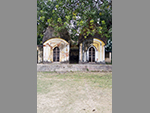 "+
"
"+
"  "+
"
"+
"  "+
"
"+
"  "+
"",
dutchcemeterybengali : "ডাচ কবরস্থানঃ-কাশিমবাজার রেলগেটের কাছেই রয়েছে ডাচ কবরস্থান। কবরস্থানটা বেশ পরিষ্কার পরিচ্ছন্ন। লোকজন কাজও করছে। কাশিমবাজারের ছোট রাজবাড়ির থেকে কিছুটা আগে রেল লাইনের ধারেই ডাচেদের কবরস্থান। জায়গাটার নাম কালিকাপুর। ডাচদের কুঠি, কারখানা, বসতবাড়ি, একসময় সবই ছিল এই কালিকাপুরে। এখন সে সব আর কিছুই নেই শুধুমাত্র টিকে আছে এই কবরস্থান। ডাচদের কুঠি ও কারখানা ছিল কবরস্থানের উত্তরে। ১৬৩২ সালে কাশিমবাজারের কালিকাপুর অঞ্চলে সর্বপ্রথম ব্যবসা বাণিজ্যের জন্যে তাঁরা কুঠি স্থাপন করেন। এখানে মোট ৪৭টা কবর আছে। সবচেয়ে পুরনো কবরটা হল ড্যানিয়েল ভ্যানদার ম্যুলের, যিনি ১৭২১ খ্রিস্টাব্দে মারা যান। ড্যানিয়েল প্রয়াত হলে সুউচ্চ দুটো স্তম্ভসহ সমাধিটা নির্মিত হয়। সব কবরগুলো ১৭২১ থেকে ১৭৯২ খ্রিস্টাব্দের মধ্যে তৈরি। কিছু সূক্ষ্ম চূড়াবিশিষ্ট সমাধিস্তম্ভ চুঁচুড়ার ডাচ সমাধিক্ষেত্রে কথা মনে করিয়ে দেয়। টেমার্স ক্যান্টর ভিশাশের সুদৃশ্য সাদা সমাধি মন্দিরটা খুব সুন্দর ও কবরস্থানের প্রথম আকর্ষণ। এটা ইউরোপীয় উপাসনা মন্দিরের রীতিতে তৈরি। চুঁচুড়ার সুসানা আন্না মারিয়ার সমাধি মন্দিরের সঙ্গে হুবহু এক, শুধু এখানে ভিতের উচ্চতা কম। এই অসাধারণ পুরাকীর্তির নিদর্শনের জন্যে বর্তমানে এই কবরস্থানটা পুরাতত্ত্ব বিভাগ দ্বারা সংরক্ষিত। "+
"Read More..."+
"
"+
"",
dutchcemeterybengali : "ডাচ কবরস্থানঃ-কাশিমবাজার রেলগেটের কাছেই রয়েছে ডাচ কবরস্থান। কবরস্থানটা বেশ পরিষ্কার পরিচ্ছন্ন। লোকজন কাজও করছে। কাশিমবাজারের ছোট রাজবাড়ির থেকে কিছুটা আগে রেল লাইনের ধারেই ডাচেদের কবরস্থান। জায়গাটার নাম কালিকাপুর। ডাচদের কুঠি, কারখানা, বসতবাড়ি, একসময় সবই ছিল এই কালিকাপুরে। এখন সে সব আর কিছুই নেই শুধুমাত্র টিকে আছে এই কবরস্থান। ডাচদের কুঠি ও কারখানা ছিল কবরস্থানের উত্তরে। ১৬৩২ সালে কাশিমবাজারের কালিকাপুর অঞ্চলে সর্বপ্রথম ব্যবসা বাণিজ্যের জন্যে তাঁরা কুঠি স্থাপন করেন। এখানে মোট ৪৭টা কবর আছে। সবচেয়ে পুরনো কবরটা হল ড্যানিয়েল ভ্যানদার ম্যুলের, যিনি ১৭২১ খ্রিস্টাব্দে মারা যান। ড্যানিয়েল প্রয়াত হলে সুউচ্চ দুটো স্তম্ভসহ সমাধিটা নির্মিত হয়। সব কবরগুলো ১৭২১ থেকে ১৭৯২ খ্রিস্টাব্দের মধ্যে তৈরি। কিছু সূক্ষ্ম চূড়াবিশিষ্ট সমাধিস্তম্ভ চুঁচুড়ার ডাচ সমাধিক্ষেত্রে কথা মনে করিয়ে দেয়। টেমার্স ক্যান্টর ভিশাশের সুদৃশ্য সাদা সমাধি মন্দিরটা খুব সুন্দর ও কবরস্থানের প্রথম আকর্ষণ। এটা ইউরোপীয় উপাসনা মন্দিরের রীতিতে তৈরি। চুঁচুড়ার সুসানা আন্না মারিয়ার সমাধি মন্দিরের সঙ্গে হুবহু এক, শুধু এখানে ভিতের উচ্চতা কম। এই অসাধারণ পুরাকীর্তির নিদর্শনের জন্যে বর্তমানে এই কবরস্থানটা পুরাতত্ত্ব বিভাগ দ্বারা সংরক্ষিত। "+
"Read More..."+
" "+
"
"+
"  "+
"
"+
"  "+
"
"+
" 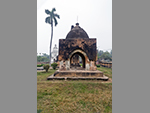 "+
"
"+
"  "+
"
"+
"  "+
"
"+
"  "+
"
"+
"  "+
"",
footimasjidbengali : "ফুটি মসজিদঃ-মুর্শিদকুলি খাঁর জামাতা সুজাউদৌল্লা আর পৌত্র সরফরাজ খাঁ। মুর্শিদকুলি খাঁর পরে বাংলার মসনদে বসেন জামাতা সুজাউদৌল্লা বা সুজাউদ্দিন। এরপর মসনদে বসেন সরফরাজ খাঁ। মুর্শিদকুলি খাঁ-র ইচ্ছা ছিলো সুজাউদৌল্লা নয়, সরফরাজ খাঁ-ই হবেন তার মসনদের উত্তরাধিকার ও বাংলার পরবর্তী নবাব। দিল্লির সম্রাট ও মুর্শিদকুলি পরিবারের হস্তক্ষেপেই শেষ পর্যন্ত সুজাউদ্দিন ও সরফরাজের মধ্যে ক্ষমতার দ্বন্দ্ব নিরসন হয়। পিতার পরে সরফরাজ খাঁ নবাবী মসনদে বসলেও, রাজ্য শাসনের ভার মন্ত্রীবর্গের ওপরে ন্যস্ত করে, তিনি ভোগ বিলাস ও অনাচারের পথে পা দেন। তার রাজত্বকালে অরাজকতা, মন্ত্রী মণ্ডলীর সদস্যদের সঙ্গে নবাবের বিরোধ উত্তরোত্তর বেড়েই চলে। অবশেষে দিল্লীর বাদশাহ হস্তক্ষেপ করতে বাধ্য হন। নবাবি নিয়ে নতুন করে দ্বন্দ্ব শুরু হয় আলীবর্দির সঙ্গেও। ক্ষমতা নিয়ে সরফরাজ খাঁ ও আলীবর্দি খাঁর মধ্যে দ্বন্দ্ব চলছিল বহুদিন ধরেই। সেই দ্বন্দ্বের ফয়সালা শেষ পর্যন্ত যুদ্ধের ময়দানেই হয়। সরফরাজ খাঁ ও আলীবর্দি খাঁর মধ্যে গিরিয়ার যুদ্ধে শেষ পর্যন্ত আলীবর্দি খাঁ-ই জয়ী হন। আর যুদ্ধের ময়দানেই নিহত হন নবাব সরফরাজ খাঁ। মৃত্যুর আগে সরফরাজ খাঁ মুর্শিদাবাদে একটি মসজিদ নির্মাণ করার ইচ্ছা প্রকাশ করেছিলেন। নবাবের ইচ্ছানুযায়ী মসজিদের নির্মাণকাজ শুরুও হয়। কথিত আছে নবাব তাঁর অক্ষয়কীর্তি হিসাবে তৈরি করতে চেয়েছিলেন এই মসজিদকে। তাই তিনি নাকি এক রাত্তিরের মধ্যেই বিশাল এই মসজিদ বানানোর চেষ্টা করেন। কিন্তু মানুষের সব ইচ্ছা তো পূরণ হয় না। তা সে তিনি নবাবই হন অথবা ফকির। কথায় বলে জন্মমৃত্যু উপরওয়ালার হাতে। ক্ষমতাও তাই। আজ যে রাজা, কাল সে ফকির। রাজা-বাদশা-নবাবি আমলে এ প্রবাদকে আরও বেশি সত্য বলে মনে হয়। হাকিম নড়লে হুকুমও বুঝি নড়ে যায়। সরফরাজ খাঁর ইচ্ছানুযায়ী মসজিদের নির্মাণ কাজ আর সম্পন্ন হল না। থমকে গেলো মসজিদের নির্মাণ কাজ। মসজিদের মূল কাজের প্রায় শতভাগই সম্পন্ন হয়ে গিয়েছিল। বাকি ছিল শুধু একটা গম্বুজের কাজ। দুটো গম্বুজ সম্পন্ন হলেও তৃতীয় গম্বুজটা আর তৈরি হয়নি। নির্মিত দুটো গম্বুজও আজ ভেঙে পড়েছে। সরফরাজ খাঁর পর আরও অন্তত ১৬ জন নবাব বাংলার মসনদে বসলেও সরফরাজ খাঁর স্বপ্নের মসজিদের শেষ গম্বুজটা আর নির্মিত হয়নি। সরফরাজ খাঁর মৃত্যুর সঙ্গে সঙ্গেই মৃত্যু হল তাঁর ইচ্ছার। মসজিদটা অসম্পূর্ণ রয়ে যাওয়ার কারণেই এটাকে ফৌতি মসজিদ বা ফুটি মসজিদ বলে। মসজিদটা যেহেতু সম্পন্ন হয়নি তাই এর রক্ষণাবেক্ষণও ঠিক মতো হয়নি। সময়ের সঙ্গে সঙ্গে তা আজ প্রায় ধ্বংসপ্রাপ্ত। সরফরাজ খাঁ মসনদে ছিলেন মাত্র এক বছর। পিতার মৃত্যুর পর ১৭৩৯ সালে তিনি নবাব ও ১৭৪০ সালে আলীবর্দি খাঁর সঙ্গে যুদ্ধে নিহত হ’ন। মসজিদটা একটা উঁচু ঢিবির উপর অবস্থিত। মসজিদে ওঠার কোনও সিঁড়ি নেই। বেশ কষ্ট করেই মসজিদে উঠতে হয়। চারদিকে ইটসুরকির দেয়াল, অসম্পূর্ণ ছাদ, মাটির মেঝে। বয়সের ভারে পড়োপড়ো অবস্থা। শেওলা, আগাছা, পরগাছায় ছেয়ে গেছে অনেক জায়গা। মসজিদ সংলগ্ন জায়গা অনেক আগেই বেদখল হয়ে গেছে। তবু মসজিদের দেওয়ালে কিছু কারুকার্য আজও চোখে পড়ে। এভাবে প্রায় তিনশো বছর ধরে নির্মাণের অপেক্ষায় দাঁড়িয়ে থেকে ক্লান্ত হয়ে পড়েছে সরফরাজ খাঁর নবাবি মসজিদ। অবহেলিত ইতিহাসের এক নীরব সাক্ষী হয়ে নির্জন অন্ধকারে তার শেষ ধ্বংসের প্রহর গুনছে এই মসজিদটা। "+
"Read More..."+
"
"+
"",
footimasjidbengali : "ফুটি মসজিদঃ-মুর্শিদকুলি খাঁর জামাতা সুজাউদৌল্লা আর পৌত্র সরফরাজ খাঁ। মুর্শিদকুলি খাঁর পরে বাংলার মসনদে বসেন জামাতা সুজাউদৌল্লা বা সুজাউদ্দিন। এরপর মসনদে বসেন সরফরাজ খাঁ। মুর্শিদকুলি খাঁ-র ইচ্ছা ছিলো সুজাউদৌল্লা নয়, সরফরাজ খাঁ-ই হবেন তার মসনদের উত্তরাধিকার ও বাংলার পরবর্তী নবাব। দিল্লির সম্রাট ও মুর্শিদকুলি পরিবারের হস্তক্ষেপেই শেষ পর্যন্ত সুজাউদ্দিন ও সরফরাজের মধ্যে ক্ষমতার দ্বন্দ্ব নিরসন হয়। পিতার পরে সরফরাজ খাঁ নবাবী মসনদে বসলেও, রাজ্য শাসনের ভার মন্ত্রীবর্গের ওপরে ন্যস্ত করে, তিনি ভোগ বিলাস ও অনাচারের পথে পা দেন। তার রাজত্বকালে অরাজকতা, মন্ত্রী মণ্ডলীর সদস্যদের সঙ্গে নবাবের বিরোধ উত্তরোত্তর বেড়েই চলে। অবশেষে দিল্লীর বাদশাহ হস্তক্ষেপ করতে বাধ্য হন। নবাবি নিয়ে নতুন করে দ্বন্দ্ব শুরু হয় আলীবর্দির সঙ্গেও। ক্ষমতা নিয়ে সরফরাজ খাঁ ও আলীবর্দি খাঁর মধ্যে দ্বন্দ্ব চলছিল বহুদিন ধরেই। সেই দ্বন্দ্বের ফয়সালা শেষ পর্যন্ত যুদ্ধের ময়দানেই হয়। সরফরাজ খাঁ ও আলীবর্দি খাঁর মধ্যে গিরিয়ার যুদ্ধে শেষ পর্যন্ত আলীবর্দি খাঁ-ই জয়ী হন। আর যুদ্ধের ময়দানেই নিহত হন নবাব সরফরাজ খাঁ। মৃত্যুর আগে সরফরাজ খাঁ মুর্শিদাবাদে একটি মসজিদ নির্মাণ করার ইচ্ছা প্রকাশ করেছিলেন। নবাবের ইচ্ছানুযায়ী মসজিদের নির্মাণকাজ শুরুও হয়। কথিত আছে নবাব তাঁর অক্ষয়কীর্তি হিসাবে তৈরি করতে চেয়েছিলেন এই মসজিদকে। তাই তিনি নাকি এক রাত্তিরের মধ্যেই বিশাল এই মসজিদ বানানোর চেষ্টা করেন। কিন্তু মানুষের সব ইচ্ছা তো পূরণ হয় না। তা সে তিনি নবাবই হন অথবা ফকির। কথায় বলে জন্মমৃত্যু উপরওয়ালার হাতে। ক্ষমতাও তাই। আজ যে রাজা, কাল সে ফকির। রাজা-বাদশা-নবাবি আমলে এ প্রবাদকে আরও বেশি সত্য বলে মনে হয়। হাকিম নড়লে হুকুমও বুঝি নড়ে যায়। সরফরাজ খাঁর ইচ্ছানুযায়ী মসজিদের নির্মাণ কাজ আর সম্পন্ন হল না। থমকে গেলো মসজিদের নির্মাণ কাজ। মসজিদের মূল কাজের প্রায় শতভাগই সম্পন্ন হয়ে গিয়েছিল। বাকি ছিল শুধু একটা গম্বুজের কাজ। দুটো গম্বুজ সম্পন্ন হলেও তৃতীয় গম্বুজটা আর তৈরি হয়নি। নির্মিত দুটো গম্বুজও আজ ভেঙে পড়েছে। সরফরাজ খাঁর পর আরও অন্তত ১৬ জন নবাব বাংলার মসনদে বসলেও সরফরাজ খাঁর স্বপ্নের মসজিদের শেষ গম্বুজটা আর নির্মিত হয়নি। সরফরাজ খাঁর মৃত্যুর সঙ্গে সঙ্গেই মৃত্যু হল তাঁর ইচ্ছার। মসজিদটা অসম্পূর্ণ রয়ে যাওয়ার কারণেই এটাকে ফৌতি মসজিদ বা ফুটি মসজিদ বলে। মসজিদটা যেহেতু সম্পন্ন হয়নি তাই এর রক্ষণাবেক্ষণও ঠিক মতো হয়নি। সময়ের সঙ্গে সঙ্গে তা আজ প্রায় ধ্বংসপ্রাপ্ত। সরফরাজ খাঁ মসনদে ছিলেন মাত্র এক বছর। পিতার মৃত্যুর পর ১৭৩৯ সালে তিনি নবাব ও ১৭৪০ সালে আলীবর্দি খাঁর সঙ্গে যুদ্ধে নিহত হ’ন। মসজিদটা একটা উঁচু ঢিবির উপর অবস্থিত। মসজিদে ওঠার কোনও সিঁড়ি নেই। বেশ কষ্ট করেই মসজিদে উঠতে হয়। চারদিকে ইটসুরকির দেয়াল, অসম্পূর্ণ ছাদ, মাটির মেঝে। বয়সের ভারে পড়োপড়ো অবস্থা। শেওলা, আগাছা, পরগাছায় ছেয়ে গেছে অনেক জায়গা। মসজিদ সংলগ্ন জায়গা অনেক আগেই বেদখল হয়ে গেছে। তবু মসজিদের দেওয়ালে কিছু কারুকার্য আজও চোখে পড়ে। এভাবে প্রায় তিনশো বছর ধরে নির্মাণের অপেক্ষায় দাঁড়িয়ে থেকে ক্লান্ত হয়ে পড়েছে সরফরাজ খাঁর নবাবি মসজিদ। অবহেলিত ইতিহাসের এক নীরব সাক্ষী হয়ে নির্জন অন্ধকারে তার শেষ ধ্বংসের প্রহর গুনছে এই মসজিদটা। "+
"Read More..."+
" "+
"
"+
"  "+
"
"+
"  "+
"
"+
"  "+
"
"+
"  "+
"
"+
"  "+
"
"+
"  "+
"
"+
" 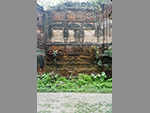 "+
"",
ghantagharbengali : "ঘণ্টাঘরঃ-নদী পেরিয়ে চললাম ঘণ্টাঘরে। শোনা যায় নবাব আমলে প্রতি ঘণ্টায় এই ঘণ্টা বাজত ফলে মানুষ সময়ের সাথে তাল মিলিয়ে চলতে পারতো।"+
"
"+
"",
ghantagharbengali : "ঘণ্টাঘরঃ-নদী পেরিয়ে চললাম ঘণ্টাঘরে। শোনা যায় নবাব আমলে প্রতি ঘণ্টায় এই ঘণ্টা বাজত ফলে মানুষ সময়ের সাথে তাল মিলিয়ে চলতে পারতো।"+
" "+
"
"+
"  "+
"
"+
"  "+
"
"+
" 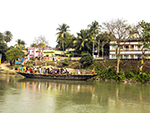 "+
"
"+
"  "+
"
"+
"  "+
"
"+
"  "+
"",
hazarduaribengali : "হাজার দুয়ারীঃ-আমরা মুর্শিদাবাদ বললে শুধু নবাব সিরাজদৌল্লার বিয়োগান্ত কাহিনীকে স্মরণ করি। কিন্তু নবাব সিরাজের শাসন ছিল মাত্র চৌদ্দ পনের মাস। হ্যাঁ তার মধ্যেই তিনি ইতিহাসের পাতায় এক আলোড়ন তুলে দিয়েছিলেন। মোগল পরবর্তী নবাবী শাসনের জায়গাগুলোর মধ্যে অযোধ্যা, মহীশূর ও হায়দ্রাবাদের শৌর্য বীর্যের কথা উল্লেখ থাকলেও, মুর্শিদাবাদের শৌর্যবীর্য টিকেছিল কিন্তু প্রায় ২৮০ বছর। মুর্শিদাবাদের এই ২৮০ বছরের ইতিহাস হিন্দু ও মুসলিমদের সম্মিলিত সাংস্কৃতিক ধারার বহু কীর্তি এখনোও সগর্বে ধারণ করছে। ১৮৩৭ সালে ভাগীরথীর পূর্ব তীরে সৌখিন নবাব নাজিম হুমায়ুন খাঁয়ের জন্যে ৮০ ফুট উঁচু তিনতলা গম্বুজওয়ালা এই প্রাসাদটা নির্মিত হয়। আদপে ৯০০টা দরজা হলেও আরও ১০০টা কৃত্রিম দরজা রয়েছে প্রাসাদে। তাই নাম হাজারদুয়ারি। প্রাচীন মুর্শিদাবাদের স্মৃতি নিয়ে অপরূপ গথিকশৈলীর এই প্রাসাদ এখন মিউজিয়াম। আক্ষরিক অর্থেই এ এক ঐতিহাসিক জাদুঘর। বর্তমানে মুর্শিদাবাদের প্রধান আকর্ষণ হাজারদুয়ারী মিউজিয়াম প্যালেস। সাধারণ মানুষ এর ধারণা এটা নবাব সিরাজদৌল্লার নির্মিত। কিন্তু সিরাজের মৃত্যুর ৮০ বছর পর স্থপতি ডানকান ম্যাকলিয়ডের পরিকল্পনায় প্রায় ৯বছরে হাজার দুয়ারী প্যালেস নির্মিত হয়। এই প্রাসাদে আসল নকল মিলে এক হাজার দরজা আছে বলে এটাকে হাজারদুয়ারী বলা হয়। ছত্রিশটা কালো পাথরের সিঁড়ি পার হয়ে এ প্রাসাদে ঢুকতে হয়। এই প্রাসাদ এর সমস্ত কক্ষ বা লবি ঘুরে দেখতে কমপক্ষে ঘণ্টা চারেক সময় লাগে। এত সমৃদ্ধশালী মিউজিয়াম ভারতে অল্পই আছে। অথচ পরিচর্যা ও প্রচারের অভাবে মানুষ এই প্রাসাদ সম্বন্ধে তেমন বিশেষ কিছু জানে না। এটা কলকাতার ভিক্টোরিয়া মেমোরিয়াল বা মহীশূর প্যালেস থেকে অনেক বেশি ইতিহাস সমৃদ্ধ ও স্মৃতিতে পরিপূর্ণ। নীচের তলায় অস্ত্রাগার লবিতে রয়েছে যুদ্ধারম্ভের বাঁশি, নবাব আলীবর্দি, নবাব সিরাজ, মীর কাশিম ও নাদির শাহর ব্যবহৃত অস্ত্রগুলো সাজানো আছে। রয়েছে তৎকালীন নবাবদের ব্যবহৃত প্রায় ২৭০০টা অস্ত্রশস্ত্রের সম্ভার। যার মধ্যে আলিবর্দি ও সিরাজের তরবারি এমনকি যে ছুরি দিয়ে মোহাম্মাদী বেগ সিরাজকে খুন করেছিল তা পর্যন্ত রক্ষিত আছে এই সংগ্রহশালায়। পলাশীর যুদ্ধে ব্যবহৃত অস্ত্রগুলোও এখানে প্রদর্শিত আছে। একটা লবিতে এক বিরাট কুমিরের মমি আছে। কুমিরটা প্রায় বারো ফুট লম্বা। এই লবিতে দুটো আয়না আছে যেটাতে সব কিছুই দেখা যায় শুধু নিজের মুখ ছাড়া। রয়েছে দেওয়ান গ্যালারী, নবাব গ্যালারী, পাশ্চাত্য গ্যালারী, আর্কাইভ গ্যালারী, বিলিয়ার্ড রুম, দরবার হল ইত্যাদি। বর্ণনাতীত সব সংগ্রহের মধ্যে দুইঞ্চি মাপের একটা কোরানও আছে। এই সুরম্য বিশাল রাজপ্রাসাদের দোতলায় দেখা যায় রুপোর সিংহাসন, যেটা ব্রিটিশ সম্রাজ্ঞী মহারানী ভিক্টোরিয়ার দেওয়া উপহার। ১৬১টা ঝাড়যুক্ত বিশাল ঝাড়বাতির নীচে সিংহাসনে বসে নবাব দরবার পরিচালনা করতেন। মন্ত্রণাকক্ষের লুকোচুরি আয়না, দেশবিদেশ থেকে সংগৃহীত বিশ্ববিখ্যাত সব ঘড়ি, বিখ্যাত ইউরোপীয় শিল্পীদের অয়েল পেন্টিং, প্রাচীন সব পাথরের মূর্তি হাজারদুয়ারিকে বিখ্যাত করে তুলেছে। তেতলায় আছে নবাবী আমলের ঐতিহাসিক নিদর্শন সোনা দিয়ে মোড়া কোরান শরিফ, অমূল্য পুঁথিপত্র, আইন-ই-আকবরির পাণ্ডুলিপি সহ প্রায় চোদ্দ হাজার বইয়ের এক বিশাল সম্ভার। ভারতের ব্রিটিশ ঔপনিবেশিক ইতিহাসেরও কিছু বিশিষ্ট নিদর্শন সংরক্ষিত রয়েছে এই মিউজিয়ামে।একই কমপ্লেক্সে মুর্শিদাবাদের অন্য দর্শনীয় স্থানগুলো হচ্ছে বড় ইমামবাড়া। যেটা নবাব সিরাজের তৈরি ও পরের নবাবদের কর্তৃক বর্ধিত। জনার্দন কর্মকারের তৈরি বাচ্চাওয়ালী তোপ। হাজারদুয়ারীর ভিত্তি প্রস্তর স্থাপনের দিন এই কামান দাগা হয়। প্রচণ্ড আওয়াজে অনেক মহিলার গর্ভপাত হয়ে যেত বলে এই কামানের নাম বাচ্চাওয়ালী তোপ। সেই কারণে অদ্যাবধি এই কামান আর কখনো ব্যবহার হয়নি। হাজার দুয়ারির শেষ নবাব ১৯৬৯ সালে মারা যান। তারপর ইন্দিরা গান্ধী সমস্ত রাজা, মহারাজা ও নবাবদের পদবী ও ভাতা বন্ধ করে দেন। আধুনিক নবাবদের মধ্যে অত্যন্ত শিক্ষিত ছিলেন নবাব ওয়াসেফ আলী মির্জা তিনি ১৯৫৯ সালে কলকাতায় মারা যান। নবাব ওয়াসেফ আলী মুর্শিদাবাদের শেষ নক্ষত্র। তিনি অক্সফোর্ড লেখাপড়া করেন। অত্যন্ত বুদ্ধিদীপ্ত ছিলেন। নবাবদের পারিবারিক আশা নিরাশার কাহিনী নিয়ে তিনি এ মাইন্ডস রিপ্রোডাকশান নামে একটা কাব্যগ্রন্থ লিখেন। এটা বহুল সংকলিত একটা গ্রন্থ। নবাব অত্যন্ত ভোজনপ্রিয় ছিলেন। তার ডাইনিং টেবিলে প্রতি বেলায় ৮০ পদের খাবার থাকতো। আধসের টাটকা মালাই রাখা হতো। ঐ মালাই থেকে নবাব এক চামচ মালাই খেতে পনের থেকে কুড়ি মিনিট সময় নিতেন। নবাব আচার ও হরেক রকমের মোরব্বা খেতে পছন্দ করতেন। তার বাবুর্চিরা একদিন ঝিঙে গাছে ঝুলন্ত ঝিঙেতে মোরব্বা তৈরি করলে বাবুর্চিরা প্রচুর ইনাম পান। নবাব ওয়াসেফের বন্ধু ছিলেন নেতাজী সুভাষ চন্দ্র বসু। তার চিকিৎসক ছিলেন পশ্চিম বাংলার মুখ্যমন্ত্রী ডা. বিধান চন্দ্র রায়। ভারত বিভাগের সময় মুর্শিদাবাদ পাকিস্তানের অন্তর্ভুক্ত হয়। কিন্তু তিনদিন পর নবাব ওয়াসেফ আলী মির্জা মুর্শিদাবাদকে ভারতের অন্তর্ভুক্ত করেন। তার কলকাতা বসবাসকালে মাসে দুবার মুর্শিদাবাদ থেকে একজন নাপিত এসে তাকে চুল দাড়ি কেটে দিত। নাপিতের রেলটিকিট ও খাওয়া থাকার বন্দোবস্ত নবাবই করতেন। নানা সংস্কৃতির নানা বর্ণের, গোত্রের মানুষ এসে জড়ো হয়েছিল রাজধানী মুর্শিদাবাদে, বিচিত্র মিশ্র সংস্কৃতির ধারা আজও ভাগীরথীর স্রোতের মতই প্রবহমান। বিকেলবেলা হাজার দুয়ারির ছবি নিলাম, সঙ্গে বাচ্চাওয়ালি কামান, ইমামবাড়া, ক্লক টাওয়ার আর ইয়োলো মসজিদ দেখে একটু গঙ্গার ঘাটের দিকে ঘুরতে গেলাম। গঙ্গায় পড়ন্ত সূর্যের লালসোনালী রশ্মির শেষ চুম্বনে, ভাগীরথীর হোলিখেলার উচ্ছ্বাস আর প্রেমালাপ দেখে ফিরে এলাম। "+
"Read More..."+
"
"+
"",
hazarduaribengali : "হাজার দুয়ারীঃ-আমরা মুর্শিদাবাদ বললে শুধু নবাব সিরাজদৌল্লার বিয়োগান্ত কাহিনীকে স্মরণ করি। কিন্তু নবাব সিরাজের শাসন ছিল মাত্র চৌদ্দ পনের মাস। হ্যাঁ তার মধ্যেই তিনি ইতিহাসের পাতায় এক আলোড়ন তুলে দিয়েছিলেন। মোগল পরবর্তী নবাবী শাসনের জায়গাগুলোর মধ্যে অযোধ্যা, মহীশূর ও হায়দ্রাবাদের শৌর্য বীর্যের কথা উল্লেখ থাকলেও, মুর্শিদাবাদের শৌর্যবীর্য টিকেছিল কিন্তু প্রায় ২৮০ বছর। মুর্শিদাবাদের এই ২৮০ বছরের ইতিহাস হিন্দু ও মুসলিমদের সম্মিলিত সাংস্কৃতিক ধারার বহু কীর্তি এখনোও সগর্বে ধারণ করছে। ১৮৩৭ সালে ভাগীরথীর পূর্ব তীরে সৌখিন নবাব নাজিম হুমায়ুন খাঁয়ের জন্যে ৮০ ফুট উঁচু তিনতলা গম্বুজওয়ালা এই প্রাসাদটা নির্মিত হয়। আদপে ৯০০টা দরজা হলেও আরও ১০০টা কৃত্রিম দরজা রয়েছে প্রাসাদে। তাই নাম হাজারদুয়ারি। প্রাচীন মুর্শিদাবাদের স্মৃতি নিয়ে অপরূপ গথিকশৈলীর এই প্রাসাদ এখন মিউজিয়াম। আক্ষরিক অর্থেই এ এক ঐতিহাসিক জাদুঘর। বর্তমানে মুর্শিদাবাদের প্রধান আকর্ষণ হাজারদুয়ারী মিউজিয়াম প্যালেস। সাধারণ মানুষ এর ধারণা এটা নবাব সিরাজদৌল্লার নির্মিত। কিন্তু সিরাজের মৃত্যুর ৮০ বছর পর স্থপতি ডানকান ম্যাকলিয়ডের পরিকল্পনায় প্রায় ৯বছরে হাজার দুয়ারী প্যালেস নির্মিত হয়। এই প্রাসাদে আসল নকল মিলে এক হাজার দরজা আছে বলে এটাকে হাজারদুয়ারী বলা হয়। ছত্রিশটা কালো পাথরের সিঁড়ি পার হয়ে এ প্রাসাদে ঢুকতে হয়। এই প্রাসাদ এর সমস্ত কক্ষ বা লবি ঘুরে দেখতে কমপক্ষে ঘণ্টা চারেক সময় লাগে। এত সমৃদ্ধশালী মিউজিয়াম ভারতে অল্পই আছে। অথচ পরিচর্যা ও প্রচারের অভাবে মানুষ এই প্রাসাদ সম্বন্ধে তেমন বিশেষ কিছু জানে না। এটা কলকাতার ভিক্টোরিয়া মেমোরিয়াল বা মহীশূর প্যালেস থেকে অনেক বেশি ইতিহাস সমৃদ্ধ ও স্মৃতিতে পরিপূর্ণ। নীচের তলায় অস্ত্রাগার লবিতে রয়েছে যুদ্ধারম্ভের বাঁশি, নবাব আলীবর্দি, নবাব সিরাজ, মীর কাশিম ও নাদির শাহর ব্যবহৃত অস্ত্রগুলো সাজানো আছে। রয়েছে তৎকালীন নবাবদের ব্যবহৃত প্রায় ২৭০০টা অস্ত্রশস্ত্রের সম্ভার। যার মধ্যে আলিবর্দি ও সিরাজের তরবারি এমনকি যে ছুরি দিয়ে মোহাম্মাদী বেগ সিরাজকে খুন করেছিল তা পর্যন্ত রক্ষিত আছে এই সংগ্রহশালায়। পলাশীর যুদ্ধে ব্যবহৃত অস্ত্রগুলোও এখানে প্রদর্শিত আছে। একটা লবিতে এক বিরাট কুমিরের মমি আছে। কুমিরটা প্রায় বারো ফুট লম্বা। এই লবিতে দুটো আয়না আছে যেটাতে সব কিছুই দেখা যায় শুধু নিজের মুখ ছাড়া। রয়েছে দেওয়ান গ্যালারী, নবাব গ্যালারী, পাশ্চাত্য গ্যালারী, আর্কাইভ গ্যালারী, বিলিয়ার্ড রুম, দরবার হল ইত্যাদি। বর্ণনাতীত সব সংগ্রহের মধ্যে দুইঞ্চি মাপের একটা কোরানও আছে। এই সুরম্য বিশাল রাজপ্রাসাদের দোতলায় দেখা যায় রুপোর সিংহাসন, যেটা ব্রিটিশ সম্রাজ্ঞী মহারানী ভিক্টোরিয়ার দেওয়া উপহার। ১৬১টা ঝাড়যুক্ত বিশাল ঝাড়বাতির নীচে সিংহাসনে বসে নবাব দরবার পরিচালনা করতেন। মন্ত্রণাকক্ষের লুকোচুরি আয়না, দেশবিদেশ থেকে সংগৃহীত বিশ্ববিখ্যাত সব ঘড়ি, বিখ্যাত ইউরোপীয় শিল্পীদের অয়েল পেন্টিং, প্রাচীন সব পাথরের মূর্তি হাজারদুয়ারিকে বিখ্যাত করে তুলেছে। তেতলায় আছে নবাবী আমলের ঐতিহাসিক নিদর্শন সোনা দিয়ে মোড়া কোরান শরিফ, অমূল্য পুঁথিপত্র, আইন-ই-আকবরির পাণ্ডুলিপি সহ প্রায় চোদ্দ হাজার বইয়ের এক বিশাল সম্ভার। ভারতের ব্রিটিশ ঔপনিবেশিক ইতিহাসেরও কিছু বিশিষ্ট নিদর্শন সংরক্ষিত রয়েছে এই মিউজিয়ামে।একই কমপ্লেক্সে মুর্শিদাবাদের অন্য দর্শনীয় স্থানগুলো হচ্ছে বড় ইমামবাড়া। যেটা নবাব সিরাজের তৈরি ও পরের নবাবদের কর্তৃক বর্ধিত। জনার্দন কর্মকারের তৈরি বাচ্চাওয়ালী তোপ। হাজারদুয়ারীর ভিত্তি প্রস্তর স্থাপনের দিন এই কামান দাগা হয়। প্রচণ্ড আওয়াজে অনেক মহিলার গর্ভপাত হয়ে যেত বলে এই কামানের নাম বাচ্চাওয়ালী তোপ। সেই কারণে অদ্যাবধি এই কামান আর কখনো ব্যবহার হয়নি। হাজার দুয়ারির শেষ নবাব ১৯৬৯ সালে মারা যান। তারপর ইন্দিরা গান্ধী সমস্ত রাজা, মহারাজা ও নবাবদের পদবী ও ভাতা বন্ধ করে দেন। আধুনিক নবাবদের মধ্যে অত্যন্ত শিক্ষিত ছিলেন নবাব ওয়াসেফ আলী মির্জা তিনি ১৯৫৯ সালে কলকাতায় মারা যান। নবাব ওয়াসেফ আলী মুর্শিদাবাদের শেষ নক্ষত্র। তিনি অক্সফোর্ড লেখাপড়া করেন। অত্যন্ত বুদ্ধিদীপ্ত ছিলেন। নবাবদের পারিবারিক আশা নিরাশার কাহিনী নিয়ে তিনি এ মাইন্ডস রিপ্রোডাকশান নামে একটা কাব্যগ্রন্থ লিখেন। এটা বহুল সংকলিত একটা গ্রন্থ। নবাব অত্যন্ত ভোজনপ্রিয় ছিলেন। তার ডাইনিং টেবিলে প্রতি বেলায় ৮০ পদের খাবার থাকতো। আধসের টাটকা মালাই রাখা হতো। ঐ মালাই থেকে নবাব এক চামচ মালাই খেতে পনের থেকে কুড়ি মিনিট সময় নিতেন। নবাব আচার ও হরেক রকমের মোরব্বা খেতে পছন্দ করতেন। তার বাবুর্চিরা একদিন ঝিঙে গাছে ঝুলন্ত ঝিঙেতে মোরব্বা তৈরি করলে বাবুর্চিরা প্রচুর ইনাম পান। নবাব ওয়াসেফের বন্ধু ছিলেন নেতাজী সুভাষ চন্দ্র বসু। তার চিকিৎসক ছিলেন পশ্চিম বাংলার মুখ্যমন্ত্রী ডা. বিধান চন্দ্র রায়। ভারত বিভাগের সময় মুর্শিদাবাদ পাকিস্তানের অন্তর্ভুক্ত হয়। কিন্তু তিনদিন পর নবাব ওয়াসেফ আলী মির্জা মুর্শিদাবাদকে ভারতের অন্তর্ভুক্ত করেন। তার কলকাতা বসবাসকালে মাসে দুবার মুর্শিদাবাদ থেকে একজন নাপিত এসে তাকে চুল দাড়ি কেটে দিত। নাপিতের রেলটিকিট ও খাওয়া থাকার বন্দোবস্ত নবাবই করতেন। নানা সংস্কৃতির নানা বর্ণের, গোত্রের মানুষ এসে জড়ো হয়েছিল রাজধানী মুর্শিদাবাদে, বিচিত্র মিশ্র সংস্কৃতির ধারা আজও ভাগীরথীর স্রোতের মতই প্রবহমান। বিকেলবেলা হাজার দুয়ারির ছবি নিলাম, সঙ্গে বাচ্চাওয়ালি কামান, ইমামবাড়া, ক্লক টাওয়ার আর ইয়োলো মসজিদ দেখে একটু গঙ্গার ঘাটের দিকে ঘুরতে গেলাম। গঙ্গায় পড়ন্ত সূর্যের লালসোনালী রশ্মির শেষ চুম্বনে, ভাগীরথীর হোলিখেলার উচ্ছ্বাস আর প্রেমালাপ দেখে ফিরে এলাম। "+
"Read More..."+
" "+
"
"+
"  "+
"
"+
"  "+
"
"+
"  "+
"
"+
"  "+
"
"+
"  "+
"
"+
"  "+
"
"+
"  "+
"",
jagatsethhousebengali : "জগৎ শেঠের বাড়িঃ-জগৎশেঠ একসময় বাংলার একটা মর্যাদাপূর্ণ পদবি ছিল। বিপুল ধনসম্পদশালীরাই এ পদবি পেতেন। জগৎশেঠ কোনও ব্যক্তির নাম মনে হলেও আসলে এটা একটা পদবি। জগৎশেঠের পারিবারিক ইতিহাস অনেক আগের। এই পরিবার ভারতবর্ষে অত্যন্ত সম্ভ্রান্ত ও মর্যাদাসম্পন্ন এক পরিবার হিসেবে পরিচিত ছিল। আলীবর্দীর সময়ে মহাতপচাঁদ নামের এক ক্ষমতাধর ব্যক্তি এই উপাধি লাভ করেন। ইতিহাসে তিনি জগৎশেঠ নামেই পরিচিত। আলীবর্দী ও সিরাজের রাজসভার এক রাজন্য ছিলেন জগৎশেঠ। জগৎশেঠের পূর্বপুরুষ মানিকচাঁদ ও ফতেচাঁদের এতই সম্পদ ছিল যে, জনশ্রুতি আছে, তাদের ভাণ্ডার দিয়ে বাঁধ তৈরি করলে গঙ্গার জলের প্রবাহ বন্ধ করে দেওয়া সম্ভব। মানুষ বিশ্বাস করতো যে, জগৎশেঠদের মতো ধনী ভারতে দ্বিতীয়টা নেই। এই জনশ্রুতির কারণে বেশ কয়েকবার তাঁদের ধনভাণ্ডার লুট হয়। কিন্তু তাতেও তার ভাণ্ডারে সম্পদের কমতি হয় না। তিনি টাকশালের মালিক ছিলেন। ১৭৫৬ সালে আলীবর্দী খাঁর মৃত্যুর পর দৌহিত্র সিরাজদৌল্লা বাংলার নবাব হন। নবাব তাকে ইংরেজদের সঙ্গে আর্থিক লেনদেনের দায়িত্ব অর্পণ করেন। এই সুযোগ জগৎশেঠকে আরও ধনসম্পদ অর্জনের সুযোগ করে দেয়। পরে তিনি বাংলার নবাব সিরাজদৌল্লাকে সিংহাসনচ্যুত করার জন্যে ইংরেজদের সঙ্গে হাত মেলান। মীরজাফরকে বাংলার নবাব করে প্রকারান্তরে ইংরেজদের কাছ থেকে আর্থিক সুবিধা লাভই ছিল তার লক্ষ্য। এর জন্য তিনি দিল্লির সম্রাটের কাছ থেকে সুবেদারির ফরমান লাভে মীরজাফরকে আর্থিক সাহায্যও করেন। সিরাজকে বাংলার মসনদ থেকে সরানোর ব্যাপারে জগৎশেঠের ভূমিকা ছিল সবচেয়ে বেশি। এজন্য তিনি বিপুল অর্থসম্পদ ব্যয় করেন। সিরাজের বিরুদ্ধে ষড়যন্ত্রে মীরজাফরের পরেই আসে ওনার নাম। মুর্শিদাবাদে তাঁর ধনভাণ্ডারের কিছুটা নমুনা এখনও পাওয়া যায়। লালবাগের কাছেই ওনার বাড়ি। টাকশাল আজ আর নেই। তবে তার কিছু ধ্বংসাবশেষ আজও রয়েছে। জগৎশেঠ পরিবারের উত্তরাধিকারীরা আজও বেঁচে থাকায় বর্তমান বাড়িটা বেশ ভালোভাবেই রক্ষণাবেক্ষণ হয়। এটা বর্তমানে একটা মিউজিয়াম হয়ে গেছে। এখানে তাঁর আমলের অনেক জিনিসপত্রই সংগৃহীত আছে। পরিবারের ব্যবহৃত বিভিন্ন ধরনের ও আকারের বন্দুক, পিস্তল, তলোয়ার, মশাল, খড়গ, ঢাল, গণ্ডারের চামড়া, অমঙ্গল শঙ্খ, হাত কামান, শত শত শো পিস, তৈজসপত্র, উল্কাপিণ্ড, হাতির দাঁতের পাশা, খেলার গুটি, প্লেট, ফটো প্লেট, বডি স্প্রে, দোয়াত, রেজার, বেনারসী শাড়ি, চাঁদোয়া, টুপি, স্ত্রী ও পরিবারের সদস্যদের পোশাক ও শাড়ি, সোনার তৈরি পোশাক, কাঁসার থালায় কৃষ্ণ অবতারের ছবি, পারিবারিক পোশাক, মসলিন, খড়ম, রাজেশ্বরী, মেয়ের পালঙ্ক, টেলিফোন, টেস্টিং জার, নকশীকাঁথা, টাকশালে তৈরি মুদ্রাসহ আরও বহু কিছু। জগৎশেঠ নবাব বা রাজা না হয়েও তার রাজজৌলুসের কমতি ছিল না। বিপুল ধনসম্পদ থাকায় বহুবার তার বাড়িতে আক্রমণ হয়। ফলে তাঁর বাড়িতে দুটো গুপ্ত গুহা বা পথ তৈরি করা হয়েছিল যার অংশ বিশেষ এখনও আছে। এই গুপ্ত পথ বহুদূর পর্যন্ত গেছে। কথিত আছে, একটা পথ নিকটবর্তী ভাগীরথী নদীতে গিয়েছে, আক্রমণ হলে যাতে তিনি পালিয়ে বাঁচতে পারেন। আবার এও কথিত আছে যে একটা পথ কিছুদূর গিয়ে দিক পরিবর্তন করে অন্য কোথাও গেছে, যা আজও অজানা। এছাড়া, আর একটা গুপ্ত পথ দু কিলোমিটার দূরে কাঠগোলা প্রাসাদ ও বাগানে গিয়েছে। কাঠগোলা প্রাসাদের গুপ্ত গুহার সঙ্গে জগৎশেঠের বাড়ির গুপ্ত গুহার সংযোগ থাকা খুবই স্বাভাবিক। কারণ দুটো প্রাসাদই ছিল সে সময়ের দুই সম্পদশালীর প্রাসাদ। তবে গুপ্ত গুহাগুলো পুরোপুরি আজ আর নেই। বাড়ির কিছু অংশ রেখে বাকিটা বন্ধ করে দেওয়া হয়েছে। এই গুহা আজ মিউজিয়ামের অংশ। দুটো গুপ্ত গুহাতেই পুরোনো দিনের অনেক স্মারক সংগ্রহে রাখা হয়েছে। জগৎশেঠের রাজকীয় পোশাক ও ব্যবহার্য সামগ্রী তার রাজকীয় জৌলুসেরই পরিচয় বহন করে। এখানে আছে এক অদ্ভুত আয়না, যেখানে কিছুতেই নিজের মুখ দেখা যায় না। মুখ ছাড়া সব কিছুই দেখা যায়। এর রহস্যভেদ করা কঠিন। এরকম আয়না হাজার দুয়ারি প্রাসাদেও আছে। হয়তো রাজসভায় নিরাপত্তা ও ষড়যন্ত্রকারীদের মুখাবয়ব দেখার কাজেই এটা ব্যবহার করা হতো। এছাড়া, আছে বিখ্যাত বেলজিয়ামের আয়না। একটা আংটির ভেতরে পুরো একটি মসলিন শাড়ি রাখার কথা শোনা যায়। ঢাকাই এই মসলিনের একটা নমুনা দেখা গেলো জগৎশেঠের বাড়িতে। উল্লেখ্য, জগৎশেঠরা ঢাকায়ও ব্যবসা করতেন। এখানে লর্ড ক্লাইভের একটা পোশাক আছে, যা ইংরেজদের সঙ্গে বিশ্বাসঘাতক জগৎশেঠের আঁতাতের কথাই মনে করিয়ে দেয়। জগৎশেঠের টাকশালে তৈরি অনেক মুদ্রা আজও আছে। রয়েছে বিষাক্ত খাবার পরীক্ষা করার জন্য ব্যবহৃত বিশেষ থালা। ওই সময়ে ভারতবর্ষের সেরা রাজনর্তকী ছিলেন হীরা বাই। কথিত আছে, হীরা বাইয়ের উচ্চতা ছিল ৬ ফুট ২ ইঞ্চি আর ওজন ছিল মাত্র ৪২ কেজি। হীরা বাইয়ের একটা পেইন্টিং রয়েছে এখানে। জগৎশেঠ পরিবারের সদস্যদের ব্যবহৃত সোনা ও রূপোর পোশাক রয়েছে মিউজিয়ামে। এখানে রয়েছে একটা প্রাচীন টেলিফোন সেট, যা দিয়ে জগৎশেঠ ইংরেজদের সঙ্গে যোগাযোগ রক্ষা করতেন। পলাশীর সব বিশ্বাসঘাতকদেরই করুণ পরিণতি ভোগ করতে হয়েছে। জগৎশেঠও তার ব্যতিক্রম নন। পলাশীর যুদ্ধের পর ইংরেজরাই জগৎেশঠের টাকশাল ও প্রাসাদ লুট করে তাঁকে সর্বস্বান্ত করে দেয়। তার টাকশালও বন্ধ হয়ে যায়। একসময় শেঠ পরিবারকে সরকারি ভাতা দিয়ে দিন যাপন করতে হতো। পরিণতি এখানেই শেষ নয়। সে সময়ের মুর্শিদাবাদের আরেক ডাকাত কাঠগোলা প্রাসাদের সিংজির সঙ্গে জগৎশেঠের ছিল দহরম মহরম। জগৎশেঠের বাড়ির গুপ্ত গুহা দিয়ে সিংজির কাঠগোলা প্রাসাদে যাওয়া যেতো। সে গুপ্ত গুহা আজও আছে তবে পরিত্যক্ত। পলাশী যুদ্ধের পরে এই কাঠগোলা প্রাসাদেই ষড়যন্ত্রকারীরা যার যার পাওনা বুঝে নেওয়ার জন্য বৈঠক করেছিল। সে টেবিলটা কাঠগোলা প্রাসাদে আজও আছে। কিন্তু নিয়তির কি পরিহাস! কিছুদিন পরে এই কাঠগোলা প্রাসাদেই জগৎশেঠকে হত্যা করা হয়। ইংরেজরাই এ কাজ করে। সঙ্গে ছিল মীরজাফর চক্র। শুধু জগৎশেঠ একাই নন, সপরিবারে তাকে হত্যা করা হয় ওই কাঠগোলা প্রাসাদে। এভাবে ইতিহাসের পাতায় থেকে যায় বিশ্বাসঘাতকদের করুণ পরিণতি। ভোগ করতেই হয় নিদারুণ যন্ত্রণা। কখনো ব্যক্তিকে আবার কখনো পুরো জাতিকে। "+
"Read More..."+
"
"+
"",
jagatsethhousebengali : "জগৎ শেঠের বাড়িঃ-জগৎশেঠ একসময় বাংলার একটা মর্যাদাপূর্ণ পদবি ছিল। বিপুল ধনসম্পদশালীরাই এ পদবি পেতেন। জগৎশেঠ কোনও ব্যক্তির নাম মনে হলেও আসলে এটা একটা পদবি। জগৎশেঠের পারিবারিক ইতিহাস অনেক আগের। এই পরিবার ভারতবর্ষে অত্যন্ত সম্ভ্রান্ত ও মর্যাদাসম্পন্ন এক পরিবার হিসেবে পরিচিত ছিল। আলীবর্দীর সময়ে মহাতপচাঁদ নামের এক ক্ষমতাধর ব্যক্তি এই উপাধি লাভ করেন। ইতিহাসে তিনি জগৎশেঠ নামেই পরিচিত। আলীবর্দী ও সিরাজের রাজসভার এক রাজন্য ছিলেন জগৎশেঠ। জগৎশেঠের পূর্বপুরুষ মানিকচাঁদ ও ফতেচাঁদের এতই সম্পদ ছিল যে, জনশ্রুতি আছে, তাদের ভাণ্ডার দিয়ে বাঁধ তৈরি করলে গঙ্গার জলের প্রবাহ বন্ধ করে দেওয়া সম্ভব। মানুষ বিশ্বাস করতো যে, জগৎশেঠদের মতো ধনী ভারতে দ্বিতীয়টা নেই। এই জনশ্রুতির কারণে বেশ কয়েকবার তাঁদের ধনভাণ্ডার লুট হয়। কিন্তু তাতেও তার ভাণ্ডারে সম্পদের কমতি হয় না। তিনি টাকশালের মালিক ছিলেন। ১৭৫৬ সালে আলীবর্দী খাঁর মৃত্যুর পর দৌহিত্র সিরাজদৌল্লা বাংলার নবাব হন। নবাব তাকে ইংরেজদের সঙ্গে আর্থিক লেনদেনের দায়িত্ব অর্পণ করেন। এই সুযোগ জগৎশেঠকে আরও ধনসম্পদ অর্জনের সুযোগ করে দেয়। পরে তিনি বাংলার নবাব সিরাজদৌল্লাকে সিংহাসনচ্যুত করার জন্যে ইংরেজদের সঙ্গে হাত মেলান। মীরজাফরকে বাংলার নবাব করে প্রকারান্তরে ইংরেজদের কাছ থেকে আর্থিক সুবিধা লাভই ছিল তার লক্ষ্য। এর জন্য তিনি দিল্লির সম্রাটের কাছ থেকে সুবেদারির ফরমান লাভে মীরজাফরকে আর্থিক সাহায্যও করেন। সিরাজকে বাংলার মসনদ থেকে সরানোর ব্যাপারে জগৎশেঠের ভূমিকা ছিল সবচেয়ে বেশি। এজন্য তিনি বিপুল অর্থসম্পদ ব্যয় করেন। সিরাজের বিরুদ্ধে ষড়যন্ত্রে মীরজাফরের পরেই আসে ওনার নাম। মুর্শিদাবাদে তাঁর ধনভাণ্ডারের কিছুটা নমুনা এখনও পাওয়া যায়। লালবাগের কাছেই ওনার বাড়ি। টাকশাল আজ আর নেই। তবে তার কিছু ধ্বংসাবশেষ আজও রয়েছে। জগৎশেঠ পরিবারের উত্তরাধিকারীরা আজও বেঁচে থাকায় বর্তমান বাড়িটা বেশ ভালোভাবেই রক্ষণাবেক্ষণ হয়। এটা বর্তমানে একটা মিউজিয়াম হয়ে গেছে। এখানে তাঁর আমলের অনেক জিনিসপত্রই সংগৃহীত আছে। পরিবারের ব্যবহৃত বিভিন্ন ধরনের ও আকারের বন্দুক, পিস্তল, তলোয়ার, মশাল, খড়গ, ঢাল, গণ্ডারের চামড়া, অমঙ্গল শঙ্খ, হাত কামান, শত শত শো পিস, তৈজসপত্র, উল্কাপিণ্ড, হাতির দাঁতের পাশা, খেলার গুটি, প্লেট, ফটো প্লেট, বডি স্প্রে, দোয়াত, রেজার, বেনারসী শাড়ি, চাঁদোয়া, টুপি, স্ত্রী ও পরিবারের সদস্যদের পোশাক ও শাড়ি, সোনার তৈরি পোশাক, কাঁসার থালায় কৃষ্ণ অবতারের ছবি, পারিবারিক পোশাক, মসলিন, খড়ম, রাজেশ্বরী, মেয়ের পালঙ্ক, টেলিফোন, টেস্টিং জার, নকশীকাঁথা, টাকশালে তৈরি মুদ্রাসহ আরও বহু কিছু। জগৎশেঠ নবাব বা রাজা না হয়েও তার রাজজৌলুসের কমতি ছিল না। বিপুল ধনসম্পদ থাকায় বহুবার তার বাড়িতে আক্রমণ হয়। ফলে তাঁর বাড়িতে দুটো গুপ্ত গুহা বা পথ তৈরি করা হয়েছিল যার অংশ বিশেষ এখনও আছে। এই গুপ্ত পথ বহুদূর পর্যন্ত গেছে। কথিত আছে, একটা পথ নিকটবর্তী ভাগীরথী নদীতে গিয়েছে, আক্রমণ হলে যাতে তিনি পালিয়ে বাঁচতে পারেন। আবার এও কথিত আছে যে একটা পথ কিছুদূর গিয়ে দিক পরিবর্তন করে অন্য কোথাও গেছে, যা আজও অজানা। এছাড়া, আর একটা গুপ্ত পথ দু কিলোমিটার দূরে কাঠগোলা প্রাসাদ ও বাগানে গিয়েছে। কাঠগোলা প্রাসাদের গুপ্ত গুহার সঙ্গে জগৎশেঠের বাড়ির গুপ্ত গুহার সংযোগ থাকা খুবই স্বাভাবিক। কারণ দুটো প্রাসাদই ছিল সে সময়ের দুই সম্পদশালীর প্রাসাদ। তবে গুপ্ত গুহাগুলো পুরোপুরি আজ আর নেই। বাড়ির কিছু অংশ রেখে বাকিটা বন্ধ করে দেওয়া হয়েছে। এই গুহা আজ মিউজিয়ামের অংশ। দুটো গুপ্ত গুহাতেই পুরোনো দিনের অনেক স্মারক সংগ্রহে রাখা হয়েছে। জগৎশেঠের রাজকীয় পোশাক ও ব্যবহার্য সামগ্রী তার রাজকীয় জৌলুসেরই পরিচয় বহন করে। এখানে আছে এক অদ্ভুত আয়না, যেখানে কিছুতেই নিজের মুখ দেখা যায় না। মুখ ছাড়া সব কিছুই দেখা যায়। এর রহস্যভেদ করা কঠিন। এরকম আয়না হাজার দুয়ারি প্রাসাদেও আছে। হয়তো রাজসভায় নিরাপত্তা ও ষড়যন্ত্রকারীদের মুখাবয়ব দেখার কাজেই এটা ব্যবহার করা হতো। এছাড়া, আছে বিখ্যাত বেলজিয়ামের আয়না। একটা আংটির ভেতরে পুরো একটি মসলিন শাড়ি রাখার কথা শোনা যায়। ঢাকাই এই মসলিনের একটা নমুনা দেখা গেলো জগৎশেঠের বাড়িতে। উল্লেখ্য, জগৎশেঠরা ঢাকায়ও ব্যবসা করতেন। এখানে লর্ড ক্লাইভের একটা পোশাক আছে, যা ইংরেজদের সঙ্গে বিশ্বাসঘাতক জগৎশেঠের আঁতাতের কথাই মনে করিয়ে দেয়। জগৎশেঠের টাকশালে তৈরি অনেক মুদ্রা আজও আছে। রয়েছে বিষাক্ত খাবার পরীক্ষা করার জন্য ব্যবহৃত বিশেষ থালা। ওই সময়ে ভারতবর্ষের সেরা রাজনর্তকী ছিলেন হীরা বাই। কথিত আছে, হীরা বাইয়ের উচ্চতা ছিল ৬ ফুট ২ ইঞ্চি আর ওজন ছিল মাত্র ৪২ কেজি। হীরা বাইয়ের একটা পেইন্টিং রয়েছে এখানে। জগৎশেঠ পরিবারের সদস্যদের ব্যবহৃত সোনা ও রূপোর পোশাক রয়েছে মিউজিয়ামে। এখানে রয়েছে একটা প্রাচীন টেলিফোন সেট, যা দিয়ে জগৎশেঠ ইংরেজদের সঙ্গে যোগাযোগ রক্ষা করতেন। পলাশীর সব বিশ্বাসঘাতকদেরই করুণ পরিণতি ভোগ করতে হয়েছে। জগৎশেঠও তার ব্যতিক্রম নন। পলাশীর যুদ্ধের পর ইংরেজরাই জগৎেশঠের টাকশাল ও প্রাসাদ লুট করে তাঁকে সর্বস্বান্ত করে দেয়। তার টাকশালও বন্ধ হয়ে যায়। একসময় শেঠ পরিবারকে সরকারি ভাতা দিয়ে দিন যাপন করতে হতো। পরিণতি এখানেই শেষ নয়। সে সময়ের মুর্শিদাবাদের আরেক ডাকাত কাঠগোলা প্রাসাদের সিংজির সঙ্গে জগৎশেঠের ছিল দহরম মহরম। জগৎশেঠের বাড়ির গুপ্ত গুহা দিয়ে সিংজির কাঠগোলা প্রাসাদে যাওয়া যেতো। সে গুপ্ত গুহা আজও আছে তবে পরিত্যক্ত। পলাশী যুদ্ধের পরে এই কাঠগোলা প্রাসাদেই ষড়যন্ত্রকারীরা যার যার পাওনা বুঝে নেওয়ার জন্য বৈঠক করেছিল। সে টেবিলটা কাঠগোলা প্রাসাদে আজও আছে। কিন্তু নিয়তির কি পরিহাস! কিছুদিন পরে এই কাঠগোলা প্রাসাদেই জগৎশেঠকে হত্যা করা হয়। ইংরেজরাই এ কাজ করে। সঙ্গে ছিল মীরজাফর চক্র। শুধু জগৎশেঠ একাই নন, সপরিবারে তাকে হত্যা করা হয় ওই কাঠগোলা প্রাসাদে। এভাবে ইতিহাসের পাতায় থেকে যায় বিশ্বাসঘাতকদের করুণ পরিণতি। ভোগ করতেই হয় নিদারুণ যন্ত্রণা। কখনো ব্যক্তিকে আবার কখনো পুরো জাতিকে। "+
"Read More..."+
" "+
"
"+
"  "+
"
"+
"  "+
"
"+
" 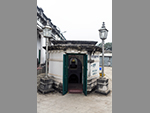 "+
"
"+
"  "+
"
"+
"  "+
"
"+
"  "+
"
"+
"  "+
"",
jahankoshakamanbengali : "জাহানকোষা কামানঃ-জাহানকোষা কামান হ’ল মুর্শিদাবাদের তোপখানায় অবস্থিত একটা ঐতিহাসিক কামান। মধ্যযুগীয় বাংলার নবাবী আমলের যুদ্ধাস্ত্রের এটা একটা উল্লেখযোগ্য নিদর্শন। জাহান কোষা শব্দের অর্থ হল পৃথিবী ধ্বংসকারী। কামানটার দৈর্ঘ্য ১৭ ফুট ৬ ইঞ্চি, পরিধি ৫ ফুট, ওজন ২১২ মণ। কামান বিস্ফোরণের জন্যে ১৭ কিলো বারুদের প্রয়োজন হয়। কামানটা তৈরি করা হয়েছিল অষ্ট ধাতু অর্থাৎ সোনা, রূপা, দস্তা, তামা, সীসা, টিন, লোহা ও পারদ দিয়ে। অষ্ট ধাতু দিয়ে তৈরি হবার জন্যে আজও কামানটা মরচেবিহীন। কামানের গায়ে ইরানী ভাষায় একাধিক পেতলফলকের লেখা থেকে তার ইতিহাস জানা গেছে। ১৬৩৭ খ্রিষ্টাব্দের অক্টোবর মাসে দিল্লির বাদশাহ শাহজাহানের রাজত্বকালে মিস্ত্রি জনার্দন কর্মকার জাহানকোষা কামান তৈরি করেন। নবাব মুর্শিদকুলি খাঁ ঢাকা থেকে রাজধানী মুর্শিদাবাদে স্থানান্তরিত করবার সময় ওই কামানটা এখানে নিয়ে আসেন। মুর্শিদকুলি খাঁ থেকে পরবর্তী অন্যান্য নবাবগণ এখানে তাদের অস্ত্রাগার বা তোপখানা স্থাপন করেন। সেসময় জাহান কোষা কামানকে, একটি অশ্বত্থ গাছের শিকড়ে আটকে থাকা অবস্থায় পাওয়া গেছিল। পরবর্তীকালে, ভারতীয় প্রত্নতাত্ত্বিক বিভাগের উদ্যোগে, এই কামানটাকে গাছের শিকড় থেকে ছাড়িয়ে সরিয়ে নিয়ে যাওয়া হয়। "+
"Read More..."+
"
"+
"",
jahankoshakamanbengali : "জাহানকোষা কামানঃ-জাহানকোষা কামান হ’ল মুর্শিদাবাদের তোপখানায় অবস্থিত একটা ঐতিহাসিক কামান। মধ্যযুগীয় বাংলার নবাবী আমলের যুদ্ধাস্ত্রের এটা একটা উল্লেখযোগ্য নিদর্শন। জাহান কোষা শব্দের অর্থ হল পৃথিবী ধ্বংসকারী। কামানটার দৈর্ঘ্য ১৭ ফুট ৬ ইঞ্চি, পরিধি ৫ ফুট, ওজন ২১২ মণ। কামান বিস্ফোরণের জন্যে ১৭ কিলো বারুদের প্রয়োজন হয়। কামানটা তৈরি করা হয়েছিল অষ্ট ধাতু অর্থাৎ সোনা, রূপা, দস্তা, তামা, সীসা, টিন, লোহা ও পারদ দিয়ে। অষ্ট ধাতু দিয়ে তৈরি হবার জন্যে আজও কামানটা মরচেবিহীন। কামানের গায়ে ইরানী ভাষায় একাধিক পেতলফলকের লেখা থেকে তার ইতিহাস জানা গেছে। ১৬৩৭ খ্রিষ্টাব্দের অক্টোবর মাসে দিল্লির বাদশাহ শাহজাহানের রাজত্বকালে মিস্ত্রি জনার্দন কর্মকার জাহানকোষা কামান তৈরি করেন। নবাব মুর্শিদকুলি খাঁ ঢাকা থেকে রাজধানী মুর্শিদাবাদে স্থানান্তরিত করবার সময় ওই কামানটা এখানে নিয়ে আসেন। মুর্শিদকুলি খাঁ থেকে পরবর্তী অন্যান্য নবাবগণ এখানে তাদের অস্ত্রাগার বা তোপখানা স্থাপন করেন। সেসময় জাহান কোষা কামানকে, একটি অশ্বত্থ গাছের শিকড়ে আটকে থাকা অবস্থায় পাওয়া গেছিল। পরবর্তীকালে, ভারতীয় প্রত্নতাত্ত্বিক বিভাগের উদ্যোগে, এই কামানটাকে গাছের শিকড় থেকে ছাড়িয়ে সরিয়ে নিয়ে যাওয়া হয়। "+
"Read More..."+
" "+
"
"+
"  "+
"
"+
"  "+
"
"+
"  "+
"
"+
"  "+
"
"+
"  "+
"",
kasimbazarbarorajbaribengali : "কাশিমবাজার বড় রাজবাড়িঃ-বড় রাজবাড়ি দেখে আমার ভালো লাগলেও কষ্ট হচ্ছিল বেশি। কেউ বোঝাবার নেই, ভেতরে প্রবেশের অনুমতি নেই, ফাঁকা এক জমির ওপর একা কুম্ভ রক্ষা করে ধরণের দাঁড়িয়ে আছে বড় রাজবাড়ি। তা সত্যেও এর এক সমৃদ্ধশালী ইতিহাস আছে। কাশিমবাজার শহরটা ইতিহাসে বেশ পোক্ত হলেও, ভূগোলে একদম ফেল। রাস্তাঘাটের অবস্থা অতি শোচনীয়। তার সাথে জুটেছে শহরের বুকে অপরিকল্পিত হিজিবিজি ইমারতের অকারণ ভিড় ও পুরোনো ঐতিহাসিক রাজবাড়িগুলোর ভগ্নদশা। নেই প্রয়োজনীয় পরিবহণ। টোটোর প্যাঁ প্যাঁ, ছিঁচকাঁদুনে গানের সঙ্গে টক্কর দেয় বেসামাল অটোর হর্নের তারস্বর চিৎকার। এই সব কিছু মিলিয়ে এককালের পশ্চিমবঙ্গের ব্যবসার রাজধানী অন্যতম এই পর্যটন কেন্দ্রকে আরও বেশি করে ইতিহাস সর্বস্ব করে তুলেছে। নবাবি আমলের পড়ন্ত সময়কেই আজও টেনে নিয়ে যাচ্ছে এই শহর। কাশিমবাজার রেল স্টেশনের কিছুটা পূর্বদিকে শ্রীপুর প্রাসাদ। সবাই বলে কাশিমবাজার বড় রাজবাড়ি। কৃষ্ণকান্ত নন্দী অষ্টাদশ শতকের মধ্যভাগে এই প্রাসাদ নির্মাণ করেন। রাজবাড়ির অনেক কিছুই কাশীর রাজা চেত সিং-এর প্রাসাদ থেকে এনে করা হয়। যেমন পাথরের থাম, খিলান ও অন্যান্য জিনিসপত্র। রানী স্বর্নময়ী রাজবাড়িতে নির্মাণ করেছিলেন লক্ষ্মী জনার্দন মন্দির। দাতা কর্ণ নামে পরিচিত মহারাজা মনীন্দ্র চন্দ্র নন্দী পরবর্তীকালে রাজবাড়ির প্রবেশ পথের ওপর লম্বা পিলারযুক্ত অংশটা তৈরি করেছিলেন। কৃষ্ণকান্ত নন্দী ছিলেন কাশিমবাজার রাজ পরিবারের প্রতিষ্ঠাতা। যিনি ইতিহাসে কান্তমুদী নামে পরিচিত ছিলেন। ইতিহাসের পাতা থেকে গল্পটা জেনে নেওয়া যাক। কান্তবাবুর পিতা রাধাকৃষ্ণ নন্দীর মুদির দোকান ছিল। সেখান থেকে কাশিমবাজারের ইংরেজ কুঠিতে মুদির জিনিসপত্র সরবরাহ করা হতো। সেই সূত্রে হেস্টিংস সাহেবের সঙ্গে কান্তবাবুর পরিচয় ছিল। সিরাজদৌল্লা ১৭৫৬ সালে কাশিমবাজার কুঠি আক্রমণ করলে হেস্টিংস ভাবতে লাগলেন, কোথায় যাওয়া যায়? কার কাছে যাওয়া যায়? ভাবতে ভাবতে মনে পড়ে গেল কান্তবাবুর নাম। অন্ধকারে চুপি চুপি তিনি হাজির হলেন কান্তবাবুর দোকানে। যাই হোক, কান্তবাবু হেস্টিংসকে দেখে তো স্তম্ভিত। কোথায় কিভাবে লুকিয়ে রাখবেন তিনি হেস্টিংসকে? কান্তবাবু প্রথম কয়েকদিন তাকে লুকিয়ে রাখলেন তার মুদি দোকানে। তারপর গোপনে হেস্টিংসকে নিয়ে গিয়েছিলেন তার বাড়িতে। দোকানে হাতের কাছে তেমন কিছু না পেয়ে কান্ত বাবু হেস্টিংসকে আপ্যায়ন করেছিলেন পান্তাভাত আর চিংড়ি মাছ দিয়ে। হেস্টিংসের পলায়নপর্বের খবরটা ছড়িয়ে পড়েছিল চারদিকে। পরে কাশিমবাজার থেকে গোপনে পালিয়ে যেতে সাহায্য করেন কান্তবাবু। স্বাভাবিক ভাবেই কান্তবাবু ওয়ারেন হেস্টিংসের অত্যন্ত প্রিয়পাত্র ছিলেন। পরবর্তীকালে ওয়ারেন হেস্টিংস বাংলার গভর্নর হলে কান্তবাবুর পুত্র লোকনাথ রায়কে দিল্লীর বাদশার কাছে মহারাজা করার সুপারিশ করেন। অতঃপর তাঁর নাম হয় মহারাজা লোকনাথ রায় বাহাদুর। হেস্টিংস সাহেব রংপুর জেলার বাহারবন্ধ পরগণা, রানী ভবানীর কাছ থেকে কেড়ে নিয়ে মহারাজা লোকনাথ রায়কে বন্দোবস্ত করে দেন। এইভাবে তিনি এক বিশাল এলাকার জমিদারি লাভ করেছিলেন এবং গড়ে উঠে কাশিমবাজার রাজ পরিবার। ক্রমশ সময়ের পরিবর্তনের সাথে সাথে প্রাসাদ নির্মাণে আধুনিকতার ছোঁয়া লাগে। রাজবাড়ীতে এখন কোন রাজা থাকেন না। নেই পাইক পেয়াদা, নেই রাজা মন্ত্রী। রাণীমহলে রাণী নেই, নেই দাসদাসী। নেই দরবার, প্রজাদের আনাগোনা। ঘোড়াশালে ঘোড়া নেই, হাতিশালে নেই হাতি। আছে জরাজীর্ণ মলিন মুখ আর ভগ্ন হৃদয় নিয়ে দাঁড়িয়ে সেই প্রাচীন রাজবাড়ী। চুরি হয়ে গেছে তার সৌন্দর্য, হারিয়ে গেছে তার আভিজাত্য, জৌলুস, ফুরিয়ে গেছে তার প্রবল প্রতাপ। অথচ এক সময় সবই ছিল। ছিল সুনিপুণ কারুকার্যে নির্মিত বিশাল অট্টালিকা, শান বাঁধানো পুকুর ঘাট যেখানে অন্য কারুর প্রবেশের অধিকার ছিল না, তা এখন ধ্বংসের পথে। রাজবাড়ী আজ ভগ্নপ্রাপ্ত। সময়ের করাল গ্রাসের ছাপ প্রতিটি কোণায় কোণায় কিন্তু তবুও রয়েছে এক আশ্চর্য আকর্ষণ। রাজপ্রাসাদ যেন নীরবে দাঁড়িয়ে আছে তার রাজকীয় ঐতিহ্য নিয়ে। আমরা কিছু ছবি তুললাম, ভিডিও করলাম, আর নীরব এই অতুলনীয় প্রাসাদের দিকে চেয়ে শুধু বললাম আবার আসবো তোমায় দেখতে। রাজবাড়ির মুচকি ম্লান হাঁসি তার উত্তরে যেন বলল ও রকম সবাই বলে তবে কেউ আর আসে না। আমি দাঁড়িয়ে আছি শত অপমানের যন্ত্রণার জ্বালা নিয়ে। তবু তোমায় করি আমন্ত্রণ। "+
"Read More..."+
"
"+
"",
kasimbazarbarorajbaribengali : "কাশিমবাজার বড় রাজবাড়িঃ-বড় রাজবাড়ি দেখে আমার ভালো লাগলেও কষ্ট হচ্ছিল বেশি। কেউ বোঝাবার নেই, ভেতরে প্রবেশের অনুমতি নেই, ফাঁকা এক জমির ওপর একা কুম্ভ রক্ষা করে ধরণের দাঁড়িয়ে আছে বড় রাজবাড়ি। তা সত্যেও এর এক সমৃদ্ধশালী ইতিহাস আছে। কাশিমবাজার শহরটা ইতিহাসে বেশ পোক্ত হলেও, ভূগোলে একদম ফেল। রাস্তাঘাটের অবস্থা অতি শোচনীয়। তার সাথে জুটেছে শহরের বুকে অপরিকল্পিত হিজিবিজি ইমারতের অকারণ ভিড় ও পুরোনো ঐতিহাসিক রাজবাড়িগুলোর ভগ্নদশা। নেই প্রয়োজনীয় পরিবহণ। টোটোর প্যাঁ প্যাঁ, ছিঁচকাঁদুনে গানের সঙ্গে টক্কর দেয় বেসামাল অটোর হর্নের তারস্বর চিৎকার। এই সব কিছু মিলিয়ে এককালের পশ্চিমবঙ্গের ব্যবসার রাজধানী অন্যতম এই পর্যটন কেন্দ্রকে আরও বেশি করে ইতিহাস সর্বস্ব করে তুলেছে। নবাবি আমলের পড়ন্ত সময়কেই আজও টেনে নিয়ে যাচ্ছে এই শহর। কাশিমবাজার রেল স্টেশনের কিছুটা পূর্বদিকে শ্রীপুর প্রাসাদ। সবাই বলে কাশিমবাজার বড় রাজবাড়ি। কৃষ্ণকান্ত নন্দী অষ্টাদশ শতকের মধ্যভাগে এই প্রাসাদ নির্মাণ করেন। রাজবাড়ির অনেক কিছুই কাশীর রাজা চেত সিং-এর প্রাসাদ থেকে এনে করা হয়। যেমন পাথরের থাম, খিলান ও অন্যান্য জিনিসপত্র। রানী স্বর্নময়ী রাজবাড়িতে নির্মাণ করেছিলেন লক্ষ্মী জনার্দন মন্দির। দাতা কর্ণ নামে পরিচিত মহারাজা মনীন্দ্র চন্দ্র নন্দী পরবর্তীকালে রাজবাড়ির প্রবেশ পথের ওপর লম্বা পিলারযুক্ত অংশটা তৈরি করেছিলেন। কৃষ্ণকান্ত নন্দী ছিলেন কাশিমবাজার রাজ পরিবারের প্রতিষ্ঠাতা। যিনি ইতিহাসে কান্তমুদী নামে পরিচিত ছিলেন। ইতিহাসের পাতা থেকে গল্পটা জেনে নেওয়া যাক। কান্তবাবুর পিতা রাধাকৃষ্ণ নন্দীর মুদির দোকান ছিল। সেখান থেকে কাশিমবাজারের ইংরেজ কুঠিতে মুদির জিনিসপত্র সরবরাহ করা হতো। সেই সূত্রে হেস্টিংস সাহেবের সঙ্গে কান্তবাবুর পরিচয় ছিল। সিরাজদৌল্লা ১৭৫৬ সালে কাশিমবাজার কুঠি আক্রমণ করলে হেস্টিংস ভাবতে লাগলেন, কোথায় যাওয়া যায়? কার কাছে যাওয়া যায়? ভাবতে ভাবতে মনে পড়ে গেল কান্তবাবুর নাম। অন্ধকারে চুপি চুপি তিনি হাজির হলেন কান্তবাবুর দোকানে। যাই হোক, কান্তবাবু হেস্টিংসকে দেখে তো স্তম্ভিত। কোথায় কিভাবে লুকিয়ে রাখবেন তিনি হেস্টিংসকে? কান্তবাবু প্রথম কয়েকদিন তাকে লুকিয়ে রাখলেন তার মুদি দোকানে। তারপর গোপনে হেস্টিংসকে নিয়ে গিয়েছিলেন তার বাড়িতে। দোকানে হাতের কাছে তেমন কিছু না পেয়ে কান্ত বাবু হেস্টিংসকে আপ্যায়ন করেছিলেন পান্তাভাত আর চিংড়ি মাছ দিয়ে। হেস্টিংসের পলায়নপর্বের খবরটা ছড়িয়ে পড়েছিল চারদিকে। পরে কাশিমবাজার থেকে গোপনে পালিয়ে যেতে সাহায্য করেন কান্তবাবু। স্বাভাবিক ভাবেই কান্তবাবু ওয়ারেন হেস্টিংসের অত্যন্ত প্রিয়পাত্র ছিলেন। পরবর্তীকালে ওয়ারেন হেস্টিংস বাংলার গভর্নর হলে কান্তবাবুর পুত্র লোকনাথ রায়কে দিল্লীর বাদশার কাছে মহারাজা করার সুপারিশ করেন। অতঃপর তাঁর নাম হয় মহারাজা লোকনাথ রায় বাহাদুর। হেস্টিংস সাহেব রংপুর জেলার বাহারবন্ধ পরগণা, রানী ভবানীর কাছ থেকে কেড়ে নিয়ে মহারাজা লোকনাথ রায়কে বন্দোবস্ত করে দেন। এইভাবে তিনি এক বিশাল এলাকার জমিদারি লাভ করেছিলেন এবং গড়ে উঠে কাশিমবাজার রাজ পরিবার। ক্রমশ সময়ের পরিবর্তনের সাথে সাথে প্রাসাদ নির্মাণে আধুনিকতার ছোঁয়া লাগে। রাজবাড়ীতে এখন কোন রাজা থাকেন না। নেই পাইক পেয়াদা, নেই রাজা মন্ত্রী। রাণীমহলে রাণী নেই, নেই দাসদাসী। নেই দরবার, প্রজাদের আনাগোনা। ঘোড়াশালে ঘোড়া নেই, হাতিশালে নেই হাতি। আছে জরাজীর্ণ মলিন মুখ আর ভগ্ন হৃদয় নিয়ে দাঁড়িয়ে সেই প্রাচীন রাজবাড়ী। চুরি হয়ে গেছে তার সৌন্দর্য, হারিয়ে গেছে তার আভিজাত্য, জৌলুস, ফুরিয়ে গেছে তার প্রবল প্রতাপ। অথচ এক সময় সবই ছিল। ছিল সুনিপুণ কারুকার্যে নির্মিত বিশাল অট্টালিকা, শান বাঁধানো পুকুর ঘাট যেখানে অন্য কারুর প্রবেশের অধিকার ছিল না, তা এখন ধ্বংসের পথে। রাজবাড়ী আজ ভগ্নপ্রাপ্ত। সময়ের করাল গ্রাসের ছাপ প্রতিটি কোণায় কোণায় কিন্তু তবুও রয়েছে এক আশ্চর্য আকর্ষণ। রাজপ্রাসাদ যেন নীরবে দাঁড়িয়ে আছে তার রাজকীয় ঐতিহ্য নিয়ে। আমরা কিছু ছবি তুললাম, ভিডিও করলাম, আর নীরব এই অতুলনীয় প্রাসাদের দিকে চেয়ে শুধু বললাম আবার আসবো তোমায় দেখতে। রাজবাড়ির মুচকি ম্লান হাঁসি তার উত্তরে যেন বলল ও রকম সবাই বলে তবে কেউ আর আসে না। আমি দাঁড়িয়ে আছি শত অপমানের যন্ত্রণার জ্বালা নিয়ে। তবু তোমায় করি আমন্ত্রণ। "+
"Read More..."+
" "+
"
"+
"  "+
"
"+
"  "+
"
"+
"  "+
"
"+
"  "+
"
"+
"  "+
"
"+
"  "+
"
"+
" 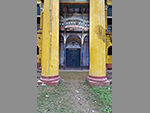 "+
"",
kasimbazarchotorajbaribengali : "কাশিমবাজার ছোট রাজবাড়িঃ-আলীবর্দী খাঁর রাজত্বকালে ১৭৪০ সালে দীনবন্ধু রায় ব্রিটিশ স্থাপত্যশৈলীতে এই সুন্দর প্রাসাদটা নির্মাণ করেন। কাশিম বাজারের এই নতুন প্রাসাদটা চট্টোপাধ্যায়দের পৈতৃক সম্পত্তি ছিল। রাজা আদিশূরের রাজধানী ছিল বর্তমান বহরমপুর। আদিশূর ৯০০ সালের কাছাকাছি সময়ে যে পাঁচ জন ব্রাহ্মণকে কনৌজ থেকে বাংলায় বেদ পাঠের জন্য এনেছিলেন, তাদের একজনের নাম ছিল দক্ষ। অযোধ্যা নারায়ণ সেই দক্ষের বাইশতম বংশধর। এই পরিবারের প্রতিষ্ঠাতা অযোদ্ধা নারায়ণ রায়। তিনি হটু রায় নামেও পরিচিত ছিলেন। তাঁরই ছেলে দীনবন্ধু রায়। কাশিম বাজার রেলস্টেশন থেকে পূর্ব দিকে কিছুটা এগোলে মূল সড়কের ডান পাশেই রয়েছে এই প্রাসাদ। এটা কাশিম বাজার ছোট রাজবাড়ি হিসেবেই পরিচিত। অযোদ্ধা নারায়ণ রায় ইংরেজদের পদানত নবাব নাজিমের কাছ থেকে রায় উপাধি লাভ করেন। অযোধ্যা নারায়ণের পুত্র দীনবন্ধু ইস্ট ইণ্ডিয়া কোম্পানির কাশিম বাজার রেশম কুঠির দেওয়ান ছিলেন। তিনি নবাব সরকারের কাছ থেকে রাজার দেওয়া সম্মানসূচক পোশাক ও রৌপ্যমণ্ডিত ছড়ি ব্যবহারের অধিকার পেয়েছিলেন। সেইসময় রৌপ্যমণ্ডিত ছড়ি ব্যবহার করা সম্মানের বিষয় ছিল। দীনবন্ধুর পুত্র জগবন্ধু ও ব্রজমোহনও কাশিম বাজার রেশম কুঠির দেওয়ান ছিলেন। জগবন্ধু রায়কে কোম্পানি মেদিনীপুর কালেক্টরির দেওয়ানি দেয়। তিনি নিলামে পূর্ববঙ্গের রংপুর ও সরাইল পরগনায় জমিদারিও কিনেছিলেন। জগবন্ধুর পরবর্তী উত্তরসূরি ছিলেন নৃসিংহ প্রসাদ, রাজকৃষ্ণ, অন্নপ্রসাদ ও এর পরে আশুতোষনাথ। আশুতোষ অল্প বয়সে মারা যাওয়ায় এবং তার উত্তরসূরি কমলারঞ্জন নাবালক হওয়ায় নিয়মানুযায়ী এ রাজবাড়ির দায়িত্ব পড়ে কোর্ট অফ ওয়ার্ডসের হাতে। কমলারঞ্জন সাবালক হলে ১৯২৫ সালে জমিদারির দায়িত্ব পান। কমলারঞ্জনের বিভিন্ন জনহিতকর কাজের স্বীকৃতি হিসেবে ১৯৩৮ সালে ইংরেজরা তাকে রাজা খেতাব দেয়। রাজা কমলারঞ্জনের একমাত্র পুত্র প্রশান্তকুমার ও পৌত্র পল্লব। এই রাজপরিবারের বর্তমান সদস্যরা কলকাতায় থাকেন। তাঁরা মাঝে মাঝেই মুর্শিদাবাদে এসে এই প্রাসাদেই থাকেন। জমিদারি আজ আর নেই। তবে রাজবাড়িটা আজও তার স্বমহিমায় দাঁড়িয়ে আছে। জমিদারি প্রথা বিলুপ্ত হলেও রাজবাড়ির আসবাবপত্র এবং অন্যান্য সামগ্রীর চেহারা সংস্কার করে অক্ষুণ্ণ রেখেছেন উত্তরসূরিরা। সমবেত পারিবারিক উদ্যোগে তাঁরাই আজ কাশিম বাজার রাজবাড়ির সুদৃশ্য প্রাসাদটাকে স্বমহিমায় ফিরিয়ে এনেছেন। ইংরেজ আমলে অনেকেই রাজা, মহারাজা ইত্যাদি খেতাব পেতেন। এসব উপাধি পেয়ে তারা নিজেদের ধন্য মনে করতেন। তাদের কেউ কেউ ইংরেজ কুঠিতে গোমস্তার কাজও করতেন। ক্লাইভ, হেস্টিংস বা ওয়েলেসলির অনুকম্পায় সে কালের অনেক গোমস্তা ও চাকরবাকরও কালক্রমে বিত্তশালী রাজপুরুষরূপে পরিণত হয়েছেন। কাশিম বাজারের এই ব্রাহ্মণ বংশের কৌলিক পদবি ছিল চট্টোপাধ্যায়। এই প্রাসাদ বর্তমানে মূলত একটা জাদুঘর। এখানে রয়েছে খাসপুকুর, অন্দরপুকুর, শানবাঁধানো ঘাট, বাগান, নাচঘর, সাজানে ঠাকুরদালান, দুর্গা মন্দির, রাধাগোবিন্দ মন্দির, লক্ষ্মীনারায়ণ মন্দির, গোবিন্দ মন্দির, আশুতোষনাথ শিব মন্দির, চণ্ডীমণ্ডপ, লক্ষ্মীঘর, গৃহদেবতা রাধাবল্লভের মন্দির ইত্যাদি। প্রতিবছর ঠাকুরদালানে এখনও দুর্গাপুজো, ঝুলনযাত্রা ও রাসযাত্রা উদযাপিত হয়। মিউজিয়ামে রাখা আছে তৎকালীন সময়ের নকশা করা পালকি যাতে করে রাজবাড়ির মহিলারা বেড়াতে অথবা গঙ্গাস্নানে যেতেন। বাংলা ইটের তৈরি ৩০ ইঞ্চির দেওয়ালের ঘরে ঢুকলেই ঠাণ্ডার পরশ অনুভব করা যায়। তিনশো বছর আগে বিদেশ থেকে আনা বরফি পাথরের মেঝে আজও সমানভাবে উজ্জ্বল। নাচঘরে আয়না, শ্বেতপাথরের টেবিল, ঢাল, তরবারি, প্রদীপদানি, ধাতুনির্মিত হরিণ, কামান, ড্রেসিং টেবিল, আলনা ও বাদ্যযন্ত্র রয়েছে। রাজা আশুতোষনাথ রায় ও রাজা কমলারঞ্জন রায়কে দেওয়া সনদ দুটো দেওয়ালে টাঙানো আছে। আছে সেই সময়কার পালঙ্ক, রঙিন ঝাড়লণ্ঠন, রংবেরংয়ের ছুকো, তাকিয়া ইত্যাদি। আছে সেদিনের টমটম গাড়ি। এগুলো দেখতে দেখতে মন চলে যায় কয়েক শতক পিছনে। আর আছে কিছু পারিবারিক পোর্ট্রেট। এছাড়াও বহু নৈসর্গিক দৃশ্য আছে যেগুলো এককথায় তুলনাহীন। বহু নামকরা বিদেশী শিল্পীর আঁকা ছবির সম্ভার রয়েছে। চিত্রকলাগুলো সত্যই মনোমুগ্ধকর। দেখলে মনে হবে সত্যিই একটা আলাদা রাজত্ব ছিল। প্রাসাদটা বর্তমানে খালিই পড়ে থাকে। প্রাসাদের অধিকাংশ কক্ষেই সনাতন ধর্মের বিভিন্ন দেবদেবীদের ছবি রয়েছে। দোতলা এই প্রাসাদটার ওপরের তলা তালাবন্ধই থাকে। রাজপরিবারের সদস্যরা মাঝে মাঝে যখন এসে থাকেন, তখন খোলা হয়। বিভিন্ন ফুল ও ফল গাছে সুশোভিত পুরো প্রাসাদ প্রাঙ্গণ। প্রাসাদ ভবনের ঠিক মাঝখানেই আছে একটা বিশাল মঞ্চ। প্রাসাদের চারপাশ থেকেই তা দেখা যায়। বোঝাই যায় নাচগানের আসর দিয়ে প্রাসাদবাসীদের মাতিয়ে রাখতে এই মঞ্চ। এছাড়া প্রাসাদ ভবনের পাশেই আছে একটি কুস্তি খেলার মাঠ। প্রাসাদের ভেতরে রাজপরিবারের সদস্যদের বংশলতিকা ও অনেকেরই ছবি আছে। এছাড়া আছে বহুমূল্যবান চিত্রকর্ম। রাজপরিবারের বর্তমান প্রজন্ম এর রক্ষণাবেক্ষণ করছেন বলে প্রাসাদটা এখনো বেশ ভালো অবস্থায় আছে। মুর্শিদাবাদে এরকম ছোটবড় রাজবাড়ি অনেক ছিল। বর্তমানে কয়েকটামাত্র দাঁড়িয়ে আছে অতীতের স্মৃতি বহন করে। সত্যজিৎ রায় যখন ঘরে বাইরে চলচ্চিত্রটা তৈরি করছিলেন, তখন বিভিন্ন আসবাব ও নানা সামগ্রী কাশিমবাজারের এই রাজবাড়ি থেকে নিয়েই ব্যবহার করেছিলেন। এই রাজবাড়ির রাজকীয় ঐশ্বর্য আবালবৃদ্ধবনিতাকে আকর্ষণ করবে একথা বলাই বাহুল্য। গল্পের বই, উপন্যাস বা সিনেমায় নয়, বাস্তবের রাজবাড়ি দেখতে হলে একবার আসতেই হবে কাশিমবাজারে। প্রবেশের সময় সকাল ১০টা থেকে বিকেল তিনটে পর্যন্ত। রাজবাড়িতে অতিথি হিসাবে থাকার ইচ্ছে হলে থাকা যেতে পারে রূপকথা গেস্ট হাউসে। তবে ভাড়া খুব বেশি। আমাদের মতো ভ্রমণার্থীদের পুরো মুর্শিদাবাদ ভ্রমণের খরচ, খাওয়া ছাড়া এখানকার একদিনের ভাড়া। "+
"Read More..."+
"
"+
"",
kasimbazarchotorajbaribengali : "কাশিমবাজার ছোট রাজবাড়িঃ-আলীবর্দী খাঁর রাজত্বকালে ১৭৪০ সালে দীনবন্ধু রায় ব্রিটিশ স্থাপত্যশৈলীতে এই সুন্দর প্রাসাদটা নির্মাণ করেন। কাশিম বাজারের এই নতুন প্রাসাদটা চট্টোপাধ্যায়দের পৈতৃক সম্পত্তি ছিল। রাজা আদিশূরের রাজধানী ছিল বর্তমান বহরমপুর। আদিশূর ৯০০ সালের কাছাকাছি সময়ে যে পাঁচ জন ব্রাহ্মণকে কনৌজ থেকে বাংলায় বেদ পাঠের জন্য এনেছিলেন, তাদের একজনের নাম ছিল দক্ষ। অযোধ্যা নারায়ণ সেই দক্ষের বাইশতম বংশধর। এই পরিবারের প্রতিষ্ঠাতা অযোদ্ধা নারায়ণ রায়। তিনি হটু রায় নামেও পরিচিত ছিলেন। তাঁরই ছেলে দীনবন্ধু রায়। কাশিম বাজার রেলস্টেশন থেকে পূর্ব দিকে কিছুটা এগোলে মূল সড়কের ডান পাশেই রয়েছে এই প্রাসাদ। এটা কাশিম বাজার ছোট রাজবাড়ি হিসেবেই পরিচিত। অযোদ্ধা নারায়ণ রায় ইংরেজদের পদানত নবাব নাজিমের কাছ থেকে রায় উপাধি লাভ করেন। অযোধ্যা নারায়ণের পুত্র দীনবন্ধু ইস্ট ইণ্ডিয়া কোম্পানির কাশিম বাজার রেশম কুঠির দেওয়ান ছিলেন। তিনি নবাব সরকারের কাছ থেকে রাজার দেওয়া সম্মানসূচক পোশাক ও রৌপ্যমণ্ডিত ছড়ি ব্যবহারের অধিকার পেয়েছিলেন। সেইসময় রৌপ্যমণ্ডিত ছড়ি ব্যবহার করা সম্মানের বিষয় ছিল। দীনবন্ধুর পুত্র জগবন্ধু ও ব্রজমোহনও কাশিম বাজার রেশম কুঠির দেওয়ান ছিলেন। জগবন্ধু রায়কে কোম্পানি মেদিনীপুর কালেক্টরির দেওয়ানি দেয়। তিনি নিলামে পূর্ববঙ্গের রংপুর ও সরাইল পরগনায় জমিদারিও কিনেছিলেন। জগবন্ধুর পরবর্তী উত্তরসূরি ছিলেন নৃসিংহ প্রসাদ, রাজকৃষ্ণ, অন্নপ্রসাদ ও এর পরে আশুতোষনাথ। আশুতোষ অল্প বয়সে মারা যাওয়ায় এবং তার উত্তরসূরি কমলারঞ্জন নাবালক হওয়ায় নিয়মানুযায়ী এ রাজবাড়ির দায়িত্ব পড়ে কোর্ট অফ ওয়ার্ডসের হাতে। কমলারঞ্জন সাবালক হলে ১৯২৫ সালে জমিদারির দায়িত্ব পান। কমলারঞ্জনের বিভিন্ন জনহিতকর কাজের স্বীকৃতি হিসেবে ১৯৩৮ সালে ইংরেজরা তাকে রাজা খেতাব দেয়। রাজা কমলারঞ্জনের একমাত্র পুত্র প্রশান্তকুমার ও পৌত্র পল্লব। এই রাজপরিবারের বর্তমান সদস্যরা কলকাতায় থাকেন। তাঁরা মাঝে মাঝেই মুর্শিদাবাদে এসে এই প্রাসাদেই থাকেন। জমিদারি আজ আর নেই। তবে রাজবাড়িটা আজও তার স্বমহিমায় দাঁড়িয়ে আছে। জমিদারি প্রথা বিলুপ্ত হলেও রাজবাড়ির আসবাবপত্র এবং অন্যান্য সামগ্রীর চেহারা সংস্কার করে অক্ষুণ্ণ রেখেছেন উত্তরসূরিরা। সমবেত পারিবারিক উদ্যোগে তাঁরাই আজ কাশিম বাজার রাজবাড়ির সুদৃশ্য প্রাসাদটাকে স্বমহিমায় ফিরিয়ে এনেছেন। ইংরেজ আমলে অনেকেই রাজা, মহারাজা ইত্যাদি খেতাব পেতেন। এসব উপাধি পেয়ে তারা নিজেদের ধন্য মনে করতেন। তাদের কেউ কেউ ইংরেজ কুঠিতে গোমস্তার কাজও করতেন। ক্লাইভ, হেস্টিংস বা ওয়েলেসলির অনুকম্পায় সে কালের অনেক গোমস্তা ও চাকরবাকরও কালক্রমে বিত্তশালী রাজপুরুষরূপে পরিণত হয়েছেন। কাশিম বাজারের এই ব্রাহ্মণ বংশের কৌলিক পদবি ছিল চট্টোপাধ্যায়। এই প্রাসাদ বর্তমানে মূলত একটা জাদুঘর। এখানে রয়েছে খাসপুকুর, অন্দরপুকুর, শানবাঁধানো ঘাট, বাগান, নাচঘর, সাজানে ঠাকুরদালান, দুর্গা মন্দির, রাধাগোবিন্দ মন্দির, লক্ষ্মীনারায়ণ মন্দির, গোবিন্দ মন্দির, আশুতোষনাথ শিব মন্দির, চণ্ডীমণ্ডপ, লক্ষ্মীঘর, গৃহদেবতা রাধাবল্লভের মন্দির ইত্যাদি। প্রতিবছর ঠাকুরদালানে এখনও দুর্গাপুজো, ঝুলনযাত্রা ও রাসযাত্রা উদযাপিত হয়। মিউজিয়ামে রাখা আছে তৎকালীন সময়ের নকশা করা পালকি যাতে করে রাজবাড়ির মহিলারা বেড়াতে অথবা গঙ্গাস্নানে যেতেন। বাংলা ইটের তৈরি ৩০ ইঞ্চির দেওয়ালের ঘরে ঢুকলেই ঠাণ্ডার পরশ অনুভব করা যায়। তিনশো বছর আগে বিদেশ থেকে আনা বরফি পাথরের মেঝে আজও সমানভাবে উজ্জ্বল। নাচঘরে আয়না, শ্বেতপাথরের টেবিল, ঢাল, তরবারি, প্রদীপদানি, ধাতুনির্মিত হরিণ, কামান, ড্রেসিং টেবিল, আলনা ও বাদ্যযন্ত্র রয়েছে। রাজা আশুতোষনাথ রায় ও রাজা কমলারঞ্জন রায়কে দেওয়া সনদ দুটো দেওয়ালে টাঙানো আছে। আছে সেই সময়কার পালঙ্ক, রঙিন ঝাড়লণ্ঠন, রংবেরংয়ের ছুকো, তাকিয়া ইত্যাদি। আছে সেদিনের টমটম গাড়ি। এগুলো দেখতে দেখতে মন চলে যায় কয়েক শতক পিছনে। আর আছে কিছু পারিবারিক পোর্ট্রেট। এছাড়াও বহু নৈসর্গিক দৃশ্য আছে যেগুলো এককথায় তুলনাহীন। বহু নামকরা বিদেশী শিল্পীর আঁকা ছবির সম্ভার রয়েছে। চিত্রকলাগুলো সত্যই মনোমুগ্ধকর। দেখলে মনে হবে সত্যিই একটা আলাদা রাজত্ব ছিল। প্রাসাদটা বর্তমানে খালিই পড়ে থাকে। প্রাসাদের অধিকাংশ কক্ষেই সনাতন ধর্মের বিভিন্ন দেবদেবীদের ছবি রয়েছে। দোতলা এই প্রাসাদটার ওপরের তলা তালাবন্ধই থাকে। রাজপরিবারের সদস্যরা মাঝে মাঝে যখন এসে থাকেন, তখন খোলা হয়। বিভিন্ন ফুল ও ফল গাছে সুশোভিত পুরো প্রাসাদ প্রাঙ্গণ। প্রাসাদ ভবনের ঠিক মাঝখানেই আছে একটা বিশাল মঞ্চ। প্রাসাদের চারপাশ থেকেই তা দেখা যায়। বোঝাই যায় নাচগানের আসর দিয়ে প্রাসাদবাসীদের মাতিয়ে রাখতে এই মঞ্চ। এছাড়া প্রাসাদ ভবনের পাশেই আছে একটি কুস্তি খেলার মাঠ। প্রাসাদের ভেতরে রাজপরিবারের সদস্যদের বংশলতিকা ও অনেকেরই ছবি আছে। এছাড়া আছে বহুমূল্যবান চিত্রকর্ম। রাজপরিবারের বর্তমান প্রজন্ম এর রক্ষণাবেক্ষণ করছেন বলে প্রাসাদটা এখনো বেশ ভালো অবস্থায় আছে। মুর্শিদাবাদে এরকম ছোটবড় রাজবাড়ি অনেক ছিল। বর্তমানে কয়েকটামাত্র দাঁড়িয়ে আছে অতীতের স্মৃতি বহন করে। সত্যজিৎ রায় যখন ঘরে বাইরে চলচ্চিত্রটা তৈরি করছিলেন, তখন বিভিন্ন আসবাব ও নানা সামগ্রী কাশিমবাজারের এই রাজবাড়ি থেকে নিয়েই ব্যবহার করেছিলেন। এই রাজবাড়ির রাজকীয় ঐশ্বর্য আবালবৃদ্ধবনিতাকে আকর্ষণ করবে একথা বলাই বাহুল্য। গল্পের বই, উপন্যাস বা সিনেমায় নয়, বাস্তবের রাজবাড়ি দেখতে হলে একবার আসতেই হবে কাশিমবাজারে। প্রবেশের সময় সকাল ১০টা থেকে বিকেল তিনটে পর্যন্ত। রাজবাড়িতে অতিথি হিসাবে থাকার ইচ্ছে হলে থাকা যেতে পারে রূপকথা গেস্ট হাউসে। তবে ভাড়া খুব বেশি। আমাদের মতো ভ্রমণার্থীদের পুরো মুর্শিদাবাদ ভ্রমণের খরচ, খাওয়া ছাড়া এখানকার একদিনের ভাড়া। "+
"Read More..."+
" "+
"
"+
"  "+
"
"+
" 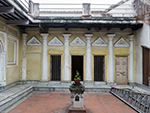 "+
"
"+
"  "+
"
"+
"  "+
"
"+
"  "+
"
"+
"  "+
"
"+
" 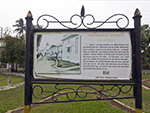 "+
"",
kathgolabengali : "কাঠগোলাঃ-১৭৪০ সালে কাঠগোলা বাগানবাড়ি পত্তন করেন জিয়াগঞ্জের রাজা লক্ষ্মীপৎ সিং দুগার। প্রায় ২৬০ বিঘের এলাকার মধ্যে ছড়িয়ে রয়েছে এই বাগান বাড়ি। সেই সময়ে বাঙলার নবাব মোবারক উদ দৌলা এই বাগানের সৌন্দর্য দেখে অভিভূত হয়ে গেছিলেন। প্রচুর কাঠ গোলাপের চাষ হত বলে এই বাগানের নাম হয় কাঠ গোলার বাগান। রয়েছে প্রচুর মূর্তি, পুকুর, ঝর্ণা, জৈন মন্দির ও একটা প্যালেস। প্রাসাদের সঙ্গে একই সঙ্গে তৈরি হয় চিড়িয়াখানাও। শোনা যায় সেই সময়ে বাঘ, ভাল্লুক সহ দেশ বিদেশের অনেক পশু ছিল চিড়িয়াখানায়। সময়ের সঙ্গে সঙ্গে চিড়িয়াখানার পশুরা মারা যেতে শুরু করে ও ১৮৭০ সাল নাগাদ তা ধ্বংস হয়ে যায়। সময় পেরিয়ে গেছে প্রায় ১৫০ বছর। কাঠগোলা বাগানের সেই চিড়িয়াখানা শুধু কাঠগোলার ইতিহাসেই স্থান পেয়েছে। বর্তমানে অনেক বিদেশী পাখি দিয়ে এখানে একটা পাখিরালয় তৈরি হয়েছে। অস্ট্রেলিয়া, মরক্কো, ম্যাকাউ থেকে পাখি আনা হয়েছে। প্রায় ২৫০-বিঘে জায়গা নিয়ে বিশাল বাগানের মধ্যে দোতলা অট্টালিকার সামনে বড় পুকুর খনন করা হয়। সেই পুকুরে থাকতো নানা ধরনের রঙ্গিন মাছ। নবাব সৈয়দ হাসান আলী মির্জা কাঠগোলা বাগানের নাচ মহলে অংশ গ্রহণ করতেন। এখানে জৈন মন্দির ও প্রাসাদ ছাড়াও ছিল হারেম ও শ্বেত পাথরে বাঁধানো পুকুর। এছাড়া রয়েছে বিভিন্ন ধরনের মহামূল্যবান আসবাবপত্র। কাঠগোলা নামটা আসলে কাঠগোলাপ এরই অপভ্রংশ বলা যায়। সেকালে প্রচুর কাঠের আসবাবপত্রের ব্যবসা ছিল আর ছিল গোলাপের বাগান। সেখান থেকেই এই নাম। ১৮৭০ সালে প্রাসাদটা আবার পুনর্নির্মাণ করা হয়। কথিত আছে, কাঠগোলা বাগানের পূর্বদিকে যে প্রাচীন মসজিদ ও কবরস্থান আছে সেখানকার এক ইদারার কাছ থেকে দুগড় পরিবার প্রচুর গুপ্তধন পেয়েছিলেন। প্রাপ্ত সব টাকা তাঁরা বাগান সাজাতে ও মন্দির নির্মাণ করতে খরচ করেছিলেন। সেকালে কাঠগোলা বাগানে জলসা হতো এবং অনেক লোকের সমাগম হতো। বর্তমানে কাঠগোলা বাগান একটি দর্শনীয় স্থান। অট্টালিকা, সংগ্রহশালা, গোপন সুড়ঙ্গপথ, আদিনাথ মন্দির, বাঁধানো পুকুর সব কিছু নিয়ে মুর্শিদাবাদের এই স্থানটা অতুলনীয়। প্রধান ফটক দিয়ে কাঠগোলা প্রাসাদে ঢুকলেই চোখে পড়বে সুপ্রশস্ত আম বাগান। এখানে চার ভাইয়ের ঘোড়সওয়ারি মূর্তি দেখা যায়। আম বাগানকে পেছনে ফেলে বেশ খানিকটা পথ এগোলেই আরেকটা গেট। এ গেটটা পার হলে চোখ আটকে যাবে সুপ্রশস্ত ফুলের বাগানে। বাঁ দিকে রয়েছে গোলাপ বাগান। বিভিন্ন ধরন ও বর্ণের গোলাপ ফুটে রয়েছে সারি সারি। কথিত আছে লক্ষীপৎ, জগপৎ, মহীপৎ ও ধনপৎ— তারা ছিলেন চার ভাই। কেউ কেউ বলেন তারা বর্গি-দস্যু ছিলেন, আবার কোনও বর্ণনা মতে তাঁরা ছিলেন ব্যবসায়ী। জানা যায় এই আমবাগানে তাঁদের কাঠের গোলা ছিল। কাঠের গোলা থেকে কাঠগোলা নাম হয়। কাঠ ছাড়াও তাঁদের বহু মূল্যবান মণি-মুক্তার ব্যবসা ছিল। আবার কেউ কেউ মনে করেন, চারপাশে যে কাঠগোলাপের বাগান রয়েছে, সেখান থেকেই কাঠগোলা নামকরণ হয়েছে। এখানে বিখ্যাত পাশ্চাত্য ভাস্কর মাইকেল অ্যাঞ্জেলোর একটা মূর্তিও রয়েছে। প্রাসাদটাকে ঘিরে রেখেছে চারপাশের বাগান। প্রাসাদটা বাগানের ঠিক মাঝখানেই। প্রাসাদ থেকে একটু সামনে এগোলেই চোখে পড়বে আরও বড় বাগান। এই বাগানের মাঝখানে রয়েছে একটি উঁচু মঞ্চ। এটা নাচঘর বা জলসাঘর হিসেবে ব্যবহৃত হতো। মঞ্চের চারদিকেই খোলা। সিঁড়ি বেয়ে উপরে উঠতে হয়। এখান থেকে বাগান ও প্রাসাদকে আরও ভালোভাবে দেখা যায়। কলকাতা, লক্ষৌ, দিল্লি থেকে নামকরা নর্তকীরা এখানে এসে শেঠজিদের মনোরঞ্জন করতেন। সেকালে হীরা নামে এক নর্তকী নাকি প্রতি সন্ধ্যায় এসে নাচ-গান করে বাবুদের কাছ থেকে পাঁচ হাজার টাকা করে পারিশ্রমিক পেতেন। এই প্রাসাদে রয়েছে গুপ্ত পথ। এই গুপ্তপথ ভাগীরথী নদীর সঙ্গে যুক্ত ছিল। এই প্রাসাদ থেকে দু কিলোমিটার দূরেই জগৎশেঠের বাড়ি। জানা যায়, প্রাসাদের গুপ্ত পথ দিয়ে নাকি জগৎশেঠের বাড়িতেও যাওয়া যেত। ইংরেজ বণিকরাও আসা যাওয়া করতেন। আসা-যাওয়া ছিল জগৎশেঠেরও। জগৎশেঠের সঙ্গে এই পরিবারের খুবই দহরম-মহরম ছিল। পলাশী পরবর্তী অনেক হঠকারী ঘটনার সাক্ষী এ প্রাসাদ ও বাগানবাড়ি। কিন্তু এক দেশপ্রেমিক নবাবের রক্তাক্ত ইতিহাস এই সমস্ত সম্পত্তির মালিকদের ক্ষমা করেনি করবেও না। এরা ইতিহাসে চিরকাল পাপাচারী দেশদ্রোহী ষড়যন্ত্রী হিসাবেই চিহ্নিত হয়ে থাকবে। কাঠগোলার সবই দেখা হল কিন্তু করোনার জন্যে প্রাসাদের দোতলা বন্ধ তাই আর সেখানে যাওয়া হয়নি। "+
"Read More..."+
"
"+
"",
kathgolabengali : "কাঠগোলাঃ-১৭৪০ সালে কাঠগোলা বাগানবাড়ি পত্তন করেন জিয়াগঞ্জের রাজা লক্ষ্মীপৎ সিং দুগার। প্রায় ২৬০ বিঘের এলাকার মধ্যে ছড়িয়ে রয়েছে এই বাগান বাড়ি। সেই সময়ে বাঙলার নবাব মোবারক উদ দৌলা এই বাগানের সৌন্দর্য দেখে অভিভূত হয়ে গেছিলেন। প্রচুর কাঠ গোলাপের চাষ হত বলে এই বাগানের নাম হয় কাঠ গোলার বাগান। রয়েছে প্রচুর মূর্তি, পুকুর, ঝর্ণা, জৈন মন্দির ও একটা প্যালেস। প্রাসাদের সঙ্গে একই সঙ্গে তৈরি হয় চিড়িয়াখানাও। শোনা যায় সেই সময়ে বাঘ, ভাল্লুক সহ দেশ বিদেশের অনেক পশু ছিল চিড়িয়াখানায়। সময়ের সঙ্গে সঙ্গে চিড়িয়াখানার পশুরা মারা যেতে শুরু করে ও ১৮৭০ সাল নাগাদ তা ধ্বংস হয়ে যায়। সময় পেরিয়ে গেছে প্রায় ১৫০ বছর। কাঠগোলা বাগানের সেই চিড়িয়াখানা শুধু কাঠগোলার ইতিহাসেই স্থান পেয়েছে। বর্তমানে অনেক বিদেশী পাখি দিয়ে এখানে একটা পাখিরালয় তৈরি হয়েছে। অস্ট্রেলিয়া, মরক্কো, ম্যাকাউ থেকে পাখি আনা হয়েছে। প্রায় ২৫০-বিঘে জায়গা নিয়ে বিশাল বাগানের মধ্যে দোতলা অট্টালিকার সামনে বড় পুকুর খনন করা হয়। সেই পুকুরে থাকতো নানা ধরনের রঙ্গিন মাছ। নবাব সৈয়দ হাসান আলী মির্জা কাঠগোলা বাগানের নাচ মহলে অংশ গ্রহণ করতেন। এখানে জৈন মন্দির ও প্রাসাদ ছাড়াও ছিল হারেম ও শ্বেত পাথরে বাঁধানো পুকুর। এছাড়া রয়েছে বিভিন্ন ধরনের মহামূল্যবান আসবাবপত্র। কাঠগোলা নামটা আসলে কাঠগোলাপ এরই অপভ্রংশ বলা যায়। সেকালে প্রচুর কাঠের আসবাবপত্রের ব্যবসা ছিল আর ছিল গোলাপের বাগান। সেখান থেকেই এই নাম। ১৮৭০ সালে প্রাসাদটা আবার পুনর্নির্মাণ করা হয়। কথিত আছে, কাঠগোলা বাগানের পূর্বদিকে যে প্রাচীন মসজিদ ও কবরস্থান আছে সেখানকার এক ইদারার কাছ থেকে দুগড় পরিবার প্রচুর গুপ্তধন পেয়েছিলেন। প্রাপ্ত সব টাকা তাঁরা বাগান সাজাতে ও মন্দির নির্মাণ করতে খরচ করেছিলেন। সেকালে কাঠগোলা বাগানে জলসা হতো এবং অনেক লোকের সমাগম হতো। বর্তমানে কাঠগোলা বাগান একটি দর্শনীয় স্থান। অট্টালিকা, সংগ্রহশালা, গোপন সুড়ঙ্গপথ, আদিনাথ মন্দির, বাঁধানো পুকুর সব কিছু নিয়ে মুর্শিদাবাদের এই স্থানটা অতুলনীয়। প্রধান ফটক দিয়ে কাঠগোলা প্রাসাদে ঢুকলেই চোখে পড়বে সুপ্রশস্ত আম বাগান। এখানে চার ভাইয়ের ঘোড়সওয়ারি মূর্তি দেখা যায়। আম বাগানকে পেছনে ফেলে বেশ খানিকটা পথ এগোলেই আরেকটা গেট। এ গেটটা পার হলে চোখ আটকে যাবে সুপ্রশস্ত ফুলের বাগানে। বাঁ দিকে রয়েছে গোলাপ বাগান। বিভিন্ন ধরন ও বর্ণের গোলাপ ফুটে রয়েছে সারি সারি। কথিত আছে লক্ষীপৎ, জগপৎ, মহীপৎ ও ধনপৎ— তারা ছিলেন চার ভাই। কেউ কেউ বলেন তারা বর্গি-দস্যু ছিলেন, আবার কোনও বর্ণনা মতে তাঁরা ছিলেন ব্যবসায়ী। জানা যায় এই আমবাগানে তাঁদের কাঠের গোলা ছিল। কাঠের গোলা থেকে কাঠগোলা নাম হয়। কাঠ ছাড়াও তাঁদের বহু মূল্যবান মণি-মুক্তার ব্যবসা ছিল। আবার কেউ কেউ মনে করেন, চারপাশে যে কাঠগোলাপের বাগান রয়েছে, সেখান থেকেই কাঠগোলা নামকরণ হয়েছে। এখানে বিখ্যাত পাশ্চাত্য ভাস্কর মাইকেল অ্যাঞ্জেলোর একটা মূর্তিও রয়েছে। প্রাসাদটাকে ঘিরে রেখেছে চারপাশের বাগান। প্রাসাদটা বাগানের ঠিক মাঝখানেই। প্রাসাদ থেকে একটু সামনে এগোলেই চোখে পড়বে আরও বড় বাগান। এই বাগানের মাঝখানে রয়েছে একটি উঁচু মঞ্চ। এটা নাচঘর বা জলসাঘর হিসেবে ব্যবহৃত হতো। মঞ্চের চারদিকেই খোলা। সিঁড়ি বেয়ে উপরে উঠতে হয়। এখান থেকে বাগান ও প্রাসাদকে আরও ভালোভাবে দেখা যায়। কলকাতা, লক্ষৌ, দিল্লি থেকে নামকরা নর্তকীরা এখানে এসে শেঠজিদের মনোরঞ্জন করতেন। সেকালে হীরা নামে এক নর্তকী নাকি প্রতি সন্ধ্যায় এসে নাচ-গান করে বাবুদের কাছ থেকে পাঁচ হাজার টাকা করে পারিশ্রমিক পেতেন। এই প্রাসাদে রয়েছে গুপ্ত পথ। এই গুপ্তপথ ভাগীরথী নদীর সঙ্গে যুক্ত ছিল। এই প্রাসাদ থেকে দু কিলোমিটার দূরেই জগৎশেঠের বাড়ি। জানা যায়, প্রাসাদের গুপ্ত পথ দিয়ে নাকি জগৎশেঠের বাড়িতেও যাওয়া যেত। ইংরেজ বণিকরাও আসা যাওয়া করতেন। আসা-যাওয়া ছিল জগৎশেঠেরও। জগৎশেঠের সঙ্গে এই পরিবারের খুবই দহরম-মহরম ছিল। পলাশী পরবর্তী অনেক হঠকারী ঘটনার সাক্ষী এ প্রাসাদ ও বাগানবাড়ি। কিন্তু এক দেশপ্রেমিক নবাবের রক্তাক্ত ইতিহাস এই সমস্ত সম্পত্তির মালিকদের ক্ষমা করেনি করবেও না। এরা ইতিহাসে চিরকাল পাপাচারী দেশদ্রোহী ষড়যন্ত্রী হিসাবেই চিহ্নিত হয়ে থাকবে। কাঠগোলার সবই দেখা হল কিন্তু করোনার জন্যে প্রাসাদের দোতলা বন্ধ তাই আর সেখানে যাওয়া হয়নি। "+
"Read More..."+
" "+
"
"+
"  "+
"
"+
"  "+
"
"+
"  "+
"
"+
" 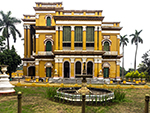 "+
"
"+
"  "+
"
"+
"  "+
"
"+
"  "+
"",
katramasjidbengali : "কাটরা মসজিদঃ-কাটরা মসজিদ মুর্শিদাবাদের সবথেকে বড় মসজিদ। কাটরা মানে বাজার। মসজিদের কাছে আগে একটা বাজার ছিল তাই এটার নাম কাটরা মসজিদ। ১৭২৩ থেকে ১৭২৪ সালের মধ্যে এটার নির্মাণকার্য শেষ হয়। মুর্শিদকুলি খাঁ ঢাকা থেকে ১৭১৭ খ্রিষ্টাব্দে রাজধানী স্থানান্তরিত করেন। তাঁর নিজের নামানুসারে নতুন রাজধানীর নামকরণ করেন মুর্শিদাবাদ। কাটরা মসজিদ নতুন রাজধানীর জামে মসজিদ হিসেবে নির্মিত হয়। বৃদ্ধাবস্থায় মুর্শিদ কুলি খাঁ তার সমাধি একটি মসজিদের পাশে হোক, এ ইচ্ছা প্রকাশ করেন। তাই তিনি মসজিদটা নির্মাণের ভার দেন তাঁর বিশ্বস্ত কারিগর মুরাদ ফরাস খাঁ এর উপর। এর সবচেয়ে লক্ষণীয় বিষয় হল দুদিকের দুটো উঁচু টাওয়ার, যেগুলোতে বন্দুক স্থাপনের জন্যে জানালা রয়েছে। ইট দিয়ে তৈরি মসজিদটা একটা চৌকো প্ল্যাটফর্মের ওপর অবস্থিত এবং সুদৃশ্য গম্বুজ ও খিলান দ্বারা বেষ্টিত। রয়েছে চারকোণায় চারটে বিশাল মিনার। মিনারগুলোর আকৃতি অষ্টভূজাকৃতি এবং এগুলো ক্রমশ উপরের দিকে সরু হয়ে গেছে। প্রত্যেক মিনারে একটা করে প্যাঁচানো সিঁড়ি আছে। একজন দর্শনার্থী মিনারের উপরের থেকে মুর্শিদাবাদ শহরের অনেকটা দেখতে পারেন। তবে এই মিনারগুলো কালের প্রবাহে জরাজীর্ণ আর তাই মিনারে ওঠা বন্ধ করে দিয়েছে। তখনকার দিনে যারা কোরান পড়তো মসজিদটা তাদের জন্য নির্মিত হয়েছিলো। মসজিদের কুঠুরিগুলো দোতলা এবং প্রত্যেক ঘরের মাপ ২০ বর্গফুট। প্রত্যেক কক্ষে প্রায় ৭০০ জন লোক কোরান পড়তে পারতো আর তাই কক্ষগুলোর সামনে চত্বর বা আঙিনা বিদ্যমান ছিল। ১৮৯৭ সালে ভূমিকম্পের কারণে এর মিনার, গম্বুজ ও সামগ্রিকভাবে মসজিদটা ক্ষতিগ্রস্ত হয়েছিল যা আজও ঠিক করা যায়নি। মসজিদের প্রবেশদ্বার পূর্ব দিক থেকে এবং চৌদ্দটা সিঁড়ির ধাপ পেরিয়ে মসজিদে প্রবেশ করতে হয়। এই সিঁড়িগুলোর নিচে মুর্শিদকুলি খাঁ এর সমাধি অবস্থিত। এটা নবাব মুর্শিদকুলি খাঁ এর ইচ্ছা অনুসারে করা হয়, যিনি তার পাপকর্মের জন্য অনুতপ্ত ছিলেন। মসজিদটা তৈরি করার সময় মুরাদ ফরাস খাঁ অনেক মন্দির ভেঙে তার বিভিন্ন অংশ মসজিদের কাজে লাগান। এসব পাপকর্ম ও অন্য ধর্মের প্রতি সহনশীলতা, যা এক নবাবের থাকা উচিৎ, তা মুর্শিদকুলি খাঁ দেখাননি বা মসজিদের প্রয়োজনে চোখ বুজে সহ্য করেছেন। আরও অনেক অত্যাচার তিনি করেছিলেন যার জন্যে বৃদ্ধ বয়সে তিনি অনুতপ্ত ছিলেন। আর সেই কারণে তিনি এমন এক স্থানে সমাহিত হতে চেয়েছিলেন, যেখানে তিনি মসজিদে প্রবেশকারী প্রতিটি মানুষের পায়ের নীচের ধুলো পাবেন। মসজিদে ২০০০ জন নামাজ পড়তে পারতেন ও তার জন্যে মেঝেতে ২০০০টা চতুর্ভুজাকৃতি মাদুর চিত্রিত রয়েছে। বর্তমানে এর তত্ত্বাবধান এবং রক্ষণাবেক্ষণের দায়িত্ব ভারতীয় পুরাতত্ত্ব সর্বেক্ষণ এবং পশ্চিমবঙ্গ সরকারের উপর ন্যস্ত রয়েছে। "+
"Read More..."+
"
"+
"",
katramasjidbengali : "কাটরা মসজিদঃ-কাটরা মসজিদ মুর্শিদাবাদের সবথেকে বড় মসজিদ। কাটরা মানে বাজার। মসজিদের কাছে আগে একটা বাজার ছিল তাই এটার নাম কাটরা মসজিদ। ১৭২৩ থেকে ১৭২৪ সালের মধ্যে এটার নির্মাণকার্য শেষ হয়। মুর্শিদকুলি খাঁ ঢাকা থেকে ১৭১৭ খ্রিষ্টাব্দে রাজধানী স্থানান্তরিত করেন। তাঁর নিজের নামানুসারে নতুন রাজধানীর নামকরণ করেন মুর্শিদাবাদ। কাটরা মসজিদ নতুন রাজধানীর জামে মসজিদ হিসেবে নির্মিত হয়। বৃদ্ধাবস্থায় মুর্শিদ কুলি খাঁ তার সমাধি একটি মসজিদের পাশে হোক, এ ইচ্ছা প্রকাশ করেন। তাই তিনি মসজিদটা নির্মাণের ভার দেন তাঁর বিশ্বস্ত কারিগর মুরাদ ফরাস খাঁ এর উপর। এর সবচেয়ে লক্ষণীয় বিষয় হল দুদিকের দুটো উঁচু টাওয়ার, যেগুলোতে বন্দুক স্থাপনের জন্যে জানালা রয়েছে। ইট দিয়ে তৈরি মসজিদটা একটা চৌকো প্ল্যাটফর্মের ওপর অবস্থিত এবং সুদৃশ্য গম্বুজ ও খিলান দ্বারা বেষ্টিত। রয়েছে চারকোণায় চারটে বিশাল মিনার। মিনারগুলোর আকৃতি অষ্টভূজাকৃতি এবং এগুলো ক্রমশ উপরের দিকে সরু হয়ে গেছে। প্রত্যেক মিনারে একটা করে প্যাঁচানো সিঁড়ি আছে। একজন দর্শনার্থী মিনারের উপরের থেকে মুর্শিদাবাদ শহরের অনেকটা দেখতে পারেন। তবে এই মিনারগুলো কালের প্রবাহে জরাজীর্ণ আর তাই মিনারে ওঠা বন্ধ করে দিয়েছে। তখনকার দিনে যারা কোরান পড়তো মসজিদটা তাদের জন্য নির্মিত হয়েছিলো। মসজিদের কুঠুরিগুলো দোতলা এবং প্রত্যেক ঘরের মাপ ২০ বর্গফুট। প্রত্যেক কক্ষে প্রায় ৭০০ জন লোক কোরান পড়তে পারতো আর তাই কক্ষগুলোর সামনে চত্বর বা আঙিনা বিদ্যমান ছিল। ১৮৯৭ সালে ভূমিকম্পের কারণে এর মিনার, গম্বুজ ও সামগ্রিকভাবে মসজিদটা ক্ষতিগ্রস্ত হয়েছিল যা আজও ঠিক করা যায়নি। মসজিদের প্রবেশদ্বার পূর্ব দিক থেকে এবং চৌদ্দটা সিঁড়ির ধাপ পেরিয়ে মসজিদে প্রবেশ করতে হয়। এই সিঁড়িগুলোর নিচে মুর্শিদকুলি খাঁ এর সমাধি অবস্থিত। এটা নবাব মুর্শিদকুলি খাঁ এর ইচ্ছা অনুসারে করা হয়, যিনি তার পাপকর্মের জন্য অনুতপ্ত ছিলেন। মসজিদটা তৈরি করার সময় মুরাদ ফরাস খাঁ অনেক মন্দির ভেঙে তার বিভিন্ন অংশ মসজিদের কাজে লাগান। এসব পাপকর্ম ও অন্য ধর্মের প্রতি সহনশীলতা, যা এক নবাবের থাকা উচিৎ, তা মুর্শিদকুলি খাঁ দেখাননি বা মসজিদের প্রয়োজনে চোখ বুজে সহ্য করেছেন। আরও অনেক অত্যাচার তিনি করেছিলেন যার জন্যে বৃদ্ধ বয়সে তিনি অনুতপ্ত ছিলেন। আর সেই কারণে তিনি এমন এক স্থানে সমাহিত হতে চেয়েছিলেন, যেখানে তিনি মসজিদে প্রবেশকারী প্রতিটি মানুষের পায়ের নীচের ধুলো পাবেন। মসজিদে ২০০০ জন নামাজ পড়তে পারতেন ও তার জন্যে মেঝেতে ২০০০টা চতুর্ভুজাকৃতি মাদুর চিত্রিত রয়েছে। বর্তমানে এর তত্ত্বাবধান এবং রক্ষণাবেক্ষণের দায়িত্ব ভারতীয় পুরাতত্ত্ব সর্বেক্ষণ এবং পশ্চিমবঙ্গ সরকারের উপর ন্যস্ত রয়েছে। "+
"Read More..."+
" "+
"
"+
"  "+
"
"+
"  "+
"
"+
"  "+
"
"+
"  "+
"
"+
"  "+
"
"+
"  "+
"
"+
"  "+
"",
khosBagbengali : "খোশবাগঃ-গঙ্গা পেরিয়ে চললাম খোশবাগ। আমার অনেক অনুভব এর সঙ্গে জড়িত। মুর্শিদাবাদকে ইতিহাসের আলোকে নিয়ে আসে সম্ভবত এই খোশবাগই। দেখেই মনের মধ্যে যেন এক কাঁপুনি লাগল, এক অযাচিত আশঙ্কা যেন মনের মধ্যে তোলপাড় করতে লাগল। মনে পড়ে যাচ্ছে আমার আগের খোশবাগ ভ্রমণগুলোর কথা। যাই হোক টিকিট কেটে গাইড নিয়ে চললাম দর্শন করতে। রহস্য নামক একটা শব্দ আর খোশবাগ যেন একে অপরের পরিপূরক। রহস্যের গন্ধ যেখানে বিদ্যমান থাকে সেখানে মানুষ বরাবরই ছুটে যায় তার স্বাদ আস্বাদনে। খোশবাগ সমাধি কেন্দ্রের অধিকাংশ সমাধির ওপরে প্রস্তরফলক নেই কেন ? সিরাজদৌল্লাকে খুন করে তার মৃতদেহ নিয়ে রোডশো করে কি এখানে কবর দিয়ে গেলেন মীরজাফর ? ঘসেটি বেগমকে তো জলে ডুবিয়ে মারা হয়েছিল। তাহলে কে জল থেকে তুলে এনে এখানে কবর দিল ? পুরো পরিবার যখন ঢাকার জেলে বন্দী তখন কে দিল এই কবরগুলো ? এ রকম হাজারো প্রশ্নের মুখে দাঁড়িয়ে মুর্শিদাবাদের ইতিহাস। যদিও ইতিহাস এই দাবিগুলোর মান্যতা দেয় না। তবু মনের মধ্যে একটা দ্বন্দ্ব থেকেই যায়। খোশবাগ সিরাজদৌল্লার পরিবারের পারিবারিক সমাধি। খুশবুর বাগান অথবা খুশির বাগান। খোশবাগের নামকরণের কারণ যেটাই হয়ে থাকুক না কেন, ফুলের সুগন্ধ খোশবাগে বিচরণ করলেও খুশি কখনোই ছিল না। অষ্টাদশ শতাব্দীর মধ্য ভাগে নিদারুণ দুঃখের সাগরে ভেসে গেছিল এই খোশবাগ। বর্তমানে বৃক্ষের ছায়াতলে নবাবের পরিবার চির শান্তিতে দিন যাপন করেন। নবাব আলিবর্দী খাঁ, নবাব সিরাজদৌল্লা, বেগম লুৎফুন্নিসা ও নবাব পরিবারের অনেকেই এখানে সমাহিত আছেন। নবাব আলীবর্দী খাঁ নিজ সমাধির জন্য জীবদ্দশায় ভাগীরথীর ওপারে খোশবাগ প্রস্তুত করেছিলেন। পলাশীর প্রান্তরে মীরজাফরের বেইমানিতে পরাজয় বরণের পর নানা ঘটনার পরিক্রমায় হত্যা করা হয় নবাব সিরাজদৌল্লাকে। পরে তাকে খোশবাগে, দাদু আলীবর্দী খাঁর কবরের পাশে সমাহিত করা হয়। খোশ শব্দের অর্থ আনন্দ ও বাগ শব্দের অর্থ বাগান। অর্থাৎ আনন্দের বাগান। এর সুরক্ষার জন্য চতুর্দিকে উঁচু পাঁচিল দিয়ে বেষ্টনী গড়ে নানা প্রকারের মনোরম পুষ্পবৃক্ষাদি রোপণ করা হয়। খোশবাগে উঁচু পাথর বাধানো কবরে শুয়ে আছেন নবাব আলীবর্দী খাঁ। তার বাম পাশে শুয়ে আছেন নবাব সিরাজদৌল্লা। অনেকগুলো কবরের মধ্যে কেবল নবাব আলীবর্দী খাঁর কবর সবচেয়ে বড় ও উঁচু। নবাব সিরাজদৌল্লার কবরের পাশে পাথরে খোদাই করে নাম লিখে আলাদা করা আছে। সিরাজদৌল্লার পাশেই তার ভাই মির্জা মেহেদী, সিরাজদৌল্লার পায়ের দিকে তার স্ত্রী বেগম লুৎফুন্নিসা ও সঙ্গিনী আলেয়ার কবর রয়েছে। একইসঙ্গে খোশবাগে শুয়ে রয়েছেন নবাব নবাব আলীবর্দী খাঁর কন্যারা, নবাব সিরাজদৌল্লার পরিবারের সদস্যরা, নবাব সিরাজদৌল্লাকে হত্যাকারী মোহাম্মাদী বেগ, ইতিহাসে ধিক্কৃত গোলাম হোসেন, সিরাজদৌল্লাকে ধরিয়ে দেওয়া, ফকির, মাঝি ও তার পরিবারবর্গসহ পরবর্তীতে ঢাকা, পাটনা ও অন্যান্য জায়গায় অবস্থানরত সিরাজদৌল্লার আত্মীয়স্বজন, সিরাজের মৃত্যুর সময় শেষ দেখার ইচ্ছা বলে যাদের ডেকে আনিয়ে বিষ প্রয়োগে হত্যা করা হয়েছিল, তাদের কবর রয়েছে। খোশবাগে একটা মসজিদ রয়েছে। খোশবাগে অবস্থানকালে এই মসজিদে আলীবর্দী খাঁ নামাজ পড়তেন। চমৎকার নির্মাণশৈলীতে গড়ে তোলা খোশবাগে মূল দরজাসহ সাতটা ফটক রয়েছে। লোকমুখে প্রচলিত আছে, নবাব আলীবর্দী খাঁ খোশবাগে অবস্থানকালে এখানে বসেই ভাগীরথীর ওপারে মোতিঝিলে বড় মেয়ে ঘষেটি বেগমের বাড়ি দেখতেন। এজন্য ফটকগুলো মোতিঝিলের সোজাসুজি করে নির্মাণ করা হয়েছিল। "+
"Read More..."+
"
"+
"",
khosBagbengali : "খোশবাগঃ-গঙ্গা পেরিয়ে চললাম খোশবাগ। আমার অনেক অনুভব এর সঙ্গে জড়িত। মুর্শিদাবাদকে ইতিহাসের আলোকে নিয়ে আসে সম্ভবত এই খোশবাগই। দেখেই মনের মধ্যে যেন এক কাঁপুনি লাগল, এক অযাচিত আশঙ্কা যেন মনের মধ্যে তোলপাড় করতে লাগল। মনে পড়ে যাচ্ছে আমার আগের খোশবাগ ভ্রমণগুলোর কথা। যাই হোক টিকিট কেটে গাইড নিয়ে চললাম দর্শন করতে। রহস্য নামক একটা শব্দ আর খোশবাগ যেন একে অপরের পরিপূরক। রহস্যের গন্ধ যেখানে বিদ্যমান থাকে সেখানে মানুষ বরাবরই ছুটে যায় তার স্বাদ আস্বাদনে। খোশবাগ সমাধি কেন্দ্রের অধিকাংশ সমাধির ওপরে প্রস্তরফলক নেই কেন ? সিরাজদৌল্লাকে খুন করে তার মৃতদেহ নিয়ে রোডশো করে কি এখানে কবর দিয়ে গেলেন মীরজাফর ? ঘসেটি বেগমকে তো জলে ডুবিয়ে মারা হয়েছিল। তাহলে কে জল থেকে তুলে এনে এখানে কবর দিল ? পুরো পরিবার যখন ঢাকার জেলে বন্দী তখন কে দিল এই কবরগুলো ? এ রকম হাজারো প্রশ্নের মুখে দাঁড়িয়ে মুর্শিদাবাদের ইতিহাস। যদিও ইতিহাস এই দাবিগুলোর মান্যতা দেয় না। তবু মনের মধ্যে একটা দ্বন্দ্ব থেকেই যায়। খোশবাগ সিরাজদৌল্লার পরিবারের পারিবারিক সমাধি। খুশবুর বাগান অথবা খুশির বাগান। খোশবাগের নামকরণের কারণ যেটাই হয়ে থাকুক না কেন, ফুলের সুগন্ধ খোশবাগে বিচরণ করলেও খুশি কখনোই ছিল না। অষ্টাদশ শতাব্দীর মধ্য ভাগে নিদারুণ দুঃখের সাগরে ভেসে গেছিল এই খোশবাগ। বর্তমানে বৃক্ষের ছায়াতলে নবাবের পরিবার চির শান্তিতে দিন যাপন করেন। নবাব আলিবর্দী খাঁ, নবাব সিরাজদৌল্লা, বেগম লুৎফুন্নিসা ও নবাব পরিবারের অনেকেই এখানে সমাহিত আছেন। নবাব আলীবর্দী খাঁ নিজ সমাধির জন্য জীবদ্দশায় ভাগীরথীর ওপারে খোশবাগ প্রস্তুত করেছিলেন। পলাশীর প্রান্তরে মীরজাফরের বেইমানিতে পরাজয় বরণের পর নানা ঘটনার পরিক্রমায় হত্যা করা হয় নবাব সিরাজদৌল্লাকে। পরে তাকে খোশবাগে, দাদু আলীবর্দী খাঁর কবরের পাশে সমাহিত করা হয়। খোশ শব্দের অর্থ আনন্দ ও বাগ শব্দের অর্থ বাগান। অর্থাৎ আনন্দের বাগান। এর সুরক্ষার জন্য চতুর্দিকে উঁচু পাঁচিল দিয়ে বেষ্টনী গড়ে নানা প্রকারের মনোরম পুষ্পবৃক্ষাদি রোপণ করা হয়। খোশবাগে উঁচু পাথর বাধানো কবরে শুয়ে আছেন নবাব আলীবর্দী খাঁ। তার বাম পাশে শুয়ে আছেন নবাব সিরাজদৌল্লা। অনেকগুলো কবরের মধ্যে কেবল নবাব আলীবর্দী খাঁর কবর সবচেয়ে বড় ও উঁচু। নবাব সিরাজদৌল্লার কবরের পাশে পাথরে খোদাই করে নাম লিখে আলাদা করা আছে। সিরাজদৌল্লার পাশেই তার ভাই মির্জা মেহেদী, সিরাজদৌল্লার পায়ের দিকে তার স্ত্রী বেগম লুৎফুন্নিসা ও সঙ্গিনী আলেয়ার কবর রয়েছে। একইসঙ্গে খোশবাগে শুয়ে রয়েছেন নবাব নবাব আলীবর্দী খাঁর কন্যারা, নবাব সিরাজদৌল্লার পরিবারের সদস্যরা, নবাব সিরাজদৌল্লাকে হত্যাকারী মোহাম্মাদী বেগ, ইতিহাসে ধিক্কৃত গোলাম হোসেন, সিরাজদৌল্লাকে ধরিয়ে দেওয়া, ফকির, মাঝি ও তার পরিবারবর্গসহ পরবর্তীতে ঢাকা, পাটনা ও অন্যান্য জায়গায় অবস্থানরত সিরাজদৌল্লার আত্মীয়স্বজন, সিরাজের মৃত্যুর সময় শেষ দেখার ইচ্ছা বলে যাদের ডেকে আনিয়ে বিষ প্রয়োগে হত্যা করা হয়েছিল, তাদের কবর রয়েছে। খোশবাগে একটা মসজিদ রয়েছে। খোশবাগে অবস্থানকালে এই মসজিদে আলীবর্দী খাঁ নামাজ পড়তেন। চমৎকার নির্মাণশৈলীতে গড়ে তোলা খোশবাগে মূল দরজাসহ সাতটা ফটক রয়েছে। লোকমুখে প্রচলিত আছে, নবাব আলীবর্দী খাঁ খোশবাগে অবস্থানকালে এখানে বসেই ভাগীরথীর ওপারে মোতিঝিলে বড় মেয়ে ঘষেটি বেগমের বাড়ি দেখতেন। এজন্য ফটকগুলো মোতিঝিলের সোজাসুজি করে নির্মাণ করা হয়েছিল। "+
"Read More..."+
" "+
"
"+
"  "+
"
"+
" 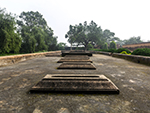 "+
"
"+
"  "+
"
"+
"  "+
"
"+
"  "+
"
"+
"  "+
"
"+
"  "+
"",
kiriteswarikalitemplebengali : "কিরিটেশ্বরী মন্দিরঃ-বিশাল ফাঁকা মাঠের মধ্যে মন্দিরের অবস্থান। আসল কিরিটেশ্বরী মন্দির ভেঙে গেছে। নতুন করে মন্দির তৈরি হয়েছে। মন্দিরে পৌষ মাসে খুব বড় মেলা বসে। এবছর করোনার জন্যে তা সম্ভব হয়নি। বাংলার এই কালী সবার। মুর্শিদাবাদের নবগ্রামের কিরীটেশ্বরী মন্দিরে হিন্দু, মুসলমান দুই সম্প্রদায়ের মানুষেরই প্রবেশের অধিকার আছে। একই সঙ্গে পুজোর দেখাশোনা করেন তাঁরা। বাংলার ইতিহাসের বহু সুখ দুঃখের সঙ্গে জড়িয়ে রয়েছে এই মন্দির। মন্দিরের সেবাইত নেপাল বন্দ্যোপাধ্যায় বলেন, দেশে যখন ধর্মীয় মেরুকরণের উদ্বেগ, তখন এখানকার মুকুন্দবাগ গ্রাম পঞ্চায়েতের বাসিন্দা প্রয়াত আবদুল হাকিম মণ্ডলের সংকল্পকে বাস্তবায়িত করতে তাঁর পুত্র জমি দান করেন মন্দিরকে। তবে ইতিহাস বলে বাংলার সংস্কৃতিতে এই ধরনের ঘটনা স্বাভাবিক। জানা যায় ১৪০৫ সালে দেবীর প্রাচীন মন্দির ভেঙে পড়ে। তার পরে ঊনবিংশ শতাব্দীতে লালগোলার রাজা দর্পনারায়ণ রায় নতুন মন্দির নির্মাণ করান। লালগোলার রাজা ভগবান রায়, মুঘল সম্রাট আকবরের থেকে এই মন্দির রক্ষণাবেক্ষণের দায়িত্ব পান। ভগবান রায়েরই বংশধর ছিলেন দর্পনারায়ণ। মন্দিরটা হ’ল হিন্দুধর্মের শাক্ত মতের পবিত্র তীর্থ শক্তিপীঠগুলোর অন্যতম। লালবাগ স্টেশনের থেকে কিছুটা দূরে কিরীটকণা গ্রামে মন্দিরের অবস্থান। রাঢ় বাংলার প্রাচীন পীঠস্থানগুলোর মধ্যে কিরীটকণা অন্যতম। যদিও বর্তমান মন্দিরটা বেশি পুরানো নয়। কিরীটেশ্বরী মন্দিরের চারিদিকে অনেক ছোট ছোট মন্দির আছে যার মধ্যে একটা চারচালা মন্দিরকে সপ্তদশ শতাব্দীর তৈরি বলে মনে করা হয়। দেবীর প্রাচীন মন্দিরের ধ্বংসাবশেষও নবনির্মিত মন্দিরের সামনে অবস্থান করছে। তান্ত্রিকমতে, এখানে দেবী দাক্ষায়ণী সতীর কিরীট অর্থাৎ মুকুটের চূড়া পড়েছিল। যেহেতু এখানে দেবীর কোনও অঙ্গ পতিত হয়নি, তাই এই স্থানকে অনেকে পূর্ণপীঠ না বলে উপপীঠ বলে থাকেন। এই পীঠে দেবী বিমলা এবং তার ভৈরব, সম্বর্ত নামে পূজিত হন। লোকবিশ্বাস অনুসারে, শক্তিপীঠ নামাঙ্কিত তীর্থগুলোতে দেবী সতীর দেহের নানান অঙ্গ ও অলঙ্কার পাথর অবস্থায় রয়েছে। শক্তি অর্থাৎ প্রত্যেক পীঠস্থানের পূজিতা দেবী, যিনি দাক্ষায়ণী, দুর্গা বা পার্বতীর বিভিন্ন রূপ। ভৈরব অর্থাৎ ঐ দেবীর স্বামী বা সঙ্গী, যারা প্রত্যেকেই শিবের বিভিন্ন রূপ। দেহ খণ্ড বা অলঙ্কার অর্থাৎ সতী দেবীর শরীরের বিভিন্ন অংশ বা অলঙ্কার যা ভগবান বিষ্ণুর সুদর্শন চক্র দ্বারা বিচ্ছিন্ন হবার পর সেই পীঠস্থানে পতিত হয়েছিল। সাধারণতঃ ৫১টা শক্তিপীঠের কথা বলা হয়ে থাকলেও, শাস্ত্রভেদে পীঠের সংখ্যা ও অবস্থান নিয়ে মতভেদ আছে। শাক্ত ধর্মে এই স্থান একটা প্রাচীন মহাপীঠ হিসাবে প্রসিদ্ধ। পাঠান মুঘল শাসনকালেও এই স্থানের খ্যাতি ছিল। ব্রিটিশ মানচিত্রকার রেনেল সাহেবে কাশিমবাজার দ্বীপের মানচিত্রে কিরীটকোণাকে তীরতকোণা বলে উল্লেখ করা হয়েছে। মন্দিরে দেবীর কোনও মূর্তি নেই। একটা উঁচু পাথরের ওপর বেদী আছে আর সেই বেদীর ওপর আর একটা ছোট বেদী আছে, যাকে দেবীর কিরীট বলে পূজা করা হয়। রাজা রাজবল্লভের প্রতিষ্ঠিত শিবমন্দিরও এখানে আছে। গ্রামের মধ্যে গুপ্তমঠ নামে এক নতুন মন্দিরে কিরীটেশ্বরীর পূজার ব্যবস্থা আছে। নাটোরের সাধনা অনুরাগী রাজা রামকৃষ্ণ বড়ানগর থেকে এখানে আসতেন। এখনও মন্দিরপ্রাঙ্গণে দুটো পাথর দেখা যায়, যার উপর বসে রাজা রামকৃষ্ণ সাধনা করতেন। অনেকের মতে দেবীর ভৈরব বলে যে মূর্তি পূজা করা হয়, সেটা আসলে একটি বৌদ্ধমূর্তি। যা রাঢ়ের এই অঞ্চলের সঙ্গে বৌদ্ধ সংস্কৃতির সহাবস্থানের পরিচয় দেয়। ভাগীরথী নদীর তীরে এই দেবস্থানে কালীপূজোর দিন হাজার হাজার শাক্ত বিশ্বাসীর সমাগম হয়। দুর্গা পুজো, কালী পুজো ছাড়াও এখানে দেবীর বিশেষ পুজো হয় মাঘ মাসের রটন্তী অমাবস্যায়। পৌষ মাসের প্রতি মঙ্গলবার এখানে একটা বিশেষ মেলা বসে। এই মেলা রাজা দর্পনারায়ণের কাল থেকে চলে আসছে। মন্দির নিয়ে অনেক কাহিনীও প্রচলিত আছে। একটা কাহিনী থেকে জানা যায়, পলাশীর যুদ্ধের পর যখন মীরজাফর, নবাব সিরাজদৌল্লার বিরুদ্ধে যড়যন্ত্র করে, নবাবের অন্যতম সঙ্গী রাজা রাজবল্লভকে ডুবিয়ে মারেন, সেই দিন এই মন্দিরের এক শিবলিঙ্গ নাকি নিজে থেকেই ফেটে গিয়েছিল। কথিত আছে মীর জাফর আলী খান শেষ জীবনে কুষ্ঠরোগগ্রস্ত হয়েছিলেন। তিনি তখন নাকি অনুশোচনায় দগ্ধ হচ্ছেন। তার হিন্দু দেওয়ানের পরামর্শ অনুযায়ী কিরীটেশ্বরী দেবীর চরণামৃত পান করার ইচ্ছা প্রকাশ করেছিলেন। তাঁর বিশ্বাস জন্মায়, দেবীর চরণামৃত পান করলে তিনি রোগমুক্ত হবেন। দেবীর চরণামৃত যখন তাঁর কাছে পৌঁছয়, তখন সুবে বাংলার নবাব শেষ নিশ্বাস নিচ্ছেন। দেবীর চরণামৃত মুখে নিয়েই নাকি প্রয়াত হন বাংলার ইতিহাসের অন্যতম বিতর্কিত চরিত্র মীরজাফর। লোক মুখে চলে আসা এই সব কাহিনী সত্যমিথ্যা যাই হোক, অনেক আগে থেকেই দেবী কিরীটেশ্বরীকে বাংলার হিন্দু মুসলমান তাদের নিজেদের অংশ বলেই ভেবেছে। "+
"Read More..."+
"
"+
"",
kiriteswarikalitemplebengali : "কিরিটেশ্বরী মন্দিরঃ-বিশাল ফাঁকা মাঠের মধ্যে মন্দিরের অবস্থান। আসল কিরিটেশ্বরী মন্দির ভেঙে গেছে। নতুন করে মন্দির তৈরি হয়েছে। মন্দিরে পৌষ মাসে খুব বড় মেলা বসে। এবছর করোনার জন্যে তা সম্ভব হয়নি। বাংলার এই কালী সবার। মুর্শিদাবাদের নবগ্রামের কিরীটেশ্বরী মন্দিরে হিন্দু, মুসলমান দুই সম্প্রদায়ের মানুষেরই প্রবেশের অধিকার আছে। একই সঙ্গে পুজোর দেখাশোনা করেন তাঁরা। বাংলার ইতিহাসের বহু সুখ দুঃখের সঙ্গে জড়িয়ে রয়েছে এই মন্দির। মন্দিরের সেবাইত নেপাল বন্দ্যোপাধ্যায় বলেন, দেশে যখন ধর্মীয় মেরুকরণের উদ্বেগ, তখন এখানকার মুকুন্দবাগ গ্রাম পঞ্চায়েতের বাসিন্দা প্রয়াত আবদুল হাকিম মণ্ডলের সংকল্পকে বাস্তবায়িত করতে তাঁর পুত্র জমি দান করেন মন্দিরকে। তবে ইতিহাস বলে বাংলার সংস্কৃতিতে এই ধরনের ঘটনা স্বাভাবিক। জানা যায় ১৪০৫ সালে দেবীর প্রাচীন মন্দির ভেঙে পড়ে। তার পরে ঊনবিংশ শতাব্দীতে লালগোলার রাজা দর্পনারায়ণ রায় নতুন মন্দির নির্মাণ করান। লালগোলার রাজা ভগবান রায়, মুঘল সম্রাট আকবরের থেকে এই মন্দির রক্ষণাবেক্ষণের দায়িত্ব পান। ভগবান রায়েরই বংশধর ছিলেন দর্পনারায়ণ। মন্দিরটা হ’ল হিন্দুধর্মের শাক্ত মতের পবিত্র তীর্থ শক্তিপীঠগুলোর অন্যতম। লালবাগ স্টেশনের থেকে কিছুটা দূরে কিরীটকণা গ্রামে মন্দিরের অবস্থান। রাঢ় বাংলার প্রাচীন পীঠস্থানগুলোর মধ্যে কিরীটকণা অন্যতম। যদিও বর্তমান মন্দিরটা বেশি পুরানো নয়। কিরীটেশ্বরী মন্দিরের চারিদিকে অনেক ছোট ছোট মন্দির আছে যার মধ্যে একটা চারচালা মন্দিরকে সপ্তদশ শতাব্দীর তৈরি বলে মনে করা হয়। দেবীর প্রাচীন মন্দিরের ধ্বংসাবশেষও নবনির্মিত মন্দিরের সামনে অবস্থান করছে। তান্ত্রিকমতে, এখানে দেবী দাক্ষায়ণী সতীর কিরীট অর্থাৎ মুকুটের চূড়া পড়েছিল। যেহেতু এখানে দেবীর কোনও অঙ্গ পতিত হয়নি, তাই এই স্থানকে অনেকে পূর্ণপীঠ না বলে উপপীঠ বলে থাকেন। এই পীঠে দেবী বিমলা এবং তার ভৈরব, সম্বর্ত নামে পূজিত হন। লোকবিশ্বাস অনুসারে, শক্তিপীঠ নামাঙ্কিত তীর্থগুলোতে দেবী সতীর দেহের নানান অঙ্গ ও অলঙ্কার পাথর অবস্থায় রয়েছে। শক্তি অর্থাৎ প্রত্যেক পীঠস্থানের পূজিতা দেবী, যিনি দাক্ষায়ণী, দুর্গা বা পার্বতীর বিভিন্ন রূপ। ভৈরব অর্থাৎ ঐ দেবীর স্বামী বা সঙ্গী, যারা প্রত্যেকেই শিবের বিভিন্ন রূপ। দেহ খণ্ড বা অলঙ্কার অর্থাৎ সতী দেবীর শরীরের বিভিন্ন অংশ বা অলঙ্কার যা ভগবান বিষ্ণুর সুদর্শন চক্র দ্বারা বিচ্ছিন্ন হবার পর সেই পীঠস্থানে পতিত হয়েছিল। সাধারণতঃ ৫১টা শক্তিপীঠের কথা বলা হয়ে থাকলেও, শাস্ত্রভেদে পীঠের সংখ্যা ও অবস্থান নিয়ে মতভেদ আছে। শাক্ত ধর্মে এই স্থান একটা প্রাচীন মহাপীঠ হিসাবে প্রসিদ্ধ। পাঠান মুঘল শাসনকালেও এই স্থানের খ্যাতি ছিল। ব্রিটিশ মানচিত্রকার রেনেল সাহেবে কাশিমবাজার দ্বীপের মানচিত্রে কিরীটকোণাকে তীরতকোণা বলে উল্লেখ করা হয়েছে। মন্দিরে দেবীর কোনও মূর্তি নেই। একটা উঁচু পাথরের ওপর বেদী আছে আর সেই বেদীর ওপর আর একটা ছোট বেদী আছে, যাকে দেবীর কিরীট বলে পূজা করা হয়। রাজা রাজবল্লভের প্রতিষ্ঠিত শিবমন্দিরও এখানে আছে। গ্রামের মধ্যে গুপ্তমঠ নামে এক নতুন মন্দিরে কিরীটেশ্বরীর পূজার ব্যবস্থা আছে। নাটোরের সাধনা অনুরাগী রাজা রামকৃষ্ণ বড়ানগর থেকে এখানে আসতেন। এখনও মন্দিরপ্রাঙ্গণে দুটো পাথর দেখা যায়, যার উপর বসে রাজা রামকৃষ্ণ সাধনা করতেন। অনেকের মতে দেবীর ভৈরব বলে যে মূর্তি পূজা করা হয়, সেটা আসলে একটি বৌদ্ধমূর্তি। যা রাঢ়ের এই অঞ্চলের সঙ্গে বৌদ্ধ সংস্কৃতির সহাবস্থানের পরিচয় দেয়। ভাগীরথী নদীর তীরে এই দেবস্থানে কালীপূজোর দিন হাজার হাজার শাক্ত বিশ্বাসীর সমাগম হয়। দুর্গা পুজো, কালী পুজো ছাড়াও এখানে দেবীর বিশেষ পুজো হয় মাঘ মাসের রটন্তী অমাবস্যায়। পৌষ মাসের প্রতি মঙ্গলবার এখানে একটা বিশেষ মেলা বসে। এই মেলা রাজা দর্পনারায়ণের কাল থেকে চলে আসছে। মন্দির নিয়ে অনেক কাহিনীও প্রচলিত আছে। একটা কাহিনী থেকে জানা যায়, পলাশীর যুদ্ধের পর যখন মীরজাফর, নবাব সিরাজদৌল্লার বিরুদ্ধে যড়যন্ত্র করে, নবাবের অন্যতম সঙ্গী রাজা রাজবল্লভকে ডুবিয়ে মারেন, সেই দিন এই মন্দিরের এক শিবলিঙ্গ নাকি নিজে থেকেই ফেটে গিয়েছিল। কথিত আছে মীর জাফর আলী খান শেষ জীবনে কুষ্ঠরোগগ্রস্ত হয়েছিলেন। তিনি তখন নাকি অনুশোচনায় দগ্ধ হচ্ছেন। তার হিন্দু দেওয়ানের পরামর্শ অনুযায়ী কিরীটেশ্বরী দেবীর চরণামৃত পান করার ইচ্ছা প্রকাশ করেছিলেন। তাঁর বিশ্বাস জন্মায়, দেবীর চরণামৃত পান করলে তিনি রোগমুক্ত হবেন। দেবীর চরণামৃত যখন তাঁর কাছে পৌঁছয়, তখন সুবে বাংলার নবাব শেষ নিশ্বাস নিচ্ছেন। দেবীর চরণামৃত মুখে নিয়েই নাকি প্রয়াত হন বাংলার ইতিহাসের অন্যতম বিতর্কিত চরিত্র মীরজাফর। লোক মুখে চলে আসা এই সব কাহিনী সত্যমিথ্যা যাই হোক, অনেক আগে থেকেই দেবী কিরীটেশ্বরীকে বাংলার হিন্দু মুসলমান তাদের নিজেদের অংশ বলেই ভেবেছে। "+
"Read More..."+
" "+
"
"+
"  "+
"
"+
"  "+
"
"+
" 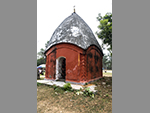 "+
"
"+
"  "+
"",
mirjaforsamadhibengali : "মীরজাফর ও তার বংশধরদের সমাধিঃ-বিতর্ক ও মতভেদ ইতিহাসের চিরন্তন অঙ্গ। মুর্শিদাবাদ ভ্রমণে এই ব্যাপারটা বারবার অনুভব করা যায় যে সব তথ্যেরই দুটো বা তিনটে মত আছে। তবে যাকে নিয়ে কোনও মতভেদ নেই, তিনি মীর জাফর আলী খান বাহাদুর। ইতিহাসে তিনি বিশ্বাসঘাতক মীরজাফর হিসেবে কুখ্যাত। এই কমপ্লেক্সটা আর্কিওলজিক্যাল সার্ভে দেখাশুনো করে না কারণ মীরজাফরের বর্তমান বংশধররা এটা আর্কিওলজিক্যাল সার্ভেকে দিতে অস্বীকার করেন। ওখানকার লোকজন বলেন এটা আগে যারা দেখাশুনো করতেন বর্তমানে তাঁদের বংশধররাই এখনও দেখাশুনা করেন। আগে এটা দেখাশুনো করার জন্যে মোটা টাকা মাইনে পেত। যার পরিমাণ পাঁচ টাকা। তবে তাঁদের মাইনে আজও পাঁচ টাকাই রয়ে গেছে। মুর্শিদাবাদ শহরের উপকণ্ঠে জাফরাগঞ্জে মীরজাফর ও তাঁর বংশধরদের কবর রয়েছে। এটা মীরজাফরের ব্যক্তিগত কবরস্থান। কবরস্থানে মীরজাফরের পুত্র মিরণ ও কন্যা, নবাব মীর কাশিমের স্ত্রী ফাতেমা বেগম ব্যতীত তাঁর পরিবারের প্রায় সবার কবরই রয়েছে। তাই এটা মীরজাফরের ১১০০ বংশধরদের কবরস্থান নামেও পরিচিত। মীরজাফর, যার সম্পূর্ণ নাম সৈয়দ মীর জাফর আলী খান। ইংরেজ প্রভাবিত বাংলার একজন নবাব। তাঁর শাসনকালে ভারতে কোম্পানির শাসন প্রতিষ্ঠার শুরু এবং সমগ্র উপমহাদেশে ব্রিটিশ সাম্রাজ্য বিস্তারের ইতিহাসে একটা গুরুত্বপূর্ণ ধাপ। ভূতপূর্ব নবাব সিরাজদৌলা নদীয়ায় পলাশীর কাছে যুদ্ধে পরাজিত ও নিহত হন। মীর জাফর ছিলেন সেই যুদ্ধের প্রধান সেনাপতি। তার অধীনের সৈন্যবাহিনী যুদ্ধে অংশগ্রহণ না করার জন্য নবাবকে পরাজয় বরণ করতে হয়। ইংরেজদের সাথে মীর জাফরের পূর্বেই এই মর্মে একটি চুক্তি ছিল যে, যুদ্ধে ইংরেজরা জয়ী হলে মীর জাফর হবেন বাংলা, বিহার ও উড়িষ্যার নবাব। বিনিময়ে মীর জাফর ইস্ট ইণ্ডিয়া কোম্পানিকে পাঁচ লক্ষ পাউন্ড ও কলকাতায় বসবাসকারী ইউরোপীয়দের আড়াই লক্ষ পাউন্ড প্রদান করবেন। ১৭৫৭ সালে নবাব সিরাজদৌল্লা পরাজিত, সিংহাসনচ্যুত ও নিহত হলে মীর জাফর বাংলার নবাব হন। কিন্তু ব্রিটিশদের দাবীকৃত বিপুল অর্থের যোগান দিতে তিনি সমর্থ হননি। ১৭৫৮ সালে রবার্ট ক্লাইভ তার প্রতিনিধি খোজা ওয়াজিদের মাধ্যমে জানতে পারেন যে, মীর জাফর চুচুড়ায় ওলন্দাজদের সাথে একটি চুক্তি করেছেন। তখন হুগলী নদীতে ওলন্দাজ জাহাজের আনাগোনা দেখতে পাওয়া যায়। এসব কিছু চুঁচুড়া যুদ্ধের পটভূমি সৃষ্টি করে। ব্রিটিশ কর্মকর্তা হেনরি ভেন্সিটার্ট মীর জাফরের কাজে সহায়তা করার জন্য তার জামাতা মীর কাশিমকে বাংলার সহকারী সুবাদার নিয়োগ করার জন্য প্রস্তাব করেন। ১৭৬০ সালে কোম্পানি মীর জাফরকে মীর কাশিমের নিকট ক্ষমতা অর্পণ করতে বাধ্য করে। মীর কাশিম ছিলেন একজন স্বাধীনচেতা ব্যক্তি এবং তিনি বাংলাকে স্বাধীনভাবে শাসন করার ইচ্ছা পোষণ করতেন। ফলশ্রুতিতে ইংরেজদের সাথে তার দ্বন্দ্ব শুরু হয় এবং ১৭৬৩ সালে তাকে ক্ষমতাচ্যুত করে পুনরায় মীর জাফরকে নবাব করা হয়। ক্ষমতাচ্যুত নবাব এই সিদ্ধান্ত মেনে নেননি। বরং তিনি কোম্পানির বিরুদ্ধে যুদ্ধে অবতীর্ণ হন। মীর জাফর ১৭৬৫ সালের ৫ ফেব্রুয়ারি তার মৃত্যুর আগে পর্যন্ত ক্ষমতায় ছিলেন। বর্তমানে ভারতীয় উপমহাদেশে মীর জাফর নামটা বিশ্বাসঘাতকতার প্রতীক হিসেবে ব্যবহৃত হয়। "+
"Read More..."+
"
"+
"",
mirjaforsamadhibengali : "মীরজাফর ও তার বংশধরদের সমাধিঃ-বিতর্ক ও মতভেদ ইতিহাসের চিরন্তন অঙ্গ। মুর্শিদাবাদ ভ্রমণে এই ব্যাপারটা বারবার অনুভব করা যায় যে সব তথ্যেরই দুটো বা তিনটে মত আছে। তবে যাকে নিয়ে কোনও মতভেদ নেই, তিনি মীর জাফর আলী খান বাহাদুর। ইতিহাসে তিনি বিশ্বাসঘাতক মীরজাফর হিসেবে কুখ্যাত। এই কমপ্লেক্সটা আর্কিওলজিক্যাল সার্ভে দেখাশুনো করে না কারণ মীরজাফরের বর্তমান বংশধররা এটা আর্কিওলজিক্যাল সার্ভেকে দিতে অস্বীকার করেন। ওখানকার লোকজন বলেন এটা আগে যারা দেখাশুনো করতেন বর্তমানে তাঁদের বংশধররাই এখনও দেখাশুনা করেন। আগে এটা দেখাশুনো করার জন্যে মোটা টাকা মাইনে পেত। যার পরিমাণ পাঁচ টাকা। তবে তাঁদের মাইনে আজও পাঁচ টাকাই রয়ে গেছে। মুর্শিদাবাদ শহরের উপকণ্ঠে জাফরাগঞ্জে মীরজাফর ও তাঁর বংশধরদের কবর রয়েছে। এটা মীরজাফরের ব্যক্তিগত কবরস্থান। কবরস্থানে মীরজাফরের পুত্র মিরণ ও কন্যা, নবাব মীর কাশিমের স্ত্রী ফাতেমা বেগম ব্যতীত তাঁর পরিবারের প্রায় সবার কবরই রয়েছে। তাই এটা মীরজাফরের ১১০০ বংশধরদের কবরস্থান নামেও পরিচিত। মীরজাফর, যার সম্পূর্ণ নাম সৈয়দ মীর জাফর আলী খান। ইংরেজ প্রভাবিত বাংলার একজন নবাব। তাঁর শাসনকালে ভারতে কোম্পানির শাসন প্রতিষ্ঠার শুরু এবং সমগ্র উপমহাদেশে ব্রিটিশ সাম্রাজ্য বিস্তারের ইতিহাসে একটা গুরুত্বপূর্ণ ধাপ। ভূতপূর্ব নবাব সিরাজদৌলা নদীয়ায় পলাশীর কাছে যুদ্ধে পরাজিত ও নিহত হন। মীর জাফর ছিলেন সেই যুদ্ধের প্রধান সেনাপতি। তার অধীনের সৈন্যবাহিনী যুদ্ধে অংশগ্রহণ না করার জন্য নবাবকে পরাজয় বরণ করতে হয়। ইংরেজদের সাথে মীর জাফরের পূর্বেই এই মর্মে একটি চুক্তি ছিল যে, যুদ্ধে ইংরেজরা জয়ী হলে মীর জাফর হবেন বাংলা, বিহার ও উড়িষ্যার নবাব। বিনিময়ে মীর জাফর ইস্ট ইণ্ডিয়া কোম্পানিকে পাঁচ লক্ষ পাউন্ড ও কলকাতায় বসবাসকারী ইউরোপীয়দের আড়াই লক্ষ পাউন্ড প্রদান করবেন। ১৭৫৭ সালে নবাব সিরাজদৌল্লা পরাজিত, সিংহাসনচ্যুত ও নিহত হলে মীর জাফর বাংলার নবাব হন। কিন্তু ব্রিটিশদের দাবীকৃত বিপুল অর্থের যোগান দিতে তিনি সমর্থ হননি। ১৭৫৮ সালে রবার্ট ক্লাইভ তার প্রতিনিধি খোজা ওয়াজিদের মাধ্যমে জানতে পারেন যে, মীর জাফর চুচুড়ায় ওলন্দাজদের সাথে একটি চুক্তি করেছেন। তখন হুগলী নদীতে ওলন্দাজ জাহাজের আনাগোনা দেখতে পাওয়া যায়। এসব কিছু চুঁচুড়া যুদ্ধের পটভূমি সৃষ্টি করে। ব্রিটিশ কর্মকর্তা হেনরি ভেন্সিটার্ট মীর জাফরের কাজে সহায়তা করার জন্য তার জামাতা মীর কাশিমকে বাংলার সহকারী সুবাদার নিয়োগ করার জন্য প্রস্তাব করেন। ১৭৬০ সালে কোম্পানি মীর জাফরকে মীর কাশিমের নিকট ক্ষমতা অর্পণ করতে বাধ্য করে। মীর কাশিম ছিলেন একজন স্বাধীনচেতা ব্যক্তি এবং তিনি বাংলাকে স্বাধীনভাবে শাসন করার ইচ্ছা পোষণ করতেন। ফলশ্রুতিতে ইংরেজদের সাথে তার দ্বন্দ্ব শুরু হয় এবং ১৭৬৩ সালে তাকে ক্ষমতাচ্যুত করে পুনরায় মীর জাফরকে নবাব করা হয়। ক্ষমতাচ্যুত নবাব এই সিদ্ধান্ত মেনে নেননি। বরং তিনি কোম্পানির বিরুদ্ধে যুদ্ধে অবতীর্ণ হন। মীর জাফর ১৭৬৫ সালের ৫ ফেব্রুয়ারি তার মৃত্যুর আগে পর্যন্ত ক্ষমতায় ছিলেন। বর্তমানে ভারতীয় উপমহাদেশে মীর জাফর নামটা বিশ্বাসঘাতকতার প্রতীক হিসেবে ব্যবহৃত হয়। "+
"Read More..."+
" "+
"
"+
" 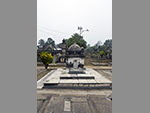 "+
"
"+
"  "+
"
"+
"  "+
"
"+
"  "+
"
"+
"  "+
"
"+
"  "+
"
"+
"  "+
"",
motijheelbengali : "মোতিঝিলঃ-বাংলার ইতিহাসে মোতিঝিল এক কালো অধ্যায়ের নাম। বাংলার স্বাধীনতার বিরুদ্ধে ষড়যন্ত্রের রূপরেখা মোতিঝিল প্রাসাদ থেকেই প্রণয়ন করা হয়েছিল। ইংরেজদের কাশিমবাজার কুঠি ও মোতিঝিলের ঘসেটি বেগমের প্রাসাদেই বাংলার স্বাধীন নবাবকে হটিয়ে ইংরেজদের অধীনস্থ মীরজাফরকে মসনদে বসানোর ষড়যন্ত্র হয়। সে ষড়যন্ত্র সফলও হয়। ইংরেজদের হাত ধরে মীরজাফর মসনদে বসেন। কিন্তু পলাশীর ষড়যন্ত্রকারীদের শেষ রক্ষা হয়নি। কথিত রয়েছে, মোতিঝিল প্রাসাদের বেগমকে নদীতে ডুবিয়ে হত্যা করা হয়। সেই মোতিঝিল আজও রয়েছে, নেই শুধু সেদিনের সেই প্রাসাদ। দামী পাথরের প্রাসাদ আজ মাটির সঙ্গে মিশে একাকার। মোতিঝিলের সেই ষড়যন্ত্র প্রাসাদ যেন আজ লজ্জায় মুখ লুকিয়েছে মাটির গভীরে। মোতিঝিল প্রাসাদের সেই জায়গাতেই বর্তমানে পলাশীর ইতিহাস নিয়ে লাইট অ্যান্ড সাউন্ড শো হয়। যেখানে একদিন ষড়যন্ত্র হয়েছিল, সেখানেই আজ সত্য উদঘাটিত। ঘসেটি আর মীরজাফর কি জানতেন, ষড়যন্ত্রের অপর নাম ঘসেটি আর বিশ্বাসঘাতকতার অপর নাম একদিন মীরজাফর হবে ? মানুষ, প্রাসাদ, ষড়যন্ত্র কিছুই স্থায়ী নয়, থাকে শুধু সত্য ও ন্যায়। মোতিঝিলের বর্তমান আয়তন এক হাজার ৫০ বিঘে। এর আশপাশের অনেক জায়গাই আজ বেদখল হয়ে গেছে। মোতিঝিল মূলত একটা বিশাল হ্রদ। এর মাঝখানে রয়েছে বিশাল ভূখণ্ড আর তিনদিকেই জল। মাঝখানের এই ভূখণ্ডে বর্তমানে একটা পার্ক বা বিনোদন কেন্দ্র তৈরি হয়েছে। এটা মুর্শিদাবাদের সবচেয়ে বড় ও জনপ্রিয় পার্ক। আগে এই বিশাল জায়গাটা পরিত্যক্তই পড়ে ছিল। মোতিঝিল পার্কের বর্তমান নাম দেওয়া হয়েছে প্রকৃতি তীর্থ। ঐতিহাসিক নমুনা বলতে এখানে রয়েছে একটা মসজিদ, সমাধিক্ষেত্র ও মোতিঝিল হ্রদ। ঘসেটির প্রাসাদ আজ নিশ্চিহ্ন। তবে মীরমদনের কামানের একটা অংশবিশেষ এখানে রাখা আছে। মূল কামানটা রয়েছে হাজার দুয়ারি প্রাসাদে। মোতিঝিলের মূল ফটক আজও রয়েছে, তবে তা ভগ্নপ্রায়। পাশেই নতুন করে গেট তৈরি করা হয়েছে। কথিত রয়েছে, মোতিঝিল থেকে একসময় খোশবাগ দেখা যেত। আজকের প্রজন্ম হারিয়ে যাওয়া ইতিহাসের সঙ্গে পরিচিত হচ্ছে এই মোতিঝিল থেকেই। একদিন যে প্রাসাদে বসে বাংলার বিরুদ্ধে, সিরাজের বিরুদ্ধে ষড়যন্ত্র হয়েছিল, তারই ধ্বংসস্তূপের উপর দাঁড়িয়ে এ প্রজন্ম জানছে সেই ইতিহাস। মাঝে কেটে গেছে ২৮০টা বছর। মহাকালের নিয়মে এ তেমন বেশীকিছু নয়, ইতিহাস তো ফিরে আসবেই হাজার বছর পরে হলেও। "+
"Read More..."+
"
"+
"",
motijheelbengali : "মোতিঝিলঃ-বাংলার ইতিহাসে মোতিঝিল এক কালো অধ্যায়ের নাম। বাংলার স্বাধীনতার বিরুদ্ধে ষড়যন্ত্রের রূপরেখা মোতিঝিল প্রাসাদ থেকেই প্রণয়ন করা হয়েছিল। ইংরেজদের কাশিমবাজার কুঠি ও মোতিঝিলের ঘসেটি বেগমের প্রাসাদেই বাংলার স্বাধীন নবাবকে হটিয়ে ইংরেজদের অধীনস্থ মীরজাফরকে মসনদে বসানোর ষড়যন্ত্র হয়। সে ষড়যন্ত্র সফলও হয়। ইংরেজদের হাত ধরে মীরজাফর মসনদে বসেন। কিন্তু পলাশীর ষড়যন্ত্রকারীদের শেষ রক্ষা হয়নি। কথিত রয়েছে, মোতিঝিল প্রাসাদের বেগমকে নদীতে ডুবিয়ে হত্যা করা হয়। সেই মোতিঝিল আজও রয়েছে, নেই শুধু সেদিনের সেই প্রাসাদ। দামী পাথরের প্রাসাদ আজ মাটির সঙ্গে মিশে একাকার। মোতিঝিলের সেই ষড়যন্ত্র প্রাসাদ যেন আজ লজ্জায় মুখ লুকিয়েছে মাটির গভীরে। মোতিঝিল প্রাসাদের সেই জায়গাতেই বর্তমানে পলাশীর ইতিহাস নিয়ে লাইট অ্যান্ড সাউন্ড শো হয়। যেখানে একদিন ষড়যন্ত্র হয়েছিল, সেখানেই আজ সত্য উদঘাটিত। ঘসেটি আর মীরজাফর কি জানতেন, ষড়যন্ত্রের অপর নাম ঘসেটি আর বিশ্বাসঘাতকতার অপর নাম একদিন মীরজাফর হবে ? মানুষ, প্রাসাদ, ষড়যন্ত্র কিছুই স্থায়ী নয়, থাকে শুধু সত্য ও ন্যায়। মোতিঝিলের বর্তমান আয়তন এক হাজার ৫০ বিঘে। এর আশপাশের অনেক জায়গাই আজ বেদখল হয়ে গেছে। মোতিঝিল মূলত একটা বিশাল হ্রদ। এর মাঝখানে রয়েছে বিশাল ভূখণ্ড আর তিনদিকেই জল। মাঝখানের এই ভূখণ্ডে বর্তমানে একটা পার্ক বা বিনোদন কেন্দ্র তৈরি হয়েছে। এটা মুর্শিদাবাদের সবচেয়ে বড় ও জনপ্রিয় পার্ক। আগে এই বিশাল জায়গাটা পরিত্যক্তই পড়ে ছিল। মোতিঝিল পার্কের বর্তমান নাম দেওয়া হয়েছে প্রকৃতি তীর্থ। ঐতিহাসিক নমুনা বলতে এখানে রয়েছে একটা মসজিদ, সমাধিক্ষেত্র ও মোতিঝিল হ্রদ। ঘসেটির প্রাসাদ আজ নিশ্চিহ্ন। তবে মীরমদনের কামানের একটা অংশবিশেষ এখানে রাখা আছে। মূল কামানটা রয়েছে হাজার দুয়ারি প্রাসাদে। মোতিঝিলের মূল ফটক আজও রয়েছে, তবে তা ভগ্নপ্রায়। পাশেই নতুন করে গেট তৈরি করা হয়েছে। কথিত রয়েছে, মোতিঝিল থেকে একসময় খোশবাগ দেখা যেত। আজকের প্রজন্ম হারিয়ে যাওয়া ইতিহাসের সঙ্গে পরিচিত হচ্ছে এই মোতিঝিল থেকেই। একদিন যে প্রাসাদে বসে বাংলার বিরুদ্ধে, সিরাজের বিরুদ্ধে ষড়যন্ত্র হয়েছিল, তারই ধ্বংসস্তূপের উপর দাঁড়িয়ে এ প্রজন্ম জানছে সেই ইতিহাস। মাঝে কেটে গেছে ২৮০টা বছর। মহাকালের নিয়মে এ তেমন বেশীকিছু নয়, ইতিহাস তো ফিরে আসবেই হাজার বছর পরে হলেও। "+
"Read More..."+
" "+
"
"+
" 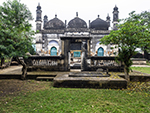 "+
"
"+
"  "+
"
"+
"  "+
"
"+
"  "+
"
"+
"  "+
"
"+
"  "+
"
"+
"  "+
"",
nashipurakhrabengali : "নশিপুর আখরাঃ-ভাগীরথী নদীর পূর্বদিকে নশিপুর রাজবাড়ীর কাছেই অবস্থিত নশিপুর আখড়া রামানুজ সম্প্রদায়ের সাধুদের একটা আখড়া। আখড়ার রথযাত্রা ও ঝুলন উৎসব প্রায় ২৫০ বছরের পুরোনো। রথযাত্রার প্রধান আকর্ষণ কাঠ, পেতল ও চাঁদির রথ। রথযাত্রা ও ঝুলন পূর্ণিমায় এখানে মেলা বসে। এখানে রয়েছে প্রাসাদ এবং কৃষ্ণ মন্দির। অনুষ্ঠানের সময় এখানে বহু মানুষকে বিনা পয়সায় বিভিন্ন রকমের রান্না করা প্রসাদ বিতরণ করা হয়। তার জন্যে এখানে রয়েছে বেশকিছু পুরোনো বিশাল আকারের বাসনপত্র, খুন্তি, হাঁড়ি, কড়াই ও আরও হরেক রকমের রান্নার জিনিসপত্র। এক একটা কড়া নামাতে ওঠাতেই চার জন লোকের দরকার হয়। রয়েছে ৮০ টাকা দামের এক সুপ্রাচীন গাড়ি এবং রুপোর তৈরি রথ। আখড়ার মধ্যে রামানুজ সম্প্রদায়ের অত্যন্ত পবিত্র ব্যক্তি সন্ন্যাসী নাসিকরামের ঘর রয়েছে। উনি নাকি এতই ক্ষমতাধর ছিলেন যে কয়েকটা মন্ত্র উচ্চারণ করে মানুষের রোগ নিরাময় করতে পারতেন। তাঁর ঘরে একটা পুরানো খাট আছে যার দাম বারো টাকা। হাতে টানা পাখা ও অন্যান্য আসবাবপত্রও রয়েছে। কাছেই রয়েছে রঘুনাথজীর মন্দির। মন্দিরে অনেক রকমের ঠাকুর দেবতার মূর্তি সাজানো আছে বিশেষত জগন্নাথ, বলরাম ও সুভদ্রার। প্রতিদিন পুজোও হয়। তবে আখড়ার মূলমন্ত্রটি হ'ল জীবনে অবিবাহিত থাকা। "+
"Read More..."+
"
"+
"",
nashipurakhrabengali : "নশিপুর আখরাঃ-ভাগীরথী নদীর পূর্বদিকে নশিপুর রাজবাড়ীর কাছেই অবস্থিত নশিপুর আখড়া রামানুজ সম্প্রদায়ের সাধুদের একটা আখড়া। আখড়ার রথযাত্রা ও ঝুলন উৎসব প্রায় ২৫০ বছরের পুরোনো। রথযাত্রার প্রধান আকর্ষণ কাঠ, পেতল ও চাঁদির রথ। রথযাত্রা ও ঝুলন পূর্ণিমায় এখানে মেলা বসে। এখানে রয়েছে প্রাসাদ এবং কৃষ্ণ মন্দির। অনুষ্ঠানের সময় এখানে বহু মানুষকে বিনা পয়সায় বিভিন্ন রকমের রান্না করা প্রসাদ বিতরণ করা হয়। তার জন্যে এখানে রয়েছে বেশকিছু পুরোনো বিশাল আকারের বাসনপত্র, খুন্তি, হাঁড়ি, কড়াই ও আরও হরেক রকমের রান্নার জিনিসপত্র। এক একটা কড়া নামাতে ওঠাতেই চার জন লোকের দরকার হয়। রয়েছে ৮০ টাকা দামের এক সুপ্রাচীন গাড়ি এবং রুপোর তৈরি রথ। আখড়ার মধ্যে রামানুজ সম্প্রদায়ের অত্যন্ত পবিত্র ব্যক্তি সন্ন্যাসী নাসিকরামের ঘর রয়েছে। উনি নাকি এতই ক্ষমতাধর ছিলেন যে কয়েকটা মন্ত্র উচ্চারণ করে মানুষের রোগ নিরাময় করতে পারতেন। তাঁর ঘরে একটা পুরানো খাট আছে যার দাম বারো টাকা। হাতে টানা পাখা ও অন্যান্য আসবাবপত্রও রয়েছে। কাছেই রয়েছে রঘুনাথজীর মন্দির। মন্দিরে অনেক রকমের ঠাকুর দেবতার মূর্তি সাজানো আছে বিশেষত জগন্নাথ, বলরাম ও সুভদ্রার। প্রতিদিন পুজোও হয়। তবে আখড়ার মূলমন্ত্রটি হ'ল জীবনে অবিবাহিত থাকা। "+
"Read More..."+
" "+
"
"+
"  "+
"
"+
"  "+
"
"+
"  "+
"
"+
"  "+
"
"+
"  "+
"
"+
"  "+
"",
nashipurrajbaribengali : "নশিপুর রাজবাড়িঃ-নশিপুর আখড়ার খুবই কাছেই রয়েছে নশিপুর রাজবাড়ি। নশিপুর রাজবাড়ী নশিপুর গ্রামের নশিপুর রাজ পরিবারের প্রাসাদ ছিল। ১৭৭৬ সালে রাজা দেবী সিংহের নির্মিত প্রাসাদটা বর্তমান প্রাসাদটার খুব কাছেই ছিল। তবে বর্তমান প্রাসাদটা ১৮৬৫ সালে তৈরি করেন রাজা কীর্তি চন্দ্র সিংহ বাহাদুর। নশিপুর রাজবাড়ি ছিল দেবী সিংহের দরবার বা বিচারশালা। দেবী সিংহ ব্রিটিশদের হয়ে কর আদায়কারী হিসাবে কুখ্যাত ছিলেন। ইনি পানিপথ থেকে ব্যবসার উদ্দেশ্যে এখানে এসেছিলেন। কথিত আছে, যারা তাঁকে সময়মত কর দিতে পারতো না, তাদের বিরুদ্ধে তিনি কঠোর ব্যবস্থা নিতেন। তার জন্যে বিভিন্ন রকমের অত্যাচার কক্ষ ছিল। প্রথমে ঘরে বন্ধ করে অত্যাচার করা হতো। তাতে কাজ না হলে একটা অত্যাচার কক্ষে তিনজনকে একসঙ্গে পা বেঁধে মাথা নীচে রেখে ঝুলিয়ে রেখে মারা হতো আর তাও সর্বসমক্ষে। তাতেও কাজ না হলে শেষ ও ভয়ানক অত্যাচার কক্ষে তাদেরকে ফাঁসি দিয়ে দেওয়া হতো। কত অভাগা অভাবী মানুষজন যে এই নরপশুদের হাতে মারা গেছে তার ইয়ত্তা নেই। ভুল বললাম। মিউজিয়ামে যে সমস্ত কর হিসাব রাখার খাতা রাখা আছে, সেখানে কজনকে খুন করা হয়েছে তার হিসাব নিশ্চই আছে। তারপর সেই লাশগুলোকে এক সুড়ঙ্গপথে ভাগীরথী নদীতে ভাসিয়ে দেওয়া হতো। বর্তমানে সেই সুড়ঙ্গপথ বন্ধ করে দেওয়া হয়েছে। দেবী সিং-এর এইসব কাজকর্মের নমুনা পেয়ে রেভিনিউ ডিপার্টমেন্টের প্রধান রেজা খানের অধীনে কাজ করার সুযোগ পান। আস্তে আস্তে তিনি ইস্ট ইণ্ডিয়া কোম্পানির লোকদের মধ্যে তার প্রভাব বিস্তার করতে সক্ষম হন এবং সেই বিভাগের প্রধান হন। দেবী সিংহ নশিপুর রাজ পরিবারের প্রতিষ্ঠাতাও ছিলেন। মূল সড়কের পাশেই রয়েছে এই প্রাসাদটা। প্রাসাদটাকে দেখে হাজারদুয়ারির ছোট সংস্করণ বলে মনে হয়। এলাকার নাম অনুসারে এই প্রাসাদের নামও নশিপুর রাজবাড়ি। প্রাসাদে ওঠার বিশালাকার চওড়া সিঁড়ির দুপাশে দুটো সিংহমূর্তি যেন পাহারা দিচ্ছে। সিঁড়ির সামনেই রয়েছে একটা ফোয়ারা। রাজবাড়ির সামনের অংশ মোটামুটি সংরক্ষিত রয়েছে, কিন্তু ভেতরের দিকে পুরোটাই ভগ্নদশা। রাজবাড়ির ভেতরে মাঝখানে রয়েছে অনেকটা খালি জায়গা ও ঠাকুরবাড়ি আছে। আছে বিভিন্ন দেবদেবীর মূর্তি। খালি জায়গায় ছিল নবাবী কায়দায় তৈরি নাচঘর। উনি বাইজী নাচ দেখতেন যার এক ঘণ্টার মূল্য পাঁচ হাজার টাকা। ভেতরে আছে একটা শ্বেত পাথরের হনুমান মূর্তি, দারুণ কারুকার্য করা একটা শ্বেত পাথরের রামসীতা মন্দির যার ভেতরে আছে তিনটে অষ্টধাতু আর তিনটে সোনার মূর্তি সহ ১০৮টা বিভিন্ন দেবদেবীর মূর্তি। সামনেই সিঁড়ি দিয়ে উঠে রয়েছে এক মিউজিয়াম। এখানে টিকিট কেটে ঢুকতে হয়। পুরো রাজবাড়িটা যেন আয়েস আর অত্যাচারের প্রতিনিধি হয়ে দাঁড়িয়ে আছে। "+
"Read More..."+
"
"+
"",
nashipurrajbaribengali : "নশিপুর রাজবাড়িঃ-নশিপুর আখড়ার খুবই কাছেই রয়েছে নশিপুর রাজবাড়ি। নশিপুর রাজবাড়ী নশিপুর গ্রামের নশিপুর রাজ পরিবারের প্রাসাদ ছিল। ১৭৭৬ সালে রাজা দেবী সিংহের নির্মিত প্রাসাদটা বর্তমান প্রাসাদটার খুব কাছেই ছিল। তবে বর্তমান প্রাসাদটা ১৮৬৫ সালে তৈরি করেন রাজা কীর্তি চন্দ্র সিংহ বাহাদুর। নশিপুর রাজবাড়ি ছিল দেবী সিংহের দরবার বা বিচারশালা। দেবী সিংহ ব্রিটিশদের হয়ে কর আদায়কারী হিসাবে কুখ্যাত ছিলেন। ইনি পানিপথ থেকে ব্যবসার উদ্দেশ্যে এখানে এসেছিলেন। কথিত আছে, যারা তাঁকে সময়মত কর দিতে পারতো না, তাদের বিরুদ্ধে তিনি কঠোর ব্যবস্থা নিতেন। তার জন্যে বিভিন্ন রকমের অত্যাচার কক্ষ ছিল। প্রথমে ঘরে বন্ধ করে অত্যাচার করা হতো। তাতে কাজ না হলে একটা অত্যাচার কক্ষে তিনজনকে একসঙ্গে পা বেঁধে মাথা নীচে রেখে ঝুলিয়ে রেখে মারা হতো আর তাও সর্বসমক্ষে। তাতেও কাজ না হলে শেষ ও ভয়ানক অত্যাচার কক্ষে তাদেরকে ফাঁসি দিয়ে দেওয়া হতো। কত অভাগা অভাবী মানুষজন যে এই নরপশুদের হাতে মারা গেছে তার ইয়ত্তা নেই। ভুল বললাম। মিউজিয়ামে যে সমস্ত কর হিসাব রাখার খাতা রাখা আছে, সেখানে কজনকে খুন করা হয়েছে তার হিসাব নিশ্চই আছে। তারপর সেই লাশগুলোকে এক সুড়ঙ্গপথে ভাগীরথী নদীতে ভাসিয়ে দেওয়া হতো। বর্তমানে সেই সুড়ঙ্গপথ বন্ধ করে দেওয়া হয়েছে। দেবী সিং-এর এইসব কাজকর্মের নমুনা পেয়ে রেভিনিউ ডিপার্টমেন্টের প্রধান রেজা খানের অধীনে কাজ করার সুযোগ পান। আস্তে আস্তে তিনি ইস্ট ইণ্ডিয়া কোম্পানির লোকদের মধ্যে তার প্রভাব বিস্তার করতে সক্ষম হন এবং সেই বিভাগের প্রধান হন। দেবী সিংহ নশিপুর রাজ পরিবারের প্রতিষ্ঠাতাও ছিলেন। মূল সড়কের পাশেই রয়েছে এই প্রাসাদটা। প্রাসাদটাকে দেখে হাজারদুয়ারির ছোট সংস্করণ বলে মনে হয়। এলাকার নাম অনুসারে এই প্রাসাদের নামও নশিপুর রাজবাড়ি। প্রাসাদে ওঠার বিশালাকার চওড়া সিঁড়ির দুপাশে দুটো সিংহমূর্তি যেন পাহারা দিচ্ছে। সিঁড়ির সামনেই রয়েছে একটা ফোয়ারা। রাজবাড়ির সামনের অংশ মোটামুটি সংরক্ষিত রয়েছে, কিন্তু ভেতরের দিকে পুরোটাই ভগ্নদশা। রাজবাড়ির ভেতরে মাঝখানে রয়েছে অনেকটা খালি জায়গা ও ঠাকুরবাড়ি আছে। আছে বিভিন্ন দেবদেবীর মূর্তি। খালি জায়গায় ছিল নবাবী কায়দায় তৈরি নাচঘর। উনি বাইজী নাচ দেখতেন যার এক ঘণ্টার মূল্য পাঁচ হাজার টাকা। ভেতরে আছে একটা শ্বেত পাথরের হনুমান মূর্তি, দারুণ কারুকার্য করা একটা শ্বেত পাথরের রামসীতা মন্দির যার ভেতরে আছে তিনটে অষ্টধাতু আর তিনটে সোনার মূর্তি সহ ১০৮টা বিভিন্ন দেবদেবীর মূর্তি। সামনেই সিঁড়ি দিয়ে উঠে রয়েছে এক মিউজিয়াম। এখানে টিকিট কেটে ঢুকতে হয়। পুরো রাজবাড়িটা যেন আয়েস আর অত্যাচারের প্রতিনিধি হয়ে দাঁড়িয়ে আছে। "+
"Read More..."+
" "+
"
"+
"  "+
"
"+
"  "+
"
"+
"  "+
"
"+
"  "+
"
"+
"  "+
"
"+
"  "+
"
"+
"  "+
"",
nimakharamdeuribengali : "নিমক হারাম দেউরিঃ-পার হয়েছে কয়েকশো বছর, বদনাম ঘোচেনি মীরজাফরের। তাঁর প্রাসাদের সামনে দাঁড়িয়ে অনুভব করা যায়, ইতিহাসের চাবুক কতখানি শক্তিশালী। লোকমুখে ওঁর প্রাসাদের নাম নিমকহারাম দেউড়ি। অত্যন্ত ভগ্নদশা প্রাসাদের। শুনলাম, কেন্দ্রীয় সরকারের প্রত্নতত্ত্ব বিভাগ রক্ষণাবেক্ষণ করতে চাইলেও রাজি হননি মীরজাফরের বংশধররা। ভাঙা বিশাল গেট হাঁ করে খোলা। দোতলার ছোট একটা জানালায় ছেঁড়া পর্দা ঝুলছে। সিরাজের সেনাদলের প্রধান। পলাশীর যুদ্ধে ইংরেজদের সঙ্গে হাত মিলিয়ে সিরাজকে পরাজিত করেছিলেন। ধূর্ত ইংরেজ তাঁকে ব্যবহার করেছে, এটা বুঝতে অনেকটাই দেরি হয়ে গিয়েছিল। বাংলার মসনদে বসেছিলেন মীর জাফর। তবে সে আর কদিন? স্বপ্ন ভেসেছে ভাগীরথীর জলে। কে জানে মৃত্যু তাঁকে শান্তি দিতে পেরেছিল কি না। মীরজাফর এতটাই বিশ্বাসঘাতক ছিলেন যে এখনও কেও অবিশ্বাসী হলে তাকে মীরজাফরের সাথে তুলনা করা হয়। এই বাড়িতেই মোহাম্মাদী বেগের হাতে নিহত হয়েছিলেন বাংলার শেষ স্বাধীন নবাব সিরাজদৌল্লা। বর্তমানে বাড়িটার ধ্বংসাবশেষ বিদ্যমান। এখানে কাউকে ঢুকতে দেওয়া হয় না। বাড়ির ফটকে প্রবেশ নিষেধ লেখা সাইনবোর্ড টানানো আছে। প্রবেশ নিষেধ লেখা থাকলেও একটু ভেতরে গেলাম। পাঁচিলের ওপরে দোতলার একটা ঘরে ময়লা ছেঁড়া পর্দা ঝুলছে। সামনের লোহার গেটটা বন্ধ। দূর থেকে দেখা যাচ্ছে একটা মসজিদের মেরামত চলছে। সেই মসজিদটাই মীরজাফরের বাড়ির একটা ইমামবাড়া। "+
"Read More..."+
"
"+
"",
nimakharamdeuribengali : "নিমক হারাম দেউরিঃ-পার হয়েছে কয়েকশো বছর, বদনাম ঘোচেনি মীরজাফরের। তাঁর প্রাসাদের সামনে দাঁড়িয়ে অনুভব করা যায়, ইতিহাসের চাবুক কতখানি শক্তিশালী। লোকমুখে ওঁর প্রাসাদের নাম নিমকহারাম দেউড়ি। অত্যন্ত ভগ্নদশা প্রাসাদের। শুনলাম, কেন্দ্রীয় সরকারের প্রত্নতত্ত্ব বিভাগ রক্ষণাবেক্ষণ করতে চাইলেও রাজি হননি মীরজাফরের বংশধররা। ভাঙা বিশাল গেট হাঁ করে খোলা। দোতলার ছোট একটা জানালায় ছেঁড়া পর্দা ঝুলছে। সিরাজের সেনাদলের প্রধান। পলাশীর যুদ্ধে ইংরেজদের সঙ্গে হাত মিলিয়ে সিরাজকে পরাজিত করেছিলেন। ধূর্ত ইংরেজ তাঁকে ব্যবহার করেছে, এটা বুঝতে অনেকটাই দেরি হয়ে গিয়েছিল। বাংলার মসনদে বসেছিলেন মীর জাফর। তবে সে আর কদিন? স্বপ্ন ভেসেছে ভাগীরথীর জলে। কে জানে মৃত্যু তাঁকে শান্তি দিতে পেরেছিল কি না। মীরজাফর এতটাই বিশ্বাসঘাতক ছিলেন যে এখনও কেও অবিশ্বাসী হলে তাকে মীরজাফরের সাথে তুলনা করা হয়। এই বাড়িতেই মোহাম্মাদী বেগের হাতে নিহত হয়েছিলেন বাংলার শেষ স্বাধীন নবাব সিরাজদৌল্লা। বর্তমানে বাড়িটার ধ্বংসাবশেষ বিদ্যমান। এখানে কাউকে ঢুকতে দেওয়া হয় না। বাড়ির ফটকে প্রবেশ নিষেধ লেখা সাইনবোর্ড টানানো আছে। প্রবেশ নিষেধ লেখা থাকলেও একটু ভেতরে গেলাম। পাঁচিলের ওপরে দোতলার একটা ঘরে ময়লা ছেঁড়া পর্দা ঝুলছে। সামনের লোহার গেটটা বন্ধ। দূর থেকে দেখা যাচ্ছে একটা মসজিদের মেরামত চলছে। সেই মসজিদটাই মীরজাফরের বাড়ির একটা ইমামবাড়া। "+
"Read More..."+
" "+
"
"+
"  "+
"
"+
"  "+
"",
palashibengali : "ঐতিহাসিক পলাশীঃ-সেই ঐতিহাসিক পলাশী যেখানকার যুদ্ধে নবাব সিরাজদৌল্লার পরাজয় ঘটেছিল আর সাথে সাথে দুশো বছরের জন্য পরাধীন হয়েছিল এই ভারতীয় উপমহাদেশ, স্বাধীনতা হারিয়েছিল একটি জাতি আর নরপশু ব্রিটিশের রক্তমাখা হাতে মৃত্যুর মিছিল বয়েছিল অবিভক্ত বাংলায়। কি ঘটেছিল সেদিন, কেনই বা এত শক্তিশালী বাহিনী থাকতে সিরাজকে হেরে যেতে হয়েছিল ? ১৭৫৭ সালের ২৩ জুন পলাশীর যুদ্ধ, প্রকৃতপক্ষে কোনও যুদ্ধ ছিল না, ছিল ষড়যন্ত্রমূলক একটা যুদ্ধের অভিনয় মাত্র। একটা পাতানো যুদ্ধের ছলনা, একটা প্রহসন। বিশ্বাসঘাতকদের খেলার পুতুলে পরিণত হ’ন সিরাজদৌল্লা। বাংলার স্বাধীনতার সূর্য অস্তমিত হয়ে যায় এবং ইংরেজরা কর্তৃত্ব গ্রহণ করে। ১৭৫৬ সালে নবাব আলীবর্দি খানের মৃত্যুর পর তার প্রিয় নাতি সিরাজদৌল্লা মুর্শিদাবাদের মসনদে বসেন। তখন তার বয়স ২৩ বছর। তিনি আলীবর্দি খানের কনিষ্ঠা মেয়ে আমেনা বেগমের গর্ভে জন্মগ্রহণ করেন। মসনদে বসেই তিনি ঘরের শক্র ঘসেটি বেগম, শওকত জং এর মোকাবেলা করেন। পরবর্তীতে বিশ্বাসঘাতকদের কোপানলে পতিত হয়ে ইংরেজদের কাছে হার মানতে হয় এই স্বপ্নালু মানুষটাকে।ইংরেজদের সাথে বিবাদের কারণঃ-সিরাজদৌল্লা বসে থাকেননি। তিনি এর শেষ দেখার জন্য বদ্ধ পরিকর ছিলেন। তিনি ঘোষণা দেন যে, তিনি তিনটি কারণে কোম্পানিকে তাড়াবার সিদ্ধান্ত নিয়েছেন। ১) এরা দেশের প্রচলিত আইন কানুন অমান্য করে কলকাতায় দূর্ভেদ্য দুর্গ ও পরিখা স্থাপন করেছে।২) এরা বিশ্বাস হারিয়ে শুল্ক নিয়মের অপব্যবহার করেছে। বেআইনিভাবে কোম্পানির নামে প্রাইভেট ব্যক্তিদের মধ্যে বিনা শুল্কে বাণিজ্য করার পাশ বিতরণ করে সরকারকে বৈধ রাজস্ব থেকে বঞ্চিত করেছে।৩) জমিদারীকে নিজেদের সার্বভৌম এলাকা হিসেবে গণ্য করেছে এবং নবাবী আইন আদালত থেকে পালিয়ে এসে যে সমস্ত অপরাধী কলকাতায় আশ্রয় নিচ্ছে কোম্পানি তাদের স্বাগত জানাচ্ছে।সিরাজদৌল্লা ছিলেন ইংরেজ বিরোধী। তাই কলকাতা কাউন্সিল তাকে উৎখাত করার ষড়যন্ত্রে মেতে ওঠে। ক্লাইভ ছিলেন সে ষড়যন্ত্রের মূল স্থপতি। ক্লাইভ নবাবের বিরুদ্ধে ষড়যন্ত্রের জন্য উমিচাঁদকে দালাল হিসেবে নিয়োগ করেন। বাংলার মসনদ পাওয়ার লোভে মীরজাফর নবাবের বিরুদ্ধে ষড়যন্ত্রে যোগ দেন। ইয়ার লতিফ খান ও খাদিম হোসেন নামক দুজন সৈন্যাধ্যক্ষও ব্যক্তিগত স্বার্থ সিদ্ধির জন্য মীরজাফরকে অনুসরণ করেন। ষড়যন্ত্রকারীদের মধ্যে আরো ছিলেন রায়-দূর্লভ, রাজবল্লভ, জগৎ শেঠ, মির্জাবেগ প্রমুখ। ইংরেজ এজেন্টরা চুক্তিনামার খসড়া প্রস্তুত করেন। তারা ১৯ মে চুক্তিনামায় সই করেন এবং তা মীরজাফরের নিকট পাঠান। মীর জাফর চার-জুন চুক্তিনামায় সই করেন। কলকাতা কাউন্সিল চুক্তিবদ্ধ হয় যে, সিরাজকে উৎখাত করে মীর জাফরকে মসনদে বসানো হবে এবং তাকে নবাব রাখার জন্য সর্বোচ্চ সহযোগীতা করবে। এর শর্ত নিম্নরূপঃ-১) উভয়পক্ষ ৯ ফেব্রুয়ারি আলিনগর চুক্তি পালন করবে। ২)সমুদয় সম্পত্তিসহ সকল ফরাসিদের ইংরেজদের নিকট সমর্পণ করা হবে। ৩) এশিয়া হোক বা ইউরোপ হোক কোম্পানির সকল শত্রুকে নবাবের শত্রু বলে গণ্য করা হবে এবং ভবিষ্যতে নবাবের প্রয়োজনে কোম্পানির থেকে সামরিক সাহায্য চাইলে তার খরচ বহন করবেন নবাব। ৪) সিরাজদৌল্লা কর্তৃক কলকাতা আক্রমণের ফলে কোম্পানিকে ক্ষতিপূরণ বাবদ এককালীন এক কোটি, ইউরোপীয়দের প্রাইভেট ক্ষতিপূরণ বাবদ ৫০ লক্ষ, নগরীর হিন্দু-মুসলিম-আর্মেনিয় অধিবাসীদের ক্ষতিপূরণ বাবদ ২৭ লক্ষ টাকা পরিশোধ করা হবে। ৫) কলকাতার আশেপাশের জমিদারিসমূহ এবং কলকাতার দক্ষিণে সমুদ্র পর্যন্ত সমগ্র অঞ্চলের জমিদারিত্ব কোম্পানিকে প্রদান করা হবে। ৬)হুগলীতে ভবিষ্যতে কোনও নবাবী দুর্গ স্থাপন করা যাবে না।ষড়যন্ত্র যখন পরিপক্ব, বিশ্বাসঘাতকরা যখন প্রস্তুত, তখন ক্লাইভ ২৩০০ ইউরোপীয় ও দেশীয় সৈন্য আর ৮-টা কামান নিয়ে মুর্শিদাবাদের দিকে অগ্রসর হলেন। সিরাজদৌল্লা মতলব বুঝতে পেরে মুর্শিদাবাদের ২৩ মাইল দক্ষিণে ভাগীরথী নদীর তীরে পলাশীর প্রান্তরে সৈন্য মোতায়েন করলেন। যুদ্ধ-শক্তি ছিল ১৫,০০০ অশ্বারোহী, ৩৪,০০০ পদাতিক সৈন্য, আর ৪০-টা কামান। ১৭৫৭ সালের ২৩ জুন সংঘটিত যুদ্ধে নবাবের পক্ষে মোহনলাল, মীর মদন ও সিনফ্রের আক্রমণে ক্লাইভ সৈন্যরা দিশেহারা হয়ে পিছনে হটতে বাধ্য হয়। অবস্থা শোচনীয় দেখে আমগাছের বনের আড়ালে আশ্রয় নেয় ইংরেজ বেনিয়া বাহিনী। কিন্তু বিশ্বাসঘাতক মীর জাফর, খাদিম হোসেন ও রায় দুর্লভ তাদের সৈন্যদের নিয়ে দূরে সরে পাথরের মতো দাঁড়িয়ে থাকে। এমন সময় ইংরেজ সৈন্যদের একটা বিক্ষিপ্ত গুলিতে দেশপ্রেমিক মীর মদনের প্রাণনাশ হয়। নবাব তখন মীরজাফরকে ডেকে পাঠান, কিন্তু বিশ্বাসঘাতক মীরজাফর সেদিনের মতো যুদ্ধ বিরতি করার প্রস্তাব দেন। এমনকি আশ্বাস দেন যে, পরের দিন সে সর্বশক্তি দিয়ে ইংরেজদের বিরুদ্ধে যুদ্ধ করবেন। সিংহাসনে বসার জন্য মিথ্যা শপথ করতে একটুও দ্বিধা-বোধ করেনি বেইমান মীরজাফর। নবাব তাকে বিশ্বাস করে যুদ্ধ বিরতি ঘোষণা করেন। কিন্তু নিশ্চিত বিজয়ের মুখ থেকে ফিরে আসতে রাজি ছিলেন না মোহনলাল ও সিনফ্রে। কিন্তু নবাবের আদেশ যে মানতেই হবে। যুদ্ধক্ষেত্র থেকে ফিরতে হওয়ায় সৈন্যরা নিরুৎসাহিত হয়ে পড়ে এবং তাদের মধ্যে বিশৃঙ্খলা দেখা দেয়। ঠিক তখনই মীরজাফরের ইঙ্গিতে ক্লাইভ পিছন দিক দিয়ে নবাবের বাহিনীর উপর আক্রমণ করেন। মীরজাফর ও অন্যান্য বিশ্বাসঘাতকরা দূরে সরে গিয়ে ক্লাইভের সাথে যোগ দেয়। শেষ পর্যন্ত নবাবের সৈন্যরা পলায়ন করতে থাকে। বিশ্বাসঘাতকদের ষড়যন্ত্রে পরাজয় স্বীকার করে, স্ত্রী লুৎফুন্নিসা ও কন্যা উম্মে জহুরাকে নিয়ে রাজমহলের দিকে যাত্রা শুরু করেন। সিরাজদৌল্লা মহানন্দা নদীর স্রোত অতিক্রম করে এলেও ভাটার ফলে হঠাৎ করে জল কমে যাওয়ায় নাজিমপুরের মোহনায় এসে তার নৌকা চড়ায় আটকে যায়। তিনি নৌকা থেকে নেমে খাবার সংগ্রহের জন্য একটা মসজিদের নিকটবর্তী বাজারে আসেন। সেখানে কিছু লোক তাকে চিনে ফেলে। অর্থের লোভে তারা মীরজাফরের সৈন্যবাহিনীকে খবর দেয়। এ সম্পর্কে ভিন্ন আরেকটা মত আছে। এক ফকির এখানে নবাব কে দেখে চিনে ফেলে। ঐ ফকির ইতিপূর্বে নবাব কর্তৃক শাস্তিপ্রাপ্ত হয়ে তার এক কান হারিয়েছিলেন। সেই ফকির নবাবের খবর জানিয়ে দেয়। তারা এসে সিরাজদ্দৌলাকে বন্দি করে রাজধানী মুর্শিদাবাদে পাঠিয়ে দেয়। মীর জাফরের পুত্র মীরনের আদেশে মোহাম্মাদী বেগ নবাব সিরাজদৌল্লাকে হত্যা করেন ও মানবতার জঘন্য নিদর্শনের বহিঃপ্রকাশ তখন হয়, যখন মুর্শিদাবাদের রাস্তায় সেই মৃতদেহ নিয়ে রোড-শো করেন। পলাশীর যুদ্ধের মূল খসড়া ৪-জুন তৈরি হয়েছিল আর তা বাস্তবায়িত হয়েছিল মাত্র ১৭ দিন বাদে। ষড়যন্ত্রের কোপানলে পতিত হয়ে সিরাজদৌল্লাকে বিদেশী শক্তির কাছে মাথা নত করতে হয়। সাম্রাজ্যবাদী শক্তি প্রায় দুশো বছরের জন্য শাসন প্রতিষ্ঠা করে, প্রাচ্যের স্বর্গ সোনার বাংলা, পরিণত হয় নরকের বাংলায়। বর্তমানে পলাশীতে আর কিছু নেই। সমস্ত কিছুই বেদখল হয়ে গেছে। তবে সরকার সেখানে একটা স্ট্যাচু ও শহীদ স্মারক তৈরি করে ঐতিহাসিক পলাশী নামটা যাতে পলাশী থেকে মুছে না যায় তার ব্যবস্থা করেছেন। "+
"Read More..."+
"
"+
"",
palashibengali : "ঐতিহাসিক পলাশীঃ-সেই ঐতিহাসিক পলাশী যেখানকার যুদ্ধে নবাব সিরাজদৌল্লার পরাজয় ঘটেছিল আর সাথে সাথে দুশো বছরের জন্য পরাধীন হয়েছিল এই ভারতীয় উপমহাদেশ, স্বাধীনতা হারিয়েছিল একটি জাতি আর নরপশু ব্রিটিশের রক্তমাখা হাতে মৃত্যুর মিছিল বয়েছিল অবিভক্ত বাংলায়। কি ঘটেছিল সেদিন, কেনই বা এত শক্তিশালী বাহিনী থাকতে সিরাজকে হেরে যেতে হয়েছিল ? ১৭৫৭ সালের ২৩ জুন পলাশীর যুদ্ধ, প্রকৃতপক্ষে কোনও যুদ্ধ ছিল না, ছিল ষড়যন্ত্রমূলক একটা যুদ্ধের অভিনয় মাত্র। একটা পাতানো যুদ্ধের ছলনা, একটা প্রহসন। বিশ্বাসঘাতকদের খেলার পুতুলে পরিণত হ’ন সিরাজদৌল্লা। বাংলার স্বাধীনতার সূর্য অস্তমিত হয়ে যায় এবং ইংরেজরা কর্তৃত্ব গ্রহণ করে। ১৭৫৬ সালে নবাব আলীবর্দি খানের মৃত্যুর পর তার প্রিয় নাতি সিরাজদৌল্লা মুর্শিদাবাদের মসনদে বসেন। তখন তার বয়স ২৩ বছর। তিনি আলীবর্দি খানের কনিষ্ঠা মেয়ে আমেনা বেগমের গর্ভে জন্মগ্রহণ করেন। মসনদে বসেই তিনি ঘরের শক্র ঘসেটি বেগম, শওকত জং এর মোকাবেলা করেন। পরবর্তীতে বিশ্বাসঘাতকদের কোপানলে পতিত হয়ে ইংরেজদের কাছে হার মানতে হয় এই স্বপ্নালু মানুষটাকে।ইংরেজদের সাথে বিবাদের কারণঃ-সিরাজদৌল্লা বসে থাকেননি। তিনি এর শেষ দেখার জন্য বদ্ধ পরিকর ছিলেন। তিনি ঘোষণা দেন যে, তিনি তিনটি কারণে কোম্পানিকে তাড়াবার সিদ্ধান্ত নিয়েছেন। ১) এরা দেশের প্রচলিত আইন কানুন অমান্য করে কলকাতায় দূর্ভেদ্য দুর্গ ও পরিখা স্থাপন করেছে।২) এরা বিশ্বাস হারিয়ে শুল্ক নিয়মের অপব্যবহার করেছে। বেআইনিভাবে কোম্পানির নামে প্রাইভেট ব্যক্তিদের মধ্যে বিনা শুল্কে বাণিজ্য করার পাশ বিতরণ করে সরকারকে বৈধ রাজস্ব থেকে বঞ্চিত করেছে।৩) জমিদারীকে নিজেদের সার্বভৌম এলাকা হিসেবে গণ্য করেছে এবং নবাবী আইন আদালত থেকে পালিয়ে এসে যে সমস্ত অপরাধী কলকাতায় আশ্রয় নিচ্ছে কোম্পানি তাদের স্বাগত জানাচ্ছে।সিরাজদৌল্লা ছিলেন ইংরেজ বিরোধী। তাই কলকাতা কাউন্সিল তাকে উৎখাত করার ষড়যন্ত্রে মেতে ওঠে। ক্লাইভ ছিলেন সে ষড়যন্ত্রের মূল স্থপতি। ক্লাইভ নবাবের বিরুদ্ধে ষড়যন্ত্রের জন্য উমিচাঁদকে দালাল হিসেবে নিয়োগ করেন। বাংলার মসনদ পাওয়ার লোভে মীরজাফর নবাবের বিরুদ্ধে ষড়যন্ত্রে যোগ দেন। ইয়ার লতিফ খান ও খাদিম হোসেন নামক দুজন সৈন্যাধ্যক্ষও ব্যক্তিগত স্বার্থ সিদ্ধির জন্য মীরজাফরকে অনুসরণ করেন। ষড়যন্ত্রকারীদের মধ্যে আরো ছিলেন রায়-দূর্লভ, রাজবল্লভ, জগৎ শেঠ, মির্জাবেগ প্রমুখ। ইংরেজ এজেন্টরা চুক্তিনামার খসড়া প্রস্তুত করেন। তারা ১৯ মে চুক্তিনামায় সই করেন এবং তা মীরজাফরের নিকট পাঠান। মীর জাফর চার-জুন চুক্তিনামায় সই করেন। কলকাতা কাউন্সিল চুক্তিবদ্ধ হয় যে, সিরাজকে উৎখাত করে মীর জাফরকে মসনদে বসানো হবে এবং তাকে নবাব রাখার জন্য সর্বোচ্চ সহযোগীতা করবে। এর শর্ত নিম্নরূপঃ-১) উভয়পক্ষ ৯ ফেব্রুয়ারি আলিনগর চুক্তি পালন করবে। ২)সমুদয় সম্পত্তিসহ সকল ফরাসিদের ইংরেজদের নিকট সমর্পণ করা হবে। ৩) এশিয়া হোক বা ইউরোপ হোক কোম্পানির সকল শত্রুকে নবাবের শত্রু বলে গণ্য করা হবে এবং ভবিষ্যতে নবাবের প্রয়োজনে কোম্পানির থেকে সামরিক সাহায্য চাইলে তার খরচ বহন করবেন নবাব। ৪) সিরাজদৌল্লা কর্তৃক কলকাতা আক্রমণের ফলে কোম্পানিকে ক্ষতিপূরণ বাবদ এককালীন এক কোটি, ইউরোপীয়দের প্রাইভেট ক্ষতিপূরণ বাবদ ৫০ লক্ষ, নগরীর হিন্দু-মুসলিম-আর্মেনিয় অধিবাসীদের ক্ষতিপূরণ বাবদ ২৭ লক্ষ টাকা পরিশোধ করা হবে। ৫) কলকাতার আশেপাশের জমিদারিসমূহ এবং কলকাতার দক্ষিণে সমুদ্র পর্যন্ত সমগ্র অঞ্চলের জমিদারিত্ব কোম্পানিকে প্রদান করা হবে। ৬)হুগলীতে ভবিষ্যতে কোনও নবাবী দুর্গ স্থাপন করা যাবে না।ষড়যন্ত্র যখন পরিপক্ব, বিশ্বাসঘাতকরা যখন প্রস্তুত, তখন ক্লাইভ ২৩০০ ইউরোপীয় ও দেশীয় সৈন্য আর ৮-টা কামান নিয়ে মুর্শিদাবাদের দিকে অগ্রসর হলেন। সিরাজদৌল্লা মতলব বুঝতে পেরে মুর্শিদাবাদের ২৩ মাইল দক্ষিণে ভাগীরথী নদীর তীরে পলাশীর প্রান্তরে সৈন্য মোতায়েন করলেন। যুদ্ধ-শক্তি ছিল ১৫,০০০ অশ্বারোহী, ৩৪,০০০ পদাতিক সৈন্য, আর ৪০-টা কামান। ১৭৫৭ সালের ২৩ জুন সংঘটিত যুদ্ধে নবাবের পক্ষে মোহনলাল, মীর মদন ও সিনফ্রের আক্রমণে ক্লাইভ সৈন্যরা দিশেহারা হয়ে পিছনে হটতে বাধ্য হয়। অবস্থা শোচনীয় দেখে আমগাছের বনের আড়ালে আশ্রয় নেয় ইংরেজ বেনিয়া বাহিনী। কিন্তু বিশ্বাসঘাতক মীর জাফর, খাদিম হোসেন ও রায় দুর্লভ তাদের সৈন্যদের নিয়ে দূরে সরে পাথরের মতো দাঁড়িয়ে থাকে। এমন সময় ইংরেজ সৈন্যদের একটা বিক্ষিপ্ত গুলিতে দেশপ্রেমিক মীর মদনের প্রাণনাশ হয়। নবাব তখন মীরজাফরকে ডেকে পাঠান, কিন্তু বিশ্বাসঘাতক মীরজাফর সেদিনের মতো যুদ্ধ বিরতি করার প্রস্তাব দেন। এমনকি আশ্বাস দেন যে, পরের দিন সে সর্বশক্তি দিয়ে ইংরেজদের বিরুদ্ধে যুদ্ধ করবেন। সিংহাসনে বসার জন্য মিথ্যা শপথ করতে একটুও দ্বিধা-বোধ করেনি বেইমান মীরজাফর। নবাব তাকে বিশ্বাস করে যুদ্ধ বিরতি ঘোষণা করেন। কিন্তু নিশ্চিত বিজয়ের মুখ থেকে ফিরে আসতে রাজি ছিলেন না মোহনলাল ও সিনফ্রে। কিন্তু নবাবের আদেশ যে মানতেই হবে। যুদ্ধক্ষেত্র থেকে ফিরতে হওয়ায় সৈন্যরা নিরুৎসাহিত হয়ে পড়ে এবং তাদের মধ্যে বিশৃঙ্খলা দেখা দেয়। ঠিক তখনই মীরজাফরের ইঙ্গিতে ক্লাইভ পিছন দিক দিয়ে নবাবের বাহিনীর উপর আক্রমণ করেন। মীরজাফর ও অন্যান্য বিশ্বাসঘাতকরা দূরে সরে গিয়ে ক্লাইভের সাথে যোগ দেয়। শেষ পর্যন্ত নবাবের সৈন্যরা পলায়ন করতে থাকে। বিশ্বাসঘাতকদের ষড়যন্ত্রে পরাজয় স্বীকার করে, স্ত্রী লুৎফুন্নিসা ও কন্যা উম্মে জহুরাকে নিয়ে রাজমহলের দিকে যাত্রা শুরু করেন। সিরাজদৌল্লা মহানন্দা নদীর স্রোত অতিক্রম করে এলেও ভাটার ফলে হঠাৎ করে জল কমে যাওয়ায় নাজিমপুরের মোহনায় এসে তার নৌকা চড়ায় আটকে যায়। তিনি নৌকা থেকে নেমে খাবার সংগ্রহের জন্য একটা মসজিদের নিকটবর্তী বাজারে আসেন। সেখানে কিছু লোক তাকে চিনে ফেলে। অর্থের লোভে তারা মীরজাফরের সৈন্যবাহিনীকে খবর দেয়। এ সম্পর্কে ভিন্ন আরেকটা মত আছে। এক ফকির এখানে নবাব কে দেখে চিনে ফেলে। ঐ ফকির ইতিপূর্বে নবাব কর্তৃক শাস্তিপ্রাপ্ত হয়ে তার এক কান হারিয়েছিলেন। সেই ফকির নবাবের খবর জানিয়ে দেয়। তারা এসে সিরাজদ্দৌলাকে বন্দি করে রাজধানী মুর্শিদাবাদে পাঠিয়ে দেয়। মীর জাফরের পুত্র মীরনের আদেশে মোহাম্মাদী বেগ নবাব সিরাজদৌল্লাকে হত্যা করেন ও মানবতার জঘন্য নিদর্শনের বহিঃপ্রকাশ তখন হয়, যখন মুর্শিদাবাদের রাস্তায় সেই মৃতদেহ নিয়ে রোড-শো করেন। পলাশীর যুদ্ধের মূল খসড়া ৪-জুন তৈরি হয়েছিল আর তা বাস্তবায়িত হয়েছিল মাত্র ১৭ দিন বাদে। ষড়যন্ত্রের কোপানলে পতিত হয়ে সিরাজদৌল্লাকে বিদেশী শক্তির কাছে মাথা নত করতে হয়। সাম্রাজ্যবাদী শক্তি প্রায় দুশো বছরের জন্য শাসন প্রতিষ্ঠা করে, প্রাচ্যের স্বর্গ সোনার বাংলা, পরিণত হয় নরকের বাংলায়। বর্তমানে পলাশীতে আর কিছু নেই। সমস্ত কিছুই বেদখল হয়ে গেছে। তবে সরকার সেখানে একটা স্ট্যাচু ও শহীদ স্মারক তৈরি করে ঐতিহাসিক পলাশী নামটা যাতে পলাশী থেকে মুছে না যায় তার ব্যবস্থা করেছেন। "+
"Read More..."+
" "+
"
"+
"  "+
"
"+
"  "+
"
"+
"  "+
"
"+
"  "+
"
"+
"  "+
"
"+
"  "+
"",
pataleshwarshibmandirbengali : "পাতালেশ্বর শিবমন্দিরঃ-পাতালেশ্বর শিবমন্দির মুর্শিদাবাদের সবথেকে পুরোনো শিব মন্দির। ইতিহাসবিদ বিষাণ গুপ্তর মতে ভাগীরথীর পাড় লাগোয়া কাশিমবাজার এলাকায় ১০৮টা শিব মন্দিরের ছিল। মন্দিরের টালির চালের বারান্দা পেরিয়ে ফুট দশেক নীচে গর্ভগৃহে অবস্থান শিবলিঙ্গের। তাই এই শিবের নাম পাতালেশ্বর। মন্দিরের পেছনে এখনো বহু প্রাচীন পাথরের ভাঙা মূর্তি দেখা যায়। মুর্শিদাবাদের এটাই একমাত্র জ্যোতির্লিঙ্গ বলে মনে করা হয়। এই হ’ল মন্দিরের পুরোনো ছবি। ২০০৬ সালে এলাকার বাসিন্দারা উদ্যোগী হয়ে ওই মন্দির সংস্কার করেন। টালির চালা সরিয়ে কংক্রিটের ঢালাই দেওয়া হয়। বারান্দায় পাতা হয় মার্বেল। দেওয়ালে লাগানো হয় টাইলস। মন্দিরের নামে ৬বিঘে জমি থাকলেও সংস্কারের সময়ে দেখা যায় দেড় বিঘে জমি রয়েছে। বাকি জবরদখল হয়ে গেছে। সে সময় জবরদখল হয়ে যাওয়া জমি ফের মোটা অঙ্কের বিনিময়ে কিনতে হয় মন্দির কমিটিকে। পাঁচিল ঘিরে ফুলের বাগান দিয়ে সাজানো হয় মন্দির চত্বর। এমনকি কাটিগঙ্গা যাতে মন্দিরের কোনও ক্ষতি করতে না পারে, তাই স্নানঘাট বাঁধিয়ে দেওয়া হয়েছে। নারী ও পুরুষের জন্যে পৃথক স্নানঘাটের ব্যবস্থা করা হয়েছে। আগে এখানেই মহা সমারোহে সতীদাহ করা হতো। কয়েকশো লোকের মাঝে জীবন্ত বধূ কে পুড়িয়ে তৎকালীন হিন্দু ব্রাহ্মণদের অসভ্যতা ও নৃশংসতার এক চূড়ান্ত দৃষ্টান্ত রেখে তাঁকে সতী করা হতো। ১৮০৩ সালে রাজা রামমোহন রায় এখানে এসেছিলেন কোম্পানির চাকরি নিয়ে। এখানে সতীদাহের বীভৎসতা দেখে তিনি স্তম্ভিত হয়ে গেছিলেন ও তা বন্ধ করার জন্যে ব্যবস্থা নিয়েছিলেন। বর্তমানে সেই স্থানে গরুর বাসস্থান করা হয়েছে। মন্দির ঢোকার মুখে প্রায় 40 ফুট উচ্চতার শিবমূর্তি তৈরি করা হয়েছে। মুর্শিদাবাদের এই মন্দির আসলে ঈশ্বরবিশ্বাসী ভক্তজনের মনে পবিত্র ও শান্তির আবহ তৈরি করতে সহায়তা করে। সামনের পাহাড়ে মহাদেবের বিশাল মূর্তি স্থাপিত হয়েছে। মন্দির চত্বরের সামনের সুন্দর বাগান পেরিয়ে বিশাল বটগাছের নীচে পাতালেশ্বর শিবের মন্দির। এই বিরাট মন্দিরে অনেক দেবদেবীর মূর্তি, মন্দির ও গোশালা আছে। শিবরাত্রি উপলক্ষে এখানে বড় উৎসব হয় ও কয়েক হাজার মানুষ একসঙ্গে প্রসাদ গ্রহণ করেন। টুলটুল পুজো দিল তবে টিনা পুজো দিল না। একজন অভাবী ভদ্রমহিলাকে দশ টাকা দিলাম। উনি খুব খুশি। আমরা কয়েকটা ছবি নিয়ে ও মন্দিরের এধার-ওধার ঘুরে বেরিয়ে এলাম। "+
"Read More..."+
"
"+
"",
pataleshwarshibmandirbengali : "পাতালেশ্বর শিবমন্দিরঃ-পাতালেশ্বর শিবমন্দির মুর্শিদাবাদের সবথেকে পুরোনো শিব মন্দির। ইতিহাসবিদ বিষাণ গুপ্তর মতে ভাগীরথীর পাড় লাগোয়া কাশিমবাজার এলাকায় ১০৮টা শিব মন্দিরের ছিল। মন্দিরের টালির চালের বারান্দা পেরিয়ে ফুট দশেক নীচে গর্ভগৃহে অবস্থান শিবলিঙ্গের। তাই এই শিবের নাম পাতালেশ্বর। মন্দিরের পেছনে এখনো বহু প্রাচীন পাথরের ভাঙা মূর্তি দেখা যায়। মুর্শিদাবাদের এটাই একমাত্র জ্যোতির্লিঙ্গ বলে মনে করা হয়। এই হ’ল মন্দিরের পুরোনো ছবি। ২০০৬ সালে এলাকার বাসিন্দারা উদ্যোগী হয়ে ওই মন্দির সংস্কার করেন। টালির চালা সরিয়ে কংক্রিটের ঢালাই দেওয়া হয়। বারান্দায় পাতা হয় মার্বেল। দেওয়ালে লাগানো হয় টাইলস। মন্দিরের নামে ৬বিঘে জমি থাকলেও সংস্কারের সময়ে দেখা যায় দেড় বিঘে জমি রয়েছে। বাকি জবরদখল হয়ে গেছে। সে সময় জবরদখল হয়ে যাওয়া জমি ফের মোটা অঙ্কের বিনিময়ে কিনতে হয় মন্দির কমিটিকে। পাঁচিল ঘিরে ফুলের বাগান দিয়ে সাজানো হয় মন্দির চত্বর। এমনকি কাটিগঙ্গা যাতে মন্দিরের কোনও ক্ষতি করতে না পারে, তাই স্নানঘাট বাঁধিয়ে দেওয়া হয়েছে। নারী ও পুরুষের জন্যে পৃথক স্নানঘাটের ব্যবস্থা করা হয়েছে। আগে এখানেই মহা সমারোহে সতীদাহ করা হতো। কয়েকশো লোকের মাঝে জীবন্ত বধূ কে পুড়িয়ে তৎকালীন হিন্দু ব্রাহ্মণদের অসভ্যতা ও নৃশংসতার এক চূড়ান্ত দৃষ্টান্ত রেখে তাঁকে সতী করা হতো। ১৮০৩ সালে রাজা রামমোহন রায় এখানে এসেছিলেন কোম্পানির চাকরি নিয়ে। এখানে সতীদাহের বীভৎসতা দেখে তিনি স্তম্ভিত হয়ে গেছিলেন ও তা বন্ধ করার জন্যে ব্যবস্থা নিয়েছিলেন। বর্তমানে সেই স্থানে গরুর বাসস্থান করা হয়েছে। মন্দির ঢোকার মুখে প্রায় 40 ফুট উচ্চতার শিবমূর্তি তৈরি করা হয়েছে। মুর্শিদাবাদের এই মন্দির আসলে ঈশ্বরবিশ্বাসী ভক্তজনের মনে পবিত্র ও শান্তির আবহ তৈরি করতে সহায়তা করে। সামনের পাহাড়ে মহাদেবের বিশাল মূর্তি স্থাপিত হয়েছে। মন্দির চত্বরের সামনের সুন্দর বাগান পেরিয়ে বিশাল বটগাছের নীচে পাতালেশ্বর শিবের মন্দির। এই বিরাট মন্দিরে অনেক দেবদেবীর মূর্তি, মন্দির ও গোশালা আছে। শিবরাত্রি উপলক্ষে এখানে বড় উৎসব হয় ও কয়েক হাজার মানুষ একসঙ্গে প্রসাদ গ্রহণ করেন। টুলটুল পুজো দিল তবে টিনা পুজো দিল না। একজন অভাবী ভদ্রমহিলাকে দশ টাকা দিলাম। উনি খুব খুশি। আমরা কয়েকটা ছবি নিয়ে ও মন্দিরের এধার-ওধার ঘুরে বেরিয়ে এলাম। "+
"Read More..."+
" "+
"",
roshnibagbengali : "রোশনি বাগঃ-ভাগীরথী নদীর পশ্চিমে হাজারদুয়ারী প্যালেসের বিপরীত দিকে রোশনাইবাগ বা রোশনিবাগ অবস্থিত। ভাগীরথী নদী পার হলেই দৃষ্টিগোচর হয় ভিন্ন এক মুর্শিদাবাদ। মুর্শিদাবাদ এখানে সবুজ শান্ত একটা গ্রাম। এই সুবিশাল বিস্তৃত গ্রামেরই একটা রোশনিবাগ। ভাগীরথীর পশ্চিম তীরে শুয়ে আছেন বাংলার তিন নবাব সুজাউদ্দিন, আলীবর্দি খাঁ ও শেষ স্বাধীন নবাব সিরাজদৌল্লা। রোশনিবাগে সমাহিত আছেন নবাব সুজাউদ্দিন। মুর্শিদকুলি খাঁর জামাতা সুজাউদ্দিন খাঁ বা সুজাউদ্দৌলা অত্যন্ত সৌন্দর্যপিয়াসী ছিলেন। তাই তাঁকে মুর্শিদাবাদের শাহজাহান বলা হত। সুজাউদ্দিনের সমাধি ছাড়াও এখানে আরও চারটে সমাধি আছে। তার দুটোর একটা হচ্ছে বাগদাদ থেকে আগত দরবেশ সুফি রহমতুল্লাহ এবং অপরটি হচ্ছে দাতাসাহেব নামে অপর একজন ফকিরের। এই দুই দরবেশের স্মৃতির উদ্দেশ্যে এখানে প্রতি বছর চৈত্র মাসে পাঁচদিন জাঁকজমকপূর্ণ আনন্দউৎসবের আয়োজন করা হয়। সুজাউদ্দিন এই বাগানে বিভিন্ন ফুল ও ফলের গাছ রোপণ করেছিলেন বলে জানা যায়। খুব সুন্দর করেই সাজিয়েছিলেন তার প্রিয় বাগান রোশনিবাগকে। সম্পর্কে সুজাউদ্দিন ছিলেন মুর্শিদকুলি খাঁর জামাতা। মুর্শিদকুলি খাঁর কন্যা আজিমুন্নেসা তার স্ত্রী। মুর্শিদকুলি খাঁর মৃত্যুর পর তিনি নবাব হন। মুর্শিদকুলি খাঁ ১৭১৯ সালে তাকে ওড়িশার সুবেদার হিসেবে নিয়োগ করেছিলেন। এরপর ১৭৩১ সালে তিনি বিহারের সুবেদারও হয়েছিলেন। নবাব মুর্শিদকুলি খাঁর কোনও উত্তরাধিকারী না থাকায় তিনি সুজাউদ্দিনের পুত্র তার নাতি সরফরাজ খাঁকে সিংহাসনের জন্য মনোনীত করেন। কিন্তু জামাতা সুজাউদ্দিন তা মানতে নারাজ। সিংহাসন নিয়ে পিতাপুত্রের মধ্যে দ্বন্দ্ব, যুদ্ধে পরিণত হওয়ার উপক্রম হয়। এসময় মুর্শিদকুলি খাঁর পরিবার ও দিল্লির সম্রাটের হস্তক্ষেপে দ্বন্দ্ব নিরসন হয় ও সরফরাজ খাঁ, পিতা সুজাউদ্দিনকেই নবাব হিসেবে মেনে নেন। ১৭৩৯ সালে তাঁর মৃত্যু হলে তাঁকে এখানেই সমাহিত করা হয়। অপেক্ষাকৃত ছোট মুঘল স্থাপত্যশৈলীতে গড়া এই সমাধিক্ষেত্রে একটা ছোট মসজিদ আছে। এটা মুঘল স্থাপত্য নকশার একটি বৈশিষ্ট্য। তাজমহল থেকে শুরু করে সুবে বাংলার অপরাপর স্থাপনাতেও তার পরিচয় মেলে। ছোট এই মসজিদটা আজ প্রায় ধ্বংসপ্রাপ্ত। প্রাঙ্গণের মাঝখানেই রয়েছে সুজাউদ্দিনের সমাধি। আয়তাকার একটা ভবনের মাঝে তার সমাধি। ভবনের দুপাশেই প্রবেশ ও প্রস্থানের জন্য দরজা আছে, বাকি দুপাশে আছে জানালা। অনেক কিছুই আর আগের মতো নেই, নেই সেই বাগান, ফোয়ারা অথবা পরিবেশে, নেই নবাবি মেজাজ। সময়ের সাথে সাথে সবই ফিকে হয়ে আসে। তবুই সুজাউদ্দিনের নাম ইতিহাসের পাতা থেকে নামটা মুছে যায়নি। কাছেই রয়েছে এক অতি সাধারণ শিব মন্দির। শ্বেতপাথরের ফলকে লেখা আছে, একলিঙ্গ শিব। ১৮১৯ সালে মারাঠি বর্গী ভাস্কর পণ্ডিত এটা প্রতিষ্ঠা করেছিলেন। পাশেই রয়েছে সুফি সাধক ফকির হজরত শা সুফি রহমত আলি ও তাঁর কন্যার মাজার। "+
"Read More..."+
"
"+
"",
roshnibagbengali : "রোশনি বাগঃ-ভাগীরথী নদীর পশ্চিমে হাজারদুয়ারী প্যালেসের বিপরীত দিকে রোশনাইবাগ বা রোশনিবাগ অবস্থিত। ভাগীরথী নদী পার হলেই দৃষ্টিগোচর হয় ভিন্ন এক মুর্শিদাবাদ। মুর্শিদাবাদ এখানে সবুজ শান্ত একটা গ্রাম। এই সুবিশাল বিস্তৃত গ্রামেরই একটা রোশনিবাগ। ভাগীরথীর পশ্চিম তীরে শুয়ে আছেন বাংলার তিন নবাব সুজাউদ্দিন, আলীবর্দি খাঁ ও শেষ স্বাধীন নবাব সিরাজদৌল্লা। রোশনিবাগে সমাহিত আছেন নবাব সুজাউদ্দিন। মুর্শিদকুলি খাঁর জামাতা সুজাউদ্দিন খাঁ বা সুজাউদ্দৌলা অত্যন্ত সৌন্দর্যপিয়াসী ছিলেন। তাই তাঁকে মুর্শিদাবাদের শাহজাহান বলা হত। সুজাউদ্দিনের সমাধি ছাড়াও এখানে আরও চারটে সমাধি আছে। তার দুটোর একটা হচ্ছে বাগদাদ থেকে আগত দরবেশ সুফি রহমতুল্লাহ এবং অপরটি হচ্ছে দাতাসাহেব নামে অপর একজন ফকিরের। এই দুই দরবেশের স্মৃতির উদ্দেশ্যে এখানে প্রতি বছর চৈত্র মাসে পাঁচদিন জাঁকজমকপূর্ণ আনন্দউৎসবের আয়োজন করা হয়। সুজাউদ্দিন এই বাগানে বিভিন্ন ফুল ও ফলের গাছ রোপণ করেছিলেন বলে জানা যায়। খুব সুন্দর করেই সাজিয়েছিলেন তার প্রিয় বাগান রোশনিবাগকে। সম্পর্কে সুজাউদ্দিন ছিলেন মুর্শিদকুলি খাঁর জামাতা। মুর্শিদকুলি খাঁর কন্যা আজিমুন্নেসা তার স্ত্রী। মুর্শিদকুলি খাঁর মৃত্যুর পর তিনি নবাব হন। মুর্শিদকুলি খাঁ ১৭১৯ সালে তাকে ওড়িশার সুবেদার হিসেবে নিয়োগ করেছিলেন। এরপর ১৭৩১ সালে তিনি বিহারের সুবেদারও হয়েছিলেন। নবাব মুর্শিদকুলি খাঁর কোনও উত্তরাধিকারী না থাকায় তিনি সুজাউদ্দিনের পুত্র তার নাতি সরফরাজ খাঁকে সিংহাসনের জন্য মনোনীত করেন। কিন্তু জামাতা সুজাউদ্দিন তা মানতে নারাজ। সিংহাসন নিয়ে পিতাপুত্রের মধ্যে দ্বন্দ্ব, যুদ্ধে পরিণত হওয়ার উপক্রম হয়। এসময় মুর্শিদকুলি খাঁর পরিবার ও দিল্লির সম্রাটের হস্তক্ষেপে দ্বন্দ্ব নিরসন হয় ও সরফরাজ খাঁ, পিতা সুজাউদ্দিনকেই নবাব হিসেবে মেনে নেন। ১৭৩৯ সালে তাঁর মৃত্যু হলে তাঁকে এখানেই সমাহিত করা হয়। অপেক্ষাকৃত ছোট মুঘল স্থাপত্যশৈলীতে গড়া এই সমাধিক্ষেত্রে একটা ছোট মসজিদ আছে। এটা মুঘল স্থাপত্য নকশার একটি বৈশিষ্ট্য। তাজমহল থেকে শুরু করে সুবে বাংলার অপরাপর স্থাপনাতেও তার পরিচয় মেলে। ছোট এই মসজিদটা আজ প্রায় ধ্বংসপ্রাপ্ত। প্রাঙ্গণের মাঝখানেই রয়েছে সুজাউদ্দিনের সমাধি। আয়তাকার একটা ভবনের মাঝে তার সমাধি। ভবনের দুপাশেই প্রবেশ ও প্রস্থানের জন্য দরজা আছে, বাকি দুপাশে আছে জানালা। অনেক কিছুই আর আগের মতো নেই, নেই সেই বাগান, ফোয়ারা অথবা পরিবেশে, নেই নবাবি মেজাজ। সময়ের সাথে সাথে সবই ফিকে হয়ে আসে। তবুই সুজাউদ্দিনের নাম ইতিহাসের পাতা থেকে নামটা মুছে যায়নি। কাছেই রয়েছে এক অতি সাধারণ শিব মন্দির। শ্বেতপাথরের ফলকে লেখা আছে, একলিঙ্গ শিব। ১৮১৯ সালে মারাঠি বর্গী ভাস্কর পণ্ডিত এটা প্রতিষ্ঠা করেছিলেন। পাশেই রয়েছে সুফি সাধক ফকির হজরত শা সুফি রহমত আলি ও তাঁর কন্যার মাজার। "+
"Read More..."+
" "+
"
"+
"  "+
"
"+
"  "+
"
"+
"  "+
"
"+
"  "+
"
"+
"  "+
"
"+
"  "+
"
"+
" 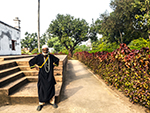 "+
"",
wasifmanzilbengali : "ওয়াসিফ মঞ্জিলঃ-১৭৬৫ সালের কথা। সেই বছরই মুঘল বাদশাহ বাংলার নবাবদের হাত থেকে দেওয়ানির অধিকার বা রাজস্ব আদায়ের অধিকার কেড়ে নিলেন। সেই অধিকার ব্রিটিশ ইস্ট ইণ্ডিয়া কোম্পানির হাতে দিলে নবাবদের ক্ষমতা অর্ধেক কমে যায়। অবশিষ্ট ক্ষমতাটুকুও নবাব মুনসুর আলির খান ফেরাদুন জা’র আমলে চলে যায়। সেটা ঊনবিংশ শতকের অন্তিম লগ্নে। আসলে নবাব মুনসুর আলির খান ফেরাদুন জা ঋণের জালে জড়িয়ে পড়েছিলেন। অথচ বহু অনুরোধ করেও ইংরেজ কর্তৃপক্ষ তাঁর ভাতা বৃদ্ধির আর্জিতে রাজি হননি। তিনি সমস্যার সমাধান করতে প্রথমে গভর্নর জেনারেলের সঙ্গে দেখা করেন। কিন্তু সেখানে কোনও কাজ না হওয়ায় নবাব ব্রিটেনের পার্লামেন্টে যাওয়ার সিদ্ধান্ত নেন। কিন্তু সেখানে গিয়েও তিনি ব্যর্থ হন। শেষ চেষ্টা হিসেবে মহারানী ভিক্টোরিয়ার সঙ্গে দেখা করেন। এবং তাঁর পরামর্শ মতো নিজের বাংলা, বিহার, ওড়িশার সুবাদারির পদটা ইংরেজ সরকারের কাছে বিক্রি করতে বাধ্য হন। এতে অবশ্য নবাবের ঋণমুক্তি ঘটে এবং হাতে বেশ কিছু অর্থও আসে। কিন্তু সুবেদারির ক্ষমতা বিলুপ্তির সঙ্গেই বাংলা, বিহার, ওড়িশার নবাব নাজিমের উপাধিটুকুও বিলুপ্ত হয়ে যায়। ফলে বাংলার সুবেদার একদা নবাব নাজিমরা পরিণত হন শুধুমাত্র মুর্শিদাবাদের নবাব বাহাদুরে। তাঁদের বাৎসরিক আয়ও বহুলাংশে কমে যায়। ঊনবিংশ শতকের একেবারে শেষ লগ্নের কথা। প্রিন্স ওয়াসিফ আলি মির্জা সদ্য বিলেত থেকে পড়াশোনা শেষ করে এক প্রকার আধা ইংরেজ হয়েই দেশে ফিরেছেন। মুর্শিদাবাদের মসনদে তখন তাঁর পিতা নবাব হাসান আলি মির্জা। এদিকে দীর্ঘদিন বিলেতে থাকার ফলে প্রিন্স ওয়াসিফ আলি মির্জার রুচিরও বদল ঘটেছিল। তিনি দেশে ফিরে তাঁদের প্রাসাদে থাকতে চাইলেন না। কিন্তু নতুন প্রাসাদ নির্মাণের সামর্থ্যও ছিল না। ১৮৯৭ সালের ভূমিকম্পে ভেঙে পড়া পুরানো প্রাসাদের একটা অংশকে তিনি কিছুটা সংস্কার করে নতুন প্রাসাদ নির্মাণ করেন। নিজের নামেই সেই প্রাসাদের নামকরণ করেছিলেন, ওয়াসিফ মঞ্জিল। তখনও তিনি নবাব হননি। ১৯০৬ সালে তাঁর পিতা নবাব হাসান আলি মির্জার মৃত্যু হলে প্রিন্স ওয়াসিফ আলি মির্জা নবাব বাহাদুর হন। ওয়াসিফ আলি মির্জা এই প্রাসাদ নির্মাণ করেন বসবাস করার জন্যেই। কিন্তু তিনি খুব বেশিদিন এই প্রাসাদে বাস করতে পারেননি। নবাব হওয়ার পরে নানান আর্থিক বিড়ম্বনায় পড়ে তিনি বাধ্য হন এই প্রাসাদ ত্যাগ করে কলকাতায় জীবনের বাকি দিনগুলি অতিবাহিত করতে। বর্তমানে মুর্শিদাবাদে নিজামত কেল্লার অবশিষ্ট প্রাসাদগুলোর মধ্যে অন্যতম হল নবাব ওয়াসিফ আলি মির্জার কারুকার্য খচিত সেই ওয়াসিফ মঞ্জিল। নবাব কলকাতা চলে যাওয়ার পর এই প্রাসাদ দীর্ঘদিন মুর্শিদাবাদ এস্টেটের কার্যালয় হিসেবে ব্যবহার করা হয়। বর্তমানে ওয়াসিফ মঞ্জিল পশ্চিমবঙ্গ সরকারের পর্যটন দফতরের তত্ত্বাবধানে রয়েছে। প্রবেশ পথের দুপ্রান্তে রয়েছে ফুলের বাগান। তাতে দৃষ্টিনন্দন দুটো মূর্তি রয়েছে। কিছুটা এগোতেই চোখে পড়ল দুটো সেলামি তোপ। না এখন আর সেই তোপ দাগা হয় না। কিন্তু এমনও একটা দিন ছিল যখন এই প্রাসাদে নবাবের বন্ধু স্থানীয় কেউ বা কোনও ইংরেজ অফিসার এলে তাঁদের সম্মানে তোপ দাগা হতো। এখন সবই স্মৃতি। নবাবি আমলে প্রাসাদের পুরো নীচতলা নবাবের দফতর ছিল। বর্তমানে স্টোর রুম হিসেবে প্রচুর পুরানো দলিল দস্তাবেজ রাখা হয়। "+
"Read More..."+
"
"+
"",
wasifmanzilbengali : "ওয়াসিফ মঞ্জিলঃ-১৭৬৫ সালের কথা। সেই বছরই মুঘল বাদশাহ বাংলার নবাবদের হাত থেকে দেওয়ানির অধিকার বা রাজস্ব আদায়ের অধিকার কেড়ে নিলেন। সেই অধিকার ব্রিটিশ ইস্ট ইণ্ডিয়া কোম্পানির হাতে দিলে নবাবদের ক্ষমতা অর্ধেক কমে যায়। অবশিষ্ট ক্ষমতাটুকুও নবাব মুনসুর আলির খান ফেরাদুন জা’র আমলে চলে যায়। সেটা ঊনবিংশ শতকের অন্তিম লগ্নে। আসলে নবাব মুনসুর আলির খান ফেরাদুন জা ঋণের জালে জড়িয়ে পড়েছিলেন। অথচ বহু অনুরোধ করেও ইংরেজ কর্তৃপক্ষ তাঁর ভাতা বৃদ্ধির আর্জিতে রাজি হননি। তিনি সমস্যার সমাধান করতে প্রথমে গভর্নর জেনারেলের সঙ্গে দেখা করেন। কিন্তু সেখানে কোনও কাজ না হওয়ায় নবাব ব্রিটেনের পার্লামেন্টে যাওয়ার সিদ্ধান্ত নেন। কিন্তু সেখানে গিয়েও তিনি ব্যর্থ হন। শেষ চেষ্টা হিসেবে মহারানী ভিক্টোরিয়ার সঙ্গে দেখা করেন। এবং তাঁর পরামর্শ মতো নিজের বাংলা, বিহার, ওড়িশার সুবাদারির পদটা ইংরেজ সরকারের কাছে বিক্রি করতে বাধ্য হন। এতে অবশ্য নবাবের ঋণমুক্তি ঘটে এবং হাতে বেশ কিছু অর্থও আসে। কিন্তু সুবেদারির ক্ষমতা বিলুপ্তির সঙ্গেই বাংলা, বিহার, ওড়িশার নবাব নাজিমের উপাধিটুকুও বিলুপ্ত হয়ে যায়। ফলে বাংলার সুবেদার একদা নবাব নাজিমরা পরিণত হন শুধুমাত্র মুর্শিদাবাদের নবাব বাহাদুরে। তাঁদের বাৎসরিক আয়ও বহুলাংশে কমে যায়। ঊনবিংশ শতকের একেবারে শেষ লগ্নের কথা। প্রিন্স ওয়াসিফ আলি মির্জা সদ্য বিলেত থেকে পড়াশোনা শেষ করে এক প্রকার আধা ইংরেজ হয়েই দেশে ফিরেছেন। মুর্শিদাবাদের মসনদে তখন তাঁর পিতা নবাব হাসান আলি মির্জা। এদিকে দীর্ঘদিন বিলেতে থাকার ফলে প্রিন্স ওয়াসিফ আলি মির্জার রুচিরও বদল ঘটেছিল। তিনি দেশে ফিরে তাঁদের প্রাসাদে থাকতে চাইলেন না। কিন্তু নতুন প্রাসাদ নির্মাণের সামর্থ্যও ছিল না। ১৮৯৭ সালের ভূমিকম্পে ভেঙে পড়া পুরানো প্রাসাদের একটা অংশকে তিনি কিছুটা সংস্কার করে নতুন প্রাসাদ নির্মাণ করেন। নিজের নামেই সেই প্রাসাদের নামকরণ করেছিলেন, ওয়াসিফ মঞ্জিল। তখনও তিনি নবাব হননি। ১৯০৬ সালে তাঁর পিতা নবাব হাসান আলি মির্জার মৃত্যু হলে প্রিন্স ওয়াসিফ আলি মির্জা নবাব বাহাদুর হন। ওয়াসিফ আলি মির্জা এই প্রাসাদ নির্মাণ করেন বসবাস করার জন্যেই। কিন্তু তিনি খুব বেশিদিন এই প্রাসাদে বাস করতে পারেননি। নবাব হওয়ার পরে নানান আর্থিক বিড়ম্বনায় পড়ে তিনি বাধ্য হন এই প্রাসাদ ত্যাগ করে কলকাতায় জীবনের বাকি দিনগুলি অতিবাহিত করতে। বর্তমানে মুর্শিদাবাদে নিজামত কেল্লার অবশিষ্ট প্রাসাদগুলোর মধ্যে অন্যতম হল নবাব ওয়াসিফ আলি মির্জার কারুকার্য খচিত সেই ওয়াসিফ মঞ্জিল। নবাব কলকাতা চলে যাওয়ার পর এই প্রাসাদ দীর্ঘদিন মুর্শিদাবাদ এস্টেটের কার্যালয় হিসেবে ব্যবহার করা হয়। বর্তমানে ওয়াসিফ মঞ্জিল পশ্চিমবঙ্গ সরকারের পর্যটন দফতরের তত্ত্বাবধানে রয়েছে। প্রবেশ পথের দুপ্রান্তে রয়েছে ফুলের বাগান। তাতে দৃষ্টিনন্দন দুটো মূর্তি রয়েছে। কিছুটা এগোতেই চোখে পড়ল দুটো সেলামি তোপ। না এখন আর সেই তোপ দাগা হয় না। কিন্তু এমনও একটা দিন ছিল যখন এই প্রাসাদে নবাবের বন্ধু স্থানীয় কেউ বা কোনও ইংরেজ অফিসার এলে তাঁদের সম্মানে তোপ দাগা হতো। এখন সবই স্মৃতি। নবাবি আমলে প্রাসাদের পুরো নীচতলা নবাবের দফতর ছিল। বর্তমানে স্টোর রুম হিসেবে প্রচুর পুরানো দলিল দস্তাবেজ রাখা হয়। "+
"Read More..."+
" "+
"
"+
"  "+
"
"+
" 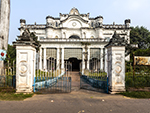 "+
"",
sonarundibengali : "সোনারুন্দি রাজবাড়িঃ-ভাগীরথী নদী মুর্শিদাবাদ জেলাকে পূর্ব পশ্চিম এই দু ভাগে বিভক্ত করেছে। ভাগীরথীর পূর্ব অংশের স্থানীয় নাম বাগড়ি, আর পশ্চিম অংশের নাম রাঢ়। মুর্শিদাবাদ জেলার বহরমপুর, জিয়াগঞ্জ, জাঙ্গীপুর বাগড়ি অঞ্চলে অবস্থিত। তেমনই কান্দি, আজিমগঞ্জ, রঘুনাথগঞ্জ রাঢ় অঞ্চলে অবস্থিত। কান্দি মহকুমা মুর্শিদাবাদ জেলার রাঢ় অংশের একদম দক্ষিণে অবস্থিত। মুর্শিদাবাদ জেলার রাঢ় অংশের পাশাপাশি, কান্দি মহকুমার একদম দক্ষিণ প্রান্তের একটি গঞ্জ হ’ল সোনারুন্দি।কাটোয়া-আজিমগঞ্জ লাইনে সালার স্টেশনে নেমে ১০ কিমি পশ্চিমে বর্ধমান জেলার সীমান্ত লাগোয়া মুর্শিদাবাদ জেলার সোনারুন্দি বনওয়ারীবাদ গ্রাম। সোনারুন্দি গ্রামের রাজাদের গৃহ দেবতা বনওয়ারীদেবের নাম থেকে ওই গ্রামের নাম হয় বনওয়ারীবাদ। হাওড়া থেকে সালার লাইনে ট্রেন কম। তাই কাটোয়ায় নেমে গাড়ি নিয়েও সোনারুন্দি যাওয়া-আসা যায় হাজার বারশো টাকার মধ্যে।১১১২ বঙ্গাব্দে ২৮ জ্যৈষ্ঠ, বনওয়ারীবাদ রাজবংশের প্রতিষ্ঠা করেন নিত্যানন্দ দালাল । নিত্যানন্দের বাবা জগমোহন দালাল সোনারুন্দি গ্রামে বাস করতেন। ১৭৫০ সালে সোনারুন্দিতে নিত্যানন্দের জন্ম হয়। অল্প বয়সে তিনি আরবি, উর্দু ও পার্সি ভাষায় পারদর্শিতা লাভ করেন। বাদশা শাহ আলম তাঁর ভাষা জ্ঞানে খুশি হয়ে নিজের মীরমুন্সী পদে নিত্যানন্দকে দিল্লীতে নিযুক্ত করেন। সম্রাট তাঁকে দানেশবন্দ উপাধি দেন। তারপর তাঁকে মহারাজা উপাধি দিয়ে সাতহাজারি মনসবদারি পদে নিযুক্ত করেন। তিনি নিজের গ্রামের জনসাধারণের জন্যে মন্দির, লাইব্রেরি ও বিদ্যালয় নির্মাণ করেছিলেন। ১৮২১ সালে তিনি পরলোক গমন করলে তাঁর বড় পুত্র জগদীন্দ্র বনওয়ারীলাল মহারাজা বাহাদুর উপাধি পান। নবাব নাজিমের সুপারিশে লর্ড উইলিয়াম বেণ্টিং তাঁকে মহারাজা উপাধি দিয়েছিলেন। তিনি বিশ্বযুদ্ধের সময় ইংরেজ কোম্পানিকে তিন লাখ টাকা এবং কলকাতায় স্ট্র্যাণ্ড রোড নির্মাণের জন্যে পঞ্চাশ হাজার টাকা দান করেছিলেন। তাঁর মৃত্যুর পর ছোট ভাই জগদীন্দ্র বনওয়ারী গোবিন্দ লর্ড ক্যানিং-এর কাছ থেকে মহারাজা উপাধি পান। তারপর থেকেই ওই রাজবংশের পতন শুরু হয়। ওই রাজবংশের শেষ রাজা বনওয়ারী পছন্দ। তাঁর রানী কল্যাণী সাহেবা বর্তমান রাজ পরিবারে একমাত্র জীবিত প্রদীপ। রাজবাড়ির বেশির ভাগ অংশ ভেঙে পড়েছে। কিন্তু রাজবাড়ির ঠাকুরবাড়ি এখনও দর্শনযোগ্য স্থান। বৃন্দাবনের ন্যায় বিভিন্ন দেব দেবীর মূর্তি বিদ্যমান আছে। ঠাকুরবাড়ি সংলগ্ন একটা বড়ো দীঘি আছে। সেখানে বহুকাল থেকে রুই, মৃগেল ও কাতলা মাছ পোষা হয়। কাউকে কখনও ধরতে দেওয়া হয় না। বাঁধানো ঘাটের পাড় থেকে খাবার ছুঁড়ে দিলে বড় বড় মাছেদের দেখা পাওয়া যায়। জন্মাষ্টমী ও রাধাষ্টমী প্রভৃতি বৈষ্ণব পর্বের সময় মাছের পোনা জলে ছাড়া হয়। কখনও কোনও মাছ মরে গেলে সেটাকে গঙ্গায় ভাসিয়ে দেওয়া হয়। রাজবাড়ির পুকুরে মাছ দেখার জন্যে অনেকে দূর-দূরান্ত থেকে এখনও আসেন। সোনারুন্দি থেকে কিছুটা গেলেই বর্ধমানের নিরোল গ্রামের কাছাকাছি রয়েছে ওষ্ঠহাস। দেবীর একান্ন সতীপীঠের একটা। শোনা যায় ওখানে দেবীর ঠোঁট বা ওষ্ঠ পড়েছিল। পরে ওষ্ঠহাস কালক্রমে আমাদের উচ্চারণ দোষে হয়ে গেছে অট্রহাস।সোনারুন্দির পূর্ণ ইতিহাসঃ-১১৮০ খ্রিষ্টাব্দে সেন বংশীয় রাজা লক্ষণ সেন বাসুদেব নামক এক মুখুটি বংশীয় ব্রাহ্মণকে বল্লিহিটা নামে একটা গ্রাম দান করেছিলেন। এই দানপত্র উদ্ধরণপুরের কাছে নৈহাটি গ্রামে আবিষ্কৃত হয় বলে এর নাম নৈহাটি তাম্রশাসন। এই বল্লিহিটা বা বর্তমানে বালুটিয়া গ্রাম আজিমগঞ্জ-কাটোয়া রেলপথের গঙ্গাটিকুরী রেল স্টেশনের ঠিক পশ্চিম প্রান্তে অবস্থিত। তাম্রশাসনে ওই গ্রামের চৌহদ্দি বর্ণনায় সোনারুন্দি এলাকার অনেকখানি পরিচয় আছে। বালুটিয়া গ্রামের দু কিমি পশ্চিমেই বর্তমান সোনারুন্দি গ্রাম। তাম্রশাসনে বেশ কয়েকটা গ্রামের প্রাচীন নাম আছে। জলসথি ও মোলাদণ্ডী (মুরুন্দি)রয়েছে সোনারুন্দি গ্রামের ঠিক পূর্বে, খাণ্ডয়িল্লা (খাঁড়ুলে)রয়েছে সোনারুন্দি গ্রামের দক্ষিণ-পূর্বে প্রাচীন সিঙ্গাটিয়া নদীর দক্ষিণে। এখান থেকে বোঝা যায় লক্ষণ সেনের সময় মোলাদণ্ডী বা মুরুন্দি গ্রাম ছিল। ভাষাগত সাযুস্য বিশ্লেষণ করলে বোঝা যায় এই গ্রামের সংলগ্ন লোহারুন্দি ও সোনারুন্দি গ্রামের সেই সময়ের নাম ছিল লৌহদণ্ডী ও স্বর্ণদণ্ডী। প্রাচীন বঙ্গদেশে ‘দণ্ডী’ ছিল বণিক ও কায়স্থদের উপাধি। দণ্ডী থেকেই ওজনের দাঁড়িপাল্লা শব্দটা উৎপন্ন হয়েছে। ফলে বোঝা যায় ‘দণ্ডী’ উপাধির বণিকেরা এই এলাকায় বসবাস করত ও এক একটা গ্রাম প্রতিষ্ঠা করেছিল। তামা, লোহা ও সোনার ব্যবসাদার ছিল বলেই নিজ উপাধি অনুসারে এই তিনটে গ্রাম প্রতিষ্ঠা করেছিল। এখনও বণিকদের এমনই পরিচয় শোনা যায়, যেমন তাম্রবণিক, কংস বণিক (কাঁসার ব্যবসা), স্বর্ণ বণিক, শঙ্খবণিক ইত্যাদি। বণিকেরা এই রাঢ় অঞ্চলের খুব প্রাচীন বাসিন্দা। ফলে অন্য দুটো গ্রামের সঙ্গে সোনারুন্দি গ্রামটাও বেশ প্রাচীন বলেই মনে হয়। অন্যদিকে সোনারুন্দি সহ এই এলাকায় এখনও তন্তুবায় বা তাঁতিদের বাস বেশি। এখনও বহুজাতিক সংস্থার আগ্রাসী বাণিজ্যের দিনে এর আশেপাশে সোনারুন্দি, শিমুলিয়া, এড়েরা, কন্দনাগ, মুরুন্দি প্রভৃতি গ্রামে তাঁতকল আছে। এখনও তাঁতবস্ত্র তৈরি করে অনেকে জীবন ধারণ করেন। অতি প্রাচীন কাল থেকেই সুতো তৈরির জন্যে ব্যবহৃত মূল উপাদান রেশম ও কাপাস এই এলাকায় উৎপাদিত হতো।কর্ণসুবর্ণের রাজা শশাঙ্কের সময়ে গঙ্গাপথে যে সমৃদ্ধ ব্যবসা হতো, তার মধ্যে রেশম ও কাপাসজাত কাপড় ছিল প্রধান। এই এলাকার তাঁতিদের বোনা কাপড় আরব দেশে যেমন যেত, তেমনই শ্রীলঙ্কা, আফ্রিকা পর্যন্ত রপ্তানি হতো। এরও আগে আমরা জানি কৌটিল্যের অর্থশাস্ত্রে গৌড়ের কাপড়ের প্রশংসা আছে। ফলে আমরা বুঝতে পারি ভাগীরথী তীরবর্তী বা রাঢ় এলাকার তাঁতের কাপড়ের সুনাম খুব প্রাচীন। এর থেকে বোঝা যায় সোনারুন্দি এলাকাতেও তাঁতিদের অবস্থান দুহাজার বছরের ঐতিহ্য দাবি করতে পারে। বঙ্গদেশের তাঁতিদের বিভিন্ন উপাধি এখন চলিত আছে। যেমন–তাঁতি, দালাল, গুঁই, মণ্ডল, দত্ত, দাস, দেব, কুণ্ডু, নন্দী প্রভৃতি। অষ্টাদশ শতকে সোনারুন্দি গ্রামের আশি শতাংশ লোক ছিল তাঁতি সম্প্রদায়ভুক্ত। এদের পেশাও ছিল রেশম ও কাপাস তুলো থেকে সুতো তৈরি করে কাপড় বোনা। চৈতন্যোত্তর যুগে এই গ্রামের তাঁতিরা বৈষ্ণব ধর্মে দীক্ষিত হয়। এরা নিত্যানন্দ সম্প্রদায়ভুক্ত ছিল। এই গ্রামের পূর্বে গঙ্গাতীরে উদ্ধরণপুরে নিত্যানন্দের শিষ্য উদ্ধরণচন্দ্র দত্তের শ্রীপাট ছিল। সোনারুন্দির উত্তর-পূর্বে ঝামটপুরে ‘চৈতন্যচরিতামৃত’ গ্রন্থের রচয়িতা কৃষ্ণদাস কবিরাজের শ্রীপাট। আবার পাশের গ্রাম দক্ষিণখণ্ডতে শ্রীনিবাস আচার্যের নাতি যাদবেন্দ্র আচার্যের শ্রীপাট ছিল। ফলে এলাকাটা মূলত বৈষ্ণব অধ্যুষিত ছিল। সোনারুন্দির তাঁতিরা উদ্ধরণচন্দ্র দত্তের শিষ্যদের অনুসারী ছিল। এই গ্রামের দালাল বংশের সন্তান নিত্যানন্দ। সম্ভবত জ্ঞাতিসূত্রে কাশিমবাজারের রাজা মনীন্দ্রচন্দ্র নন্দীর সঙ্গে তার পরিচয় ছিল। সেই সুবাদে তিনি অল্প বয়েসেই খুব ভালোভাবে ফারসি ভাষা শিখেছিলেন। অল্প বয়সে তিনি গৃহত্যাগ করে বৃন্দাবনে চলে যান। সেখান থেকে তিনি দিল্লির বাদশাহের দরবারে চাকরি জোগাড় করেন। অসাধারণ মেধা ও ফারসি ভাষায় দক্ষতার জন্যে সেই সময়ের মুঘল বাদশা শাহ আলমের সঙ্গে তাঁর ঘনিষ্ঠতা হয়।দিল্লির রাজনৈতিক ষড়যন্ত্রে এবং মারাঠা আক্রমণে এক সময় বাদশা শাহ আলম দিল্লি ত্যাগ করতে বাধ্য হন। তিনি এসে আশ্রয় নেন বর্ধমান রাজের এলাকা কাটোয়াতে। সেই সময় নিত্যানন্দ শাহ আলমের সুপারিশে এই সোনারুন্দি এলাকার জমিদারী লাভ করেন। কারো কারো মতে তিনি মনসবদার হয়েছিলেন। বাদশা শাহ আলম তাকে মুঘল পরিবারের রীতি অনুসারে মহারাজ উপাধি দান করেন। এই সময়ে নিত্যানন্দ দালালের উপাধিসহ নাম হয়—আজমদ্দৌল্লা আমিরুল মুলুক জগদীন্দ্র দানিশবন্দ নিত্যানন্দ দেব বাহাদুর। আজম কথার অর্থ–মহান, বড়, শ্রেষ্ঠ। দৌলার অর্থ–রাজত্ব। আমিরুল মানে নেতা, অভিভাবক, রাজা, সম্রাট। আমিরুল উপাধি প্রথম ব্যবহার করেন দ্বিতীয় খলিফা উমর বিন খাত্তাব। পরে বাগদাদের সকল রাজাই এই উপাধি ব্যবহার করতো। দানিশ বন্দ ও হগমত এ দুটি ফারসি শব্দ। এই দুটি শব্দের অর্থ হ'ল দয়ালু ও দানশীল। ফলে বোঝা যায় নিত্যানন্দকে শাহ আলম কতটা আন্তরিক ও মহান হিসেবে ভেবেছিলেন। ১৮০৬ খ্রিষ্টাব্দ পর্যন্ত শাহ আলম কাটোয়াতে ছিলেন। সেই সময় পর্যন্ত নিত্যানন্দের সঙ্গে তাঁর বন্ধুত্ব অটুট ছিল। ১৮৬৫ খ্রিষ্টাব্দে এই শাহ আলম ইস্ট ইন্ডিয়া কোম্পানিকে দেওয়ানি সত্ত্ব দান করেছিলেন। সেই সময়ে এই সোনারুন্দি এলাকারও রাজা বা পত্তনিদার ছিল বর্ধমানের রাজারা। সম্ভবত শাহ আলম বর্ধমানের রাজার সঙ্গে যোগাযোগ করেই নিত্যানন্দকে এই জমিদারি পাইয়ে দিয়েছিলেন। ১৮০৮ সালে নিত্যানন্দ দেব বাহাদুর সোনারুন্দি গ্রামের পূর্ব প্রান্তে প্রায় চুয়ান্ন বিঘা জমির ওপর তার রাজবাড়ি ও মন্দির নির্মাণ করেন। এলাকাটা উঁচু পাঁচিল দিয়ে ঘিরে চারদিকে চারটে বিশাল তোরণ নির্মাণ করেন। মুল রাজবাড়ির সংলগ্ন পশ্চিম অংশে কিশোরী বনওয়ারিলালের মন্দির নির্মাণ করে রাধাকৃষ্ণ ও অষ্টসখীর মূর্তি প্রতিষ্ঠা করেন। বৃন্দাবনের অনুসরণে তিনি এই সখীসহ যুগল মূর্তির নাম দেন কিশোরী বনওয়ারিলালজী। তার চারদিকে দালান, মাঝে নাট মন্দির। লাল বেলে পাথর দিয়ে মন্দিরের সামনের দেওয়াল সাজিয়ে তোলেন। মুল প্রাসাদে একশোর বেশি ঘর ছিল। উত্তর-পশ্চিম দিকে বা বায়ুকোণে দাসদাসীদের থাকার জন্যে বাড়ি নির্মাণ করেন। মন্দিরের পাশেই কিশোরী-সায়র পুকুর কেটে তার ঘাটে স্নানঘর ও পাশেই গোপেশ্বর শিব মন্দির নির্মাণ করেন। বাগানে সুদৃশ্য ফুলের ও সুস্বাদু ফলের বাগান করেন। রাজবাড়ির বাইরে বারোটা কুঞ্জ নির্মাণ করেন, যেখানে রাস বা ঝুলনের সময় কিশোরী বনওয়ারীলালজী যেতে পারেন। মুল অনুষ্ঠানগুলোতে এই দেবমূর্তিগুলোকে নিয়ে যাওয়া হতো। মূল রাজবাড়ি এলাকার বাইরে সোনারুন্দির পূর্ব প্রান্তে ছড়িয়ে ছিল এই কুঞ্জগুলো। প্রত্যেক কুঞ্জে একটা মন্দির, সংলগ্ন পুকুরে বাঁধাঘাট ছিল। বঙ্গদেশের দ্বিতীয় বৃন্দাবন বলা যেতে পারে। সুসজ্জিত, সুরম্য এই চত্বরকে সকলে বনওয়ারীবাদ বলতো। তিনি আরও দেবতা প্রতিষ্ঠা মন্দির নির্মাণ করেছিলেন। কিছু দূরে গঙ্গাতীরে উদ্ধরণপুরে উদ্ধরণচন্দ্র দত্ত, নিত্যানন্দ, শ্রীচৈতন্য ও অন্যান্য বৈষ্ণব মহাজনের পদধূলি-স্পর্শিত জায়গাতে তিনি বিশাল মন্দির নির্মাণ করেছিলেন। সোনারুন্দি থেকে উদ্ধরণপুর পর্যন্ত একটা রাস্তাও নির্মাণ করেছিলেন। সাধারণের ব্যবহারের জন্যে পাশে পুকুর কাটিয়ে দিয়েছিলেন। সেই সময়ে সোনারুন্দি, মুরুন্দি, খাঁড়ুলে ও উদ্ধরণপুরে তার জমি ছিল প্রায় চার হাজার বিঘা। আর রাজশাহী, দিনাজপুর (বাংলাদেশ) ও বীরভূমের ময়ূরেশ্বরের কাছেও তাঁর জমিদারী ছিল। তিনি নিজের জন্মসাল অনুসারে দানিশাব্দ চালু করেছিলেন। তাঁর জমিদারী এলাকায় এই অব্দ ব্যবহৃত হত।নিত্যানন্দের তিন ছেলেঃ– ১) জগদীন্দ্র বনওয়ারি লাল বাহাদুর ২) জগদীন্দ্র বনওয়ারি গোবিন্দ দেব বাহাদুর ৩) আজমদৌল্লা বনওয়ারি কিশোর বাহাদুর। এরা প্রত্যেকেই মুঘল বাদশার দেওয়া উপাধি ব্যবহার করতো।বড় ছেলে লাল বাহাদুর ১৮৭৮ খ্রিষ্টাব্দের বেশ কয়েক বছর আগে মেজো ভাইকে সম্পত্তির সত্ত্ব আরোপ করে বৃন্দাবনবাসী হয়েছিলেন। ছোট ভাই কিশোর ১৮৭৮ খ্রিষ্টাব্দের আগেই দেহত্যাগ করেন। তাঁর অবীরা স্ত্রী জীবিত ছিলেন। তিনিও মৃত্যুর আগে মেজো দাদা গোবিন্দকে তার সমস্ত সম্পত্তি লিখে দিয়ে যান। ফলে তাদের সমস্ত সম্পত্তির মালিক হয় মেজো রাজকুমার গোবিন্দ দেব বাহাদুর। এরা তিন ভাই নিঃসন্তান ছিলেন। ফলে গোবিন্দ দেব স্থানীয় এক আত্মীয় রাজবল্লভকে পোষ্যপুত্র হিসেবে গ্রহণ করেন। দত্তকের পরে তার নাম হয় আনন্দ দেব। এদের কুল উপাধি ছিল নন্দী। কিন্তু আনন্দ মদ্যপান, নারী আসক্তি প্রভৃতি কারণে অত্যন্ত উচ্ছৃঙ্খল হয়ে যায়। ইনিই রাজবাড়ির পূর্বে বাইজিবাগান প্রতিষ্ঠা করেন। আনন্দের ছেলে মুকুন্দ দাস নন্দীকে মেজো রাজপুত্র গোবিন্দ তার মৃত্যুর পরে উত্তরাধিকার সেবায়ত নিযুক্ত করে সমস্ত সম্পত্তি দেবত্ব করে দেন। এই মুকুন্দের চার ছেলে বীরেন্দ্র, সুনন্দ, রবীন্দ্র ও পছন্দ। ১৯৪৫ সালের পরে বড় রাজকুমার এই রাজবাড়ির অভিভাবক হিসেবে সমস্ত সম্পত্তি দেখাশোনা করতেন। তিনি সখের হোমিওপ্যাথি ডাক্তার ছিলেন। বাইজি বাগানের ওখানে রাস্তার ধারে বিনা পয়সায় সকাল থেকে রোগীদের চিকিৎসা করতেন। সন্ধেতে সেখানেই বসতেন ইয়ার-দোস্তদের সঙ্গে। নিত্যানন্দের সময় থেকেই এখানে দোল উৎসব হত অত্যন্ত জাঁকজমক ভাবে। কেষ্টযাত্রা, রামযাত্রা, পুতুলনাচ আসতো। মেলা বসতো। নাগরদোলা, বায়স্কোপ আসতো। তবে মূল আকর্ষণ ছিল ঝুমুর। পশ্চিমদেশ থেকে মানে বিহারের বিভিন্ন এলাকা থেকে আসত ঝুমুরের দল। বাঁধা দল ছিল। সে বছর ঝুমুর দলের দেখাশোনার দায়িত্ব নেয় মেজো রাজকুমার। সে আবার গান বাজনা খুব পছন্দ করে। বেশ সৌখিন। সেবার বাইজি বাগানের পাশে গোল পুকুরের পশ্চিম পাড়ে বসেছিল ঝুমুরের দল। দলে প্রত্যেক বছর তিন-চারটে ‘বাই’ থাকে। এক এক বছর এক এক ‘বাই’ আসতো। এরাই রাতে নেচে গেয়ে আসর মাতিয়ে রাখতো। অধিকাংশ গানই আদি রসাত্মক। কিছু রাধাকৃষ্ণ, রামসীতার গানও হতো। রাত যত বাড়ে খেউরের পরিমাণও তত বাড়ে। এর আড়ালে দলনেত্রী মদের ব্যবসাও করে। আবার বাইজিরা দেহ ব্যবসাও করে। অস্থায়ী দেহ-ব্যবসায় উঠতি রঙিন যুবকেরা বেশ কয়েক দিন মেতে উঠত। সেই বছর একটি নতুন ‘বাই’ এসেছিল। তার গানের গলা মিঠে। শান্ত স্বভাব। শোনা গেল সে নাকি নতুন এই দলে। তাই দেহব্যবসায় এখনো সে নিজেকে মানিয়ে নিতে পারে নি। সুন্দরী, টানাটানা চোখ। নাচের সময়েও লজ্জাজড়িত ভঙ্গিতে গায়ের কাপড়-চোপর সামলে নিতে দেরি করতো না। রঙিন যুবকেরা পেলা ছুঁড়লে কেমন যে করুণ হাসি দিয়ে সেই টাকা কুড়িয়ে নেয়। টানাটানা চোখে যেন সততই সামান্য অশ্রু লেগে আছে। এলাকার যুবকেরা তার দিকে নজর দিল। দিনে অনেকে ঘোরা ফেরা করতে লাগলো। এলাকায় তরুণদের মধ্যে কানাঘুষো শোনা গেল–এ নাকি ঘরুটে মেয়ে। মানে বিয়ের রাতেই নাকি এর স্বামী মরে যায়। অভাবের তাড়নায় এসেছে এই লাইনে।জনশ্রুতি এই যে—সেই বছরের ঝুমুর গানের চতুর্থ দিনের সন্ধ্যায় মেজো রাজকুমার সেই বাইকে গিয়ে একটা সোনার গিনি উপহার দেন। গিনি উপহার পেয়ে গলায় আঁচল দিয়ে গড় হয়ে প্রণাম করে। সাবধানে করলো যেন রাজকুমারের পায়ে স্পর্শ না লেগে যায়। মাথা তুলে যখন সে বসলো তখন তার গাল বেয়ে অঝোর ধারায় গড়িয়ে পড়লো চোখের জল। রাজকুমার কি বুঝল কে জানে। সকলেই নিজের মত করে বোঝে’ এটাই জগতের রীতি। ধরা যাক এই বাইজির নাম বৈজয়ন্তী। সংক্ষেপে বৈজু। যে রাতে এই দলের শেষপালা, সেদিন বৈজু নাচ গান কিছুই করতে পারলো না। মাসি ধমক-ধামক দিয়েও আসরে নামাতে পারে নি তাকে। মাঝরাতে যখন দল সবকিছু বাঁধতে শুরু করেছে তখন মেজো রাজকুমার এসে হাজির। এসে একটা মোড়া নিয়ে বসে ডাকল মাসিকে। মাসি গলায় কাপড় দিয়ে পায়ের তলায় বসলো।কুমার বলল–মাসি বৈজু আর তোমার দলে যাবে না। ও এখানেই থাকবে। রাজকুমারের আদেশ। মাসি একান্ত অনিচ্ছা সত্ত্বেও প্রতিবাদ করল না। শুধু বলল–বৈজু কি বলে ? বৈজু দূরে দাঁড়িয়ে রইল অনেকক্ষণ। কোন কথার সে কোন উত্তর দেয় না। মাসির ধমক, রাজকুমারের অনুরোধ কিছুতেই সে ‘হ্যাঁ’ ‘না’ কিছুই বলে না। শুধু মুখে কমদামী কাপড় চাপা দিয়ে দাঁড়িয়ে আছে। আর অঝোরে চোখ থেকে নদীর ধারা বেয়ে গাল, থুতনি, বুকের কাপড়, কোমর বেয়ে মাটিতে মিশে যাচ্ছে। রাত অনেক হলো। দূরে কোন অজানা ফুলের গন্ধ ভেসে আসছে। কোন কোকিল এক নাগারে ডেকে চলেছে। মাসি প্রচণ্ড জোরে ধমক দিল তাকে। সে বলল–মাসি তুমি তো জানো আমার সাত কুলে কেউ নেই। বাপ তো নতুন বোষ্টমী নিয়ে দেশত্যাগী। তেনার মুখ তো শুধু একবার দেখলাম ছাদনা তলায়। পরে দেখলাম তার মরা মুখ। কার কাছে আর যাব বলো। হুজুর যদি এখানে রাখে তাহলে এখানেই থাকবো। এই বলে হন হন করে সে চলে গেল গোলপুকুরে বাঁধা ঘাটে। যাবার সময় বলে গেল–মাসি আমার জন্যে কিছুই রেখে যেও না। শুধু এই পরনের কাপড়টুকুই সম্বল থাক আমার। সারারাত সে গোলপুকুরের ঘাটে বসে রইলো। কৃষ্ণপক্ষের সপ্তমীর আধখাওয়া চাঁদ উঠে ঢলে পড়েছে পশ্চিম আকাশের কোলে। বৈজুর ঠাঁই হলো নজর বাগানের দক্ষিণ-পশ্চিম কোণের ছোট একটা বাড়িতে। তার বাবা ছিল নিত্যানন্দ সম্প্রদায়ের বৈষ্ণব। সে অসাধারণ বৈষ্ণব পদ গাইতো। কিছু বাউল গানও জানত। বৈজু তার বাবার কাছে খুব ছোট থেকে গানের তালিম নিয়েছিল। গলাও ছিল অসাধারণ। এই বাড়িতে ঠাঁই হবার পরে মেজো, সেজো ও ছোট রাজকুমার প্রায় সন্ধেতে ওখানে গিয়ে ভক্তির গান শুনত। মূল মন্দিরে সে আসতে পারতো না। তাই ওখান থেকেই সে দুবেলা কিশোরী বনয়ারি লালকে প্রণাম জানাত। এর ঠিক এক বছরের মধ্যে বৈজু একটা পুত্র সন্তান প্রসব করলো। কেউ বলল মায়ের মত, কেউ বলল বাবার মতো। থাক সে কথা। দেব শিশুর বয়স যখন প্রায় দু মাস। তখন আবার দোল উৎসব এলো। ঝুমুরের দল এলো। তবে অন্য দল। মেলা বসলো রাজবাড়ির পাশের বাইজি বাগানের মাঠে। দুমাসের দেব শিশুকে একজন দাসী এসে নিয়ে গেল মেলা দেখাতে। দাসীর হাত থেকে সেই শিশু কারা যেন নিয়ে গেল। দাসী এসে খবর দিল বৈজুকে। তারা আশেপাশে খুঁজতে খুঁজতে গিয়ে পৌঁছুল বাইজি বাগানের রান্নাশালায়। সেখানে গিয়ে দেখল–কে যেন সেই দেব শিশুকে উনুনের গরম জলে ফেলে দিয়ে হত্যা করেছে। শিশুর পুরো শরীর যেন জলে সেদ্ধ হয়ে গেছে। বৈজু জ্ঞান হারাল। এরপর কিছুদিন নাকি বৈজু এখানকার কুঞ্জে কুঞ্জে কেঁদে বেড়াতো আর চিৎকার করে ডাকতো শিশুপুত্রের নাম ধরে। জনশ্রুতি যে এই হত্যাকাণ্ডে রাজকুমার ও তার হিতাকাঙ্ক্ষীদের হাত ছিল। বৈজু কোথায় হারিয়ে গেছিল তারপর। এর কিছুদিনের মধ্যেই মেজো ও সেজো রাজকুমার গুটি বসন্তে একই সময়ে মারা যায়। বড় রাজকুমার মাঝে মাঝে বলতো–কে মারলি তাকে ? সেইই তো আমাদের বংশের কুলপ্রদীপ। শাস্ত্রে তো উপপত্নীর গর্ভের সন্তান স্বীকৃত। বড় ও ছোট রাজকুমারও কয়েক বছর পরে মারা যান। চার রাজপুত্রই ছিল অপুত্রক। বড় ও সেজো রাজকুমারের কন্যা ছিল। পুত্র ছিল না। ফলে নিত্যানন্দের ছেলে গোবিন্দ দেবের উইল অনুসারে এই বংশের পুত্ররা এই সম্পত্তি দেখাশোনা করে দেবসেবা নির্বাহ করবে। উইলে আরও উল্লেখ ছিল যে যদি বংশে পুত্র না জন্মায় তাহলে কুল গুরু এই সম্পত্তি দেখাশোনা করে দেবসেবা করবে। না হলে গ্রামের মুখ্য পাঁচ জন ব্যক্তি, অভাবে পঞ্চ গ্রামীণ মুখ্য ব্যক্তিরা এই সম্পত্তি দেখাশোনা করে দেবসেবা নির্বাহ করবে। সেই বাইজির অনিন্দ্যসুন্দর পুত্রকে নৃশংসভাবে মেরে ফেলার কারণ ছিল সেই উইল। সেই অনুসারে এই পুত্র সম্পত্তির দেখাশোনা করবে। অন্য কেউই আর উত্তরাধিকারী হবে না। এতে অনেকের স্বার্থে আঘাত লাগার ভয় সৃষ্টি হয়েছিল। তার ওপর সে ছিল বাইজির পুত্র। "+
"Read More..."+
"
"+
"",
sonarundibengali : "সোনারুন্দি রাজবাড়িঃ-ভাগীরথী নদী মুর্শিদাবাদ জেলাকে পূর্ব পশ্চিম এই দু ভাগে বিভক্ত করেছে। ভাগীরথীর পূর্ব অংশের স্থানীয় নাম বাগড়ি, আর পশ্চিম অংশের নাম রাঢ়। মুর্শিদাবাদ জেলার বহরমপুর, জিয়াগঞ্জ, জাঙ্গীপুর বাগড়ি অঞ্চলে অবস্থিত। তেমনই কান্দি, আজিমগঞ্জ, রঘুনাথগঞ্জ রাঢ় অঞ্চলে অবস্থিত। কান্দি মহকুমা মুর্শিদাবাদ জেলার রাঢ় অংশের একদম দক্ষিণে অবস্থিত। মুর্শিদাবাদ জেলার রাঢ় অংশের পাশাপাশি, কান্দি মহকুমার একদম দক্ষিণ প্রান্তের একটি গঞ্জ হ’ল সোনারুন্দি।কাটোয়া-আজিমগঞ্জ লাইনে সালার স্টেশনে নেমে ১০ কিমি পশ্চিমে বর্ধমান জেলার সীমান্ত লাগোয়া মুর্শিদাবাদ জেলার সোনারুন্দি বনওয়ারীবাদ গ্রাম। সোনারুন্দি গ্রামের রাজাদের গৃহ দেবতা বনওয়ারীদেবের নাম থেকে ওই গ্রামের নাম হয় বনওয়ারীবাদ। হাওড়া থেকে সালার লাইনে ট্রেন কম। তাই কাটোয়ায় নেমে গাড়ি নিয়েও সোনারুন্দি যাওয়া-আসা যায় হাজার বারশো টাকার মধ্যে।১১১২ বঙ্গাব্দে ২৮ জ্যৈষ্ঠ, বনওয়ারীবাদ রাজবংশের প্রতিষ্ঠা করেন নিত্যানন্দ দালাল । নিত্যানন্দের বাবা জগমোহন দালাল সোনারুন্দি গ্রামে বাস করতেন। ১৭৫০ সালে সোনারুন্দিতে নিত্যানন্দের জন্ম হয়। অল্প বয়সে তিনি আরবি, উর্দু ও পার্সি ভাষায় পারদর্শিতা লাভ করেন। বাদশা শাহ আলম তাঁর ভাষা জ্ঞানে খুশি হয়ে নিজের মীরমুন্সী পদে নিত্যানন্দকে দিল্লীতে নিযুক্ত করেন। সম্রাট তাঁকে দানেশবন্দ উপাধি দেন। তারপর তাঁকে মহারাজা উপাধি দিয়ে সাতহাজারি মনসবদারি পদে নিযুক্ত করেন। তিনি নিজের গ্রামের জনসাধারণের জন্যে মন্দির, লাইব্রেরি ও বিদ্যালয় নির্মাণ করেছিলেন। ১৮২১ সালে তিনি পরলোক গমন করলে তাঁর বড় পুত্র জগদীন্দ্র বনওয়ারীলাল মহারাজা বাহাদুর উপাধি পান। নবাব নাজিমের সুপারিশে লর্ড উইলিয়াম বেণ্টিং তাঁকে মহারাজা উপাধি দিয়েছিলেন। তিনি বিশ্বযুদ্ধের সময় ইংরেজ কোম্পানিকে তিন লাখ টাকা এবং কলকাতায় স্ট্র্যাণ্ড রোড নির্মাণের জন্যে পঞ্চাশ হাজার টাকা দান করেছিলেন। তাঁর মৃত্যুর পর ছোট ভাই জগদীন্দ্র বনওয়ারী গোবিন্দ লর্ড ক্যানিং-এর কাছ থেকে মহারাজা উপাধি পান। তারপর থেকেই ওই রাজবংশের পতন শুরু হয়। ওই রাজবংশের শেষ রাজা বনওয়ারী পছন্দ। তাঁর রানী কল্যাণী সাহেবা বর্তমান রাজ পরিবারে একমাত্র জীবিত প্রদীপ। রাজবাড়ির বেশির ভাগ অংশ ভেঙে পড়েছে। কিন্তু রাজবাড়ির ঠাকুরবাড়ি এখনও দর্শনযোগ্য স্থান। বৃন্দাবনের ন্যায় বিভিন্ন দেব দেবীর মূর্তি বিদ্যমান আছে। ঠাকুরবাড়ি সংলগ্ন একটা বড়ো দীঘি আছে। সেখানে বহুকাল থেকে রুই, মৃগেল ও কাতলা মাছ পোষা হয়। কাউকে কখনও ধরতে দেওয়া হয় না। বাঁধানো ঘাটের পাড় থেকে খাবার ছুঁড়ে দিলে বড় বড় মাছেদের দেখা পাওয়া যায়। জন্মাষ্টমী ও রাধাষ্টমী প্রভৃতি বৈষ্ণব পর্বের সময় মাছের পোনা জলে ছাড়া হয়। কখনও কোনও মাছ মরে গেলে সেটাকে গঙ্গায় ভাসিয়ে দেওয়া হয়। রাজবাড়ির পুকুরে মাছ দেখার জন্যে অনেকে দূর-দূরান্ত থেকে এখনও আসেন। সোনারুন্দি থেকে কিছুটা গেলেই বর্ধমানের নিরোল গ্রামের কাছাকাছি রয়েছে ওষ্ঠহাস। দেবীর একান্ন সতীপীঠের একটা। শোনা যায় ওখানে দেবীর ঠোঁট বা ওষ্ঠ পড়েছিল। পরে ওষ্ঠহাস কালক্রমে আমাদের উচ্চারণ দোষে হয়ে গেছে অট্রহাস।সোনারুন্দির পূর্ণ ইতিহাসঃ-১১৮০ খ্রিষ্টাব্দে সেন বংশীয় রাজা লক্ষণ সেন বাসুদেব নামক এক মুখুটি বংশীয় ব্রাহ্মণকে বল্লিহিটা নামে একটা গ্রাম দান করেছিলেন। এই দানপত্র উদ্ধরণপুরের কাছে নৈহাটি গ্রামে আবিষ্কৃত হয় বলে এর নাম নৈহাটি তাম্রশাসন। এই বল্লিহিটা বা বর্তমানে বালুটিয়া গ্রাম আজিমগঞ্জ-কাটোয়া রেলপথের গঙ্গাটিকুরী রেল স্টেশনের ঠিক পশ্চিম প্রান্তে অবস্থিত। তাম্রশাসনে ওই গ্রামের চৌহদ্দি বর্ণনায় সোনারুন্দি এলাকার অনেকখানি পরিচয় আছে। বালুটিয়া গ্রামের দু কিমি পশ্চিমেই বর্তমান সোনারুন্দি গ্রাম। তাম্রশাসনে বেশ কয়েকটা গ্রামের প্রাচীন নাম আছে। জলসথি ও মোলাদণ্ডী (মুরুন্দি)রয়েছে সোনারুন্দি গ্রামের ঠিক পূর্বে, খাণ্ডয়িল্লা (খাঁড়ুলে)রয়েছে সোনারুন্দি গ্রামের দক্ষিণ-পূর্বে প্রাচীন সিঙ্গাটিয়া নদীর দক্ষিণে। এখান থেকে বোঝা যায় লক্ষণ সেনের সময় মোলাদণ্ডী বা মুরুন্দি গ্রাম ছিল। ভাষাগত সাযুস্য বিশ্লেষণ করলে বোঝা যায় এই গ্রামের সংলগ্ন লোহারুন্দি ও সোনারুন্দি গ্রামের সেই সময়ের নাম ছিল লৌহদণ্ডী ও স্বর্ণদণ্ডী। প্রাচীন বঙ্গদেশে ‘দণ্ডী’ ছিল বণিক ও কায়স্থদের উপাধি। দণ্ডী থেকেই ওজনের দাঁড়িপাল্লা শব্দটা উৎপন্ন হয়েছে। ফলে বোঝা যায় ‘দণ্ডী’ উপাধির বণিকেরা এই এলাকায় বসবাস করত ও এক একটা গ্রাম প্রতিষ্ঠা করেছিল। তামা, লোহা ও সোনার ব্যবসাদার ছিল বলেই নিজ উপাধি অনুসারে এই তিনটে গ্রাম প্রতিষ্ঠা করেছিল। এখনও বণিকদের এমনই পরিচয় শোনা যায়, যেমন তাম্রবণিক, কংস বণিক (কাঁসার ব্যবসা), স্বর্ণ বণিক, শঙ্খবণিক ইত্যাদি। বণিকেরা এই রাঢ় অঞ্চলের খুব প্রাচীন বাসিন্দা। ফলে অন্য দুটো গ্রামের সঙ্গে সোনারুন্দি গ্রামটাও বেশ প্রাচীন বলেই মনে হয়। অন্যদিকে সোনারুন্দি সহ এই এলাকায় এখনও তন্তুবায় বা তাঁতিদের বাস বেশি। এখনও বহুজাতিক সংস্থার আগ্রাসী বাণিজ্যের দিনে এর আশেপাশে সোনারুন্দি, শিমুলিয়া, এড়েরা, কন্দনাগ, মুরুন্দি প্রভৃতি গ্রামে তাঁতকল আছে। এখনও তাঁতবস্ত্র তৈরি করে অনেকে জীবন ধারণ করেন। অতি প্রাচীন কাল থেকেই সুতো তৈরির জন্যে ব্যবহৃত মূল উপাদান রেশম ও কাপাস এই এলাকায় উৎপাদিত হতো।কর্ণসুবর্ণের রাজা শশাঙ্কের সময়ে গঙ্গাপথে যে সমৃদ্ধ ব্যবসা হতো, তার মধ্যে রেশম ও কাপাসজাত কাপড় ছিল প্রধান। এই এলাকার তাঁতিদের বোনা কাপড় আরব দেশে যেমন যেত, তেমনই শ্রীলঙ্কা, আফ্রিকা পর্যন্ত রপ্তানি হতো। এরও আগে আমরা জানি কৌটিল্যের অর্থশাস্ত্রে গৌড়ের কাপড়ের প্রশংসা আছে। ফলে আমরা বুঝতে পারি ভাগীরথী তীরবর্তী বা রাঢ় এলাকার তাঁতের কাপড়ের সুনাম খুব প্রাচীন। এর থেকে বোঝা যায় সোনারুন্দি এলাকাতেও তাঁতিদের অবস্থান দুহাজার বছরের ঐতিহ্য দাবি করতে পারে। বঙ্গদেশের তাঁতিদের বিভিন্ন উপাধি এখন চলিত আছে। যেমন–তাঁতি, দালাল, গুঁই, মণ্ডল, দত্ত, দাস, দেব, কুণ্ডু, নন্দী প্রভৃতি। অষ্টাদশ শতকে সোনারুন্দি গ্রামের আশি শতাংশ লোক ছিল তাঁতি সম্প্রদায়ভুক্ত। এদের পেশাও ছিল রেশম ও কাপাস তুলো থেকে সুতো তৈরি করে কাপড় বোনা। চৈতন্যোত্তর যুগে এই গ্রামের তাঁতিরা বৈষ্ণব ধর্মে দীক্ষিত হয়। এরা নিত্যানন্দ সম্প্রদায়ভুক্ত ছিল। এই গ্রামের পূর্বে গঙ্গাতীরে উদ্ধরণপুরে নিত্যানন্দের শিষ্য উদ্ধরণচন্দ্র দত্তের শ্রীপাট ছিল। সোনারুন্দির উত্তর-পূর্বে ঝামটপুরে ‘চৈতন্যচরিতামৃত’ গ্রন্থের রচয়িতা কৃষ্ণদাস কবিরাজের শ্রীপাট। আবার পাশের গ্রাম দক্ষিণখণ্ডতে শ্রীনিবাস আচার্যের নাতি যাদবেন্দ্র আচার্যের শ্রীপাট ছিল। ফলে এলাকাটা মূলত বৈষ্ণব অধ্যুষিত ছিল। সোনারুন্দির তাঁতিরা উদ্ধরণচন্দ্র দত্তের শিষ্যদের অনুসারী ছিল। এই গ্রামের দালাল বংশের সন্তান নিত্যানন্দ। সম্ভবত জ্ঞাতিসূত্রে কাশিমবাজারের রাজা মনীন্দ্রচন্দ্র নন্দীর সঙ্গে তার পরিচয় ছিল। সেই সুবাদে তিনি অল্প বয়েসেই খুব ভালোভাবে ফারসি ভাষা শিখেছিলেন। অল্প বয়সে তিনি গৃহত্যাগ করে বৃন্দাবনে চলে যান। সেখান থেকে তিনি দিল্লির বাদশাহের দরবারে চাকরি জোগাড় করেন। অসাধারণ মেধা ও ফারসি ভাষায় দক্ষতার জন্যে সেই সময়ের মুঘল বাদশা শাহ আলমের সঙ্গে তাঁর ঘনিষ্ঠতা হয়।দিল্লির রাজনৈতিক ষড়যন্ত্রে এবং মারাঠা আক্রমণে এক সময় বাদশা শাহ আলম দিল্লি ত্যাগ করতে বাধ্য হন। তিনি এসে আশ্রয় নেন বর্ধমান রাজের এলাকা কাটোয়াতে। সেই সময় নিত্যানন্দ শাহ আলমের সুপারিশে এই সোনারুন্দি এলাকার জমিদারী লাভ করেন। কারো কারো মতে তিনি মনসবদার হয়েছিলেন। বাদশা শাহ আলম তাকে মুঘল পরিবারের রীতি অনুসারে মহারাজ উপাধি দান করেন। এই সময়ে নিত্যানন্দ দালালের উপাধিসহ নাম হয়—আজমদ্দৌল্লা আমিরুল মুলুক জগদীন্দ্র দানিশবন্দ নিত্যানন্দ দেব বাহাদুর। আজম কথার অর্থ–মহান, বড়, শ্রেষ্ঠ। দৌলার অর্থ–রাজত্ব। আমিরুল মানে নেতা, অভিভাবক, রাজা, সম্রাট। আমিরুল উপাধি প্রথম ব্যবহার করেন দ্বিতীয় খলিফা উমর বিন খাত্তাব। পরে বাগদাদের সকল রাজাই এই উপাধি ব্যবহার করতো। দানিশ বন্দ ও হগমত এ দুটি ফারসি শব্দ। এই দুটি শব্দের অর্থ হ'ল দয়ালু ও দানশীল। ফলে বোঝা যায় নিত্যানন্দকে শাহ আলম কতটা আন্তরিক ও মহান হিসেবে ভেবেছিলেন। ১৮০৬ খ্রিষ্টাব্দ পর্যন্ত শাহ আলম কাটোয়াতে ছিলেন। সেই সময় পর্যন্ত নিত্যানন্দের সঙ্গে তাঁর বন্ধুত্ব অটুট ছিল। ১৮৬৫ খ্রিষ্টাব্দে এই শাহ আলম ইস্ট ইন্ডিয়া কোম্পানিকে দেওয়ানি সত্ত্ব দান করেছিলেন। সেই সময়ে এই সোনারুন্দি এলাকারও রাজা বা পত্তনিদার ছিল বর্ধমানের রাজারা। সম্ভবত শাহ আলম বর্ধমানের রাজার সঙ্গে যোগাযোগ করেই নিত্যানন্দকে এই জমিদারি পাইয়ে দিয়েছিলেন। ১৮০৮ সালে নিত্যানন্দ দেব বাহাদুর সোনারুন্দি গ্রামের পূর্ব প্রান্তে প্রায় চুয়ান্ন বিঘা জমির ওপর তার রাজবাড়ি ও মন্দির নির্মাণ করেন। এলাকাটা উঁচু পাঁচিল দিয়ে ঘিরে চারদিকে চারটে বিশাল তোরণ নির্মাণ করেন। মুল রাজবাড়ির সংলগ্ন পশ্চিম অংশে কিশোরী বনওয়ারিলালের মন্দির নির্মাণ করে রাধাকৃষ্ণ ও অষ্টসখীর মূর্তি প্রতিষ্ঠা করেন। বৃন্দাবনের অনুসরণে তিনি এই সখীসহ যুগল মূর্তির নাম দেন কিশোরী বনওয়ারিলালজী। তার চারদিকে দালান, মাঝে নাট মন্দির। লাল বেলে পাথর দিয়ে মন্দিরের সামনের দেওয়াল সাজিয়ে তোলেন। মুল প্রাসাদে একশোর বেশি ঘর ছিল। উত্তর-পশ্চিম দিকে বা বায়ুকোণে দাসদাসীদের থাকার জন্যে বাড়ি নির্মাণ করেন। মন্দিরের পাশেই কিশোরী-সায়র পুকুর কেটে তার ঘাটে স্নানঘর ও পাশেই গোপেশ্বর শিব মন্দির নির্মাণ করেন। বাগানে সুদৃশ্য ফুলের ও সুস্বাদু ফলের বাগান করেন। রাজবাড়ির বাইরে বারোটা কুঞ্জ নির্মাণ করেন, যেখানে রাস বা ঝুলনের সময় কিশোরী বনওয়ারীলালজী যেতে পারেন। মুল অনুষ্ঠানগুলোতে এই দেবমূর্তিগুলোকে নিয়ে যাওয়া হতো। মূল রাজবাড়ি এলাকার বাইরে সোনারুন্দির পূর্ব প্রান্তে ছড়িয়ে ছিল এই কুঞ্জগুলো। প্রত্যেক কুঞ্জে একটা মন্দির, সংলগ্ন পুকুরে বাঁধাঘাট ছিল। বঙ্গদেশের দ্বিতীয় বৃন্দাবন বলা যেতে পারে। সুসজ্জিত, সুরম্য এই চত্বরকে সকলে বনওয়ারীবাদ বলতো। তিনি আরও দেবতা প্রতিষ্ঠা মন্দির নির্মাণ করেছিলেন। কিছু দূরে গঙ্গাতীরে উদ্ধরণপুরে উদ্ধরণচন্দ্র দত্ত, নিত্যানন্দ, শ্রীচৈতন্য ও অন্যান্য বৈষ্ণব মহাজনের পদধূলি-স্পর্শিত জায়গাতে তিনি বিশাল মন্দির নির্মাণ করেছিলেন। সোনারুন্দি থেকে উদ্ধরণপুর পর্যন্ত একটা রাস্তাও নির্মাণ করেছিলেন। সাধারণের ব্যবহারের জন্যে পাশে পুকুর কাটিয়ে দিয়েছিলেন। সেই সময়ে সোনারুন্দি, মুরুন্দি, খাঁড়ুলে ও উদ্ধরণপুরে তার জমি ছিল প্রায় চার হাজার বিঘা। আর রাজশাহী, দিনাজপুর (বাংলাদেশ) ও বীরভূমের ময়ূরেশ্বরের কাছেও তাঁর জমিদারী ছিল। তিনি নিজের জন্মসাল অনুসারে দানিশাব্দ চালু করেছিলেন। তাঁর জমিদারী এলাকায় এই অব্দ ব্যবহৃত হত।নিত্যানন্দের তিন ছেলেঃ– ১) জগদীন্দ্র বনওয়ারি লাল বাহাদুর ২) জগদীন্দ্র বনওয়ারি গোবিন্দ দেব বাহাদুর ৩) আজমদৌল্লা বনওয়ারি কিশোর বাহাদুর। এরা প্রত্যেকেই মুঘল বাদশার দেওয়া উপাধি ব্যবহার করতো।বড় ছেলে লাল বাহাদুর ১৮৭৮ খ্রিষ্টাব্দের বেশ কয়েক বছর আগে মেজো ভাইকে সম্পত্তির সত্ত্ব আরোপ করে বৃন্দাবনবাসী হয়েছিলেন। ছোট ভাই কিশোর ১৮৭৮ খ্রিষ্টাব্দের আগেই দেহত্যাগ করেন। তাঁর অবীরা স্ত্রী জীবিত ছিলেন। তিনিও মৃত্যুর আগে মেজো দাদা গোবিন্দকে তার সমস্ত সম্পত্তি লিখে দিয়ে যান। ফলে তাদের সমস্ত সম্পত্তির মালিক হয় মেজো রাজকুমার গোবিন্দ দেব বাহাদুর। এরা তিন ভাই নিঃসন্তান ছিলেন। ফলে গোবিন্দ দেব স্থানীয় এক আত্মীয় রাজবল্লভকে পোষ্যপুত্র হিসেবে গ্রহণ করেন। দত্তকের পরে তার নাম হয় আনন্দ দেব। এদের কুল উপাধি ছিল নন্দী। কিন্তু আনন্দ মদ্যপান, নারী আসক্তি প্রভৃতি কারণে অত্যন্ত উচ্ছৃঙ্খল হয়ে যায়। ইনিই রাজবাড়ির পূর্বে বাইজিবাগান প্রতিষ্ঠা করেন। আনন্দের ছেলে মুকুন্দ দাস নন্দীকে মেজো রাজপুত্র গোবিন্দ তার মৃত্যুর পরে উত্তরাধিকার সেবায়ত নিযুক্ত করে সমস্ত সম্পত্তি দেবত্ব করে দেন। এই মুকুন্দের চার ছেলে বীরেন্দ্র, সুনন্দ, রবীন্দ্র ও পছন্দ। ১৯৪৫ সালের পরে বড় রাজকুমার এই রাজবাড়ির অভিভাবক হিসেবে সমস্ত সম্পত্তি দেখাশোনা করতেন। তিনি সখের হোমিওপ্যাথি ডাক্তার ছিলেন। বাইজি বাগানের ওখানে রাস্তার ধারে বিনা পয়সায় সকাল থেকে রোগীদের চিকিৎসা করতেন। সন্ধেতে সেখানেই বসতেন ইয়ার-দোস্তদের সঙ্গে। নিত্যানন্দের সময় থেকেই এখানে দোল উৎসব হত অত্যন্ত জাঁকজমক ভাবে। কেষ্টযাত্রা, রামযাত্রা, পুতুলনাচ আসতো। মেলা বসতো। নাগরদোলা, বায়স্কোপ আসতো। তবে মূল আকর্ষণ ছিল ঝুমুর। পশ্চিমদেশ থেকে মানে বিহারের বিভিন্ন এলাকা থেকে আসত ঝুমুরের দল। বাঁধা দল ছিল। সে বছর ঝুমুর দলের দেখাশোনার দায়িত্ব নেয় মেজো রাজকুমার। সে আবার গান বাজনা খুব পছন্দ করে। বেশ সৌখিন। সেবার বাইজি বাগানের পাশে গোল পুকুরের পশ্চিম পাড়ে বসেছিল ঝুমুরের দল। দলে প্রত্যেক বছর তিন-চারটে ‘বাই’ থাকে। এক এক বছর এক এক ‘বাই’ আসতো। এরাই রাতে নেচে গেয়ে আসর মাতিয়ে রাখতো। অধিকাংশ গানই আদি রসাত্মক। কিছু রাধাকৃষ্ণ, রামসীতার গানও হতো। রাত যত বাড়ে খেউরের পরিমাণও তত বাড়ে। এর আড়ালে দলনেত্রী মদের ব্যবসাও করে। আবার বাইজিরা দেহ ব্যবসাও করে। অস্থায়ী দেহ-ব্যবসায় উঠতি রঙিন যুবকেরা বেশ কয়েক দিন মেতে উঠত। সেই বছর একটি নতুন ‘বাই’ এসেছিল। তার গানের গলা মিঠে। শান্ত স্বভাব। শোনা গেল সে নাকি নতুন এই দলে। তাই দেহব্যবসায় এখনো সে নিজেকে মানিয়ে নিতে পারে নি। সুন্দরী, টানাটানা চোখ। নাচের সময়েও লজ্জাজড়িত ভঙ্গিতে গায়ের কাপড়-চোপর সামলে নিতে দেরি করতো না। রঙিন যুবকেরা পেলা ছুঁড়লে কেমন যে করুণ হাসি দিয়ে সেই টাকা কুড়িয়ে নেয়। টানাটানা চোখে যেন সততই সামান্য অশ্রু লেগে আছে। এলাকার যুবকেরা তার দিকে নজর দিল। দিনে অনেকে ঘোরা ফেরা করতে লাগলো। এলাকায় তরুণদের মধ্যে কানাঘুষো শোনা গেল–এ নাকি ঘরুটে মেয়ে। মানে বিয়ের রাতেই নাকি এর স্বামী মরে যায়। অভাবের তাড়নায় এসেছে এই লাইনে।জনশ্রুতি এই যে—সেই বছরের ঝুমুর গানের চতুর্থ দিনের সন্ধ্যায় মেজো রাজকুমার সেই বাইকে গিয়ে একটা সোনার গিনি উপহার দেন। গিনি উপহার পেয়ে গলায় আঁচল দিয়ে গড় হয়ে প্রণাম করে। সাবধানে করলো যেন রাজকুমারের পায়ে স্পর্শ না লেগে যায়। মাথা তুলে যখন সে বসলো তখন তার গাল বেয়ে অঝোর ধারায় গড়িয়ে পড়লো চোখের জল। রাজকুমার কি বুঝল কে জানে। সকলেই নিজের মত করে বোঝে’ এটাই জগতের রীতি। ধরা যাক এই বাইজির নাম বৈজয়ন্তী। সংক্ষেপে বৈজু। যে রাতে এই দলের শেষপালা, সেদিন বৈজু নাচ গান কিছুই করতে পারলো না। মাসি ধমক-ধামক দিয়েও আসরে নামাতে পারে নি তাকে। মাঝরাতে যখন দল সবকিছু বাঁধতে শুরু করেছে তখন মেজো রাজকুমার এসে হাজির। এসে একটা মোড়া নিয়ে বসে ডাকল মাসিকে। মাসি গলায় কাপড় দিয়ে পায়ের তলায় বসলো।কুমার বলল–মাসি বৈজু আর তোমার দলে যাবে না। ও এখানেই থাকবে। রাজকুমারের আদেশ। মাসি একান্ত অনিচ্ছা সত্ত্বেও প্রতিবাদ করল না। শুধু বলল–বৈজু কি বলে ? বৈজু দূরে দাঁড়িয়ে রইল অনেকক্ষণ। কোন কথার সে কোন উত্তর দেয় না। মাসির ধমক, রাজকুমারের অনুরোধ কিছুতেই সে ‘হ্যাঁ’ ‘না’ কিছুই বলে না। শুধু মুখে কমদামী কাপড় চাপা দিয়ে দাঁড়িয়ে আছে। আর অঝোরে চোখ থেকে নদীর ধারা বেয়ে গাল, থুতনি, বুকের কাপড়, কোমর বেয়ে মাটিতে মিশে যাচ্ছে। রাত অনেক হলো। দূরে কোন অজানা ফুলের গন্ধ ভেসে আসছে। কোন কোকিল এক নাগারে ডেকে চলেছে। মাসি প্রচণ্ড জোরে ধমক দিল তাকে। সে বলল–মাসি তুমি তো জানো আমার সাত কুলে কেউ নেই। বাপ তো নতুন বোষ্টমী নিয়ে দেশত্যাগী। তেনার মুখ তো শুধু একবার দেখলাম ছাদনা তলায়। পরে দেখলাম তার মরা মুখ। কার কাছে আর যাব বলো। হুজুর যদি এখানে রাখে তাহলে এখানেই থাকবো। এই বলে হন হন করে সে চলে গেল গোলপুকুরে বাঁধা ঘাটে। যাবার সময় বলে গেল–মাসি আমার জন্যে কিছুই রেখে যেও না। শুধু এই পরনের কাপড়টুকুই সম্বল থাক আমার। সারারাত সে গোলপুকুরের ঘাটে বসে রইলো। কৃষ্ণপক্ষের সপ্তমীর আধখাওয়া চাঁদ উঠে ঢলে পড়েছে পশ্চিম আকাশের কোলে। বৈজুর ঠাঁই হলো নজর বাগানের দক্ষিণ-পশ্চিম কোণের ছোট একটা বাড়িতে। তার বাবা ছিল নিত্যানন্দ সম্প্রদায়ের বৈষ্ণব। সে অসাধারণ বৈষ্ণব পদ গাইতো। কিছু বাউল গানও জানত। বৈজু তার বাবার কাছে খুব ছোট থেকে গানের তালিম নিয়েছিল। গলাও ছিল অসাধারণ। এই বাড়িতে ঠাঁই হবার পরে মেজো, সেজো ও ছোট রাজকুমার প্রায় সন্ধেতে ওখানে গিয়ে ভক্তির গান শুনত। মূল মন্দিরে সে আসতে পারতো না। তাই ওখান থেকেই সে দুবেলা কিশোরী বনয়ারি লালকে প্রণাম জানাত। এর ঠিক এক বছরের মধ্যে বৈজু একটা পুত্র সন্তান প্রসব করলো। কেউ বলল মায়ের মত, কেউ বলল বাবার মতো। থাক সে কথা। দেব শিশুর বয়স যখন প্রায় দু মাস। তখন আবার দোল উৎসব এলো। ঝুমুরের দল এলো। তবে অন্য দল। মেলা বসলো রাজবাড়ির পাশের বাইজি বাগানের মাঠে। দুমাসের দেব শিশুকে একজন দাসী এসে নিয়ে গেল মেলা দেখাতে। দাসীর হাত থেকে সেই শিশু কারা যেন নিয়ে গেল। দাসী এসে খবর দিল বৈজুকে। তারা আশেপাশে খুঁজতে খুঁজতে গিয়ে পৌঁছুল বাইজি বাগানের রান্নাশালায়। সেখানে গিয়ে দেখল–কে যেন সেই দেব শিশুকে উনুনের গরম জলে ফেলে দিয়ে হত্যা করেছে। শিশুর পুরো শরীর যেন জলে সেদ্ধ হয়ে গেছে। বৈজু জ্ঞান হারাল। এরপর কিছুদিন নাকি বৈজু এখানকার কুঞ্জে কুঞ্জে কেঁদে বেড়াতো আর চিৎকার করে ডাকতো শিশুপুত্রের নাম ধরে। জনশ্রুতি যে এই হত্যাকাণ্ডে রাজকুমার ও তার হিতাকাঙ্ক্ষীদের হাত ছিল। বৈজু কোথায় হারিয়ে গেছিল তারপর। এর কিছুদিনের মধ্যেই মেজো ও সেজো রাজকুমার গুটি বসন্তে একই সময়ে মারা যায়। বড় রাজকুমার মাঝে মাঝে বলতো–কে মারলি তাকে ? সেইই তো আমাদের বংশের কুলপ্রদীপ। শাস্ত্রে তো উপপত্নীর গর্ভের সন্তান স্বীকৃত। বড় ও ছোট রাজকুমারও কয়েক বছর পরে মারা যান। চার রাজপুত্রই ছিল অপুত্রক। বড় ও সেজো রাজকুমারের কন্যা ছিল। পুত্র ছিল না। ফলে নিত্যানন্দের ছেলে গোবিন্দ দেবের উইল অনুসারে এই বংশের পুত্ররা এই সম্পত্তি দেখাশোনা করে দেবসেবা নির্বাহ করবে। উইলে আরও উল্লেখ ছিল যে যদি বংশে পুত্র না জন্মায় তাহলে কুল গুরু এই সম্পত্তি দেখাশোনা করে দেবসেবা করবে। না হলে গ্রামের মুখ্য পাঁচ জন ব্যক্তি, অভাবে পঞ্চ গ্রামীণ মুখ্য ব্যক্তিরা এই সম্পত্তি দেখাশোনা করে দেবসেবা নির্বাহ করবে। সেই বাইজির অনিন্দ্যসুন্দর পুত্রকে নৃশংসভাবে মেরে ফেলার কারণ ছিল সেই উইল। সেই অনুসারে এই পুত্র সম্পত্তির দেখাশোনা করবে। অন্য কেউই আর উত্তরাধিকারী হবে না। এতে অনেকের স্বার্থে আঘাত লাগার ভয় সৃষ্টি হয়েছিল। তার ওপর সে ছিল বাইজির পুত্র। "+
"Read More..."+
" "+
"
"+
"  "+
"
"+
"  "+
"
"+
"  "+
"
"+
"  "+
"
"+
"  "+
"
"+
"  "+
"
"+
"  "+
"",
nimtitabengali : "নিমতিতা রাজবাড়িঃ-মুখবন্ধঃ-একটা জরাজীর্ণ কাঠামো, একটা বিশাল বারান্দার ধ্বংসাবশেষ, আগাছায় ভরা সিঁড়ি, পবিত্র গঙ্গা নদীর তীরে ঝরে পড়া ইট, বাংলার একটা সমৃদ্ধ এবং গৌরবময় অতীতের সাক্ষ্য হিসাবে দাঁড়িয়ে আছে। এই সেই প্রাসাদ যেখানে সত্যজিৎ রায়ের 'জলসাঘর' সিনেমায় ছবি বিশ্বাস অহংকার ছাড়া, তার সম্পদ, তার পরিবার সব হারিয়েছিলেন। অবহেলা ও ক্ষয় সত্ত্বেও নিমতিতা রাজবাড়ি আজও তার হারানো গৌরব নিয়ে নীরব দর্শক হয়ে দাঁড়িয়ে আছে। সময় রাজপ্রাসাদের সামনে আজও দাঁড়িয়ে থাকে বিস্ময় জাগিয়ে তোলা কাঠামোর শ্বাসরুদ্ধকর স্থাপত্যের মহিমা প্রচার করার জন্যে।নিমতিতা রাজবাড়ির কেতাবি নাম নিমতিতা ভবন। তবে জলসাঘর নামেই তার পরিচিতি বেশি। কারণ, এই জমিদারবাড়িতেই ১৯৫৭ সালে সত্যজিৎ রায় 'জলসাঘর' সিনেমার শুটিং করেছিলেন। ১৯৫৯ ও ১৯৬০ সালে যথাক্রমে 'তিন কন্যা' ও 'দেবী' ছবিরও চিত্রগ্রহণ করা হয় এখানে। এই তিনটে ছবির শুটিং করতে নিমতিতা রাজবাড়িতে এসেছিলেন ছবি বিশ্বাস, সৌমিত্র চট্টোপাধ্যায়, শর্মিলা ঠাকুর, তুলসী লাহিড়ী, কালী সরকারের মতো স্বনামধন্যরা। শুটিং চলাকালীন সত্যজিৎ রায়ের সঙ্গে এসেছিলেন তাঁর স্ত্রী বিজয়া রায় ও পুত্র সন্দীপ রায়ও। সে সময়ে জমিদাররা শুধু শুটিংয়ের জন্যেই রাজবাড়ি ছেড়ে দেননি, অতিথিদের থাকার যথাযথ ব্যবস্থাও করেছিলেন। পরে জমিদারদের সঙ্গে সত্যজিৎ রায়ের পারিবারিক সখ্যতা তৈরি হয়ে যায়। সেই সুবাদে তিনি মাঝেমধ্যেই সপরিবারে এখানে এসে উঠতেন। দোতলার ঘরে বসে গঙ্গার মনোরম দৃশ্য উপভোগ করতেন।প্রায় ১৭৫ বছর আগে গৌরসুন্দর চৌধুরী ও দ্বারকানাথ চৌধুরী দুই ভাইয়ের হাতে তৈরি হয়েছিল নিমতিতা রাজবাড়ি। পদ্মাপার থেকে এসে দ্বারকানাথ চৌধুরী নিমতিতা এলাকায় জমিদারি পত্তন করেন। সেই সময় গ্রামে দুর্গাপুজোর প্রচলন না থাকলেও এলাকার বাসিন্দারা নিজেদের মঙ্গলের জন্যে এই জমিদার বাড়িতেই প্রথম দুর্গাপুজোর সূচনা করেন। মহাসমারোহে দুর্গাপুজোর আয়োজনে মেতে উঠতেন গ্রামবাসীরা। চার দিন খুব ধুমধামের সঙ্গে দুর্গোৎসব পালিত হতো। বাজত ১০০টা ঢাক। চাঁদির ছাতা নিয়ে গঙ্গা থেকে জল নিয়ে ঘট ভরে আনা হতো। চলত নাচ, গান, সাংস্কৃতিক অনুষ্ঠান। এক সময় নাটকের আঁতুড়ঘর ছিল এই রাজবাড়ির ঠাকুর দালান। কিন্তু গঙ্গা ভাঙনে নদী গর্ভে তলিয়ে গিয়েছে সেই থিয়েটার হল। ১৯২ কাঠার ওপর দাঁড়িয়ে থাকা এই রাজবাড়িতেই ১৯৫৯ সালে ইন্দো-পাক চুক্তির কমিশন বৈঠক বসেছিল। সে সব এখন ইতিহাস। ভাঙনে নদীগর্ভে চলে গিয়েছে রাজবাড়ির তিন-চতুর্থাংশ জায়গা। তলিয়ে গেছে অতিথিশালা, ঠাকুরবাড়ির দালান, ফুলবাগানও। যা অবশিষ্ট আছে তাও নদী গর্ভে চলে যেতে পারে যে কোনও দিন।প্রখ্যাত বাঙালি লেখক তারাশঙ্কর বন্দোপাধ্যায়ের লেখা 'জলসাঘর' ছিল একজন জমিদারের গল্প। বাংলার অন্যতম শ্রেষ্ঠ জমিদার বিশ্বম্বর রায়, যিনি সময় পরিবর্তন হয়েছে, তা স্বীকার করতে অস্বীকার করেন। নদী তার সম্পত্তি গ্রাস করার সাথে সাথে, বিশ্বম্বর তার কমে যাওয়া আয়ের সাথে তার ব্যয় কমাতেও অস্বীকার করেন। হিন্দুস্তানি শাস্ত্রীয় সঙ্গীত, শাস্ত্রীয় নৃত্যের প্রতি তাঁর আবেগ, জলসাঘর বা সঙ্গীত ঘরের প্রতি প্রবল আকর্ষণ এবং অভিজাত জীবনধারার প্রতি অতিশয় আসক্তি শেষ পর্যন্ত তাঁকে শেষ করে। তবে যে ব্যক্তিকে কল্পনা করে তারাশঙ্কর তার গল্পের ভিত্তি তৈরি করেছিলেন, তা কিছুটা কল্পনাপ্রসুত।একটা বিশ্বাসযোগ্য চলচ্চিত্র তৈরি করতে হলে, সত্যজিৎ রায়কে একটা ক্ষয়প্রাপ্ত প্রাসাদ খুঁজে বের করতেই হবে। তিনি এই ব্যবসার সেরা কলা নির্দেশক বংশী চন্দ্রগুপ্তের সাথে কাজ করেছিলেন এবং তিনি সহজেই এটা স্টুডিওতে তৈরি করতে পারতেন। তবে এর জন্য সমস্যা হয়ে যাচ্ছিল টাকার। একাধিক স্থান পরিদর্শন এবং প্রত্যাক্ষিত হওয়ার পরে, প্রকল্পটা সম্পূর্ণভাবে বাতিল করার দ্বারপ্রান্তে এসে পৌঁছলে, লালগোলা গ্রামের একটা চায়ের দোকানের একজন বৃদ্ধ, রায়কে নিমতিতা দেখার পরামর্শ দেন। নিমতিতা রাজবাড়ি সেই বৃদ্ধের দাবির সবকিছুই প্রমাণিত করেছিল বরং আরও অনেক কিছু দিয়েছিল। 'আওয়ার ফিল্মস দেয়ার ফিল্মস'-এ সত্যজিৎ রায় লিখেছেন, প্রাসাদের চারপাশে যে সম্পূর্ণ নির্জনতার অনুভূতি ছিল তা কে ভাষায় বর্ণনা করা যায় না। রাজবাড়ি থেকে ফিরে সত্যজিৎ তারাশঙ্করকে ডেকে পাঠান।চৌধুরী পরিবারঃ-১৭৯৩ সালে, বাংলায় ইস্ট ইন্ডিয়া কোম্পানি প্রশাসন 'স্থায়ী বন্দোবস্ত' তৈরি করে, যার জন্যে ভূমি রাজস্বের হার নির্ধারণ করে এবং জমিদার নামে পরিচিত ভূমি মালিকদের একটা শ্রেণী তৈরি করে, যারা কর সংগ্রহকারী হিসাবে কাজ করবে এবং জমির মালিকানা অধিকার করবে। ১৮৬৬-৬৭ সালে দুই ভাই, গৌর সুন্দর এবং দ্বারকানাথ চৌধুরী বিশাল জমি ক্রয় করে নিমতিতা এস্টেট প্রতিষ্ঠা করেন। তাঁরা এলাকায় অত্যন্ত জনপ্রিয় ছিলেন, এবং সঙ্গীত ও থিয়েটারের প্রতি তাঁদের ভালবাসার জন্যে পরিচিত ছিলেন। গৌর সুন্দরের পুত্র ছিলেন উপেন্দ্র নারায়ণ। কিন্তু দ্বারকানাথের বড় ছেলে মহেন্দ্র নারায়ণই নিমতিতাকে সাংস্কৃতিক মানচিত্রে এনে দিয়েছিলেন। বিংশ শতাব্দীর প্রথম দিকে, যখন বাংলা থিয়েটার নিজস্বতার মধ্যে চলে আসছিল, মহেন্দ্র নারায়ণ একজন অপেশাদার মঞ্চ অভিনেতা হিসেবে খ্যাতি অর্জন করেছিলেন। তাঁর বন্ধুদের মধ্যে ছিলেন সেই সময়ের থিয়েটার বিশেষজ্ঞ, ক্ষিরোদ প্রসাদ বিদ্যাবিনোদ এবং শিশির কুমার ভাদুড়ি। মহেন্দ্র নারায়ণ রাজবাড়ির পূর্বদিকে কলকাতার সমকক্ষ হিন্দু থিয়েটার, সমস্ত ঘণ্টা এবং বাঁশি সমেত একটা খেলাঘর নির্মাণের জন্য কিছু ব্যয় করেছিলেন। সেখানে প্রতি বছর দোলযাত্রা হতো ও রঙের উৎসবে বসন্তের সূচনা উপলক্ষে, সেই দিন বড় বড় অভিনেতা দিয়ে একটা নাটক মঞ্চস্থ করা হতো। অতিথি-তালিকায় ছিলেন, কলকাতার বড় নট্যকোম্পানী, রেল ও ঔপনিবেশিক প্রশাসনের ঊর্ধ্বতন কর্মকর্তাদের পাশাপাশি স্থানীয় প্রধান ব্যক্তিত্বরাও। বাড়ির পূর্বদিকের বিস্তীর্ণ মাঠটা দ্বারকানাথ মেমোরিয়াল ফুটবল শিল্ড বার্ষিক ফুটবল প্রতিযোগিতার মাঠ হিসেবেও কাজ করেছিল।কিন্তু ১৯৪৩ সালে সেগুলো হঠাৎ করেই বদলে যায়। ১৮৯০ সাল থেকে বাংলায় রেলপথের বিকাশ শুরু হয়েছিল। বিপুল সংখ্যক রেলওয়ে বাঁধ নির্মাণ হওয়াতে প্রাকৃতিক নিষ্কাশন বন্ধ হয়ে তা গ্রামাঞ্চলকে নিষ্কাশন এলাকায় পরিণত করেছিল। এর সাথে যোগ হলো, বাংলার নদীগুলোর হঠাৎ গতিপথ পরিবর্তনের দীর্ঘ ইতিহাস। ইতিহাস জুড়ে, সপ্তগ্রাম, তাম্রলিপ্ত, পান্ডুয়া ইত্যাদি নদীর বাঁকের কারণে বেশ কয়েকটা শহর ও জনপদ ধ্বংস হয়ে গেছে। আক্ষরিক অর্থে যাকে ভাঙন বলে ও নদীর তীরে যা ঘটে, যেখানে জমির খণ্ড ও প্রায়শই সমগ্র গ্রামগুলো কেবলমাত্র জলে ভেসে যায় তাই নয়, চিরতরে অদৃশ্যও হয়ে যায়। ১৯৪৩ সালে, পদ্মা নদী রাজবাড়ির কিছু গজের মধ্যে চলে আসে ও গ্রামের অনেকটা অংশ, সামনের লন, ফুটবল মাঠ, গেস্ট হাউস, আস্তাবল এবং হিন্দু থিয়েটার গ্রাস করে। বাড়িটা অলৌকিকভাবে রক্ষা পেয়েছিল। জ্ঞানেন্দ্র নারায়ণ সত্যজিৎ রায়কে বললেন-আমরা একদিন সকালে জলখাবার খাচ্ছিলাম। খাবার সময় আমরা একটা গর্জন শুনতে পেলাম। বারান্দায় গিয়ে দেখলাম আমাদের এস্টেটের একটা বড় অংশ, প্রায় এক বর্গমাইল জলের নিচে চলে গেছে। খুব অল্প সময়ের মধ্যেই সব ঘটে গেল। পদ্মার ক্ষুধা উপকথার মতো।১৯৫৫ সালের ১৫ এপ্রিল, বাংলা নববর্ষের দিন, রাজ্যের রাজস্ব মন্ত্রী এস কে বসু, মুর্শিদাবাদ দরবার হলে, হাজার হাজার মানুষের উপস্থিতিতে, জমিদারী প্রথা বন্ধের ঘোষণা করেন। এই হলেই সিরাজদৌলা একসময় আদালত বসিয়েছিলেন। লর্ড কর্নওয়ালিস কর্তৃক প্রতিষ্ঠিত হওয়ার ১৬২ বছর পর জমিদারি প্রথার বিলুপ্তি ঘোষণা করেন শ্রী বসু। তবে জমিদাররা জমিদারীতে এতটাই অভ্যস্ত হয়ে গেছিলেন যে, কোন দিন জমিদারি প্রথার অবসান হতে পারে তা কল্পনাও করেননি। তবে জমিদারীই এত বড় স্থাপনাকে সম্ভব করে তুলেছিল। আর তা বন্ধের অর্থ হল বিশাল রাজস্বের ক্ষতি। প্রয়োজনীয় এবং ব্যয়বহুল রক্ষণাবেক্ষণের অভাবে ভবনগুলো নষ্ট হয়ে যেতে শুরু করল ও তা শেষ হয়ে যাওয়া শুধুমাত্র সময়ের অপেক্ষা। কিন্তু তাৎক্ষণিক প্রভাবে জমিদারদের সমস্ত প্রশাসনিক কাজ বন্ধ হয়ে যায়। বিস্তীর্ণ বাহির-মহল, যেখানে একসময় কাছারি ছিল তা বন্ধ হয়ে গেল। প্রহরী এবং পরিচারকদের ছোট বাহিনী চলে গেছে, যারা দর্শনার্থীদের ভিতরে বা বাইরে নিয়ে আসত। তাদের স্থানে একজন দারোয়ান নেওয়া হয়েছিল, যিনি প্রতিদিন সকালে প্রধান দরজা খুলতেন এবং সন্ধ্যায় সেটা বন্ধ করে দিতেন। বছরের কয়েকদিন এই রাজবাড়ি প্রাণ ফিরে পেত, যখন কোন উৎসব অনুষ্ঠান হতো। একবার ১৯৫৭ সালে, স্বাধীন ভারতের দ্বিতীয় সংসদ নির্বাচন উপলক্ষে, মালদা আসনের কংগ্রেস পার্টির প্রার্থী রেণুকা রায়, এই বাড়িটাকে তার প্রচারের সদর দফতরে পরিণত করেছিলেন। পরে তিন বার সত্যজিৎ রায় এখানে আসেন 'জলসাঘর', 'দেবী' এবং 'সমাপ্তি' সিনেমার শুটিং করতে। কিন্তু এই রাজবাড়ি, একমাত্র একজন মৃত ব্যক্তির শেষ হাঁফ ছাড়া আর কিছুর সাথে তুলনা করা যায় না। সমস্ত অভিপ্রায় এবং লক্ষ্যে, রাজবাড়ি একটা যুগের শেষ সূচনা করে। নিমতিতার জন্য এটাই ছিল শেষের শুরু।জলসাঘরের শুটিং শুরু হয় ১৯৫৭ সালের এপ্রিল মাসে। সত্যজিৎ রায় এবং তার দল আসার আগে, শিল্প পরিচালক বংশী চন্দ্রগুপ্ত এই বাড়িতে কাজ করেছিলেন। যেহেতু গল্পের প্রাসাদে বৈদ্যুতিক ব্যবস্থা ছিল না, তাই সমস্ত বৈদ্যুতিক তার, সরঞ্জাম এবং জিনিসপত্র সরানো হয়েছিল। ব্ল্যাক অ্যান্ড হোয়াইট ফিল্মে দেওয়ালকে ধূসর রঙের দেখানোর জন্যে দেয়ালগুলোতে জাফরান রঙের পেন্টিং হয়েছিল। একটা আধ-ভাঙা প্রাচীর এবং একটা অত্যন্ত ক্ষতিগ্রস্থ আস্তাবলও তৈরি হয়েছিল। স্থানীয় রাজমিস্ত্রির সাহায্যে বাড়ির সামনে একটা রোমান-শৈলীর মূর্তি সহ একটা ফোয়ারা তৈরি করা হয়েছিল। কাছারিতে শব্দ এবং আলোর সরঞ্জামগুলো রাখা হয়েছিল। ফিল্ম রাখা হয়েছিল কোষাগারে, কারণ এটা ছিল ঠাণ্ডা এবং অন্ধকার।১৯৫৯ সালে দেবী সিনেমার শুটিংয়ের জন্যে সত্যজিৎ রায় নিমতিতায় ফিরে আসেন। একই বছর, ভারত ও পূর্ব পাকিস্তানের মধ্যে সীমান্ত চূড়ান্ত করার জন্যে ভারত-পাকিস্তান সম্মেলনও এই বাড়িতেই অনুষ্ঠিত হয়েছিল। নিমতিতাতে এক সপ্তাহ ধরে 'দেবী' সিনেমার শুটিং করা হয়েছিল। বংশী চন্দ্রগুপ্ত চণ্ডীমণ্ডপ পরিমাপ করে টালিগঞ্জে পুনরায় তৈরি করেন। তাঁর সৃষ্টি এতই নির্ভুল ছিল যে নিমতিতা রাজবাড়িকে চিনতেন এমন অনেকেই ভেবেছিলেন যে এটাই আসল চণ্ডীমণ্ডপ যা তারা পর্দায় দেখছিলেন। শুটিংয়ের জন্যে একটা পালকি প্রয়োজন ছিল। যেহেতু এখানে তা নেই, তাই কাঞ্চনতলা রাজবাড়ি, যা এখন ধুলিয়ান রাজবাড়ি নামে পরিচিত, সেখান থেকে আনতে হয়েছিল। পরের বছর সত্যজিৎ রায় 'সমাপ্তি' সিনেমার কিছু দৃশ্যের শুটিং করতে নিমতিতায় আসেন, যেটি ছিল তার 'তিন কন্যা' চলচ্চিত্রের অংশ। এই সময় তার সাথে ছিলেন নিউজিল্যান্ডের বিখ্যাত ফটোগ্রাফার ব্রায়ান ব্রেক যিনি লাইফ ম্যাগাজিনের জন্যে 'মুনসুন ইন ইণ্ডিয়া' সিরিজের শুটিং করছিলেন। তার শ্যুট করা ক্লোজ-আপগুলির মধ্যে একটা ছিল খুব অল্পবয়সী অপর্ণা সেনের ছবি, যা ম্যাগাজিনের কভার হয়েছিল। যেহেতু চলচ্চিত্রের জন্যে গ্রামের রাস্তায় বৃষ্টি এবং কাদা প্রয়োজন ছিল, সৌভাগ্যবশত সত্যজিৎ রায়ের জন্যে বর্ষা এসেছিল, এবং ক্যামেরাম্যান ক্যামেরা নিয়ে কোমর-গভীর কর্দমাক্ত জলে নেমেছিল।নিমতিতা থেকে রায়ের চূড়ান্ত প্রস্থান বিশেষভাবে দুঃখজনক ছিল। কারণ এটা দুর্গাপুজোর মাঝামাঝি সময় ছিল। যে বাড়িটা পুজোর আগে ক্রিয়াকলাপে মুখরিত ছিল, তা আবার খালি এবং শান্ত হয়ে উঠবে। দলটা চলে যাওয়ার সময়, জিপের স্টার্ট বন্ধ হয়ে যায় ও ধাক্কা দিয়ে চালু করতে হয়েছিল। রবীন্দ্র নারায়ণ, তার ভাই সৌমেন্দ্র নারায়ণ, কাকা ভোলানাথ এবং রাধানাথের সাথে দরজায় দাঁড়িয়েছিলেন। এই কামনা করেছিলেন যে তারা শীঘ্রই আবার ফিরে আসবেন। কিন্তু সত্যজিৎ রায় আর কখনো যাননি।রাজবাড়ির বর্ণনাঃ-আমরা ২০২২ সালের জানুয়ারীতে নিমতিতায় গেছিলাম। আমাদের প্রথম ভুল ছিল সেখানে দেরিতে যাওয়া। অবশ্য আমরা গেছি কাঞ্চনজঙ্ঘা এক্সপ্রেসে পাকুর স্টেশন ও সেখান থেকে অটো রিক্সাতে নিমতিতা। ততক্ষণে, শীতের সূর্য বাড়ির পিছনে চলে গেছে, সামনের অংশের একটা সুন্দর ছবি পাওয়ার সুযোগ কার্যকরভাবে নষ্ট হয়ে গেছে। বাড়িটা উত্তর-পূর্ব দিকে এবং এখন নদী থেকে মাত্র আড়াইশো মিটার দূরে। যেহেতু বাংলাদেশ নদীর ওপারে, তাই বাড়ির ঠিক পাশেই স্থানীয় বিএসএফ ক্যাম্প রয়েছে। ক্যাম্পটা একসময় বাড়ির ভেতরে ছিল ও অফিসাররা নীচের তলায় থাকতেন। পরে কাঠামোটা খুব জরাজীর্ণ হয়ে গেলে, সরকার পাশের জমি অধিগ্রহণ করে।রাজবাড়ির সামনের অংশটা ঔপনিবেশিক স্থাপত্যের এক সুন্দর উদাহরণ। ভবনটা পনেরটা থাম দিয়ে তৈরি, নটা কেন্দ্রীয় থাম সামনের দিকে এগিয়ে আছে। মূল প্রবেশদ্বার প্রকল্পের চারপাশে তিনটে থাম রয়েছে এবং একটা ত্রিভুজাকৃতি পেডিমেন্ট রয়েছে। সামনের অংশটা তিনটে কেন্দ্রীয় থামের চারপাশের কলামগুলোর সাথে দ্বিগুণ উচ্চতা বিশিষ্ট। দ্বিগুণ উচ্চতার কলামগুলির পাশাপাশি প্রথম তলায় রয়েছে করিন্থিয়ান এবং নীচ তলায় ডরিক কারুশিল্পের কাজ৷ প্রথম তলার বারান্দার অধিকাংশই নষ্ট হয়ে গেছে। নিচের তলার বারান্দায়ও রয়েছে বিশাল গর্ত। প্রধান দরজা কাঠের, ডবল স্ক্যালপযুক্ত খিলান সবসময় বন্ধ থাকে। পেছন দিক থেকে একটা ছোট দরজা দিয়ে প্রবেশ করতে হয়। প্রসঙ্গত বর্তমানে যাঁরা বাড়িতে আছেন তাঁরা সবাই চৌধুরী পরিবারের বাইরের লোক ও কেউই কোন ট্যুরিস্টকে ভেতরে ঢোকার অনুমতি দেয় না। আমাদের গাইড ছিল একটা ছোট্ট ছেলে নাম তার তহিবুল মহলদার। সে আমাদের পুরো রাজবাড়ি ঘুরিয়ে দেখিয়েছিল। পিছনের দরজা দিয়ে, আমরা প্রথম যে জিনিসটার মুখোমুখি হলাম তা হল একটা ছোট উঠোন যা সম্পূর্ণরূপে উত্থিত ছিল। এটা ছিল অন্দর-মহল বা আভ্যন্তরীণ বাড়ি যা আবাসিক ব্যবহারের জন্যে তৈরি করা হয়েছিল। রান্নাঘরটা একসময় নিচতলায় ছিল কিন্তু পরে ওপরে সরানো হয়েছে। এখানেও, প্রথম তলার বেশিরভাগই ভেঙে গেছে, শুধুমাত্র কলাম এবং কয়েকটা কড়িবরগা রয়ে গেছে। নীচে, একটা প্যাসেজ মূল ঠাকুরদালানের দিকে গেছে। রয়েছে একটা খুব বড় উঠোন যেখানে তিনটে স্তম্ভ রয়েছে। এখানকার উঁচু এবং আচ্ছাদিত স্থানটা দুর্গা পুজোর মতো ধর্মীয় অনুষ্ঠান এবং উৎসবের জন্যে ব্যবহার করা হয়। আজও এখানেই দুর্গাপুজো হয়। খিলানযুক্ত ঠাকুরদালান সম্ভবত পুরো বাড়ির একমাত্র জায়গা যা মোটামুটিভাবে রক্ষণাবেক্ষণ করা হয় ও তা ও সম্ভবত দুর্গাপুজোর সময়।বাড়ির পূর্ব কোণে রয়েছে 'নাটমন্দির'। খিলানগুলোর ওপরে জটিল স্টাকৌর কাজ সহ মূল মন্দিরে একসময় গোবিন্দ জিউ-এর একটা পরশ পাথরের মূর্তি ছিল, কিন্তু ২০১৩ সালে সেটা চুরি হয়ে যায়। একটা ছোট মন্দিরে এখনও একটা পরশ পাথরের শিব লিঙ্গ রয়েছে। মন্দিরের সামনের 'নাটমন্দির' ছাদবিহীন। সরু এবং সুন্দর ঢালাই লোহার কলাম এখনও দাঁড়িয়ে আছে। জলসাঘর শুটিং-এর বেশিরভাগই মূল প্রবেশদ্বার এবং ঠাকুরদালানের চারপাশে করা হয়েছিল। ছাদে ছবি বিশ্বাসের কিছু ছবিও নেওয়া হয়েছিল। উপেন্দ্র নারায়ণের একটা মিউজিক রুম ছিল, কিন্তু এটা চলচ্চিত্রের জন্য যথেষ্ট সঠিক বলে বিবেচিত হয়নি। আভ্যন্তরীণ কাজের সমস্তটাই টালিগঞ্জের বংশী চন্দ্রগুপ্ত তৈরি করেছিলেন। তাঁর নৈপুণ্যে, তাঁর দক্ষতায় এবং সত্যজিৎ রায়ের সম্পাদনা এতটাই দুর্দান্ত ছিল যে, ছবি বিশ্বাস প্রথমে নিমতিতা রাজবাড়ির প্যাসেজে এবং পরেরটা টালিগঞ্জে করেছেন তা বোঝার উপায় নেই। 'দেবী' সিনেমার জন্যে, বংশী চন্দ্রগুপ্ত ঠাকুরদালান পরিমাপ করে টালিগঞ্জে পুনরায় তৈরি করেছিলেন। তার অনুলিপি এতটাই সঠিক ছিল যে তা রবীন্দ্র নারায়ণকেও হতবাক করে দিয়েছিল।বাড়ির পশ্চিম দিকে, একটা সেতু রয়েছে যা নিমতিতা রাজবাড়িকে একটা নতুন ভবনের সাথে সংযুক্ত করেছে। এটা জ্ঞানেন্দ্র নারায়ণের জীবদ্দশায় নির্মিত বাড়ির একটা সম্প্রসারণ ছিল। সৌমেন্দ্র নারায়ণ বলেছেন যে বাংলার অন্যান্য পরিবারের মত, তাদের কখনও জঘন্য শরিকি সমস্যা ছিল না, যার ফলে আত্মীয়দের মধ্যে কখনও মামলা-মোকদ্দমা এবং সম্পত্তি খণ্ডিত হয়নি। দ্বারকানাথের বংশধরেরা শেষ অবধি বাড়িতেই থাকতেন। রাধানাথ ১৯৯১ সালে মারা যান। তার কিছুদিন আগে তার ছেলে সৌমেন্দ্র চাকরি নিয়ে কলকাতায় চলে আসেন। রাধানাথের স্ত্রী সেই বাড়িতে বসবাসকারী চৌধুরীদের মধ্যে শেষ ব্যক্তি, এবং তিনি ২০০৯ সাল পর্যন্ত ছিলেন। যখন তার ছেলে তাকে একা থাকতে দেওয়া নিরাপদ মনে করেনি তখন তিনি কলকাতায় চলে আসেন। তিনি ২০১১ সালের এপ্রিলে মারা যান এবং নিমতিতা রাজবাড়ির সাথে চৌধুরী পরিবারের সম্পর্ক স্থায়ীভাবে বন্ধ হয়ে যায়। যদিও পরিবারের মানুষজন এখনও দুর্গাপুজোয় আসেন। বাড়ির ভেতর দিয়ে হাঁটতে হাঁটতে আমি কল্পনা করার চেষ্টা করেছি, ছবি বিশ্বাস এই প্যাসেজ দিয়ে হেঁটে যাচ্ছেন, ঠাকুরদালানে রায়ের বিখ্যাত ব্যারিটোন প্রতিধ্বনিত হচ্ছে, কিন্তু আমি সিনেমায় যা দেখেছি এবং এখানে যা অনুভব করেছি তা হল একটা শূন্যতা যা সবকিছুকে গ্রাস করে ফেলেছে, কেবল অসীম ধ্বংসের কিছু অনুভূতি রেখে গেছে।১৯৫৮ সালের ৯ নভেম্বর, দক্ষিণ কলকাতার ভবানীপুর এলাকার বিখ্যাত পূর্ণ সিনেমা হলে জলসাঘরের একটা প্রিভিউ ছিল। রবীন্দ্রনারায়ণ তার বাবা এবং কাকাদের সাথে প্রিভিউতে যোগ দেওয়ার বিষয়ে লিখেছেন। সেই বছর দুর্গা পুজোর ঠিক আগে পরিবারের সাথে তিনি কেনাকাটা করেন ও পরে চলচ্চিত্র কর্মীদের সাথে হলে যোগ দেন। তিনি বড় পর্দায় বাড়িটা দেখে অনুভব করেছিলেন, যে দৃশ্যগুলি তিনি শুটিং-এর সময় দেখেছিলেন, তা এখন সম্পাদনা করা হয়েছে এবং মিউজিক দিয়ে সম্পূর্ণ করার ফলে তা অসাধারণ মননযোগ্য হয়েছে। এটা খুবই মর্মান্তিক যে চলচ্চিত্রের সাথে সংযুক্ত প্রায় সবকিছুই আজ ধ্বংস হয়ে গেছে। নিমতিতা রাজবাড়ি এখন ধ্বংসস্তূপ। দুর্গাপুজোকে ঘিরে দিন পনেরোর জন্যে জীবিত হয়, যখন পরিবারের সবাই মিলিত হয়। দূরে সরে যাওয়ার পরেও তাঁরা সংযোগ হারাতে পারেননি। পূর্ণ সিনেমা এখন বিলুপ্ত ও পরিত্যক্ত। এটা বর্তমানে একটা ঐতিহ্যের ল্যান্ডমার্ক, একটা বাস স্টপ বা আর সামান্য কিছু। যে জিপটা সত্যজিৎ রায়কে নিয়ে স্টেশন থেকে বাড়ি যাতায়াত করতো, ঘোড়ার পিঠে ছবি বিশ্বাসের ছবি তোলার জন্য ব্যবহৃত হয়েছিল, তা এখন আবর্জনার স্তূপ, সম্পূর্ণ মেরামতের বাইরে। নিমতিতা মাঝে মাঝে সংবাদপত্রের নিবন্ধগুলোতে আসে। নিমতিতার বাড়ি এবং গ্রাম সম্পর্কে একটা ফেসবুক পেজও রয়েছে। তবে এটা কোনও পর্যটকের ভ্রমণসূচীতে বা সরকারের অগ্রাধিকারের তালিকায় নেই। প্রতি বছর নতুন বাঁধ নির্মাণ বা আধুনিকীকরণের জন্যে, নদীপ্রবাহ বন্ধ হওয়া ও আবহাওয়ার খামখেয়ালীপনায় গ্রামবাংলা ভেসে যায়। আমরা অবাক হব না যদি আরও কয়েক বছরের মধ্যে বাড়িটা সম্পূর্ণভাবে ধ্বংস হয়ে যায়। অবশিষ্ট যা থেকে যাবে তা শুধু স্মৃতি এবং সাদাকালো চলচ্চিত্র। কিন্তু এটাই বোধহয় সত্যি। তারাশঙ্করের কোনো গল্পেরই সুখের সমাপ্তি ছিল না। এই গল্পেরই বা থাকবে কেন। "+
"Read More..."+
"
"+
"",
nimtitabengali : "নিমতিতা রাজবাড়িঃ-মুখবন্ধঃ-একটা জরাজীর্ণ কাঠামো, একটা বিশাল বারান্দার ধ্বংসাবশেষ, আগাছায় ভরা সিঁড়ি, পবিত্র গঙ্গা নদীর তীরে ঝরে পড়া ইট, বাংলার একটা সমৃদ্ধ এবং গৌরবময় অতীতের সাক্ষ্য হিসাবে দাঁড়িয়ে আছে। এই সেই প্রাসাদ যেখানে সত্যজিৎ রায়ের 'জলসাঘর' সিনেমায় ছবি বিশ্বাস অহংকার ছাড়া, তার সম্পদ, তার পরিবার সব হারিয়েছিলেন। অবহেলা ও ক্ষয় সত্ত্বেও নিমতিতা রাজবাড়ি আজও তার হারানো গৌরব নিয়ে নীরব দর্শক হয়ে দাঁড়িয়ে আছে। সময় রাজপ্রাসাদের সামনে আজও দাঁড়িয়ে থাকে বিস্ময় জাগিয়ে তোলা কাঠামোর শ্বাসরুদ্ধকর স্থাপত্যের মহিমা প্রচার করার জন্যে।নিমতিতা রাজবাড়ির কেতাবি নাম নিমতিতা ভবন। তবে জলসাঘর নামেই তার পরিচিতি বেশি। কারণ, এই জমিদারবাড়িতেই ১৯৫৭ সালে সত্যজিৎ রায় 'জলসাঘর' সিনেমার শুটিং করেছিলেন। ১৯৫৯ ও ১৯৬০ সালে যথাক্রমে 'তিন কন্যা' ও 'দেবী' ছবিরও চিত্রগ্রহণ করা হয় এখানে। এই তিনটে ছবির শুটিং করতে নিমতিতা রাজবাড়িতে এসেছিলেন ছবি বিশ্বাস, সৌমিত্র চট্টোপাধ্যায়, শর্মিলা ঠাকুর, তুলসী লাহিড়ী, কালী সরকারের মতো স্বনামধন্যরা। শুটিং চলাকালীন সত্যজিৎ রায়ের সঙ্গে এসেছিলেন তাঁর স্ত্রী বিজয়া রায় ও পুত্র সন্দীপ রায়ও। সে সময়ে জমিদাররা শুধু শুটিংয়ের জন্যেই রাজবাড়ি ছেড়ে দেননি, অতিথিদের থাকার যথাযথ ব্যবস্থাও করেছিলেন। পরে জমিদারদের সঙ্গে সত্যজিৎ রায়ের পারিবারিক সখ্যতা তৈরি হয়ে যায়। সেই সুবাদে তিনি মাঝেমধ্যেই সপরিবারে এখানে এসে উঠতেন। দোতলার ঘরে বসে গঙ্গার মনোরম দৃশ্য উপভোগ করতেন।প্রায় ১৭৫ বছর আগে গৌরসুন্দর চৌধুরী ও দ্বারকানাথ চৌধুরী দুই ভাইয়ের হাতে তৈরি হয়েছিল নিমতিতা রাজবাড়ি। পদ্মাপার থেকে এসে দ্বারকানাথ চৌধুরী নিমতিতা এলাকায় জমিদারি পত্তন করেন। সেই সময় গ্রামে দুর্গাপুজোর প্রচলন না থাকলেও এলাকার বাসিন্দারা নিজেদের মঙ্গলের জন্যে এই জমিদার বাড়িতেই প্রথম দুর্গাপুজোর সূচনা করেন। মহাসমারোহে দুর্গাপুজোর আয়োজনে মেতে উঠতেন গ্রামবাসীরা। চার দিন খুব ধুমধামের সঙ্গে দুর্গোৎসব পালিত হতো। বাজত ১০০টা ঢাক। চাঁদির ছাতা নিয়ে গঙ্গা থেকে জল নিয়ে ঘট ভরে আনা হতো। চলত নাচ, গান, সাংস্কৃতিক অনুষ্ঠান। এক সময় নাটকের আঁতুড়ঘর ছিল এই রাজবাড়ির ঠাকুর দালান। কিন্তু গঙ্গা ভাঙনে নদী গর্ভে তলিয়ে গিয়েছে সেই থিয়েটার হল। ১৯২ কাঠার ওপর দাঁড়িয়ে থাকা এই রাজবাড়িতেই ১৯৫৯ সালে ইন্দো-পাক চুক্তির কমিশন বৈঠক বসেছিল। সে সব এখন ইতিহাস। ভাঙনে নদীগর্ভে চলে গিয়েছে রাজবাড়ির তিন-চতুর্থাংশ জায়গা। তলিয়ে গেছে অতিথিশালা, ঠাকুরবাড়ির দালান, ফুলবাগানও। যা অবশিষ্ট আছে তাও নদী গর্ভে চলে যেতে পারে যে কোনও দিন।প্রখ্যাত বাঙালি লেখক তারাশঙ্কর বন্দোপাধ্যায়ের লেখা 'জলসাঘর' ছিল একজন জমিদারের গল্প। বাংলার অন্যতম শ্রেষ্ঠ জমিদার বিশ্বম্বর রায়, যিনি সময় পরিবর্তন হয়েছে, তা স্বীকার করতে অস্বীকার করেন। নদী তার সম্পত্তি গ্রাস করার সাথে সাথে, বিশ্বম্বর তার কমে যাওয়া আয়ের সাথে তার ব্যয় কমাতেও অস্বীকার করেন। হিন্দুস্তানি শাস্ত্রীয় সঙ্গীত, শাস্ত্রীয় নৃত্যের প্রতি তাঁর আবেগ, জলসাঘর বা সঙ্গীত ঘরের প্রতি প্রবল আকর্ষণ এবং অভিজাত জীবনধারার প্রতি অতিশয় আসক্তি শেষ পর্যন্ত তাঁকে শেষ করে। তবে যে ব্যক্তিকে কল্পনা করে তারাশঙ্কর তার গল্পের ভিত্তি তৈরি করেছিলেন, তা কিছুটা কল্পনাপ্রসুত।একটা বিশ্বাসযোগ্য চলচ্চিত্র তৈরি করতে হলে, সত্যজিৎ রায়কে একটা ক্ষয়প্রাপ্ত প্রাসাদ খুঁজে বের করতেই হবে। তিনি এই ব্যবসার সেরা কলা নির্দেশক বংশী চন্দ্রগুপ্তের সাথে কাজ করেছিলেন এবং তিনি সহজেই এটা স্টুডিওতে তৈরি করতে পারতেন। তবে এর জন্য সমস্যা হয়ে যাচ্ছিল টাকার। একাধিক স্থান পরিদর্শন এবং প্রত্যাক্ষিত হওয়ার পরে, প্রকল্পটা সম্পূর্ণভাবে বাতিল করার দ্বারপ্রান্তে এসে পৌঁছলে, লালগোলা গ্রামের একটা চায়ের দোকানের একজন বৃদ্ধ, রায়কে নিমতিতা দেখার পরামর্শ দেন। নিমতিতা রাজবাড়ি সেই বৃদ্ধের দাবির সবকিছুই প্রমাণিত করেছিল বরং আরও অনেক কিছু দিয়েছিল। 'আওয়ার ফিল্মস দেয়ার ফিল্মস'-এ সত্যজিৎ রায় লিখেছেন, প্রাসাদের চারপাশে যে সম্পূর্ণ নির্জনতার অনুভূতি ছিল তা কে ভাষায় বর্ণনা করা যায় না। রাজবাড়ি থেকে ফিরে সত্যজিৎ তারাশঙ্করকে ডেকে পাঠান।চৌধুরী পরিবারঃ-১৭৯৩ সালে, বাংলায় ইস্ট ইন্ডিয়া কোম্পানি প্রশাসন 'স্থায়ী বন্দোবস্ত' তৈরি করে, যার জন্যে ভূমি রাজস্বের হার নির্ধারণ করে এবং জমিদার নামে পরিচিত ভূমি মালিকদের একটা শ্রেণী তৈরি করে, যারা কর সংগ্রহকারী হিসাবে কাজ করবে এবং জমির মালিকানা অধিকার করবে। ১৮৬৬-৬৭ সালে দুই ভাই, গৌর সুন্দর এবং দ্বারকানাথ চৌধুরী বিশাল জমি ক্রয় করে নিমতিতা এস্টেট প্রতিষ্ঠা করেন। তাঁরা এলাকায় অত্যন্ত জনপ্রিয় ছিলেন, এবং সঙ্গীত ও থিয়েটারের প্রতি তাঁদের ভালবাসার জন্যে পরিচিত ছিলেন। গৌর সুন্দরের পুত্র ছিলেন উপেন্দ্র নারায়ণ। কিন্তু দ্বারকানাথের বড় ছেলে মহেন্দ্র নারায়ণই নিমতিতাকে সাংস্কৃতিক মানচিত্রে এনে দিয়েছিলেন। বিংশ শতাব্দীর প্রথম দিকে, যখন বাংলা থিয়েটার নিজস্বতার মধ্যে চলে আসছিল, মহেন্দ্র নারায়ণ একজন অপেশাদার মঞ্চ অভিনেতা হিসেবে খ্যাতি অর্জন করেছিলেন। তাঁর বন্ধুদের মধ্যে ছিলেন সেই সময়ের থিয়েটার বিশেষজ্ঞ, ক্ষিরোদ প্রসাদ বিদ্যাবিনোদ এবং শিশির কুমার ভাদুড়ি। মহেন্দ্র নারায়ণ রাজবাড়ির পূর্বদিকে কলকাতার সমকক্ষ হিন্দু থিয়েটার, সমস্ত ঘণ্টা এবং বাঁশি সমেত একটা খেলাঘর নির্মাণের জন্য কিছু ব্যয় করেছিলেন। সেখানে প্রতি বছর দোলযাত্রা হতো ও রঙের উৎসবে বসন্তের সূচনা উপলক্ষে, সেই দিন বড় বড় অভিনেতা দিয়ে একটা নাটক মঞ্চস্থ করা হতো। অতিথি-তালিকায় ছিলেন, কলকাতার বড় নট্যকোম্পানী, রেল ও ঔপনিবেশিক প্রশাসনের ঊর্ধ্বতন কর্মকর্তাদের পাশাপাশি স্থানীয় প্রধান ব্যক্তিত্বরাও। বাড়ির পূর্বদিকের বিস্তীর্ণ মাঠটা দ্বারকানাথ মেমোরিয়াল ফুটবল শিল্ড বার্ষিক ফুটবল প্রতিযোগিতার মাঠ হিসেবেও কাজ করেছিল।কিন্তু ১৯৪৩ সালে সেগুলো হঠাৎ করেই বদলে যায়। ১৮৯০ সাল থেকে বাংলায় রেলপথের বিকাশ শুরু হয়েছিল। বিপুল সংখ্যক রেলওয়ে বাঁধ নির্মাণ হওয়াতে প্রাকৃতিক নিষ্কাশন বন্ধ হয়ে তা গ্রামাঞ্চলকে নিষ্কাশন এলাকায় পরিণত করেছিল। এর সাথে যোগ হলো, বাংলার নদীগুলোর হঠাৎ গতিপথ পরিবর্তনের দীর্ঘ ইতিহাস। ইতিহাস জুড়ে, সপ্তগ্রাম, তাম্রলিপ্ত, পান্ডুয়া ইত্যাদি নদীর বাঁকের কারণে বেশ কয়েকটা শহর ও জনপদ ধ্বংস হয়ে গেছে। আক্ষরিক অর্থে যাকে ভাঙন বলে ও নদীর তীরে যা ঘটে, যেখানে জমির খণ্ড ও প্রায়শই সমগ্র গ্রামগুলো কেবলমাত্র জলে ভেসে যায় তাই নয়, চিরতরে অদৃশ্যও হয়ে যায়। ১৯৪৩ সালে, পদ্মা নদী রাজবাড়ির কিছু গজের মধ্যে চলে আসে ও গ্রামের অনেকটা অংশ, সামনের লন, ফুটবল মাঠ, গেস্ট হাউস, আস্তাবল এবং হিন্দু থিয়েটার গ্রাস করে। বাড়িটা অলৌকিকভাবে রক্ষা পেয়েছিল। জ্ঞানেন্দ্র নারায়ণ সত্যজিৎ রায়কে বললেন-আমরা একদিন সকালে জলখাবার খাচ্ছিলাম। খাবার সময় আমরা একটা গর্জন শুনতে পেলাম। বারান্দায় গিয়ে দেখলাম আমাদের এস্টেটের একটা বড় অংশ, প্রায় এক বর্গমাইল জলের নিচে চলে গেছে। খুব অল্প সময়ের মধ্যেই সব ঘটে গেল। পদ্মার ক্ষুধা উপকথার মতো।১৯৫৫ সালের ১৫ এপ্রিল, বাংলা নববর্ষের দিন, রাজ্যের রাজস্ব মন্ত্রী এস কে বসু, মুর্শিদাবাদ দরবার হলে, হাজার হাজার মানুষের উপস্থিতিতে, জমিদারী প্রথা বন্ধের ঘোষণা করেন। এই হলেই সিরাজদৌলা একসময় আদালত বসিয়েছিলেন। লর্ড কর্নওয়ালিস কর্তৃক প্রতিষ্ঠিত হওয়ার ১৬২ বছর পর জমিদারি প্রথার বিলুপ্তি ঘোষণা করেন শ্রী বসু। তবে জমিদাররা জমিদারীতে এতটাই অভ্যস্ত হয়ে গেছিলেন যে, কোন দিন জমিদারি প্রথার অবসান হতে পারে তা কল্পনাও করেননি। তবে জমিদারীই এত বড় স্থাপনাকে সম্ভব করে তুলেছিল। আর তা বন্ধের অর্থ হল বিশাল রাজস্বের ক্ষতি। প্রয়োজনীয় এবং ব্যয়বহুল রক্ষণাবেক্ষণের অভাবে ভবনগুলো নষ্ট হয়ে যেতে শুরু করল ও তা শেষ হয়ে যাওয়া শুধুমাত্র সময়ের অপেক্ষা। কিন্তু তাৎক্ষণিক প্রভাবে জমিদারদের সমস্ত প্রশাসনিক কাজ বন্ধ হয়ে যায়। বিস্তীর্ণ বাহির-মহল, যেখানে একসময় কাছারি ছিল তা বন্ধ হয়ে গেল। প্রহরী এবং পরিচারকদের ছোট বাহিনী চলে গেছে, যারা দর্শনার্থীদের ভিতরে বা বাইরে নিয়ে আসত। তাদের স্থানে একজন দারোয়ান নেওয়া হয়েছিল, যিনি প্রতিদিন সকালে প্রধান দরজা খুলতেন এবং সন্ধ্যায় সেটা বন্ধ করে দিতেন। বছরের কয়েকদিন এই রাজবাড়ি প্রাণ ফিরে পেত, যখন কোন উৎসব অনুষ্ঠান হতো। একবার ১৯৫৭ সালে, স্বাধীন ভারতের দ্বিতীয় সংসদ নির্বাচন উপলক্ষে, মালদা আসনের কংগ্রেস পার্টির প্রার্থী রেণুকা রায়, এই বাড়িটাকে তার প্রচারের সদর দফতরে পরিণত করেছিলেন। পরে তিন বার সত্যজিৎ রায় এখানে আসেন 'জলসাঘর', 'দেবী' এবং 'সমাপ্তি' সিনেমার শুটিং করতে। কিন্তু এই রাজবাড়ি, একমাত্র একজন মৃত ব্যক্তির শেষ হাঁফ ছাড়া আর কিছুর সাথে তুলনা করা যায় না। সমস্ত অভিপ্রায় এবং লক্ষ্যে, রাজবাড়ি একটা যুগের শেষ সূচনা করে। নিমতিতার জন্য এটাই ছিল শেষের শুরু।জলসাঘরের শুটিং শুরু হয় ১৯৫৭ সালের এপ্রিল মাসে। সত্যজিৎ রায় এবং তার দল আসার আগে, শিল্প পরিচালক বংশী চন্দ্রগুপ্ত এই বাড়িতে কাজ করেছিলেন। যেহেতু গল্পের প্রাসাদে বৈদ্যুতিক ব্যবস্থা ছিল না, তাই সমস্ত বৈদ্যুতিক তার, সরঞ্জাম এবং জিনিসপত্র সরানো হয়েছিল। ব্ল্যাক অ্যান্ড হোয়াইট ফিল্মে দেওয়ালকে ধূসর রঙের দেখানোর জন্যে দেয়ালগুলোতে জাফরান রঙের পেন্টিং হয়েছিল। একটা আধ-ভাঙা প্রাচীর এবং একটা অত্যন্ত ক্ষতিগ্রস্থ আস্তাবলও তৈরি হয়েছিল। স্থানীয় রাজমিস্ত্রির সাহায্যে বাড়ির সামনে একটা রোমান-শৈলীর মূর্তি সহ একটা ফোয়ারা তৈরি করা হয়েছিল। কাছারিতে শব্দ এবং আলোর সরঞ্জামগুলো রাখা হয়েছিল। ফিল্ম রাখা হয়েছিল কোষাগারে, কারণ এটা ছিল ঠাণ্ডা এবং অন্ধকার।১৯৫৯ সালে দেবী সিনেমার শুটিংয়ের জন্যে সত্যজিৎ রায় নিমতিতায় ফিরে আসেন। একই বছর, ভারত ও পূর্ব পাকিস্তানের মধ্যে সীমান্ত চূড়ান্ত করার জন্যে ভারত-পাকিস্তান সম্মেলনও এই বাড়িতেই অনুষ্ঠিত হয়েছিল। নিমতিতাতে এক সপ্তাহ ধরে 'দেবী' সিনেমার শুটিং করা হয়েছিল। বংশী চন্দ্রগুপ্ত চণ্ডীমণ্ডপ পরিমাপ করে টালিগঞ্জে পুনরায় তৈরি করেন। তাঁর সৃষ্টি এতই নির্ভুল ছিল যে নিমতিতা রাজবাড়িকে চিনতেন এমন অনেকেই ভেবেছিলেন যে এটাই আসল চণ্ডীমণ্ডপ যা তারা পর্দায় দেখছিলেন। শুটিংয়ের জন্যে একটা পালকি প্রয়োজন ছিল। যেহেতু এখানে তা নেই, তাই কাঞ্চনতলা রাজবাড়ি, যা এখন ধুলিয়ান রাজবাড়ি নামে পরিচিত, সেখান থেকে আনতে হয়েছিল। পরের বছর সত্যজিৎ রায় 'সমাপ্তি' সিনেমার কিছু দৃশ্যের শুটিং করতে নিমতিতায় আসেন, যেটি ছিল তার 'তিন কন্যা' চলচ্চিত্রের অংশ। এই সময় তার সাথে ছিলেন নিউজিল্যান্ডের বিখ্যাত ফটোগ্রাফার ব্রায়ান ব্রেক যিনি লাইফ ম্যাগাজিনের জন্যে 'মুনসুন ইন ইণ্ডিয়া' সিরিজের শুটিং করছিলেন। তার শ্যুট করা ক্লোজ-আপগুলির মধ্যে একটা ছিল খুব অল্পবয়সী অপর্ণা সেনের ছবি, যা ম্যাগাজিনের কভার হয়েছিল। যেহেতু চলচ্চিত্রের জন্যে গ্রামের রাস্তায় বৃষ্টি এবং কাদা প্রয়োজন ছিল, সৌভাগ্যবশত সত্যজিৎ রায়ের জন্যে বর্ষা এসেছিল, এবং ক্যামেরাম্যান ক্যামেরা নিয়ে কোমর-গভীর কর্দমাক্ত জলে নেমেছিল।নিমতিতা থেকে রায়ের চূড়ান্ত প্রস্থান বিশেষভাবে দুঃখজনক ছিল। কারণ এটা দুর্গাপুজোর মাঝামাঝি সময় ছিল। যে বাড়িটা পুজোর আগে ক্রিয়াকলাপে মুখরিত ছিল, তা আবার খালি এবং শান্ত হয়ে উঠবে। দলটা চলে যাওয়ার সময়, জিপের স্টার্ট বন্ধ হয়ে যায় ও ধাক্কা দিয়ে চালু করতে হয়েছিল। রবীন্দ্র নারায়ণ, তার ভাই সৌমেন্দ্র নারায়ণ, কাকা ভোলানাথ এবং রাধানাথের সাথে দরজায় দাঁড়িয়েছিলেন। এই কামনা করেছিলেন যে তারা শীঘ্রই আবার ফিরে আসবেন। কিন্তু সত্যজিৎ রায় আর কখনো যাননি।রাজবাড়ির বর্ণনাঃ-আমরা ২০২২ সালের জানুয়ারীতে নিমতিতায় গেছিলাম। আমাদের প্রথম ভুল ছিল সেখানে দেরিতে যাওয়া। অবশ্য আমরা গেছি কাঞ্চনজঙ্ঘা এক্সপ্রেসে পাকুর স্টেশন ও সেখান থেকে অটো রিক্সাতে নিমতিতা। ততক্ষণে, শীতের সূর্য বাড়ির পিছনে চলে গেছে, সামনের অংশের একটা সুন্দর ছবি পাওয়ার সুযোগ কার্যকরভাবে নষ্ট হয়ে গেছে। বাড়িটা উত্তর-পূর্ব দিকে এবং এখন নদী থেকে মাত্র আড়াইশো মিটার দূরে। যেহেতু বাংলাদেশ নদীর ওপারে, তাই বাড়ির ঠিক পাশেই স্থানীয় বিএসএফ ক্যাম্প রয়েছে। ক্যাম্পটা একসময় বাড়ির ভেতরে ছিল ও অফিসাররা নীচের তলায় থাকতেন। পরে কাঠামোটা খুব জরাজীর্ণ হয়ে গেলে, সরকার পাশের জমি অধিগ্রহণ করে।রাজবাড়ির সামনের অংশটা ঔপনিবেশিক স্থাপত্যের এক সুন্দর উদাহরণ। ভবনটা পনেরটা থাম দিয়ে তৈরি, নটা কেন্দ্রীয় থাম সামনের দিকে এগিয়ে আছে। মূল প্রবেশদ্বার প্রকল্পের চারপাশে তিনটে থাম রয়েছে এবং একটা ত্রিভুজাকৃতি পেডিমেন্ট রয়েছে। সামনের অংশটা তিনটে কেন্দ্রীয় থামের চারপাশের কলামগুলোর সাথে দ্বিগুণ উচ্চতা বিশিষ্ট। দ্বিগুণ উচ্চতার কলামগুলির পাশাপাশি প্রথম তলায় রয়েছে করিন্থিয়ান এবং নীচ তলায় ডরিক কারুশিল্পের কাজ৷ প্রথম তলার বারান্দার অধিকাংশই নষ্ট হয়ে গেছে। নিচের তলার বারান্দায়ও রয়েছে বিশাল গর্ত। প্রধান দরজা কাঠের, ডবল স্ক্যালপযুক্ত খিলান সবসময় বন্ধ থাকে। পেছন দিক থেকে একটা ছোট দরজা দিয়ে প্রবেশ করতে হয়। প্রসঙ্গত বর্তমানে যাঁরা বাড়িতে আছেন তাঁরা সবাই চৌধুরী পরিবারের বাইরের লোক ও কেউই কোন ট্যুরিস্টকে ভেতরে ঢোকার অনুমতি দেয় না। আমাদের গাইড ছিল একটা ছোট্ট ছেলে নাম তার তহিবুল মহলদার। সে আমাদের পুরো রাজবাড়ি ঘুরিয়ে দেখিয়েছিল। পিছনের দরজা দিয়ে, আমরা প্রথম যে জিনিসটার মুখোমুখি হলাম তা হল একটা ছোট উঠোন যা সম্পূর্ণরূপে উত্থিত ছিল। এটা ছিল অন্দর-মহল বা আভ্যন্তরীণ বাড়ি যা আবাসিক ব্যবহারের জন্যে তৈরি করা হয়েছিল। রান্নাঘরটা একসময় নিচতলায় ছিল কিন্তু পরে ওপরে সরানো হয়েছে। এখানেও, প্রথম তলার বেশিরভাগই ভেঙে গেছে, শুধুমাত্র কলাম এবং কয়েকটা কড়িবরগা রয়ে গেছে। নীচে, একটা প্যাসেজ মূল ঠাকুরদালানের দিকে গেছে। রয়েছে একটা খুব বড় উঠোন যেখানে তিনটে স্তম্ভ রয়েছে। এখানকার উঁচু এবং আচ্ছাদিত স্থানটা দুর্গা পুজোর মতো ধর্মীয় অনুষ্ঠান এবং উৎসবের জন্যে ব্যবহার করা হয়। আজও এখানেই দুর্গাপুজো হয়। খিলানযুক্ত ঠাকুরদালান সম্ভবত পুরো বাড়ির একমাত্র জায়গা যা মোটামুটিভাবে রক্ষণাবেক্ষণ করা হয় ও তা ও সম্ভবত দুর্গাপুজোর সময়।বাড়ির পূর্ব কোণে রয়েছে 'নাটমন্দির'। খিলানগুলোর ওপরে জটিল স্টাকৌর কাজ সহ মূল মন্দিরে একসময় গোবিন্দ জিউ-এর একটা পরশ পাথরের মূর্তি ছিল, কিন্তু ২০১৩ সালে সেটা চুরি হয়ে যায়। একটা ছোট মন্দিরে এখনও একটা পরশ পাথরের শিব লিঙ্গ রয়েছে। মন্দিরের সামনের 'নাটমন্দির' ছাদবিহীন। সরু এবং সুন্দর ঢালাই লোহার কলাম এখনও দাঁড়িয়ে আছে। জলসাঘর শুটিং-এর বেশিরভাগই মূল প্রবেশদ্বার এবং ঠাকুরদালানের চারপাশে করা হয়েছিল। ছাদে ছবি বিশ্বাসের কিছু ছবিও নেওয়া হয়েছিল। উপেন্দ্র নারায়ণের একটা মিউজিক রুম ছিল, কিন্তু এটা চলচ্চিত্রের জন্য যথেষ্ট সঠিক বলে বিবেচিত হয়নি। আভ্যন্তরীণ কাজের সমস্তটাই টালিগঞ্জের বংশী চন্দ্রগুপ্ত তৈরি করেছিলেন। তাঁর নৈপুণ্যে, তাঁর দক্ষতায় এবং সত্যজিৎ রায়ের সম্পাদনা এতটাই দুর্দান্ত ছিল যে, ছবি বিশ্বাস প্রথমে নিমতিতা রাজবাড়ির প্যাসেজে এবং পরেরটা টালিগঞ্জে করেছেন তা বোঝার উপায় নেই। 'দেবী' সিনেমার জন্যে, বংশী চন্দ্রগুপ্ত ঠাকুরদালান পরিমাপ করে টালিগঞ্জে পুনরায় তৈরি করেছিলেন। তার অনুলিপি এতটাই সঠিক ছিল যে তা রবীন্দ্র নারায়ণকেও হতবাক করে দিয়েছিল।বাড়ির পশ্চিম দিকে, একটা সেতু রয়েছে যা নিমতিতা রাজবাড়িকে একটা নতুন ভবনের সাথে সংযুক্ত করেছে। এটা জ্ঞানেন্দ্র নারায়ণের জীবদ্দশায় নির্মিত বাড়ির একটা সম্প্রসারণ ছিল। সৌমেন্দ্র নারায়ণ বলেছেন যে বাংলার অন্যান্য পরিবারের মত, তাদের কখনও জঘন্য শরিকি সমস্যা ছিল না, যার ফলে আত্মীয়দের মধ্যে কখনও মামলা-মোকদ্দমা এবং সম্পত্তি খণ্ডিত হয়নি। দ্বারকানাথের বংশধরেরা শেষ অবধি বাড়িতেই থাকতেন। রাধানাথ ১৯৯১ সালে মারা যান। তার কিছুদিন আগে তার ছেলে সৌমেন্দ্র চাকরি নিয়ে কলকাতায় চলে আসেন। রাধানাথের স্ত্রী সেই বাড়িতে বসবাসকারী চৌধুরীদের মধ্যে শেষ ব্যক্তি, এবং তিনি ২০০৯ সাল পর্যন্ত ছিলেন। যখন তার ছেলে তাকে একা থাকতে দেওয়া নিরাপদ মনে করেনি তখন তিনি কলকাতায় চলে আসেন। তিনি ২০১১ সালের এপ্রিলে মারা যান এবং নিমতিতা রাজবাড়ির সাথে চৌধুরী পরিবারের সম্পর্ক স্থায়ীভাবে বন্ধ হয়ে যায়। যদিও পরিবারের মানুষজন এখনও দুর্গাপুজোয় আসেন। বাড়ির ভেতর দিয়ে হাঁটতে হাঁটতে আমি কল্পনা করার চেষ্টা করেছি, ছবি বিশ্বাস এই প্যাসেজ দিয়ে হেঁটে যাচ্ছেন, ঠাকুরদালানে রায়ের বিখ্যাত ব্যারিটোন প্রতিধ্বনিত হচ্ছে, কিন্তু আমি সিনেমায় যা দেখেছি এবং এখানে যা অনুভব করেছি তা হল একটা শূন্যতা যা সবকিছুকে গ্রাস করে ফেলেছে, কেবল অসীম ধ্বংসের কিছু অনুভূতি রেখে গেছে।১৯৫৮ সালের ৯ নভেম্বর, দক্ষিণ কলকাতার ভবানীপুর এলাকার বিখ্যাত পূর্ণ সিনেমা হলে জলসাঘরের একটা প্রিভিউ ছিল। রবীন্দ্রনারায়ণ তার বাবা এবং কাকাদের সাথে প্রিভিউতে যোগ দেওয়ার বিষয়ে লিখেছেন। সেই বছর দুর্গা পুজোর ঠিক আগে পরিবারের সাথে তিনি কেনাকাটা করেন ও পরে চলচ্চিত্র কর্মীদের সাথে হলে যোগ দেন। তিনি বড় পর্দায় বাড়িটা দেখে অনুভব করেছিলেন, যে দৃশ্যগুলি তিনি শুটিং-এর সময় দেখেছিলেন, তা এখন সম্পাদনা করা হয়েছে এবং মিউজিক দিয়ে সম্পূর্ণ করার ফলে তা অসাধারণ মননযোগ্য হয়েছে। এটা খুবই মর্মান্তিক যে চলচ্চিত্রের সাথে সংযুক্ত প্রায় সবকিছুই আজ ধ্বংস হয়ে গেছে। নিমতিতা রাজবাড়ি এখন ধ্বংসস্তূপ। দুর্গাপুজোকে ঘিরে দিন পনেরোর জন্যে জীবিত হয়, যখন পরিবারের সবাই মিলিত হয়। দূরে সরে যাওয়ার পরেও তাঁরা সংযোগ হারাতে পারেননি। পূর্ণ সিনেমা এখন বিলুপ্ত ও পরিত্যক্ত। এটা বর্তমানে একটা ঐতিহ্যের ল্যান্ডমার্ক, একটা বাস স্টপ বা আর সামান্য কিছু। যে জিপটা সত্যজিৎ রায়কে নিয়ে স্টেশন থেকে বাড়ি যাতায়াত করতো, ঘোড়ার পিঠে ছবি বিশ্বাসের ছবি তোলার জন্য ব্যবহৃত হয়েছিল, তা এখন আবর্জনার স্তূপ, সম্পূর্ণ মেরামতের বাইরে। নিমতিতা মাঝে মাঝে সংবাদপত্রের নিবন্ধগুলোতে আসে। নিমতিতার বাড়ি এবং গ্রাম সম্পর্কে একটা ফেসবুক পেজও রয়েছে। তবে এটা কোনও পর্যটকের ভ্রমণসূচীতে বা সরকারের অগ্রাধিকারের তালিকায় নেই। প্রতি বছর নতুন বাঁধ নির্মাণ বা আধুনিকীকরণের জন্যে, নদীপ্রবাহ বন্ধ হওয়া ও আবহাওয়ার খামখেয়ালীপনায় গ্রামবাংলা ভেসে যায়। আমরা অবাক হব না যদি আরও কয়েক বছরের মধ্যে বাড়িটা সম্পূর্ণভাবে ধ্বংস হয়ে যায়। অবশিষ্ট যা থেকে যাবে তা শুধু স্মৃতি এবং সাদাকালো চলচ্চিত্র। কিন্তু এটাই বোধহয় সত্যি। তারাশঙ্করের কোনো গল্পেরই সুখের সমাপ্তি ছিল না। এই গল্পেরই বা থাকবে কেন। "+
"Read More..."+
" "+
"
"+
"  "+
"
"+
"  "+
"
"+
"  "+
"
"+
"  "+
"
"+
"  "+
"
"+
"  "+
"
"+
"  "+
"",
dhulianbengali : "ধুলিয়ান রাজবাড়িঃ-মুর্শিদাবাদের জমিদার বাড়ি নিয়ে আলোচনাটা শুরু করা যাক একদম মুর্শিদাবাদের উত্তর থেকে। মুর্শিদাবাদের উত্তরে অবস্থিত ধুলিয়ান যা শামশেরগঞ্জ থানার অন্তর্গত, একদম গঙ্গা নদীর তীরবর্তী একটা শহর। নদীর উল্টো দিকেই আছে মালদা। ধুলিয়ানের পর থেকেই গঙ্গা নদী দুভাগে বিভক্ত হয়েছে। একটা পদ্মা নামে বাংলাদেশে গিয়েছে অন্যটা ভাগীরথী নামে আমাদের রাজ্য পশ্চিমবঙ্গের মধ্যে দিয়ে প্রবাহিত হয়েছে। গঙ্গার ঘাটের কিছুটা দূরেই কাঞ্চনতলা এলাকায় এই জমিদারবাড়ি গড়ে তোলা হয়েছিল। প্রাচীনকালে এখানে অনেক কাঞ্চন গাছের আধিক্য থাকায় এই জায়গার নাম কাঞ্চনতলা হয়ে যায়। প্রায় দুশো বছরের পুরনো এই জমিদারবাড়ি এখনো তার অতীত ঐতিহ্য ও যৌবন ধরে রেখেছে। ধুলিয়ান জমিদারবাড়ির প্রতিষ্ঠাতা ছিলেন জমিদার জগৎবন্ধু রায়। তিনি ছিলেন বাংলাদেশের ঢাকা জেলার মানিকগঞ্জের মানুষ। নদী ভাঙনের ফলে ১৮২৫ সালে জমিদার জগৎবন্ধু রায় বাংলাদেশের মালুচি গ্রাম থেকে মুর্শিদাবাদের ধুলিয়ানের কাঞ্চনতলাতে এসে এই জমিদারবাড়ির পত্তন করেন। এখানে খুব ধুমধামের সাথে দুর্গাপুজো এবং জগদ্ধাত্রী পুজো হয়ে থাকে। বছরের এই সময়েই যে কেউ এই জমিদারবাড়ির ভেতরে প্রবেশ করতে পারে, বাকি সময় প্রবেশাধিকার থাকে না। সত্যজিৎ রায়ের বিখ্যাত সিনেমা 'জলসাঘর' এবং 'দেবী' সিনেমার শুটিং পার্শ্ববর্তী নিমতিতা জমিদারবাড়িতে হলেও এই জমিদারবাড়িতেও কিছুটা অংশের শুটিং হয়েছিলো ও এখান থেকেই একটা পালকি নিমতিতা রাজবাড়িতে নিয়ে যাওয়া হয়েছিল। তবে সে পালকি আর ফেরত আসেনি বলে অভিযোগ রয়েছে।মুর্শিদাবাদ জেলার মূল সমস্যা গঙ্গা ভাঙ্গন। দেবীকে সন্তুষ্ট করলেই ভাঙন সমস্যা মিটবে, এই আশায় মুর্শিদাবাদের ধুলিয়ানের জমিদার বাড়িতে দেবী দুর্গার সঙ্গে শুরু হয় গঙ্গাপুজো। ধুলিয়ানের জমিদার বাড়ির দুর্গাপুজো এবছর পদার্পণ করবে ১৯৮ বর্ষে। বর্তমানে মু্র্শিদাবাদের পুজো হলেও এই পুজো শুরু হয়েছিল মালদহ জেলার দেওনাপুরে। দেশ স্বাধীন হওয়ার আগে রাঘবেন্দ্র রায় ছিলেন জমিদার। এই রায় বাড়ির পুজো এখনও পূর্ব পুরুষের রীতি অনুযায়ী হয়ে আসছে। পুজো শুরু হয় কৃষ্ণ নবমীতে। বিসর্জন হয় দশমীতে। এই জমিদারবাড়ির দুর্গাপুজো বাইশ পুতুলের পুজো নামে পরিচিত। রথ যাত্রার দিন থেকেই রীতি মেনে এই দুর্গা পুজোর প্রতিমা তৈরির কাজ শুরু হয়। এগারজন দেবী ও এগারজন দেবতার প্রাণ প্রতিষ্ঠা করে পুজো হয়। কৃষ্ণ নবমীতে ঘট ভরে পুজো শুরু করা হয়। এখানে দেবীর মাথার ওপর শিব বিরাজমান। তাঁর উপরে থাকেন দেবী গঙ্গা। দেবীর বামদিকে থাকেন বিজয়া ও নরসিংহ। শিবের ডানদিকে ভিরিঙ্গি, বামে নন্দী। একপাশে থাকেন রাম, লক্ষ্ণণ ও মকরবাহন। অপরদিকে বিষবাহণ। সঙ্গে অসুর, সিংহ, গণেশ, কার্তিক, লক্ষ্মী ও সরস্বতী। দশমীর দিন রীতি মেনে বাড়ির মূল দরজা বহিরাগতদের জন্যে বন্ধ করে দেওয়া হয়। জমিদার বাড়ির পুরুষেরা ঢাক বাজান। মহিলারা দেবীকে বরণ করে সিঁদুর খেলায় মাতেন। দেবীকে কাঁধে করে আজও নিয়ে যাওয়া হয় গঙ্গার ঘাটে। এখনও আয়োজন করা হয় বাইচ প্রতিযোগিতার। এক সময় ধুলিয়ান জমিদার বাড়ির বাইশ পুতুলের পুজো দেখতে ঝাড়খণ্ড থেকে গরুর গাড়িতে মানুষ আসতেন। রীতি সব পালন হলেও আজ আর ভিন রাজ্যের মানুষ আসেন না।রাজবাড়িতে বর্তমানে যিনি থাকেন তাঁর নাম তমাল রায়। আই আই টি খড়গপুরের ইঞ্জিনিয়ার। অনেকদিন উইপ্রোতে কাজ করেছেন। বিদেশে কাজ করার সুযোগ পেলেও উনি তা প্রত্যাখ্যান করেছেন রাজবাড়ির ঐতিহ্যকে অমলিন রাখতে। বর্তমানে এই পুরনো ঐতিহ্যকে বাঁচিয়ে রাখাই একপ্রকার ওনার শপথ। এর জন্যে উনি বছরের অনেক সময় এখানে ব্যয় করেন। শুধু তাই নয়, লক্ষ লক্ষ টাকা খরচ করে রাজবাড়ি রং করা ও রিপেয়ারিং করেছেন ও করছেন, তবে অবশ্যই ঐতিহ্যকে বাঁচিয়ে। আমাদের ভাগ্য অত্যন্ত সুপ্রসন্ন যে উনি আমাদের রাজবাড়িতে প্রবেশ করার অনুমতি দিয়েছিলেন। তবে ওনার ছবি তুলতে ও রাজবাড়ির দোতলার ছবি তুলতে বারণ করেছিলেন যেটা আগে কাছারি বাড়ি নামে পরিচিত ছিল। সেখানে বর্তমানে রাজবাড়ির বংশধরেরা বাস করেন। সবসময় না থাকলেও প্রায়শই আসেন। প্রত্যেকের ঘর আলাদা আলাদা করা আছে। সঙ্গে রয়েছে গ্যাসের সিলিন্ডার, বার্নার ও অন্যান্য প্রয়োজনীয় জিনিসপত্র। উনি বলেছিলেন ব্রিটিশ আমলে কোন এক সময় এক ব্যক্তি সরকারি ট্যাক্সের নোটিশ জারি করতে এসেছিলেন। তারপর আর তাঁকে ফিরে যেতে দেওয়া হয়নি। অত্যাচারের সাথে সাথে বেশ কিছু সামাজিক কাজও পূর্বতন জমিদারেরা করেছিলেন। স্কুল নির্মাণ, মন্দির নির্মাণ ও দুর্গাপুজোর প্রচলন ইত্যাদি। এ ব্যাপারে চাঁদা বা ট্যাক্স আদায় করা হতো জমির মালিকদের কাছ থেকে। জমির পরিমাপ অনুযায়ী তার চাঁদা বা ট্যাক্স ভিন্ন ভিন্ন হতো। তখনকার জমিদার বাড়ি তিনটে ভাগে বিভক্ত ছিল। অন্দরমহল, বাহির মহল ও কাছারি বাড়ি। অন্দরমহল কোন এক শরিক বিক্রি করে দিয়েছেন ও সেটা এখন বাজার হয়ে গেছে। বাহির মহল মূলত লোকজনদের থাকার জন্যে ব্যবহৃত হোত। বাহির মহলের সামনেই ছিল দরোয়ানদের ঘর। বাহুবলী দরোয়ানরা শুধুমাত্র জমিদারবাড়ির লোকেদের কথাই শুনতো। ওনাদের কথাই শেষ কথা তা সে কাউকে শাস্তি দেওয়াই হোক বা অন্য কিছু। অন্য কোন জায়গার খাবারে বিষ মিশিয়ে মেরে ফেলার ষড়যন্ত্রের কথা মাথায় রেখে, দরোয়ানরা নিজেরা রেঁধে খেতেন। জমিদার বাড়ির ডিজাইনটা খানিকটা ইংরাজি এল প্যাটার্নের। ৬ জোড়া থামের ওপর দাঁড়িয়ে আছে এক তলা ও আরও ছজোড়া থামের ওপর দাঁড়িয়ে আছে দোতলা। ঠিক মাথায় রয়েছে ত্রিভুজাকৃতি একটা অংশ বা পেডিমেন্ট যেখানে লেখা আছে 'বড় তরফ'। এই অংশের দুদিকে সুন্দর ডিজাইনের ও কাজকরা দুটো ঝুল বারান্দা আছে। ডানদিকেও রয়েছে ছটা করে থামের ওপর দাঁড়িয়ে একতলা ও দোতলা। এই অংশটাতে রাজবাড়ির লোকজন থাকেন। আমরা তমালবাবুকে এখান থেকেই নামতে দেখেছিলাম। মূল রাজবাড়ির একতলার ঠিক মাঝখানে রয়েছে প্রবেশদ্বার। সেখান দিয়ে ঢুকলে দুদিকে দুটো করে থাম দেওয়া একটা ধনুকাকৃতি গেট পড়বে ও সেখানেই রয়েছে রাজবাড়ির সিংহদুয়ার। সিংহদুয়ারের ঠিক আগেই রয়েছে দুভাগে বিভক্ত হওয়া দুটো বারান্দা। দুদিকের বারান্দার দেওয়ালে লাগানো আছে একটা করে বড় বাঁকানো শিংওয়ালা জন্তুর মাথা, সম্ভবত মোষের। সিংহদুয়ারের দরজায় বহু গোল গোল লোহার রিপিট রয়েছে। সিংহদুয়ার দিয়ে প্রবেশ করেই রয়েছে একটা বড় উঠোন। উঠোনের মাঝখানে সম্ভবত বলির জন্যে জায়গা নির্দিষ্ট করা আছে। এবং তার ডানদিকেই দেবী দুর্গার পুজোস্থল বা মণ্ডপ। ছটা থামের ওপর ও তিনটে ধনুকাকৃতি গেট দিয়ে সজ্জিত সুন্দর চালচিত্র করা দেওয়াল রয়েছে এই অংশে। চতুর্দিকে রয়েছে অনেক ঘর যা পুজোর সময় রান্নাবান্না, পুজোর বিবিধ উপকরণ স্টোর করা ও বিভিন্ন ধরণের কাজে ব্যবহৃত হয়। মণ্ডপের ঠিক ডানদিকে রয়েছে প্রতিমা তৈরি করার জায়গা। প্রাচীন রীতি মেনে প্রতিমার কাজ শুরু হয় রথের দিন থেকে। এবার তমালবাবু আমাদের নিয়ে গেলেন দোতলায়। দোতলার গেট বাইরে দিয়ে। তবে ছবি তোলা চলবে না এই শর্তে। আমরা ছবি তুলিনি তবে মনশ্চক্ষে তার কিছুটা ধরে রেখেছি। দোতলায় কাছারি বাড়ির ছটা গেট। ও বাকী ঘরগুলো ব্যবহৃত হতো বিভিন্ন প্রশাসনিক কাজের জন্যে যেখানে বর্তমানে রাজবাড়ির বংশধরেরা বাস করেন। মূল কাছারির ছটা করে ১২টা দরজা। বাইরে বিশাল বারান্দা। রয়েছে এক বিশাল গোল টেবিল ও চেয়ার। ভেতরে রয়েছে টেবিল টেনিস বোর্ড। সুন্দর কাজ করা জানলা ও দরজা। পুরনো ইউরোপিয়ান স্টাইলেরও কিছু জিনিস রয়েছে। ওপর থেকে দুর্গা মণ্ডপ বা দুর্গা দালানকে খুব সুন্দর দেখতে লাগে।এখানে আসা খুবই সহজ আপনি সড়ক বা রেল যেকোনো মাধ্যমে এখানে চলে আসতে পারেন। সড়কপথে আসলে এন এইচ ৩৪ ধরে ধুলিয়ান মোড়ে নেমে সেখান থেকে মাত্র ১ কি.মি দূরে এই জমিদারবাড়ি। ট্রেনে আসতে চাইলে আপনি ধুলিয়ানগঙ্গা বা ফারাক্কা স্টেশনে নেমে এখানে চলে আসতে পারেন। আমরা ফারাক্কা স্টেশনে নেমে, অটো করে ধুলিয়ান রাজবাড়ি গেছিলাম। "+
"Read More..."+
"
"+
"",
dhulianbengali : "ধুলিয়ান রাজবাড়িঃ-মুর্শিদাবাদের জমিদার বাড়ি নিয়ে আলোচনাটা শুরু করা যাক একদম মুর্শিদাবাদের উত্তর থেকে। মুর্শিদাবাদের উত্তরে অবস্থিত ধুলিয়ান যা শামশেরগঞ্জ থানার অন্তর্গত, একদম গঙ্গা নদীর তীরবর্তী একটা শহর। নদীর উল্টো দিকেই আছে মালদা। ধুলিয়ানের পর থেকেই গঙ্গা নদী দুভাগে বিভক্ত হয়েছে। একটা পদ্মা নামে বাংলাদেশে গিয়েছে অন্যটা ভাগীরথী নামে আমাদের রাজ্য পশ্চিমবঙ্গের মধ্যে দিয়ে প্রবাহিত হয়েছে। গঙ্গার ঘাটের কিছুটা দূরেই কাঞ্চনতলা এলাকায় এই জমিদারবাড়ি গড়ে তোলা হয়েছিল। প্রাচীনকালে এখানে অনেক কাঞ্চন গাছের আধিক্য থাকায় এই জায়গার নাম কাঞ্চনতলা হয়ে যায়। প্রায় দুশো বছরের পুরনো এই জমিদারবাড়ি এখনো তার অতীত ঐতিহ্য ও যৌবন ধরে রেখেছে। ধুলিয়ান জমিদারবাড়ির প্রতিষ্ঠাতা ছিলেন জমিদার জগৎবন্ধু রায়। তিনি ছিলেন বাংলাদেশের ঢাকা জেলার মানিকগঞ্জের মানুষ। নদী ভাঙনের ফলে ১৮২৫ সালে জমিদার জগৎবন্ধু রায় বাংলাদেশের মালুচি গ্রাম থেকে মুর্শিদাবাদের ধুলিয়ানের কাঞ্চনতলাতে এসে এই জমিদারবাড়ির পত্তন করেন। এখানে খুব ধুমধামের সাথে দুর্গাপুজো এবং জগদ্ধাত্রী পুজো হয়ে থাকে। বছরের এই সময়েই যে কেউ এই জমিদারবাড়ির ভেতরে প্রবেশ করতে পারে, বাকি সময় প্রবেশাধিকার থাকে না। সত্যজিৎ রায়ের বিখ্যাত সিনেমা 'জলসাঘর' এবং 'দেবী' সিনেমার শুটিং পার্শ্ববর্তী নিমতিতা জমিদারবাড়িতে হলেও এই জমিদারবাড়িতেও কিছুটা অংশের শুটিং হয়েছিলো ও এখান থেকেই একটা পালকি নিমতিতা রাজবাড়িতে নিয়ে যাওয়া হয়েছিল। তবে সে পালকি আর ফেরত আসেনি বলে অভিযোগ রয়েছে।মুর্শিদাবাদ জেলার মূল সমস্যা গঙ্গা ভাঙ্গন। দেবীকে সন্তুষ্ট করলেই ভাঙন সমস্যা মিটবে, এই আশায় মুর্শিদাবাদের ধুলিয়ানের জমিদার বাড়িতে দেবী দুর্গার সঙ্গে শুরু হয় গঙ্গাপুজো। ধুলিয়ানের জমিদার বাড়ির দুর্গাপুজো এবছর পদার্পণ করবে ১৯৮ বর্ষে। বর্তমানে মু্র্শিদাবাদের পুজো হলেও এই পুজো শুরু হয়েছিল মালদহ জেলার দেওনাপুরে। দেশ স্বাধীন হওয়ার আগে রাঘবেন্দ্র রায় ছিলেন জমিদার। এই রায় বাড়ির পুজো এখনও পূর্ব পুরুষের রীতি অনুযায়ী হয়ে আসছে। পুজো শুরু হয় কৃষ্ণ নবমীতে। বিসর্জন হয় দশমীতে। এই জমিদারবাড়ির দুর্গাপুজো বাইশ পুতুলের পুজো নামে পরিচিত। রথ যাত্রার দিন থেকেই রীতি মেনে এই দুর্গা পুজোর প্রতিমা তৈরির কাজ শুরু হয়। এগারজন দেবী ও এগারজন দেবতার প্রাণ প্রতিষ্ঠা করে পুজো হয়। কৃষ্ণ নবমীতে ঘট ভরে পুজো শুরু করা হয়। এখানে দেবীর মাথার ওপর শিব বিরাজমান। তাঁর উপরে থাকেন দেবী গঙ্গা। দেবীর বামদিকে থাকেন বিজয়া ও নরসিংহ। শিবের ডানদিকে ভিরিঙ্গি, বামে নন্দী। একপাশে থাকেন রাম, লক্ষ্ণণ ও মকরবাহন। অপরদিকে বিষবাহণ। সঙ্গে অসুর, সিংহ, গণেশ, কার্তিক, লক্ষ্মী ও সরস্বতী। দশমীর দিন রীতি মেনে বাড়ির মূল দরজা বহিরাগতদের জন্যে বন্ধ করে দেওয়া হয়। জমিদার বাড়ির পুরুষেরা ঢাক বাজান। মহিলারা দেবীকে বরণ করে সিঁদুর খেলায় মাতেন। দেবীকে কাঁধে করে আজও নিয়ে যাওয়া হয় গঙ্গার ঘাটে। এখনও আয়োজন করা হয় বাইচ প্রতিযোগিতার। এক সময় ধুলিয়ান জমিদার বাড়ির বাইশ পুতুলের পুজো দেখতে ঝাড়খণ্ড থেকে গরুর গাড়িতে মানুষ আসতেন। রীতি সব পালন হলেও আজ আর ভিন রাজ্যের মানুষ আসেন না।রাজবাড়িতে বর্তমানে যিনি থাকেন তাঁর নাম তমাল রায়। আই আই টি খড়গপুরের ইঞ্জিনিয়ার। অনেকদিন উইপ্রোতে কাজ করেছেন। বিদেশে কাজ করার সুযোগ পেলেও উনি তা প্রত্যাখ্যান করেছেন রাজবাড়ির ঐতিহ্যকে অমলিন রাখতে। বর্তমানে এই পুরনো ঐতিহ্যকে বাঁচিয়ে রাখাই একপ্রকার ওনার শপথ। এর জন্যে উনি বছরের অনেক সময় এখানে ব্যয় করেন। শুধু তাই নয়, লক্ষ লক্ষ টাকা খরচ করে রাজবাড়ি রং করা ও রিপেয়ারিং করেছেন ও করছেন, তবে অবশ্যই ঐতিহ্যকে বাঁচিয়ে। আমাদের ভাগ্য অত্যন্ত সুপ্রসন্ন যে উনি আমাদের রাজবাড়িতে প্রবেশ করার অনুমতি দিয়েছিলেন। তবে ওনার ছবি তুলতে ও রাজবাড়ির দোতলার ছবি তুলতে বারণ করেছিলেন যেটা আগে কাছারি বাড়ি নামে পরিচিত ছিল। সেখানে বর্তমানে রাজবাড়ির বংশধরেরা বাস করেন। সবসময় না থাকলেও প্রায়শই আসেন। প্রত্যেকের ঘর আলাদা আলাদা করা আছে। সঙ্গে রয়েছে গ্যাসের সিলিন্ডার, বার্নার ও অন্যান্য প্রয়োজনীয় জিনিসপত্র। উনি বলেছিলেন ব্রিটিশ আমলে কোন এক সময় এক ব্যক্তি সরকারি ট্যাক্সের নোটিশ জারি করতে এসেছিলেন। তারপর আর তাঁকে ফিরে যেতে দেওয়া হয়নি। অত্যাচারের সাথে সাথে বেশ কিছু সামাজিক কাজও পূর্বতন জমিদারেরা করেছিলেন। স্কুল নির্মাণ, মন্দির নির্মাণ ও দুর্গাপুজোর প্রচলন ইত্যাদি। এ ব্যাপারে চাঁদা বা ট্যাক্স আদায় করা হতো জমির মালিকদের কাছ থেকে। জমির পরিমাপ অনুযায়ী তার চাঁদা বা ট্যাক্স ভিন্ন ভিন্ন হতো। তখনকার জমিদার বাড়ি তিনটে ভাগে বিভক্ত ছিল। অন্দরমহল, বাহির মহল ও কাছারি বাড়ি। অন্দরমহল কোন এক শরিক বিক্রি করে দিয়েছেন ও সেটা এখন বাজার হয়ে গেছে। বাহির মহল মূলত লোকজনদের থাকার জন্যে ব্যবহৃত হোত। বাহির মহলের সামনেই ছিল দরোয়ানদের ঘর। বাহুবলী দরোয়ানরা শুধুমাত্র জমিদারবাড়ির লোকেদের কথাই শুনতো। ওনাদের কথাই শেষ কথা তা সে কাউকে শাস্তি দেওয়াই হোক বা অন্য কিছু। অন্য কোন জায়গার খাবারে বিষ মিশিয়ে মেরে ফেলার ষড়যন্ত্রের কথা মাথায় রেখে, দরোয়ানরা নিজেরা রেঁধে খেতেন। জমিদার বাড়ির ডিজাইনটা খানিকটা ইংরাজি এল প্যাটার্নের। ৬ জোড়া থামের ওপর দাঁড়িয়ে আছে এক তলা ও আরও ছজোড়া থামের ওপর দাঁড়িয়ে আছে দোতলা। ঠিক মাথায় রয়েছে ত্রিভুজাকৃতি একটা অংশ বা পেডিমেন্ট যেখানে লেখা আছে 'বড় তরফ'। এই অংশের দুদিকে সুন্দর ডিজাইনের ও কাজকরা দুটো ঝুল বারান্দা আছে। ডানদিকেও রয়েছে ছটা করে থামের ওপর দাঁড়িয়ে একতলা ও দোতলা। এই অংশটাতে রাজবাড়ির লোকজন থাকেন। আমরা তমালবাবুকে এখান থেকেই নামতে দেখেছিলাম। মূল রাজবাড়ির একতলার ঠিক মাঝখানে রয়েছে প্রবেশদ্বার। সেখান দিয়ে ঢুকলে দুদিকে দুটো করে থাম দেওয়া একটা ধনুকাকৃতি গেট পড়বে ও সেখানেই রয়েছে রাজবাড়ির সিংহদুয়ার। সিংহদুয়ারের ঠিক আগেই রয়েছে দুভাগে বিভক্ত হওয়া দুটো বারান্দা। দুদিকের বারান্দার দেওয়ালে লাগানো আছে একটা করে বড় বাঁকানো শিংওয়ালা জন্তুর মাথা, সম্ভবত মোষের। সিংহদুয়ারের দরজায় বহু গোল গোল লোহার রিপিট রয়েছে। সিংহদুয়ার দিয়ে প্রবেশ করেই রয়েছে একটা বড় উঠোন। উঠোনের মাঝখানে সম্ভবত বলির জন্যে জায়গা নির্দিষ্ট করা আছে। এবং তার ডানদিকেই দেবী দুর্গার পুজোস্থল বা মণ্ডপ। ছটা থামের ওপর ও তিনটে ধনুকাকৃতি গেট দিয়ে সজ্জিত সুন্দর চালচিত্র করা দেওয়াল রয়েছে এই অংশে। চতুর্দিকে রয়েছে অনেক ঘর যা পুজোর সময় রান্নাবান্না, পুজোর বিবিধ উপকরণ স্টোর করা ও বিভিন্ন ধরণের কাজে ব্যবহৃত হয়। মণ্ডপের ঠিক ডানদিকে রয়েছে প্রতিমা তৈরি করার জায়গা। প্রাচীন রীতি মেনে প্রতিমার কাজ শুরু হয় রথের দিন থেকে। এবার তমালবাবু আমাদের নিয়ে গেলেন দোতলায়। দোতলার গেট বাইরে দিয়ে। তবে ছবি তোলা চলবে না এই শর্তে। আমরা ছবি তুলিনি তবে মনশ্চক্ষে তার কিছুটা ধরে রেখেছি। দোতলায় কাছারি বাড়ির ছটা গেট। ও বাকী ঘরগুলো ব্যবহৃত হতো বিভিন্ন প্রশাসনিক কাজের জন্যে যেখানে বর্তমানে রাজবাড়ির বংশধরেরা বাস করেন। মূল কাছারির ছটা করে ১২টা দরজা। বাইরে বিশাল বারান্দা। রয়েছে এক বিশাল গোল টেবিল ও চেয়ার। ভেতরে রয়েছে টেবিল টেনিস বোর্ড। সুন্দর কাজ করা জানলা ও দরজা। পুরনো ইউরোপিয়ান স্টাইলেরও কিছু জিনিস রয়েছে। ওপর থেকে দুর্গা মণ্ডপ বা দুর্গা দালানকে খুব সুন্দর দেখতে লাগে।এখানে আসা খুবই সহজ আপনি সড়ক বা রেল যেকোনো মাধ্যমে এখানে চলে আসতে পারেন। সড়কপথে আসলে এন এইচ ৩৪ ধরে ধুলিয়ান মোড়ে নেমে সেখান থেকে মাত্র ১ কি.মি দূরে এই জমিদারবাড়ি। ট্রেনে আসতে চাইলে আপনি ধুলিয়ানগঙ্গা বা ফারাক্কা স্টেশনে নেমে এখানে চলে আসতে পারেন। আমরা ফারাক্কা স্টেশনে নেমে, অটো করে ধুলিয়ান রাজবাড়ি গেছিলাম। "+
"Read More..."+
" "+
"
"+
"  "+
"
"+
"  "+
"
"+
"  "+
"
"+
"  "+
"
"+
"  "+
"
"+
"  "+
"
"+
"  "+
"",
farakkabengali : "ফারাক্কাঃ-ফারাক্কা, পর্যটন মানচিত্রে সেভাবে পরিচিত না হলেও, কিছু মানুষ ফারাক্কা ব্যারেজ, গান্ধীঘাট ও সংলগ্ন শিব মন্দির, রামকৃষ্ণ মিশনের তৈরি মিলন মন্দির, লক গেট, ফিডার ক্যানেল, সান্ধ্য বাজার ইত্যাদি দেখতে যান। আমরা ফারাক্কা গেছিলাম ধূলিয়ান রাজবাড়ি দেখব বলে। সাথে ফারাক্কার কিছু দর্শনীয় স্থানও দেখে নিলাম। তবে ফারাক্কায় এলে ফারাক্কার ইতিহাস জেনে রাখা ভাল।ফারাক্কা ব্যারেজ ভারতের পশ্চিমবঙ্গ রাজ্যের মুর্শিদাবাদ জেলায় গঙ্গা নদীর ওপরে একটা ব্যারেজ, যা শিবগঞ্জের কাছে ভারত-বাংলাদেশের সীমান্ত থেকে প্রায় ১৮ কিলোমিটার দূরে অবস্থিত। ব্যারেজ টাউনশিপ মুর্শিদাবাদ জেলার ফারাক্কা সম্প্রদায় উন্নয়ন ব্লক এ অবস্থিত। ব্যারেজের নির্মাণ কাজ শুরু হয় ১৯৬২ সালে ও ২০৮ মিলিয়ন ডলার ব্যয়ে ১৯৭০ সালে তা সম্পন্ন হয়। ১৯৭৫ সালের ২১ এপ্রিল এটা চালু করা হয়। ব্যারেজটা প্রায় ২,৩০৪ মিটার দীর্ঘ। ব্যারেজ থেকে ভাগীরথী নদী পর্যন্ত ফিডার খাল প্রায় 42 কিমি দীর্ঘ।গঙ্গা ঝাড়খণ্ডের রাজমহলের কাছে পশ্চিমবঙ্গে প্রবেশ করেছে এবং তারপর দক্ষিণ-পূর্ব দিকে প্রবাহিত হয়েছে। নদীটা মুর্শিদাবাদ জেলার ধূলিয়ানের উত্তরে দু ভাগে বিভক্ত। একটা শাখা পদ্মা হিসেবে বাংলাদেশে প্রবেশ করেছে, এবং অন্যটা পশ্চিমবঙ্গের মধ্যে দিয়ে ভাগীরথী নদী হিসেবে দক্ষিণ দিকে প্রবাহিত হয়েছে। ভাগীরথী হল পশ্চিমবঙ্গের প্রধান নদী যা মুর্শিদাবাদ, বহরমপুর, নবদ্বীপ, চুঁচুড়া, চন্দননগর, শ্রীরামপুর, হাওড়া ও কলকাতার মতো কয়েকটা গুরুত্বপূর্ণ শহরের পাশ দিয়ে প্রবাহিত হয়েছে। এই ফিডার খাল মুর্শিদাবাদের জিয়াগঞ্জে গিয়ে ভাগীরথী নদীর সাথে মিলেছে।বাঁধটা নির্মাণ করেছে হিন্দুস্তান কনস্ট্রাকশন কোম্পানি। ১০৯টা গেটের মধ্যে ১০৮টা নদীর ওপরে এবং ১০৯তম গেট নদীর ওপারে মালদহের নিচু জমির উপর সতর্কতা ব্যবস্থা হিসেবে রাখা হয়েছে। এই ব্যারেজ এন টি পি সি-র ফারাক্কা সুপার থার্মাল পাওয়ার স্টেশনে জল সরবরাহ করে। এছাড়াও ষাটটা ছোট ছোট খাল তৈরি করা হয়েছে যা অন্য যে কোন জায়গা দিয়ে পাঠানো যেতে পারে, এরকম ব্যবস্থা করা আছে। এই ব্যবস্থা বিভিন্ন জায়গায় পানীয় জলের সমস্যা মেটানোর জন্যে তৈরি করা হয়েছে।ব্যারেজের উদ্দেশ্য হল নিয়মিত যান্ত্রিক ড্রেজিংয়ের প্রয়োজন ছাড়াই কলকাতা বন্দর থেকে পলি অপসারণের জন্যে গঙ্গা থেকে প্রতি সেকেন্ডে ১,৮০০ ঘন মিটার জল হুগলী নদীতে পাঠিয়ে দেওয়া। প্রকল্পটা চালু করার পর দেখা গেছে যে ফারাক্কা ব্যারেজ থেকে পাঠানো জলের প্রবাহ, সন্তোষজনকভাবে নদী থেকে পলি অপসারণের জন্যে পর্যাপ্ত নয়। এছাড়াও, ফারাক্কা ব্যারেজের উচ্চ স্তরের ব্যাক ওয়াটারের কারণে, গঙ্গা নদীতে নিয়মিত জমি বা তীর ধসে পড়ছে। যথেষ্ট উঁচু জমি ইতিমধ্যেই নদীতে বিলীন হয়েছে, যার ফলে বিপুল জনগোষ্ঠীর স্থানচ্যুতি ঘটেছে। ফারাক্কা ব্যারেজ থেকে পাঠানো জল ফারাক্কায় পাওয়া গঙ্গা নদীর জলের ১০ শতাংশেরও কম। ফলে ফারাক্কা ব্যারেজ নির্মাণ কোনভাবেই ফলপ্রসূ হয়নি।গঙ্গা পৃথিবীর অন্যতম প্রধান নদী। এটা হিমালয়ের ১৩,২০০ ফুট উচ্চতায় অবস্থিত, গঙ্গোত্রী গ্লেসিয়ার থেকে বেরিয়েছে। বাংলাদেশের মোট জনসংখ্যার প্রায় ৭০ শতাংশ এবং ভারতীয় জনসংখ্যার প্রায় ৫০ শতাংশ গঙ্গা নদীর অববাহিকায় বাস করে। ভারতের মোট সেচযোগ্য এলাকার ৪৩ শতাংশ গঙ্গা অববাহিকায় রয়েছে, এবং এর তীরে প্রায় ১২০ মিলিয়ন মানুষ বাস করে ও প্রায় ১০০টা শহর রয়েছে। ফলে ফারাক্কা ব্যারেজ কি যুক্তিতে বাংলাদেশের জল সরবরাহ বন্ধ করে দিচ্ছে, ও নদীর জল কিভাবে ভাগাভাগি হওয়া উচিৎ, তা নিয়ে বাংলাদেশ ও ভারতের মধ্যে অনেক বিতর্ক রয়েছে। শুরু থেকেই, এই ব্যারেজ বাংলাদেশের জন্যে একটা উদ্বেগের বিষয় ছিল। কারণ বাংলাদেশ গাঙ্গেয় উপত্যকার নিচু অংশে অবস্থিত। ১৯৭৫ সালে ব্যারেজ সম্পূর্ণ হওয়ার পর, একটা যৌথ চুক্তি স্বাক্ষরিত হয়, যার ফলে, বাংলাদেশের জন্যে প্রতি বছর গ্রীষ্মকালে ২১ এপ্রিল থেকে ৩১ মে পর্যন্ত এই ৪১ দিনের জন্যে, নির্দিষ্ট প্রবাহের জল ব্যারেজ থেকে ছাড়া হবে। ১৯৭৫ সালের ১৮ এপ্রিল প্রেস রিলিজে এই কথা বলা হয়। কিন্তু ১৯৭৫ সালের ১৫ আগস্ট শেখ মুজিবর রহমানকে হত্যার পর, দু দেশের মধ্যে সম্পর্কের ব্যাপক অবনতি হয়, এবং ভারত জল ছাড়া প্রত্যাহার করতে থাকে। ১৯৭৬ সালের গ্রীষ্মকালে বাংলাদেশে একটা ভয়ঙ্কর সংকট পরিস্থিতির সৃষ্টি হয়। ১৯৭৭ সালে, বাংলাদেশ জাতিসংঘে যায়, এবং জাতিসংঘের সাধারণ পরিষদের কাছে ভারতের বিরুদ্ধে আনুষ্ঠানিক প্রতিবাদ জানায়, যা ২৬ নভেম্বর সর্বসম্মত বিবৃতি হিসেবে গৃহীত হয়। ১৯৭৭ সালের ডিসেম্বর মাসে দু দেশের মধ্যে আলোচনা পুনরায় শুরু হলেও কোনও ঐক্যমতে পৌঁছানো যায়নি।কুড়ি বছর পর, ১৯৯৬ সালে, ৩০ বছরের জন্যে একটা জল চুক্তি স্বাক্ষরিত হয়েছিল। এতে বাংলাদেশ বা ভারতকে নিঃশর্ত ন্যূনতম পরিমাণ জল সরবরাহ করার জন্যে কোনও গ্যারান্টি ক্লজ ছিল না, অথবা ঐতিহাসিক ডেটা অনুযায়ী জল সম্পদের পরিকল্পনা করার সময়, সবসময়ের জন্যে ভবিষ্যতের হাইড্রোলজিক্যাল প্যারামিটারও বিবেচনায় নেওয়া হয়নি। ফলস্বরূপ, প্রত্যাশিত ফলাফল প্রদানে চুক্তিটা কখনও কখনও বাংলাদেশের দ্বারা ব্যর্থ হয়েছে বলে মনে করা হয়। বৃষ্টিহীন ঋতুতে আলোচনার বাস্তবায়নের ওপর নিয়মিত নজরদারি আজও অব্যাহত রয়েছে। বাংলাদেশে এই ব্যরেজের ফলে যে সমস্যাগুলো উদ্ভূত হয়েছে তা হলো লবণাক্ততার মাত্রা বাড়িয়েছে, মৎস্যসম্পদ দূষিত হচ্ছে, নৌচলাচলে বাধা সৃষ্টি করছে, জলের গুণমান নিম্নগামী, এবং জনস্বাস্থ্যের জন্যে এক আতঙ্ক সৃষ্টি করছে। বর্ধিত লবণাক্ততার সাথে মাটির আর্দ্রতার নিম্ন স্তরও মরুকরণের দিকে পরিচালিত করছে। এক কথায়, এই বাঁধ এখনও এই দুই প্রতিবেশী দেশের পারস্পরিক সম্পর্কের ওপর উল্লেখযোগ্য প্রভাব ফেলেছে। ফারাক্কা ব্যারেজ বিহারের বন্যার জন্যেও সমালোচিত হয়েছে, কারণ এটা গঙ্গায় অতিরিক্ত পলি জমা করছে।এ তো গেল ফারাক্কা ব্যারেজের গল্প। এবার আসা যাক ফারাক্কায় ঘোরার জায়গাগুলো প্রসঙ্গে। ফারাক্কা ব্যারেজ এখানে ঘোরার সবথেকে বিখ্যাত স্পট। তবে ছবি তোলা ভীষণভাবে নিষিদ্ধ। আমরা দুবার পুলিশের ও রক্ষীদের ধমক খেয়েছি। তবে একটু এগিয়ে গান্ধীঘাটে গিয়ে গঙ্গার তীরে সবুজ গালচেপাতা ঘাষের ময়দানে ছবি তোলা, খাওয়া সবই চলতে পারে। ওখান থেকেও ফারাক্কা ব্যারেজকে সুন্দর দেখা যায়। বিকেলে অনেক খাবারের স্টল বসে ও কাছেই গান্ধীঘাট শিব মন্দিরে শান্ত পরিবেশে একটু বসা যেতে পারে। গান্ধীঘাটের একটু আগেই রয়েছে ১১ গেটের ফিডার ক্যানেল। এই ক্যানেল দিয়েই ভাগীরথী গঙ্গায় জল সরবরাহ করা হয়। বিশাল জলের স্রোত, দেখলে ভয় লাগে। তবে সিকিউরিটির খুব কড়াকড়ি রয়েছে। তার পরবর্তী জায়গা হচ্ছে মিলন মন্দির। রামকৃষ্ণ মিশন দ্বারা পরিচালিত একটা আশ্রম বা মন্দির। পরের গন্তব্যস্থল হনুমান মন্দির ও সান্ধ্য বাজার। বাজার সকালে খোলা থাকলেও, সন্ধেবেলা জমজমাট হয়ে ওঠে। ফারাক্কা হাওড়া থেকে ঘণ্টা চার-পাঁচেকের রাস্তা ও প্রচুর ট্রেন আছে। "+
"Read More..."+
"
"+
"",
farakkabengali : "ফারাক্কাঃ-ফারাক্কা, পর্যটন মানচিত্রে সেভাবে পরিচিত না হলেও, কিছু মানুষ ফারাক্কা ব্যারেজ, গান্ধীঘাট ও সংলগ্ন শিব মন্দির, রামকৃষ্ণ মিশনের তৈরি মিলন মন্দির, লক গেট, ফিডার ক্যানেল, সান্ধ্য বাজার ইত্যাদি দেখতে যান। আমরা ফারাক্কা গেছিলাম ধূলিয়ান রাজবাড়ি দেখব বলে। সাথে ফারাক্কার কিছু দর্শনীয় স্থানও দেখে নিলাম। তবে ফারাক্কায় এলে ফারাক্কার ইতিহাস জেনে রাখা ভাল।ফারাক্কা ব্যারেজ ভারতের পশ্চিমবঙ্গ রাজ্যের মুর্শিদাবাদ জেলায় গঙ্গা নদীর ওপরে একটা ব্যারেজ, যা শিবগঞ্জের কাছে ভারত-বাংলাদেশের সীমান্ত থেকে প্রায় ১৮ কিলোমিটার দূরে অবস্থিত। ব্যারেজ টাউনশিপ মুর্শিদাবাদ জেলার ফারাক্কা সম্প্রদায় উন্নয়ন ব্লক এ অবস্থিত। ব্যারেজের নির্মাণ কাজ শুরু হয় ১৯৬২ সালে ও ২০৮ মিলিয়ন ডলার ব্যয়ে ১৯৭০ সালে তা সম্পন্ন হয়। ১৯৭৫ সালের ২১ এপ্রিল এটা চালু করা হয়। ব্যারেজটা প্রায় ২,৩০৪ মিটার দীর্ঘ। ব্যারেজ থেকে ভাগীরথী নদী পর্যন্ত ফিডার খাল প্রায় 42 কিমি দীর্ঘ।গঙ্গা ঝাড়খণ্ডের রাজমহলের কাছে পশ্চিমবঙ্গে প্রবেশ করেছে এবং তারপর দক্ষিণ-পূর্ব দিকে প্রবাহিত হয়েছে। নদীটা মুর্শিদাবাদ জেলার ধূলিয়ানের উত্তরে দু ভাগে বিভক্ত। একটা শাখা পদ্মা হিসেবে বাংলাদেশে প্রবেশ করেছে, এবং অন্যটা পশ্চিমবঙ্গের মধ্যে দিয়ে ভাগীরথী নদী হিসেবে দক্ষিণ দিকে প্রবাহিত হয়েছে। ভাগীরথী হল পশ্চিমবঙ্গের প্রধান নদী যা মুর্শিদাবাদ, বহরমপুর, নবদ্বীপ, চুঁচুড়া, চন্দননগর, শ্রীরামপুর, হাওড়া ও কলকাতার মতো কয়েকটা গুরুত্বপূর্ণ শহরের পাশ দিয়ে প্রবাহিত হয়েছে। এই ফিডার খাল মুর্শিদাবাদের জিয়াগঞ্জে গিয়ে ভাগীরথী নদীর সাথে মিলেছে।বাঁধটা নির্মাণ করেছে হিন্দুস্তান কনস্ট্রাকশন কোম্পানি। ১০৯টা গেটের মধ্যে ১০৮টা নদীর ওপরে এবং ১০৯তম গেট নদীর ওপারে মালদহের নিচু জমির উপর সতর্কতা ব্যবস্থা হিসেবে রাখা হয়েছে। এই ব্যারেজ এন টি পি সি-র ফারাক্কা সুপার থার্মাল পাওয়ার স্টেশনে জল সরবরাহ করে। এছাড়াও ষাটটা ছোট ছোট খাল তৈরি করা হয়েছে যা অন্য যে কোন জায়গা দিয়ে পাঠানো যেতে পারে, এরকম ব্যবস্থা করা আছে। এই ব্যবস্থা বিভিন্ন জায়গায় পানীয় জলের সমস্যা মেটানোর জন্যে তৈরি করা হয়েছে।ব্যারেজের উদ্দেশ্য হল নিয়মিত যান্ত্রিক ড্রেজিংয়ের প্রয়োজন ছাড়াই কলকাতা বন্দর থেকে পলি অপসারণের জন্যে গঙ্গা থেকে প্রতি সেকেন্ডে ১,৮০০ ঘন মিটার জল হুগলী নদীতে পাঠিয়ে দেওয়া। প্রকল্পটা চালু করার পর দেখা গেছে যে ফারাক্কা ব্যারেজ থেকে পাঠানো জলের প্রবাহ, সন্তোষজনকভাবে নদী থেকে পলি অপসারণের জন্যে পর্যাপ্ত নয়। এছাড়াও, ফারাক্কা ব্যারেজের উচ্চ স্তরের ব্যাক ওয়াটারের কারণে, গঙ্গা নদীতে নিয়মিত জমি বা তীর ধসে পড়ছে। যথেষ্ট উঁচু জমি ইতিমধ্যেই নদীতে বিলীন হয়েছে, যার ফলে বিপুল জনগোষ্ঠীর স্থানচ্যুতি ঘটেছে। ফারাক্কা ব্যারেজ থেকে পাঠানো জল ফারাক্কায় পাওয়া গঙ্গা নদীর জলের ১০ শতাংশেরও কম। ফলে ফারাক্কা ব্যারেজ নির্মাণ কোনভাবেই ফলপ্রসূ হয়নি।গঙ্গা পৃথিবীর অন্যতম প্রধান নদী। এটা হিমালয়ের ১৩,২০০ ফুট উচ্চতায় অবস্থিত, গঙ্গোত্রী গ্লেসিয়ার থেকে বেরিয়েছে। বাংলাদেশের মোট জনসংখ্যার প্রায় ৭০ শতাংশ এবং ভারতীয় জনসংখ্যার প্রায় ৫০ শতাংশ গঙ্গা নদীর অববাহিকায় বাস করে। ভারতের মোট সেচযোগ্য এলাকার ৪৩ শতাংশ গঙ্গা অববাহিকায় রয়েছে, এবং এর তীরে প্রায় ১২০ মিলিয়ন মানুষ বাস করে ও প্রায় ১০০টা শহর রয়েছে। ফলে ফারাক্কা ব্যারেজ কি যুক্তিতে বাংলাদেশের জল সরবরাহ বন্ধ করে দিচ্ছে, ও নদীর জল কিভাবে ভাগাভাগি হওয়া উচিৎ, তা নিয়ে বাংলাদেশ ও ভারতের মধ্যে অনেক বিতর্ক রয়েছে। শুরু থেকেই, এই ব্যারেজ বাংলাদেশের জন্যে একটা উদ্বেগের বিষয় ছিল। কারণ বাংলাদেশ গাঙ্গেয় উপত্যকার নিচু অংশে অবস্থিত। ১৯৭৫ সালে ব্যারেজ সম্পূর্ণ হওয়ার পর, একটা যৌথ চুক্তি স্বাক্ষরিত হয়, যার ফলে, বাংলাদেশের জন্যে প্রতি বছর গ্রীষ্মকালে ২১ এপ্রিল থেকে ৩১ মে পর্যন্ত এই ৪১ দিনের জন্যে, নির্দিষ্ট প্রবাহের জল ব্যারেজ থেকে ছাড়া হবে। ১৯৭৫ সালের ১৮ এপ্রিল প্রেস রিলিজে এই কথা বলা হয়। কিন্তু ১৯৭৫ সালের ১৫ আগস্ট শেখ মুজিবর রহমানকে হত্যার পর, দু দেশের মধ্যে সম্পর্কের ব্যাপক অবনতি হয়, এবং ভারত জল ছাড়া প্রত্যাহার করতে থাকে। ১৯৭৬ সালের গ্রীষ্মকালে বাংলাদেশে একটা ভয়ঙ্কর সংকট পরিস্থিতির সৃষ্টি হয়। ১৯৭৭ সালে, বাংলাদেশ জাতিসংঘে যায়, এবং জাতিসংঘের সাধারণ পরিষদের কাছে ভারতের বিরুদ্ধে আনুষ্ঠানিক প্রতিবাদ জানায়, যা ২৬ নভেম্বর সর্বসম্মত বিবৃতি হিসেবে গৃহীত হয়। ১৯৭৭ সালের ডিসেম্বর মাসে দু দেশের মধ্যে আলোচনা পুনরায় শুরু হলেও কোনও ঐক্যমতে পৌঁছানো যায়নি।কুড়ি বছর পর, ১৯৯৬ সালে, ৩০ বছরের জন্যে একটা জল চুক্তি স্বাক্ষরিত হয়েছিল। এতে বাংলাদেশ বা ভারতকে নিঃশর্ত ন্যূনতম পরিমাণ জল সরবরাহ করার জন্যে কোনও গ্যারান্টি ক্লজ ছিল না, অথবা ঐতিহাসিক ডেটা অনুযায়ী জল সম্পদের পরিকল্পনা করার সময়, সবসময়ের জন্যে ভবিষ্যতের হাইড্রোলজিক্যাল প্যারামিটারও বিবেচনায় নেওয়া হয়নি। ফলস্বরূপ, প্রত্যাশিত ফলাফল প্রদানে চুক্তিটা কখনও কখনও বাংলাদেশের দ্বারা ব্যর্থ হয়েছে বলে মনে করা হয়। বৃষ্টিহীন ঋতুতে আলোচনার বাস্তবায়নের ওপর নিয়মিত নজরদারি আজও অব্যাহত রয়েছে। বাংলাদেশে এই ব্যরেজের ফলে যে সমস্যাগুলো উদ্ভূত হয়েছে তা হলো লবণাক্ততার মাত্রা বাড়িয়েছে, মৎস্যসম্পদ দূষিত হচ্ছে, নৌচলাচলে বাধা সৃষ্টি করছে, জলের গুণমান নিম্নগামী, এবং জনস্বাস্থ্যের জন্যে এক আতঙ্ক সৃষ্টি করছে। বর্ধিত লবণাক্ততার সাথে মাটির আর্দ্রতার নিম্ন স্তরও মরুকরণের দিকে পরিচালিত করছে। এক কথায়, এই বাঁধ এখনও এই দুই প্রতিবেশী দেশের পারস্পরিক সম্পর্কের ওপর উল্লেখযোগ্য প্রভাব ফেলেছে। ফারাক্কা ব্যারেজ বিহারের বন্যার জন্যেও সমালোচিত হয়েছে, কারণ এটা গঙ্গায় অতিরিক্ত পলি জমা করছে।এ তো গেল ফারাক্কা ব্যারেজের গল্প। এবার আসা যাক ফারাক্কায় ঘোরার জায়গাগুলো প্রসঙ্গে। ফারাক্কা ব্যারেজ এখানে ঘোরার সবথেকে বিখ্যাত স্পট। তবে ছবি তোলা ভীষণভাবে নিষিদ্ধ। আমরা দুবার পুলিশের ও রক্ষীদের ধমক খেয়েছি। তবে একটু এগিয়ে গান্ধীঘাটে গিয়ে গঙ্গার তীরে সবুজ গালচেপাতা ঘাষের ময়দানে ছবি তোলা, খাওয়া সবই চলতে পারে। ওখান থেকেও ফারাক্কা ব্যারেজকে সুন্দর দেখা যায়। বিকেলে অনেক খাবারের স্টল বসে ও কাছেই গান্ধীঘাট শিব মন্দিরে শান্ত পরিবেশে একটু বসা যেতে পারে। গান্ধীঘাটের একটু আগেই রয়েছে ১১ গেটের ফিডার ক্যানেল। এই ক্যানেল দিয়েই ভাগীরথী গঙ্গায় জল সরবরাহ করা হয়। বিশাল জলের স্রোত, দেখলে ভয় লাগে। তবে সিকিউরিটির খুব কড়াকড়ি রয়েছে। তার পরবর্তী জায়গা হচ্ছে মিলন মন্দির। রামকৃষ্ণ মিশন দ্বারা পরিচালিত একটা আশ্রম বা মন্দির। পরের গন্তব্যস্থল হনুমান মন্দির ও সান্ধ্য বাজার। বাজার সকালে খোলা থাকলেও, সন্ধেবেলা জমজমাট হয়ে ওঠে। ফারাক্কা হাওড়া থেকে ঘণ্টা চার-পাঁচেকের রাস্তা ও প্রচুর ট্রেন আছে। "+
"Read More..."+
" "+
"
"+
"  "+
"
"+
"  "+
"
"+
"  "+
"
"+
"  "+
"
"+
"  "+
"
"+
"  "+
"
"+
"  "+
"",
bhabtabengali : "ভাবতা রাজবাড়িঃ-মুর্শিদাবাদের জেলা সদর বহরমপুর থেকে প্রায় ১৫ কি.মি দূরে বেলডাঙা ব্লকে রয়েছে ভাবতা গ্রাম। এই ভাবতা গ্রামেই আছে ভাবতা জমিদারবাড়ি। এই জমিদারবাড়ির প্রতিষ্ঠাতা ছিলেন হাজী আব্দুল আজিজ। মুর্শিদাবাদ জেলার দক্ষিণ প্রান্তে ৩৪ নং জাতীয় সড়ক সংলগ্ন ব্যবসাকেন্দ্রিক শহর বেলডাঙ্গা। অষ্টাদশ শতকের মধ্যভাগে, এক দশক ধরে যে বর্গী আক্রমণ চলে, তার হাত থেকে রক্ষা পাওয়ার জন্যে, রাঢ় অঞ্চলের বহু উচ্চবর্গের অবস্থাসম্পন্ন পরিবার, ভাগীরথী নদীর তীর হয়ে চার কিমি দূরে ভাগীরথীর পরিত্যক্ত কোনও বিলের উচ্চ ডাঙ্গা ভূমিতে এই জনপল্লী গড়ে তোলেন। মোগল আমলে ভাগীরথী নদী বরাবর বাঁধ গড়ে উঠলে, এই জলা বিচ্ছিন্ন হয়ে বিলে পরিণত হয়। অতীতে এই ডাঙ্গা ভূমি একটা বালির চড়া ছিল। কালক্রমে এই বালির ডাঙ্গা চড়া বা ভূমি হয়ে যায় বালিডাঙ্গা। অপভ্রংশে বেলেডাঙ্গা ও পরে বেলডাঙ্গা হয়ে যায়। জনশ্রুতি আছে যে, এই বেলডাঙ্গা একসময় নাটোরের জমিদারভুক্ত ছিল। পরবর্তী ১৭৬০ সাল পর্যন্ত এই ১১৬১ বর্গ মাইল এলাকা অনির্দিষ্টকালের জন্যে জগৎ শেঠদের খাসতালুক ছিল। পরে কাশিমবাজার রাজাদের জমিদারীভুক্ত হয় ও তা চলে স্বাধীনতার উত্তরকালে জমিদার প্রথা বিলুপ্ত হওয়ার আগে পর্যন্ত।১৭৯৩ সালে বড়লাট লর্ড কর্ণওয়ালিস এক চিরস্থায়ী বন্দোবস্ত প্রবর্তন করেন। সেই বন্দোবস্ত অনুযায়ী বঙ্গে উদ্ভূত নতুন নতুন জমিদারি ব্যবস্থার সূচনা হয়। বসবাস ও প্রশাসনিক কারণে এলাকাগত ভাবে গড়ে ওঠে একের পর এক সুরম্য অট্টালিকা। কালক্রমে সাধারণ জনমানসে সেই জমিদার বাড়িগুলোকে রাজবাড়ীও বলা হয়ে থাকে। তার মধ্যে মুর্শিদাবাদ জেলার অন্তর্গত ভাবতা অঞ্চলের হাজী সেখ আব্দুল আজিজ সাহেবের জমিদার বাড়িও পরে। অবাক করা ব্যাপার যে, একদা যে বাড়িগুলো থেকে এলাকার পর এলাকা জুড়ে প্রভাব, প্রতিপত্তি, দাপট ও দম্ভের প্রকাশ ঘটত, সে নিজেই আজ অস্তিত্বের সংকটে। দূরদ্রষ্টা মনিষীরা বলে গেছেন, চিরদিন সমান নাহি যায়, কথাটা সর্বৈব সত্য । নানা ভাষা, নানা মত, নানা পরিধান, বিবিধের মাঝে দেখ মিলন মহান। আজ থেকে প্রায় শতবর্ষ আগে হিন্দু মুসলিম সম্প্রীতির নিদর্শন রেখে গেছেন ভাবতা গ্রামের স্বনামধন্য জমিদার হাজী শেখ আব্দুল আজিজ সাহেব। উনবিংশ শতাব্দীর মাঝামাঝি সময়ে তিনি এই রাজবাড়ি প্রতিষ্ঠা করেন। হাজি আব্দুল আজিজ সাহেব ব্রিটিশ আমলে একজন স্বনামধন্য রেশম ব্যবসায়ী ছিলেন। সে সময়ে তার দাপট, খ্যাতি ও প্রতিপত্তি অবিভক্ত বাংলা জুড়ে বিস্তৃত ছিল। তিনি বাংলার একজন বিখ্যাত রেশম ব্যবসায়ী হিসেবে পরিচিত হলেও, তার জনকল্যাণমূলক কাজ ও সমাজসেবার জন্য তিনি আজও মানুষের মনে স্মরণীয় হয়ে আছেন। বর্তমানে তার উত্তরসূরীরা এই বাড়িতেই বসবাস করছেন। ভাবতে অবাক লাগে, যিনি কোনদিনও স্কুলের গণ্ডি পেরোননি, তিনি সেই সময় বিঘের পর বিঘে জমি দান করেছিলেন শুধুমাত্র সমাজকে শিক্ষার আলো দেওয়ার জন্য। তিনি প্রতিষ্ঠা করেছিলেন ভাবতা আজিজা হাই মাদ্রাসা, লাইব্রেরি ও প্রাথমিক বিদ্যালয় এবং মসজিদ। হাজী সাহেব ছিলেন শিক্ষা ও সংস্কৃতি দরদী মানুষ। সকল ধর্ম ও বর্ণের মানুষের সঙ্গে তার সুসম্পর্ক ছিল। কথিত আছে একদা তিনি রামকৃষ্ণ মিশনের জন্যে সেই সময় ৫৪ বিঘে জমি দান করেছিলেন। স্বামী অখন্ডানন্দ বালিকা বিদ্যালয়ের জন্যেও তিনি জমি দান করেন। এছাড়াও ভাবতা রেল স্টেশনের জন্যেও তিনি মুক্ত হস্তে জমি দান করেন। হাজী সাহেবের এইসকল সামাজিক কল্যাণ মূলক কীর্তির জন্যে, মানুষ এখনও তাকে হৃদয়ের মনি কোঠায় জায়গা দিয়ে রেখেছেন। তিনি তার বৃহৎ কর্মের মাধ্যমে আমাদের বুঝিয়ে দিয়ে গেছেন যে, সবার উপরে মানুষ সত্য তার উপর কেউ নেই। তিনি ছিলেন ধর্মের ঊর্ধ্বে। সেই কারণেই তাকে এখনও মানুষ এক নামে জানে এবং মানেও। বহরমপুর থেকে প্রায় ১৫ কি.মি দূরে এই ভাবতা গ্রাম যা ৩৪ নং জাতীয় সড়কের ওপরে অবস্থিত। ভাবতা মোড় থেকে এই জমিদারবাড়ির দূরত্ব মাত্র ১ কি.মি। ট্রেনে আসতে চাইলে ভাবতা স্টেশনে নেমে রিক্সা বা টোটো করে জমিদার বাড়ি আসা যায়। "+
"Read More..."+
"
"+
"",
bhabtabengali : "ভাবতা রাজবাড়িঃ-মুর্শিদাবাদের জেলা সদর বহরমপুর থেকে প্রায় ১৫ কি.মি দূরে বেলডাঙা ব্লকে রয়েছে ভাবতা গ্রাম। এই ভাবতা গ্রামেই আছে ভাবতা জমিদারবাড়ি। এই জমিদারবাড়ির প্রতিষ্ঠাতা ছিলেন হাজী আব্দুল আজিজ। মুর্শিদাবাদ জেলার দক্ষিণ প্রান্তে ৩৪ নং জাতীয় সড়ক সংলগ্ন ব্যবসাকেন্দ্রিক শহর বেলডাঙ্গা। অষ্টাদশ শতকের মধ্যভাগে, এক দশক ধরে যে বর্গী আক্রমণ চলে, তার হাত থেকে রক্ষা পাওয়ার জন্যে, রাঢ় অঞ্চলের বহু উচ্চবর্গের অবস্থাসম্পন্ন পরিবার, ভাগীরথী নদীর তীর হয়ে চার কিমি দূরে ভাগীরথীর পরিত্যক্ত কোনও বিলের উচ্চ ডাঙ্গা ভূমিতে এই জনপল্লী গড়ে তোলেন। মোগল আমলে ভাগীরথী নদী বরাবর বাঁধ গড়ে উঠলে, এই জলা বিচ্ছিন্ন হয়ে বিলে পরিণত হয়। অতীতে এই ডাঙ্গা ভূমি একটা বালির চড়া ছিল। কালক্রমে এই বালির ডাঙ্গা চড়া বা ভূমি হয়ে যায় বালিডাঙ্গা। অপভ্রংশে বেলেডাঙ্গা ও পরে বেলডাঙ্গা হয়ে যায়। জনশ্রুতি আছে যে, এই বেলডাঙ্গা একসময় নাটোরের জমিদারভুক্ত ছিল। পরবর্তী ১৭৬০ সাল পর্যন্ত এই ১১৬১ বর্গ মাইল এলাকা অনির্দিষ্টকালের জন্যে জগৎ শেঠদের খাসতালুক ছিল। পরে কাশিমবাজার রাজাদের জমিদারীভুক্ত হয় ও তা চলে স্বাধীনতার উত্তরকালে জমিদার প্রথা বিলুপ্ত হওয়ার আগে পর্যন্ত।১৭৯৩ সালে বড়লাট লর্ড কর্ণওয়ালিস এক চিরস্থায়ী বন্দোবস্ত প্রবর্তন করেন। সেই বন্দোবস্ত অনুযায়ী বঙ্গে উদ্ভূত নতুন নতুন জমিদারি ব্যবস্থার সূচনা হয়। বসবাস ও প্রশাসনিক কারণে এলাকাগত ভাবে গড়ে ওঠে একের পর এক সুরম্য অট্টালিকা। কালক্রমে সাধারণ জনমানসে সেই জমিদার বাড়িগুলোকে রাজবাড়ীও বলা হয়ে থাকে। তার মধ্যে মুর্শিদাবাদ জেলার অন্তর্গত ভাবতা অঞ্চলের হাজী সেখ আব্দুল আজিজ সাহেবের জমিদার বাড়িও পরে। অবাক করা ব্যাপার যে, একদা যে বাড়িগুলো থেকে এলাকার পর এলাকা জুড়ে প্রভাব, প্রতিপত্তি, দাপট ও দম্ভের প্রকাশ ঘটত, সে নিজেই আজ অস্তিত্বের সংকটে। দূরদ্রষ্টা মনিষীরা বলে গেছেন, চিরদিন সমান নাহি যায়, কথাটা সর্বৈব সত্য । নানা ভাষা, নানা মত, নানা পরিধান, বিবিধের মাঝে দেখ মিলন মহান। আজ থেকে প্রায় শতবর্ষ আগে হিন্দু মুসলিম সম্প্রীতির নিদর্শন রেখে গেছেন ভাবতা গ্রামের স্বনামধন্য জমিদার হাজী শেখ আব্দুল আজিজ সাহেব। উনবিংশ শতাব্দীর মাঝামাঝি সময়ে তিনি এই রাজবাড়ি প্রতিষ্ঠা করেন। হাজি আব্দুল আজিজ সাহেব ব্রিটিশ আমলে একজন স্বনামধন্য রেশম ব্যবসায়ী ছিলেন। সে সময়ে তার দাপট, খ্যাতি ও প্রতিপত্তি অবিভক্ত বাংলা জুড়ে বিস্তৃত ছিল। তিনি বাংলার একজন বিখ্যাত রেশম ব্যবসায়ী হিসেবে পরিচিত হলেও, তার জনকল্যাণমূলক কাজ ও সমাজসেবার জন্য তিনি আজও মানুষের মনে স্মরণীয় হয়ে আছেন। বর্তমানে তার উত্তরসূরীরা এই বাড়িতেই বসবাস করছেন। ভাবতে অবাক লাগে, যিনি কোনদিনও স্কুলের গণ্ডি পেরোননি, তিনি সেই সময় বিঘের পর বিঘে জমি দান করেছিলেন শুধুমাত্র সমাজকে শিক্ষার আলো দেওয়ার জন্য। তিনি প্রতিষ্ঠা করেছিলেন ভাবতা আজিজা হাই মাদ্রাসা, লাইব্রেরি ও প্রাথমিক বিদ্যালয় এবং মসজিদ। হাজী সাহেব ছিলেন শিক্ষা ও সংস্কৃতি দরদী মানুষ। সকল ধর্ম ও বর্ণের মানুষের সঙ্গে তার সুসম্পর্ক ছিল। কথিত আছে একদা তিনি রামকৃষ্ণ মিশনের জন্যে সেই সময় ৫৪ বিঘে জমি দান করেছিলেন। স্বামী অখন্ডানন্দ বালিকা বিদ্যালয়ের জন্যেও তিনি জমি দান করেন। এছাড়াও ভাবতা রেল স্টেশনের জন্যেও তিনি মুক্ত হস্তে জমি দান করেন। হাজী সাহেবের এইসকল সামাজিক কল্যাণ মূলক কীর্তির জন্যে, মানুষ এখনও তাকে হৃদয়ের মনি কোঠায় জায়গা দিয়ে রেখেছেন। তিনি তার বৃহৎ কর্মের মাধ্যমে আমাদের বুঝিয়ে দিয়ে গেছেন যে, সবার উপরে মানুষ সত্য তার উপর কেউ নেই। তিনি ছিলেন ধর্মের ঊর্ধ্বে। সেই কারণেই তাকে এখনও মানুষ এক নামে জানে এবং মানেও। বহরমপুর থেকে প্রায় ১৫ কি.মি দূরে এই ভাবতা গ্রাম যা ৩৪ নং জাতীয় সড়কের ওপরে অবস্থিত। ভাবতা মোড় থেকে এই জমিদারবাড়ির দূরত্ব মাত্র ১ কি.মি। ট্রেনে আসতে চাইলে ভাবতা স্টেশনে নেমে রিক্সা বা টোটো করে জমিদার বাড়ি আসা যায়। "+
"Read More..."+
" "+
"
"+
"  "+
"
"+
"  "+
"
"+
"  "+
"
"+
"  "+
"
"+
"  "+
"
"+
"  "+
"
"+
"  "+
"",
gangatikuribengali : "গঙ্গাটিকুরী রাজবাড়িঃ-গঙ্গাটিকুরী শব্দের অর্থ গঙ্গা নদীর দ্বীপ। গঙ্গা একসময় এই এলাকা দিয়ে প্রবাহিত হতো, তবে বর্তমানে গঙ্গা প্রবাহিত হয় অনেক দূর দিয়ে, কিন্তু নামটা রয়ে গেছে নাম গঙ্গাটিকুরী হিসেবে। গঙ্গাটিকুরী জমিদারবাড়ি বা রাজবাড়ির অবস্থান পূর্ব বর্ধমান জেলার কেতুগ্রাম-২ ব্লকের অন্তর্গত গঙ্গাটিকুরী গ্রাম। এই গ্রামের রাস্তার এপার পূর্ব বর্ধমান আর ওপার মুর্শিদাবাদ জেলা। কাটোয়ার গঙ্গাটিকুরীর জমিদার ইন্দ্রনাথ বন্দ্যোপাধ্যায় ছিলেন বাংলার অন্যতম রস-সাহিত্যিক। তাঁর বাড়ির পুজো মানে ,নতুন কি হবে তা নিয়ে জনশ্রুতির ফিসফাস। অতিথি হয়ে এসেছিলেন উমা বা দুর্গা। একশ চল্লিশ বছর পর তিনি আজও ঘরের মেয়ে। বাংলাদেশে কেউ ইতিহাস লেখে না, কেউ ইতিহাস পড়েও না। ইতিহাসে পুরনো কথা লেখা থাকে, কাজ কি সেসব নিয়ে আলোচনার। আক্ষেপ ছিল, ইতিহাসের নাকি কদর নেই। কিন্তু জমিদার ইন্দ্রনাথ বন্দ্যোপাধ্যায়ের বাড়ির পুজো সে কথা বলে না। ইতিহাস আর লোকশ্রুতির চাকা গড়িয়ে চলেছে প্রায় ১৪০ বছর ধরে। বাংলার অন্যতম রস-সাহিত্যিক ইন্দ্রনাথ বন্দ্যোপাধ্যায় ছিলেন কাটোয়ার গঙ্গাটিকুরীর জমিদার। গল্প চালু আছে, দশভুজা নাকি নিজেই এসেছিলেন। ঘরের মেয়ের মতো, আদর করেই ঠাঁই দিয়েছিলেন ঠাকুরদালানে। গল্পটা এই রকম। উদ্ধরণপুর থেকে ফিরছিলেন জমিদার ইন্দ্রনাথ বন্দ্যোপাধ্যায়। অনেক রাতে জঙ্গল ঘেরা রাস্তার পাশে সন্তান সহ আশ্রয়হীন এক গ্রাম্য বধূকে দেখতে পান। তাদের অতিথি করে নিয়ে এসেছিলেন ইন্দ্রনাথ বাবু। তার পরেরটা ইতিহাস। সেই শুরু দুর্গাপুজোর। এখন জমিদারি নেই তবু ঠাকুরদালানের পাঁজরে আভিজাত্য এখনও জ্বলজ্বল করছে। বেলজিয়াম কাচের রঙে মা দুর্গা আরও মোহময়ী। সেসময় ১০ লক্ষ ৭৩ হাজার টাকা খরচ করে, আগ্রা থেকে কাচ আনিয়েছিলেন ইন্দ্রনাথবাবু।সদর দরজার মাথায় হরিণ, গেটে আধমণি তালা, দুয়ারে পালকি, সবই যেন পুরনো দিনের আভিজাত্যের প্রতিফলন। আজও বাড়ির মহিলাদের গলায় ঘরের মেয়ের জন্য স্নেহ। যার কপালে যা লেখা আছে, তা ঘটবেই ঘটবেই, মানুষ কেবল নিমিত্তের ভাগী এই ছিল দর্শন। আগে জমিদার বাড়িতে যৌথভাবে দুর্গা পুজো হতো। জ্ঞাতিদের সঙ্গে মনোমালিন্য হওয়ায় তা থেকে সরে আসেন ইন্দ্রনাথবাবু। তবে ঘরের মেয়ে উমার ভালবাসা কমেনি। আলাদা করে ঠাকুরদালানে বসেছে উমা। ১৯০৫ সালে তাঁর তৈরি ট্রাস্ট থেকেই চলছে পরম্পরা। ইতিহাসে লেখা আছে গঙ্গাটিকুরীর জমিদার বাড়ির পুজোর নাম। মুর্শিদাবাদে ভাঙা চোরা রাজবাড়ী অনেক আছে, তবে এমন রাজবাড়ি পাওয়া মুস্কিল, যার আভিজাত্য এবং জৌলুস আজও সমানভাবে উজ্জ্বল। এই রাজবাড়ি তৈরি করেন ইন্দ্রনাথ বন্দ্যোপাধ্যায়, যিনি একাধারে ছিলেন একজন বিখ্যাত কবি এবং রস-সাহিত্যিক। তার হাত ধরেই এই বাড়িতে শুরু হয় দুর্গা এবং অন্যান্য পুজো। আজও জাঁকজমকের সাথে এই বাড়ির উত্তরাধিকারীরা সেই ঐতিহ্য বজায় রেখে চলেছেন। ইতিহাসে দু কলম লেখা থাকলেও, খুব বেশী প্রচারের আলোয় না আসা একটা গ্রাম হলো এই গঙ্গাটিকুরী। সারাদিনে দেখা মেলে না কোনো পর্যটকের। কিন্তু আর পাঁচটা গ্রাম থেকে যে কারণে এই গ্রাম কে আলাদা করা যায়, তা হলো এই গ্রামের সাথে জুড়ে থাকা ইতিহাস আর তার সাথে সুবিশাল এই জমিদার বাড়ি। এই বাড়ির প্রতিষ্ঠাতা ইন্দ্রনাথ বন্দ্যোপাধ্যায়ের সময় থেকেই প্রথাগতভাবে গঙ্গাটিকুরীতে জমিদারির সূচনা হয়। ইন্দ্রনাথ বন্দ্যোপাধ্যায়ের জন্ম পূর্ব বর্ধমান জেলার পাণ্ডুগ্রামে। তাঁর পিতা বামাচরণ, বিহারের পূর্ণিয়াতে ওকালতি করতেন। ইন্দ্রনাথের পড়াশোনা শুরু হয় পূর্ণিয়ার গভর্নমেন্ট স্কুলে। তাঁর যখন ন বছর বয়স, তখন তাঁর পিতা মারা যান। পিতার মৃত্যুর পর তাঁর পরিবার এই গঙ্গাটিকুরীতে এসে বসবাস শুরু করেন। তিনি কৃষ্ণনগর কলেজিয়েট স্কুলের ক্লাস সিক্সে ভর্তি হন। এরপর বীরভূমের গভর্নমেন্ট স্কুলে পড়ার পর, ভাগলপুরে গভর্নমেন্ট স্কুল থেকে এন্ট্রান্স পরীক্ষায় পাশ করে, কলকাতার প্রেসিডেন্সি কলেজে ভর্তি হন। এবং পরবর্তীকালে হুগলী কলেজ হয়ে কলকাতার ক্যাথিড্রাল মিশন কলেজ থেকে ১৮৬৯ সালে বি এ পাশ করেন। তিনি কিছুকাল বীরভূমের হেতমপুর ও বর্ধমানের ওকড়সা স্কুলে প্রধান শিক্ষকের কাজ করেন। ১৮৭১ সালে এল এল বি পাশ করে কলকাতা হাইকোর্ট সহ, পূর্ণিয়া, দিনাজপুর, বর্ধমান প্রভৃতি জেলার কোর্টে ওকালতি করেন। বাংলার প্রথম ব্যঙ্গ উপন্যাসিক হচ্ছেন ইন্দ্রনাথ বন্দ্যোপাধ্যায়। তিনি বিলিতি জিনিস বর্জনের পক্ষপাতী ছিলেন, এবং ব্রিটিশদের প্রতি তীব্র বিরোধিতা তার ব্যঙ্গরচনাতেও ফুটে উঠতো। তিনি সাহিত্যকর্ম শুরু করেন মোটামুটি ১৮৭০ সালে। তাঁর প্রথম ব্যঙ্গ রচনা - উৎকৃষ্ট কাব্যম। তিনি ছিলেন বাংলা সাহিত্যের অন্যতম হাস্যকৌতুক ও ব্যঙ্গ রচনাকার। ১৮৭৮ সালের ২৬ শে অক্টোবর, তিনি পঞ্চানন্দ নামে একটি মাসিক পত্রিকা প্রকাশ করেন। প্রগতি ও সংস্কৃতির নামে ইংরেজ সেবার বিরুদ্ধে তীব্র ব্যঙ্গ বিদ্রূপ করতেন পঞ্চানন্দ পত্রিকার এর মাধ্যমে । তিনি সেসময় পাঁচুঠাকুর বা পঞ্চানন্দ নামে পরিচিত হন। তিনি ১৮৮১ সালে গঙ্গাটিকুরী গ্রামে মহল্লা কিনে জমিদারি শুরু করেন। গঙ্গাটিকুরী জমিদার বাড়ীর নাম ইন্দ্রালয়। আইনজীবী হিসাবেও এলাকায় তাঁর বেশ খ্যাতি ছিল। ইন্দ্রনাথ বন্দ্যোপাধ্যায় ১৯১১ খ্রিস্টাব্দের ২৩ শে মার্চ ৬২ বছর বয়সে মারা যান। "+
"Read More..."+
"
"+
"",
gangatikuribengali : "গঙ্গাটিকুরী রাজবাড়িঃ-গঙ্গাটিকুরী শব্দের অর্থ গঙ্গা নদীর দ্বীপ। গঙ্গা একসময় এই এলাকা দিয়ে প্রবাহিত হতো, তবে বর্তমানে গঙ্গা প্রবাহিত হয় অনেক দূর দিয়ে, কিন্তু নামটা রয়ে গেছে নাম গঙ্গাটিকুরী হিসেবে। গঙ্গাটিকুরী জমিদারবাড়ি বা রাজবাড়ির অবস্থান পূর্ব বর্ধমান জেলার কেতুগ্রাম-২ ব্লকের অন্তর্গত গঙ্গাটিকুরী গ্রাম। এই গ্রামের রাস্তার এপার পূর্ব বর্ধমান আর ওপার মুর্শিদাবাদ জেলা। কাটোয়ার গঙ্গাটিকুরীর জমিদার ইন্দ্রনাথ বন্দ্যোপাধ্যায় ছিলেন বাংলার অন্যতম রস-সাহিত্যিক। তাঁর বাড়ির পুজো মানে ,নতুন কি হবে তা নিয়ে জনশ্রুতির ফিসফাস। অতিথি হয়ে এসেছিলেন উমা বা দুর্গা। একশ চল্লিশ বছর পর তিনি আজও ঘরের মেয়ে। বাংলাদেশে কেউ ইতিহাস লেখে না, কেউ ইতিহাস পড়েও না। ইতিহাসে পুরনো কথা লেখা থাকে, কাজ কি সেসব নিয়ে আলোচনার। আক্ষেপ ছিল, ইতিহাসের নাকি কদর নেই। কিন্তু জমিদার ইন্দ্রনাথ বন্দ্যোপাধ্যায়ের বাড়ির পুজো সে কথা বলে না। ইতিহাস আর লোকশ্রুতির চাকা গড়িয়ে চলেছে প্রায় ১৪০ বছর ধরে। বাংলার অন্যতম রস-সাহিত্যিক ইন্দ্রনাথ বন্দ্যোপাধ্যায় ছিলেন কাটোয়ার গঙ্গাটিকুরীর জমিদার। গল্প চালু আছে, দশভুজা নাকি নিজেই এসেছিলেন। ঘরের মেয়ের মতো, আদর করেই ঠাঁই দিয়েছিলেন ঠাকুরদালানে। গল্পটা এই রকম। উদ্ধরণপুর থেকে ফিরছিলেন জমিদার ইন্দ্রনাথ বন্দ্যোপাধ্যায়। অনেক রাতে জঙ্গল ঘেরা রাস্তার পাশে সন্তান সহ আশ্রয়হীন এক গ্রাম্য বধূকে দেখতে পান। তাদের অতিথি করে নিয়ে এসেছিলেন ইন্দ্রনাথ বাবু। তার পরেরটা ইতিহাস। সেই শুরু দুর্গাপুজোর। এখন জমিদারি নেই তবু ঠাকুরদালানের পাঁজরে আভিজাত্য এখনও জ্বলজ্বল করছে। বেলজিয়াম কাচের রঙে মা দুর্গা আরও মোহময়ী। সেসময় ১০ লক্ষ ৭৩ হাজার টাকা খরচ করে, আগ্রা থেকে কাচ আনিয়েছিলেন ইন্দ্রনাথবাবু।সদর দরজার মাথায় হরিণ, গেটে আধমণি তালা, দুয়ারে পালকি, সবই যেন পুরনো দিনের আভিজাত্যের প্রতিফলন। আজও বাড়ির মহিলাদের গলায় ঘরের মেয়ের জন্য স্নেহ। যার কপালে যা লেখা আছে, তা ঘটবেই ঘটবেই, মানুষ কেবল নিমিত্তের ভাগী এই ছিল দর্শন। আগে জমিদার বাড়িতে যৌথভাবে দুর্গা পুজো হতো। জ্ঞাতিদের সঙ্গে মনোমালিন্য হওয়ায় তা থেকে সরে আসেন ইন্দ্রনাথবাবু। তবে ঘরের মেয়ে উমার ভালবাসা কমেনি। আলাদা করে ঠাকুরদালানে বসেছে উমা। ১৯০৫ সালে তাঁর তৈরি ট্রাস্ট থেকেই চলছে পরম্পরা। ইতিহাসে লেখা আছে গঙ্গাটিকুরীর জমিদার বাড়ির পুজোর নাম। মুর্শিদাবাদে ভাঙা চোরা রাজবাড়ী অনেক আছে, তবে এমন রাজবাড়ি পাওয়া মুস্কিল, যার আভিজাত্য এবং জৌলুস আজও সমানভাবে উজ্জ্বল। এই রাজবাড়ি তৈরি করেন ইন্দ্রনাথ বন্দ্যোপাধ্যায়, যিনি একাধারে ছিলেন একজন বিখ্যাত কবি এবং রস-সাহিত্যিক। তার হাত ধরেই এই বাড়িতে শুরু হয় দুর্গা এবং অন্যান্য পুজো। আজও জাঁকজমকের সাথে এই বাড়ির উত্তরাধিকারীরা সেই ঐতিহ্য বজায় রেখে চলেছেন। ইতিহাসে দু কলম লেখা থাকলেও, খুব বেশী প্রচারের আলোয় না আসা একটা গ্রাম হলো এই গঙ্গাটিকুরী। সারাদিনে দেখা মেলে না কোনো পর্যটকের। কিন্তু আর পাঁচটা গ্রাম থেকে যে কারণে এই গ্রাম কে আলাদা করা যায়, তা হলো এই গ্রামের সাথে জুড়ে থাকা ইতিহাস আর তার সাথে সুবিশাল এই জমিদার বাড়ি। এই বাড়ির প্রতিষ্ঠাতা ইন্দ্রনাথ বন্দ্যোপাধ্যায়ের সময় থেকেই প্রথাগতভাবে গঙ্গাটিকুরীতে জমিদারির সূচনা হয়। ইন্দ্রনাথ বন্দ্যোপাধ্যায়ের জন্ম পূর্ব বর্ধমান জেলার পাণ্ডুগ্রামে। তাঁর পিতা বামাচরণ, বিহারের পূর্ণিয়াতে ওকালতি করতেন। ইন্দ্রনাথের পড়াশোনা শুরু হয় পূর্ণিয়ার গভর্নমেন্ট স্কুলে। তাঁর যখন ন বছর বয়স, তখন তাঁর পিতা মারা যান। পিতার মৃত্যুর পর তাঁর পরিবার এই গঙ্গাটিকুরীতে এসে বসবাস শুরু করেন। তিনি কৃষ্ণনগর কলেজিয়েট স্কুলের ক্লাস সিক্সে ভর্তি হন। এরপর বীরভূমের গভর্নমেন্ট স্কুলে পড়ার পর, ভাগলপুরে গভর্নমেন্ট স্কুল থেকে এন্ট্রান্স পরীক্ষায় পাশ করে, কলকাতার প্রেসিডেন্সি কলেজে ভর্তি হন। এবং পরবর্তীকালে হুগলী কলেজ হয়ে কলকাতার ক্যাথিড্রাল মিশন কলেজ থেকে ১৮৬৯ সালে বি এ পাশ করেন। তিনি কিছুকাল বীরভূমের হেতমপুর ও বর্ধমানের ওকড়সা স্কুলে প্রধান শিক্ষকের কাজ করেন। ১৮৭১ সালে এল এল বি পাশ করে কলকাতা হাইকোর্ট সহ, পূর্ণিয়া, দিনাজপুর, বর্ধমান প্রভৃতি জেলার কোর্টে ওকালতি করেন। বাংলার প্রথম ব্যঙ্গ উপন্যাসিক হচ্ছেন ইন্দ্রনাথ বন্দ্যোপাধ্যায়। তিনি বিলিতি জিনিস বর্জনের পক্ষপাতী ছিলেন, এবং ব্রিটিশদের প্রতি তীব্র বিরোধিতা তার ব্যঙ্গরচনাতেও ফুটে উঠতো। তিনি সাহিত্যকর্ম শুরু করেন মোটামুটি ১৮৭০ সালে। তাঁর প্রথম ব্যঙ্গ রচনা - উৎকৃষ্ট কাব্যম। তিনি ছিলেন বাংলা সাহিত্যের অন্যতম হাস্যকৌতুক ও ব্যঙ্গ রচনাকার। ১৮৭৮ সালের ২৬ শে অক্টোবর, তিনি পঞ্চানন্দ নামে একটি মাসিক পত্রিকা প্রকাশ করেন। প্রগতি ও সংস্কৃতির নামে ইংরেজ সেবার বিরুদ্ধে তীব্র ব্যঙ্গ বিদ্রূপ করতেন পঞ্চানন্দ পত্রিকার এর মাধ্যমে । তিনি সেসময় পাঁচুঠাকুর বা পঞ্চানন্দ নামে পরিচিত হন। তিনি ১৮৮১ সালে গঙ্গাটিকুরী গ্রামে মহল্লা কিনে জমিদারি শুরু করেন। গঙ্গাটিকুরী জমিদার বাড়ীর নাম ইন্দ্রালয়। আইনজীবী হিসাবেও এলাকায় তাঁর বেশ খ্যাতি ছিল। ইন্দ্রনাথ বন্দ্যোপাধ্যায় ১৯১১ খ্রিস্টাব্দের ২৩ শে মার্চ ৬২ বছর বয়সে মারা যান। "+
"Read More..."+
" "+
"
"+
"  "+
"
"+
"  "+
"
"+
"  "+
"
"+
"  "+
"
"+
"  "+
"
"+
"  "+
"
"+
"  "+
"",
jajanbengali : "জজান রাজবাড়িঃ-মুর্শিদাবাদের ইতিহাসের কথা বলতে গেলেই আমাদের চোখের সামনে ভেসে ওঠে নবাবী আমলের ইতিহাস, পলাশীর যুদ্ধ, মীরজাফরের বিশ্বাসঘাতকতা আর ব্রিটিশদের হাতে দেশের শাসন ব্যবস্থা চলে যাওয়া ইত্যাদি ইত্যাদি… কিন্তু এই মুর্শিদাবাদের ইতিহাস অতি প্রাচীন। বাঙলার ভূখণ্ডে এক এক করে রাজত্ব করে গেছেন গুপ্ত বংশ, শুর বংশ, পাল বংশ, সেন বংশ আর শতাব্দীর পর পর শতাব্দী তার সাক্ষী হয়ে থেকেছে এই মুর্শিদাবাদের মাটি ও মানুষ। বন্ধুরা আজ সেই অতীত এক জনপদের বিবরণে আসছি যার নাম জজান, বা প্রাচীন নাম জয়যান। গুপ্ত সাম্রাজ্যের পতনের পর বাংলায় সেইসময় আদিশূরের রাজত্ব চলছিলো, সেই আদিশূরের রাজসভার একজন গুরুত্বপূর্ণ সদস্য ছিলেন সোম ঘোষ। তিনিই তার রাজধানী হিসেবে জজান কে বেছে নেন। এই ভাবেই জজানের উত্থান ঘটে। প্রাচীনকালে এই জজান একটা সমৃদ্ধ নগরী ছিল, যা মুর্শিদাবাদের কান্দি শহর থেকে মাত্র ৭ কিমি দূরে অবস্থিত।সোম ঘোষের বংশধরের দ্বারাই এই জমিদার বাড়ির পত্তন ঘটে। কেনারাম ঘোষ ছিলেন এই বংশের একজন উল্লেখযোগ্য ব্যক্তি। তার পুত্র কৃষ্ণধর ঘোষের সময় থেকেই এই জমিদারির উত্থান ঘটে ও তার আমলেই এই বাড়ি নির্মিত হয়। তার সাথে কান্দি জমিদার বাড়ির বৈবাহিক সম্পর্ক স্থাপিত হয়। বর্তমানে এই জমিদারবাড়ির অবস্থাও বাকি বাড়ি গুলোর মত জরাজীর্ণ ও সংকটজনক। তবে এখনো এই বাড়িতে জমিদারবাড়ির কেউ কেউ বাস করে। এখানে এই জমিদারবাড়ি ছাড়াও কিছু সুন্দর সুন্দর মন্দিরও আছে। জজানে সরস্বতী পুজো খুব ধূমধাম করে পালিত হয়। এই জমিদার বাড়িতে পৌঁছতে গেলে, সবার আগে কান্দি পৌঁছতে হবে। কান্দি থেকে টোটো করে জজানে পৌঁছনো যায়। "+
"Read More..."+
"
"+
"",
jajanbengali : "জজান রাজবাড়িঃ-মুর্শিদাবাদের ইতিহাসের কথা বলতে গেলেই আমাদের চোখের সামনে ভেসে ওঠে নবাবী আমলের ইতিহাস, পলাশীর যুদ্ধ, মীরজাফরের বিশ্বাসঘাতকতা আর ব্রিটিশদের হাতে দেশের শাসন ব্যবস্থা চলে যাওয়া ইত্যাদি ইত্যাদি… কিন্তু এই মুর্শিদাবাদের ইতিহাস অতি প্রাচীন। বাঙলার ভূখণ্ডে এক এক করে রাজত্ব করে গেছেন গুপ্ত বংশ, শুর বংশ, পাল বংশ, সেন বংশ আর শতাব্দীর পর পর শতাব্দী তার সাক্ষী হয়ে থেকেছে এই মুর্শিদাবাদের মাটি ও মানুষ। বন্ধুরা আজ সেই অতীত এক জনপদের বিবরণে আসছি যার নাম জজান, বা প্রাচীন নাম জয়যান। গুপ্ত সাম্রাজ্যের পতনের পর বাংলায় সেইসময় আদিশূরের রাজত্ব চলছিলো, সেই আদিশূরের রাজসভার একজন গুরুত্বপূর্ণ সদস্য ছিলেন সোম ঘোষ। তিনিই তার রাজধানী হিসেবে জজান কে বেছে নেন। এই ভাবেই জজানের উত্থান ঘটে। প্রাচীনকালে এই জজান একটা সমৃদ্ধ নগরী ছিল, যা মুর্শিদাবাদের কান্দি শহর থেকে মাত্র ৭ কিমি দূরে অবস্থিত।সোম ঘোষের বংশধরের দ্বারাই এই জমিদার বাড়ির পত্তন ঘটে। কেনারাম ঘোষ ছিলেন এই বংশের একজন উল্লেখযোগ্য ব্যক্তি। তার পুত্র কৃষ্ণধর ঘোষের সময় থেকেই এই জমিদারির উত্থান ঘটে ও তার আমলেই এই বাড়ি নির্মিত হয়। তার সাথে কান্দি জমিদার বাড়ির বৈবাহিক সম্পর্ক স্থাপিত হয়। বর্তমানে এই জমিদারবাড়ির অবস্থাও বাকি বাড়ি গুলোর মত জরাজীর্ণ ও সংকটজনক। তবে এখনো এই বাড়িতে জমিদারবাড়ির কেউ কেউ বাস করে। এখানে এই জমিদারবাড়ি ছাড়াও কিছু সুন্দর সুন্দর মন্দিরও আছে। জজানে সরস্বতী পুজো খুব ধূমধাম করে পালিত হয়। এই জমিদার বাড়িতে পৌঁছতে গেলে, সবার আগে কান্দি পৌঁছতে হবে। কান্দি থেকে টোটো করে জজানে পৌঁছনো যায়। "+
"Read More..."+
" "+
"
"+
"  "+
"
"+
"  "+
"
"+
"  "+
"
"+
" 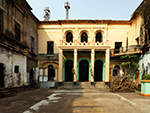 "+
"
"+
"  "+
"
"+
"  "+
"
"+
"  "+
"",
kandibengali : "কান্দি রাজবাড়িঃ-বহরমপুর থেকে ৩০ কিলোমিটার দূরে কান্দি, বর্তমানে কান্দি মহকুমার সদর শহর হিসাবে বেশ ব্যস্ত শহর। কান্দির এই অঞ্চলের ইতিহাস বেশ প্রাচীন। কথিত আছে কান্দি রাজবংশের আদি পুরুষ অনাদিবর সিংহ নবম শতকে কাম্যকুঞ্জ থেকে এসে শূর বংশীয় রাজা আদিশূরের থেকে কিছু গ্রাম পেয়েছিলেন। সেই কারণে অনেকে মনে করেন এই বংশের ইতিহাস হাজার বছরের প্রাচীন। আনুমানিক বারো-তেরো শতকে বন কেটে কান্দির প্রবর্তন করেন এই বংশের বনমালী সিংহ। সেই কারণে বনমালীকে অনেকে কান্দির প্রতিষ্ঠাতা বলেন। আলিবর্দীর সময়ে এই বংশের রাধাকান্ত সিংহ রেশমের ব্যবসা করে প্রভূত অর্থ উপার্জন করেন। তার পুত্র হরেকৃষ্ণর সময় থেকে এদের জমিদারী ও রাজবংশের কথা জানা যায়। হরেকৃষ্ণর পুত্র গৌরাঙ্গ সিংহ রাজবাড়ি ও রাধাবল্লভের মন্দির প্রতিষ্ঠা করেন। মন্দিরে দেওয়া নোটিশ বোর্ড থেকে জানা যায় হরেকৃষ্ণ সিংহের পুত্র গৌরাঙ্গ সিংহের জন্ম ১৬৯৯ সালে। রাধাবল্লভ আগে এক ব্রাহ্মণের বাড়িতে পূজিত হতেন। একদিন রাতে রাধাবল্লভ সেই ব্রাহ্মণকে স্বপ্নে, পরের দিন সকালে গৌরাঙ্গ সিংহের বাড়িতে তাঁর মূর্তি রেখে আসার আদেশ দেন। অনুরূপ স্বপ্ন রাধাবল্লভ গৌরাঙ্গ সিংহকে দিয়েছিলেন তাঁকে গ্রহণ করার জন্য। নির্দিষ্ট সময়ে ব্রাহ্মণ রাধাবল্লভকে নিয়ে গেলে, তিনি গ্রহণ করেন। এই বংশের বিতর্কিত ব্যক্তি ছিলেন দেওয়ান গঙ্গাগোবিন্দ সিংহ। ওয়ারেন হেস্টিংসের সময় ক্ষমতা, প্রতিপত্তি ও বিপুল সম্পত্তির যারা অধিকারী হয়েছিলেন, তাদের মধ্যে গঙ্গাগোবিন্দ অন্যতম ছিলেন। ১৭৬৯ সালে গঙ্গাগোবিন্দ, রেজা খাঁর অধীনে কানুনগো পদে নিযুক্ত হয়েছিলেন। হেস্টিংস গভর্নর জেনারেল হওয়ার পর গঙ্গাগোবিন্দ বাংলার রাজস্ব আদায়ের সর্বময় কর্তা হয়ে ওঠেন। শোনা যায় মাতৃশ্রাদ্ধের জন্য তিনি সেইসময় কুড়ি লক্ষ টাকা খরচ করেছিলেন। নিমন্ত্রিত সাহেব ও রাজাদের জন্য কান্দিতে বড় বড় বাড়ি তৈরি করেছিলেন এবং অতিথি আপ্যায়নের জন্য বড় বড় পুকুর কাটিয়ে সেখানে দুধ, দই, তেল, মধু, ঘি রেখেছিলেন। পৌত্র লালবাবুর অন্নপ্রাশনে সোনার পাতে নিমন্ত্রণ পত্র তৈরি করেছিলেন। গঙ্গাগোবিন্দের পৌত্র লালবাবু বা কৃষ্ণকান্ত সিংহ দানশীল ও ভক্ত মানুষ ছিলেন, যিনি শেষজীবন বৃন্দাবনে কাটিয়েছিলেন। বৃন্দাবনেও তিনি কিছু মন্দির তৈরি করেছিলেন। লালবাবুর পুত্রবধূ রাণী কাত্যায়নী কলকাতায়, দ্বারকানাথ ঠাকুরের কাছ থেকে বেলগাছিয়া বাগানবাড়ি ও পাইকপাড়া রাজবাড়ি ক্রয় করেছিলেন। সেখানে একটা নাট্যমঞ্চ প্রতিষ্ঠা হয়। সেখানে রামনারায়ণ তর্কালঙ্কারের রত্নাবলী, মধুসূদন দত্তের শর্মিষ্ঠা নাটক অভিনীত হয়। বিদ্যাসাগরের সঙ্গে এই বংশের ঘনিষ্ঠ সম্পর্ক ছিল। বাংলার নবজাগরণে রাজবাড়ি এগিয়ে এসেছিল। এই বংশের প্রতাপচন্দ্র সিংহ ১৮৫৯ খ্রিস্টাব্দে কান্দিতে ইংরেজি হাইস্কুল ও নাট্যশালা প্রতিষ্ঠা করেন। মন্ত্রী বিমলচন্দ্র সিংহ, মন্ত্রী অতীশ সিংহ, ও পরমাণু বিজ্ঞানী বিকাশচন্দ্র সিংহ এই বংশের সন্তান। কান্দি শহরের মধ্যে সিংহ পরিবারের রাজবাড়ি অন্যতম দ্রষ্টব্য। প্রবেশদ্বার দিয়ে প্রবেশ করলেই প্রশস্ত বিশাল অঙ্গন। অঙ্গন পেরিয়ে বিশাল দোতলা রাজবাড়ি। রাজবাড়ির মাথার ওপর লেখা শ্রী রাধাবল্লভ জয়েতি, ১৩৪৯ বঙ্গাব্দ। রাজবাড়ির সামনে বিরাট জলাশয়। বাঁধানো পাড়, বাঁধানো ঘাট, রেলিং দিয়ে ঘেরা জলাশয়ের পাশে বসার চেয়ার, বাতিস্তম্ভ প্রভৃতি দিয়ে স্থানীয় প্রশাসন সৌন্দর্যায়ন ঘটিয়েছেন। এখান থেকে হাঁটাপথে রয়েছে রাজবাড়ির কুলদেবতা রাধাবল্লভের মন্দির। জমিদার গৌরাঙ্গ সিংহ এই বিগ্রহ ও মন্দির প্রতিষ্ঠা করেন। তোরণদ্বার দিয়ে প্রবেশ করে বড় অঙ্গনের চারধারে রয়েছে প্রাচীন ঘরদোর, রয়েছে রথ, গঙ্গাগোবিন্দ সিংহের প্রতিষ্ঠিত গোবিন্দজীর প্রাচীন একতলা দালান মন্দির। এই মন্দিরের গোলস্তম্ভ, পত্রাকৃতি খিলান নজর কাড়ে। অঙ্গন পেরিয়ে রাধাবল্লভের মন্দির, আয়তক্ষেত্রাকার চৌহদ্দির মধ্যে তিনদিকে একই রকম স্তম্ভবিশিষ্ট বিরাট দালান আকৃতির মন্দির। মাঝে বিরাট স্তম্ভ বিশিষ্ট আধুনিক নাটমন্দির। দেওয়ান গঙ্গাগোবিন্দ সিংহ এই বৃহৎ দেবালয় তৈরি করেন। বাংলায় এত বড় দেবালয় খুব কম আছে। মন্দিরে কষ্টিপাথরের রাধাবল্লভ জিউ, পিতলের রাধারানী ছাড়া মদনমোহন, গোপীনাথ, জগন্নাথ, গোপাল ও রাধাকান্ত প্রভৃতি পূজিত হচ্ছেন। মন্দিরে সারাবছর উৎসব লেগেই থাকে। জন্মাষ্টমী, ঝুলন, রাস, রথযাত্রা প্রভৃতি ধুমধামের সঙ্গে পালিত হয়। কান্দিতে নতুন কালীমন্দির, দুর্গা মন্দির, পার্ক সহ আরও নতুন দেখার জিনিস রয়েছে। কান্দির দুর্গাপুজো খুব বিখ্যাত। সেই সময় এখানে মেলাও বসে। কাছাকাছি অন্যান্য দ্রষ্টব্যের মধ্যে জেমো, বাঘডাঙ্গা, রূপপুর ও দোহালিয়া যা কান্দির মধ্যেই পড়ে। "+
"Read More..."+
"
"+
"",
kandibengali : "কান্দি রাজবাড়িঃ-বহরমপুর থেকে ৩০ কিলোমিটার দূরে কান্দি, বর্তমানে কান্দি মহকুমার সদর শহর হিসাবে বেশ ব্যস্ত শহর। কান্দির এই অঞ্চলের ইতিহাস বেশ প্রাচীন। কথিত আছে কান্দি রাজবংশের আদি পুরুষ অনাদিবর সিংহ নবম শতকে কাম্যকুঞ্জ থেকে এসে শূর বংশীয় রাজা আদিশূরের থেকে কিছু গ্রাম পেয়েছিলেন। সেই কারণে অনেকে মনে করেন এই বংশের ইতিহাস হাজার বছরের প্রাচীন। আনুমানিক বারো-তেরো শতকে বন কেটে কান্দির প্রবর্তন করেন এই বংশের বনমালী সিংহ। সেই কারণে বনমালীকে অনেকে কান্দির প্রতিষ্ঠাতা বলেন। আলিবর্দীর সময়ে এই বংশের রাধাকান্ত সিংহ রেশমের ব্যবসা করে প্রভূত অর্থ উপার্জন করেন। তার পুত্র হরেকৃষ্ণর সময় থেকে এদের জমিদারী ও রাজবংশের কথা জানা যায়। হরেকৃষ্ণর পুত্র গৌরাঙ্গ সিংহ রাজবাড়ি ও রাধাবল্লভের মন্দির প্রতিষ্ঠা করেন। মন্দিরে দেওয়া নোটিশ বোর্ড থেকে জানা যায় হরেকৃষ্ণ সিংহের পুত্র গৌরাঙ্গ সিংহের জন্ম ১৬৯৯ সালে। রাধাবল্লভ আগে এক ব্রাহ্মণের বাড়িতে পূজিত হতেন। একদিন রাতে রাধাবল্লভ সেই ব্রাহ্মণকে স্বপ্নে, পরের দিন সকালে গৌরাঙ্গ সিংহের বাড়িতে তাঁর মূর্তি রেখে আসার আদেশ দেন। অনুরূপ স্বপ্ন রাধাবল্লভ গৌরাঙ্গ সিংহকে দিয়েছিলেন তাঁকে গ্রহণ করার জন্য। নির্দিষ্ট সময়ে ব্রাহ্মণ রাধাবল্লভকে নিয়ে গেলে, তিনি গ্রহণ করেন। এই বংশের বিতর্কিত ব্যক্তি ছিলেন দেওয়ান গঙ্গাগোবিন্দ সিংহ। ওয়ারেন হেস্টিংসের সময় ক্ষমতা, প্রতিপত্তি ও বিপুল সম্পত্তির যারা অধিকারী হয়েছিলেন, তাদের মধ্যে গঙ্গাগোবিন্দ অন্যতম ছিলেন। ১৭৬৯ সালে গঙ্গাগোবিন্দ, রেজা খাঁর অধীনে কানুনগো পদে নিযুক্ত হয়েছিলেন। হেস্টিংস গভর্নর জেনারেল হওয়ার পর গঙ্গাগোবিন্দ বাংলার রাজস্ব আদায়ের সর্বময় কর্তা হয়ে ওঠেন। শোনা যায় মাতৃশ্রাদ্ধের জন্য তিনি সেইসময় কুড়ি লক্ষ টাকা খরচ করেছিলেন। নিমন্ত্রিত সাহেব ও রাজাদের জন্য কান্দিতে বড় বড় বাড়ি তৈরি করেছিলেন এবং অতিথি আপ্যায়নের জন্য বড় বড় পুকুর কাটিয়ে সেখানে দুধ, দই, তেল, মধু, ঘি রেখেছিলেন। পৌত্র লালবাবুর অন্নপ্রাশনে সোনার পাতে নিমন্ত্রণ পত্র তৈরি করেছিলেন। গঙ্গাগোবিন্দের পৌত্র লালবাবু বা কৃষ্ণকান্ত সিংহ দানশীল ও ভক্ত মানুষ ছিলেন, যিনি শেষজীবন বৃন্দাবনে কাটিয়েছিলেন। বৃন্দাবনেও তিনি কিছু মন্দির তৈরি করেছিলেন। লালবাবুর পুত্রবধূ রাণী কাত্যায়নী কলকাতায়, দ্বারকানাথ ঠাকুরের কাছ থেকে বেলগাছিয়া বাগানবাড়ি ও পাইকপাড়া রাজবাড়ি ক্রয় করেছিলেন। সেখানে একটা নাট্যমঞ্চ প্রতিষ্ঠা হয়। সেখানে রামনারায়ণ তর্কালঙ্কারের রত্নাবলী, মধুসূদন দত্তের শর্মিষ্ঠা নাটক অভিনীত হয়। বিদ্যাসাগরের সঙ্গে এই বংশের ঘনিষ্ঠ সম্পর্ক ছিল। বাংলার নবজাগরণে রাজবাড়ি এগিয়ে এসেছিল। এই বংশের প্রতাপচন্দ্র সিংহ ১৮৫৯ খ্রিস্টাব্দে কান্দিতে ইংরেজি হাইস্কুল ও নাট্যশালা প্রতিষ্ঠা করেন। মন্ত্রী বিমলচন্দ্র সিংহ, মন্ত্রী অতীশ সিংহ, ও পরমাণু বিজ্ঞানী বিকাশচন্দ্র সিংহ এই বংশের সন্তান। কান্দি শহরের মধ্যে সিংহ পরিবারের রাজবাড়ি অন্যতম দ্রষ্টব্য। প্রবেশদ্বার দিয়ে প্রবেশ করলেই প্রশস্ত বিশাল অঙ্গন। অঙ্গন পেরিয়ে বিশাল দোতলা রাজবাড়ি। রাজবাড়ির মাথার ওপর লেখা শ্রী রাধাবল্লভ জয়েতি, ১৩৪৯ বঙ্গাব্দ। রাজবাড়ির সামনে বিরাট জলাশয়। বাঁধানো পাড়, বাঁধানো ঘাট, রেলিং দিয়ে ঘেরা জলাশয়ের পাশে বসার চেয়ার, বাতিস্তম্ভ প্রভৃতি দিয়ে স্থানীয় প্রশাসন সৌন্দর্যায়ন ঘটিয়েছেন। এখান থেকে হাঁটাপথে রয়েছে রাজবাড়ির কুলদেবতা রাধাবল্লভের মন্দির। জমিদার গৌরাঙ্গ সিংহ এই বিগ্রহ ও মন্দির প্রতিষ্ঠা করেন। তোরণদ্বার দিয়ে প্রবেশ করে বড় অঙ্গনের চারধারে রয়েছে প্রাচীন ঘরদোর, রয়েছে রথ, গঙ্গাগোবিন্দ সিংহের প্রতিষ্ঠিত গোবিন্দজীর প্রাচীন একতলা দালান মন্দির। এই মন্দিরের গোলস্তম্ভ, পত্রাকৃতি খিলান নজর কাড়ে। অঙ্গন পেরিয়ে রাধাবল্লভের মন্দির, আয়তক্ষেত্রাকার চৌহদ্দির মধ্যে তিনদিকে একই রকম স্তম্ভবিশিষ্ট বিরাট দালান আকৃতির মন্দির। মাঝে বিরাট স্তম্ভ বিশিষ্ট আধুনিক নাটমন্দির। দেওয়ান গঙ্গাগোবিন্দ সিংহ এই বৃহৎ দেবালয় তৈরি করেন। বাংলায় এত বড় দেবালয় খুব কম আছে। মন্দিরে কষ্টিপাথরের রাধাবল্লভ জিউ, পিতলের রাধারানী ছাড়া মদনমোহন, গোপীনাথ, জগন্নাথ, গোপাল ও রাধাকান্ত প্রভৃতি পূজিত হচ্ছেন। মন্দিরে সারাবছর উৎসব লেগেই থাকে। জন্মাষ্টমী, ঝুলন, রাস, রথযাত্রা প্রভৃতি ধুমধামের সঙ্গে পালিত হয়। কান্দিতে নতুন কালীমন্দির, দুর্গা মন্দির, পার্ক সহ আরও নতুন দেখার জিনিস রয়েছে। কান্দির দুর্গাপুজো খুব বিখ্যাত। সেই সময় এখানে মেলাও বসে। কাছাকাছি অন্যান্য দ্রষ্টব্যের মধ্যে জেমো, বাঘডাঙ্গা, রূপপুর ও দোহালিয়া যা কান্দির মধ্যেই পড়ে। "+
"Read More..."+
" "+
"
"+
"  "+
"
"+
"  "+
"
"+
"  "+
"
"+
"  "+
"
"+
"  "+
"
"+
"  "+
"
"+
"  "+
"",
karnasubarnabengali : "কর্ণসুবর্ণঃ-শশাঙ্ক ছিলেন গৌড় নামক বাংলার একীভূত রাষ্ট্রের প্রথম স্বাধীন রাজা এবং বাংলার ইতিহাসে এক প্রধান ব্যক্তিত্ব। তিনি সপ্তম শতাব্দীতে রাজত্ব করেছিলেন। যদিও কিছু ঐতিহাসিক তার শাসনকে ৬০০ সাল থেকে ৬৩৬-৩৭ সালের মধ্যে স্থাপন করেছেন, তবে অন্যান্য সূত্রে তার শাসনকাল ৫৯০ এবং ৬২৫ খ্রিস্টাব্দের মধ্যে। শশাঙ্ক ছিলেন থানেশ্বেরের রাজা যা রাজা হর্ষবর্ধনের সমসাময়িক। কর্ণসুবর্ণের রাজত্বকালে তার রাজধানী প্রসিদ্ধি লাভ করে। কিন্তু আধুনিক বাংলায় এই জায়গাটা মুর্শিদাবাদে অবস্থিত। স্থানটাতে এখনও রক্তমৃত্তিকা মহাবিহারের প্রাচীন বিশ্ববিদ্যালয়ের ধ্বংসাবশেষ রয়েছে। এটা একটা শীর্ষস্থানীয় শিক্ষা প্রতিষ্ঠান, যা বিখ্যাত চীনা পর্যটক হিউয়েন সাং পরিদর্শন করেছিলেন। বাংলা ক্যালেন্ডারের উৎপত্তি হিসেবে শশাঙ্ককের নাম আসে, কারণ তার রাজত্বকালে ক্যালেন্ডার শুরু হয়। এটি লক্ষণীয় যে প্রাচীন বাংলার প্রথম গুরুত্বপূর্ণ রাজার রাজধানী কর্ণসুবর্ণ এমন একটা জেলায় অবস্থিত, যেটা বাংলার শেষ স্বাধীন নবাবেরও রাজধানী ছিল। যদিও নিয়ম অনুযায়ী নবাবরা মুঘল সম্রাটদের অধীনে ছিল, তবুও তারা বাংলার স্বাধীন শাসক হিসেবে রাজত্ব করেছিল। কর্ণসুবর্ণের ধ্বংসাবশেষ বর্তমান মুর্শিদাবাদ জেলার কানসোনায় অবস্থিত। এটা মুর্শিদাবাদ জেলার সদর দপ্তর বহরমপুর থেকে প্রায় দশ কিলোমিটার দক্ষিণ-পশ্চিমে অবস্থিত। জনশ্রুতি আছে যে কর্ণসুবর্ণ ছিল অঙ্গ রাজ্যের রাজধানী, যা কৌরব রাজকুমার দুর্যোধন, তার বন্ধু কুন্তীর প্রথম সন্তান কর্ণকে উপহার দিয়েছিলেন।বিখ্যাত চীনা ভ্রমণকারী হিউয়েন সাং, কর্ণসুবর্ণের বিবরণ তার ভ্রমণসূচী জিউ-জি তে লিখে রেখে গেছেন। এটাই কর্ণসুবর্ণ ও রক্তমৃত্তিকা বিহারের সমৃদ্ধ নগর বসতির একমাত্র লিখিত রেকর্ড। তার বিবরণ অনুসারে হিউয়েন সাং তাম্রলিপ্তি, বর্তমানে মেদিনীপুরের তমলুক থেকে কর্ণসুবর্ণ দেশে চলে যান, যার রাজধানী রক্তমৃত্তিকা বিহার ছিল।হিউয়েন-সাং কর্ণসুবর্ণের একটা গ্রাফিক বর্ণনা দিয়েছেন, যা আমাদের এলাকা এবং সেখানকার মানুষের সাথে পরিচিত করে। তার মতে দেশটা জনবসতিপূর্ণ ছিল এবং লোকেরা খুব ধনী ছিল। জমি ছিল নিচু এবং আর্দ্র, কৃষিকাজ নিয়মিত ছিল, ফুল ও ফল প্রচুর ছিল, জলবায়ু ছিল নাতিশীতোষ্ণ, মানুষ ছিল সৎ এবং বন্ধুত্বপূর্ণ, এবং শিক্ষার পৃষ্ঠপোষক ছিল। এই বর্ণনা দেশের সমৃদ্ধিশালী অবস্থা নির্দেশ করে।হিউয়েন সাঙের লেখা থেকে কর্ণসুবর্ণের ধর্মীয় জীবনের আভাস পাওয়া যায়। সেখানে বিভিন্ন ধর্মের মানুষ মিলেমিশে বসবাস করতেন। বৌদ্ধধর্ম একটি বিকাশমান ধর্ম ছিল এবং সম্মতিয়া স্কুলের বৌদ্ধরা কর্ণসুবর্ণের দশটা মঠে বাস করতেন। মঠ ছাড়াও পঞ্চাশটা দেব মন্দির ছিল। কর্ণসুবর্ণ একটা সমৃদ্ধ রাজনৈতিক, প্রশাসনিক, সামরিক ও ধর্মীয় নগর কেন্দ্র হিসেবে বিখ্যাত ছিল। এর খ্যাতি অবশ্য স্বল্পস্থায়ী ছিল। খ্রিস্টীয় সপ্তম শতাব্দীর প্রথম দিকে শশাঙ্কের উত্থানের সাথে কর্ণসুবর্ণ প্রাধান্য পায় এবং সেই শতাব্দীর শেষের দিকে তা বিস্মৃতিতে চলে যায়। দুঃখের বিষয়, এত গুরুত্বপূর্ণ রাজধানী শহরের বিবরণে পাল ও সেন বংশের কোন উল্লেখ পাওয়া যায়নি।হিউয়েন সাং কর্ণসুবর্ণের কাছে বজ্রযান বৌদ্ধদের শিক্ষার একটি গুরুত্বপূর্ণ কেন্দ্র রক্তমৃত্তিকা মহাবিহারের কথাও উল্লেখ করেছেন। স্থানটা রাজবাড়ীডাঙ্গায়। রাজবাড়িডাঙ্গার প্রত্নতাত্ত্বিক স্থানটা পূর্ব রেলওয়ের আজিমগঞ্জ-কাটোয়া সেকশনে কর্ণসুবর্ণ রেলওয়ে স্টেশন থেকে প্রায় আড়াই কিলোমিটার দূরে। ১৯৬২ সালে কলকাতা বিশ্ববিদ্যালয়ের প্রত্নতত্ত্ব বিভাগের একটা দল এস আর দাসের নির্দেশে এই স্থানটা প্রথম খনন করে। অনুসন্ধানগুলোর মধ্যে, সবচেয়ে উল্লেখযোগ্য ছিল একটা স্টাকৌ ছাঁচ যা শ্রী রক্তমৃত্তিকা মহাবিহারের কিংবদন্তি বহন করে। অন্যান্য উল্লেখযোগ্য আবিষ্কারের মধ্যে রয়েছে পোড়ামাটির মূর্তি এবং মানুষের মাথা সহ আলংকারিক স্টাকৌ কাঠামো । ১৯২৯-৩০ সালে কে এন দীক্ষিত দ্বারা কর্ণসুবর্ণের কাছাকাছি রাক্ষসীডাঙ্গা এবং নীল কুঠি দুটো স্থানেই খননকার্য করা হয়।শশাঙ্কের মৃত্যুর পর, কর্ণসুবর্ণ সাময়িকভাবে কামরূপের রাজা ভাস্করবর্মণের বিজয়ের শিবিরে পরিণত হন। তার নিধানপুর তাম্র-ফলক অনুদান থেকে এটা স্পষ্ট। সপ্তম শতাব্দীর মাঝামাঝি সময়ে কর্ণসুবর্ণ জয়নাগের রাজধানী ছিল তা ভাপ্পা ঘোষাবত্তা তাম্র-প্লেট থেকে জানা যায়। ধীরে ধীরে, কর্ণসুবর্ণ তার দীপ্তি হারিয়েছে এবং এখন এটা একটা ছোট্ট গ্রাম যার সোনালী সময়কালের ধ্বংসাবশেষ চতুর্দিকে ছড়িয়ে ছিটিয়ে রয়েছে ও তার গৌরবময় অতীতের ছায়ায় বসবাস করছে। "+
"Read More..."+
"
"+
"",
karnasubarnabengali : "কর্ণসুবর্ণঃ-শশাঙ্ক ছিলেন গৌড় নামক বাংলার একীভূত রাষ্ট্রের প্রথম স্বাধীন রাজা এবং বাংলার ইতিহাসে এক প্রধান ব্যক্তিত্ব। তিনি সপ্তম শতাব্দীতে রাজত্ব করেছিলেন। যদিও কিছু ঐতিহাসিক তার শাসনকে ৬০০ সাল থেকে ৬৩৬-৩৭ সালের মধ্যে স্থাপন করেছেন, তবে অন্যান্য সূত্রে তার শাসনকাল ৫৯০ এবং ৬২৫ খ্রিস্টাব্দের মধ্যে। শশাঙ্ক ছিলেন থানেশ্বেরের রাজা যা রাজা হর্ষবর্ধনের সমসাময়িক। কর্ণসুবর্ণের রাজত্বকালে তার রাজধানী প্রসিদ্ধি লাভ করে। কিন্তু আধুনিক বাংলায় এই জায়গাটা মুর্শিদাবাদে অবস্থিত। স্থানটাতে এখনও রক্তমৃত্তিকা মহাবিহারের প্রাচীন বিশ্ববিদ্যালয়ের ধ্বংসাবশেষ রয়েছে। এটা একটা শীর্ষস্থানীয় শিক্ষা প্রতিষ্ঠান, যা বিখ্যাত চীনা পর্যটক হিউয়েন সাং পরিদর্শন করেছিলেন। বাংলা ক্যালেন্ডারের উৎপত্তি হিসেবে শশাঙ্ককের নাম আসে, কারণ তার রাজত্বকালে ক্যালেন্ডার শুরু হয়। এটি লক্ষণীয় যে প্রাচীন বাংলার প্রথম গুরুত্বপূর্ণ রাজার রাজধানী কর্ণসুবর্ণ এমন একটা জেলায় অবস্থিত, যেটা বাংলার শেষ স্বাধীন নবাবেরও রাজধানী ছিল। যদিও নিয়ম অনুযায়ী নবাবরা মুঘল সম্রাটদের অধীনে ছিল, তবুও তারা বাংলার স্বাধীন শাসক হিসেবে রাজত্ব করেছিল। কর্ণসুবর্ণের ধ্বংসাবশেষ বর্তমান মুর্শিদাবাদ জেলার কানসোনায় অবস্থিত। এটা মুর্শিদাবাদ জেলার সদর দপ্তর বহরমপুর থেকে প্রায় দশ কিলোমিটার দক্ষিণ-পশ্চিমে অবস্থিত। জনশ্রুতি আছে যে কর্ণসুবর্ণ ছিল অঙ্গ রাজ্যের রাজধানী, যা কৌরব রাজকুমার দুর্যোধন, তার বন্ধু কুন্তীর প্রথম সন্তান কর্ণকে উপহার দিয়েছিলেন।বিখ্যাত চীনা ভ্রমণকারী হিউয়েন সাং, কর্ণসুবর্ণের বিবরণ তার ভ্রমণসূচী জিউ-জি তে লিখে রেখে গেছেন। এটাই কর্ণসুবর্ণ ও রক্তমৃত্তিকা বিহারের সমৃদ্ধ নগর বসতির একমাত্র লিখিত রেকর্ড। তার বিবরণ অনুসারে হিউয়েন সাং তাম্রলিপ্তি, বর্তমানে মেদিনীপুরের তমলুক থেকে কর্ণসুবর্ণ দেশে চলে যান, যার রাজধানী রক্তমৃত্তিকা বিহার ছিল।হিউয়েন-সাং কর্ণসুবর্ণের একটা গ্রাফিক বর্ণনা দিয়েছেন, যা আমাদের এলাকা এবং সেখানকার মানুষের সাথে পরিচিত করে। তার মতে দেশটা জনবসতিপূর্ণ ছিল এবং লোকেরা খুব ধনী ছিল। জমি ছিল নিচু এবং আর্দ্র, কৃষিকাজ নিয়মিত ছিল, ফুল ও ফল প্রচুর ছিল, জলবায়ু ছিল নাতিশীতোষ্ণ, মানুষ ছিল সৎ এবং বন্ধুত্বপূর্ণ, এবং শিক্ষার পৃষ্ঠপোষক ছিল। এই বর্ণনা দেশের সমৃদ্ধিশালী অবস্থা নির্দেশ করে।হিউয়েন সাঙের লেখা থেকে কর্ণসুবর্ণের ধর্মীয় জীবনের আভাস পাওয়া যায়। সেখানে বিভিন্ন ধর্মের মানুষ মিলেমিশে বসবাস করতেন। বৌদ্ধধর্ম একটি বিকাশমান ধর্ম ছিল এবং সম্মতিয়া স্কুলের বৌদ্ধরা কর্ণসুবর্ণের দশটা মঠে বাস করতেন। মঠ ছাড়াও পঞ্চাশটা দেব মন্দির ছিল। কর্ণসুবর্ণ একটা সমৃদ্ধ রাজনৈতিক, প্রশাসনিক, সামরিক ও ধর্মীয় নগর কেন্দ্র হিসেবে বিখ্যাত ছিল। এর খ্যাতি অবশ্য স্বল্পস্থায়ী ছিল। খ্রিস্টীয় সপ্তম শতাব্দীর প্রথম দিকে শশাঙ্কের উত্থানের সাথে কর্ণসুবর্ণ প্রাধান্য পায় এবং সেই শতাব্দীর শেষের দিকে তা বিস্মৃতিতে চলে যায়। দুঃখের বিষয়, এত গুরুত্বপূর্ণ রাজধানী শহরের বিবরণে পাল ও সেন বংশের কোন উল্লেখ পাওয়া যায়নি।হিউয়েন সাং কর্ণসুবর্ণের কাছে বজ্রযান বৌদ্ধদের শিক্ষার একটি গুরুত্বপূর্ণ কেন্দ্র রক্তমৃত্তিকা মহাবিহারের কথাও উল্লেখ করেছেন। স্থানটা রাজবাড়ীডাঙ্গায়। রাজবাড়িডাঙ্গার প্রত্নতাত্ত্বিক স্থানটা পূর্ব রেলওয়ের আজিমগঞ্জ-কাটোয়া সেকশনে কর্ণসুবর্ণ রেলওয়ে স্টেশন থেকে প্রায় আড়াই কিলোমিটার দূরে। ১৯৬২ সালে কলকাতা বিশ্ববিদ্যালয়ের প্রত্নতত্ত্ব বিভাগের একটা দল এস আর দাসের নির্দেশে এই স্থানটা প্রথম খনন করে। অনুসন্ধানগুলোর মধ্যে, সবচেয়ে উল্লেখযোগ্য ছিল একটা স্টাকৌ ছাঁচ যা শ্রী রক্তমৃত্তিকা মহাবিহারের কিংবদন্তি বহন করে। অন্যান্য উল্লেখযোগ্য আবিষ্কারের মধ্যে রয়েছে পোড়ামাটির মূর্তি এবং মানুষের মাথা সহ আলংকারিক স্টাকৌ কাঠামো । ১৯২৯-৩০ সালে কে এন দীক্ষিত দ্বারা কর্ণসুবর্ণের কাছাকাছি রাক্ষসীডাঙ্গা এবং নীল কুঠি দুটো স্থানেই খননকার্য করা হয়।শশাঙ্কের মৃত্যুর পর, কর্ণসুবর্ণ সাময়িকভাবে কামরূপের রাজা ভাস্করবর্মণের বিজয়ের শিবিরে পরিণত হন। তার নিধানপুর তাম্র-ফলক অনুদান থেকে এটা স্পষ্ট। সপ্তম শতাব্দীর মাঝামাঝি সময়ে কর্ণসুবর্ণ জয়নাগের রাজধানী ছিল তা ভাপ্পা ঘোষাবত্তা তাম্র-প্লেট থেকে জানা যায়। ধীরে ধীরে, কর্ণসুবর্ণ তার দীপ্তি হারিয়েছে এবং এখন এটা একটা ছোট্ট গ্রাম যার সোনালী সময়কালের ধ্বংসাবশেষ চতুর্দিকে ছড়িয়ে ছিটিয়ে রয়েছে ও তার গৌরবময় অতীতের ছায়ায় বসবাস করছে। "+
"Read More..."+
" "+
"
"+
"  "+
"
"+
" 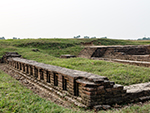 "+
"
"+
"  "+
"
"+
"  "+
"
"+
"  "+
"
"+
"  "+
"
"+
"  "+
"",
kunjughatabengali : "কুঞ্জঘাটা রাজবাড়িঃ-মুখবন্ধঃ-মহারাজা নন্দ কুমারের সাথে সংযোগের কারণে কুঞ্জঘাটা পরিবারের গুরুত্ব বৃদ্ধি পায়। ১৬৬৪ থেকে ১৬৮৮ সাল পর্যন্ত শায়েস্তা খানের শাসনামলে, বাংলার সুবেদার নন্দ রাম যিনি কুলীন ব্রাহ্মণদের পরিবারের প্রধান ছিলেন, তিনি দিল্লির সম্রাট আওরঙ্গজেবের কাছ থেকে লালা রাই উপাধি পেয়েছিলেন। তিনি দু হাজার ঘোড়া ও তিন হাজার পদাতিক রাখার সুবিধাও পেয়েছিলেন। পরবর্তীকালে লালা নন্দ রাম রাইয়ের পুত্র শত্রুজিৎ রাই, পারিবারিক সম্পত্তিতে যথেষ্ট পরিমাণ বৃদ্ধি ঘটিয়েছিলেন। তাঁর পুত্র জগৎ চন্দ্র রায়, মুন্নি বেগমের অধীনে সুপারিন্টেনডেন্ট ছিলেন। মুন্নি বেগম তাঁর সৎ পুত্র নবাব নাজিম মোবারক-উদ-দৌল্লার অভিভাবক ছিলেন। জগৎচন্দ্র, রাই উপাধি পেয়েছিলেন, এবং 500 অশ্বারোহী এবং সমান সংখ্যক পদাতিক রাখার সুবিধা পেয়েছিলেন। জগৎচন্দ্র, মহারাজা নন্দ কুমারের কন্যা সুমনিকে বিয়ে করেন। এইভাবে বাংলার ব্রাহ্মণ সমাজে ব্যাপক প্রভাবশালী দুই মহান কুলীন পরিবার, যারা সরকারের অধীনে উচ্চ পদে অধিষ্ঠিত ছিলেন তাঁরা একত্রিত হয়েছিলেন।পারিবারিক ইতিহাসঃ-কুঞ্জঘাটা রাজ পরিবারের বংশপরিচয় ধরলে রাম গোপাল রায়ের থেকে শুরু হয়, যিনি কাশ্যপ গোত্রের রাঢ় কুলীন ব্রাহ্মণ ছিলেন। রাম গোপাল রায় ভদ্রপুরের মথুরা মজুমদারের মেয়েকে বিয়ে করেন। তাঁর শ্বশুর মথুরা মজুমদার ধর্মের নিয়ম না মেনে চলার কারণে কলঙ্কিত ছিলেন। এই কারণে পাপস্খলন করার জন্যে, তাঁর প্রপৌত্র নন্দ কুমার, এক লক্ষ ব্রাহ্মণকে ভোজ দেন এবং পরে তিনি ভাদুরা নন্দ কুমার, অর্থাৎ ভদ্রপুরের নন্দ কুমার নামে পরিচিত হন। রাম গোপালের দুই পুত্র ছিল, হরিকৃষ্ণ রায় এবং চণ্ডীচরণ রাই। চণ্ডীচরণ রায়ের দুই স্ত্রী ছিল। পদ্মলভ রাই ছিলেন চণ্ডীচরণ রায়ের প্রথম স্ত্রীর জ্যেষ্ঠ পুত্র। নন্দ কুমার ছিলেন পদ্মলাভ রায়ের পুত্র, যার পাঁচ পুত্র ও এক কন্যা ছিল। নন্দ কুমার ১৭০৫ খ্রিস্টাব্দে ভদ্রপুরে জন্মগ্রহণ করেন, যা এখন বীরভূম জেলায় অবস্থিত। তিনি বর্ধমানের মালিহাটির রাধামোহন ঠাকুরের কাছে বৈষ্ণব শিক্ষা লাভ করেন। ১৭৭৫ সালে তার মৃত্যুর সময় তার বয়স হয়েছিল প্রায় সত্তর।নন্দ কুমারের কর্মজীবনঃ-নন্দ কুমারকে নুনকোমারও বলা হয়। প্রথম দিকে তিনি হিজলি ও মহিষাদল পরগণার রাজস্ব সংগ্রাহক নিযুক্ত হন। ১৭৫৬ সালে সিরাজ-উদ-দৌল্লা যখন নবাব নাজিম ছিলেন, তখন তিনি হুগলীর ফৌজদার ছিলেন। নন্দ কুমার এজেন্ট হিসেবে ক্লাইভের সাথে পাটনায় যান। নবাব মীর কাশিম একবার শাহ আলমের এজেন্টদের সাথে ষড়যন্ত্রের অভিযোগে নন্দ কুমারকে বন্দী করেন। ১৭৬৩ সালে মীর কাশিমের বিরুদ্ধে যুদ্ধে তিনি মীর জাফরের সাথে অংশ নেন। ১৭৬৪ সালে সম্রাট দ্বিতীয় শাহ আলম তাঁকে মহারাজা উপাধিতে ভূষিত করেন। ১৭৬৪ সালে ওয়ারেন হেস্টিংসের রাজত্বকালে ইস্ট ইন্ডিয়া কোম্পানি তাঁকে বর্ধমান, নদীয়া এবং হুগলীর কালেক্টর হিসেবে নিয়োগ করে। ১৭৬৫ সালে তিনি বাংলার নায়েব সুবেদার হন, আবার পদচ্যুতও হন এবং মুহাম্মদ রেজা খান নিযুক্ত হন। ১৭৭২ সালে, যখন ওয়ারেন হেস্টিংস গভর্নর-জেনারেল হন, নন্দ কুমার তার বিরুদ্ধে দুর্নীতির অভিযোগ করেন। নায়েব সুবেদার মুহম্মদ রেজা খানের রাজস্ব প্রশাসনের দুর্নীতির বিরুদ্ধে, ওয়ারেন হেস্টিংসকে রেজা খানের বিচার করতে সাহায্য করেছিল, যখন তিনি ক্ষমতাচ্যুত হন। ওয়ারেন হেস্টিংস ১৭৭২ সালের জুলাই মাসে মুর্শিদাবাদে আসেন। মুর্শিদাবাদে তার দু মাস এবং কয়েক দিন থাকার সময়, হেস্টিংস মুহম্মদ রেজা খান এবং শিতাব রায়কে যথাক্রমে বাংলা ও বিহারের প্রশাসনিক পদ থেকে বরখাস্ত করেন, এবং নন্দ কুমারের পুত্র রাজা গুরুদাসকে, মুন্নি বেগমের সহকারী মুহম্মদ রেজা খানের জায়গায় নবাবের পরিবারের সুপারিন্টেনডেন্ট নিযুক্ত করেন। । ১৭৭৫ সালের মার্চ মাসে, তিনি কাউন্সিলের সামনে ওয়ারেন হেস্টিংসের বিরুদ্ধে কিছু গুরুতর অভিযোগ আনেন। ১৭৭৫ সালের এপ্রিল মাসে, ষড়যন্ত্রের জন্য বিচারক রিচার্ড বারওয়েল, নন্দকুমার ও জোশেপ ফোকের বিরুদ্ধে সাজা শোনান। এই মামলা বিচারাধীন থাকাকালীন, বন্ড জালিয়াতির অভিযোগে এবং দেওয়ানী মামলা চলমান অবস্থায়, ১৭৭৫ সালের ৬ মে বিচারক স্টিফেন সিজার লেমাইস্ট্রে এবং জন হাইডের সামনে হাজির করা হয়, যিনি কমিটিং ম্যাজিস্ট্রেট হিসাবে বসেছিলেন। ৮-১৬ জুন, স্যার এলিজা ইম্পে, প্রধান বিচারপতি এবং বিচারপতি চ্যাম্বার্স, বিচারপতি স্টিফেন সিজার লেমাইস্ট্রে এবং জন হাইডের সামনে তাঁর বিচার করা হয়েছিল। জালিয়াতির জন্য দোষী সাব্যস্ত হয়ে তাকে মৃত্যুদণ্ড দেওয়া হয় এবং ১৭৭৫ সালের ৫ আগস্ট তাকে ফাঁসি দেওয়া হয়। নন্দ কুমার তার আদিকাল থেকেই বিভিন্ন পদে নিজামতের সেবা করেছেন। তিনি লর্ড ক্লাইভের প্রিয় ছিলেন এবং তার ডাকনাম ছিল ব্ল্যাক কোলোনেট। যেহেতু তিনি কৌতূহলী, উচ্চাকাঙ্ক্ষী এবং নীতিহীন ছিলেন, তাঁর জীবন প্রতিকূল পরিবর্তন থেকে মুক্ত ছিল না। নন্দ কুমার রানী ভবানীর শত্রু, এবং ১৭৫১-৫২ সালে তার জামাই রঘু নাথের মৃত্যুতে তাকে তার জমিদারি পরিচালনা করতে বাধা দেয়। পরে রানী ভবানী তার ভৃত্য দয়ারামের সাহায্যে জমিদারী ফিরে পান। এই বিবরণ হেস্টিংসের একটা প্রাথমিক চিঠির সাথে মিলে যায়, যেখানে তিনি নন্দ কুমারকে, দয়া রাম দ্বারা উল্টে দেওয়ার চেষ্টা করার কথা বলেছেন।নন্দ কুমারের বিচার ও মৃত্যুদণ্ডঃ-নন্দ কুমারের মৃত্যুদণ্ড ওয়ারেন হেস্টিংসের সময়ের একটা আকর্ষণীয় এবং অত্যন্ত বিতর্কিত ব্যাপার। নন্দ কুমার ছিলেন হেস্টিংসের চরম শত্রু। স্থানীয় সমাজে নন্দ কুমার একজন বুদ্ধিমান এবং প্রভাবশালী ব্যক্তি। তিনি কাউন্সিলে হেস্টিংসের শত্রু গভর্নর-জেনারেল স্যার ফিলিপ ফ্রান্সিস, স্যার জন ক্লেভারিং এবং কর্নেল জর্জ মনসনের সমর্থনে হেস্টিংসের বিরুদ্ধে প্রতিশোধ নিতে চেয়েছিলেন। ১১ মার্চ ১৭৭৫ সালে, ফ্রান্সিস কাউন্সিলের সামনে নন্দ কুমারের চিঠি পেশ করেন। ওয়ারেন হেস্টিংসকে, নাবালক নবাব মোবারক-উদ-দৌল্লার অভিভাবক হিসাবে নিয়োগের জন্যে, মীরজাফরের বিধবা পত্নী মুন্নি বেগমের কাছ থেকে ৩,৫৪,১০৫ টাকা ঘুষ নেওয়ার অভিযোগে অভিযুক্ত করেন। কিছু সময় পর, নন্দ কুমার তার অভিযোগ প্রমাণের জন্য গভর্নর-জেনারেল কাউন্সিলের সামনে হাজির হওয়ার প্রস্তাব দেন। কাউন্সিলে বিপুল সংখ্যাগরিষ্ঠরা অভিযুক্তের উপস্থিতিতে এই বিষয়ে হেস্টিংসের বিরুদ্ধে রায় দিতে চেয়েছিল, কিন্তু হেস্টিংস মনে করেছিলেন যে কাউন্সিলের এবং বিশেষ করে নন্দ কুমারের উপস্থিতিতে, যাকে পশু হিসাবে বর্ণনা করেছিলেন, তার হেস্টিংস বিরুদ্ধে রায়ে বসার অধিকার নেই। বিষয়টা নিয়ে আলোচনা হলে তিনি সভা ভেঙে দেন, এবং পরিষদ কক্ষ ত্যাগ করেন। পরে তিনি মুন্নি বেগমের কাছ থেকে বিনোদনের টাকা হিসেবে দেড় লাখ টাকা নিয়েছেন বলে স্বীকার করেন। হেস্টিংস যখন কাউন্সিল প্রত্যাহার করেছিলেন, সংখ্যাগরিষ্ঠরা সিদ্ধান্ত নেয় যে, হেস্টিংসকে কোম্পানির কোষাগারে মুন্নি বেগমের কাছ থেকে যে পরিমাণ অর্থ গ্রহণ করা হয়েছে বলে অভিযোগ করা হয়েছিল, তা জমা দিতে হবে। ১৭৭৫ সালে এপ্রিল থেকে জুনের মধ্যে ধারাবাহিক ঘটনা ঘটে, যা নন্দ কুমারকে ছারখার করে দেয়, এবং ওয়ারেন হেস্টিংসের বিরুদ্ধে সমস্ত বিচারকার্য স্থগিত করে। ৮ থেকে ১৬ জুন পর্যন্ত ৮ দিন ধরে বিচার চলে এবং বিচারক এবং জুরিরা এই সমস্ত সময় কোর্ট হাউসে ছিলেন। ১৬ তারিখ ভোর চারটেয় নন্দ কুমার দোষী সাব্যস্ত হন এবং মৃত্যু দণ্ডাদেশ দেওয়া হয়। ১৭৭৫ সালের ৫ আগস্ট, শনিবার, ফাঁসির দিন ধার্য হয়েছিল। ইংল্যান্ডের রাজা জর্জ LLI এর কাছে আপিল করার সময়ের জন্যে বেশ কয়েকটা আবেদন করা হয়েছিল। একটা নন্দ কুমারের নিজের এবং অন্যটা নবাব নাজিম মোবারক-উদ-দৌল্লার। বিচারকরা সেগুলো নাকচ করে দেন। নির্ধারিত সময়ের মাত্র কয়েক ঘণ্টা আগে নন্দ কুমার তার জামাতা জগৎচন্দ্রের সঙ্গে দেখা করার জন্য ছুটি নেন। তিনি ফাঁসির আগের মূহুর্তগুলো প্রার্থনা এবং ধ্যানের মধ্যে কাটিয়েছিলেন, কিন্তু কখনও সাহস হারাননি। ফাঁসির মঞ্চ দেখার কারণে তিনি কোনভাবে বিক্ষুব্ধ হননি। মৃত্যুদণ্ড কার্যকরের সময় নন্দ কুমারের বয়স ছিল সত্তর বছর।নন্দ কুমারের মৃত্যুদণ্ড হেস্টিংসের ষড়যন্ত্রের ফল বলে অভিযোগ করা হয়েছিল। সুপ্রিম কোর্টের প্রধান বিচারপতি ইম্পির সাথে তার বন্ধুত্বের কারণে নন্দ কুমারের বিচার বিভাগীয় হত্যাকাণ্ড ঘটেছে বলে অভিযোগ রয়েছে। হেনরি বেভারিজের ভাষায়, নন্দ কুমারের মৃত্যুদণ্ড আইনের সম্মতিতে হত্যার সামিল। এডমন্ড বার্ক চার্লস ফক্সের ইস্ট ইন্ডিয়া বিলের উপর তার বক্তৃতায় বলেছিলেন যে, রাজা নুনকোমারের ছিলেন ভারত শ্রদ্ধেয় এবং পবিত্র ব্যক্তি। তাঁর ফাঁসি আপামর ভারতীয় ও পুরো জাতির অপমান। যে জনগণকে রক্ষা করার জন্য আপনি বিচারকদের পাঠিয়েছিলেন, মিঃ হেস্টিংসের বিরুদ্ধে তার প্রমাণের মাঝে, সংসদের প্রাক্তন পোস্ট ফ্যাক্টো অ্যাক্টের ভিত্তিতে, একটা জাহির করা অপরাধের শাস্তি হলো না। অভিযুক্তকে তারা ফাঁসিতে দেখেছে আর অপরাধী, তদন্ত ছাড়াই খালাস হয়ে সেই হত্যার মাটিতে জয়লাভ করে। একটা হত্যা শুধুমাত্র নুনকোমারের নয়, সমস্ত জীবন্ত সাক্ষ্য এবং এমনকি অজাত প্রমাণেরও। সেই সময় থেকে তাদের গভর্নরদের বিরুদ্ধে স্থানীয়দের কাছ থেকে কোনও অভিযোগ শোনা যায়নি।নন্দ কুমারের উত্তরাধিকারীঃ-নন্দ কুমার গুরুদাস নামে একটি পুত্র রেখে যান, যিনি নবাব নাজিমের দেওয়ান হয়েছিলেন এবং সুমনি নামে এক কন্যা রেখে যান যার স্বামী ছিলেন জগৎ চন্দ্র ব্যানার্জী। গুরুদাস গৌরপতি উপাধি পেয়েছিলেন। ১৭৬৯ সালে গুরুদাস রাজা বাহাদুর উপাধি লাভ করেন এবং দু হাজার ঘোড়া এবং এক হাজার পদাতিক সেনাপতির সম্মানসূচক পদ, একটা পালকি ও একটা ড্রাম পান। তিনি একজন ধর্মপ্রাণ বৈষ্ণব ছিলেন। ১৭৯২ সালে তিনি পুত্রহীন অবস্থায় মৃত্যুবরণ করেন এবং জগৎ চন্দ্রের পুত্র রাজা মহানন্দ তাঁর পদ ও সম্পত্তি উভয়ই উত্তরাধিকার সূত্রে পান। ১৭৬৮ সালে, জগৎ চন্দ্র রাই উপাধি লাভ করেন এবং পাঁচশো অশ্বারোহী ও পাঁচশো পদাতিক বাহিনীর সম্মানিক কমান্ডার নিযুক্ত হন। সুমনির পুত্র মহানন্দ ও জগৎচন্দ্র উত্তরাধিকার সূত্রে সম্পত্তি ও মর্যাদা লাভ করেন, এবং রাজা উপাধি লাভ করেন। কুঞ্জঘাটার বিপরীতে নদীর পশ্চিম তীরে অবস্থিত গোপজানের পারিবারিক সম্পত্তি তিনি ইস্ট ইন্ডিয়া কোম্পানির কাছ থেকে জায়গীর হিসেবে অধিগ্রহণ করেন। কোম্পানির কাছ থেকে ১৭৯৫ খ্রিস্টাব্দে আজিমনগর পরগনার মৌজদার গোপজানের জায়গীর অধিগ্রহণ করেন। জগৎচন্দ্র রায় মৃত্যু হয় ১৭৭৬ সালে। মহানন্দের পুত্র রাজা বিজয় কৃষ্ণ বিভিন্ন সমসাময়িক কাজকর্মে জড়িয়ে পড়েন, এবং কিছু পারিবারিক সম্পত্তি বিক্রি করতে বাধ্য হন৷ কৃষ্ণ চন্দ্র এবং তার পরে তাঁর পুত্র, কুমার দুর্গা নাথ, সেই বাড়ির প্রতিনিধিত্ব করেন। কুমার দুর্গা নাথ ১৮৪৩ সালে জন্মগ্রহণ করেন এবং ১৮৯৩ সালে মারা যান। পরে তিনি কুমার দেবেন্দ্র নাথ নামে এক পুত্র রেখে যান, যিনি ১৮৭৪ সালে জন্মগ্রহণ করেন। দেবেন্দ্র নাথ ১৮৯৩ সালে একজন অনারারি ম্যাজিস্ট্রেট নিযুক্ত হন এবং ১৮৯৪ সালে একজন পৌর কমিশনার মনোনীত হন। নন্দ কুমারের আদি নিবাস ছিল বীরভূম জেলার ভদ্রপুরে। মেয়ে সুমনীর বিয়ের পর তিনি মাঝেমধ্যে কুঞ্জঘাটায় থাকতেন। নন্দ কুমারের কলকাতার বাড়িটা এখন বিডন স্কোয়ারে। বিডন স্কোয়ারের কিছুটা সামনে মিনার্ভা থিয়েটারের কাছে নন্দ কুমারের ছেলের সম্মানে, রাজা গুরুদাস স্ট্রিট নামে একটা রাস্তা আছে। "+
"Read More..."+
"
"+
"",
kunjughatabengali : "কুঞ্জঘাটা রাজবাড়িঃ-মুখবন্ধঃ-মহারাজা নন্দ কুমারের সাথে সংযোগের কারণে কুঞ্জঘাটা পরিবারের গুরুত্ব বৃদ্ধি পায়। ১৬৬৪ থেকে ১৬৮৮ সাল পর্যন্ত শায়েস্তা খানের শাসনামলে, বাংলার সুবেদার নন্দ রাম যিনি কুলীন ব্রাহ্মণদের পরিবারের প্রধান ছিলেন, তিনি দিল্লির সম্রাট আওরঙ্গজেবের কাছ থেকে লালা রাই উপাধি পেয়েছিলেন। তিনি দু হাজার ঘোড়া ও তিন হাজার পদাতিক রাখার সুবিধাও পেয়েছিলেন। পরবর্তীকালে লালা নন্দ রাম রাইয়ের পুত্র শত্রুজিৎ রাই, পারিবারিক সম্পত্তিতে যথেষ্ট পরিমাণ বৃদ্ধি ঘটিয়েছিলেন। তাঁর পুত্র জগৎ চন্দ্র রায়, মুন্নি বেগমের অধীনে সুপারিন্টেনডেন্ট ছিলেন। মুন্নি বেগম তাঁর সৎ পুত্র নবাব নাজিম মোবারক-উদ-দৌল্লার অভিভাবক ছিলেন। জগৎচন্দ্র, রাই উপাধি পেয়েছিলেন, এবং 500 অশ্বারোহী এবং সমান সংখ্যক পদাতিক রাখার সুবিধা পেয়েছিলেন। জগৎচন্দ্র, মহারাজা নন্দ কুমারের কন্যা সুমনিকে বিয়ে করেন। এইভাবে বাংলার ব্রাহ্মণ সমাজে ব্যাপক প্রভাবশালী দুই মহান কুলীন পরিবার, যারা সরকারের অধীনে উচ্চ পদে অধিষ্ঠিত ছিলেন তাঁরা একত্রিত হয়েছিলেন।পারিবারিক ইতিহাসঃ-কুঞ্জঘাটা রাজ পরিবারের বংশপরিচয় ধরলে রাম গোপাল রায়ের থেকে শুরু হয়, যিনি কাশ্যপ গোত্রের রাঢ় কুলীন ব্রাহ্মণ ছিলেন। রাম গোপাল রায় ভদ্রপুরের মথুরা মজুমদারের মেয়েকে বিয়ে করেন। তাঁর শ্বশুর মথুরা মজুমদার ধর্মের নিয়ম না মেনে চলার কারণে কলঙ্কিত ছিলেন। এই কারণে পাপস্খলন করার জন্যে, তাঁর প্রপৌত্র নন্দ কুমার, এক লক্ষ ব্রাহ্মণকে ভোজ দেন এবং পরে তিনি ভাদুরা নন্দ কুমার, অর্থাৎ ভদ্রপুরের নন্দ কুমার নামে পরিচিত হন। রাম গোপালের দুই পুত্র ছিল, হরিকৃষ্ণ রায় এবং চণ্ডীচরণ রাই। চণ্ডীচরণ রায়ের দুই স্ত্রী ছিল। পদ্মলভ রাই ছিলেন চণ্ডীচরণ রায়ের প্রথম স্ত্রীর জ্যেষ্ঠ পুত্র। নন্দ কুমার ছিলেন পদ্মলাভ রায়ের পুত্র, যার পাঁচ পুত্র ও এক কন্যা ছিল। নন্দ কুমার ১৭০৫ খ্রিস্টাব্দে ভদ্রপুরে জন্মগ্রহণ করেন, যা এখন বীরভূম জেলায় অবস্থিত। তিনি বর্ধমানের মালিহাটির রাধামোহন ঠাকুরের কাছে বৈষ্ণব শিক্ষা লাভ করেন। ১৭৭৫ সালে তার মৃত্যুর সময় তার বয়স হয়েছিল প্রায় সত্তর।নন্দ কুমারের কর্মজীবনঃ-নন্দ কুমারকে নুনকোমারও বলা হয়। প্রথম দিকে তিনি হিজলি ও মহিষাদল পরগণার রাজস্ব সংগ্রাহক নিযুক্ত হন। ১৭৫৬ সালে সিরাজ-উদ-দৌল্লা যখন নবাব নাজিম ছিলেন, তখন তিনি হুগলীর ফৌজদার ছিলেন। নন্দ কুমার এজেন্ট হিসেবে ক্লাইভের সাথে পাটনায় যান। নবাব মীর কাশিম একবার শাহ আলমের এজেন্টদের সাথে ষড়যন্ত্রের অভিযোগে নন্দ কুমারকে বন্দী করেন। ১৭৬৩ সালে মীর কাশিমের বিরুদ্ধে যুদ্ধে তিনি মীর জাফরের সাথে অংশ নেন। ১৭৬৪ সালে সম্রাট দ্বিতীয় শাহ আলম তাঁকে মহারাজা উপাধিতে ভূষিত করেন। ১৭৬৪ সালে ওয়ারেন হেস্টিংসের রাজত্বকালে ইস্ট ইন্ডিয়া কোম্পানি তাঁকে বর্ধমান, নদীয়া এবং হুগলীর কালেক্টর হিসেবে নিয়োগ করে। ১৭৬৫ সালে তিনি বাংলার নায়েব সুবেদার হন, আবার পদচ্যুতও হন এবং মুহাম্মদ রেজা খান নিযুক্ত হন। ১৭৭২ সালে, যখন ওয়ারেন হেস্টিংস গভর্নর-জেনারেল হন, নন্দ কুমার তার বিরুদ্ধে দুর্নীতির অভিযোগ করেন। নায়েব সুবেদার মুহম্মদ রেজা খানের রাজস্ব প্রশাসনের দুর্নীতির বিরুদ্ধে, ওয়ারেন হেস্টিংসকে রেজা খানের বিচার করতে সাহায্য করেছিল, যখন তিনি ক্ষমতাচ্যুত হন। ওয়ারেন হেস্টিংস ১৭৭২ সালের জুলাই মাসে মুর্শিদাবাদে আসেন। মুর্শিদাবাদে তার দু মাস এবং কয়েক দিন থাকার সময়, হেস্টিংস মুহম্মদ রেজা খান এবং শিতাব রায়কে যথাক্রমে বাংলা ও বিহারের প্রশাসনিক পদ থেকে বরখাস্ত করেন, এবং নন্দ কুমারের পুত্র রাজা গুরুদাসকে, মুন্নি বেগমের সহকারী মুহম্মদ রেজা খানের জায়গায় নবাবের পরিবারের সুপারিন্টেনডেন্ট নিযুক্ত করেন। । ১৭৭৫ সালের মার্চ মাসে, তিনি কাউন্সিলের সামনে ওয়ারেন হেস্টিংসের বিরুদ্ধে কিছু গুরুতর অভিযোগ আনেন। ১৭৭৫ সালের এপ্রিল মাসে, ষড়যন্ত্রের জন্য বিচারক রিচার্ড বারওয়েল, নন্দকুমার ও জোশেপ ফোকের বিরুদ্ধে সাজা শোনান। এই মামলা বিচারাধীন থাকাকালীন, বন্ড জালিয়াতির অভিযোগে এবং দেওয়ানী মামলা চলমান অবস্থায়, ১৭৭৫ সালের ৬ মে বিচারক স্টিফেন সিজার লেমাইস্ট্রে এবং জন হাইডের সামনে হাজির করা হয়, যিনি কমিটিং ম্যাজিস্ট্রেট হিসাবে বসেছিলেন। ৮-১৬ জুন, স্যার এলিজা ইম্পে, প্রধান বিচারপতি এবং বিচারপতি চ্যাম্বার্স, বিচারপতি স্টিফেন সিজার লেমাইস্ট্রে এবং জন হাইডের সামনে তাঁর বিচার করা হয়েছিল। জালিয়াতির জন্য দোষী সাব্যস্ত হয়ে তাকে মৃত্যুদণ্ড দেওয়া হয় এবং ১৭৭৫ সালের ৫ আগস্ট তাকে ফাঁসি দেওয়া হয়। নন্দ কুমার তার আদিকাল থেকেই বিভিন্ন পদে নিজামতের সেবা করেছেন। তিনি লর্ড ক্লাইভের প্রিয় ছিলেন এবং তার ডাকনাম ছিল ব্ল্যাক কোলোনেট। যেহেতু তিনি কৌতূহলী, উচ্চাকাঙ্ক্ষী এবং নীতিহীন ছিলেন, তাঁর জীবন প্রতিকূল পরিবর্তন থেকে মুক্ত ছিল না। নন্দ কুমার রানী ভবানীর শত্রু, এবং ১৭৫১-৫২ সালে তার জামাই রঘু নাথের মৃত্যুতে তাকে তার জমিদারি পরিচালনা করতে বাধা দেয়। পরে রানী ভবানী তার ভৃত্য দয়ারামের সাহায্যে জমিদারী ফিরে পান। এই বিবরণ হেস্টিংসের একটা প্রাথমিক চিঠির সাথে মিলে যায়, যেখানে তিনি নন্দ কুমারকে, দয়া রাম দ্বারা উল্টে দেওয়ার চেষ্টা করার কথা বলেছেন।নন্দ কুমারের বিচার ও মৃত্যুদণ্ডঃ-নন্দ কুমারের মৃত্যুদণ্ড ওয়ারেন হেস্টিংসের সময়ের একটা আকর্ষণীয় এবং অত্যন্ত বিতর্কিত ব্যাপার। নন্দ কুমার ছিলেন হেস্টিংসের চরম শত্রু। স্থানীয় সমাজে নন্দ কুমার একজন বুদ্ধিমান এবং প্রভাবশালী ব্যক্তি। তিনি কাউন্সিলে হেস্টিংসের শত্রু গভর্নর-জেনারেল স্যার ফিলিপ ফ্রান্সিস, স্যার জন ক্লেভারিং এবং কর্নেল জর্জ মনসনের সমর্থনে হেস্টিংসের বিরুদ্ধে প্রতিশোধ নিতে চেয়েছিলেন। ১১ মার্চ ১৭৭৫ সালে, ফ্রান্সিস কাউন্সিলের সামনে নন্দ কুমারের চিঠি পেশ করেন। ওয়ারেন হেস্টিংসকে, নাবালক নবাব মোবারক-উদ-দৌল্লার অভিভাবক হিসাবে নিয়োগের জন্যে, মীরজাফরের বিধবা পত্নী মুন্নি বেগমের কাছ থেকে ৩,৫৪,১০৫ টাকা ঘুষ নেওয়ার অভিযোগে অভিযুক্ত করেন। কিছু সময় পর, নন্দ কুমার তার অভিযোগ প্রমাণের জন্য গভর্নর-জেনারেল কাউন্সিলের সামনে হাজির হওয়ার প্রস্তাব দেন। কাউন্সিলে বিপুল সংখ্যাগরিষ্ঠরা অভিযুক্তের উপস্থিতিতে এই বিষয়ে হেস্টিংসের বিরুদ্ধে রায় দিতে চেয়েছিল, কিন্তু হেস্টিংস মনে করেছিলেন যে কাউন্সিলের এবং বিশেষ করে নন্দ কুমারের উপস্থিতিতে, যাকে পশু হিসাবে বর্ণনা করেছিলেন, তার হেস্টিংস বিরুদ্ধে রায়ে বসার অধিকার নেই। বিষয়টা নিয়ে আলোচনা হলে তিনি সভা ভেঙে দেন, এবং পরিষদ কক্ষ ত্যাগ করেন। পরে তিনি মুন্নি বেগমের কাছ থেকে বিনোদনের টাকা হিসেবে দেড় লাখ টাকা নিয়েছেন বলে স্বীকার করেন। হেস্টিংস যখন কাউন্সিল প্রত্যাহার করেছিলেন, সংখ্যাগরিষ্ঠরা সিদ্ধান্ত নেয় যে, হেস্টিংসকে কোম্পানির কোষাগারে মুন্নি বেগমের কাছ থেকে যে পরিমাণ অর্থ গ্রহণ করা হয়েছে বলে অভিযোগ করা হয়েছিল, তা জমা দিতে হবে। ১৭৭৫ সালে এপ্রিল থেকে জুনের মধ্যে ধারাবাহিক ঘটনা ঘটে, যা নন্দ কুমারকে ছারখার করে দেয়, এবং ওয়ারেন হেস্টিংসের বিরুদ্ধে সমস্ত বিচারকার্য স্থগিত করে। ৮ থেকে ১৬ জুন পর্যন্ত ৮ দিন ধরে বিচার চলে এবং বিচারক এবং জুরিরা এই সমস্ত সময় কোর্ট হাউসে ছিলেন। ১৬ তারিখ ভোর চারটেয় নন্দ কুমার দোষী সাব্যস্ত হন এবং মৃত্যু দণ্ডাদেশ দেওয়া হয়। ১৭৭৫ সালের ৫ আগস্ট, শনিবার, ফাঁসির দিন ধার্য হয়েছিল। ইংল্যান্ডের রাজা জর্জ LLI এর কাছে আপিল করার সময়ের জন্যে বেশ কয়েকটা আবেদন করা হয়েছিল। একটা নন্দ কুমারের নিজের এবং অন্যটা নবাব নাজিম মোবারক-উদ-দৌল্লার। বিচারকরা সেগুলো নাকচ করে দেন। নির্ধারিত সময়ের মাত্র কয়েক ঘণ্টা আগে নন্দ কুমার তার জামাতা জগৎচন্দ্রের সঙ্গে দেখা করার জন্য ছুটি নেন। তিনি ফাঁসির আগের মূহুর্তগুলো প্রার্থনা এবং ধ্যানের মধ্যে কাটিয়েছিলেন, কিন্তু কখনও সাহস হারাননি। ফাঁসির মঞ্চ দেখার কারণে তিনি কোনভাবে বিক্ষুব্ধ হননি। মৃত্যুদণ্ড কার্যকরের সময় নন্দ কুমারের বয়স ছিল সত্তর বছর।নন্দ কুমারের মৃত্যুদণ্ড হেস্টিংসের ষড়যন্ত্রের ফল বলে অভিযোগ করা হয়েছিল। সুপ্রিম কোর্টের প্রধান বিচারপতি ইম্পির সাথে তার বন্ধুত্বের কারণে নন্দ কুমারের বিচার বিভাগীয় হত্যাকাণ্ড ঘটেছে বলে অভিযোগ রয়েছে। হেনরি বেভারিজের ভাষায়, নন্দ কুমারের মৃত্যুদণ্ড আইনের সম্মতিতে হত্যার সামিল। এডমন্ড বার্ক চার্লস ফক্সের ইস্ট ইন্ডিয়া বিলের উপর তার বক্তৃতায় বলেছিলেন যে, রাজা নুনকোমারের ছিলেন ভারত শ্রদ্ধেয় এবং পবিত্র ব্যক্তি। তাঁর ফাঁসি আপামর ভারতীয় ও পুরো জাতির অপমান। যে জনগণকে রক্ষা করার জন্য আপনি বিচারকদের পাঠিয়েছিলেন, মিঃ হেস্টিংসের বিরুদ্ধে তার প্রমাণের মাঝে, সংসদের প্রাক্তন পোস্ট ফ্যাক্টো অ্যাক্টের ভিত্তিতে, একটা জাহির করা অপরাধের শাস্তি হলো না। অভিযুক্তকে তারা ফাঁসিতে দেখেছে আর অপরাধী, তদন্ত ছাড়াই খালাস হয়ে সেই হত্যার মাটিতে জয়লাভ করে। একটা হত্যা শুধুমাত্র নুনকোমারের নয়, সমস্ত জীবন্ত সাক্ষ্য এবং এমনকি অজাত প্রমাণেরও। সেই সময় থেকে তাদের গভর্নরদের বিরুদ্ধে স্থানীয়দের কাছ থেকে কোনও অভিযোগ শোনা যায়নি।নন্দ কুমারের উত্তরাধিকারীঃ-নন্দ কুমার গুরুদাস নামে একটি পুত্র রেখে যান, যিনি নবাব নাজিমের দেওয়ান হয়েছিলেন এবং সুমনি নামে এক কন্যা রেখে যান যার স্বামী ছিলেন জগৎ চন্দ্র ব্যানার্জী। গুরুদাস গৌরপতি উপাধি পেয়েছিলেন। ১৭৬৯ সালে গুরুদাস রাজা বাহাদুর উপাধি লাভ করেন এবং দু হাজার ঘোড়া এবং এক হাজার পদাতিক সেনাপতির সম্মানসূচক পদ, একটা পালকি ও একটা ড্রাম পান। তিনি একজন ধর্মপ্রাণ বৈষ্ণব ছিলেন। ১৭৯২ সালে তিনি পুত্রহীন অবস্থায় মৃত্যুবরণ করেন এবং জগৎ চন্দ্রের পুত্র রাজা মহানন্দ তাঁর পদ ও সম্পত্তি উভয়ই উত্তরাধিকার সূত্রে পান। ১৭৬৮ সালে, জগৎ চন্দ্র রাই উপাধি লাভ করেন এবং পাঁচশো অশ্বারোহী ও পাঁচশো পদাতিক বাহিনীর সম্মানিক কমান্ডার নিযুক্ত হন। সুমনির পুত্র মহানন্দ ও জগৎচন্দ্র উত্তরাধিকার সূত্রে সম্পত্তি ও মর্যাদা লাভ করেন, এবং রাজা উপাধি লাভ করেন। কুঞ্জঘাটার বিপরীতে নদীর পশ্চিম তীরে অবস্থিত গোপজানের পারিবারিক সম্পত্তি তিনি ইস্ট ইন্ডিয়া কোম্পানির কাছ থেকে জায়গীর হিসেবে অধিগ্রহণ করেন। কোম্পানির কাছ থেকে ১৭৯৫ খ্রিস্টাব্দে আজিমনগর পরগনার মৌজদার গোপজানের জায়গীর অধিগ্রহণ করেন। জগৎচন্দ্র রায় মৃত্যু হয় ১৭৭৬ সালে। মহানন্দের পুত্র রাজা বিজয় কৃষ্ণ বিভিন্ন সমসাময়িক কাজকর্মে জড়িয়ে পড়েন, এবং কিছু পারিবারিক সম্পত্তি বিক্রি করতে বাধ্য হন৷ কৃষ্ণ চন্দ্র এবং তার পরে তাঁর পুত্র, কুমার দুর্গা নাথ, সেই বাড়ির প্রতিনিধিত্ব করেন। কুমার দুর্গা নাথ ১৮৪৩ সালে জন্মগ্রহণ করেন এবং ১৮৯৩ সালে মারা যান। পরে তিনি কুমার দেবেন্দ্র নাথ নামে এক পুত্র রেখে যান, যিনি ১৮৭৪ সালে জন্মগ্রহণ করেন। দেবেন্দ্র নাথ ১৮৯৩ সালে একজন অনারারি ম্যাজিস্ট্রেট নিযুক্ত হন এবং ১৮৯৪ সালে একজন পৌর কমিশনার মনোনীত হন। নন্দ কুমারের আদি নিবাস ছিল বীরভূম জেলার ভদ্রপুরে। মেয়ে সুমনীর বিয়ের পর তিনি মাঝেমধ্যে কুঞ্জঘাটায় থাকতেন। নন্দ কুমারের কলকাতার বাড়িটা এখন বিডন স্কোয়ারে। বিডন স্কোয়ারের কিছুটা সামনে মিনার্ভা থিয়েটারের কাছে নন্দ কুমারের ছেলের সম্মানে, রাজা গুরুদাস স্ট্রিট নামে একটা রাস্তা আছে। "+
"Read More..."+
" "+
"
"+
"  "+
"
"+
"  "+
"
"+
"  "+
"
"+
" 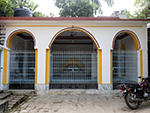 "+
"
"+
"  "+
"
"+
"  "+
"
"+
"  "+
"",
lalgolabengali : "লালগোলা রাজবাড়িঃ-মুর্শিদাবাদের পদ্মা নদীর বাংলাদেশ বর্ডার সংলগ্ন একটা গ্রাম লালগোলা। নদীর অপরদিকেই আছে বাংলাদেশের চাঁপাই নবাবগঞ্জ প্রশাসনিক অঞ্চল। লালগোলা, শিয়ালদহ লাইনের শেষ রেল স্টেশন। তাই এখানে আসার জন্যে যোগাযোগ ব্যবস্থার সমস্ত সুবিধে আছে। লালগোলা হলো লালবাগ মহকুমার অধীনে অবস্থিত মনোহর মন্দিরময় স্থান। লালগোলার পশ্চিমে ভাগীরথী, উত্তরে পদ্মানদী, পূর্বে ভৈরব নদ ও পদ্মার পারে বাংলাদেশের রাজশাহী জেলা। বর্তমান লালগোলা একসময় গভীর জঙ্গলে ঢাকা ছিল। লালগোলার ইতিহাস একটু অন্য রকমের। উত্তর প্রদেশের গাজীপুর জেলার পার্সী গ্রাম থেকে ১৭০০ সালের প্রথম দিকে মহিমাচরণ রায় ভাগ্যের অন্বেষণে ঘুরতে ঘুরতে রাজশাহী জেলায় পদ্মার ধারে সুন্দরপুর গ্রামে বসতি গড়েন। পরে পদ্মার ভাঙনের কবলে পড়ে মহিমাচরণের দুই ছেলে দলেল রায় ও রাজনাথ রায় কলকলির তীরে চলে আসেন। তারা কলকলির তীরের গভীর বন জঙ্গল কেটে কিছু অংশ পরিষ্কার করে বসতি গড়ে তোলেন। তখন জায়গাটার নাম হয় শ্রীমন্তপুর। দলেল রায় ১৭৪০ সাল নাগাদ নবারের অধীনে জেলার কর্মকর্তা হিসেবে কাজ করে অনেক প্রভাব প্রতিপত্তি বাড়িয়েছিলেন। পাশাপাশি রানী ভবানীর এস্টেটের সৈন্যদলে সেনাপতির কাজ করেও দলেল রায়ের বেশ নামডাক হয়েছিল। এই সময় দলেল রায় বেশ কিছু জমিজমা ও সম্পত্তি কেনেন এবং নীল, রেশম ও ধানের আড়তের ব্যবসা শুরু করেন। ধানের ব্যবসার কারণে তিনি অনেক ধান রাখার গোলা বানান। লোকমুখে দলেল রায়ের গোলা থেকে অপভ্রংশে লাল রায়ের গোলা হয়ে যায়। পরে তা লোকমুখে ছড়াতে ছড়াতে লালগোলা নাম হয়ে যায়। অপুত্রক দলেল রায়ের মৃত্যুর পর, তার ভাইয়ের ছেলে নীলকণ্ঠ রায় লালগোলার জমিদার হয়েছিলেন। নীলকণ্ঠ রায় নবাব দরবার থেকে রাও উপাধিও লাভ করেন। পরবর্তীকালে লালগোলার জমিদার হন রাও আত্মানারায়ণ রায়। তিনি সুষ্ঠুভাবে জমিদারি সামলাতেন। জমিদার আত্মানারায়ণের মৃত্যুর পর তাঁর খ্যাতিমান পুত্র রামশঙ্কর রাও লালগোলার পরবর্তী জমিদার হন এবং রাজা উপাধিতে ভূষিত হন। এই রাও রামশঙ্কর রায়ই লালগোলার প্রকৃত রূপকার ছিলেন বলে শোনা যায়। রাও রামশঙ্কর রায় ১৮০০ সালের দিকে প্রভূত অর্থব্যয়ে লালগোলা রাজভবন তৈরি করেন। এলাকায় এক রাজকীয় পরিবেশের আবহমণ্ডল গড়ে তোলেন। তিনি গোটা এলাকা মন্দির ও অট্টালিকা দিয়ে সাজিয়ে দেন। গড়ে তোলেন রঘুনাথ মন্দির, কালী মন্দির, নাটমন্দির, জগধ্বাত্রী মন্দির, বিষ্ণু মন্দির, লক্ষ্মী মন্দির ইত্যাদি। লালগোলার প্রয়োজনের জন্যে সুদর্শনগঞ্জ বাজার স্থাপন করেন। ১৮২৩ সালে রাও রামশঙ্করই লালগোলার বিখ্যাত রথের মেলা চালু করেন। পাশাপাশি দেব সেবা ও রাজগুরুর পরিবারের জন্যেও প্রচুর অর্থ ও দেবোত্তর সম্পত্তি তিনি মুক্ত হস্তে ও উদার চিত্তে দান করতেন। রাজা রাও রামশঙ্করের মৃত্যুর পর তাঁর পুত্র রাও মহেশ নারায়ণ রায় লালগোলার রাজা হন। তিনিও লালগোলায় ও ভগবানগোলায় বেশ কিছু উন্নয়নমূলক কাজ করেন। নানা মন্দিরও স্থাপন করেন। ভৈরব নদের কোলে তিনি একটা দুর্গামন্দির তৈরি করেছিলেন যার খ্যাতি আজও রয়েছে। মৃত্যুর কিছুদিন আগে নিঃসন্তান রাজা উত্তর প্রদেশের রাম চরিত রায়কে দত্তক হিসেবে গ্রহণ করেন। এই রাম চরিত রায়ই হলেন, লালগোলার দানবীর রাজা যোগেন্দ্র নারায়ণ রায়। রাজা যোগেন্দ্র নারায়ণ রায় শিক্ষা, সাহিত্য, সংস্কৃতি, স্বাস্থ্য, দরিদ্র সেবা, ধর্ম ও মন্দির নির্মাণ ইত্যাদি ক্ষেত্রে অগ্রণী ভূমিকা নিয়েছিলেন এবং বহু দান করেছিলেন। বিভিন্ন সদগুণের জন্য তিনি রাজা, মহারাজা, স্যার, নাইট, ইত্যাদি নানা উপাধি লাভও করেন। রাজা যোগেন্দ্র নারায়ণের রায়ের পুত্র হেমন্ত নারায়ণ রায়ও কিছুদিন সিংহাসনে ছিলেন। হেমন্ত নারায়ণের পুত্র কুমার বাহাদুর ধীরেন্দ্র নারায়ণ রায় ছিলেন লালগোলার শেষ রাজা। রাজা ধীরেন্দ্র নারায়ণ ছিলেন একজন সু-সাহিত্যিক, নামকরা শিকারি, টেনিস খেলোয়াড় ও সঙ্গীতানুরাগী ব্যক্তি। স্বাধীনতার পরে ১৯৬১ সালে পশ্চিমবঙ্গের তৎকালীন মুখ্যমন্ত্রী ডাঃ বিধান চন্দ্র রায়, রাজা ধীরেন্দ্র নারায়ণ রায়ের কাছ থেকে লালগোলার এই ঐতিহ্যসম্পন্ন রাজবাড়ি অধিগ্রহণ করেন। এই ঐতিহাসিক রাজবাড়ি বর্তমানে কারা বিভাগের দায়িত্বে আছে এবং এর একাংশ রাজ্য সরকার মুক্ত সংশোধনাগার হিসেবে ব্যবহার করে। লালগোলায় দেখার মধ্য আছে দেবী জগদ্ধাত্রীর মন্দির, যা লালগোলা রাজের গেস্ট হাউসের সংলগ্ন লক্ষ্মীবাড়িতে আছে। আছে বেশ বড় দুর্গামন্ডপ। পাশেই আছে মহাকালী মন্দির। এখানে মা কালী শৃঙ্খলিত অবস্থায় আছেন। কথিত আছে যে, মা কালী লালগোলা ছেড়ে চলে যেতে চেয়েছেন, কিন্তু তাকে শেকলে বেঁধে রাখা হয়েছে। এই মন্দিরের বিগ্রহ খুব জাগ্রত বলে পরিচিত। কালী মন্দির সংলগ্ন স্থানে আছে কয়েকটা শিব মন্দির। এখানে শিব ও কালীর নিত্য পুজো হয়। এছাড়াও আছে একটা রাজবাড়ি গেস্টহাউস যেখানে বহু বিখ্যাত মানুষেরা এসেছেন ও থেকেছেন। উল্লেখযোগ্য ব্যক্তিত্বরা হলেন বঙ্কিমচন্দ্র চট্টোপাধ্যায়, রামেন্দ্র, সুন্দর ত্রিবেদী, কাজী নজরুল ইসলাম, ঈশ্বরচন্দ্র বিদ্যাসাগর ইত্যাদি। সেইজন্য রাজবাড়ির কালি মন্দিরের দেওয়ালে এইসব বিখ্যাত ব্যক্তিদের ছবি দেখতে পাওয়া যায়। মনে করা হয় বঙ্কিমচন্দ্র তার বিখ্যাত উপন্যাস আনন্দমঠের প্রেক্ষাপট রচনা করেছিলেন এখানেই। তবে রাজবাড়ি গেস্ট হাউসের বর্তমানে অবস্থা একদমই জরাজীর্ণ। এ ছাড়াও রয়েছে লালগোলেশ্বরের মন্দির, নারায়ণ মন্দির, শিব-কালী মন্দির ইত্যাদি। লালগোলায় মন্দিরের ছড়াছড়ি। লালগোলা রাজের কুল দেবতা ছিলেন ভগবান বিষ্ণু, তাই বিষ্ণু মন্দির রয়েছে রাজবাড়ির অন্দর মহলে তবে ভগ্নাবস্থায় ও বিধিনিষেধের বেড়াজালে আবদ্ধ। জানা যায় বাংলায় সন্ন্যাসী বিদ্রোহের সময় দিনাজপুর জেলার কাঞ্চন মসিদা মঠের শ্রী শ্রী রাম, সীতা, লক্ষণ, হনুমানজী, রাধাকৃষ্ণ মূর্তি, ও বহু শালগ্রাম শিলা এবং শিবলিঙ্গ এনে রাখা হয় রঘুনাথজীর মন্দিরে। আগে নাকি এই মন্দিরে বৌদ্ধ বিহার বৌদ্ধ দেবী কলকলির মন্দির ছিল। রাজবাড়ির পাশ দিয়ে একদা বয়ে যেত কলকলি নামে একটা ছোট্ট নদী। কলকলির ঘাট ছিল সুন্দর বাঁধানো। লালগোলার রথের মেলা খুব বিখ্যাত। দূর দূরান্ত থেকে আগে লোকেরা রথ দেখতে আসত। বসতো সার্কাস, বেচাকেনা চলত জোর কদমে। লোক গমগম করত মেলার দিনগুলো। রথও ছিল দেখার মতো সাজানো গোছানো। সে সব জৌলুস এখন আর নেই। এখানকার বাজার খুব বিখ্যাত ছিল, এখনও আছে। পাশাপাশি সাপ্তাহিক হাটও বসে। আরও জানা যায়, ব্রিটিশ রাজত্বকালে আশাড়িয়াদহ ঘাটে নাকি বড় বড় বাণিজ্য তরীও আসতো। ওঠানামা হত মালপত্র। মাছের বাজার হিসেবে লালগোলার খ্যাতি ছিল। এখানকার মাছ নানা জায়গায় রপ্তানি হতো, এখনও হয়। রাজার বংশধরেরা এখনও আছেন লালগোলায় তাদের নিজস্ব বাসভবনে, কেউবা কলকাতায়, কেউ আছেন আবার দেশের নানা প্রান্তে। লালগোলা রাজের পাশাপাশি আরও ছোটোখাটো দু-এক ঘর জমিদার লালগোলায় বসবাস করতেন। বর্তমানে জনবহুল সীমান্ত শহর লালগোলা মুর্শিদাবাদের অন্যতম প্রধান বাণিজ্য কেন্দ্র হয়ে উঠেছে। এখানে রাজ পরিবারের নামে দুটো উচ্চ বিদ্যালয় ও একটা সরকারি বিদ্যালয়, একটা কলেজ, বিভিন্ন বেসরকারি শিক্ষা প্রতিষ্ঠান, বি এড কলেজ, গ্রামীণ হাসপাতাল, পোষ্ট অফিস, সরকারী ব্লক অফিস ও থানা আছে। "+
"Read More..."+
"
"+
"",
lalgolabengali : "লালগোলা রাজবাড়িঃ-মুর্শিদাবাদের পদ্মা নদীর বাংলাদেশ বর্ডার সংলগ্ন একটা গ্রাম লালগোলা। নদীর অপরদিকেই আছে বাংলাদেশের চাঁপাই নবাবগঞ্জ প্রশাসনিক অঞ্চল। লালগোলা, শিয়ালদহ লাইনের শেষ রেল স্টেশন। তাই এখানে আসার জন্যে যোগাযোগ ব্যবস্থার সমস্ত সুবিধে আছে। লালগোলা হলো লালবাগ মহকুমার অধীনে অবস্থিত মনোহর মন্দিরময় স্থান। লালগোলার পশ্চিমে ভাগীরথী, উত্তরে পদ্মানদী, পূর্বে ভৈরব নদ ও পদ্মার পারে বাংলাদেশের রাজশাহী জেলা। বর্তমান লালগোলা একসময় গভীর জঙ্গলে ঢাকা ছিল। লালগোলার ইতিহাস একটু অন্য রকমের। উত্তর প্রদেশের গাজীপুর জেলার পার্সী গ্রাম থেকে ১৭০০ সালের প্রথম দিকে মহিমাচরণ রায় ভাগ্যের অন্বেষণে ঘুরতে ঘুরতে রাজশাহী জেলায় পদ্মার ধারে সুন্দরপুর গ্রামে বসতি গড়েন। পরে পদ্মার ভাঙনের কবলে পড়ে মহিমাচরণের দুই ছেলে দলেল রায় ও রাজনাথ রায় কলকলির তীরে চলে আসেন। তারা কলকলির তীরের গভীর বন জঙ্গল কেটে কিছু অংশ পরিষ্কার করে বসতি গড়ে তোলেন। তখন জায়গাটার নাম হয় শ্রীমন্তপুর। দলেল রায় ১৭৪০ সাল নাগাদ নবারের অধীনে জেলার কর্মকর্তা হিসেবে কাজ করে অনেক প্রভাব প্রতিপত্তি বাড়িয়েছিলেন। পাশাপাশি রানী ভবানীর এস্টেটের সৈন্যদলে সেনাপতির কাজ করেও দলেল রায়ের বেশ নামডাক হয়েছিল। এই সময় দলেল রায় বেশ কিছু জমিজমা ও সম্পত্তি কেনেন এবং নীল, রেশম ও ধানের আড়তের ব্যবসা শুরু করেন। ধানের ব্যবসার কারণে তিনি অনেক ধান রাখার গোলা বানান। লোকমুখে দলেল রায়ের গোলা থেকে অপভ্রংশে লাল রায়ের গোলা হয়ে যায়। পরে তা লোকমুখে ছড়াতে ছড়াতে লালগোলা নাম হয়ে যায়। অপুত্রক দলেল রায়ের মৃত্যুর পর, তার ভাইয়ের ছেলে নীলকণ্ঠ রায় লালগোলার জমিদার হয়েছিলেন। নীলকণ্ঠ রায় নবাব দরবার থেকে রাও উপাধিও লাভ করেন। পরবর্তীকালে লালগোলার জমিদার হন রাও আত্মানারায়ণ রায়। তিনি সুষ্ঠুভাবে জমিদারি সামলাতেন। জমিদার আত্মানারায়ণের মৃত্যুর পর তাঁর খ্যাতিমান পুত্র রামশঙ্কর রাও লালগোলার পরবর্তী জমিদার হন এবং রাজা উপাধিতে ভূষিত হন। এই রাও রামশঙ্কর রায়ই লালগোলার প্রকৃত রূপকার ছিলেন বলে শোনা যায়। রাও রামশঙ্কর রায় ১৮০০ সালের দিকে প্রভূত অর্থব্যয়ে লালগোলা রাজভবন তৈরি করেন। এলাকায় এক রাজকীয় পরিবেশের আবহমণ্ডল গড়ে তোলেন। তিনি গোটা এলাকা মন্দির ও অট্টালিকা দিয়ে সাজিয়ে দেন। গড়ে তোলেন রঘুনাথ মন্দির, কালী মন্দির, নাটমন্দির, জগধ্বাত্রী মন্দির, বিষ্ণু মন্দির, লক্ষ্মী মন্দির ইত্যাদি। লালগোলার প্রয়োজনের জন্যে সুদর্শনগঞ্জ বাজার স্থাপন করেন। ১৮২৩ সালে রাও রামশঙ্করই লালগোলার বিখ্যাত রথের মেলা চালু করেন। পাশাপাশি দেব সেবা ও রাজগুরুর পরিবারের জন্যেও প্রচুর অর্থ ও দেবোত্তর সম্পত্তি তিনি মুক্ত হস্তে ও উদার চিত্তে দান করতেন। রাজা রাও রামশঙ্করের মৃত্যুর পর তাঁর পুত্র রাও মহেশ নারায়ণ রায় লালগোলার রাজা হন। তিনিও লালগোলায় ও ভগবানগোলায় বেশ কিছু উন্নয়নমূলক কাজ করেন। নানা মন্দিরও স্থাপন করেন। ভৈরব নদের কোলে তিনি একটা দুর্গামন্দির তৈরি করেছিলেন যার খ্যাতি আজও রয়েছে। মৃত্যুর কিছুদিন আগে নিঃসন্তান রাজা উত্তর প্রদেশের রাম চরিত রায়কে দত্তক হিসেবে গ্রহণ করেন। এই রাম চরিত রায়ই হলেন, লালগোলার দানবীর রাজা যোগেন্দ্র নারায়ণ রায়। রাজা যোগেন্দ্র নারায়ণ রায় শিক্ষা, সাহিত্য, সংস্কৃতি, স্বাস্থ্য, দরিদ্র সেবা, ধর্ম ও মন্দির নির্মাণ ইত্যাদি ক্ষেত্রে অগ্রণী ভূমিকা নিয়েছিলেন এবং বহু দান করেছিলেন। বিভিন্ন সদগুণের জন্য তিনি রাজা, মহারাজা, স্যার, নাইট, ইত্যাদি নানা উপাধি লাভও করেন। রাজা যোগেন্দ্র নারায়ণের রায়ের পুত্র হেমন্ত নারায়ণ রায়ও কিছুদিন সিংহাসনে ছিলেন। হেমন্ত নারায়ণের পুত্র কুমার বাহাদুর ধীরেন্দ্র নারায়ণ রায় ছিলেন লালগোলার শেষ রাজা। রাজা ধীরেন্দ্র নারায়ণ ছিলেন একজন সু-সাহিত্যিক, নামকরা শিকারি, টেনিস খেলোয়াড় ও সঙ্গীতানুরাগী ব্যক্তি। স্বাধীনতার পরে ১৯৬১ সালে পশ্চিমবঙ্গের তৎকালীন মুখ্যমন্ত্রী ডাঃ বিধান চন্দ্র রায়, রাজা ধীরেন্দ্র নারায়ণ রায়ের কাছ থেকে লালগোলার এই ঐতিহ্যসম্পন্ন রাজবাড়ি অধিগ্রহণ করেন। এই ঐতিহাসিক রাজবাড়ি বর্তমানে কারা বিভাগের দায়িত্বে আছে এবং এর একাংশ রাজ্য সরকার মুক্ত সংশোধনাগার হিসেবে ব্যবহার করে। লালগোলায় দেখার মধ্য আছে দেবী জগদ্ধাত্রীর মন্দির, যা লালগোলা রাজের গেস্ট হাউসের সংলগ্ন লক্ষ্মীবাড়িতে আছে। আছে বেশ বড় দুর্গামন্ডপ। পাশেই আছে মহাকালী মন্দির। এখানে মা কালী শৃঙ্খলিত অবস্থায় আছেন। কথিত আছে যে, মা কালী লালগোলা ছেড়ে চলে যেতে চেয়েছেন, কিন্তু তাকে শেকলে বেঁধে রাখা হয়েছে। এই মন্দিরের বিগ্রহ খুব জাগ্রত বলে পরিচিত। কালী মন্দির সংলগ্ন স্থানে আছে কয়েকটা শিব মন্দির। এখানে শিব ও কালীর নিত্য পুজো হয়। এছাড়াও আছে একটা রাজবাড়ি গেস্টহাউস যেখানে বহু বিখ্যাত মানুষেরা এসেছেন ও থেকেছেন। উল্লেখযোগ্য ব্যক্তিত্বরা হলেন বঙ্কিমচন্দ্র চট্টোপাধ্যায়, রামেন্দ্র, সুন্দর ত্রিবেদী, কাজী নজরুল ইসলাম, ঈশ্বরচন্দ্র বিদ্যাসাগর ইত্যাদি। সেইজন্য রাজবাড়ির কালি মন্দিরের দেওয়ালে এইসব বিখ্যাত ব্যক্তিদের ছবি দেখতে পাওয়া যায়। মনে করা হয় বঙ্কিমচন্দ্র তার বিখ্যাত উপন্যাস আনন্দমঠের প্রেক্ষাপট রচনা করেছিলেন এখানেই। তবে রাজবাড়ি গেস্ট হাউসের বর্তমানে অবস্থা একদমই জরাজীর্ণ। এ ছাড়াও রয়েছে লালগোলেশ্বরের মন্দির, নারায়ণ মন্দির, শিব-কালী মন্দির ইত্যাদি। লালগোলায় মন্দিরের ছড়াছড়ি। লালগোলা রাজের কুল দেবতা ছিলেন ভগবান বিষ্ণু, তাই বিষ্ণু মন্দির রয়েছে রাজবাড়ির অন্দর মহলে তবে ভগ্নাবস্থায় ও বিধিনিষেধের বেড়াজালে আবদ্ধ। জানা যায় বাংলায় সন্ন্যাসী বিদ্রোহের সময় দিনাজপুর জেলার কাঞ্চন মসিদা মঠের শ্রী শ্রী রাম, সীতা, লক্ষণ, হনুমানজী, রাধাকৃষ্ণ মূর্তি, ও বহু শালগ্রাম শিলা এবং শিবলিঙ্গ এনে রাখা হয় রঘুনাথজীর মন্দিরে। আগে নাকি এই মন্দিরে বৌদ্ধ বিহার বৌদ্ধ দেবী কলকলির মন্দির ছিল। রাজবাড়ির পাশ দিয়ে একদা বয়ে যেত কলকলি নামে একটা ছোট্ট নদী। কলকলির ঘাট ছিল সুন্দর বাঁধানো। লালগোলার রথের মেলা খুব বিখ্যাত। দূর দূরান্ত থেকে আগে লোকেরা রথ দেখতে আসত। বসতো সার্কাস, বেচাকেনা চলত জোর কদমে। লোক গমগম করত মেলার দিনগুলো। রথও ছিল দেখার মতো সাজানো গোছানো। সে সব জৌলুস এখন আর নেই। এখানকার বাজার খুব বিখ্যাত ছিল, এখনও আছে। পাশাপাশি সাপ্তাহিক হাটও বসে। আরও জানা যায়, ব্রিটিশ রাজত্বকালে আশাড়িয়াদহ ঘাটে নাকি বড় বড় বাণিজ্য তরীও আসতো। ওঠানামা হত মালপত্র। মাছের বাজার হিসেবে লালগোলার খ্যাতি ছিল। এখানকার মাছ নানা জায়গায় রপ্তানি হতো, এখনও হয়। রাজার বংশধরেরা এখনও আছেন লালগোলায় তাদের নিজস্ব বাসভবনে, কেউবা কলকাতায়, কেউ আছেন আবার দেশের নানা প্রান্তে। লালগোলা রাজের পাশাপাশি আরও ছোটোখাটো দু-এক ঘর জমিদার লালগোলায় বসবাস করতেন। বর্তমানে জনবহুল সীমান্ত শহর লালগোলা মুর্শিদাবাদের অন্যতম প্রধান বাণিজ্য কেন্দ্র হয়ে উঠেছে। এখানে রাজ পরিবারের নামে দুটো উচ্চ বিদ্যালয় ও একটা সরকারি বিদ্যালয়, একটা কলেজ, বিভিন্ন বেসরকারি শিক্ষা প্রতিষ্ঠান, বি এড কলেজ, গ্রামীণ হাসপাতাল, পোষ্ট অফিস, সরকারী ব্লক অফিস ও থানা আছে। "+
"Read More..."+
" "+
"
"+
"  "+
"
"+
"  "+
"
"+
"  "+
"
"+
"  "+
"
"+
"  "+
"
"+
"  "+
"
"+
"  "+
"",
panchthupibengali : "পাঁচথুপি রাজবাড়িঃ-মুর্শিদাবাদ মানে শুধু নবাবি বা ব্রিটিশ ইতিহাস না। মুর্শিদাবাদের সাথে জড়িয়ে আছে বিভিন্ন রাজা, জমিদার, জমিদারবাড়ির অজানা ইতিহাস। মুর্শিদাবাদের আনাচে কানাচে ছড়িয়ে ছিটিয়ে আছে এরকমই কিছু অজানা কাহিনী। সেরকমই একটি জায়গা হলো মুর্শিদাবাদের বড়য়াঁ ব্লকের অন্তর্গত একটি সমৃদ্ধ জনপদ পাঁচথুপি। এই পাঁচথুপি নামের পেছনেও আছে আরো একটা ইতিহাস। পাল আমলে এখানেই পাঁচটা বৌদ্ধ স্তূপের অস্তিত্ব ছিল, সেই থেকেই এই গ্রামে নাম পঞ্চথুপি এবং বর্তমানে পাঁচথুপি হয়েছে। এখানে আছে একটা জমিদারবাড়ি যার আবার তিনটে ভাগ, বড়, মধ্যম ও ন-তরফ এবং কিছু মন্দির। এই পাঁচথুপি নিয়ে তারাশঙ্কর বন্দ্যোপাধ্যায়ের একটা গল্প আছে যার নাম সপ্তর্ষি আর হারানো বিকেল। সানডে সাসপেনস পত্রিকায় এই গল্পগুলো ছাপা হয়েছে। মহারাজা আদিশূরের রাজসভার গুরুত্বপূর্ণ সদস্য সোমঘোষের অধস্তন রাজা নরপতি ঘোষ প্রায় পাঁচশো বছর আগে ময়ুরাক্ষী নদীর তীরে এই পাঁচথুপিতে রাজধানী প্রতিষ্ঠা করেছিলেন। এই গ্রামে এখনো তার বংশধরেরা বসবাস করে থাকে। এই গ্রামের প্রায় সবকটা দুর্গা মন্দিরে দুর্গা পুজো হয়ে থাকে। এই গ্রামে আসলে, প্রথমেই পড়বে সিংহবাহিনী মন্দির। তারপর পাঁচথুপি পুরনো বাড়ি, এরপর রাইজি বাড়ি। অনেক ইতিহাসের সাক্ষী এই রাইজি বাড়ির বর্তমান অবস্থাও খুব জরাজীর্ণ। এই বাড়িতেও দুর্গা মন্ডপ আছে। এরপর পড়বে জমিদার জগন্নাথ ঘোষের প্রতিষ্ঠিত পঞ্চায়াতন মন্দির। এই মন্দিরের আর এক নাম নবরত্ন মন্দির। এবার আসবে পাঁচথুপির মল্লিকপাড়া। এখানকার দ্রষ্টব্য জমিদারবাড়ি। এই মল্লিকপাড়া নামটা এসেছে ঘোষমল্লিক পরিবার থেকে। এই ঘোষমল্লিক পরিবারের তিনটে তরফ আছে এবং এই তিন তরফের তিনটে জমিদারবাড়ি রয়েছে একদম পাশাপাশি। রাজা নরপতি ঘোষের বড় ছেলে প্রয়াগ ঘোষ নবাবের কাছ থেকে এই মল্লিক উপাধি পেয়েছিলেন। সব শেষে পড়বে অধিকারী বাড়ি। পাঁচথুপির যেদিকের তাকানো যাক না কেন, মন্দির এবং পুরোনো বাড়ি দেখতে পাওয়া যায়। মুর্শিদাবাদ জেলার অত্যন্ত প্রাচীন এই গ্রামকে অনেকে দুর্গা গ্রাম বলে থাকেন। এই গ্রামে ১৬টা পারিবারিক দুর্গাপুজো হয়ে আসছে যুগ যুগ ধরে। একসময় এই গ্রামের অন্যান্য পুজোগুলোর মধ্যে প্রাচীন পাঁচথুপি মধ্যমবাড়ির দুর্গাপুজো ছিল বিখ্যাত। এই বাড়িতে মোট ন-দিন ধরে হোম যজ্ঞের সঙ্গে পুজো হওয়ার রীতি চলে আসছে শতকের পর শতক ধরে। প্রায় সাতশো বছরের প্রাচীন এই দুর্গাপুজোকে কেন্দ্র করে আজও এলাকাবাসীর আবেগ জড়িয়ে আছে। প্রাচীন রীতিনীতি মেনেই এই বাড়িতে দুর্গাপুজো নবরাত্রির মাধ্যমে হয়ে আসছে বলে জানিয়েছেন পরিবারের সদস্যরা।সুপ্রাচীন পুজোগুলো হচ্ছে মল্লিকপাড়ার বড় তরফ ও মধ্যম তরফের দুর্গাপুজো। পরিবারের প্রবীন সদস্যরা জানান, মুলত নবরাত্রির পুজো হিসেবেই পরিচিত এই মধ্যম তরফের দুর্গাপুজো। মহালয়ার পর দিন প্রতিপদ থেকেই ঘট বসে পুজোর সুচনা হয়। পরে চতুর্থীর দিন ঠাকুর কে বেদীর ওপর তুলে পুজো করা হয়। এছাড়াও ন দিন ধরে হোম যজ্ঞ এবং চণ্ডীপাঠ চলে। নবমীর দিনে পূর্ণ আহুতি দিয়ে হোম যজ্ঞের সমাপ্তি হয়। এছাড়াও দশমীর দিনে প্রতিমা নিরঞ্জনের পর গ্রাম দেবীর পুজো দিয়ে, অপরাজিতার পুজো করে হয় পুজোর সমাপ্তি। পাশাপাশি, দশমীর দিনে খিচুড়ি ভোগ দেওয়ার রীতি রয়েছে দেবী দশভুজাকে। আগে জৌলুস ছিল, ছিল রাজত্বও। তবে এখন আর জৌলুস নেই, রাজত্বও নেই। কোনও রকমে পুজো চালিয়ে আসছেন পরিবারের সদস্যরা। পুজোকে কেন্দ্র করে অন্যান্য সদস্যরা উপস্থিত হন এই চারদিনে। পুজো দেখতে শুধু মুর্শিদাবাদ জেলা নয়, মুর্শিদাবাদ জেলার আশে পাশের বহু সাধারণ মানুষ উপস্থিত হন।পাঁচথুপি গ্রাম কান্দি মহকুমার বড়ঞাঁ ব্লকে অন্তর্গত। প্রথমে কান্দি এসে পাঁচথুপিতে অটো, টোটো করে চলে আসা যায়। দূরত্ব মাত্র ২০ কি.মি মতো। "+
"Read More..."+
"
"+
"",
panchthupibengali : "পাঁচথুপি রাজবাড়িঃ-মুর্শিদাবাদ মানে শুধু নবাবি বা ব্রিটিশ ইতিহাস না। মুর্শিদাবাদের সাথে জড়িয়ে আছে বিভিন্ন রাজা, জমিদার, জমিদারবাড়ির অজানা ইতিহাস। মুর্শিদাবাদের আনাচে কানাচে ছড়িয়ে ছিটিয়ে আছে এরকমই কিছু অজানা কাহিনী। সেরকমই একটি জায়গা হলো মুর্শিদাবাদের বড়য়াঁ ব্লকের অন্তর্গত একটি সমৃদ্ধ জনপদ পাঁচথুপি। এই পাঁচথুপি নামের পেছনেও আছে আরো একটা ইতিহাস। পাল আমলে এখানেই পাঁচটা বৌদ্ধ স্তূপের অস্তিত্ব ছিল, সেই থেকেই এই গ্রামে নাম পঞ্চথুপি এবং বর্তমানে পাঁচথুপি হয়েছে। এখানে আছে একটা জমিদারবাড়ি যার আবার তিনটে ভাগ, বড়, মধ্যম ও ন-তরফ এবং কিছু মন্দির। এই পাঁচথুপি নিয়ে তারাশঙ্কর বন্দ্যোপাধ্যায়ের একটা গল্প আছে যার নাম সপ্তর্ষি আর হারানো বিকেল। সানডে সাসপেনস পত্রিকায় এই গল্পগুলো ছাপা হয়েছে। মহারাজা আদিশূরের রাজসভার গুরুত্বপূর্ণ সদস্য সোমঘোষের অধস্তন রাজা নরপতি ঘোষ প্রায় পাঁচশো বছর আগে ময়ুরাক্ষী নদীর তীরে এই পাঁচথুপিতে রাজধানী প্রতিষ্ঠা করেছিলেন। এই গ্রামে এখনো তার বংশধরেরা বসবাস করে থাকে। এই গ্রামের প্রায় সবকটা দুর্গা মন্দিরে দুর্গা পুজো হয়ে থাকে। এই গ্রামে আসলে, প্রথমেই পড়বে সিংহবাহিনী মন্দির। তারপর পাঁচথুপি পুরনো বাড়ি, এরপর রাইজি বাড়ি। অনেক ইতিহাসের সাক্ষী এই রাইজি বাড়ির বর্তমান অবস্থাও খুব জরাজীর্ণ। এই বাড়িতেও দুর্গা মন্ডপ আছে। এরপর পড়বে জমিদার জগন্নাথ ঘোষের প্রতিষ্ঠিত পঞ্চায়াতন মন্দির। এই মন্দিরের আর এক নাম নবরত্ন মন্দির। এবার আসবে পাঁচথুপির মল্লিকপাড়া। এখানকার দ্রষ্টব্য জমিদারবাড়ি। এই মল্লিকপাড়া নামটা এসেছে ঘোষমল্লিক পরিবার থেকে। এই ঘোষমল্লিক পরিবারের তিনটে তরফ আছে এবং এই তিন তরফের তিনটে জমিদারবাড়ি রয়েছে একদম পাশাপাশি। রাজা নরপতি ঘোষের বড় ছেলে প্রয়াগ ঘোষ নবাবের কাছ থেকে এই মল্লিক উপাধি পেয়েছিলেন। সব শেষে পড়বে অধিকারী বাড়ি। পাঁচথুপির যেদিকের তাকানো যাক না কেন, মন্দির এবং পুরোনো বাড়ি দেখতে পাওয়া যায়। মুর্শিদাবাদ জেলার অত্যন্ত প্রাচীন এই গ্রামকে অনেকে দুর্গা গ্রাম বলে থাকেন। এই গ্রামে ১৬টা পারিবারিক দুর্গাপুজো হয়ে আসছে যুগ যুগ ধরে। একসময় এই গ্রামের অন্যান্য পুজোগুলোর মধ্যে প্রাচীন পাঁচথুপি মধ্যমবাড়ির দুর্গাপুজো ছিল বিখ্যাত। এই বাড়িতে মোট ন-দিন ধরে হোম যজ্ঞের সঙ্গে পুজো হওয়ার রীতি চলে আসছে শতকের পর শতক ধরে। প্রায় সাতশো বছরের প্রাচীন এই দুর্গাপুজোকে কেন্দ্র করে আজও এলাকাবাসীর আবেগ জড়িয়ে আছে। প্রাচীন রীতিনীতি মেনেই এই বাড়িতে দুর্গাপুজো নবরাত্রির মাধ্যমে হয়ে আসছে বলে জানিয়েছেন পরিবারের সদস্যরা।সুপ্রাচীন পুজোগুলো হচ্ছে মল্লিকপাড়ার বড় তরফ ও মধ্যম তরফের দুর্গাপুজো। পরিবারের প্রবীন সদস্যরা জানান, মুলত নবরাত্রির পুজো হিসেবেই পরিচিত এই মধ্যম তরফের দুর্গাপুজো। মহালয়ার পর দিন প্রতিপদ থেকেই ঘট বসে পুজোর সুচনা হয়। পরে চতুর্থীর দিন ঠাকুর কে বেদীর ওপর তুলে পুজো করা হয়। এছাড়াও ন দিন ধরে হোম যজ্ঞ এবং চণ্ডীপাঠ চলে। নবমীর দিনে পূর্ণ আহুতি দিয়ে হোম যজ্ঞের সমাপ্তি হয়। এছাড়াও দশমীর দিনে প্রতিমা নিরঞ্জনের পর গ্রাম দেবীর পুজো দিয়ে, অপরাজিতার পুজো করে হয় পুজোর সমাপ্তি। পাশাপাশি, দশমীর দিনে খিচুড়ি ভোগ দেওয়ার রীতি রয়েছে দেবী দশভুজাকে। আগে জৌলুস ছিল, ছিল রাজত্বও। তবে এখন আর জৌলুস নেই, রাজত্বও নেই। কোনও রকমে পুজো চালিয়ে আসছেন পরিবারের সদস্যরা। পুজোকে কেন্দ্র করে অন্যান্য সদস্যরা উপস্থিত হন এই চারদিনে। পুজো দেখতে শুধু মুর্শিদাবাদ জেলা নয়, মুর্শিদাবাদ জেলার আশে পাশের বহু সাধারণ মানুষ উপস্থিত হন।পাঁচথুপি গ্রাম কান্দি মহকুমার বড়ঞাঁ ব্লকে অন্তর্গত। প্রথমে কান্দি এসে পাঁচথুপিতে অটো, টোটো করে চলে আসা যায়। দূরত্ব মাত্র ২০ কি.মি মতো। "+
"Read More..."+
" "+
"
"+
"  "+
"
"+
"  "+
"
"+
"  "+
"
"+
"  "+
"
"+
"  "+
"
"+
"  "+
"
"+
"  "+
"",
ranibhabanibengali : "রানী ভবানী রাজবাড়িঃ-রানী ভবানী ছিলেন বাংলাদেশের নাটোরের মহারানী। নাটোরে তার এক বৃহৎ রাজবাড়ি আছে, যেটা বর্তমানে বাংলাদেশের রাজশাহী জেলায় অন্তর্গত। ১৭৫৩-১৭৬০ এই সাতবছর তিনি আজিমগঞ্জ বরানগরে ভাগীরথীর পশ্চিম পারে অবস্থান করছিলেন। সেই সময় তিনি এই বরানগরকে দ্বিতীয় বারাণসী হিসেবে গড়ে তোলার জন্য প্রায় ১০৮টা টেরাকোটার শিব মন্দির গড়ে তুলেছিলেন, যার বেশিরভাগ ই এখন ভাগীরথীর গ্রাসে চলে গেছে, এছাড়াও তিনি এখানে থাকার জন্য একটা বাড়িও নির্মাণ করেছিলেন। সেই বাড়িটা বর্তমান স্থানীয় মানুষেরা রানী ভবানীর রাজবাড়ি বলে থাকে। এখনো এই বাড়িতে লোক বসবাস করছে। যারা আজিমগঞ্জে ঘুরতে যান তারা এই বাড়িটাকে না দেখেই চলে যান। রানী ভবানীর সৃষ্ট এতো মন্দির যখন দেখা হয় তখন এই রাজবাড়িটাও একবার দেখে নেওয়া যেতে পারে। তবে সমস্যা হচ্ছে টোটো বা অটোওয়ালারা এই বাড়ি যে রানী ভবানীর রাজবাড়ি সেটা জানে না। তারা নাটোরের রাজবাড়ির কথাই শুনেছে বা জেনেছে। তাই স্থানীয় মানুষজনকে বললে তারাই দেখিয়ে দেবে।রানী ভবানী তার পরোপকারিতা এবং সাধারণ উদারতার কারণে, মানুষের মধ্যে একটি গৃহস্থালির নাম হয়ে ওঠেন, এবং একটি কঠোর ব্যক্তিগত জীবনের সাথে মিলিত হন। সারা বাংলায় তিনি যে মন্দির, গেস্টহাউস এবং রাস্তা নির্মাণ করেছিলেন তার সংখ্যা শত শত বলে মনে করা হয়। তিনি তার প্রজাদের তীব্র জল সমস্যা দূর করার জন্যে অসংখ্য জলের ট্যাঙ্কও তৈরি করেছিলেন। তিনি হাওড়া থেকে বারাণসী পর্যন্ত একটি রাস্তা তৈরি করেছিলেন, যা আজও ব্যবহার করা হচ্ছে। তিনি শিক্ষার প্রসারেও আগ্রহী ছিলেন এবং অনেক শিক্ষা প্রতিষ্ঠানে উদারভাবে দান করেছিলেন। তিনি সমাজে বিধবা পুনর্বিবাহ প্রবর্তন করে সামাজিক সংস্কার আনার চেষ্টা করেছিলেন, কিন্তু সমাজের প্রধানদের রক্ষণশীল মনোভাবের কারণে তিনি ব্যর্থ হন। ১৭৭০ সালের গ্রেট বেঙ্গল দুর্ভিক্ষের সময়, তিনি তার নিজের খরচে লোকদের সাহায্য করার জন্য আটজন বৈদ্য নিয়োগ করে দরিদ্রদের সাহায্য করেছিলেন। তারাপীঠ ও বেনারসেও তিনি দারুণ অবদান রেখেছিলেন । তারাপীঠ, ভারতের পশ্চিমবঙ্গ প্রদেশে অবস্থিত একটা হিন্দু মন্দির শহর এবং সাধু বামাখেপার জন্যে বিখ্যাত । বারাণসীর দুর্গা কুণ্ড মন্দির রানী ভবানী নির্মাণ করেছিলেন। "+
"Read More..."+
"
"+
"",
ranibhabanibengali : "রানী ভবানী রাজবাড়িঃ-রানী ভবানী ছিলেন বাংলাদেশের নাটোরের মহারানী। নাটোরে তার এক বৃহৎ রাজবাড়ি আছে, যেটা বর্তমানে বাংলাদেশের রাজশাহী জেলায় অন্তর্গত। ১৭৫৩-১৭৬০ এই সাতবছর তিনি আজিমগঞ্জ বরানগরে ভাগীরথীর পশ্চিম পারে অবস্থান করছিলেন। সেই সময় তিনি এই বরানগরকে দ্বিতীয় বারাণসী হিসেবে গড়ে তোলার জন্য প্রায় ১০৮টা টেরাকোটার শিব মন্দির গড়ে তুলেছিলেন, যার বেশিরভাগ ই এখন ভাগীরথীর গ্রাসে চলে গেছে, এছাড়াও তিনি এখানে থাকার জন্য একটা বাড়িও নির্মাণ করেছিলেন। সেই বাড়িটা বর্তমান স্থানীয় মানুষেরা রানী ভবানীর রাজবাড়ি বলে থাকে। এখনো এই বাড়িতে লোক বসবাস করছে। যারা আজিমগঞ্জে ঘুরতে যান তারা এই বাড়িটাকে না দেখেই চলে যান। রানী ভবানীর সৃষ্ট এতো মন্দির যখন দেখা হয় তখন এই রাজবাড়িটাও একবার দেখে নেওয়া যেতে পারে। তবে সমস্যা হচ্ছে টোটো বা অটোওয়ালারা এই বাড়ি যে রানী ভবানীর রাজবাড়ি সেটা জানে না। তারা নাটোরের রাজবাড়ির কথাই শুনেছে বা জেনেছে। তাই স্থানীয় মানুষজনকে বললে তারাই দেখিয়ে দেবে।রানী ভবানী তার পরোপকারিতা এবং সাধারণ উদারতার কারণে, মানুষের মধ্যে একটি গৃহস্থালির নাম হয়ে ওঠেন, এবং একটি কঠোর ব্যক্তিগত জীবনের সাথে মিলিত হন। সারা বাংলায় তিনি যে মন্দির, গেস্টহাউস এবং রাস্তা নির্মাণ করেছিলেন তার সংখ্যা শত শত বলে মনে করা হয়। তিনি তার প্রজাদের তীব্র জল সমস্যা দূর করার জন্যে অসংখ্য জলের ট্যাঙ্কও তৈরি করেছিলেন। তিনি হাওড়া থেকে বারাণসী পর্যন্ত একটি রাস্তা তৈরি করেছিলেন, যা আজও ব্যবহার করা হচ্ছে। তিনি শিক্ষার প্রসারেও আগ্রহী ছিলেন এবং অনেক শিক্ষা প্রতিষ্ঠানে উদারভাবে দান করেছিলেন। তিনি সমাজে বিধবা পুনর্বিবাহ প্রবর্তন করে সামাজিক সংস্কার আনার চেষ্টা করেছিলেন, কিন্তু সমাজের প্রধানদের রক্ষণশীল মনোভাবের কারণে তিনি ব্যর্থ হন। ১৭৭০ সালের গ্রেট বেঙ্গল দুর্ভিক্ষের সময়, তিনি তার নিজের খরচে লোকদের সাহায্য করার জন্য আটজন বৈদ্য নিয়োগ করে দরিদ্রদের সাহায্য করেছিলেন। তারাপীঠ ও বেনারসেও তিনি দারুণ অবদান রেখেছিলেন । তারাপীঠ, ভারতের পশ্চিমবঙ্গ প্রদেশে অবস্থিত একটা হিন্দু মন্দির শহর এবং সাধু বামাখেপার জন্যে বিখ্যাত । বারাণসীর দুর্গা কুণ্ড মন্দির রানী ভবানী নির্মাণ করেছিলেন। "+
"Read More..."+
" "+
"
"+
"  "+
"
"+
"  "+
"
"+
"  "+
"
"+
"  "+
"
"+
"  "+
"
"+
"  "+
"
"+
"  "+
"",
talibpurbengali : "তালিবপুর রাজবাড়িঃ-মুর্শিদাবাদের বহরমপুর শহর থেকে প্রায় ৬০ কিলোমিটার দূরত্বে এই তালিবপুর গ্রাম। ষোড়শ শতকের গোড়ার দিকে উত্তর ভারত থেকে ততকালীন ফতে সিংহ পরগনার মৌলানা ফুসী এই তালিব পুরে এসেছিলেন। ততকালীন সম্রাট জাহাঙ্গীরের কাছ থেকে তিনি সনদ নিয়ে এসে এই এলাকায় বসবাস শুরু করেন। আর্বী ও ফার্সি ভাষায় পণ্ডিত মৌলানা ফুশী কে এই এলাকার শাসক প্রতিনিধি কে সহযোগীতা করার জন্যে সম্রাট তাঁকে বেশ কিছু সম্পত্তি দান করেন। তার ছেলে দীন মহম্মদ ও নাতি পীর মহম্মদ বিভিন্ন জনহিতকর কাজের জন্য অত্যন্ত জনপ্রিয়তা অর্জন করেন। পীর মহম্মদের ছেলে গোলাম রসুল আরবী ও ফার্সি ভাষায় বিশেষ জ্ঞান অর্জন করেছিলেন। তার দুই পুত্র মৌলানা গোলম বতুল ও মৌলবী গোলাম সুবেদার দুজনেই সদর দেওয়ানী আদালতে ওকালতি করতেন। এলাকার বিভিন্ন জনহিতকর কাজে গোলাম বতুল প্রচুর খরচ করতেন। জল সঙ্কট মেটানোর জন্যে তিনি এলাকায় অনেক পুকুর খনন করান। তৈরি করেন বহু মসজিদ, মাদ্রাসা ও মুসাফিরখানা। সেগুলো রক্ষণাবেক্ষণের কাজেও প্রচুর ব্যয় করতেন তিনি। গোলাম বতুলের ছেলে মুন্সী নওয়াজ হোসেন ছিলেন ভীষন উদার চরিত্রের মানুষ। তিনি এলাকার মানুষের ভালোর জন্যে অনেক কাজ করেছিলেন। তিনি বাবু মিয়া নামে পরিচিত ছিলেন। পূর্ব পুরুষের ধারা অনুযায়ী তিনি যেমন মসজিদ মুসাফির খানায় ব্যয় করতেন, তেমনি নিজের গ্রামে একটা ফ্রি স্কুল ও দাতব্য চিকিৎসালয় স্থাপন করেছিলেন। তালিবপুরের জমিদার বংশের অন্যতম উল্লেখযোগ্য ব্যক্তি ছিলেন মুন্সী জিল্লার রহমান, যিনি রাজা মিয়াঁ নামে প্রসিদ্ধ ছিলেন। রাজা মিয়া অত্যন্ত ধার্মিক ও প্রজাদরদী জমিদার ছিলেন। সাধারন প্রজাদের জন্য তিনি গ্রামে গ্রামে সেচ ও পানীয় জলের ব্যবস্থা করেন, এবং বহু পুকুর ও কুয়ো খনন করান। গরীব প্রজাদের জন্যে লঙ্গরখানা স্থাপন, মুসাফিরখানা স্থাপন, শিক্ষার জন্য মাদ্রাসা, গরীবদের চিকিৎসার জন্য দাতব্য চিকিৎসালয় স্থাপন করেন। এখানকার রাজামিয়া মসজিদ আজও রাজা মিয়াঁর স্মৃতি বহন করে চলেছে। ইংরেজি শিক্ষার প্রসারের জন্যে তিনি এই তালিবপুরে একটা উচ্চ ইংরেজী বিদ্যালয়ও স্থাপন করেছিলেন। তিনি ছিলেন অত্যন্ত ধার্মিক কিন্তু ধর্মীয় সংকীর্ণতা তাঁকে কোনো দিনও গ্রাস করতে পারেনি।বর্তমানে এই জমিদার বাড়ির যা অবস্থা, তা শেষের অপেক্ষায় দিন গুনছে। জমিদার বাড়ির অনেক অংশই আজ নিশ্চিহ্ন হয়ে গেছে ও আধুনিক বাড়ি নির্মাণ হয়ে গেছে। এবার আসি যাতায়াতে। বহরমপুর শহর থেকে এর দুরত্ব ৬০ কি.মি। আজিমগঞ্জ-কাটোয়া লাইনের যেকোনো ট্রেন ধরে সালার স্টেশন বা পাশেই তালিবপুর-মালিহাটী স্টেশনে নেমে সেখান থেকে টোটো করে তালিবপুর। একইরকম ভাবে কেউ চাইলে কাটোয়ার দিক থেকেও এই তালিবপুর গ্রামে চলে আসা যায়। "+
"Read More..."+
"
"+
"",
talibpurbengali : "তালিবপুর রাজবাড়িঃ-মুর্শিদাবাদের বহরমপুর শহর থেকে প্রায় ৬০ কিলোমিটার দূরত্বে এই তালিবপুর গ্রাম। ষোড়শ শতকের গোড়ার দিকে উত্তর ভারত থেকে ততকালীন ফতে সিংহ পরগনার মৌলানা ফুসী এই তালিব পুরে এসেছিলেন। ততকালীন সম্রাট জাহাঙ্গীরের কাছ থেকে তিনি সনদ নিয়ে এসে এই এলাকায় বসবাস শুরু করেন। আর্বী ও ফার্সি ভাষায় পণ্ডিত মৌলানা ফুশী কে এই এলাকার শাসক প্রতিনিধি কে সহযোগীতা করার জন্যে সম্রাট তাঁকে বেশ কিছু সম্পত্তি দান করেন। তার ছেলে দীন মহম্মদ ও নাতি পীর মহম্মদ বিভিন্ন জনহিতকর কাজের জন্য অত্যন্ত জনপ্রিয়তা অর্জন করেন। পীর মহম্মদের ছেলে গোলাম রসুল আরবী ও ফার্সি ভাষায় বিশেষ জ্ঞান অর্জন করেছিলেন। তার দুই পুত্র মৌলানা গোলম বতুল ও মৌলবী গোলাম সুবেদার দুজনেই সদর দেওয়ানী আদালতে ওকালতি করতেন। এলাকার বিভিন্ন জনহিতকর কাজে গোলাম বতুল প্রচুর খরচ করতেন। জল সঙ্কট মেটানোর জন্যে তিনি এলাকায় অনেক পুকুর খনন করান। তৈরি করেন বহু মসজিদ, মাদ্রাসা ও মুসাফিরখানা। সেগুলো রক্ষণাবেক্ষণের কাজেও প্রচুর ব্যয় করতেন তিনি। গোলাম বতুলের ছেলে মুন্সী নওয়াজ হোসেন ছিলেন ভীষন উদার চরিত্রের মানুষ। তিনি এলাকার মানুষের ভালোর জন্যে অনেক কাজ করেছিলেন। তিনি বাবু মিয়া নামে পরিচিত ছিলেন। পূর্ব পুরুষের ধারা অনুযায়ী তিনি যেমন মসজিদ মুসাফির খানায় ব্যয় করতেন, তেমনি নিজের গ্রামে একটা ফ্রি স্কুল ও দাতব্য চিকিৎসালয় স্থাপন করেছিলেন। তালিবপুরের জমিদার বংশের অন্যতম উল্লেখযোগ্য ব্যক্তি ছিলেন মুন্সী জিল্লার রহমান, যিনি রাজা মিয়াঁ নামে প্রসিদ্ধ ছিলেন। রাজা মিয়া অত্যন্ত ধার্মিক ও প্রজাদরদী জমিদার ছিলেন। সাধারন প্রজাদের জন্য তিনি গ্রামে গ্রামে সেচ ও পানীয় জলের ব্যবস্থা করেন, এবং বহু পুকুর ও কুয়ো খনন করান। গরীব প্রজাদের জন্যে লঙ্গরখানা স্থাপন, মুসাফিরখানা স্থাপন, শিক্ষার জন্য মাদ্রাসা, গরীবদের চিকিৎসার জন্য দাতব্য চিকিৎসালয় স্থাপন করেন। এখানকার রাজামিয়া মসজিদ আজও রাজা মিয়াঁর স্মৃতি বহন করে চলেছে। ইংরেজি শিক্ষার প্রসারের জন্যে তিনি এই তালিবপুরে একটা উচ্চ ইংরেজী বিদ্যালয়ও স্থাপন করেছিলেন। তিনি ছিলেন অত্যন্ত ধার্মিক কিন্তু ধর্মীয় সংকীর্ণতা তাঁকে কোনো দিনও গ্রাস করতে পারেনি।বর্তমানে এই জমিদার বাড়ির যা অবস্থা, তা শেষের অপেক্ষায় দিন গুনছে। জমিদার বাড়ির অনেক অংশই আজ নিশ্চিহ্ন হয়ে গেছে ও আধুনিক বাড়ি নির্মাণ হয়ে গেছে। এবার আসি যাতায়াতে। বহরমপুর শহর থেকে এর দুরত্ব ৬০ কি.মি। আজিমগঞ্জ-কাটোয়া লাইনের যেকোনো ট্রেন ধরে সালার স্টেশন বা পাশেই তালিবপুর-মালিহাটী স্টেশনে নেমে সেখান থেকে টোটো করে তালিবপুর। একইরকম ভাবে কেউ চাইলে কাটোয়ার দিক থেকেও এই তালিবপুর গ্রামে চলে আসা যায়। "+
"Read More..."+
"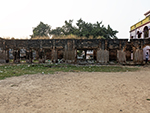 "+
"
"+
"  "+
"
"+
"  "+
"
"+
"  "+
"
"+
"  "+
"
"+
"  "+
"
"+
"  "+
"
"+
"  "+
"",
headingbengali : "মুর্শিদাবাদ",
headingenglish : "MURSHIDABAD",
};
"+
"",
headingbengali : "মুর্শিদাবাদ",
headingenglish : "MURSHIDABAD",
};