var Midnapurwestplaces =
{
menusystembengali :
" "+
"এই পাতার জায়গাসমূহঃ-"+
"মেনু দেখতে ক্লিক করুন"+
" •কর্ণগড়"+
" •মেদিনীপুর "+
" •নাড়াজোল"+
" •গনগনি"+
" •গড়বেতা "+
" •কুরুমবেরা-ফোর্ট"+
" •মোগলমারি"+
" •শরাশঙ্ক-দীঘি "+
" •চন্দ্রকোণা"+
" •নয়াগ্রাম",
menusystemenglish :
" "+
"Places in This Page:-"+
"Click To See Menu"+
" •Karnagarh"+
" •Midnapur "+
" •Narajole"+
" •Ganagani"+
" •Garhbeta "+
" •Kurumbera-Fort"+
" •Mughalmari"+
" •Sarasanka-Dighi "+
" •Chandrakona"+
" •Nayagram",
karnagarhbengali : "কর্ণগড়ঃ-মেদিনীপুর শহরের ১০ কি.মি. উত্তরে কর্ণগড়ে চপলেশ্বর ও মহামায়া নামে দুটো বিখ্যাত মন্দির রয়েছে। রয়েছে পুরানো ফোর্টের ধ্বংসাবশেষ যা এখনও দেখার মতো। তিন কি.মি. চত্বরে প্রাচীর, দুর্গ, মন্দির, সৈন্যালয়ের ধ্বংসাবশেষ ও লেক এখনও খুঁজে পাওয়া যায়। ফোর্টের দক্ষিণে রয়েছে অনাদিলিঙ্গ দণ্ডেশ্বর মহাদেব মন্দির, ও মহামায়া মন্দির রয়েছে ঠিক তার পাশেই। এই দুটো মন্দির এখনও নষ্ট হয়ে যায়নি। রঘুবাবা নামে একজন পুরোহিত তাঁর জীবনের প্রায় পুরোটাই মন্দিরের জন্য উৎসর্গ করেন ও তারপর থেকে কর্ণগড় প্রচারের আলোয় আসে। লোককথা অনুযায়ী মহাভারতের মহাকাব্যিক নায়ক রাজা কর্ণ এই দুর্গ তৈরি করেন তাই কর্ণগড় হিন্দুদের কাছে পবিত্রস্থান। অনেকে বলেন প্রায় ৫০০ বছর আগে রাজা মহাবীর সিংহ এই ফোর্ট তৈরি করেন। লেকের কাছে তাঁর নাতি জসবন্ত সিংহের একটা সেনোটাফ রয়েছে যা এখন ধ্বংসপ্রাপ্ত। কর্ণগড়কে দুটো ভাগে ভাগ করা হয়, সদর মহল ও অন্দর মহল। সদর মহল সেনাবাহিনী ও রাজকর্মচারীদের জন্যে আর অন্দরমহল রাজপরিবারের জন্যে। বর্তমানে পুরো এলাকাটায় শুধু পাথরের দেওয়াল দেখা যায় বাকী সবই প্রায় ভেঙে গেছে। ব্রিটিশ আমলে কর্ণগড় স্থানীয় বিদ্রোহের কেন্দ্রবিন্দু হয়েছিল যাকে চুয়ার বিদ্রোহ (১৭৯৮) বলে ও যা ১৭৬৭ সালে ঘাটশিলায় শুরু হয়। ব্রিটিশ শাসকরা সাময়িকভাবে এটা দমন করতে পারলেও ১৭৯৮ সালে রাণী শিরোমণির নেতৃত্বে বিদ্রোহ তার নতুন বিভবে প্রকাশিত হয়। ব্রিটিশরা এটা দমন করতে ব্যর্থ হয়ে বাইরে থেকে অন্য বাহিনী এনে বর্বরোচিত নৃশংসতায় ১৭৯৯ সালে রাণী শিরোমণিকে গ্রেপ্তার করে ও হত্যা করে। তার পর থেকে রাণী শিরোমণিকে মেদিনীপুরের লক্ষীবাই বলা হয়। বিদ্রোহ শেষ হয়ে গেলেও ব্রিটিশ শাসকের প্রতি ঘৃণার রেশ জনমানসে রয়েই গেছিল পরবর্তী আন্দোলনের রসদ হিসাবে। "+
"Read More..."+
"
"+
"শব্দঃ প্রতিবেদনঃ "+
""+
"ভিডিও"+
"স্লাইডশোর জন্যে নীচের ছবিতে ক্লিক করুন "+
"
"+
"পেজ মেনুতে যান",
karnagarhenglish : "Karngarh:-10 km north of Medinipur city, there are two famous temples named Chapaleshwar and Mahamaya in Karnagarh. There are ruins of the old fort that are still worth seeing. 3 km Walls, castles, temples, army quarters ruins and lakes can still be found in the courtyard. To the south of the fort is the Anadiling Dandeshwar Mahadev Temple, and right next to it is the Mahamaya Temple. These two temples have not yet been destroyed. A priest named Raghubaba devoted almost his entire life to the temple and has been in the limelight ever since. According to folklore, this fort was built by Raja Karna, the epic hero of Mahabharata, so Karnagarh is a holy place for Hindus. Many say that this fort was built by King Mahabir Singh about 500 years ago. Near the lake is a cenotaph of his grandson Jaswant Singh which is now ruined. Karnagarh is divided into two parts, Sadar Mahal and Andar Mahal. The Sadar Mahal is for the army and the royal staff and the Andarmahal is for the royal family. At present only stone walls can be seen in the whole area and everything else is almost broken. During the British rule, Karnagarh became the epicenter of the local uprising known as the Chuar Rebellion (1798) which started at Ghatshila in 1767 AD. Although the British rulers were able to temporarily suppress it, the revolt led by Queen Shiromani in 1798 manifested itself in its new glory. Failing to suppress it, the British brought in another force from outside and arrested and killed Queen Shiromani in 1799 in a barbaric atrocity. From then on, Rani Shiromani was called Lakshibai of Medinipur. Even after the end of the revolt, the remnants of hatred towards the British rulers remained in the minds of the people as the logistics for the next movement. "+
"Read More..."+
"
"+
"Sound Stream: "+
""+
"Video"+
"Click any Picture for Slide Show "+
"
"+
"Go To Page Menu",
photokarnagarh :
""+
" "+
" "+
" "+
" "+
" "+
" "+
" "+
" "+
"",
midnapurbengali : "মেদিনীপুরঃ-পশ্চিম মেদিনীপুর জেলায় বহু প্রাগৈতিহাসিক দ্রষ্টব্যের আকর্ষণ রয়েছে ও অনেক খননকার্য এখনও চলছে। সুদূর অতীতে এই এলাকা বুদ্ধ ও জৈন ধর্মের দ্বারা অত্যন্ত প্রভাবিত ছিল। সমুদ্রগুপ্তের মুদ্রা মেদিনীপুর শহরের কাছেই পাওয়া যায়। শশাঙ্ক ও হর্ষবর্ধনের রাজত্বের কিছু অংশ অবিভক্ত মেদিনীপুরেরই ছিল। ফা হিয়েন ও হিউয়েন সাঙের বিবরণ অনুযায়ী এই এলাকার সবথেকে গুরুত্বপূর্ণ প্রত্নতাত্ত্বিক এলাকা হচ্ছে তাম্রলিপ্ত বা তমলুক। পরবর্তীকালে তৎকালীন সমাজ সংস্কারক চৈতন্যদেব পুরী থেকে বারাণসী যাবার পথে এই এলাকা দর্শন করেন। ষোড়শ শতাব্দীতে শেষ স্বাধীন হিন্দু রাজা গণপতি মুকুন্দদেবের পরাজয়ের পর মেদিনীপুর সহ রাজামুন্দ্রী অব্দি ওড়িশার বিস্তীর্ণ উপকূলবর্তী অঞ্চল মুঘলদের হাতে চলে যায় ও গোটা এলাকাটাকে ছভাগে ভাগ করা হয়। মেদিনীপুরের তমলুক, জালেশ্বর ভাগের উত্তরদিকে পড়ে। এই ভাগের দক্ষিণ, পশ্চিম ও পূর্ব দিকে যথাক্রমে সোরো (বালেশ্বরের কাছে), ধলভূমগড় ও বঙ্গোপসাগর পড়ে। মেদিনীপুর শহর পশ্চিম মেদিনীপুর জেলার মহকুমা শহর। কংসাবতী বা কাঁসাই নদীর তীরে অবস্থিত এই এলাকার মানুষজন ভারতের স্বাধীনতা সংগ্রামে এক অগ্রণী ভূমিকা পালন করেছিলেন। স্বাধীনতা সংগ্রামের বহু বিপ্লবী যারা ফাঁসির শাস্তি হাসি মুখে বরণ করেছেন তাঁদের অনেকই এখানে জন্মগ্রহণ করেন। মাতৃভূমিকে দাসত্ব ও বন্দীদশা থেকে মুক্ত করার জন্যে তারা স্বেচ্ছায় স্বাধীনতার মঞ্চে নিজেদেরকে বিসর্জন দিয়েছেন। মেদিনীপুর বেশ কিছু চরমপন্থী স্বাধীনতা সংগ্রামীদের জন্মস্থান। হেমচন্দ্র কানুনগোর মতো শিক্ষকরা তাঁর ছাত্রদের সশস্ত্র সংগ্রামে অবতীর্ণ হবার শিক্ষা দিতেন। তিনজন ব্রিটিশ ম্যাজিস্ট্রেটকে হত্যা করার জন্য ও দেশকে বিদেশীদের হাত থেকে স্বাধীন করার জন্য যারা সংগ্রামে অংশগ্রহণ করেছিলেন তাঁরা হলেন বিমল দাশগুপ্ত, জ্যোতিজীবন ঘোষ, প্রোদ্যুৎ ভট্টাচার্য, প্রভাকাংসু পাল, মৃগন দত্ত, অনাথ বন্ধু পাঁজা, রামকৃষ্ণ রায়, ব্রজ কিশোর চক্রবর্তী, নির্মল জীবন ঘোষ, ক্ষুদিরাম বসু, সত্যেন্দ্রনাথ বসু ইত্যাদি । কাজী নজরুল ইসলাম মেদিনীপুরে রাজনৈতিক মিটিঙে অংশগ্রহণ করেন। শহরে দেখার মধ্যে রয়েছে নতুনবাজারে কাঁশাই নদীর কাছে পঞ্চরত্ন স্থাপত্যশৈলীতে গড়া পূর্বমুখী বিখ্যাত কালী মন্দির। ষোড়শ শতাব্দীর পীর লোহানী বাবার পবিত্র এক গম্বুজের মসজিদ। নতুনবাজারের পশ্চিমদিকে ১৮৫১ সালের ২১ ফুট চওড়া ও ৭৩ ফুট উঁচু বিখ্যাত জগন্নাথ মন্দির। বড়বাজারের শীতলা মন্দিরও তার ২০০ বছরের প্রাচীনত্বের জন্যে বিখ্যাত। বড়বাজারের কাছেই শিবতলায় রয়েছে মল্লিক পরিবারের বিখ্যাত রাধাকান্ত জিউ মন্দির ও রাসমঞ্চ। এর টেরাকোটার কাজ অত্যন্ত উচ্চমানের। মীরজাবাজারের হনুমান জীউ মন্দির ও রাসমঞ্চও দেখার মতো। মীরবাজারের টিকিয়া মসজিদ ও আলিগুঞ্জের দেওয়ান খানা মসজিদ তার কাঠামোর জন্য বিখ্যাত। এটা বলা হয় যে আওরঙ্গজেবেরে দেওয়ান খেপাইতুল্লা এটা তৈরি করেন। ৩০০ বছরের পুরানো পূর্বমুখী তিন গম্বুজের দেওয়ান খানা মসজিদের উচ্চতা ৫৬ ফুট ও চওড়া ৩০০ ফুট। আধুনিক কাঠামোর সবচেয়ে সুন্দর হচ্ছে বিদ্যাসাগর স্মৃতি মন্দির। ১৯৩৮ সালে ডাঃ রাধাকৃষ্ণাণ এর ভিত্তিপ্রস্তর স্থাপন করেন ও এর উদ্বোধন করেন বিশ্বকবি রবীন্দ্রনাথ ঠাকুর। আশেপাশের বিভিন্ন জায়গা থেকে ঐতিহাসিক অবশিষ্টাংশ ও রেলিক এখানে সংগৃহীত রয়েছে। এর মধ্যে রাজা শশাঙ্কের আমলের দুটো তামার ফলক, দুটো জৈন ও বুদ্ধ আমলের মূর্তি, অনেক টেরাকোটার কাজের নিদর্শন, পুরানো কয়েন ও পাণ্ডুলিপি রয়েছে। খৃষ্টান ধর্মাবলম্বীদের জন্যে সেখপুরার সেন্ট জন চার্চ, কেরাণীতলার রোমান ক্যাথলিক চার্চ, আবাসগড়ের ব্যাপটিস্ট মিশন চার্চ অফ আমেরিকা উল্লেখযোগ্য। এগুলো সবই তৈরি হয়েছে অষ্টাদশ ও ঊনবিংশ শতাব্দীতে। মিরজা মোল্লা এলাকার সপ্তদশ শতাব্দীর জোড়া মসজিদও দেখার মতন। জোড়া মসজিদের পূর্বদিকে খানকা শরিফ নামে একটা কাঠামো রয়েছে যা মহম্মদ মৌলানা হজরত সৈয়দ শাহ মেহর আলি আলকাজুড়ির পবিত্র সমাধি বলে পরিচিত। মিরজাবাজারের কাছেই রয়েছে চন্দন সাহিদ রহমাতুল্লার বিখ্যাত সমাধি ও মসজিদ। সম্ভবত এটা আওরঙ্গজেবের আমলে তৈরি হয়েছে। আর একটি নামকরা মসজিদ হল মহাতাবপুরে ইদগার শাহ সাহিবের সমাধিস্থল যা হিন্দু ও মুসলিম উভয় ধর্মের দ্বারাই পূজিত হয়। রয়েছে রামকৃষ্ণ মিশন, মঠ ও বিদ্যাভবন, চার্চ স্কুল। হাবিবপুরে অষ্টাদশ শতাব্দীর কালী মন্দির, ক্ষুদিরাম বোসের জন্মস্থান, নন্দী বাড়ির দুর্গা মন্দির, ভারতের সবথেকে পুরানো ১৮৫১ সালের ঋষি রাজনারায়ণ বসু জেনারেল লাইব্রেরি, ১৮৭৩ সালের মেদিনীপুর কলেজ, ১৮৩৪ সালের মেদিনীপুর কলেজিয়েট স্কুল, সিধু কানুহ মূর্তি দেখার মতো। "+
"Read More..."+
"
"+
"শব্দঃ প্রতিবেদনঃ "+
""+
"ভিডিও"+
"স্লাইডশোর জন্যে নীচের ছবিতে ক্লিক করুন "+
"
"+
"পেজ মেনুতে যান",
midnapurenglish : "Midnapur:-There are many prehistoric attractions in West Midnapore district and many excavations are still going on. In the distant past, the area was heavily influenced by Buddhism and Jainism. Samudragupta's coin is found near the town of Medinipur. Part of the reigns of Shashanka and Harshavardhana belonged to undivided Medinipur. According to Fa Hien and Hiuen Tsang, the most important archaeological site in the area is Tamralipta or Tamluk. Later, the then social reformer Chaitanyadev visited the area on his way from Puri to Varanasi. After the defeat of the last independent Hindu king Ganapati Mukundadev in the 16th century, the vast coastal region of Orissa, including Medinipur and Rajamundri, passed into the hands of the Mughals and the whole area was divided into six parts. Tamluk of Medinipur falls to the north of Jaleshwar division. To the south, west and east of this division fall Soro (near Baleshwar), Dhalbhumgarh and Bay of Bengal respectively. Midnapore town is a subdivisional town in West Midnapore district. The people of this area situated on the banks of Kansavati or Kansai River played a leading role in the freedom struggle of India. Many of the revolutionaries of the freedom struggle who accepted the death penalty with a smile were born here. They have voluntarily sacrificed themselves on the platform of freedom to free the motherland from slavery and captivity. Medinipur is the birthplace of a number of armed freedom fighters. Teachers like Hemchandra Kanungo taught his students to embark on armed struggle. Bimal Dasgupta, Jyotijivan Ghosh, Pradyut Bhattacharya, Prabhakansu Pal, Mrigan Dutt, Anathbandhu Panja, Ramkrishna Roy, Braj Kishore Chakraborty, Nirmal Jiban Ghosh, Khudiram Bose, Satyendranath Bose etc. Kazi Nazrul Islam participated in a political meeting in Medinipur. Among the sights to be seen in the town are the famous Kali Mandir facing east in the Pancharatna architectural style near the river Kanshai in Natunbazar. Sixteenth-century Mosque of the sacred dome of Pir Lohani Baba. To the west of Natunbazar is the famous Jagannath Temple of 1851, 21 feet wide and 73 feet high. The Shitala temple in Barabazar is also famous for its 200 years of antiquity. The famous Radhakanta Jiu temple and Rasmancha of the Mallick family are located at Shivtala near Barabazar. Its terracotta work is of very high quality. The Hanuman Jiu Temple and Rasmancha in Mirzabazar are also worth visiting. The Tikia Mosque in Mirbazar and the Dewan Khana Mosque in Aligunj are famous for their structure. It is said that Dewan Khepaitullah of Aurangzeb made it. The 300-year-old east-facing three-domed Dewan Khana Mosque is 56 feet high and 300 feet wide. The most beautiful of modern structures is the Vidyasagar Memorial Temple. The foundation stone was laid by Dr. Radhakrishnan in 1938 and it was inaugurated by Biswakabi Rabindranath Tagore. Historical relics and relics from various places in the vicinity are collected here. It contains two copper plates from the reign of King Shashanka, two statues from the Jain and Buddha periods, many terracotta work patterns, old coins and manuscripts. Notable among Christians are St. John's Church in Sekhpura, Roman Catholic Church in Keranitala and Baptist Mission Church of America in Abasgarh. These were all made in the eighteenth and nineteenth centuries. Seventeen-century twin mosques in the Mirza Mollah area are also worth a visit. To the east of the twin mosques is a structure called Khanka Sharif, known as the holy tomb of Muhammad Maulana Hazrat Syed Shah Mehr Ali Alkajuri. Near Mirzabazar is the famous tomb and mosque of Chandan Shahid Rahmatullah. Probably it was made during the reign of Aurangzeb. Another famous mosque is the tomb of Idgar Shah Sahib at Mahatabpur which is worshiped by both Hindu and Muslim religions. There are Ramakrishna Mission, Math and Vidya Bhavana, Church School. The 18th century Kali Temple at Habibpur, the birthplace of Khudiram Bose, the Durga Temple at Nandi Bari, the oldest Rishi Rajnarayan Bose General Library in India in 1851, the Medinipur College in 1873, the Medinipur Collegiate School in 1834, the Sidhu Kanuh statue. "+
"Read More..."+
"
"+
"Sound Stream: "+
""+
"Video"+
"Click any Picture for Slide Show "+
"
"+
"Go To Page Menu",
photomidnapur :
""+
" "+
" "+
" "+
" "+
" "+
" "+
" "+
" "+
"",
narajolebengali : "নাড়াজোলের গল্পঃ-জাতিতে সদগোপ উদয় নারায়ণ ঘোষ (১৪১৬ খৃষ্টাব্দ) এই বংশের আদি পুরুষ। ইনি দৈবানুকম্পায় বিপুল সম্পত্তির অধিকারী হয়ে নাড়াজোল রাজ প্রতিষ্ঠা করেন। এর একটা সুন্দর লোককথা রয়েছে। প্রায় ছশো বছর আগে উদয় নারায়ণ ঘোষ শিকার করতে গিয়ে এক জঙ্গলে হারিয়ে যান। তখন তিনি দেবী দুর্গার কাছ থেকে এক দৈববাণী শুনতে পান যে, “জঙ্গলে এক দুর্গা মন্দির ও বহু সম্পত্তি রয়েছে”। দেবী দুর্গা তাঁর পূজার ভার ও সম্পত্তির দায়িত্ব নিতে আদেশ করেন। উদয় নারায়ণ সেই মন্দিরের কাছে গিয়ে দুর্গা মন্দির আর নারাজোলের বিশাল সম্পত্তি দেখতে পান ও তার অধিকারী হ’ন। এরপর তাঁর বংশধর প্রতাপ, যোগেন্দ্র, ভরত, কার্ত্তিক, জয়মণি, শ্যাম সিং, মতিরাম, বলবন্ত, গুণবন্ত, মহেশ, অভিরাম ইত্যাদি নারাজোল জমিদারীর উত্তরাধিকারী হ’ন। কার্ত্তিক রাম, দিল্লীর নবাব আকবরের প্রতিনিধি সুলেমান খানের থেকে রায় উপাধি, ও বলবন্ত, বাংলার নবাব মীরজাফরের থেকে খান উপাধি লাভ করেন। বলবন্তের সময় থেকে এই বংশীয়গন খান উপাধি ব্যবহার করে আসছেন। ৩৩০ বিঘা জমির ওপর নাড়াজোল পরগণার, গড়নাড়াজোল নামক স্থানে এই বংশের বাসস্থান ছিল ও তা বহির্গড় আর অন্তর্গড় এই দুই ভাগে বিভক্ত ছিল। দুটো পরিখা দ্বারা দুই গড়ের চতুর্দিক বেষ্টিত ছিল। বহির্গড়ে হাড়ি, ডোম ও মুসলমানরা বাস করতো। খাজনার পরিবর্তে এরা বর্গী, ডাকাত, লুঠেরা ইত্যাদির হাত থেকে রাজধানীকে বাঁচাত। অন্তর্গড়ে এক ক্ষুদ্র দ্বীপের মধ্যে ছিল রাজবাড়ি। বর্তমানে ইটের তৈরি ভাঙ্গা রাজবাড়িতে রয়েছে ২৫০টা ঘরের বিশাল অট্টালিকা, ৫৪টা মন্দির, পুজোর ঘর, বৈঠকখানা, তোষকখানা, অন্দরমহল ইত্যাদি। একমাত্র তোরণদ্বারের দুপাশে দুটো স্তম্ভের ওপর একটি নহবতখানা ছিল। রাজাদের কুলদেবতা সীতারাম মন্দির, শিবালয়, একসঙ্গে ছটা শিবমন্দির, রঙ্গমহল, রাসমঞ্চ, দোলমঞ্চ, সপ্তদশচূড়াবিশিষ্ট শতরত্ন মন্দির ইত্যাদি উল্লেখযোগ্য। নাড়াজোলের আর একটা জিনিস উল্লেখযোগ্য তা হল লঙ্কাগড়। এটা ৬০ বিঘেরও বেশি একটা বিশাল সরোবর। সরোবরের মাঝখানে কৃত্রিম দ্বীপে একটা ছোট্ট বাড়ি আছে যা হাওয়ামহল বলে পরিচিত। রাজা মোহনলাল খান অনেক অর্থব্যয় করে বিলাস ক্ষেত্র নির্মাণ করেন। নাড়াজোল রাজবংশ, কর্ণগড়, নারায়ণগড়, মহিষাদল, পাঞ্চেতগড় ইত্যাদি রাজাদের মতোই পুরানো ও যথেষ্ট সম্মানিত। এঁদের সম্পত্তি বিভিন্ন রকম সম্পত্তির সমন্বয়ে গঠিত। ১৭৫৮ খৃষ্টাব্দে দুই রাণী (শিরোমণি ও তাঁর সতীন রাণী ভবানী) অঙ্গীকার করেন যে যতদিন তাঁরা জীবিত থাকবেন, রাজবংশধর ত্রিলোচন ততদিন তাঁদের সম্পত্তির তত্ত্বাবধানে থাকবেন। রাণীরা মারা গেলে ত্রিলোচন ও রাজাদের অন্যান্য বংশধরেরা সম্পত্তির দখল পাবেন। এই বন্দোবস্তের ফলে অচিরেই বিভিন্ন বিদ্রোহ থেমে গিয়ে রাজ্যে শৃঙ্খলা আসে। ১৭৬০ সালে রাণী ভবানীর মৃত্যুর অল্পদিন পরে সন্তানহীন ত্রিলোচনের মৃত্যু হয়। ত্রিলোচনের ভ্রাতা যদুনাথের জ্যেষ্ঠ পুত্র মতিরাম মেদিনীপুর রাজ্যের কাজ পরিচালনা করতে থাকেন। ইনিও অপুত্রক ছিলেন ও তখন ত্রিলোচনের অন্য ভ্রাতা সবারামের পুত্র সীতারাম রাজা হ’ন ও অনেক উন্নতি করেন। সীতারামের আমলে ব্রিটিশরা মেদিনীপুর রাজ্যের খাজনা বহুগুণ বাড়িয়ে দেয়। রাণী শিরোমণির পক্ষে তা দেওয়া সম্ভব না হওয়ায় রাজ্য ব্রিটিশদের হস্তগত হয় ও নাড়াজোল খাস হয়ে যায়। দান করা জমি বাদে সব জমির মালিক হয়ে যায় ব্রিটিশরা। ১৭৮৪ সালে সীতারাম মারা যান। সীতারামের পুত্র আনন্দলাল বর্ধিত খাজনা দিয়ে জমিদারী ফিরিয়ে আনেন। এদিকে রাণী শিরোমণির দুর্দশার অন্ত রইল না। তাঁর জমি ব্রিটিশরা দখল করে। অভাবের তাড়নায় রাজসেনারা তখন প্রায় ডাকাতে পরিণত হয়েছিল ও ক্রমে তারা চুয়ার দলে নাম লেখায়। ব্রিটিশরা চুয়ার বিদ্রোহ দমন করতে না পেরে রাণীকে বন্দী করে ও রাণীর সমস্ত ধনরত্ন লুঠ করে। পরে রাণী নির্দোষ প্রমাণিত হলে তাঁকে মুক্ত করে তবে লুণ্ঠিত সামগ্রী আর ফেরত দেয়নি। পরবর্তী রাজারা সত্যি সত্যিই দেশপ্রেমিক ছিলেন যাদের মধ্যে রাজা নরেন্দ্রলাল খান ও রাজা দেবেন্দ্রলাল খান বিশেষভাবে উল্লেখযোগ্য। তাঁরা বিপ্লবীদের বহুরকম সাহায্য করতেন। মহাত্মা গান্ধী, জহরলাল নেহেরু, নেতাজী সুভাষ চন্দ্র বসু, সরোজিনী নাইডু, ঈশ্বরচন্দ্র বিদ্যাসাগর, কাজী নজরুল ইসলাম ইত্যাদি নাড়াজোল পরিদর্শন করেন। যাতায়াত:- ট্রেনে হাওড়া থেকে পাঁশকুড়া। সেখান থেকে গাড়ি নিয়ে নাড়াজোল রাজবাড়ি। খাকার প্রয়োজন হয় না। খাওয়াঃ- রাজনগরের কাছে ডিয়ার ফুড হোটেলে খুব ভালো ও টাটকা খাবার পাওয়া যায়। জায়গা অনুযায়ী দামটা একটু ডিয়ার হলেও খাওয়াটা বেশ মাইডিয়ার। "+
"Read More..."+
"
"+
"শব্দঃ প্রতিবেদনঃ "+
""+
"ভিডিও"+
"স্লাইডশোর জন্যে নীচের ছবিতে ক্লিক করুন "+
"
"+
"পেজ মেনুতে যান",
narajoleenglish : "Narajol:-Sadgopa Uday Narayan Ghosh (1416 AD) was the first man of this dynasty. He established Narajol Raj by owning huge property in by the wishes of God. It has a beautiful folklore. About six hundred years ago, Uday Narayan Ghosh got lost in a forest while hunting. Then he heard a prophecy from Goddess Durga that there is one Durga temple and has many properties in the forest. Goddess Durga ordered him to take charge of her worship and property. Uday Narayan went to that temple and saw the Durga Temple and the huge property of Narazol and became the owner of it. Later his descendants Pratap, Jogendra, Bharat, Karthik, Jayamani, Shyam Singh, Matiram, Balvant, Gunavant, Mahesh, Aviram etc. inherited the Narazol zamindari. Karthik Ram received the title of Roy from Suleiman Khan, the representative of Nawab Akbar of Delhi, and Balwant got the title of Khan from Nawab Mir Jafar of Bengal. These clans have been using the title Khan since the time of Balwant. On 330 bighas of land in Narajol Pargana, in a place called Garnarajol, the dynasty lived and it was divided into outer and inner parts. It was surrounded by two trenches. Hari, Dom and Muslims lived outside. Instead of paying taxes, they saved the capital from burglars, thieves, looters, etc. The palace was in a small island in the interior. At present the broken brick palace has a huge building of 250 houses, 54 temples, puja house, sitting room, wardrobe room, inner palace etc. There was a Nahabatkhana on two pillars on either side of the only archway. Sitaram temple, Shibalaya, six Shiva temples together, Rangmahal, Rasmancha, Dolmancha, Shataratna temple with seventeen peaks etc. are notable. Another notable thing about Narajol is Lankagarh. It is a huge lake of more than 60 bighas. There is a small house on the artificial island in the middle of the lake which is known as Hawamahal. Raja Mohanlal Khan built a luxury field at a great expense. Narajol dynasty is old and respected as the king like Karnagarh, Narayangarh, Mahishadal, Panchetgarh, etc. Their property consists of a combination of different types of property. In 1758, the two queens (Shiromani and his co-wife Rani Bhabani) pledged that as long as they live, the dynasty of Trilochan would take care of their property. When the queens died, Trilochan and other descendants of the kings would inherit the property. As a result of this settlement, various rebellions soon stopped and order was restored in the kingdom. Shortly after the death of Rani Bhabani in 1760, the childless Trilochan died. Matiram, the eldest son of Trilochan's brother Jadunath, continued to run the affairs of the state of Medinipur. He was also childless and at that time Sitaram, the son of Sabaram, another brother of Trilochan, became king and made great progress. During the reign of Sitaram, the British multiplied the rent of Medinipur state. As it was not possible for Queen Shiromani to give it, the state was taken over by the British and Narazol became demesne. The British became the owners of all the lands except the donated lands. Sitaram died in 1784. Sitaram's son Anandlal brought back the zamindari with increased rent. Meanwhile, the plight of Queen Shiromani did not end. His land was occupied by the British. Due to the persecution of scarcity, the royal army almost turned into a decoit and gradually they joined the Chuar party. Unable to suppress the Chua rebellion, the British captured the queen and looted all her treasures. The queen later released when she was found not guilty, but did not return the looted property. Subsequent kings were truly patriotic, most notably Raja Narendralal Khan and Raja Devendralal Khan. They helped the revolutionaries in many ways. Mahatma Gandhi, Jaharlal Nehru, Netaji Subhash Chandra Bose, Sarojini Naidu, Ishwar Chandra Vidyasagar, Kazi Nazrul Islam etc. visited Narajol. Travel: - By train from Howrah to Panskura. From there take a car to Narajol Rajbari. Stay is not required. Eating: - Very good and fresh food is available at Deer Food Hotel near Rajnagar. Although the price is a little dear according to the place, the food is quite decent. "+
"Read More..."+
"
"+
"Sound Stream: "+
""+
"Video"+
"Click any Picture for Slide Show "+
"
"+
"Go To Page Menu",
photonarajole :
""+
" "+
" "+
" "+
" "+
" "+
" "+
" "+
" "+
"",
gongonibengali : "গনগনি-বাংলার গ্রান্ড ক্যানিয়নঃ-গনগনি পশ্চিম মেদিনীপুরের গড়বেতার কাছে শীলাবতী নদীর তীরে মুগ্ধ করা একটা জায়গা যার চওড়া গিরিসঙ্কট ও লাল মাটির পরিবেশকে, প্রথম দর্শনে আমেরিকার অরিজোনের গ্র্যান্ড ক্যানিয়নের ছোট সংস্করণ বলে মনে হবে। মানুষের ভাবনা অনুযায়ী, হয় এটা কিছুই নয় বা অতি বিশিষ্ট সম্মোহিত করা এক বিশাল ক্ষয়প্রাপ্ত হওয়া নদীর পরিবেশ। গনগনির স্থানীয় নাম গনগনি খোলা ও প্রকৃতি মা তাঁর নিজস্ব ভঙ্গিমার তুলির টানে তৈরি করেছেন এমন এক অত্যাশ্চর্য সৃষ্টি। মাটি ক্ষয়প্রাপ্ত হওয়ার ফলে বিভিন্ন রকমের আকার ও আকৃতি তৈরি হয়েছে যা হিন্দু ধর্মের বিভিন্ন মহাকাব্যে বর্ণিত চরিত্রের সঙ্গে মিলে যায়। রয়েছে ফোর্ট, সিংহ, জাহাজ, পিলার এরকম আরও অনেক আকৃতি। কখনও কখনও অজন্তা ইলোরার ভাস্কর্যের মতনও মনে হতে পারে। আমার মত মানুষের মনে হচ্ছিল যেন কোন টাইম মেশিনের ঘূর্ণাবর্তে আমাকে সহস্র বছর আগের কোনও পৃথিবীতে নিয়ে এসেছে। যেন সেই প্রাগৈতিহাসিক মূর্তিগুলো জ্যান্ত হয়ে আমাকে আর এগোতে নিষেধ করছে। বাংলার সমতলভূমিতে এই রকম প্রাকৃতিক দৃশ্য বিরল ও ব্যতিক্রমী আর সেই জন্যেই গনগনিকে প্রায়শই বাংলার গ্র্যান্ড ক্যানিয়ন বলা হয়। এলাকাটা একদম নির্জন বলে মনে হয় যেন ঝড় আসার আগের মুহূর্তের স্থবিরকাল। স্থানীয় লোককথা অনুযায়ী পাণ্ডবদের বনবাসের সময় ভীম বকাসুরকে বধ করার জন্যে এখানে কিছুকাল বাস করেছিলেন। বকাসুর থাকতো এই গনগনি গিরিখাতে। চোঙাকৃতি বিভিন্ন প্রকারের মাটির আকার ছাড়াও একটা আকৃতি দেখতে মন্দির বা প্যাগোডার মতো যার নীচে একটা ছোট গুহা আছে। পাথর ও কাদামাটির এই গড়ন প্রাকৃতিকভাবে তৈরি, দেখে তা বিশ্বাস করা কঠিন হয়ে যায়। স্থানীয় মানুষজন বলেন ভীমের সঙ্গে বকাসুরের যুদ্ধ এই গুহার কাছেই হয়েছিল কারণ বকাসুর এই গুহায় বাস করতো। সব মিলিয়ে গনগনি এক অসাধারণ জায়গা ও ভ্রমণমনস্ক মানুষজন এই জায়গা একবার দেখে নিতে পারেন। কলকাতা থেকে গাড়ী নিয়ে জাতীয় সড়ক-৬ ধরে কোলাঘাটের আগে শের-ই-পাঞ্জাবে টিফিন। তারপর বাইলিহাটি। এখানে খড়গপুর স্টেশন বাইপাস না ধরে অন্য রাস্তাটা ধরে বা মোবারক চক হয়ে সোজা বীরেন্দ্রসেতু টোল প্লাজা। সেখান থেকে জাতীয় সড়ক-৬০ ধরে শালবনী, চন্দ্রকোনা, গড়বেতা বাস-স্ট্যান্ড হয়ে নিউ শেফালী স্টুডিওর কাছ থেকে বাঁদিকে ঘুরলে পড়বে গড়বেতা-হুমগড় রোড। সোজা গেলেই খুব কাছেই গনগনি-পায়ড়াওড়া রাস্তা ধরে গনগনি। দূরত্ব–১৭৭ কি.মি. ট্রেনে হাওড়া থেকে রূপসী বাংলা এক্সপ্রেসে গড়বেতা। সেখান থেকে অটো করে গনগনি। "+
"Read More..."+
"
"+
"শব্দঃ প্রতিবেদনঃ "+
""+
"ভিডিও"+
"স্লাইডশোর জন্যে নীচের ছবিতে ক্লিক করুন "+
"
"+
"পেজ মেনুতে যান",
gongonienglish : "Gangani:-Gangani is a fascinating place on the banks of the Shilabati River near Garbeta in West Midnapore, with its wide ravines and red soil environment, which at first glance would seem like a small version of the Grand Canyon of Arizona, USA. According to human thought, either it is nothing or the environment of a huge eroded river to be hypnotized. Ganagani's local name is Ganagani Khola and is a stunning creation of Mother Nature created with the brush strokes of her own style. The erosion of the soil has resulted in various shapes and sizes which are similar to the characters described in various epics of Hinduism. There are many more shapes like forts, lions, ships, pillars. Sometimes it may even look like sculptures of Ajanta of Ellora. People like me felt as if a time machine had brought me to a world thousands of years ago. The prehistoric statues got lively and forbidding me to go any further. Such landscapes are rare and exceptional in the plains of Bengal and that is why Ganagani is often called the Grand Canyon of Bengal. The area seems to be quite secluded, like the stagnation of the moment before the storm. According to local folklore, Bhima stayed here for some time to kill Bakasur during the exile of the Pandavas. Bakasur used to live in this murky gorge. In addition to the different types of funnel-shaped earthen shapes, there is also a shape that looks like a temple or a pagoda with a small cave at the bottom. This formation of stone and clay is naturally formed, making it hard to believe. The locals say that the battle of Bakasur with Bhim took place near this cave because Bakasur lived in this cave. All in all, Ganagani is a wonderful place and travelers can take a look at this place. How to go:- Tiffin in Sher-e-Punjab before Kolaghat along National Highway-6 by car from Kolkata. Then Baileyhati. Here, takes the other road without bypassing Kharagpur station or take the Mubarak Chowk straight to Birendrasetu Toll Plaza. From there take National Highway-60 Shalbani, Chandrakona, Garbeta bus stand and turn left from New Shefali Studio to take Garbeta-Humgarh Road. Go straight to Ganagani-Payaraora road very close to Ganagani. Distance - 177 km. By train from Howrah to Garbeta by Ruposhi Bangla Express. From there the auto to Gangani. "+
"Read More..."+
"
"+
"Sound Stream: "+
""+
"Video"+
"Click any Picture for Slide Show "+
"
"+
"Go To Page Menu",
photogongoni :
""+
" "+
" "+
" "+
" "+
" "+
" "+
" "+
" "+
"",
gorbetabengali : "ঐতিহ্যশালী গড়বেতাঃ-অতীতে গড়বেতা বাগরী রাজাদের রাজত্ব ছিল। অনেক উত্থান পতনের সাক্ষী গড়বেতার ইতিহাস অত্যন্ত সমৃদ্ধশালী। রাজা বৈষ্ণব চরণের মৃত্যুর পর তাঁর পুত্র যাদব সিং রাজা হ’ন। তাঁর ভাগ্য খুবই খারাপ। এরই মধ্যে ব্রিটিশ বাহিনী ১৭৫৭ সালের পলাশীর যুদ্ধ জয় করেছে। ১৭৬০ সালে মেজর জনটন মীরকাশিমের কাছ থেকে মেদিনীপুর জেলার রাজস্ব আদায় করার স্বীকৃতি পায়। ইষ্ট ইণ্ডিয়া কোম্পানির দ্বারা নিযুক্ত রাজস্ব আদায়কারীরা সারা দেশের খাজনা আদায় করতে পারবে বলে ফতোয়া জারি করা হ’ল। যাদব সিং বাৎসরিক ১২,৫৪৯ টাকা ৪আনা খাজনা বর্ধমানের জেলা শাসকের অফিসে জমা করেন। যাদব চন্দ্রের আমলে বিধ্বংসী দুর্ভিক্ষ দেখা দেয় (বাংলা ১১৭৬ ও ইংরাজি ১৭৬৯) যাকে ছিয়াত্তরের মন্বন্তর বলা হয়। সেই বছর যাদব চন্দ্র কোনও খাজনা পাঠাতে পারেননি ও কোম্পানিকে সেকথা ব্যাখ্যা করে জানিয়ে দেন। রক্তপিপাসু কোম্পানি মনে করেছিল যে রাজা ইচ্ছাকৃতভাবে খাজনা দেওয়া বন্ধ করেছে ও তাঁকে সশরীরে হাজির হতে নির্দেশ দেয়। রাজা এই ফতোয়া অগ্রাহ্য করেন। কোম্পানির সন্দেহ আরও দৃঢ় হয়। কোম্পানি রাজাকে বিদ্রোহী ঘোষণা করে ব্রিটিশ সেনাবাহিনী রাজাকে বন্দী করে ফোর্ট উইলিয়ামে নিয়ে যায় ও বাগরী রাজত্বকে বাজেয়াপ্ত করে খাজনা না দেওয়ার কারণে। এদিকে প্রজারা রাজা ছাড়া কাউকে খাজনা দিতে রাজী হ’ল না। ১৭৭২ সালে রাজাকে ফোর্ট উইলিয়ামে খুন করা হয়। ব্রিটিশরা প্রচার করতে লাগলো যে তিনি হীরের আংটি চুষে মারা যান। তার পর আরও সাত বছর ব্রিটিশরা রাজত্ব করেছিল কিন্তু একটা টাকাও রাজস্ব আদায় করতে পারেনি। ১৭৭৯ সালে কোম্পানি রাজার ছেলে ছত্র সিং-২কে রাজা হিসাবে নিযুক্ত করে। তা সত্যেও প্রজারা তাদের আন্দোলন চালিয়ে যেতে লাগলো। পরে আন্দোলন বিদ্রোহে পরিণত হল যার জনপ্রিয় নাম চুয়ার বিদ্রোহ। ইংরাজ লেখকরা এই আন্দোলনকে উচ্ছৃঙ্খল বিদ্রোহ আখ্যা দেয়। আচল সিং-এর নেতৃত্বে ও ছত্রপতি সিংহের সেনাপতিত্বে বিদ্রোহীরা ভয়ঙ্কর হয়ে উঠল। ব্রিটিশরা আচল সিংকে বন্দী করতে পারলো না। ছত্র সিংও খাজনা দিতে অক্ষম হল। ১৭৮৪ সালে বাগরী রাজত্বের বাজেয়াপ্ত করা ১৪৬টা গ্রাম বিনা খাজনার বলে ঘোষণা করা হয়। এবার কোম্পানির খাজনা আদায় মোটামুটি নিয়ন্ত্রণে আসে। কোম্পানি একজন স্থায়ী শাসকও নিয়োগ করে। ১৮০৬ সালে বিদ্রোহ ভয়ানক আকার ধারণ করে। ব্রিটিশরা ছত্র সিংকে আশ্রয় দেয়। রাজা ও ব্রিটিশদের ষড়যন্ত্রে আচল সিং বন্দী হ’ন। অনেকে বলেন যে বিনা খাজনার জমি পাবার জন্যে আচল সিং-এর বিশ্বস্ত অনুগামীরাই ষড়যন্ত্রে লিপ্ত হয়েছিল। বিনা বিচারে আচল সিং সমেত আরও ১৩-১৪ জনের ফাঁসি হয়। চার্লস রিচার্ড বারওয়েলের নেতৃত্বে ৩০০জন ব্রিটিশ সেনা বিদ্রোহ দমন করতে নামে ও অসংখ্য সামাজিক অপরাধ, মানবাধিকার লঙ্ঘন, খুন ও গুপ্তহত্যার মাধ্যমে চুয়ার বিদ্রোহ শেষ হয়। একটা সময় গড়বেতায় একটা বিশাল ফোর্ট ছিল যার চারটি বিশাল গেট ছিল। কিন্তু বর্তমানে তার চিহ্নমাত্র নেই। গড়বেতায় অনেক পুরানো মন্দির ও কাঠামো রয়েছে। সিংহিপাড়ায় পঞ্চরত্ন কাঠামোর ৩০ফুটের একটা কাঠামো রয়েছে যার নাম রাধানাথ সিং স্মৃতি মন্দির। ইনি ব্রিটিশ জমানায় একজন পরাক্রান্ত ব্যক্তিত্ব ছিলেন। মন্দিরের গেটের দুদিকে দুটো প্রহরী রয়েছে। কাছেই রয়েছে সিং পরিবারের বৈঠকখানা। গড়বেতার সবথেকে পুরানো মন্দির হচ্ছে লালমাটির তৈরি দেউল ধরনের সর্বমঙ্গলা মন্দির। উড়িষ্যার রেখ দেউল স্থাপত্যশৈলীতে তৈরি মন্দিরটা চারভাগে বিভক্ত। মূল মন্দির ৬০ফুট উঁচু ও বাকি তিনটে মন্দির চৌকা ভিতের ওপর দাঁড়িয়ে আছে। কাছেই রয়েছে জগমোহন যেটা পিরামিড ধরণের ও খুব আকর্ষণীয় স্টাকৌ কাজ করা ৬৪ যোগিনী, ও দেওয়ালে উড়িষ্যার দেউল মন্দিরের মতো সর্পমহিলার কাজ করা আছে। এখানে একটা চারচালা নাটমন্দিরও আছে তবে এটা পরে তৈরি করা হয়। সর্বমঙ্গলা মন্দির ষোড়শ শতাব্দীতে তৈরি হয় বলে মনে করা হয়। তৈরি করেন বিখ্যাত বাগরী রাজা নৃপতি সিংহ। মন্দিরের বিগ্রহ দশভুজা মহিষমর্দিনী দুর্গা। সর্বমঙ্গলা মন্দিরের সামনেই রয়েছে ধ্বংসপ্রাপ্ত অগাস্থি পরিবারের অট্টালিকা। সামনে এক মহিলার প্রতিমূর্তি রয়েছে। কমলেশ্বর মন্দিরে রয়েছে স্বয়ম্ভু শিবলিঙ্গ অর্থাৎ প্রাকৃতিকভাবে তৈরি শিবলিঙ্গ। এটাকে স্থানীয়ভাবে বুড়ো শিবমন্দির বলে। মন্দিরের গেটটা বড় সুন্দর। মন্দিরের প্রবেশদ্বারের ঠিক ওপরে রয়েছে একটা পাথরের গণেশ মূর্তি। মন্দিরের ভিতরে পাথরের বিষ্ণুর বিগ্রহ রয়েছে। আটচালা রাধাবল্লভ মন্দিরে তিনটে প্রবেশদ্বার রয়েছে ও প্রতি প্রবেশদ্বারে কিছু কাজ করা আছে। মন্দিরের প্রতিষ্ঠাফলক দেখে মন্দিরটা যে ১৬৮৬ সালে মাল্লা রাজা দুর্জন সিং তৈরি করেন তা বোঝা যায়। কাছাকাছি রয়েছে একরত্ন মন্দির ও দ্বাদশ শিব মন্দির। কলকাতা থেকে গাড়ী নিয়ে জাতীয় সড়ক-৬ ধরে কোলাঘাটের আগে শের-ই-পাঞ্জাবে টিফিন। তারপর বাইলিহাটি। এখানে খড়গপুর স্টেশন বাইপাস না ধরে অন্য রাস্তাটা ধরে বা মোবারক চক হয়ে সোজা বীরেন্দ্রসেতু টোল প্লাজা। সেখান থেকে জাতীয় সড়ক-৬০ ধরে শালবনী, চন্দ্রকোনা, গড়বেতা বাস-স্ট্যান্ড। দূরত্ব–১৬৭ কি.মি. ট্রেনে হাওড়া থেকে রূপসী বাংলা এক্সপ্রেসে গড়বেতা। "+
"Read More..."+
"
"+
"শব্দঃ প্রতিবেদনঃ "+
""+
"ভিডিও"+
"স্লাইডশোর জন্যে নীচের ছবিতে ক্লিক করুন "+
"
"+
"পেজ মেনুতে যান",
gorbetaenglish : "Garhbeta:-In the past, Garbeta was ruled by Bagri kings. The history of Garbeta, which has witnessed many ups and downs, is very rich. After the death of King Vaishnava Charan, his son Yadav Singh became king. His luck was very bad. Meanwhile, the British forces had won the battle of Palashi in 1757. In 1760, Major Jonathan received recognition from Mirkashim for collecting revenue from Medinipur district. A fatwa was issued stating that the revenue collectors appointed by the East India Company would be able to collect rents across the country. Yadav Singh deposited an annual rent of Rs. 12589 and 4 annas. During the reign of Yadav Chandra there was a catastrophic famine (Bengali 1176 and English 1769) which is called Mananntar of the seventy-six. That year, Yadav Chandra could not send any rent and explained that to the company. The bloodthirsty company thought that the king had deliberately stopped paying rent and ordered him to appear in person. The king ignored this fatwa. The company's suspicions got even stronger. The company declared the king a rebel, and the British captured the king at Fort William and confiscated the Bagri kingdom for non-payment of rent. Meanwhile, the people did not agree to pay rent to anyone except the king. In 1772 the king was assassinated at Fort William. The British started spreading rumors that he had died by sucking a diamond ring. The British ruled for another seven years but could not raise a single penny as revenue. In 1779, the company appointed Chhatra Singh 2, the king's son, as king. In spite of that, the people continued their movement. The movement later turned into a revolt, popularly known as the Chua Rebellion. English writers call this movement a riot. The rebels, under the leadership of Achal Singh and under the command of Chhatrapati Singh, became fierce. The British could not capture Achal Singh. Chhatra Singh was also unable to pay the rent. In 1784, 146 villages confiscated from the Bagri kingdom were declared rent-free. This time the company's rent collection came under control. The company also hired a permanent ruler. The revolt of 1806 took a terrible turn. The British sheltered Chhatra Singh. Achal Singh was captured by the conspiracy of the king and the British. Many say that it was Achal Singh's loyal followers who conspired to get the land without rent. 13-14 more people including Achal Singh were hanged without trial. 300 British troops led by Charles Richard Burwell came to overthrow the Chua rebellion, which ended with the numerous social crimes, human rights abuses, killings and assassinations. At one time Garbeta had a huge fort with four huge gates. But at present there is no sign of it. There are many old temples and structures in Garbeta. There is a 30 ft. high Pancharatna structure in Singhipara called Radhanath Singh Smriti Mandir. Radhanath was a powerful figure in British times. There are two guards on either side of the temple gate. Nearby is the living room of the Singh family. The oldest temple in Garbeta is the Sarvamangala temple of the Deul type made of red clay. The temple is built in Rekh Deul architectural style of Orissa and is divided into four parts. The main temple is 60 feet high and the other three temples stand on square foundations. Nearby is the Jagmohan temple which is a pyramid-type and very attractive stucco work with 64 yoginis, and on the wall is the work of a serpent woman like the Deul temple in Orissa. There is also a Charchala Natmandir here but it was built later. The Sarvamangala temple is believed to have been built in the sixteenth century. Made by the famous Bagri king Nripati Singh. The idol of the temple is the ten-armed Mahishmardini Durga. In front of the Sarvamangala temple is the dilapidated building of the Agasthi family. There is a statue of a woman in front. In Kamaleshwar temple there is Swayambhu Shivling i.e., naturally made Shivling. It is locally called Old Shiva Temple. The gate of the temple is very beautiful. There is a stone Ganesha idol just above the entrance of the temple. Inside the temple is a stone idol of Vishnu. The Atchala Radhaballav temple has three entrances and some artwork has been done at each entrance. Looking at the foundation stone of the temple, it is clear that the temple was built by Malla king Durjan Singh in 1686 AD. Nearby are the Ekratna Temple and the Twelfth Shiva Temple.How to go: Tiffin in Sher-e-Punjab before Kolaghat along National Highway-6 by car from Kolkata. Then Baileyhati. Here, takes the other road without bypassing Kharagpur station or take the Mubarak Chowk straight to Birendrasetu Toll Plaza. From there along National Highway-60 Shalbani, Chandrakona, Garbeta bus stand. Distance - 167 km. By train from Howrah to Garbeta by Ruposhi Bangla Express. "+
"Read More..."+
"
"+
"Sound Stream: "+
""+
"Click any Picture for Slide Show "+
"
"+
"Video"+
"Go To Page Menu",
photogorbeta :
""+
" "+
" "+
" "+
" "+
" "+
" "+
" "+
" "+
"",
kurumberabengali : "কুরুমবেরা ফোর্টঃ-কুরুমবেরা ফোর্টে কতকগুলো ছোট ছোট ঘর ও মন্দির রয়েছে। ভারতের প্রত্নতাত্ত্বিক বিভাগ এর সংরক্ষণের দায়িত্বে রয়েছে। এটা একটা বিশাল ফোর্ট যার উঠোনটার চতুর্দিকে পিলারের করিডোর রয়েছে ও মাঝখানে একটা বেদি রয়েছে। কুরুমবেরা ফোর্ট তৈরি হয় ১৪৩৮-১৪৬৯ সালে। ফোর্টের ভেতর ওড়িয়া ভাষায় কিছু লেখা আছে যা থেকে বোঝা যায় যে এটা ওড়িষ্যার দেবরাজা পরিবারের সূর্য বংশী রাজা গজপতি কপিলেন্দ্রদেবের রাজত্বে তৈরি হয়। তখন দিল্লীর মসনদে ছিল আওরঙ্গজেব। একটা লেখায় মহম্মদ তাহিরের নাম পাওয়া যায়। এটা সুরক্ষিত মনুমেন্ট হলেও ভারতের প্রত্নতাত্ত্বিক বিভাগের দেওয়া কোনও ইতিহাস এখানে নেই। স্থানীয় উপাখ্যান অনুযায়ী এই ফোর্ট নাকি এক রাত্রে তৈরি হয়েছে যখন রাম ও সীতা তাঁদের বনবাসকালে এই জায়গায় এসেছিলেন এবং তা নাকি রামায়ণে উল্লেখ আছে। কুরুমবেরা ফোর্টে একটা প্ল্যাটফর্মে তিনটে গম্বুজের ওপর দাঁড়িয়ে আছে এক মসজিদ যার মাঝখানে একটা বেদি আছে। যদিও বেশিরভাগ কাঠামোই ধ্বংসপ্রাপ্ত হয়ে গেছে তবু যা আছে তা দেখার মতো। এটাকে যদিও ফোর্ট বলে কিন্তু এর বিশাল জায়গা উত্তরদক্ষিণে ১৭৫ ফুট ও পূর্ব-পশ্চিমে ২৫৫ ফুট ও ল্যটেরাইট ব্লক দিয়ে তৈরি। ফোর্টের ভেতর একটা শিব মন্দিরের ধ্বংসাবশেষ রয়েছে যার নাম কপিলেশ্বর শিব ও মহম্মদ তাহিরের তৈরি ১৬৯১ সালের একটা মসজিদ রয়েছে। ফোর্টের প্রবেশপথ উত্তর দিক দিয়ে। এটা প্রাথমিকভাবে একটা মন্দির ছিল ও বিশাল জায়গায় তীর্থযাত্রীদের থাকার ব্যবস্থা ছিল বলে মনে করা হয়। পরবর্তীকালে মন্দিরটা মোঘল ও মারাঠিদের সেনা ছাউনিতে পরিবর্তিত হয়, যখন তারা বাংলা আক্রমণ করে। তখন থেকেই এই মন্দির কমপ্লেক্স ফোর্টে পরিণত হয়। তাই এটা ধরে নেওয়া হয় যে হিন্দু মন্দির ভেঙে মুঘল আমলে এটাকে সেনা ছাউনিতে পরিণত করা হয়। পরবর্তীকালে অষ্টাদশ শতাব্দীতে ভাস্কর রাও হোলকার ও রঘুজী ভোসলের নেতৃত্বে যখন মারাঠিরা বাংলা ও ওড়িষ্যা আক্রমণ করে, তখন এই ফোর্ট মোঘলদের কাছ থেকে ছিনিয়ে নেয় কিন্তু মন্দিরটা নতুন করে আর তৈরি হয়নি। "+
"Read More..."+
"
"+
"শব্দঃ প্রতিবেদনঃ "+
""+
"ভিডিও"+
"স্লাইডশোর জন্যে নীচের ছবিতে ক্লিক করুন "+
"
"+
"পেজ মেনুতে যান",
kurumberaenglish : "Kurumbera Fort:-Kurumbera Fort has a number of small houses and temples. The Archaeological Survey of India is in charge of its conservation. It is a huge fort with a corridor of pillars around the courtyard and an altar in the middle. Kurumbera Fort was built in 1438-1469. Inside the fort there are some inscriptions in Oriya language which indicate that it was built during the reign of Gajapati Kapilendradev, the Surya Banshi king of the Devaraja family of Orissa. At that time Aurangzeb was in the power of Delhi. The name of Muhammad Tahir is found in an inscription. Although it is a protected monument, there is no history given by the Archaeological Survey of India. According to local legend, this fort was built on a night when Rama and Sita came to this place during their hermit days and it is mentioned in Ramayana. At Kurumbera Fort, a mosque stands on three platforms on a platform with an altar in the middle. Although most of the structures have been dilapidated, yet what remains there is worth seeing. Although it is called a fort, its vast area is 175 feet in the north-south and 255 feet in the east-west and is made up of laterite blocks. Inside the fort are the ruins of a Shiva temple, named Kapileshwar Shiva and a mosque built by and Muhammad Tahir in 1691. The entrance to the fort faces north. It was originally a temple and is believed to have accommodated pilgrims in a large area. The temple was later converted into an army camp by the Mughals and the Marathas when they invaded Bengal. Since then, the temple complex has become a fort. So, it is assumed that the Hindu temple was demolished and turned into an army camp during the Mughal period. Later in the eighteenth century, when the Marathas, led by Bhaskar Rao Holkar and Raghuji Bhosle, invaded Bengal and Orissa, the fort was snatched from the Mughals, but the temple was never rebuilt. "+
"Read More..."+
"
"+
"Sound Stream: "+
""+
"Video"+
"Click any Picture for Slide Show "+
"
"+
"Go To Page Menu",
photokurumbera :
""+
" "+
" "+
" "+
" "+
" "+
" "+
" "+
" "+
"",
mughalmaribengali : "মোগলমারিঃ-১৯৯৬ সালে নরেন্দ্র বিশ্বাস নামে একজন স্কুল শিক্ষক কলকাতা মহাবিদ্যালয়ের প্রত্নতত্ত্ব বিভাগের প্রফেসার ডাঃ অশোক দত্ত মহাশয়কে খবর দেন যে মোগলমারিতে একটা ঢিপির ওপর পুরানো প্রত্নতাত্ত্বিক জিনিসপত্র পাওয়া যাচ্ছে। তখন এটা খুঁড়ে অনেক মধ্যযুগীয় কয়েন, বুদ্ধের প্রতিমূর্তি, ভাঙা মাটির জিনিসপত্র ইত্যাদি পাওয়া যায়। ২০০৩ সালে খনন করার পর দেখা যায় যে এই ছোট্ট গ্রাম আদপে একটা উন্নত জায়গা ছিল যার নাম দণ্ডভুক্তি। ঐতিহাসিক সাক্ষ্যপ্রমাণাদির ভিত্তিতে মনে করা যায় যে, দণ্ডভুক্তি গঠিত হয়েছিল বাংলার দক্ষিণপশ্চিম অঞ্চলে, বিশেষ করে পশ্চিমবঙ্গের আধুনিক মেদিনীপুর জেলার দক্ষিণ ও দক্ষিণপশ্চিম অঞ্চল এবং উড়িষ্যার বালাশোর জেলার একটি অংশ নিয়ে। মেদিনীপুর জেলার আধুনিক দাঁতান এলাকার নামকরণের মধ্যে শশাঙ্কের দণ্ডভুক্তির স্মৃতি বিদ্যমান। বর্তমানে যেটা জাতীয় সড়ক সেটা বুদ্ধ আমলে তাম্রলিপ্তর সঙ্গে বাণিজ্যিক যোগাযোগের একটা অত্যন্ত গুরুত্বপূর্ণ রাস্তা ছিল। ডাঃ দত্ত আরও বলেন যে বর্তমানে সুবর্ণরেখা নদী যা প্রায় চার কি.মি. দূর দিয়ে প্রবাহিত হচ্ছে তা এই ঢিপির কাছেই ছিল ও এই জায়গা বুদ্ধ ধর্ম শিক্ষার একটা অন্যতম কেন্দ্র ছিল। বিভিন্ন আমলাতান্ত্রিক প্রতিবন্ধকতায় খননকার্য প্রায় এক দশক ধরে ব্যাহত হয় কিন্তু ২০১২ সালে আবিষ্কৃত হয় যে এটা সম্ভবত ষষ্ঠ শতাব্দীর একটা বুদ্ধ মঠ ছিল। মানুষের আকৃতি, বৌদ্ধমূর্তির নিদর্শনের সাথে সাথে কিছু পাত্র, টেরাকোটার প্রদীপ, পূজামণ্ডপ ও সীলমোহর ইত্যাদি ও দেওয়ালে স্টাকৌ প্যানেল ও ফুলের কাজ পাওয়া যায়। 2012 সালে ডাঃ দত্তর মৃত্যুর আগে একটা ইটের কাঠামো আবিষ্কৃত হয় যাতে বাংলা হরফের মতো ভাষায় লেখা কিছু নমুনা পাওয়া যায়। তখন তিনি একটা স্থানীয় পত্রিকায় লেখেন যে এখনও অব্দি পশ্চিমবঙ্গে আবিষ্কৃত সবথেকে বড় বুদ্ধ মঠ। শশাঙ্কর রাজত্বের (৬০৪-৬২৪) ঠিক পরে চীনা তীর্থযাত্রী হিউয়েন সাং ৬৩৮ সালে তাম্রলিপ্ত ভ্রমণকালে পরোক্ষভাবে এই এলাকার উল্লেখ করেন। তবে চীনা পরিব্রাজক ফা হিয়েন তাম্রলিপ্তের কথা বিস্তৃতভাবে উল্লেখ করেন যে এই এলাকায় ১০টা বৌদ্ধ মঠ ও ১০০০ বৌদ্ধ সন্ন্যাসী ছিল, কিন্তু তা সত্যেও মধ্যযুগীয় এই গুরুত্বপূর্ণ বৌদ্ধ কেন্দ্রে আজ অব্দি কোনও প্রত্নতাত্ত্বিক আবিষ্কার সেভাবে হয়নি। সেই হিসাবে দেখলে মোঘলমারি সবথেকে সুন্দরভাবে সংরক্ষিত ও পুরানো বৌদ্ধ সমাজ সম্বন্ধে জানার একটা অন্যতম গুরুত্বপূর্ণ সহায়ক। মোগলমারি এককভাবে তৈরি হয়নি। প্রত্নতাত্ত্বিক ও ঐতিহাসিক সাক্ষ্যপ্রমাণ এটাই যে এই এলাকা তাম্রলিপ্ত বা বর্তমান তমলুকের সঙ্গে একটা গুরুত্বপূর্ণ বাণিজ্যপথ ছিল। তা ছাড়াও কিচিং, বালেশ্বর, পুষ্পগিরি এমনকি পুরোনো মগধের নালন্দা ও বুদ্ধগয়ার সঙ্গেও যুক্ত ছিল। যাওয়ার রাস্তা:- কলকাতা – NH6 – বেলদা – নিকুরশিনী রেল স্টেশন – সিমুলিয়া উত্তর মঙ্গলমা – মোগলমারি খননস্থান। "+
"Read More..."+
"
"+
"শব্দঃ প্রতিবেদনঃ "+
""+
"ভিডিও"+
"স্লাইডশোর জন্যে নীচের ছবিতে ক্লিক করুন "+
"
"+
"পেজ মেনুতে যান",
mughalmarienglish : "Mughalmari:-In 1996, a school teacher named of Narendra Biswas informed Dr. Ashok Dutta, Professor of Archeology at Calcutta University, that old archaeological artifacts were being found on a mound in Mughalmari. Many medieval coins, Buddha statues, broken pottery, etc. were found in the excavations. Excavations in 2003 revealed that the small village was actually a developed place called Dandabhukti. Based on the historical evidence, it can be assumed that Dandabhukti was formed in the south-western region of Bengal, especially in the southern and south-western region of modern Midnapore district of West Bengal and a part of Balasore district of Orissa. The naming of the modern Datan area of Medinipur district contains the memory of Shashanka's conviction. The present national road was a very important commercial link between here and Tamralipta during the Buddha's reign. Dr. Dutta further said that at present Subarnarekha River which is about four km. Flowing from here. It was close to the mound and was one of the centres of Buddhist learning. Excavations have been hampered for nearly a decade by various bureaucratic hurdles, but it was discovered in 2012 that it was probably a sixth-century Buddhist monastery. In addition to human figures, Buddhist statues, some pots, terracotta lamps, pavilions and seals, etc., and stucco panels and flower works are found on the walls. Before the death of Dr. Dutta in 2012, a brick structure was discovered to provide some specimens written in languages like Bengali font. He then wrote in a local newspaper that it was still the largest Buddhist monastery discovered in West Bengal. Hiuen Tsang, a Chinese pilgrim, mentioned the area indirectly during a Tamralipta visit in 638, just after the reign of Shashanka (604-624). However, the Chinese traveller Fa Hien mentions Tamralipta in detail that there were 10 Buddhist monasteries and 1000 Buddhist monks in the area, but it is true that no such archaeological discovery has been made in this important medieval Buddhist centre till date. Seen as such, Mughalmari is one of the most beautifully preserved and one of the most important sources of information about the old Buddhist society. The Mughalmar were not created alone. Archaeological and historical evidence suggests that the area was an important trade route with Tamralipta or present-day Tamluk. It was also associated with Kiching, Baleshwar, Pushpagiri and even Nalanda and Buddhagaya of old Magadha. Getting there: Kolkata - NH6 - Belda - Nikurshini Railway Station - Simulia North Mangalma - Mughalmari Excavation Site. "+
"Read More..."+
"
"+
"Sound Stream: "+
""+
"ভিডিও"+
"Click any Picture for Slide Show "+
"
"+
"Go To Page Menu",
photomughalmari :
""+
" "+
" "+
" "+
" "+
" "+
" "+
" "+
" "+
"",
sarasankadighibengali : "শরাশঙ্ক দীঘিঃ-দক্ষিণপূর্ব রেলপথের দাঁতন স্টেশনের পূর্বদিকে থেকে মাত্র তিন কি.মি. দূরে রয়েছে ১৪৭ একর এলাকার এক বিশাল দীঘি যার নাম শরাশঙ্ক দীঘি। এই দীঘির ইতিহাস সম্বন্ধে কোনও যথার্থ প্রমাণ নেই যে এটা কবে খোঁড়া হয়েছিল, কার রাজত্বকালে খোঁড়া হয়েছিল ইত্যাদি। তবে অনুমান করা হয় যে সপ্তম শতাব্দীতে শশাঙ্করে আমলে তৈরি হয় ও নামকরণও সেইমতো করা হয়। সপ্তদশ শতাব্দীতে ওড়িষ্যার রাজা গঙ্গাদেব চোলার কথাও এই দীঘির ব্যাপারে চলে আসে আবার প্রাকৃতিকভাবে তৈরি হওয়ার কথাও কেউ কেউ বলেন। আয়তক্ষেত্রাকার দীঘিটা যা উত্তরদক্ষিণে বিস্তৃত ও পূর্বপশ্চিম প্রশস্ত, তা হিন্দু বাস্তুতন্ত্রের মত অনুযায়ী তৈরি ও কোনও সহৃদয় রাজা এটা তৈরি করেন বলেও প্রচলিত মত আছে। আবার কয়েক হাজার বছর আগে সম্রাট অশোকের আমলে তৈরি বলেও প্রচার আছে। দ্বাদশ শতাব্দীতে মুসলিম রাজারা এই ধরণের দীঘি তৈরি করে বলে একটা জনপ্রিয় মতও চালু আছে। ঐতিহাসিক ও বিদ্বান ব্যক্তিদের মতে এই দীঘি হিন্দু জমিদারদের দ্বারা তৈরি বলেও মনে করা হয়। শরাশঙ্ক দীঘির আশেপাশে আরও ন’টা দীঘি রয়েছে ৫ একর আয়তনের যাদের দৃষ্টিসম্বন্ধী চরিত্র শরাশঙ্কের মতোই। জার্মান পণ্ডিত সিলভিয়া হারম্যানের মতে এই দীঘি তৈরি হয়েছিল চাষবাসের জন্যে। কারণ বর্তমান জলসেচ ব্যবস্থার মতো তিনদিক দিয়ে জল ঢোকে ও নির্দিষ্ট নিষ্কাশন প্রক্রিয়ায় একদিক দিয়ে বেরোয়। আধুনিক ইন্টারনেট পর্যবেক্ষণ অনুযায়ী জল সুবর্ণরেখা নদীর পূর্ব দিকে থেকে বোরা গ্রামের কাছে দিয়ে তারুরি, মোগলমারি বেজদা, কারাজিত ইত্যাদি গ্রামের ভিতর দিয়ে শরাশঙ্কতে প্রবেশ করেছে ও নিমপুর জলপথে তা সমুদ্রে প্রবেশ করেছে। ঐতিহাসিক ও ভৌগলিক ঐতিহ্যের সাথে সাথে দীঘির সাংস্কৃতিক ঐতিহ্যও রয়েছে। বিশাল লেক স্থানীয় বাসিন্দাদের কাছে অত্যন্ত পবিত্র। পৌষ সংক্রান্তিতে এখানে মেলা হয়। দীঘির চতুর্দিকে মন্দির রয়েছে ও একটা মাজারও আছে। গ্রীষ্মকালে এখানে আরও একটা উৎসব এখানে হয় তার নাম শিব ঠাকুরের গাজন। দীঘির আশেপাশে ও কাছাকাছি এলাকায় কয়েকটা মন্দিরও রয়েছে যেমন জগন্নাথ মন্দির, শীতলা মন্দির, শ্মশান কালী মন্দির ইত্যাদি। এই সমস্ত তথ্য শ্রদ্ধেয় সাংবাদিক অতনু নন্দন মাইতির বক্তব্য থেকে উদ্ধৃত। কোনও ভুল থাকলে তা একেবারেই আমার নিজস্ব ও কোনোভাবেই বক্তাকে দায়ী করা যাবে না। "+
"Read More..."+
"
"+
"শব্দঃ প্রতিবেদনঃ "+
""+
"ভিডিও"+
"স্লাইডশোর জন্যে নীচের ছবিতে ক্লিক করুন "+
"
"+
"পেজ মেনুতে যান",
sarasankadighienglish : "Sarashanka Dighi:-Just three km east of Dantan station on the southeastern railway, there is a huge lake of 147 acres area called Sharashanka Dighi. There is no conclusive evidence as to the history of this lake, when it was dug, during whose reign it was dug, etc. However, it is believed that it was made during the reign of Shashanka in the 7th century and was named accordingly. In the seventeenth century, Gangadeva Chola, the king of Orissa, has mentioned this lake and some say that it was created naturally. The rectangular lake, which is stretched in the north-south and wide in the east-west, is said to have been built according to the Hindu ecosystem and by a benevolent king. There are also rumors that it was made during the reign of Emperor Ashoka a few thousand years ago. There is a popular belief that Muslim kings built this type of lake in the twelfth century. According to historians and scholars, the lake is believed to have been built by Hindu zamindars. There are nine more lakes in the vicinity of Sharashanka Dighi which are 5 acres in size and their visual character is similar to that of Sharashanka. According to German scholar Sylvia Hermann, the lake was created for farming. Because like the current irrigation system, water enters through three directions and exits through certain drainage process. According to modern internet observations, the water has entered Sharashanka from the eastern side of Subarnarekha River near Bora, Taruri, Mughalmari Bejda, Karajit village etc. and entered the sea through Nimpur waterway. Along with the historical and geographical heritage, the lake also has a cultural heritage. The huge lake is extremely sacred to the locals. Fairs are held here in connection with the month of Poush. There is a temple and a shrine around the lake. Another festival held here in summer is called Gajan of God Shiva. There are also a few temples in and around the lake like Jagannath Temple, Shitala Temple, Sashan Kali Temple etc. All this information is quoted from the statement of respected journalist Atanu Nandan Maity. If there is any mistake, it is my own and in no way can the writer Atanu Nandan Maity be blamed. "+
"Read More..."+
"
"+
"Sound Stream: "+
""+
"Video"+
"Click any Picture for Slide Show "+
"
"+
"Go To Page Menu",
photosarasankadighi :
""+
" "+
" "+
" "+
" "+
" "+
" "+
" "+
" "+
"",
chandrakonabengali : "চন্দ্রকোণাঃ-চন্দ্রকোণার ইতিহাসঃ-চন্দ্রকোণা এবং একসময়ের সুন্দর মন্দিরগুলো, তার বিখ্যাত প্রতিবেশী বিষ্ণুপুরের মতো, একটা জনপ্রিয় পর্যটন গন্তব্য এবং ঐতিহ্যবাহী হটস্পট হতে পারতো। তাহলে, বিষ্ণুপুরের মতো, এখানকার বিস্ময়কর পোড়ামাটির কাজ দেখতে, দর্শনার্থীরা দলে দলে আসতো। কিন্তু তা হয়নি। সর্বোপরি, এটা একটা ঐতিহাসিক শহর, যার প্রাচীন শাসকদের নাম তুজক-ই-জাহাঙ্গিরির মতো মুঘল স্মৃতিকথা, এবং বাহারিস্তান-ই-গাইবি এবং পাদশাহনামার মতো ক্রণিকলসে উল্লেখ রয়েছে।চৌহান রাজবংশের রাজারা ষোড়শ শতাব্দীতে এই অঞ্চল শাসন করেছিল। চন্দ্রকোণা এবং এর আশেপাশের অঞ্চলগুলোতে, ল্যাটেরাইট পাথর এবং ইটের তৈরি সুন্দর সুন্দর মন্দির ছিল। তাদের জটিল খোদাই, সূক্ষ্ম অলঙ্করণ এবং স্থানীয় স্থাপত্য শৈলীর চমৎকার বিকাশ, একটা সমৃদ্ধ এবং প্রাণবন্ত সংস্কৃতির কথা বলে। আশেপাশে একই রকম মন্দির শহর, বিষ্ণুপুর এবং অম্বিকা কালনার মতো মন্দির কমপ্লেক্স, চন্দ্রকোণায়ও নির্মিত হয়েছিল। চৌহানদের দ্বারা নির্মিত ল্যাটেরাইট পাথরের মন্দিরগুলো প্রাচীনতম, যার মধ্যে খুব কমই অবশিষ্ট রয়েছে। এই এলাকায় বিদ্যমান মন্দিরগুলো মূলত বর্ধমান রাজাদের আমলে নির্মিত হয়েছিল। এর মধ্যে কিছু পোড়ামাটির অলঙ্করণে, এবং কিছু ইট দিয়ে নির্মিত। চন্দ্রকোণা টাউনের আশেপাশে প্রায় কুড়িটা মন্দির এখনও বিদ্যমান রয়েছে, এবং ঘাটাল মহকুমার অধীনে, চন্দ্রকোণা পৌরসভার এক্তিয়ারে, চল্লিশটা মন্দির রয়েছে। তবু এই মন্দিরগুলোর মধ্যে অনেকগুলো ধ্বসে পড়েছে, এবং আরও অনেকগুলো সংস্কারের অভাবে ধুঁকছে।সপ্তদশ শতকের এক বিদ্বান ব্যক্তি জগমোহন পণ্ডিতের বইয়ে, ভান দেশ নামে এক রাজ্যের রাজধানী হিসেবে, চন্দ্রকোণার উল্লেখ রয়েছে। এর পশ্চিমে ছিল, ১৩৬৪ সালে গজপতি সিং দ্বারা প্রতিষ্ঠিত বাগরি রাজ্য, যা বর্তমানে গড়বেতা, এবং এর পূর্বে মণ্ডলঘাট পরগনা, যা দামোদর ও রূপনারায়ণ নদীর মধ্যবর্তী অঞ্চল ছিল। ভান দেশ বা ভান রাজ্য, বর্তমান চন্দ্রকোণা শহরের চারপাশের এলাকা থেকে ঘাটাল পর্যন্ত বিস্তৃত, এবং পূর্বে শিলাবতী নদী আর দক্ষিণে কংসাবতী নদীর মধ্যে অবস্থিত ছিল। এর এলাকার পরিমাপ ছিল ১৩ যোজন। জমি উর্বর থাকার কারণে এখানে কৃষির বিকাশ ঘটেছিল। ভান দেশ তার বস্ত্র ও পাট উৎপাদনের জন্যে বিখ্যাত ছিল। রাজ্যে যে সমস্ত ধর্মের লোকদের বাস ছিল, তা মন্দির ছাড়াও বৈষ্ণব মঠ, গুরুদোয়ারা ও বেশ কয়েকটা মসজিদের উপস্থিতি, তা প্রমাণ করে। এই অঞ্চলের প্রাচীনতম শাসক ছিলেন কেতু রাজবংশের রাজা, যাদের সম্পর্কে খুব কম নথি পাওয়া যায়। ধারণা করা হয়, ষোড়শ শতাব্দীর গোড়ার দিকে, তারা চৌহান রাজবংশের দ্বারা উৎখাত না হওয়া পর্যন্ত, এই এলাকা শাসন করেছিলেন। স্থানীয় লোককাহিনীতে উল্লেখ করা হয়েছে যে কেতু রাজাদের মধ্যে সবচেয়ে বিখ্যাত ছিলেন প্রথম চন্দ্রকেতু, যিনি এই শহরের নাম দিয়েছিলেন চন্দ্রকোণা। এটাও বলা হয় যে, প্রথম চন্দ্রকেতু চতুর্দশ শতাব্দীর মাঝামাঝি, চন্দ্রকোণায় মল্লেশ্বর মন্দির নির্মাণ করেছিলেন। প্রথম চন্দ্রকেতুর বংশধররা পাঁচ প্রজন্ম ধরে চন্দ্রকোণা শাসন করেছিল। তাদের শেষ শাসক দ্বিতীয় চন্দ্রকেতু, চৌহান বা ভান রাজবংশের প্রতিষ্ঠাতা, বীরভানের কাছে পরাজিত হন। চৌহান শাসকদের উৎপত্তি সম্পর্কে বিশেষ কিছু জানা যায়নি, তবে তাদের পরিবারের উৎপত্তি, উত্তর ভারতের রাজপুত যোদ্ধাদের থেকে পাওয়া গেছে, যারা ষোড়শ শতাব্দীর শুরুতে, এই অঞ্চলে বসতি স্থাপন করেছিলেন। ইতিহাসের একজন পণ্ডিত, যোগেশ চন্দ্র বসু, তাঁর মেদিনীপুরের ইতিহাস গ্রন্থে উল্লেখ করেছেন যে, চৌহানরা লালগড় এবং রামগড় নামে দুটো দুর্গ তৈরি করেছিলেন। তিনি উল্লেখ করেছেন যে, ১৫২২ সালে, রামগড় দুর্গে পারিবারিক দেবতা রঘুনাথজিউ প্রতিষ্ঠিত হয়েছিল। দেবতাকে পরে লালগড় দুর্গের একটা নবরত্ন মন্দিরে স্থানান্তরিত করা হয়। বর্তমানে এই দুটো দুর্গের কিছুই অবশিষ্ট নেই। চন্দ্রকোণার লালগড় এলাকায় আবিষ্কৃত নবরত্ন মন্দিরের ধ্বংসাবশেষ, চৌহান বা ভান রাজবংশের পরিচয় প্রদান করে। ১৬৫৫ সালে রাজা বীরভানের পুত্রবধূ রানী লক্ষণাবতী মন্দিরটা তৈরি করেছিলেন বলে মনে করা হয়। তিনি রাজা হরিনারায়ণের স্ত্রী ছিলেন এবং বিষ্ণুপুরের একজন মল্ল রাজার কন্যা ছিলেন। এসব থেকে বোঝা যায় যে, বিষ্ণুপুর রাজপরিবারের সঙ্গে ভান রাজ্যের সৌহার্দ্যপূর্ণ সম্পর্ক ছিল। রানী লক্ষণাবতীর পুত্র ছিলেন রাজা মিত্রসেন, চন্দ্রকোণার সবচেয়ে বিশিষ্ট চৌহান শাসক। ইতিহাসবিদ প্রণব রায়ের ঘাঁটলের কথা গ্রন্থের মতে ১৬৫০ সালে তাঁর রাজত্ব শুরু হয়েছিল। ভান রাজারা, চন্দ্রকোণা শহরে এবং তার আশেপাশে বেশ কিছু মন্দির নির্মাণ করেছিলেন। তবে বর্তমানে মাত্র চারটে অবশিষ্ট রয়েছে, যার মধ্যে দুটো চন্দ্রকোণা শহরে রয়েছে। সেগুলো মূলত ল্যাটেরাইট পাথরের তৈরি। রাজা মিত্রসেনের রাজত্বকালে, চন্দ্রকোণা ব্যাপকভাবে সমৃদ্ধ হয়েছিল। স্থানীয় লোককাহিনী বলে যে, তার সময়ে ৫২টা বাজার এবং ৫৩টা আন্ত সংযুক্ত রাস্তার নেটওয়ার্ক ছিল। চন্দ্রকোণার অনেক এলাকা আজও বাজার উপসর্গ বহন করে। এনার সময়কালে, তাঁত শিল্প, দুগ্ধজাত দ্রব্য, পেতলের পাত্র এবং বেল-ধাতু ও তামা দিয়ে তৈরি রামসিঙ্গা নামক বাদ্যযন্ত্র শিল্প বিকাশ লাভ করে। ভান রাজারা প্রাথমিকভাবে মুঘল সাম্রাজ্যের বিরুদ্ধে বিদ্রোহ করেছিলেন, যার উল্লেখ অনেক মুঘল গ্রন্থে পাওয়া যায়। মুঘল সম্রাট জাহাঙ্গীরের আত্মজীবনী তুজক-ই-জাহাঙ্গিরিতে রাজা হরিনারায়ণ বা হরিভানকে একজন বিদ্রোহী হিসাবে উল্লেখ করা হয়েছে, অন্যদিকে বাংলার ষোড়শ শতাব্দীর পারস্য ইতিহাস, বাহারিস্তান-ই-গাইবি বীরভানকে বিদ্রোহী জমিদার হিসেবে উল্লেখ করেছে। তবে সময়ের সাথে সাথে, ভান রাজারা, মুঘল শাসনকে পাদশাহনামা হিসাবে গ্রহণ করেছিলেন। সম্রাট শাহজাহানের শাসনামলের সমসাময়িক ঘটনাপঞ্জিতে উল্লেখ করা হয়েছে যে, হরিভান, মুঘল সম্রাটের পক্ষে, ৫০০ সৈন্যের একজন মনসবদার বা সামরিক সেনাপতি ছিলেন। রাজা মিত্রসেন শহরের চারপাশে বেশ কয়েকটা দুর্গ গড়ে তুলেছিলেন, কারণ এই অঞ্চলে একদল ডাকাত ছিল যারা শহর লুটপাট করতো। ১৬৬৯ সালের কিছু নথিতে চন্দ্রকোণাকে মান বলে উল্লেখ করা হয়েছে। যোগেশ চন্দ্র বসু নিশ্চিত করেছেন যে চন্দ্রকোণা আগে মান নামে পরিচিত ছিল। রাজা মিত্রসেন নিঃসন্তান ছিলেন, এবং তাঁর মৃত্যুর পর তাঁর রাজ্য শেষ পর্যন্ত, প্রতিবেশী বিষ্ণুপুরের শাসক, মল্ল রাজা রঘুনাথ সিং দখল নিয়েছিলেন। রঘুনাথ সিংকে, বর্ধমানের মহারাজা কীর্তিচন্দ্র উৎখাত করেছিলেন। তিনি এখানে অম্বিকা কালনার মতো একটা বিশাল মন্দির কমপ্লেক্স তৈরি করেছিলেন।চন্দ্রকোণা ১৭৬০ সালে ব্রিটিশ ইস্ট ইণ্ডিয়া কোম্পানির অধীনে আসে। ব্রিটিশদের আগমন বস্ত্র শিল্পকে মারাত্মকভাবে আঘাত করলেও, শহরটা ব্যবসা-বাণিজ্যের একটি গুরুত্বপূর্ণ কেন্দ্র হিসেবে নিজেদের দখলে রেখেছিল। ঊনবিংশ শতাব্দীতে চন্দ্রকোণা শ্রেষ্ঠ গুণমানের পেতলের পাত্র উৎপাদনের জন্য পরিচিত ছিল।চন্দ্রকোণায় দেখার মধ্যে রয়েছে বেশ কিছু মন্দির, রাজবাড়ি ও অন্যান্য সৌধ যার বিবরণ নীচে দেওয়া হলোঃ-মন্দির ভ্রমণঃ- চন্দ্রকোণার মন্দিরের কোন ট্যুর গাইড বা কোন বিশদ বিবরণ পাওয়া যায় না। আশির দশকের শেষ দিকে প্রকাশিত, মেদিনীপুর সম্পর্কিত পশ্চিমবঙ্গ রাজ্য প্রত্নতত্ত্ব হ্যান্ডবুক থেকে শুধুমাত্র জায়গাগুলোর নাম পাওয়া যায়। বর্তমানে বহু এলাকা পরিবর্তিত হয়েছে এবং অনেক মন্দির আর নেই। চন্দ্রকোণার একটা ঐতিহ্যবাহী ভ্রমণ, শহরের প্রাচীনতম মন্দিরগুলোর মধ্যে একটা থেকে শুরু করা যেতে পারে। চন্দ্রকোণার মল্লেশ্বরপুরের মল্লেশ্বর মন্দির। চতুর্দশ শতাব্দীতে প্রথম চন্দ্রকেতুর দ্বারা নির্মিত মন্দির। ১৮৩১ সালে বর্ধমানের মহারাজা তেজচন্দ্র এটার সংস্কার করেন। ল্যাটেরাইট পাথরে নির্মিত, মন্দিরটার পাঁচ চূড়া বিশিষ্ট কাঠামো, যার দেয়ালে চমৎকার অলঙ্করণ রয়েছে। এখানে ত্রিখিলান প্রবেশপথ, এবং অভ্যন্তরীণ গর্ভগৃহের চারপাশে একটা প্রদক্ষিণ পথ রয়েছে। মন্দিরের দেবতা একটা শিব লিঙ্গ, যা প্রতিদিন পূজা করা হয়। বর্তমানে গোটা মন্দিরটা সিমেন্ট দিয়ে নতুন করে তৈরি করা হচ্ছে। মন্দিরের কাছে একটা পুকুর রয়েছে। মল্লেশ্বর মন্দির থেকে মাত্র ৫০০ মিটার দূরে দক্ষিণবাজার এলাকা। একটা সরু গলির ভেতরে, জোড় বাংলা শৈলীতে নির্মিত একটা বিশাল ল্যাটেরাইট মন্দির রয়েছে। জোড় বাংলা মন্দির শৈলীতে, দুটো কাঠামো একসঙ্গে পাশাপাশি থাকে, যা বাংলার ঐতিহ্যবাহী গ্রামের কুঁড়েঘরের সাথে সাদৃশ্যপূর্ণ।মন্দিরটা বহুদিন আগে পশ্চিমবঙ্গ রাজ্য প্রত্নতত্ত্ব বিভাগ সংস্কার করেছিল। এর দেওয়ালে সূক্ষ্ম স্টাকৌ সজ্জা রয়েছে, তবে কাঠামোটার অবিলম্বে মেরামতের প্রয়োজন। মল্লেশ্বর মন্দিরের মতো এটাও ভান রাজাদের দ্বারা নির্মিত হয়েছিল বলে মনে করা হয়। চন্দ্রকোণার বাকি মন্দিরগুলো, অষ্টাদশ ও ঊনবিংশ শতাব্দীতে, স্থানীয় পরিবার এবং জমিদারদের দ্বারা নির্মিত।এই দুটো মন্দির ছাড়াও, চন্দ্রকোণা শহর এবং এর কাছাকাছি উপকণ্ঠে, আরও সাতটা উল্লেখযোগ্য মন্দির, এবং একটা মন্দির কমপ্লেক্স রয়েছে। দুটো শান্তিনাথ শিব মন্দির রয়েছে। একটা ইলামবাজার এলাকায়, এবং অন্যটা মিত্রসেনপুর এলাকায়। ইলামবাজারের শান্তিনাথ মন্দিরটা পাঁচ চূড়াবিশিষ্ট কাঠামো যার একটা ত্রিখিলান প্রবেশদ্বার রয়েছে। সম্মুখভাগে পোড়ামাটির এবং স্টাকৌ কাজ রয়েছে। এই মন্দিরের কাছাকাছি আরেকটা পাঁচ চূড়া বিশিষ্ট রাধাগোবিন্দ মন্দির রয়েছে। ১৭৯২ সালে সালে ছাবরি পরিবার এটা নির্মাণ করেন। মিত্রসেনপুরের শান্তিনাথ মন্দির হলো একটা চমৎকার নবরত্ন বা ৯ চূড়া বিশিষ্ট মন্দির, যা ১৮২৮ সালে নির্মিত হয়েছিল। এটাতে চিত্তাকর্ষক পোড়ামাটির ফলক রয়েছে যা রাম ও রাবণের মধ্যে যুদ্ধ, বিষ্ণুর দশাবতার, বেশ কয়েকজন সঙ্গীতজ্ঞ, কৃষ্ণলীলার বেশ কয়েকটা দৃশ্য, তীরের বিছানায় ভীষ্ম ইত্যাদির প্রদর্শন রয়েছে। সাম্প্রতিক সময়ে মন্দিরটা স্থানীয় কর্তৃপক্ষ দ্বারা মাল্টিকালার পেইন্ট এবং নতুন প্যানেল ব্যবহার করে সংস্কার করা হয়েছে। তবে মূল পোড়ামাটির প্যানেলগুলো রং করা থেকে বাদ রেখেছে।মিত্রসেনপুরে ১৮৯৯ সালে নির্মিত অনন্তদেবের মন্দির সমতল ছাদের মন্দিরের সামনে একটা বাড়ি তৈরি করা হয়েছে, এর দেওয়ালে বিষ্ণুর দশাবতারের টেরাকোটা প্যানেল ছিল। ত্রিখিলান প্রবেশপথের খিলান প্যানেলগুলোতে স্টাকৌ কাজ করা রয়েছে। মন্দিরের ছাদে একটা চার হাত সম্বলিত মূর্তি রয়েছে, যার উপরে দুটো স্টাকৌ নির্মিত সিংহ পাশাপাশি রয়েছে। তাদের কাচের চোখের বল এখনও বিদ্যমান। অন্য উল্লেখযোগ্য মন্দির, যা সংস্কার করা হয়নি, তা হল চন্দ্রকোণার উপকণ্ঠে জয়ন্তীপুরে স্থানীয় চৌধুরী পরিবারের, পাঁচ চূড়া বিশিষ্ট শ্যামাচাঁদ মন্দির। ১৮৪৫ সালে নির্মিত, এটা মিত্রসেনপুর থেকে তিন কিমি দূরে অবস্থিত। মন্দিরটায় একটা ত্রিখিলান প্রবেশদ্বার রয়েছে। সম্মুখভাগে কৃষ্ণলীলার পোড়ামাটির প্যানেল রয়েছে যেমন কৃষ্ণের মথুরার উদ্দেশ্যে রওনা হওয়া, কৃষ্ণের ওজনের সমান সোনার ওজন করা, দ্বারকায় কৃষ্ণের রাজ্যাভিষেক ইত্যাদি।চন্দ্রকোণা শহরেই দুটো বড় মন্দির দেখা যায়। একটা হল অষ্টাদশ শতকের নবরত্ন মন্দির রসিক রায়া, আর অন্যটা হলো সতের চূড়া বিশিষ্ট পার্বতীনাথ মন্দির, যা ১৮৭১ সালে নির্মিত হয়েছিল। বর্তমানে সারাই করার ফলে অনেক কিছুই নষ্ট হয়ে গেছে। রঘুনাথবাড়ি, একটা মন্দির কমপ্লেক্স, যা ১৮৩১ সালে বর্ধমান মহারাজা তেজচন্দ্র সংস্কার করেছিলেন। এটা অনেকটা অম্বিকা কালনার মন্দির কমপ্লেক্সের মতো। এই মন্দির চত্বরই হতে পারত চন্দ্রকোণার মূল আকর্ষণ। দুর্ভাগ্যক্রমে, কমপ্লেক্সটা বর্তমানে ধ্বংসস্তূপ। বাইরের প্রাচীর অনেক আগে ধ্বসে গেছে এবং একটা দ্বিতল গেটের যা কিছু অবশিষ্ট রয়েছে তা সবই ধ্বংসাবশেষ। কমপ্লেক্সের অভ্যন্তরে, প্রথমেই দেখা যায় একটা পঞ্চরত্ন ল্যাটেরাইট নির্মিত কাঠামো। মন্দিরটাকে স্থানীয়রা কেউ কেউ রামেশ্বর শিব মন্দির বলেন, আবার কেউ কেউ পঞ্চানন শিব মন্দির বলেন। মন্দিরের কাছেই রয়েছে একটা পুরানো রাসমঞ্চ। রাসমঞ্চ পেরিয়ে রয়েছে একটা গেট। গেটের পাশেই একটা ধ্বংসপ্রাপ্ত, দ্বিতল কাঠামো ছিল, যা সম্ভবত নহবতখানা। ভেতরে, প্রথম যে মন্দিরটা দেখা যায় সেটা হলো রঘুনাথের ধ্বংসপ্রাপ্ত দেউল। মন্দিরের টাওয়ারের একটা অংশ ধ্বসে পড়েছে। মন্দির সংলগ্ন একটা নাটমন্দির এবং একটা চারচালা আকৃতির কাঠামো রয়েছে, যা সম্ভবত মন্দিরের মূল্যবান জিনিসপত্র সংরক্ষণের জন্য ব্যবহৃত হত। মন্দিরের পিছনে রয়েছে তুলসীমঞ্চ। তুলসীমঞ্চ কাছেই রয়েছে একটা ভোগমণ্ডপ, একটা নৈবেদ্যর হল, যেখানে দেবতার ভোগ বা প্রসাদ বিতরণ করা হতো। ভোগমণ্ডপের ঠিক ওপারে বিখ্যাত লালজিউ মন্দির, যেখানে ভান রাজাদের পারিবারিক দেবতা রাখা ছিল। আগে লালগড়ের ধ্বংসপ্রাপ্ত নবরত্ন মন্দিরে এই দেবতার পুজো করা হতো।আমরা যখন রঘুনাথবাড়ি থেকে বের হলাম, তখন সূর্যাস্তের শেষ রশ্মি চন্দ্রকোণার মন্দিরে মৃদু আভা ঢেলে দিচ্ছিল। এই অঞ্চলের ইতিহাসের শেষ নিদর্শনগুলোও যেন সূর্যের শেষ রশ্মির মতো বিবর্ণ হতে হতে, কোনও একদিন অন্ধকারে মুছে যাবে। এই সুন্দর মন্দিরগুলোর করুণ অবস্থা দেখে আমাদের মনে হচ্ছিল চন্দ্রকোণার ইতিহাস শীঘ্রই বইয়ের একটা পাদটীকায় পরিণত হবে।বিশেষ দ্রষ্টব্যঃ-চন্দ্রকোণার মন্দিরগুলো চন্দ্রকোণা রোড স্টেশন থেকে প্রায় কুড়ি কিমি দূরে চন্দ্রকোণা শহরে অবস্থিত। যাওয়ার বাহন ট্যাক্সি বা টোটো। চন্দ্রকোণায় অটো চলে না। টোটোয় সময় অনেক বেশি লাগে, তাই ট্যাক্সিই ভরসা। তবে ট্যাক্সির সাথে পুরো ভাড়ার ব্যাপারে ও কথা বলে নেওয়া শর্ত ও বর্তমান মিটার রিডিং দেখে বা ছবি তুলে নেওয়া ভাল। কারণ মাত্র পঞ্চাশ ষাট কিমি দূরত্ব যে কোন সময় দ্বিগুন বা তার থেকে অনেক বেশি হয়ে যেতে পারে। আমাদের ক্ষেত্রে বিশ্বাস করার ও ভালবেসে চা-সিগারেট, মাংস-ভাত খাওয়ানোর মাসুল হিসেবে প্রায় এক হাজার টাকা বেশি দিতে হয়েছিল, যদিও প্রতি কিমির ভাড়া ছিল দশ টাকা। "+
"Read More..."+
"
"+
"শব্দঃ প্রতিবেদনঃ "+
""+
"ভিডিও"+
"স্লাইডশোর জন্যে নীচের ছবিতে ক্লিক করুন "+
"
"+
"পেজ মেনুতে যান",
chandrakonaenglish : "Chandrakona:-History of Chandrakona:-Chandrakona and its once beautiful temples, could have been a popular tourist destination and traditional hotspot like its famous neighbour, Bishnupur. Then, visitors would come in groups to see the wonderful terracotta work here, like in Bishnupur. After all, it is a historical city, whose ancient rulers are mentioned in Mughal memoirs like Tuzak-i-Jahangiri, and chronicles like Baharistan-i-Ghaibi and Padshahnama.Kings of the Chauhan dynasty ruled the region in the sixteenth century. There were beautiful temples, made of laterite stones and bricks, in and around Chandrakona. Their intricate carvings, fine ornaments and excellent development of the local architectural style, speak to a rich and vibrant culture. Similar temple complexes, like Bishnupur and Ambika Kalna, were also built in Chandrakona. The laterite stone temples built by the Chauhans are the oldest, of which very few remain. The existing temples in this area were originally built during the reign of the Burdwan kings. Some of them are made of terracotta ornaments, and some are made of bricks. Around twenty temples still exist in the vicinity of Chandrakona town, and there are forty temples in the jurisdiction of Chandrakona municipality, under Ghatal subdivision. Yet many of these temples have collapsed, and many more are crumbling due to lack of maintenance.In the book of Jagmohan Pandit, a scholar of the seventeenth century, Chandrakona is mentioned as the capital of a kingdom called Van Desh. To its west was the Bagri kingdom, founded by Gajapati Singh in 1364, which is now Garbeta, and on the east, was Mandalghat Pargana, which was the area between Damodar and Rupnarayan rivers. The Van country or Van kingdom extended from the area around the present town of Chandrakona to Ghatal, and was situated between the Shilabati river in the east and the Kangsavati river in the south. Its area measurement was 13 Yojans. Due to the fertile land, agriculture was developed here. Van country was famous for its textile and jute production. The presence of Vaishnava Monasteries, Gurudwara, and number of Mosques, besides Temples, is evidenced by the fact, that people of all religions lived in the state. The oldest ruler of the region was the king of the Ketu dynasty, of whom very little is known. They are thought to have ruled the area, until they were overthrown by the Chauhan dynasty in the early sixteenth century. Local folklore mentions that the most famous of the Ketu kings was the first Chandraketu, who named the town Chandrakona. It is also said that the first Chandraketu built the Malleshwar temple at Chandrakona, in the middle of the fourteenth century. Chandrakona was ruled for five generations, by the descendants of the first Chandraketu. Their last ruler, Chandraketu II, was defeated by Chauhan or Birvan, the founder of the Van dynasty. The origins of the Chauhan rulers are not known, but their families are traced back to the Rajput warriors of northern India, who settled in the area in the early sixteenth century. Yogesh Chandra Bose, a scholar of history, mentions in his book History of Medinipur, that the Chauhans built two forts named Lalgarh and Ramgarh. He mentions that in 1522, the family deity Raghunathjiu was established at Ramgarh fort. The deity was later transferred to a Navaratna temple at Lalgarh fort. At present there is nothing left of these two forts. The ruins of the Navaratna temple discovered in the Lalgarh area of Chandrakona, give the identity of the Chauhan or Van dynasty. The temple is believed to have been built by Queen Lakshmanavati, daughter-in-law of King Birvan, in 1655. She was the wife of King Harinarayan, and was the daughter of a Malla king of Bishnupur. From this it is understood that Van kingdom had friendly relations with Bishnupur royal family. Queen Lakshmanavati's son was Raja Mitrasen, the most prominent Chauhan ruler of Chandrakona. His reign began in 1650, according to historian Pranab Roy's book, Ghantal.The Van kings built several temples in and around the city of Chandrakona. But at present there are only four left, two of which are in Chandrakona town. They are mainly made of laterite stones. During the reign of King Mitrasen, Chandrakona was greatly enriched. Local folklore says that in his time, there were 52 markets and 53 interconnected road networks. Many areas still carry the prefix market at Chandrakona. During his time, industries such as weaving, dairy products, brass pots and musical instruments called Ramsingha made of bell-metal and copper were flourished.The Van kings initially revolted against the Mughal Empire, which is mentioned in many Mughal texts. In the autobiography of the Mughal emperor Jahangir, Tuzak-i-Jahangiri, mentions Raja Harinarayan or Harivan as a rebel, while the sixteenth century Persian history of Bengal, Baharistan-i-Gaibi, mentions Birvan as a rebellion zamindar. Over time, however, the Van kings accepted the Mughal rule as Padshahnama. Contemporary chronicles of the reign of Emperor Shah Jahan state that, Harivan was a Mansabdar or military commander of 500 soldiers on behalf of the Mughal emperor.King Mitrasen built several forts around the city, because there was a group of robbers in the area, who plundered the city. In some documents of 1669, Chandrakona is mentioned as Mann. Yogesh Chandra Bose confirms that Chandrakona was formerly known as Mann. Raja Mitrasena was childless, and after his death, his kingdom was finally taken over by Malla Raja Raghunath Singh, the ruler of neighbouring Bishnupur. Raghunath Singh was overthrown by Maharaja Kirtichandra of Burdwan. He built a huge temple complex like Ambika Kalna here.Chandrakona came under the British East India Company in 1760. Although the arrival of the British severely affected the textile industry, the city remained an important centre of trade and commerce. In the nineteenth century, Chandrakona was known for producing the best quality brass pots.There are several temples, palaces and other monuments in Chandrakona which are described below:-Temple Tour:-There is no tour guide or description of the temple of Chandrakona is available. Only the names of the places are found in the West Bengal State Archaeological Handbook on Medinipur, published in the late eighties. At present many areas have changed and many temples are no more. A typical Chandrakona trip can be started from one of the oldest temples in the city, Malleshwar temple at Malleswarpur in Chandrakona. The first temple built by Chandraketu in the fourteenth century. It was renovated in 1831 by Maharaja Tejchandra of Burdwan. Built of laterite stone, the temple is a five pinnacle structure, with fine ornaments on the walls. It has triple entrance and a detour around the inner sanctum. The deity is a Shiva Linga, which is worshiped daily. At present the whole temple is being rebuilt with cement. There is a pond near the temple. Dakshinbazar area is only 500 meters away from Malleshwar temple. Inside a narrow alley stands a huge laterite temple, built in twin Bengali styles temples. The twin Bengali temple style involves two similar structures side by side, which are seen in traditional Bengali villages.The temple was renovated by the West Bengal State Archaeological Department a long time ago. It has fine stucco decoration on the walls, but the structure itself needs immediate repair. Like the Malleshwar temple, it is believed to have been built by the Van kings. The rest of the temples in Chandrakona were built by local families and zamindars, in the eighteenth and nineteenth centuries.In addition to these two temples, there are seven other notable temples and a temple complex in and around the city of Chandrakona. There are two Shantinath Shiva temples. One in Ilambazar area and the other in Mitrasenpur area. The Shantinath Temple in Ilambazar is a five pinnacle structure with a triple gate entrance. The front has terracotta and stucco work. Near this temple is another five pinnacle Radhagobind temple. It was built in 1792 by the Chhabri family. The Shantinath Temple at Mitrasenpur is a magnificent nine pinnacle temple built in 1828. It has impressive terracotta plaques depicting the battle between Rama and Ravana, the ten avatars of Vishnu, numerous musicians, several scenes of Krishna Lila, Bhishma on the arrow bed, etc. The temple has recently been renovated by local authorities using multicolour paint and new panels. However, the original terracotta panels are excluded from painting. In Mitrasenpur, a house has been erected in front of the flat roofed temple of Anantadev, built in 1899, with a terracotta panel of Vishnu's ten avatar on the wall. The arch panels at the triple entrance have stucco work. On the roof of the temple there is a four-handed decorated statue, on top of which there are two lions made of stucco. Their glass eyeballs still exist. Another notable temple that has not been renovated is the five pinnacle Shyamachand temple of the local Chowdhury family at Jayantipur on the outskirts of Chandrakona. Built in 1845, it is located three km from Mitrasenpur. The temple has a triple entrance. On the front there are terracotta panels of Krishna Lila such as Krishna leaving for Mathura, weighing gold equal to Krishna's weight, Krishna's coronation at Dwarka etc.Two large temples can be seen in the city of Chandrakona. One is the Rasik Raya of the eighteenth-century nine pinnacle temple, and the other is the seventeenth century Parbatinath temple, built in 1871. Many things have gone wrong as a result of repairs. Raghunathbari, a temple complex renovated in 1831 by Maharaja Tejchandra of Burdwan. It's like Ambika Kalna temple complex. The courtyard of this temple could have been the main attraction of Chandrakona. Unfortunately, the complex is now in ruins. The outer wall collapsed long ago, and all that remains of a two-story gate is in ruins. Inside the complex, a laterite built five pinnacle structure is first seen. Some locals call the temple Rameshwar Shiva Mandir, while others call it Panchanan Shiva Mandir. Adjacent to the temple is an old Ras Mancha. There is a gate across Ras Mancha. Next to the gate was a ruined, two-story structure that was probably a Nahabatkhana. Inside, the first temple to be seen is, Raghunath's ruined Deul. A part of the temple tower has collapsed. Adjacent to the temple is a Natmandir and a Charchala shaped structure, which was probably used to store the valuables of the temple. There is a Tulsi Manch behind the temple. Adjacent to the Tulsi Mancha is a Bhog Mandapa, an offering hall where the Bhog or Prasad of the deity was distributed. Just beyond the Bhog Mandap is the famous Laljiu Temple, where the family deities of the Van kings were kept. Earlier worship was done at the ruined Navaratna temple in Lalgarh.When we came out of Raghunathbari, the last ray of sunset was casting a gentle glow in the temple of Chandrakona. It seemed as if the last vestiges of the region's history would one day fade away like the last rays of the sun. Seeing the miserable condition of these beautiful temples, it seemed to us, that the history of Chandrakona would soon become a footnote in the book.Special Note:-The temples of Chandrakona are located in the city of Chandrakona, about 20 km away from Chandrakona Road railway Station. The means of transportation is taxi or Toto. Auto does not run in Chandrakona. Toto takes lot of time, so taxi is a dependable transport. However, it is better to talk to the taxi driver about the full fare, condition, and see the current meter reading or take pictures. Because the distance of only fifty to sixty km can be doubled or much more at any time. In my case, I had to pay a penalty of faith for around Rupees. 1000 in excess, and for obliging the driver with tea, cigarette, rice and meat although the fare was Rupees. 10 per km. "+
"Read More..."+
"
"+
"Sound Stream: "+
""+
"Video"+
"Click any Picture for Slide Show "+
"
"+
"Go To Page Menu",
photochandrakona :
""+
" "+
" "+
" "+
" "+
" "+
" "+
" "+
" "+
"",
nayabengali : "নয়াঃ-নয়া গ্রাম হচ্ছে মিউজিক এবং ভিজুয়াল আর্টের একটা জটিল চিত্র, যা তাকে পশ্চিমবঙ্গের পশ্চিম মেদিনীপুর জেলার একটা গ্রামের চেয়েও বেশি করে তুলেছে। একটা অদ্ভুত ছোট্ট গ্রাম নয়া, যেখানে প্রায় আড়াইশো পটুয়া বা চিত্রকরের আবাসস্থল। পটুয়ারা লোক শিল্পীদের একটা অনন্য সম্প্রদায় যারা চিত্রশিল্পী, গীতিকার, গায়ক এবং অভিনয়শিল্পীর সব গুন একসাথে রয়েছে। সময়ের সাথে সাথে, এই শিল্পের প্রতি আগ্রহ ম্লান হয়ে যায়। তাদের শিল্পের ধরনটা সমসাময়িক বিশ্বে যাতে প্রাসঙ্গিক থাকে, তা নিশ্চিত করার জন্যে, পটুয়ারা তাদের দক্ষতা এবং বিষয়বস্তু, পরিবর্তিত সময়ের সাথে খাপ খাইয়ে নিয়েছে। এই প্রচেষ্টার অংশ হিসেবে একদল সৃজনশীল পটুয়া, নয়ায় একটা পটচিত্র গ্রাম প্রতিষ্ঠা করে। তাদের শৈল্পিক ঐতিহ্যকে পুনরুজ্জীবিত করার জন্যে এই প্রচেষ্টা ফলপ্রসূ হয়। অনেক অবক্ষয়ের পর, গ্রামে পটচিত্র শিল্প আবার বিকাশ লাভ করছে, গ্রামের তরুণরা ঐতিহ্যবাহী শিল্পকে একটা আবেগ এবং পেশা হিসেবে গ্রহণ করছে।বাঙালি পটুয়া বা চিত্রকররা বর্ণনামূলক রোল পেইন্টিংয়ে বিশেষজ্ঞ, যা পটচিত্র নামে পরিচিত। আগেকার দিনে পটুয়ারা গ্রামে গ্রামে ঘুরে বেড়াত। তারা প্রতি রোল একের পর এক খুলতো এবং নিজেদের তৈরি করা পটের গান গাইতো। তাদের এই কর্মক্ষমতার জন্যে, তাদের ভাত, সবজি এবং মুদ্রা দিয়ে পারিশ্রমিক দেওয়া হতো। সময়ের সাথে সাথে, গণবিনোদনের এই রূপটাও আস্তে আস্তে বিবর্ণ হয়ে যায়। পটুয়াদের বেঁচে থাকার জন্যে, এবং তাদের শিল্পকর্মকে বাঁচিয়ে রাখার জন্যে, তাদের দক্ষতা উন্নত করতে হয়েছিল। এখন পটচিত্র আর শুধুমাত্র রোলগুলোতেই সীমাবদ্ধ নয়। তাদের এখন হাতে ধরা ফ্যান, টি-শার্ট, মাটির বাসন, শাড়ি ইত্যাদি জিনিশের ওপরও আঁকা দেখা যায়। যদিও এটা পটুয়াদের ভরণপোষণের জন্যে প্রয়োজনীয় অর্থ নিয়ে আসে, তা সত্যেও পটুয়া সম্প্রদায়ের প্রত্যেকেই গৃহস্থালির জিনিসপত্র এবং পোশাককে ক্যানভাস হিসাবে ব্যবহার করে খুশি হয় না। এদের মধ্যে জাত ধর্ম নির্বিশেষে সবাই টি-শার্ট এবং শাড়িতে, দেব-দেবীদের চিত্র আঁকা পছন্দ করেন না। বলেন, যার মন্দিরে স্থান পাওয়ার যোগ্য, তাকে শাড়িতে, শার্টে কেন আঁকা হচ্ছে। দেবদেবী তো নিয়মিত ব্যবহারের আইটেম নয়। এবং এটা বলছেন শাহজান চিত্রকর। তার মতে সে একজন মানুষ ও সবার ওপরে শিল্পী। শিল্পীদের জাত-ধর্ম হয় না। তবু সামাজিক রীতিনীতি মেনে চলাই উচিৎ।নয়ার পটুয়ারা মূলত আয়তকার এবং বর্গাকার আকৃতির বিভিন্ন চিত্রকর্ম তৈরি করে। একজন বা দুজন পটুয়া ২০ ফুট বা তার বেশি লম্বা রোল তৈরি করে, তবে তার বেশিরভাগই চাহিদা অনুযায়ী। তাদের মধ্যে কয়েকজন গানও করে। লোককাহিনী, পৌরাণিক কাহিনী, এবং মহাকাব্যের ঘটনাগুলো ছাড়াও, ৯/১১ হামলার মতো ভূ-রাজনৈতিক ঘটনা, টাইটানিকের মতো সিনেমা, ফরাসি বিপ্লব, মাদার টেরেসার জীবন এবং ২০০৪ সালের বিধ্বংসী সুনামির মতো সমসাময়িক ঘটনা থেকে থিম বেছে, শিল্পীরা নিজেদেরকে নতুন প্রজন্মের কাছে প্রাসঙ্গিকভাবে উপস্থাপন করেছে। বৃক্ষ সংরক্ষণ এবং এইডস সচেতনতার মতো সামাজিক বার্তাও তাদের চিত্রগুলোতে রয়েছে৷ এছাড়াও, পটুয়ারা ঐতিহ্যবাহী বিষয়গুলোর একক-প্যানেল চিত্রও আঁকে, যেমন একটা বেড়াল একটা গলদা চিংড়ি বা মাছ খাচ্ছে, বাঘ ও গরুর সারি ইত্যাদি। তাদের মধ্যে কয়েকজন এখনও তাদের স্ব-রচিত গান গায়। গ্রামবাসীরা তাদের বাড়ির মাটির দেওয়ালে রঙিন পটচিত্রের নকশা আঁকে, এবং উঠোনের দড়িতে রোল ঝুলিয়ে দেয়। এছাড়াও তারা আশেপাশের পরিবেশকে সজীব করে তুলে দর্শনার্থীদের জন্যে তাদের পুরো গ্রামটাকে ফুল দিয়ে সজ্জিত করে।ক্যানভাস তৈরি করতে একসঙ্গে বাণিজ্যিক পোস্টার পেপারের একাধিক শীট সেলাই করে ও পেন্টিং করে একটা পট তৈরি করা হয়। উদ্ভিদ-ভিত্তিক রং, ও মোমবাতির কালো রঙ, বেলের আঠার সাথে, নারকোল মালার মধ্যে মেশানো হয়, যা বাইন্ডার হিসেবে কাজ করে। শেষ করার পরে, দীর্ঘায়ু প্রদানের জন্যে পেন্টিংয়ের পিছনে একটা পাতলা সুতির কাপড় আঠা দিয়ে লাগানো হয়। পটুয়ারা কাঠের স্যুভেনিরও তৈরি করে এবং তাদের বাড়ির দেওয়ালকে আকর্ষণীয় রং দিয়ে আঁকে। ফুল, ফল, পাতা, শেকড় এবং বিভিন্ন বীজ গুঁড়ো করে রং বের করা হয়। তারপরে তা নরম করার জন্যে সেদ্ধ করা হয় ও অবশেষে একটা নারকোল মালায় স্থানান্তরিত করা হয় এবং শুকোনোর জন্যে রোদে রেখে দেওয়া হয়। সূর্যের সংস্পর্শে যত বেশি সময় থাকবে, রঙের শেড তত গাড় হবে। শুকোনোর পরে, বেলের আঠা ও জল যোগ করা হয়। সেই গাড় রঙ একটা নারকোলের মালার মধ্যে সংরক্ষণ করা হয়। আগে ছাগলের লোম বাঁশের কঞ্চিতে বেঁধে পেন্টব্রাশ হিসাবে ব্যবহার করা হতো। তুলো রোল করে তাতে স্টার্চ যোগ করে কাগজ তৈরি করা হতো। এইসব জিনিশ ব্যবহার করে আটশো বছর আগে আঁকা চিত্রের উজ্জ্বলতা এখনও বর্তমান।এনজিও বাংলানাটক ডট কম এবং ইউরোপীয় ইউনিয়নের সহায়তায়, বর্ণনামূলক রোলগুলো নতুন বাজার এবং দর্শক খুঁজে পেয়েছে। তারা মার্কিন যুক্তরাষ্ট্র, জার্মানি, অস্ট্রেলিয়া, ফ্রান্স, ব্রিটেন, সুইডেন এবং চীনের পাশাপাশি, সমগ্র ভারতে প্রদর্শনী ও সাংস্কৃতিক বিনিময় অনুষ্ঠান এবং উৎসবে অংশগ্রহণ করেছে। পটুয়াদের অনেকেই রাষ্ট্রপতি পুরস্কার প্রাপ্ত, এবং বিদেশে তাদের শিল্প প্রদর্শন করেছে। ২০১০ সাল থেকে, নভেম্বর মাসে নয়াতে তিন দিনব্যাপী পট মায়া উৎসব অনুষ্ঠিত হয়। মেলায় কর্মশালা পরিচালিত হয়, শিল্পকর্ম বিক্রয়ের জন্যে প্রদর্শনী হয়, এবং বিশিষ্ট শিল্পীদের সঙ্গীত পরিবেশনা করা হয়। অনুষ্ঠান শুরু হয় সন্ধ্যায় এবং রাত পর্যন্ত চলে। উৎসব শুরু হওয়ার সাথে সাথে, শান্ত গ্রামটা একটা প্রাণবন্ত সাংস্কৃতিক কেন্দ্রে রূপান্তরিত হয়, যেখানে দর্শকরা পটচিত্রের নৈপুণ্য সম্পর্কে জানতে পারে। গাঁদা, নীল, সেগুন পাতা, জাফরান এবং হলুদের মতো উৎস থেকে প্রাকৃতিক রঙ নিষ্কাশনের ওপর প্রদর্শনীও অনুষ্ঠিত হয়। একটা পটুয়াকে তার কাজের নরম রঙ এবং সূক্ষ্ম চিত্রের সাথে সামঞ্জস্য রেখে গান গাইতে দেখা যায়। উৎসবের সময় নয়া গ্রাম ঘুরলে মনে হবে যে সরাসরি একটা আর্ট গ্যালারিতে আছি। চিত্রশিল্পীদের বাড়ির দেওয়ালগুলোতে আকর্ষণীয় রঙে তৈরি নক্সা দেখে মনে হয় সবাই একটা গল্প বলছে। এমনকি আঁকা কাঠের স্যুভেনির, যেমন ফুলদানি এবং আলংকারিক ঝুলন্ত জিনিসগুলো যা তাদের বাড়ির বারান্দা বা দোকানের চারপাশে ছড়িয়ে ছিটিয়ে থাকতে দেখা যায়, তা দেখেও মনে হয় তারাও কিছু গল্প বলছে।একটা কিংবদন্তি অনুসারে, পটুয়ারা হিন্দু দেবতা বিশ্বকর্মার বংশধর। খ্রিস্টীয় প্রথম শতাব্দীর প্রথম দিকের সাহিত্যে বাংলার পটচিত্রের উল্লেখ পাওয়া যায়। পঞ্চম শতাব্দীতে উড়িষ্যার পটশিল্পের বিকাশ হয়। সিনেমা, টেলিভিশন এবং রেডিওর আগের দিনগুলোতে, পটুয়া সম্প্রদায়ের মানুষজনকে বিভিন্ন সামাজিক অনুষ্ঠান, গ্রামের মেলা এবং ধনীদের ব্যক্তিগত অনুষ্ঠানে অভিনয় করার জন্যে আমন্ত্রণ জানানো হতো। তাদের বস্ত্র, খাবার, পেতলের বাসন, মুদ্রা এবং অন্যান্য প্রয়োজনীয় জিনিস দিয়ে পুরস্কৃত করা হতো। এমনকি ঐতিহ্যবাহী চিত্রশিল্পীরা গ্রাম থেকে গ্রামে ঘুরে বেড়াতেন, গ্রামের লোকদের বিনোদন ও শিক্ষাও দিত। গ্রাম জুড়ে সম্প্রীতি, শান্তি ও ভ্রাতৃত্বের বার্তা প্রদানের মাধ্যম হিসেবেও, পটের গান বা স্বতন্ত্র পটচিত্রের সাথে যুক্ত গানগুলো ব্যবহার করা হতো। একজন আদর্শ পটুয়া হলেন একই সঙ্গে একজন চিত্রশিল্পী, গীতিকার, সুরকার এবং গায়ক। সাধারণত, পটুয়ারা ধীরে ধীরে রোলগুলো উন্মোচন করে ও তার সাথে সামঞ্জস্যপূর্ণ গান গায়, যা চিত্রকলায় বর্ণিত গল্পগুলোর সাথে অনুরণিত হয়। বাংলার অন্যান্য অঞ্চলের পটুয়া সম্প্রদায়ের মতো নয়ার শিল্পীরাও তাদের পূর্বসূরিদের কাছ থেকে গল্প ও গানের ভাণ্ডার পেয়েছেন।নয়া গ্রামে কোনও হোটেল নেই। তবে পটুয়ারা কিছু টাকার বিনিময়ে, তাদের বাড়িতে থাকা খাওয়ার ব্যবস্থা করে দেন। বর্তমানে এখানে এবং কাছাকাছি জায়গায় কিছু হোমস্টে তৈরি হয়েছে যেখানে আধুনিক ব্যবস্থা সমেত ঘর পাওয়া যায়। বছরের যে কোন সময় নয়ায় যাওয়া যায়, কিন্তু নভেম্বর মাসে যাওয়াই ভাল। এই মাসের ২০ থেকে ২২ এই তিন দিন পট মায়া উৎসব হয়। হাওড়া থেকে ট্রেনে বালিচক ও সেখান থেকে একটা ট্যাক্সি নিয়ে নয়া গ্রাম। ভাড়া মোটামুটি সাত আটশো টাকা। আবার কলকাতা থেকে গাড়ি করে গেলে ঘণ্টা তিনেকের মধ্যে সোজা নয়া গ্রামে পৌঁছে যাওয়া যায়। "+
"Read More..."+
"
"+
"শব্দঃ প্রতিবেদনঃ "+
""+
"ভিডিও"+
"স্লাইডশোর জন্যে নীচের ছবিতে ক্লিক করুন "+
"
"+ "পেজ মেনুতে যান",
nayaenglish : "Naya:-Naya Gram is a complex depiction of music and visual art, making it more than just a village in West Midnipur district of West Bengal. Naya is a quaint little village, home to about two hundred and fifty Patuas or painters. Patuas are unique community of folk artists who are painters, song writers, singers, and performers all rolled into one. Over time, interest in this art faded. To ensure that their art form remains relevant in the contemporary world, the Patuas have adapted their skills and content with the changing times. As part of this effort, a group of creative Patuas established a Patachitra village in Naya. This effort to revive their artistic heritage was fruitful. After much decline, the Potachitra industry is flourishing again in villages, as the village youth taking up the traditional art as a passion and profession.Bengali Patuas or painters specialize in descriptive roll paintings, known as Potochitras. In earlier days Patuas used to roam from village to village. They would open each roll one by one and sing the Pot songs they had made. For this performance, they were rewarded with rice, vegetables and coins. With time, this form of mass entertainment also gradually faded away. For the Patuas to survive, and to keep their craft alive, they had to improve their skills. Now Potochitra is no longer limited to rolls. They are now seen painted on hand held fans, T-shirts, earthenware, Sarees etc. Although it brings necessary money to support the Patua, not everyone in the Patua community is happy to use household items and clothing as a canvas. All of them, regardless of caste and religion, don't like to paint images of gods and goddesses in T-shirts and Sarees. He said, why is God is being painted in a Saree, a shirt, who deserves a place in the temple. Deities are not items of regular use. And this is what Shahjan Chitrakar says. According to him, he is a human being and above all an artist. Artists do not have caste-religion. However, social norms should be followed.The Patuas of Naya village mainly produce paintings of rectangular and square in shape. One or two Patuas make rolls of 20 feet or more, but most of them are on demand. Some of them also sing. Apart from folklore, mythology, and epic events, artists have made themselves relevant to new generations by choosing themes from geopolitical events like the 9/11 attacks, movies like Titanic, contemporary events like the French Revolution, the life of Mother Teresa, and the devastating tsunami of 2004. Their images also carry social messages like tree conservation and AIDS awareness. In addition, the Patuas also painted single-panel paintings of traditional subjects, such as a cat eating a lobster or a fish, a row of tigers and cows, etc. Some of them still sing their self-composed songs. Villagers paint colourful tapestry designs on the mud walls of their houses, and hang the rolls on ropes in the lawn. They also enliven the surroundings and decorate their entire village with flowers for the visitors.A pot is made by sewing and painting several sheets of commercial poster paper together to create a canvas. Plant-based dyes, and candle blacks, are mixed into a coconut shell, along with wood apple gum, which acts as a binder. After finishing, a thin cotton cloth is glued to the back of the painting to provide longevity. The Patuas also make wooden souvenirs and paint the walls of their houses with attractive colours. Flowers, fruits, leaves, roots and various seeds are powdered to extract the dye. It is then boiled to soften and finally transferred to a coconut shell and left in the sun to dry. The longer the exposure to the sun, the darker the colour shade. After drying, wood apple gum and water are added. The dark colour is stored in a coconut shell. Earlier, goat hair was tied to a bamboo stick and used as a paintbrush. Paper was made by rolling cotton and adding starch to it. Paintings of eight hundred years ago using these things still shine.With the help of NGO BanglaNatak dot com and the European Union, narrative rolls have found new markets and audiences. They have participated in exhibitions and cultural exchange events and festivals across India, as well as in the US, Germany, Australia, France, Britain, Sweden and China. Many of the Patuas have received Presidential awards, and have exhibited their art abroad. Since 2010, three-day Pat Maya festival has been held in Naya in the month of November. The fair hosts workshops, displays artwork for sale, and features music performances by prominent artists. The event starts in the evening and continues till night. As the festival begins, the quiet village transforms into a vibrant cultural hub, where visitors can learn about the craft of Paotochitra. Demonstrations were also held on the extraction of natural dyes from sources such as marigold, indigo, teak leaves, saffron and turmeric. A Patua can be seen singing in congruence with the soft colours and delicate imagery of his work. Walking around Naya village during the festival will feel like one is directly in an art gallery. The colourful designs on the walls of painter's houses seem to tell a story. Even the painted wooden souvenirs, such as vases and decorative hangings that can be seen scattered around their balconies or shops, seem to tell a story.According to a legend, the Patuas are descendants of the Hindu god Vishwakarma. Potochitras of Bengal are mentioned in the early literature of the first century AD. Orissa's pottery flourished in the fifth century. In the days before cinema, television and radio, people from the Patua community were invited to act in various social events, village fairs and private functions of the rich. They were rewarded with clothes, food, brass vessels, coins and other necessities. Even traditional painters travelled from village to village, entertaining and educating the villagers. Pot songs or songs associated with individual Potochitra were also used as a means of conveying messages of harmony, peace and brotherhood throughout the village. An ideal Patua is a painter, lyricist, composer and singer at the same time. Usually, the Patuas slowly unfold the rolls and sing songs in harmony, which resonate with the stories depicted in the paintings. Like the Patua community in other parts of Bengal, the artists of Naya village also inherited a treasure of stories and songs from their predecessors.There is no hotel in Naya village. But the Patuas, in exchange for some money, provide them with food and stay at their home. At present some homestays have been built here and nearby where rooms with modern facilities are available. Naya can be visited at any time of the year, but November is best. Pat Maya festival is held for three days from 20th to 22nd of this month. From Howrah by train to Balichak and from there take a taxi to Naya Gram. The rent is roughly seven to eight hundred rupees. If you drive from Calcutta, you can reach Naya village in three hours. "+
"Read More..."+
"
"+
"Sound Stream: "+
""+
"Video"+
"Click any Picture for Slide Show "+
"
 "+
"
"+
"  "+
"
"+
"  "+
"
"+
"  "+
"
"+
"  "+
"
"+
"  "+
"
"+
"  "+
"
"+
"  "+
"
"+
" "+
"
"+
"  "+
"
"+
"  "+
"
"+
"  "+
"
"+
" 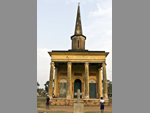 "+
"
"+
"  "+
"
"+
"  "+
"
"+
"  "+
"",
narajolebengali : "নাড়াজোলের গল্পঃ-জাতিতে সদগোপ উদয় নারায়ণ ঘোষ (১৪১৬ খৃষ্টাব্দ) এই বংশের আদি পুরুষ। ইনি দৈবানুকম্পায় বিপুল সম্পত্তির অধিকারী হয়ে নাড়াজোল রাজ প্রতিষ্ঠা করেন। এর একটা সুন্দর লোককথা রয়েছে। প্রায় ছশো বছর আগে উদয় নারায়ণ ঘোষ শিকার করতে গিয়ে এক জঙ্গলে হারিয়ে যান। তখন তিনি দেবী দুর্গার কাছ থেকে এক দৈববাণী শুনতে পান যে, “জঙ্গলে এক দুর্গা মন্দির ও বহু সম্পত্তি রয়েছে”। দেবী দুর্গা তাঁর পূজার ভার ও সম্পত্তির দায়িত্ব নিতে আদেশ করেন। উদয় নারায়ণ সেই মন্দিরের কাছে গিয়ে দুর্গা মন্দির আর নারাজোলের বিশাল সম্পত্তি দেখতে পান ও তার অধিকারী হ’ন। এরপর তাঁর বংশধর প্রতাপ, যোগেন্দ্র, ভরত, কার্ত্তিক, জয়মণি, শ্যাম সিং, মতিরাম, বলবন্ত, গুণবন্ত, মহেশ, অভিরাম ইত্যাদি নারাজোল জমিদারীর উত্তরাধিকারী হ’ন। কার্ত্তিক রাম, দিল্লীর নবাব আকবরের প্রতিনিধি সুলেমান খানের থেকে রায় উপাধি, ও বলবন্ত, বাংলার নবাব মীরজাফরের থেকে খান উপাধি লাভ করেন। বলবন্তের সময় থেকে এই বংশীয়গন খান উপাধি ব্যবহার করে আসছেন। ৩৩০ বিঘা জমির ওপর নাড়াজোল পরগণার, গড়নাড়াজোল নামক স্থানে এই বংশের বাসস্থান ছিল ও তা বহির্গড় আর অন্তর্গড় এই দুই ভাগে বিভক্ত ছিল। দুটো পরিখা দ্বারা দুই গড়ের চতুর্দিক বেষ্টিত ছিল। বহির্গড়ে হাড়ি, ডোম ও মুসলমানরা বাস করতো। খাজনার পরিবর্তে এরা বর্গী, ডাকাত, লুঠেরা ইত্যাদির হাত থেকে রাজধানীকে বাঁচাত। অন্তর্গড়ে এক ক্ষুদ্র দ্বীপের মধ্যে ছিল রাজবাড়ি। বর্তমানে ইটের তৈরি ভাঙ্গা রাজবাড়িতে রয়েছে ২৫০টা ঘরের বিশাল অট্টালিকা, ৫৪টা মন্দির, পুজোর ঘর, বৈঠকখানা, তোষকখানা, অন্দরমহল ইত্যাদি। একমাত্র তোরণদ্বারের দুপাশে দুটো স্তম্ভের ওপর একটি নহবতখানা ছিল। রাজাদের কুলদেবতা সীতারাম মন্দির, শিবালয়, একসঙ্গে ছটা শিবমন্দির, রঙ্গমহল, রাসমঞ্চ, দোলমঞ্চ, সপ্তদশচূড়াবিশিষ্ট শতরত্ন মন্দির ইত্যাদি উল্লেখযোগ্য। নাড়াজোলের আর একটা জিনিস উল্লেখযোগ্য তা হল লঙ্কাগড়। এটা ৬০ বিঘেরও বেশি একটা বিশাল সরোবর। সরোবরের মাঝখানে কৃত্রিম দ্বীপে একটা ছোট্ট বাড়ি আছে যা হাওয়ামহল বলে পরিচিত। রাজা মোহনলাল খান অনেক অর্থব্যয় করে বিলাস ক্ষেত্র নির্মাণ করেন। নাড়াজোল রাজবংশ, কর্ণগড়, নারায়ণগড়, মহিষাদল, পাঞ্চেতগড় ইত্যাদি রাজাদের মতোই পুরানো ও যথেষ্ট সম্মানিত। এঁদের সম্পত্তি বিভিন্ন রকম সম্পত্তির সমন্বয়ে গঠিত। ১৭৫৮ খৃষ্টাব্দে দুই রাণী (শিরোমণি ও তাঁর সতীন রাণী ভবানী) অঙ্গীকার করেন যে যতদিন তাঁরা জীবিত থাকবেন, রাজবংশধর ত্রিলোচন ততদিন তাঁদের সম্পত্তির তত্ত্বাবধানে থাকবেন। রাণীরা মারা গেলে ত্রিলোচন ও রাজাদের অন্যান্য বংশধরেরা সম্পত্তির দখল পাবেন। এই বন্দোবস্তের ফলে অচিরেই বিভিন্ন বিদ্রোহ থেমে গিয়ে রাজ্যে শৃঙ্খলা আসে। ১৭৬০ সালে রাণী ভবানীর মৃত্যুর অল্পদিন পরে সন্তানহীন ত্রিলোচনের মৃত্যু হয়। ত্রিলোচনের ভ্রাতা যদুনাথের জ্যেষ্ঠ পুত্র মতিরাম মেদিনীপুর রাজ্যের কাজ পরিচালনা করতে থাকেন। ইনিও অপুত্রক ছিলেন ও তখন ত্রিলোচনের অন্য ভ্রাতা সবারামের পুত্র সীতারাম রাজা হ’ন ও অনেক উন্নতি করেন। সীতারামের আমলে ব্রিটিশরা মেদিনীপুর রাজ্যের খাজনা বহুগুণ বাড়িয়ে দেয়। রাণী শিরোমণির পক্ষে তা দেওয়া সম্ভব না হওয়ায় রাজ্য ব্রিটিশদের হস্তগত হয় ও নাড়াজোল খাস হয়ে যায়। দান করা জমি বাদে সব জমির মালিক হয়ে যায় ব্রিটিশরা। ১৭৮৪ সালে সীতারাম মারা যান। সীতারামের পুত্র আনন্দলাল বর্ধিত খাজনা দিয়ে জমিদারী ফিরিয়ে আনেন। এদিকে রাণী শিরোমণির দুর্দশার অন্ত রইল না। তাঁর জমি ব্রিটিশরা দখল করে। অভাবের তাড়নায় রাজসেনারা তখন প্রায় ডাকাতে পরিণত হয়েছিল ও ক্রমে তারা চুয়ার দলে নাম লেখায়। ব্রিটিশরা চুয়ার বিদ্রোহ দমন করতে না পেরে রাণীকে বন্দী করে ও রাণীর সমস্ত ধনরত্ন লুঠ করে। পরে রাণী নির্দোষ প্রমাণিত হলে তাঁকে মুক্ত করে তবে লুণ্ঠিত সামগ্রী আর ফেরত দেয়নি। পরবর্তী রাজারা সত্যি সত্যিই দেশপ্রেমিক ছিলেন যাদের মধ্যে রাজা নরেন্দ্রলাল খান ও রাজা দেবেন্দ্রলাল খান বিশেষভাবে উল্লেখযোগ্য। তাঁরা বিপ্লবীদের বহুরকম সাহায্য করতেন। মহাত্মা গান্ধী, জহরলাল নেহেরু, নেতাজী সুভাষ চন্দ্র বসু, সরোজিনী নাইডু, ঈশ্বরচন্দ্র বিদ্যাসাগর, কাজী নজরুল ইসলাম ইত্যাদি নাড়াজোল পরিদর্শন করেন। যাতায়াত:- ট্রেনে হাওড়া থেকে পাঁশকুড়া। সেখান থেকে গাড়ি নিয়ে নাড়াজোল রাজবাড়ি। খাকার প্রয়োজন হয় না। খাওয়াঃ- রাজনগরের কাছে ডিয়ার ফুড হোটেলে খুব ভালো ও টাটকা খাবার পাওয়া যায়। জায়গা অনুযায়ী দামটা একটু ডিয়ার হলেও খাওয়াটা বেশ মাইডিয়ার। "+
"Read More..."+
"
"+
"",
narajolebengali : "নাড়াজোলের গল্পঃ-জাতিতে সদগোপ উদয় নারায়ণ ঘোষ (১৪১৬ খৃষ্টাব্দ) এই বংশের আদি পুরুষ। ইনি দৈবানুকম্পায় বিপুল সম্পত্তির অধিকারী হয়ে নাড়াজোল রাজ প্রতিষ্ঠা করেন। এর একটা সুন্দর লোককথা রয়েছে। প্রায় ছশো বছর আগে উদয় নারায়ণ ঘোষ শিকার করতে গিয়ে এক জঙ্গলে হারিয়ে যান। তখন তিনি দেবী দুর্গার কাছ থেকে এক দৈববাণী শুনতে পান যে, “জঙ্গলে এক দুর্গা মন্দির ও বহু সম্পত্তি রয়েছে”। দেবী দুর্গা তাঁর পূজার ভার ও সম্পত্তির দায়িত্ব নিতে আদেশ করেন। উদয় নারায়ণ সেই মন্দিরের কাছে গিয়ে দুর্গা মন্দির আর নারাজোলের বিশাল সম্পত্তি দেখতে পান ও তার অধিকারী হ’ন। এরপর তাঁর বংশধর প্রতাপ, যোগেন্দ্র, ভরত, কার্ত্তিক, জয়মণি, শ্যাম সিং, মতিরাম, বলবন্ত, গুণবন্ত, মহেশ, অভিরাম ইত্যাদি নারাজোল জমিদারীর উত্তরাধিকারী হ’ন। কার্ত্তিক রাম, দিল্লীর নবাব আকবরের প্রতিনিধি সুলেমান খানের থেকে রায় উপাধি, ও বলবন্ত, বাংলার নবাব মীরজাফরের থেকে খান উপাধি লাভ করেন। বলবন্তের সময় থেকে এই বংশীয়গন খান উপাধি ব্যবহার করে আসছেন। ৩৩০ বিঘা জমির ওপর নাড়াজোল পরগণার, গড়নাড়াজোল নামক স্থানে এই বংশের বাসস্থান ছিল ও তা বহির্গড় আর অন্তর্গড় এই দুই ভাগে বিভক্ত ছিল। দুটো পরিখা দ্বারা দুই গড়ের চতুর্দিক বেষ্টিত ছিল। বহির্গড়ে হাড়ি, ডোম ও মুসলমানরা বাস করতো। খাজনার পরিবর্তে এরা বর্গী, ডাকাত, লুঠেরা ইত্যাদির হাত থেকে রাজধানীকে বাঁচাত। অন্তর্গড়ে এক ক্ষুদ্র দ্বীপের মধ্যে ছিল রাজবাড়ি। বর্তমানে ইটের তৈরি ভাঙ্গা রাজবাড়িতে রয়েছে ২৫০টা ঘরের বিশাল অট্টালিকা, ৫৪টা মন্দির, পুজোর ঘর, বৈঠকখানা, তোষকখানা, অন্দরমহল ইত্যাদি। একমাত্র তোরণদ্বারের দুপাশে দুটো স্তম্ভের ওপর একটি নহবতখানা ছিল। রাজাদের কুলদেবতা সীতারাম মন্দির, শিবালয়, একসঙ্গে ছটা শিবমন্দির, রঙ্গমহল, রাসমঞ্চ, দোলমঞ্চ, সপ্তদশচূড়াবিশিষ্ট শতরত্ন মন্দির ইত্যাদি উল্লেখযোগ্য। নাড়াজোলের আর একটা জিনিস উল্লেখযোগ্য তা হল লঙ্কাগড়। এটা ৬০ বিঘেরও বেশি একটা বিশাল সরোবর। সরোবরের মাঝখানে কৃত্রিম দ্বীপে একটা ছোট্ট বাড়ি আছে যা হাওয়ামহল বলে পরিচিত। রাজা মোহনলাল খান অনেক অর্থব্যয় করে বিলাস ক্ষেত্র নির্মাণ করেন। নাড়াজোল রাজবংশ, কর্ণগড়, নারায়ণগড়, মহিষাদল, পাঞ্চেতগড় ইত্যাদি রাজাদের মতোই পুরানো ও যথেষ্ট সম্মানিত। এঁদের সম্পত্তি বিভিন্ন রকম সম্পত্তির সমন্বয়ে গঠিত। ১৭৫৮ খৃষ্টাব্দে দুই রাণী (শিরোমণি ও তাঁর সতীন রাণী ভবানী) অঙ্গীকার করেন যে যতদিন তাঁরা জীবিত থাকবেন, রাজবংশধর ত্রিলোচন ততদিন তাঁদের সম্পত্তির তত্ত্বাবধানে থাকবেন। রাণীরা মারা গেলে ত্রিলোচন ও রাজাদের অন্যান্য বংশধরেরা সম্পত্তির দখল পাবেন। এই বন্দোবস্তের ফলে অচিরেই বিভিন্ন বিদ্রোহ থেমে গিয়ে রাজ্যে শৃঙ্খলা আসে। ১৭৬০ সালে রাণী ভবানীর মৃত্যুর অল্পদিন পরে সন্তানহীন ত্রিলোচনের মৃত্যু হয়। ত্রিলোচনের ভ্রাতা যদুনাথের জ্যেষ্ঠ পুত্র মতিরাম মেদিনীপুর রাজ্যের কাজ পরিচালনা করতে থাকেন। ইনিও অপুত্রক ছিলেন ও তখন ত্রিলোচনের অন্য ভ্রাতা সবারামের পুত্র সীতারাম রাজা হ’ন ও অনেক উন্নতি করেন। সীতারামের আমলে ব্রিটিশরা মেদিনীপুর রাজ্যের খাজনা বহুগুণ বাড়িয়ে দেয়। রাণী শিরোমণির পক্ষে তা দেওয়া সম্ভব না হওয়ায় রাজ্য ব্রিটিশদের হস্তগত হয় ও নাড়াজোল খাস হয়ে যায়। দান করা জমি বাদে সব জমির মালিক হয়ে যায় ব্রিটিশরা। ১৭৮৪ সালে সীতারাম মারা যান। সীতারামের পুত্র আনন্দলাল বর্ধিত খাজনা দিয়ে জমিদারী ফিরিয়ে আনেন। এদিকে রাণী শিরোমণির দুর্দশার অন্ত রইল না। তাঁর জমি ব্রিটিশরা দখল করে। অভাবের তাড়নায় রাজসেনারা তখন প্রায় ডাকাতে পরিণত হয়েছিল ও ক্রমে তারা চুয়ার দলে নাম লেখায়। ব্রিটিশরা চুয়ার বিদ্রোহ দমন করতে না পেরে রাণীকে বন্দী করে ও রাণীর সমস্ত ধনরত্ন লুঠ করে। পরে রাণী নির্দোষ প্রমাণিত হলে তাঁকে মুক্ত করে তবে লুণ্ঠিত সামগ্রী আর ফেরত দেয়নি। পরবর্তী রাজারা সত্যি সত্যিই দেশপ্রেমিক ছিলেন যাদের মধ্যে রাজা নরেন্দ্রলাল খান ও রাজা দেবেন্দ্রলাল খান বিশেষভাবে উল্লেখযোগ্য। তাঁরা বিপ্লবীদের বহুরকম সাহায্য করতেন। মহাত্মা গান্ধী, জহরলাল নেহেরু, নেতাজী সুভাষ চন্দ্র বসু, সরোজিনী নাইডু, ঈশ্বরচন্দ্র বিদ্যাসাগর, কাজী নজরুল ইসলাম ইত্যাদি নাড়াজোল পরিদর্শন করেন। যাতায়াত:- ট্রেনে হাওড়া থেকে পাঁশকুড়া। সেখান থেকে গাড়ি নিয়ে নাড়াজোল রাজবাড়ি। খাকার প্রয়োজন হয় না। খাওয়াঃ- রাজনগরের কাছে ডিয়ার ফুড হোটেলে খুব ভালো ও টাটকা খাবার পাওয়া যায়। জায়গা অনুযায়ী দামটা একটু ডিয়ার হলেও খাওয়াটা বেশ মাইডিয়ার। "+
"Read More..."+
" "+
"
"+
"  "+
"
"+
"  "+
"
"+
"  "+
"
"+
"  "+
"
"+
"  "+
"
"+
"  "+
"
"+
"  "+
"",
gongonibengali : "গনগনি-বাংলার গ্রান্ড ক্যানিয়নঃ-গনগনি পশ্চিম মেদিনীপুরের গড়বেতার কাছে শীলাবতী নদীর তীরে মুগ্ধ করা একটা জায়গা যার চওড়া গিরিসঙ্কট ও লাল মাটির পরিবেশকে, প্রথম দর্শনে আমেরিকার অরিজোনের গ্র্যান্ড ক্যানিয়নের ছোট সংস্করণ বলে মনে হবে। মানুষের ভাবনা অনুযায়ী, হয় এটা কিছুই নয় বা অতি বিশিষ্ট সম্মোহিত করা এক বিশাল ক্ষয়প্রাপ্ত হওয়া নদীর পরিবেশ। গনগনির স্থানীয় নাম গনগনি খোলা ও প্রকৃতি মা তাঁর নিজস্ব ভঙ্গিমার তুলির টানে তৈরি করেছেন এমন এক অত্যাশ্চর্য সৃষ্টি। মাটি ক্ষয়প্রাপ্ত হওয়ার ফলে বিভিন্ন রকমের আকার ও আকৃতি তৈরি হয়েছে যা হিন্দু ধর্মের বিভিন্ন মহাকাব্যে বর্ণিত চরিত্রের সঙ্গে মিলে যায়। রয়েছে ফোর্ট, সিংহ, জাহাজ, পিলার এরকম আরও অনেক আকৃতি। কখনও কখনও অজন্তা ইলোরার ভাস্কর্যের মতনও মনে হতে পারে। আমার মত মানুষের মনে হচ্ছিল যেন কোন টাইম মেশিনের ঘূর্ণাবর্তে আমাকে সহস্র বছর আগের কোনও পৃথিবীতে নিয়ে এসেছে। যেন সেই প্রাগৈতিহাসিক মূর্তিগুলো জ্যান্ত হয়ে আমাকে আর এগোতে নিষেধ করছে। বাংলার সমতলভূমিতে এই রকম প্রাকৃতিক দৃশ্য বিরল ও ব্যতিক্রমী আর সেই জন্যেই গনগনিকে প্রায়শই বাংলার গ্র্যান্ড ক্যানিয়ন বলা হয়। এলাকাটা একদম নির্জন বলে মনে হয় যেন ঝড় আসার আগের মুহূর্তের স্থবিরকাল। স্থানীয় লোককথা অনুযায়ী পাণ্ডবদের বনবাসের সময় ভীম বকাসুরকে বধ করার জন্যে এখানে কিছুকাল বাস করেছিলেন। বকাসুর থাকতো এই গনগনি গিরিখাতে। চোঙাকৃতি বিভিন্ন প্রকারের মাটির আকার ছাড়াও একটা আকৃতি দেখতে মন্দির বা প্যাগোডার মতো যার নীচে একটা ছোট গুহা আছে। পাথর ও কাদামাটির এই গড়ন প্রাকৃতিকভাবে তৈরি, দেখে তা বিশ্বাস করা কঠিন হয়ে যায়। স্থানীয় মানুষজন বলেন ভীমের সঙ্গে বকাসুরের যুদ্ধ এই গুহার কাছেই হয়েছিল কারণ বকাসুর এই গুহায় বাস করতো। সব মিলিয়ে গনগনি এক অসাধারণ জায়গা ও ভ্রমণমনস্ক মানুষজন এই জায়গা একবার দেখে নিতে পারেন। কলকাতা থেকে গাড়ী নিয়ে জাতীয় সড়ক-৬ ধরে কোলাঘাটের আগে শের-ই-পাঞ্জাবে টিফিন। তারপর বাইলিহাটি। এখানে খড়গপুর স্টেশন বাইপাস না ধরে অন্য রাস্তাটা ধরে বা মোবারক চক হয়ে সোজা বীরেন্দ্রসেতু টোল প্লাজা। সেখান থেকে জাতীয় সড়ক-৬০ ধরে শালবনী, চন্দ্রকোনা, গড়বেতা বাস-স্ট্যান্ড হয়ে নিউ শেফালী স্টুডিওর কাছ থেকে বাঁদিকে ঘুরলে পড়বে গড়বেতা-হুমগড় রোড। সোজা গেলেই খুব কাছেই গনগনি-পায়ড়াওড়া রাস্তা ধরে গনগনি। দূরত্ব–১৭৭ কি.মি. ট্রেনে হাওড়া থেকে রূপসী বাংলা এক্সপ্রেসে গড়বেতা। সেখান থেকে অটো করে গনগনি। "+
"Read More..."+
"
"+
"",
gongonibengali : "গনগনি-বাংলার গ্রান্ড ক্যানিয়নঃ-গনগনি পশ্চিম মেদিনীপুরের গড়বেতার কাছে শীলাবতী নদীর তীরে মুগ্ধ করা একটা জায়গা যার চওড়া গিরিসঙ্কট ও লাল মাটির পরিবেশকে, প্রথম দর্শনে আমেরিকার অরিজোনের গ্র্যান্ড ক্যানিয়নের ছোট সংস্করণ বলে মনে হবে। মানুষের ভাবনা অনুযায়ী, হয় এটা কিছুই নয় বা অতি বিশিষ্ট সম্মোহিত করা এক বিশাল ক্ষয়প্রাপ্ত হওয়া নদীর পরিবেশ। গনগনির স্থানীয় নাম গনগনি খোলা ও প্রকৃতি মা তাঁর নিজস্ব ভঙ্গিমার তুলির টানে তৈরি করেছেন এমন এক অত্যাশ্চর্য সৃষ্টি। মাটি ক্ষয়প্রাপ্ত হওয়ার ফলে বিভিন্ন রকমের আকার ও আকৃতি তৈরি হয়েছে যা হিন্দু ধর্মের বিভিন্ন মহাকাব্যে বর্ণিত চরিত্রের সঙ্গে মিলে যায়। রয়েছে ফোর্ট, সিংহ, জাহাজ, পিলার এরকম আরও অনেক আকৃতি। কখনও কখনও অজন্তা ইলোরার ভাস্কর্যের মতনও মনে হতে পারে। আমার মত মানুষের মনে হচ্ছিল যেন কোন টাইম মেশিনের ঘূর্ণাবর্তে আমাকে সহস্র বছর আগের কোনও পৃথিবীতে নিয়ে এসেছে। যেন সেই প্রাগৈতিহাসিক মূর্তিগুলো জ্যান্ত হয়ে আমাকে আর এগোতে নিষেধ করছে। বাংলার সমতলভূমিতে এই রকম প্রাকৃতিক দৃশ্য বিরল ও ব্যতিক্রমী আর সেই জন্যেই গনগনিকে প্রায়শই বাংলার গ্র্যান্ড ক্যানিয়ন বলা হয়। এলাকাটা একদম নির্জন বলে মনে হয় যেন ঝড় আসার আগের মুহূর্তের স্থবিরকাল। স্থানীয় লোককথা অনুযায়ী পাণ্ডবদের বনবাসের সময় ভীম বকাসুরকে বধ করার জন্যে এখানে কিছুকাল বাস করেছিলেন। বকাসুর থাকতো এই গনগনি গিরিখাতে। চোঙাকৃতি বিভিন্ন প্রকারের মাটির আকার ছাড়াও একটা আকৃতি দেখতে মন্দির বা প্যাগোডার মতো যার নীচে একটা ছোট গুহা আছে। পাথর ও কাদামাটির এই গড়ন প্রাকৃতিকভাবে তৈরি, দেখে তা বিশ্বাস করা কঠিন হয়ে যায়। স্থানীয় মানুষজন বলেন ভীমের সঙ্গে বকাসুরের যুদ্ধ এই গুহার কাছেই হয়েছিল কারণ বকাসুর এই গুহায় বাস করতো। সব মিলিয়ে গনগনি এক অসাধারণ জায়গা ও ভ্রমণমনস্ক মানুষজন এই জায়গা একবার দেখে নিতে পারেন। কলকাতা থেকে গাড়ী নিয়ে জাতীয় সড়ক-৬ ধরে কোলাঘাটের আগে শের-ই-পাঞ্জাবে টিফিন। তারপর বাইলিহাটি। এখানে খড়গপুর স্টেশন বাইপাস না ধরে অন্য রাস্তাটা ধরে বা মোবারক চক হয়ে সোজা বীরেন্দ্রসেতু টোল প্লাজা। সেখান থেকে জাতীয় সড়ক-৬০ ধরে শালবনী, চন্দ্রকোনা, গড়বেতা বাস-স্ট্যান্ড হয়ে নিউ শেফালী স্টুডিওর কাছ থেকে বাঁদিকে ঘুরলে পড়বে গড়বেতা-হুমগড় রোড। সোজা গেলেই খুব কাছেই গনগনি-পায়ড়াওড়া রাস্তা ধরে গনগনি। দূরত্ব–১৭৭ কি.মি. ট্রেনে হাওড়া থেকে রূপসী বাংলা এক্সপ্রেসে গড়বেতা। সেখান থেকে অটো করে গনগনি। "+
"Read More..."+
" "+
"
"+
"  "+
"
"+
"  "+
"
"+
"  "+
"
"+
" 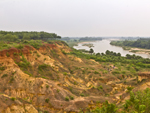 "+
"
"+
"  "+
"
"+
"  "+
"",
gorbetabengali : "ঐতিহ্যশালী গড়বেতাঃ-অতীতে গড়বেতা বাগরী রাজাদের রাজত্ব ছিল। অনেক উত্থান পতনের সাক্ষী গড়বেতার ইতিহাস অত্যন্ত সমৃদ্ধশালী। রাজা বৈষ্ণব চরণের মৃত্যুর পর তাঁর পুত্র যাদব সিং রাজা হ’ন। তাঁর ভাগ্য খুবই খারাপ। এরই মধ্যে ব্রিটিশ বাহিনী ১৭৫৭ সালের পলাশীর যুদ্ধ জয় করেছে। ১৭৬০ সালে মেজর জনটন মীরকাশিমের কাছ থেকে মেদিনীপুর জেলার রাজস্ব আদায় করার স্বীকৃতি পায়। ইষ্ট ইণ্ডিয়া কোম্পানির দ্বারা নিযুক্ত রাজস্ব আদায়কারীরা সারা দেশের খাজনা আদায় করতে পারবে বলে ফতোয়া জারি করা হ’ল। যাদব সিং বাৎসরিক ১২,৫৪৯ টাকা ৪আনা খাজনা বর্ধমানের জেলা শাসকের অফিসে জমা করেন। যাদব চন্দ্রের আমলে বিধ্বংসী দুর্ভিক্ষ দেখা দেয় (বাংলা ১১৭৬ ও ইংরাজি ১৭৬৯) যাকে ছিয়াত্তরের মন্বন্তর বলা হয়। সেই বছর যাদব চন্দ্র কোনও খাজনা পাঠাতে পারেননি ও কোম্পানিকে সেকথা ব্যাখ্যা করে জানিয়ে দেন। রক্তপিপাসু কোম্পানি মনে করেছিল যে রাজা ইচ্ছাকৃতভাবে খাজনা দেওয়া বন্ধ করেছে ও তাঁকে সশরীরে হাজির হতে নির্দেশ দেয়। রাজা এই ফতোয়া অগ্রাহ্য করেন। কোম্পানির সন্দেহ আরও দৃঢ় হয়। কোম্পানি রাজাকে বিদ্রোহী ঘোষণা করে ব্রিটিশ সেনাবাহিনী রাজাকে বন্দী করে ফোর্ট উইলিয়ামে নিয়ে যায় ও বাগরী রাজত্বকে বাজেয়াপ্ত করে খাজনা না দেওয়ার কারণে। এদিকে প্রজারা রাজা ছাড়া কাউকে খাজনা দিতে রাজী হ’ল না। ১৭৭২ সালে রাজাকে ফোর্ট উইলিয়ামে খুন করা হয়। ব্রিটিশরা প্রচার করতে লাগলো যে তিনি হীরের আংটি চুষে মারা যান। তার পর আরও সাত বছর ব্রিটিশরা রাজত্ব করেছিল কিন্তু একটা টাকাও রাজস্ব আদায় করতে পারেনি। ১৭৭৯ সালে কোম্পানি রাজার ছেলে ছত্র সিং-২কে রাজা হিসাবে নিযুক্ত করে। তা সত্যেও প্রজারা তাদের আন্দোলন চালিয়ে যেতে লাগলো। পরে আন্দোলন বিদ্রোহে পরিণত হল যার জনপ্রিয় নাম চুয়ার বিদ্রোহ। ইংরাজ লেখকরা এই আন্দোলনকে উচ্ছৃঙ্খল বিদ্রোহ আখ্যা দেয়। আচল সিং-এর নেতৃত্বে ও ছত্রপতি সিংহের সেনাপতিত্বে বিদ্রোহীরা ভয়ঙ্কর হয়ে উঠল। ব্রিটিশরা আচল সিংকে বন্দী করতে পারলো না। ছত্র সিংও খাজনা দিতে অক্ষম হল। ১৭৮৪ সালে বাগরী রাজত্বের বাজেয়াপ্ত করা ১৪৬টা গ্রাম বিনা খাজনার বলে ঘোষণা করা হয়। এবার কোম্পানির খাজনা আদায় মোটামুটি নিয়ন্ত্রণে আসে। কোম্পানি একজন স্থায়ী শাসকও নিয়োগ করে। ১৮০৬ সালে বিদ্রোহ ভয়ানক আকার ধারণ করে। ব্রিটিশরা ছত্র সিংকে আশ্রয় দেয়। রাজা ও ব্রিটিশদের ষড়যন্ত্রে আচল সিং বন্দী হ’ন। অনেকে বলেন যে বিনা খাজনার জমি পাবার জন্যে আচল সিং-এর বিশ্বস্ত অনুগামীরাই ষড়যন্ত্রে লিপ্ত হয়েছিল। বিনা বিচারে আচল সিং সমেত আরও ১৩-১৪ জনের ফাঁসি হয়। চার্লস রিচার্ড বারওয়েলের নেতৃত্বে ৩০০জন ব্রিটিশ সেনা বিদ্রোহ দমন করতে নামে ও অসংখ্য সামাজিক অপরাধ, মানবাধিকার লঙ্ঘন, খুন ও গুপ্তহত্যার মাধ্যমে চুয়ার বিদ্রোহ শেষ হয়। একটা সময় গড়বেতায় একটা বিশাল ফোর্ট ছিল যার চারটি বিশাল গেট ছিল। কিন্তু বর্তমানে তার চিহ্নমাত্র নেই। গড়বেতায় অনেক পুরানো মন্দির ও কাঠামো রয়েছে। সিংহিপাড়ায় পঞ্চরত্ন কাঠামোর ৩০ফুটের একটা কাঠামো রয়েছে যার নাম রাধানাথ সিং স্মৃতি মন্দির। ইনি ব্রিটিশ জমানায় একজন পরাক্রান্ত ব্যক্তিত্ব ছিলেন। মন্দিরের গেটের দুদিকে দুটো প্রহরী রয়েছে। কাছেই রয়েছে সিং পরিবারের বৈঠকখানা। গড়বেতার সবথেকে পুরানো মন্দির হচ্ছে লালমাটির তৈরি দেউল ধরনের সর্বমঙ্গলা মন্দির। উড়িষ্যার রেখ দেউল স্থাপত্যশৈলীতে তৈরি মন্দিরটা চারভাগে বিভক্ত। মূল মন্দির ৬০ফুট উঁচু ও বাকি তিনটে মন্দির চৌকা ভিতের ওপর দাঁড়িয়ে আছে। কাছেই রয়েছে জগমোহন যেটা পিরামিড ধরণের ও খুব আকর্ষণীয় স্টাকৌ কাজ করা ৬৪ যোগিনী, ও দেওয়ালে উড়িষ্যার দেউল মন্দিরের মতো সর্পমহিলার কাজ করা আছে। এখানে একটা চারচালা নাটমন্দিরও আছে তবে এটা পরে তৈরি করা হয়। সর্বমঙ্গলা মন্দির ষোড়শ শতাব্দীতে তৈরি হয় বলে মনে করা হয়। তৈরি করেন বিখ্যাত বাগরী রাজা নৃপতি সিংহ। মন্দিরের বিগ্রহ দশভুজা মহিষমর্দিনী দুর্গা। সর্বমঙ্গলা মন্দিরের সামনেই রয়েছে ধ্বংসপ্রাপ্ত অগাস্থি পরিবারের অট্টালিকা। সামনে এক মহিলার প্রতিমূর্তি রয়েছে। কমলেশ্বর মন্দিরে রয়েছে স্বয়ম্ভু শিবলিঙ্গ অর্থাৎ প্রাকৃতিকভাবে তৈরি শিবলিঙ্গ। এটাকে স্থানীয়ভাবে বুড়ো শিবমন্দির বলে। মন্দিরের গেটটা বড় সুন্দর। মন্দিরের প্রবেশদ্বারের ঠিক ওপরে রয়েছে একটা পাথরের গণেশ মূর্তি। মন্দিরের ভিতরে পাথরের বিষ্ণুর বিগ্রহ রয়েছে। আটচালা রাধাবল্লভ মন্দিরে তিনটে প্রবেশদ্বার রয়েছে ও প্রতি প্রবেশদ্বারে কিছু কাজ করা আছে। মন্দিরের প্রতিষ্ঠাফলক দেখে মন্দিরটা যে ১৬৮৬ সালে মাল্লা রাজা দুর্জন সিং তৈরি করেন তা বোঝা যায়। কাছাকাছি রয়েছে একরত্ন মন্দির ও দ্বাদশ শিব মন্দির। কলকাতা থেকে গাড়ী নিয়ে জাতীয় সড়ক-৬ ধরে কোলাঘাটের আগে শের-ই-পাঞ্জাবে টিফিন। তারপর বাইলিহাটি। এখানে খড়গপুর স্টেশন বাইপাস না ধরে অন্য রাস্তাটা ধরে বা মোবারক চক হয়ে সোজা বীরেন্দ্রসেতু টোল প্লাজা। সেখান থেকে জাতীয় সড়ক-৬০ ধরে শালবনী, চন্দ্রকোনা, গড়বেতা বাস-স্ট্যান্ড। দূরত্ব–১৬৭ কি.মি. ট্রেনে হাওড়া থেকে রূপসী বাংলা এক্সপ্রেসে গড়বেতা। "+
"Read More..."+
"
"+
"",
gorbetabengali : "ঐতিহ্যশালী গড়বেতাঃ-অতীতে গড়বেতা বাগরী রাজাদের রাজত্ব ছিল। অনেক উত্থান পতনের সাক্ষী গড়বেতার ইতিহাস অত্যন্ত সমৃদ্ধশালী। রাজা বৈষ্ণব চরণের মৃত্যুর পর তাঁর পুত্র যাদব সিং রাজা হ’ন। তাঁর ভাগ্য খুবই খারাপ। এরই মধ্যে ব্রিটিশ বাহিনী ১৭৫৭ সালের পলাশীর যুদ্ধ জয় করেছে। ১৭৬০ সালে মেজর জনটন মীরকাশিমের কাছ থেকে মেদিনীপুর জেলার রাজস্ব আদায় করার স্বীকৃতি পায়। ইষ্ট ইণ্ডিয়া কোম্পানির দ্বারা নিযুক্ত রাজস্ব আদায়কারীরা সারা দেশের খাজনা আদায় করতে পারবে বলে ফতোয়া জারি করা হ’ল। যাদব সিং বাৎসরিক ১২,৫৪৯ টাকা ৪আনা খাজনা বর্ধমানের জেলা শাসকের অফিসে জমা করেন। যাদব চন্দ্রের আমলে বিধ্বংসী দুর্ভিক্ষ দেখা দেয় (বাংলা ১১৭৬ ও ইংরাজি ১৭৬৯) যাকে ছিয়াত্তরের মন্বন্তর বলা হয়। সেই বছর যাদব চন্দ্র কোনও খাজনা পাঠাতে পারেননি ও কোম্পানিকে সেকথা ব্যাখ্যা করে জানিয়ে দেন। রক্তপিপাসু কোম্পানি মনে করেছিল যে রাজা ইচ্ছাকৃতভাবে খাজনা দেওয়া বন্ধ করেছে ও তাঁকে সশরীরে হাজির হতে নির্দেশ দেয়। রাজা এই ফতোয়া অগ্রাহ্য করেন। কোম্পানির সন্দেহ আরও দৃঢ় হয়। কোম্পানি রাজাকে বিদ্রোহী ঘোষণা করে ব্রিটিশ সেনাবাহিনী রাজাকে বন্দী করে ফোর্ট উইলিয়ামে নিয়ে যায় ও বাগরী রাজত্বকে বাজেয়াপ্ত করে খাজনা না দেওয়ার কারণে। এদিকে প্রজারা রাজা ছাড়া কাউকে খাজনা দিতে রাজী হ’ল না। ১৭৭২ সালে রাজাকে ফোর্ট উইলিয়ামে খুন করা হয়। ব্রিটিশরা প্রচার করতে লাগলো যে তিনি হীরের আংটি চুষে মারা যান। তার পর আরও সাত বছর ব্রিটিশরা রাজত্ব করেছিল কিন্তু একটা টাকাও রাজস্ব আদায় করতে পারেনি। ১৭৭৯ সালে কোম্পানি রাজার ছেলে ছত্র সিং-২কে রাজা হিসাবে নিযুক্ত করে। তা সত্যেও প্রজারা তাদের আন্দোলন চালিয়ে যেতে লাগলো। পরে আন্দোলন বিদ্রোহে পরিণত হল যার জনপ্রিয় নাম চুয়ার বিদ্রোহ। ইংরাজ লেখকরা এই আন্দোলনকে উচ্ছৃঙ্খল বিদ্রোহ আখ্যা দেয়। আচল সিং-এর নেতৃত্বে ও ছত্রপতি সিংহের সেনাপতিত্বে বিদ্রোহীরা ভয়ঙ্কর হয়ে উঠল। ব্রিটিশরা আচল সিংকে বন্দী করতে পারলো না। ছত্র সিংও খাজনা দিতে অক্ষম হল। ১৭৮৪ সালে বাগরী রাজত্বের বাজেয়াপ্ত করা ১৪৬টা গ্রাম বিনা খাজনার বলে ঘোষণা করা হয়। এবার কোম্পানির খাজনা আদায় মোটামুটি নিয়ন্ত্রণে আসে। কোম্পানি একজন স্থায়ী শাসকও নিয়োগ করে। ১৮০৬ সালে বিদ্রোহ ভয়ানক আকার ধারণ করে। ব্রিটিশরা ছত্র সিংকে আশ্রয় দেয়। রাজা ও ব্রিটিশদের ষড়যন্ত্রে আচল সিং বন্দী হ’ন। অনেকে বলেন যে বিনা খাজনার জমি পাবার জন্যে আচল সিং-এর বিশ্বস্ত অনুগামীরাই ষড়যন্ত্রে লিপ্ত হয়েছিল। বিনা বিচারে আচল সিং সমেত আরও ১৩-১৪ জনের ফাঁসি হয়। চার্লস রিচার্ড বারওয়েলের নেতৃত্বে ৩০০জন ব্রিটিশ সেনা বিদ্রোহ দমন করতে নামে ও অসংখ্য সামাজিক অপরাধ, মানবাধিকার লঙ্ঘন, খুন ও গুপ্তহত্যার মাধ্যমে চুয়ার বিদ্রোহ শেষ হয়। একটা সময় গড়বেতায় একটা বিশাল ফোর্ট ছিল যার চারটি বিশাল গেট ছিল। কিন্তু বর্তমানে তার চিহ্নমাত্র নেই। গড়বেতায় অনেক পুরানো মন্দির ও কাঠামো রয়েছে। সিংহিপাড়ায় পঞ্চরত্ন কাঠামোর ৩০ফুটের একটা কাঠামো রয়েছে যার নাম রাধানাথ সিং স্মৃতি মন্দির। ইনি ব্রিটিশ জমানায় একজন পরাক্রান্ত ব্যক্তিত্ব ছিলেন। মন্দিরের গেটের দুদিকে দুটো প্রহরী রয়েছে। কাছেই রয়েছে সিং পরিবারের বৈঠকখানা। গড়বেতার সবথেকে পুরানো মন্দির হচ্ছে লালমাটির তৈরি দেউল ধরনের সর্বমঙ্গলা মন্দির। উড়িষ্যার রেখ দেউল স্থাপত্যশৈলীতে তৈরি মন্দিরটা চারভাগে বিভক্ত। মূল মন্দির ৬০ফুট উঁচু ও বাকি তিনটে মন্দির চৌকা ভিতের ওপর দাঁড়িয়ে আছে। কাছেই রয়েছে জগমোহন যেটা পিরামিড ধরণের ও খুব আকর্ষণীয় স্টাকৌ কাজ করা ৬৪ যোগিনী, ও দেওয়ালে উড়িষ্যার দেউল মন্দিরের মতো সর্পমহিলার কাজ করা আছে। এখানে একটা চারচালা নাটমন্দিরও আছে তবে এটা পরে তৈরি করা হয়। সর্বমঙ্গলা মন্দির ষোড়শ শতাব্দীতে তৈরি হয় বলে মনে করা হয়। তৈরি করেন বিখ্যাত বাগরী রাজা নৃপতি সিংহ। মন্দিরের বিগ্রহ দশভুজা মহিষমর্দিনী দুর্গা। সর্বমঙ্গলা মন্দিরের সামনেই রয়েছে ধ্বংসপ্রাপ্ত অগাস্থি পরিবারের অট্টালিকা। সামনে এক মহিলার প্রতিমূর্তি রয়েছে। কমলেশ্বর মন্দিরে রয়েছে স্বয়ম্ভু শিবলিঙ্গ অর্থাৎ প্রাকৃতিকভাবে তৈরি শিবলিঙ্গ। এটাকে স্থানীয়ভাবে বুড়ো শিবমন্দির বলে। মন্দিরের গেটটা বড় সুন্দর। মন্দিরের প্রবেশদ্বারের ঠিক ওপরে রয়েছে একটা পাথরের গণেশ মূর্তি। মন্দিরের ভিতরে পাথরের বিষ্ণুর বিগ্রহ রয়েছে। আটচালা রাধাবল্লভ মন্দিরে তিনটে প্রবেশদ্বার রয়েছে ও প্রতি প্রবেশদ্বারে কিছু কাজ করা আছে। মন্দিরের প্রতিষ্ঠাফলক দেখে মন্দিরটা যে ১৬৮৬ সালে মাল্লা রাজা দুর্জন সিং তৈরি করেন তা বোঝা যায়। কাছাকাছি রয়েছে একরত্ন মন্দির ও দ্বাদশ শিব মন্দির। কলকাতা থেকে গাড়ী নিয়ে জাতীয় সড়ক-৬ ধরে কোলাঘাটের আগে শের-ই-পাঞ্জাবে টিফিন। তারপর বাইলিহাটি। এখানে খড়গপুর স্টেশন বাইপাস না ধরে অন্য রাস্তাটা ধরে বা মোবারক চক হয়ে সোজা বীরেন্দ্রসেতু টোল প্লাজা। সেখান থেকে জাতীয় সড়ক-৬০ ধরে শালবনী, চন্দ্রকোনা, গড়বেতা বাস-স্ট্যান্ড। দূরত্ব–১৬৭ কি.মি. ট্রেনে হাওড়া থেকে রূপসী বাংলা এক্সপ্রেসে গড়বেতা। "+
"Read More..."+
" "+
"
"+
"  "+
"
"+
"  "+
"
"+
"  "+
"
"+
"  "+
"
"+
" 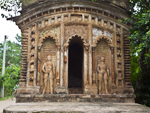 "+
"
"+
" 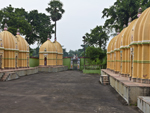 "+
"
"+
"  "+
"",
kurumberabengali : "কুরুমবেরা ফোর্টঃ-কুরুমবেরা ফোর্টে কতকগুলো ছোট ছোট ঘর ও মন্দির রয়েছে। ভারতের প্রত্নতাত্ত্বিক বিভাগ এর সংরক্ষণের দায়িত্বে রয়েছে। এটা একটা বিশাল ফোর্ট যার উঠোনটার চতুর্দিকে পিলারের করিডোর রয়েছে ও মাঝখানে একটা বেদি রয়েছে। কুরুমবেরা ফোর্ট তৈরি হয় ১৪৩৮-১৪৬৯ সালে। ফোর্টের ভেতর ওড়িয়া ভাষায় কিছু লেখা আছে যা থেকে বোঝা যায় যে এটা ওড়িষ্যার দেবরাজা পরিবারের সূর্য বংশী রাজা গজপতি কপিলেন্দ্রদেবের রাজত্বে তৈরি হয়। তখন দিল্লীর মসনদে ছিল আওরঙ্গজেব। একটা লেখায় মহম্মদ তাহিরের নাম পাওয়া যায়। এটা সুরক্ষিত মনুমেন্ট হলেও ভারতের প্রত্নতাত্ত্বিক বিভাগের দেওয়া কোনও ইতিহাস এখানে নেই। স্থানীয় উপাখ্যান অনুযায়ী এই ফোর্ট নাকি এক রাত্রে তৈরি হয়েছে যখন রাম ও সীতা তাঁদের বনবাসকালে এই জায়গায় এসেছিলেন এবং তা নাকি রামায়ণে উল্লেখ আছে। কুরুমবেরা ফোর্টে একটা প্ল্যাটফর্মে তিনটে গম্বুজের ওপর দাঁড়িয়ে আছে এক মসজিদ যার মাঝখানে একটা বেদি আছে। যদিও বেশিরভাগ কাঠামোই ধ্বংসপ্রাপ্ত হয়ে গেছে তবু যা আছে তা দেখার মতো। এটাকে যদিও ফোর্ট বলে কিন্তু এর বিশাল জায়গা উত্তরদক্ষিণে ১৭৫ ফুট ও পূর্ব-পশ্চিমে ২৫৫ ফুট ও ল্যটেরাইট ব্লক দিয়ে তৈরি। ফোর্টের ভেতর একটা শিব মন্দিরের ধ্বংসাবশেষ রয়েছে যার নাম কপিলেশ্বর শিব ও মহম্মদ তাহিরের তৈরি ১৬৯১ সালের একটা মসজিদ রয়েছে। ফোর্টের প্রবেশপথ উত্তর দিক দিয়ে। এটা প্রাথমিকভাবে একটা মন্দির ছিল ও বিশাল জায়গায় তীর্থযাত্রীদের থাকার ব্যবস্থা ছিল বলে মনে করা হয়। পরবর্তীকালে মন্দিরটা মোঘল ও মারাঠিদের সেনা ছাউনিতে পরিবর্তিত হয়, যখন তারা বাংলা আক্রমণ করে। তখন থেকেই এই মন্দির কমপ্লেক্স ফোর্টে পরিণত হয়। তাই এটা ধরে নেওয়া হয় যে হিন্দু মন্দির ভেঙে মুঘল আমলে এটাকে সেনা ছাউনিতে পরিণত করা হয়। পরবর্তীকালে অষ্টাদশ শতাব্দীতে ভাস্কর রাও হোলকার ও রঘুজী ভোসলের নেতৃত্বে যখন মারাঠিরা বাংলা ও ওড়িষ্যা আক্রমণ করে, তখন এই ফোর্ট মোঘলদের কাছ থেকে ছিনিয়ে নেয় কিন্তু মন্দিরটা নতুন করে আর তৈরি হয়নি। "+
"Read More..."+
"
"+
"",
kurumberabengali : "কুরুমবেরা ফোর্টঃ-কুরুমবেরা ফোর্টে কতকগুলো ছোট ছোট ঘর ও মন্দির রয়েছে। ভারতের প্রত্নতাত্ত্বিক বিভাগ এর সংরক্ষণের দায়িত্বে রয়েছে। এটা একটা বিশাল ফোর্ট যার উঠোনটার চতুর্দিকে পিলারের করিডোর রয়েছে ও মাঝখানে একটা বেদি রয়েছে। কুরুমবেরা ফোর্ট তৈরি হয় ১৪৩৮-১৪৬৯ সালে। ফোর্টের ভেতর ওড়িয়া ভাষায় কিছু লেখা আছে যা থেকে বোঝা যায় যে এটা ওড়িষ্যার দেবরাজা পরিবারের সূর্য বংশী রাজা গজপতি কপিলেন্দ্রদেবের রাজত্বে তৈরি হয়। তখন দিল্লীর মসনদে ছিল আওরঙ্গজেব। একটা লেখায় মহম্মদ তাহিরের নাম পাওয়া যায়। এটা সুরক্ষিত মনুমেন্ট হলেও ভারতের প্রত্নতাত্ত্বিক বিভাগের দেওয়া কোনও ইতিহাস এখানে নেই। স্থানীয় উপাখ্যান অনুযায়ী এই ফোর্ট নাকি এক রাত্রে তৈরি হয়েছে যখন রাম ও সীতা তাঁদের বনবাসকালে এই জায়গায় এসেছিলেন এবং তা নাকি রামায়ণে উল্লেখ আছে। কুরুমবেরা ফোর্টে একটা প্ল্যাটফর্মে তিনটে গম্বুজের ওপর দাঁড়িয়ে আছে এক মসজিদ যার মাঝখানে একটা বেদি আছে। যদিও বেশিরভাগ কাঠামোই ধ্বংসপ্রাপ্ত হয়ে গেছে তবু যা আছে তা দেখার মতো। এটাকে যদিও ফোর্ট বলে কিন্তু এর বিশাল জায়গা উত্তরদক্ষিণে ১৭৫ ফুট ও পূর্ব-পশ্চিমে ২৫৫ ফুট ও ল্যটেরাইট ব্লক দিয়ে তৈরি। ফোর্টের ভেতর একটা শিব মন্দিরের ধ্বংসাবশেষ রয়েছে যার নাম কপিলেশ্বর শিব ও মহম্মদ তাহিরের তৈরি ১৬৯১ সালের একটা মসজিদ রয়েছে। ফোর্টের প্রবেশপথ উত্তর দিক দিয়ে। এটা প্রাথমিকভাবে একটা মন্দির ছিল ও বিশাল জায়গায় তীর্থযাত্রীদের থাকার ব্যবস্থা ছিল বলে মনে করা হয়। পরবর্তীকালে মন্দিরটা মোঘল ও মারাঠিদের সেনা ছাউনিতে পরিবর্তিত হয়, যখন তারা বাংলা আক্রমণ করে। তখন থেকেই এই মন্দির কমপ্লেক্স ফোর্টে পরিণত হয়। তাই এটা ধরে নেওয়া হয় যে হিন্দু মন্দির ভেঙে মুঘল আমলে এটাকে সেনা ছাউনিতে পরিণত করা হয়। পরবর্তীকালে অষ্টাদশ শতাব্দীতে ভাস্কর রাও হোলকার ও রঘুজী ভোসলের নেতৃত্বে যখন মারাঠিরা বাংলা ও ওড়িষ্যা আক্রমণ করে, তখন এই ফোর্ট মোঘলদের কাছ থেকে ছিনিয়ে নেয় কিন্তু মন্দিরটা নতুন করে আর তৈরি হয়নি। "+
"Read More..."+
" "+
"
"+
"  "+
"
"+
"  "+
"
"+
"  "+
"
"+
"  "+
"
"+
"  "+
"
"+
"  "+
"
"+
"  "+
"",
mughalmaribengali : "মোগলমারিঃ-১৯৯৬ সালে নরেন্দ্র বিশ্বাস নামে একজন স্কুল শিক্ষক কলকাতা মহাবিদ্যালয়ের প্রত্নতত্ত্ব বিভাগের প্রফেসার ডাঃ অশোক দত্ত মহাশয়কে খবর দেন যে মোগলমারিতে একটা ঢিপির ওপর পুরানো প্রত্নতাত্ত্বিক জিনিসপত্র পাওয়া যাচ্ছে। তখন এটা খুঁড়ে অনেক মধ্যযুগীয় কয়েন, বুদ্ধের প্রতিমূর্তি, ভাঙা মাটির জিনিসপত্র ইত্যাদি পাওয়া যায়। ২০০৩ সালে খনন করার পর দেখা যায় যে এই ছোট্ট গ্রাম আদপে একটা উন্নত জায়গা ছিল যার নাম দণ্ডভুক্তি। ঐতিহাসিক সাক্ষ্যপ্রমাণাদির ভিত্তিতে মনে করা যায় যে, দণ্ডভুক্তি গঠিত হয়েছিল বাংলার দক্ষিণপশ্চিম অঞ্চলে, বিশেষ করে পশ্চিমবঙ্গের আধুনিক মেদিনীপুর জেলার দক্ষিণ ও দক্ষিণপশ্চিম অঞ্চল এবং উড়িষ্যার বালাশোর জেলার একটি অংশ নিয়ে। মেদিনীপুর জেলার আধুনিক দাঁতান এলাকার নামকরণের মধ্যে শশাঙ্কের দণ্ডভুক্তির স্মৃতি বিদ্যমান। বর্তমানে যেটা জাতীয় সড়ক সেটা বুদ্ধ আমলে তাম্রলিপ্তর সঙ্গে বাণিজ্যিক যোগাযোগের একটা অত্যন্ত গুরুত্বপূর্ণ রাস্তা ছিল। ডাঃ দত্ত আরও বলেন যে বর্তমানে সুবর্ণরেখা নদী যা প্রায় চার কি.মি. দূর দিয়ে প্রবাহিত হচ্ছে তা এই ঢিপির কাছেই ছিল ও এই জায়গা বুদ্ধ ধর্ম শিক্ষার একটা অন্যতম কেন্দ্র ছিল। বিভিন্ন আমলাতান্ত্রিক প্রতিবন্ধকতায় খননকার্য প্রায় এক দশক ধরে ব্যাহত হয় কিন্তু ২০১২ সালে আবিষ্কৃত হয় যে এটা সম্ভবত ষষ্ঠ শতাব্দীর একটা বুদ্ধ মঠ ছিল। মানুষের আকৃতি, বৌদ্ধমূর্তির নিদর্শনের সাথে সাথে কিছু পাত্র, টেরাকোটার প্রদীপ, পূজামণ্ডপ ও সীলমোহর ইত্যাদি ও দেওয়ালে স্টাকৌ প্যানেল ও ফুলের কাজ পাওয়া যায়। 2012 সালে ডাঃ দত্তর মৃত্যুর আগে একটা ইটের কাঠামো আবিষ্কৃত হয় যাতে বাংলা হরফের মতো ভাষায় লেখা কিছু নমুনা পাওয়া যায়। তখন তিনি একটা স্থানীয় পত্রিকায় লেখেন যে এখনও অব্দি পশ্চিমবঙ্গে আবিষ্কৃত সবথেকে বড় বুদ্ধ মঠ। শশাঙ্কর রাজত্বের (৬০৪-৬২৪) ঠিক পরে চীনা তীর্থযাত্রী হিউয়েন সাং ৬৩৮ সালে তাম্রলিপ্ত ভ্রমণকালে পরোক্ষভাবে এই এলাকার উল্লেখ করেন। তবে চীনা পরিব্রাজক ফা হিয়েন তাম্রলিপ্তের কথা বিস্তৃতভাবে উল্লেখ করেন যে এই এলাকায় ১০টা বৌদ্ধ মঠ ও ১০০০ বৌদ্ধ সন্ন্যাসী ছিল, কিন্তু তা সত্যেও মধ্যযুগীয় এই গুরুত্বপূর্ণ বৌদ্ধ কেন্দ্রে আজ অব্দি কোনও প্রত্নতাত্ত্বিক আবিষ্কার সেভাবে হয়নি। সেই হিসাবে দেখলে মোঘলমারি সবথেকে সুন্দরভাবে সংরক্ষিত ও পুরানো বৌদ্ধ সমাজ সম্বন্ধে জানার একটা অন্যতম গুরুত্বপূর্ণ সহায়ক। মোগলমারি এককভাবে তৈরি হয়নি। প্রত্নতাত্ত্বিক ও ঐতিহাসিক সাক্ষ্যপ্রমাণ এটাই যে এই এলাকা তাম্রলিপ্ত বা বর্তমান তমলুকের সঙ্গে একটা গুরুত্বপূর্ণ বাণিজ্যপথ ছিল। তা ছাড়াও কিচিং, বালেশ্বর, পুষ্পগিরি এমনকি পুরোনো মগধের নালন্দা ও বুদ্ধগয়ার সঙ্গেও যুক্ত ছিল। যাওয়ার রাস্তা:- কলকাতা – NH6 – বেলদা – নিকুরশিনী রেল স্টেশন – সিমুলিয়া উত্তর মঙ্গলমা – মোগলমারি খননস্থান। "+
"Read More..."+
"
"+
"",
mughalmaribengali : "মোগলমারিঃ-১৯৯৬ সালে নরেন্দ্র বিশ্বাস নামে একজন স্কুল শিক্ষক কলকাতা মহাবিদ্যালয়ের প্রত্নতত্ত্ব বিভাগের প্রফেসার ডাঃ অশোক দত্ত মহাশয়কে খবর দেন যে মোগলমারিতে একটা ঢিপির ওপর পুরানো প্রত্নতাত্ত্বিক জিনিসপত্র পাওয়া যাচ্ছে। তখন এটা খুঁড়ে অনেক মধ্যযুগীয় কয়েন, বুদ্ধের প্রতিমূর্তি, ভাঙা মাটির জিনিসপত্র ইত্যাদি পাওয়া যায়। ২০০৩ সালে খনন করার পর দেখা যায় যে এই ছোট্ট গ্রাম আদপে একটা উন্নত জায়গা ছিল যার নাম দণ্ডভুক্তি। ঐতিহাসিক সাক্ষ্যপ্রমাণাদির ভিত্তিতে মনে করা যায় যে, দণ্ডভুক্তি গঠিত হয়েছিল বাংলার দক্ষিণপশ্চিম অঞ্চলে, বিশেষ করে পশ্চিমবঙ্গের আধুনিক মেদিনীপুর জেলার দক্ষিণ ও দক্ষিণপশ্চিম অঞ্চল এবং উড়িষ্যার বালাশোর জেলার একটি অংশ নিয়ে। মেদিনীপুর জেলার আধুনিক দাঁতান এলাকার নামকরণের মধ্যে শশাঙ্কের দণ্ডভুক্তির স্মৃতি বিদ্যমান। বর্তমানে যেটা জাতীয় সড়ক সেটা বুদ্ধ আমলে তাম্রলিপ্তর সঙ্গে বাণিজ্যিক যোগাযোগের একটা অত্যন্ত গুরুত্বপূর্ণ রাস্তা ছিল। ডাঃ দত্ত আরও বলেন যে বর্তমানে সুবর্ণরেখা নদী যা প্রায় চার কি.মি. দূর দিয়ে প্রবাহিত হচ্ছে তা এই ঢিপির কাছেই ছিল ও এই জায়গা বুদ্ধ ধর্ম শিক্ষার একটা অন্যতম কেন্দ্র ছিল। বিভিন্ন আমলাতান্ত্রিক প্রতিবন্ধকতায় খননকার্য প্রায় এক দশক ধরে ব্যাহত হয় কিন্তু ২০১২ সালে আবিষ্কৃত হয় যে এটা সম্ভবত ষষ্ঠ শতাব্দীর একটা বুদ্ধ মঠ ছিল। মানুষের আকৃতি, বৌদ্ধমূর্তির নিদর্শনের সাথে সাথে কিছু পাত্র, টেরাকোটার প্রদীপ, পূজামণ্ডপ ও সীলমোহর ইত্যাদি ও দেওয়ালে স্টাকৌ প্যানেল ও ফুলের কাজ পাওয়া যায়। 2012 সালে ডাঃ দত্তর মৃত্যুর আগে একটা ইটের কাঠামো আবিষ্কৃত হয় যাতে বাংলা হরফের মতো ভাষায় লেখা কিছু নমুনা পাওয়া যায়। তখন তিনি একটা স্থানীয় পত্রিকায় লেখেন যে এখনও অব্দি পশ্চিমবঙ্গে আবিষ্কৃত সবথেকে বড় বুদ্ধ মঠ। শশাঙ্কর রাজত্বের (৬০৪-৬২৪) ঠিক পরে চীনা তীর্থযাত্রী হিউয়েন সাং ৬৩৮ সালে তাম্রলিপ্ত ভ্রমণকালে পরোক্ষভাবে এই এলাকার উল্লেখ করেন। তবে চীনা পরিব্রাজক ফা হিয়েন তাম্রলিপ্তের কথা বিস্তৃতভাবে উল্লেখ করেন যে এই এলাকায় ১০টা বৌদ্ধ মঠ ও ১০০০ বৌদ্ধ সন্ন্যাসী ছিল, কিন্তু তা সত্যেও মধ্যযুগীয় এই গুরুত্বপূর্ণ বৌদ্ধ কেন্দ্রে আজ অব্দি কোনও প্রত্নতাত্ত্বিক আবিষ্কার সেভাবে হয়নি। সেই হিসাবে দেখলে মোঘলমারি সবথেকে সুন্দরভাবে সংরক্ষিত ও পুরানো বৌদ্ধ সমাজ সম্বন্ধে জানার একটা অন্যতম গুরুত্বপূর্ণ সহায়ক। মোগলমারি এককভাবে তৈরি হয়নি। প্রত্নতাত্ত্বিক ও ঐতিহাসিক সাক্ষ্যপ্রমাণ এটাই যে এই এলাকা তাম্রলিপ্ত বা বর্তমান তমলুকের সঙ্গে একটা গুরুত্বপূর্ণ বাণিজ্যপথ ছিল। তা ছাড়াও কিচিং, বালেশ্বর, পুষ্পগিরি এমনকি পুরোনো মগধের নালন্দা ও বুদ্ধগয়ার সঙ্গেও যুক্ত ছিল। যাওয়ার রাস্তা:- কলকাতা – NH6 – বেলদা – নিকুরশিনী রেল স্টেশন – সিমুলিয়া উত্তর মঙ্গলমা – মোগলমারি খননস্থান। "+
"Read More..."+
" "+
"
"+
"  "+
"
"+
"  "+
"
"+
"  "+
"
"+
"  "+
"
"+
"  "+
"
"+
"  "+
"
"+
"  "+
"",
sarasankadighibengali : "শরাশঙ্ক দীঘিঃ-দক্ষিণপূর্ব রেলপথের দাঁতন স্টেশনের পূর্বদিকে থেকে মাত্র তিন কি.মি. দূরে রয়েছে ১৪৭ একর এলাকার এক বিশাল দীঘি যার নাম শরাশঙ্ক দীঘি। এই দীঘির ইতিহাস সম্বন্ধে কোনও যথার্থ প্রমাণ নেই যে এটা কবে খোঁড়া হয়েছিল, কার রাজত্বকালে খোঁড়া হয়েছিল ইত্যাদি। তবে অনুমান করা হয় যে সপ্তম শতাব্দীতে শশাঙ্করে আমলে তৈরি হয় ও নামকরণও সেইমতো করা হয়। সপ্তদশ শতাব্দীতে ওড়িষ্যার রাজা গঙ্গাদেব চোলার কথাও এই দীঘির ব্যাপারে চলে আসে আবার প্রাকৃতিকভাবে তৈরি হওয়ার কথাও কেউ কেউ বলেন। আয়তক্ষেত্রাকার দীঘিটা যা উত্তরদক্ষিণে বিস্তৃত ও পূর্বপশ্চিম প্রশস্ত, তা হিন্দু বাস্তুতন্ত্রের মত অনুযায়ী তৈরি ও কোনও সহৃদয় রাজা এটা তৈরি করেন বলেও প্রচলিত মত আছে। আবার কয়েক হাজার বছর আগে সম্রাট অশোকের আমলে তৈরি বলেও প্রচার আছে। দ্বাদশ শতাব্দীতে মুসলিম রাজারা এই ধরণের দীঘি তৈরি করে বলে একটা জনপ্রিয় মতও চালু আছে। ঐতিহাসিক ও বিদ্বান ব্যক্তিদের মতে এই দীঘি হিন্দু জমিদারদের দ্বারা তৈরি বলেও মনে করা হয়। শরাশঙ্ক দীঘির আশেপাশে আরও ন’টা দীঘি রয়েছে ৫ একর আয়তনের যাদের দৃষ্টিসম্বন্ধী চরিত্র শরাশঙ্কের মতোই। জার্মান পণ্ডিত সিলভিয়া হারম্যানের মতে এই দীঘি তৈরি হয়েছিল চাষবাসের জন্যে। কারণ বর্তমান জলসেচ ব্যবস্থার মতো তিনদিক দিয়ে জল ঢোকে ও নির্দিষ্ট নিষ্কাশন প্রক্রিয়ায় একদিক দিয়ে বেরোয়। আধুনিক ইন্টারনেট পর্যবেক্ষণ অনুযায়ী জল সুবর্ণরেখা নদীর পূর্ব দিকে থেকে বোরা গ্রামের কাছে দিয়ে তারুরি, মোগলমারি বেজদা, কারাজিত ইত্যাদি গ্রামের ভিতর দিয়ে শরাশঙ্কতে প্রবেশ করেছে ও নিমপুর জলপথে তা সমুদ্রে প্রবেশ করেছে। ঐতিহাসিক ও ভৌগলিক ঐতিহ্যের সাথে সাথে দীঘির সাংস্কৃতিক ঐতিহ্যও রয়েছে। বিশাল লেক স্থানীয় বাসিন্দাদের কাছে অত্যন্ত পবিত্র। পৌষ সংক্রান্তিতে এখানে মেলা হয়। দীঘির চতুর্দিকে মন্দির রয়েছে ও একটা মাজারও আছে। গ্রীষ্মকালে এখানে আরও একটা উৎসব এখানে হয় তার নাম শিব ঠাকুরের গাজন। দীঘির আশেপাশে ও কাছাকাছি এলাকায় কয়েকটা মন্দিরও রয়েছে যেমন জগন্নাথ মন্দির, শীতলা মন্দির, শ্মশান কালী মন্দির ইত্যাদি। এই সমস্ত তথ্য শ্রদ্ধেয় সাংবাদিক অতনু নন্দন মাইতির বক্তব্য থেকে উদ্ধৃত। কোনও ভুল থাকলে তা একেবারেই আমার নিজস্ব ও কোনোভাবেই বক্তাকে দায়ী করা যাবে না। "+
"Read More..."+
"
"+
"",
sarasankadighibengali : "শরাশঙ্ক দীঘিঃ-দক্ষিণপূর্ব রেলপথের দাঁতন স্টেশনের পূর্বদিকে থেকে মাত্র তিন কি.মি. দূরে রয়েছে ১৪৭ একর এলাকার এক বিশাল দীঘি যার নাম শরাশঙ্ক দীঘি। এই দীঘির ইতিহাস সম্বন্ধে কোনও যথার্থ প্রমাণ নেই যে এটা কবে খোঁড়া হয়েছিল, কার রাজত্বকালে খোঁড়া হয়েছিল ইত্যাদি। তবে অনুমান করা হয় যে সপ্তম শতাব্দীতে শশাঙ্করে আমলে তৈরি হয় ও নামকরণও সেইমতো করা হয়। সপ্তদশ শতাব্দীতে ওড়িষ্যার রাজা গঙ্গাদেব চোলার কথাও এই দীঘির ব্যাপারে চলে আসে আবার প্রাকৃতিকভাবে তৈরি হওয়ার কথাও কেউ কেউ বলেন। আয়তক্ষেত্রাকার দীঘিটা যা উত্তরদক্ষিণে বিস্তৃত ও পূর্বপশ্চিম প্রশস্ত, তা হিন্দু বাস্তুতন্ত্রের মত অনুযায়ী তৈরি ও কোনও সহৃদয় রাজা এটা তৈরি করেন বলেও প্রচলিত মত আছে। আবার কয়েক হাজার বছর আগে সম্রাট অশোকের আমলে তৈরি বলেও প্রচার আছে। দ্বাদশ শতাব্দীতে মুসলিম রাজারা এই ধরণের দীঘি তৈরি করে বলে একটা জনপ্রিয় মতও চালু আছে। ঐতিহাসিক ও বিদ্বান ব্যক্তিদের মতে এই দীঘি হিন্দু জমিদারদের দ্বারা তৈরি বলেও মনে করা হয়। শরাশঙ্ক দীঘির আশেপাশে আরও ন’টা দীঘি রয়েছে ৫ একর আয়তনের যাদের দৃষ্টিসম্বন্ধী চরিত্র শরাশঙ্কের মতোই। জার্মান পণ্ডিত সিলভিয়া হারম্যানের মতে এই দীঘি তৈরি হয়েছিল চাষবাসের জন্যে। কারণ বর্তমান জলসেচ ব্যবস্থার মতো তিনদিক দিয়ে জল ঢোকে ও নির্দিষ্ট নিষ্কাশন প্রক্রিয়ায় একদিক দিয়ে বেরোয়। আধুনিক ইন্টারনেট পর্যবেক্ষণ অনুযায়ী জল সুবর্ণরেখা নদীর পূর্ব দিকে থেকে বোরা গ্রামের কাছে দিয়ে তারুরি, মোগলমারি বেজদা, কারাজিত ইত্যাদি গ্রামের ভিতর দিয়ে শরাশঙ্কতে প্রবেশ করেছে ও নিমপুর জলপথে তা সমুদ্রে প্রবেশ করেছে। ঐতিহাসিক ও ভৌগলিক ঐতিহ্যের সাথে সাথে দীঘির সাংস্কৃতিক ঐতিহ্যও রয়েছে। বিশাল লেক স্থানীয় বাসিন্দাদের কাছে অত্যন্ত পবিত্র। পৌষ সংক্রান্তিতে এখানে মেলা হয়। দীঘির চতুর্দিকে মন্দির রয়েছে ও একটা মাজারও আছে। গ্রীষ্মকালে এখানে আরও একটা উৎসব এখানে হয় তার নাম শিব ঠাকুরের গাজন। দীঘির আশেপাশে ও কাছাকাছি এলাকায় কয়েকটা মন্দিরও রয়েছে যেমন জগন্নাথ মন্দির, শীতলা মন্দির, শ্মশান কালী মন্দির ইত্যাদি। এই সমস্ত তথ্য শ্রদ্ধেয় সাংবাদিক অতনু নন্দন মাইতির বক্তব্য থেকে উদ্ধৃত। কোনও ভুল থাকলে তা একেবারেই আমার নিজস্ব ও কোনোভাবেই বক্তাকে দায়ী করা যাবে না। "+
"Read More..."+
" "+
"
"+
"  "+
"
"+
"  "+
"
"+
"  "+
"
"+
"  "+
"
"+
"  "+
"
"+
"  "+
"
"+
"  "+
"",
chandrakonabengali : "চন্দ্রকোণাঃ-চন্দ্রকোণার ইতিহাসঃ-চন্দ্রকোণা এবং একসময়ের সুন্দর মন্দিরগুলো, তার বিখ্যাত প্রতিবেশী বিষ্ণুপুরের মতো, একটা জনপ্রিয় পর্যটন গন্তব্য এবং ঐতিহ্যবাহী হটস্পট হতে পারতো। তাহলে, বিষ্ণুপুরের মতো, এখানকার বিস্ময়কর পোড়ামাটির কাজ দেখতে, দর্শনার্থীরা দলে দলে আসতো। কিন্তু তা হয়নি। সর্বোপরি, এটা একটা ঐতিহাসিক শহর, যার প্রাচীন শাসকদের নাম তুজক-ই-জাহাঙ্গিরির মতো মুঘল স্মৃতিকথা, এবং বাহারিস্তান-ই-গাইবি এবং পাদশাহনামার মতো ক্রণিকলসে উল্লেখ রয়েছে।চৌহান রাজবংশের রাজারা ষোড়শ শতাব্দীতে এই অঞ্চল শাসন করেছিল। চন্দ্রকোণা এবং এর আশেপাশের অঞ্চলগুলোতে, ল্যাটেরাইট পাথর এবং ইটের তৈরি সুন্দর সুন্দর মন্দির ছিল। তাদের জটিল খোদাই, সূক্ষ্ম অলঙ্করণ এবং স্থানীয় স্থাপত্য শৈলীর চমৎকার বিকাশ, একটা সমৃদ্ধ এবং প্রাণবন্ত সংস্কৃতির কথা বলে। আশেপাশে একই রকম মন্দির শহর, বিষ্ণুপুর এবং অম্বিকা কালনার মতো মন্দির কমপ্লেক্স, চন্দ্রকোণায়ও নির্মিত হয়েছিল। চৌহানদের দ্বারা নির্মিত ল্যাটেরাইট পাথরের মন্দিরগুলো প্রাচীনতম, যার মধ্যে খুব কমই অবশিষ্ট রয়েছে। এই এলাকায় বিদ্যমান মন্দিরগুলো মূলত বর্ধমান রাজাদের আমলে নির্মিত হয়েছিল। এর মধ্যে কিছু পোড়ামাটির অলঙ্করণে, এবং কিছু ইট দিয়ে নির্মিত। চন্দ্রকোণা টাউনের আশেপাশে প্রায় কুড়িটা মন্দির এখনও বিদ্যমান রয়েছে, এবং ঘাটাল মহকুমার অধীনে, চন্দ্রকোণা পৌরসভার এক্তিয়ারে, চল্লিশটা মন্দির রয়েছে। তবু এই মন্দিরগুলোর মধ্যে অনেকগুলো ধ্বসে পড়েছে, এবং আরও অনেকগুলো সংস্কারের অভাবে ধুঁকছে।সপ্তদশ শতকের এক বিদ্বান ব্যক্তি জগমোহন পণ্ডিতের বইয়ে, ভান দেশ নামে এক রাজ্যের রাজধানী হিসেবে, চন্দ্রকোণার উল্লেখ রয়েছে। এর পশ্চিমে ছিল, ১৩৬৪ সালে গজপতি সিং দ্বারা প্রতিষ্ঠিত বাগরি রাজ্য, যা বর্তমানে গড়বেতা, এবং এর পূর্বে মণ্ডলঘাট পরগনা, যা দামোদর ও রূপনারায়ণ নদীর মধ্যবর্তী অঞ্চল ছিল। ভান দেশ বা ভান রাজ্য, বর্তমান চন্দ্রকোণা শহরের চারপাশের এলাকা থেকে ঘাটাল পর্যন্ত বিস্তৃত, এবং পূর্বে শিলাবতী নদী আর দক্ষিণে কংসাবতী নদীর মধ্যে অবস্থিত ছিল। এর এলাকার পরিমাপ ছিল ১৩ যোজন। জমি উর্বর থাকার কারণে এখানে কৃষির বিকাশ ঘটেছিল। ভান দেশ তার বস্ত্র ও পাট উৎপাদনের জন্যে বিখ্যাত ছিল। রাজ্যে যে সমস্ত ধর্মের লোকদের বাস ছিল, তা মন্দির ছাড়াও বৈষ্ণব মঠ, গুরুদোয়ারা ও বেশ কয়েকটা মসজিদের উপস্থিতি, তা প্রমাণ করে। এই অঞ্চলের প্রাচীনতম শাসক ছিলেন কেতু রাজবংশের রাজা, যাদের সম্পর্কে খুব কম নথি পাওয়া যায়। ধারণা করা হয়, ষোড়শ শতাব্দীর গোড়ার দিকে, তারা চৌহান রাজবংশের দ্বারা উৎখাত না হওয়া পর্যন্ত, এই এলাকা শাসন করেছিলেন। স্থানীয় লোককাহিনীতে উল্লেখ করা হয়েছে যে কেতু রাজাদের মধ্যে সবচেয়ে বিখ্যাত ছিলেন প্রথম চন্দ্রকেতু, যিনি এই শহরের নাম দিয়েছিলেন চন্দ্রকোণা। এটাও বলা হয় যে, প্রথম চন্দ্রকেতু চতুর্দশ শতাব্দীর মাঝামাঝি, চন্দ্রকোণায় মল্লেশ্বর মন্দির নির্মাণ করেছিলেন। প্রথম চন্দ্রকেতুর বংশধররা পাঁচ প্রজন্ম ধরে চন্দ্রকোণা শাসন করেছিল। তাদের শেষ শাসক দ্বিতীয় চন্দ্রকেতু, চৌহান বা ভান রাজবংশের প্রতিষ্ঠাতা, বীরভানের কাছে পরাজিত হন। চৌহান শাসকদের উৎপত্তি সম্পর্কে বিশেষ কিছু জানা যায়নি, তবে তাদের পরিবারের উৎপত্তি, উত্তর ভারতের রাজপুত যোদ্ধাদের থেকে পাওয়া গেছে, যারা ষোড়শ শতাব্দীর শুরুতে, এই অঞ্চলে বসতি স্থাপন করেছিলেন। ইতিহাসের একজন পণ্ডিত, যোগেশ চন্দ্র বসু, তাঁর মেদিনীপুরের ইতিহাস গ্রন্থে উল্লেখ করেছেন যে, চৌহানরা লালগড় এবং রামগড় নামে দুটো দুর্গ তৈরি করেছিলেন। তিনি উল্লেখ করেছেন যে, ১৫২২ সালে, রামগড় দুর্গে পারিবারিক দেবতা রঘুনাথজিউ প্রতিষ্ঠিত হয়েছিল। দেবতাকে পরে লালগড় দুর্গের একটা নবরত্ন মন্দিরে স্থানান্তরিত করা হয়। বর্তমানে এই দুটো দুর্গের কিছুই অবশিষ্ট নেই। চন্দ্রকোণার লালগড় এলাকায় আবিষ্কৃত নবরত্ন মন্দিরের ধ্বংসাবশেষ, চৌহান বা ভান রাজবংশের পরিচয় প্রদান করে। ১৬৫৫ সালে রাজা বীরভানের পুত্রবধূ রানী লক্ষণাবতী মন্দিরটা তৈরি করেছিলেন বলে মনে করা হয়। তিনি রাজা হরিনারায়ণের স্ত্রী ছিলেন এবং বিষ্ণুপুরের একজন মল্ল রাজার কন্যা ছিলেন। এসব থেকে বোঝা যায় যে, বিষ্ণুপুর রাজপরিবারের সঙ্গে ভান রাজ্যের সৌহার্দ্যপূর্ণ সম্পর্ক ছিল। রানী লক্ষণাবতীর পুত্র ছিলেন রাজা মিত্রসেন, চন্দ্রকোণার সবচেয়ে বিশিষ্ট চৌহান শাসক। ইতিহাসবিদ প্রণব রায়ের ঘাঁটলের কথা গ্রন্থের মতে ১৬৫০ সালে তাঁর রাজত্ব শুরু হয়েছিল। ভান রাজারা, চন্দ্রকোণা শহরে এবং তার আশেপাশে বেশ কিছু মন্দির নির্মাণ করেছিলেন। তবে বর্তমানে মাত্র চারটে অবশিষ্ট রয়েছে, যার মধ্যে দুটো চন্দ্রকোণা শহরে রয়েছে। সেগুলো মূলত ল্যাটেরাইট পাথরের তৈরি। রাজা মিত্রসেনের রাজত্বকালে, চন্দ্রকোণা ব্যাপকভাবে সমৃদ্ধ হয়েছিল। স্থানীয় লোককাহিনী বলে যে, তার সময়ে ৫২টা বাজার এবং ৫৩টা আন্ত সংযুক্ত রাস্তার নেটওয়ার্ক ছিল। চন্দ্রকোণার অনেক এলাকা আজও বাজার উপসর্গ বহন করে। এনার সময়কালে, তাঁত শিল্প, দুগ্ধজাত দ্রব্য, পেতলের পাত্র এবং বেল-ধাতু ও তামা দিয়ে তৈরি রামসিঙ্গা নামক বাদ্যযন্ত্র শিল্প বিকাশ লাভ করে। ভান রাজারা প্রাথমিকভাবে মুঘল সাম্রাজ্যের বিরুদ্ধে বিদ্রোহ করেছিলেন, যার উল্লেখ অনেক মুঘল গ্রন্থে পাওয়া যায়। মুঘল সম্রাট জাহাঙ্গীরের আত্মজীবনী তুজক-ই-জাহাঙ্গিরিতে রাজা হরিনারায়ণ বা হরিভানকে একজন বিদ্রোহী হিসাবে উল্লেখ করা হয়েছে, অন্যদিকে বাংলার ষোড়শ শতাব্দীর পারস্য ইতিহাস, বাহারিস্তান-ই-গাইবি বীরভানকে বিদ্রোহী জমিদার হিসেবে উল্লেখ করেছে। তবে সময়ের সাথে সাথে, ভান রাজারা, মুঘল শাসনকে পাদশাহনামা হিসাবে গ্রহণ করেছিলেন। সম্রাট শাহজাহানের শাসনামলের সমসাময়িক ঘটনাপঞ্জিতে উল্লেখ করা হয়েছে যে, হরিভান, মুঘল সম্রাটের পক্ষে, ৫০০ সৈন্যের একজন মনসবদার বা সামরিক সেনাপতি ছিলেন। রাজা মিত্রসেন শহরের চারপাশে বেশ কয়েকটা দুর্গ গড়ে তুলেছিলেন, কারণ এই অঞ্চলে একদল ডাকাত ছিল যারা শহর লুটপাট করতো। ১৬৬৯ সালের কিছু নথিতে চন্দ্রকোণাকে মান বলে উল্লেখ করা হয়েছে। যোগেশ চন্দ্র বসু নিশ্চিত করেছেন যে চন্দ্রকোণা আগে মান নামে পরিচিত ছিল। রাজা মিত্রসেন নিঃসন্তান ছিলেন, এবং তাঁর মৃত্যুর পর তাঁর রাজ্য শেষ পর্যন্ত, প্রতিবেশী বিষ্ণুপুরের শাসক, মল্ল রাজা রঘুনাথ সিং দখল নিয়েছিলেন। রঘুনাথ সিংকে, বর্ধমানের মহারাজা কীর্তিচন্দ্র উৎখাত করেছিলেন। তিনি এখানে অম্বিকা কালনার মতো একটা বিশাল মন্দির কমপ্লেক্স তৈরি করেছিলেন।চন্দ্রকোণা ১৭৬০ সালে ব্রিটিশ ইস্ট ইণ্ডিয়া কোম্পানির অধীনে আসে। ব্রিটিশদের আগমন বস্ত্র শিল্পকে মারাত্মকভাবে আঘাত করলেও, শহরটা ব্যবসা-বাণিজ্যের একটি গুরুত্বপূর্ণ কেন্দ্র হিসেবে নিজেদের দখলে রেখেছিল। ঊনবিংশ শতাব্দীতে চন্দ্রকোণা শ্রেষ্ঠ গুণমানের পেতলের পাত্র উৎপাদনের জন্য পরিচিত ছিল।চন্দ্রকোণায় দেখার মধ্যে রয়েছে বেশ কিছু মন্দির, রাজবাড়ি ও অন্যান্য সৌধ যার বিবরণ নীচে দেওয়া হলোঃ-মন্দির ভ্রমণঃ- চন্দ্রকোণার মন্দিরের কোন ট্যুর গাইড বা কোন বিশদ বিবরণ পাওয়া যায় না। আশির দশকের শেষ দিকে প্রকাশিত, মেদিনীপুর সম্পর্কিত পশ্চিমবঙ্গ রাজ্য প্রত্নতত্ত্ব হ্যান্ডবুক থেকে শুধুমাত্র জায়গাগুলোর নাম পাওয়া যায়। বর্তমানে বহু এলাকা পরিবর্তিত হয়েছে এবং অনেক মন্দির আর নেই। চন্দ্রকোণার একটা ঐতিহ্যবাহী ভ্রমণ, শহরের প্রাচীনতম মন্দিরগুলোর মধ্যে একটা থেকে শুরু করা যেতে পারে। চন্দ্রকোণার মল্লেশ্বরপুরের মল্লেশ্বর মন্দির। চতুর্দশ শতাব্দীতে প্রথম চন্দ্রকেতুর দ্বারা নির্মিত মন্দির। ১৮৩১ সালে বর্ধমানের মহারাজা তেজচন্দ্র এটার সংস্কার করেন। ল্যাটেরাইট পাথরে নির্মিত, মন্দিরটার পাঁচ চূড়া বিশিষ্ট কাঠামো, যার দেয়ালে চমৎকার অলঙ্করণ রয়েছে। এখানে ত্রিখিলান প্রবেশপথ, এবং অভ্যন্তরীণ গর্ভগৃহের চারপাশে একটা প্রদক্ষিণ পথ রয়েছে। মন্দিরের দেবতা একটা শিব লিঙ্গ, যা প্রতিদিন পূজা করা হয়। বর্তমানে গোটা মন্দিরটা সিমেন্ট দিয়ে নতুন করে তৈরি করা হচ্ছে। মন্দিরের কাছে একটা পুকুর রয়েছে। মল্লেশ্বর মন্দির থেকে মাত্র ৫০০ মিটার দূরে দক্ষিণবাজার এলাকা। একটা সরু গলির ভেতরে, জোড় বাংলা শৈলীতে নির্মিত একটা বিশাল ল্যাটেরাইট মন্দির রয়েছে। জোড় বাংলা মন্দির শৈলীতে, দুটো কাঠামো একসঙ্গে পাশাপাশি থাকে, যা বাংলার ঐতিহ্যবাহী গ্রামের কুঁড়েঘরের সাথে সাদৃশ্যপূর্ণ।মন্দিরটা বহুদিন আগে পশ্চিমবঙ্গ রাজ্য প্রত্নতত্ত্ব বিভাগ সংস্কার করেছিল। এর দেওয়ালে সূক্ষ্ম স্টাকৌ সজ্জা রয়েছে, তবে কাঠামোটার অবিলম্বে মেরামতের প্রয়োজন। মল্লেশ্বর মন্দিরের মতো এটাও ভান রাজাদের দ্বারা নির্মিত হয়েছিল বলে মনে করা হয়। চন্দ্রকোণার বাকি মন্দিরগুলো, অষ্টাদশ ও ঊনবিংশ শতাব্দীতে, স্থানীয় পরিবার এবং জমিদারদের দ্বারা নির্মিত।এই দুটো মন্দির ছাড়াও, চন্দ্রকোণা শহর এবং এর কাছাকাছি উপকণ্ঠে, আরও সাতটা উল্লেখযোগ্য মন্দির, এবং একটা মন্দির কমপ্লেক্স রয়েছে। দুটো শান্তিনাথ শিব মন্দির রয়েছে। একটা ইলামবাজার এলাকায়, এবং অন্যটা মিত্রসেনপুর এলাকায়। ইলামবাজারের শান্তিনাথ মন্দিরটা পাঁচ চূড়াবিশিষ্ট কাঠামো যার একটা ত্রিখিলান প্রবেশদ্বার রয়েছে। সম্মুখভাগে পোড়ামাটির এবং স্টাকৌ কাজ রয়েছে। এই মন্দিরের কাছাকাছি আরেকটা পাঁচ চূড়া বিশিষ্ট রাধাগোবিন্দ মন্দির রয়েছে। ১৭৯২ সালে সালে ছাবরি পরিবার এটা নির্মাণ করেন। মিত্রসেনপুরের শান্তিনাথ মন্দির হলো একটা চমৎকার নবরত্ন বা ৯ চূড়া বিশিষ্ট মন্দির, যা ১৮২৮ সালে নির্মিত হয়েছিল। এটাতে চিত্তাকর্ষক পোড়ামাটির ফলক রয়েছে যা রাম ও রাবণের মধ্যে যুদ্ধ, বিষ্ণুর দশাবতার, বেশ কয়েকজন সঙ্গীতজ্ঞ, কৃষ্ণলীলার বেশ কয়েকটা দৃশ্য, তীরের বিছানায় ভীষ্ম ইত্যাদির প্রদর্শন রয়েছে। সাম্প্রতিক সময়ে মন্দিরটা স্থানীয় কর্তৃপক্ষ দ্বারা মাল্টিকালার পেইন্ট এবং নতুন প্যানেল ব্যবহার করে সংস্কার করা হয়েছে। তবে মূল পোড়ামাটির প্যানেলগুলো রং করা থেকে বাদ রেখেছে।মিত্রসেনপুরে ১৮৯৯ সালে নির্মিত অনন্তদেবের মন্দির সমতল ছাদের মন্দিরের সামনে একটা বাড়ি তৈরি করা হয়েছে, এর দেওয়ালে বিষ্ণুর দশাবতারের টেরাকোটা প্যানেল ছিল। ত্রিখিলান প্রবেশপথের খিলান প্যানেলগুলোতে স্টাকৌ কাজ করা রয়েছে। মন্দিরের ছাদে একটা চার হাত সম্বলিত মূর্তি রয়েছে, যার উপরে দুটো স্টাকৌ নির্মিত সিংহ পাশাপাশি রয়েছে। তাদের কাচের চোখের বল এখনও বিদ্যমান। অন্য উল্লেখযোগ্য মন্দির, যা সংস্কার করা হয়নি, তা হল চন্দ্রকোণার উপকণ্ঠে জয়ন্তীপুরে স্থানীয় চৌধুরী পরিবারের, পাঁচ চূড়া বিশিষ্ট শ্যামাচাঁদ মন্দির। ১৮৪৫ সালে নির্মিত, এটা মিত্রসেনপুর থেকে তিন কিমি দূরে অবস্থিত। মন্দিরটায় একটা ত্রিখিলান প্রবেশদ্বার রয়েছে। সম্মুখভাগে কৃষ্ণলীলার পোড়ামাটির প্যানেল রয়েছে যেমন কৃষ্ণের মথুরার উদ্দেশ্যে রওনা হওয়া, কৃষ্ণের ওজনের সমান সোনার ওজন করা, দ্বারকায় কৃষ্ণের রাজ্যাভিষেক ইত্যাদি।চন্দ্রকোণা শহরেই দুটো বড় মন্দির দেখা যায়। একটা হল অষ্টাদশ শতকের নবরত্ন মন্দির রসিক রায়া, আর অন্যটা হলো সতের চূড়া বিশিষ্ট পার্বতীনাথ মন্দির, যা ১৮৭১ সালে নির্মিত হয়েছিল। বর্তমানে সারাই করার ফলে অনেক কিছুই নষ্ট হয়ে গেছে। রঘুনাথবাড়ি, একটা মন্দির কমপ্লেক্স, যা ১৮৩১ সালে বর্ধমান মহারাজা তেজচন্দ্র সংস্কার করেছিলেন। এটা অনেকটা অম্বিকা কালনার মন্দির কমপ্লেক্সের মতো। এই মন্দির চত্বরই হতে পারত চন্দ্রকোণার মূল আকর্ষণ। দুর্ভাগ্যক্রমে, কমপ্লেক্সটা বর্তমানে ধ্বংসস্তূপ। বাইরের প্রাচীর অনেক আগে ধ্বসে গেছে এবং একটা দ্বিতল গেটের যা কিছু অবশিষ্ট রয়েছে তা সবই ধ্বংসাবশেষ। কমপ্লেক্সের অভ্যন্তরে, প্রথমেই দেখা যায় একটা পঞ্চরত্ন ল্যাটেরাইট নির্মিত কাঠামো। মন্দিরটাকে স্থানীয়রা কেউ কেউ রামেশ্বর শিব মন্দির বলেন, আবার কেউ কেউ পঞ্চানন শিব মন্দির বলেন। মন্দিরের কাছেই রয়েছে একটা পুরানো রাসমঞ্চ। রাসমঞ্চ পেরিয়ে রয়েছে একটা গেট। গেটের পাশেই একটা ধ্বংসপ্রাপ্ত, দ্বিতল কাঠামো ছিল, যা সম্ভবত নহবতখানা। ভেতরে, প্রথম যে মন্দিরটা দেখা যায় সেটা হলো রঘুনাথের ধ্বংসপ্রাপ্ত দেউল। মন্দিরের টাওয়ারের একটা অংশ ধ্বসে পড়েছে। মন্দির সংলগ্ন একটা নাটমন্দির এবং একটা চারচালা আকৃতির কাঠামো রয়েছে, যা সম্ভবত মন্দিরের মূল্যবান জিনিসপত্র সংরক্ষণের জন্য ব্যবহৃত হত। মন্দিরের পিছনে রয়েছে তুলসীমঞ্চ। তুলসীমঞ্চ কাছেই রয়েছে একটা ভোগমণ্ডপ, একটা নৈবেদ্যর হল, যেখানে দেবতার ভোগ বা প্রসাদ বিতরণ করা হতো। ভোগমণ্ডপের ঠিক ওপারে বিখ্যাত লালজিউ মন্দির, যেখানে ভান রাজাদের পারিবারিক দেবতা রাখা ছিল। আগে লালগড়ের ধ্বংসপ্রাপ্ত নবরত্ন মন্দিরে এই দেবতার পুজো করা হতো।আমরা যখন রঘুনাথবাড়ি থেকে বের হলাম, তখন সূর্যাস্তের শেষ রশ্মি চন্দ্রকোণার মন্দিরে মৃদু আভা ঢেলে দিচ্ছিল। এই অঞ্চলের ইতিহাসের শেষ নিদর্শনগুলোও যেন সূর্যের শেষ রশ্মির মতো বিবর্ণ হতে হতে, কোনও একদিন অন্ধকারে মুছে যাবে। এই সুন্দর মন্দিরগুলোর করুণ অবস্থা দেখে আমাদের মনে হচ্ছিল চন্দ্রকোণার ইতিহাস শীঘ্রই বইয়ের একটা পাদটীকায় পরিণত হবে।বিশেষ দ্রষ্টব্যঃ-চন্দ্রকোণার মন্দিরগুলো চন্দ্রকোণা রোড স্টেশন থেকে প্রায় কুড়ি কিমি দূরে চন্দ্রকোণা শহরে অবস্থিত। যাওয়ার বাহন ট্যাক্সি বা টোটো। চন্দ্রকোণায় অটো চলে না। টোটোয় সময় অনেক বেশি লাগে, তাই ট্যাক্সিই ভরসা। তবে ট্যাক্সির সাথে পুরো ভাড়ার ব্যাপারে ও কথা বলে নেওয়া শর্ত ও বর্তমান মিটার রিডিং দেখে বা ছবি তুলে নেওয়া ভাল। কারণ মাত্র পঞ্চাশ ষাট কিমি দূরত্ব যে কোন সময় দ্বিগুন বা তার থেকে অনেক বেশি হয়ে যেতে পারে। আমাদের ক্ষেত্রে বিশ্বাস করার ও ভালবেসে চা-সিগারেট, মাংস-ভাত খাওয়ানোর মাসুল হিসেবে প্রায় এক হাজার টাকা বেশি দিতে হয়েছিল, যদিও প্রতি কিমির ভাড়া ছিল দশ টাকা। "+
"Read More..."+
"
"+
"",
chandrakonabengali : "চন্দ্রকোণাঃ-চন্দ্রকোণার ইতিহাসঃ-চন্দ্রকোণা এবং একসময়ের সুন্দর মন্দিরগুলো, তার বিখ্যাত প্রতিবেশী বিষ্ণুপুরের মতো, একটা জনপ্রিয় পর্যটন গন্তব্য এবং ঐতিহ্যবাহী হটস্পট হতে পারতো। তাহলে, বিষ্ণুপুরের মতো, এখানকার বিস্ময়কর পোড়ামাটির কাজ দেখতে, দর্শনার্থীরা দলে দলে আসতো। কিন্তু তা হয়নি। সর্বোপরি, এটা একটা ঐতিহাসিক শহর, যার প্রাচীন শাসকদের নাম তুজক-ই-জাহাঙ্গিরির মতো মুঘল স্মৃতিকথা, এবং বাহারিস্তান-ই-গাইবি এবং পাদশাহনামার মতো ক্রণিকলসে উল্লেখ রয়েছে।চৌহান রাজবংশের রাজারা ষোড়শ শতাব্দীতে এই অঞ্চল শাসন করেছিল। চন্দ্রকোণা এবং এর আশেপাশের অঞ্চলগুলোতে, ল্যাটেরাইট পাথর এবং ইটের তৈরি সুন্দর সুন্দর মন্দির ছিল। তাদের জটিল খোদাই, সূক্ষ্ম অলঙ্করণ এবং স্থানীয় স্থাপত্য শৈলীর চমৎকার বিকাশ, একটা সমৃদ্ধ এবং প্রাণবন্ত সংস্কৃতির কথা বলে। আশেপাশে একই রকম মন্দির শহর, বিষ্ণুপুর এবং অম্বিকা কালনার মতো মন্দির কমপ্লেক্স, চন্দ্রকোণায়ও নির্মিত হয়েছিল। চৌহানদের দ্বারা নির্মিত ল্যাটেরাইট পাথরের মন্দিরগুলো প্রাচীনতম, যার মধ্যে খুব কমই অবশিষ্ট রয়েছে। এই এলাকায় বিদ্যমান মন্দিরগুলো মূলত বর্ধমান রাজাদের আমলে নির্মিত হয়েছিল। এর মধ্যে কিছু পোড়ামাটির অলঙ্করণে, এবং কিছু ইট দিয়ে নির্মিত। চন্দ্রকোণা টাউনের আশেপাশে প্রায় কুড়িটা মন্দির এখনও বিদ্যমান রয়েছে, এবং ঘাটাল মহকুমার অধীনে, চন্দ্রকোণা পৌরসভার এক্তিয়ারে, চল্লিশটা মন্দির রয়েছে। তবু এই মন্দিরগুলোর মধ্যে অনেকগুলো ধ্বসে পড়েছে, এবং আরও অনেকগুলো সংস্কারের অভাবে ধুঁকছে।সপ্তদশ শতকের এক বিদ্বান ব্যক্তি জগমোহন পণ্ডিতের বইয়ে, ভান দেশ নামে এক রাজ্যের রাজধানী হিসেবে, চন্দ্রকোণার উল্লেখ রয়েছে। এর পশ্চিমে ছিল, ১৩৬৪ সালে গজপতি সিং দ্বারা প্রতিষ্ঠিত বাগরি রাজ্য, যা বর্তমানে গড়বেতা, এবং এর পূর্বে মণ্ডলঘাট পরগনা, যা দামোদর ও রূপনারায়ণ নদীর মধ্যবর্তী অঞ্চল ছিল। ভান দেশ বা ভান রাজ্য, বর্তমান চন্দ্রকোণা শহরের চারপাশের এলাকা থেকে ঘাটাল পর্যন্ত বিস্তৃত, এবং পূর্বে শিলাবতী নদী আর দক্ষিণে কংসাবতী নদীর মধ্যে অবস্থিত ছিল। এর এলাকার পরিমাপ ছিল ১৩ যোজন। জমি উর্বর থাকার কারণে এখানে কৃষির বিকাশ ঘটেছিল। ভান দেশ তার বস্ত্র ও পাট উৎপাদনের জন্যে বিখ্যাত ছিল। রাজ্যে যে সমস্ত ধর্মের লোকদের বাস ছিল, তা মন্দির ছাড়াও বৈষ্ণব মঠ, গুরুদোয়ারা ও বেশ কয়েকটা মসজিদের উপস্থিতি, তা প্রমাণ করে। এই অঞ্চলের প্রাচীনতম শাসক ছিলেন কেতু রাজবংশের রাজা, যাদের সম্পর্কে খুব কম নথি পাওয়া যায়। ধারণা করা হয়, ষোড়শ শতাব্দীর গোড়ার দিকে, তারা চৌহান রাজবংশের দ্বারা উৎখাত না হওয়া পর্যন্ত, এই এলাকা শাসন করেছিলেন। স্থানীয় লোককাহিনীতে উল্লেখ করা হয়েছে যে কেতু রাজাদের মধ্যে সবচেয়ে বিখ্যাত ছিলেন প্রথম চন্দ্রকেতু, যিনি এই শহরের নাম দিয়েছিলেন চন্দ্রকোণা। এটাও বলা হয় যে, প্রথম চন্দ্রকেতু চতুর্দশ শতাব্দীর মাঝামাঝি, চন্দ্রকোণায় মল্লেশ্বর মন্দির নির্মাণ করেছিলেন। প্রথম চন্দ্রকেতুর বংশধররা পাঁচ প্রজন্ম ধরে চন্দ্রকোণা শাসন করেছিল। তাদের শেষ শাসক দ্বিতীয় চন্দ্রকেতু, চৌহান বা ভান রাজবংশের প্রতিষ্ঠাতা, বীরভানের কাছে পরাজিত হন। চৌহান শাসকদের উৎপত্তি সম্পর্কে বিশেষ কিছু জানা যায়নি, তবে তাদের পরিবারের উৎপত্তি, উত্তর ভারতের রাজপুত যোদ্ধাদের থেকে পাওয়া গেছে, যারা ষোড়শ শতাব্দীর শুরুতে, এই অঞ্চলে বসতি স্থাপন করেছিলেন। ইতিহাসের একজন পণ্ডিত, যোগেশ চন্দ্র বসু, তাঁর মেদিনীপুরের ইতিহাস গ্রন্থে উল্লেখ করেছেন যে, চৌহানরা লালগড় এবং রামগড় নামে দুটো দুর্গ তৈরি করেছিলেন। তিনি উল্লেখ করেছেন যে, ১৫২২ সালে, রামগড় দুর্গে পারিবারিক দেবতা রঘুনাথজিউ প্রতিষ্ঠিত হয়েছিল। দেবতাকে পরে লালগড় দুর্গের একটা নবরত্ন মন্দিরে স্থানান্তরিত করা হয়। বর্তমানে এই দুটো দুর্গের কিছুই অবশিষ্ট নেই। চন্দ্রকোণার লালগড় এলাকায় আবিষ্কৃত নবরত্ন মন্দিরের ধ্বংসাবশেষ, চৌহান বা ভান রাজবংশের পরিচয় প্রদান করে। ১৬৫৫ সালে রাজা বীরভানের পুত্রবধূ রানী লক্ষণাবতী মন্দিরটা তৈরি করেছিলেন বলে মনে করা হয়। তিনি রাজা হরিনারায়ণের স্ত্রী ছিলেন এবং বিষ্ণুপুরের একজন মল্ল রাজার কন্যা ছিলেন। এসব থেকে বোঝা যায় যে, বিষ্ণুপুর রাজপরিবারের সঙ্গে ভান রাজ্যের সৌহার্দ্যপূর্ণ সম্পর্ক ছিল। রানী লক্ষণাবতীর পুত্র ছিলেন রাজা মিত্রসেন, চন্দ্রকোণার সবচেয়ে বিশিষ্ট চৌহান শাসক। ইতিহাসবিদ প্রণব রায়ের ঘাঁটলের কথা গ্রন্থের মতে ১৬৫০ সালে তাঁর রাজত্ব শুরু হয়েছিল। ভান রাজারা, চন্দ্রকোণা শহরে এবং তার আশেপাশে বেশ কিছু মন্দির নির্মাণ করেছিলেন। তবে বর্তমানে মাত্র চারটে অবশিষ্ট রয়েছে, যার মধ্যে দুটো চন্দ্রকোণা শহরে রয়েছে। সেগুলো মূলত ল্যাটেরাইট পাথরের তৈরি। রাজা মিত্রসেনের রাজত্বকালে, চন্দ্রকোণা ব্যাপকভাবে সমৃদ্ধ হয়েছিল। স্থানীয় লোককাহিনী বলে যে, তার সময়ে ৫২টা বাজার এবং ৫৩টা আন্ত সংযুক্ত রাস্তার নেটওয়ার্ক ছিল। চন্দ্রকোণার অনেক এলাকা আজও বাজার উপসর্গ বহন করে। এনার সময়কালে, তাঁত শিল্প, দুগ্ধজাত দ্রব্য, পেতলের পাত্র এবং বেল-ধাতু ও তামা দিয়ে তৈরি রামসিঙ্গা নামক বাদ্যযন্ত্র শিল্প বিকাশ লাভ করে। ভান রাজারা প্রাথমিকভাবে মুঘল সাম্রাজ্যের বিরুদ্ধে বিদ্রোহ করেছিলেন, যার উল্লেখ অনেক মুঘল গ্রন্থে পাওয়া যায়। মুঘল সম্রাট জাহাঙ্গীরের আত্মজীবনী তুজক-ই-জাহাঙ্গিরিতে রাজা হরিনারায়ণ বা হরিভানকে একজন বিদ্রোহী হিসাবে উল্লেখ করা হয়েছে, অন্যদিকে বাংলার ষোড়শ শতাব্দীর পারস্য ইতিহাস, বাহারিস্তান-ই-গাইবি বীরভানকে বিদ্রোহী জমিদার হিসেবে উল্লেখ করেছে। তবে সময়ের সাথে সাথে, ভান রাজারা, মুঘল শাসনকে পাদশাহনামা হিসাবে গ্রহণ করেছিলেন। সম্রাট শাহজাহানের শাসনামলের সমসাময়িক ঘটনাপঞ্জিতে উল্লেখ করা হয়েছে যে, হরিভান, মুঘল সম্রাটের পক্ষে, ৫০০ সৈন্যের একজন মনসবদার বা সামরিক সেনাপতি ছিলেন। রাজা মিত্রসেন শহরের চারপাশে বেশ কয়েকটা দুর্গ গড়ে তুলেছিলেন, কারণ এই অঞ্চলে একদল ডাকাত ছিল যারা শহর লুটপাট করতো। ১৬৬৯ সালের কিছু নথিতে চন্দ্রকোণাকে মান বলে উল্লেখ করা হয়েছে। যোগেশ চন্দ্র বসু নিশ্চিত করেছেন যে চন্দ্রকোণা আগে মান নামে পরিচিত ছিল। রাজা মিত্রসেন নিঃসন্তান ছিলেন, এবং তাঁর মৃত্যুর পর তাঁর রাজ্য শেষ পর্যন্ত, প্রতিবেশী বিষ্ণুপুরের শাসক, মল্ল রাজা রঘুনাথ সিং দখল নিয়েছিলেন। রঘুনাথ সিংকে, বর্ধমানের মহারাজা কীর্তিচন্দ্র উৎখাত করেছিলেন। তিনি এখানে অম্বিকা কালনার মতো একটা বিশাল মন্দির কমপ্লেক্স তৈরি করেছিলেন।চন্দ্রকোণা ১৭৬০ সালে ব্রিটিশ ইস্ট ইণ্ডিয়া কোম্পানির অধীনে আসে। ব্রিটিশদের আগমন বস্ত্র শিল্পকে মারাত্মকভাবে আঘাত করলেও, শহরটা ব্যবসা-বাণিজ্যের একটি গুরুত্বপূর্ণ কেন্দ্র হিসেবে নিজেদের দখলে রেখেছিল। ঊনবিংশ শতাব্দীতে চন্দ্রকোণা শ্রেষ্ঠ গুণমানের পেতলের পাত্র উৎপাদনের জন্য পরিচিত ছিল।চন্দ্রকোণায় দেখার মধ্যে রয়েছে বেশ কিছু মন্দির, রাজবাড়ি ও অন্যান্য সৌধ যার বিবরণ নীচে দেওয়া হলোঃ-মন্দির ভ্রমণঃ- চন্দ্রকোণার মন্দিরের কোন ট্যুর গাইড বা কোন বিশদ বিবরণ পাওয়া যায় না। আশির দশকের শেষ দিকে প্রকাশিত, মেদিনীপুর সম্পর্কিত পশ্চিমবঙ্গ রাজ্য প্রত্নতত্ত্ব হ্যান্ডবুক থেকে শুধুমাত্র জায়গাগুলোর নাম পাওয়া যায়। বর্তমানে বহু এলাকা পরিবর্তিত হয়েছে এবং অনেক মন্দির আর নেই। চন্দ্রকোণার একটা ঐতিহ্যবাহী ভ্রমণ, শহরের প্রাচীনতম মন্দিরগুলোর মধ্যে একটা থেকে শুরু করা যেতে পারে। চন্দ্রকোণার মল্লেশ্বরপুরের মল্লেশ্বর মন্দির। চতুর্দশ শতাব্দীতে প্রথম চন্দ্রকেতুর দ্বারা নির্মিত মন্দির। ১৮৩১ সালে বর্ধমানের মহারাজা তেজচন্দ্র এটার সংস্কার করেন। ল্যাটেরাইট পাথরে নির্মিত, মন্দিরটার পাঁচ চূড়া বিশিষ্ট কাঠামো, যার দেয়ালে চমৎকার অলঙ্করণ রয়েছে। এখানে ত্রিখিলান প্রবেশপথ, এবং অভ্যন্তরীণ গর্ভগৃহের চারপাশে একটা প্রদক্ষিণ পথ রয়েছে। মন্দিরের দেবতা একটা শিব লিঙ্গ, যা প্রতিদিন পূজা করা হয়। বর্তমানে গোটা মন্দিরটা সিমেন্ট দিয়ে নতুন করে তৈরি করা হচ্ছে। মন্দিরের কাছে একটা পুকুর রয়েছে। মল্লেশ্বর মন্দির থেকে মাত্র ৫০০ মিটার দূরে দক্ষিণবাজার এলাকা। একটা সরু গলির ভেতরে, জোড় বাংলা শৈলীতে নির্মিত একটা বিশাল ল্যাটেরাইট মন্দির রয়েছে। জোড় বাংলা মন্দির শৈলীতে, দুটো কাঠামো একসঙ্গে পাশাপাশি থাকে, যা বাংলার ঐতিহ্যবাহী গ্রামের কুঁড়েঘরের সাথে সাদৃশ্যপূর্ণ।মন্দিরটা বহুদিন আগে পশ্চিমবঙ্গ রাজ্য প্রত্নতত্ত্ব বিভাগ সংস্কার করেছিল। এর দেওয়ালে সূক্ষ্ম স্টাকৌ সজ্জা রয়েছে, তবে কাঠামোটার অবিলম্বে মেরামতের প্রয়োজন। মল্লেশ্বর মন্দিরের মতো এটাও ভান রাজাদের দ্বারা নির্মিত হয়েছিল বলে মনে করা হয়। চন্দ্রকোণার বাকি মন্দিরগুলো, অষ্টাদশ ও ঊনবিংশ শতাব্দীতে, স্থানীয় পরিবার এবং জমিদারদের দ্বারা নির্মিত।এই দুটো মন্দির ছাড়াও, চন্দ্রকোণা শহর এবং এর কাছাকাছি উপকণ্ঠে, আরও সাতটা উল্লেখযোগ্য মন্দির, এবং একটা মন্দির কমপ্লেক্স রয়েছে। দুটো শান্তিনাথ শিব মন্দির রয়েছে। একটা ইলামবাজার এলাকায়, এবং অন্যটা মিত্রসেনপুর এলাকায়। ইলামবাজারের শান্তিনাথ মন্দিরটা পাঁচ চূড়াবিশিষ্ট কাঠামো যার একটা ত্রিখিলান প্রবেশদ্বার রয়েছে। সম্মুখভাগে পোড়ামাটির এবং স্টাকৌ কাজ রয়েছে। এই মন্দিরের কাছাকাছি আরেকটা পাঁচ চূড়া বিশিষ্ট রাধাগোবিন্দ মন্দির রয়েছে। ১৭৯২ সালে সালে ছাবরি পরিবার এটা নির্মাণ করেন। মিত্রসেনপুরের শান্তিনাথ মন্দির হলো একটা চমৎকার নবরত্ন বা ৯ চূড়া বিশিষ্ট মন্দির, যা ১৮২৮ সালে নির্মিত হয়েছিল। এটাতে চিত্তাকর্ষক পোড়ামাটির ফলক রয়েছে যা রাম ও রাবণের মধ্যে যুদ্ধ, বিষ্ণুর দশাবতার, বেশ কয়েকজন সঙ্গীতজ্ঞ, কৃষ্ণলীলার বেশ কয়েকটা দৃশ্য, তীরের বিছানায় ভীষ্ম ইত্যাদির প্রদর্শন রয়েছে। সাম্প্রতিক সময়ে মন্দিরটা স্থানীয় কর্তৃপক্ষ দ্বারা মাল্টিকালার পেইন্ট এবং নতুন প্যানেল ব্যবহার করে সংস্কার করা হয়েছে। তবে মূল পোড়ামাটির প্যানেলগুলো রং করা থেকে বাদ রেখেছে।মিত্রসেনপুরে ১৮৯৯ সালে নির্মিত অনন্তদেবের মন্দির সমতল ছাদের মন্দিরের সামনে একটা বাড়ি তৈরি করা হয়েছে, এর দেওয়ালে বিষ্ণুর দশাবতারের টেরাকোটা প্যানেল ছিল। ত্রিখিলান প্রবেশপথের খিলান প্যানেলগুলোতে স্টাকৌ কাজ করা রয়েছে। মন্দিরের ছাদে একটা চার হাত সম্বলিত মূর্তি রয়েছে, যার উপরে দুটো স্টাকৌ নির্মিত সিংহ পাশাপাশি রয়েছে। তাদের কাচের চোখের বল এখনও বিদ্যমান। অন্য উল্লেখযোগ্য মন্দির, যা সংস্কার করা হয়নি, তা হল চন্দ্রকোণার উপকণ্ঠে জয়ন্তীপুরে স্থানীয় চৌধুরী পরিবারের, পাঁচ চূড়া বিশিষ্ট শ্যামাচাঁদ মন্দির। ১৮৪৫ সালে নির্মিত, এটা মিত্রসেনপুর থেকে তিন কিমি দূরে অবস্থিত। মন্দিরটায় একটা ত্রিখিলান প্রবেশদ্বার রয়েছে। সম্মুখভাগে কৃষ্ণলীলার পোড়ামাটির প্যানেল রয়েছে যেমন কৃষ্ণের মথুরার উদ্দেশ্যে রওনা হওয়া, কৃষ্ণের ওজনের সমান সোনার ওজন করা, দ্বারকায় কৃষ্ণের রাজ্যাভিষেক ইত্যাদি।চন্দ্রকোণা শহরেই দুটো বড় মন্দির দেখা যায়। একটা হল অষ্টাদশ শতকের নবরত্ন মন্দির রসিক রায়া, আর অন্যটা হলো সতের চূড়া বিশিষ্ট পার্বতীনাথ মন্দির, যা ১৮৭১ সালে নির্মিত হয়েছিল। বর্তমানে সারাই করার ফলে অনেক কিছুই নষ্ট হয়ে গেছে। রঘুনাথবাড়ি, একটা মন্দির কমপ্লেক্স, যা ১৮৩১ সালে বর্ধমান মহারাজা তেজচন্দ্র সংস্কার করেছিলেন। এটা অনেকটা অম্বিকা কালনার মন্দির কমপ্লেক্সের মতো। এই মন্দির চত্বরই হতে পারত চন্দ্রকোণার মূল আকর্ষণ। দুর্ভাগ্যক্রমে, কমপ্লেক্সটা বর্তমানে ধ্বংসস্তূপ। বাইরের প্রাচীর অনেক আগে ধ্বসে গেছে এবং একটা দ্বিতল গেটের যা কিছু অবশিষ্ট রয়েছে তা সবই ধ্বংসাবশেষ। কমপ্লেক্সের অভ্যন্তরে, প্রথমেই দেখা যায় একটা পঞ্চরত্ন ল্যাটেরাইট নির্মিত কাঠামো। মন্দিরটাকে স্থানীয়রা কেউ কেউ রামেশ্বর শিব মন্দির বলেন, আবার কেউ কেউ পঞ্চানন শিব মন্দির বলেন। মন্দিরের কাছেই রয়েছে একটা পুরানো রাসমঞ্চ। রাসমঞ্চ পেরিয়ে রয়েছে একটা গেট। গেটের পাশেই একটা ধ্বংসপ্রাপ্ত, দ্বিতল কাঠামো ছিল, যা সম্ভবত নহবতখানা। ভেতরে, প্রথম যে মন্দিরটা দেখা যায় সেটা হলো রঘুনাথের ধ্বংসপ্রাপ্ত দেউল। মন্দিরের টাওয়ারের একটা অংশ ধ্বসে পড়েছে। মন্দির সংলগ্ন একটা নাটমন্দির এবং একটা চারচালা আকৃতির কাঠামো রয়েছে, যা সম্ভবত মন্দিরের মূল্যবান জিনিসপত্র সংরক্ষণের জন্য ব্যবহৃত হত। মন্দিরের পিছনে রয়েছে তুলসীমঞ্চ। তুলসীমঞ্চ কাছেই রয়েছে একটা ভোগমণ্ডপ, একটা নৈবেদ্যর হল, যেখানে দেবতার ভোগ বা প্রসাদ বিতরণ করা হতো। ভোগমণ্ডপের ঠিক ওপারে বিখ্যাত লালজিউ মন্দির, যেখানে ভান রাজাদের পারিবারিক দেবতা রাখা ছিল। আগে লালগড়ের ধ্বংসপ্রাপ্ত নবরত্ন মন্দিরে এই দেবতার পুজো করা হতো।আমরা যখন রঘুনাথবাড়ি থেকে বের হলাম, তখন সূর্যাস্তের শেষ রশ্মি চন্দ্রকোণার মন্দিরে মৃদু আভা ঢেলে দিচ্ছিল। এই অঞ্চলের ইতিহাসের শেষ নিদর্শনগুলোও যেন সূর্যের শেষ রশ্মির মতো বিবর্ণ হতে হতে, কোনও একদিন অন্ধকারে মুছে যাবে। এই সুন্দর মন্দিরগুলোর করুণ অবস্থা দেখে আমাদের মনে হচ্ছিল চন্দ্রকোণার ইতিহাস শীঘ্রই বইয়ের একটা পাদটীকায় পরিণত হবে।বিশেষ দ্রষ্টব্যঃ-চন্দ্রকোণার মন্দিরগুলো চন্দ্রকোণা রোড স্টেশন থেকে প্রায় কুড়ি কিমি দূরে চন্দ্রকোণা শহরে অবস্থিত। যাওয়ার বাহন ট্যাক্সি বা টোটো। চন্দ্রকোণায় অটো চলে না। টোটোয় সময় অনেক বেশি লাগে, তাই ট্যাক্সিই ভরসা। তবে ট্যাক্সির সাথে পুরো ভাড়ার ব্যাপারে ও কথা বলে নেওয়া শর্ত ও বর্তমান মিটার রিডিং দেখে বা ছবি তুলে নেওয়া ভাল। কারণ মাত্র পঞ্চাশ ষাট কিমি দূরত্ব যে কোন সময় দ্বিগুন বা তার থেকে অনেক বেশি হয়ে যেতে পারে। আমাদের ক্ষেত্রে বিশ্বাস করার ও ভালবেসে চা-সিগারেট, মাংস-ভাত খাওয়ানোর মাসুল হিসেবে প্রায় এক হাজার টাকা বেশি দিতে হয়েছিল, যদিও প্রতি কিমির ভাড়া ছিল দশ টাকা। "+
"Read More..."+
" "+
"
"+
"  "+
"
"+
"  "+
"
"+
"  "+
"
"+
"  "+
"
"+
"  "+
"
"+
"  "+
"
"+
"  "+
"",
nayabengali : "নয়াঃ-নয়া গ্রাম হচ্ছে মিউজিক এবং ভিজুয়াল আর্টের একটা জটিল চিত্র, যা তাকে পশ্চিমবঙ্গের পশ্চিম মেদিনীপুর জেলার একটা গ্রামের চেয়েও বেশি করে তুলেছে। একটা অদ্ভুত ছোট্ট গ্রাম নয়া, যেখানে প্রায় আড়াইশো পটুয়া বা চিত্রকরের আবাসস্থল। পটুয়ারা লোক শিল্পীদের একটা অনন্য সম্প্রদায় যারা চিত্রশিল্পী, গীতিকার, গায়ক এবং অভিনয়শিল্পীর সব গুন একসাথে রয়েছে। সময়ের সাথে সাথে, এই শিল্পের প্রতি আগ্রহ ম্লান হয়ে যায়। তাদের শিল্পের ধরনটা সমসাময়িক বিশ্বে যাতে প্রাসঙ্গিক থাকে, তা নিশ্চিত করার জন্যে, পটুয়ারা তাদের দক্ষতা এবং বিষয়বস্তু, পরিবর্তিত সময়ের সাথে খাপ খাইয়ে নিয়েছে। এই প্রচেষ্টার অংশ হিসেবে একদল সৃজনশীল পটুয়া, নয়ায় একটা পটচিত্র গ্রাম প্রতিষ্ঠা করে। তাদের শৈল্পিক ঐতিহ্যকে পুনরুজ্জীবিত করার জন্যে এই প্রচেষ্টা ফলপ্রসূ হয়। অনেক অবক্ষয়ের পর, গ্রামে পটচিত্র শিল্প আবার বিকাশ লাভ করছে, গ্রামের তরুণরা ঐতিহ্যবাহী শিল্পকে একটা আবেগ এবং পেশা হিসেবে গ্রহণ করছে।বাঙালি পটুয়া বা চিত্রকররা বর্ণনামূলক রোল পেইন্টিংয়ে বিশেষজ্ঞ, যা পটচিত্র নামে পরিচিত। আগেকার দিনে পটুয়ারা গ্রামে গ্রামে ঘুরে বেড়াত। তারা প্রতি রোল একের পর এক খুলতো এবং নিজেদের তৈরি করা পটের গান গাইতো। তাদের এই কর্মক্ষমতার জন্যে, তাদের ভাত, সবজি এবং মুদ্রা দিয়ে পারিশ্রমিক দেওয়া হতো। সময়ের সাথে সাথে, গণবিনোদনের এই রূপটাও আস্তে আস্তে বিবর্ণ হয়ে যায়। পটুয়াদের বেঁচে থাকার জন্যে, এবং তাদের শিল্পকর্মকে বাঁচিয়ে রাখার জন্যে, তাদের দক্ষতা উন্নত করতে হয়েছিল। এখন পটচিত্র আর শুধুমাত্র রোলগুলোতেই সীমাবদ্ধ নয়। তাদের এখন হাতে ধরা ফ্যান, টি-শার্ট, মাটির বাসন, শাড়ি ইত্যাদি জিনিশের ওপরও আঁকা দেখা যায়। যদিও এটা পটুয়াদের ভরণপোষণের জন্যে প্রয়োজনীয় অর্থ নিয়ে আসে, তা সত্যেও পটুয়া সম্প্রদায়ের প্রত্যেকেই গৃহস্থালির জিনিসপত্র এবং পোশাককে ক্যানভাস হিসাবে ব্যবহার করে খুশি হয় না। এদের মধ্যে জাত ধর্ম নির্বিশেষে সবাই টি-শার্ট এবং শাড়িতে, দেব-দেবীদের চিত্র আঁকা পছন্দ করেন না। বলেন, যার মন্দিরে স্থান পাওয়ার যোগ্য, তাকে শাড়িতে, শার্টে কেন আঁকা হচ্ছে। দেবদেবী তো নিয়মিত ব্যবহারের আইটেম নয়। এবং এটা বলছেন শাহজান চিত্রকর। তার মতে সে একজন মানুষ ও সবার ওপরে শিল্পী। শিল্পীদের জাত-ধর্ম হয় না। তবু সামাজিক রীতিনীতি মেনে চলাই উচিৎ।নয়ার পটুয়ারা মূলত আয়তকার এবং বর্গাকার আকৃতির বিভিন্ন চিত্রকর্ম তৈরি করে। একজন বা দুজন পটুয়া ২০ ফুট বা তার বেশি লম্বা রোল তৈরি করে, তবে তার বেশিরভাগই চাহিদা অনুযায়ী। তাদের মধ্যে কয়েকজন গানও করে। লোককাহিনী, পৌরাণিক কাহিনী, এবং মহাকাব্যের ঘটনাগুলো ছাড়াও, ৯/১১ হামলার মতো ভূ-রাজনৈতিক ঘটনা, টাইটানিকের মতো সিনেমা, ফরাসি বিপ্লব, মাদার টেরেসার জীবন এবং ২০০৪ সালের বিধ্বংসী সুনামির মতো সমসাময়িক ঘটনা থেকে থিম বেছে, শিল্পীরা নিজেদেরকে নতুন প্রজন্মের কাছে প্রাসঙ্গিকভাবে উপস্থাপন করেছে। বৃক্ষ সংরক্ষণ এবং এইডস সচেতনতার মতো সামাজিক বার্তাও তাদের চিত্রগুলোতে রয়েছে৷ এছাড়াও, পটুয়ারা ঐতিহ্যবাহী বিষয়গুলোর একক-প্যানেল চিত্রও আঁকে, যেমন একটা বেড়াল একটা গলদা চিংড়ি বা মাছ খাচ্ছে, বাঘ ও গরুর সারি ইত্যাদি। তাদের মধ্যে কয়েকজন এখনও তাদের স্ব-রচিত গান গায়। গ্রামবাসীরা তাদের বাড়ির মাটির দেওয়ালে রঙিন পটচিত্রের নকশা আঁকে, এবং উঠোনের দড়িতে রোল ঝুলিয়ে দেয়। এছাড়াও তারা আশেপাশের পরিবেশকে সজীব করে তুলে দর্শনার্থীদের জন্যে তাদের পুরো গ্রামটাকে ফুল দিয়ে সজ্জিত করে।ক্যানভাস তৈরি করতে একসঙ্গে বাণিজ্যিক পোস্টার পেপারের একাধিক শীট সেলাই করে ও পেন্টিং করে একটা পট তৈরি করা হয়। উদ্ভিদ-ভিত্তিক রং, ও মোমবাতির কালো রঙ, বেলের আঠার সাথে, নারকোল মালার মধ্যে মেশানো হয়, যা বাইন্ডার হিসেবে কাজ করে। শেষ করার পরে, দীর্ঘায়ু প্রদানের জন্যে পেন্টিংয়ের পিছনে একটা পাতলা সুতির কাপড় আঠা দিয়ে লাগানো হয়। পটুয়ারা কাঠের স্যুভেনিরও তৈরি করে এবং তাদের বাড়ির দেওয়ালকে আকর্ষণীয় রং দিয়ে আঁকে। ফুল, ফল, পাতা, শেকড় এবং বিভিন্ন বীজ গুঁড়ো করে রং বের করা হয়। তারপরে তা নরম করার জন্যে সেদ্ধ করা হয় ও অবশেষে একটা নারকোল মালায় স্থানান্তরিত করা হয় এবং শুকোনোর জন্যে রোদে রেখে দেওয়া হয়। সূর্যের সংস্পর্শে যত বেশি সময় থাকবে, রঙের শেড তত গাড় হবে। শুকোনোর পরে, বেলের আঠা ও জল যোগ করা হয়। সেই গাড় রঙ একটা নারকোলের মালার মধ্যে সংরক্ষণ করা হয়। আগে ছাগলের লোম বাঁশের কঞ্চিতে বেঁধে পেন্টব্রাশ হিসাবে ব্যবহার করা হতো। তুলো রোল করে তাতে স্টার্চ যোগ করে কাগজ তৈরি করা হতো। এইসব জিনিশ ব্যবহার করে আটশো বছর আগে আঁকা চিত্রের উজ্জ্বলতা এখনও বর্তমান।এনজিও বাংলানাটক ডট কম এবং ইউরোপীয় ইউনিয়নের সহায়তায়, বর্ণনামূলক রোলগুলো নতুন বাজার এবং দর্শক খুঁজে পেয়েছে। তারা মার্কিন যুক্তরাষ্ট্র, জার্মানি, অস্ট্রেলিয়া, ফ্রান্স, ব্রিটেন, সুইডেন এবং চীনের পাশাপাশি, সমগ্র ভারতে প্রদর্শনী ও সাংস্কৃতিক বিনিময় অনুষ্ঠান এবং উৎসবে অংশগ্রহণ করেছে। পটুয়াদের অনেকেই রাষ্ট্রপতি পুরস্কার প্রাপ্ত, এবং বিদেশে তাদের শিল্প প্রদর্শন করেছে। ২০১০ সাল থেকে, নভেম্বর মাসে নয়াতে তিন দিনব্যাপী পট মায়া উৎসব অনুষ্ঠিত হয়। মেলায় কর্মশালা পরিচালিত হয়, শিল্পকর্ম বিক্রয়ের জন্যে প্রদর্শনী হয়, এবং বিশিষ্ট শিল্পীদের সঙ্গীত পরিবেশনা করা হয়। অনুষ্ঠান শুরু হয় সন্ধ্যায় এবং রাত পর্যন্ত চলে। উৎসব শুরু হওয়ার সাথে সাথে, শান্ত গ্রামটা একটা প্রাণবন্ত সাংস্কৃতিক কেন্দ্রে রূপান্তরিত হয়, যেখানে দর্শকরা পটচিত্রের নৈপুণ্য সম্পর্কে জানতে পারে। গাঁদা, নীল, সেগুন পাতা, জাফরান এবং হলুদের মতো উৎস থেকে প্রাকৃতিক রঙ নিষ্কাশনের ওপর প্রদর্শনীও অনুষ্ঠিত হয়। একটা পটুয়াকে তার কাজের নরম রঙ এবং সূক্ষ্ম চিত্রের সাথে সামঞ্জস্য রেখে গান গাইতে দেখা যায়। উৎসবের সময় নয়া গ্রাম ঘুরলে মনে হবে যে সরাসরি একটা আর্ট গ্যালারিতে আছি। চিত্রশিল্পীদের বাড়ির দেওয়ালগুলোতে আকর্ষণীয় রঙে তৈরি নক্সা দেখে মনে হয় সবাই একটা গল্প বলছে। এমনকি আঁকা কাঠের স্যুভেনির, যেমন ফুলদানি এবং আলংকারিক ঝুলন্ত জিনিসগুলো যা তাদের বাড়ির বারান্দা বা দোকানের চারপাশে ছড়িয়ে ছিটিয়ে থাকতে দেখা যায়, তা দেখেও মনে হয় তারাও কিছু গল্প বলছে।একটা কিংবদন্তি অনুসারে, পটুয়ারা হিন্দু দেবতা বিশ্বকর্মার বংশধর। খ্রিস্টীয় প্রথম শতাব্দীর প্রথম দিকের সাহিত্যে বাংলার পটচিত্রের উল্লেখ পাওয়া যায়। পঞ্চম শতাব্দীতে উড়িষ্যার পটশিল্পের বিকাশ হয়। সিনেমা, টেলিভিশন এবং রেডিওর আগের দিনগুলোতে, পটুয়া সম্প্রদায়ের মানুষজনকে বিভিন্ন সামাজিক অনুষ্ঠান, গ্রামের মেলা এবং ধনীদের ব্যক্তিগত অনুষ্ঠানে অভিনয় করার জন্যে আমন্ত্রণ জানানো হতো। তাদের বস্ত্র, খাবার, পেতলের বাসন, মুদ্রা এবং অন্যান্য প্রয়োজনীয় জিনিস দিয়ে পুরস্কৃত করা হতো। এমনকি ঐতিহ্যবাহী চিত্রশিল্পীরা গ্রাম থেকে গ্রামে ঘুরে বেড়াতেন, গ্রামের লোকদের বিনোদন ও শিক্ষাও দিত। গ্রাম জুড়ে সম্প্রীতি, শান্তি ও ভ্রাতৃত্বের বার্তা প্রদানের মাধ্যম হিসেবেও, পটের গান বা স্বতন্ত্র পটচিত্রের সাথে যুক্ত গানগুলো ব্যবহার করা হতো। একজন আদর্শ পটুয়া হলেন একই সঙ্গে একজন চিত্রশিল্পী, গীতিকার, সুরকার এবং গায়ক। সাধারণত, পটুয়ারা ধীরে ধীরে রোলগুলো উন্মোচন করে ও তার সাথে সামঞ্জস্যপূর্ণ গান গায়, যা চিত্রকলায় বর্ণিত গল্পগুলোর সাথে অনুরণিত হয়। বাংলার অন্যান্য অঞ্চলের পটুয়া সম্প্রদায়ের মতো নয়ার শিল্পীরাও তাদের পূর্বসূরিদের কাছ থেকে গল্প ও গানের ভাণ্ডার পেয়েছেন।নয়া গ্রামে কোনও হোটেল নেই। তবে পটুয়ারা কিছু টাকার বিনিময়ে, তাদের বাড়িতে থাকা খাওয়ার ব্যবস্থা করে দেন। বর্তমানে এখানে এবং কাছাকাছি জায়গায় কিছু হোমস্টে তৈরি হয়েছে যেখানে আধুনিক ব্যবস্থা সমেত ঘর পাওয়া যায়। বছরের যে কোন সময় নয়ায় যাওয়া যায়, কিন্তু নভেম্বর মাসে যাওয়াই ভাল। এই মাসের ২০ থেকে ২২ এই তিন দিন পট মায়া উৎসব হয়। হাওড়া থেকে ট্রেনে বালিচক ও সেখান থেকে একটা ট্যাক্সি নিয়ে নয়া গ্রাম। ভাড়া মোটামুটি সাত আটশো টাকা। আবার কলকাতা থেকে গাড়ি করে গেলে ঘণ্টা তিনেকের মধ্যে সোজা নয়া গ্রামে পৌঁছে যাওয়া যায়। "+
"Read More..."+
"
"+
"",
nayabengali : "নয়াঃ-নয়া গ্রাম হচ্ছে মিউজিক এবং ভিজুয়াল আর্টের একটা জটিল চিত্র, যা তাকে পশ্চিমবঙ্গের পশ্চিম মেদিনীপুর জেলার একটা গ্রামের চেয়েও বেশি করে তুলেছে। একটা অদ্ভুত ছোট্ট গ্রাম নয়া, যেখানে প্রায় আড়াইশো পটুয়া বা চিত্রকরের আবাসস্থল। পটুয়ারা লোক শিল্পীদের একটা অনন্য সম্প্রদায় যারা চিত্রশিল্পী, গীতিকার, গায়ক এবং অভিনয়শিল্পীর সব গুন একসাথে রয়েছে। সময়ের সাথে সাথে, এই শিল্পের প্রতি আগ্রহ ম্লান হয়ে যায়। তাদের শিল্পের ধরনটা সমসাময়িক বিশ্বে যাতে প্রাসঙ্গিক থাকে, তা নিশ্চিত করার জন্যে, পটুয়ারা তাদের দক্ষতা এবং বিষয়বস্তু, পরিবর্তিত সময়ের সাথে খাপ খাইয়ে নিয়েছে। এই প্রচেষ্টার অংশ হিসেবে একদল সৃজনশীল পটুয়া, নয়ায় একটা পটচিত্র গ্রাম প্রতিষ্ঠা করে। তাদের শৈল্পিক ঐতিহ্যকে পুনরুজ্জীবিত করার জন্যে এই প্রচেষ্টা ফলপ্রসূ হয়। অনেক অবক্ষয়ের পর, গ্রামে পটচিত্র শিল্প আবার বিকাশ লাভ করছে, গ্রামের তরুণরা ঐতিহ্যবাহী শিল্পকে একটা আবেগ এবং পেশা হিসেবে গ্রহণ করছে।বাঙালি পটুয়া বা চিত্রকররা বর্ণনামূলক রোল পেইন্টিংয়ে বিশেষজ্ঞ, যা পটচিত্র নামে পরিচিত। আগেকার দিনে পটুয়ারা গ্রামে গ্রামে ঘুরে বেড়াত। তারা প্রতি রোল একের পর এক খুলতো এবং নিজেদের তৈরি করা পটের গান গাইতো। তাদের এই কর্মক্ষমতার জন্যে, তাদের ভাত, সবজি এবং মুদ্রা দিয়ে পারিশ্রমিক দেওয়া হতো। সময়ের সাথে সাথে, গণবিনোদনের এই রূপটাও আস্তে আস্তে বিবর্ণ হয়ে যায়। পটুয়াদের বেঁচে থাকার জন্যে, এবং তাদের শিল্পকর্মকে বাঁচিয়ে রাখার জন্যে, তাদের দক্ষতা উন্নত করতে হয়েছিল। এখন পটচিত্র আর শুধুমাত্র রোলগুলোতেই সীমাবদ্ধ নয়। তাদের এখন হাতে ধরা ফ্যান, টি-শার্ট, মাটির বাসন, শাড়ি ইত্যাদি জিনিশের ওপরও আঁকা দেখা যায়। যদিও এটা পটুয়াদের ভরণপোষণের জন্যে প্রয়োজনীয় অর্থ নিয়ে আসে, তা সত্যেও পটুয়া সম্প্রদায়ের প্রত্যেকেই গৃহস্থালির জিনিসপত্র এবং পোশাককে ক্যানভাস হিসাবে ব্যবহার করে খুশি হয় না। এদের মধ্যে জাত ধর্ম নির্বিশেষে সবাই টি-শার্ট এবং শাড়িতে, দেব-দেবীদের চিত্র আঁকা পছন্দ করেন না। বলেন, যার মন্দিরে স্থান পাওয়ার যোগ্য, তাকে শাড়িতে, শার্টে কেন আঁকা হচ্ছে। দেবদেবী তো নিয়মিত ব্যবহারের আইটেম নয়। এবং এটা বলছেন শাহজান চিত্রকর। তার মতে সে একজন মানুষ ও সবার ওপরে শিল্পী। শিল্পীদের জাত-ধর্ম হয় না। তবু সামাজিক রীতিনীতি মেনে চলাই উচিৎ।নয়ার পটুয়ারা মূলত আয়তকার এবং বর্গাকার আকৃতির বিভিন্ন চিত্রকর্ম তৈরি করে। একজন বা দুজন পটুয়া ২০ ফুট বা তার বেশি লম্বা রোল তৈরি করে, তবে তার বেশিরভাগই চাহিদা অনুযায়ী। তাদের মধ্যে কয়েকজন গানও করে। লোককাহিনী, পৌরাণিক কাহিনী, এবং মহাকাব্যের ঘটনাগুলো ছাড়াও, ৯/১১ হামলার মতো ভূ-রাজনৈতিক ঘটনা, টাইটানিকের মতো সিনেমা, ফরাসি বিপ্লব, মাদার টেরেসার জীবন এবং ২০০৪ সালের বিধ্বংসী সুনামির মতো সমসাময়িক ঘটনা থেকে থিম বেছে, শিল্পীরা নিজেদেরকে নতুন প্রজন্মের কাছে প্রাসঙ্গিকভাবে উপস্থাপন করেছে। বৃক্ষ সংরক্ষণ এবং এইডস সচেতনতার মতো সামাজিক বার্তাও তাদের চিত্রগুলোতে রয়েছে৷ এছাড়াও, পটুয়ারা ঐতিহ্যবাহী বিষয়গুলোর একক-প্যানেল চিত্রও আঁকে, যেমন একটা বেড়াল একটা গলদা চিংড়ি বা মাছ খাচ্ছে, বাঘ ও গরুর সারি ইত্যাদি। তাদের মধ্যে কয়েকজন এখনও তাদের স্ব-রচিত গান গায়। গ্রামবাসীরা তাদের বাড়ির মাটির দেওয়ালে রঙিন পটচিত্রের নকশা আঁকে, এবং উঠোনের দড়িতে রোল ঝুলিয়ে দেয়। এছাড়াও তারা আশেপাশের পরিবেশকে সজীব করে তুলে দর্শনার্থীদের জন্যে তাদের পুরো গ্রামটাকে ফুল দিয়ে সজ্জিত করে।ক্যানভাস তৈরি করতে একসঙ্গে বাণিজ্যিক পোস্টার পেপারের একাধিক শীট সেলাই করে ও পেন্টিং করে একটা পট তৈরি করা হয়। উদ্ভিদ-ভিত্তিক রং, ও মোমবাতির কালো রঙ, বেলের আঠার সাথে, নারকোল মালার মধ্যে মেশানো হয়, যা বাইন্ডার হিসেবে কাজ করে। শেষ করার পরে, দীর্ঘায়ু প্রদানের জন্যে পেন্টিংয়ের পিছনে একটা পাতলা সুতির কাপড় আঠা দিয়ে লাগানো হয়। পটুয়ারা কাঠের স্যুভেনিরও তৈরি করে এবং তাদের বাড়ির দেওয়ালকে আকর্ষণীয় রং দিয়ে আঁকে। ফুল, ফল, পাতা, শেকড় এবং বিভিন্ন বীজ গুঁড়ো করে রং বের করা হয়। তারপরে তা নরম করার জন্যে সেদ্ধ করা হয় ও অবশেষে একটা নারকোল মালায় স্থানান্তরিত করা হয় এবং শুকোনোর জন্যে রোদে রেখে দেওয়া হয়। সূর্যের সংস্পর্শে যত বেশি সময় থাকবে, রঙের শেড তত গাড় হবে। শুকোনোর পরে, বেলের আঠা ও জল যোগ করা হয়। সেই গাড় রঙ একটা নারকোলের মালার মধ্যে সংরক্ষণ করা হয়। আগে ছাগলের লোম বাঁশের কঞ্চিতে বেঁধে পেন্টব্রাশ হিসাবে ব্যবহার করা হতো। তুলো রোল করে তাতে স্টার্চ যোগ করে কাগজ তৈরি করা হতো। এইসব জিনিশ ব্যবহার করে আটশো বছর আগে আঁকা চিত্রের উজ্জ্বলতা এখনও বর্তমান।এনজিও বাংলানাটক ডট কম এবং ইউরোপীয় ইউনিয়নের সহায়তায়, বর্ণনামূলক রোলগুলো নতুন বাজার এবং দর্শক খুঁজে পেয়েছে। তারা মার্কিন যুক্তরাষ্ট্র, জার্মানি, অস্ট্রেলিয়া, ফ্রান্স, ব্রিটেন, সুইডেন এবং চীনের পাশাপাশি, সমগ্র ভারতে প্রদর্শনী ও সাংস্কৃতিক বিনিময় অনুষ্ঠান এবং উৎসবে অংশগ্রহণ করেছে। পটুয়াদের অনেকেই রাষ্ট্রপতি পুরস্কার প্রাপ্ত, এবং বিদেশে তাদের শিল্প প্রদর্শন করেছে। ২০১০ সাল থেকে, নভেম্বর মাসে নয়াতে তিন দিনব্যাপী পট মায়া উৎসব অনুষ্ঠিত হয়। মেলায় কর্মশালা পরিচালিত হয়, শিল্পকর্ম বিক্রয়ের জন্যে প্রদর্শনী হয়, এবং বিশিষ্ট শিল্পীদের সঙ্গীত পরিবেশনা করা হয়। অনুষ্ঠান শুরু হয় সন্ধ্যায় এবং রাত পর্যন্ত চলে। উৎসব শুরু হওয়ার সাথে সাথে, শান্ত গ্রামটা একটা প্রাণবন্ত সাংস্কৃতিক কেন্দ্রে রূপান্তরিত হয়, যেখানে দর্শকরা পটচিত্রের নৈপুণ্য সম্পর্কে জানতে পারে। গাঁদা, নীল, সেগুন পাতা, জাফরান এবং হলুদের মতো উৎস থেকে প্রাকৃতিক রঙ নিষ্কাশনের ওপর প্রদর্শনীও অনুষ্ঠিত হয়। একটা পটুয়াকে তার কাজের নরম রঙ এবং সূক্ষ্ম চিত্রের সাথে সামঞ্জস্য রেখে গান গাইতে দেখা যায়। উৎসবের সময় নয়া গ্রাম ঘুরলে মনে হবে যে সরাসরি একটা আর্ট গ্যালারিতে আছি। চিত্রশিল্পীদের বাড়ির দেওয়ালগুলোতে আকর্ষণীয় রঙে তৈরি নক্সা দেখে মনে হয় সবাই একটা গল্প বলছে। এমনকি আঁকা কাঠের স্যুভেনির, যেমন ফুলদানি এবং আলংকারিক ঝুলন্ত জিনিসগুলো যা তাদের বাড়ির বারান্দা বা দোকানের চারপাশে ছড়িয়ে ছিটিয়ে থাকতে দেখা যায়, তা দেখেও মনে হয় তারাও কিছু গল্প বলছে।একটা কিংবদন্তি অনুসারে, পটুয়ারা হিন্দু দেবতা বিশ্বকর্মার বংশধর। খ্রিস্টীয় প্রথম শতাব্দীর প্রথম দিকের সাহিত্যে বাংলার পটচিত্রের উল্লেখ পাওয়া যায়। পঞ্চম শতাব্দীতে উড়িষ্যার পটশিল্পের বিকাশ হয়। সিনেমা, টেলিভিশন এবং রেডিওর আগের দিনগুলোতে, পটুয়া সম্প্রদায়ের মানুষজনকে বিভিন্ন সামাজিক অনুষ্ঠান, গ্রামের মেলা এবং ধনীদের ব্যক্তিগত অনুষ্ঠানে অভিনয় করার জন্যে আমন্ত্রণ জানানো হতো। তাদের বস্ত্র, খাবার, পেতলের বাসন, মুদ্রা এবং অন্যান্য প্রয়োজনীয় জিনিস দিয়ে পুরস্কৃত করা হতো। এমনকি ঐতিহ্যবাহী চিত্রশিল্পীরা গ্রাম থেকে গ্রামে ঘুরে বেড়াতেন, গ্রামের লোকদের বিনোদন ও শিক্ষাও দিত। গ্রাম জুড়ে সম্প্রীতি, শান্তি ও ভ্রাতৃত্বের বার্তা প্রদানের মাধ্যম হিসেবেও, পটের গান বা স্বতন্ত্র পটচিত্রের সাথে যুক্ত গানগুলো ব্যবহার করা হতো। একজন আদর্শ পটুয়া হলেন একই সঙ্গে একজন চিত্রশিল্পী, গীতিকার, সুরকার এবং গায়ক। সাধারণত, পটুয়ারা ধীরে ধীরে রোলগুলো উন্মোচন করে ও তার সাথে সামঞ্জস্যপূর্ণ গান গায়, যা চিত্রকলায় বর্ণিত গল্পগুলোর সাথে অনুরণিত হয়। বাংলার অন্যান্য অঞ্চলের পটুয়া সম্প্রদায়ের মতো নয়ার শিল্পীরাও তাদের পূর্বসূরিদের কাছ থেকে গল্প ও গানের ভাণ্ডার পেয়েছেন।নয়া গ্রামে কোনও হোটেল নেই। তবে পটুয়ারা কিছু টাকার বিনিময়ে, তাদের বাড়িতে থাকা খাওয়ার ব্যবস্থা করে দেন। বর্তমানে এখানে এবং কাছাকাছি জায়গায় কিছু হোমস্টে তৈরি হয়েছে যেখানে আধুনিক ব্যবস্থা সমেত ঘর পাওয়া যায়। বছরের যে কোন সময় নয়ায় যাওয়া যায়, কিন্তু নভেম্বর মাসে যাওয়াই ভাল। এই মাসের ২০ থেকে ২২ এই তিন দিন পট মায়া উৎসব হয়। হাওড়া থেকে ট্রেনে বালিচক ও সেখান থেকে একটা ট্যাক্সি নিয়ে নয়া গ্রাম। ভাড়া মোটামুটি সাত আটশো টাকা। আবার কলকাতা থেকে গাড়ি করে গেলে ঘণ্টা তিনেকের মধ্যে সোজা নয়া গ্রামে পৌঁছে যাওয়া যায়। "+
"Read More..."+
"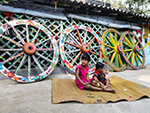 "+
"
"+
"  "+
"
"+
"  "+
"
"+
"  "+
"
"+
"  "+
"
"+
"  "+
"
"+
"  "+
"
"+
" 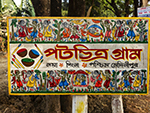 "+
"",
headingbengali : "মোদিনীপুর (পঃ)",
headingenglish : "MIDNAPUR (W)",
};
"+
"",
headingbengali : "মোদিনীপুর (পঃ)",
headingenglish : "MIDNAPUR (W)",
};