var Assamplaces =
{
menusystembengali :
" "+
"এই পাতার জায়গাসমূহঃ-"+
"মেনু দেখতে ক্লিক করুন"+
" •মুখবন্ধ"+
" •গৌহাটি"+
" •জোরহাট "+
" •মাজুলি "+
" •শিবসাগর "+
" •শিলচর "+
" •হাজো "+
" •হাফলং",
menusystemenglish :
" "+
"Places in This Page:-"+
"Click To See Menu"+
" •Prelude"+
" •Gauhati"+
" •Jorhat "+
" •majuli "+
" •Shibsagar "+
" •Silchar "+
" •Hajo "+
" •Haflong",
assamintrobengali : "মুখবন্ধঃ-আসাম উত্তর-পূর্ব ভারতের সমস্ত রাজ্যের সাথে সীমানা ভাগ করে নিয়েছে, এবং সেভেন সিস্টার্স রহস্যের প্রবেশদ্বার হিসেবে কাজ করে। এই রাজ্যের গভীর সম্পর্ক রয়েছে ব্রহ্মপুত্র নদীর সাথে, যা ভূদৃশ্যের সাথে সংস্কৃতি ও পরিবেশ উভয়কেই রূপ দিয়েছে। আসাম তার চা, সংস্কৃতি, বন্যপ্রাণী, এবং জীব বৈচিত্র্যের জন্যে বিশ্বজুড়ে বিখ্যাত।আসামের এক প্রাচীন ও সমৃদ্ধ ইতিহাস রয়েছে। মহাভারত এবং কালিকা পুরাণের মতো প্রাচীন বৈদিক শাস্ত্রে এর উল্লেখ রয়েছে। এই গ্রন্থগুলোতে এটাকে কামরূপ নামে উল্লেখ করা হয়েছে। হিন্দু পৌরাণিক কাহিনীতে, এই ভূমি নরকাসুরের দ্বারা শাসিত বলেও বিশ্বাস করা হতো, যার রাজধানী ছিল প্রাগজ্যোতিষপুর ও যা পূর্বাঞ্চলীয় আলোর শহর এবং জ্যোতির্বিদ্যার শিক্ষাকেন্দ্র বলে পরিচিত ছিল। সম্ভবত, প্রথম ঐতিহাসিক লিখিত রেকর্ডগুলো সপ্তম শতাব্দীর চীনা পর্যটক হিউয়েন সাং-এর কাছ থেকে পাওয়া যায়, যিনি রাজা ভাস্করবর্মণের রাজত্বকালে আসাম ভ্রমণ করেছিলেন, এবং তাকে পূর্ব ভারতের অভিজাত রাজা, এবং ভগবান শিবের ভক্ত হিসেবে বর্ণনা করেছিলেন। মধ্যযুগীয় সময় মূলত ত্রয়োদশ শতাব্দীতে উত্তর মায়ানমার থেকে আসা তাই অহম বংশের আক্রমণের ইতিহাস। পরবর্তী ছশো বছর ধরে অহমরা ব্রহ্মপুত্র উপত্যকায় রাজত্ব করেছিল। বুরাঞ্জি ইতিহাসে তাদের বিভিন্ন বিজয়ের কথা উল্লেখ আছে। অবশেষে ১৯ শতকে ব্রিটিশ ইস্ট ইন্ডিয়া কোম্পানি এই অঞ্চলে উপনিবেশ স্থাপন করে। ব্রিটিশ ইতিহাসবিদ এডওয়ার্ড গেইট আসামের সীমানাকে, আসামের সমভূমি, পূর্ব বাংলার কিছু অংশ, এবং ভুটানের পাদদেশ হিসেবে সংজ্ঞায়িত করেছিলেন। তাদের প্রশাসন ব্রহ্মপুত্র উপত্যকার সমভূমিগুলোকে, আশেপাশের পাহাড়, এবং উপজাতি অঞ্চলকে একীভূত করে, আসাম রাজ্য গঠন করে। দিসপুর আসামের রাজধানী এবং গৌহাটির একটা উপশহর, যার মূল ভূখণ্ড ভারতের উত্তর-পূর্ব সীমান্তের সাথে সংযুক্ত। গৌহাটি ব্রহ্মপুত্র নদীর তীরে বিকশিত সভ্যতার এক ঐতিহাসিক শহর, এবং এই অঞ্চলের সবচেয়ে গুরুত্বপূর্ণ বাণিজ্যিক কেন্দ্র। চা ও তেল শোধনাগারের কারণে, অন্যান্য গুরুত্বপূর্ণ নগর এলাকা যেমন ডিব্রুগড়, জোরহাট, তিনসুকিয়া এবং তেজপুর তৈরি হয়েছে। বেশিরভাগ মানুষের বাস ব্রহ্মপুত্র নদীর উর্বর সমভূমির তীরে অবস্থিত, যেখানে ছোট ছোট শহর এবং গ্রামে, মানুষ তাদের সহজ-সরল জীবনযাপন করে। বিশাল বিশাল চা বাগান, অন্তহীন ধানক্ষেত, এবং ঘন বনাঞ্চলের কারণে, আসামের গ্রামাঞ্চল চিরহরিৎ। সমভূমির মধ্যে দিয়ে চলার পথে ব্রহ্মপুত্রের তীরে হাজার হাজার দ্বীপ এবং বালির স্তূপ দেখা যায়। এই রাজ্যের চতুর্দিক দূর দিগন্তের পাহাড় দিয়ে ঘেরা, যা এখানকার ভূদৃশ্যকে আরও মনোরম করে তুলেছে। বনাঞ্চল থেকে শুরু করে প্রাচীন রহস্যময় মন্দির, অনন্য সন্ন্যাস অনুশীলন, সুসংরক্ষিত আদিবাসী সংস্কৃতি, ছবির মতো রঙিন গ্রাম, বর্ণময় উৎসব, এবং সর্বোপরি অতিথি পরায়ণ মানুষজন, আসামকে তৈরি করেছে এক নিখুঁত পর্যটন গন্তব্য। অন্যতম মহান শ্রদ্ধাশীল ব্যক্তি স্বামী বিবেকানন্দ বলেছিলেন, কাশ্মীরের পরেই আসাম ভারতের সবচেয়ে সুন্দর স্থান। আসামে বিভিন্ন জাতিগোষ্ঠী এবং বিভিন্ন বংশোদ্ভূত আদিবাসী সম্প্রদায়ের এক বৈচিত্র্যময় সংস্কৃতি রয়েছে। আসামের জাতিগত গোষ্ঠীগুলোকে দুভাগে বিভক্ত করা হয় - পাহাড়ি উপজাতি এবং সমতল উপজাতি, যাদের প্রত্যেকের নিজস্ব ভাষা এবং সংস্কৃতি রয়েছে। এই রাজ্যের ধ্রুপদী সাংস্কৃতিক বৈচিত্র্য, ধর্মীয় এবং উপজাতি ঐতিহ্যে সমৃদ্ধ। স্থানীয় সংস্কৃতি, ভাষা, এবং রন্ধনপ্রণালীর পার্থক্য, রাজ্য জুড়ে অনুভব করা যায়। পাশাপাশি এটাও লক্ষ করা যায় যে আধুনিক অসমীয়া সংস্কৃতি মূলত, যুগ যুগ ধরে শাসন করা বিভিন্ন রাজত্বের সংস্কৃতির একীকরণ।পশ্চিমে বোরো কাছারিদের কোচ গোষ্ঠী, পূর্বে সোনোয়াল কাছারি, এবং কাছারের ডিমা হাসাও পাহাড়ের, ডিমাসা কাছারিদের এই অঞ্চলের প্রাচীনতম বাসিন্দা হিসেবে বিবেচনা করা হয়। তারা তিব্বতি-বর্মণ বংশোদ্ভূত ও উত্তর-পশ্চিম চীন থেকে এসেছে। দ্বাদশ এবং ত্রয়োদশ শতাব্দীতে অহমদের মতো অন্যান্য জাতিগোষ্ঠীর আগমনের আগে, তারা স্বাধীন রাজ্য গঠন করেছিল। তারা রাজ্যের বিভিন্ন অংশে বাস করতো, ও তাদের কাছারি উপভাষাগুলো পারস্পরিকভাবে বোধগম্য ছিল। বোরোরা আজ আসামের বৃহত্তম উপজাতি সম্প্রদায়, এবং তারা মূলত পশ্চিম আসামে ভুটানের পাদদেশে বাস করে। বোরো সংস্কৃতি, বাগুরুম্বা নৃত্য ও বাথো উপাসনার জন্যে সুপরিচিত। আক্রমণকারী অহমদের সংস্পর্শে আসা প্রাচীনতম জাতিগোষ্ঠীগুলোর মধ্যে সোনোয়াল কাছারিরা, তাদের সংস্কৃতি দ্বারা প্রভাবিত হয়েছিল, যেখানে ডিমাসা কাছারিদের রাজধানী ছিল আধুনিক নাগাল্যান্ডের ডিমাপুরে, এবং ত্রিপুরার ত্রিপুরী জনগণের সাথে তাদের মিল রয়েছে। অসমিয়া ভাষাভাষী জনসংখ্যার বেশিরভাগই, প্রাচীনকালে হিন্দু ধর্মের প্রসারের সাথে সাথে, ব্রহ্মপুত্র উপত্যকার বিস্তীর্ণ সমভূমিতে বাস করতে শুরু করে। বিহু হল আসামের প্রধান উৎসব। নববর্ষ উদযাপনের সময়, বিহু নৃত্যের সাথে, বৈষ্ণব সন্ন্যাসীদের ধ্রুপদী সাত্রিয় নৃত্য, ও দেওধনী নৃত্যের মেলবন্ধন ঘটে, ফলে পুরো নৃত্য অনুষ্ঠান এক অন্য মাত্রা পায়। ব্রহ্মপুত্র উপত্যকায় রাভাস, তিওয়া, হাজং, মিশিং, দেওরি, মাতাক এবং মোরানের মতো অসংখ্য উপজাতি সম্প্রদায়ও সহাবস্থান করে। মাজুলি দ্বীপের মিশিং সম্প্রদায়, আগে অরুণাচল প্রদেশের পাহাড়ে উগ্র উপজাতিদের সাথে বাস করতো। কিন্তু পরে শান্তিপূর্ণ জীবনযাপনের জন্যে আসামের সমভূমিতে চলে আসে। মায়ানমার থেকে আসা তাই অহমরা মধ্যযুগে আসাম আক্রমণ ও শাসন করেছিল। শিবসাগরে তাদের রাজধানী ছিল, তাদের নিজস্ব ভাষা এবং লিপিও ছিল। কিন্তু তা সত্যেও স্থানীয়দের শাসন করার জন্যে, তারা স্থানীয় সংস্কৃতি গ্রহণ করতে বাধ্য হয়েছিল। অন্যান্য তাই গোষ্ঠী, যেমন তাই আইটন, তাই ফাকে, তাই তুরুং, তাই খামায়াং এবং তাই খাম্প্তি, যারা তাই অহমদের পরে এসেছিল, তারাও স্থানীয় অসমীয়া সংস্কৃতি এবং ভাষা গ্রহণ করেছিল। অসমীয়া সংস্কৃতি গঠনে অহম রাজ্যের সবচেয়ে বেশি প্রভাব রয়েছে। দক্ষিণ আসামের কাছার এলাকাও বিপুল সংখ্যক উপজাতি সম্প্রদায়ের আবাসস্থল। কার্বিরা এই অঞ্চলের প্রধান উপজাতি এবং কার্বি আংলং পাহাড়ে বাস করে। তারা তিব্বতি-বর্মণ গোষ্ঠী এবং সর্বপ্রাণবাদী ধর্ম অনুসরণ করে। বার্মিজ আক্রমণ এবং অ্যাংলো-বর্মণ যুদ্ধের সময়, মণিপুরের বিষ্ণুপ্রিয়া মণিপুরীরাও এই অঞ্চলে বসতি স্থাপন করেছিল। কাছার পাহাড়ে মিজোরামের কুকি সম্প্রদায়ের অনেক গোষ্ঠীও রয়েছে, যারা ঝুম চাষ করতো ও যাযাবর জীবনযাপন করতো। বাংলাভাষী সম্প্রদায়ের একটা বড় অংশ, বাংলাদেশ সীমান্তের কাছাকাছি অবস্থিত বরাক উপত্যকায় বাস করে। মধ্য ভারত থেকে সাঁওতাল এবং মুন্ডা উপজাতি, যাদেরকে ব্রিটিশরা চা বাগানে কাজ করার জন্য নিয়ে এসেছিল, তারাও অসমীয়া সমাজের অংশ হয়ে উঠেছে।বিভিন্ন জাতিগত সম্প্রদায়ের উপস্থিতির কারণে, আসাম তার বৈচিত্র্যময় শিল্প ও কারুশিল্পের জন্যে বিখ্যাত, বিশেষ করে বস্ত্রশিল্পে। অসমীয়া বুননে রয়েছে তাদের উৎকর্ষতার পরিচয়। অনেক গ্রামে মুগা সিল্ক বুনন করা হয়, যেখানে মহিলারা মেখেলা সাদোর নামে এক জটিল ফুলের নকশা সহ ঐতিহ্যবাহী পোশাক বোনেন। গামোসা আরেকটা বিখ্যাত বুনন যা অসমীয়া সংস্কৃতির প্রতীক এবং এর ব্যাপক ব্যবহার রয়েছে। পশ্চিম আসামের বিভিন্ন অঞ্চলে বেল মেটালের কারুশিল্প খুব জনপ্রিয়, যেখানে কারিগররা জোরাই পাত্র প্রস্তুত করে। বেশিরভাগ মানুষের বাড়িতেই দেখা যায় জাপি, যা কৃষকের জন্যে তৈরি একটা বড় টুপি। মাজুলি দ্বীপের সন্ন্যাসীরা ১৫ শতক থেকে মুখোশ তৈরি করেন এবং প্যাপিরাস চিত্রকলার পুরনো ঐতিহ্য আজও সংরক্ষণ করে আসছেন। মিশিং এবং দেউরিরাও দক্ষ তাঁতি। তাদের প্রতি পরিবারেরই ঐতিহ্যবাহী তাঁতের মালিকানা রয়েছে। প্রত্যেক উপজাতির নিজস্ব অনন্য নকশা এবং বস্ত্রের রঙ রয়েছে। আসামের বেত এবং বাঁশের হস্তশিল্পও তার প্রতিবেশী রাজ্যগুলো মতোই জনপ্রিয়।রাজ্যের ভূদৃশ্য মূলত বিশাল ব্রহ্মপুত্র নদীর সমভূমি, কাছার পাহাড় এবং দক্ষিণে বরাক উপত্যকা নিয়ে গঠিত। কাছার পাহাড় এবং বরাইল পর্বতমালা, ব্রহ্মপুত্রের সমভূমিকে বরাক উপত্যকা থেকে পৃথক করে রেখেছে। প্রশস্ত ব্রহ্মপুত্র নদী আসামের ভূদৃশ্যের একটা প্রধান অংশ, যা পূর্বে সাদিয়া থেকে পশ্চিমে গোয়ালপাড়া পর্যন্ত, সমগ্র রাজ্য জুড়ে প্রবাহিত হয়। পার্শ্ববর্তী রাজ্যগুলোর আশেপাশের পাহাড় থেকে প্রবাহিত অনেক নদী ব্রহ্মপুত্র নদীতে তাদের জলের অঞ্জলি দেয়। বিশ্বের বৃহত্তম জনবহুল নদী দ্বীপ মাজুলি, এবং বিশ্বের ক্ষুদ্রতম দ্বীপ উমানন্দ উভয়ই আসামে অবস্থিত। এঁকে বেঁকে চলা বরাক নদী বাংলাদেশে প্রবাহিত হওয়ার আগে, কেবল রাজ্যের দক্ষিণ অংশে প্রবাহিত হয়। আসামের গ্রীষ্মমন্ডলীয় অঞ্চলে ঘন এবং সমৃদ্ধ বন রয়েছে। বেশিরভাগ গ্রীষ্মমন্ডলীয় চিরসবুজ বন, ভুটান, অরুণাচল প্রদেশ, এবং নাগাল্যান্ডের সীমান্তবর্তী পাহাড়ের পাদদেশে অবস্থিত, যেখানে উপ-হিমালয় প্রাণীদের বিস্তৃত বৈচিত্র্য রয়েছে। ব্রহ্মপুত্র নদীর প্লাবনভূমি সংলগ্ন তৃণভূমি, রাজ্যের প্রধান জাতীয় উদ্যান, এবং বন্যপ্রাণী অভয়ারণ্যের একটা অংশও গঠন করে। যেমন কাজিরাঙ্গা, পোবিতোরা, ওরাং এবং ডিব্রু-সাইখোয়া। বনগুলো বেশিরভাগই গ্রীষ্মমন্ডলীয়, ও প্রশস্ত পাতাযুক্ত চিরসবুজ গাছ, এবং প্রচুর পরিমাণে বন্য অর্কিডে ভর্তি। আসামের বনে একশৃঙ্গ এশিয়াটিক গণ্ডার রয়েছে, যা কেবল রাজ্য প্রাণীই নয়, বরং এই ভূমির প্রতিনিধিত্বকারী এক প্রতীকও। ঘন গ্রীষ্মমন্ডলীয় বনে, বুনো মোষ, গৌড়, হাতি, জলাভূমির হরিণ, হগ হরিণ, বার্কিং ডিয়ার এবং বাঘের মতো অসংখ্য প্রজাতির জীবের আবাসস্থল। আসামের বিশাল জলাভূমিতে শীতকালে অসংখ্য পরিযায়ী পাখি আসে যেমন পেলিক্যান, গ্রেলাগ হংস, রাডি শেলডাক, পিন্টাইল হাঁস এবং অন্যান্যদের আবাসস্থল হয়ে যায়। বিরল উড ডাক আসামের জাতীয় পাখি।আসামের রাজনীতি অত্যন্ত জটিল এবং বহু-স্তরীয়, যা বিভিন্ন জাতি, ভাষা, ধর্ম এবং ঐতিহাসিক প্রেক্ষাপটের দ্বারা প্রভাবিত। এই অঞ্চলের রাজনীতিতে দুটো প্রধান ধারা দেখা যায়। একটা হলো জাতিগত পরিচয় ভিত্তিক রাজনীতি যেমন আহম, বাঙালি, বোড়ো, মণিপুরী, ইত্যাদি, এবং অন্যটা হলো ভারতের মূলধারার রাজনৈতিক দলগুলোর প্রভাব। আসামের রাজনীতিতে স্বাধীনতার পর দীর্ঘদিন ধরে ভারতীয় জাতীয় কংগ্রেসের প্রাধান্য ছিল। তবে ১৯৮০-এর দশকে আসাম আন্দোলনের ফলে এই রাজনৈতিক চিত্র সম্পূর্ণ বদলে যায়। এই আন্দোলন মূলত অবৈধ অভিবাসী বিতাড়নের দাবিতে গড়ে উঠেছিল। এই আন্দোলনের ফসল হিসেবে জন্ম নেয় একটা নতুন আঞ্চলিক দল, অসম গণ পরিষদ যারা ১৯৮৫ এবং ১৯৯৬ সালে রাজ্যে সরকার গঠন করে। ২০১৬ সালের বিধানসভা নির্বাচনে বিজেপি নেতৃত্বাধীন জোট ক্ষমতায় আসে, এবং সেই থেকে তারা এখনও শাসন করে চলেছে। এই জোটের গুরুত্বপূর্ণ অংশীদার হলো অসম গণ পরিষদ। এছাড়াও, রাজ্যের রাজনীতিতে এক গুরুত্বপূর্ণ বিরোধী দল হলো সর্বভারতীয় সংযুক্ত গণতান্ত্রিক মোর্চা, যা মূলত মুসলিম সংখ্যাগরিষ্ঠ এলাকাগুলোতে শক্তিশালী। আসামের রাজনীতিতে বেশ কিছু জটিল সমস্যা রয়েছে, যা প্রায়শই উত্তেজনার সৃষ্টি করে। অবৈধ অভিবাসী সমস্যা আসামের সবচেয়ে বড় এবং সংবেদনশীল রাজনৈতিক ইস্যু। বিদেশি তাড়াও আন্দোলন থেকে শুরু করে জাতীয় নাগরিক পঞ্জি এবং নাগরিকত্ব সংশোধনী আইন পর্যন্ত, এই ইস্যু রাজ্যের রাজনৈতিক আলোচনার কেন্দ্রবিন্দুতে রয়েছে। স্থানীয় অসমীয়া এবং অন্যান্য আদিবাসী গোষ্ঠীগুলো মনে করে যে অবৈধ অভিবাসনের ফলে তাদের ভাষা, সংস্কৃতি এবং অর্থনৈতিক ভবিষ্যৎ হুমকির মুখে পড়ছে। আসামে অনেকগুলো ভিন্ন জাতিগোষ্ঠী রয়েছে, যেমন অসমীয়া, বাঙালি, বোড়ো, মণিপুরী, কার্বি, মিশিং, ইত্যাদি। প্রতি গোষ্ঠীর নিজস্ব ভাষা ও সংস্কৃতি রয়েছে, এবং প্রায়শই তাদের মধ্যে অধিকার এবং রাজনৈতিক ক্ষমতা নিয়ে বিরোধ দেখা যায়। বোড়ো আন্দোলন এবং পৃথক বোড়োল্যান্ড রাজ্যের দাবি এর এক উদাহরণ। আসামের ব্রহ্মপুত্র উপত্যকায় অসমিয়া ভাষা প্রধান, আর বরাক উপত্যকায় বাংলা ভাষা প্রধান। ভাষার এই বিভাজন প্রায়শই রাজনৈতিক বিতর্কের জন্ম দেয়। ১৯৬১ সালে শিলচরের ভাষা আন্দোলন এক ঐতিহাসিক উদাহরণ। একসময় রাজ্যের রাজনীতিতে সশস্ত্র উগ্রবাদী গোষ্ঠী, যেমন উলফা এক বড় সমস্যা ছিল যা বর্তমানে অনেক কমে এসেছে, তবুও তাদের অস্তিত্ব এবং কার্যক্রম পুরোপুরি শেষ হয়নি। বর্তমানে, বিজেপি রাজ্যে এক শক্তিশালী অবস্থান বজায় রেখেছে যা সংগঠনগত নয়। রাজনৈতিক বিশ্লেষকরা মনে করেন যে বিজেপির উত্থানের প্রধান কারণ হলো জাতীয়তাবাদী এবং ধর্মীয় মেরুকরণের রাজনীতি, যা রাজ্যের জাতিগত এবং ধর্মীয় বিভাজনকে কাজে লাগিয়েছে। আসামে বাঙালি বিদ্বেষ এক দীর্ঘস্থায়ী এবং জটিল সমস্যা, যার ঐতিহাসিক, ভাষাগত, এবং আর্থ-সামাজিক কারণ রয়েছে। ব্রিটিশ ঔপনিবেশিক শাসনের সময়, ১৮৩৬ সালে অসমীয়া ভাষার পরিবর্তে বাংলাকে আসামের সরকারি ভাষা হিসেবে স্বীকৃতি দেওয়া হয়। এতে অসমীয়া শিক্ষিত মধ্যবিত্ত শ্রেণির মধ্যে ব্যাপক ক্ষোভের সৃষ্টি হয়। তারা মনে করতে শুরু করে যে, বাঙালিরা তাদের ভাষা ও সংস্কৃতিকে অবদমিত করছে। এই ভাষাগত বিভাজন বহু বছর ধরে অসমিয়া ও বাঙালিদের মধ্যে এক ধরনের চাপা বিদ্বেষ তৈরি করে। প্রায় চার দশক পর, ১৮৭৩ সালে অসমীয়া ভাষা তার মর্যাদা ফিরে পায়। ১৯৪৭ সালে দেশভাগের পর, তৎকালীন পূর্ব পাকিস্তান বা বর্তমান বাংলাদেশ থেকে বিপুল সংখ্যক বাঙালি হিন্দু শরণার্থী আসামে আশ্রয় নিতে শুরু করে। এর ফলে জনসংখ্যাগত ভারসাম্য বদলে যাওয়ার ভয়, অসমীয়াদের মধ্যে তীব্র হয়। তারা মনে করতে থাকে যে, এই অভিবাসীরা তাদের ভূমি, সংস্কৃতি এবং অর্থনৈতিক সুযোগ কেড়ে নিচ্ছে। এই ঘটনা বিদেশি তাড়াও আন্দোলনের জন্ম দেয়। ১৯৬১ সালে আসাম সরকার অসমীয়া ভাষাকে রাজ্যের একমাত্র সরকারি ভাষা হিসেবে ঘোষণা করলে, বরাক উপত্যকার বাঙালিরা এর তীব্র বিরোধিতা করে। শিলচরে এই আন্দোলনের সময় পুলিশের গুলিতে ১১ জন বাঙালি শহীদ হন, যা দু ভাষাভাষী গোষ্ঠীর মধ্যে দূরত্ব আরও বাড়িয়ে দেয়। একসময় আসামের উচ্চপদস্থ সরকারি চাকরি এবং অন্যান্য পেশায় বাঙালিরা সংখ্যায় বেশি ছিল। এর ফলে স্থানীয় অসমীয়াদের মধ্যে এক ধরনের হতাশা সৃষ্টি হয়। তারা মনে করতো যে, বাঙালিরা তাদের অর্থনৈতিক অগ্রগতিতে বাধা সৃষ্টি করছে। এটা বাঙালি তাড়াও আন্দোলনের এক মূল কারণ ছিল। আসামের বিভিন্ন রাজনৈতিক দল বিশেষত বিজেপি, প্রায়শই অবৈধ অভিবাসী ইস্যুকে রাজনৈতিক সুবিধের জন্য ব্যবহার করে। এনআরসি এবং সিএএ এর মতো পদক্ষেপগুলোও এই বিতর্কের জন্ম দিয়েছে, যেখানে বাঙালিরা, বিশেষ করে বাংলাভাষী মুসলিমদের, প্রায়শই সন্দেহের চোখে দেখা হয়। অসমিয়া এবং বাঙালিদের মধ্যে এই বিরোধের ফলে বিভিন্ন সময়ে সহিংস ঘটনা ঘটেছে। ১৯৮৩ সালের নেল্লি গণহত্যা এক ভয়াবহ উদাহরণ, যেখানে অসমীয়ারা হাজার হাজার বাঙালি মুসলিমকে হত্যা করেছিল। এটা আসামের সমস্ত আন্দোলনের সবচেয়ে নৃশংস ঘটনা। বর্তমানে, অসমিয়া এবং বাঙালিদের মধ্যে উত্তেজনা কিছুটা প্রশমিত হলেও, রাজনৈতিক ও সামাজিক স্তরে অন্তর্নিহিত বিভাজন এখনও বিদ্যমান। জমি, চাকরির সুযোগ এবং সাংস্কৃতিক পরিচয়ের ওপর ভিত্তি করে এই সংঘাত এখনো সম্পূর্ণ শেষ হয়ে যায়নি। "+
"Read More..."+
"
"+
" 🔊 "+
""+
" 🎞️"+
"স্লাইডশোর জন্যে নীচের ছবিতে ক্লিক করুন"+
"
"+
"পেজ মেনুতে যান ",
assamintroenglish : "Intro:-Assam shares borders with all the states of Northeastern India and serves as the gateway to the Seven Sisters mystery. The state has a deep connection with the Brahmaputra River, which has shaped both its landscape, culture and environment. It is famous worldwide for its tea, culture, wildlife, and biodiversity. It has an ancient and rich history. It is mentioned in ancient Vedic scriptures such as the Mahabharata and the Kalika Purana. It is referred to as Kamarupa in that mythology. In Hindu mythology, the land was also believed to be ruled by the demon Narakasura, whose capital was Pragjyotishpura, which was known as the City of Eastern Lights and a centre of learning astronomy. Perhaps, the first historical written records are from the 7th-century Chinese traveller Hiuen Tsang, who visited Assam during the reign of King Bhaskaravarman, and described him as a noble king of eastern India, and a devotee of Lord Shiva. The medieval period is primarily a history of the invasion of the Ahom dynasty from northern Myanmar in the 13th century. For the next six hundred years, the Ahoms ruled the Brahmaputra valley. Their various conquests are mentioned in the Buranji chronicles. Finally, in the 19th century, the British East India Company colonized the region. British historian Edward Gate defined the boundaries of Assam as the plains of Assam, parts of eastern Bengal, and the foothills of Bhutan. Their administration incorporated the plains of the Brahmaputra valley, the surrounding hills, and the tribal areas, forming the state of Assam.Dispur is the capital of Assam and a suburb of Guwahati, whose mainland is connected to the northeastern border of India. Guwahati is a historic city of civilization that developed on the banks of the Brahmaputra River, and is the most important commercial centre of the region. Due to tea and oil refineries, other important urban areas such as Dibrugarh, Jorhat, Tinsukia and Tezpur have been developed. Most of the people live on the fertile plains of the Brahmaputra River, where people live their simple lives in small towns and villages. With vast tea gardens, endless paddy fields, and dense forests, the countryside of Assam is evergreen. Thousands of islands and sand dunes can be seen on the banks of the Brahmaputra as one travels through the plains. The state is surrounded by mountains on all sides, which make the landscape more picturesque. From the forests to the ancient mysterious temples, unique ascetic practices, well-preserved tribal culture, picturesque villages, colourful festivals, and above all, the hospitable people, make Assam is a perfect tourist destination. One of the great saints of Bengal, Swami Vivekananda, said that Assam is the most beautiful place in India after Kashmir. Assam has a diverse culture with different ethnic groups and tribal communities of different origins. The ethnic groups of Assam are divided into two groups - the hill tribes and the plains tribes, each with its own language and culture. The state is rich in classical cultural diversity, religious and tribal traditions. Differences in local culture, language, and cuisine can be seen throughout the state. It can also be noted that modern Assamese culture is essentially an amalgamation of the cultures of various kingdoms that ruled over the centuries.The Koch tribe of the Boro Kachharis in the west, the Sonowal Kachharis in the east, and the Dimasa Kachharis of Dima Hasao Hills of Cachar, are considered to be the oldest inhabitants of the region. They are of Tibeto-Burman origin and came from northwestern China. Before the arrival of other ethnic groups such as the Ahoms in the 12th and 13th centuries, they formed independent kingdoms. They lived in different parts of the state, and their Kachhari dialects were mutually understandable. The Boros are the largest tribal community in Assam today, and they live mainly in the Bhutanese foothills of western Assam. The Boro culture is well known for the Bagurumba dance and Batho worship. Among the earliest ethnic groups to come into contact with the invading Ahoms, the Sonowal Kacharis were influenced by their culture, with the capital of the Dimasa Kacharis being in Dimapur in modern Nagaland, and they share similarities with the Tripuri people of Tripura. The majority of the Assamese-speaking population, with the spread of Hinduism in ancient times, began to live in the vast plains of the Brahmaputra Valley. Bihu is the main festival of Assam. During the celebration of the New Year, the Bihu dance is combined with the classical Satriya dance of the Vaishnava monks, and the Deodhani dance, giving the entire dance ceremony a different dimension. Numerous tribal communities like the Rawas, Tiwa, Hajong, Mishing, Deori, Matak and Moran also coexist in the Brahmaputra Valley. The Mishing community of Majuli Island, earlier lived with the fierce tribes in the hills of Arunachal Pradesh. But later migrated to the plains of Assam to live a peaceful life. The Tai Ahoms from Myanmar invaded and ruled Assam in the medieval period. They had their capital at Sivasagar, and had their own language and script. But in order to rule the locals, they were forced to adopt local culture. Other Tai groups, such as the Tai Aitton, Tai Fake, Tai Turung, Tai Khamayang and Tai Khampati, who came after the Tai Ahoms, also adopted the local Assamese culture and language. The Ahom kingdom has had the greatest influence in shaping the Assamese culture. The Kachhar region of southern Assam is also home to a large number of tribal communities. The Karbis are the main people of this region. The tribes and Karbi live in the Anglong hills. They are a Tibeto-Burman group and follow animistic religion. During the Burmese invasion and the Anglo-Burman War, the Bishnupriya Manipuris of Manipur also settled in the region. The Cachar hills are also home to many groups of the Kuki community of Mizoram, who cultivate Jhum and lead a nomadic life. A large section of the Bengali-speaking community lives in the Barak Valley, close to the Bangladesh border. The Santal and Munda tribes from central India, who were brought by the British to work in the tea gardens, have also become part of Assamese society. Due to the presence of various ethnic communities, Assam is famous for its diverse arts and crafts, especially in textiles. Assamese weaving is renowned for its excellence. Muga silk is woven in many villages, where women weave traditional dresses with an intricate floral design called Mekhela Sador. Gamosa is another famous weave that is a symbol of Assamese culture and is widely used. Bell metal crafts are very popular in various parts of western Assam, where craftsmen make Jorai pots. Japi, a large cap made for farmers, is seen in most homes. The monks of Majuli Island have been making masks since the 15th century and have preserved the old tradition of papyrus painting to this day. The Mishing and Deuri are also skilled weavers. Each family owns a traditional loom. Each tribe has its own unique design and colour of cloth. The cane and bamboo handicrafts of Assam are also popular as in its neighbouring states.The landscape of the state mainly consists of the vast Brahmaputra River plain, the Cachar Hills and the Barak Valley to the south. The Cachar Hills and the Barak Mountains separate the Brahmaputra plain from the Barak Valley. The broad Brahmaputra River is a major part of the landscape of Assam, flowing across the entire state from Sadiya in the east to Goalpara in the west. Many rivers flowing from the surrounding hills of the neighbouring states offers their water to the Brahmaputra River. The largest inhabited river island of the world is Majuli, and the smallest island of the world is Umananda, are both located in Assam. The meandering Barak River flows only in the southern part of the state before flowing into Bangladesh. Assam has dense and rich forests in its tropical region. Most of the tropical evergreen forests are located in the foothills of the mountains bordering Bhutan, Arunachal Pradesh, and Nagaland, which are home to a wide variety of sub-Himalayan fauna. The flood plains of the Brahmaputra River also form a part major national parks and wildlife sanctuaries of the state, such as Kaziranga, Pobitora, Orang, and Dibru-Saikhowa. The forests are mostly tropical, and are filled with broad-leaved evergreen trees, and are abundant with wild orchids. The forests of Assam are home to the one-horned Asiatic rhinos, which is not only the state animal, but also a symbol representing the land. The dense tropical forests are home to numerous species of animals such as wild buffalo, gaur, elephant, swamp deer, hog deer, barking deer and tiger. The vast wetlands of Assam provide winter habitat for numerous migratory birds such as pelican, greylag goose, ruddy shelduck, pintail duck and others. The rare wood duck is the national bird of Assam.The politics of Assam is very complex and multi-layered, influenced by different castes, languages, religions and historical contexts. There are two main trends in the politics of the region. One is the politics based on ethnic identity such as Aham, Bengali, Bodo, Manipuri, etc., and the other is the influence of mainstream political parties of India. The Indian National Congress dominated Assamese politics for a long time after independence. However, this political landscape changed completely due to the Assam movement in the 1980. This movement was mainly based on the demand for the expulsion of illegal immigrants. As a result of this movement, a new regional party, the Asom Gana Parishad, was born, which formed governments in the state in 1985 and 1996. The BJP-led coalition came to power in the 2016 assembly elections, and has been ruling since then. The Asom Gana Parishad is an important partner in this coalition. In addition, an important opposition party in the state politics is the All-India United Democratic Front, which is mainly strong in Muslim-majority areas. Assamese politics is worried with complex issues, which often create tension. The issue of illegal immigration is one of the biggest and most sensitive political issues in Assam. From the Bideshi Khedao Movement to the National Register of Citizens and the Citizenship Amendment Act, this issue has been at the heart of the political discourse of the state. Local Assamese and other indigenous groups feel that their language, culture and economic future, are being threatened by illegal immigration. Assam is home to many different ethnic groups, such as Assamese, Bengalis, Bodos, Manipuri, Karbis, Mishing, etc. Each group has its own language and culture, and there are often conflicts between them over rights and political power. The Bodo movement and the demand for a separate Bodoland state are examples of this. Assamese is the dominant language in the Brahmaputra Valley of Assam, while Bengali is the dominant language in the Barak Valley. This division of languages often gives rise to political debates. The Silchar Language Movement in 1961 is a historical example. Armed extremist groups such as ULFA were once a major problem in the state politics, but have now largely declined, although their existence and activities have not completely ended. Currently, the BJP maintains a strong presence in the state, albeit not in an organizational sense. Political analysts believe that the main reason for the rise of the BJP is the politics of nationalist and religious polarization, which has exploited the ethnic and religious divisions of the state. Anti-Bengali sentiment in Assam is a long-standing and complex problem, which has historical, linguistic, and socio-economic causes. During British colonial rule, Bengali was recognized as the official language of Assam in 1836, replacing Assamese. This created widespread resentment among the educated middle class Assamese. They began to feel that the Bengalis were suppressing their language and culture. This linguistic divide created a kind of latent hatred between Assamese and Bengalis for many years. After almost four decades, in 1873, the Assamese language regained its status. After the partition of the country in 1947, a large number of Bengali Hindu refugees from the then East Pakistan or present-day Bangladesh started taking refuge in Assam. As a result, the fear of changing the demographic balance intensified among the Assamese. They began to feel that these immigrants were taking away their land, culture and economic opportunities. This incident gave rise to the Bideshi Khedao Movement. When the Assam government declared Assamese as the sole official language of the state in 1961, the Bengalis of the Barak Valley strongly opposed it. During this movement, 11 Bengalis were martyred in police firing in Silchar, which further widened the gap between the two language-speaking communities. At one time, Bengalis were in greater numbers in high-ranking government jobs and other professions in Assam. As a result, a kind of frustration arose among the local Assamese. They felt that the Bengalis were hindering their economic progress. This was a key factor in the Bengali Khedao movement. Political parties in Assam, especially the BJP, often use the issue of illegal immigrants for political gain. Measures like the NRC and CAA have also fuelled this debate, where Bengalis, especially Bengali-speaking Muslims, are often viewed with suspicion. This conflict between Assamese and Bengalis has led to violent incidents at various times. The Nelli massacre of 1983 is a horrific example, where Assamese killed thousands of Bengali Muslims. It is the most brutal incident of all the movements in Assam. Today, although tensions between Assamese and Bengalis have subsided somewhat, the underlying divisions at the political and social levels still exist. This conflict based on land, job opportunities and cultural identity has not yet completely ended. "+
"Read More..."+
"
"+
" 🔊 "+
""+
" 🎞️"+
"Click any Picture for Slide Show"+
"
"+
"Go To Page Menu",
photoassamintro :
""+
""+
""+
""+
""+
""+
""+
""+
""+
"",
gauhatibengali : "গৌহাটিঃ-নীল পাহাড়ের কোলে এক প্রাচীন জনপদের নাম গৌহাটি। ভারতের উত্তর-পূর্ব কোণে, হিমালয় এবং শিলং মালভূমির মাঝখানে, ব্রহ্মপুত্রের শান্ত ও বিশাল বক্ষ ঘেঁষে ঘুমিয়ে আছে এক প্রাচীন জনপদ, যার নাম গৌহাটি। এটা শুধু একটা শহর নয়, ইতিহাস, সংস্কৃতি, ও প্রকৃতির এক অদ্ভুত মিশ্রণ। অরুণোদয়ের রক্তিম আভা যখন কামাখ্যা মন্দিরের চূড়ায় পড়ে, তখন এই শহরের ঘুম ভাঙে। পাখির কলতান, মন্দিরের ঘণ্টাধ্বনি, আর দূর থেকে ভেসে আসা আজানের সুর, সব মিলিয়ে এক নতুন দিনের সূচনা করে। সকালে ব্রহ্মপুত্রের ওপর দিয়ে বয়ে আসা শীতল বাতাস, শরীরে এক অদ্ভুত শিহরণ জাগায়। ধোঁয়ায় ঢাকা চায়ের দোকানগুলো আস্তে আস্তে জেগে ওঠে। ঘুমন্ত পাহাড়গুলো যেন ধীরে ধীরে নিজেদের রহস্যময় রূপ প্রকাশ করে। চারদিকে ঘন সবুজ পাহাড়, যেন কোনও শিল্পীর তুলিতে আঁকা এক ক্যানভাস। বর্ষার সময় এই পাহাড়গুলো আরও সবুজ ও সতেজ হয়ে ওঠে। মেঘের ভেলাগুলো কখনো পাহাড়ের চূড়ায় বিশ্রাম নেয়, আবার কখনো শহরের আকাশ ঢেকে দেয়। এখানকার জলবায়ু মনোরম, কিন্তু গ্রীষ্মকালে তাপ এবং আর্দ্রতার সংমিশ্রণ, এক অস্থিরতা তৈরি করে। ব্রহ্মপুত্র নদী এই শহরের প্রাণবায়ু, যার উপর ভাসমান ফেরিগুলো গৌহাটিকে জীবনের স্রোতে ভাসিয়ে রাখে। নদীর বুকে নৌকোগুলো যেন ছোট ছোট মাছের মতো এদিক-ওদিক ছুটে বেড়ায়। গৌহাটি শুধু বর্তমানের শহর নয়, এটা অতীতের এক জীবন্ত রূপ। এখানকার প্রতিটা ইট, প্রতিটা গলি, যেন কোনও পুরনো গল্প শোনাতে চায়। কামাখ্যা মন্দিরের কিংবদন্তি আর মহাকাব্যিক গল্পগুলো, এই শহরের শিরায় শিরায় প্রবাহিত। এই মন্দির শুধু তীর্থস্থান নয়, এটা এই অঞ্চলের মানুষের বিশ্বাস, ঐতিহ্য, আর সংস্কৃতির এক প্রতীক। নবগ্রহ মন্দির, উমানন্দ মন্দির, এবং অশ্বক্লান্ত মন্দিরের প্রাচীন স্থাপত্যশৈলী, হাজারো বছরের পুরনো ইতিহাস বহন করে। অসমিয়া সংস্কৃতির এক অদ্ভুত প্রাণ রয়েছে এই শহরে। বিহু উৎসবের সময় এই প্রাণোচ্ছলতা যেন আরও তীব্র হয়ে ওঠে। যখন বিহু গান আর নৃত্যের সুর আকাশে বাতাসে ভেসে বেড়ায়, তখন মনে হয় প্রকৃতির প্রতি কণা উৎসবে মেতে উঠেছে। গৌহাটির মানুষের জীবনযাত্রা খুব শান্ত। তারা তাদের ঐতিহ্য ও সংস্কৃতি নিয়ে খুবই গর্বিত। বিকেলে ব্রহ্মপুত্রের পাড়ে মানুষের আনাগোনা বাড়ে। কেউ নদীর ধারে বসে প্রাকৃতিক সৌন্দর্য উপভোগ করে, কেউ বা নদীর ধারে হেঁটে বেড়ায়। সন্ধ্যের সময় শহর রঙিন আলোতে ঝলমল করে ওঠে। দূর থেকে পাহাড়ের গায়ে আলোগুলো জ্বলন্ত তারার মতো দেখায়। এখানকার খাবারও এই শহরের মতোই প্রাণবন্ত। বিশেষ করে, অসমিয়া খাবারের স্বাদ এই অঞ্চলের সংস্কৃতিকে ফুটিয়ে তোলে। গৌহাটি শুধু এক শহর নয়, এটা এক অনুভূতি। এটা এমন এক জায়গা যেখানে প্রাচীন ইতিহাস, সমৃদ্ধ সংস্কৃতি, এবং প্রকৃতির অদ্ভুত সৌন্দর্যের, এক নিবিড় বন্ধন রয়েছে। এটা সেই শহর, যেখানে প্রতিদিন নতুন করে ইতিহাস লেখা হয়। এটা সেই জায়গা, যেখানে প্রকৃতির রূপ প্রতিদিন নতুন করে ধরা দেয়। গৌহাটি হলো নীল পাহাড়ের কোলে এক স্বপ্নময় জনপদ। দর্শনীয় স্থানগুলোর মধ্যে কামাখ্যা মন্দির, ব্রহ্মপুত্র নদীতে লঞ্চ ভ্রমণ, শুলাকুচির তাঁতিপাড়া, সরাইঘাট ব্রিজ, শ্রীমন্ত শঙ্করাদেব কলাক্ষেত্র, বশিষ্ট আশ্রম, ডেপোর বিল বন্যপ্রাণী অভয়ারণ্য, নবগ্রহ মন্দির, উমানন্দ মন্দির ইত্যাদি। "+
"Read More..."+
"
"+
" 🔊 "+
""+
" 🎞️"+
"স্লাইডশোর জন্যে নীচের ছবিতে ক্লিক করুন"+
"
"+
"পেজ মেনুতে যান ",
gauhatienglish : "Guwahati:-Guwahati is an ancient town in the lap of the blue hills. In the northeastern corner of India, between the Himalayas and the Shillong plateau, an ancient town called Guwahati sleeps on the calm and vast trunk of the Brahmaputra. It is not just a city, but a strange blend of history, culture, and nature. When the crimson glow of dawn falls on the crown of the Kamakhya Temple, the city wakes up. The chirping of birds, the ringing of temple bells, and the tune of Azan prayer from afar, all combine to mark the beginning of a new day. The cool breeze blowing over the Brahmaputra in the morning, awakens a strange thrill in the body. The tea shops covered in smoke slowly wake up. The sleeping hills gradually reveal their mysterious form. The dense green hills all around are like a canvas painted by an artist. During the monsoon, these hills become even greener and fresher. The bundles of clouds sometimes rest on the mountain tops, and sometimes cover the city sky. The climate here is pleasant, but in summer the combination of heat and humidity, creates a restlessness. The Brahmaputra River is the lifeblood of this city, on which the floating ferries keep Guwahati afloat in the stream of life. On the riverbed, the boats seem to be rushing here and there like small fish. Guwahati is not just a city of the present; it is a living form of the past. Every brick here, every lane here, seems to want to tell an old story. The legends and epic stories of the Kamakhya Temple, flow through the veins of this city. This temple is not just a pilgrimage site, it is a symbol of the faith, tradition, and culture of the people of this region. The ancient architecture of the Navagraha Temple, Umananda Temple, and Ashvaklanta Temple, carries a history that is thousands of years old. Assamese culture has a strange emotion in this city. This vibrancy becomes even more intense during the Bihu festival. When the tunes of Bihu songs and dances float in the air, it seems that every particle of nature is celebrating. The life of the people of Guwahati is very peaceful. They are very proud of their tradition and culture. In the afternoon, the banks of the Brahmaputra are crowded with people. Some sit by the river and enjoy the natural beauty, while others walk along the river. In the evening, the city sparkles with colourful lights. From a distance, the lights on the mountains look like twinkling stars. The food here is also as vibrant as this city. In particular, the taste of Assamese food brings out the culture of this region. Guwahati is not just a city; it is a feeling. It is a place where ancient history, rich culture, and the strange beauty of nature have a close bond. It is the city where history is written anew every day. It is the place where the form of nature is captured anew every day. Guwahati is a dreamy town in the lap of the blue hills. The places of interest include Kamakhya Temple, Launch tour on the Brahmaputra River, Shulakuchi Weaver’s Village, Saraighat Bridge, Shrimanta Shankaradev Kalakshetra, Vasishta Ashram, Deepor Beel Wildlife Sanctuary, Navagraha Temple, Umananda Temple, etc. "+
"Read More..."+
"
"+
" 🔊 "+
""+
" 🎞️"+
"Click any Picture for Slide Show"+
"
"+
"Go To Page Menu",
photogauhati :
""+
""+
""+
""+
""+
""+
""+
""+
""+
"",
jorhatbengali : "জোরহাটঃ-বাংলা সাহিত্যে জোরহাট সরাসরি কোনও বড় উপজীব্য হিসেবে আসেনি, তবে আসাম এবং বাংলার মধ্যে ঐতিহাসিক ও সাংস্কৃতিক সম্পর্কের কারণে, কিছু লেখায় এর উল্লেখ পাওয়া যায়। বাংলা ও অসমীয়া ভাষার মধ্যে সম্পর্কের টানাপোড়ন, এবং পারস্পরিক সাংস্কৃতিক আদান-প্রদানকে কেন্দ্র করে লেখা কিছু বাংলা প্রবন্ধে বা বইতে, জোড়হাটের উল্লেখ পাওয়া যায়। এমনকি কিছু লেখায় দেখা যায় যে, আসামে বাংলা ভাষা সম্মেলন বা সাহিত্য সম্মেলন অনুষ্ঠিত হয়েছে, এবং তাতে বাংলা থেকে বিশিষ্ট সাহিত্যিকরা অংশগ্রহণ করেছেন। এক পুরনো প্রকাশনায় দেখা যায় যে, আসাম বঙ্গ-সাহিত্য সম্মেলন জোড়হাটে অনুষ্ঠিত হয়েছিল, যেখানে বাংলার প্রখ্যাত সাহিত্যিকরা অংশ নিয়েছিলেন। বাংলা সাহিত্যিকদের লেখায় জোরহাট মূলত আসামের এক গুরুত্বপূর্ণ সাংস্কৃতিক কেন্দ্র হিসেবে স্থান পেয়েছে। এর সাংস্কৃতিক ঐতিহ্য, চা বাগান, এবং অহোম রাজবংশের রাজধানী হিসেবে ঐতিহাসিক গুরুত্ব, বাংলা লেখায় পরোক্ষভাবে উঠে এসেছে। এই অঞ্চলের বাংলা সাহিত্য চর্চার ক্ষেত্রে একজন গুরুত্বপূর্ণ ব্যক্তিত্ব হলেন অমলেন্দু গুহ। ১৯৫৫ সালে প্রকাশিত তার লেখা লুইত পারের গাথা, ব্রহ্মপুত্র উপত্যকার আধুনিক বাংলা কাব্যচর্চার সূত্রপাত ঘটিয়েছিল। যদিও এটা সরাসরি জোরহাট কেন্দ্রিক নয়, এটা আসামের বাংলা সাহিত্যকে এক নতুন দিকনির্দেশনা দিয়েছিল। অসমীয়া সাহিত্যের একজন প্রখ্যাত কবি সনন্ত তাঁতি, যিনি বাংলা মাধ্যম স্কুলে পড়াশোনা করেছেন। তার জীবনে জোড়হাটের এক ভূমিকা রয়েছে। তিনি জোরহাট কলেজে পড়াশোনা করেছেন, এবং পরে সাহিত্য অ্যাকাডেমি পুরস্কার লাভ করেন। যদিও তার মূল সাহিত্যকর্ম অসমীয়া ভাষায়, তার জীবনবৃত্তান্তে জোড়হাটের উল্লেখ রয়েছে। জোড়হাটে বাঙলা ভাষা ও সাহিত্যের চর্চার এক কেন্দ্র হিসেবে জগন্নাথ বরুয়া কলেজের বাংলা বিভাগের উল্লেখ পাওয়া যায়। এই বিভাগ, এই অঞ্চলের বাঙালি শিক্ষার্থীদের জন্যে, বাংলা সাহিত্য চর্চার সুযোগ করে দিয়েছিল। সামগ্রিকভাবে, বাংলা সাহিত্যে জোড়হাটের প্রত্যক্ষ উপস্থিতি বিরল হলেও, আসামের সাংস্কৃতিক কেন্দ্র হিসেবে এর গুরুত্ব এবং বাঙালি-অসমীয়া সাংস্কৃতিক যোগাযোগের কেন্দ্রবিন্দু হিসেবে এর ভূমিকা, বিভিন্ন লেখায় স্থান পেয়েছে।ব্রহ্মপুত্রের দক্ষিণে অবস্থিত জোরহাট, আসামের এক ঐতিহাসিক শহর। এই শহর চা শিল্প, কৃষি এবং সাংস্কৃতিক ঐতিহ্যের জন্যে বিখ্যাত। জোরহাট নামটা এসেছে জোড় মানে দুই এবং হাট মানে বাজার শব্দ থেকে। কারণ এখানে দুটো প্রধান বাজার ছিল, চিকনমাটি এবং মাউরাহাট। এই শহর অহম রাজবংশের শেষ রাজধানী ছিল। ১৭৯৪ সালে অহম রাজা গৌরীনাথ সিংহ শিবসাগর থেকে রাজধানী এখানে স্থানান্তর করেন। জোরহাট আসামের মধ্যভাগের এক সমতল অঞ্চলে অবস্থিত। এর চারপাশে রয়েছে অনেক ছোট পাহাড় এবং ব্রহ্মপুত্র নদের অসংখ্য শাখা নদী। এখানকার জলবায়ু মূলত ক্রান্তীয় মৌসুমি। গ্রীষ্মকাল উষ্ণ ও আর্দ্র, এবং শীতকাল সাধারণত ঠাণ্ডা ও শুষ্ক। জুলাই থেকে সেপ্টেম্বর পর্যন্ত এখানে প্রচুর বৃষ্টিপাত হয়।জোড়হাটের অর্থনীতি প্রধানত চা শিল্পের ওপর নির্ভরশীল। এখানে অসংখ্য চা বাগান এবং গবেষণা কেন্দ্র রয়েছে, যার মধ্যে অন্যতম হলো তোক্কলাই চা গবেষণা কেন্দ্র। এটা বিশ্বের অন্যতম প্রাচীন ও বৃহত্তম চা গবেষণা কেন্দ্র। ধান, সরষে, এবং অন্যান্য শস্যও কিছু পরিমাণে এখানে উৎপাদিত হয়। পর্যটন এখানকার অর্থনীতির এক গুরুত্বপূর্ণ অংশ। জোরহাট শিক্ষা এবং সংস্কৃতির এক গুরুত্বপূর্ণ কেন্দ্র। এখানে বেশ কিছু বিখ্যাত শিক্ষাপ্রতিষ্ঠান রয়েছে যেমন, জোরহাট ইঞ্জিনিয়ারিং কলেজ, অসম কৃষি বিশ্ববিদ্যালয়, জোরহাট বিজ্ঞান ও প্রযুক্তি বিশ্ববিদ্যালয় ইত্যাদি। এই শহর অসমীয়া সংস্কৃতিরও এক পীঠস্থান। এখানে প্রতি বছর আহ্ মে-ডাম-মে-ফি এবং বিহু উৎসব মহাসমারোহে পালিত হয়। জোড়হাটে পর্যটকদের জন্য বেশ কিছু আকর্ষণীয় স্থান রয়েছে। যেমন, মাজুলি, যা বিশ্বের বৃহত্তম নদীদ্বীপ এবং বৈষ্ণব সংস্কৃতির কেন্দ্র। এখানে বিভিন্ন সত্র বা বৈষ্ণব মঠ রয়েছে, যা পর্যটকদের কাছে খুবই জনপ্রিয়। মাজুলিতে যাওয়ার পথে নৌভ্রমণ বেশ আকর্ষণীয়। গাঢ়গাঁও প্রাসাদ যা অহম রাজাদের এক প্রাচীন প্রাসাদ। ডেকিয়াখোয়া বরমঠ, যা এক প্রাচীন মঠ। কাজিরাঙা জাতীয় উদ্যান, যা একশৃঙ্গ গণ্ডারের জন্যে বিখ্যাত। জোরহাট জিমখানা ক্লাব ১৮৭৬ সালে প্রতিষ্ঠিত হয়, ও এই ক্লাব ভারতের প্রাচীনতম গল্ফ কোর্সগুলোর অন্যতম। "+
"Read More..."+
"
"+
" 🔊 "+
""+
" 🎞️"+
"স্লাইডশোর জন্যে নীচের ছবিতে ক্লিক করুন"+
"
"+
"পেজ মেনুতে যান ",
jorhatenglish : "Jorhat:-Jorhat has not directly come up as a major subject in Bengali literature, but due to the historical and cultural relations between Assam and Bengal, it is mentioned in some writings. Jorhat is mentioned in some Bengali articles or books, focusing the tension of relationship between Bengali and Assamese languages, and mutual cultural exchange. It is even seen in some writings, that a Bengali language conference or literary conference has been held in Assam, and prominent writers from Bengali participated in it. An old publication shows that the Assam Bengali Literary Conference was held in Jorhat, where renowned writers of Bengal participated. Jorhat has mainly found a place in the writings of Bengali writers, as an important cultural centre of Assam. Its cultural heritage, tea gardens, and historical importance as the capital of the Ahom dynasty, have indirectly emerged in Bengali writings. An important figure in the practice of Bengali literature from this region is Amalendu Guha. His work Luit Parer Gatha, published in 1955, marked the beginning of modern Bengali poetry in the Brahmaputra Valley. Although it is not directly centred on Jorhat, it gave a new direction to Bengali literature in Assam. A prominent poet of Assamese literature is Sananta Tanti, who studied in a Bengali medium school. Jorhat plays a role in his life. He studied at Jorhat College, and later won the Sahitya AcademyAward. Although his main literary works are in Assamese, Jorhat is mentioned in his biography. The Bengali department of Jagannath Barua College is mentioned as a centre for the study of Bengali language and literature in Jorhat. This department provided an opportunity for Bengali students of the region to study Bengali literature. Overall, although Jorhat's direct presence in Bengali literature is rare, its importance as a cultural centre of Assam and its role as a centre for Bengali-Assamese cultural linking, have been mentioned in various writings.Jorhat is a historic town in Assam, located south of the Brahmaputra. It is famous for its tea industry, agriculture and cultural heritage. The name Jorhat comes from the words Jor meaning two and Hat meaning market. This is because there were two main markets here, Chikanmati and Maurahat. The town was the last capital of the Ahom dynasty. In 1794, Ahom king Gaurinath Singh shifted the capital from Shibsagar to Jorhat. Jorhat is located in the plains of central Assam. It is surrounded by many small hills and numerous tributaries of the Brahmaputra River. The climate here is mainly tropical monsoon. Summers are hot and humid, and winters are generally cold and dry. It receives heavy rainfall from July to September.Jorhat's economy is mainly dependent on the tea industry. It has numerous tea gardens and research centres, one of which is the Tokkalai Tea Research Centre. It is one of the oldest and largest tea research centres in the world. Paddy, mustard, and other crops are also grown here to some extent. Tourism here is an important part of the economy. Jorhat is an important centre of education and culture. It has several famous educational institutions such as Jorhat Engineering College, Assam Agricultural University, Jorhat University of Science and Technology, etc. The city is also a centre of Assamese culture. Every year, Ah Me-Dam Me-Phi and Bihu festivals are celebrated with great pomp. Jorhat has several interesting places for tourists. For example, Majuli, which is the largest river island in the world and the centre of Vaishnav culture. There are various Satras or Vaishnava monasteries here, which are very popular with tourists. Boat trips on the way to Majuli are quite interesting. Garhgaon Palace, which is an ancient palace of the Ahom kings. Dekiakhoa Barmath, which is an ancient monastery. Kaziranga National Park, which is famous for the one-horned rhinoceros. Jorhat Gymkhana Club was established in 1876, and this club is one of the oldest golf courses in India. "+
"Read More..."+
"
"+
" 🔊 "+
""+
" 🎞️"+
"Click any Picture for Slide Show"+
"
"+
"Go To Page Menu",
photojorhat :
""+
""+
""+
""+
""+
""+
""+
""+
""+
"",
majulibengali : "মাজুলিঃ-সমৃদ্ধ সাংস্কৃতিক ঐতিহ্যে ভরা একটা দ্বীপের নাম মাজুলি। এ এক অনন্য দ্বীপ যেখানে পরাক্রমশালী ব্রহ্মপুত্র নদী, সাংস্কৃতিক ঐশ্বর্য, এবং প্রাকৃতিক সৌন্দর্যের এক জাদুকরী ভূদৃশ্য বুনেছে। বিশ্বের বৃহত্তম নদী দ্বীপ, এবং অসমীয়া ঐতিহ্যের এক জীবন্ত ক্যানভাস মাজুলি, পর্যটকদের স্বাগত জানায় সেইভাবে, যা তার কল্পনাকেও ছাপিয়ে দেবে। আসামে অবস্থিত এই অসাধারণ দ্বীপ পর্যটকদের এমন এক, পৃথিবী অন্বেষণ করার জন্যে আমন্ত্রণ জানায়, যেখানে আদিবাসী উপজাতি, প্রাচীন ঐতিহ্য, এবং শ্বাসরুদ্ধকর প্রাকৃতিক দৃশ্য, নিখুঁত সম্প্রীতির সাথে সহাবস্থান করে। এর সবুজ ভূখণ্ড অতিক্রম করার সময় মনে হবে যে, এই জায়গায় সময় ভিন্নভাবে চলে, আর শতাব্দী প্রাচীন অনুশীলনগুলোর সাথে, পাল্টে যাওয়া প্রত্যেক ভূদৃশ্য এক রূপকথার জন্ম দেয়। ঐতিহ্যবাহী জীবনের ছন্দ মাজুলির সমস্ত সম্প্রদায়ের মধ্যে দিয়ে স্পন্দিত হয়। শৈল্পিকতার গল্প, এবং ইতিহাসের পরিবর্তনশীল স্রোতকে প্রতিরোধ করে, এমন গভীর মূলযুক্ত আধ্যাত্মিক সংযোগের গল্প বলে, যা বাস্তবে দুর্লভ।মাজুলি এমন এক পৃথিবী যেখানে আধ্যাত্মিকতা, শিল্প, এবং সাংস্কৃতিক ঐতিহ্য অকৃত্রিমভাবে মিশে আছে। মাজুলির সত্রাগুলো কেবল মঠ নয়, বরং অসমীয়া সাংস্কৃতিক আত্মার জীবন্ত শ্বাস-প্রশ্বাসের ভাণ্ডার। এই মঠগুলো আধ্যাত্মিক স্থান সম্পর্কে মানুষের ধারণাকে সম্পূর্ণভাবে পাল্টে দেয়। ব্রহ্মপুত্রের উত্তর তীরে সবুজ ধানক্ষেত দিয়ে ঘেরা দক্ষিণপাট সত্রার মধ্যে দিয়ে হেঁটে যাওয়ার সময় মনে হবে, সত্রার প্রতিটা দেওয়াল যেন পর্যটকদের ফিসফিস করে শতাব্দী প্রাচীন ঐতিহ্যের গল্প শোনাচ্ছে। প্রতিটা সত্রা অন্বেষণের জন্য অপেক্ষা করা এক একটা অনন্য মহাবিশ্ব। সংস্কৃতি, শিল্প, সাহিত্য এবং ধ্রুপদী অধ্যয়নের এক একটা কিংবদন্তি কেন্দ্র, যা শৈল্পিক ঐতিহ্যকে আজও লালন করে চলেছে। শ্রী শ্রী ভোগপুর সত্রায়, প্রত্যেক দিন চোদ্দটা প্রসঙ্গ পরিবেশন করে, যা প্রাচীন গল্পগুলোকে জীবন্ত করে তোলে। এই স্থানগুলো হল এমন একটা পোর্টাল, যা মানুষকে বৈষ্ণব সংস্কৃতির হৃদয়ে নিয়ে যায়, যেখানে প্রত্যেক দেওয়াল, প্রত্যেক পরিবেশনা, এবং প্রত্যেক আচার-অনুষ্ঠান প্রজন্মের ভার বহন করে। মাজুলির প্রত্যেক কারুশিল্প এক একটা গল্প বলে, ও প্রত্যেক শিল্পকর্ম শতাব্দী প্রাচীন সাংস্কৃতিক জ্ঞানের উপাখ্যান পেশ করে। মাজুলির শিল্প কেবল একটা দক্ষতা নয়, বরং একটা জীবন্ত সত্তা, যা মানুষের কল্পনাকে ছাপিয়ে যায়। দ্বীপের মাথার মুকুটের রত্ন হলো, ভাওনা মুখোশ তৈরি, যা এক অসাধারণ ঐতিহ্যের সাক্ষী। স্থানীয় কারিগররা সাধারণ বাঁশ এবং কাঠকে পৌরাণিক মাস্টারপিসে রূপান্তরিত করে। সমগুড়ি সত্রায় আধ্যাত্মিক শক্তিতে স্পন্দিত জীবন্ত আখ্যানের জ্বলন্ত উদাহরণ হচ্ছে এই মুখোশ। মোহিত করা সত্রীয় নৃত্য ও নৃত্য-নাটক ১৫শ এবং ১৬শ শতাব্দীতে ফিরিয়ে নিয়ে যায়। আউনিয়াটি সত্রাতে মনোমুগ্ধকর নৃত্য, এবং হৃদয়ঙ্গম করা গল্প বলার মাধ্যমে, রূপান্তরকারী ভক্তি আন্দোলনের অভিজ্ঞতা লাভ করা যায়। শাস্ত্রীয় পরিবেশনের বাইরে, মাজুলির সূক্ষ্ম বাঁশের কারুশিল্প, সমৃদ্ধ শৈল্পিক ঐতিহ্যের একটা দৃষ্টান্ত।এটা সত্যিই দেখার বিষয় যে, বিভিন্ন সম্প্রদায় যখন তাদের জাতিসত্তাগুলোকে একটা একক, প্রাণবন্ত পরিশীলনে পরিণত করে তখন কি হয়। মাজুলিতে, এরকমই এক অসাধারণ মানবিক বাস্তুতন্ত্র দেখা যায়, যেখানে উপজাতি এবং অ-উপজাতি সম্প্রদায় শান্তিপূর্ণভাবে সহাবস্থান করছে। দ্বীপে বাস করা বেশিরভাগ মানুষজনই মিসিং উপজাতি। এরা মূলত অরুণাচল প্রদেশ থেকে আগত দ্বীপের বৃহত্তম উপজাতি সম্প্রদায়, যারা তাদের সমৃদ্ধ ঐতিহ্য, স্থানীয় পরম্পরার সাথে অক্লেশে মিশে আছে। দেউরি এবং সোনোয়াল-কাচারিরাও তাদের অনন্য সাংস্কৃতিক আচার অনুষ্ঠান এর সাথে যোগ করেছে। একই সাথে, কোচ রাজবংশী, কালিতা, অহোম, কেওট এবং কায়স্থের মতো অ-উপজাতি অসমীয়া সম্প্রদায়গুলোও, তাদের নিজস্ব স্বতন্ত্র ছন্দের অবদান রাখে। মাজুলি কেবল এক বসতি নয়, বরং এক জীবন্ত সাংস্কৃতিক সিম্ফনি, যেখানে পার্থক্যগুলো কেবলমাত্র সহনশীল নয় বরং তার মূল্য নির্ধারণ করা হয়।কেউ যদি মাজুলিকে তার সবচেয়ে প্রাণবন্ত এবং মন্ত্রমুগ্ধকর স্বরূপে দেখতে চায়, তাহলে তাকে নভেম্বর মাসে ক্যালেন্ডার চিহ্নিত করতে হবে, যখন রাস মহোৎসব অনুষ্ঠিত হয়। গোটা দ্বীপ যেন জীবন্ত হয়ে এক সাংস্কৃতিক ক্যানভাসে রূপান্তরিত হয়। ঐতিহ্যবাহী ভাওনা মুখোশ পরিহিত শিল্পীরা, রামায়ণ এবং মহাভারতের মহাকাব্যিক কাহিনীগুলোকে মনোমুগ্ধকর নৃত্যনাট্যের মাধ্যমে জীবন্ত করে তোলেন। রাসলীলা পরিবেশনা ভগবান কৃষ্ণের জীবনের শৈল্পিক ব্যাখ্যা দিয়ে, পৌরাণিক কাহিনীকে পরিবেশন শিল্পে রূপান্তরিত করে। আবহাওয়ার দিক থেকেও, নভেম্বর মাস শীতল এবং আরামদায়ক, ফলে তাপমাত্রার সাথে পর্যটকদের এক নিখুঁত আলিঙ্গন তৈরি হয়।বাংলার চৈতন্যদেবের বৈষ্ণবধর্ম এবং মাজুলির বৈষ্ণবধর্ম উভয়ই মূলত একই বৈষ্ণব ধর্মমতের অন্তর্ভুক্ত হলেও, তাদের মধ্যে কিছু মৌলিক পার্থক্য রয়েছে, যা মূলত স্থানীয় সংস্কৃতি ও ঐতিহ্যের কারণে সৃষ্টি হয়েছে। বাংলার চৈতন্যদেবের বৈষ্ণবধর্ম গৌড়ীয় বৈষ্ণব ধর্ম, যা চৈতন্য মহাপ্রভুর দ্বারা পঞ্চদশ শতাব্দীতে প্রবর্তিত হয়। এর মূল ভিত্তি হল শ্রীকৃষ্ণ ও শ্রীরাধার প্রেমলীলা, এবং তাদের ভক্তিভিত্তিক উপাসনা। এই ধর্ম মতে হরেকৃষ্ণ মহামন্ত্র জপ অত্যন্ত গুরুত্বপূর্ণ। এর দার্শনিক ভিত্তি হল অচিন্ত্য-দ্বৈতাদ্বৈতবাদ। অর্থাৎ, জীবাত্মা ও পরমাত্মা একই সাথে ভিন্ন এবং অভিন্ন উভয়ই। এই মতবাদ বাংলা, উড়িষ্যা এবং উত্তর ভারতের বৃন্দাবন অঞ্চলে ব্যাপক প্রভাব ফেলেছে।আবার মাজুলির বৈষ্ণব ধর্ম শঙ্করদেব প্রবর্তিত একশরণ নামধর্ম। পঞ্চদশ শতাব্দীতে এই ধর্ম আসামের মাজুলিতে শ্রীমন্ত শঙ্করদেবের দ্বারা প্রবর্তিত হয়। এই ধর্মের মূল ভিত্তি হল শ্রীকৃষ্ণকে এক ও অদ্বিতীয় ঈশ্বর হিসেবে উপাসনা করা। একে একশরণ নামধর্ম বলা হয়, ,কারণ এর মূল কথা হল এক ঈশ্বরের শরণাপন্ন হওয়া, এবং তার নাম জপ করা। এর মূল উপাসনা পদ্ধতি হল নামকীর্তন বা হরিনাম জপ। এই ধর্মের দর্শন হল একশরণ নামধর্ম, যেখানে রয়েছে শুধু এক ঈশ্বর, যিনি হলেন কৃষ্ণ, এবং এক মাত্র আশ্রয় বা নাম এর উপর জোর দেওয়া হয়। এই মতবাদ মূলত আসাম অঞ্চলে সীমাবদ্ধ, এবং সেখানকার স্থানীয় সংস্কৃতি ও ভাষার সঙ্গে মিশে গেছে। মাজুলিতে সত্র নামক আশ্রমগুলো এই ধর্মের প্রধান কেন্দ্র, যেখানে শঙ্করদেব রচিত পবিত্র গ্রন্থ নামঘোষা পাঠ ও কীর্তন করা হয়।যদিও উভয় বৈষ্ণব সম্প্রদায়ই শ্রীকৃষ্ণকে উপাসনা করে এবং ভক্তিবাদের ওপর জোর দেয়, তা সত্যেও তাদের মধ্যে কিছু মৌলিক পার্থক্য রয়েছে। গৌড়ীয় বৈষ্ণব ধর্মে রাধা-কৃষ্ণের প্রেমলীলা এবং যুগল উপাসনার উপর বিশেষ গুরুত্ব দেওয়া হয়, যা মাজুলির বৈষ্ণবধর্মে অনুপস্থিত। গৌড়ীয় বৈষ্ণব ধর্মে মূর্তি পূজার প্রচলন থাকলেও, মাজুলির বৈষ্ণবধর্মে মূর্তি পূজার পরিবর্তে নামকীর্তন ও ভাগবত পুরাণের মতো গ্রন্থ পাঠের ওপর বেশি জোর দেওয়া হয়। গৌড়ীয় বৈষ্ণবধর্ম ভারতের বিভিন্ন অঞ্চলে এবং আন্তর্জাতিকভাবেও বিস্তৃত, অন্যদিকে মাজুলির বৈষ্ণবধর্ম মূলত আসামের একটা স্থানীয় ধর্মীয় আন্দোলন। সংক্ষেপে, উভয় বৈষ্ণব ধর্মই ভক্তিবাদের উপর নির্ভরশীল, তবে তাদের উপাসনার ধরন, দার্শনিক ভিত্তি, এবং স্থানীয় ঐতিহ্যের কারণে, কিছু মৌলিক পার্থক্য রয়ে গেছে। "+
"Read More..."+
"
"+
" 🔊 "+
""+
" 🎞️"+
"স্লাইডশোর জন্যে নীচের ছবিতে ক্লিক করুন"+
"
"+
"পেজ মেনুতে যান ",
majulienglish : "Majuli:-Majuli is an island steeped in rich cultural heritage. It is a unique island where the mighty Brahmaputra River has woven a magical landscape of cultural richness and natural beauty. The world’s largest river island, and a living canvas of Assamese heritage, Majuli welcomes travellers in a way that will leave their imaginations unscathed. This extraordinary island in Assam invites tourists to explore a world where indigenous tribes, ancient traditions, and breathtaking natural landscapes coexist in perfect harmony. While traversing its lush green landscape, it seems as if time moves differently here, and with centuries-old practices, every changing landscape gives rise to a fairy tale. The rhythm of traditional life pulsates through all the communities of Majuli. The story of artistry, and the changing tides of history, tells the story of a deep-rooted spiritual connection that is rare in reality.Majuli is a world where spirituality, art, and cultural heritage, are seamlessly intertwined. The Satras of Majuli are not just monasteries, but a living, breathing repository of the Assamese cultural soul. These monasteries completely change the way people think about spiritual places. Walking through the Dakshinpat Satras, surrounded by green paddy fields on the northern bank of the Brahmaputra, it feels like every wall of the Satra whispers the stories of century-old traditions to the tourists. Each Satra is a unique universe waiting to be explored. A legendary centre of culture, art, literature, and classical studies, which continues to nurture the artistic heritage even today. At Sri Sri Bhogpur Satra, fourteen themes are presented every day, which bring ancient stories to life. These places are a portal that takes people to the heart of Vaishnava culture, where every wall, every performance, and every ritual, carries the weight of generations.Every craft in Majuli tells a story, and every work of art presents anecdotes of centuries-old cultural knowledge. Majuli’s art is not just a skill, but a living entity that transcends human imagination. The crown jewel of the island is the Bhaona mask making, a testament to an extraordinary tradition. Local artisans transform ordinary bamboo and wood into mythological masterpieces. The masks at Samaguri Satra are a shining example of a living narrative pulsating with spiritual energy. The captivating Satra dance and dance-drama take us back to the 15th and 16th centuries. At Auniyati Satra, one can experience the transformative Bhakti movement through captivating dance, and heart-warming storytelling. Beyond the classical performances, the exquisite bamboo crafts of Majuli are an example of a rich artistic heritage.It is truly a sight to behold, what happens when different communities merge their ethnicities into a single with vibrant sophistication. In Majuli, one such remarkable human ecosystem is seen, where tribal and non-tribal communities coexist peacefully. The majority of the people living on the island is the Mising Tribes. They are the largest tribal community on the island, originally from Arunachal Pradesh, who have seamlessly blended their rich heritage with local traditions. The Deuri and Sonowal-Kachari have also added their unique cultural rituals to it. At the same time, non-tribal Assamese communities like the Koch Rajbangshi, Kalita, Ahom, Keot and Kayastha also contribute their own distinct rhythms. Majuli is not just a settlement, but a living cultural symphony, where differences are not only tolerated but also valued.If one wants to see Majuli at its most vibrant and enchanting stage, one must mark the calendar for November, when the Ras Mahotsav is held. The entire island comes alive and transforms into a cultural canvas. Artists wearing traditional Bhaona masks and bring the epic stories of the Ramayana and Mahabharata to life, through captivating dance dramas. The Raslila performance transforms the mythological story into a performing art, giving an artistic interpretation of the life of Lord Krishna. Weather-wise, November is also cool and pleasant, creating a perfect embrace for tourists with its temperature.Although both the Vaishnavism of Chaitanya Dev in Bengal and of Majuli, are essentially the part of the same Vaishnavism sect, yet, there are some fundamental differences between them, which are mainly due to local culture and tradition. The Vaishnavism of Chaitanya Dev in Bengal is Gauriya Vaishnavism, which was introduced by Chaitanya Mahaprabhu in the 15th century. Its main basis is the love and affection of Sri Krishna and Sri Radha, and their devotional worship. According to this religion, chanting the Hare Krishna Mahamantra is very important. Its philosophical basis is non-dualism. That is, the soul and the Supreme Soul are both different and identical at the same time. This doctrine has had a great influence in Bengal, Orissa and the Vrindavan region of North India.Again, the Vaishnavism of Majuli, Assam, is the Eksharan Nam Dharma, introduced by Shankara Dev in the 15th century. The main principle of this religion is the worship of Krishna as one and only God. It is called Eksharan Nam Dharma, because its essence is to take refuge in one God, and to chant his name. Its main method of worship is Namakirtan or Harinama prayer. The philosophy of this religion is Eksharan Nam Dharma, where there is only one God, who is Krishna, and the emphasis is on one refuge or name. This doctrine is mainly confined to the Assam region, and has been integrated with the local culture and language there. The Ashrams called Satras in Majuli are the main centres of this religion, where the sacred book Namaghosha written by Shankara Dev is read and chanted.Although both Vaishnavism sects worship Krishna and emphasize bhakti, there are some fundamental differences between them. Gauriya Vaishnavism places special emphasis on the love affairs, and couple worship of Radha-Krishna, which is absent in Majuli Vaishnavism. While Gauriya Vaishnavism is based on idol worship, Majuli Vaishnavism emphasizes chanting of names and reading of scriptures such as Bhagavat Purana, instead of idol worship. Gauriya Vaishnavism is widespread in various parts of India and internationally, while Majuli Vaishnavism is primarily a local religious movement in Assam. In short, both Vaishnavisms are based on Bhakti, but there are some fundamental differences in their form of worship, philosophical foundations, and local traditions. "+
"Read More..."+
"
"+
" 🔊 "+
""+
" 🎞️"+
"Click any Picture for Slide Show"+
"
"+
"Go To Page Menu",
photomajuli :
""+
""+
""+
""+
""+
""+
""+
""+
""+
"",
shibsagarbengali : "শিবসাগরঃ-শিবসাগর সেই জায়গা যেখানে সময় প্রাচীন মহিমার কাছে মাথা নত করে। আজকের কৃত্রিম বুদ্ধিমত্তার যুগে, এটা ভাবা মুস্কিল যে রাজকীয় স্মৃতিস্তম্ভগুলো আজও বর্তমান রয়েছে তার নিজস্ব মহিমায়, যেন সময় সমুদ্রের মধ্যে দিয়ে চলা এক জাহাজ। আসামের পরাক্রমশালী অহোম রাজবংশের পূর্বতন রাজধানী শিবসাগর, পর্যটকদের তার কালজয়ী আকর্ষণ দিয়ে ডাকে। এখানে, ঐতিহাসিক বিস্ময়গুলো কেবল পর্যটন আকর্ষণ নয়, বরং ছ শতাব্দী পুরনো অতুলনীয় স্থাপত্যের উজ্জ্বলতার সাক্ষ্য। শুধুমাত্র ঐতিহাসিক বিস্ময়ই এই শহরের একমাত্র আকর্ষণীয় জিনিস নয়। কার্পেটের মতো দিগন্তে প্রসারিত পান্না সবুজ চা বাগানের পরিপ্রেক্ষিতে, সকালের সূর্য যখন প্রাচীন পুকুরের স্থির জলে ঝলমল করে, আর শতাব্দী প্রাচীন মন্দিরগুলো সুন্দর লনের উপর তার দীর্ঘ ছায়া ফেলে, তখন পর্যটকরা প্রাকৃতিক সৌন্দর্যও খুঁজে পান। শিবসাগরের আলিঙ্গনে যাওয়া মাত্র বোঝা যায় যে, সেখানে প্রতিটা মুহূর্ত ইতিহাসের সাথে মিশে আছে, এবং প্রতিটা পথ এক একটা নতুন কিছু দেখার ইঙ্গিত দেয়।শিবসাগরের মধ্যে দিয়ে হেঁটে যাওয়ার সময়, এশিয়ার প্রাচীনতম অ্যাম্ফিথিয়েটার, চমৎকার রঙ ঘর দেখে অবশ্যই বিস্মিত হতে হয়, যেখানে রাজারা একসময় হাতির লড়াই এবং ক্রীড়া অনুষ্ঠান দেখতে বসতেন। একটা ছোট্ট ড্রাইভ নিয়ে যাবে কারেং ঘরে, যা গোপন ভূগর্ভস্থ পথ সহ, সাত তলা এক রাজকীয় প্রাসাদ। দেখে মনে হবে যে এই জায়গা অ্যাডভেঞ্চার সিনেমার জন্যে তৈরি নিখুঁত এক সেট। তবে শিবসাগরের আসল সৌন্দর্য রয়েছে বিশাল শিবসাগর পুকুরে, যাকে ঘিরে রেখেছে বিষ্ণু দোল, শিব দোল এবং দেবী দোলের মতো সুন্দর সুন্দর মন্দির।শহর থেকে প্রায় ৩০ কিলোমিটার দূরে রয়েছে চরাইদেও মৈদাম, যা অহোম রাজাদের সমাধিস্থল। স্থানীয় মানুষজন এই সমাধিস্থলকে আসামের পিরামিড বলে। এখানে অহোম রাজা এবং রানীদের সমাধিস্থ করা হতো। শহর থেকে মাত্র ২২ কিলোমিটার দূরে পানিদেহিং বন্যপ্রাণী অভয়ারণ্যে শীতকালে শত শত পরিযায়ী পাখিকে তাদের অস্থায়ী আবাসস্থল হিসেবে দেখতে পাওয়া যায়। শিবসাগরের বেশিরভাগ অঞ্চলই হেঁটে ঘুরে নেওয়া যায়। নিজের গতিতে হেঁটে, জলাশয়ের ধারে অলসভাবে বসে, ও শান্ত পরিবেশের মাঝে এক মানসিক তৃপ্তি পাওয়া, যায় যা বড় শহরগুলোতে খুঁজে পাওয়া খুব কঠিন। শিবসাগরের হৃদয় ও আত্মার গভীরে ডুব দিলে পাওয়া যাবে এখানকার উৎসব। এখানকার জীবনের ছন্দ তিনটে প্রধান বিহু উৎসবের সাথে সম্পর্কিত। প্রতিটা উৎসব কৃষিকাজের ক্যালেন্ডারের নিজস্ব গল্প বলে। বসন্তকালে, পুরো শহর বোহাগ বিহু বা স্থানীয়নামে পোই-চানকেইন উদযাপন করে। ধান রোপণ শুরু হওয়ার ঠিক আগে এই উৎসব উদযাপিত হয়। অক্টোবরের মাঝামাঝি উদযাপন হয় কাটা বিহু, যা ফসল কাটার সময়কে চিহ্নিত করে। শীতকালে উদযাপিত হয় মাঘ বিহু, যা ফসল কাটার মরসুমের সমাপ্তি ঘোষণা করে। তখন ঘরে ঘরে ঐতিহ্যবাহী সুস্বাদু খাবারের সুবাসে বাতাস ভরে যায়।শিবসাগর যাবার সেরা সময় হলো অক্টোবর থেকে মার্চ মাস। তখন আবহাওয়া খুবই মনোরম থাকে। তবে অক্টোবর এবং নভেম্বর মাস জাদুকরী, যখন পরিষ্কার আকাশ, স্থাপত্যের চিত্রণগুলোকে স্পষ্ট করে তোলে, এবং আবহাওয়া মৃদু আলিঙ্গনের মতো অনুভূত হয়। এই মাসে ফটোগ্রাফি খুব ভালো হয়। আকর্ষণীয় প্রত্নতাত্ত্বিক বিস্ময় থেকে শুরু করে ছন্দময় ঐতিহ্য পর্যন্ত, এই শহর পর্যটকদের হৃদয়ে একটা দীর্ঘস্থায়ী অনুভূতি দেয়। "+
"Read More..."+
"
"+
" 🔊 "+
""+
" 🎞️"+
"স্লাইডশোর জন্যে নীচের ছবিতে ক্লিক করুন"+
"
"+
"পেজ মেনুতে যান ",
shibsagarenglish : "Shibsagar:-Shibsagar is a place, where time bows down to ancient grandeur. In today’s age of artificial intelligence, it is hard to imagine that the royal monuments still exist in their own grandeur, like a ship sailing through the ocean of time. Shibsagar, the former capital of the mighty Ahom dynasty of Assam, beckons tourists with its timeless charm. Here, historical wonders are not just tourist attractions, but also a testimony to the brilliance of the unparalleled architecture, that is six centuries old. Historical wonders alone are not the only attractions of this city. With the emerald green tea gardens stretching out like a carpet to the horizon, as the morning sun shimmers on the still waters of ancient ponds, and centuries-old temples cast their long shadows on the beautiful lawns, tourists also find natural beauty. Just entering the embrace of Shibsagar, one understands that every moment there is intertwined with history, and every path suggests something new to see.While walking through Shibsagar, one must marvel at the magnificent Rang Ghar, Asia's oldest amphitheatre, where kings once sat to watch elephant fights and sporting events. A short drive will take you to Kareng Ghar, a seven-storey royal palace with secret underground passages. It looks like the perfect set for an adventure movie. However, the real beauty of Shibsagar lies in the vast Shibsagar Pond, surrounded by beautiful temples like Vishnu Dol, Shiv Dol and Devi Dol. About 30 km from the city is Charaideo Maidam, the burial site of the Ahom kings. Locals call this tomb the Pyramid of Assam. Ahom kings and queens were buried here. Just 22 km from the city, the Panidehing Wildlife Sanctuary, is a home to hundreds of migratory birds as their temporary home during the winter. Most of Shibsagar can be explored on foot. Walking at your own pace, sitting idly by the water bodies, and finding a sense of peace and tranquillity, that is hard to find in big cities. Dive deep into the heart and soul of Shibsagar, one will find its festivals. The rhythm of life here is linked to three major Bihu festivals. Each festival tells its own story in the agricultural calendar. In spring, the entire city celebrates Bohag Bihu, or Poi-Chankein as it is locally known. This festival is celebrated just before the start of paddy planting. Kata Bihu is celebrated in mid-October, which marks the time of harvesting. In winter, Magh Bihu is celebrated, which marks the end of the harvesting season. This time the air is filled with the aroma of traditional delicacies from house to house. The best time to visit Shibsagar is from October to March. The weather is very pleasant then. However, the months of October and November are magical, when the clear sky, the architectural depictions are clear, and the weather feels like a gentle embrace. Photography is at its best this month. From fascinating archaeological wonders to vibrant heritage, this city leaves a lasting impression on tourists. "+
"Read More..."+
"
"+
" 🔊 "+
""+
" 🎞️"+
"Click any Picture for Slide Show"+
"
"+
"Go To Page Menu",
photoshibsagar :
""+
""+
""+
""+
""+
""+
""+
""+
""+
"",
silcharbengali : "শিলচরঃ-শিলচরকে বলা হয় বরাক উপত্যকার হৃদয়। জায়গাটা প্রায়শই বরাক উপত্যকার প্রবেশদ্বার হিসেবে পরিচিত যা, আসামের এক গুরুত্বপূর্ণ শহর। বরাক নদীর তীরে অবস্থিত এই শহর, তার সমৃদ্ধ ইতিহাস, সাংস্কৃতিক বৈচিত্র্য, এবং ভৌগোলিক গুরুত্বের জন্যে সুপরিচিত। এটা কেবল এক বাণিজ্যিক কেন্দ্র নয়, এটা দক্ষিণ আসাম এবং পার্শ্ববর্তী রাজ্য মণিপুর, মিজোরাম এবং ত্রিপুরার সংযোগস্থল হিসেবেও কাজ করে। শিলচর নামটা দুটো শব্দ থেকে এসেছে। শিল মানে পাথর এবং চর মানে নদীর কিনারা বা বালির চর। এর নামকরণ হয়েছিল বরাক নদীর তীরে অবস্থিত পাথরের চরের জন্যে। ব্রিটিশ শাসনামলে, এটা কাছাড় জেলার প্রশাসনিক সদর দপ্তর হিসেবে প্রতিষ্ঠিত হয়। এখানকার অধিকাংশ মানুষ বাঙালি হওয়ায়, বাংলা ভাষা এবং সংস্কৃতি এই অঞ্চলের প্রধান পরিচয়। শিলচরের ইতিহাসে, ১৯ মে, ১৯৬১ সালের ভাষা আন্দোলনের এক বিশেষ স্থান আছে। বাংলা ভাষাকে সরকারি ভাষা হিসেবে স্বীকৃতি দেওয়ার দাবিতে আন্দোলন করতে গিয়ে, ১১ জন বাঙালি যুবক পুলিশের গুলিতে নিহত হন। এই ঘটনা বাঙালি জাতির ইতিহাসে এক গুরুত্বপূর্ণ মাইলস্টোন, এবং প্রতি বছর ১৯ মে তারিখটা শহীদ দিবস হিসেবে পালিত হয়। শিলচর বরাক উপত্যকার কেন্দ্রে অবস্থিত এবং এর তিন দিক পাহাড়ে ঘেরা। শহরটা বরাক নদীর তীরে অবস্থিত হওয়ায়, এটা এক উর্বর সমভূমি অঞ্চলের অংশ। শিলচরের জলবায়ু মূলত আর্দ্র গ্রীষ্মমন্ডলীয়। এখানে গ্রীষ্মকাল অত্যন্ত গরম এবং আর্দ্র হয়, ও বর্ষাকালে প্রচুর বৃষ্টিপাত হয়। শীতকাল তুলনামূলকভাবে শীতল, এবং আরামদায়ক। শিলচর বরাক উপত্যকার প্রধান বাণিজ্যিক কেন্দ্র। এটা পার্শ্ববর্তী রাজ্য মণিপুর, মিজোরাম এবং ত্রিপুরার সঙ্গে বাণিজ্যিক সম্পর্ক বজায় রাখে। এখানকার অর্থনীতি মূলত কৃষি, বাণিজ্য, এবং সরকারি চাকরীর উপর নির্ভরশীল। চা বাগান এখানকার অর্থনীতির এক গুরুত্বপূর্ণ অংশ। শিক্ষার দিক থেকে শিলচর এক গুরুত্বপূর্ণ কেন্দ্র। এখানে রয়েছে আসাম বিশ্ববিদ্যালয় নামে এক কেন্দ্রীয় বিশ্ববিদ্যালয়, এবং উত্তর-পূর্ব ভারতের অন্যতম সেরা উচ্চশিক্ষা প্রতিষ্ঠান। এছাড়া, শিলচরে ন্যাশনাল ইন্সটিটিউট অফ টেকনোলজির এক শাখা রয়েছে, যা সারা ভারত থেকে শিক্ষার্থীদের আকর্ষণ করে। এই প্রতিষ্ঠানগুলো শহরকে এক গুরুত্বপূর্ণ শিক্ষাকেন্দ্রে পরিণত করেছে।শিলচরের সংস্কৃতি মূলত বাঙালি সংস্কৃতি দ্বারা প্রভাবিত। এখানকার মানুষ প্রধানত বাংলা ভাষায় কথা বলে, এবং দুর্গাপুজো, কালীপুজো, এবং রবীন্দ্র জয়ন্তীর মতো উৎসবগুলো অত্যন্ত উদ্দীপনার সঙ্গে পালন করে। স্থানীয় রীতিনীতি এবং সাংস্কৃতিক অনুষ্ঠানে বাংলা লোকগান, নৃত্য এবং নাটক এক গুরুত্বপূর্ণ ভূমিকা পালন করে। শিলচরে বিভিন্ন জাতিগোষ্ঠীর মানুষ একসঙ্গে বসবাস করে, যেমন বাঙালি, মণিপুরী, অসমিয়া, এবং বিভিন্ন উপজাতি গোষ্ঠী। এই সাংস্কৃতিক বৈচিত্র্য শহরকে এক অনন্য পরিচয় দিয়েছে। শিলচরে খুব বেশি পর্যটন স্থান না থাকলেও, এর আশেপাশে কিছু আকর্ষণীয় স্থান রয়েছে যা পর্যটকদের আকর্ষণ করে যেমন খাসপুর, মণিহরণ টানেল, ইসকন মন্দির, গান্ধী পার্ক, ডলু লেক, বাদারপুর ফোর্ট, কাঞ্চন দেবী মন্দির, ভুবনেশ্বর মন্দির ইত্যাদি। শিলচর কেবল একটা শহর নয়, এটা ইতিহাস, সংস্কৃতি, এবং প্রাকৃতিক সৌন্দর্যের এক অনন্য মিশ্রণ। এটা বরাক উপত্যকার মানুষের পরিচয় এবং আবেগ ধারণ করে, এবং একই সাথে উত্তর-পূর্ব ভারতের উন্নয়নে এক গুরুত্বপূর্ণ ভূমিকা পালন করে। "+
"Read More..."+
"
"+
" 🔊 "+
""+
" 🎞️"+
"স্লাইডশোর জন্যে নীচের ছবিতে ক্লিক করুন"+
"
"+
"পেজ মেনুতে যান ",
silcharenglish : "Silchar:-Silchar is called the heart of the Barak Valley. It is often referred to as the gateway to the Barak Valley, an important city in Assam. Situated on the banks of the Barak River, the city is known for its rich history, cultural diversity, and geographical importance. It is not only a commercial hub, but also serves as a junction for southern Assam and the neighbouring states of Manipur, Mizoram, and Tripura. The name Silchar is derived from two words. Shil means stone and char means river bank or sand bank. It was named after the stone bank on the banks of the Barak River. During the British rule, it was established as the administrative headquarters of Cachar district. Since the majority of the people here are Bengalis, the Bengali language and culture are the main identity of the region. The Language Movement of May 19, 1961 holds a special place in the history of Silchar. While agitating for the recognition of Bengali as the official language, 11 Bengali youth were killed in police firing. This event is an important milestone in the history of the Bengali community, and every year on May 19, it is celebrated as Shaheed Dibos. Silchar is located in the centre of the Barak Valley and is surrounded by mountains on three sides. Since the city is located on the banks of the Barak River, it is part of a fertile plain region. Silchar's climate is mainly humid tropical. Summers are very hot and humid here, and there is heavy rainfall during the monsoon season. Winters are relatively cool and comfortable. Silchar is the main commercial centre of the Barak Valley. It maintains trade relations with the neighbouring states of Manipur, Mizoram, and Tripura. The economy here is mainly dependent on agriculture, trade, and government jobs. Tea gardens are an important part of the economy here. Silchar is an important centre in terms of education. It is home to a central university called Assam University, and one of the best higher education institutions in North-East India. In addition, Silchar has a branch of the National Institute of Technology, which attracts students from all over India. These institutions have made the city an important educational centre.The culture of Silchar is mainly influenced by Bengali culture. The people here mainly speak Bengali, and festivals like Durga Puja, Kali Puja, and Rabindra Jayanti, are celebrated with great enthusiasm. Bengali folk songs, dances, and dramas play an important role in local customs and cultural events. People of different ethnic groups live together in Silchar, such as Bengalis, Manipuri, Assamese, and various tribal groups. This cultural diversity has given the city a unique identity. Although there are not many tourist places in Silchar itself, but there are some interesting places around it that attract tourists such as Khaspur, Maniharan Tunnel, ISKCON Temple, Gandhi Park, Dolu Lake, Badarpur Fort, Kanchan Devi Temple, Bhubaneswar Temple, etc. Silchar is not just a city, it is a unique blend of history, culture, and natural beauty. It embodies the identity and emotions of the people of the Barak Valley, and at the same time plays a vital role in the development of North-East India. "+
"Read More..."+
"
"+
" 🔊 "+
""+
" 🎞️"+
"Click any Picture for Slide Show"+
"
"+
"Go To Page Menu",
photosilchar :
""+
""+
""+
""+
""+
""+
""+
""+
""+
"",
hajobengali : "হাজোঃ-কামরূপ জেলার গৌহাটি শহর থেকে ২৪ কিলোমিটার দূরে অবস্থিত, প্রাচীন তীর্থস্থান হাজো, তার ঐতিহ্যবাহী ধর্মীয় উপাসনালয়গুলোর কারণে, সকলের কাছেই সম্মানিত। উত্তর-পূর্ব ভারতে, হাজো সম্ভবত একমাত্র স্থান যেখানে ভারতের তিনটে প্রধান ধর্মের, হিন্দু, মুসলিম এবং বৌদ্ধ, মন্দির রয়েছে। ঐতিহাসিক ও সাংস্কৃতিক গুরুত্বের কারণে, বাংলা সাহিত্যে আসামের হাজোর এক বিশেষ মর্যাদা রয়েছে। হাজোকে প্রায়শই কামরূপের পুণ্যভূমি হিসেবে বর্ণনা করা হয়, যেখানে হিন্দু, বৌদ্ধ ও মুসলিম, এই তিন ধর্মের মিলন ঘটেছে। এটা যেন প্রাচীন কামরূপের এক জীবন্ত ইতিহাস, যেখানে বিভিন্ন সময়ের রাজারা, বিশেষ করে কোচ এবং অহোম রাজবংশ, তাদের স্থাপত্য ও সংস্কৃতির ছাপ রেখে গেছেন।পৌরাণিক ও ঐতিহাসিক পটভূমির নিরিখে, হাজোর নাম বিভিন্ন পুরাণ ও ঐতিহাসিক গ্রন্থে পাওয়া যায়। যোগিনী তন্ত্র এবং কালিকা পুরাণের মতো প্রাচীন ধর্মগ্রন্থগুলোতে হাজোর উল্লেখ রয়েছে। কালিকা পুরাণ অনুসারে, এটা সেই স্থান, যেখানে ভগবান বিষ্ণু হয়গ্রীব রূপ ধারণ করে, জ্বরাসুর এবং অন্যান্য অসুরদের বধ করেছিলেন। এই স্থান একসময় বিষ্ণুপুষ্কর নামেও পরিচিত ছিল। এখানকার সবচেয়ে বিখ্যাত মন্দির হলো হয়গ্রীব মাধব মন্দির, যা মণিপর্বত নামে এক পাহাড়ের মাথায় অবস্থিত। যদিও এই মন্দির বহুবার পুনর্নির্মিত হয়েছে, তা সত্যেও এর স্থাপত্যশৈলীতে প্রাচীন কামরূপী শিল্পকলার ছাপ সুস্পষ্ট। মন্দিরের গায়ে বিষ্ণুর দশাবতারের ভাস্কর্য দেখা যায়, যার মধ্যে নবম অবতার হিসেবে বুদ্ধের মূর্তি বিশেষভাবে উল্লেখযোগ্য। মন্দিরটা সম্ভবত ১৫৮৩ সালে রাজা রুদ্রদেব নারায়ণ কর্তৃক নির্মিত হয়েছিল। আবার কারুর মতে, ষষ্ঠ শতাব্দীতে পাল রাজবংশের একজন রাজা এটা নির্মাণ করেছিলেন। বৌদ্ধ বিশ্বাস অনুসারে, মন্দিরটা সেই স্থানে তৈরি হয়েছে, যেখানে ভগবান বুদ্ধ নির্বাণ লাভ করেছিলেন। তাই এই মন্দির বৌদ্ধ এবং হিন্দু উভয়ের জন্যেই সমানভাবে আকর্ষণীয়।স্থাপত্য ও সাংস্কৃতিক ঐতিহ্যের নিরিখে, হাজোর স্থাপত্য কেবল হিন্দু মন্দিরের মধ্যেই সীমাবদ্ধ নয়। এখানে রয়েছে এক সুপ্রাচীন মসজিদও, যা পোয়া মক্কা নামে পরিচিত। এই মসজিদ নিয়ে এক লোককথা প্রচলিত আছে যে, এখানে ভ্রমণ করলে, মক্কার হজ যাত্রার এক-চতুর্থাংশ পুণ্য করা যায়। এর ফলে, যারা হজ করতে সক্ষম নন, তারা এখানে এসে পুণ্য লাভ করেন। গরুরাচল পাহাড়ের ওপরে অবস্থিত এই মসজিদ, মক্কার মসজিদ তৈরিতে ব্যবহৃত মাটি দিয়ে নির্মিত বলে বিশ্বাস করা হয়। দক্ষিণ এশিয়ার দেশগুলোতে ইসলাম ধর্মের প্রতিষ্ঠাতা পীর গিয়াসউদ্দিন আউলিয়ার পবিত্র সমাধি রয়েছে এই মসজিদে। পোয়া মক্কা ১৬৫৭ খ্রিস্টাব্দে মুঘল সম্রাট শাহজাহানের রাজত্বকালে সুজাউদ্দিন মোহাম্মদ শাহ দ্বারা নির্মিত হয়েছিল।আসামের লোকসাহিত্যে, বিশেষ করে লোকগীতিতে, হাজোর উল্লেখ প্রায়ই পাওয়া যায়। স্থানীয় কবি এবং লেখকরা তাদের রচনায় এই স্থানের সৌন্দর্য, ধর্মীয় গুরুত্ব, এবং সাধারণ মানুষের জীবনযাত্রার চিত্র তুলে ধরেছেন। বিখ্যাত অসমিয়া কবি অনন্ত কন্দলি, তাঁর কাব্যে হাজোকে পবিত্র উত্তম স্থান বলে বর্ণনা করেছেন। লোককথা অনুসারে, হাজো নামটা এসেছে হাযোগ থেকে, যা মহাদেব শিবের মুখ থেকে উচ্চারিত হয়েছিল বলে মনে করা হয়। আবার কেউ কেউ মনে করেন, হা মানে মাটি এবং জো মানে উঁচু এই দুটো শব্দ থেকে এর নামকরণ হয়েছে, অর্থাৎ উঁচু ভূমি। এই স্থান কেবল ধর্মীয় কেন্দ্র নয়, এটা অসমিয়া সংস্কৃতি ও সাহিত্যের এক গুরুত্বপূর্ণ অংশ।হাজোতে অন্যান্য দর্শনীয় স্থানগুলোর মধ্যে কেদারেশ্বর মন্দির বা ঘণ্টা তৈরির স্থান, ভীমের চারিয়া বা পৌরাণিক কাহিনী অনুসারে, মহাভারতের পাণ্ডবরা তাদের অজ্ঞাতবাসের সময় এখানে আশ্রয় নিয়েছিলেন। শুধু তাই নয় এই ভ্রমণে স্থানীয় শিল্প ও সংস্কৃতির এক ঝলকও দেখতে পাওয়া যায়। "+
"Read More..."+
"
"+
" 🔊 "+
""+
" 🎞️"+
"স্লাইডশোর জন্যে নীচের ছবিতে ক্লিক করুন"+
"
"+
"পেজ মেনুতে যান ",
hajoenglish : "Hajo:-Located 24 km from Guwahati city in Kamrup district, the ancient pilgrimage site of Hajo is revered by all for its traditional religious shrines. In North-East India, Hajo is perhaps the only place, where temples of all three major religions of India, Hindu, Muslim and Buddhist, are located. Due to its historical and cultural importance, Hajo in Assam holds a special place in Bengali literature. Hajo is often described as the holy land of Kamrup, where the three religions, Hindu, Buddhist and Muslim, met. It is like a living history of ancient Kamrup, where kings of different times, especially the Koch and Ahom dynasties, have left their architectural and cultural imprints.In terms of mythological and historical background, the name of Hajo is found in various Puranas and historical texts. Hajo is mentioned in ancient religious texts like Yogini Tantra and Kalika Purana. According to the Kalika Purana, this is the place where Lord Vishnu, in the form of Hayagriva, killed Jvarasura and other demons. This place was also known as Vishnupushkara. The most famous temple here is the Hayagriva Madhav Temple, which is located on the top of a hill called Maniparvat. Although this temple has been rebuilt many times, yet, its architecture clearly shows the imprint of ancient Kamarupa art. The temple is decorated with sculptures of the ten incarnations of Vishnu, of which the ninth incarnation is the Buddha. The temple was probably built in 1583 by King Rudradeva Narayana. According to some people, it was built by a king of the Pala dynasty in the 6th century. According to Buddhist beliefs, the temple was built on the spot, where Lord Buddha attained Nirvana. Therefore, this temple is equally interesting for both Buddhists and Hindus. In terms of architectural and cultural heritage, the architecture of Hajo is not limited to Hindu temples. There is also an ancient mosque here, known as Poa Mecca. There is a folktale about this mosque that, by visiting here, one can perform one-fourth of the Haj pilgrimage to Mecca. As a result, those who are unable to perform Haj, come here and gain religious merit. This mosque, located on the Gourachal hill, is believed to be built with the soil used to build the Mecca Mosque. This mosque houses the holy tomb of Pir Ghiyasuddin Auliya, the founder of Islam in South Asian countries. Poa Mecca was built in 1657 AD by Shujauddin Mohammad Shah during the reign of Mughal Emperor Shah Jahan. References to Hajo are often found in Assamese folklore, especially folk songs. Local poets and writers have depicted the beauty, religious importance, and the lifestyle of the common people in their works. The famous Assamese poet Ananta Kandali, in his poetry, described Hajo as a holy and excellent place. According to folklore, the name Hajo is derived from Hayog, which is believed to have been uttered by Lord Shiva. Others believe that it is derived from the two words Ha meaning earth and Jo meaning high, i.e. high land. This place is not only a religious centre; it is an important part of Assamese culture and literature. Other places of interest in Hajo include the Kedareshwar Temple or the bell-making site, Bhima Chariya or according to mythology, the Pandavas of the Mahabharata took shelter here during their exile. Not only that, this tour also gives a glimpse of the local art and culture. "+
"Read More..."+
"
"+
" 🔊 "+
""+
" 🎞️"+
"Click any Picture for Slide Show"+
"
"+
"Go To Page Menu",
photohajo :
""+
""+
""+
""+
""+
""+
""+
""+
""+
"",
haflongbengali : "হাফলংঃ-হাফলং হল আসাম রাজ্যের ডিমা হাসাও জেলার সদর দপ্তর এবং একটা শহর। এটা আসামের একমাত্র পাহাড়ি জায়গা। শহরের উচ্চতা ৯৬৬ মিটার বা ৩১৮৮ ফুট, যার ফলে গ্রীষ্ম ও শীত সবসময়ই আবহাওয়া মনোরম থাকে। হাফলং নামটা ডিমাসা শব্দ থেকে এসেছে যার অর্থ সাদা পিঁপড়ের টিলা। হাফলংয়ের সবুজ ঢালু পাহাড়, সরু উপত্যকা, ঝর্ণা, বনাঞ্চল ইত্যাদি তৈরি করে এক মনোরম দৃশ্য। হাফলং লেক শহরের কেন্দ্রে অবস্থিত সবচেয়ে বড় মিষ্টি জলের উৎস। লেকের ওপর একটা ঝুলন্ত সেতু রয়েছে, যার ফলে পুরো দৃশ্যাবলী চিত্রানুগ দেখায়। হাফলং-এ বিভিন্ন জাতিগোষ্ঠী বাস করে, যার মধ্যে রয়েছে ডিমাসা, নাগা, হমার এবং মিজো। এরা সবাই নিজেদের সাথে সুসম্পর্ক বজায় রেখে সহাবস্থান করে। প্রধান বাজার, বিশেষ করে শনিবারে প্রাণবন্ত হয়ে ওঠে। বাজারে সুপুরি, কলা এবং ফুলের মতো স্থানীয় পণ্য কেনাবেচা হয়। এই শহরটা জাতিঙ্গার মতো কাছাকাছি আকর্ষণের জন্যেও পরিচিত, যেখানে রহস্যজনকভাবে পরিযায়ী পাখিদের মৃত্যুর ঘটনা ঘটে। ডিমাসা কাছারি রাজ্যের প্রাচীন রাজধানী মাইবং এখান থেকে ৪৭ কিলোমিটার দূরে অবস্থিত। সেখানে পূর্ববর্তী রাজ্যের ধ্বংসাবশেষ রয়েছে, যার মধ্যে পাথরের বাড়ি এবং মন্দির উল্লেখযোগ্য। হাফলং গৌহাটি এবং শিলচর থেকে সরাসরি ট্রেনে যাতায়াত করা যায়। শহরের রেলস্টেশনের নাম নিউ হাফলং, যা শহর থেকে ৩ কিলোমিটার দূরে অবস্থিত। হাফলংয়ের অনন্য প্রাকৃতিক বৈশিষ্ট্য রয়েছে, যার মধ্যে লেক, পাহাড়, জঙ্গল, এবং আদিবাসী গ্রাম, এটাকে আসামের একটা স্বতন্ত্র গন্তব্যস্থল করে তুলেছে। "+
"Read More..."+
"
"+
" 🔊 "+
""+
" 🎞️"+
"স্লাইডশোর জন্যে নীচের ছবিতে ক্লিক করুন"+
"
"+
"পেজ মেনুতে যান ",
haflongenglish : "Haflong:-Haflong is a city and the headquarters of Dima Hasao district in the state of Assam. It is the only hill station in Assam. The city is at an altitude of 966 metres (3,188 ft), which ensures pleasant weather in both summer and winter. The name Haflong is derived from the word Dimasa, which means white ant hill. The green slopes of Haflong, narrow valleys, waterfalls, forests, etc. create a picturesque view. Haflong Lake is the largest freshwater source located in the centre of the city. There is a suspension bridge over the lake, which makes the entire scene look picturesque. Haflong is home to various ethnic groups, including Dimasa, Naga, Hamar and Mizo. They all coexist in good relations with each other. The main market, especially on Saturdays, comes alive. Local products like betel, bananas and flowers are sold in the market. The city is also known for its nearby attractions like Jatinga, where mysterious deaths of migratory birds occur. Maibong, the ancient capital of the Dimasa Kachari kingdom, is located 47 km from here. It contains ruins of the erstwhile kingdom, including stone houses and temples. Haflong is directly connected to Guwahati and Silchar by train. The railway station is New Haflong, which is located 3 km from the city. Haflong has unique natural features, including lakes, hills, forests, and tribal villages, making it a unique destination in Assam. "+
"Read More..."+
"
"+
" 🔊 "+
""+
" 🎞️"+
"Click any Picture for Slide Show"+
"
 "+
"
"+
" "+
"
"+
" "+
"
"+
" "+
"
"+
" "+
"
"+
" "+
"
"+
" "+
"
"+
" "+
"
"+
" "+
"
"+
" "+
"
"+
" "+
"
"+
" "+
"
"+
" "+
"
"+
" "+
"
"+
" "+
"
"+
" "+
"",
jorhatbengali : "জোরহাটঃ-বাংলা সাহিত্যে জোরহাট সরাসরি কোনও বড় উপজীব্য হিসেবে আসেনি, তবে আসাম এবং বাংলার মধ্যে ঐতিহাসিক ও সাংস্কৃতিক সম্পর্কের কারণে, কিছু লেখায় এর উল্লেখ পাওয়া যায়। বাংলা ও অসমীয়া ভাষার মধ্যে সম্পর্কের টানাপোড়ন, এবং পারস্পরিক সাংস্কৃতিক আদান-প্রদানকে কেন্দ্র করে লেখা কিছু বাংলা প্রবন্ধে বা বইতে, জোড়হাটের উল্লেখ পাওয়া যায়। এমনকি কিছু লেখায় দেখা যায় যে, আসামে বাংলা ভাষা সম্মেলন বা সাহিত্য সম্মেলন অনুষ্ঠিত হয়েছে, এবং তাতে বাংলা থেকে বিশিষ্ট সাহিত্যিকরা অংশগ্রহণ করেছেন। এক পুরনো প্রকাশনায় দেখা যায় যে, আসাম বঙ্গ-সাহিত্য সম্মেলন জোড়হাটে অনুষ্ঠিত হয়েছিল, যেখানে বাংলার প্রখ্যাত সাহিত্যিকরা অংশ নিয়েছিলেন। বাংলা সাহিত্যিকদের লেখায় জোরহাট মূলত আসামের এক গুরুত্বপূর্ণ সাংস্কৃতিক কেন্দ্র হিসেবে স্থান পেয়েছে। এর সাংস্কৃতিক ঐতিহ্য, চা বাগান, এবং অহোম রাজবংশের রাজধানী হিসেবে ঐতিহাসিক গুরুত্ব, বাংলা লেখায় পরোক্ষভাবে উঠে এসেছে। এই অঞ্চলের বাংলা সাহিত্য চর্চার ক্ষেত্রে একজন গুরুত্বপূর্ণ ব্যক্তিত্ব হলেন অমলেন্দু গুহ। ১৯৫৫ সালে প্রকাশিত তার লেখা লুইত পারের গাথা, ব্রহ্মপুত্র উপত্যকার আধুনিক বাংলা কাব্যচর্চার সূত্রপাত ঘটিয়েছিল। যদিও এটা সরাসরি জোরহাট কেন্দ্রিক নয়, এটা আসামের বাংলা সাহিত্যকে এক নতুন দিকনির্দেশনা দিয়েছিল। অসমীয়া সাহিত্যের একজন প্রখ্যাত কবি সনন্ত তাঁতি, যিনি বাংলা মাধ্যম স্কুলে পড়াশোনা করেছেন। তার জীবনে জোড়হাটের এক ভূমিকা রয়েছে। তিনি জোরহাট কলেজে পড়াশোনা করেছেন, এবং পরে সাহিত্য অ্যাকাডেমি পুরস্কার লাভ করেন। যদিও তার মূল সাহিত্যকর্ম অসমীয়া ভাষায়, তার জীবনবৃত্তান্তে জোড়হাটের উল্লেখ রয়েছে। জোড়হাটে বাঙলা ভাষা ও সাহিত্যের চর্চার এক কেন্দ্র হিসেবে জগন্নাথ বরুয়া কলেজের বাংলা বিভাগের উল্লেখ পাওয়া যায়। এই বিভাগ, এই অঞ্চলের বাঙালি শিক্ষার্থীদের জন্যে, বাংলা সাহিত্য চর্চার সুযোগ করে দিয়েছিল। সামগ্রিকভাবে, বাংলা সাহিত্যে জোড়হাটের প্রত্যক্ষ উপস্থিতি বিরল হলেও, আসামের সাংস্কৃতিক কেন্দ্র হিসেবে এর গুরুত্ব এবং বাঙালি-অসমীয়া সাংস্কৃতিক যোগাযোগের কেন্দ্রবিন্দু হিসেবে এর ভূমিকা, বিভিন্ন লেখায় স্থান পেয়েছে।ব্রহ্মপুত্রের দক্ষিণে অবস্থিত জোরহাট, আসামের এক ঐতিহাসিক শহর। এই শহর চা শিল্প, কৃষি এবং সাংস্কৃতিক ঐতিহ্যের জন্যে বিখ্যাত। জোরহাট নামটা এসেছে জোড় মানে দুই এবং হাট মানে বাজার শব্দ থেকে। কারণ এখানে দুটো প্রধান বাজার ছিল, চিকনমাটি এবং মাউরাহাট। এই শহর অহম রাজবংশের শেষ রাজধানী ছিল। ১৭৯৪ সালে অহম রাজা গৌরীনাথ সিংহ শিবসাগর থেকে রাজধানী এখানে স্থানান্তর করেন। জোরহাট আসামের মধ্যভাগের এক সমতল অঞ্চলে অবস্থিত। এর চারপাশে রয়েছে অনেক ছোট পাহাড় এবং ব্রহ্মপুত্র নদের অসংখ্য শাখা নদী। এখানকার জলবায়ু মূলত ক্রান্তীয় মৌসুমি। গ্রীষ্মকাল উষ্ণ ও আর্দ্র, এবং শীতকাল সাধারণত ঠাণ্ডা ও শুষ্ক। জুলাই থেকে সেপ্টেম্বর পর্যন্ত এখানে প্রচুর বৃষ্টিপাত হয়।জোড়হাটের অর্থনীতি প্রধানত চা শিল্পের ওপর নির্ভরশীল। এখানে অসংখ্য চা বাগান এবং গবেষণা কেন্দ্র রয়েছে, যার মধ্যে অন্যতম হলো তোক্কলাই চা গবেষণা কেন্দ্র। এটা বিশ্বের অন্যতম প্রাচীন ও বৃহত্তম চা গবেষণা কেন্দ্র। ধান, সরষে, এবং অন্যান্য শস্যও কিছু পরিমাণে এখানে উৎপাদিত হয়। পর্যটন এখানকার অর্থনীতির এক গুরুত্বপূর্ণ অংশ। জোরহাট শিক্ষা এবং সংস্কৃতির এক গুরুত্বপূর্ণ কেন্দ্র। এখানে বেশ কিছু বিখ্যাত শিক্ষাপ্রতিষ্ঠান রয়েছে যেমন, জোরহাট ইঞ্জিনিয়ারিং কলেজ, অসম কৃষি বিশ্ববিদ্যালয়, জোরহাট বিজ্ঞান ও প্রযুক্তি বিশ্ববিদ্যালয় ইত্যাদি। এই শহর অসমীয়া সংস্কৃতিরও এক পীঠস্থান। এখানে প্রতি বছর আহ্ মে-ডাম-মে-ফি এবং বিহু উৎসব মহাসমারোহে পালিত হয়। জোড়হাটে পর্যটকদের জন্য বেশ কিছু আকর্ষণীয় স্থান রয়েছে। যেমন, মাজুলি, যা বিশ্বের বৃহত্তম নদীদ্বীপ এবং বৈষ্ণব সংস্কৃতির কেন্দ্র। এখানে বিভিন্ন সত্র বা বৈষ্ণব মঠ রয়েছে, যা পর্যটকদের কাছে খুবই জনপ্রিয়। মাজুলিতে যাওয়ার পথে নৌভ্রমণ বেশ আকর্ষণীয়। গাঢ়গাঁও প্রাসাদ যা অহম রাজাদের এক প্রাচীন প্রাসাদ। ডেকিয়াখোয়া বরমঠ, যা এক প্রাচীন মঠ। কাজিরাঙা জাতীয় উদ্যান, যা একশৃঙ্গ গণ্ডারের জন্যে বিখ্যাত। জোরহাট জিমখানা ক্লাব ১৮৭৬ সালে প্রতিষ্ঠিত হয়, ও এই ক্লাব ভারতের প্রাচীনতম গল্ফ কোর্সগুলোর অন্যতম। "+
"Read More..."+
"
"+
"",
jorhatbengali : "জোরহাটঃ-বাংলা সাহিত্যে জোরহাট সরাসরি কোনও বড় উপজীব্য হিসেবে আসেনি, তবে আসাম এবং বাংলার মধ্যে ঐতিহাসিক ও সাংস্কৃতিক সম্পর্কের কারণে, কিছু লেখায় এর উল্লেখ পাওয়া যায়। বাংলা ও অসমীয়া ভাষার মধ্যে সম্পর্কের টানাপোড়ন, এবং পারস্পরিক সাংস্কৃতিক আদান-প্রদানকে কেন্দ্র করে লেখা কিছু বাংলা প্রবন্ধে বা বইতে, জোড়হাটের উল্লেখ পাওয়া যায়। এমনকি কিছু লেখায় দেখা যায় যে, আসামে বাংলা ভাষা সম্মেলন বা সাহিত্য সম্মেলন অনুষ্ঠিত হয়েছে, এবং তাতে বাংলা থেকে বিশিষ্ট সাহিত্যিকরা অংশগ্রহণ করেছেন। এক পুরনো প্রকাশনায় দেখা যায় যে, আসাম বঙ্গ-সাহিত্য সম্মেলন জোড়হাটে অনুষ্ঠিত হয়েছিল, যেখানে বাংলার প্রখ্যাত সাহিত্যিকরা অংশ নিয়েছিলেন। বাংলা সাহিত্যিকদের লেখায় জোরহাট মূলত আসামের এক গুরুত্বপূর্ণ সাংস্কৃতিক কেন্দ্র হিসেবে স্থান পেয়েছে। এর সাংস্কৃতিক ঐতিহ্য, চা বাগান, এবং অহোম রাজবংশের রাজধানী হিসেবে ঐতিহাসিক গুরুত্ব, বাংলা লেখায় পরোক্ষভাবে উঠে এসেছে। এই অঞ্চলের বাংলা সাহিত্য চর্চার ক্ষেত্রে একজন গুরুত্বপূর্ণ ব্যক্তিত্ব হলেন অমলেন্দু গুহ। ১৯৫৫ সালে প্রকাশিত তার লেখা লুইত পারের গাথা, ব্রহ্মপুত্র উপত্যকার আধুনিক বাংলা কাব্যচর্চার সূত্রপাত ঘটিয়েছিল। যদিও এটা সরাসরি জোরহাট কেন্দ্রিক নয়, এটা আসামের বাংলা সাহিত্যকে এক নতুন দিকনির্দেশনা দিয়েছিল। অসমীয়া সাহিত্যের একজন প্রখ্যাত কবি সনন্ত তাঁতি, যিনি বাংলা মাধ্যম স্কুলে পড়াশোনা করেছেন। তার জীবনে জোড়হাটের এক ভূমিকা রয়েছে। তিনি জোরহাট কলেজে পড়াশোনা করেছেন, এবং পরে সাহিত্য অ্যাকাডেমি পুরস্কার লাভ করেন। যদিও তার মূল সাহিত্যকর্ম অসমীয়া ভাষায়, তার জীবনবৃত্তান্তে জোড়হাটের উল্লেখ রয়েছে। জোড়হাটে বাঙলা ভাষা ও সাহিত্যের চর্চার এক কেন্দ্র হিসেবে জগন্নাথ বরুয়া কলেজের বাংলা বিভাগের উল্লেখ পাওয়া যায়। এই বিভাগ, এই অঞ্চলের বাঙালি শিক্ষার্থীদের জন্যে, বাংলা সাহিত্য চর্চার সুযোগ করে দিয়েছিল। সামগ্রিকভাবে, বাংলা সাহিত্যে জোড়হাটের প্রত্যক্ষ উপস্থিতি বিরল হলেও, আসামের সাংস্কৃতিক কেন্দ্র হিসেবে এর গুরুত্ব এবং বাঙালি-অসমীয়া সাংস্কৃতিক যোগাযোগের কেন্দ্রবিন্দু হিসেবে এর ভূমিকা, বিভিন্ন লেখায় স্থান পেয়েছে।ব্রহ্মপুত্রের দক্ষিণে অবস্থিত জোরহাট, আসামের এক ঐতিহাসিক শহর। এই শহর চা শিল্প, কৃষি এবং সাংস্কৃতিক ঐতিহ্যের জন্যে বিখ্যাত। জোরহাট নামটা এসেছে জোড় মানে দুই এবং হাট মানে বাজার শব্দ থেকে। কারণ এখানে দুটো প্রধান বাজার ছিল, চিকনমাটি এবং মাউরাহাট। এই শহর অহম রাজবংশের শেষ রাজধানী ছিল। ১৭৯৪ সালে অহম রাজা গৌরীনাথ সিংহ শিবসাগর থেকে রাজধানী এখানে স্থানান্তর করেন। জোরহাট আসামের মধ্যভাগের এক সমতল অঞ্চলে অবস্থিত। এর চারপাশে রয়েছে অনেক ছোট পাহাড় এবং ব্রহ্মপুত্র নদের অসংখ্য শাখা নদী। এখানকার জলবায়ু মূলত ক্রান্তীয় মৌসুমি। গ্রীষ্মকাল উষ্ণ ও আর্দ্র, এবং শীতকাল সাধারণত ঠাণ্ডা ও শুষ্ক। জুলাই থেকে সেপ্টেম্বর পর্যন্ত এখানে প্রচুর বৃষ্টিপাত হয়।জোড়হাটের অর্থনীতি প্রধানত চা শিল্পের ওপর নির্ভরশীল। এখানে অসংখ্য চা বাগান এবং গবেষণা কেন্দ্র রয়েছে, যার মধ্যে অন্যতম হলো তোক্কলাই চা গবেষণা কেন্দ্র। এটা বিশ্বের অন্যতম প্রাচীন ও বৃহত্তম চা গবেষণা কেন্দ্র। ধান, সরষে, এবং অন্যান্য শস্যও কিছু পরিমাণে এখানে উৎপাদিত হয়। পর্যটন এখানকার অর্থনীতির এক গুরুত্বপূর্ণ অংশ। জোরহাট শিক্ষা এবং সংস্কৃতির এক গুরুত্বপূর্ণ কেন্দ্র। এখানে বেশ কিছু বিখ্যাত শিক্ষাপ্রতিষ্ঠান রয়েছে যেমন, জোরহাট ইঞ্জিনিয়ারিং কলেজ, অসম কৃষি বিশ্ববিদ্যালয়, জোরহাট বিজ্ঞান ও প্রযুক্তি বিশ্ববিদ্যালয় ইত্যাদি। এই শহর অসমীয়া সংস্কৃতিরও এক পীঠস্থান। এখানে প্রতি বছর আহ্ মে-ডাম-মে-ফি এবং বিহু উৎসব মহাসমারোহে পালিত হয়। জোড়হাটে পর্যটকদের জন্য বেশ কিছু আকর্ষণীয় স্থান রয়েছে। যেমন, মাজুলি, যা বিশ্বের বৃহত্তম নদীদ্বীপ এবং বৈষ্ণব সংস্কৃতির কেন্দ্র। এখানে বিভিন্ন সত্র বা বৈষ্ণব মঠ রয়েছে, যা পর্যটকদের কাছে খুবই জনপ্রিয়। মাজুলিতে যাওয়ার পথে নৌভ্রমণ বেশ আকর্ষণীয়। গাঢ়গাঁও প্রাসাদ যা অহম রাজাদের এক প্রাচীন প্রাসাদ। ডেকিয়াখোয়া বরমঠ, যা এক প্রাচীন মঠ। কাজিরাঙা জাতীয় উদ্যান, যা একশৃঙ্গ গণ্ডারের জন্যে বিখ্যাত। জোরহাট জিমখানা ক্লাব ১৮৭৬ সালে প্রতিষ্ঠিত হয়, ও এই ক্লাব ভারতের প্রাচীনতম গল্ফ কোর্সগুলোর অন্যতম। "+
"Read More..."+
" "+
"
"+
" "+
"
"+
" "+
"
"+
" "+
"
"+
" "+
"
"+
" "+
"
"+
" "+
"
"+
" "+
"",
majulibengali : "মাজুলিঃ-সমৃদ্ধ সাংস্কৃতিক ঐতিহ্যে ভরা একটা দ্বীপের নাম মাজুলি। এ এক অনন্য দ্বীপ যেখানে পরাক্রমশালী ব্রহ্মপুত্র নদী, সাংস্কৃতিক ঐশ্বর্য, এবং প্রাকৃতিক সৌন্দর্যের এক জাদুকরী ভূদৃশ্য বুনেছে। বিশ্বের বৃহত্তম নদী দ্বীপ, এবং অসমীয়া ঐতিহ্যের এক জীবন্ত ক্যানভাস মাজুলি, পর্যটকদের স্বাগত জানায় সেইভাবে, যা তার কল্পনাকেও ছাপিয়ে দেবে। আসামে অবস্থিত এই অসাধারণ দ্বীপ পর্যটকদের এমন এক, পৃথিবী অন্বেষণ করার জন্যে আমন্ত্রণ জানায়, যেখানে আদিবাসী উপজাতি, প্রাচীন ঐতিহ্য, এবং শ্বাসরুদ্ধকর প্রাকৃতিক দৃশ্য, নিখুঁত সম্প্রীতির সাথে সহাবস্থান করে। এর সবুজ ভূখণ্ড অতিক্রম করার সময় মনে হবে যে, এই জায়গায় সময় ভিন্নভাবে চলে, আর শতাব্দী প্রাচীন অনুশীলনগুলোর সাথে, পাল্টে যাওয়া প্রত্যেক ভূদৃশ্য এক রূপকথার জন্ম দেয়। ঐতিহ্যবাহী জীবনের ছন্দ মাজুলির সমস্ত সম্প্রদায়ের মধ্যে দিয়ে স্পন্দিত হয়। শৈল্পিকতার গল্প, এবং ইতিহাসের পরিবর্তনশীল স্রোতকে প্রতিরোধ করে, এমন গভীর মূলযুক্ত আধ্যাত্মিক সংযোগের গল্প বলে, যা বাস্তবে দুর্লভ।মাজুলি এমন এক পৃথিবী যেখানে আধ্যাত্মিকতা, শিল্প, এবং সাংস্কৃতিক ঐতিহ্য অকৃত্রিমভাবে মিশে আছে। মাজুলির সত্রাগুলো কেবল মঠ নয়, বরং অসমীয়া সাংস্কৃতিক আত্মার জীবন্ত শ্বাস-প্রশ্বাসের ভাণ্ডার। এই মঠগুলো আধ্যাত্মিক স্থান সম্পর্কে মানুষের ধারণাকে সম্পূর্ণভাবে পাল্টে দেয়। ব্রহ্মপুত্রের উত্তর তীরে সবুজ ধানক্ষেত দিয়ে ঘেরা দক্ষিণপাট সত্রার মধ্যে দিয়ে হেঁটে যাওয়ার সময় মনে হবে, সত্রার প্রতিটা দেওয়াল যেন পর্যটকদের ফিসফিস করে শতাব্দী প্রাচীন ঐতিহ্যের গল্প শোনাচ্ছে। প্রতিটা সত্রা অন্বেষণের জন্য অপেক্ষা করা এক একটা অনন্য মহাবিশ্ব। সংস্কৃতি, শিল্প, সাহিত্য এবং ধ্রুপদী অধ্যয়নের এক একটা কিংবদন্তি কেন্দ্র, যা শৈল্পিক ঐতিহ্যকে আজও লালন করে চলেছে। শ্রী শ্রী ভোগপুর সত্রায়, প্রত্যেক দিন চোদ্দটা প্রসঙ্গ পরিবেশন করে, যা প্রাচীন গল্পগুলোকে জীবন্ত করে তোলে। এই স্থানগুলো হল এমন একটা পোর্টাল, যা মানুষকে বৈষ্ণব সংস্কৃতির হৃদয়ে নিয়ে যায়, যেখানে প্রত্যেক দেওয়াল, প্রত্যেক পরিবেশনা, এবং প্রত্যেক আচার-অনুষ্ঠান প্রজন্মের ভার বহন করে। মাজুলির প্রত্যেক কারুশিল্প এক একটা গল্প বলে, ও প্রত্যেক শিল্পকর্ম শতাব্দী প্রাচীন সাংস্কৃতিক জ্ঞানের উপাখ্যান পেশ করে। মাজুলির শিল্প কেবল একটা দক্ষতা নয়, বরং একটা জীবন্ত সত্তা, যা মানুষের কল্পনাকে ছাপিয়ে যায়। দ্বীপের মাথার মুকুটের রত্ন হলো, ভাওনা মুখোশ তৈরি, যা এক অসাধারণ ঐতিহ্যের সাক্ষী। স্থানীয় কারিগররা সাধারণ বাঁশ এবং কাঠকে পৌরাণিক মাস্টারপিসে রূপান্তরিত করে। সমগুড়ি সত্রায় আধ্যাত্মিক শক্তিতে স্পন্দিত জীবন্ত আখ্যানের জ্বলন্ত উদাহরণ হচ্ছে এই মুখোশ। মোহিত করা সত্রীয় নৃত্য ও নৃত্য-নাটক ১৫শ এবং ১৬শ শতাব্দীতে ফিরিয়ে নিয়ে যায়। আউনিয়াটি সত্রাতে মনোমুগ্ধকর নৃত্য, এবং হৃদয়ঙ্গম করা গল্প বলার মাধ্যমে, রূপান্তরকারী ভক্তি আন্দোলনের অভিজ্ঞতা লাভ করা যায়। শাস্ত্রীয় পরিবেশনের বাইরে, মাজুলির সূক্ষ্ম বাঁশের কারুশিল্প, সমৃদ্ধ শৈল্পিক ঐতিহ্যের একটা দৃষ্টান্ত।এটা সত্যিই দেখার বিষয় যে, বিভিন্ন সম্প্রদায় যখন তাদের জাতিসত্তাগুলোকে একটা একক, প্রাণবন্ত পরিশীলনে পরিণত করে তখন কি হয়। মাজুলিতে, এরকমই এক অসাধারণ মানবিক বাস্তুতন্ত্র দেখা যায়, যেখানে উপজাতি এবং অ-উপজাতি সম্প্রদায় শান্তিপূর্ণভাবে সহাবস্থান করছে। দ্বীপে বাস করা বেশিরভাগ মানুষজনই মিসিং উপজাতি। এরা মূলত অরুণাচল প্রদেশ থেকে আগত দ্বীপের বৃহত্তম উপজাতি সম্প্রদায়, যারা তাদের সমৃদ্ধ ঐতিহ্য, স্থানীয় পরম্পরার সাথে অক্লেশে মিশে আছে। দেউরি এবং সোনোয়াল-কাচারিরাও তাদের অনন্য সাংস্কৃতিক আচার অনুষ্ঠান এর সাথে যোগ করেছে। একই সাথে, কোচ রাজবংশী, কালিতা, অহোম, কেওট এবং কায়স্থের মতো অ-উপজাতি অসমীয়া সম্প্রদায়গুলোও, তাদের নিজস্ব স্বতন্ত্র ছন্দের অবদান রাখে। মাজুলি কেবল এক বসতি নয়, বরং এক জীবন্ত সাংস্কৃতিক সিম্ফনি, যেখানে পার্থক্যগুলো কেবলমাত্র সহনশীল নয় বরং তার মূল্য নির্ধারণ করা হয়।কেউ যদি মাজুলিকে তার সবচেয়ে প্রাণবন্ত এবং মন্ত্রমুগ্ধকর স্বরূপে দেখতে চায়, তাহলে তাকে নভেম্বর মাসে ক্যালেন্ডার চিহ্নিত করতে হবে, যখন রাস মহোৎসব অনুষ্ঠিত হয়। গোটা দ্বীপ যেন জীবন্ত হয়ে এক সাংস্কৃতিক ক্যানভাসে রূপান্তরিত হয়। ঐতিহ্যবাহী ভাওনা মুখোশ পরিহিত শিল্পীরা, রামায়ণ এবং মহাভারতের মহাকাব্যিক কাহিনীগুলোকে মনোমুগ্ধকর নৃত্যনাট্যের মাধ্যমে জীবন্ত করে তোলেন। রাসলীলা পরিবেশনা ভগবান কৃষ্ণের জীবনের শৈল্পিক ব্যাখ্যা দিয়ে, পৌরাণিক কাহিনীকে পরিবেশন শিল্পে রূপান্তরিত করে। আবহাওয়ার দিক থেকেও, নভেম্বর মাস শীতল এবং আরামদায়ক, ফলে তাপমাত্রার সাথে পর্যটকদের এক নিখুঁত আলিঙ্গন তৈরি হয়।বাংলার চৈতন্যদেবের বৈষ্ণবধর্ম এবং মাজুলির বৈষ্ণবধর্ম উভয়ই মূলত একই বৈষ্ণব ধর্মমতের অন্তর্ভুক্ত হলেও, তাদের মধ্যে কিছু মৌলিক পার্থক্য রয়েছে, যা মূলত স্থানীয় সংস্কৃতি ও ঐতিহ্যের কারণে সৃষ্টি হয়েছে। বাংলার চৈতন্যদেবের বৈষ্ণবধর্ম গৌড়ীয় বৈষ্ণব ধর্ম, যা চৈতন্য মহাপ্রভুর দ্বারা পঞ্চদশ শতাব্দীতে প্রবর্তিত হয়। এর মূল ভিত্তি হল শ্রীকৃষ্ণ ও শ্রীরাধার প্রেমলীলা, এবং তাদের ভক্তিভিত্তিক উপাসনা। এই ধর্ম মতে হরেকৃষ্ণ মহামন্ত্র জপ অত্যন্ত গুরুত্বপূর্ণ। এর দার্শনিক ভিত্তি হল অচিন্ত্য-দ্বৈতাদ্বৈতবাদ। অর্থাৎ, জীবাত্মা ও পরমাত্মা একই সাথে ভিন্ন এবং অভিন্ন উভয়ই। এই মতবাদ বাংলা, উড়িষ্যা এবং উত্তর ভারতের বৃন্দাবন অঞ্চলে ব্যাপক প্রভাব ফেলেছে।আবার মাজুলির বৈষ্ণব ধর্ম শঙ্করদেব প্রবর্তিত একশরণ নামধর্ম। পঞ্চদশ শতাব্দীতে এই ধর্ম আসামের মাজুলিতে শ্রীমন্ত শঙ্করদেবের দ্বারা প্রবর্তিত হয়। এই ধর্মের মূল ভিত্তি হল শ্রীকৃষ্ণকে এক ও অদ্বিতীয় ঈশ্বর হিসেবে উপাসনা করা। একে একশরণ নামধর্ম বলা হয়, ,কারণ এর মূল কথা হল এক ঈশ্বরের শরণাপন্ন হওয়া, এবং তার নাম জপ করা। এর মূল উপাসনা পদ্ধতি হল নামকীর্তন বা হরিনাম জপ। এই ধর্মের দর্শন হল একশরণ নামধর্ম, যেখানে রয়েছে শুধু এক ঈশ্বর, যিনি হলেন কৃষ্ণ, এবং এক মাত্র আশ্রয় বা নাম এর উপর জোর দেওয়া হয়। এই মতবাদ মূলত আসাম অঞ্চলে সীমাবদ্ধ, এবং সেখানকার স্থানীয় সংস্কৃতি ও ভাষার সঙ্গে মিশে গেছে। মাজুলিতে সত্র নামক আশ্রমগুলো এই ধর্মের প্রধান কেন্দ্র, যেখানে শঙ্করদেব রচিত পবিত্র গ্রন্থ নামঘোষা পাঠ ও কীর্তন করা হয়।যদিও উভয় বৈষ্ণব সম্প্রদায়ই শ্রীকৃষ্ণকে উপাসনা করে এবং ভক্তিবাদের ওপর জোর দেয়, তা সত্যেও তাদের মধ্যে কিছু মৌলিক পার্থক্য রয়েছে। গৌড়ীয় বৈষ্ণব ধর্মে রাধা-কৃষ্ণের প্রেমলীলা এবং যুগল উপাসনার উপর বিশেষ গুরুত্ব দেওয়া হয়, যা মাজুলির বৈষ্ণবধর্মে অনুপস্থিত। গৌড়ীয় বৈষ্ণব ধর্মে মূর্তি পূজার প্রচলন থাকলেও, মাজুলির বৈষ্ণবধর্মে মূর্তি পূজার পরিবর্তে নামকীর্তন ও ভাগবত পুরাণের মতো গ্রন্থ পাঠের ওপর বেশি জোর দেওয়া হয়। গৌড়ীয় বৈষ্ণবধর্ম ভারতের বিভিন্ন অঞ্চলে এবং আন্তর্জাতিকভাবেও বিস্তৃত, অন্যদিকে মাজুলির বৈষ্ণবধর্ম মূলত আসামের একটা স্থানীয় ধর্মীয় আন্দোলন। সংক্ষেপে, উভয় বৈষ্ণব ধর্মই ভক্তিবাদের উপর নির্ভরশীল, তবে তাদের উপাসনার ধরন, দার্শনিক ভিত্তি, এবং স্থানীয় ঐতিহ্যের কারণে, কিছু মৌলিক পার্থক্য রয়ে গেছে। "+
"Read More..."+
"
"+
"",
majulibengali : "মাজুলিঃ-সমৃদ্ধ সাংস্কৃতিক ঐতিহ্যে ভরা একটা দ্বীপের নাম মাজুলি। এ এক অনন্য দ্বীপ যেখানে পরাক্রমশালী ব্রহ্মপুত্র নদী, সাংস্কৃতিক ঐশ্বর্য, এবং প্রাকৃতিক সৌন্দর্যের এক জাদুকরী ভূদৃশ্য বুনেছে। বিশ্বের বৃহত্তম নদী দ্বীপ, এবং অসমীয়া ঐতিহ্যের এক জীবন্ত ক্যানভাস মাজুলি, পর্যটকদের স্বাগত জানায় সেইভাবে, যা তার কল্পনাকেও ছাপিয়ে দেবে। আসামে অবস্থিত এই অসাধারণ দ্বীপ পর্যটকদের এমন এক, পৃথিবী অন্বেষণ করার জন্যে আমন্ত্রণ জানায়, যেখানে আদিবাসী উপজাতি, প্রাচীন ঐতিহ্য, এবং শ্বাসরুদ্ধকর প্রাকৃতিক দৃশ্য, নিখুঁত সম্প্রীতির সাথে সহাবস্থান করে। এর সবুজ ভূখণ্ড অতিক্রম করার সময় মনে হবে যে, এই জায়গায় সময় ভিন্নভাবে চলে, আর শতাব্দী প্রাচীন অনুশীলনগুলোর সাথে, পাল্টে যাওয়া প্রত্যেক ভূদৃশ্য এক রূপকথার জন্ম দেয়। ঐতিহ্যবাহী জীবনের ছন্দ মাজুলির সমস্ত সম্প্রদায়ের মধ্যে দিয়ে স্পন্দিত হয়। শৈল্পিকতার গল্প, এবং ইতিহাসের পরিবর্তনশীল স্রোতকে প্রতিরোধ করে, এমন গভীর মূলযুক্ত আধ্যাত্মিক সংযোগের গল্প বলে, যা বাস্তবে দুর্লভ।মাজুলি এমন এক পৃথিবী যেখানে আধ্যাত্মিকতা, শিল্প, এবং সাংস্কৃতিক ঐতিহ্য অকৃত্রিমভাবে মিশে আছে। মাজুলির সত্রাগুলো কেবল মঠ নয়, বরং অসমীয়া সাংস্কৃতিক আত্মার জীবন্ত শ্বাস-প্রশ্বাসের ভাণ্ডার। এই মঠগুলো আধ্যাত্মিক স্থান সম্পর্কে মানুষের ধারণাকে সম্পূর্ণভাবে পাল্টে দেয়। ব্রহ্মপুত্রের উত্তর তীরে সবুজ ধানক্ষেত দিয়ে ঘেরা দক্ষিণপাট সত্রার মধ্যে দিয়ে হেঁটে যাওয়ার সময় মনে হবে, সত্রার প্রতিটা দেওয়াল যেন পর্যটকদের ফিসফিস করে শতাব্দী প্রাচীন ঐতিহ্যের গল্প শোনাচ্ছে। প্রতিটা সত্রা অন্বেষণের জন্য অপেক্ষা করা এক একটা অনন্য মহাবিশ্ব। সংস্কৃতি, শিল্প, সাহিত্য এবং ধ্রুপদী অধ্যয়নের এক একটা কিংবদন্তি কেন্দ্র, যা শৈল্পিক ঐতিহ্যকে আজও লালন করে চলেছে। শ্রী শ্রী ভোগপুর সত্রায়, প্রত্যেক দিন চোদ্দটা প্রসঙ্গ পরিবেশন করে, যা প্রাচীন গল্পগুলোকে জীবন্ত করে তোলে। এই স্থানগুলো হল এমন একটা পোর্টাল, যা মানুষকে বৈষ্ণব সংস্কৃতির হৃদয়ে নিয়ে যায়, যেখানে প্রত্যেক দেওয়াল, প্রত্যেক পরিবেশনা, এবং প্রত্যেক আচার-অনুষ্ঠান প্রজন্মের ভার বহন করে। মাজুলির প্রত্যেক কারুশিল্প এক একটা গল্প বলে, ও প্রত্যেক শিল্পকর্ম শতাব্দী প্রাচীন সাংস্কৃতিক জ্ঞানের উপাখ্যান পেশ করে। মাজুলির শিল্প কেবল একটা দক্ষতা নয়, বরং একটা জীবন্ত সত্তা, যা মানুষের কল্পনাকে ছাপিয়ে যায়। দ্বীপের মাথার মুকুটের রত্ন হলো, ভাওনা মুখোশ তৈরি, যা এক অসাধারণ ঐতিহ্যের সাক্ষী। স্থানীয় কারিগররা সাধারণ বাঁশ এবং কাঠকে পৌরাণিক মাস্টারপিসে রূপান্তরিত করে। সমগুড়ি সত্রায় আধ্যাত্মিক শক্তিতে স্পন্দিত জীবন্ত আখ্যানের জ্বলন্ত উদাহরণ হচ্ছে এই মুখোশ। মোহিত করা সত্রীয় নৃত্য ও নৃত্য-নাটক ১৫শ এবং ১৬শ শতাব্দীতে ফিরিয়ে নিয়ে যায়। আউনিয়াটি সত্রাতে মনোমুগ্ধকর নৃত্য, এবং হৃদয়ঙ্গম করা গল্প বলার মাধ্যমে, রূপান্তরকারী ভক্তি আন্দোলনের অভিজ্ঞতা লাভ করা যায়। শাস্ত্রীয় পরিবেশনের বাইরে, মাজুলির সূক্ষ্ম বাঁশের কারুশিল্প, সমৃদ্ধ শৈল্পিক ঐতিহ্যের একটা দৃষ্টান্ত।এটা সত্যিই দেখার বিষয় যে, বিভিন্ন সম্প্রদায় যখন তাদের জাতিসত্তাগুলোকে একটা একক, প্রাণবন্ত পরিশীলনে পরিণত করে তখন কি হয়। মাজুলিতে, এরকমই এক অসাধারণ মানবিক বাস্তুতন্ত্র দেখা যায়, যেখানে উপজাতি এবং অ-উপজাতি সম্প্রদায় শান্তিপূর্ণভাবে সহাবস্থান করছে। দ্বীপে বাস করা বেশিরভাগ মানুষজনই মিসিং উপজাতি। এরা মূলত অরুণাচল প্রদেশ থেকে আগত দ্বীপের বৃহত্তম উপজাতি সম্প্রদায়, যারা তাদের সমৃদ্ধ ঐতিহ্য, স্থানীয় পরম্পরার সাথে অক্লেশে মিশে আছে। দেউরি এবং সোনোয়াল-কাচারিরাও তাদের অনন্য সাংস্কৃতিক আচার অনুষ্ঠান এর সাথে যোগ করেছে। একই সাথে, কোচ রাজবংশী, কালিতা, অহোম, কেওট এবং কায়স্থের মতো অ-উপজাতি অসমীয়া সম্প্রদায়গুলোও, তাদের নিজস্ব স্বতন্ত্র ছন্দের অবদান রাখে। মাজুলি কেবল এক বসতি নয়, বরং এক জীবন্ত সাংস্কৃতিক সিম্ফনি, যেখানে পার্থক্যগুলো কেবলমাত্র সহনশীল নয় বরং তার মূল্য নির্ধারণ করা হয়।কেউ যদি মাজুলিকে তার সবচেয়ে প্রাণবন্ত এবং মন্ত্রমুগ্ধকর স্বরূপে দেখতে চায়, তাহলে তাকে নভেম্বর মাসে ক্যালেন্ডার চিহ্নিত করতে হবে, যখন রাস মহোৎসব অনুষ্ঠিত হয়। গোটা দ্বীপ যেন জীবন্ত হয়ে এক সাংস্কৃতিক ক্যানভাসে রূপান্তরিত হয়। ঐতিহ্যবাহী ভাওনা মুখোশ পরিহিত শিল্পীরা, রামায়ণ এবং মহাভারতের মহাকাব্যিক কাহিনীগুলোকে মনোমুগ্ধকর নৃত্যনাট্যের মাধ্যমে জীবন্ত করে তোলেন। রাসলীলা পরিবেশনা ভগবান কৃষ্ণের জীবনের শৈল্পিক ব্যাখ্যা দিয়ে, পৌরাণিক কাহিনীকে পরিবেশন শিল্পে রূপান্তরিত করে। আবহাওয়ার দিক থেকেও, নভেম্বর মাস শীতল এবং আরামদায়ক, ফলে তাপমাত্রার সাথে পর্যটকদের এক নিখুঁত আলিঙ্গন তৈরি হয়।বাংলার চৈতন্যদেবের বৈষ্ণবধর্ম এবং মাজুলির বৈষ্ণবধর্ম উভয়ই মূলত একই বৈষ্ণব ধর্মমতের অন্তর্ভুক্ত হলেও, তাদের মধ্যে কিছু মৌলিক পার্থক্য রয়েছে, যা মূলত স্থানীয় সংস্কৃতি ও ঐতিহ্যের কারণে সৃষ্টি হয়েছে। বাংলার চৈতন্যদেবের বৈষ্ণবধর্ম গৌড়ীয় বৈষ্ণব ধর্ম, যা চৈতন্য মহাপ্রভুর দ্বারা পঞ্চদশ শতাব্দীতে প্রবর্তিত হয়। এর মূল ভিত্তি হল শ্রীকৃষ্ণ ও শ্রীরাধার প্রেমলীলা, এবং তাদের ভক্তিভিত্তিক উপাসনা। এই ধর্ম মতে হরেকৃষ্ণ মহামন্ত্র জপ অত্যন্ত গুরুত্বপূর্ণ। এর দার্শনিক ভিত্তি হল অচিন্ত্য-দ্বৈতাদ্বৈতবাদ। অর্থাৎ, জীবাত্মা ও পরমাত্মা একই সাথে ভিন্ন এবং অভিন্ন উভয়ই। এই মতবাদ বাংলা, উড়িষ্যা এবং উত্তর ভারতের বৃন্দাবন অঞ্চলে ব্যাপক প্রভাব ফেলেছে।আবার মাজুলির বৈষ্ণব ধর্ম শঙ্করদেব প্রবর্তিত একশরণ নামধর্ম। পঞ্চদশ শতাব্দীতে এই ধর্ম আসামের মাজুলিতে শ্রীমন্ত শঙ্করদেবের দ্বারা প্রবর্তিত হয়। এই ধর্মের মূল ভিত্তি হল শ্রীকৃষ্ণকে এক ও অদ্বিতীয় ঈশ্বর হিসেবে উপাসনা করা। একে একশরণ নামধর্ম বলা হয়, ,কারণ এর মূল কথা হল এক ঈশ্বরের শরণাপন্ন হওয়া, এবং তার নাম জপ করা। এর মূল উপাসনা পদ্ধতি হল নামকীর্তন বা হরিনাম জপ। এই ধর্মের দর্শন হল একশরণ নামধর্ম, যেখানে রয়েছে শুধু এক ঈশ্বর, যিনি হলেন কৃষ্ণ, এবং এক মাত্র আশ্রয় বা নাম এর উপর জোর দেওয়া হয়। এই মতবাদ মূলত আসাম অঞ্চলে সীমাবদ্ধ, এবং সেখানকার স্থানীয় সংস্কৃতি ও ভাষার সঙ্গে মিশে গেছে। মাজুলিতে সত্র নামক আশ্রমগুলো এই ধর্মের প্রধান কেন্দ্র, যেখানে শঙ্করদেব রচিত পবিত্র গ্রন্থ নামঘোষা পাঠ ও কীর্তন করা হয়।যদিও উভয় বৈষ্ণব সম্প্রদায়ই শ্রীকৃষ্ণকে উপাসনা করে এবং ভক্তিবাদের ওপর জোর দেয়, তা সত্যেও তাদের মধ্যে কিছু মৌলিক পার্থক্য রয়েছে। গৌড়ীয় বৈষ্ণব ধর্মে রাধা-কৃষ্ণের প্রেমলীলা এবং যুগল উপাসনার উপর বিশেষ গুরুত্ব দেওয়া হয়, যা মাজুলির বৈষ্ণবধর্মে অনুপস্থিত। গৌড়ীয় বৈষ্ণব ধর্মে মূর্তি পূজার প্রচলন থাকলেও, মাজুলির বৈষ্ণবধর্মে মূর্তি পূজার পরিবর্তে নামকীর্তন ও ভাগবত পুরাণের মতো গ্রন্থ পাঠের ওপর বেশি জোর দেওয়া হয়। গৌড়ীয় বৈষ্ণবধর্ম ভারতের বিভিন্ন অঞ্চলে এবং আন্তর্জাতিকভাবেও বিস্তৃত, অন্যদিকে মাজুলির বৈষ্ণবধর্ম মূলত আসামের একটা স্থানীয় ধর্মীয় আন্দোলন। সংক্ষেপে, উভয় বৈষ্ণব ধর্মই ভক্তিবাদের উপর নির্ভরশীল, তবে তাদের উপাসনার ধরন, দার্শনিক ভিত্তি, এবং স্থানীয় ঐতিহ্যের কারণে, কিছু মৌলিক পার্থক্য রয়ে গেছে। "+
"Read More..."+
" "+
"
"+
" "+
"
"+
" "+
"
"+
" "+
"
"+
" "+
"
"+
" "+
"
"+
" "+
"
"+
" "+
"",
shibsagarbengali : "শিবসাগরঃ-শিবসাগর সেই জায়গা যেখানে সময় প্রাচীন মহিমার কাছে মাথা নত করে। আজকের কৃত্রিম বুদ্ধিমত্তার যুগে, এটা ভাবা মুস্কিল যে রাজকীয় স্মৃতিস্তম্ভগুলো আজও বর্তমান রয়েছে তার নিজস্ব মহিমায়, যেন সময় সমুদ্রের মধ্যে দিয়ে চলা এক জাহাজ। আসামের পরাক্রমশালী অহোম রাজবংশের পূর্বতন রাজধানী শিবসাগর, পর্যটকদের তার কালজয়ী আকর্ষণ দিয়ে ডাকে। এখানে, ঐতিহাসিক বিস্ময়গুলো কেবল পর্যটন আকর্ষণ নয়, বরং ছ শতাব্দী পুরনো অতুলনীয় স্থাপত্যের উজ্জ্বলতার সাক্ষ্য। শুধুমাত্র ঐতিহাসিক বিস্ময়ই এই শহরের একমাত্র আকর্ষণীয় জিনিস নয়। কার্পেটের মতো দিগন্তে প্রসারিত পান্না সবুজ চা বাগানের পরিপ্রেক্ষিতে, সকালের সূর্য যখন প্রাচীন পুকুরের স্থির জলে ঝলমল করে, আর শতাব্দী প্রাচীন মন্দিরগুলো সুন্দর লনের উপর তার দীর্ঘ ছায়া ফেলে, তখন পর্যটকরা প্রাকৃতিক সৌন্দর্যও খুঁজে পান। শিবসাগরের আলিঙ্গনে যাওয়া মাত্র বোঝা যায় যে, সেখানে প্রতিটা মুহূর্ত ইতিহাসের সাথে মিশে আছে, এবং প্রতিটা পথ এক একটা নতুন কিছু দেখার ইঙ্গিত দেয়।শিবসাগরের মধ্যে দিয়ে হেঁটে যাওয়ার সময়, এশিয়ার প্রাচীনতম অ্যাম্ফিথিয়েটার, চমৎকার রঙ ঘর দেখে অবশ্যই বিস্মিত হতে হয়, যেখানে রাজারা একসময় হাতির লড়াই এবং ক্রীড়া অনুষ্ঠান দেখতে বসতেন। একটা ছোট্ট ড্রাইভ নিয়ে যাবে কারেং ঘরে, যা গোপন ভূগর্ভস্থ পথ সহ, সাত তলা এক রাজকীয় প্রাসাদ। দেখে মনে হবে যে এই জায়গা অ্যাডভেঞ্চার সিনেমার জন্যে তৈরি নিখুঁত এক সেট। তবে শিবসাগরের আসল সৌন্দর্য রয়েছে বিশাল শিবসাগর পুকুরে, যাকে ঘিরে রেখেছে বিষ্ণু দোল, শিব দোল এবং দেবী দোলের মতো সুন্দর সুন্দর মন্দির।শহর থেকে প্রায় ৩০ কিলোমিটার দূরে রয়েছে চরাইদেও মৈদাম, যা অহোম রাজাদের সমাধিস্থল। স্থানীয় মানুষজন এই সমাধিস্থলকে আসামের পিরামিড বলে। এখানে অহোম রাজা এবং রানীদের সমাধিস্থ করা হতো। শহর থেকে মাত্র ২২ কিলোমিটার দূরে পানিদেহিং বন্যপ্রাণী অভয়ারণ্যে শীতকালে শত শত পরিযায়ী পাখিকে তাদের অস্থায়ী আবাসস্থল হিসেবে দেখতে পাওয়া যায়। শিবসাগরের বেশিরভাগ অঞ্চলই হেঁটে ঘুরে নেওয়া যায়। নিজের গতিতে হেঁটে, জলাশয়ের ধারে অলসভাবে বসে, ও শান্ত পরিবেশের মাঝে এক মানসিক তৃপ্তি পাওয়া, যায় যা বড় শহরগুলোতে খুঁজে পাওয়া খুব কঠিন। শিবসাগরের হৃদয় ও আত্মার গভীরে ডুব দিলে পাওয়া যাবে এখানকার উৎসব। এখানকার জীবনের ছন্দ তিনটে প্রধান বিহু উৎসবের সাথে সম্পর্কিত। প্রতিটা উৎসব কৃষিকাজের ক্যালেন্ডারের নিজস্ব গল্প বলে। বসন্তকালে, পুরো শহর বোহাগ বিহু বা স্থানীয়নামে পোই-চানকেইন উদযাপন করে। ধান রোপণ শুরু হওয়ার ঠিক আগে এই উৎসব উদযাপিত হয়। অক্টোবরের মাঝামাঝি উদযাপন হয় কাটা বিহু, যা ফসল কাটার সময়কে চিহ্নিত করে। শীতকালে উদযাপিত হয় মাঘ বিহু, যা ফসল কাটার মরসুমের সমাপ্তি ঘোষণা করে। তখন ঘরে ঘরে ঐতিহ্যবাহী সুস্বাদু খাবারের সুবাসে বাতাস ভরে যায়।শিবসাগর যাবার সেরা সময় হলো অক্টোবর থেকে মার্চ মাস। তখন আবহাওয়া খুবই মনোরম থাকে। তবে অক্টোবর এবং নভেম্বর মাস জাদুকরী, যখন পরিষ্কার আকাশ, স্থাপত্যের চিত্রণগুলোকে স্পষ্ট করে তোলে, এবং আবহাওয়া মৃদু আলিঙ্গনের মতো অনুভূত হয়। এই মাসে ফটোগ্রাফি খুব ভালো হয়। আকর্ষণীয় প্রত্নতাত্ত্বিক বিস্ময় থেকে শুরু করে ছন্দময় ঐতিহ্য পর্যন্ত, এই শহর পর্যটকদের হৃদয়ে একটা দীর্ঘস্থায়ী অনুভূতি দেয়। "+
"Read More..."+
"
"+
"",
shibsagarbengali : "শিবসাগরঃ-শিবসাগর সেই জায়গা যেখানে সময় প্রাচীন মহিমার কাছে মাথা নত করে। আজকের কৃত্রিম বুদ্ধিমত্তার যুগে, এটা ভাবা মুস্কিল যে রাজকীয় স্মৃতিস্তম্ভগুলো আজও বর্তমান রয়েছে তার নিজস্ব মহিমায়, যেন সময় সমুদ্রের মধ্যে দিয়ে চলা এক জাহাজ। আসামের পরাক্রমশালী অহোম রাজবংশের পূর্বতন রাজধানী শিবসাগর, পর্যটকদের তার কালজয়ী আকর্ষণ দিয়ে ডাকে। এখানে, ঐতিহাসিক বিস্ময়গুলো কেবল পর্যটন আকর্ষণ নয়, বরং ছ শতাব্দী পুরনো অতুলনীয় স্থাপত্যের উজ্জ্বলতার সাক্ষ্য। শুধুমাত্র ঐতিহাসিক বিস্ময়ই এই শহরের একমাত্র আকর্ষণীয় জিনিস নয়। কার্পেটের মতো দিগন্তে প্রসারিত পান্না সবুজ চা বাগানের পরিপ্রেক্ষিতে, সকালের সূর্য যখন প্রাচীন পুকুরের স্থির জলে ঝলমল করে, আর শতাব্দী প্রাচীন মন্দিরগুলো সুন্দর লনের উপর তার দীর্ঘ ছায়া ফেলে, তখন পর্যটকরা প্রাকৃতিক সৌন্দর্যও খুঁজে পান। শিবসাগরের আলিঙ্গনে যাওয়া মাত্র বোঝা যায় যে, সেখানে প্রতিটা মুহূর্ত ইতিহাসের সাথে মিশে আছে, এবং প্রতিটা পথ এক একটা নতুন কিছু দেখার ইঙ্গিত দেয়।শিবসাগরের মধ্যে দিয়ে হেঁটে যাওয়ার সময়, এশিয়ার প্রাচীনতম অ্যাম্ফিথিয়েটার, চমৎকার রঙ ঘর দেখে অবশ্যই বিস্মিত হতে হয়, যেখানে রাজারা একসময় হাতির লড়াই এবং ক্রীড়া অনুষ্ঠান দেখতে বসতেন। একটা ছোট্ট ড্রাইভ নিয়ে যাবে কারেং ঘরে, যা গোপন ভূগর্ভস্থ পথ সহ, সাত তলা এক রাজকীয় প্রাসাদ। দেখে মনে হবে যে এই জায়গা অ্যাডভেঞ্চার সিনেমার জন্যে তৈরি নিখুঁত এক সেট। তবে শিবসাগরের আসল সৌন্দর্য রয়েছে বিশাল শিবসাগর পুকুরে, যাকে ঘিরে রেখেছে বিষ্ণু দোল, শিব দোল এবং দেবী দোলের মতো সুন্দর সুন্দর মন্দির।শহর থেকে প্রায় ৩০ কিলোমিটার দূরে রয়েছে চরাইদেও মৈদাম, যা অহোম রাজাদের সমাধিস্থল। স্থানীয় মানুষজন এই সমাধিস্থলকে আসামের পিরামিড বলে। এখানে অহোম রাজা এবং রানীদের সমাধিস্থ করা হতো। শহর থেকে মাত্র ২২ কিলোমিটার দূরে পানিদেহিং বন্যপ্রাণী অভয়ারণ্যে শীতকালে শত শত পরিযায়ী পাখিকে তাদের অস্থায়ী আবাসস্থল হিসেবে দেখতে পাওয়া যায়। শিবসাগরের বেশিরভাগ অঞ্চলই হেঁটে ঘুরে নেওয়া যায়। নিজের গতিতে হেঁটে, জলাশয়ের ধারে অলসভাবে বসে, ও শান্ত পরিবেশের মাঝে এক মানসিক তৃপ্তি পাওয়া, যায় যা বড় শহরগুলোতে খুঁজে পাওয়া খুব কঠিন। শিবসাগরের হৃদয় ও আত্মার গভীরে ডুব দিলে পাওয়া যাবে এখানকার উৎসব। এখানকার জীবনের ছন্দ তিনটে প্রধান বিহু উৎসবের সাথে সম্পর্কিত। প্রতিটা উৎসব কৃষিকাজের ক্যালেন্ডারের নিজস্ব গল্প বলে। বসন্তকালে, পুরো শহর বোহাগ বিহু বা স্থানীয়নামে পোই-চানকেইন উদযাপন করে। ধান রোপণ শুরু হওয়ার ঠিক আগে এই উৎসব উদযাপিত হয়। অক্টোবরের মাঝামাঝি উদযাপন হয় কাটা বিহু, যা ফসল কাটার সময়কে চিহ্নিত করে। শীতকালে উদযাপিত হয় মাঘ বিহু, যা ফসল কাটার মরসুমের সমাপ্তি ঘোষণা করে। তখন ঘরে ঘরে ঐতিহ্যবাহী সুস্বাদু খাবারের সুবাসে বাতাস ভরে যায়।শিবসাগর যাবার সেরা সময় হলো অক্টোবর থেকে মার্চ মাস। তখন আবহাওয়া খুবই মনোরম থাকে। তবে অক্টোবর এবং নভেম্বর মাস জাদুকরী, যখন পরিষ্কার আকাশ, স্থাপত্যের চিত্রণগুলোকে স্পষ্ট করে তোলে, এবং আবহাওয়া মৃদু আলিঙ্গনের মতো অনুভূত হয়। এই মাসে ফটোগ্রাফি খুব ভালো হয়। আকর্ষণীয় প্রত্নতাত্ত্বিক বিস্ময় থেকে শুরু করে ছন্দময় ঐতিহ্য পর্যন্ত, এই শহর পর্যটকদের হৃদয়ে একটা দীর্ঘস্থায়ী অনুভূতি দেয়। "+
"Read More..."+
" "+
"
"+
" "+
"
"+
" "+
"
"+
" "+
"
"+
" "+
"
"+
" "+
"
"+
" "+
"
"+
"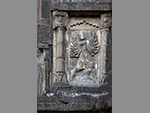 "+
"",
silcharbengali : "শিলচরঃ-শিলচরকে বলা হয় বরাক উপত্যকার হৃদয়। জায়গাটা প্রায়শই বরাক উপত্যকার প্রবেশদ্বার হিসেবে পরিচিত যা, আসামের এক গুরুত্বপূর্ণ শহর। বরাক নদীর তীরে অবস্থিত এই শহর, তার সমৃদ্ধ ইতিহাস, সাংস্কৃতিক বৈচিত্র্য, এবং ভৌগোলিক গুরুত্বের জন্যে সুপরিচিত। এটা কেবল এক বাণিজ্যিক কেন্দ্র নয়, এটা দক্ষিণ আসাম এবং পার্শ্ববর্তী রাজ্য মণিপুর, মিজোরাম এবং ত্রিপুরার সংযোগস্থল হিসেবেও কাজ করে। শিলচর নামটা দুটো শব্দ থেকে এসেছে। শিল মানে পাথর এবং চর মানে নদীর কিনারা বা বালির চর। এর নামকরণ হয়েছিল বরাক নদীর তীরে অবস্থিত পাথরের চরের জন্যে। ব্রিটিশ শাসনামলে, এটা কাছাড় জেলার প্রশাসনিক সদর দপ্তর হিসেবে প্রতিষ্ঠিত হয়। এখানকার অধিকাংশ মানুষ বাঙালি হওয়ায়, বাংলা ভাষা এবং সংস্কৃতি এই অঞ্চলের প্রধান পরিচয়। শিলচরের ইতিহাসে, ১৯ মে, ১৯৬১ সালের ভাষা আন্দোলনের এক বিশেষ স্থান আছে। বাংলা ভাষাকে সরকারি ভাষা হিসেবে স্বীকৃতি দেওয়ার দাবিতে আন্দোলন করতে গিয়ে, ১১ জন বাঙালি যুবক পুলিশের গুলিতে নিহত হন। এই ঘটনা বাঙালি জাতির ইতিহাসে এক গুরুত্বপূর্ণ মাইলস্টোন, এবং প্রতি বছর ১৯ মে তারিখটা শহীদ দিবস হিসেবে পালিত হয়। শিলচর বরাক উপত্যকার কেন্দ্রে অবস্থিত এবং এর তিন দিক পাহাড়ে ঘেরা। শহরটা বরাক নদীর তীরে অবস্থিত হওয়ায়, এটা এক উর্বর সমভূমি অঞ্চলের অংশ। শিলচরের জলবায়ু মূলত আর্দ্র গ্রীষ্মমন্ডলীয়। এখানে গ্রীষ্মকাল অত্যন্ত গরম এবং আর্দ্র হয়, ও বর্ষাকালে প্রচুর বৃষ্টিপাত হয়। শীতকাল তুলনামূলকভাবে শীতল, এবং আরামদায়ক। শিলচর বরাক উপত্যকার প্রধান বাণিজ্যিক কেন্দ্র। এটা পার্শ্ববর্তী রাজ্য মণিপুর, মিজোরাম এবং ত্রিপুরার সঙ্গে বাণিজ্যিক সম্পর্ক বজায় রাখে। এখানকার অর্থনীতি মূলত কৃষি, বাণিজ্য, এবং সরকারি চাকরীর উপর নির্ভরশীল। চা বাগান এখানকার অর্থনীতির এক গুরুত্বপূর্ণ অংশ। শিক্ষার দিক থেকে শিলচর এক গুরুত্বপূর্ণ কেন্দ্র। এখানে রয়েছে আসাম বিশ্ববিদ্যালয় নামে এক কেন্দ্রীয় বিশ্ববিদ্যালয়, এবং উত্তর-পূর্ব ভারতের অন্যতম সেরা উচ্চশিক্ষা প্রতিষ্ঠান। এছাড়া, শিলচরে ন্যাশনাল ইন্সটিটিউট অফ টেকনোলজির এক শাখা রয়েছে, যা সারা ভারত থেকে শিক্ষার্থীদের আকর্ষণ করে। এই প্রতিষ্ঠানগুলো শহরকে এক গুরুত্বপূর্ণ শিক্ষাকেন্দ্রে পরিণত করেছে।শিলচরের সংস্কৃতি মূলত বাঙালি সংস্কৃতি দ্বারা প্রভাবিত। এখানকার মানুষ প্রধানত বাংলা ভাষায় কথা বলে, এবং দুর্গাপুজো, কালীপুজো, এবং রবীন্দ্র জয়ন্তীর মতো উৎসবগুলো অত্যন্ত উদ্দীপনার সঙ্গে পালন করে। স্থানীয় রীতিনীতি এবং সাংস্কৃতিক অনুষ্ঠানে বাংলা লোকগান, নৃত্য এবং নাটক এক গুরুত্বপূর্ণ ভূমিকা পালন করে। শিলচরে বিভিন্ন জাতিগোষ্ঠীর মানুষ একসঙ্গে বসবাস করে, যেমন বাঙালি, মণিপুরী, অসমিয়া, এবং বিভিন্ন উপজাতি গোষ্ঠী। এই সাংস্কৃতিক বৈচিত্র্য শহরকে এক অনন্য পরিচয় দিয়েছে। শিলচরে খুব বেশি পর্যটন স্থান না থাকলেও, এর আশেপাশে কিছু আকর্ষণীয় স্থান রয়েছে যা পর্যটকদের আকর্ষণ করে যেমন খাসপুর, মণিহরণ টানেল, ইসকন মন্দির, গান্ধী পার্ক, ডলু লেক, বাদারপুর ফোর্ট, কাঞ্চন দেবী মন্দির, ভুবনেশ্বর মন্দির ইত্যাদি। শিলচর কেবল একটা শহর নয়, এটা ইতিহাস, সংস্কৃতি, এবং প্রাকৃতিক সৌন্দর্যের এক অনন্য মিশ্রণ। এটা বরাক উপত্যকার মানুষের পরিচয় এবং আবেগ ধারণ করে, এবং একই সাথে উত্তর-পূর্ব ভারতের উন্নয়নে এক গুরুত্বপূর্ণ ভূমিকা পালন করে। "+
"Read More..."+
"
"+
"",
silcharbengali : "শিলচরঃ-শিলচরকে বলা হয় বরাক উপত্যকার হৃদয়। জায়গাটা প্রায়শই বরাক উপত্যকার প্রবেশদ্বার হিসেবে পরিচিত যা, আসামের এক গুরুত্বপূর্ণ শহর। বরাক নদীর তীরে অবস্থিত এই শহর, তার সমৃদ্ধ ইতিহাস, সাংস্কৃতিক বৈচিত্র্য, এবং ভৌগোলিক গুরুত্বের জন্যে সুপরিচিত। এটা কেবল এক বাণিজ্যিক কেন্দ্র নয়, এটা দক্ষিণ আসাম এবং পার্শ্ববর্তী রাজ্য মণিপুর, মিজোরাম এবং ত্রিপুরার সংযোগস্থল হিসেবেও কাজ করে। শিলচর নামটা দুটো শব্দ থেকে এসেছে। শিল মানে পাথর এবং চর মানে নদীর কিনারা বা বালির চর। এর নামকরণ হয়েছিল বরাক নদীর তীরে অবস্থিত পাথরের চরের জন্যে। ব্রিটিশ শাসনামলে, এটা কাছাড় জেলার প্রশাসনিক সদর দপ্তর হিসেবে প্রতিষ্ঠিত হয়। এখানকার অধিকাংশ মানুষ বাঙালি হওয়ায়, বাংলা ভাষা এবং সংস্কৃতি এই অঞ্চলের প্রধান পরিচয়। শিলচরের ইতিহাসে, ১৯ মে, ১৯৬১ সালের ভাষা আন্দোলনের এক বিশেষ স্থান আছে। বাংলা ভাষাকে সরকারি ভাষা হিসেবে স্বীকৃতি দেওয়ার দাবিতে আন্দোলন করতে গিয়ে, ১১ জন বাঙালি যুবক পুলিশের গুলিতে নিহত হন। এই ঘটনা বাঙালি জাতির ইতিহাসে এক গুরুত্বপূর্ণ মাইলস্টোন, এবং প্রতি বছর ১৯ মে তারিখটা শহীদ দিবস হিসেবে পালিত হয়। শিলচর বরাক উপত্যকার কেন্দ্রে অবস্থিত এবং এর তিন দিক পাহাড়ে ঘেরা। শহরটা বরাক নদীর তীরে অবস্থিত হওয়ায়, এটা এক উর্বর সমভূমি অঞ্চলের অংশ। শিলচরের জলবায়ু মূলত আর্দ্র গ্রীষ্মমন্ডলীয়। এখানে গ্রীষ্মকাল অত্যন্ত গরম এবং আর্দ্র হয়, ও বর্ষাকালে প্রচুর বৃষ্টিপাত হয়। শীতকাল তুলনামূলকভাবে শীতল, এবং আরামদায়ক। শিলচর বরাক উপত্যকার প্রধান বাণিজ্যিক কেন্দ্র। এটা পার্শ্ববর্তী রাজ্য মণিপুর, মিজোরাম এবং ত্রিপুরার সঙ্গে বাণিজ্যিক সম্পর্ক বজায় রাখে। এখানকার অর্থনীতি মূলত কৃষি, বাণিজ্য, এবং সরকারি চাকরীর উপর নির্ভরশীল। চা বাগান এখানকার অর্থনীতির এক গুরুত্বপূর্ণ অংশ। শিক্ষার দিক থেকে শিলচর এক গুরুত্বপূর্ণ কেন্দ্র। এখানে রয়েছে আসাম বিশ্ববিদ্যালয় নামে এক কেন্দ্রীয় বিশ্ববিদ্যালয়, এবং উত্তর-পূর্ব ভারতের অন্যতম সেরা উচ্চশিক্ষা প্রতিষ্ঠান। এছাড়া, শিলচরে ন্যাশনাল ইন্সটিটিউট অফ টেকনোলজির এক শাখা রয়েছে, যা সারা ভারত থেকে শিক্ষার্থীদের আকর্ষণ করে। এই প্রতিষ্ঠানগুলো শহরকে এক গুরুত্বপূর্ণ শিক্ষাকেন্দ্রে পরিণত করেছে।শিলচরের সংস্কৃতি মূলত বাঙালি সংস্কৃতি দ্বারা প্রভাবিত। এখানকার মানুষ প্রধানত বাংলা ভাষায় কথা বলে, এবং দুর্গাপুজো, কালীপুজো, এবং রবীন্দ্র জয়ন্তীর মতো উৎসবগুলো অত্যন্ত উদ্দীপনার সঙ্গে পালন করে। স্থানীয় রীতিনীতি এবং সাংস্কৃতিক অনুষ্ঠানে বাংলা লোকগান, নৃত্য এবং নাটক এক গুরুত্বপূর্ণ ভূমিকা পালন করে। শিলচরে বিভিন্ন জাতিগোষ্ঠীর মানুষ একসঙ্গে বসবাস করে, যেমন বাঙালি, মণিপুরী, অসমিয়া, এবং বিভিন্ন উপজাতি গোষ্ঠী। এই সাংস্কৃতিক বৈচিত্র্য শহরকে এক অনন্য পরিচয় দিয়েছে। শিলচরে খুব বেশি পর্যটন স্থান না থাকলেও, এর আশেপাশে কিছু আকর্ষণীয় স্থান রয়েছে যা পর্যটকদের আকর্ষণ করে যেমন খাসপুর, মণিহরণ টানেল, ইসকন মন্দির, গান্ধী পার্ক, ডলু লেক, বাদারপুর ফোর্ট, কাঞ্চন দেবী মন্দির, ভুবনেশ্বর মন্দির ইত্যাদি। শিলচর কেবল একটা শহর নয়, এটা ইতিহাস, সংস্কৃতি, এবং প্রাকৃতিক সৌন্দর্যের এক অনন্য মিশ্রণ। এটা বরাক উপত্যকার মানুষের পরিচয় এবং আবেগ ধারণ করে, এবং একই সাথে উত্তর-পূর্ব ভারতের উন্নয়নে এক গুরুত্বপূর্ণ ভূমিকা পালন করে। "+
"Read More..."+
" "+
"
"+
" "+
"
"+
" "+
"
"+
"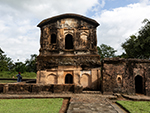 "+
"
"+
" "+
"
"+
" "+
"
"+
" "+
"
"+
" "+
"",
hajobengali : "হাজোঃ-কামরূপ জেলার গৌহাটি শহর থেকে ২৪ কিলোমিটার দূরে অবস্থিত, প্রাচীন তীর্থস্থান হাজো, তার ঐতিহ্যবাহী ধর্মীয় উপাসনালয়গুলোর কারণে, সকলের কাছেই সম্মানিত। উত্তর-পূর্ব ভারতে, হাজো সম্ভবত একমাত্র স্থান যেখানে ভারতের তিনটে প্রধান ধর্মের, হিন্দু, মুসলিম এবং বৌদ্ধ, মন্দির রয়েছে। ঐতিহাসিক ও সাংস্কৃতিক গুরুত্বের কারণে, বাংলা সাহিত্যে আসামের হাজোর এক বিশেষ মর্যাদা রয়েছে। হাজোকে প্রায়শই কামরূপের পুণ্যভূমি হিসেবে বর্ণনা করা হয়, যেখানে হিন্দু, বৌদ্ধ ও মুসলিম, এই তিন ধর্মের মিলন ঘটেছে। এটা যেন প্রাচীন কামরূপের এক জীবন্ত ইতিহাস, যেখানে বিভিন্ন সময়ের রাজারা, বিশেষ করে কোচ এবং অহোম রাজবংশ, তাদের স্থাপত্য ও সংস্কৃতির ছাপ রেখে গেছেন।পৌরাণিক ও ঐতিহাসিক পটভূমির নিরিখে, হাজোর নাম বিভিন্ন পুরাণ ও ঐতিহাসিক গ্রন্থে পাওয়া যায়। যোগিনী তন্ত্র এবং কালিকা পুরাণের মতো প্রাচীন ধর্মগ্রন্থগুলোতে হাজোর উল্লেখ রয়েছে। কালিকা পুরাণ অনুসারে, এটা সেই স্থান, যেখানে ভগবান বিষ্ণু হয়গ্রীব রূপ ধারণ করে, জ্বরাসুর এবং অন্যান্য অসুরদের বধ করেছিলেন। এই স্থান একসময় বিষ্ণুপুষ্কর নামেও পরিচিত ছিল। এখানকার সবচেয়ে বিখ্যাত মন্দির হলো হয়গ্রীব মাধব মন্দির, যা মণিপর্বত নামে এক পাহাড়ের মাথায় অবস্থিত। যদিও এই মন্দির বহুবার পুনর্নির্মিত হয়েছে, তা সত্যেও এর স্থাপত্যশৈলীতে প্রাচীন কামরূপী শিল্পকলার ছাপ সুস্পষ্ট। মন্দিরের গায়ে বিষ্ণুর দশাবতারের ভাস্কর্য দেখা যায়, যার মধ্যে নবম অবতার হিসেবে বুদ্ধের মূর্তি বিশেষভাবে উল্লেখযোগ্য। মন্দিরটা সম্ভবত ১৫৮৩ সালে রাজা রুদ্রদেব নারায়ণ কর্তৃক নির্মিত হয়েছিল। আবার কারুর মতে, ষষ্ঠ শতাব্দীতে পাল রাজবংশের একজন রাজা এটা নির্মাণ করেছিলেন। বৌদ্ধ বিশ্বাস অনুসারে, মন্দিরটা সেই স্থানে তৈরি হয়েছে, যেখানে ভগবান বুদ্ধ নির্বাণ লাভ করেছিলেন। তাই এই মন্দির বৌদ্ধ এবং হিন্দু উভয়ের জন্যেই সমানভাবে আকর্ষণীয়।স্থাপত্য ও সাংস্কৃতিক ঐতিহ্যের নিরিখে, হাজোর স্থাপত্য কেবল হিন্দু মন্দিরের মধ্যেই সীমাবদ্ধ নয়। এখানে রয়েছে এক সুপ্রাচীন মসজিদও, যা পোয়া মক্কা নামে পরিচিত। এই মসজিদ নিয়ে এক লোককথা প্রচলিত আছে যে, এখানে ভ্রমণ করলে, মক্কার হজ যাত্রার এক-চতুর্থাংশ পুণ্য করা যায়। এর ফলে, যারা হজ করতে সক্ষম নন, তারা এখানে এসে পুণ্য লাভ করেন। গরুরাচল পাহাড়ের ওপরে অবস্থিত এই মসজিদ, মক্কার মসজিদ তৈরিতে ব্যবহৃত মাটি দিয়ে নির্মিত বলে বিশ্বাস করা হয়। দক্ষিণ এশিয়ার দেশগুলোতে ইসলাম ধর্মের প্রতিষ্ঠাতা পীর গিয়াসউদ্দিন আউলিয়ার পবিত্র সমাধি রয়েছে এই মসজিদে। পোয়া মক্কা ১৬৫৭ খ্রিস্টাব্দে মুঘল সম্রাট শাহজাহানের রাজত্বকালে সুজাউদ্দিন মোহাম্মদ শাহ দ্বারা নির্মিত হয়েছিল।আসামের লোকসাহিত্যে, বিশেষ করে লোকগীতিতে, হাজোর উল্লেখ প্রায়ই পাওয়া যায়। স্থানীয় কবি এবং লেখকরা তাদের রচনায় এই স্থানের সৌন্দর্য, ধর্মীয় গুরুত্ব, এবং সাধারণ মানুষের জীবনযাত্রার চিত্র তুলে ধরেছেন। বিখ্যাত অসমিয়া কবি অনন্ত কন্দলি, তাঁর কাব্যে হাজোকে পবিত্র উত্তম স্থান বলে বর্ণনা করেছেন। লোককথা অনুসারে, হাজো নামটা এসেছে হাযোগ থেকে, যা মহাদেব শিবের মুখ থেকে উচ্চারিত হয়েছিল বলে মনে করা হয়। আবার কেউ কেউ মনে করেন, হা মানে মাটি এবং জো মানে উঁচু এই দুটো শব্দ থেকে এর নামকরণ হয়েছে, অর্থাৎ উঁচু ভূমি। এই স্থান কেবল ধর্মীয় কেন্দ্র নয়, এটা অসমিয়া সংস্কৃতি ও সাহিত্যের এক গুরুত্বপূর্ণ অংশ।হাজোতে অন্যান্য দর্শনীয় স্থানগুলোর মধ্যে কেদারেশ্বর মন্দির বা ঘণ্টা তৈরির স্থান, ভীমের চারিয়া বা পৌরাণিক কাহিনী অনুসারে, মহাভারতের পাণ্ডবরা তাদের অজ্ঞাতবাসের সময় এখানে আশ্রয় নিয়েছিলেন। শুধু তাই নয় এই ভ্রমণে স্থানীয় শিল্প ও সংস্কৃতির এক ঝলকও দেখতে পাওয়া যায়। "+
"Read More..."+
"
"+
"",
hajobengali : "হাজোঃ-কামরূপ জেলার গৌহাটি শহর থেকে ২৪ কিলোমিটার দূরে অবস্থিত, প্রাচীন তীর্থস্থান হাজো, তার ঐতিহ্যবাহী ধর্মীয় উপাসনালয়গুলোর কারণে, সকলের কাছেই সম্মানিত। উত্তর-পূর্ব ভারতে, হাজো সম্ভবত একমাত্র স্থান যেখানে ভারতের তিনটে প্রধান ধর্মের, হিন্দু, মুসলিম এবং বৌদ্ধ, মন্দির রয়েছে। ঐতিহাসিক ও সাংস্কৃতিক গুরুত্বের কারণে, বাংলা সাহিত্যে আসামের হাজোর এক বিশেষ মর্যাদা রয়েছে। হাজোকে প্রায়শই কামরূপের পুণ্যভূমি হিসেবে বর্ণনা করা হয়, যেখানে হিন্দু, বৌদ্ধ ও মুসলিম, এই তিন ধর্মের মিলন ঘটেছে। এটা যেন প্রাচীন কামরূপের এক জীবন্ত ইতিহাস, যেখানে বিভিন্ন সময়ের রাজারা, বিশেষ করে কোচ এবং অহোম রাজবংশ, তাদের স্থাপত্য ও সংস্কৃতির ছাপ রেখে গেছেন।পৌরাণিক ও ঐতিহাসিক পটভূমির নিরিখে, হাজোর নাম বিভিন্ন পুরাণ ও ঐতিহাসিক গ্রন্থে পাওয়া যায়। যোগিনী তন্ত্র এবং কালিকা পুরাণের মতো প্রাচীন ধর্মগ্রন্থগুলোতে হাজোর উল্লেখ রয়েছে। কালিকা পুরাণ অনুসারে, এটা সেই স্থান, যেখানে ভগবান বিষ্ণু হয়গ্রীব রূপ ধারণ করে, জ্বরাসুর এবং অন্যান্য অসুরদের বধ করেছিলেন। এই স্থান একসময় বিষ্ণুপুষ্কর নামেও পরিচিত ছিল। এখানকার সবচেয়ে বিখ্যাত মন্দির হলো হয়গ্রীব মাধব মন্দির, যা মণিপর্বত নামে এক পাহাড়ের মাথায় অবস্থিত। যদিও এই মন্দির বহুবার পুনর্নির্মিত হয়েছে, তা সত্যেও এর স্থাপত্যশৈলীতে প্রাচীন কামরূপী শিল্পকলার ছাপ সুস্পষ্ট। মন্দিরের গায়ে বিষ্ণুর দশাবতারের ভাস্কর্য দেখা যায়, যার মধ্যে নবম অবতার হিসেবে বুদ্ধের মূর্তি বিশেষভাবে উল্লেখযোগ্য। মন্দিরটা সম্ভবত ১৫৮৩ সালে রাজা রুদ্রদেব নারায়ণ কর্তৃক নির্মিত হয়েছিল। আবার কারুর মতে, ষষ্ঠ শতাব্দীতে পাল রাজবংশের একজন রাজা এটা নির্মাণ করেছিলেন। বৌদ্ধ বিশ্বাস অনুসারে, মন্দিরটা সেই স্থানে তৈরি হয়েছে, যেখানে ভগবান বুদ্ধ নির্বাণ লাভ করেছিলেন। তাই এই মন্দির বৌদ্ধ এবং হিন্দু উভয়ের জন্যেই সমানভাবে আকর্ষণীয়।স্থাপত্য ও সাংস্কৃতিক ঐতিহ্যের নিরিখে, হাজোর স্থাপত্য কেবল হিন্দু মন্দিরের মধ্যেই সীমাবদ্ধ নয়। এখানে রয়েছে এক সুপ্রাচীন মসজিদও, যা পোয়া মক্কা নামে পরিচিত। এই মসজিদ নিয়ে এক লোককথা প্রচলিত আছে যে, এখানে ভ্রমণ করলে, মক্কার হজ যাত্রার এক-চতুর্থাংশ পুণ্য করা যায়। এর ফলে, যারা হজ করতে সক্ষম নন, তারা এখানে এসে পুণ্য লাভ করেন। গরুরাচল পাহাড়ের ওপরে অবস্থিত এই মসজিদ, মক্কার মসজিদ তৈরিতে ব্যবহৃত মাটি দিয়ে নির্মিত বলে বিশ্বাস করা হয়। দক্ষিণ এশিয়ার দেশগুলোতে ইসলাম ধর্মের প্রতিষ্ঠাতা পীর গিয়াসউদ্দিন আউলিয়ার পবিত্র সমাধি রয়েছে এই মসজিদে। পোয়া মক্কা ১৬৫৭ খ্রিস্টাব্দে মুঘল সম্রাট শাহজাহানের রাজত্বকালে সুজাউদ্দিন মোহাম্মদ শাহ দ্বারা নির্মিত হয়েছিল।আসামের লোকসাহিত্যে, বিশেষ করে লোকগীতিতে, হাজোর উল্লেখ প্রায়ই পাওয়া যায়। স্থানীয় কবি এবং লেখকরা তাদের রচনায় এই স্থানের সৌন্দর্য, ধর্মীয় গুরুত্ব, এবং সাধারণ মানুষের জীবনযাত্রার চিত্র তুলে ধরেছেন। বিখ্যাত অসমিয়া কবি অনন্ত কন্দলি, তাঁর কাব্যে হাজোকে পবিত্র উত্তম স্থান বলে বর্ণনা করেছেন। লোককথা অনুসারে, হাজো নামটা এসেছে হাযোগ থেকে, যা মহাদেব শিবের মুখ থেকে উচ্চারিত হয়েছিল বলে মনে করা হয়। আবার কেউ কেউ মনে করেন, হা মানে মাটি এবং জো মানে উঁচু এই দুটো শব্দ থেকে এর নামকরণ হয়েছে, অর্থাৎ উঁচু ভূমি। এই স্থান কেবল ধর্মীয় কেন্দ্র নয়, এটা অসমিয়া সংস্কৃতি ও সাহিত্যের এক গুরুত্বপূর্ণ অংশ।হাজোতে অন্যান্য দর্শনীয় স্থানগুলোর মধ্যে কেদারেশ্বর মন্দির বা ঘণ্টা তৈরির স্থান, ভীমের চারিয়া বা পৌরাণিক কাহিনী অনুসারে, মহাভারতের পাণ্ডবরা তাদের অজ্ঞাতবাসের সময় এখানে আশ্রয় নিয়েছিলেন। শুধু তাই নয় এই ভ্রমণে স্থানীয় শিল্প ও সংস্কৃতির এক ঝলকও দেখতে পাওয়া যায়। "+
"Read More..."+
" "+
"
"+
" "+
"
"+
" "+
"
"+
" "+
"
"+
" "+
"
"+
" "+
"
"+
" "+
"
"+
"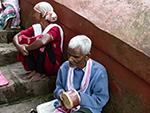 "+
"",
haflongbengali : "হাফলংঃ-হাফলং হল আসাম রাজ্যের ডিমা হাসাও জেলার সদর দপ্তর এবং একটা শহর। এটা আসামের একমাত্র পাহাড়ি জায়গা। শহরের উচ্চতা ৯৬৬ মিটার বা ৩১৮৮ ফুট, যার ফলে গ্রীষ্ম ও শীত সবসময়ই আবহাওয়া মনোরম থাকে। হাফলং নামটা ডিমাসা শব্দ থেকে এসেছে যার অর্থ সাদা পিঁপড়ের টিলা। হাফলংয়ের সবুজ ঢালু পাহাড়, সরু উপত্যকা, ঝর্ণা, বনাঞ্চল ইত্যাদি তৈরি করে এক মনোরম দৃশ্য। হাফলং লেক শহরের কেন্দ্রে অবস্থিত সবচেয়ে বড় মিষ্টি জলের উৎস। লেকের ওপর একটা ঝুলন্ত সেতু রয়েছে, যার ফলে পুরো দৃশ্যাবলী চিত্রানুগ দেখায়। হাফলং-এ বিভিন্ন জাতিগোষ্ঠী বাস করে, যার মধ্যে রয়েছে ডিমাসা, নাগা, হমার এবং মিজো। এরা সবাই নিজেদের সাথে সুসম্পর্ক বজায় রেখে সহাবস্থান করে। প্রধান বাজার, বিশেষ করে শনিবারে প্রাণবন্ত হয়ে ওঠে। বাজারে সুপুরি, কলা এবং ফুলের মতো স্থানীয় পণ্য কেনাবেচা হয়। এই শহরটা জাতিঙ্গার মতো কাছাকাছি আকর্ষণের জন্যেও পরিচিত, যেখানে রহস্যজনকভাবে পরিযায়ী পাখিদের মৃত্যুর ঘটনা ঘটে। ডিমাসা কাছারি রাজ্যের প্রাচীন রাজধানী মাইবং এখান থেকে ৪৭ কিলোমিটার দূরে অবস্থিত। সেখানে পূর্ববর্তী রাজ্যের ধ্বংসাবশেষ রয়েছে, যার মধ্যে পাথরের বাড়ি এবং মন্দির উল্লেখযোগ্য। হাফলং গৌহাটি এবং শিলচর থেকে সরাসরি ট্রেনে যাতায়াত করা যায়। শহরের রেলস্টেশনের নাম নিউ হাফলং, যা শহর থেকে ৩ কিলোমিটার দূরে অবস্থিত। হাফলংয়ের অনন্য প্রাকৃতিক বৈশিষ্ট্য রয়েছে, যার মধ্যে লেক, পাহাড়, জঙ্গল, এবং আদিবাসী গ্রাম, এটাকে আসামের একটা স্বতন্ত্র গন্তব্যস্থল করে তুলেছে। "+
"Read More..."+
"
"+
"",
haflongbengali : "হাফলংঃ-হাফলং হল আসাম রাজ্যের ডিমা হাসাও জেলার সদর দপ্তর এবং একটা শহর। এটা আসামের একমাত্র পাহাড়ি জায়গা। শহরের উচ্চতা ৯৬৬ মিটার বা ৩১৮৮ ফুট, যার ফলে গ্রীষ্ম ও শীত সবসময়ই আবহাওয়া মনোরম থাকে। হাফলং নামটা ডিমাসা শব্দ থেকে এসেছে যার অর্থ সাদা পিঁপড়ের টিলা। হাফলংয়ের সবুজ ঢালু পাহাড়, সরু উপত্যকা, ঝর্ণা, বনাঞ্চল ইত্যাদি তৈরি করে এক মনোরম দৃশ্য। হাফলং লেক শহরের কেন্দ্রে অবস্থিত সবচেয়ে বড় মিষ্টি জলের উৎস। লেকের ওপর একটা ঝুলন্ত সেতু রয়েছে, যার ফলে পুরো দৃশ্যাবলী চিত্রানুগ দেখায়। হাফলং-এ বিভিন্ন জাতিগোষ্ঠী বাস করে, যার মধ্যে রয়েছে ডিমাসা, নাগা, হমার এবং মিজো। এরা সবাই নিজেদের সাথে সুসম্পর্ক বজায় রেখে সহাবস্থান করে। প্রধান বাজার, বিশেষ করে শনিবারে প্রাণবন্ত হয়ে ওঠে। বাজারে সুপুরি, কলা এবং ফুলের মতো স্থানীয় পণ্য কেনাবেচা হয়। এই শহরটা জাতিঙ্গার মতো কাছাকাছি আকর্ষণের জন্যেও পরিচিত, যেখানে রহস্যজনকভাবে পরিযায়ী পাখিদের মৃত্যুর ঘটনা ঘটে। ডিমাসা কাছারি রাজ্যের প্রাচীন রাজধানী মাইবং এখান থেকে ৪৭ কিলোমিটার দূরে অবস্থিত। সেখানে পূর্ববর্তী রাজ্যের ধ্বংসাবশেষ রয়েছে, যার মধ্যে পাথরের বাড়ি এবং মন্দির উল্লেখযোগ্য। হাফলং গৌহাটি এবং শিলচর থেকে সরাসরি ট্রেনে যাতায়াত করা যায়। শহরের রেলস্টেশনের নাম নিউ হাফলং, যা শহর থেকে ৩ কিলোমিটার দূরে অবস্থিত। হাফলংয়ের অনন্য প্রাকৃতিক বৈশিষ্ট্য রয়েছে, যার মধ্যে লেক, পাহাড়, জঙ্গল, এবং আদিবাসী গ্রাম, এটাকে আসামের একটা স্বতন্ত্র গন্তব্যস্থল করে তুলেছে। "+
"Read More..."+
" "+
"
"+
" "+
"
"+
" "+
"
"+
" "+
"
"+
" "+
"
"+
" "+
"
"+
" "+
"
"+
" "+
"",
headingbengali : "আসাম",
headingenglish : "ASSAM",
};
"+
"",
headingbengali : "আসাম",
headingenglish : "ASSAM",
};